“IF YOU THINK YOU ARE BETTER NOW, DON’T FORGET THERE IS SOMEONE, SOMEWHERE BEST THAN YOU.”
In life we always have reasons and excuses to hide our mistakes and weakness but, when it comes to our personality and lifestyles we always had new ideas to be best. Reinventing does’nt mean to change your life for society or people but, to change your weakness and to improve your life, habits and living for yourself.
IT’s NEVER LATE TO BE BETTER THAN WHAT YOU ARE…
There are people with a reason that ‘we are happy for what we are, we don’t have to change ourself for others.’ Yes, I admire their thoughts and confidence and I am one of them only. With time i realised it’s wrong to change yourself for others but, there is nothing wrong in improving ourself to be a better personality. There is difference between changing and improving and everyone has to know and realise it sooner or later. You don’t have to be one of ‘them’, you have to better own self and choose your way to be better. Just like a fis moving out of crowd to another pond for own survival and betterment.
AN EMPTY START IS BETTER THAN STICKING TO CROWD…
I am not asking you to leave your society and move alone but, to start a step to improve your bad habits, weakness, persona and life to be better and trust me you will find new ‘You’ and there will people wanting to be like you. If improving yourself is better than changing yourself so do not hesitate to take a step. Explore now and start a day with one thought to improve yourself so that, you can reinvent the hidden better ‘You’.
Over the years, Amul, one of the most beloved brands of our country, has become the taste of India, just as its tagline claims. Every Indian millennial has grown up listening to the jingles of its many dairy products, and the Amul girl, the brand’s mascot in the polka-dotted dress, has become a nostalgia-evoking symbol. Amul has truly come a long way since its founding in 1946.
The beginning
Amul was formed as a part of a cooperative movement against Polson Dairy in Anand, Gujarat, which procured milk from local farmers of Kaira District at very low rates and sold it to the then Bombay government. Everyone except the farmers benefited from this trade. The farmers took their plea to Sardar Patel, who had advocated farmers’ cooperatives since 1942. The result was the formation of the Kaira District Co-operative Milk Producers’ Union Limited in Anand.
The union started pasteurising milk produced by a handful of farmers for the Bombay Milk Scheme and grew to 432 farmers by the end of 1948. The rapid growth led to problems including excess production that the Bombay Milk Scheme couldn’t accommodate. To solve this issue, a plant was set up to process all that extra milk into products such as milk powder and butter.
Amul is born
The late Dr. Verghese Kurien, rightly called the Milkman of India, was Amul’s true architect. His journey at Amul began in 1949 when he arrived in Anand to manage a dairy as a government employee. He went from helping farmers repair machinery to revolutionising India’s dairy industry with the White Revolution (or Operation Flood), the largest dairy development programme in the world.
The new dairy with the milk processing plant was ready for operation in October 1955, the year that also saw a breakthrough in dairy technology —buffalo milk was processed to make products for the first time in the world. The word ‘Amul’, derived from ‘Amulya’, which means ‘precious’ or ‘priceless’ in Sanskrit, was used to market the range of milk products developed by the Kaira Union. It is also an acronym for Anand Milk Union Ltd.
Dr Kurien had a vision. He wanted to offer small-scale dairy farmers quality-control units and centralised marketing, which were missing at the time in the dairy economy. Thus, the Gujarat Cooperative Milk Marketing Federation (GCMMF) was created in 1973 to market milk and all milk products produced by six district cooperative unions in Gujarat. GCMMF is the largest exporter of dairy products in India and Amul is the umbrella for all of its products.
Awards, accolades, and a global presence
Over the years, Amul, together with GCMMF, has won numerous awards. Some of these include the Rajiv Gandhi National Quality Award, 1999; the Golden Trophy for Outstanding Export Performance, 2009-10; Best Marketing Campaign, 2014; and World Dairy Innovation Award, among many others. Amul earned recognition all over the world when GCMMF introduced it on the Global Dairy Trade (GDT) platform, where only the six top dairy players across the world sell their products.
More than a mere slogan
Amul’s famous slogan, which is now a part of its logo, was created in 1994 by Shri Kanon Krishna of a Mumbai-based advertising agency called Advertising and Sales Promotion (ASP). According to Amul, the Taste of India slogan is more than just corporate positioning or advertising jargon. This slogan lends meaning to the brand’s never-ending commitment to taking quality food and products to the rural man, which he otherwise couldn’t have afforded.
The Butter Girl
Amul did not always have the round-eyed moppet as its mascot. The Butter Girl was born in 1966 when Sylvester daCunha, the then MD of the advertising agency handling Amul butter’s account, created her for its campaign. It was a pleasant change from the dull, corporate ads that the previous agency had come up with. Being a seasoned marketer himself, Dr Kurien gave daCunha complete creative freedom to create and release the ads without taking the company’s permission. 30 years later, the Utterly Butterly Girl still wins hearts wherever she is, whether on a billboard or on the packet of butter.
Amul is not just a brand; it is also a movement that represents farmers’ economic freedom. The name is now a household term that is here to stay, and the chubby-cheeked Amul girl will continue to cast a spell on the public.
A startup is a young company founded by one or more entrepreneurs to develop a unique product or service, bring it to market and make it irresistible and irreplaceable for customers.
Startups are rooted in innovation, addressing the deficiencies of existing products or creating entirely new categories of goods and services, thereby disrupting entrenched ways of thinking and doing business for entire industries.
FACTORS THAT BOOST THE SUCCESS OF A STARTUP
•Expertise of Founder in Domain– An organisation is an artificial person and the founder is the one who determines whether it will survive or not. The founder needs to ensure that he/she has acquired adequate skills and knowledge about the domain and should not just step into it without any prior experience in the specific field. The more experience is held by its founder, more are the chances of its success.
•Passionate and Supporting Team– An organisation needs support of its members. A leader or a manager is nothing without his/her followers or sub-ordinates respectively. They need the support to create wonders. If an organisation is able to find such passionate and supporting employees, then the startup will definitely be able to crate a goodwill in no time.
•Committed and Hard Working Employees– Employee is that asset of an organisation that converts other assets into money. Capital is of use without Human Capital. Committed and Hard working employees don’t work for money but work for the belonging towards organisation. They give their best for success of organisation.
•Innovation– A market where the demand and requirements of consumers changes drastically, a new business needs to bring something new and out of the box that leaves a favorable impact on mind of customers to create a customer base.
•Not letting go even a small opportunity of Growth– A new organisation should grab each opportunity to show its uniqueness. Every opportunity have only two results either success or a learning that can act as a base for future success.
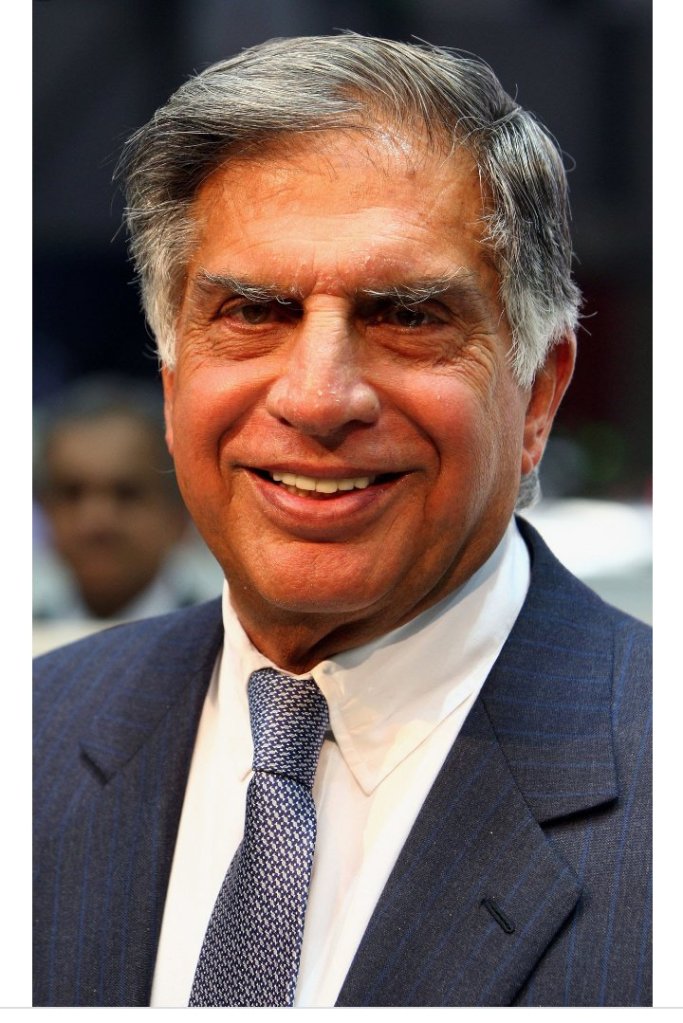
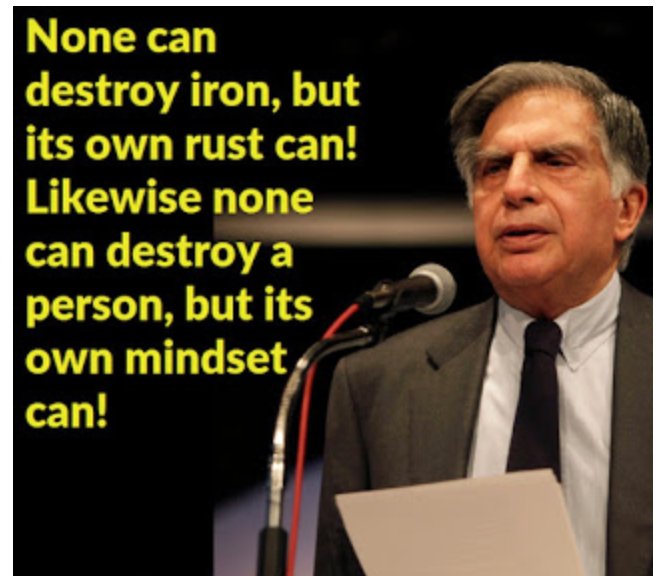
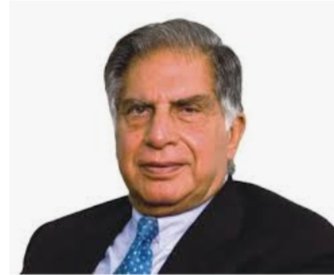
One of the most well-known and respected industrialists in India, Ratan Naval Tata is the Chairman of Tata Sons and Tata Group. At the age of 73, Tata heads one of the country’s largest conglomerates which comprise nearly 100 firms with revenues totaling about USD 67 billion. He is also the chairman of major Tata companies such as Tata Steel, Tata Motors, Tata Teleservices. Power, Tata Consultancy Services, Tata Tea, Tata Chemicals, and The Indian Hotels Company.
Tata was born on December 28, 1937 in Mumbai, in one of the richest families. His great grandfather was Jamsedji Tata, founder of the Tata group. As a young boy, Tata had a disturbed childhood after his parents split. He was raised by his grandmother, Lady Navajbai in the lap of luxury at Tata Palace. America held a special fascination for the Tata scion and he went to Cornell University to study architecture and structural engineering. Later he pursued a management course from Harvard University.
A member of a prominent family of Indian industrialists and philanthropists, he was educated at Cornell University, Ithaca, New York, where he earned a B.S. (1962) in architecture before returning to work in India. He gained experience in a number of Tata Group businesses and was named director in charge (1971) of one of them, the National Radio and Electronics Co. He became chairman of Tata Industries a decade later and in 1991 succeeded his uncle, J.R.D. Tata, as chairman of the Tata Group.
Success is the best revenge, and Ratan Tata is the best example of this line. Once upon a time, Tata group launched his car Tata Indicom in 1998, it was the dream project of Ratan Tata, and he gave a lot of hard work to establish this car, but Indica car fails in the market, and due to this car, TATA motors is in low profit.
Ratan Tata partnership members give advice to Ratan Tata that he should sell his company to get lost money. Ratan Tata did not want to sell his company, but he has no other option left, so he goes to Ford company to sell his company. The headquarter of the Ford company is in America.
With Ford company Ratan Tata and his partners meeting 3 hours. Ford company chairman William Clay Ford Jr. show rude behavior with Ratan Tata. He said to Ratan Tata that if you don’t have any knowledge of this business so why you invest so much money in this indigo car? We just to do a fever to buy your company. These lines hurt Ratan Tata very much, and he takes flight and comes back without selling his company. Ratan Tata does not forget what William Clay Ford Jr. said to him. After that, Ratan Tata decided that he would not sell his company to anyone.
Revenge took by Ratan Tata: Ratan Tata gives all his energy and hard work to stand Tata motor, and his hard work is a success. Tata motor cars selling very fast in the market and earn too much profit. On the other side, the Ford company is going in loss. At the end of 2018, Ford company is in the stage of shutting down. At this time, Ratan Tata proposes Ford company that he will buy Ford luxury cars Jaguar and Range Rover and gave too much money for those cars. William clay ford is in huge loss due to these two cars Range Rover and Jaguar, and he will happily accept the proposed of Ratan Tata. William clay ford will go to the head office of Ratan Tata company with his partners. The past is repeating the same, but the person and place are changed.
In a meeting, the owner of companies decided that 9300 crore rupees Jaguar and Range Rover, are part of the Tata motor company. At this time, William clay ford repeats the line that he says in the past with the few changes he says to Ratan Tata, you can give me a favor to buy Range Rover and Jaguar Cars.
Today Jaguar and Range Rover are part of the Tata motors company and grow with colossal profit day by day. If Ratan Tata wants to shut the mouth of William clay ford in the meeting as remembering his past, he will do it, but he doesn’t do that because Ratan Tata was not in the intoxication of success.
In year 2000, he was honored with Padma Bhushan by the government of India. He was also conferred an honorary doctorate in business administration by Ohio State University, an honorary doctorate in technology by the Asian Institute of Technology, Bangkok, and an honorary doctorate in science by the University of Warwick. Tata has a personal fortune of GBP 300 million and owns less than 1% of the colossal group. Over two thirds of Tata Group is owned by charitable trusts that finance good causes.
Tata set a perfect example of generosity and leadership during the 26/11 attacks. Unarmed he stood all alone outside the Taj hotel and supervised the activities to help the victims. He showcased his humane gesture by personally visiting the families of all the 80 employees who were killed or injured. He left no stone unturned to provide relief to the victims and even asked the families and dependents as to what they wanted him to do.
His also steered plan to provide cheap and clean drinking water and helped a few Pune-based designers develop a sub-Rs 1,000 water purifier, Swach. Design Directions Private Limited took more than three years to make this 560-mm unit for purifying water.
A bachelor in real life, Tata loves privacy and shuns media spotlight. He has only CDs, books and dogs for company. The business baron drives himself to work in an unremarkable Tata sedan.
Elon musk is South African-born American entrepreneur and a business magnate. He is one Billionaire in the world. He is the founder and CEO of SpaceX, CEO of Tesla, founder of Boring company and Co-founder of OpenAI and Neuralink. In this blog, we are going the discuss the success story of Elon Musk.
PERSONAL LIFE
Elon Revee Musk was born on 28 June 1971 in Pretoria, South Africa. His father is Errol Musk, a electromechanical engineer, pilot and a sailor. His mother is Maye Musk, who is a model. From a very young age Elon musk was very interested in computers and programming. At the age of 12, he created a video game and sold it to computer magazines for $500. His friends used to tease him calling introverted child. After his parents divorced in 1980, he used to live with his father. After two years, he estranged from his father.
EDUCATION
Musk studied in Waterkloof House Preparatory school and Bryanston High School before graduating from Pretoria Boys High School.After that his high school, he want to study in America and by knowing that it would be easily to enter in America through Canada. In 1988, Musk applied to Canadian passport through his Canadian born mother after obtaining the passport he left South Africa because of the apartheid system, that force to work in South Africa Military. After arriving in Canada, he was failed to stay with his great-uncle instead of that he stayed at a youth hostel. In 1990, he enrolled in Queen’s University in Kingston, in Ontario. After two years, he transferred to University of Pennsylvania. In 1995, he enrolled in Stanford University to study P.H.D in Material Science. Just after two days, he decide to left Stanford University to start an Internet Startup. In 1997, he graduated from University of Pennsylvania with a bachelor degree in Economics and bachelor of Arts degree in Physics.
BUSINESS CAREER
ZIP2
In 1995, Musk with his brother Kambal and Gred Kouri founded ZIP2 company, which provides map, directions to news paper publishing industries. Musk used to write code all days in a week for zip2. In 1999, Compaq(a computer manufacturing company) bought zip2 for $307 million, in which musk got $22 million for his 7 percent share in ZIP2 company.
X.comand PayPal
In 1999, Musk Co-Founded X.com, which was an online e-mail payment company. Within its initial months, the company eventually reached 200000 customers joined the company. In the same year, X.com merged with Confinity, which had its own money-transfer service PayPal. In 2001, the company renamed as PayPal. In 2002, eBay bought PayPal for $1.5 Billion in stock in which Musk was the largest stakeholder with 11.7 percent and received 100 million.
SpaceX
In February 2002, Musk founded Space Exploration Technologies Corporation traded as SpaceX with his $100 million. In 2006, SpaceX launched there first rocket, Falcon 1 but it failed in just 33 seconds. In 2007, SpaceX launched there second rocket, this due to engine failure the engines shutdown completely and the fail to reach the orbit. Another failure for SpaceX. Then SpaceX launched there third rocket, this time also it failed. The failure almost killed the company. After three failed launches, SpaceX successfully launched there 4 rocket. It was the first privately fueled rocket to reach the earth orbit. After the successful launch, SpaceX received $1.6 Billion for Commercial Resupply Service contract.
TESLA
Tesla motors originally known as Tesla was founded by Martin Eberhard and Marc Terpenning. In 2004, Elon Musk become the funders of Tesla and joined Tesla’s board of directors as a chairman. Musk played an active role in Tesla. In 2008, Musk become the CEO of Tesla. Now Tesla is one of the top company of electric cars.
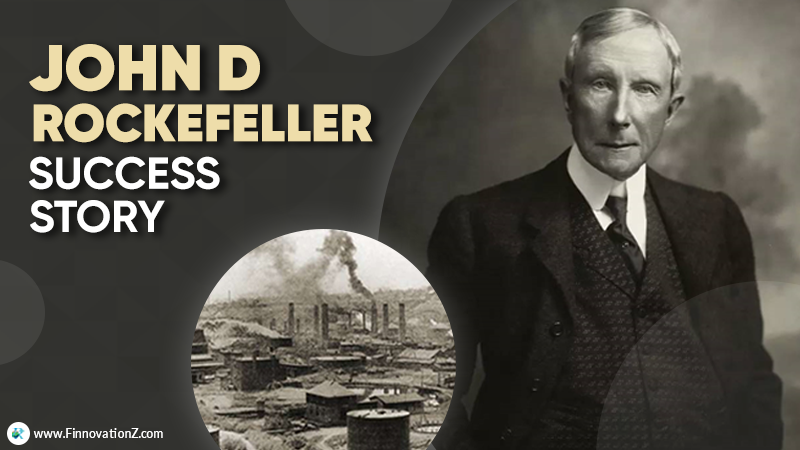
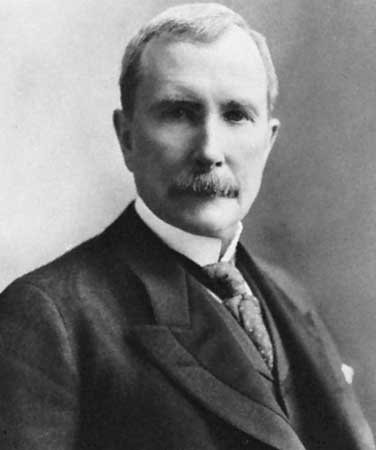
John D. Rockefeller was born July 8, 1839, in Richford, New York, about midway between Binghamton and Ithaca. His father, William Avery Rockefeller, was a “pitch man” — a “doctor” who claimed he could cure cancers and charged up to $25 a treatment. He was gone for months at a time traveling around the West from town to town and would return to wherever the family was living with substantial sums of cash. His mother, Eliza Davison Rockefeller, was very religious and very disciplined. She taught John to work, to save, and to give to charities. From 1852 Rockefeller attended Owego Academy in Owego, New York, where the family had moved in 1851. Rockefeller excelled at mental arithmetic and was able to solve difficult arithmetic problems in his head — a talent that would be very useful to him throughout his business career. In other subjects Rockefeller was an average student but the quality of the education was very high. In 1853, the Rockefellers moved to Cleveland, Ohio, and John attended high school from 1853 to 1855. He was very good at math and was on the debating team. The school encouraged public speaking and even though Rockefeller was only average, it was a skill that would prove to useful to him. Early Business Career: 1855-1863 In the spring of 1855 Rockefeller spent 10 weeks at Folsom’s Commercial College — a “chain College” — where he learned single- and double-entry bookkeeping, penmanship, commercial history, mercantile customs, banking, and exchange. From his father he had learned how to draw up notes and other business papers. His father was very meticulous in matters of business and believed in the sacredness of contracts. In August of 1855, at the age of 16, Rockefeller began looking for work in Cleveland as a bookkeeper or clerk. Business was bad in Cleveland at the time and Rockefeller had problems finding a job. He was always neatly dressed in a dark suit and black tie. Cleveland was not a large city in 1855 and Rockefeller could easily visit every business in under a week’s time. He returned to many businesses three times. Finally, on September 26, 1855, he got a job as an assistant bookkeeper with Hewitt & Tuttle, commission merchants and produce shippers. Rockefeller soon impressed his employers with his seriousness and diligence. He was very exacting and scrupulously honest. For example, he would not write out a false bill of lading under any circumstances. He went to great lengths to collect overdue accounts. He was pleasant, persistent, and patient, and he got the company’s money from the delinquents. During the Civil War their business expanded rapidly. Grain prices went up and so did their commissions. Most of their selling was done on commission, so Clark & Rockefeller took no risks from price fluctuations. Rockefeller’s style was very precise and calculated. He was not a gambler but a planner. He avoided speculation and refused to make advances or loans. Rockefeller was extremely hard working. He traveled extensively, drumming up business throughout Ohio, and then would go to the banks and borrow large sums of money to handle the shipments. This aggressive style built the business up every year.
However, by the early 1860s, Rockefeller realized that the future of the commission merchant business in Cleveland was going to be limited. He had become convinced that the railroads were going to become the primary means of transportation for agricultural commodities. This would be to the disadvantage of Cleveland, because its position as an important Lake Erie port was its primary transportation advantage. He saw that the rising grain output of the Midwest and the Northwest of J. J. Hill would change the nature of the business for good. The huge elevators on Lake Michigan and the flour-millers of Minneapolis would be the dominant players in the business. Rockefeller came to believe that the future of Cleveland lay in the collection and shipment of raw industrial materials — not agricultural commodities. This would allow Cleveland to exploit its geographical advantages — mid-way between the Eastern seaboard and Chicago — and accessible to both rail and water transportation. He saw his chance in 1863 — Rockefeller Exits: 1892-1897 During 1891-92 all the evidence suggests that Rockefeller had a partial nervous breakdown from overwork. He lost all of his hair, including his eyebrows, and suffered from ill health in the early 1890s. During this period Rockefeller’s wealth had increased to such an extent that his major problem was what to do with it all. He solved this problem by hiring Frederick T. Gates in September of 1891 as a full-time manager of his fortune. By this time, Rockefeller was literally inundated with appeals from individuals and charities for funds. Gates not only removed this burden; he also oversaw all of Rockefeller’s investments, which were becoming huge in their own right. For example, by 1897 Rockefeller owned large holdings of the Missabe iron range in Minnesota, a railroad to carry the ore to Lake Superior, and a fleet of huge ore-carrying lake steamers. In 1901 Rockefeller sold his iron ore-related business to J.P. Morgan for $80,000,000 with an estimated profit of at least $50,000,000 — a huge fortune in its own right, but it was just one of his investments. Morgan added the Rockefeller properties to the U.S. Steel Corporation. By 1896, Rockefeller stopped going to his office daily and in 1897 he retired, at the age of 58. He took part in some management activity until 1899 but none to speak of thereafter. John Archbold ran Standard Oil from the mid-1890s onward. Archbold disliked prominence and asked Rockefeller to remain as the nominal president of Standard. Not publicly announcing his retirement was a great mistake on Rockefeller’s part. Rockefeller had resisted the temptation to exploit the Standard’s near-monopoly position by raising prices “too” much. Although Rockefeller’s pricing policies did result in some “monopoly profits” for the Standard, they were fairly mild. Not so Archbold. He raised prices aggressively, and the dividends rolled in. The consequence was that Rockefeller got all the blame for the policies even though he had almost no further role in management. Retirement and Philanthropy From the mid-1890s until his death in 1937, Rockefeller’s activities were philanthropic. Rockefeller’s fortune peaked in 1912 at almost $900,000,000, but by that time he had already given away hundreds of millions of dollars. His son, John D. Rockefeller, Jr. in 1897 joined Gates in the full time management of the fortune. The University of Chicago — which Rockefeller was largely responsible for creating — alone received $75,000,000 by 1932. He set up, at the urging of his son, the Rockefeller Institute for Medical Research (now Rockefeller University) and his gifts to it totaled $50,000,000 by the 1930s. He founded the General Education Board in 1903 (later the Rockefeller Foundation). The General Education Board helped to establish high schools throughout the South by providing free professional advice on improving instruction and education. The effort was a cooperative one, and local money was used to build the high schools. In 1919, Rockefeller donated $50,000,000 to the Board to raise academic salaries, which were very low in the wake of WWI. The Rockefeller Foundation was officially established in 1913 and Rockefeller transferred $235,000,000 to it by 1929. In 1909, Rockefeller established the Rockefeller Sanitary Commission which was largely responsible for eradicating hookworm in the South by 1927. When Rockefeller died, on May 23, 1937, his estate totaled only $26,410,837. He had given most of his property to his philanthropies and to his son and other heirs. Rockefeller was a Schumpeteran entrepreneur. He clearly changed “the stream of the allocation of resources over time by introducing new departures into the flow of economic life” by creating the modern oil industry.
Last, but not least, he set the standard for philanthropy. Just the eradication of hookworm in the South alone would merit his place as one of the great humanitarians of the 20th Century. But his reputation was so sullied that he never received the credit that he was due for this great act on behalf of humankind.
“Don’t be afraid to give up the good to go for the great.”
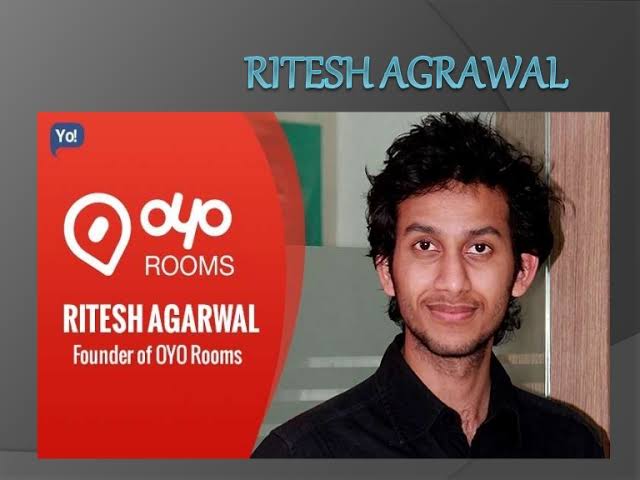
So we all know about OYO Rooms, also known as OYO Hotels and Homes, which is an Indian multinational chain of hospitality leased and franchised hotels, homes, and living spaces. But what many of us don’t know about OYO is; the man behind the idea- Ritesh Agarwal.
Ritesh Agarwal was born in Bisham Cuttak, Rayagada(district), Odisha. Ritesh Agarwal is the Founder and CEO of OYO Rooms. In 2020, he is known as the 2nd youngest billionaire in the world. Also, he received awards such as the Business World Young Entrepreneur award and Thiel Fellowship.
From where did he got this idea? For the answer let us look into his past life.
Ritesh always has a keen interest in software. He started coding when he was just 8yrs old. After 10th grade, in 2009, he decided to go to Kota for IIT. In no time he figured out that Kota was anything but a place where one could learn coding. So he puts his dream of coding in the backseat and started attending classes at Bansal tutorials. In his free time, he used to chill and travel around a lot.
Ritesh also has written a book called India. Engineering Colleges: A Complete Encyclopedia of Top 100 Engineering Colleges. That book was a great success on Flipkart and sold out in a while.
At the age of 16, he was selected to be a part of the Asian Science Camp held at the Tata Institute of Fundamental Research (TIFR) in Mumbai.
During that time; Ritesh used to travel a lot and stayed in budget hotels and PG. He also used to travel to Dehli so often to attend events and conferences to meet entrepreneurs because at that time he couldn’t afford the registration cost.
In 2011, he moved to Delhi to start up something of his own and also to prepare for SAT for further studies in the U.S.
Sat never happened. And that time, he used to meet and read about entrepreneurs, start-ups, business ideas, and especially AirBnB.
When he used to travel, he had seen that the budget hotels in India didn’t meet the basics of budget travelers. So in 2012, he started his first venture- Oravel Stays. It was an aggregator of beds and breakfast stays all over India. He secured his funding of 30 lakhs from VentureNursey.
He also presented his idea at Thiel Fellowship. He was listed among the top ten winners who received a sum of $100,000 and as well as guidance and other resources.
Unfortunately, due to hard luck, the company was not able to pick the pace in the market.
This is when Ritesh thought that the biggest problem of traveling is to find good, affordable, and most importantly available rooms. This idea motivated him to create an online platform where one can find all the information available about good, and budget places.
In 2013, after tweaking his business model, he relaunched Oravel Stays as OYO Rooms. In which OYO stands for On Your Own.
At present OYO has over 13,000 franchised and leased hotels, and over 450,000 rooms, adding 64,000 rooms every month, globally.
OYO App has been downloaded over 50 million-plus times and rated amongst the best-rated apps on the Google play store.
In 2020, the market valuation of OYO was 8 billion dollars.
*The Presence of the U.S. Military Troops in Afghanistan
*The Challenges of Remote Education
*Arctic Pole Environmental Situation
* Global Pandemic & Vaccination
* Travel Restrictions
1.Poverty and Homelessness:-
Poverty and homelessness are worldwide problems. According to Habitat for Humanity, one-quarter of the world’s population lives in conditions that harm their health and safety. Many do not have shelter, a basic human need for survival.
This social issue also goes beyond the 25% of the population directly affected. Because of the lack of shelter for this vulnerable population, there is greater stress on government and social programs, including schools and healthcare systems.
2. Climate Change:-
A warmer, changing climate is a threat to the entire world. Climate change affects the entire world population, and the Union of Concerned Scientists calls this social issue “one of the most devastating problems humanity has ever faced.”
The 800 million people already living in extreme poverty will be impacted most severely. Around the world, people are already noticing warmer winters, more severe storms and rainfall events, and more frequent wildfires. These issues already put stress on governments and systems in many countries.
3. Overpopulation:-
As the population of the world grows, resources become scarcer. The United Nations reports that the current population of 7.7 billion people is expected to grow in coming decades, with a projection of 8.5 billion people by 2030.
The fastest growing areas of the world, such as sub-Saharan Africa, often face already scarce resources like land for farming. As the population becomes more than the country can sustain, people will need to move elsewhere to avoid starvation and homelessness.
4. Immigration Stresses:-
People move from one country to another, and in itself, this isn’t a social problem. However, immigration can place stress on government programs and social systems within a country, and it can be a divisive topic in a society. These immigration-related stresses affect many people.
For instance, the Pew Research Center reports that the United States has more immigrants than any other country; 13.6% of the U.S. population identifies as an immigrant. This is a divisive issue in the U.S. population, with some groups calling for stricter immigration laws. Although the majority of U.S. citizens welcome immigrants, a 2019 Gallup poll indicates 23% of people think immigration is the most important social issue facing the country.
5. Civil Rights and Racial Discrimination:-
Civil rights, or the rights of citizens in a country to have equal treatment socially and politically, is another one of the most significant social issues in America and around the world. More than 40 years after the Civil Rights Act passed, almost 60% of African Americans still live in segregated neighborhoods and 90% of African Americans report that racial discrimination is still a major problem.
6. Gender Inequality:-
A report from the Pew Research Center Fact Tank indicates that about 50% of Americans feel the country needs to do more to address the income gap between men and women. Women still lag behind men in wages and top leadership positions held, although they are now more likely to attain a college degree.
Worldwide, the situation is even more extreme. UNICEF reports that 12 million girls are married before they reach adulthood, and 98 million high school-aged girls do not attend school.
7. Health Care Availability:-
When people are sick or hurt, they need access to medical care to get better. According to the Centers for Disease Control and Prevention (CDC), almost one in 20 U.S. citizens do not obtain needed medical care because of the cost. Worldwide, 97 million people become impoverished by seeking needed medical care, as reported by the World Health Organization (WHO). Governments around the world are working on this problem, as are nonprofit organizations.
8. Childhood Obesity:-
However, the childhood obesity epidemic doesn’t affect all children equally. Children in families where the parents have more education and higher incomes are far less likely to be obese than those in families with less education and lower incomes.
9. Bullying:-
Obesity can also have an impact on another important social issue: bullying. The PACER National Bullying Prevention Center indicates that obesity and other appearance issues are among the top reasons children report being bullied.
Despite recent anti-bullying initiatives, more than 20% of American students report being bullied. A third of those being bullied report that it happens at least once or twice each month. Additionally, 24% of middle school students report they have been victims of cyberbullying, or bullying conducted online.
10. Poor Leadership:-
Many of the social problems in society are connected in subtle ways, but all social problems are connected to the leadership of countries, corporations, and other groups. An ongoing Gallup poll asks Americans to rate the most important problems and social issues facing the country. By far, the most significant issue was poor leadership; 28% of respondents list it as the number one problem.
11. Fixing Common Social Issues:-
Although many Americans feel their leaders are the biggest problem they face, governments, corporations, and communities are working to fix some of the top social issues. These are just a few of the actions they are taking:
Schools are implementing anti-bullying programs, which the PACER National Bullying Preventions Center says can decrease bullying by up to 25%.
Community efforts to help reduce childhood obesity include adding salad bars to school lunches, focusing on physical fitness, and adding obesity prevention initiatives to hospitals.
The U.S. enacted the Affordable Care Act (ACA) to begin addressing the challenges in health care availability, and it remains an important political issue.
The European Union is on track to meet its goals for reducing carbon emissions and helping mitigate the effects of climate change. Other countries are also working hard to make progress.
12. Raise Awareness Through Education:-
Discussing social issues can be contentious, but it’s also an important part of making progress on these problems facing society. Community and classroom activities involving social issues can help raise awareness for these topics. Writing about social issues can also help expand people’s understanding of these important challenges.
13. Covid-19 & Global Pandemic:-
Without a doubt, almost every sector of modern life has been affected by the global pandemic restrictions and the rules of social distancing. Even though several countries of the world seem to return to normal life, the matters of logistics and global trading are still vague. As an example of social topics dealing with this issue, you may consider writing about how the Covid-19 crisis has affected a particular company or the entire industry.
14. The Black Lives Matter Social Movement:-
It is hard to find anything that has marked the last two years in terms of social importance. The Black Lives Matter movement has captured the entire world because the issues of racial prejudice are relevant as ever. In terms of possible topics, you can compare the BLM movement with the student protests in the 1970s or the Montgomery Bus Station protest.
15. Green Energy Conversion:-
This social issue is mostly related to environmental problems, yet the global conferences in 2021 are dedicated to finding safe ways to convert all available energy to safe methods. You may consider writing about the latest innovations to the solar energy sector and talk about wind turbines if you are majoring in Electrical Engineering. At the same time, you can consider writing about school education and the importance of educating the youngsters about our environment.
16. The Presence of the U.S. Military Troops in Afghanistan:-
It is a sensitive social issue in the United States as President Biden has announced about the troops leaving Afghanistan in 2021. This social topic is s quite important as it is not only a political issue but also a matter of national security.
17. The Challenges of Remote Education:-
As we are making it through yet another year of distance learning with Skype and Zoom solutions for video conferences, the challenges of modern learning are evident. Consider writing about how the student habits and attitudes have changed in 2021 and think about what pros and cons of this issue you can explore.
18. Arctic Pole Environmental Situation:-
The Arctic Pole Ice Shield is the social issue that became apparent in 2021 as explorers and scientists from all fields of science started to reveal updated information. Regardless of your college course, you can approach this social issue through the prism of environmental protection, political bias, economics, marketing, and even the logistics that are also present in this sector.
19. Global Pandemic & Vaccination:-
The subject of vaccination might be among the most discussed social issues today, yet it does not make it to the lists of immediate issues because of the political games at play. For example, you can write about unequal distributions of vaccines to certain countries and the ways how politics manipulate this sensitive matter.
20. Travel Restrictions:-
As the warm times are coming closer, the majority of people think about traveling. Even if you are not up for the times of leisure, you may consider some business travels. The list of restrictions is changing all the time, which makes it a relevant social issue in 2021. You can consider writing about new safety regulations and the ways how the Covid-19 has affected our travel routines and rules.
Business management involves the supervision, organisation and coordination of business resources and operations to achieve specific objectives.Managing yourself: introduction to management and leadership styles. Managing money and key financial concepts, including the implications of various sources of finance and the relative importance of cash flow and profit. Managing people, stakeholder management and professional communication.
Topics Of Business AND Management:-
*Advertising
* Business Planning
* Business Planning Guides
* Business Structure
* Business Structure
* E-Commerce
* Employment Issues
* Energy Topics
* Financial Management
*Integrating Business and Family
* Inventory Control
* Insurance
* Legal Issues
* Marketing
* Market Research
*Merchandising
* Packaging
* Pricing
* Record Keeping
* Risk Management
* Self-Employment Assessment
* Social Media
* Taxes
* Time Management
1. Advertising:-
Advertising — A fact sheet on advertising your business from the U.S. Small Business Administration.
Advertising (PDF) — Another advertising fact sheet from U.S. Small Business Administration.
Advertising — A PowerPoint presentation on advertising by Rutgers University Cooperative Extension.
Advertising Topics — A variety of advertising topics for agricultural business owners.
Online Advertising — Tips on online advertising by the U.S. Small Business Administration.
2. Business Planning:-
Business Planning — Business planning fact sheet by Penn State University.
Business Planning Workbook — Business planning resources for small farmers from the University of Maryland.
Business Plans Made Simple — A six-page fact sheet on how to write a business plan for your small business from the Nevada Small Business Development Center.
Economic Analysis of a New Business — Doing It Right — An eight-page fact sheet on conducting an economic analysis of your new business from Kansas State University Research and Extension.
Market Planning for Value-Added Agricultural Businesses (PDF) — A 53-page market planning guide and workbook from the University of New Hampshire.
Plan Your Farm — Business planning tools for small-scale farmers from Cornell University.
Restaurant Start-Up Profile (PDF) — A 51-page fact sheet on starting-up your own restaurant from the Illinois Institute for Rural Affairs.
Starting a Business — A fact sheet on starting a home-based business from the Iowa Small Business Development Centers.
Starting a Business in Your Home: Weighing the Pros and Cons — A four-page fact sheet on the pros and cons of starting a home-based business from UMaine Extension.
Starting a Home Business — An eight-page fact sheet on starting a home-based business from UMaine Extension.
Starting a Successful Catering Business (PDF) — A six-page fact sheet on starting a catering business from Virginia Cooperative Extension.
Starting Your Own Business (PDF) — A four-page fact sheet on starting your own business from the University of Wisconsin Extension.
Ten Frequently Asked Questions for Micro and Home Based Business Start-Ups — A four-page fact sheet on micro and home-based business start-ups from the Oklahoma Cooperative Extension Service
Writing a Business Plan (PDF) — A six-page fact sheet on business planning by the University of Tennessee.
3. Business Planning Guides:-
Business Plan Guide — Guide with worksheets to assist in developing your business plan from the Massachusetts Small Business Development Center Network
Business Planning — A guide for writing farm-based business plans from Cornell University.
Business Planning for the Agriculture Sector: A Guide to Business Plan Development for Start-up to Mid-Size Operations — A book to help agricultural business operators and a full fledged business plan from Cornell University
Business Plans and Profiles Index — A subject guide to sample business plans and profiles for specific business types from Carnegie Library.
Developing a Bed & Breakfast Business Plan — A 98-page fact sheet on creating a bed and breakfast business plan from Illinois Extension.
Developing a Business Plan for Value-Added Agricultural Products — A four-page fact sheet on developing a business plan for value-added agricultural products from Oklahoma State University
Landscape Business Planning Guide — How to develop and implement a well-defined business strategy from Cornell University
Online Business Planning Software — A free business planning software tool for agricultural and natural resource businesses from the University of Minnesota.
Sample Business Plan: Moose Mountain Cafe — Sample plan for a cafe business from New Hampshire Small Business Development Center.
Sample Business Plans — A selection of business plans to assist in the wording of your own plan from Michigan Small Business & Technology Development Center.
Sample Business Plans — A list of business plans to assist in drafting a plan for your business from the Small Business Development Center Network.
Sample Business Plans — Sample business plans for a wide range of businesses.
Scaling Up for Regional Markets — Scaling up for regional markets tutorial by ATTRA.
4. Business Structure:-
Choose Your Business Structure — A fact sheet written by the U.S. Small Business Administration.
Determine Your Federal Tax Obligations— A fact sheet on what form of legal entity you should use from the U.S. Small Business Administration.
Farmers’ Guide to Business Structures — A SARE publication outlining the various forms of business structures available to farmers’ and small businesses.
How toOrganize Your Business — A six-page fact sheet on how to organize your home-based business from UMaine Extension.
Selecting an Organizational Structure for Your Small Business — A four-page fact sheet on structuring a small business from Montana State University.
Starting, Operating, or Closing a Business — Web links to a new business checklist, selecting a business structure, employees, deductions, recordkeeping and accounting methods, and FAQs from the IRS.
5.Customer Service:-
Customer Service — Customer service video by the U.S. Small Business Administration.
Focus on Customer Service — A Colorado State University Fact Sheet on improving your service to customers.
Obtaining Referrals to Increase Sales — Methods of gaining referrals in the sales industry from the University of Florida Extension.
So You’re in Sales — A six-page fact sheet on customer service for your home-based business from UMaine Extension.
The Customer is Still King — University of Maryland Extension bulletin on customer service.
6. E-Commerce:-
Creating Valuable Content that Converts — Recorded webinar exploring ways to improve the online presence for small businesses from eXtension.org.
Email Marketing — A fact sheet for eMarketing from the U.S. Small Business Administration.
Five Key Ingredients in Creating a Small Business Website — An article about creating a website for your small business by the U.S. Small Business Administration.
Maps, Apps and Mobile Media Marketing — Recorded webinar exploring a variety of ecommerce tools for your business from eXtension.org.
Selling On-line — A 24/7 Opportunity – Factors to consider in starting an on-line business by the University of Maryland Extension.
You are Here — Recorded webinar exploring mapping tools for small businesses from eXtension.org.
7. Employment Issues:-
Charming the Worker Bees — A fact sheet on employee compensation from the Iowa Small Business Development Center
Communication on the Job for Employees — A four-page fact sheet on communication for employees from the Alabama Cooperative Extension System.
Communication Skills for Daily Use at Work — A four-page fact sheet on communication skills at work from the Alabama Cooperative Extension System.
Developing and Implementing Sound Hiring Practices — A ten-page fact sheet on hiring procedures and practices from Purdue University Cooperative Extension.
Evaluating Employee Performance — A fact sheet from eXtension.org.
Great Employees Require Great Employers — A fact sheet on recruiting employees from the Iowa Small Business Development Center
Independent Contractor or Employee? — A fact sheet from the Internal Revenue Service.
Managing Employees — A fact sheet on employees from the U.S. Small Business Administration.
Orientation and Training of New Employees (PDF) — A fact sheet from North Carolina State University Cooperative Extension.
Overtime Rule — (Maine DOL Information and Resources). Maine Department of Labor information about the new overtime rule.
Recruiting and Retaining Employees — A video from the U.S. Small Business Administration.
Writing Effective Job Descriptions — A fact sheet from the U.S. Small Business Administration.
8. Energy Topics:-
Saving money through energy conservation and alternative energy sources — Energy saving tips for the homeowner, traveler, and business owner. Includes video how-to from UMaine Extension.
Efficiency Maine Business Program — Save energy and money and improve the environment from Efficiency Maine.
9. Financial Management:-
Balance Sheet Template — An Excel spreadsheet from the Maine Small Business Development Center.
Benchmark Data — 2015 Farm Credit East financial benchmark data for selected natural resource-based industries.
Break-Even Analysis Template — An Excel spreadsheet from the Maine Small Business Development Center.
Capital Sources for Your Business — A six-page fact sheet on finding capital sources for your business from UMaine Extension.
Cash Flow Template — An Excel spreadsheet from the Maine Small Business Development Center.
Developing an Income Statement (PDF) — A fact sheet from Oklahoma State University Extension.
Managing a New Business: A Beginner’s Guide to Financial Concepts and Tools — A 16-page fact sheet on successful small business management from Oregon State University.
Preparing Financial Statements — A fact sheet from the U.S. Small Business Administration.
Profit and Loss Template — An Excel spreadsheet from the Maine Small Business Development Center.
Setting Up Your Own Business: Financing Your Business — A three-page fact sheet on financing your business from the University of Nebraska – Lincoln Extension.
Setting Up Your Own Business: Monitoring the Health and Growth of Your Business — A six-page fact sheet on using financial statements to measure the health and growth of your business from the University of Nebraska – Lincoln Extension.
10. Integrating Business and Family:-
Setting Personal, Family and Business Goals for Business Success — from Iowa State University.
11. Inventory Control:-
Managing your Inventory — A fact sheet on stock control in your small business from the Iowa Small Business Development Center
12. Insurance:-
Agricultural Business Insurance — A fact sheet on insurance options for farm businesses from Penn State University.
Business Insurance: The Basics — When considering business insurance, business owners should start with the basics from the Missouri Small Business development Centers.
Get Insurance — What type of insurance to get for your business from the U.S. Small Business Administration.
How to Insure Your Business — 4-page fact sheet covers insurance types, state laws, insurance options and steps to setting up an insurance program from UMaine Extension.
13. Legal Issues:-
Avoiding Patent, Trademark and Copyright Problems — An eight-page fact sheet on how to avoid patent, trademark and copyright problems from the Nevada Small Business Development Center
Copyright Basics — A fact sheet on dealing with copyright issues from the Iowa Small Business Development Center
Deciding if Bankruptcy is an Option for You — Information about bankruptcy options provided by the Virginia Cooperative Extension.
Patents, Trademarks and Copyrights — U.S. Small Business Administration video on intellectual property protection.
Taxes and Permits — A six-page fact sheet on taxes and permits for your home-based business from UMaine Extension.
14. Marketing:-
Building Your Brand During a Downturn — Fact sheet on branding from the Missouri Small Business & Technology Development Centers.
Developing a Sensible and Successful Marketing Attitude — A five-page fact sheet on general marketing principles from Purdue University Cooperative Extension.
Developing and Implementing a Successful Marketing Plan — A five-page fact sheet on developing and implementing your marketing plan from Purdue University Cooperative Extension.
Direct Marketing of Farm Produce and Home Goods (PDF) — Direct marketing alternatives and strategies for beginning and established producers.
Food for Profit: Marketing Your Food Product — A fact sheet on the basics of marketing food products profitable by Penn State University Extension.
Is There a Market for My Product or Service? — A fact sheet on marketing techniques for growing businesses from the Iowa Small Business Development Center
Marketing Specialty Forest Products (PDF) – A fact sheet discussing was entrepreneurs can market their specialty forest products by the University of Nebraska.
Marketing Strategies to grow your business — A fact sheet on understanding marketing for small businesses from Penn State University.
Marketing: What Needs to be Done — An eight-page fact sheet on marketing from Kansas State University Research and Extension.
15.Market Research:-
A Do-it-Yourself Approach to Market Research — A fact sheet on conducting market research from MissouriBusiness.net.
Building Healthy Communities: Analyzing Local Markets — An eight-page fact sheet on analyzing local markets from Kansas State University Extension.
Demographics and Lifestyle Analysis — A fact sheet from the University of Wisconsin Cooperative Extension.
Estimating Retail Market Potential — A four-page fact sheet on estimating retail market potential for your home-based business from UMaine Extension.
Marketing Research for Entrepreneurs and Small Business Managers (PDF) — An eight-page fact sheet on market research for small businesses from Montana State University Extension Service.
Market Research: Surveying Customers to Determine Their Needs — A two-page fact sheet to aid in conducting your market research from the University of Wisconsin Extension.
Micro and Home-Based Businesses: Market Research — A six-page fact sheet on market research from Oklahoma State University Extension
Tradeshow Marketing — A fact sheet to help prepare for trade shows from the U.S. Small Business Administration.
16. Merchandising:-
Merchandise Presentation for Agricultural Businesses — A Penn State University publication on food product merchandising.
17. Packaging:-
The Role of Packaging in Society and the Environment — Understanding the types of packaging and the purpose from the University of Florida.
18. Pricing:-
How to Price Your Products and Services — A four-page fact sheet on pricing your products and services from the Iowa Small Business Development Center
Introduction to Pricing — A U.S. Small Business Administration resource to sound pricing strategies.
Micro and Home-Based Business Product Pricing — A four-page fact sheet on pricing for micro and home-based businesses from Oklahoma Cooperative Extension Service
Smart Pricing Strategies — A fact sheet on pricing from the Virginia Cooperative Extension.
Understanding Pricing Objectives and Strategies — A publication on pricing strategies for the value-added agricultural producer.
19. Record Keeping:-
Financial Statements — A fact sheet describing the balance sheet, income statement, and the cash flow statement from UMaine Extension.
Ratio Analysis — A fact sheet on using ratios to analyze your business performance from UMaine Extension.
Recordkeeping — A fact sheet from the U.S. Internal Revenue Service.
Record Keeping for a Small Business — A Powerpoint Presentation on basic recordkeeping from the U.S. Small Business Administration.
Record Keeping for Profit — A six-page fact sheet on record keeping for your home-based business from UMaine Extension.
Records — A fact sheet on tips for successful record keeping from UMaine Extension.
Setting Up Your Own Business: Records and Bookkeeping — A six-page fact sheet on records and bookkeeping for your small business from the University of Nebraska-Lincoln Extension.
The Projected Cash Flow Statement — A fifteen-page fact sheet on developing a projected cash flow statement from Purdue University Cooperative Extension.
20. Risk Management:-
Risk Management Agency Homepage — Website listing of resources related to risk management in Agriculture from the United States Department of Agriculture Risk Management Agency.
The Ag Risk Education Library — Risk Management Education Center from the University of Minnesota.
21. Self-Employment Assessment:-
Self- Assessment Checklist (PDF) — A self-assessment tool from the Nevada Small Business Development Center.
Small Business Readiness Assessment Tool — Take a test to see if you are ready to start your own business from the U.S. Small Business Administration.
Starting and Managing a Business — Programs and services to help you start, grow and succeed from the U.S. Small Business Administration.
22. Social Media:-
Getting Down to Business with Social Media — Recorded webinar exploring the use of social media in your business from eXtension.org.
How to Use Social Media for Your Farm Business(PDF)— A workbook designed to help you better understand how to use social media marketing in your farm business.
Intro Social Media for Small Business — Introduction to using social media in small business from the Alabama Cooperative Extension System.
Social Media and Internet Marketing — Social media and Internet marketing for small business from SBDC.NET.
Social Media for Agricultural Businesses: Blogs — A Penn State University publication about using Blogs as a marketing tool in your business.
Social Media for Agricultural Businesses: Facebook — A Penn State University publication about using Facebook as a marketing tool in your business.
Social Media for Agricultural Businesses: Twitter — A Penn State University publication about using Twitter as a marketing tool in your business.
Using Facebook to Grow Your Farm Business — A webinar that will teach you how to use Facebook to help market your farm business.
Using Social Media to Grow Your Farm Business — A webinar outlining strategies for using social media to help market your farm business.
23. Taxes:-
Business Use of a Car — A fact sheet from the U.S. Internal Revenue Service.
Filing and Paying Taxes — A fact sheet from the U.S. Small Business Administration.
IRS Checklist for starting a business — Start up checklist for small businesses from the IRS.
Self-Employed Individuals Tax Center — Basics on self-employment, filing requirements, and reporting responsibilities for independent contractors from the IRS.
Small Business and Self-Employed Tax Center — One stop resource assistance center for filing your business returns from the IRS.
Taxes and Permits — A six-page fact sheet on taxes and permits for your home-based business from UMaine Extension.
24. Time Management:-
7 Leaders Share Insights About Work-Life Balance — A Syracuse University publication offering seven time management tips for balancing work and life.
Managing Time in the Workplace — A four-page fact sheet on learning to manage time from the University of Florida.
Ten Strategies for Better Time Management–A fact sheet written by the University of Georgia Extension.
Time Management for a Small Business (PDF) — A time management guide from the U.S. Small Business Administration.
25. Branding:-
Branding Power Video — Proper branding creates an anchor in the customer’s mind which can be triggered by recurring events. When you really, really build a brand, every time that somebody has that recurring need in their life, your product is what is going to pop in their mind and that is what branding is.
Marketing Your School Foodservice DVD & Guide — Join FAME’s Golden School Foodservice Director of the Year, Jean Ronnei, and foodservice branding guru, Tom Whitney, for a step-by-step guide to marketing and branding your school foodservice program.
Accelerate Your Business — How can any organization consistently improve its most important desired outcomes, and do it in a way that is sustainable? In the end, it comes down to mastering simple, practical processes that can be repeated over and over again. In this content-loaded seminar.
Prefabrication is the process of fabricating components of a structure in a factory or other manufacturing facility and shipping entire assemblies or sub-assemblies to the location where the structure will be installed. The term prefabrication also refers to the production of things other than construction in a fixed location. and the section is delivered assembled and ready for assembly. It generally does not refer to electrical or electronic components of a machine or mechanical parts such as pumps, gears, and compressors, which are usually supplied as separate items, but rather refers to the machine body that was used for parts in the past. . Mac premade parts This body can be called “sub-assemblies” and can be separated from other components.
Since when it is used
Prefabrication has been used since ancient times; For example, it is said to be the oldest dam in the world, Sweet Track, dating from around 3800 BC. Ancient Sri Lanka, particularly the Kingdom of Anuradhapura and the Kingdom of Polonnaruwa, used ready-made technology to erect huge structures, which are 2000 years old and some sections have been prepared separately and then assembled. In 1755 the Portuguese capital, especially the Baixa district, is popularly known as the Marqués de Pombal, the most powerful royal minister of D. The leadership of Sebastião José Von Carvalho e Melo, the most powerful royal minister of D. José IA, arose from Pombal a new architectural and urban planning style that introduced early anti-seismic design features and innovative prefabricated buildings. The buildings were manufactured entirely outside of the city, transported in pieces, and then assembled on-site, a process that lasted into the 19th century and provided city dwellers with unprecedented levels of safety before the earthquake. In the 19th century, Australia was importing large numbers of prefabricated houses from the United Kingdom. The method was widely used in prefabricated houses in the 20th century, for example in the UK as temporary living space. Space for thousands of townspeople. Families were “bombed out” during World War II. The assembly of profiles in factories saved time on site and the lightness of the panels reduced the cost of foundation and assembly on site. Gray concrete with flat roofs, prefabricated houses were uninsulated and cold, and prefabricated houses took on some stigma, but some London prefabricated houses have been occupied for much longer than the expected 10 years. The Crystal Palace, built in London in 1851, was a widely visible example of prefabricated iron and glass. Structures; Oxford Rewley Road station followed on a smaller scale.
Current uses
The most widespread form of prefabricated parts in civil engineering is the use of precast concrete parts and prefabricated steel parts in structures in which a certain part of a certain shape is repeated many times. It can be difficult to make the formwork required for pouring concrete structures on site. and delivering wet concrete to the site before it sets requires careful time management. Pouring concrete profiles in a factory brings the benefits of reusing molds and concrete can be mixed on-site without having to be transported and pumped wet into a crowded construction site. The parts reduce the cost of cutting and welding on-site, as well as the associated costs. The quality of the residential units produced had risen to such an extent that their residents could not distinguish them from traditionally built units. The technology is also used in office buildings, warehouses, and factories. Prefabricated parts made of glass and steel are widespread. Use for the exterior of large buildings: single-family houses, cottages, log houses, saunas, etc. They are also sold with prefabricated elements. Thanks to the modular prefabrication of wall panels, complex thermal insulation, window frame components, etc. can be produced on the assembly line, which tends to improve the construction quality of every wall or frame on-site prefer manual construction and the image of the prefabricated house as a “cheap” method only slows its acceptance. However, today’s practice already allows the system to be modified depending on the customer’s requirements and the choice of coating material. All clinker facades can be bricked, even if the load-bearing elements are made of wood Civil engineering work This can be decisive for the success of projects such as bridges and avalanche galleries, where the weather conditions only allow a short construction period. The systems and prefabricated bridge components offer bridge planners and construction workers considerable advantages over the construction time. e, safety, environmental sustainability, feasibility, and cost. Prefabrication can also help minimize the impact of bridge building on traffic. Small and frequently used structures such as concrete towers are also prefabricated in most cases. Radio towers for cell phones and other services often consist of several prefabricated parts. The masts are also often assembled from prefabricated parts. Prefabrication is widespread in the assembly of aircraft and spacecraft, and components such as wings and fuselage sections are often manufactured at the final assembly site in different countries or state Airbus.
Advantages
Moving sub-components out of the factory is generally cheaper than moving pre-production resources to each location.
Placing resources on the site increases costs; precast concrete components reduce costs by reducing the workload on the construction site.
The precision tools of the factory can help control the flow of heat and air in the building, reduce energy consumption and improve the health of the building.
The machine movement of the parts and the absence of wind and rain can improve the safety of the structure.
Uniform indoor factory environments eliminate most of the climate impacts on production
Well, learning different skills become very important in today’s world. Because there is huge competition in every field. If you want to compete in this world and achieve the success you have to surely learn some skills that is the only way to achieve victory.
Everything is changed nowadays like working pattern, selection strategy and also priorities, so if you want to compete with this new era you also have to change and explore some new skills that will help you to achieve success. At this time the pattern of work will change that does not mean the previous pattern is wrong but that pattern will not suit today’s life.
Some points will explain to you about the importance of skills, that how they are important in your life.
1) In today’s world the pattern of work will change. Since 4- 5 years ago, there will demand higher education, academic degree but now there is a demand for skills and the companies also want that their employees have skills, and they will increase the profit of the company.so if you have less Academic qualification this deficiency will be adjusted. But when you have fewer skills this will not a good for you so try to learn more skills.
2) Before 4-5 years, if you are not highly qualified you are not able to find out a good job or work somewhere. But now there is no problem of higher education if you are graduate or not graduate but you have some skills so this will not hamper your life.
3) if you are passionate about something you will earn a good amount of money from your passion. but for that, you have to learn some skills that are highly in demand or there is a requirement of that particular skill in the future. and you have to change yourself like a smartphone, update yourself with the demand.
4) sometimes ago, we see that people always complaints that they don’t want to continue further studies but they have to continue because there was no future without a degree but now time change if you are not interested in further studies you have the option to stop it and And start your career in whatever field where you have an interest, but you have to develop some skills so you will survive in that career because it is huge demand of skill and you have to develop that skills.
5) if you have time you can easily learn more than one skill and those skills will help you to uplift your financial conditions. you can easily handle one or two projects. And in this work, there is no burden because you can learn those skills in which you not only complete the work but also enjoy it. So in this way, you can also enjoy your life while doing work. you can easily understand the situation. And try to develop and evolve skills with time, so you can easily find out the demanding work.
6) The best thing about skills is that first, you have choices that you will learn this thing or not, and when you decide you can learn without any limitations, and if you have some skill that will increase the profit of the company you also have a choice regarding what you will charge for your services. If you are really good at that particular skill, customers have to pay according to the skill, so there is not any loss in learn some skills.
Developed more skills and become creative, there is the era of quality, not quantity because the machine is also doing work, so ask one question to yourself if the machine can do the same work that you will do then, why the companies will hire you .














 Eduindex
You must be logged in to post a comment.