Unemployment in india

India as a nation is faced with massive problem of unemployment. Unemployment can be defined as a state of worklessness for a man fit and willing to work. It is a condition of involuntary and not voluntary idleness.

Some features of unemployment have been identified as follows:

1.Unemployment rates for women are higher than those for men.

2.The incidence of unemployment is much higher in urban areas than in rural areas.

3.The incidence of unemployment among the educated is much higher than the overall unemployment.

4.There is greater unemployment in agricultural sector than in industrial and other major sectors.

TYPES OF UNEMPLOYMENT IN INDIA

1.Open Unemployment: Open unemployment is a situation where in a large section of the labor force does not get a job that may yield them regular income. This type of unemployment can be seen and counted in terms of the number of unemployed persons. The labor force expands at a faster rate than the growth rate of economy.

Therefore all people do not get jobs.

2. Seasonal Unemployment: It is unemployment that occurs during certain seasons of the year. In some industries and occupations like agriculture, holiday resorts, ice factories etc., production activities take place only in some seasons. So they offer employment for only a certain period of time in a year. People engaged in such type of activities may remain unemployed during the off-season.

3. Cyclical Unemployment: It is caused by trade cycles at regular intervals. Generally capitalist economics are subject to trade cycles. The down swing in business activities results in unemployment. Cyclical unemployment is normally a shot-run phenomenon.

4. Educated Unemployment: Among the educated people, apart from open unemployment, many are underemployed because their qualification does not match the job. Facility education system, mass output, preference for white collar jobs, lack of employable skills and dwindling formal salaried

jobs are mainly responsible for unemployment among educated youths in India.

5. Structural Unemployment: This type of unemployment arises due to drastic changes in the economic structure of a country. These changes may affect either the supply of a factor or demand for a factor of production. Structural employment is a natural outcome of economic development and technological advancement and innovation that are taking place rapidly all over the world in every sphere.

6. Underemployment: It is a situation in which people employed contribute less than their capacity to production. In this type of unemployment people are not gainfully employed. They may be employed either on part-time basis, or undertake a job for which lesser qualification is required.

7. Casual Unemployment: When a person is employed on a day-to-day basis, casual unemployment may occur due to short-term contracts, shortage of raw materials, fall in demand, change of ownership etc.

8. Chronic Unemployment: If unemployment continues to be a long term feature of a country, it is called chronic unemployment. Rapid growth of population and inadequate level of economic development on account of vicious circle of poverty are the main causes for chronic unemployment.

9. Frictional Unemployment: Frictional unemployment is caused due to improper adjustment between supply of labor and demand for labor, lack of correct and timely information, seasonal nature of work, etc.

CAUSES OF UNEMPLOYMENT IN INDIA

The important causes of unemployment in India are:

  1. Slow growth in the agricultural sector.
  2. Defective system of education.
  3. Absence of manpower planning.
  4. Inappropriate technology.
  5. Slow growth of industrial sector.
  6. Jobless growth.

Body Shaming- Too Fat Too Skinny

Body shaming is not just limited to making fun of someone just because they are fat or thin. It has wide scope for shaming someone for their height, body shape, any physical mark, physical features, muscularity or femininity, or any other external elements on the body such as tattoos.

What is Body Shaming?

Body shaming is the mocking of people based on their physical appearance. Fat-shaming might be the most common shaming that you must be knowing, but that’s not the end. Today, people are even mocked for their masculinity or femininity (even lack of it). Some physical features are stereotypically gender-associated. Some features like- broad shoulders, hairy body, facial hair, muscular body, and short hairs are associated with men, while features like- broad hips, prominent breast, long hairs, and smooth hair-free skin are associated with women. 

Sometimes these features, if visible in the opposite gender becomes the reason for bullying. A man having a prominent breast or a woman with small breasts are often bullied for their appearance and are put up with questions on masculinity and femininity. A woman with facial hair and a man without a beard (both of them are normal and naturally possible) are also mocked as they are expected to have the opposite. 

Movies and TV shows have contributed to a great extent in developing such a mindset of mocking someone or judging oneself by comparing self with others based on physical appearance. You must have seen, a ‘fat’ or a ‘bald’ character is always a subject of a joke and is bullied and called names. These visuals leave a psychological impact on the viewers and make it seem normal to bully someone for their appearance. 

Body shaming can take various forms;

  • Judging and commenting on someone’s physical appearance on their face.
  • Self-judging and comparison of one’s physical appearance with others.
  • Mocking on someone’s appearance without their knowledge.

Body shaming has increased with the increase in the use of social media. People tend to put up themselves much different way than they are in real life. People get flattered with other people’s posts and want to have such lives or look the way the other person looks in the posts. Also, the photo filters or filter apps available make them want to look “perfect”, without any flaws. These filters can make you look thinner if you are fat or vice-versa, make your skin look smooth and flawless, make you look tall if you are short, or the other way.

Bullying people traumatizes them and leaves them in self-doubt and immensely low self-esteem. Having acne or marks is all-natural, but the fear of your appearance not getting accepted by people makes it difficult to accept oneself the way you are. Every individual has their natural height, hair type, body shape, skin type, and skin colour. Sometimes few of the physical aspects evolve because of underlying disease or health issues. You never know what someone might be going through. 

Your physical appearance doesn’t define you. What makes you stand out is how your behavior and actions. Beauty is very distinctive for everyone. What might not be appealing to you might be liked by someone else. That’s why it’s said, “beauty lies in the eyes of the beholder”. There is no standard appearance to be socially accepted. It’s just made up of people around which has no significance. So, neither bully someone for their appearance nor stay quiet if you see anyone bully someone or you. If you see someone body shaming someone, take a stand. Stay positive and love yourself and everyone the way they are.

Peer pressure and teenagers

Q. What is a Peer Pressure?

Peer Pressure occurs when a peer group exerts direct or indirect pressure to do certain actions. If you’re with friends who are doing something that you typically would not do and they convince you to do what they are doing, that is an example of peer pressure.

Q. What are the effects of peer pressure?

The effects of peer pressure can manifest differently in each person. Peer pressure can play on certain strengths or challenges that an adolescent already faces. For example, a teen with low confidence and few close friends may be more susceptible to the effects of negative peer pressure, while a confident, extroverted teen may be more likely to give and receive positive peer pressure.

Negative peer pressure can encourage teenagers to participate in negative behaviors and habits, such as stealing, cheating, bullying and skipping class. Negative peer pressure can also decrease self-confidence and lead to poor academic performance, distancing from family members and friends, or an increase in depression and anxiety.

On the other hand peer pressure can have positive effects on teens as well. Positive effects of peer pressure can include pressure to become a leader of a school group, develop leadership qualities, excel academically, participate in extracurricular activities and volunteer for a good cause.

Q. What are the causes of peer pressure?

1. Fear of rejection: This fear of rejection is a powerful reason for pack behavior and the development of peer pressure. Many people in our society are also quite fearful of rejection and are therefore afraid to have their own opinion.

2.Weak personality: Peer pressure is quite effective on people who have not developed a stable personality yet. The weaker the personality, the easier it is for groups to influence individuals to behave in certain ways. Thus, the weaker the personality, the higher the chance that people get affected by peer pressure.

3.Bad parenting: Parents have a huge influence on the mental development of their children. If parents install self-esteem in their children from an early age on, chances are less vulnerable to peer pressure since they may have developed a strong enough character to value their own opinion more than the opinion of others.

4.Mental issues: Mental health issues may also make people vulnerable to peer pressure. If people suffer from mental issues, they may be easy to influence and those people may commit actions or crimes due to peer pressure which they otherwise wouldn’t have committed.

5.Hormonal reasons: Especially for teenagers, there might also be hormonal issues when it comes to peer pressure. The hormone system of teenagers is quite complex and hormone levels change frequently. Thus, this makes teenagers quite vulnerable to peer pressure since their hormones may weaken their ability to judge actions correctly.

Q. What are the solutions to deal with Peer Pressure?

1.Support children to find their passion: Powerful way to protect your kids from the negative effects of peer pressure is to support them in finding their passion.

2.Parents should observe changes in their kids behavior: In order to fight the negative effects of peer pressure, it is also crucial that parents observe their kids behavioral changes. Those changes may indicate that kids are affected by peer pressure.

3.Communicate with your children: It is important for

parents to encourage open communication and help their child prepare for situations of negative peer pressure.

4.Increase of tolerance in our society: It is also crucial that we increase the overall level of tolerance in our society. By doing so, the negative effects of peer pressure may be reduced since more groups of people may act more tolerant towards others and crime related to intolerance could be lowered to a certain extent.

Conclusion: Peer pressure is quite common in our society. Especially for teenagers, peer pressure can be significant danger since it is associated with several adverse consequences.

Therefore, parents should take a close look at how peer pressure may affect the behavior of their children in order to be able to take suitable measures in time if necessary.

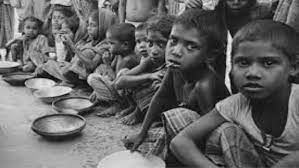
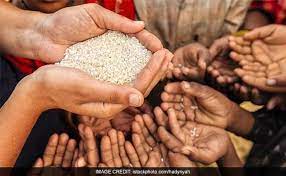
poverty in india

INTRODUCTION– Living a life free of poverty and hunger is a basic human right. One of the paradoxes of our swiftly rising and increasingly progressive world is that poverty remains prevalent and rampant, and the disadvantaged population appears to be becoming increasingly vulnerable. The number of underprivileged and oppressed people in India is a source of great worry for policymakers and scholars. Poverty in India is mostly caused by a lack of adequate government policies and the upper class’s exploitation of the financially weaker part. India has one of the world’s largest economies, with a gross domestic product (GDP) of $1,644 billion US dollars. However, only a small portion of India’s population has benefited from the country’s amazing economic success thus far, with the bulk of the population still living in abysmal poverty. Two-thirds of the Indian population is impoverished: 68.8 percent of the Indian population lives on less than $2 per day. Over 30 percent live on less than $1.25 a day, classifying them as extremely poor. As a result, the Indian subcontinent is one of the poorest countries in the world, with women and children bearing the brunt of the burden.

MAIN REASONS– The population has grown at a staggering rate of 2.2 percent per year during the last 45 years. Every year, around 17 million individuals are added to the population, significantly increasing demand for consumer products, which is followed by low productivity in agriculture due to lack of capital, subdivided and fragmented holdings, use of traditional methods of cultivation, illiteracy, etc. Low productivity results in an increase in price rise and the poor becoming poorer. The price rise benefits a smaller section of people and persons with lower income find it difficult to fulfill their basic requirements. In India, there is chronic unemployment and underemployment as a result of the country’s ongoing population growth. Rather than an increase in work prospects, the number of job seekers is expanding at a faster rate. There are two types of unemployment: educated unemployment and disguised unemployment. Poverty is simply a symptom of unemployment. Our country’s social structure is very backward in comparison to the rest of the world, and it is not conducive to faster progress. The caste system, inheritance law, inflexible traditions, and customs are impeding speedier progress and exacerbating the poverty problem. From the outset of our independence, our development plans have been influenced by political objectives.

NATIONAL RURAL LIVELIHOOD MISSION
AAJEEVIKA

STEPS TAKEN AND WHAT CAN BE DONE– Since India’s independence government has taken various steps to eradicate poverty. This includes programs to provide subsidy, bank credit, employment, food security, housing, good economic infrastructure, and pensions. But a numerous more steps can be taken to make India poverty free. Goovernment should reduce inequality of income and keep a check on concentration of wealth followed by monetary policies. The present Public Distribution Systems(PDS) should be reorganised and extended to rural parts of country, Government should offer special discounts to attract private capital investment to backwards region. The government should take care of basic requirements like healthy food, clean water, primary medical facilities of the poor. Public sector should make expenditure on uplifting the weaker section. With this goverment should focus more on providing education, generating employment, and uplifting the agriculture sector as majority of population is dependent on agriculture.

CONCLUSION-Many initiatives have been developed by the Indian government.
schemes/programs to improve the lives of those who
falls into the BPL category However, the situation remains the same, with the poverty rate increasing year after year. India’s government
has to pay more attention to the poorer members of society
across the country in order to identify human fundamentals
right and a higher quality of life.

Public – Police relationship in modern age

The police has always had its own unique image in the minds of the public. There is an old saying about police in Hindi which is very popular among the people ‘n inki dosti achhi, n inki dushmani achhi’ (neither friendship with police is good nor animosity). This proverb, in fact, expresses the opinion of public about the police.
It is true that the police has not been able to make its place in the heart of the people so that they can be revered by the common people as their protector. Then the bitter truth is also that they have not made much effort to improve their image and change the mindset of the public towards the police. After all whatever police does, it does to protect the people of the country and to maintain the law and order so that peace can prevail in the society. Then what are the reasons behind the lack of trust between public and police ? Why the common people is still hesitant to befriend with their ‘protector’ ?
The answer to the above question is not very difficult to find. Corruption, non- cooperational behaviour in some cases, etc. are some of the many reasons of the uncomfortable relation between public and police. For example, if a victim of sexual assault goes to police to file an FIR, there are a lot of insensitive questions are asked to her which she may not be able to answer with comfort. The sheer humiliation in the society is one of the reasons of less reporting of such heinous crime. According to National Crime Records Bureau (NCRB) report of 2006, about 71% of rape crimes go unreported. This does not happen only in India. A UN study of 57 countries estimates just 11% of rape and sexual assault cases worldwide are ever reported. However, because of the increasing awareness in the society, the number of cases being reported are increasing day by day. The hesitation to report case is not only limited to the victims of sexual assault. After being robbed if a person goes to file the complain then police starts to interrogate the victim itself initially. This is the reason that many people avoid going to the police.
The other big demerit in the police system is corruption. Because of the widespread roots of corruption in police system, wealthy and powerful people think that they are above the law and they can do whatever they want. Exploitation of weaker section of the society is an easy job for them. They think that they can get away easily after any wrongdoings. The support of corrupt police officers to these anti-social elements widens the lack of trust between public and police.
It would be injustice to the police if i would say that each and every police personnel is corrupt, uncooperative and disrespectful. If any police personnels tries to do good for the society and earn the trust of the people and hence shorten the gap of mutual trust and respect by bridling those anti-social elements who are threat to the society then political pressure from big politicians to the honest officers proves to be the last nail in the coffin. Honest police officers are threatened by the powerful politicians, who are the saviors of these high profile criminals, of transfer-posting of the place or service. If they still stick to their honesty then either their department is changed or they posted somewhere else or they are forced to resign. So the nexus of criminal, corrupt police personnels and the corrupt politicians need to be rooted out in order to create a growing, peaceful society and to develop a friendly public-police relations.
In these challenging times of Corona pandemic, we have already witnessed the human aspect of police personnels where they not only do their duty by keeping their life at stake but they have also seen feeding the hungry and unprivileged people, migrant labourers, students and pilgrims who were stuck away from their home in lockdown. In some cases they even spent their own money for the treatment and food of the poor. This has increased the respect immensely for the police in common people. We can never laud enough for their benevolent job that they do. In return, the least we can do is to respect them and their family too.
The humanitarian behaviour of police in modern times strengthens the idea that the friendly relationship between public and police is not something which is unachievable and it is not far away.

Peer Pressure

We often talk about the pressure we deal with in our day-to-day lives. But, do we talk or think about peer pressure? People can be happy and content with their lives. But the sense of dissatisfaction arises as soon as they start comparing their lives and materials with others. They want to “fit in” with their groups or the people they socialize with.

What is Peer Pressure?

Peer pressure is the way how peers (people sharing the same age group or social position) influence each other. This influence is so powerful that it can even lead to going on the wrong track. This influence results in a behavior change, change in attitude and values, to follow their peers.

Not many people know about peer pressure as something that can leave a strong psychological impact on one’s life. It psychologically affects a person to do things according to/or as done by their peers or like groups, to gain social validation. The person may or may not feel good personally about doing something under the pressure of their peers but at the same, the validation from them might feel rewarding.

The most affected group from peer pressure are children and adolescents. Children and adolescents pick up different habits, attitudes, and behavior according to their age. Children, as we know have a habit of imitating what they see happening, and accordingly, they pick up habits from there. A child might what the same kind of bag pack, tiffin box, or any such material stuff as they see in their friend’s circle. They might want a phone or imitate the walking or talking style as their parents, or any celebrities they like. It can be said that children usually pick up attitudes and behaviors that are important to them.

On the other hand, adolescents are the most vulnerable to peer pressure. At this age, the group they are in is of utter importance to them.  They try to get in conformity to their peers’ ideas, styles, ideas, and values.

Peer pressure can have positive effects when people are pressured in a positive direction such as achieving excellent academic or any co-curriculum performance. However, the hunger for social acceptance and validation leads the youth to engage in risky and even at times illegal activities. They often fall prey to wrong deeds and get into alcoholism, drug abuse, life harm, or even sexual abuse.

Adolescence is a crucial and delicate age. Parents need to monitor their children’s activities, behavior, and attitudes. And, if any alarming signs are sensed, immediate action such be taken. However, the monitoring should not make the youth feel suffocated; unable to make any decisions on their own. It should be done in a way that the youth should feel free to talk about his/her feelings and problems with the parents.

Only shouting and scolding is not the solution to keep your child secured from peer pressure and its reputations, rather understanding the age and its impact is important. To keep youth away from the negative impacts of peer pressure, parental support and parental guidance are of utter importance.

DRUG AND ALCOHOL ABUSE


                       DRUG AND ALCOHOL ABUSE


What is the definition of drug and alcohol abuse?

It occurs when you use alcohol, prescription medicine, and other legal and illegal substances too much or in the wrong way. Substance abuse differs from addiction. Many people with substance abuse problems are able to quit or can change their unhealthy behavior. Addiction, on the other hand, is a disease.

Use and abuse of drugs and alcohol by teens is very common and can have serious consequences. In the 15-24 year age range, 50% of deaths (from accidents, homicides, suicides) involve alcohol or drug abuse. Drugs and alcohol also contribute to physical and sexual aggression such as assault or rape. Possible stages of teenage experience with alcohol and drugs include abstinence (non-use), experimentation, regular use (both recreational and compensatory for other problems), abuse, and dependency. Repeated and regular recreational use can lead to other problems like anxiety and depression. Some teenagers regularly use drugs or alcohol to compensate for anxiety, depression, or a lack of positive social skills.

Signs of drug and alcohol abuse

Behavioral Signs

Behavioral signs involve a person’s outward relations with the world whereas physical signs relate to the body’s manifestation of side effects due to the presence of drugs in the system. Behavioral signs include but are not limited to:

OBSESSIVE THOUGHTS AND ACTIONS:

Acquiring and using the drug become the main priorities of life while all or most other obligations including work, family, or school are sidelined.

DISREGARD OF HARM CAUSED:

Although the drug abuse is causing physical and mental distress to the individual and their loved ones, the person struggling with addiction continues using drugs or alcohol.

LOSS OF CONTROL:

Even in the face of wanting to stop or reduce their drug use, the person cannot do so.

DENIAL OF ADDICTION OR HIDING DRUG USE:

When confronted, the person battling addiction will deny or downplay their drug use. To avoid having to explain themselves to others, the person may do drugs in secret.

Drug abuse cannot remain hidden for long. Its impact is too dramatic, and the person using drugs can spiral out of control fast. Changes in behavior, neglecting responsibilities, exhausting financial resources, and engaging in criminal conduct are some of the most obvious signals of a drug problem. Family members, loved ones, and coworkers are usually in the best position to recognize a drug problem as they are familiar with the person’s behavior and habits.

Physical Signs

Physical signs of addiction can manifest as side effects of use, during an overdose, or as a result of withdrawal. It may be very difficult for someone to pinpoint the cause of the physical signs, but severe effects will require immediate medical treatment. Also, it is important to understand that withdrawal symptoms arise when the body adjusts to the absence of familiar quantities of a drug. It is a natural process, but withdrawal can be dangerous.

General physical signs of addiction include but are not limited to:

·         Enlarged or small pupils

·         Sudden weight loss or gain

·         Bloodshot eyes

·         Insomnia

·         Unusual body odors

·         Poor physical coordination

·         Looking unkempt

·         Slurred speech

Typical signs of an overdose may include but are not limited to:

·         Drowsiness or trouble walking

·         Agitation

·         Aggression or violent behavior

·         Difficulty breathing

·         Nausea and vomiting

·         Hallucinations

·         Delusions

·         Loss of consciousness

Alcohol and Drug Abuse: Prevention and Control

Young and adolescent minds could be molded in any direction depending on the kind of exposure they get. They might befriend abusers and get into the habit of drinking, smoking or taking drugs. At this point in time, it is the responsibility of the parents as well as the teachers to handle the issue sensitively and guide them in the right direction.

Here are certain measures which need to be taken to prevent and control alcohol and drug abuse.

  • In the Indian society, the youth are often pushed beyond their limits to excel in every field. Parents want their kids to outperform their peer in studies, sports, creativity, and every other activity. Under excess pressure, the child often has the tendency to take up alcohol and drugs as a resort.
  • Persistent counselling is required to teach the child to deal with failures, pressures, stress, and disappointments. In fact, guiding them towards productive activities such as music, painting, yoga, sports or one of their hobbies could also help.
  • Children often pick up habits from their closed ones. Thus, the attitude of parents and older siblings towards alcohol, cigarettes, and drugs also affect the child’s choices.
  • In case the child is stressed out and on the verge of abuse, help must be sought from parents or even trusted friends who may guide them in the right direction, thereby helping him vent out their anxiety and guilt.
  • Parents must stay connected with the child, keeping a track of his whereabouts at all times. Spending more family time together will help them stay close and honest with their parents.
  • If it is found that children have fallen prey to alcohol and drug abuse, their friends must immediately bring this to the notice of their parents or teachers, so that the latter could take remedial measures for the same.
  • However, despite all the prevention measures, if unfortunately, the child does get into the abuse, seek professional aid. There are a number of rehabilitation centres, de-addiction programs and qualified psychiatrists who would help to get rid of the problem.

Same-Sex Marriage in India- Is Homophobia Prevalent?

It is said, “love has no boundaries”, and thus, same-sex marriage is no longer a weird fare and just limited to heterosexual couples. Many countries have legalized the marriage of heterosexual couples, giving them the freedom to enjoy their rights equally to the LGBTQ+ community. However, the Indian Constitution still has not shown a green flag to the idea of heterosexual marriage.

LGBTQ and Hindu Mythology

It can be established that homosexuality was prevalent in ancient India from the epics of Ramayana, Mahabharat, and the temples of Khajuraho. Many instances of deities transforming into the opposite gender to serve a sacred purpose have been mentioned in these epics, such as the ‘Ardhanarishvara’. Lord Vishnu took the form of the charmer, Mohini to trick the demons to hand over ‘Amrita- the elixir of life’. Even ‘Arjun’, one among the Pandavas, is an example of gender variance where he took the form of ‘kliba’, a member of the third gender as a result of the curse, and took the name of ‘Brihannala’, which helped him survive the last year of exile. Many other instances have been mentioned in the epics about such gender variance and homosexual interactions, although it had sacred purpose than mere sexual pleasure.
Recently, the Central Government opposed couple in Delhi supreme court stating that a wedding in India is often recognized as long as it’s between a “biological man” and a “biological woman” capable of producing children. Living together as partners or during a relationship with a same-sex individual is “not comparable” with the “Indian family unit concept” of a husband, wife and youngsters, the govt said, arguing that the institution of marriage features a “sanctity”. “In our country, marriage necessarily depends upon age-old customs and societal values” despite statutory recognition of the connection of marriage between a biological man and a biological woman,
However, on 6 September 2018, the Supreme court of India decriminalized gay sex marking a historic judgment in the Indian judiciary. The court defined love to be without boundaries.
Supreme Court’s judgment within the Navtej Singh Johar case “does not extend the proper to privacy to incorporate a fundamental right within the nature of a right to marry by two individuals of the same gender”. The government also said that while the court can look over existing rights for this, it cannot create a new right. It is not “permissible” for the court to override the legislative intent regarding limiting the legal recognition of marriage to heterosexual couples, the Centre said. Marriage between two individuals of the same gender is “neither recognized nor accepted in any uncodified personal law or any codified statutory law”, the Centre said.
“Any interference with the existing marriage laws would result in the balance of personal laws within the country and it would bring further irregularities in laws governing marriages of Christian or Muslim faith”.
The reply was in response to 3 petitions filed last year. In one among the petitions, Dr. Kavita Arora, a psychiatrist, and Ankita Khanna, a therapist, sought enforcement of the fundamental right to ‘choice of partner’, after their application for validation of marriage under the Special Marriage Act was rejected by a wedding Officer in Delhi because they’re a same-sex couple.
The second petition was filed by Parag Vijay Mehta, a foreign Citizen of India cardholder, and Vaibhav Jain, an Indian citizen, who got married in Washington DC in 2017. His application was rejected for registration of marriage under the Foreign Marriage Act by the Consulate General of India.
The third PIL was filled by defence analyst Abhijit Iyer Mitra and three others, for recognition of same-sex marriages under the Hindu Marriage Act.
The government in response to the three petitions seeking validation of same-sex marriages said there exists a “legitimate State interest” in limiting the popularity of marriage to persons of the opposite sex. It is important to keep in considerations of “societal morality” which is relevant in validating law and based upon the Indian ethos the Legislature has to enforce societal morality and public acceptance, said the Ministry of Law and Justice says.
A marriage in India majorly depends upon “age-old customs, cultural ethos, rituals, practices and societal values”, which contributes to the Section 377 of the IPC covering homosexuality, the Supreme Court had only decriminalized “a particular human behavior” but “neither intended to, nor did actually, legitimize the human conduct in question”, the Centre told the Delhi High Court.

Conclusion

Homosexuality has always been an affair of controversy for society. But having a different sexual orientation than the maximum of the world’s population should not be a reason for not providing them with the same rights as others.
Many such people are afraid of accepting their sexual orientation in front of society because of the humiliation and social exclusion they have to face.
An anti-discrimination law needs to be enforced that empowers the LGBTQ community and helps them build a productive life and relationship irrespective of gender identity or sexual orientation. The focus should be placed on changing the mindset of the state and society and not the individual.
Many countries have already legalized same-sex marriage. Now, India should also step forward with a progressive mind and legalize same-sex marriage as it is causing no harm to other individual’s rights in any way.
Same-sex attraction has existed since ancient times and is not something new that has arrived unprecedentedly with the new trends and styles of living.
Same-sex marriages should be legalized and given the right to be performed like every other marriage. The rituals and traditions should not differ between same-sex marriage from a heterosexual marriage.
When the government can decriminalize homosexuals or same-sex couples to indulge in sexual acts, then why can’t same-sex marriage be legalized? Marriage is a sacred practice of two souls unite for the love and care of each other, why can’t homosexuals wanting live a married life with the one they want to spend the rest of their life be allowed to perform this sacred ritual? India can’t just develop with the advancements of industries, innovation of technologies, and broadening of roads, but has to broaden up its thinking and accept the ones among them who are not in majority. This taboo needs to be acknowledged and the individuals should be given the same rights as others to be enjoyed.

Problems of Dowry System

                      DOWRY SYSTEM

The giving of gifts or money (otherwise known as a dowry) to a groom on behalf of the bride’s family is common practice in India, a marital tradition which dates back centuries. The dowry buys into people’s pride and desire to “save face” and the system (and exactly what is given) has substantial consequences for families and women in general. The financial restraints a dowry can place on a girl’s family coupled with the increasing abuse of the tradition on the part of the groom or his family has seen public perception of dowry giving change, with the government now stepping in to regulate its practice.

Lack of education (शिक्षा की कमी)

 शिक्षा का अभाव एक बहुत बड़ा वैश्विक मुद्दा है जो कई लोगों के जीवन को प्रभावित करता है।  शिक्षा की कमी कई मुद्दों का कारण बनती है और यह अपने आप में एक ऐसा मुद्दा है जिस पर हम अनदेखा नहीं कर सकते।  शिक्षा न होने की साधारण समस्या सी समुदाय के लिए लगती है लेकिन शिक्षा का अभाव से ही  एक असहिष्णु समाज जैसी समस्याओं का कारण बनती है और यह गरीबी का एक चक्र पैदा करेगी।  एक समुदाय में समस्याओं के लिए शिक्षा की कमी का बहुत बड़ा योगदान है।  यह न केवल समुदाय को प्रभावित करता है, बल्कि यह दुनिया भर की समस्याओं को नकारात्मक रूप से प्रभावित करता है।

शिक्षा की कमी हम ऐसे  रूप में परिभाषित किया जा सकता है जहां लोगों के पास उन बुनियादी चीजों के बारे में सामान्य ज्ञान का औसत स्तर से भी नीचे है, जिनकी उन्हें अपने दैनिक जीवन में तत्काल आवश्यकता होगी। उदाहरण के लिए, इसमें गणित, लेखन, वर्तनी आदि का बुनियादी ज्ञान शामिल हो सकता है। विशेष रूप से गरीब विकासशील देशों में, शैक्षिक असमानता काफी प्रचलित है। शिक्षा की कमी के गंभीर प्रतिकूल प्रभाव पड़ सकते हैं।  इस लेख में शिक्षा की कमी के कारणों, प्रभावों और समाधानों की विस्तार से चर्चा करेंगे।
गरीबी

गरीबी को शिक्षा की कमी और शैक्षिक असमानता का एक बड़ा कारण माना जा सकता है।  गरीब परिवारों के बच्चों को अक्सर उचित शिक्षा नहीं मिल पाती है क्योंकि उनके परिवारों के लिए उन्हें स्कूल भेजना बहुत महंगा होता है। इसके अलावा, इन बच्चों को अक्सर स्कूल जाने के बजाय काम करना पड़ता है क्योंकि उन्हें अपने परिवार के सदस्यों को आर्थिक रूप से समर्थन देने के लिए परिवार की आय में योगदान देना पड़ता है। कई अध्ययनों से पता चला है कि गरीबी और शिक्षा की कमी का सकारात्मक संबंध है।  चूंकि गरीब परिवार अपने बच्चों को स्कूल नहीं भेज सकते हैं, इसलिए ये बच्चे महत्वपूर्ण शैक्षिक असमानता से पीड़ित हो सकते हैं। हालांकि, गरीबी न केवल निम्न स्तर की शिक्षा का कारण है, यह अपर्याप्त शिक्षा का प्रभाव भी हो सकता है क्योंकि खराब शिक्षा अक्सर बेरोजगारी और कम वेतन की बढ़ती संभावना में तब्दील हो जाती है।
अनाथवाद

अनाथ बच्चों को “सामान्य” बच्चों की तुलना में शिक्षा की कमी से पीड़ित होने का अधिक खतरा होता है क्योंकि अक्सर उनकी देखभाल करने वाला कोई नहीं होता है।  यह वित्तीय परेशानी का कारण बन सकता है क्योंकि जब आप अभी भी बच्चे हैं तो अपने खर्चों को कवर करने के लिए पर्याप्त धन अर्जित करना काफी कठिन है।बदले में, इसका परिणाम ऐसी स्थिति में हो सकता है जहां इन बच्चों को जीवित रहने के लिए पर्याप्त धन कमाने के लिए काफी काम करना पड़ता है।  इस प्रकार, इन अनाथों के पास स्कूल जाने का समय नहीं होगा क्योंकि उन्हें काम करने के लिए अपना सारा समय चाहिए।
बेघर

यदि आप बेघर माता-पिता वाले परिवार में पले-बढ़े हैं, तो संभावना है कि आपको उचित शिक्षा नहीं मिलेगी क्योंकि आपके माता-पिता के पास आपको स्कूल भेजने के लिए पर्याप्त धन नहीं होगा और वे शायद बहुत अधिक परवाह भी नहीं करते हैं क्योंकि उन्हें अक्सर नशीली दवाओं की लत जैसी अन्य समस्याएं होती हैं।  और इसलिए आपको उपेक्षित किए जाने का बहुत बड़ा जोखिम हो सकता है।  इस प्रकार, बेघर माता-पिता वाले परिवार में बड़े होने से भी शैक्षिक असमानता में योगदान हो सकता है। बेघर होना भी शिक्षा की कमी का एक कारण हो सकता है।  अगर लोग अपनी नौकरी खो देते हैं और अब अपने किराए का भुगतान नहीं कर पा रहे हैं, तो उनके बेघर होने का खतरा हो सकता है।  चूंकि शिक्षा के निम्न स्तर के साथ बेरोजगारी की संभावना बढ़ जाती है, इसलिए बेघर होने की संभावना भी बढ़ जाती है।
सांस्कृतिक कारक

 कुछ संस्कृतियों में, यह भी काफी सामान्य है कि लोग अक्सर केवल काफी बुनियादी शिक्षा प्राप्त करते हैं।  ये संस्कृतियां अक्सर कुछ मान्यताओं पर भरोसा करती हैं और अपने बच्चों को विश्वविद्यालय या अन्य शैक्षणिक संस्थानों में भेजने के लिए उन्नत शिक्षा को पर्याप्त महत्व नहीं दे सकती हैं।
संघर्ष

 संघर्ष भी शिक्षा की कमी का एक बड़ा कारण हो सकता है।  उन क्षेत्रों में जहां संघर्ष आम हैं, लोग बस यह महसूस करते हैं कि उनके जीवन की सुरक्षा उनके बच्चों को स्कूल भेजने से ज्यादा महत्वपूर्ण है।इसके अलावा, संघर्षों के कारण, कई लोगों को अपनी जान बचाने के लिए अपना घर छोड़ना पड़ता है और दूसरे देशों में पलायन करना पड़ता है।  इस प्रकार, जो बच्चे इन प्रतिकूल परिस्थितियों से पीड़ित हैं, वे संघर्षों के कारण उचित शिक्षा प्राप्त करने में सक्षम नहीं हैं।
प्राकृतिक आपदाएं
 जब शिक्षा की कमी की बात आती है तो प्राकृतिक आपदाएं भी भूमिका निभा सकती हैं।  जब क्षेत्र प्राकृतिक आपदाओं जैसे सुनामी या अन्य आपदाओं की चपेट में आते हैं, तो इन क्षेत्रों में रहने वाले लोग सार्वजनिक बुनियादी ढांचे के व्यापक विनाश से पीड़ित होंगे। इन प्राकृतिक आपदाओं के कारण वे गंभीर स्वास्थ्य समस्याओं से भी पीड़ित हो सकते हैं।  इन भयानक परिस्थितियों में, बच्चों के लिए उचित शिक्षा प्राप्त करना काफी कठिन होगा क्योंकि स्कूल और अन्य शैक्षणिक सुविधाएं नष्ट हो सकती हैं।
अपर्याप्त शैक्षिक अवसंरचना

कुछ क्षेत्रों में, समग्र शैक्षिक बुनियादी ढांचा काफी खराब है।  यह ग्रामीण क्षेत्रों के लिए विशेष रूप से सच है।  इन क्षेत्रों में रहने वाले लोगों को अक्सर अपने बच्चों को अगले स्कूल में लाना पड़ता है। हालांकि, कई गरीब लोगों के पास कार तक नहीं है।  इससे उनके बच्चों के लिए शिक्षा की कमी होने की संभावना है क्योंकि ये बच्चे लंबी दूरी के कारण स्कूल नहीं जा सकते हैं।
शिक्षकों के निम्न योग्यता स्तर
 शिक्षा की कमी से जुड़ा एक और मुद्दा शिक्षकों की अपर्याप्त योग्यता हो सकता है।  यदि शिक्षकों के पास उच्च स्तर की शिक्षा नहीं है, तो संभावना है कि स्कूल खत्म होने पर स्कूली बच्चों की शिक्षा का स्तर भी निम्न होगा क्योंकि उनके शिक्षक उन्हें उच्च स्तर पर पढ़ाने में सक्षम नहीं हैं।
शिक्षा की कमी एक बड़ी वैश्विक समस्या है।  विशेष रूप से गरीब देशों में, कई बच्चे शैक्षिक असमानता से पीड़ित होते हैं, जो बदले में कई गंभीर मुद्दों को जन्म दे सकता है जब ये बच्चे बड़े हो जाते हैं।इसलिए, वैश्विक स्तर पर शिक्षा की कमी की समस्या से लड़ना महत्वपूर्ण है।  ऐसा करके, हम दुनिया भर में कई लोगों के लिए एक उज्जवल भविष्य सुनिश्चित कर सकते हैं।जिन लोगों के पास केवल निम्न स्तर की शिक्षा है, उन्हें भी कट्टरपंथी आंदोलनों के लिए भर्ती करना आसान हो सकता है।  यह इस तथ्य के कारण है कि ये लोग कट्टरपंथियों द्वारा दिए गए तर्कों को त्रुटिपूर्ण के रूप में पहचानने में सक्षम नहीं हो सकते हैं और इसलिए इन संगठनों में शामिल होने के इच्छुक हो सकते हैं, भले ही इन तर्कों का उद्देश्यपूर्ण दृष्टिकोण से कोई मतलब न हो।
इसलिए हमें  शिक्षा के महत्व पर जागरूकता बढ़ाना चाहिए 
बहुत से लोगों को शायद यह भी पता नहीं होगा कि उनके बच्चों के लिए शिक्षा की कमी वास्तव में क्या मायने रखती है।  माता-पिता यह मान सकते हैं कि घर पर सिखाई गई एक बुनियादी शिक्षा जीवन में सफल होने के लिए पर्याप्त है क्योंकि वे बेहतर नहीं जानते हैं। हालांकि, हमारी तकनीकी प्रगति के साथ, यह संभावना है कि हमारे आजकल के जॉब मार्केट में सफल होने के लिए शिक्षा पहले से कहीं अधिक महत्वपूर्ण होगी।

Unemployment Problem in India(भारत में बेरोजगारी की समस्या)

 बेरोजगारी भारत में ही नहीं बल्कि पूरी दुनिया में एक बहुत ही गंभीर मुद्दा है।  ऐसे सैकड़ों और हजारों लोग हैं जिनके पास रोजगार नहीं है।  इसके अलावा, बढ़ती आबादी और नौकरियों की मांग के कारण भारत में बेरोजगारी की समस्या बहुत गंभीर है।  इसके अलावा, अगर हम इस समस्या की उपेक्षा करते हैं तो यह राष्ट्र के विनाश का कारण बनने जा रहा है।नौकरी और पैसे के बिना सामान्य स्वस्थ जीवन जीना कठिन है।  लोगों के बेरोजगार होने के कई कारण हैं।  बेरोजगार होने के कारण व्यक्ति को वित्तीय, भावनात्मक और व्यक्तिगत समस्याओं  हो सकता है।

बेरोजगारी क्या है?

बेरोजगारी एक ऐसी स्थिति को संदर्भित करती है जिसमें एक कुशल और प्रतिभाशाली लोग नौकरी करना चाहते थे।  लेकिन कई कारणों से उचित नौकरी नहीं मिल पा रही है।
बेरोजगारी के प्रकार

अब हम जानते हैं कि बेरोजगारी क्या है लेकिन बेरोजगारी का मतलब केवल यह नहीं है कि व्यक्ति के पास नौकरी नहीं है।  इसी तरह, बेरोजगारी में अपनी विशेषज्ञता से बाहर क्षेत्रों में काम करने वाले लोग भी शामिल हैं।विभिन्न प्रकार की बेरोजगारी में प्रच्छन्न बेरोजगारी, मौसमी बेरोजगारी, खुली बेरोजगारी, तकनीकी बेरोजगारी, संरचनात्मक बेरोजगारी शामिल हैं।  इसके अलावा, कुछ अन्य बेरोजगारी चक्रीय बेरोजगारी, शिक्षित बेरोजगारी, अल्प रोजगार, घर्षण बेरोजगारी, पुरानी बेरोजगारी और आकस्मिक बेरोजगारी है। इन सबसे ऊपर, मौसमी बेरोजगारी, बेरोजगारी के तहत, और प्रच्छन्न बेरोजगारी भारत में पाई जाने वाली सबसे आम बेरोजगारी है।
बेरोजगारी के कारण

कुछ लोगों को काम पर नहीं रखा जा सकता क्योंकि उनके पास शिक्षा नहीं है और वे आवश्यक कार्य करने के लिए योग्य नहीं हैं।  अधिकांश कंपनियां किसी व्यक्ति के संदर्भों को बुलाती हैं और यदि उनके पास एक अच्छा कार्य रिकॉर्ड नहीं है, तो उन्हें काम पर रखने की संभावना नहीं है।  कर्मचारी हमेशा अपने रेज़्यूमे, या किसी की शिक्षा और पेशेवर अनुभव के संक्षिप्त विवरण के आधार पर सबसे योग्य व्यक्ति को काम पर रखेंगे।
भारत जैसे देश में जनसंख्या के एक बड़े वर्ग के बेरोजगार होने के बहुत से कारण हैं।  इनमें से कुछ कारक जनसंख्या वृद्धि, धीमी आर्थिक वृद्धि, मौसमी व्यवसाय, आर्थिक क्षेत्र की धीमी वृद्धि और कुटीर उद्योग में गिरावट हैं।
इसके अलावा, ये भारत में बेरोजगारी का प्रमुख कारण हैं।  साथ ही स्थिति इतनी विकट हो गई है कि उच्च शिक्षित लोग सफाईकर्मी का काम करने को तैयार हैं।  साथ ही सरकार उनके काम को गंभीरता से नहीं ले रही है।
 इन सबके अलावा, आबादी का एक बड़ा हिस्सा कृषि क्षेत्र में लगा हुआ है और यह क्षेत्र केवल फसल या वृक्षारोपण के समय ही रोजगार प्रदान करता है।
इसके अलावा, भारत में बेरोजगारी का सबसे बड़ा कारण इसकी विशाल आबादी है जो हर साल बड़ी संख्या में नौकरियों की मांग करती है जिसे सरकार और अधिकारी प्रदान करने में असमर्थ हैं।
जहां तक ​​इस समस्या का संबंध है, ऐसे कई कारण हैं जिन्हें नज़रअंदाज करना बहुत स्पष्ट है।  तेजी से बढ़ती जनसंख्या, दोषपूर्ण शिक्षा प्रणाली, उद्योगों की धीमी वृद्धि, कुटीर उद्योगों की उपेक्षा और हमारी कृषि का पिछड़ापन आदि समस्या के कुछ प्रमुख कारण हैं।  दोषपूर्ण दीर्घकालिक और अल्पकालिक जनशक्ति नियोजन इस समस्या को एक नया आयाम देने में मदद करने वाला एक अन्य कारक है।  कुछ अन्य कारक हैं, जिन्होंने स्थिति को खराब करने में योगदान दिया है, लेकिन वे उतने बड़े नहीं हैं जितने ऊपर बताए गए हैं।
 हमारी वर्तमान जरूरतों के अनुसार हमारी शिक्षा प्रणाली की समीक्षा की जानी चाहिए और उसमें बदलाव किया जाना चाहिए।  कारखानों की तरह, हमारे विश्वविद्यालय, कॉलेज और स्कूल अभी भी स्नातकों की एक समृद्ध फसल पैदा कर रहे हैं जो कार्यालयों में केवल सफेदपोश नौकरियों के लिए उपयुक्त हैं।  ये स्नातक केवल उन नौकरियों के लिए उपयुक्त हैं जो कार्यालयों में टेबल पर बैठे क्लर्क, सहायक, अधिकारी और नौकरशाह हैं।  ये मैट्रिक, स्नातक और स्नातकोत्तर बेरोजगारों की बढ़ती सूची में शामिल होते रहते हैं।  ये शिक्षित लेकिन बेरोजगार युवा, जिनकी संख्या लाखों में है, बड़ी चिंता और चिंता का विषय हैं।  हमारी शिक्षा कार्योन्मुखी होनी चाहिए।  यह ऐसा होना चाहिए कि यह किसी व्यक्ति को दूसरों पर निर्भर होने के बजाय अपने पैरों पर खड़ा होने में सक्षम बनाता हो।  यह वास्तव में विडंबना है कि हमारे उच्च शिक्षित और प्रशिक्षित कर्मचारी, जैसे इंजीनियर, डॉक्टर और वैज्ञानिक आदि सरकारी नौकरियों के पीछे भागते हैं।  वे अपनी कार्यशालाएं, प्रयोगशालाएं, कारखाने और व्यवसाय शुरू करने के इच्छुक नहीं हैं।
बेरोजगारी के परिणाम

अगर मौजूदा हालात की तरह ही चलता रहा तो बेरोजगारी एक बड़ा मुद्दा बन जाएगा।  इसके अलावा, अर्थव्यवस्था में निम्नलिखित चीजें होती हैं जो गरीबी में वृद्धि, अपराध दर में वृद्धि, श्रम का शोषण, राजनीतिक अस्थिरता, मानसिक स्वास्थ्य और कौशल की हानि है।  नतीजतन, यह सब अंततः राष्ट्र के पतन की ओर ले जाएगा।
एक निराश और बेरोजगार पुरुष या महिला एक बहुत ही खतरनाक व्यक्ति साबित हो सकता है।  वह दूसरों को कभी भी चैन से जीने नहीं देगा।  हमारी कई कानून-व्यवस्था की समस्याएं हमारे नौजवानों और महिलाओं में बेरोजगारी की इस समस्या से सीधे तौर पर जुड़ी हुई हैं।  वे ऊर्जा,  और निराशा से भरे हुए हैं।  यदि ठीक से उन्मुख नहीं किया गया, तो ये हानिकारक और असामाजिक गतिविधियों में विस्फोट करने के लिए बाध्य हैं।  इसलिए, यह समय की मांग है कि युवाओं को उपयुक्त रूप से नियोजित किया जाए और उनकी ऊर्जा, क्षमताओं और कौशल को उपयोगी और राष्ट्र-निर्माण गतिविधियों के लिए उपयोग किया जाए।  यदि यह समस्या हल हो जाती है, तो कई अन्य समस्याएं अपने आप हल हो जाएंगी।  हमारे जैसे लोकतांत्रिक देश और कल्याणकारी राज्य के लिए बेरोजगारी एक बड़ा अभिशाप है, जिसे उचित जनशक्ति नियोजन और बड़े पैमाने पर रोजगार के अवसरों के सृजन से काफी हद तक समाप्त किया जा सकता है।  यदि हमारी जनशक्ति की वृद्धि को कम नहीं किया जा सकता है, तो यह अनिवार्य हो जाता है कि सार्वजनिक और निजी दोनों क्षेत्रों में उचित अल्पकालिक और दीर्घकालिक योजना द्वारा इसकी मांग को पर्याप्त रूप से बढ़ाया जाए।
सरकार द्वारा पहल
 सरकार ने इस समस्या को बहुत गंभीरता से लिया है और बेरोजगारी को धीरे-धीरे कम करने के उपाय किए हैं।  इनमें से कुछ योजनाओं में आईआरडीपी (एकीकृत ग्रामीण विकास कार्यक्रम), डीपीएपी (सूखा प्रवण क्षेत्र कार्यक्रम), जवाहर रोजगार योजना, रोजगार आश्वासन योजना, एनआरवाई (नेहरू रोजगार योजना), स्वरोजगार के लिए प्रशिक्षण, पीएमआईयूपीईपी (प्रधानमंत्री एकीकृत शहरी गरीबी उन्मूलन) शामिल हैं।  कार्यक्रम), रोजगार विनिमय, रोजगार गारंटी योजना, संगठित क्षेत्र का विकास, लघु और कुटीर उद्योग, फोर्जिंग देशों में रोजगार, और जवाहर ग्राम समृद्धि योजना और कुछ और।इन योजनाओं के अलावा सरकार कुछ नियमों को लचीला भी बनाती है, ताकि निजी क्षेत्र में भी रोजगार सृजित किया जा सके।निष्कर्ष निकालने के लिए, हम कह सकते हैं कि भारत में बेरोजगारी की समस्या एक महत्वपूर्ण चरण में पहुंच गई है।  लेकिन, अब सरकार और स्थानीय अधिकारियों ने इस समस्या को गंभीरता से लिया है और बेरोजगारी कम करने के लिए इस पर काम कर रहे हैं।  साथ ही, बेरोजगारी के मुद्दे को पूरी तरह से हल करने के लिए हमें बेरोजगारी के मुख्य मुद्दे से निपटना होगा जो कि भारत की विशाल आबादी है।

Religion (धर्म)

 धर्म सामाजिक नियंत्रण की सबसे प्रभावशाली शक्तियों में से एक है।  अलग-अलग लेखकों ने धर्म को अलग-अलग तरह से परिभाषित किया है। धर्म किसी भी समाज की मूलभूत संस्थाओं में से एक है।  यह एक सार्वभौमिक प्रणाली है जो हर समाज में पाई जाती है।  धर्म को एक सामाजिक व्यवस्था के रूप में समझा जा सकता है जिसमें  आस्था, पूजा, अनुष्ठान, रीति-रिवाज और की परंपराएं होती हैं।

भारतीय समाज की प्रकृति बहुलवादी है।  भारत धार्मिक बहुलवाद का देश है।  हिंदू धर्म, बौद्ध धर्म, इस्लाम, सिख धर्म, ईसाई धर्म और कई अन्य धर्म प्राचीन काल से भारतीय समाज में एक साथ बढ़ते और बढ़ते रहे हैं।  हिंदू आबादी का सबसे बड़ा खंड लगभग 73%, मुस्लिम लगभग 12% और सिख लगभग 2% हैं।धार्मिक विविधता भारतीय सामाजिक संरचना की एक विशेषता है और यह राजनीति में एक महत्वपूर्ण भूमिका निभाती है।  धर्मनिरपेक्षता को अपनाना जिसमें ‘सभी धर्मों की समानता’ और ‘राज्य धर्म की अनुपस्थिति’ कहावतें शामिल हैं, भारतीय राजनीति की इस वास्तविकता की गवाही देती हैं।
विभिन्न प्रकार के धर्म:
 हिंदू धर्म:

 यह दुनिया के सबसे पुराने धर्मों में से एक है।  हिंदू धर्म की सही उत्पत्ति का पता लगाना बहुत मुश्किल है।  अभिलेखों से पता चलता है कि “सिंधु घाटी सभ्यता” के बाद से हिंदू धर्म अस्तित्व में था।हिंदू धर्म विष्णु, शिव, ब्रह्मा, गणेश, लक्ष्मी, सरस्वती, दुर्गा आदि जैसे देवताओं के अस्तित्व में विश्वास करता है।हिंदू मूर्ति-पूजा में विश्वास करते हैं।  मूर्तियों को भगवान के रूप में माना जाता है और मंदिर वे स्थान हैं जहां मूर्तियों को रखा जाता है।  हिंदू धर्म की अनूठी विशेषता जाति व्यवस्था और विभिन्न देवताओं की पूजा का अस्तित्व है।  रामायण, महाभारत और भगवद गीता हिंदुओं के महान महाकाव्य माने जाते हैं।
बौद्ध धर्म:

 इसकी स्थापना गौतम बुद्ध ने की थी।  बौद्ध धर्म मुख्य रूप से अहिंसा या अहिंसा में विश्वास करता है।  बुद्ध ने कामना को रोकने के लिए आठ मार्ग बताए हैं।  बौद्ध धर्म का अंतिम उद्देश्य व्यक्तियों को ‘निर्वाण’ या ‘मोक्ष’ प्राप्त करने में सक्षम बनाना है।  त्रिपिटक को बौद्धों का पवित्र ग्रंथ माना जाता है।
जैन धर्म:

इसकी स्थापना “महावीर” ने की थी।  जैन धर्म भी अहिंसा को मानता है।  जैनियों के पूजा स्थलों को “बस्ती” के रूप में जाना जाता है जैन धर्म ब्रह्मचर्य में विवाह न करने का संकल्प लेने में विश्वास करता है)।  इसमें कहा गया है कि भौतिक इच्छाओं का त्याग करना चाहिए।  जैन धर्म “सालेखाना” के प्रदर्शन के माध्यम से मोक्ष प्राप्त करने में विश्वास करता है।
इस्लाम:

इसकी स्थापना पैगंबर मोहम्मद ने की थी।  यह एक ही ईश्वर में विश्वास करता है: अल्लाह।  इस्लाम मूर्ति पूजा में विश्वास नहीं करता है।  यह महिलाओं के एकांत में विश्वास करता है।  मुसलमानों के पूजा स्थलों को मस्जिद कहा जाता है।  “मक्का” मुसलमानों के लिए पवित्र स्थान माना जाता है।  हर मुसलमान को दिन में पांच बार नमाज अदा करनी होती है जिसे कलमा कहा जाता है।  रमजान के महीने में हर मुसलमान को रोजा रखना होता है।
ईसाई धर्म:

 इसकी स्थापना ईसा मसीह ने की थी।  “बाइबल” को ईसाइयों का पवित्र ग्रंथ माना जाता है।  ईसाई मूर्ति पूजा में विश्वास नहीं करते हैं।  ईसाइयों के पूजा स्थल को चर्च कहा जाता है।  ईसाई प्रार्थना करने और गरीबों और विकलांगों की मदद करने में विश्वास करते हैं।
सिख धर्म:

इसकी वकालत गुरु नानक ने की थी।  सिख आदि ग्रंथ का पवित्र महाकाव्य।  सिखों के पूजा स्थल को “गुरुद्वारों” के रूप में जाना जाता है।हालांकि अलग-अलग धर्म अलग-अलग सिद्धांतों का प्रचार करते हैं, लेकिन हर धर्म में कुछ बुनियादी विशेषताएं होती हैं।
 
धार्मिक सांप्रदायिकता की उपस्थिति भी धार्मिक विविधता के हानिकारक पक्ष को दर्शाती है।  यह वास्तव में काफी हैरान करने वाला है कि कोई भी भारतीय धर्म हिंसा और विशिष्टता की वकालत नहीं करता है, फिर भी विभिन्न धर्मों के नाम पर भारत के विभिन्न हिस्सों में अक्सर हिंसा होती है।  हिंदू सांप्रदायिकता, मुस्लिम सांप्रदायिकता और ईसाई सांप्रदायिकता की ताकतों के बीच आक्रामक और जैविक संघर्षों के कारण हम नियमित रूप से मानव जीवन और कीमती संसाधनों के नुकसान का सामना करते हैं।
धर्मनिरपेक्षता की भावना और राजनीतिक संस्कृति के धर्मनिरपेक्षीकरण की प्रक्रिया को अभी तक राज्य में एक बड़ी पकड़ हासिल करनी है।  धार्मिक सहिष्णुता का उपदेश सभी द्वारा दिया जाता है, फिर भी इसका प्रभावी ढंग से पालन और खेती नहीं की जाती है।  इस प्रकार धार्मिक कारक सामाजिक-राजनीतिक विकास की सामंजस्यपूर्ण प्रक्रिया में एक बाधा और हानिकारक कारक के रूप में कार्य करना जारी रखता है।
समाजशास्त्र में, धर्म शब्द का प्रयोग धार्मिक पुस्तकों की तुलना में व्यापक अर्थ में किया जाता है।  यह धर्म को विश्वासों, प्रतीकों, मूल्यों और प्रथाओं की संस्थागत प्रणालियों के रूप में परिभाषित करता है जो पुरुषों के समूहों को उनके अंतिम अस्तित्व के सवालों के समाधान प्रदान करते हैं।
सभी धर्मों में पाया जाने वाला एक सामान्य लक्षण यह है कि वे जीवन के रहस्यों और उलझनों के प्रति भावनात्मक भावनाओं और दृष्टिकोणों के एक समूह का प्रतिनिधित्व करते हैं।  इस तरह के धर्म में सबसे पहले, दृष्टिकोण, विश्वास, प्रतीकों की प्रणाली शामिल है जो इस धारणा पर आधारित हैं कि कुछ प्रकार के सामाजिक संबंध पवित्र या नैतिक रूप से अनिवार्य हैं और दूसरा, इन प्रणाली द्वारा शासित या प्रभावित गतिविधियों की एक संरचना।
भारत धार्मिक विविधताओं का देश है।  दुनिया के सभी प्रमुख धर्म, जैसे: हिंदू धर्म, ईसाई धर्म, इस्लाम, सिख, बौद्ध और जैन धर्म भारत में पाए जाते हैं।  भारतीय समाज पर धर्म की संस्था का अपना प्रभाव है

War (युद्ध )

 युद्ध शब्द का अर्थ है राज्य संगठनों या देशों के बीच संघर्ष या लड़ाई की स्थिति।  देशों के बीच युद्ध को विश्व युद्ध के रूप में भी जाना जाता है जो बहुत बड़े पैमाने पर होता है और इसमें बड़ा विनाश होता है और देश के बुनियादी ढांचे और विकास और युद्ध हारने वाले देश के लोगों को भी भारी नुकसान होता है।  युद्ध न केवल युद्ध हारने वाले देश को बल्कि युद्ध जीतने वाले देश को भी नुकसान पहुंचाता है क्योंकि युद्ध के दौरान बहुत विनाश होता है।एक कहावत है कि युद्ध कभी अच्छा नहीं होता, शांति कभी बुरी नहीं होती।  लेकिन अगर हम मानव जाति के इतिहास में पीछे मुड़कर देखें, तो यह स्पष्ट हो जाएगा कि प्रागैतिहासिक काल से युद्ध होते रहे हैं।  हालांकि इसे खत्म करने के प्रयास किए गए हैं, लेकिन अब तक सफलता नहीं मिली है।  इस प्रकार, शाश्वत शांति हमारी पहुंच से परे प्रतीत होती है।  ऐसे लोग हैं जो युद्धों को सही ठहराते हैं और कहते हैं कि यह आवश्यक है क्योंकि यह प्रकृति का नियम है।

 वे चार्ल्स डार्विन को अपने सामने रखकर अपनी बात को उजागर करते हैं।  उन्होंने ही योग्यतम की उत्तरजीविता के सिद्धांत की स्थापना की।  उन्होंने बताया कि चेतन और निर्जीव दोनों प्रकृति में जीवित रहने के लिए निरंतर संघर्ष है।  इस संघर्ष में वही सफल होंगे जो योग्यतम होंगे।  इस प्रकार, युद्ध को आवश्यक माना जाता है जिसके बिना मानवता का कोई विकास नहीं होगा।लेकिन ऐसे लोग भूल जाते हैं कि युद्ध हमेशा बड़े पैमाने पर विनाश लाता है।  वे महात्मा गांधी की अहिंसा की शिक्षा को भूल जाते हैं, जिसके बाद उन्होंने अपनी मातृभूमि को गुलामी की बेड़ियों से मुक्त कराया।  वे भूल जाते हैं कि यदि गांधी अहिंसा के बल पर शक्तिशाली अंग्रेजों को बाहर कर सकते थे, तो अन्य लोग उसी पदचिन्ह पर क्यों नहीं चलते। 
युद्ध शब्द की उत्पत्ति जर्मन भाषा के पुराने शब्द ‘वेरन’ से हुई है जिसका अर्थ है भ्रमित करना या बनाना और निष्कर्ष निकालना।  यह पाया गया कि युद्ध आज से लगभग  14000 साल पहले से हुआ है, मेसोलिथिक कब्रिस्तान स्थल में लगभग 45% कंकाल युद्ध के कारण हिंसक मौत के संकेत प्रदर्शित करते हुए पाए गए थे।  पुराने जमाने में इस्तेमाल होने वाले हथियार आज उपलब्ध हथियारों की तरह नहीं थे, वे ज्यादातर धनुष और तीर का इस्तेमाल करते थे, और वे एक दूसरे से लड़ने के लिए भाले का भी इस्तेमाल करते थे और खुद को बचाने के लिए भी वे युद्ध के दौरान ढाल का इस्तेमाल करते थे।  लेकिन आजकल हथियार बहुत आधुनिक हो गए हैं और उनके पास नई तकनीक भी है जो एक बड़ी आपदा पैदा कर सकती है।
युद्ध के विभिन्न कारण हैं;  यह न केवल एक कारण कर्तव्य लेता है, बल्कि इसके कई कारण हैं।  युद्ध का मुख्य कारण एक श्रेष्ठ देश बनना है जिसके कारण वे विरोधी देश पर हावी हो जाते हैं।  विरोधी देश पर प्रभुत्व विभिन्न तरीकों से किया जाता है जैसे कि क्षेत्र बढ़ाने के लिए लड़ना या दूसरे देश से आर्थिक विकास हासिल करना और देशों को अच्छी तरह से और देश के संसाधनों पर नियंत्रण करना।  राष्ट्रवाद युद्ध का एक अन्य प्रमुख कारण है जिसमें देश अपने देश को विश्व से श्रेष्ठ बनाकर अपना राष्ट्रवाद सिद्ध करना चाहता है।  लेकिन कभी-कभी युद्ध इसलिए किया जाता है क्योंकि वे पहले किए गए थे जिनमें वे हार चुके हैं, और वे बदला लेने के लिए फिर से युद्ध करना चाहते हैं।
युद्ध के प्रभाव:

दोनों देशों या राज्य पर युद्ध के विभिन्न हानिकारक प्रभाव पड़ता हैं क्योंकि युद्ध के दौरान बहुत सारे संसाधन का प्रयोग किया जाते हैं विशेष रूप से मानव संसाधन जिसमें युद्ध के दौरान नुकसान के कारण कई मनुष्यों की मृत्यु हो जाती है।  युद्ध के दौरान हुए नुकसान से उबरने में काफी समय लगता है और कई बार इससे उबरना नामुमकिन हो जाता है।युद्ध आवश्यक बुराइयाँ हैं और उनकी भयावहता इतनी अधिक है कि उन्हें शब्दों में वर्णित नहीं किया जा सकता है।  हमें दो विश्व युद्धों की भयावहता को नहीं भूलना चाहिए।  वहां के युद्धों में, ये सामूहिक हत्याएं और संपत्ति का विनाश था।  हजारों को विधवा और अनाथ बना दिया गया।  युद्ध नफरत लाता है और झूठ फैलाता है।  लोग स्वार्थी और क्रूर हो जाते हैं।  इसका खामियाजा मानवता और नैतिकता को भुगतना पड़ता है। युद्ध पूरी मानवता और मानव सभ्यता का दुश्मन है।  इससे कुछ भी अच्छा हासिल नहीं किया जा सकता है।  अत: इसकी किसी भी रूप में महिमा नहीं की जा सकती।  यह न केवल राष्ट्र के विकास में बाधा डालता है बल्कि सामाजिक एकता को भी नष्ट करता है।  यह मानव जाति की प्रगति की गति को धीमा कर देता है। युद्ध समस्याओं का समाधान नहीं हैं।  इसके बजाय वे समस्याएं पैदा करते हैं और राष्ट्रों के बीच नफरत पैदा करते हैं।  युद्ध एक मुद्दे को तय कर सकता है लेकिन कई को जन्म देता है  हिरोशिमा और नागासाकी युद्धों के परिणाम के सबसे भयानक चेहरे हैं। 80साल बाद भी लोग युद्ध के दुखों से जूझ रहे हैं।  युद्ध का कारण जो भी हो, इसका परिणाम हमेशा बड़े पैमाने पर जीवन और संपत्ति का विनाश होता है.

poverty and social life ( गरीबी और समाजिक जीवन)

 गरीबी एक व्यक्ति की वह स्थिति है जब वह अपने जीवन की मूलभूत आवश्यकताओं जैसे भोजन, वस्त्र और आवास को पूरा नहीं कर पाता है। गरीबी किसी भी व्यक्ति के बहुत गरीब होने की स्थिति है। यह एक चरम स्थिति है जब व्यक्ति जीवन को जारी रखने के लिए आवश्यक वस्तुओं जैसे आश्रय, पर्याप्त भोजन, कपड़े, दवाओं आदि की कमी महसूस करता है। गरीबी के कुछ सामान्य कारण अतिवृद्धि, घातक और महामारी रोग और प्राकृतिक आपदाएं हैं। हम गरीबी को भोजन, उचित आश्रय, कपड़े, दवाओं, शिक्षा और समान मानवाधिकारों की कमी के रूप में परिभाषित कर सकते हैं। गरीबी एक व्यक्ति को बिना आश्रय के, बिना कपड़ों, शिक्षा और उचित अधिकारों के भूखा रहने के लिए मजबूर करती है।

महामारी रोगों का प्रसार किसी भी देश में गरीबी का कारण है क्योंकि गरीब लोग अपने स्वास्थ्य की स्थिति का ध्यान नहीं रख सकते हैं। गरीबी लोगों को डॉक्टर के पास जाने, स्कूल जाने, पढ़ने, ठीक से बोलने, दिन में तीन बार भोजन करने, जरूरत के हिसाब से कपड़े पहनने, खुद का घर खरीदने, नौकरी के लिए उचित वेतन पाने आदि में असमर्थ बनाती है। गंदा पानी पीने, गंदी जगहों पर रहने और अनुचित भोजन करने से व्यक्ति बीमारी की ओर जा सकता है।
हम गरीबी को उस स्थिति के रूप में परिभाषित कर सकते हैं जहां एक परिवार की बुनियादी जरूरतें, जैसे भोजन, आश्रय, कपड़े और शिक्षा पूरी नहीं होती हैं।  यह अन्य समस्याओं जैसे खराब साक्षरता, बेरोजगारी, कुपोषण आदि को जन्म दे सकता है। एक गरीब व्यक्ति पैसे की कमी के कारण शिक्षा प्राप्त करने में सक्षम नहीं है और इसलिए बेरोजगार रहता है।  एक बेरोजगार व्यक्ति अपने परिवार और उनके स्वास्थ्य में गिरावट के लिए पर्याप्त और पौष्टिक भोजन नहीं खरीद पाता है।  एक कमजोर व्यक्ति में कार्य के लिए आवश्यक ऊर्जा की कमी होती है।  बेरोजगार व्यक्ति ही गरीब रहता है।  इस प्रकार हम कह सकते हैं कि गरीबी अन्य समस्याओं का मूल कारण है।
 देश में कम कृषि उत्पादन, रोजगार की कमी, जातिवाद, निरक्षरता, लैंगिक असमानता, पर्यावरणीय समस्याएं। देश में अर्थव्यवस्था के बदलते रुझान, उचित शिक्षा की कमी, अस्पृश्यता, लोगों के अपने अधिकारों तक सीमित या अपर्याप्त पहुंच, राजनीतिक हिंसा, संगठित अपराध, भ्रष्टाचार, प्रेरणा की कमी, आलस्य, पुरानी सामाजिक मान्यताएं आदि। भारत में गरीबी को प्रभावी समाधान के बाद कम किया जा सकता है, लेकिन सभी नागरिकों के व्यक्तिगत प्रयासों की जरूरत है।
गरीबी के प्रभाव:

गरीबी एक गरीब परिवार के जीवन को प्रभावित करती है।  एक गरीब व्यक्ति उचित भोजन और पोषण नहीं ले पाता है और उसकी काम करने की क्षमता कम हो जाती है।  काम करने की क्षमता कम होने से उसकी आय और कम हो जाती है, जिससे वह गरीब हो जाता है।  गरीब परिवार के बच्चों को कभी भी उचित स्कूली शिक्षा और उचित पोषण नहीं मिलता है।  उन्हें अपने परिवार का समर्थन करने के लिए काम करना पड़ता है और इससे उनका बचपन नष्ट हो जाता है।  उनमें से कुछ चोरी, हत्या, डकैती आदि जैसे अपराधों में भी शामिल हो सकते हैं। एक गरीब व्यक्ति अशिक्षित रहता है और मलिन बस्तियों में अस्वच्छ परिस्थितियों में रहने को मजबूर होता है।  मलिन बस्तियों में साफ-सफाई और पीने के पानी की कोई उचित व्यवस्था नहीं है और वह अक्सर बीमार रहता है और उसका स्वास्थ्य बिगड़ता जाता है।  एक गरीब व्यक्ति आमतौर पर जल्दी मर जाता है।  तो, सभी सामाजिक बुराइयों का संबंध गरीबी से है।
 निरक्षरता: गरीबी लोगों को पैसे की कमी के कारण उचित शिक्षा प्राप्त करने में असमर्थ बनाती है।
 पोषण और आहार: गरीबी आहार की अपर्याप्त उपलब्धता और अपर्याप्त पोषण की ओर ले जाती है जो कई घातक बीमारियों और कमी वाली बीमारियों को जन्म देती है।
बाल श्रम: यह निरक्षरता के एक बड़े स्तर को जन्म देता है क्योंकि देश का भविष्य कम उम्र में ही बाल श्रम में शामिल हो जाता है।
बेरोजगारी: बेरोजगारी गरीबी का कारण बनती है क्योंकि यह पैसे की कमी पैदा करती है जो लोगों के दैनिक जीवन को प्रभावित करती है।
 यह लोगों को उनकी इच्छा के विरुद्ध अधूरा जीवन जीने के लिए मजबूर करता है।
सामाजिक तनाव: यह अमीर और गरीब के बीच आय असमानता के कारण सामाजिक तनाव पैदा करता है।
आवास की समस्या: इससे लोगों का घर के बाहर फुटपाथ, सड़क मार्ग, अन्य खुली जगहों, एक कमरे में कई सदस्यों आदि पर रहने के लिए एक बुरी स्थिति पैदा होती है।
रोग: यह विभिन्न महामारी रोगों को जन्म देता है क्योंकि पैसे की कमी वाले लोग उचित स्वच्छता और स्वच्छता नहीं बनाए रख सकते हैं। इसके अलावा वे किसी भी बीमारी के समुचित इलाज के लिए डॉक्टर का खर्च नहीं उठा सकते।
 गरीबी उन्मूलन: लैंगिक असमानता के कारण गरीबी महिलाओं के जीवन को काफी हद तक प्रभावित करती है और उन्हें उचित आहार, पोषण, दवाओं और उपचार से वंचित करती है।
गरीबी के कारण:

किसी भी देश में गरीबी का मुख्य कारण बढ़ती जनसंख्या, खराब कृषि, भ्रष्टाचार, पुराने रीति-रिवाज, गरीब और अमीर लोगों के बीच एक बड़ी खाई, बेरोजगारी, अशिक्षा, महामारी रोग आदि हैं।
भारत में लोगों का एक बड़ा प्रतिशत कृषि पर निर्भर है जो कि गरीब है।खराब कृषि और बेरोजगारी के कारण लोगों को आमतौर पर भोजन की कमी का सामना करना पड़ता है।
 लगातार बढ़ती जनसंख्या भी भारत जैसे देश में गरीबी का कारण है;  अधिक जनसंख्या का अर्थ है अधिक भोजन, धन और घर।
बुनियादी सुविधाओं के अभाव में गरीबी तेजी से बढ़ती है, अतिरिक्त अमीर और अतिरिक्त गरीब बनने से अमीर और गरीब लोगों के बीच एक बड़ी खाई पैदा हो जाती है।
अमीर लोग अमीर हो रहे हैं और गरीब लोग गरीब होते जा रहे हैं जिससे आर्थिक अंतर पैदा होता है।
गरीबी के नियंत्रण के उपाय:

कुछ उपाय जो गरीबी की समस्या के समाधान में बड़ी भूमिका निभा सकते हैं, वे हैं:
किसानों को अच्छी कृषि के साथ-साथ उसे लाभदायक बनाने के लिए उचित और आवश्यक सुविधाएं मिलनी चाहिए।
जो अनपढ़ हैं उन्हें जीवन की बेहतरी के लिए आवश्यक प्रशिक्षण दिया जाना चाहिए।
बढ़ती जनसंख्या और इस प्रकार गरीबी की जाँच के लिए लोगों को परिवार नियोजन का पालन करना चाहिए।
गरीबी को कम करने के लिए दुनिया भर में भ्रष्टाचार को खत्म किया जाना चाहिए।
हर बच्चे को स्कूल जाना चाहिए और उचित शिक्षा लेनी चाहिए।
रोजगार के ऐसे अवसर होने चाहिए जहां सभी वर्ग के लोग एक साथ काम कर सकें।
निष्कर्ष:

गरीबी केवल एक व्यक्तिगत समस्या नहीं है बल्कि एक राष्ट्रीय समस्या है;  कुछ प्रभावी समाधानों को लागू करके इसे तत्काल आधार पर हल किया जाना चाहिए। गरीबी को कम करने के लिए सरकार द्वारा कई कदम उठाए गए हैं लेकिन कोई स्पष्ट परिणाम नहीं हैं। लोगों, अर्थव्यवस्था, समाज और देश के सतत और समावेशी विकास के लिए गरीबी उन्मूलन आवश्यक है। प्रत्येक व्यक्ति के संयुक्त प्रयासों से गरीबी को प्रभावी ढंग से समाप्त किया जा सकता है। 
“गरीबी हिंसा का सबसे बुरा रूप है”।  – महात्मा गांधी।

Cyber bullying (साइबरबुलिंग)

 आज के युवा पहले से कहीं अधिक इंटरनेट के उपयोग से प्रभावित हैं।  वे इंटरनेट और मोबाइल फोन सिस्टम को संचार के दो सबसे बड़े ढांचे के रूप में मानते हैं जो हमारी दैनिक गतिविधियों और पहचान के विकास में महत्वपूर्ण भूमिका निभाते हैं।

दूसरी ओर, इन तकनीकों का अक्सर नकारात्मक उपयोग किया जाता है। कई लोग इंटरनेट को लोगों को ठगी के लिए उपयोग करते हैं। साइबर बुलिंग एक व्यक्ति को धमकाने के लिए इलेक्ट्रॉनिक संचार का उपयोग है, आमतौर पर डराने या धमकी देने वाले संदेश भेजकर।  आजकल किसी के लिए साइबर बुली का शिकार होना या किसी के लिए साइबर बुली होना इतना आसान हो गया है।  ऐसे कई तरीके हैं जिनसे किसी व्यक्ति को साइबर बुली किया जा सकता है।  उदाहरण के लिए, कोई व्यक्ति नकली फेसबुक अकाउंट बनाकर ऑनलाइन किसी व्यक्ति की पहचान चुरा सकता है और ऐसी चीजें कहना और पोस्ट करना शुरू कर सकता है जो आप नहीं करेंगे या कहेंगे। 
इसके बाद, साइबरबुलिंग विभिन्न रूपों में आती है।  जरूरी नहीं कि इसका मतलब किसी की प्रोफाइल हैक करना या किसी और के होने का दिखावा करना हो।  इसमें किसी के बारे में नकारात्मक टिप्पणी पोस्ट करना या किसी को बदनाम करने के लिए अफवाहें फैलाना भी शामिल है।  जैसा कि हर कोई सोशल नेटवर्क पर पकड़ा जाता है, इससे किसी के लिए भी इस एक्सेस का दुरुपयोग करना बहुत आसान हो जाता है।
 दूसरे शब्दों में, साइबरबुलिंग आजकल बहुत आम हो गई है।  इसमें किसी भी व्यक्ति को हेरफेर करने, परेशान करने और बदनाम करने की कार्रवाई शामिल है।  ये शत्रुतापूर्ण कार्य गंभीर रूप से हानिकारक हैं और किसी को भी आसानी से और गंभीर रूप से प्रभावित कर सकते हैं।  वे सोशल मीडिया, सार्वजनिक मंचों और अन्य ऑनलाइन सूचना वेबसाइटों पर होते हैं।  एक साइबरबुली जरूरी नहीं कि एक अजनबी हो;  यह कोई आपका परिचित भी हो सकता है।
साइबर बुलिंग खतरनाक है
 साइबरबुलिंग एक बहुआयामी समस्या है।  हालाँकि, इस गतिविधि का इरादा एक ही है।  लोगों को चोट पहुँचाने और उन्हें नुकसान पहुँचाने के लिए।  साइबरबुलिंग कोई हल्की बात नहीं है।  इसे गंभीरता से लेने की जरूरत है क्योंकि पीड़ित पर इसका बहुत खतरनाक प्रभाव पड़ता है।
 इसके अलावा, यह व्यक्ति के मन की शांति को भंग करता है।  बहुत से लोग साइबरबुलिड होने के बाद अवसाद का अनुभव करने के लिए जाने जाते हैं।  इसके अलावा, वे आत्म-नुकसान में लिप्त हैं।  उनके बारे में किए गए सभी अपमानजनक कमेंट उन्हें हीन महसूस कराते हैं।
 इसके परिणामस्वरूप बहुत सारी असुरक्षाएं और जटिलताएं भी होती हैं।  उत्पीड़न के रूप में साइबरबुलिंग का शिकार होने वाली पीड़िता को आत्म-संदेह होने लगता है।  जब कोई आपकी असुरक्षा की ओर इशारा करता है, तो वे केवल वृद्धि करते हैं।  इसी तरह, पीड़ित चिंता करते हैं और अपनी आंतरिक शांति खो देते हैं।इसके अलावा साइबर बुलिंग से व्यक्ति की छवि भी खराब होती है।  यह उनके बारे में फैली झूठी अफवाहों से उनकी प्रतिष्ठा को बाधित करता है।  सोशल मीडिया पर सब कुछ जंगल की आग की तरह फैल जाता है।  इसके अलावा, लोग अक्सर विश्वसनीयता पर सवाल उठाते हैं।  इस प्रकार, एक झूठी अफवाह लोगों के जीवन को तबाह कर देती है।
साइबर बुलिंग को कैसे रोकें?
 साइबरबुलिंग की रोकथाम समय की मांग है।  इस पर नजर रखने और इसे खत्म करने की जरूरत है।  साइबरबुलिंग से निपटने के कई तरीके हैं।  हम उन्हें व्यक्तिगत स्तरों के साथ-साथ आधिकारिक स्तरों पर भी लागू कर सकते हैं।
सबसे पहले, हमेशा अपने बच्चों को व्यक्तिगत जानकारी ऑनलाइन साझा न करना सिखाएं।  उदाहरण के लिए, यदि आप अपने घर का पता या फोन नंबर वहां सूचीबद्ध करते हैं, तो यह आपको आसानी से साइबरबुलिंग का संभावित लक्ष्य बना देगा।
दूसरे, अपनी स्पष्ट तस्वीरें ऑनलाइन पोस्ट करने से बचें।  साथ ही सोशल मीडिया पर कभी भी पर्सनल मसलों पर चर्चा न करें।  दूसरे शब्दों में, जानकारी को अपने मित्रों और परिवार के समूह में सीमित रखें।
 सबसे महत्वपूर्ण बात यह है कि कभी भी अपना इंटरनेट पासवर्ड और खाता विवरण किसी के साथ साझा न करें।  यह सारी जानकारी अपने तक ही सीमित रखें।  सतर्क रहें और किसी  लिंक्स पर क्लिक न करें, वे खतरनाक हो सकते हैं।  इसके अलावा, अपने बच्चों को साइबरबुलिंग के बारे में सिखाएं और उन्हें इस बात से अवगत कराएं कि क्या गलत है और क्या सही।
अंत में, जागरूकता ऑनलाइन उत्पीड़न को रोकने की कुंजी है।  हमें बच्चों को कम उम्र से ही जागरूक करना चाहिए ताकि वे हमेशा सतर्क रहें।  इसके अलावा, माता-पिता को अपने बच्चों की ऑनलाइन गतिविधियों की निगरानी करनी चाहिए और उनके उपयोग को सीमित करना चाहिए।  सबसे महत्वपूर्ण बात यह है कि साइबरबुलिंग को बिना देर किए तुरंत सूचित किया जाना चाहिए।  इससे आगे की घटनाओं को रोका जा सकता है।