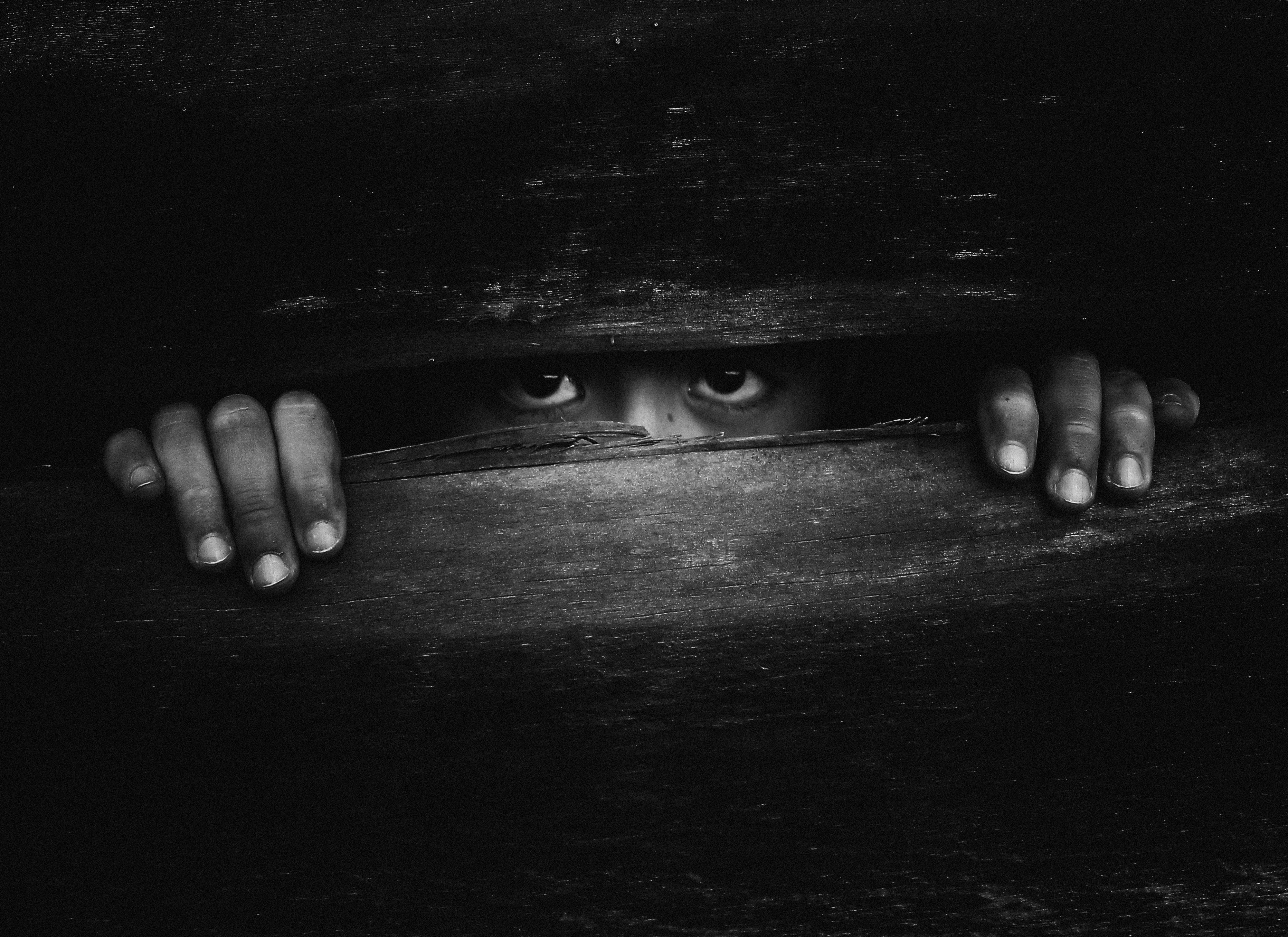
Jaat Panchyaat!…


You must have read it many times in the newspaper that a man was beaten with stones tieing him to the tree or a woman made to remove her clothes and roam around the village. Such news shook us. We feel ashamed as a human when we come across such news at the start of the day.
In such incidents, questions arise in our mind that who made him/her do that? What was the reason? Why didn’t she protest? How humans can be so cruel?. These cruel punishments are dictated by Jaat panchayat. Many of you must be knowing what it is, few of you didn’t know about it. So let me tell you. In the village and rural areas, people don’t follow government rules. They only follow the rules of their community(jaat). People of the community unanimously choose a team of certain people as panch. These panch make the judgements on any issue of the community. They don’t let any outsider peep in the judgements of the community. It would be completely okay if they would have given correct justice and punishments. But when we hear about the punishments they give, we feel disgusted. The families under guilt are hit with rocks and sticks. They don’t even spare women for such punishments. If someone of the community tries to oppose them, they simply throw them out of the community. So people are always in fear of getting thrown out of the community and bear all the injustice for the sake of society. These community judges even forget that they are punishing a human. They need to act human. They give punishments as they feel and nobody raises voice against them. They don’t even let police interfere in this. They put inhuman and toxic rules and everybody obeys them blindly. When they give judgements, they give it as per their convenience and personal agenda. People fear for their honour in society and fall prey to such injustice. In this mess, a family proven guilty has to suffer. They lose their present and beautiful future. This needs to stop, someday, somewhere!…

Dissent v/s contempt

The Court is the pedestal from where the divine light of justice blankets the whole nation. It is the place of faith. And this is the place where should arise impartiality, independence, and fairness in their crude form. This third pillar of democracy not only supports the democratic structure of the country, but also the faith of each individual, regardless of age, gender, caste, power and so on. While it is believed that justice served must be accepted as it is, people often tend to have varied opinions, disagreeing with the Court or the Judge. This dissent sometimes, intentionally or unintentionally, takes the form of contempt.

In Indian legal system, concept of contempt is older than the India herself, but the earlier recorded roots can be traced back to the Regulating Act of 1773. This Act stated that the Mayor’s Court of Calcutta would enjoy the same power as the court of the English Bench to penalize in case of Contempt of Court.

What is the Contempt of Court?
Contempt of court is the act of being defiant or disrespectful to the judiciary institutions. Conducts that amount to contempt of court  are:
• disobeying or opposing court’s order
• scandalizing or prejudicing court and it’s   proceedings
• interfering with administration of justice

Though the Indian Constitution doesn’t explicitly state the definition of Contempt of Court, it categorises this offence into
Civil and Criminal Contempt.
Civil Contempt: Section 2(b) of the Contempt of Court Act defines Civil Contempt as “wilful disobedience to any judgment, decree, direction, order,
writ or other process of a court or wilful breach of an undertaking given to a court”;
Criminal Contempt: Section 2(c) defines  Criminal Contempt as the publication of any matter or the doing of any other act whosoever which,
(i) scandalises or tends to scandalise, or lowers or tends to lower the authority of, any court; or
(ii) prejudices, or interferes or tends to interfere with, the due course of any judicial
proceeding; or
(iii) interferes or tends to interfere with, or obstructs or tends to obstruct, the administration.

A brief history.
In 1926, the first Contempt of Court Act was passed, affirming the power of the High Courts to punish or judge contempt offences committed against the subordinate courts. Further, the Contempt of Court Act of 1952 replaced the previous  Act and also expanded the power of penalizing from High Courts to the other courts as well. But, there continued to be disagreeing opinions about the law. Hence, in 1961, a committee was adopted to examine the application of contempt laws. The committee recommended that the proceedings of the Contempt should be initiated on the recommendation of government law officer, unlike the previous legislation that the Court itself can initiate the proceedings. These recommendations were carried forward in the Contempt of Court Act of 1971. And this, 1971 Act, is the current legislation which governs contempt of court in India.

What is dissent?
Dissent can be regarded as “a strong difference of opinion on a particular subject, especially about an official suggestion or plan or a popular belief”. A person in India, is allowed to differ in opinions with other citizens and also those in power and can propagate his belief as his own. Freedom to dissent is one of the most important rights guaranteed by the Constitution.

There is a very thin line between dissent and contempt which often goes blurred. If there’s no freedom without dissent, then contempt is the exploitation of that freedom. But not to forget, if contempt is a punishable offense under Indian law, then free dissent is the right of every man. A democracy without the tolerance for dissent is actually a totalitarian regime, for there’s no greater idea of democracy than free men. “Freemen, in the exercise of free thoughts, will give vent in free speech”.

Obesity and social life.

“People who lie to themselves about investing are the same as overweight people who blame their genes for their obesity.”

A change in the lifestyle of youngsters had not only to change their working habits but also brought a huge change in eating habits resulting in conditions like overweight and obesity. Engaging ourselves in works related to inactivity had worsened the situation.

Eating junk and spicy food instead of a regular balanced diet had contributed in disturbing our BMI index. It is a medical problem that increases your risk of other diseases and health problems, such as heart disease, diabetes, high blood pressure, and certain cancers.

However, the terms overweight and obese differs from each other for adults, WHO define overweight and obesity as-

  • overweight is a BMI greater than or equal to 25; and
  • obesity is a BMI greater than or equal to 30.

Body mass index (BMI) is a simple index of weight-for-height that is commonly used to classify overweight, underweight, normal, and obesity in adults. It is defined as a person’s weight in kilograms divided by the square of his height in meters.

According to the studies of WHO, In 2016, more than 1.9 billion adults aged 18 years and older were overweight. Of these over 650 million adults were obese. The worldwide prevalence of obesity nearly tripled between 1975 and 2016.

Causes of obesity?

Intake of excess sugar and carbonated drinks, eating fried and unhealthy products, and eating after being full.

Smoking and drinking frequently.

Genetic and medications.

Lack of exercise and sleep.

Social issues.

How it affects one’s social life?

Obesity not only affects a person physically but also mentally. We live in a world where social media had become a crucial part of our lives. We tend to believe in ideal body shape and size and get more prone to body shame ourselves. Obese people are more inclined to get bullied and teased they are seen as a liability on the economy as obesirty contribute towards laziness and lack of interest. This leads to distress and anxiety situations making a person more disposed towards depression. They may also face social isolation making them feel lonely and losing their confidence. Guilt, lower work achievement, and sex problems are some of the major factors affecting the quality of life.

In undeveloped countries the ability to afford food, high energy expenditure with physical labor, and cultural values favored a larger body size are believed to contribute to the observed patterns.

How to prevent obesity?

Exercise on a daily bases maybe it is yoga or cardio. Stay consistent with what you do.

Try to eat a healthy diet enriched with proteins, vitamins, and minerals. Take salad and fruits on a regular bases. Eat-in small intervals.

Quit smoking

Everything takes time but the important thing is to never stop believing in youself and never stop trying

You are special and have a purpose, so take steps to fulfill it. It is never too late to start.

Overpopulation: What can we do?

Contraceptual Art | MAHB
Over Population

Many countries of the world are currently experiencing problems caused by rapidly growing populations in urban areas, and both governments and individuals have a duty to find ways to overcome these problems.

Overpopulation can lead to overcrowding and poor quality housing in many large cities. Poorly heated or damp housing could cause significant health problems, resulting in illness, such as bronchitis or pneumonia. Another serious consequence of overcrowding is a rising crime rate as poor living conditions may lead young people in particular to take desperate measures and turn to crime or drugs.

In terms of solutions, I believe the government should be largely responsible. Firstly, it is vital that the state provides essential housing and healthcare for all its citizens. Secondly, setting up community projects to help foster more community spirit and help keep young people off the street is a good idea. For example, youth clubs or evening classes for teenagers would keep them occupied. Finally, more effective policing of inner city areas would also be beneficial.

Naturally, individuals should also try to address these problems. One way is to put pressure on the government to ensure they tackle the problems by, for instance, forming action groups to lobby the government and request intervention and adequate funding. They could also form Neighbourhood Watch areas to try and help reduce the high levels of crime.

Therefore, it is clear that the problems caused by overpopulation in urban areas are very serious. Yet if governments and individuals share a collective responsibility, then it may well become possible to offer some solutions.

Actions on the individual level

  • Have fewer children! One is good, two is enough
  • Consider adoption!
  • Read, educate yourself about population issues
  • Reduce your personal consumption: go vegan, limit flying, share your household with others,
  • Educate your teenage child(ren) about sex and contraception early, without taboos
  • Spread your knowledge and concern among your friends and family, raise awareness about overpopulation on social media
  • Donate to family planning programs in your own or other countries – for example to International Planned ParenthoodFP2020 or another equally deserving organization
  • Vote for politicians who acknowledge the detrimental impacts of population growth and propose political solutions

Actions on the community level

  • Join local environmental groups, encouraging them to “connect the dots” between population and the environment and address population issues
  • Write opinion pieces for local newspapers, contact local media sources requesting more reporting on population issues – create demand!
  • Municipalities should set growth management boundaries, discouraging sprawl development on their fringes
  • Towns and cities should purchase surrounding lands, or the development rights to such lands, in order to set them aside as nature preserves and open space
  • City councils should pass resolutions accepting limits to growth, and directing their national governments to develop policies to stabilize or reduce national populations

Actions on the national level

In high fertility developing countries, governments should:

  • Generously fund family planning programs
  • Make modern contraception legal, free and available everywhere, even in remote areas
  • Improve health care to reduce infant and child mortality
  • Restrict child marriage and raise the legal age of marriage (minimum 18 years)
  • Introduce obligatory education as long as possible (minimum until the age of 16), and generously fund the necessary infrastructure

In low fertility developed countries, governments should:

  • Embrace rather than fight aging and shrinking societies – read more 
  • Reorganize pensions and other socio-economic systems to accommodate aging societies
  • Eliminate baby bonuses, government funding for fertility treatments, and other incentives to raise fertility rates
  • Reduce immigration numbers (at least to a level that will stabilize national populations, preferably to one that will lower them)
  • Reduce resource consumption and pollution through an effective mix of taxes, incentives and regulations

In every country, governments should:

  • Empower women, assuring equal rights, treatment and opportunities for both genders
  • Provide information and access to reproductive health care, including all types of low cost, safe, effective contraception
  • Make sterilization free, for men and women, or at least covered under all healthcare plans
  • Legalize abortion without restrictions or social stigma
  • Integrate family planning and safe motherhood programs into primary health care systems
  • Make population and environmental issues and sex education part of the basic educational curriculum
  • Disincentivize third and further children non-coercively, by limiting government support to the first two children
  • Create a national population policy built around an optimal population size, and work to achieve it
  • Set aside half the national landscape free from intensive development and dedicated to biodiversity protection

Actions on the global level:

  • Make “ending population growth” one of the UN Sustainable Development Goals 
  • Greatly increase the amount of foreign aid going to family planning
  • Change the current foreign aid distribution, giving more support for health and education, while ending international military aid
  • Global religious leaders should approve modern contraception methods and forcefully reject a fatalistic view of procreation
  • Financially support media programs designed to change social norms to bolster family planning, best example is Population Media Center
  • Hold a new global population conference, the first in twenty-five years, to reaffirm the ecological need to limit human numbers and the basic human right to family planning
  • Connect family planning to international environmental and development funding; e.g., include family planning in the Green Climate Fund
  • Create a new global treaty to end population growth, with all countries choosing population targets every half decade with a plan on how to achieve them (similar to the NDC format)
  • Create an online platform similar to the ClimateWatch platform, where visitors can see countries’ goals, plans and achievements to date.
In Case You Missed It: Population Control News from Around the ...

Child trafficking: Any fight worth fighting is worth taking a few hits over!

World Day Against Child Trafficking: The Unspoken Story. | by Just ...

Child trafficking

Justice will not be served until those who are unaffected are as outraged as those who are.”

– Benjamin Franklin

Trafficking in children is a global problem that has serious consequences to the present and future generations. An estimated number of 1 to 1.2 million children is trafficked globally annually (Beyrer 2004). The global trafficking industry is estimated to have a turnover of more than $10 million and 50 percent of this is child trafficking (UNICEF 2005).

Children are sold as commodities in this web of international trade. They are sold in foreign countries or internally usually from rural to urban areas. The enslavement of children results in millions of victims who are abused, smuggled and traded. These victims face cruel assault on their security and solemnity.

Child trafficking violates many core human rights, as it is a severe attack on human dignity. These children become victims of different forms of exploitation like sexual exploitation, forced labour, removal of organs etc. (Larsen 2011). Sexual exploitation of children being trafficked is a major problem is regions like Southeast Asia (Rafferty 2007), EU (Staiger 2005), Canada (Grover 2006), etc.

One of the main issues related to trafficking of children is how rampant is the problem and the identification of the victim. Further, trafficking of children poses concern for policymakers from both the countries where trafficking occurs and those where these children are trafficked.

Issues related to the prevention and subsequent rehabilitation of the trafficked children is observed in many developed countries. This paper discusses the various facets of child trafficking and its related issue of sexual exploitation of the trafficked children. Further, the paper sheds light on the trafficking of children in Canada.

In order to understand the problem related to child trafficking it is necessary to define the term trafficking. Trafficking is defined under Article 3 of the United Nations Protocol as the process of “recruitment, transportation, transfer, harbouring or receipt of persons, by means of the threat or use of force or other forms of coercion … for the purpose of exploitation.” (UNICEF 2005:11)

The definition clearly identifies the process of trafficking as a serious impingement to human rights and as an illegal activity. Further, the protocol clearly identifies the case of child trafficking as different from that of women or male adult trafficking, as it concerns a minor.

The nature of the trafficking crime becomes more intense as a minor gets into the trap of the trafficker due to deceit. The nature of exploitation of the children trafficked are varied in nature. According to the protocol exploitation is defined as “at a minimum, the exploitation of the prostitution of other forms of sexual exploitation, forced labour or services, slavery or practices similar to slavery, servitude or the removal of organs” (UNICEF 2005:11).

The exploitative nature of child trafficking makes it more severely inhuman as an activity. Trafficking is a criminal act even though the definition many times does not explicitly mention it to be illegal. There is a definite lack of proper identification and data maintained for the number of trafficked children, but the number is huge and it is increasing consistently every year.

The exploitative nature of trafficking is abundantly clear. Children are trafficked for various exploitative purposes that include forced labour, sexual exploitation, marriage, domestic labour, military recruitment, and most heinously, for their organs. However, most of these children are trafficked for SEX trade.

An estimated number of 1.8 million children in 2000, according to International Labour Organization (ILO), are traded into prostitution or pornographic industry. (UNICEF 2005; Staiger 2005) These children become victims of extreme form of physical, sexual, and psychological abuse.

Children are widely being recruited in conflict zones in armies or militia (Beyrer 2004; UNICEF 2005). The role of the children varies in such outfits where they work as soldiers, cooks, messengers, porters or sexual partners. Girls in conflict zones are extremely vulnerable to sexual abuse. Children join such outfits due to extreme poverty or are abducted.

In EU, children are trafficked for sexual exploitation from Central and Eastern European countries (Staiger 2005). Children above the age of 14 years are forced by poverty or gender related factors to succumb to traffickers. For instance, trafficking of Nepalese girls for sexual exploitation is largely related to domestic gender differences (Rafferty 2007).

In such countries, children are recruited mainly through the Internet, and transported to the EU countries. Germany is one of the destinations for children trafficked for sexual exploitation from Czech, Russia and Ukraine (Staiger 2005). Italy, Greece, and Belgium are destination for Albanian kids to be trafficked (Staiger 2005).

Why there is a rise in global trafficking of children? The reason lies in the widening gap between the poor and the rich, as the latter has access to greater chunk of the already scarce resources. The structural reasons that are driving child trafficking is demand for cheap child labour, especially those who can be controlled and continuously monitored.

An ILO estimate reveals that in 2003 there were 8 million children living under debt bondage mostly due to trafficking (Beyrer 2004) and more than 2 million children trafficked globally are exploited for sexual labour (Rafferty 2007). Omnivorous sex trade is also in demand, but girls are mostly in demand among traffickers as heterosexual sex trade has a greater demand. Sexual abusers may be paedophile abuser, prostitution, pornographic industry, and sex tourism (Rafferty 2007).

Canada, like many other developed countries, is destination for child traffickers. Children are brought in the country in crowded cargoes in ships in inhuman condition without food or water or ventilation (Grover 2006). These children are forced into prostitution or in the pornographic industry. However, there is an increasing problem of identification of these children. Further, the Canadian government is yet to provide a refugee status to the child victims of trafficking that add to their woes, even after they are rehabilitated, in a foreign land (Grover 2006).

A video report on child trafficking and child sex industry in Cambodia shows how young girls are lured into the sex industry (Journeyman Pictures 2007). The video demonstrates how the children are driven into prostitution at an early age of 10 years.

The video shows mostly the mothers sell their young daughters into the sex industry and it is due to poverty. the report shows that though it is believed that the Cambodian child sex industry developed due to demand from foreign tourists of virgins. But actually, Cambodian men demand for virgin girls, for which this industry developed.

Child trafficking is a growing problem globally. The way to counter is not only identification of the victims but also through prevention of the incidence of trafficking. In many cases the children are so brutally abused and traumatized, rehabilitation is of hardly any use to them.

The aim should be preventing and absolutely doing away with child trafficking rather than identification and protection of victims. However, it is difficult for the government to prevent or stop trafficking for sex trade for a few reasons. First as it is difficult to ascertain the age of the trafficked person and the reason for which she is trafficked.

Tear of humanity: Terrorism

Countering terrorism | OSCE

Terrorism not only kills the innocent but it also undermines democratic governance, even in mature democracies such as the United States and much of Europe, India, and other parts of the world. To eliminate the threat that terrorism poses to democracy, the United States and its allies should continue to emphasize sharing intelligence and make such efforts.

Terrorism Definitions 

International terrorism: Violent, criminal acts committed by individuals and/or groups who are inspired by, or associated with, designated foreign terrorist organizations or nations (state-sponsored).

Domestic terrorism: Violent, criminal acts committed by individuals and/or groups to further ideological goals stemming from domestic influences, such as those of a political, religious, social, racial, or environmental nature.

In our overview of terrorism, we try to understand how the number of terrorist acts varies around the world and how it has changed over time. To do this, we need a clear and consistent definition of what terrorism is, and how it’s different from any other form of violence. This is not straightforward.

Terrorism is defined in the Oxford Dictionary as “the unlawful use of violence and intimidation, especially against civilians, in the pursuit of political aims.” We quickly see that this definition is unspecific and subjective. The issue of subjectivity in this case means that there is no internationally recognised legal definition of terrorism. Despite considerable discussion, the formation of a comprehensive convention against international terrorism by the United Nations has always been impeded by the lack of consensus on a definition.

The key problem is that terrorism is difficult to distinguish from other forms of political violence and violent crime, such as state-based armed conflict, non-state conflict, one-sided violence, hate crime, and homicide. The lines between these different forms of violence are often blurry. Here, we take a look at standard criteria of what constitutes terrorism, as well as how it might be distinguished from other forms of violence.

The criteria for terrorism

Violent actions are usually categorised according to the perpetrator, the victim, the method, and the purpose. Different definitions emphasise different characteristics, depending on the priorities of the agency involved. 

In our coverage of terrorism, we rely strongly on data from the Global Terrorism Database (GTD), which defines terrorism as “acts of violence by non-state actors, perpetrated against civilian populations, intended to cause fear, in order to achieve a political objective.” Its definition excludes violence initiated by governments (state terrorism) and open combat between opposing armed forces, even if they’re non-state actors. In our definitions section we provide the GTD’s more detailed definition, in addition to others such as that of the United Nations. 

A few key distinguishing factors are common to most definitions of terrorism, with minor variations. The following criteria are adapted from the definition given by Bruce Hoffman in Inside Terrorism.

o be considered an act of terrorism, an action must be violent, or threaten violence. As such, political dissent, activism, and nonviolent resistance do not constitute terrorism. There are, however, many instances around the world of authorities restricting individuals’ freedom of expression under the pretext of counter-terrorism measures. Human rights groups, such as Amnesty International and Human Rights Watch, publish reports on such cases of censorship.

The inclusion of damage to private and public property in the definition of terrorism is a point of contention, but it is generally accepted in legal and statistical contexts.

An action must also be carried out for political, economic, religious, or social purposes to count as terrorism. For example, the terrorist organisation Islamic State of Iraq and the Levant (ISIL) has clearly stated its political goal to establish itself as a caliphate. Likewise, attacks perpetrated by white extremists have discernable sociopolitical motivations, and so are considered acts of terrorism. By contrast, violent acts committed without a political, economic, religious or social goal are not classified as terrorism, but instead as ‘violent crimes’

To be classified as terrorism, actions must be designed to have far-reaching psychological repercussions beyond the immediate victim or target. In other words, an action must aim to create terror through “its shocking brutality, lack of discrimination, dramatic or symbolic quality and disregard of the rules of warfare”.

Additionally, targetting noncombatant, neutral, or randomly chosen people – generally, people not engaged in hostilities – is a necessary but not sufficient condition to constitute terrorism. The US State Department includes in the definition of ‘noncombatant’, “military personnel who at the time of the incident are unarmed and/or not on duty.” They “also consider as acts of terrorism attacks on military installations or on armed military personnel when a state of military hostilities does not exist at the site.” As such, actions during open combat, where a state of military hostility exists, do not constitute terrorism.

Terrorist actions must be also conducted either by an organization with an identifiable chain of command or conspiratorial cell structure (whose members wear no uniform or identifying insignia), or by individuals or a small collection of individuals directly influenced by the logical aims or example of some existent terrorist movement and its leaders (typically referred to as a ‘lone wolf’ attack).

Finally, the action must be perpetrated by a subnational group or non-state entity. Equivalent actions perpetrated by the armed forces of nation states are given different classifications, such as ‘war crime’ or one-sided violence.

Distinguishing terrorism from other forms of violence

Based on the criteria above, we can begin to separate terrorism from other types of violence based on some very simplified distinctions: 

  • killings perpetrated by non-state actors against civilians, which are not ideological in nature i.e. not motivated by a particular political, economic or social goal, are classified as homicide;
  • violence perpetrated by non-state actors against civilians, specifically based on ethnicity, sexuality, gender, or disability, without political or social intent to cause widespread fear, is classified as a hate crime; 
  • violence involving open combat between opposing armed forces is classified as state-based armed conflict, if at least one of the parties is the government of a state;
  • if, in the scenario above, none of the parties is the government of a state, this is classified as a non-state conflict
  • violence perpetrated by governments against civilians is classified as one-sided violence.

How terrorism and other forms of violence overlap

But even with these distinctions in mind, there is not always a clear-cut boundary between terrorism and other forms of conflict like civil war and violence targeting civilians.

The GTD codebook notes this: “there is often definitional overlap between terrorism and other forms of crime and political violence, such as insurgency, hate crime, and organized crime”. Given the difficulty of excluding such cases in a systematic way, this database includes them wherever they meet the basic criteria that form the definition of terrorism. However, it also flags up instances where the coders had doubts whether the event would be better characterised by one of these ‘alternative designations’. You can explore this by downloading the full GTD dataset at their website. As such, there is a partial overlap between common definitions of terrorism and certain other types of conflict.

Another way in which conflict researchers distinguish between different types of violent acts is in terms of the number of victims. The Uppsalla Conflict Data Program (UCDP), for instance, only includes events involving at least 25 deaths – a requirement not present in GTD. Therefore many, but not all, of the events recorded in GTD will also be counted in the UCDP data, which are the basis of our charts of non-state and one-sided violence.

As an example, the September 11 attacks on the World Trade Centre in New York City are included as both a terrorist attack in the GTD, and an episode of one-sided violence in the UCDP data, because the perpetrators were members of the organised group Al-Qaida, and it resulted in more than 25 deaths. However, the Norway attacks on 22 July 2011, in which a right-wing extremist killed or injured more than 100 people, is included in GTD as a terror attack, but is not present in UCDP data, since the attacker was acting independently, and did not represent the government of a state.

We are therefore aware that there can be overlap between the data we present on terrorism and that which we present on conflict. This fact is a crucial point in understanding the definition of terrorism and what the term means to people. Many of the terrorist attacks that take place today are events which many people would think of as a different form of violence or conflict. In fact, most terrorism actually happens in countries of high internal conflict, because ultimately terrorism is another form of conflict.

Religious conflicts: Violence is on the rise!

Religious Conflict – Happenings@LPU
Religious conflicts are among the most severe social issues today

The difference in beliefs: people belonging to different religions have different views.Lack of education: People who want to spread violence in the name of religion can easily mislead illiterate people. Sometimes, conflicts between communities lead to violence and crime. The solution to religious violence lies only in the hands of Societies.

Religious violence is undergoing a revival. The past decade has witnessed a sharp increase in violent sectarian or religious tensions. These range from Islamic extremists waging global jihad and power struggles between Sunni and Shia Muslims in the Middle East to the persecution of Rohingya in Myanmar and outbreaks of violence between Christians and Muslims across Africa. According to Pew, in 2018 more than a quarter of the world’s countries experienced a high incidence of hostilities motivated by religious hatred, mob violence related to religion, terrorism, and harassment of women for violating religious codes.

The spike in religious violence is global and affects virtually every religious group. A 2018 Minority Rights Group report indicates that mass killings and other atrocities are increasing in countries both affected and not affected by war alike. While bloody encounters were recorded in over 50 countries, most reported lethal incidents involving minorities were concentrated in Syria, Iraq, Nigeria, India, Myanmar, Pakistan and Bangladesh. Hostilities against Muslims and Jews also increased across Europe, as did threats against Hindus in more than 18 countries. Making matters worse, 55 of the world’s 198 countries imposed heightened restrictions on religions, especially Egypt, Russia, India, Indonesia and Turkey.

How is it that religions – which supposedly espouse peace, love and harmony – are so commonly connected with intolerance and violent aggression? Social scientists are divided on the issue. Scholars like William Cavanaugh contend that even when extremists use theological texts to justify their actions, “religious” violence is not religious at all – but rather a perversion of core teachings. Others such as Richard Dawkins believe that because religions fuel certainties and sanctify martyrdom, they are often a root cause of conflict. Meanwhile, Timothy Sisk claims that both hierarchical religious traditions (such as Shi´ism) and non-hierarchical traditions (such as Buddhism) can both be vulnerable to interpretation of canon to justify or even provide warrants for violent action.

 Religious violence has been rising for years
Centre for Security Studies/RELAC/Svensson Isak/Nilsson Desireé

For millennia, every religious tradition has either fallen victim to or sanctioned violence. Consider Saint Augustine and Saint Aquinas who laid the foundations of the ‘just war’ doctrine in the cases of self-defense, to prevent a tyrant from attacking, and to punish guilty enemies. Christians, Buddhists, Hindus, Jews, Muslims, Sikhs and others have long invoked violence in the name of religion. In some cases, as when state and religion are intertwined, mass violence may arise. Unfortunately, the risk of sectarian violence is unlikely to go away: more than 84% of the world’s population identify themselves with a religious group.

Violence inspired by religious intolerance is easier described than defined. It spans intimidation, harassment and internment to terrorism and outright warfare. Usually it arises when the core beliefs that define a group’s identity are fundamentally challenged. It is ratcheted-up by ‘in-group’ communities against other ‘out-group’ communities, often with the help of fundamentalist religious leaders. Some researchers such as Justin Lane refer to the sense of threat among insiders as “xenophobic social anxiety”, which – when combined with political and cultural exclusion and social and economic inequality – can escalate into extreme physical violence.

Religious leaders are often criticized for not doing enough to stem religious violence. By not publicly condemning every act of extremism, entire faith communities are presumed to be somehow complicit. This is unfair. Indeed, there are millions of people of faith who are actively involved in helping the poor and marginalized and fostering reconciliation in the aftermath of war. They may be mobilized through their churches, mosques, synagogues and temples, or work through international humanitarian agencies and missions overseas. While regularly accused of fanning the flames of sectarian violence, religious leaders are frequently trying to do the opposite, including mediating peace agreements and promoting non-violence.

In an era of turbulence and uncertainty, interfaith action may offer an important antidote to religious violence. Religious communities can and do offer a reminder of the core principles of our common humanity. While not the exclusive preserve of faith-based groups, the conscious spread of values of empathy, compassion, forgiveness and altruism are needed today more than ever. The persistent calls for patience, tolerance, understanding, face-to-face dialogue and reconciliation are more important than ever given today’s spiralling polarisation and the dangerous anonymity provided by social media.

In fact, ecumenical groups have played a behind-the-scenes role in some of the world’s most successful peace efforts. High-level mediators like Archbishop Desmond Tutu helped lay the groundwork for peace agreements, from mediating between rival South African factions in the 1990s to averting a bloodbath in Kenya in 2008. The World Council of Churches and All African Conference on Churches have also played a role in mediating peace agreements since the 1970s. Italy’s Sant-Egidio has supported interfaith dialogue and campaigns to prevent and resolve conflicts and promote reconciliation from Albania to Mozambique. And groups like Islamic Relief, among others, have long supported mediation and reconciliation activities in war-torn communities.

Faith-based groups have also frequently led the way in shaping international treaties and social movements to make the world safer. While far from the media headlines, Quakers, for example, have helped launch treaties banning landmines and other weapons of war, supported the development of protocols to outlaw child soldiers, and instigated action on conflict prevention, peace-building and human rights. While religious groups have adopted varying positions toward capital punishment, many of them are unified in their opposition to the use of torture, advocate for banning nuclear and other weapons of mass destruction, and support grassroots campaigns to promote human rights and reconciliation.

Failure to Implement Domestic and International Law on Caste system

US Government to consider strict data localisation laws – Telecoms.com

The practice of “untouchability,” other caste-based discrimination, violence against lower-caste men, women, and children, and other abuses outlined in this report violate numerous domestic and international laws. International human rights law imposes on governments a duty to guarantee the rights of all people without discrimination and to punish those who engage in caste-based exploitation, violence, and discrimination.

In its August 2000 resolution, the U.N. Subcommission on the Promotion and Protection of Human Rights urged governments to ensure that “appropriate legal penalties and sanctions, including criminal sanctions, are prescribed for and applied to all persons or entities within the jurisdiction of the Governments concerned who may be found to have engaged in practices of discrimination on the basis of work and descent.”

The subcommission’s working paper on work and descent-based discrimination noted a year later, “The laws are there, but there is a clear lack of will on the part of law enforcement officers to take action owing to caste prejudice on their part or deference shown to higher-caste perpetrators.”

Though constitutional guarantees and other national legislation banning caste discrimination suggest that various governments have successfully tackled caste-related violations, much of the legislation remains unenforced. Official condemnation alone has proven insufficient in many countries in abolishing caste-based abuses.

In India, for example, laws are openly flouted while state complicity in attacks on Dalit communities continues to reflect a well-documented pattern. India’s own constitutional and statutory bodies, including the National Human Rights Commission and the National Commission for Scheduled Castes and Scheduled Tribes, have repeatedly confirmed and decried the prevalence of the abuses outlined in this report. Other government authorities, however, have facilitated continued discrimination. Indeed it would be difficult to convince Dalits that, over fifty-four years after independence, the government had done anything to end the violence and discrimination that has ruled their lives. The message sent from the judiciary on caste discrimination is equally disturbing: in July 1998 in the state of Uttar Pradesh, an Allahabad High Court judge reportedly had his chambers “purified with Ganga jal,” water from the River Ganges, because it had earlier been occupied by a Dalit judge.

The state’s failure to prosecute atrocities against Dalits is well illustrated by its manipulation of the Scheduled Castes and Scheduled Tribes (Prevention of Atrocities) Act. Enacted in 1989, the act provides for certain stiffer punishments for abuses against members of scheduled castes and scheduled tribes when committed by non-scheduled caste or tribe members. Its enactment represented an acknowledgment on the part of the government that abuses, in their most degrading and violent forms, were still perpetrated against Dalits despite the constitutional abolition of “untouchability” four decades earlier.

The potential of the Scheduled Castes and Scheduled Tribes (Prevention of Atrocities) Act, 1989, to bring about social change, however, has been hampered by police corruption and caste bias, with the result that many allegations of caste crimes are not entered in police records. Ignorance of procedures and a lack of knowledge of the act have also affected its implementation. Even when cases are registered, the absence of special courts to try them can delay prosecutions for up to three to four years. Some state governments dominated by higher castes have attempted to repeal the legislation altogether.

In 1957 the government of Sri Lanka passed the Prevention of Social Disabilities Act making it an offense to deny access to various public places to persons by reason of their caste. A 1971 amendment imposed stiffer punishments for the commission of offenses under the 1957 act. According to the U.N. Subcommission’s working paper: “Initially there were some prosecutions in the North but there was a tendency for the police not to take action against violations. In a celebrated temple-entry case, the Act was challenged as interfering with customs and ancient usages that prohibited defilement of a Hindu temple by the entry of low-caste persons. This argument was rejected by the Supreme Court and Privy Council.”

Unlike India’s constitution, Sri Lanka‘s 1978 Constitution does not provide for community-based affirmative action. It does however prohibit discrimination on the grounds of caste, including caste-based restrictions on access to shops, public restaurants, hotels, places of public entertainment, and places of worship of one’s own religion. Despite these constitutional prohibitions, serious problems remain.

Prohibitions on the denial of fundamental freedoms to Nigeria‘s Osu community are part and parcel of the country’s constitution and domestic laws. Legislation abolishing the Osu system has been in force since the 1950s, and constitutional provisions prohibit discriminatory practices and promote equal implementation of legal protections. Nigeria has also incorporated the African Charter on Human and People’s Rights into its national legislation, strengthening its commitment on paper to end discriminatory practices such as the Osu caste system. However, these laws remain largely unenforced.

According to the 1984 report of an expert to the then-U.N. Subcommission on Prevention of Discrimination and Protection of Minorities, slavery “as an institution protected by law has been genuinely abolished in Mauritania…. Nevertheless… it cannot be denied that in certain remote corners of the country over which the administration has little control certain situations of de facto slavery may still persist.” Still many human rights groups, including Human Rights Watch, have pointed to Mauritanian government inaction in enforcing its own ban on slave-like practices.

In their oral submission before the fiftieth session of the U.N. Subcommission on Prevention of Discrimination and Protection of Minorities in 1998, Anti-Slavery International stated that, “the government does not have a pro-slavery policy, but its silence and inaction on this issue allow centuries-old caste servitude to continue with impunity.” In a 1999 letter Human Rights Watch noted the following on the enforcement of laws against slavery:

The government has not taken any forceful steps to remove what it considers the “vestiges” or “after effects” (sequelles) of slavery. While the courts have upheld individual rights in a few cases, judges have failed to enforce systematically the laws abolishing slavery, in some cases returning “slaves” to their “masters” even though this relationship in theory has ceased to exist. Few lawyers are able and willing to appear in court to defend the rights of “slaves.” There is no law providing for the practice of slavery or forced labor to be an offense; while provisions in the 1980 law for compensation to be provided to slave-owners (but not slaves) have never been implemented, encouraging an attitude among “masters” that they need take no action to ensure substantive freedom for their “slaves.”

The success of legislation to combat caste discrimination in Japan may be coming to an end. To counter various forms of discrimination against the Buraku population, the Japanese government instituted the “Law on Special Measures for Dowa Projects.” This series of reform efforts had considerable success in improving housing areas for Buraku communities and increasing education and literacy rates among Buraku children. As a case in point, from 1963 to 1997, the enrolment of Buraku children in high school and public vocational schools rose from 30 percent to 92 percent, while university and junior college rates rose from 14.2 percent to 28.6 percent. With the Special Measures set to lapse in March 2002, civil rights activists in Japan worry that that progress will be halted and have urged the government to consider the need for further such legislation.

Caste & South Asian Diaspora

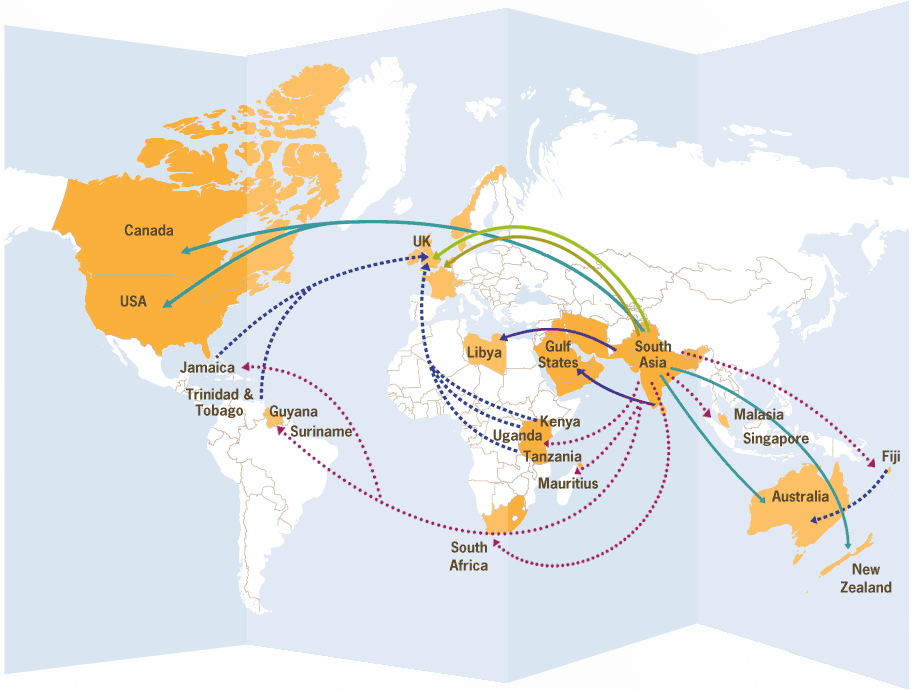
Caste has migrated with the South Asian diaspora to firmly take root in East and South Africa, Mauritius, Fiji, Suriname, the Middle East, Malaysia, the Caribbean, the United Kingdom, North America, and other regions.

Spearheading a Survey of Caste in South Asian Diasporas | by ...

Among migrant communities in North America and Europe, caste ideologies are perpetuated by families returning to India to seek out marriage partners within their own caste. U.S.-based matrimonial services, including regional conventions, are burgeoning alongside a growing population of Indian origin. Families openly advertise their caste preference in the matrimonial sections of Indian community papers in North America and Europe (a practice quite common within India as well), as well as on Internet matchmaking sites.

In the United States, a rising number of caste-based groups-each with chapters throughout many major cities-also points to the importance of caste as an identifier for migrant Indian communities. Such caste-based associations in the United States are providing funds and political support for a resurgence of caste fundamentalism in South Asia as well.

In Britain emigrant Dalits must also worship in segregated temples and have thus formed an umbrella group for low-caste temples-Guru Ravidass UK. Twenty-two of these temples withheld (and ultimately redirected) funds raised for earthquake victims in Gujarat due to incidents of caste discrimination in the distribution of earthquake relief.

Also in Britain caste tensions frequently erupt between high-caste Punjabis (Jats) and low-caste Punjabis (Chamars). Physical violence has also been known to erupt following intermarriage between the two communities. Caste consciousness becomes especially problematic given the sizable population of both Jats and Chamars in the United Kingdom. According Sat Pal Muman, a presenter at the September 2000 International Dalit Human Rights Conference in London, inquiries about one’s caste background are often made in privately run or Jat-run educational institutions and places of employment. In the city of Wolverhampton incidents of upper-caste Jats refusing to share water taps or make any physical contact with lower-caste persons have also been reported. At a sports competition in Birmingham in 1999 Jats reportedly refused to eat food that came from the Chamar community.

In Suriname, Indians of Dalit-descent continue to be largely distinguished by their various caste-based occupations.123 Chamars traditionally worked as drum beaters, beggars, hawkers, and shoemakers; Pallen as landless laborers; Dhobis as washers; Collies as porters; and Dasis as house servants. A higher-caste group includes Kurmis as cultivators, Ahir as cow herders, and Chettyar as weavers, barbers, shopkeepers, and moneylenders. The third and highest caste category consists of priests, scribes, and schoolmasters.

In Mauritius, with its large concentration of people of Indian origin, social organization is based on family, kinship networks, and “to a not negligible extent, caste-based organization.” Caste-based considerations have also been reported in the political and employment sector.

Caste distinctions play a role in both private life and political organization within Malaysia‘s minority “Indian” community although the extent of its influence on Malaysian Indian society is the subject of considerable debate. Caste considerations are most obvious in the private sphere, particularly in the community’s attitudes towards intermarriage. Many families seeking to arrange marriages place matrimonial ads that include caste requirements, and marriage brokers may be expected to take caste into account when finding suitable matches. As one researcher observed, “Caste has, indeed, such a strong hold in marriage matters that intercaste marriages between different categories of higher caste status sometimes do not take place with parents’ approval, much less between higher and lower caste members. Abolition of caste discrimination in this area remains a distant dream.” Though interactions outside the home seem to take place without much emphasis on caste, within the home contact with castes thought to be polluting may be quite limited. Some families, for example, refuse to dine with or accept food and drinks from people they suspect of being lower caste.

Mass migration of higher and lower-caste Indians to BahrainKuwait, the United Arab Emirates, and other Gulf states has brought with it vestiges of the caste system as well.

Silent sufferings of Lower-Caste women

Special report: Sexual harassment in workplaces in Pakistan ...


Lower-caste women are singularly positioned at the bottom of caste, class, and gender hierarchies. Largely uneducated and consistently paid less than their male counterparts worldwide they invariably bear the brunt of exploitation, discrimination, and physical attacks. Sexual abuse and other forms of violence against women are often used by landlords and the police to inflict political “lessons” and crush dissent within the community. Lower-caste women also suffer disproportionately in terms of access to health care, education, and subsistence wages as compared to women of higher castes.

Dalit women in India and Nepal make up the majority of landless laborers and scavengers, as well as a significant percentage of the women forced into prostitution in rural areas or sold into urban brothels. As such, they come into greater contact with landlords and enforcement agencies than their upper-caste counterparts. Their subordinate position is exploited by those in power who carry out their attacks with impunity. Incidents of gang-rape, stripping, and parading women naked through the streets, and making them eat excrement are all crimes specific to Dalit women in India. Sexual violence is also linked to debt bondage in IndiaPakistan, and Nepal.

According to a Tamil Nadu state government official, the rape of Dalit women exposes the hypocrisy of the caste system as “no one practices untouchability when it comes to sex.” Like other Indian women whose relatives are sought by the police, Dalit women have also been arrested and tortured in custody as a means of punishing their male relatives who are hiding from the authorities.

Gender-specific violence is a problem of epidemic proportions among low-caste plantation workers in Sri Lanka. In Nepal, Dalit women are economically marginalized and exploited, both within and outside their families. As the largest group of those engaged in manual labor and agricultural production, their jobs often include waste disposal, clearing carcasses, and doing leatherwork. Despite their grueling tasks and long hours, exploitative wages ensure that Dalit women are unable to earn a subsistence living. In some rural areas Dalit women scarcely earn ten to twenty kilograms of food grain a year, barely enough to sustain a family. Many have been driven to prostitution. One caste in particular, known as badis, is viewed as a prostitution caste. Many Dalit women and girls, including those from the badi caste, are trafficked into sex work in Indian brothels.

VoxSpace Life] Devadasis System : How Marriages To God Lead To A ...
devadasi system

Under the devadasi system, thousands of Dalit girls in India’s southern states are ceremonially “dedicated” or married to a deity or to a temple. Once dedicated, they are forced to become prostitutes for upper-caste community members, and eventually auctioned into an urban brothel. In Pakistan human rights organizations report that the rape of female bonded laborers is one of the most pressing problems facing the movement to end debt bondage. Not only is it a widespread, violent problem, but there is little legal recourse.

In Mauritania, women are particularly burdened by the designation of “slave.” While men are sometimes able to escape, and by law cannot be forced to return to their “masters,” women are often forced to remain as their “masters” threaten to keep their children. The tenuous legal status of slave children also keeps women tied to their masters.

Freedom Is Not About Speaking up but Choosing When to Be Silent ...

Slavery and Socio-Economic Disparities!

Debt Bondage and Slavery
The poor remuneration of manual scavenging, agricultural labor, and other forms of low-caste employment often force families of lower castes or caste-like groups into bondage. A lack of enforcement of relevant legislation prohibiting debt bondage in most of the countries concerned allows for the practice to continue unabated.

An estimated forty million people in India, among them some fifteen million children, are working in slave-like conditions in order to pay off debts as bonded laborers. Due to the high interest rates charged, the employers’ control over records, and the abysmally low wages paid, the debts are seldom settled. Bonded laborers are frequently low-caste, illiterate, and extremely poor, while the creditors/employers are usually higher-caste, literate, comparatively wealthy, and relatively more powerful members of the community.

The Bonded Labour System (Abolition) Act, 1976 abolishes all agreements and obligations arising out of the bonded labor system. It aims to release all laborers from bondage, cancel any outstanding debt, prohibit the creation of new bondage agreements, and order the economic rehabilitation of freed bonded laborers by the state. It also punishes attempts to compel persons into bondage with a maximum of three years in prison and a Rs. 2,000 (U.S.$43) fine. However, relatively few bonded laborers have been identified, released, and rehabilitated in the country.

In Pakistan the debt bondage system is most prevalent in the agricultural provinces of southern Punjab and Sindh. Most laborers in these areas are minority Hindus from lower castes. In a pattern similar to that practiced in India, the charging of exorbitantly high interest rates ensure that loans from landowners never get repaid. While the loan agreement is often made between the landowner and the male head of the peasant household, the work to pay off the loan is performed by the entire family, including women and children. Women have also been held in custody by landowners when bonded male members of the family leave the land or area, and have even been sold into marriage or prostitution should the male family member fail to return. As in India, children often inherit their families’ debts and remain trapped in a cycle of debt bondage.

A disturbing reflection of the slavery of centuries past is the well-documented practice of tying up or chaining bonded laborers to hinder their escape. Of the 7,500 bonded laborers reported to have escaped or been released since 1995 in the southern Sindh province, human rights organizations report that “several hundred” of them were found “tied up or in chains. “Similarly, in 1991 the Pakistani army reportedly conducted a raid that unearthed the illegal detention of 295 laborers, including 132 children, all of whom were shackled each night. Most were only given flour and chili peppers as food and had no access to plumbing facilities or medical care. National legislation in Pakistan prohibiting these practices reportedly has done little to eradicate them. Provincial governments responsible for their enforcement have yet to establish mechanisms to put them into practice.

According to the United Nation Development Programme’s “Nepal Human Development Report 1998,” despite legal pronouncements to the contrary, bonded labor has not been eradicated in Nepal. The report adds:

In the mid-western and far western hills, the debt-bonded agricultural labourers, haliyas, mainly from “untouchable” castes, work under this system. The Anti-Slavery International and INSEC in 1996 rarely observed haliyas from among members of the high caste groups…. Their report also revealed that in the regions noted above, members of “untouchable” households were charged very high rates of interest – as high as 10 percent/month – on loans forwarded by their landlords, while members of “high caste” households were generally charged only 2-3 percent/month. Such discrimination was designed to keep alive and intensify the system of debt bondage. The “low caste” Tarai groups like Musahar, Dusadh, Dom, Chamar, etc. face a similar problem: repayment of loans is actively discouraged by the landlords (ibid.). Because the primary interest of the landlord lies in continued cultivation of his land and in regular assurance of labour supply, his lending is not directed towards earning interest in cash (NRB 1988).

The legacy of slavery as a form of caste and descent-based discrimination in Mauritania is an issue the government must do more to address. While President Maaouiya Ould Sid’Ahmed Ould Taya has brought public attention to modern-day slavery practices throughout the country-and while the government purports to have implemented relevant education and agrarian reforms-its record on enforcing slavery-specific legislation, and legislation promoting the civil rights of former slaves, is weak.

Both the Arab and Afro-Mauritanian groups have long distinguished community members on the basis of caste, and both included a caste-like designation of “slave” within these systems. To this day a former “slave” distinction-particularly for the Haratines, Arabic speakers of Sub-Saharan African origin-still carries significant social implications. At best, members of higher and lower castes are discouraged from intermarrying. In Soninke communities, members of the slave caste are also buried in separate cemeteries. At worst, however, there is a widespread system of unpaid servitude required of communities whose members still self-identify as slaves. Though the government has long outlawed slave-like distinctions and practices, it has taken few steps to enforce these laws. A weak economy also leaves former slaves with few options other than remaining with the families of masters who owned their ancestors. Caste systems similar to those found among the Wolof of Senegal can also be found among Soninke, Halpular, and Wolof Afro-Mauritanians.

Caste and Socio-Economic Disparities
Significant economic and educational disparities persist between lower and higher-caste communities in the countries highlighted in this report. Lower-caste communities are often plagued by low literacy levels and a lack of access to health care and education. A lack of formal education or training, as well as discrimination that effectively bars them from many forms of employment, and the nonenforcement of protective legislation, perpetuates caste-based employment and keeps its hereditary nature alive.

As of 1997, there were reportedly only two Dalit medical doctors and fifteen Dalit engineers in Nepal. The life expectancy rate of Nepal’s Dalits is five years short of the national average of 55. Children face a higher incidence of malnutrition and the general population lacks access to clean drinking water or proper health services.

Nepal’s 1998 Human Development Report revealed that development indicators closely followed caste lines. Without a single exception, the lower the caste, the lower the life expectancy, the literacy rate, years of schooling, and per capita income.In 1999, Nepal’s fourteenth periodic report to CERD also frankly and constructively highlighted the economic disparities that continue to persist between low- and high-caste populations:

Awareness creation, income generation, education and health facilities programmes were implemented to address the problems of the backward communities. However, the gap between so-called higher and lower castes has not narrowed. There have hardly been any changes in the society or the living standard of the poor. Consequently, the people of backward communities have felt discriminated against and could not believe that the Government was doing anything for their welfare and development.

The main reasons for this are: lack of integrated programmes, weak implementation and sustainability, failure to mainstream backward communities and repressed people into the national development process, centre-oriented/based programmes rather than community-based/participatory programmes, little attention to human resource development and lack of encouragement to the development and modernization of traditional occupations and skills, lack of effective institutional mechanisms, etc.

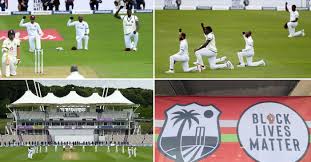
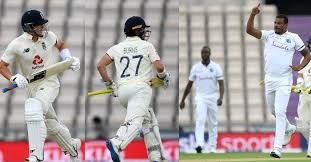
Southampton Test:West Indies ,England players take a knee to show solidarity with black lives matter movement.

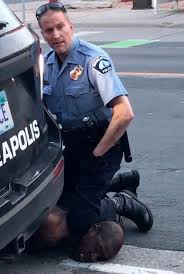
The international cricket resumed after 117 days due to corona pandemic with all due precautions of safety. In this 117 days world witnessed many challenges besides impact of corona virus, one such major was the brutal killing of George Floyd by a us police officer for using counterfeit money to buy cigarettes. The officer knelt on neck of Floyd for almost 8 minutes, where Floyd pleaded the officer to leave him as he was unable to breathe,but to no mercy from officer he later chocked to death.This was most brutal act and against humanity, many protests were done against the officer and he was even suspended.

This led to disclosure of many incidents of racism ,discrimination on color many cricketers came forward to explain how they had faced such things.

England and West Indies cricketers took a knee to show their solidarity against racism and support the ‘Black Lives Matter’ movement before the start of the first Test of the three-match series here at the Ageas Bowl on Wednesday.

Cricketers take a knee to show solidarity with Black Lives Matter movement

A minute of silence was also observed before the start of play to pay respect to the victims of the coronavirus pandemic and West Indies legend Everton Weekes, who passed away last week at the age of 95.

The Premier League resumed its suspended season in June and all teams have been sending out a strong message to show solidarity with the ‘Black Lives Matter’ movement.All teams have been taking a knee to show their support, while jerseys of all teams have ‘Black Lives Matter’ written on them.

5 secrets of successful person

When we talk about successful persons nearly all of us think that there must be something secret behind their success. May be we think they work hard but don’t we too work hard if yes then why do most of us think or assume that they are not successful in their life. There are no as such secrets behind success but there are surely some values which if we follow regularly become secrets behind our success. Let us learn about some so called unknown secrets of success.

1.successful people have strong self beiief:

This is the most essential quality to be successful. Such persons do sometimes get caught in self doubt but they witty enough to encounter such things. Instead of over analysing of what things could go wrong they focus on their strenghts. Thus to become successful one must have confidence in themself.

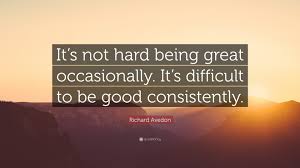
2. To be successful you need not be great all time but must be consistently good:

Yes many times people think that to be successful they must be always great in their work but no it is consistently good performance that makes one successful over the time. If you are great in your work it’s totally ok but being consistently good is must.

3.He who conquers the mind conquers the world:

Mind control is the most important thing to be successful, one must be always focused towards their goal in order to achieve success. Mind is like stearing of the vehicle, in order to reach your destination you must take control of it and keep going in the right path. There will be many distractions in the way but to win you must show strong desire and faith with you controlling the mind not your mind controlling your body.

4.Don’t bother about others, If you are clear in your goal:

This fact is always misunderstood sometimes you have to listen to elders and other experts in your field, because geart people are good listeners. However if you think someone is intentionally teasing you or distracting you from your goal, don’t even bother to reply them.

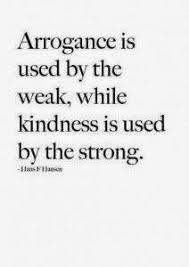
5.Don’t be arrogant or think yourself superior than others and always have faith in god:

One who is arrogant or over-confident has always risk of being failed. Only the ones who know their limits and are aware of their surroundings succeed. Great people never show-off and always know the importance of god and grateful to others. Don’t forget humans are social beings thus one who gains faith of society becomes successful.
Hope this article can help readers to redefine success in a positive way.