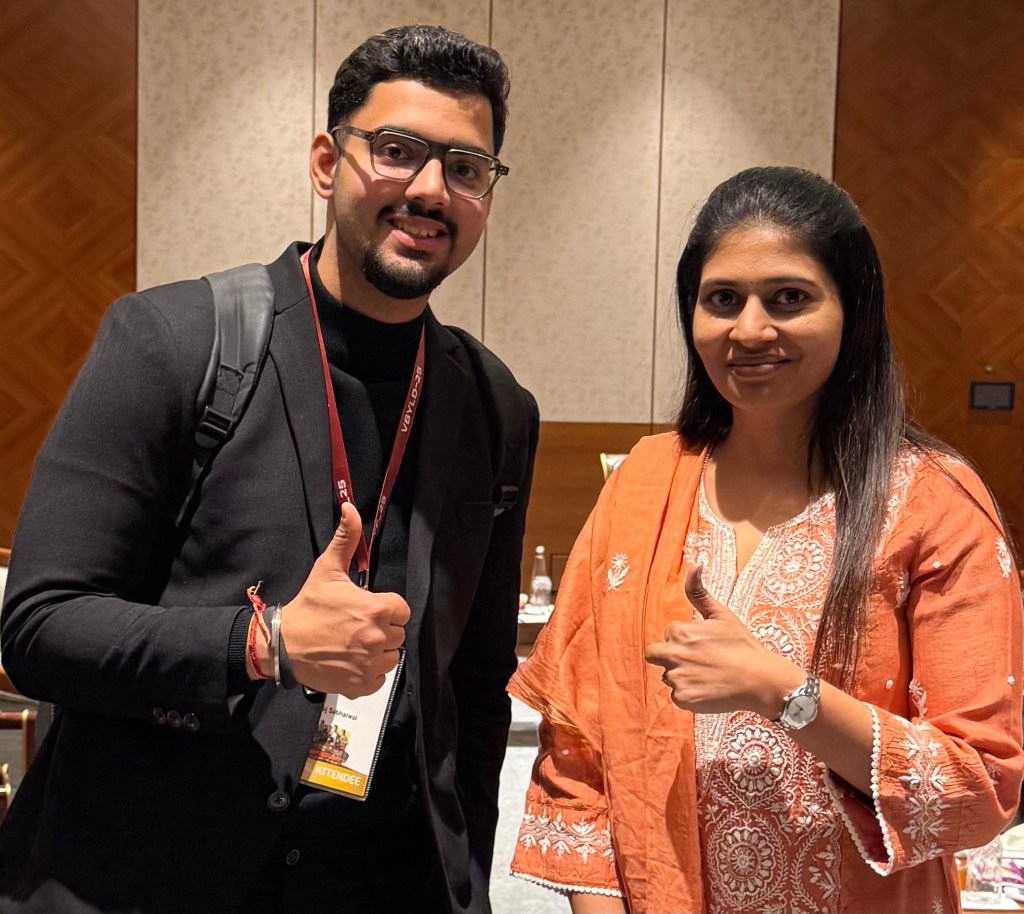
J&K’s Youth Icon Sahaj Sabharwal Invited to Viksit Bharat Youth Leaders Dialogue 2025

Daily writing prompt
In what ways do you communicate online?

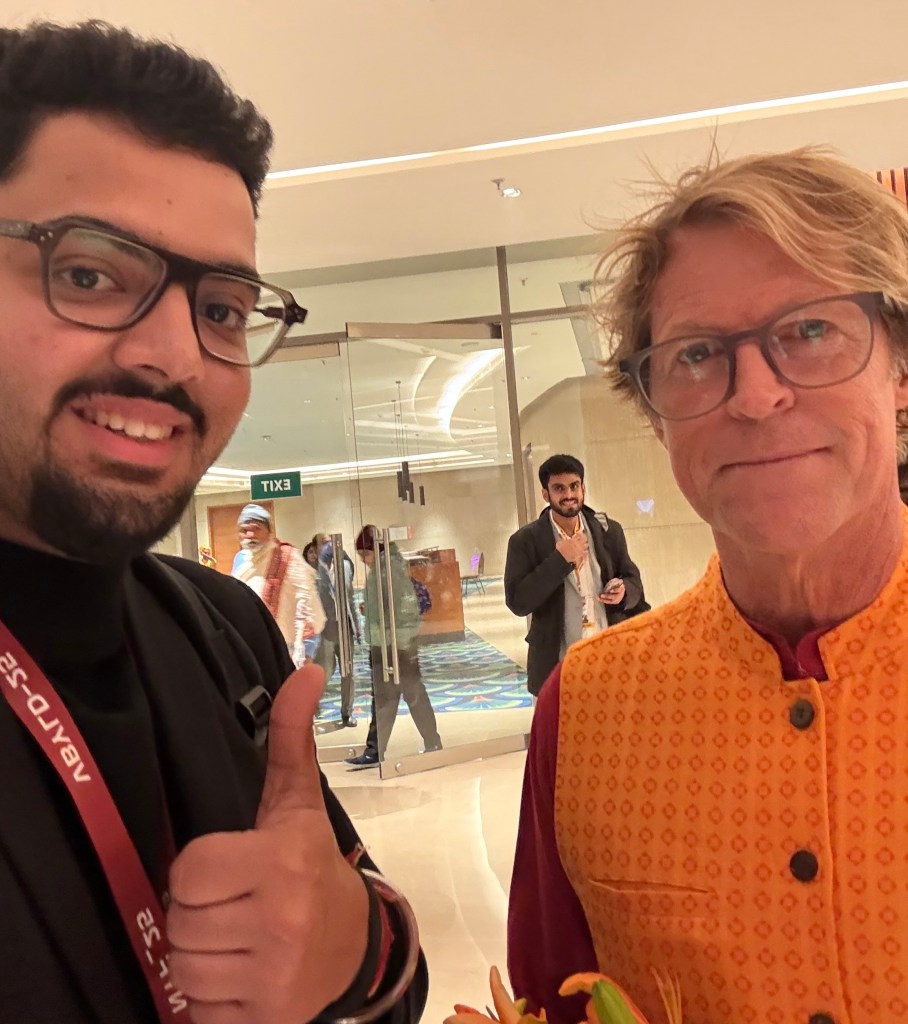
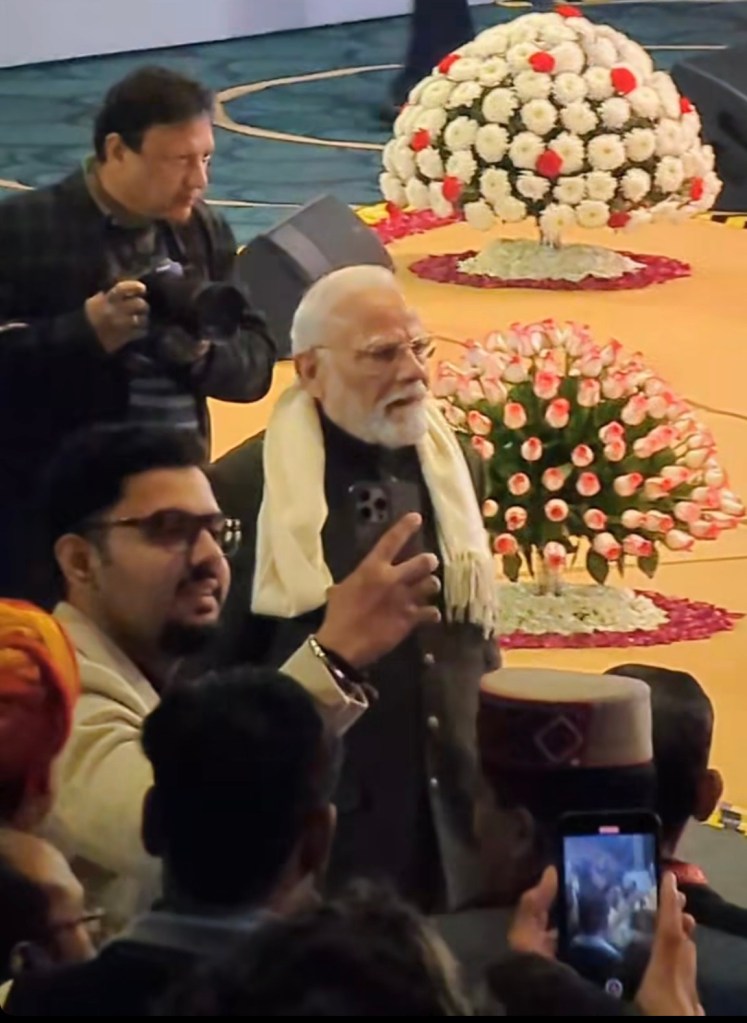
Jammu, Jan 14, 2025: Sahaj Sabharwal, a celebrated author, social media influencer, and motivational speaker from Jammu, proudly represented Jammu and Kashmir at the prestigious Viksit Bharat Young Leaders Dialogue 2025, held at Bharat Mandapam, New Delhi, on January 10th, 11th, and 12th. The event, organized by the Ministry of Youth Affairs and Sports, featured the Hon’ble Prime Minister Shri Narendra Modi, who addressed 3,000 select youth leaders chosen from over 30 lakh participants nationwide.

Sahaj Sabharwal was invited as a Special Invitee – Youth Icon, providing him with a platform to share his valuable insights and inspire young leaders. The dialogue, centered around ten core themes for India’s progress, focused on the nation’s vision to become a Viksit Bharat by 2047. Sahaj’s participation served as a beacon of motivation for the emerging leaders, encouraging them to contribute innovative ideas for the nation’s development.

A multi-talented individual, Sahaj has authored three impactful books—Poems by Sahaj Sabharwal, Pedagogical Thoughts Made Facts, and Anecdote. As a content creator, singer, rapper, blogger, and vlogger, Sahaj has collaborated with over 150 brands and garnered widespread recognition for his contributions to literature, social work, and motivational speaking. His aim remains to make India proud through his work, while empowering youth to take active roles in society.

During the event, Sahaj had the privilege of interacting with key national figures such as Shri Mansukh Mandaviya, Minister of Labour and Employment, Minister of Youth Affairs and Sports Rakshatai Khadse, Ritesh Agarwal (CEO of OYO Rooms), international cricket coach Jonty Rhodes, and Prime Minister of India, Narendra Modi. These interactions enriched Sahaj’s experience, adding new perspectives and knowledge to the overall discourse.

The Viksit Bharat Young Leaders Dialogue serves as a crucial initiative to empower youth in shaping India’s future through leadership and civic engagement. With Sahaj Sabharwal representing Jammu and Kashmir, the region continues to showcase its rich talent and potential on the national stage.

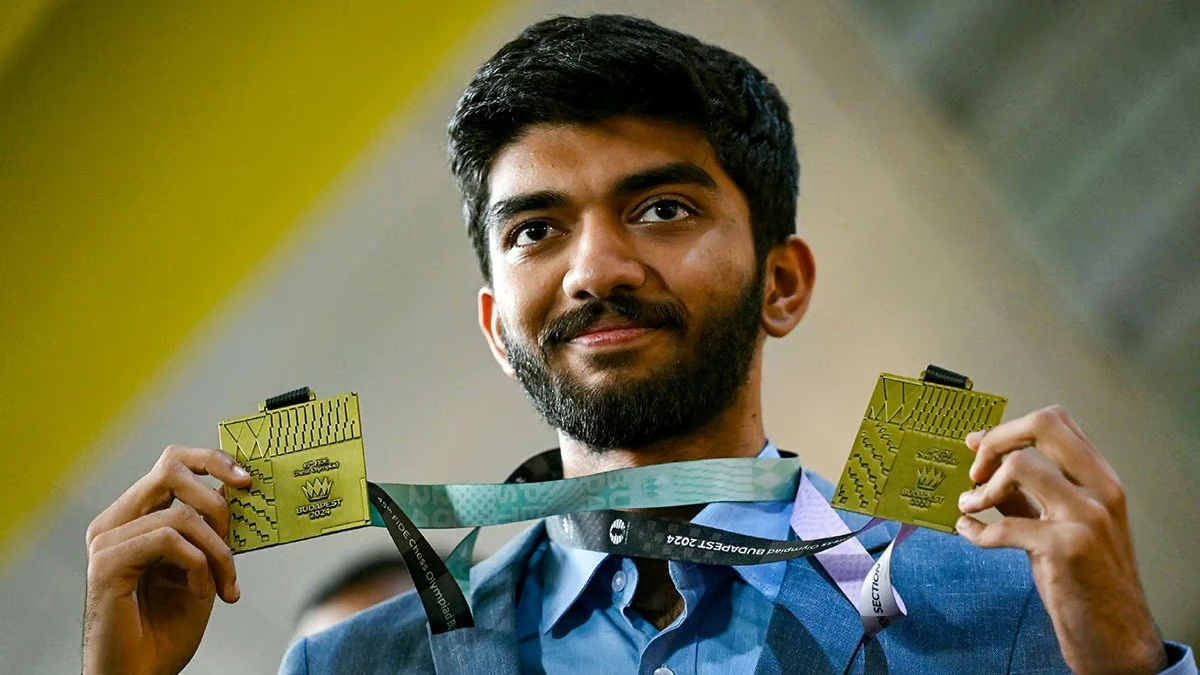
Gukesh Dommaraju – Youngest Chess Champion of the World

Daily writing prompt
Tell us about your first day at something — school, work, as a parent, etc.

Gukesh Dommaraju ; commonly known as Gukesh D, is an Indian chess grandmaster and the 18th World Chess Champion. He is the youngest world chess champion in history, third-youngest grandmaster in history, the third-youngest to reach a chess rating of 2700, the youngest to reach a rating of 2750, and is the eighteenth-highest rated player in history with a peak rating of 2794. He is also the youngest Candidates Tournament winner and the youngest World Chess Championship winner beating Ding Liren of China. He has won one team and two individual gold medals at the Olympiad as well as one bronze team medal. He is a silver medalist at the Asian Games.

Gukesh Dommaraju, an 18-year-old Indian chess prodigy, made history on December 12, 2024, by becoming the youngest-ever undisputed World Chess Champion. He achieved this remarkable feat by defeating reigning champion Ding Liren in a tense and closely fought match that ended with a score of 7.5–6.5 in Gukesh’s favor​

Hailing from Chennai, India, Gukesh began playing chess at the age of seven. Over the years, he trained under the mentorship of Indian chess legend Viswanathan Anand, who played a crucial role in nurturing his talent. Gukesh’s rise to prominence included several milestones, such as surpassing Anand in 2022 to become India’s top-ranked player—a position Anand had held for 36 years​

In 2024, Gukesh won the prestigious Candidates Tournament, becoming the youngest winner in its history. He carried this momentum into the World Chess Championship, where his skill, preparation, and psychological resilience were on full display. His journey to the title also saw him shine in the 2024 Chess Olympiad, where he led India to its first-ever team gold medal​

Gukesh’s victory marks a new era for chess, as he not only broke records set by legends like Garry Kasparov but also demonstrated the growing dominance of young talent on the global stage​

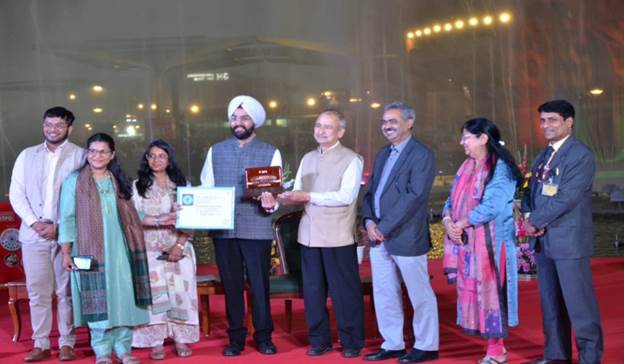
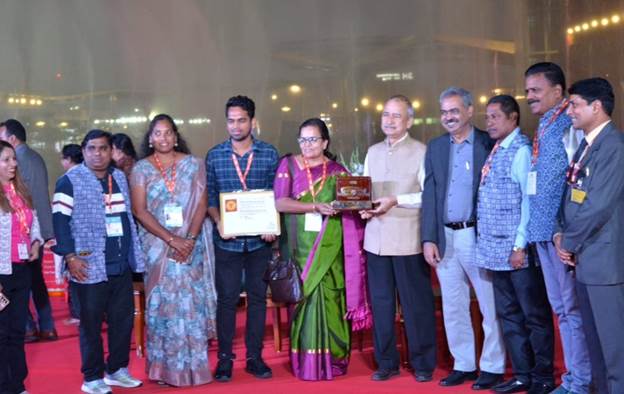
Curtains drawn on the 43rd edition of India International Trade Fair

On the concluding day of November 27, 2024, the curtains fell on the historic 43rd edition of the India International Trade Fair (IITF). Shri Premjit Lal, ED, ITPO announced that this year a good amount of business was generated by the participants. He indicated that more than one million visitors witnessed the fair.  He praised the media for their wide coverage not only in print media but social media too. 

Puducherry  won  the  Gold   Medal, the Silver Medal was  presented   to Meghalaya and  the  Bronze Medal  to Karnataka in the States and Union Territories Category,  Special Appreciation Certificates  was  also  conferred  to Punjab, West Bengal and Tripura.

In the Thematic Presentation by the States Category, Madhya Pradesh won the Gold Medal, the Silver Medal was presented to Odisha and Bronze to Assam.  Special Appreciation Certificates were also given to Maharashtra, Punjab and Tamil Nadu.

At IITF, the ITPO also observed and celebrated Swachh Bharat Abhiyaan, raising awareness about cleanliness and sanitation among exhibitors and visitors and the award was also given to Swachh Pavilion – Gold to Goa, Silver to Kerala, Bronze to Haryana and Commendation was also awarded to Uttarakhand and Gujarat.

In the   Foreign   Pavilionsthe Embassy of the Republic of Tunisia was commended with the Gold Medal and Egypt (Milano Bazar) won the Silver while the Bronze Medal was presented   to Turkey, Tillo Hediyelik Eşya Sanayi tic itet Ltd. Serketi and Thailand (Thai SMEs Exporter Association).

In the Ministries and Departments, PSUs, PSB and Commodity Boards   category, Reserve Bank of India bagged the Gold Medal, Punjab National Bank (PNB), received the Silver Medal respectively, while State Bank of India (SBI) won the Bronze Medal. Special Appreciation Certificates were received by the Coal India Limited and Central Bank of India.

In the Empowering India (Ministries & Govt. Department/SARAS/KVIC/Min. of Social Justice)the Gold Medal was conferred to Ministry of Rural Development (SARAS), the Silver Medal to Khadi and Village Industries Commission (KVIC), Ministry of Micro, Small and Medium Enterprises (MSME) and Ministry of Panchayati Raj  bagged the Bronze Medal.  Special Commendation was awarded Pt. Deendayal Upadhyaya Institute for Persons with Physical Disability and Department for Promotion of Industry and Internal Trade (DPIIT) and NHDC-National Handloom Development Corporation (NHDC)

In the Private Sector, Jina Ranjit and Sons LLP won the Gold Medal, The Supreme Industries Limited (Supreme Furniture) received the Silver Medal and Ananda Dairy Limited bagged the Bronze Medal.  Special Commendation was awarded to Mittal Electronics (Sujata), Hamdard Foods India and Romana Herbal Care Pvt. Ltd. (Rosa, Hychating Mist).

Complimenting all the Award winners in different categories, Shri Premjit Lal appreciated the participants and visitors for their continued faith in the IITF format.  He also appreciated Delhi Police and other law enforcement agencies for their continued efforts in making the event incident free.ITPO also conferred awards to exhibitors in different categories.

***

Young athletes from Kendriya Vidyalayas and Navodaya Vidyalayas

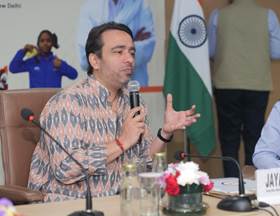
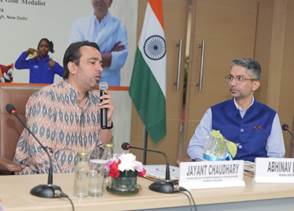
Union Minister of State for Skill Development and Entrepreneurship (Independent Charge) and Minister of State for Education, Shri Jayant Chaudhary, interacted with young athletes and para-athletes from Kendriya Vidyalayas and Navodaya Vidyalayas, who have excelled in various national and international sports events today. The first Indian to win an individual Olympic Gold and the first Indian to win a World Championship Gold in Air Rifle shooting, Shri Abhinav Bindra was also present at the event. Secretary, Department of School Education & Literacy, Shri Sanjay Kumar; Commissioner, KVS, Smt. Nidhi Pandey, and other officials of the Ministry of Education, KV and NV were also present at the event. Fourteen award-winning student-athletes interacted with the Minister and Shri Bindra, and hundreds of students and teachers from KV and JNV connected virtually in the event.

Shri Jayant Chaudhary, during his address, highlighted that the day was dedicated to celebrating the achievements of the student-athletes and expressed gratitude to Shri Bindra for sharing his insights. He stressed that sporting champions are not necessarily made on the field alone; a specific mindset, structured approach, and discipline are essential for achieving success on the field. He mentioned that both the Ministry of Education and the Ministry of Skill Development and Entrepreneurship are keen on providing exposure to various streams at a young age. Using Shri Bindra as an example, he underscored the importance of reinventing oneself and embracing lifelong learning, as emphasized in the NEP 2020.

Shri Abhinav Bindra, while interacting with the students emphasised how sports play an important role in education and expressed his gratitude to the Minister for conceiving this programme that will motivate the students. He briefly described his 22-year-long journey and the learning that he received during it. Sports taught him not about wins and losses, the importance of hard work, integrity and honesty, listening intently, respecting rules, competitors, outcomes, and self-respect, he stressed. He also mentioned three Olympic values: Excellence, Respect, and Friendship.

Shri Sanjay Kumar expressed his gratitude to Shri Jayant Chaudhary for envisioning the programme and noted that the presence of Shri Bindra among the children would serve as a source of motivation. He also highlighted how the key components and vision of the National Education Policy 2020 are being implemented in Kendriya Vidyalayas and Navodaya Vidyalayas to ensure a bright future for the students of the country.

Fourteen student-athletes—six from KV and eight from NV—shared their achievements and experiences with the dignitaries, who commended and appreciated their efforts. Additionally, several students who participated virtually had the opportunity to ask their questions to Shri Bindra, who thoughtfully addressed each of their queries.

*****

Sri Lanka national cricket team

Daily writing prompt
What’s your all-time favorite album?

By Sanjeev Reddy

The Sri Lanka national cricket team is one of the most prominent teams in international cricket, known for its rich history, talented players, and passionate fan base. Representing the island nation of Sri Lanka, the team competes in all formats of the game—Test matches, One-Day Internationals (ODIs), and Twenty20 (T20) cricket—under the governance of Sri Lanka Cricket (SLC), the official cricket board.

Historical Background

Cricket was introduced to Sri Lanka during British colonial rule in the 19th century. However, it wasn’t until 1981 that Sri Lanka became a full member of the International Cricket Council (ICC), which allowed them to participate in Test matches and officially compete on the international stage. Prior to this, they had played cricket at a non-Test level, gaining experience and making their mark in regional tournaments.

Sri Lanka’s rise to prominence in international cricket was relatively swift. In 1982, they played their first-ever Test match against England. Despite being a young team, they gradually developed a reputation for being competitive and skillful. Their breakthrough came in the 1990s, a decade that would see Sri Lanka transform into a cricketing powerhouse.

1996 ICC Cricket World Cup Victory

The defining moment in Sri Lankan cricket history came in 1996, when they won the ICC Cricket World Cup. Under the captaincy of Arjuna Ranatunga, Sri Lanka defied expectations to win the tournament, defeating some of the most established teams in the world. Their victory in the final against Australia was a testament to the team’s tactical acumen and fighting spirit. Players like Sanath Jayasuriya, Aravinda de Silva, and Chaminda Vaas became household names, while the team’s aggressive style of play, especially in the early overs, revolutionized the one-day game.

The 1996 World Cup victory not only brought glory to the team but also had a lasting impact on cricket in Sri Lanka, inspiring generations of cricketers and elevating the status of the sport to a national passion.

Key Achievements and Tournaments

  1. World Cup Participation: After their historic win in 1996, Sri Lanka has consistently been competitive in subsequent World Cups. They reached the finals in 2007 and 2011, narrowly missing out on lifting the trophy again. Both times, they were runners-up to Australia (2007) and India (2011).
  2. ICC T20 World Cup: Sri Lanka has also had significant success in the T20 format. They were runners-up in the 2009 and 2012 T20 World Cups but finally clinched the title in 2014, defeating India in the final. Kumar Sangakkara and Mahela Jayawardene were key figures in this triumph, leading a new era of Sri Lankan cricket.
  3. Asia Cup: The Sri Lankan team has a proud record in the Asia Cup, a regional tournament featuring the top Asian teams. They have won the tournament multiple times, their most recent victory coming in 2014. Their consistent performance in the Asia Cup underscores their dominance in the region.

Formats and Playing Style

Sri Lanka has shown versatility across all three formats of the game:

  • Test Cricket: Sri Lanka has produced some of the finest Test cricketers, including Muttiah Muralitharan, who holds the record for the most Test wickets in cricket history. Their Test performances have seen highs, such as series wins against top-tier teams like India, Australia, and England. Batters like Kumar Sangakkara, Mahela Jayawardene, and Tillakaratne Dilshan have contributed heavily to the team’s success in Test cricket.
  • ODIs: Known for their aggressive approach in ODIs, Sri Lanka has been a pioneer in attacking batting in the first 15 overs, thanks to players like Sanath Jayasuriya. They were trendsetters in the ’90s and continue to be a formidable side in limited-overs cricket.
  • T20 Cricket: Sri Lanka’s adaptability in T20 cricket is well-known. They are known for being able to strike a balance between attacking cricket and strategic bowling, with players like Lasith Malinga, one of the greatest death bowlers in T20 history, leading the charge.

Iconic Players

Over the years, Sri Lanka has produced some of the most iconic cricketers in the world. These players have not only set records but have also redefined the way the game is played.

  • Muttiah Muralitharan: Widely regarded as one of the greatest bowlers of all time, Muralitharan holds the record for the most wickets in both Test and ODI cricket. His unique bowling action and ability to turn the ball on any surface made him a nightmare for batsmen around the world.
  • Kumar Sangakkara: A stylish left-handed batsman, Sangakkara is one of the highest run-scorers in international cricket. He was known for his elegant stroke play and consistency across all formats.
  • Mahela Jayawardene: Another batting maestro, Jayawardene was a key figure in Sri Lanka’s middle order. His calm demeanor and tactical nous helped him lead the team to several memorable victories.
  • Sanath Jayasuriya: Jayasuriya revolutionized one-day cricket with his explosive batting at the top of the order. He was also a handy left-arm spinner, contributing significantly with the ball.
  • Lasith Malinga: Known for his slingy bowling action and deadly yorkers, Malinga is regarded as one of the best limited-overs bowlers of all time, particularly excelling in the T20 format.

Challenges and Future Prospects

While Sri Lanka has a glorious history, the team has faced challenges in recent years, including a transition phase where many of their legendary players retired. This has led to a period of rebuilding, with new talents like Kusal Perera, Wanindu Hasaranga, and Pathum Nissanka emerging.

Sri Lanka Cricket (SLC) has been working hard to nurture young talent through domestic tournaments and development programs. With the right combination of experience and youth, the team aims to regain its place among the top cricketing nations.

Fan Base and Culture

Cricket in Sri Lanka is more than just a sport; it’s a way of life. The passionate fan base, vibrant cricket culture, and unwavering support from the public have always driven the team to greater heights. Stadiums like the R. Premadasa Stadium in Colombo and Galle International Stadium are iconic venues that have witnessed some of the greatest moments in Sri Lankan cricket.

Conclusion

The Sri Lanka national cricket team has a storied legacy that is marked by triumphs, iconic players, and an enduring passion for the sport. From their remarkable World Cup win in 1996 to their consistent performances across all formats, Sri Lanka continues to be a force in international cricket, blending experience with fresh talent as they strive for future success.

Younis Khan : Distinguished and Accomplished Cricketers

Daily writing prompt
Which topics would you like to be more informed about?

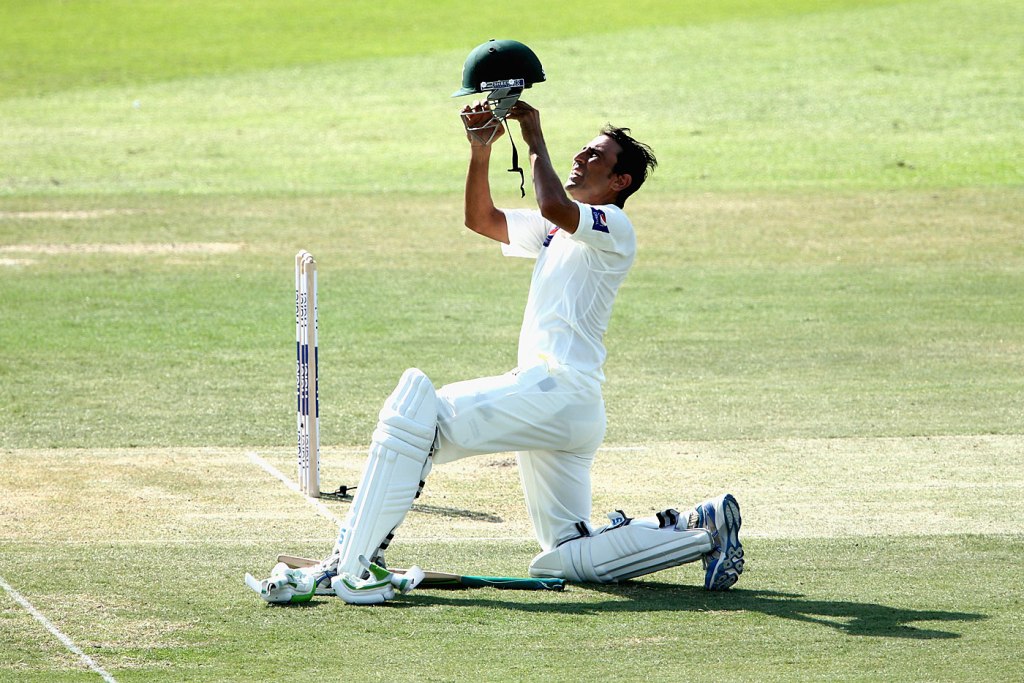
Younis Khan is one of the most distinguished and accomplished cricketers in Pakistan’s cricket history. Born on November 29, 1977, in Mardan, Khyber Pakhtunkhwa, Pakistan, Younis is renowned for his technical prowess, resilience, and ability to perform under pressure. Over his international career, which spanned from 2000 to 2017, he earned a reputation as one of the finest Test batsmen in the world, known particularly for his consistency and ability to play in challenging conditions.

Early Life and Career Beginnings

Younis Khan grew up in a family passionate about cricket. His early cricketing years were spent playing in the streets of Mardan, and later, he moved to Karachi, where his professional career took off. His talent was evident from an early age, and after impressive performances in domestic cricket, he was called up to the Pakistan national team.

International Debut

Younis made his international debut for Pakistan in February 2000 in a One-Day International (ODI) against Sri Lanka, and a month later, he played his first Test match against the same opposition. Although he started his career on a relatively low note in ODIs, it was in Test cricket where he truly shone. He scored a century (107 runs) in just his second Test match, signaling his potential as a world-class player.

Rise to Prominence

Younis Khan’s rise in Test cricket was marked by his impeccable technique, strong temperament, and ability to adapt to different playing conditions around the world. Over the years, he became Pakistan’s most reliable middle-order batsman, especially known for his ability to play long innings. Younis played some of his best cricket in foreign conditions, with many of his centuries coming in challenging overseas tours, which earned him great respect globally.

Captaincy and Leading Pakistan to Glory

In 2009, Younis Khan was appointed captain of the Pakistan cricket team, a role that came with immense pressure and expectations. His leadership was instrumental in guiding Pakistan to one of its greatest triumphs—the ICC World Twenty20 Championship in 2009. Under Younis’ leadership, Pakistan won the T20 World Cup, defeating Sri Lanka in the final. This victory was significant as it gave the country a reason to celebrate amidst various challenges and unrest at the time.

Although his captaincy tenure was not without challenges, with ups and downs in the team’s performance and some internal conflicts, Younis’ stature as a player remained untarnished.

Achievements in Test Cricket

Younis Khan’s legacy is most closely associated with his outstanding performances in Test cricket. He is the highest run-scorer for Pakistan in Tests, amassing 10,099 runs in 118 matches at an average of 52.05, with 34 centuries and 33 half-centuries. He remains the only Pakistani player to score over 10,000 runs in Test cricket, a milestone he achieved in 2017 during a series against the West Indies.

One of Younis Khan’s most remarkable achievements came in 2015 when he scored his 30th Test century, surpassing Javed Miandad’s long-standing record of 8,832 runs to become Pakistan’s leading run-scorer in Test cricket. He also holds the record for most centuries by a Pakistani in Test cricket, with 34 centuries to his name.

His most famous innings includes a triple century (313) against Sri Lanka in 2009, one of the highest individual scores by a Pakistani in Test matches. He was also known for his incredible ability to perform in the fourth innings of Test matches, an area where many batsmen struggle. Younis scored five centuries in the fourth innings, the most by any player in the history of Test cricket.

Versatility and Adaptability

Younis Khan’s success in different conditions is a testament to his versatility and adaptability. He scored runs in every major cricket-playing nation, including difficult tours in Australia, England, South Africa, and the West Indies. His ability to play both pace and spin with equal competence made him a complete batsman.

He was particularly skilled at playing on difficult, turning tracks in the subcontinent, often rescuing Pakistan from precarious situations with his patience and composure at the crease. His ability to graft innings and build partnerships made him a pivotal figure in Pakistan’s batting lineup for over a decade.

Retirement and Post-Retirement Role

Younis Khan retired from international cricket in 2017 after Pakistan’s historic Test series win against the West Indies. His farewell was emotional, as he left the game as one of Pakistan’s greatest ever cricketers. His retirement marked the end of an era, leaving a significant void in Pakistan’s batting lineup.

After retirement, Younis Khan remained actively involved in the development of cricket in Pakistan. He took up coaching roles, notably becoming the batting coach for the Pakistan national team in 2020. His experience and knowledge of the game are seen as valuable assets for grooming young cricketers in the country. Additionally, he has been involved in various philanthropic and sports development initiatives.

Legacy and Impact

Younis Khan’s contributions to Pakistan cricket extend beyond his statistics. He is admired for his professionalism, dedication to fitness, and his exemplary work ethic. His ability to inspire and mentor younger players has made him a respected figure in Pakistan cricket circles.

One of Younis’ defining characteristics has been his humility and down-to-earth personality. Despite his numerous achievements, he always remained grounded, often crediting his success to the team and the support of his fans.

Honors and Awards

Younis Khan received numerous awards throughout his career. He was awarded Pakistan’s highest civilian honors, including the Sitara-i-Imtiaz, in recognition of his services to cricket. His name is etched in cricket history as one of Pakistan’s all-time greats, and his legacy will continue to inspire future generations of cricketers.

Personal Life

Younis Khan is known to be a private person when it comes to his personal life. He has a wife, Amna, and they have children together. Younis has often credited his family for being his support system throughout his career, especially during tough times.

In summary, Younis Khan’s cricketing journey is one of hard work, perseverance, and excellence. He is remembered as one of Pakistan’s finest players, a cricketing legend who set new standards for Pakistan’s future generations of cricketers.

Commemorative postage stamps on Paris Olympics

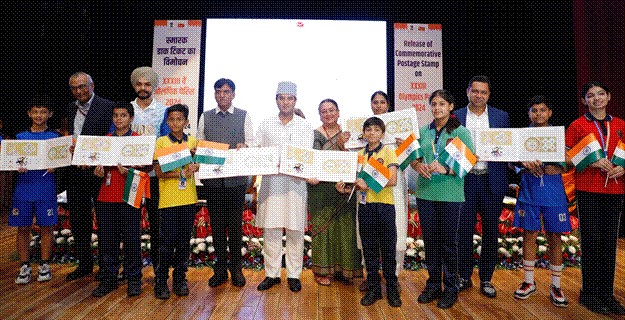
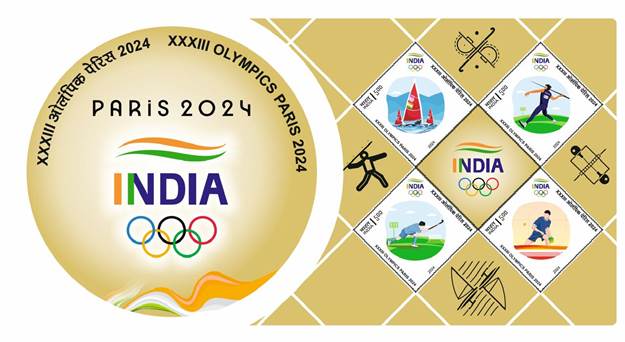
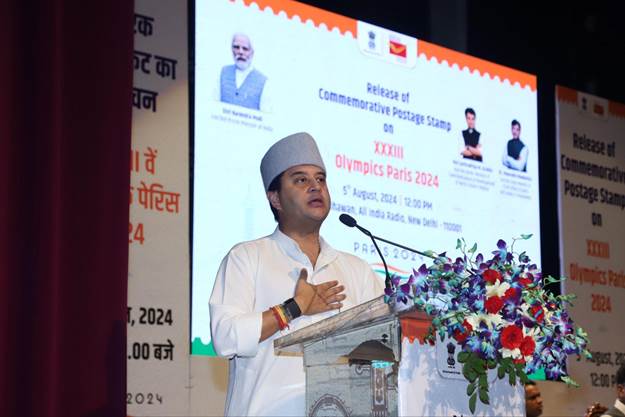
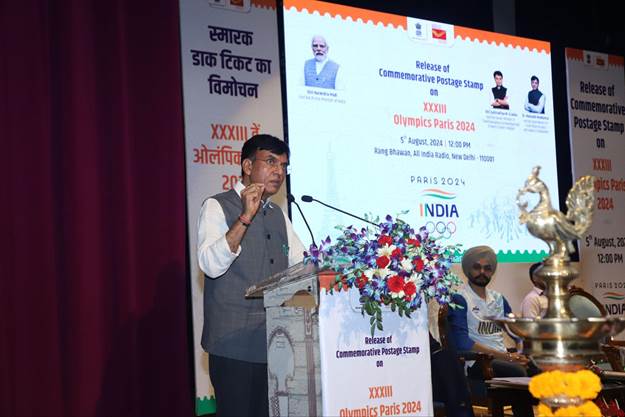
 Union Minister of Communications & Development of the North Eastern Region, Shri Jyotiraditya M Scindia, and Union Minister of Youth Affairs & Sports and Labour & Employment, Dr Mansukh Mandaviya, unveiled a set of commemorative postage stamps today to celebrate the XXXIII Paris Olympics. The event was held at Rang Bhawan, All India Radio, New Delhi, and featured the participation of esteemed dignitaries and renowned athletes, marking a significant moment in India’s support for the Olympic Games.

The event was further enriched by the presence of distinguished sports icons, including recent bronze medal winner Sarabjot Singh, who excelled in the 10m Air Pistol Mixed Team event at the Paris 2024 Olympics. Other notable attendees included former cricketer Aakash Chopra and steeplechase athlete Sudha Singh.

The commemorative stamp has been designed to capture the spirit of the Olympics, symbolizing unity among nations through sports and reflecting India’s rich sporting heritage. This special stamp is now available for purchase online at the e-Post Office (https://www.epostoffice.gov.in/). Collectors and enthusiasts are encouraged to grab a copy and own a piece of history.


Shri Jyotiraditya M Scindia and Dr Mansukh Mandaviya officially unveiled the commemorative stamp, expressing their pride in India’s Olympic legacy and the role of sports in promoting global unity. The ministers and athletes shared insights into the importance of sports in fostering international cooperation and friendship, emphasizing the Olympics as a platform for showcasing talent and dedication.

Shri Jyotiraditya M Scindia remarked, “The new stamp honoring the Olympics 2024 celebrates our sports heroes who have made India proud on the global stage. This tribute will inspire young talents and strengthen our nation’s sports ecosystem. I congratulate our Department of Posts, which through several initiatives has always promoted sports culture and with the launch of this stamp has added to its legacy of celebrating the achievements of India through philately. I also extend my best wishes to the Indian contingent in the Paris Olympics 2024.”


Addressing the gathering, Dr Mansukh Mandaviya said, “Sports is not just competition; it is a way of living. The release of postage stamps reflects India’s commitment to sports, serving as a symbol of national pride and encouragement for athletes.” Dr Mandaviya further articulated that sports foster a healthier nation, essential for wealth and prosperity, and bring people together, enhancing both individual fitness and national well-being.


This initiative underscores India’s commitment to promoting sports and honoring its athletes on the international stage.


Social Media Links:

https://x.com/JM_Scindia/status/1820377309905666264

https://x.com/JM_Scindia/status/1820426966690079140

https://x.com/IndiaPostOffice/status/1820418701025255885

https://x.com/mansukhmandviya/status/1820397272083087774

https://x.com/mansukhmandviya/status/1820396169996247465

Paving the Path to Success

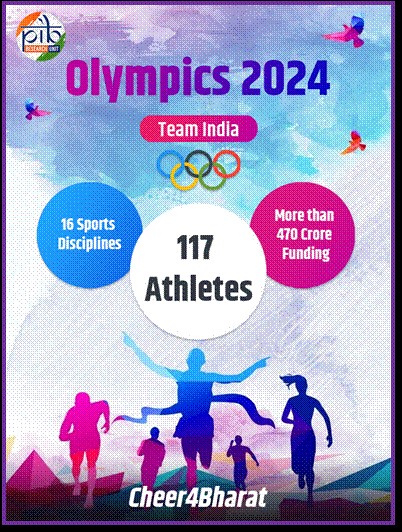
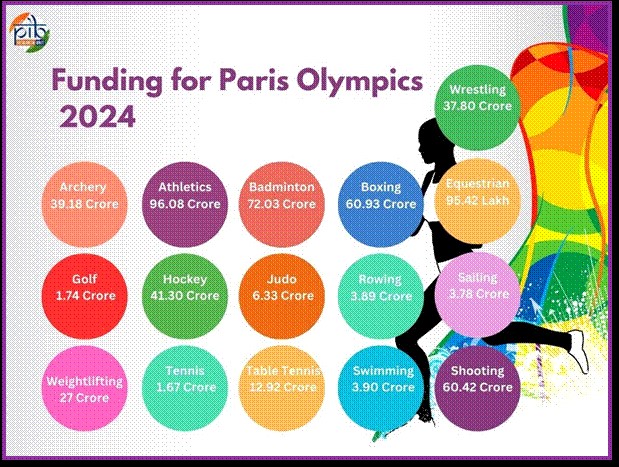
  As the world turns its gaze to Paris for the 2024 Olympics, India proudly announces its largest-ever contingent for the games, consisting of 117 athletes across 16 sports disciplines. This diverse team, which includes 70 men and 47 women, will compete in 69 events with a total of 95 medals at stake. Supported by an impressive funding allocation of over 470 Crore rupees, the Indian athletes are primed to make their mark on the global stage.


Sports landscape in India

India’s sports ecosystem has evolved into an athlete-centric model, with the motto “Athlete-First.” This integrated ecosystem includes the Ministry of Youth Affairs and Sports (MYAS), the Sports Authority of India (SAI), the Indian Olympic Association (IOA), and the National Sports Federations (NSFs). Together, these bodies ensure that athletes can focus solely on their training and competition, with logistics and other support taken care of by the system. Corporate sponsors, CSR partners, athlete families, fans, broadcasters, and media have all played crucial roles in sustaining Olympic sports in India.

Government Efforts for Efficiency and Growth

The Indian government has significantly ramped up its efforts to support athletes and boost the country’s performance in the Olympics. These efforts encompass a variety of initiatives and programs designed to enhance the training, preparation, and overall performance of Indian athletes on the global stage.


  • Target Olympic Podium Scheme (TOPS)

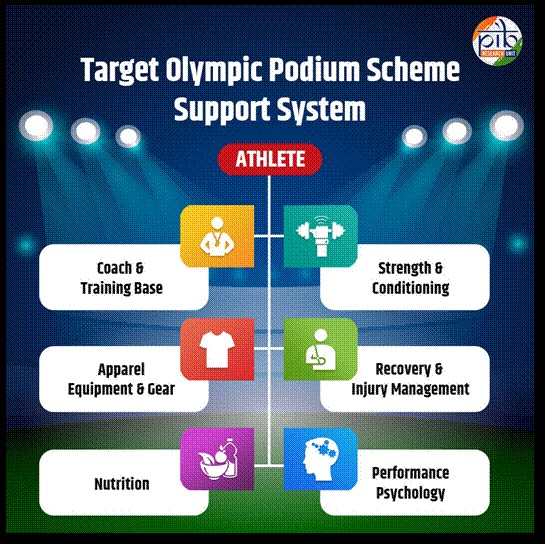
The Target Olympic Podium Scheme (TOPS) is a flagship program aimed at providing targeted assistance to potential Olympic medalists. TOPS offers support in several key areas:

  • Training and Camps: National Coaching Camps and international training sessions.
  • Foreign Exposure: Opportunities for athletes to compete and train overseas.
  • Specialized Support: Hiring of foreign experts, coaches, and support staff.
  • Equipment and Facilities: Provision of necessary sports equipment and training facilities.
  • Financial Assistance: Direct funding to cover various aspects of athletes’ preparation.

The TOPS scheme includes a Core Group of over 170 athletes preparing for the 2024 Olympics and a Development Group of over 130 athletes targeted for the 2028 and 2032 Olympics.


  • National Sports Development Fund (NSDF)

The NSDF supplements the TOPS by providing additional financial support for the specialized training and competition needs of elite athletes. This ensures that athletes receive comprehensive support tailored to their specific requirements.

  • Corporate Support and CSR Initiatives

Corporate sponsors and CSR partners play a crucial role in sustaining Olympic sports in India. Their contributions include funding for training programs, equipment, and other resources necessary for athletes’ development.

  • International Competitions and Exposure

The government has facilitated extensive international exposure for athletes across various sports. This includes participation in international competitions and training camps abroad, which are critical for gaining competitive experience and improving performance.

  • Focus on High Priority Disciplines

The government’s strategy involves focusing on high-priority disciplines with strong medal prospects. These sports include archery, athletics, badminton, boxing, hockey, shooting, and wrestling. For each of these disciplines, detailed funding and support plans have been implemented, ensuring athletes have the best possible preparation.

  • Mission Olympic Cell (MOC)

The Mission Olympic Cell (MOC) is a dedicated body that oversees the implementation of the TOPS. It includes representatives from past elite athletes, IOA, NSFs, and other stakeholders. The MOC is responsible for approving customized programs for athletes, recommending financial disbursements, monitoring performance, and addressing athletes’ immediate needs.

 Achievements and Impact

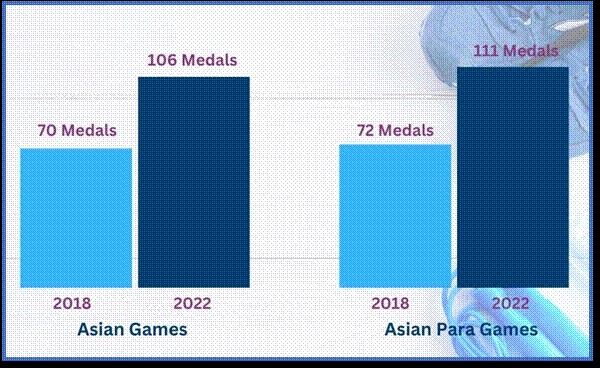
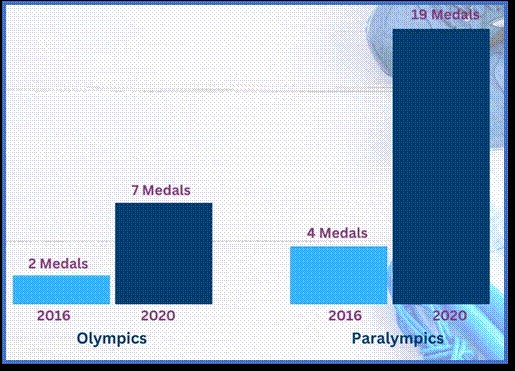
The impact of these efforts is evident from the significant increase in medals won across recent competitions. From winning 2 medals in Rio 2016 to 7 in Tokyo 2020 and from 4 to 19 medals in the Paralympics, India’s performance reflects the enhanced support system, including the Target Olympic Podium Scheme (TOPS), National Sports Development Fund (NSDF), and extensive corporate backing. The nation’s medal count at the Asian Games and Asian Para Games also surged, showcasing the success of an athlete-centric sports ecosystem and comprehensive government initiatives. This upward trajectory underscores India’s commitment to achieving excellence in global sports.

The Indian government’s comprehensive and targeted approach towards supporting its athletes is a reflection of its commitment to achieving excellence in sports. With a robust support system in place, India aims to significantly improve its performance at the Paris Olympics 2024 and beyond, showcasing the nation’s potential on the global sports stage.

References

https://pib.gov.in/PressReleasePage.aspx?PRID=2034434

https://x.com/pibyas/status/1814278906356334618

https://olympic.ind.in/paris-2024

https://pib.gov.in/PressReleseDetailm.aspx?PRID=2034434#:~:text=Union%20Minister%20highlighted%20that%20India,in%20these%20disciplines%2C%20he%20added.

https://pib.gov.in/PressReleaseIframePage.aspx?PRID=2029762

https://pib.gov.in/PressReleaseIframePage.aspx?PRID=2029657

https://sportsauthorityofindia.nic.in/sai/documents

Pathway to Paris pdf: https://static.pib.gov.in/WriteReadData/specificdocs/documents/2024/jun/doc2024629346101.pdf

Click here to see in PDF.

****

Review India’s Preparation for Paris Olympics 2024

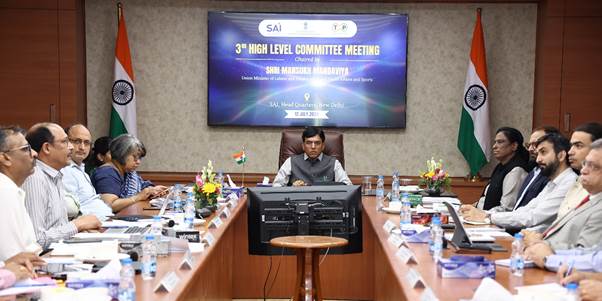
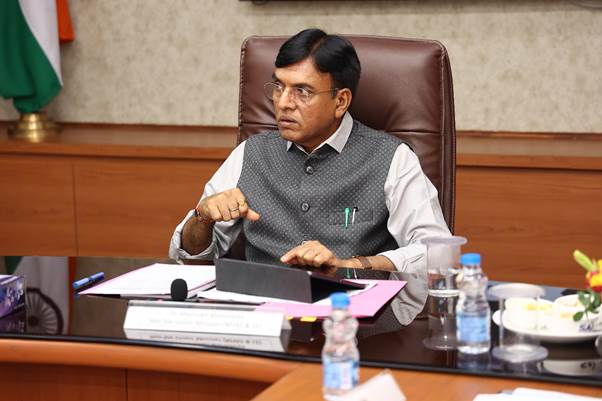
 Union Minister for Youth Affairs & Sports and Labour & Employment, Dr. Mansukh Mandaviya chaired the high-level meeting to review India’s preparations for Paris 2024 Olympic Games today.

A total of 118 athletes, including 48 women athletes, across 16 sports disciplines will participate in the Paris Olympics. Out of the total 118 Paris-bound athletes, 26 are Khelo India athletes and 72 athletes have qualified for Olympic games for the first time.

Dr. Mandaviya also established a coordination group to ensure holistic support for athletes and to address any issues that arise during the lead-up to and throughout the competition.

Dr. Mandaviya emphasized the importance of all stakeholders working together to provide athletes with the support they need. “As our athletes enter this critical phase of preparation and competition, it’s essential that we ensure they are in the best physical and mental condition to excel,” he said, echoing Prime Minister Narendra Modi’s message to the athletes.


During the meeting, Dr. Mandaviya expressed satisfaction that over 80 per cent of the qualified athletes were already training at various locations in Europe, ensuring they would not encounter acclimatisation issues.

The Government is committed to providing comprehensive support to Indian athletes through the Target Olympic Podium Scheme (TOPS), ensuring they have the best possible preparation for the Paris 2024 Olympics. This includes the engagement of world-class coaches and experts to enhance training programs, organising competitive exposures to give athletes vital experience, and taking initiatives focused on rehabilitation and injury management.

For the first time, a recovery centre with sports science equipment will be available for Indian athletes at the Games Village. Additionally, India House has been set up at the Park of Nations in Paris, joining 14 other countries, including France, with similar houses. Importantly, all decisions are made with a focus on the athletes’ needs and perspectives.

These efforts underscore the dedication to optimizing athletes’ performance and well-being, demonstrating a strong commitment to their success and achievement.

*****

Khelo India Women’s Wushu League

 The upcoming northern zonal round of the Khelo India women’s wushu league is set to draw significant attention, featuring prominent international athletes Ayeera Chisti and Komal Nagar. This competition will take place at the Netaji Subhas National Institute of Sports in Patiala from July 9 to 13, showcasing the talents of 350 athletes across sub-junior, junior, and senior categories. Organized by SAI Patiala, the event will encompass both Sanda (fighting) and Taolu (forms), welcoming participants from Haryana, Punjab, Delhi, Himachal Pradesh, Chandigarh, Uttarakhand, Jammu & Kashmir, and Ladakh.

Department of Sports, Ministry of Youth Affairs and Sports funds the Rs 7.2 lakh prize money competition conducted by the Wushu Federation of India. The top eight wushu athletes from the sub-junior, junior and senior events will get cash incentives.

Following last month’s successful South Zonal event in Karnataka, the North Zonal meet marks the next phase in the league’s calendar. After the four zonal meets, the national ranking championship will be held.

The women’s wushu league will provide an opportunity to several players wanting to make it big like international medallists Ayeera (18 years) and Komal (19 years), who train at the NSNIS Patiala Centre.

“I am very excited to play in my home ground here in my third Khelo India women’s wushu league, having won gold in the last two championships,” said Ayeera, who debuted in this competition in 2022.

“The Khelo India women’s league is very important for a lot of girls especially looking at the future and I’m thankful to the government for this. As for me, I want to clinch gold medal at the Asian Games in the 52kg category and become the first woman to achieve this feat for India in this weight division. Before that, I am aiming for the gold at the senior Asian championships in China this September,” Ayeera added.

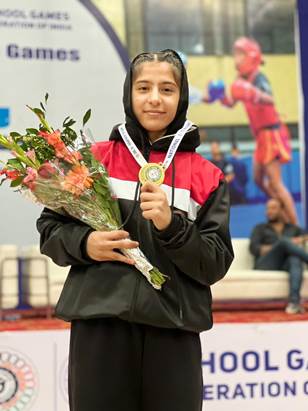
Jammu and Kashmir’s Ayeera Chisti looking to clinching her third consecutive gold medal at the Khelo India Women’s Wushu League.

Jammu and Kashmir’s Ayeera, who will take part in the senior 52kg Sanda category, won a bronze at the junior wushu world championship in Indonesia in 2022. She also landed a gold at the international wushu championship in Georgia in 2022 as well as a gold at the Russian Moscow Stars Wushu International Championship in 2024.

Chandigarh’s Komal, gold medallist at the Russian Moscow Stars Wushu International Championship 2023 in Sanda, said, “Getting an opportunity to play one more tournament in the calendar year besides the nationals, bolsters our confidence.”

“The Khelo India Women’s League gives us a good playfield for our performance assessment, understand flaws in our game and areas to work on,” said  Komal, who started learning self-defence techniques when she was 14.

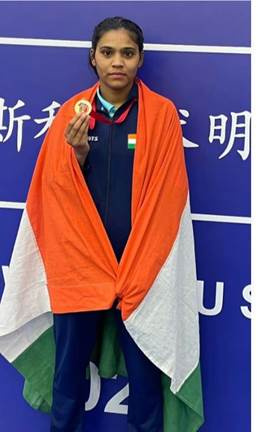
Chandigarh’s Komal with her gold medal at the Russian Moscow Stars Wushu International Championship 2023

About Sports for Women:

Under the Sports for Women Vertical, Khelo India Women’s Leagues are structured into two main formats: Major League and City League. These leagues serve as platforms for promoting women’s sports across various disciplines. Additionally, leagues are organized within specific age categories or weight categories, tailored to the requirements of each sport.

This approach, supported by the Union Ministry of Youth Affairs and Sports, not only encourages widespread participation among women athletes but also facilitates talent identification and development across different skill levels and age groups nationwide. Through these structured formats, the Khelo India initiative aims to foster a vibrant sports culture and support the growth of female athletes in India.

****

Home Voting for eligible voters extended pan India for the first time in General Elections 2024

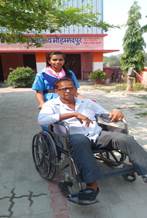
 The Election Commission of India has taken massive strides in ensuring inclusivity and accessibility in the General Elections 2024 to ensure that no eligible voter is deprived of their right to vote on account of physical or other barriers. So far, after the conclusion of 6 phases of elections, immense enthusiasm was seen amongst voters of various sections such as Persons with Disabilities, Senior Citizens, Transgenders, PVTGs. Facility for voting from the comfort of home for senior citizens above 85 years of age and PwDs with 40% benchmark disability was extended for the first time on pan India basis in General Elections 2024.


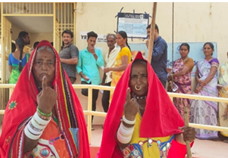
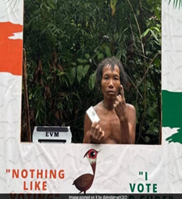
Lambada Tribe at Polling Station of Thiruvur Constituency, Shompen tribe of Great Nicobar voted for the first time in a General Election and Nishi Tribe in Arunachal Pradesh


The concerted efforts, throughout the country under the leadership of Chief Election Commissioner Shri Rajiv Kumar along with Election Commissioners Shri Gyanesh Kumar and Dr Sukhbir Singh Sandhu have seen many success stories from the States/UTs where election has been completed till the Phase 6 of the Lok Sabha Election – 2024. CEC Rajiv Kumar said “It has been the deep founded resolve of the Commission to strive for continuous improvement in the electoral processes setting new standards globally. ECI is determined to make the elections truly reflective of the spirit of plurality and diversity that is the pride of our country. ECI is dedicated to incorporating and deeply integrating the principles and practices of inclusivity and accessibility throughout the entire election process, setting an example before the society for replication everywhere.”
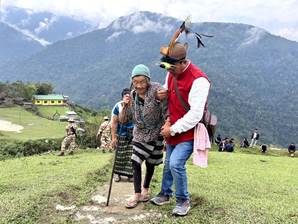
 

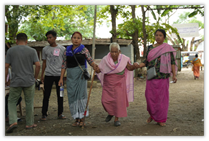
A senior citizen elector on the way to cast her vote in Arunachal Pradesh.


The preparations started two years back with concerted efforts of updation and registration of eligible citizens in the electoral rolls. This was achieved by conducting special registration drives, camps, targeting these categories of voters. ECI has adopted a multipronged strategy to enhance participation amongst communities which are prone to be deprived of their right to vote.

Optional home-voting facility: a first in India’s General Elections draws excellent response

The optional home voting facility marks a paradigm shift in the electoral process and has been made available for the first time in the history of India’s general elections. Any eligible citizen aged 85 and above or with 40% benchmarked disability, can avail the provision of home voting facility through postal ballot in these elections. This facility has received an enthusiastic response from voters. Gratifying scenes of smiling voters and their testimonials voting from the comfort of their homes have flooded social media from all parts of the country. Voting from home takes place with involvement of a full contingent of polling staff and security personnel with secrecy of voting diligently maintained. Agents of candidates are also allowed to accompany polling teams to witness the process.
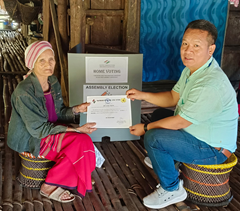
 

Smt. D. Padmavathi, 100 years of age, from Kovvuru Constituency and a Sr. Citizen elector from Arunachal Pradesh
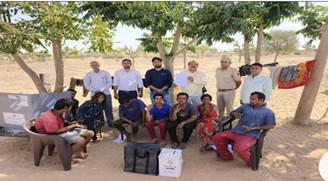
Eight PwD members of same family availing home facility in Churu, Rajasthan.

Bridging barriers: addressing infrastructural requirements for better participation

To bridge any infrastructural gaps, ECI ensured that every polling booth is on the ground floor, equipped with assured amenities including ramps, signages for voters, parking space, separate queues, and volunteers. Additionally, ECI’s SAKSHAM app has facilitated PwDs for availing various facilities at polling station like wheelchairs, pick-and-drop and volunteers services. There have been over 1.78 lakh downloads of the Saksham App since announcement of elections.

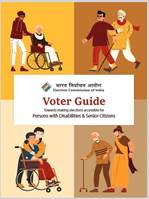
The Commission has also made provisions for Braille on EVMs, Braille enabled EPIC, and voter slips to assist visually impaired electors. Further, a Voter Guide for PwDs and Sr. Citizens, in English and Hindi, with information on the process of registration to poll day facilitation was made available.

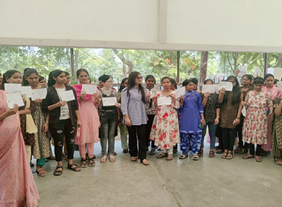
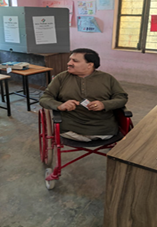
In Indore, Madhya Pradesh, 70 visually handicapped girls were assisted with free transportation to cast their vote.


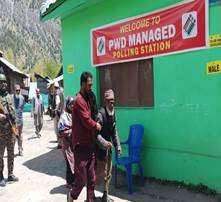
PwD managed PS in J&K


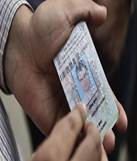
Photos: Braille-coded voter cards distributed to visually impaired electors  | Hindustan Times   

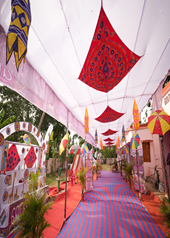
Braille enabled EPIC, Voter Guide, volunteer at a polling station in Bihar and provision of shamiyana at a polling station in Odisha


Inclusivity in spirit: removing psychological barriers to voting

Apart from eradicating physical barriers to voting, ECI also made efforts to address social barriers and stigma surrounding certain vulnerable populations like Transgenders, Sex workers, PVTGs to ensure their participation in election process. Special camps were arranged to enroll the third gender (TG) electors and other marginalized communities like sex workers and PVTGs by Thane District in collaboration with civil society. Over 48,260 TGs are enrolled all over the county, out of which Tamil Nadu has the highest number of third gender electors with 8467, followed by 6628 TGs in Uttar Pradesh and 5720 TGs in Maharashtra.

As part of SVEEP initiatives, Commission organized a T-20 Cricket Match on 16th March, 2024 between the IDCA (Indian Deaf Cricket Association) and DDCA (Delhi District Cricket Association) teams to create voter awareness among PwD electors and promote inclusive elections.
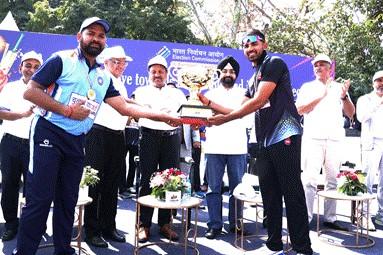
https://static.pib.gov.in/WriteReadData/userfiles/image/1BPQT.jpeg

Commission awarding the trophy to the winners at the T-20 Match


Efforts were made to the extent possible by the Commission, to set up at least one polling station in each AC, managed exclusively by PwD officials. For Lok Sabha Election -2024, approximately 2697 PwD managed Polling Stations have been set up across the country, with Uttar Pradesh setting up the highest PwD Manned Polling Stations i.e. 302.


Making registration and voting easy for vulnerable communities

The homeless and other nomadic groups are another critical demographic in achieving high electoral participation. Due to their unique circumstances, these individuals can experience unintentional electoral exclusion because of lack of proof of residency.  However, special efforts were made in the last two years for their enrolment as voters and also participation in the voting process. Location of new polling booths in previously inaccessible areas has led to the large-scale inclusion of PVTGs. In many States/UTs, where PVTGs reside in large numbers, free transportation facilities have been provided for enabling the PVTGs reach polling stations from remote areas. In a historic move, the Shompen tribe of Great Nicobar voted in the Lok Sabha Election -2024 for the first time.


Partnerships

To promote electoral awareness and instill a spirit of partnership and inclusion in the elections, ECI has designated eleven PwD individuals as “ECI Ambassadors” to involve the community further in the electoral process. Polling personnel were are also trained and sensitized regarding special needs of the PwDs to develop a sense of participation and ownership in the elections. State CEOs also collaborated with State Disability and health departments of the concerned states for providing better facilitation to PwDs and Senior Citizens.
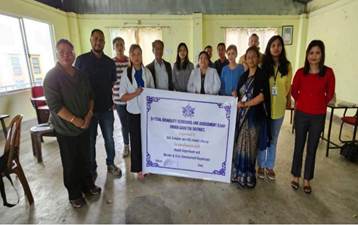
Camps organized in Gangtok by DEO in collaboration with Women & Child Development and Health Department

Also, a team of ECI officials visited Thane District and Kamathipura in Mumbai City to have an open dialogue with the Transgender and Female Sex workers, residing in these areas, to better understand the challenges faced by them in electoral participation, sensitizing the field machinery towards these electors and to encourage these voters to ensure their participation during the Lok Sabha Election-2024.
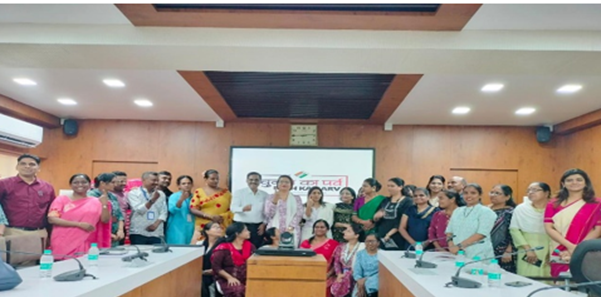
ECI team with NGOs/CSOs and TG community in Thane District and encouraging them to ensure 100% participation in the Lok Sabha Election.


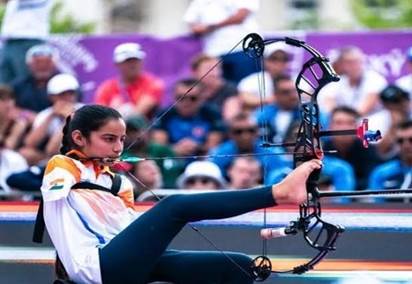
The Commission also appointed Ms. Sheetal Devi, Arjuna Awardee and Para Archer, as the ECI National Icon, to motivate the PwD electors to exercise their franchise in the Lok Sabha Election-2024. Also, eleven prominent PwD personalities have been appointed as Ambassadors of ECI for taking part in various voter awareness initiatives of ECI and reaching out to PwD electors. Moreover, the Commission has also appointed State PwD Icons for the States/UTs.
https://www.newsonair.gov.in/wp-content/uploads/2024/03/para.jpg

Ms. Sheetal Devi, National PwD Icon, ECI


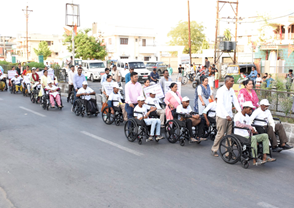
In Mehsana district in Gujarat, a wheelchair rally

was organized by PwD electors to create awareness

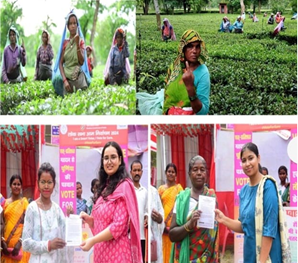
An extensive campaign including “Matdata appeal patra” was launched to enhance PVTG participation in the ongoing elections.

Reaching out to the last mile electors

The Commission is committed in ensuring that “no voter is left behind” and has taken special measures to reach out to the electors residing in the remotest corners of the county. For example, a polling station was set up in a shipping container in Aliabet in Gujarat to reach out to the tribal electors residing in this area. Similarly, voters from 102 villages in Bastar and Kanker PCs in Chhattisgarh cast their vote in a polling booth set up in their own village for the first time in a Lok Sabha Election.
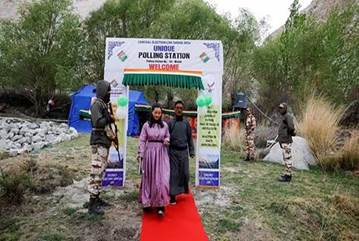
Polling station for just five members of a family in a remote village of Warshi in Leh district, Ladakh


Further, in a major decision to facilitate voting by Kashmiri migrants in the ongoing General Elections 2024, ECI abolished the cumbersome procedure of filling Form-M for the displaced people from the valley who are residing in Jammu and Udhampur. Additionally, for the migrants residing outside Jammu and Udhampur (who will continue to submit Form M), ECI has authorized the self-attestation of the certificate appended with Form-M, thus removing the hassle of getting this certificate attested by the Gazetted Officer. The Commission has enabled Kashmiri migrant voters residing at various relief camps in Delhi, Jammu, and Udhampur to also have the option of voting in person at designated special polling stations or using postal ballot. 21 Special Polling Stations were established at Jammu, 1 at Udhampur and 4 at Delhi.
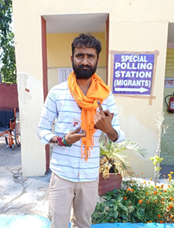
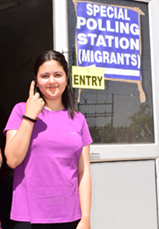
  

Kashmiri migrants casting their vote at Special Polling Stations


Similarly, to ensure voting rights for internally displaced persons (IDPs) in Manipur, 94 Special Polling Stations (SPS) were set up in 10 districts for (IDPs). One SPS was set up in Tengnoupal district for a single voter. Poll was conducted under webcasting/videography and displaced persons staying outside relief camps could also opt to vote at SPS.
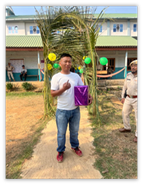
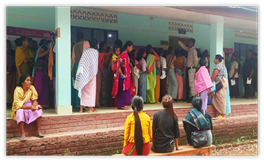


IDP in Manipur casting their vote at Special Polling Stations

******

Cricket: The Gentleman's Game

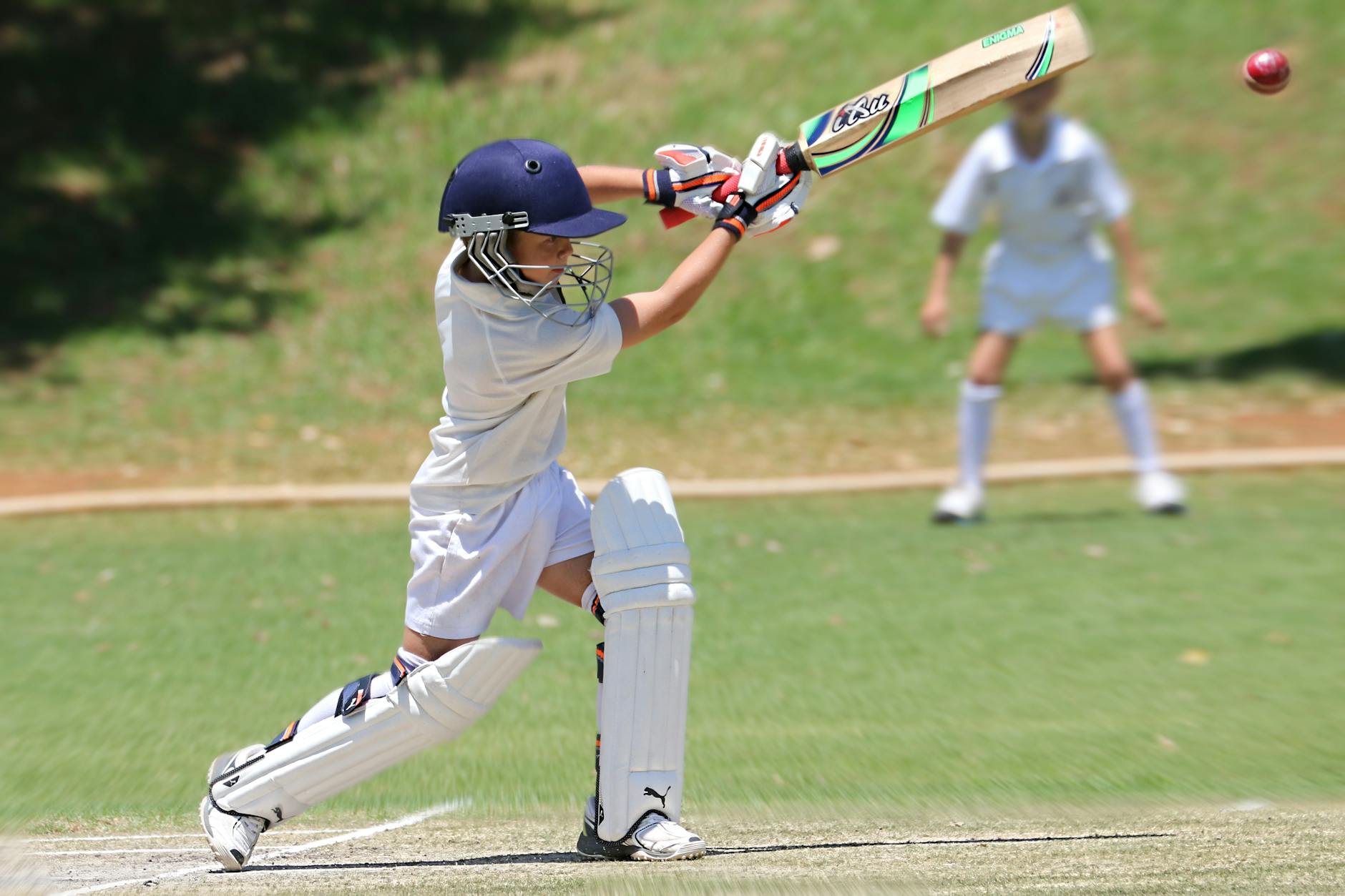
 Cricket, often referred to as the “gentleman’s game,” is a sport that captivates millions around the world with its unique blend of skill, strategy, and tradition. Originating in England in the 16th century, cricket has evolved into a global phenomenon, uniting diverse cultures through a shared passion for this bat-and-ball game. This essay explores the rich history, global appeal, and the impact of cricket on individuals and societies.

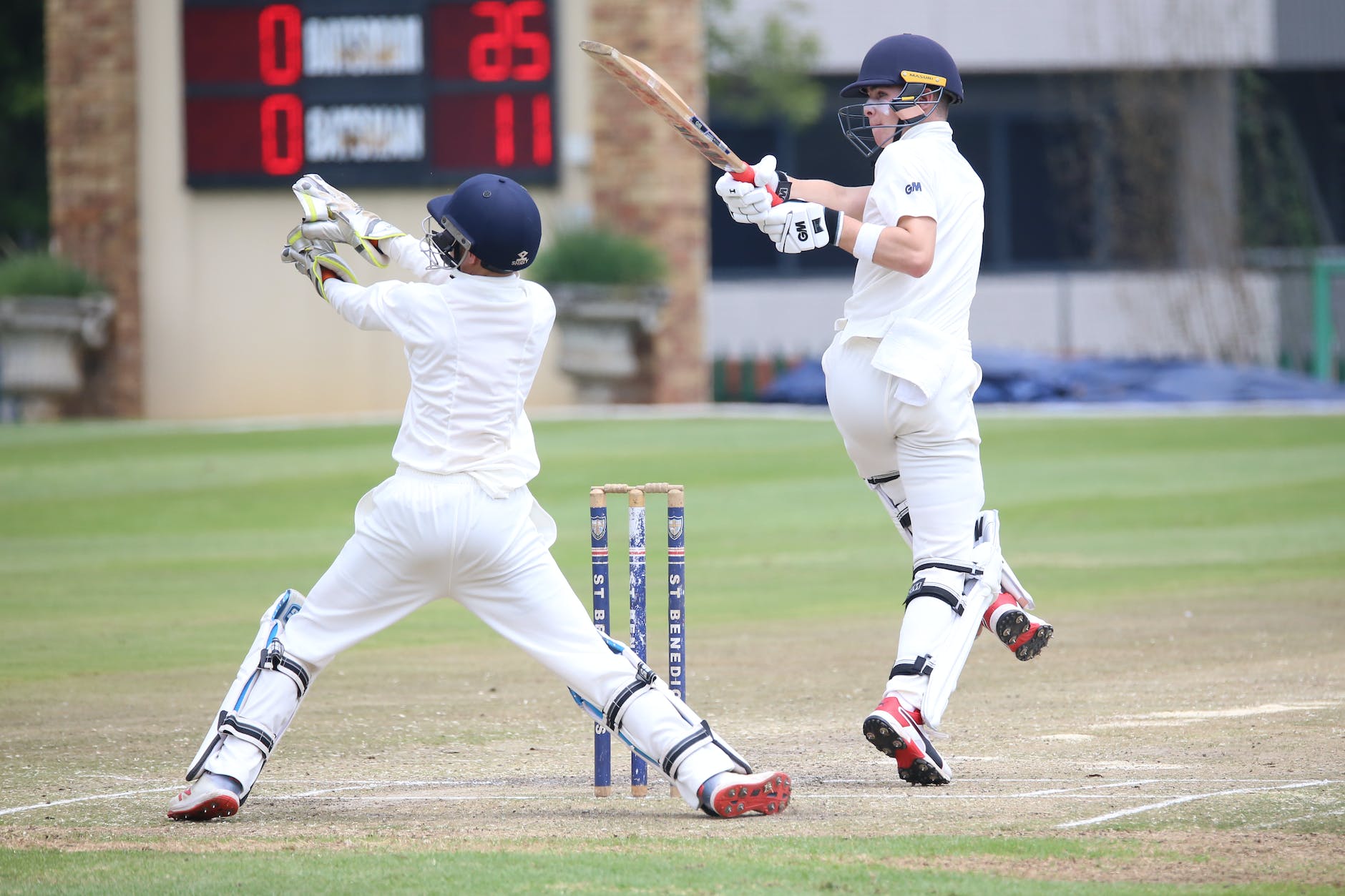
Photo by Patrick Case on Pexels.com

Historical Evolution:

Cricket’s roots can be traced back to 16th-century England, where it was played as a rural pastime. Over the centuries, it transformed from a leisurely pursuit into a highly organized and competitive sport. The Marylebone Cricket Club (MCC) played a pivotal role in standardizing the rules in the 18th century, laying the foundation for the modern game we know today. Cricket’s global expansion was fueled by the British Empire, spreading to colonies such as India, Australia, and the West Indies.

Global Appeal:

Cricket has transcended geographical boundaries to become one of the most popular sports worldwide. The sport’s global appeal is evident in the intense rivalries and fervent support it garners, especially during international competitions like the ICC Cricket World Cup and The Ashes series. Countries like India, Australia, England, Pakistan, and the West Indies boast enormous cricketing followings, with matches reaching millions of viewers across continents.

Distinctive Formats:

Cricket is unique in its various formats, catering to different preferences and time constraints. Test cricket, the oldest and purest form, is a five-day game that demands endurance, skill, and strategic acumen. One Day Internationals (ODIs) and Twenty20 (T20) cricket, on the other hand, offer shorter, more dynamic versions of the game, attracting a broader audience and showcasing players’ adaptability.

Cricketing Legends:

The history of cricket is studded with legendary players who have left an indelible mark on the sport. Sir Donald Bradman’s unparalleled batting records, Shane Warne’s mesmerizing leg-spin, and Sachin Tendulkar’s unmatched run-scoring prowess are just a few examples. These players embody the spirit of cricket, inspiring future generations and contributing to the game’s enduring legacy.

Impact on Society:

Cricket has a profound impact on societies, transcending its role as a mere sporting activity. In countries like India, cricket is more than a game; it is a cultural phenomenon that unites people across diverse backgrounds. The sport has the power to bring about social change, fostering national pride and creating heroes who transcend the boundaries of class, caste, and creed.

Cricket Diplomacy:

Cricket has played an unexpected role in diplomatic relations between nations. The “cricket diplomacy” between India and Pakistan, where cricket matches are used as a platform for diplomatic discussions, exemplifies how the sport can bridge political divides and promote understanding between nations.

Conclusion:

In conclusion, cricket is not just a sport; it is a cultural force that binds people together, transcending borders and creating a global community of enthusiasts. Its rich history, diverse formats, iconic players, and societal impact contribute to its status as the “gentleman’s game.” Cricket’s ability to entertain, inspire, and unite makes it a timeless and cherished pursuit for millions around the world.

Most Commonly Used Terms in Cricket

Cricket, a popular sport played in many countries, has its own set of terms and terminology. Here are some key terms used in cricket:

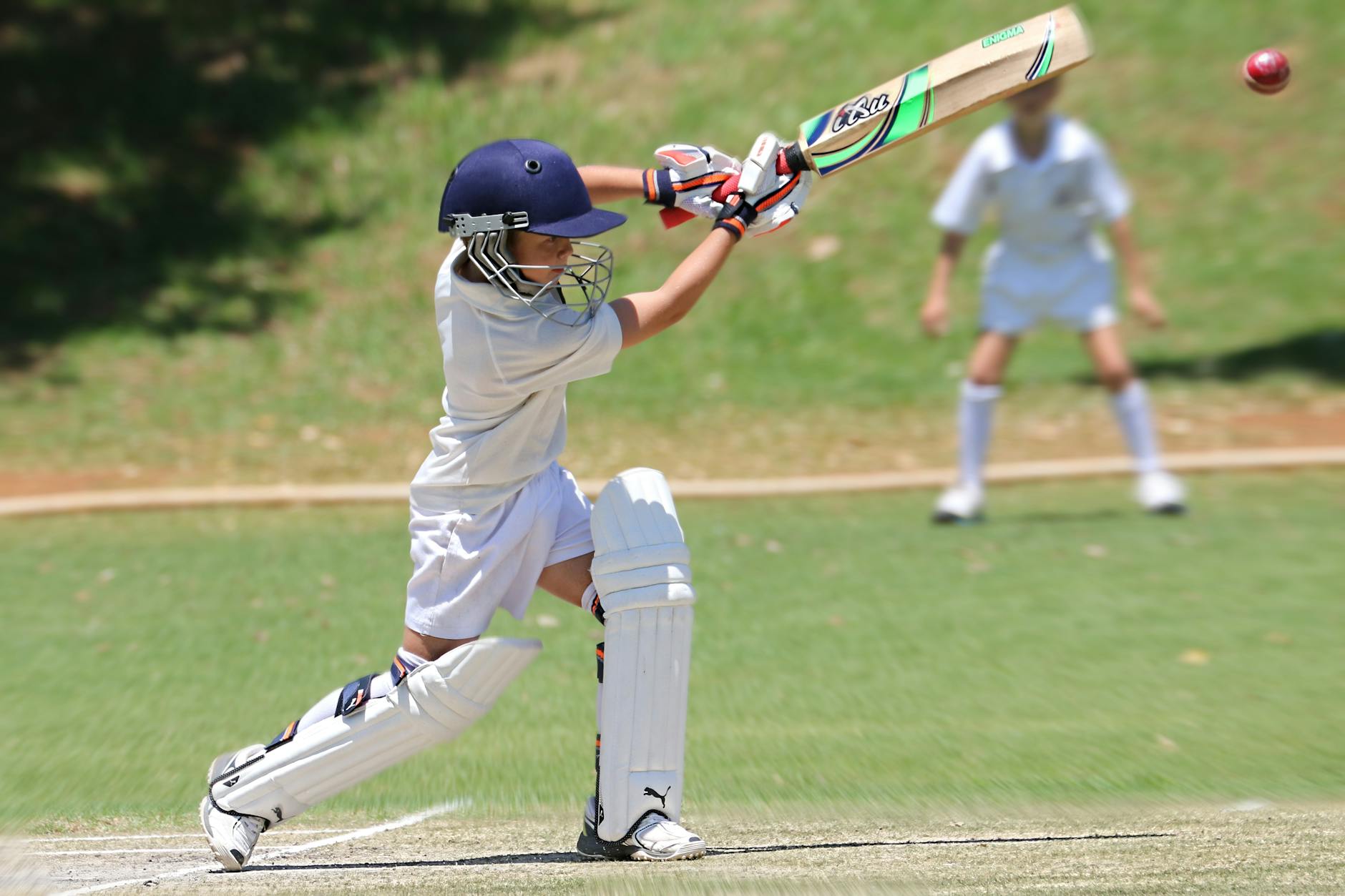
Photo by Patrick Case on Pexels.com
  1. Batsman (or Batter): The player from the batting team who is currently in play and facing the bowler.
  2. Bowler: The player from the bowling team who delivers the ball to the batsman.
  3. Wicket: The set of three stumps and two bails at either end of the pitch. A wicket can refer to the dismissal of a batsman as well.
  4. Run: The unit of scoring in cricket. Batsmen score runs by running between the wickets after hitting the ball.
  5. Over: A set of six consecutive legal deliveries bowled by a bowler.
  6. Innings: One side’s or one player’s turn to bat or bowl. In limited-overs cricket, each team typically gets one or two innings, while in Test cricket, each team has two innings.
  7. No Ball: An illegal delivery by the bowler that results in the batting side being awarded an extra run. The batsman cannot be dismissed on a no-ball unless they are run out.
  8. Wide: A delivery that is too wide for the batsman to play a shot, resulting in the batting side being awarded an extra run. The ball is not counted as one of the six in the over.
  9. Extras: Runs scored by the batting team that are not attributed to any batsman’s individual score, such as wides, no-balls, and byes.
  10. Dismissal: The act of getting a batsman out. Common forms of dismissal include bowled, caught, lbw (leg before wicket), run out, and stumped.
  11. Fielding: The defensive aspect of the game, where players try to prevent the batting side from scoring runs by stopping the ball and attempting to dismiss batsmen.
  12. Captain: The leader of a cricket team responsible for on-field decision-making.
  13. Umpire: The officials responsible for ensuring that the game is played in accordance with the rules. There are usually two on-field umpires and a third umpire for TV referrals.
  14. Duck: When a batsman gets out without scoring any runs.
  15. Century: When a batsman scores 100 runs in an innings.
  16. Duckworth-Lewis Method: A mathematical formula used to adjust target scores in limited-overs matches affected by weather interruptions.
  17. Powerplay: A set number of overs at the beginning of an innings in limited-overs cricket during which fielding restrictions are in place.

These are just a few examples, and there are many more cricket terms specific to the rules and nuances of the game.

Duckworth-Lewis Method (D/L Method)in Cricket

 The Duckworth-Lewis Method (D/L Method) is a mathematical formula used to adjust target scores in limited-overs cricket matches that are affected by weather interruptions. The primary goal of the method is to provide a fair and equitable way of revising target scores when the playing conditions are altered due to rain or other disruptions. The D/L Method is commonly used in One Day Internationals (ODIs) and Twenty20 (T20) matches.

Photo by Patrick Case on Pexels.com

Here’s a detailed explanation of how the Duckworth-Lewis Method works:

  1. Baseline Data:
    • The total number of overs originally allocated for the match is considered as the baseline.
    • The total number of runs that were scored by the team batting first (prior to any stoppage) is also noted.
  2. Calculation of Resources Used:
    • The method takes into account the number of overs bowled and the number of wickets lost by the team batting first at the time of the interruption.
  3. Calculation of Percentage Resources Remaining:
    • The total number of overs initially allocated is scaled down based on the overs bowled and wickets lost.
    • The percentage of resources remaining is calculated using a complex formula that considers the number of overs and wickets used.
  4. Calculation of Revised Target Score:
    • The revised target score is then calculated based on the percentage of resources remaining.
    • It is essentially a proportionate reduction from the original target, taking into account the lost overs and wickets.
  5. Consideration of Team Chasing:
    • If the team batting second has also faced interruptions, the target is further adjusted based on the resources they have used.
  6. Implementation during an Interruption:
    • If there is an interruption during the match, the method may be used to recalculate the target score for the team batting second.
  7. Minimum Overs Required:
    • The method ensures that a minimum number of overs are available for the team batting second to constitute a valid match result. This is to prevent scenarios where a team could win with just a couple of big hits in a reduced-overs match.
  8. D/L Par Score:
    • The D/L Par Score is a reference point for the team batting second. If their score is equal to or above the D/L Par Score, they are considered to be ahead in the match.

It’s important to note that the Duckworth-Lewis Method aims to provide a fair result in weather-affected matches, but it has faced criticism for its complexity and occasional unpredictability. The method has undergone revisions over the years to address some of these concerns. Additionally, in some cases, the use of the D/L Method has been replaced by the more modern DLS (Duckworth-Lewis-Stern) Method, which incorporates additional factors for a more accurate calculation of revised target scores.

Famous Cricket Tournaments

 There are several famous and prestigious cricket tournaments played around the world. Here’s a list of some of the most well-known cricket tournaments:

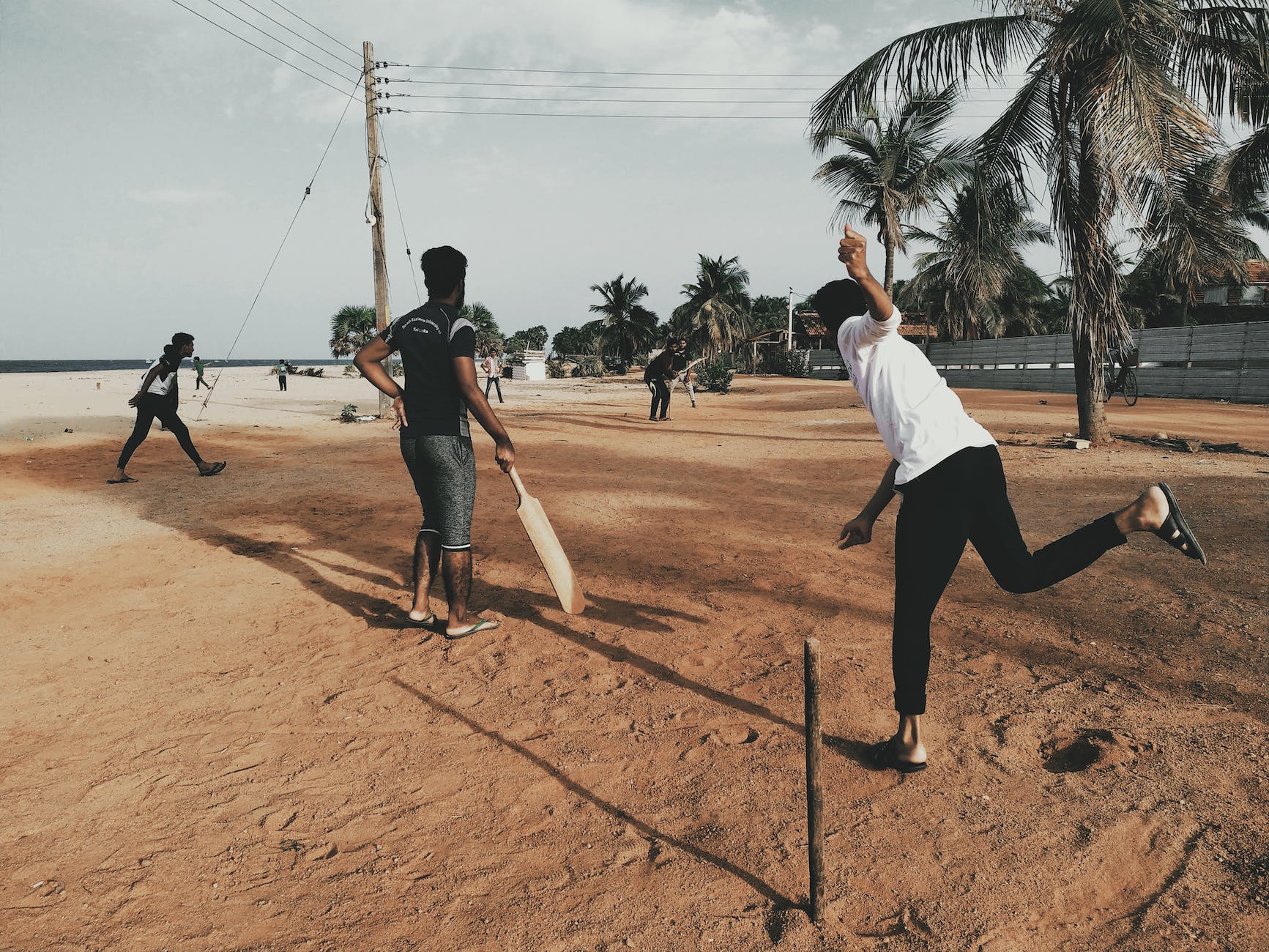
Photo by MAM Ashfaq on Pexels.com
  1. ICC Cricket World Cup:
    • Format: One Day International (ODI)
    • Frequency: Held every four years
    • Organized by the International Cricket Council (ICC), it is the premier international ODI tournament.
  2. ICC T20 World Cup:
    • Format: Twenty20 International (T20I)
    • Frequency: Held every two years
    • The ICC T20 World Cup is a global competition for national teams in the T20 format.
  3. The Ashes:
    • Format: Test Matches
    • Frequency: Generally held every two years
    • A historic Test series played between England and Australia, one of the oldest and most prestigious rivalries in cricket.
  4. Indian Premier League (IPL):
    • Format: Twenty20 (T20)
    • Frequency: Annual
    • A professional T20 league in India featuring franchises representing different cities and regions.
  5. Big Bash League (BBL):
    • Format: Twenty20 (T20)
    • Frequency: Annual
    • Australia’s premier domestic T20 competition, featuring city-based franchises.
  6. Pakistan Super League (PSL):
    • Format: Twenty20 (T20)
    • Frequency: Annual
    • Pakistan’s premier T20 league featuring franchises representing different cities.
  7. Caribbean Premier League (CPL):
    • Format: Twenty20 (T20)
    • Frequency: Annual
    • A T20 league featuring teams from various Caribbean nations.
  8. NatWest T20 Blast:
    • Format: Twenty20 (T20)
    • Frequency: Annual
    • England’s domestic T20 competition.
  9. Bangladesh Premier League (BPL):
    • Format: Twenty20 (T20)
    • Frequency: Periodic
    • A T20 league featuring franchises representing different cities in Bangladesh.
  10. Ranji Trophy:
    • Format: First-class (four-day) and limited-overs (One Day)
    • Frequency: Annual
    • India’s premier domestic cricket competition, played among regional teams.
  11. Sheffield Shield:
    • Format: First-class (four-day)
    • Frequency: Annual
    • Australia’s premier domestic first-class competition.
  12. Royal London One-Day Cup:
    • Format: One Day Domestic
    • Frequency: Annual
    • England’s domestic 50-over competition.
  13. Super Smash:
    • Format: Twenty20 (T20)
    • Frequency: Annual
    • New Zealand’s domestic T20 competition.

These tournaments showcase cricket at different levels and formats, ranging from international competitions to domestic leagues, contributing to the global popularity of the sport.