‘Agri Fund for Start-Ups & Rural Enterprises’ (AgriSURE) to provide support to Startup and Agripreneurs

 The Government is poised to launch the ‘Agri Fund for Start-Ups & Rural Enterprises’ (AgriSURE) to support start-ups and agripreneurs through investments in sector-specific, sector-agnostic, and debt Alternative Investment Funds (AIFs), as well as direct equity support to start-ups working in Agriculture and allied sectors This initiative aims to foster innovation and sustainability in India’s agricultural sector through the establishment of a Rs 750 crore Category-II Alternative Investment Fund (AIF). The fund will offer both equity and debt support, specifically targeting high-risk, high- impact activities in the agriculture value chain.

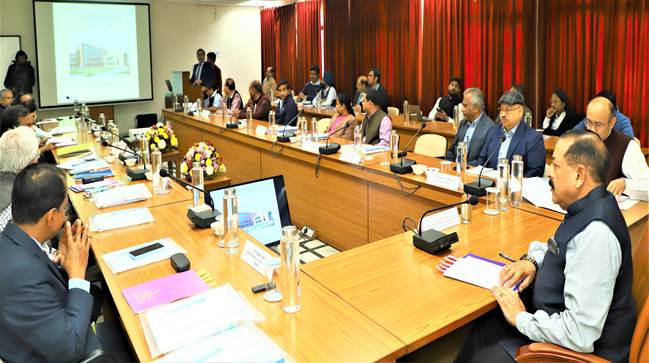
The announcement was made at the Pre-Launch Stakeholder meet held at NABARD Headquarters in Mumbai. The event was attended by key stakeholders, including financial institutions, investors, AIF managers, and agri-startups. Distinguished guests included Shri Ajeet Kumar Sahu, Joint Secretary, DA&FW; Shri Shaji K.V., Chairman, NABARD; Shri Govardhan Singh Rawat, DMD, NABARD; and Dr. Ajay Kumar Sood, DMD, NABARD.
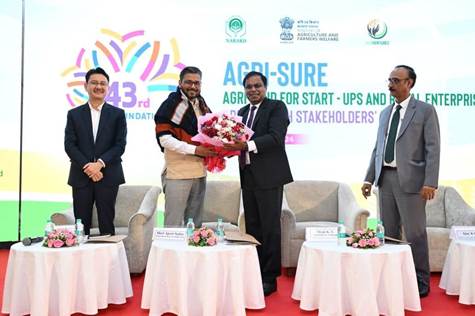
 

In his address, Shri Ajeet Kumar Sahu highlighted the fund’s potential to create an ecosystem that enhances financing for the agriculture sector through innovative approaches, benefiting small and marginal farmers. Shri Shaji K.V. emphasized the need for public and private sector collaboration to drive the next level of growth in agriculture through technological innovations.
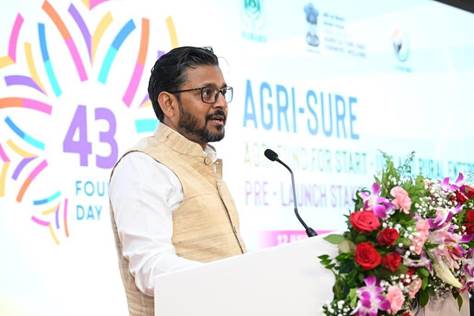
While explaining the features of the fund CEO NABVENTURES briefed that the fund will be set up with an initial corpus of ₹750 Crore with 250 crores each from NABARD and the Ministry of Agriculture, and 250 crores from other institutions. The fund will focus on innovation in agriculture, enhancing the farm produce value chain, creating rural infrastructure, generating employment, and supporting Farmers Producer Organizations (FPOs). The fund will also encourage IT-based solutions and machinery rental services for farmers. NABVENTURES, a wholly-owned subsidiary of NABARD, will be the Fund manager of AgriSURE. The fund is designed to operate for 10 years, extendable by two or more years.

Underscoring its commitment to fostering innovation, NABARD also launched the AgriSURE Greenathon 2024. The hackathon aims to address three key problem statements: “Smart Agriculture on a Budget,” which tackles the high cost of advanced agriculture technologies that hinder small and marginal farmers; “Turning Agri-Waste into Profitable Business Opportunities,” focusing on transforming agricultural waste into profitable ventures; and “Tech Solutions Making Regenerative Agriculture Remunerative,” which aims to overcome economic hurdles in adopting regenerative agriculture practices.

NABARD called upon participation from young innovative minds to contribute in the journey of our country towards ‘Viksit Bharat’ with their innovative solutions to alleviate the flailing issues of the agriculture.

***

Startup India initiative – Startup Seed Funding

The Startup India initiative was launched on 16th January 2016, by the Hon’ble Prime Minister. The Prime Minister also unveiled an Action Plan consisting of 19 Action Points that act as a guiding document for the startup initiative. Since the inception of the initiative:
There are over 99000+ startups recognized by the government of India as of May 2023

49% of them having a base in Tier 2 – Tier 3 cities
These startups are spread over 669 districts from 36 States and Union Territories of India
As of 31st March 2023, India is home to 108 unicorns with a total valuation of $ 340.80 Bn. Out of the total number of unicorns, 44 unicorns with a total valuation of $ 93.00 Bn were born in 2021 and 21 unicorns with a total valuation of $ 26.99 Bn were born in 2022

VISIT STARTUP INDIA PORTAL

Startup India
Seed Fund Scheme

Financial assistance to startups for proof of concept, prototype development, product trials, market entry, and commercialization

APPLY NOW

Startup India Seed Fund Scheme Launch

An Initiative To Spur Entrepreneurship Across India

The Need For Startup India Seed Fund Scheme

Easy availability of capital is essential for entrepreneurs at the early stages of growth of an enterprise.

Funding from angel investors and venture capital firms becomes available to startups only after the proof of concept has been provided. Similarly, banks provide loans only to asset-backed applicants.

It is essential to provide seed funding to startups with an innovative idea to conduct proof of concept trials.

Objective Of The Scheme

Startup India Seed Fund Scheme (SISFS) aims to provide financial assistance to startups for proof of concept, prototype development, product trials, market entry and commercialization.

This would enable these startups to graduate to a level where they will be able to raise investments from angel investors or venture capitalists or seek loans from commercial banks or financial institutions.
KNOW MORE ABOUT THE SCHEME

How Startup India Seed Fund Will Operate

The Seed Fund will be disbursed to eligible startups through eligible incubators across India
DPIIT

Department for Promotion of Industry and Internal Trade

Nodal Department
EAC

Experts Advisory Committee

Government Representatives & Industry Experts
Incubators

Govt assisted/Not-Govt assisted Incubators

Operational for atleast 2-3 years
Startups

DPIIT-recognised Startups

Incorporated less than 2 years ago

Features Of Startup India Seed Fund Scheme


Year-round ‘Call for Applications’ for Incubators and Startups
Sector-agnostic
No mandatory physical incubation
PAN-India startup programme
Startups can apply to 3 incubators simultaneously

Eligibility Criteria

For Startups
A startup, recognized by DPIIT, incorporated not more than 2 years ago at the time of application.
The startup must have a business idea to develop a product or a service with a market fit, viable commercialization, and scope of scaling.
The startup must have a business idea
MORE DETAILS

For Incubators
Incubator should be operational for at least two years on the date of application to the scheme.
Incubator must have facilities to seat at least 25 individuals.
Incubator must have at least 5 startups undergoing incubation physically on the date of application
MORE DETAILS

Startup India Seed Fund Scheme Launch

The Startup India Seed Fund Scheme was launched by
Honourable Shri Piyush Goyal on 19th April 2021

Scale Up Your Startup With
Startup India Seed Fund Scheme

Your journey of seed fund starts here.
Complete the application to initiate the journey
APPLY NOW

OUR FIVE PILLARS


POLICY


PARTNERSHIP AND PROGRAMS


GRASS ROOTS INITIATIVE & OUTREACH


VIRTUAL INCUBATORS


FACILITATION

Centre approves Startup Guidelines dedicated to Technical Textiles

 The Ministry of Textiles has approved the Startup Guidelines for Technical Textiles – Grant for Research and Entrepreneurship across Aspiring Innovators in Technical Textiles (GREAT) providing grant-in-aid upto INR 50 Lakhs for upto a period of 18 months, informed Shri Rajeev Saxena, Joint Secretary Textiles during a press conference held here today on the important developments in the National Technical Textiles Mission (NTTM).

With a strong emphasis on developing the Startup Ecosystem in Technical Textiles, the guidelines focus on supporting individuals and companies to translate prototype to technologies & products including commercialization. The GREAT Guidelines provides thrust in Technical Textiles’ application areas including Agro-textiles, Building-textiles, Geo-textiles, Home-textiles, Medical-textiles, Mobile-textiles, Packaging- textiles, Protective-textiles, Sports-textiles; Development of High-performance fibres and composites; Sustainable and Recyclable Textile materials; Smart Textiles using Artificial Intelligence, Internet of Things, 3D/4D Printing, and Rapid Prototyping; and Development of indigenous Machinery/Equipment/Instruments, among others.

To incentivize the incubators, Ministry to additionally provide 10% of total grant-in-aid to incubators. To strengthen authenticity and commitment towards the project, a minimum investment of 10% of the funding from the incubatee in two equal installments is mandated. The Startup Guidelines (GREAT) to provide much needed impetus for the development of technical textiles startup ecosystem in India, especially in niche sub-segments such as Bio-degradable and Sustainable textiles, High-performance & Specialty fibres, Smart textiles, among others.

Ministry also gave the nod to 26 institutes for upgrading their laboratory infrastructure and training of trainers in the application areas of technical textiles. Ministry has approved the applications of 26 institutions for development and introduction of technical textile courses/ papers in the key departments/specializationsas well as introducing new degree programme in technical textiles.

Total value of INR 151.02 Crores was approved wherein 15 applications valuing INR 105.55 Crores are from Public Institutes and 11 applications valuing INR 45.47 Crores are from Private Institutes.

Some of the premier institutes to be funded under the scheme include IIT Delhi, NIT Jalandhar, NIT Durgapur, NIT Karnataka, NIFT Mumbai, ICT Mumbai, Anna University, PSG College of Technology, Amity University,among others.

Notably, majority of the funding to be provided for upgradation of existing courses including Departments related to Textile Technology & Fibre Sciences to upgrade courses in all application areas of technical textiles including specialty fibres; Departments related to Design/Civil Engineering to upgrade courses in Geotextiles & Building textiles; Departments related to Fashion Technology/Design to upgrade courses in Smart Textiles, Protective Textiles, Sports Textiles, Home Textiles, Cloth Textiles; Department of Mechanical Engineering to upgrade courses in Mobile Textile, Industrial Textiles; and a New Degree Programme in Technical Textiles with predominant emphasis on all application areas of Technical Textiles.

In addition, Ministry to re-open the Guidelines for Enabling of Academic Institutes in Technical Textiles’ Education in India (Round II) under NTTM with relatively eased parameters and wider coverage including NBA score of 750 and above, NAAC rating of A+/3.26 or above or top 200 NIRF ranked institutes as eligible private institutes under the Education Guidelines 2.0. The guidelines have been in-principally approved and target the inclusion of new courses/papers in the curriculum of academic year 2025-26.

On the quality and regulation aspect of technical textiles, Ministry already notified 02 QCOs for 31 Technical Textiles products including 19 Geotextiles and 12 Protective Textiles, which will come in-effect from 7th October 2023 onwards. Besides, QCOs for 28 products including 22 Agrotextiles and 06 Medical Textiles are also in the final stages of issuance and likely to be issued in September 2023.

Furthermore, additional 28 items are also considered for QCOs including Building textiles, Industrial textiles, Ropes & Cordages, among other. To cover the comprehensive impact of the QCOs on the economy, industry and society at large, Ministry is proactively conducting multiple stakeholder consultations with Industries.

****

Bhaderwah has emerged as the Lavender capital of India and Agri StartUp destination

 It is a moment of pride for all of us…Bhaderwah has emerged as the Lavender capital of India and Agri StartUp destination.

This was stated today by Union Minister Dr Jitendra Singh while inaugurating the 2 -day Lavender festival at Bhaderwah in Jammu region.

CSIR- Indian Institute of Integrative Medicine, Jammu has organised the event as part of its One Week One Lab Campaign.

Dr Jitendra Singh described Bhaderwah as the birthplace of India’s Purple Revolution and the destination of Agri-StartUps.

The Minister said that the valley of Bhaderwah is the best example of development of the present progressive government at the centre which should have been celebrated much earlier, Bhaderwah being the best place for lavender cultivation in terms of land and climate.

Dr. Jitendra Singh while referring to the lavender cultivation in the region, said that Lavender is an avenue of employment generation and research opening many paradigms of development.

The lavender cultivation has changed the lives of many farmers and it is heartening to note that Prime Minister of India, Shri Narendra Modi, in the 99th Edition of Mann ki Baat, appreciated the efforts of the Council of Scientific & Industrial Research- Indian Institute of Integrative Medicine (CSIR-IIIM) in supporting farmers in the cultivation of Lavender in the Bhaderwah, Doda district, J&K under CSIR-Aroma Mission. He said, “Farmers had been engaged in traditional maize cultivation for decades, but some farmers thought of doing something different. They turned to floriculture, that is, the cultivation of flowers. Today, around two and a half thousand farmers are cultivating Lavender here. They have also been handheld through the Aroma Mission of the Central Government. This new cultivation has greatly increased the income of the farmers.”

The CSIR-Aroma Mission is a flagship project of CSIR under which Lavender cultivation is being promoted in the temperate regions of J&K. The aim of the project is to increase the income of small and marginal farmers and develop agriculture-based Startups. The project is being directly monitored by Dr. Jitendra Singh, Hon’ble Union Minister of State (IC) of the Ministry of Science & Technology. Under his directions, CSIR-IIIM is implementing Lavender cultivation in Bhaderwah and other parts of J&K.

It is important to mention that over many decades of scientific interventions, the CSIR-IIIM has developed its elite variety (RRL-12) and agrotechnology of Lavender. The variety of Lavender is highly suitable for cultivation in the rainfed temperate regions of India. Under CSIR-Aroma Mission, CSIR-IIIM introduced Lavender and provided more than 30 Lakh free Lavender plants to the farmers of different districts of J&K. The end-to-end technology package for cultivation, processing, value addition, and marketing of the Lavender crop were also provided to the farmers. CSIR-IIIM installed fifty distillation units (45 fixed and five mobile) at different locations across J&K to support farmers in processing their produce.

Many small and marginal maize farmers in the temperate regions of the Jammu division have successfully adopted Lavender. Lavender cultivation has employed large numbers of farmers and young entrepreneurs in the geographically remote regions of J&K. Due to the intervention of CSIR-IIIM, a new industry around Lavender cultivation has developed in the region. More than 2500 farmers are cultivating Lavender in different parts of J&K. Women are primarily employed in the Lavender fields for harvesting and processing the flower, which has increased women’s income in the region. Many young entrepreneurs have started small-scale businesses through the value addition of Lavender oil, hydrosol, and flowers. CSIR-IIIM conducted many skills development programs and trained more than 2500 farmers and young entrepreneurs from J&K on Lavender cultivation, processing, value addition, and marketing.

The net annual income of farmers who switched from maize to Lavender cultivation has increased many folds from around Rs. 40,000/- to Rs. 60,000/- per hectare to Rs. 3,50,000/- to Rs. 6,00,000/- per hectare. Farmers of the Bhaderwah, Doda district, produced 300, 500, 800, and 1500 Litres of Lavender oil in 2019, 2020, 2021, and 2022, respectively. They earned > Rs. 5.0 Crore between 2018-2022 by selling dry flowers, Lavender plants, and Lavender oil. The successful end-to-end technology transfer on the cultivation of Lavender to the farmers of J&K by CSIR-IIIM, Jammu, under Aroma Mission has been widely covered nationally and internationally by print and electronic media. The media has recognized this initiative of CSIR-IIIM as the “Purple Revolution.” CSIR-IIIM received the CSIR award for S&T innovations for rural development (CAIRD- 2020) for Purple Revolution in Jammu & Kashmir: Rural Development Through Lavender Cultivation in J&K.

Prominent among many others present were Dr. D Srinivasa Reddy, Director, CSIR-IICT, Dr. Zabeer Ahmed, Director, CSIR-IIIM, Jammu, Dhanetar Singh, DDC Chairman, Doda, Sangeeta Rani Bhagat, DDC Vice Chairman, Doda, Vishesh Paul Mahajan, Deputy Commissioner Doda.

G20 nations join forces to propel global startup ecosystem growth and innovation

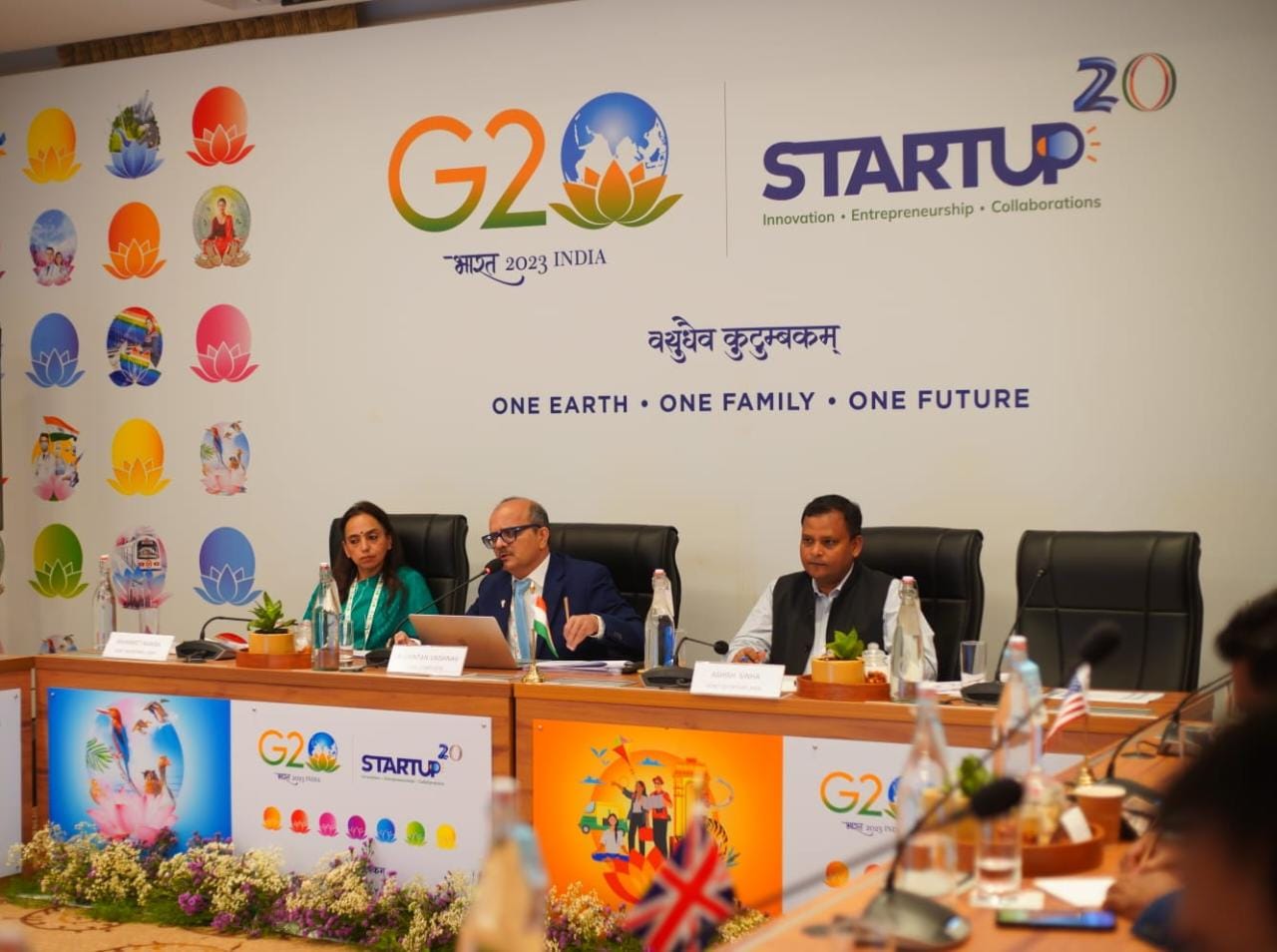
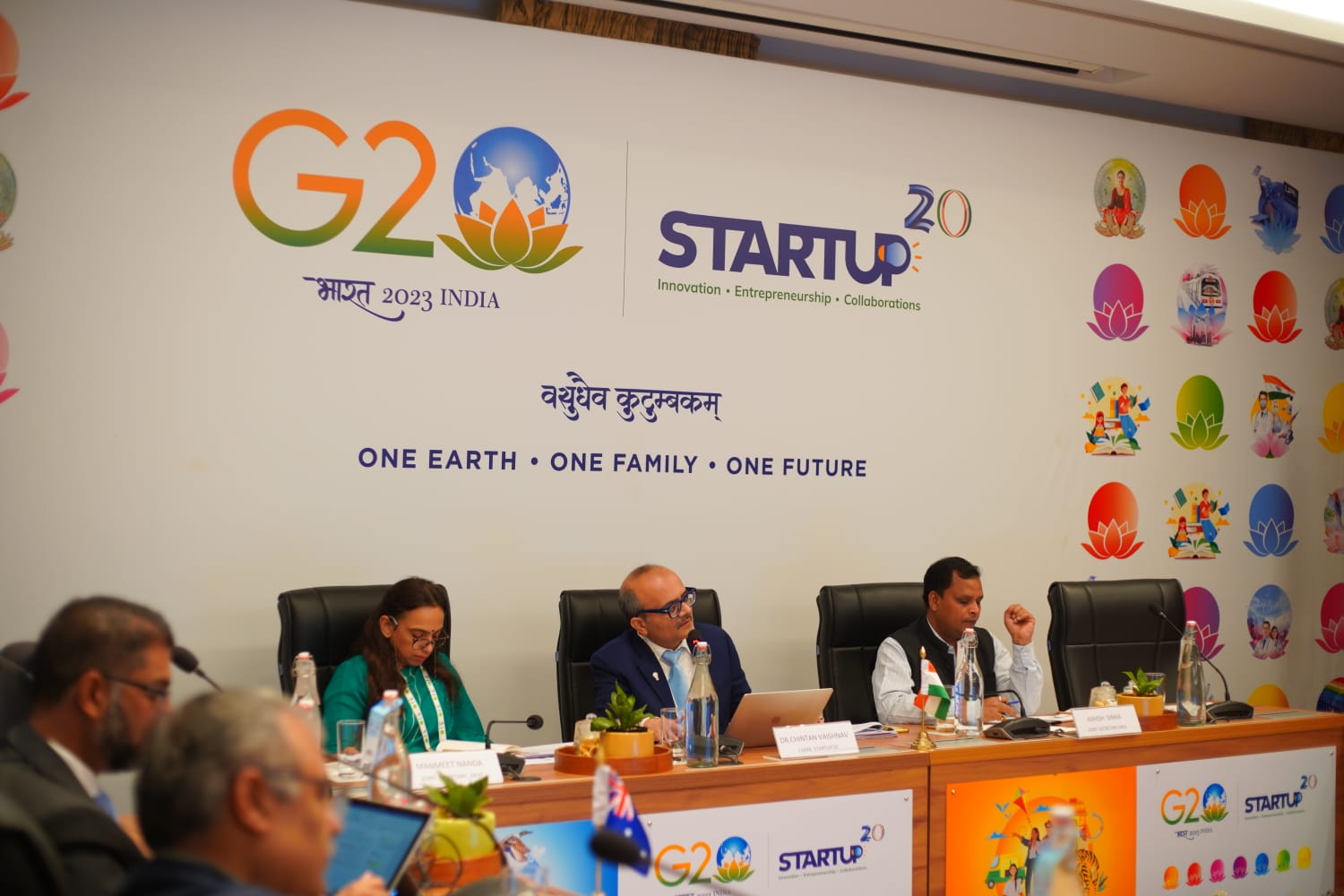
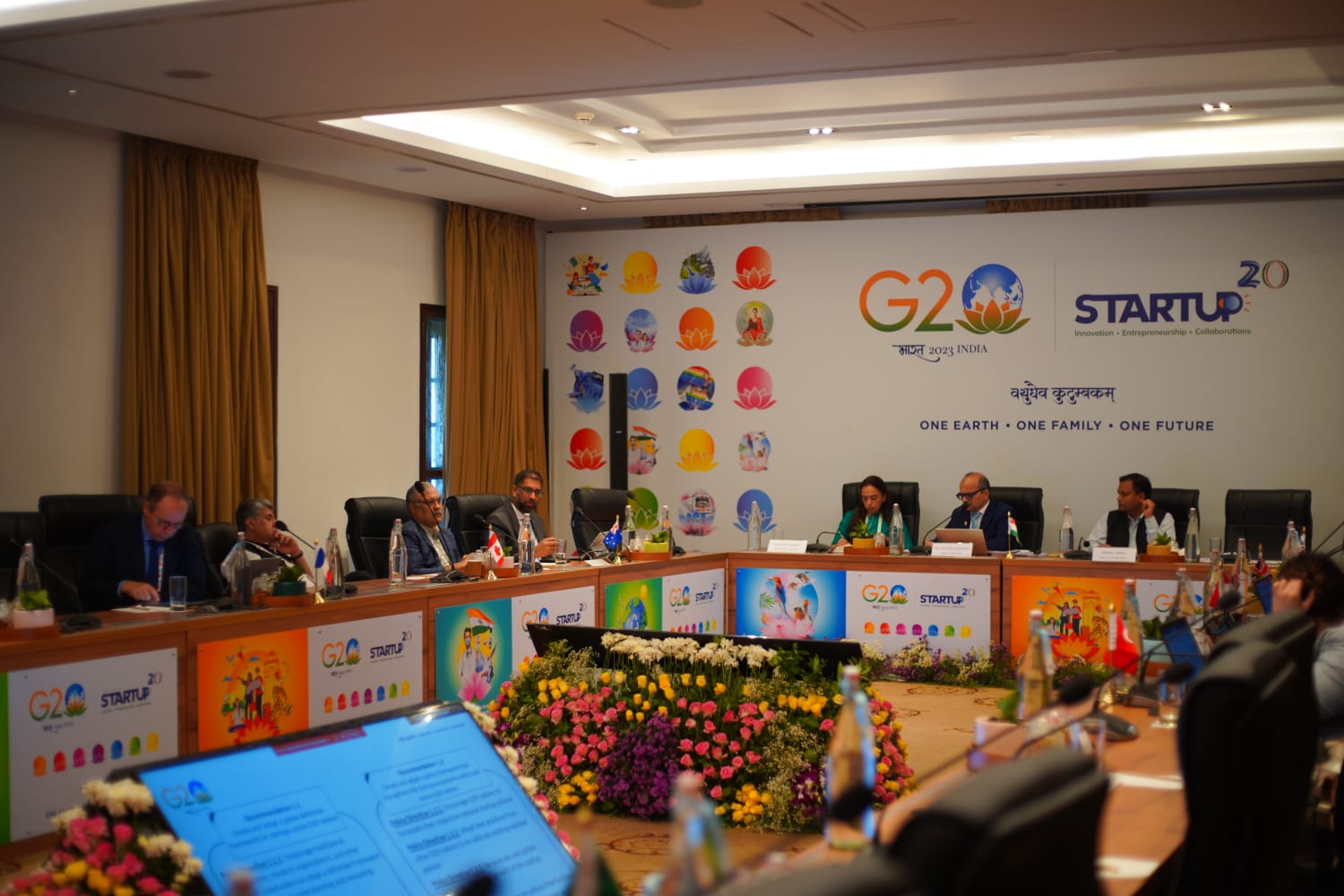
 The second day of the Startup20 Engagement Group meeting in Goa witnessed crucial discussions and meetings aimed at strengthening collaboration and aligning efforts towards the growth and support of startups globally.

The program commenced with closed-door meetings between national and international delegations and Dr. Chintan Vaishnav, Chair of Startup20, focusing on key agendas and strategic partnerships.

During the press conference held later in the day, Dr. Chintan Vaishnav addressed the media, highlighting the progress made and the significance of the Policy Communiqué. He expressed his satisfaction with the agreement reached by all delegates on the Communiqué, marking a pivotal moment in the journey of the G20 nations towards fostering startup ecosystems worldwide. Dr. Vaishnav emphasized the collective efforts and extensive consultations undertaken with G20 nations to arrive at this crucial juncture.

In his statement, Dr. Chintan Vaishnav underscored the importance of specific action points outlined in the Communiqué. The key action points include the creation and adoption of a definition framework for startups, creating a network institution to support startups and ecosystem stakeholders across G20, increasing and diversifying access to capital, easing market regulations for startups, and prioritizing the inclusion of underrepresented communities within the startup ecosystem as well as the scaling up startups of global interest. These measures aim to foster a conducive environment that empowers startups to innovate, grow, and address global challenges effectively.

Dr. Vaishnav also made a significant call to action, urging G20 countries to unite in their commitment to the startup ecosystem. He proposed allocating a substantial sum of 1 trillion dollars for the startup ecosystem by 2030.

The day ended on a positive note, with delegates expressing their enthusiasm and commitment to realizing the goals outlined in the Policy Communiqué. The  agreement signifies the confidence of the Startup20 community in scouting startups globally, funding them collaboratively, mentoring them contextually,  and scaling them internationally. The G20 nations have taken a significant stride forward in their mission to nurture and support startups, setting the stage for a vibrant and thriving global startup ecosystem.

The Startup20 Engagement Group of the G20 concluded with success here in Goa Sankalpana, with an atmosphere of unwavering energy and determination.

Amidst the discussions on driving global startup ecosystem growth and innovation, all the delegates took a moment to extend their heartfelt condolences for the train accident that occurred in Odisha. They expressed their deep sympathies and solidarity with the affected families and the entire nation. Recognizing the importance of supporting and uplifting communities during difficult times, the delegates emphasized the need for collective efforts to ensure safety and security in all aspects of life, including transportation infrastructure. 

The summit meeting of Startup20 Engagement Group is slated to happen in July at Gurugram on July 3rd and 4th. 


* * *

Application Deadline for the National Startup Awards 2023 extended till15th June 2023

 The Department for Promotion of Industry and Internal Trade (DPIIT) under the Ministry of Commerce and Industry introduced the National Startup Awards (NSA) in 2020. The applications for National Startup Awards 2023 have been made live from 1st April 2023 and the deadline for submissions is now extended to 15th June 2023.

The extension of the National Startup Awards 2023 application deadline allows aspiring entrepreneurs and enablers additional time to showcase their innovative solutions and profound societal impact.

The National Startup Awards 2023 will commemorate innovations from all corners of the country, aligning with the vision of ‘Vision India @2047’, which charts the path for India’s transformation into a developed economy, driven by the spirit of Amrit Kaal across key themes.

DPIIT will award a cash prize of INR 10 lakhs to one winning startup in each category. Furthermore, the winners and finalists of the National Startup Awards 2023 will receive exclusive handholding support, including access to investors and government networks, mentorship programs, international market exposure, connections with corporates and unicorns, and various other valuable resources.

Through three successful editions, these prestigious awards have highlighted the invaluable contributions made by visionaries who have revolutionized the Indian startup ecosystem. NSA was started with the aim of bestowing recognition and rewards upon exceptional startups and enablers within the startup ecosystem. These entities have been instrumental in fostering innovation, creating groundbreaking products, and exhibiting tangible social impact.

Interested participants are encouraged to visit the official National Startup Awards website and submit their applications before the revised deadline of 15th June 2023.

For more details, visit https://www.startupindia.gov.in/

***

Startup20 Engagement Group

 Startup20 Engagement Group, operating under the esteemed India’s G20 presidency, is all set to host its much anticipated third meeting here in Goa.

International delegates from G20 nations and Indian delegates will be arriving on 2nd June onward to Goa.

The Startup20 Engagement Group extends a warm welcome to all delegates attending this significant gathering. Under India’s G20 presidency, Startup20 serves as a prime opportunity to foster collaboration, exchange ideas, and shape the future of startups and entrepreneurship on a global scale.

Embracing the spirit of “Sankalpana,” a Sanskrit term for collective resolve, brings together international delegates and experienced members of the Indian Startup Ecosystem, fostering collaboration and knowledge exchange.

The focal point of the meeting will be to build consensus on the Draft Policy Communique, which the Startup20 recently published asking public for feedback. The meeting will feature a startup showcase, exciting talks as part of the Startup20x series, cultural experiences, and discussions on the implementation and benefits of the ideas outlined in the document. Dignitaries from state, central, and international levels are expected to be present at the meeting, adding to the significance of the event.

In addition, the Goa Sankalpana event will offer various stimulating sessions, including presentations by taskforces on the final policy communiqué, closed group country huddles, closed-door HoD meetings etc. These sessions will provide a platform for engaging discussions, fostering collaboration, and advancing initiatives that will shape the future of startups and entrepreneurship across G20 nations.

Furthermore, a gala dinner with a mesmerizing cultural program will add a touch of grandeur to the event, offering delegates an opportunity to network and unwind amidst the enchanting charm of Goa.

Moreover, Startup20 recognizes the vital role that startups play in driving economic growth and development. It aims to foster global economic growth, enhance international cooperation, and address pressing global challenges. Through various engagement initiatives, Startup20 promotes dialogue and collaboration on crucial issues, including startups and entrepreneurship.

Start-up India Innovation to boost the entrepreneurial ecosystem in the country

 On Day 4 of the Start-up India Innovation Week 2023, several events were successfully conducted to boost the entrepreneurship ecosystem in the country.

Startup India with the support of Zone Startups today organized a MAARG Mentorship Masterclass for Mentors mentoring the startups in their entrepreneurial journey. MAARG (Mentorship, Advisory, Assistance, Resilience, and Growth), the National Mentorship Platform is a one stop platform to facilitate mentorship for startups across diverse sectors, functions, stages, geographies, and domains. The objective of the workshop was to equip the attendees with effective ways of mentoring startups, by enhancing their capacities and knowledge. More information on MAARG Portal can be accessed at https://maarg.startupindia.gov.in/

Startup India also organised the webinar on – “Decoding the Seed: Understanding Seed Funding Mechanism” with speakers from various prominent incubators in the country.

The webinar can be viewed here:

https://www.youtube.com/watch?v=PVkMyJHJF9A&ab_channel=StartupIndia

Kerala Startup Mission hosted KTIZ Innovation Day and a workshop for startup founders and ecosystem players to mark the occasion of National Startup Day.  

Atal Incubation Centre – Pondicherry Engineering College Foundation (AIC) organised a one-day event, Puduvai Startup Sprint, a unique initiative to promote an innovative, and supportive ecosystem through pro-active initiatives. The event included knowledge sharing sessions on Startups and Team Building.

UASB Agri Innovation Center, Bengaluru, organised a series of workshops surrounding the theme ‘Role of Startups in Sustainable Agriculture’. The event included informative sessions on ‘Organic Farming for Agri Startups’, ‘Agroforestry Dependent Integrated Farming for Sustainable Income of Farmers’, and ‘Innovation in Agriculture by Startup’.

International Institute of Information Technology-Hyderabad Foundation organised ‘Mentor Cafe’, an offline event in collaboration with Startup India. The event included a ‘One-on-One Discussion forum between Industry Experts and Startups on Overall Strategy’ for budding and aspiring entrepreneurs.

AIC Raise Business Incubator Pvt Ltd in Coimbatore, organised a three-day event, ‘Startup Odyssey. A knowledge sharing Webinar was hosted on ‘How and When to Approach to Investors’, with special focus on inspiring and educating young innovators and students.

Marathwada Accelerator for Growth and Incubation Council in Aurangabad, Maharashtra in association with GIZ & Govt ITI has taken a unique initiative for fostering the spirit of Skills based Entrepreneurship amongst the ITI Students. Session on My Skill, My Business was conducted to create awareness & develop the much-needed mindset for establishing an enterprise.

*****   

Benguluru tops among all Indian cities for startup funding in 2022.

Bengaluru topped the startup funding chart in India with $10.8 billion in 2022, followed by Mumbai at $3.9 billion, and Gurugram at a distant $2.6 billion.

Startups based in Delhi and Chennai registered $1.2 billion each in funding, followed by Pune at $1 billion, according to data provided by Tracxn, a leading global market intelligence platform.

In 2021, Bengaluru-based startups had raised $20.8 billion in funding and Mumbai-based startups had pocketed $5.2 billion in the same year, showing the impact of the deepening funding winter last year.

There were 22 unicorns in 2022, compared to 46 in 2021, and average funding before the unicorn round was around $160 million.

It is now taking an average of 5.1 years from Series A funding to the Unicorn round for the Indian startups.

"Success rate of Indian startups is higher than rest of the world" said the commerce minister.

The success rate of startups in India is relatively higher than the rest of the world, Union commerce minister Piyush Goyal said while answering a question in the Lok Sabha on 14th december.

The number of recognised startups has increased from 452 in 2016 to 84,012 as on November 30, 2022, the Minister said.
Startups are offered the funding at various stages of their business cycles through the Fund of Funds for Startups (FFS), Startup India Seed Fund Scheme (SISFS), and Credit Guarantee Scheme for Startups (CGSS).

The SISFS has been approved with a corpus of 945 crore and has also been sanctioned for four years beginning in 2021–22. It aims to give entrepreneurs financial support for concept proofing, prototype development, product trials, market-entry, and commercialization.

StartUp cum public outreach and incentivising the research as well as Inter and Intra collaboration among the frontier DBT institutes

 Union Minister of State (Independent Charge) Science & Technology; Minister of State (Independent Charge) Earth Sciences; MoS PMO, Personnel, Public Grievances, Pensions, Atomic Energy and Space, Dr Jitendra Singh today called for incentivizing the research and public outreach as well as Inter and Intra collaboration among the frontier DBT institutes for cutting-edge and translation research for the overall benefit of society and the country.

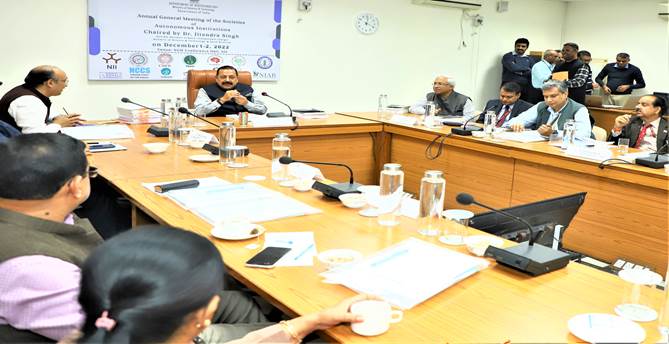
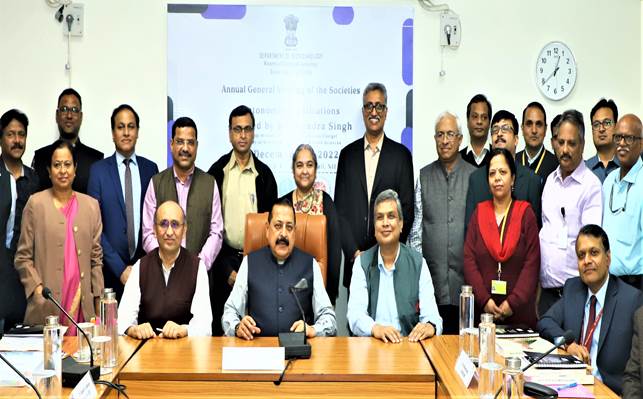
Speaking after two-day comprehensive review of 14 Autonomous Institutions of the Department of Biotechnology at National Institute of Immunology, Dr Jitendra Singh gave the mantra of “Strive for Excellence & Innovate for the Future” to all the 14 institutes.

Dr Jitendra Singh said, in era of rapid innovations and transformative changes, Biotech Institutes should focus on its core competency and strive hard to bring research and product development at par with global standards. He said, though National Institute of Immunology (NII) has been pioneering in deciphering the molecular basis and host response to infectious diseases like tuberculosis, malaria and viral diseases including Dengue and COVID, but its recent breakthrough in evaluating the intranasal Covid-19 vaccine in phase 3 clinical trial for its immunological effectiveness is noted by all.

Dr Jitendra Singh pointed out that DBT-National Agri Food Biotechnology Institute (NABI), Mohali identifies priority cereal and fruit crops with focused traits to implement genome editing approaches. He said, these new initiatives will be co-developed along with industries to streamline its operations and thereby providing impetus to Indian agriculture.

Similarly, Translational Health Science and Technology Institute (THSTI), Faridabad has a strong mother and child health research program. Its research on immediate Kangaroo mother care has resulted in a new recommendation by WHO for preterm babies. THSTI is developing therapeutic molecules against tuberculosis, dengue and non-alcoholic fatty liver disease. It has contributed to covid-19 vaccine and is currently developing a pan beta corona virus vaccine, the Minister added.

Dr Jitendra Singh informed that Rajiv Gandhi Centre for Biotechnology (RGCB)’s HPV vaccine efficacy studies of 10 years have resulted in establishing a single dose of HPV vaccine for 9 to 18 years children sufficient to prevent infection. RGCB is also doing vaccine efficacy studies for the first indigenously developed HPV vaccine and the above has now been adopted by WHO for immunization strategy.

The achievements of National institute of animal biotechnology, (NIAB) Hyderabad has been underlined for the development of LSDV vaccine candidates through immunoinformatic, first report on complete genome sequence of LSDV (Andhra isolate), Electrochemical based Lateral Flow Assay for Japanese Encephalitis Virus and Toxoplasma Gondai.

Dr Jitendra Singh was given presentation by Institute for Stem Cell Science and Regenerative Medicine (inStem) in Bengaluru as the institute is carrying out cutting edge research using stem cells to understand blood and cardiovascular diseases and brain disorders. Using human genetics and human stem cell technology from human clinical samples they have generated a large resource of stem cells under collaborative programs, to understand why some individuals might be prone to developing mental illness. inStem’s Centre for Stem Cell Research (CSCR) at CMC Vellore is leading efforts on musculoskeletal regeneration and gene therapy for blood disorders like hemophilia, beta-thalassemia and sickle cell disease. Being India’s first stem cell institute inStem is also regularly carrying out extensive outreach, and highly sophisticated stem cell training for capacity building in stem cells and regenerative biology.

Director of the National Institute of Biomedical Genomics (NIBMG) has informed the Minister that they have identified the genomic changes which mark transition from precancer to frank oral cancer. They have conducted the first genome wide study in the GARBH-Ini cohort to identify genomic and epigenomic markers of preterm birth and also spearheaded the Indian SARS-CoV-2 Genomics Consortium, INSACOG, which provided valuable information on the emergence and spread of viral variants for public health management during the pandemic

Institute of Life Sciences (ILS), Bhubaneswar is working on several research programs in the areas of Infectious Disease Biology, Cancer Biology, and Plant and Microbial Biotechnology the research programme of ILS strategically plans to address issues on infectious disease biology in experimental as well as human models.

National Brain Research Centre (NBRC) Manesar is mandated to study brain function at different levels and apply the knowledge for societal benefit. We operate the MEG facility in collaboration with AIIMS to serve patients at a subsidized rate. In the past one year we developed a new method to estimate brain metabolites as an early indicator of dementia. We also showed that coordination between different brain centers remain invariant even though the peak alpha frequency is slowed with aging. In the next year they plan to expand our research in the areas of autism and epilepsy by utilizing the state-of-the-art MRI facilities on campus. They also aim to increase collaborations with clinicians through joint internship and MD programmes.

Heads and Directors of Rajiv Gandhi Centre for Biotechnology (RGCB), Thiruvananthapuram, Centre for DNA Fingerprinting & Diagnostics, (CDFD), Hyderabad, Institute of Life Sciences (ILS), Bhubaneswar, National Institute for Plant Genome Research, (NIPGR), New Delhi, Institute of Bioresources& Sustainable Development (IBSD), Imphal National Institute of Immunology (NII), New Delhi, National Agri-Food Biotechnology Institute (NABI), Mohali, Punjab, Center of Innovative and Applied Bioprocessing (CIAB), Mohali, Punjab, National Brain Research Centre (NBRC), Manesar, Haryana, Translational Health Science and Technology Institute (THSTI), Faridabad. National Centre for Cell Science (NCCS), Pune, National Institute of Animal Biotechnology (NIAB), Hyderabad, Institute for Stem Cell Biology and Regenerative Medicine (InStem), Bangalore, National Institute of Bio Medical Genomics (NIBMG), Kalyani took part in the review meeting.


FirstCry – The Startup Story


FirstCry –
The Startup Story


The Founder


In 2010, Supam Maheshwari launched FirstCry.
Supam graduated from IIM Ahmedabad with a degree in engineering from Delhi
College of Engineering. First-generation business owner that was driven to
create something on his own, he founded FirstCry voyager. He is a founder of
XpressBee, one of the biggest logistical platforms in the nation.


What is FirstCry?


FirstCry is a dedicated baby and children’s merchandise
e-commerce website. More than 2 lakh products are available on this site in
many categories, including diapers, toys, clothing, and accessories.
Additionally, this industry titan in e-commerce provides mother care products,
such as food, nursing, skin, and wellness items.


The idea and foundation of FirstCry’s
inspiration


Supam’s love for creating his own things inspired him to
launch the First Cry. Supam had the concept for FirstCry after he observed that
there were few options for infant supplies on e-commerce platforms in India.


He saw this as a chance to develop a platform specifically
for infants and young children. It results in FirstCry’s initial conception.
Supam estimates that the baby and children’s sector in India generates a
revenue of about 50,000 INR crore after conducting additional research. What’s
more intriguing is that the offline market accounted for 95% of the total
revenue.


Challenges which Appeared During the
Commencement


India’s FirstCry launched its baby care e-tailing business
in December 2010. The business was started by Supam with a seed investment of roughly
25 million INR. He overcame every obstacle in a variety of fields, including
payment gateway and logistics. Across the nation, there was tremendous
competition in the marketplace for new clients.


Collaborations and the
First Milestone for FirstCry


First Cry previously used an inventory-based paradigm. With
their four ware house situated in Pune, Delhi, Bangalore, and Kolkata, they
were exclusively managing the logistics of goods within the nation. Later, they
also began adding different sellers to the FirstCry portal, giving them the
chance to offer their goods on its marketplace.


Additionally, FirstCry just debuted its BabyHug clothing
line and CuteWalk shoe line. They have also gained control of Babyoye, a
Mahindra platform for infant products in 2016.


The FirstCry worked with Masala Baby, a lifestyle,
children’s, and infants-focused business with headquarters in New York.


The Current Growth
Status of FirstCry


Amitava Saha, co-founder and chief operating officer, and
Supam Maheshwari, co-founder and chief executive officer, recently added
SoftBank, a major Japanese internet and telecom company, to their list of
principal investors.


These additional funds will probably be used to strengthen
FirstCry’s technological platform and increase its offline and online
visibility. The whole amount raised will raise the First Cry’s estimated value
to $800 million.


Right now, FirstCry is the biggest online retailer for
children in Asia. Over 300 of their offline franchise locations are spread over
100 different cities in India.


Trends in the Babycare and Mom Products Market
Have Changed


As was already indicated at the beginning of the essay,
there is a significant changeover in the Indian baby and children’s market.
However, the nation is currently becoming much more urban with a rise in
nuclear families. Most parents today have two incomes, so they are more likely
to spend the extra money on their kids. The number of children’s items with the
correct brand image and superior quality will inevitably increase.


Mothers in particular choose stylish and casual clothing
for their children with new party and function dress. Children today are
exposed to a variety of media, and as a result, they are more aware of their
brands. Children are also actively making decisions about their clothing in
another way.


As a result, FirstCry acquired a product inventory of
varied items from over a thousand Indian and foreign brands. It carries some of
the most well-known children’s product brands, such as Barbie, Hot Wheels,
Disney, and Pampers.


Baby and kid markets: specialized or
overloaded?


The market for baby and children’s products is still
underdeveloped. However, FirstCry is looking for a niche in which it may
develop an entrepreneurial environment for parents. The business makes sure to
provide the top brands and quality products available.


FirstCry is making a lot of effort to make sure that
customers can easily access both its online and physical stores. Additionally,
they are constantly improving its FirstCry Box campaign for wide-scale
awareness to quickly reach their clients.


FirstCry – The Vision


In order to increase its offline market, The
First Cry is looking for an aggressive strategy. FirstCry intends to continue
seeing annual growth of above 100%.

The ultimate goal of First Cry is to dominate
the Indian market for baby items.

Currently, FirstCry’s key priorities are
innovation, improvement, and effectiveness for its consumers’ improved buying
experiences. According to FirstCry, there is room for high-quality baby
boutiques within 5 km of every Indian city. They are therefore attempting to
close this gap by increasing their outlets.


Introduction to SEO

Introduction to SEO

Search Engine Optimization, more commonly referred to as SEO, is one of the most crucial aspects of marketing. As such, if you’re working to market your blog or your business, you need to know what SEO means and what the rules and ways of SEO success are. While a successful SEO strategy isn’t an exact science, and its practice has been challenged on many fronts throughout the years, knowing the basics is still important to an effective marketing campaign.


What is SEO?

SEO refers to the process of making a website more visible on a search engine’s results page. To clarify, a great SEO strategy will put a company’s website at the top of the list on a Google search page, therefore increasing the likelihood that people will visit the site. Search engines strive to provide the most relevant results for a person conducting a search, so that when a person runs an internet search for “cupcakes,” the first thing to appear isn’t a cookie shop, but a bakery that specializes in cupcakes as well as a definition of the dessert. In other words, SEO helps to make a search relevant to the user and can be critical in driving traffic to your site.


Search engines work by searching the Internet to find text that meets certain criteria. This text is known as keywords and refers to the most important theme(s) of the website, company, or product. Scouring the online world to find keywords are why, as in the example above, a search for “cupcakes” yields a result of multiple pages about cupcakes, not cookies. Other important things that a search engine uses to rank a website include titles, headings, and links that make up the content of a website’s pages. Search engines also employ search engine indexing to find, digest, and store the content of a website. A search engine index refers to the set of data that’s used to base a final search result on.

The Importance of Keyword Research

Another important part of an SEO introduction is understanding the significance of keywords. We explained above that keywords are the specific words or set of words that best describe the theme or overall concept of an idea, website, business, or product. Keywords are the words that people use when conducting a search, and should be words that are included in the content of your webpage. Choosing the right keywords can help to drive traffic to your site, attract potential customers, and greatly improve your SEO ranking.

When deciding what keywords you should include in your text, you should consider things such as the relevancy of the keyword(s) to your website and company, as well as the competitors that are using the same keyword(s) (you can check this by running a quick Google search of chosen keywords yourself, and seeing what sites appear at the top of the list). To discover the value of your keywords, you can buy a sample campaign from Google AdWords, which will allow you to test the traffic generated by your chosen keywords. If all three things are in check—the keywords are relevant to your website, competitors are experiencing success with similar keywords, and a sample campaign yields high traffic—you should feel confident in moving forward with the keywords.

SEO Tools and Services

Although an SEO introduction is a fantastic place to start, as your marketing initiatives develop, you might want to think about acquiring additional SEO products and services. These resources are frequently made available by the search engines themselves, including Google’s Google Analytics, Google Webmaster Tools, Google AdWords Keywords Tool, Google Alerts, Google Trends, DoubleClick Ad Planner, Google Page Speed, Google Site Map, and others.


In addition to the tools offered by Google, you may also investigate additional internet tools or even employ a business that specializes in SEO marketing to build and optimize your website.

India’s Start up Ecosystem

Recently, the number of unicorns in India reached the 100-mark. One unicorn means a startup of at least Rs 7,500 crore turnover. The total valuation of these unicorns is USD 330 billion, that is over Rs 25 lakh crore. The average annual growth rate of Indian unicorns is more than that of the U.S., the U.K. and many other countries.

  • A unicorn is any privately owned firm with a market capitalization of more than USD 1 billion.
  • It denotes new entities dedicated to offering creative solutions and new business models, among other things.
  • There are several categories like fintechEdtechs, B2B (Business-to-Business) companies, etc.

India has become the 3rd largest start-up ecosystem in the world after the US and China. 44 Indian start-ups have achieved unicorn status in 2021 taking the overall tally of unicorns to 83, most of which are in the services sector. India has seen such rapid growth in unicorns due to several strategic as well as conditional reasons.

Government of India is understanding the value of working with disruptive innovators across the value chain and using their innovations to improve public service delivery. The pandemic accelerated the adoption of digital services by consumers helping start-ups and new-age ventures build tech-focused businesses for customers. Many Indians moved to online services exploring a host of services ranging from food delivery and Edu-tech to e-grocery. he growth of Digital Payments is another aspect that aided the unicorn the most.

Challenges:

Increasing Investments Do Not Ensure Success of a Startup: Amid the Covid-19 crisis, when the central banks have released a global glut of liquidity, money is no more a difficult task to raise.

The billions of dollars being invested in startups represent the large bets on distant outcomes, and not value generation by way of revenues. Plus, one cannot assume the high rate of survival of these startups with such investments, as it can be assured by profits.

India, still a Marginal Player in the Space Sector: While India’s startups in the fintech and e-commerce sector are doing exceptionally well, the space startup sector remains an outlier.

This is despite the fact that India is a leading space-faring country with end-to-end capabilities to make satellites, develop augmented launch vehicles and deploy interplanetary missions.

The reason for the lack of independent private participation in space includes the absence of a framework to provide transparency and clarity in laws.

Indian Investors Unwilling to Take Risks: The big investors in India’s startup sector are from overseas, Japan’s SoftBank, China’s Alibaba, and Sequoia from the US.

That’s because India does not have a serious venture capital industry with an appetite for risk. The country’s established conglomerates have mostly stuck to traditional businesses.

DPIIT organizes ‘National Workshop on Next Phase of Reforms for reducing compliance burden’

 As part of Azadi ka Amrut Mahotsav, Government of India is observing Good Governance Week from 20th to 25th December 2021. In the Good Governance Week,  Department for Promotion of Industry and Internal Trade, organized a National Workshop on next Phase of Reforms for Reducing Compliance Burden on 22nd December 2021 at Ambedkar International Centre, New Delhi.

Workshop witnessed wide participation from States, Central Ministries, Industry Associations and Industry Representatives. More than 100 representatives from 27 States/UTs, more than 200 members from Central Ministries, Departments and subordinate organizations and 95 representatives from Industry Associations participated in deliberations of the Workshop.

Context of the workshop was set in the opening session wherein DPIIT made a short presentation on overview of the exercise of reducing compliance burden, status of compliances reduced, initiatives implemented by Ministries and States/UTs to reduce compliance burden on citizens and businesses and next steps of the exercise.

To understand views and seek suggestions from stakeholders, workshop included 3 Breakout Sessions on following themes- Breaking Silos and Enhancing Synergies among Government Departments, Chaired by Shri B.V.R Subrahmanyam, Secretary D/o Commerce. The key points discussed during this session are possibilities of issuance of Master Certificate listing all registrations, merging key business identity numbers into single ID, integration of State Single Window Systems with Central Ministries/Departments, etc.

Single Sign-on for Efficient Delivery of Citizen Services. Chaired by Shri Ajay Prakash Sawhney, Secretary MeitY. The main points discussed during this session are considering integration of all Citizen services at Central and State services on the National Single Sign-On, possibility of UMANG to be the National Single Sign-on (SSO) mobile application along with www.india.gov.in as the National Single Sign-On Webpage 

Effective Grievance Redressal, Chaired by Secretary D/o Land Resources. The key points which were deliberated are multiple platforms for raising grievances need to use technology to ensure that the complaints are genuine, use of Artificial Intelligence (AI) for predictive analysis and data filtration

During the concluding session of the workshop, core issues were identified and next steps on respective themes of the Breakout Sessions were presented by respective Chair Secretaries.

Cabinet Secretary acknowledged the efforts put in by Ministries and States/UTs to reduce compliance burden in earlier phase and making life easier for citizens of this country. He added that reducing burdensome compliances is a continuous process. Various policy reforms and programs have been implemented over last few years, however, Ministries and States/UTs need to identify what more can be done. Transformational governance reforms in the 75th year of the country’s Independence would go a long way in unshackling businesses and citizens. 

********