Malnutrition

“Most of the seven billion people in this world suffer from Malnutrition. Half do not have enough to eat and rest of us eat too much” – Earle Grey.

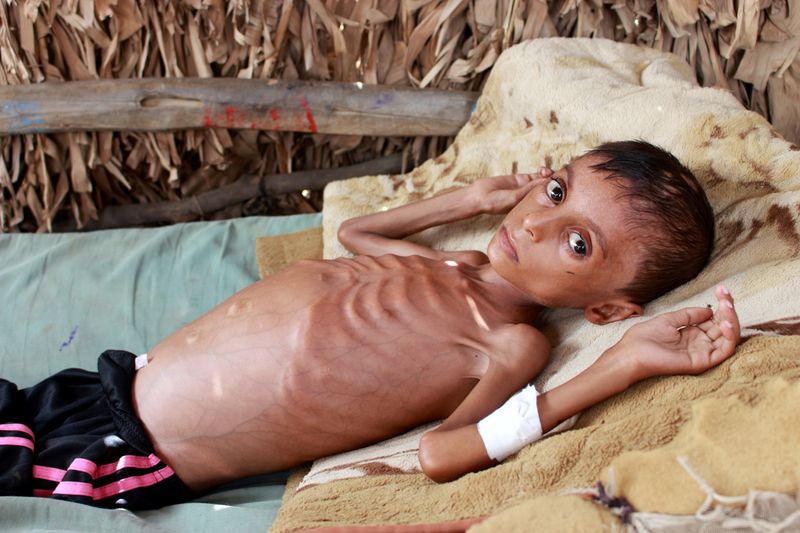
ABOUT Malnutrition refers to deficiencies, excesses or imbalances in a person’s intake of energy and/or nutrients. It can lead to serious health issues, including stunted growth, eye problems, diabetes, and heart disease. Malnutrition occurs when a person gets too much or too little of certain nutrients. Undernutrition occurs when they lack nutrients because they eat too little food overall. A person with undernutrition may lack vitamins, minerals, and other essential substances that their body needs to function.

SYMPTOMS OF MALNUTRITION:

Some signs and symptoms of malnutrition include:

• A lack of appetite or interest in food or drink • Tiredness and irritability • An inability to concentrate • Always feeling cold • Depression • Loss of fat, muscle mass, and body tissue • A higher risk of getting sick and taking longer to heal

TYPES OF MALNUTRITION:

Malnutrition is a group of conditions in children and adults generally related to poor quality or insufficient quantity of nutrient intake, absorption, or utilization.

There are two major types of malnutrition:

• Protein-energy malnutrition – resulting from deficiencies in any or all nutrients

• Micronutrient deficiency diseases – resulting from a deficiency of specific micronutrients CAUSES Malnutrition can occur for various reasons.

The sections below outline these potential causes in more detail.

• A low intake of food.

• Mental health conditions.

• Social and mobility problems.

• Digestive disorders and stomach conditions.

• Alcohol use disorder.

Diagnosis If a person shows or notices any signs of malnutrition, the first step will be to find out why. If a doctor suspects Crohn’s disease, celiac disease, or another condition, they may carry out laboratory tests to confirm a diagnosis.

Treatment

• If a doctor diagnoses malnutrition, they will make a treatment plan for the person. The person may also need to meet with a nutritionist and other healthcare providers

• Treatment will depend on the severity of the malnutrition and the presence of any other underlying conditions or complications. Prevention

•To prevent malnutrition, people need to consume a range of nutrients from a variety of food types.

•The older adults, young children, people with severe or chronic illness, and others may need additional care to ensure that they obtain the nutrients they need.
LOCKDOWN FITNESS.

Being healthy even during the lockdown is as crucial as breathing. Staying miles away from obesity with a healthy mind is the main goal of fitness freaks. Active participation in projects, assignments, sitting, and working for a long duration may occur exhausting.

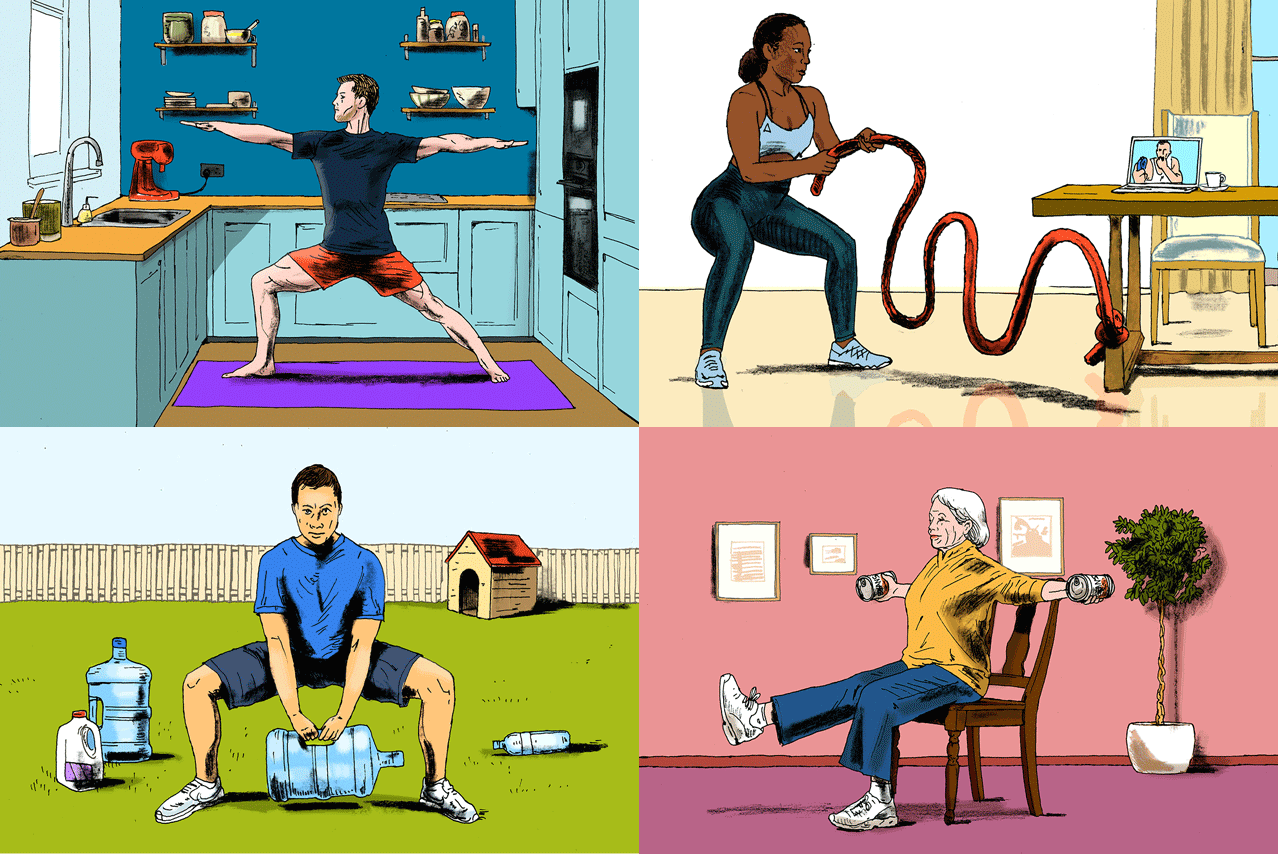
Lockdown exercises- Can’t spend time gyming? Lockdown has led us to sit at home. Eat, sleep, web series, and repeat. This has become the daily routine of many adolescents yet some are indulged working from home. Somehow they are distanced from fitness due to lockdown. Some exercises can be easily done at home to keep you in shape:

Planks- Finest exercise to work on core. 

  • Lie down on the floor.
  • Let your forearms and elbows touch the floor, uplift your body.
  • Keeping legs apart and coming up on toes.
  • The body weight should be on the arms and the toe.

Push-Ups- Exercise to build upper body strength.

  • Lie on the floor facing downward. Keep the back and legs straight and off the floor. This is the initial position.
  • Use palms and toes to lift body
  • Now push your torso upwards from the ground till your elbows lock.
  • Return back to the initial position.

Squats- Exercise to enhance lower body strength.

  • Stand in a standing position with legs wide apart wider than shoulders.
  • Extend arms making them parallel to the ground. Bend your knees as if sitting on a lowered chair. 
  • Keep body weight on the heels, core tight, and torso upright.
  • Come up and straighten your legs and lower your arms back to the side. https://www.youtube.com/channel/UC3yVuey1XHx4KOVfdW65a-g

Lockdown diet- Lockdown has resulted in more food cravings as there is unavailability of fast food around the corners as well as no delivered food. Fitness is not only about spending hours at the gym but also about eating healthy.

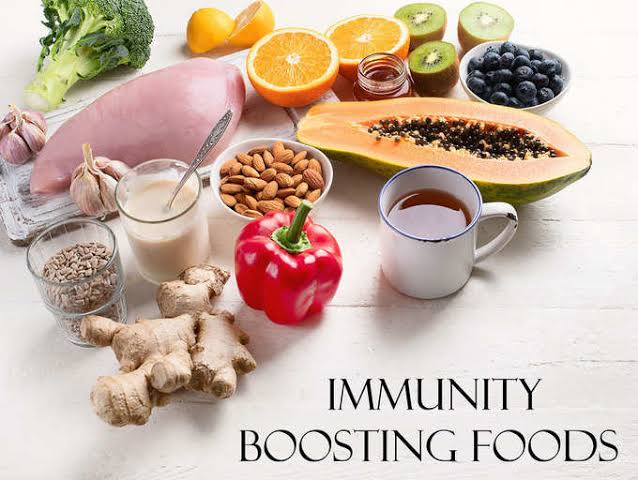
As vegetables and fruits cannot be stocked for a longer duration, it’s necessary to grab high protein intakes like Chana, yogurt, nuts, and peanuts. The main reason for lockdown is Coronavirus and can only be defeated by strong immunity.

  • Copper:  This micronutrient helps in making red blood cells. It is rarely referred to though it plays a major role in maintaining a healthy body, including the normal functioning of the immune system. It is essential for development and all-around health. Food sources rich in copper are seafood (lobster, squid, oyster), nuts, beans (lentils, soybeans), fruit and vegetables, etc.
  • Iron: This nutrient boosts immunity and hemoglobin to eliminate fatigue. Some of the best food sources of iron include – egg, liver, beef, canned salmon, legumes (lentils, beans, and chickpeas), nuts (cashews and almonds), wholegrain cereals, dark leafy greens such as spinach, kale and broccoli, etc.
  • Vitamin D: Recently, a study claimed that low levels of vitamin D are linked to higher rates of COVID-19 mortality. Studies have also suggested that vitamin D may help protect against respiratory infections. Egg yolk, sardines, salmon, shrimp, and fortified foods such as orange juice, milk, yogurt, and cereal are rich in vitamin D.
  • Omega-3 fatty acids: They are essential fats with many health benefits. Omega-3s can help fight depression and play an essential role in supporting the immune system. Foods that are high in omega-3 fatty acids are salmon, sardines, trout, catfish, herring, mackerel, chia seeds, flaxseeds, walnuts, spinach, etc. 
  • Beta-carotene restores itself into vitamin A, which is an anti-inflammatory vitamin. Consuming one cup of the good sources of beta-carotene can give around 60-100% of the total daily amount of beta-carotene. To enhance your immunity include this in your diet. Carrots, spinach, sweet potato, moringa (drumstick) leaves, and pumpkin are all good sources of beta-carotene.  https://www.outlookindia.com/outlooktraveller/explore/story/70496/5-simple-hacks-to-eat-healthy-and-boost-your-immunity-the-right-way-this-lockdown

Are you hungry all the time?

Bulimia Nervosa

Bulimia (boo-LEE-me-uh) nervosa, commonly called bulimia, is a serious, potentially life-threatening eating disorder. People with bulimia may secretly binge — eating large amounts of food with a loss of control over the eating — and then purge, trying to get rid of the extra calories in an unhealthy way.

To get rid of the gained weight this people follow things like self-induce vomiting or misuse laxatives, weight-loss supplements, diuretics or enemas after bingeing.

Or you may follow other unhealthy measures such as fasting, strict dieting or excessive exercise.

Causes

The exact cause of bulimia is unknown. Many factors could play a role in the development of eating disorders, including genetics, biology, emotional health, societal expectations and other issues.

Symptoms

The major symptoms of this disorder are:

  • Being preoccupied with your body shape and weight
  • Living in fear of gaining weight
  • Repeated episodes of eating abnormally large amounts of food in one sitting
  • Feeling a loss of control during bingeing — like you can’t stop eating or can’t control what you eat
  • Forcing yourself to vomit or exercising too much to keep from gaining weight after bingeing
  • Using laxatives, diuretics or enemas after eating when they’re not needed
  • Fasting, restricting calories or avoiding certain foods between binges
  • Using dietary supplements or herbal products excessively for weight loss

Diagnosis

If you have any bulimia symptoms, seek medical help as soon as possible. If left untreated, bulimia can severely impact your health.

Share your bulimia symptoms and feelings with a mental health professional and seek treatment immediately.

Some symptoms you can notice in a bulimia affected person are:

  • Constantly worrying or complaining about being fat
  • Having a distorted, excessively negative body image
  • Repeatedly eating unusually large quantities of food in one sitting, especially foods the person would normally avoid
  • Strict dieting or fasting after binge eating
  • Not wanting to eat in public or in front of others
  • Going to the bathroom right after eating, during meals or for long periods of time
  • Exercising too much
  • Having sores, scars or calluses on the knuckles or hands
  • Having damaged teeth and gums
  • Changing weight
  • Swelling in the hands and feet
  • Facial and cheek swelling from enlarged glands

Complications

Bulimia may cause numerous serious and even life-threatening complications. Possible complications include:

  • Negative self-esteem and problems with relationships and social functioning
  • Dehydration, which can lead to major medical problems, such as kidney failure
  • Heart problems, such as an irregular heartbeat or heart failure
  • Severe tooth decay and gum disease
  • Absent or irregular periods in females
  • Digestive problems
  • Anxiety, depression, personality disorders or bipolar disorder
  • Misuse of alcohol or drugs
  • Self-injury, suicidal thoughts or suicide

Prevention methods

Although there’s no sure way to prevent bulimia, you can steer someone toward healthier behavior or professional treatment before the situation worsens. Here’s how you can help:

  • Foster and reinforce a healthy body image in your children, no matter what their size or shape. Help them build confidence in ways other than their appearance.
  • Have regular, enjoyable family meals.
  • Avoid talking about weight at home. Focus instead on having a healthy lifestyle.
  • Discourage dieting, especially when it involves unhealthy weight-control behaviors, such as fasting, using weight-loss supplements or laxatives, or self-induced vomiting.
  • Talk with your primary care provider. He or she may be in a good position to identify early indicators of an eating disorder and help prevent its development.
  • If you notice a relative or friend who seems to have food issues that could lead to or indicate an eating disorder, consider supportively talking to the person about these issues and ask how you can help.