

Eduindex News Network
International Women’s Day is celebrated around the world on 8th March. It is a day when women are recognized for their achievements across national, ethnic, linguistic, cultural, economic or political boundaries. The theme of International Women’s Day 2025 is “For ALL Women and Girls: Rights. Equality. Empowerment.” This year’s theme calls for action to unlock equal rights, power and opportunities for all and an inclusive future where no one is left behind. Central to this vision is empowering the next generation—youth, particularly young women and adolescent girls—as catalysts for lasting change.
Further, the year 2025 is a pivotal moment as it marks the 30th anniversary of the Beijing Declaration and Platform for Action. This document is the most progressive and widely endorsed blueprint for women’s and girls’ rights worldwide, transforming the women’s rights agenda in terms of legal protection, access to services, youth engagement, and change in social norms, stereotypes, and ideas stuck in the past.
In India, the government has been actively working towards women’s empowerment and gender equality through various policies, schemes, and legislative measures. The country is witnessing a transition from women’s development to women-led development, ensuring equal participation in national progress. Women are playing a crucial role in shaping India’s socio-economic landscape, breaking barriers in education, health, digital inclusion, and leadership roles.
On March 3, 2025, Prime Minister Narendra Modi encouraged women across India to share their inspiring life journeys on the NaMo App Open Forum ahead of International Women’s Day. He praised the remarkable stories already submitted, highlighting the resilience and achievements of women from different walks of life. As a special initiative, he announced that selected women would take over his social media accounts on March 8 to amplify their voices and experiences. This initiative aims to celebrate women’s contributions and inspire others by showcasing their journey of empowerment, perseverance, and success.
Constitutional and Legal Framework
The Indian Constitution guarantees gender equality through provisions in its Preamble, Fundamental Rights, and Directive Principles of State Policy. Article 14 ensures equality before the law, while Article 15 prohibits discrimination based on sex. Article 51(a)(e) encourages citizens to renounce practices derogatory to women’s dignity. The Directive Principles, particularly Articles 39 and 42, emphasize equal livelihood opportunities, equal pay, and maternity relief.
India is a signatory to international treaties such as:
- Universal Declaration of Human Rights (1948)
- International Covenant on Civil and Political Rights (ICCPR, 1966)
- Convention on the Elimination of All Forms of Discrimination Against Women (CEDAW, 1979)
- Beijing Declaration and Platform for Action (1995)
- United Nations Convention Against Corruption (2003)
- Agenda 2030 for Sustainable Development
Government Schemes for Women’s Upliftment
1. Education
Education is the key to women’s empowerment and economic independence. India has undertaken several initiatives to ensure that girls have equal access to quality education from primary schooling to higher education. Gender parity in education has improved significantly, with female enrolment surpassing male enrolment in recent years.
- Right to Free and Compulsory Education Act, 2009 ensures schools are within reach for all children.
- Beti Bachao Beti Padhao (BBBP): Focuses on improving the child sex ratio and promoting girls’ education.
- Samagra Shiksha Abhiyan: Supports school infrastructure and girl-friendly facilities.
- National Education Policy (NEP) 2020 prioritizes gender equity and inclusion in education.
- Eklavya Model Residential Schools: Promote quality education for tribal girls
- Female Gross Enrollment Ratio (GER) has overtaken Male GER since 2017-18.
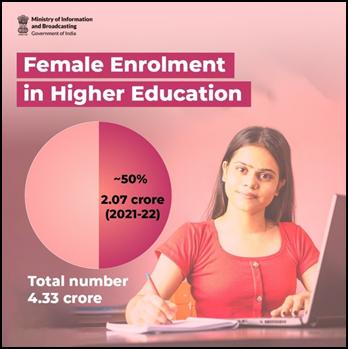
- Female enrolment in higher education: 2.07 crore (2021-22), which is nearly 50% of the total number 4.33 crore.
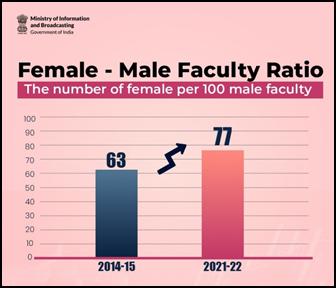
- The female to 100 male faculty ratio has also improved to 77 in 2021-22 from 63 in 2014-15.
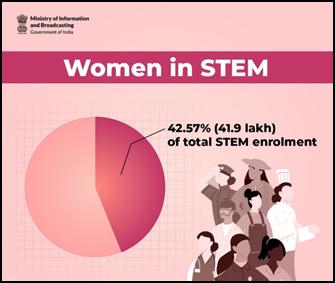
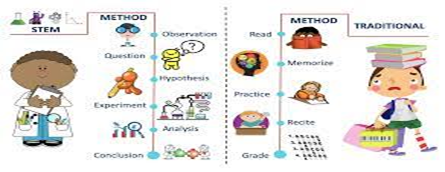
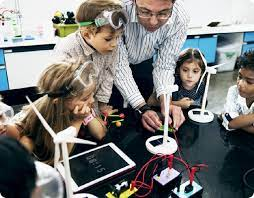
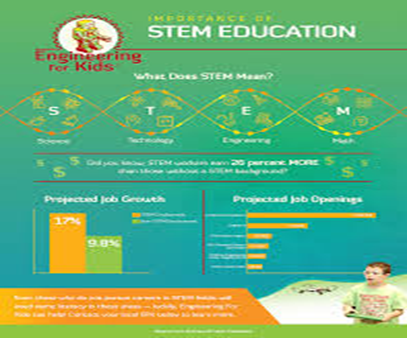
- Women in STEM: 42.57% (41.9 lakh) of total STEM enrolment.
- STEM Initiatives:
- Vigyan Jyoti (2020) promotes STEM education for girls in underrepresented areas.
- Overseas Fellowship Scheme supports women scientists in global research opportunities.
- National Digital Library, SWAYAM, and SWAYAM PRABHA ensure access to online learning.
- Over 10 lakh girl students benefitted under various scholarships for STEM fields.
- Skill Development Initiatives:
- Skill India Mission, Pradhan Mantri Kaushal Vikas Yojana (PMKVY), Women Industrial Training Institutes provide vocational and technical training to women.
- Women Technology Parks (WTPs) serve as hubs for training and capacity building.
2. Health and Nutrition
Access to healthcare services is crucial for improving the well-being of women and reducing gender-based health disparities. The government has introduced several policies to ensure maternal and child health, nutrition, and medical support for women across all sections of society.
- Pradhan Mantri Matru Vandana Yojana (PMMVY): Provides cash incentives to pregnant and lactating mothers, with ₹17,362 crore disbursed to 3.81 crore women, as of January 2025.
- Improved Maternal Health:
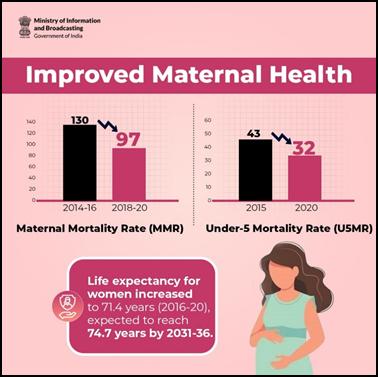
- Maternal Mortality Rate (MMR) reduced from 130 (2014-16) to 97 (2018-20) per lakh live births.
- Under-5 Mortality Rate (U5MR) decreased from 43 (2015) to 32 (2020).
- Life expectancy for women increased to 71.4 years (2016-20), expected to reach 74.7 years by 2031-36.
- Nutrition and Sanitation:
- Jal Jeevan Mission provided potable tap water to 15.4 crore households, reducing health risks.
- Swachh Bharat Mission led to the construction of 11.8 crore toilets, improving sanitation and hygiene.
- Poshan Abhiyaan: Strengthens maternal and child nutrition programs
- Over 10.3 crore clean cooking gas connections distributed under the Ujjwala Yojana.
3. Economic Empowerment and Financial Inclusion
Women’s participation in the workforce is a key driver of economic growth. The government has launched multiple initiatives to promote financial independence, entrepreneurship, and employment opportunities for women.
- Women’s participation in major household decisions: Increased from 84% (2015) to 88.7% (2020).
- Financial Inclusion:
- PM Jan Dhan Yojana: Over 30.46 crore accounts (55% belonging to women) opened.
- Stand-Up India Scheme: 84% of loans under ₹10 lakh to ₹1 crore sanctioned to women entrepreneurs.
- MUDRA Scheme: 69% of microloans given to women-led enterprises.
- Self-Help Groups under NRLM: 10 crore (100 million) women connected to 9 million SHGs.
- Bank Sakhis Model: 6,094 women banking correspondents processed transactions worth $40 million in 2020.
- Employment and Leadership:
- Women in Armed Forces: Entry into NDA, combat roles, and Sainik Schools.
- Civil Aviation: India has over 15% women pilots, higher than the global average of 5%.
- Working Women’s Hostels (Sakhi Niwas): 523 hostels benefiting 26,306 women.
- Women Entrepreneurs in Startups: 10% of funds in the Small Industries Development Bank of India reserved for women-led startups
4. Digital and Technological Empowerment
In the digital era, access to technology and digital literacy are crucial for women’s socio-economic progress. The government has been proactive in ensuring women are part of the digital revolution through various initiatives.
- Digital India Initiatives:
- PMGDISHA (Prime Minister’s Digital Saksharta Abhiyan): 60 million rural citizens trained in digital literacy.
- Common Service Centres (CSCs): 67,000 women entrepreneurs running digital service centers.
- Ayushman Bharat Digital Mission (ABDM): Bridging healthcare accessibility through digital solutions.
- SANKALP Hubs for Women Empowerment: Functioning in 742 districts across 35 States/UTs
- Financial Technology and Inclusion:
- Digital banking and Aadhaar-linked services ensure financial security for women.
- Government e-marketplaces encourage female entrepreneurship and online businesses.
5. Safety and Protection
Ensuring women’s safety is a top priority for the Indian government. Several legislative measures, dedicated funds, and fast-track courts have been established to curb crimes against women and provide legal and institutional support.
- Key Legal Frameworks:
- Criminal Law (Amendment) Act, 2018: Enhanced penalties for crimes against women.
- Protection of Women from Domestic Violence Act, 2005.
- Sexual Harassment of Women at Workplace Act, 2013.
- POCSO Act, 2012: Strengthened laws against child abuse.
- Ban on Triple Talaq (2019): Criminalizing instant divorce practices.
- Dowry Prohibition Act, 1961: Penalizes dowry-related offenses.
- Prohibition of Child Marriage Act, 2006: Protects minors from forced marriages.
- Nirbhaya Fund Projects (₹11,298 crore allocated):
- One Stop Centres (OSCs): 802 centers functional, assisting over 1 million women.
- Emergency Response Support System (ERSS – 112): 38.34 crore calls handled.
- Fast Track Special Courts (FTSCs): 750 operational courts, 408 exclusively for POCSO cases.
- Cyber Crime Helpline (1930) and cyber forensic labs for digital safety.
- Safe City Projects: Implemented in 8 cities to enhance women’s safety.
- 14,658 Women Help Desks in Police Stations, 13,743 headed by women.
- Institutional and Legislative Reforms
- Bharatiya Nyaya Sanhita (BNS), 2023: Strengthens provisions for gender justice.
- Marital rape (for wives under 18) criminalized.
- Enhanced punishment for sexual offenses and trafficking.
- Witness protection and digital evidence admissibility improved.
- Women’s representation in CAPFs: 33% reservation in select forces.
- Nari Adalat: Piloted in 50 Gram Panchayats each in Assam and J&K, now expanding.
Conclusion
India has made remarkable progress in women’s empowerment through comprehensive policies, targeted schemes, and legal frameworks. From economic participation to safety, digital inclusion to education, the government’s initiatives have led to significant improvements in women’s lives. On this International Women’s Day, it is crucial to reaffirm the commitment to building an inclusive, gender-equal society where women play a central role in shaping the nation’s future. Sustained efforts in policy-making, community engagement, and digital inclusion will ensure that women continue to drive India’s growth story in the years to come.
References
Ministry of Women and Child Development





 Eduindex
You must be logged in to post a comment.