When you least expect it, Nature has cunning ways of findings our weakest spot. Just remember: I’m here. Right now you may not want to feel anything; may you never want to feel anything. And maybe it’s not me that you will want to speak about these things but, Feel something you did. Look… You had a beautiful friendship, maybe more than a friendship, and envy you. In my place, most guardians would hope the…..
Empowerment stands for giving authority and power to women. Thus, Women’s empowerment refers to empowering women to make their own decisions. It means women should have full equality across all fields, regardless of stereotypes. With higher literacy rates and equal pay for equal work, women can thrive economically and rise out of poverty. Protecting women and girls from violence and abuse while challenging the stigmas against reporting crimes would overall create a much safer society.
The Current State of Gender Equality:
On the World Economic Forum’s Global Gender Gap Index of 2021, India ranks 140th among 153 nations, “becoming the third-worst performer in South Asia.” India fell 28 places from its 2020 rank of 112th. The report cites several reasons for this fall. In terms of political empowerment, the number of female ministers declined from about 23% in 2019 to just 9% in 2021. The female workforce participation rate also decreased “from 24.8% to 22.3%.” Additionally, the “share of women in senior and managerial positions also remains low.” The report also indicates that women in India earn just one-fifth of what men earn.
Furthermore, “one in four women” endure “intimate violence” at least once in their lifetime. Although India has achieved gender parity in educational attainment, illiteracy rates among women remain high. The report indicates that just 65.8% of women in India are literate in 2021 in comparison to 82.4% of men.
Women also endure inequality concerning land and property rights. A 2016 UNICEF report noted that only 12.7% of properties in India “are in the names of women” despite 77% of women in India depending on agricultural work as a core source of income.
Benefits of Empowering Women in India:
As the majority of India’s population, women represent a significant portion of the nation’s untapped economic potential. As such, empowering women in India through equal opportunities would allow them to contribute to the economy as productive citizens. With higher literacy rates and equal pay for equal work, women can thrive economically and rise out of poverty.
Protecting women and girls from violence and abuse while challenging the stigmas against reporting crimes would overall create a much safer society. Improving the female political representation rate would enable more women to serve as role models for young girls and allow a platform to bring awareness to the issues affecting women in India. Overall, gender equality allows for women to live a better quality of life, allowing them to determine their futures beyond traditional expectations.
Women Of Worth (WOW):
According to its website, “Women Of Worth exists for the growth, empowerment, and safety of girls and women” standing “for justice, equality and change.” WOW began in 2008, created by a group of women who longed for change in a society rife with gender discriminatory practices. Its ultimate vision is “to see women and girls live up to their fullest potential.” With a mission of empowering women in India.
The organization has three focal areas:
1. Advocacy Work: WOW utilizes social media platforms to raise awareness of gender inequality and “change attitudes and behavior.”
2. Training and Health Services: WOW provides training to both men and women in schools, tertiary institutions, and companies on women’s safety and rights. It also presents lectures and “keynote addresses” on the topic. Furthermore, WOW provides counseling sessions to improve mental health. Rehabilitation and Restoration: WOW offers “counseling, life skills training, and therapy” to children and women who are victims of abuse, neglect, and trafficking.
WOW’s efforts have seen success. The organization helped to rescue 200 girls from abusive backgrounds, providing them with rehabilitation services. WOW also gave 11 girls scholarships to continue their education. WOW provided training on gender equality to about 800 working people and “1500 students” along with “200 parents” and 300 educators.
3. Gender equality is a crucial cornerstone in the advancement of any society or nation as it affects all areas of society from economic growth to education, health, and quality of life. Gender inequality in India is a deep-rooted, complex, and multi-layered issue but it is also an essential battle to overcome to see the fullest potential of the nation.
How are women empowered in India?
The Constitution of India has certain provisions that specifically focus on women’s empowerment and prevents discrimination against women in society. Article 14 talks about equality before the law. Article 15 enables the state to make special provisions for women.
Beti Bachao Beti Padhao Andolan has been launched for creating awareness among the people to educate all girl children in the country. The government successfully promotes this scheme by forming District Task Force and Block Task Force. The scheme was launched in the Panipat district of Haryana on 22 January 2015 with initial funding of Rs. 100 crore. Before the launching of this scheme, the Child Sex Ratio of Panipat was 808 in 2001 and 837 in 2011.
Massive publicity is made about the program in print and electronic media, and the logo of this scheme is very common in government buildings such as pillars of National Highway 44, Panipat District Court, bus stand, and railway station of Panipat district, etc.
Financial independence is important for women’s empowerment. Women, who are educated and earning, are in a much better position in our society as compared to uneducated women workers. Therefore, a scheme called working women hostels has been launched so that safe and convenient accommodation should be provided to working women. The benefit of this scheme is given to every working woman without any distinction of caste, religion, marital status, etc. To take benefit from this scheme, the gross total income of women should not exceed Rs. 50,000 per month in the case of metropolitan cities whereas, in the case of small cities, the gross total income should not exceed Rs. 35,000 per month.
The focus of the government has shifted from women’s development to women-led development. To achieve this goal, the government is working around the clock to maximize women’s access to education, skill training, and institutional credit. MUDRA Yojana ( Micro Units Development and Refinance Agency Ltd ) is one such scheme that was launched on 8 April 2015 in which loans up to Rs. 10 lakh are provided to women entrepreneurs, without any collateral. For instance: A woman namely Kamla daily wage laborer from Panipat has taken a loan of Rs. 45,000 from the State Bank of India to start work in a beauty parlor and she is engaged in gainful employment with dignity now.
Conclusion:
Women must have an equal voice, rights, and opportunities, throughout their lives. Gender equality can make a difference to individual lives and whole communities. Economic and Social Empowerment places women and girls in a stronger position. Women’s and girls Economic Empowerment gives a voice in decison making processes. women also should be given equal rights like men to actually empower them. They need to be strong, aware, and alert every time for their growth and development. The most common challenges are related to the education, poverty, health, and safety of women.
LGBTQ is an acronym for “lesbian, gay, bisexual, transgender, and queer. Lesbian, Gay, Bisexual and Transgender, Queer. Over the past decade, LGBT people have gained more and more tolerance and acceptance in India, especially in large cities.
LGBTQ people in India remain closeted, fearing discrimination from their families, who might see homosexuality as shameful. Discrimination is still present in rural areas, where LGBTQ people often face rejection from their families and forced opposite-sex marriages. People in the LGBTQ community are fighting for equal rights and acceptance. Trans people, especially, face a lot of difficulty in finding acceptance. People in the LGBTQ community are looked down upon all the time.
This is a major issue because discrimination against the LGBTQ community is highly prevalent. People’s prejudices lead them to think that LGBTQ people are odd and very different. Today, homosexuality and queer identities may be acceptable to more Indian youths than ever before but within the boundaries of families, homes, and schools, acceptance remains a constant struggle for LGBTQ people. I have heard of people coming out of the closet and declaring to their families that they are not the person their family expected them to be. Being L, G, B, T, or Q is not a ‘problem’, nor is it a ‘choice’ as such. LGBTQ individuals are merely individuals who have sexual preferences that differ from what would appear to be the ‘norm’, due to differing learned behaviors and, you know, having a personal perspective and mindset that differs from everyone else’s. Saying that it’s objectively wrong for people to have sexual preferences that differ from the norm is objectively wrong itself.
Transgender people in India are allowed to change their legal gender post-sex reassignment surgery under legislation passed in 2019 and have a constitutional right to register themselves under a third gender. Additionally, some states protect hijras, a traditional third-gender population in South Asia through housing programs, and offer welfare benefits, pension schemes, free operations in government hospitals as well as other programs designed to assist them. There are approximately 480,000 transgender people in India as per Census 2011. Article 15 of our Indian Constitution Article 15, 1949. 15. Prohibition of discrimination on grounds of religion, race, caste, Sex, or place of birth.
In 2018, in the landmark decision of Navtej Singh Johar v. Union of India, the Supreme Court of India decriminalized consensual homosexual intercourse by reading down Section 377 of the Indian Penal Code and excluding consensual homosexual sex between adults from its ambit. Amidst strong political movements in favor of LGBTQ rights, people are more accepting of same-sex relationships, with around three out of four Indians supporting them according to an opinion poll. In the 2010s, LGBT people in India increasingly gained tolerance and acceptance, especially in large cities.
The backlash is the biggest concern at the moment. Homophobia is still one of the last acceptable forms of bigotry in some regions, and my hope is that that changes. Legally India has taken many steps in this area to identify the rights of LGBT community. Discrimination and the fear of discrimination is an important concern among the minorities at workplace.
If normal men and women have the right to live in this society with respect then why not a person who belongs to LGBTQ can live in this society with respect? It’s not about what our religion says it’s about what humanity says.
Feminism is a range of socio-political movements and ideologies that aim to define and establish the political, economic, personal, and social equality of the sexes. Feminism incorporates the position that society prioritizes the male point of view and that women are treated unjustly in these societies.
Who started Feminism ?
Mary Wollstonecraft is seen by many as a founder of feminism due to her 1792 book titled A Vindication of the Rights of Woman in which she argues for women’s education. Charles Fourier, a utopian socialist and French philosopher are credited with having coined the word “féminisme” in 1837.
The important aspect of feminism:
1. Feminism is defined as the belief in the social, political, and economic equality of the sexes.
2. The goal of feminism is to challenge the systemic inequalities women face daily.
3. Contrary to popular belief feminism has nothing to do with belittling men feminism does support sexism against either gender. Feminism works towards equality, not female superiority.
4. Feminists respect individual, informed choices and believe there shouldn’t be a double standard in judging a person. Everyone has the right to sexual autonomy and the ability to make decisions about when, how, and with whom to conduct their sexual life.
5. There isn’t just one type of feminism, there are a variety of feminist groups including girlie feminists, third-wave feminists, pro-sex feminists, and so on. All these groups aim to deal with different types of discrimination women, and sometimes men, face.
6. Women earn 78 cents for every dollar a man makes.
7. Only 17% of the seats in Congress are held by women.
8. Although 48% of law school graduates and 45% of law firm associates are female, women make up only 22% of federal-level and 26% of state-level judgeships.
9. Even in the 10 top paying jobs for women, females earn less than men; only one career, speech pathology, pays the same regardless of gender.
10. Despite previous attempts to ratify a UN treaty guaranteeing the elimination of all forms of discrimination against women, the U.S. refuses to support an international bill of rights for women signed by nearly every other nation on the planet.
11. What feminists want the world to know, or at least acknowledge is the different ways men and women are treated, and although there have been great strides towards equality, women and men are far from playing on the same field.
The First Wave of Feminism:
This first wave of feminism activism included mass demonstrations, the publishing of newspapers, organized debates, and the establishment of international women’s organizations. At around the same time, women became more active in communist, socialist and social democratic parties because increasing numbers of women began to work outside the home in factories and offices. Women were first allowed to go to university in the early 20th century, having both a career and a family. In certain countries, when fascist parties gained power the feminist movement was banned. Women started organizing again after the end of the Second World War, and they soon gained equal political rights in most European countries, with women’s emancipation becoming an important aim and most women being allowed to take on full-time jobs, divorce their husbands and go to university.
The Second Wave of Feminism:
The second wave of feminism aimed to achieve ‘women’s liberation, different groups had different ideas about how this should be done. Liberal feminists wanted better equality laws and reform of institutions such as schools, churches, and the media. Radical feminists argued that the root cause of women’s inequality is patriarchy: men, as a group, oppress women. They also focused on violence against women by men and started to talk about violence in the family, and rape. Socialist feminists argued that it is a combination of patriarchy and capitalism that causes women’s oppression. The second wave of feminism also resulted in new areas of science: women’s studies became a discipline to be studied at university, and books began to be published about women’s achievements in literature, music, and science and recording women’s previously unwritten history.
The women’s movement played an important role in the drafting of international documents about women’s rights, such as the Universal Declaration of Human Rights and the Convention on the Elimination of all Forms of Discrimination Against Women (CEDAW, 1979).
The Third Wave of Feminism:
The third wave of feminism mainly refers to the American movement in the 1990s, and was a reaction to the backlash of conservative media and politicians announcing the end of feminism or referring to ‘post-feminism’.t the third wave of feminism can be characterized by increased awareness of overlapping categories, such as race, class, gender, sexual orientation. More emphasis was also placed on racial issues, including the status of women in other parts of the world (global feminism). This was also a moment when several feminist non-governmental organizations were established, but focused on specific feminist issues, rather than claiming to represent general feminist ideas. Third-wave feminism actively uses media and pop culture to promote its ideas and to run activities, for example by publishing blogs or e-zines. It focuses on bringing feminism closer to people’s daily lives. The main issues that third-wave feminists are concerned about include: sexual harassment, domestic violence, the pay gap between men and women, eating disorders and body image, sexual and reproductive rights, honor crimes, and female genital mutilation.
The Fourth Wave of Feminism:
The term cyberfeminism is used to describe the work of feminists interested in theorizing, critiquing, and making use of the Internet, cyberspace, and new media technologies in general. The term and movement grew out of ‘third-wave’ feminism. Cyberfeminism is considered to be a predecessor of ‘networked feminism’, which refers generally to feminism on the Internet: for example, mobilizing people to take action against sexism, misogyny, or gender-based violence against women. One example is the online movement #metoo in 2017, which was a response on social networks from women all over the world to the case of Harvey Weinstein, a Hollywood producer who was accused of sexually harassing female staff in the movie industry.
Feminism can be seen as a movement to put an end to sexism, sexist exploitation, and oppression and to achieve full gender equality in law and practice. The women’s movement is made up of women and men who work and fight to achieve gender equality and to improve the lives of women as a social group.
Eating disorders are behavioral conditions characterized by severe and persistent disturbance in eating behaviors and associated distressing thoughts and emotions. They can be very serious conditions affecting physical, psychological, and social function.
The most common type of Eating disorders are -:
1. Anorexia Nervosa -: Anorexia is characterized by a distorted body image, with an unwarranted fear of being overweight.
2. Bulimia Nervosa -: A serious eating disorder marked by bingeing, followed by methods to avoid weight gain.
3. Binge Eating – People with the binge-eating disorder frequently consume unusually large amounts of food and feel unable to stop eating.
Additional eating disorders include:
1. Avoidant/resistant food intake disorder (ARFID)
2. Diabulimia
3. Other specified feeding and eating disorders (OSFED)
Physical Warning Signs of Eating Disorders -:
1. Dramatic or rapid weight loss
2. Compulsive or excessive exercise
3. Visiting the bathroom immediately after each meal
4. Loss of menses
5. Frequent stomach cramps or stomach pain
Emotional Warning Signs of Eating Disorders -:
1. Behavior changes (acting differently)
2. Isolation and withdrawing from others
3. Being less interested in daily activities
4. An increase in mood swings, irritability, or high anxiety
Warning Signs of Anorexia Nervosa -:
Anorexia is a potentially life-threatening illness characterized by the following eating disorder symptoms and signs: an abnormally low body weight, an intense fear of gaining weight, and a distorted perception of weight or shape. People with anorexia use extreme measures to control their weight, such as excessively restricting calories, over-exercising, and laxative or diet aid abuse.
Warning Signs of Bulimia Nervosa -:
Bulimia is a serious, potentially life-threatening eating disorder. It is typically characterized by episodes of bingeing on large portions of food and then voiding the food through purging, excessive exercise, or the use of diet pills or laxatives. Many people with bulimia also restrict their eating during the day, which often leads to more binge eating and purging.
Warning Signs of Binge Eating Disorder -:
People with binge eating disorder (BED) regularly eat too much food (binge) and feel a lack of control over their eating. Typically, they eat quickly or eat more food than intended, even when not hungry, or they may continue eating even long after they’re uncomfortably full. They may feel guilty, disgusted, or ashamed of their behavior and the amount of food eaten. Many times, they overeat in private. New bouts of bingeing usually occur at least once a week. Sufferers can be normal weight, overweight or obese.
Causes of Eating Disorder -:
1. Having a trauma history
2. Being pressured to look or act a certain way
3. Dealing with stringent sports performance requirements
4. Having high expectations for grades
5. Life transitions and developmental changes
6. Other challenging family dynamics
7. Perfectionism
8. Highly reactive to stress
9. High sensitivity
10. Low distress tolerance
11. Anxiety
Treatment for Eating Disorder -:
Nutritional Healing :
1. Develop a healthy relationship with food 2. Eat a variety of foods in a balanced way 3. Enjoy food in moderation
Family-based therapy is shown to improve eating disorder treatment outcomes increasing one’s chance of a full recovery. Family and caregiver support is especially critical for younger patients, but family involvement and family therapy are encouraged for all patients seeking help for eating disorders, including adults.
Medication :
In eating disorder treatment, medications may be prescribed to address physical health concerns and complications related to the eating disorder.
Bitcoin is a type of digital currency that enables instant payments to anyone. Bitcoin was introduced in 2009. Bitcoin is based on an open-source protocol and is not issued by any central authority. It is an electronic currency created back in January 2009. It is known to be decentralized electronic cash that does not rely on banks. It is possible to send from one user to another on the bitcoin blockchain network without the necessity for mediators. It is primarily used for sending or receiving cash through the internet even to strangers. Bitcoin is also known to be a new type of cash. It is predicted to grow at a rapid pace over the years, along with its value. It is typically purchased as an investment by numerous industries and people.
The central government typically handles bitcoins without specific rules, unlike dollars and euros. It is not owned by a country, individual, or group. Therefore, it reduces the chances of corruption and inflation.
History -:
The origin of Bitcoin is unclear, as is who founded it. A person, or a group of people, who went by the identity of Satoshi Nakamoto are said to have conceptualized an accounting system in the aftermath of the 2008 financial crisis.
Uses -:
1. Originally, Bitcoin was intended to provide an alternative to fiat money and become a universally accepted medium of exchange directly between two involved parties.
2. Fiat money is a government-issued currency that is not backed by a commodity such as gold.
3. It gives central banks greater control over the economy because they can control how much money is printed.
4. Most modern paper currencies, such as the US dollar and Indian Rupee are fiat currencies
Acquiring Bitcoins -:
1. One can either mine a new Bitcoin if they have the computing capacity, purchase them via exchanges, or acquire them in over-the-counter, person-to-person transactions.
2. Miners are the people who validate a Bitcoin transaction and secure the network with their hardware.
3. The Bitcoin protocol is designed in such a way that new Bitcoins are created at a fixed rate.
4. No developer has the power to manipulate the system to increase its profits.
5. One unique aspect of Bitcoin is that only 21 million units will ever be created.
6. A Bitcoin exchange functions like a bank where a person buys and sells Bitcoins with traditional currency. Depending on the demand and supply, the price of a Bitcoin keeps fluctuating.
Bitcoin Regulation -:
The supply of bitcoins is regulated by software and the agreement of users of the system and cannot be manipulated by any government, bank, organization, or individual.Bitcoin was intended to come across as a global decentralised currency, any central authority regulating it would effectively defeat that purpose.It needs to be noted that multiple governments across the world are investing in developing Central Bank Digital Currencies (CBDCs), which are digital versions of national currencies. The legitimacy of Bitcoins (or cryptocurrencies)
In India -: In the 2018-19 budget speech, the Finance Minister announced that the government does not consider cryptocurrencies as legal tender and will take all measures to eliminate their use in financing illegitimate activities or as a part of the payment system. In April 2018, the Reserve Bank of India (RBI) notified that entities regulated by it should not deal in virtual currencies or provide services for facilitating any person or entity in dealing with or settling virtual currencies. However, the Supreme Court struck down the ban on the trading of virtual currencies (VC) in India, which was imposed by the RBI. The Supreme Court has held that cryptocurrencies are like commodities and hence they can not be banned.
Possible Reasons for the Rise in the Value of the Bitcoin -:
1. Increased acceptance during the pandemic.
2. Global legitimacy from large players like payments firm PayPal, and Indian lenders like State Bank of India, ICICI Bank, HDFC Bank, and Yes Bank.
3. Some pension funds and insurance funds are investing in Bitcoins.
Bitcoin Transaction -:
Bitcoin address is built from the public key. It is very similar as compared to an email address, anyone can check up and provide bitcoins. The private key is known to be identical to that of an email password since it is possible to send bitcoins with the help of remote access only. That’s why it is essential to keep the private key confidential or hidden. To send bitcoins, it is required to verify to the network that you acquire the private key of that particular address without the private key being revealed. It can be done with a specific mathematics branch referred to as public-key cryptography. The identification of the user possessing bitcoins is known as a public key. The public access and the ID number are very alike. For an individual to send you bitcoins, they require your bitcoin address. It is known to be another version of the public key that can be typed and read effortlessly.
However, the security concern of bitcoin is increasing day by day across the world. Since digital wallets are used to store bitcoins, they might be targeted by hackers as their value increases.
Women’s Organisations emerged in India as a result of the spread of education and the establishment of the notion of the new woman. There was an improved level of communication among women which made them aware of the different problems that they faced and their rights and accountabilities in society. This awareness led to the upsurge of women’s organizations that fought for and signified women’s causes
An exclusive feature of the Indian women’s crusade is the fact that early efforts at women’s liberation were set in motion by men. Social reformers such as Raja Ram Mohan Roy, Maharishi Karve, and Swami Dayanand Saraswati challenged the conventional subservience of women, stimulated widow remarriage, and supported female education and impartiality in matters of religion, among other issues. Mahila mandals organized by Hindu reformist organizations such as the Arya Samaj and Brahmo Samaj encouraged women to go out of the boundaries of their homes and interact with other members of society. Pandita Ramabai, who was considered as one of the innovators of the feminist movement, with the help of Justice Ranade established the Arya Mahila Samaj in 1882. She envisioned creating a support network for newly educated women through weekly lectures and lessons at homes, where women could learn and gain confidence through interactions.
Women’s auxiliaries of general reform associations also served as a ground for women to deliberate social issues, express opinions, and share experiences. The Bharata Mahila Parishad of the National Social Conference was the most protruding among such opportunities. Though the National Social Conference was formed at the third meeting of the Indian National Congress in 1887, the Mahila Parishad was launched only in 1905.
The pre‐Independence period saw women’s issues related to the nationalist agenda at various junctures. In this period, a major enhancement of women was in terms of political participation of women, calling for a redefinition of conventional gender roles. Women began openly demonstrating their opposition to foreign control by supporting civil disobedience actions and other forms of protest against the British. Opportunities to organize and participate in agitations gave women much‐needed confidence and a chance to develop their leadership skills. Cutting across communal and religious barriers, women associated themselves with larger problems of society and opposed sectarian issues such as communal electorates. Political awareness among women grew, owing to a general understanding that women’s issues could not be separated from the political environment of the country. During this period, the initial women’s organizations formed within the historical background of the social reform movement and the nationalist movement were as follows.
•The Women’s India Association (WIA). National Council of Women in India (NCWI). •The All India Women’s Conference (AIWC) in 1917, 1925, and 1927 correspondingly. •Each of these organizations emphasized the importance of education in women’s progress. •The WIA, created by Margaret Cousins in Madras, worked widely for the social and educational emancipation of women. •Associated with the Theosophical Society, it encouraged non‐sectarian religious activity and did creditable work in promoting literacy, setting up shelters for widows, and providing relief for disaster victims. •Women in Mumbai, Chennai, and Kolkata through networks developed during World War I work, allied their associations together, and created the NCWI in 1925. A national branch of the International Council of Women, its most prominent member was Mehribai Tata, who aggressively campaigned against inert charity and advised men to support female education. •The most important of the women’s organizations of the time was the All India Women’s Conference. Though its initial efforts were directed towards improving female education, its scope later extended to include a host of women’s issues such as women’s franchise, inheritance rights.
The Constitution of India enlisted in 1950 which permitted equal rights to men and women. Rights such as the right to vote, right to education, right to enter into public service, and political offices brought in satisfaction among women’s groups. In this period, there was limited activity in the area of women’s rights. Many women’s organizations such as the National Federation of Indian Women (1954) the Samajwadi Mahila Sabha (1559) were formed to work for supporting the cause of Indian women. Since the country was facing a social, political crisis after British rule, many demands of the women activists were not supported by the Government. But during this period from 1945, the Indian women got an opportunity to participate in confrontational politics.
In post-independent India, the women’s crusade was divided, as the common opponent, foreign rule, was no longer there. Some of the women leaders formally joined the Indian National Congress and took a powerful position as Ministers, Governors, and Ambassadors. Free India’s Constitution gave universal adult franchise and by the mid-fifties, India had fairly liberal laws concerning women. Most of the demands of the women’s movement had been met and there seemed few issues left to organize around. Women’s organizations now observed that there was an issue of implementation and consequently there was a pause in the women’s movement.
Some women organizations such as the Banga Mahila Samaj, and the Ladies Theosophical Society functioned at local levels to promote contemporary ideas for women. These organizations deal with issues like women’s education, abolition of social evils like purdah and Child marriage, Hindu law reform, moral and material progress of women, equality of rights and opportunities.
It can be believed that the Indian women’s movement worked for two goals.
•Uplift of women. •Equal rights for both men and women.
Currently, there are many women organizations in India:
•All India Federation of Women Lawyers •All India Women’s Conference •Appan Samachar •Association of Theologically Trained Women of India •Bharatiya Grameen Mahila Sangh •Bharatiya Mahila Bank •Confederation of Women Entrepreneurs Durga Vahini •Friends of Women’s World Banking •Krantikari Adivasi Mahila Sangathan
The major objective of this organization is:
•Strengthening and building new initiatives, networks, forums, etc., for protecting women’s rights •Monitoring the Government of India’s commitments, implementing the Platform for Action with special focus on the eight-point agenda discussed at the Conference of Commitment, CEDAW, the Human Rights, and other United Nations Convention. •Advocacy, lobbying, and campaigning on women-related issues. •Information Dissemination and Documentation. •Solidarity and linkages with other regional and global forums.
Another women organization in India is Swadhina (Self-esteemed Women) which was formed in 1986. It is principally a civil society organization focused on the Empowerment of women and Child Development based on Sustainable Development and Right Lively hood. At Swadhina, it is believed that positive social change has a direct effect on the lives of women and that change is possible only through equal and spontaneous participation of Women. Organization members are active in five states across the country in remote tribal districts of Singbhums in Jharkhand, Purulia, and West Midnapur in West Bengal, Kanya Kumari in Tamil Nadu, Mayurbhanj in Orissa, and East Champaran in Bihar.
Due to the women’s movement, several legislations were passed like the Equal Remuneration Act, Minimum Wage Act, Maternity Benefit Act, etc. to ensure equal status to women in society & more importantly at work. However, illiteracy amongst the major women workforce (87% of women are employed in the unorganized sector), fear of losing employment & lack of awareness of the laws enacted to protect them, make it difficult for women to benefit from them.
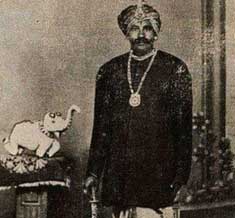
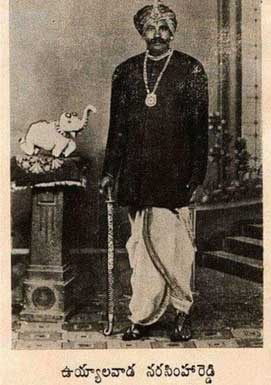
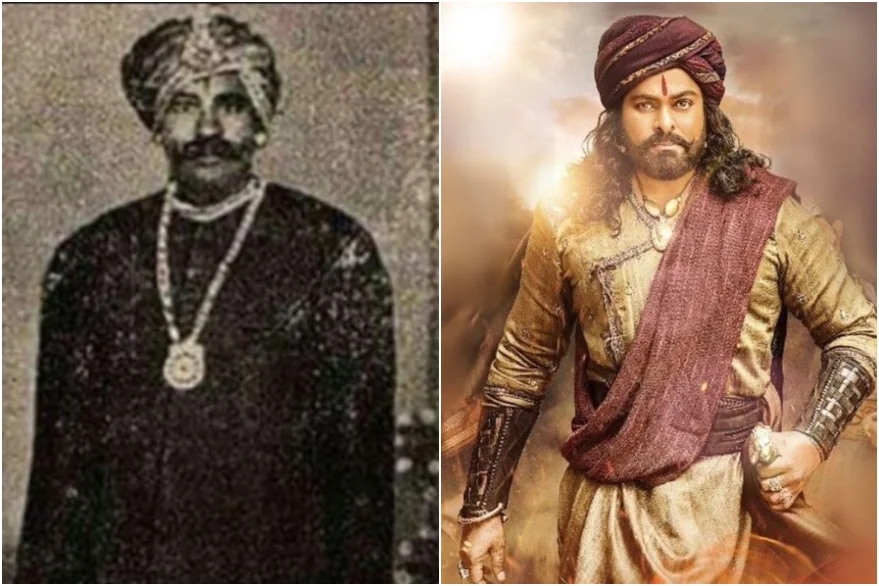
Uyyalawada Narasimha Reddy was an Indian freedom fighter and he was born in Rupanagudi village, on 24 November 1806.
The father of Narasimha Reddy was related to the Palegar family of Uyyalawada in Koilakuntla taluk who had married two daughters of the Palegar of Nossam. He had three sons, of whom Narasimha was the youngest son of the Palegar of Nossam, Seethamma. He married a woman named Siddhamma at the age of 6 . The British East India Company’s preface to the Chennai Presidency of the 1803 endless agreement, which had first been legislated in Bengal Presidency ten times preliminarily, replaced the agricultural socio- profitable status quo with a further egalitarian arrangement where anyone could cultivate handed that they paid a fixed sum to the East India Company for the honor of doing so. The Palegars and other advanced- status people who preferred the old agricultural system” represented the decadent social order”, were in numerous cases” arrivistes” and” were also the heirs at law of a social system in which colorful orders of Hindu society were integrated through periods”. These people were ousted of their lands, which were also redistributed, but the primary purpose of the changes was to increase product rather than to restructure the social order. In some cases, it coincided with a discipline because among the dispossessed were those who had lately been involved in fighting the East India Company in the Palegar Wars. Some entered pensions in lieu of the lost lands but at inconsistent rates.
The changes, which included the preface of the ryotwari system and other attempts to maximize profit, deprived vill helmsmen and other advanced- status people of their part as profit collectors and position as lodgers, while also impacting on lower- status tillers by depleting their crops and leaving them impoverished. The East India Company were economically exploiting the people and that those who were dependent on the traditional work were no longer had a means of making a living. As the old order collapsed into disarray, the formerly-authoritative Palegars, including Narasimha Reddy, came the focus of attention from victims, whose pleas fell on deaf cognizance. The Palegars saw a chance to rally peasant opposition both for genuine social reasons. Narasimha Reddy’s own expostulations too was grounded on their issues. Compared to the Palegar of Nossam, the pension awarded to his family upon their acquisition was paltry and the authorities refused to increase it by redistributing some of the Nossam moneybags when that ultimate family came defunct in 1821. At the same time, some of his cousins were facing proffers for farther reductions in their land rights, including by a reform of the vill policing system.
WAR AGAINT BRITISH EMPIRE Effects came to a head in 1846 when the Company authorities assumed land rights preliminarily held by colorful people who had failed in the townlets of Goodladurty, Koilakuntla and Nossum. Encouraged by the disgruntlement of others, Reddy came the statuette for an insurrection. An fortified group, originally comprising those ousted of inam lands around Koilakuntla, was led by Reddy’s Right- hand man Vadde Obanna in July 1846. The Amusement Collector for the area Lord Cochrane, believed that Reddy had material support from fellow pensioners in Bhagyanagar and Kurnool, whose land rights had also been appropriated. The group soon attracted support from the peasantry and was reported by Company authorities to have rampaged in Koilkuntla, taking back the pillaged storeroom there and escaping the police before killing several officers at Mittapally. They also despoiled Rudravaram before moving to an area near to Almore, pursued by the East India Company forces who also girdled them. A battle between Obanna’s 5000-strong band of revolutionists and a much lower British contingent also took place, with around 200 of the revolutionary being killed and others captured before they were suitable to break out in the direction of Kothakota, Giddalur where Reddy’s family were positioned. He with his family moved to Nallamala Hills . The British offered impulses for information regarding the whereabouts of the revolutionists, who were again girdled amidst reports that uneasiness was now growing in other townlets of the area. In a farther skirmish between the revolutionists and the British, who had transferred for mounts, 40 – 50 revolutionists were killed and 90 were captured, including Reddy. Although there was no substantiation of Obanna’s prisoner, he most conceivably was also a interned along with his leader. clearances were issued for the arrest of nearly,000 of the revolutionists, of which 412 were released without charge. A farther 273 were bailed and 112 were condemned. Reddy, too, was condemned and in his case entered the death penalty. On 22 February 1847, he was executed in Koilkuntla in front of a crowd of over 2000 people. Reddy’s head on the stronghold wall in public view until 1877.
LEGACY On 2 October 2019 , a film based on the life of Narsimha Reddy’s life named Sye Raa Narasimha Reddy was released . On 25 March 2021 Kurnool Airport at Orvakal was named as Uyyalawada Reddy Airport .
The impact of coronavirus pandemic on India has been largely disruptive in terms of economic activity as well as a loss of human lives. Almost all the sectors have been adversely affected as domestic demand and exports sharply plummeted with some notable exceptions where high growth was observed. An attempt is made to analyze the impact and possible solutions for some key sectors.
Food & Agriculture
Since agriculture is the backbone of the country and a part of the government announced essential category, the impact is likely to be low on both primary agricultural production and usage of agro-inputs. Several state governments have already allowed free movement of fruits, vegetables, milk etc. Online food grocery platforms are heavily impacted due to unclear restrictions on movements and stoppage of logistics vehicles. RBI and Finance Minister announced measures will help the industry and the employees in the short term. Insulating the rural food production areas in the coming weeks will hold a great answer to the macro impact of COVID-19 on Indian food sector as well as larger economy.
Aviation & Tourism
The contribution of the Aviation Sector and Tourism to our GDP stands at about 2.4% and 9.2% respectively. The Tourism sector served approximately 43 million people in FY 18-19. Aviation and Tourism were the first industries that were hit significantly by the pandemic. The common consensus seems to be that COVID will hit these industries harder than 9/11 and the Financial Crisis of 2008. These two industries have been dealing with severe cash flow issues since the start of the pandemic and are staring at a potential 38 million lay-offs, which translates to 70 per cent of the total workforce. The impact is going to fall on both, White and Blue collar jobs. According to IATO estimates, these industries may incur losses of about 85 billion Rupees due to travel restrictions. The Pandemic has also brought about a wave of innovation in the fields of contactless boarding and travel technologies.
Telecom
There has been a significant amount of changes in the telecom sector of India even before the Covid-19 due to brief price wars between the service providers. Most essential services and sectors have continued to run during the pandemic thanks to the implementation of the ‘work from home’ due to restrictions. With over 1 billion connections as of 2019, the telecom sector contributes about 6.5 per cent of GDP and employs almost 4 million people. Increased broadband usage had a direct impact and resulted in pressure on the network. Demand has been increased by about 10%. However, the Telco’s are bracing for a sharp drop in adding new subscribers. As a policy recommendation, the government can aid the sector by relaxing the regulatory compliances and provide moratorium for spectrum dues, which can be used for network expansions by the companies.
Pharmaceuticals
The pharmaceutical industry has been on the rise since the start of the Covid-19 pandemic, especially in India, the largest producer of generic drugs globally. With a market size of $55 billion during the beginning of 2020, it has been surging in India, exporting Hydroxychloroquine to the world, esp. to the US, UK, Canada, and the Middle-East.
There has been a recent rise in the prices of raw materials imported from China due to the pandemic. Generic drugs are the most impacted due to heavy reliance on imports, disrupted supply-chain, and labour unavailability in the industry, caused by social distancing. Simultaneously, the pharmaceutical industry is struggling because of the government-imposed bans on the export of critical drugs, equipment, and PPE kits to ensure sufficient quantities for the country. The increasing demand for these drugs, coupled with hindered accessibility is making things harder. Easing the financial stress on the pharmaceutical companies, tax-relaxations, and addressing the labour force shortage could be the differentiating factors in such a desperate time.
Oil and Gas
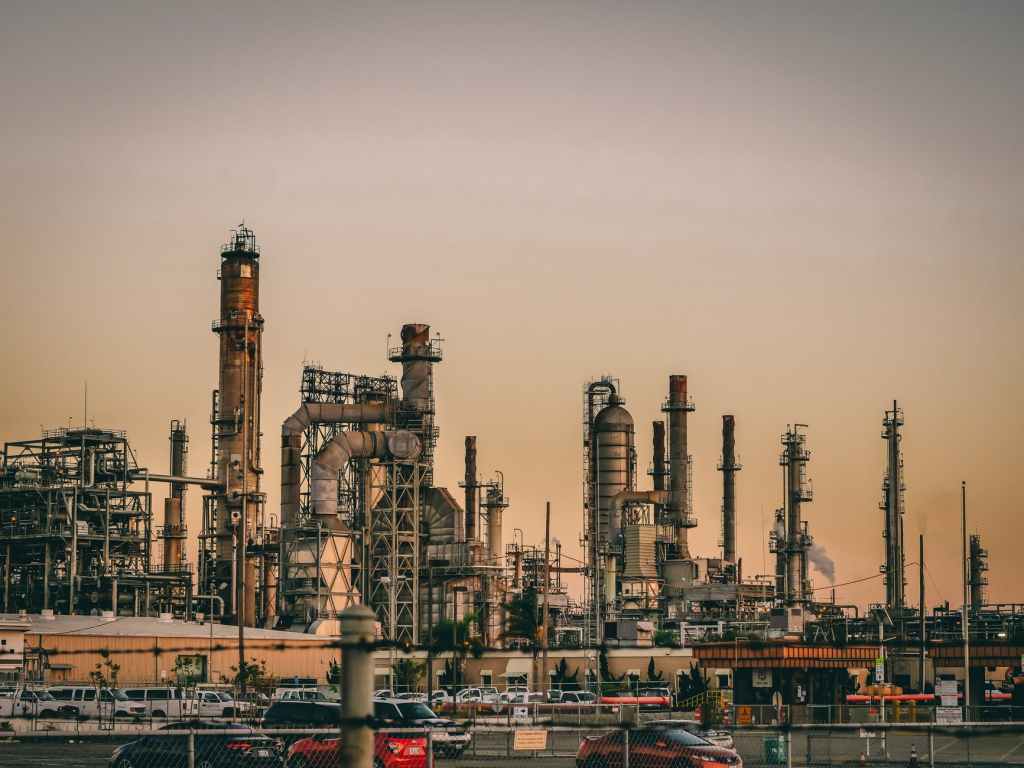
The Indian Oil & Gas industry is quite significant in the global context – it is the third-largest energy consumer only behind USA and Chine and contributes to 5.2% of the global oil demand. The complete lockdown across the country slowed down the demand of transport fuels (accounting for 2/3rd demand in oil & gas sector) as auto & industrial manufacturing declined and goods & passenger movement (both bulk & personal) fell. Though the crude prices dipped in this period, the government increased the excise and special excise duty to make up for the revenue loss, additionally, road cess was raised too. As a policy recommendation, the government may think of passing on the benefits of decreased crude prices to end consumers at retail outlets to stimulate demand.
Beyond Covid: The new normal
In view of the scale of disruption caused by the pandemic, it is evident that the current downturn is fundamentally different from recessions. The sudden shrinkage in demand & increased unemployment is going to alter the business landscape. Adopting new principles like ‘shift towards localization, cash conservation, supply chain resilience and innovation’ will help businesses in treading a new path in this uncertain environment.
Coronavirus (COVID-19), a virus that grew stealthily has become one of the deadliest viruses that are killing people worldwide. This virus took birth in Wuhan city of China and since then have traveled to more than 160 countries. The World Health Organization (WHO) has declared Coronavirus as a pandemic. It has become a mass scare and is leading to the deaths of thousands of people in numerous countries including China, Italy, Iran, Spain, the US, and many more. In India, this pandemic started on 30 January 2020 by affecting an individual who had a travel history from Wuhan, China.
The world economy is seeing its greatest fall ever. Coronavirus has largely impacted the growth of almost every country and is responsible for the slump in GDP worldwide. Like other countries, India is also impacted by this virus but not largely. Almost every industry sector has seen a fall in their sales and revenue. India’s GDP growth has fallen to 4.7% in the third quarter of 2020.
Inflation and Affected Industry:
China is one of the largest exporters of many raw materials to India. Shutting down of factories has damaged the supply chain resulting in a drastic surge in the prices of raw materials. Some of the other products that have seen a rise in their prices are gold, masks, sanitizers, smartphones, medicines, consumer durables, etc. The aviation sector and automobile companies are the hardest hit among the rest. With no airplane landings or take-offs globally and restricted travel has brought the aviation and travel industry to a halt.
Slump in Share market: Share markets that include Sensex and Nifty are on nose dive since the occurrence of this pandemic (COVID-19). Sensex has declined close to 8000 points in a month. As of 12 March 2020, share market investors have lost approximately Rs. 33 lakh crore rupees in a month. This could be the beginning of a recession that the Indian market will never want to witness. Investors are advised to stay safe and invested in this virus-infected stock market. Few industries that can benefit from novel coronavirus during the time of the market crash are pharmaceuticals, healthcare, and Fast Moving Consumer Goods (FMCG).
Cash flow Issue: Due to this outbreak, almost 80% of Indian companies have witnessed cash flow difficulty and over 50% of companies are facing operations issues. As per the Federation of Indian Chambers of Commerce and Industry (FICCI), 53% of companies are impacted by COVID-19. Slow economic activity is resulting in cash flow problems eventually impacting repayments, interest, taxes, etc.
Coronavirus (COVID-19), a virus that grew stealthily has become one of the deadliest viruses that are killing people worldwide. This virus took birth in Wuhan city of China and since then have traveled to more than 160 countries. The World Health Organization (WHO) has declared Coronavirus as a pandemic. It has become a mass scare and is leading to the deaths of thousands of people in numerous countries including China, Italy, Iran, Spain, the US, and many more. In India, this pandemic started on 30 January 2020 by affecting an individual who had a travel history from Wuhan, China.
The world economy is seeing its greatest fall ever. Coronavirus has largely impacted the growth of almost every country and is responsible for the slump in GDP worldwide. Like other countries, India is also impacted by this virus but not largely. Almost every industry sector has seen a fall in their sales and revenue. India’s GDP growth has fallen to 4.7% in the third quarter of 2020.
Efforts from CII and Govt. of India: Confederation of Indian Industry (CII) has suggested the RBI reduce repo rate up to 50 basis points and also asked for a reduction of 50 basis points on the cash reserve ratio. The government is planning to set up an amount to support MSMEs to overcome the crisis during this phase of shut down, cash flow difficulty, and working capital issues.
In India, poverty is presently estimated by fixing a poverty line based on a differentiated calorie-norm. This means that the level of poverty depends upon the capacity of a person to purchase food and a person who can buy specific amount of food to cross the poverty line margin for nutrients and calorie intake is above the poverty line. Whereas, the person who cannot buy enough food to meet the required nutrition value of calories and carbohydrates is below the poverty line. This level is not the correct parameter to check the level of poverty.
A task force of the Planning Commission in 1979 defined the poverty line as that per capita expenditure at which the average per capita per day calorie intake was 2400 calories in rural areas and 2100 calories in urban areas. Average per capita expenditures incurred by that population group in each State which consumed these quantities of calories, as per the 1973-74 survey of NSSO, were used as the poverty lines.
The debate on the extent of poverty in India has been a matter of global interest in the recent years. The primary reason for the global interest in the debate is that the levels of poverty in India and China have come to exert significant influence over the trends in world poverty itself.
Within India too, there has been growing contestation around poverty estimates, particularly in the period of economic reforms. First, there are persistent disagreements among economists on whether the rate of poverty decline after economic reforms was slower than in the preceding period. Secondly, the shift to targeted, rather than universal, welfare schemes has witnessed the use of poverty estimates to decide on the number of households eligible to access these schemes. The report of the Expert Group on the estimation of poverty, chaired by Suresh Tendulkar, is the latest input to the “Great Indian Poverty Debate.”
It is to be noted here that many subsidies and programs are launched by the government but these additional increments do not reach the actual people that are in need of them. Instead it is sent back to the businessman and thus a lot of profit is earned on these subsidized goods. Thus, to lower the level of poverty in India, schemes have to be launched in order to directly benefit the people in need.
The Hindu states that, “A final issue with the report, of much long-term consequence, relates to the wisdom of abandoning the calorie norm. It is indeed true that the levels of calorie intakes are not well correlated with nutritional outcomes. However, abandoning the calorie norm altogether and taking solace from the fortuitous fact that calorie intakes appear adequate at the new poverty lines is an arbitrary proposition. It is unclear whether there is any basis, theoretical or empirical, for this relationship to hold true across time.”
The Tendulkar Committee has pitched for a policy position that is stranded between the harsh realities of poverty in India and the fiscal conservativeness of a neo-liberal framework. The real challenge lies in preserving the positives from the report, and strongly persisting with the demand for a universal social security system.
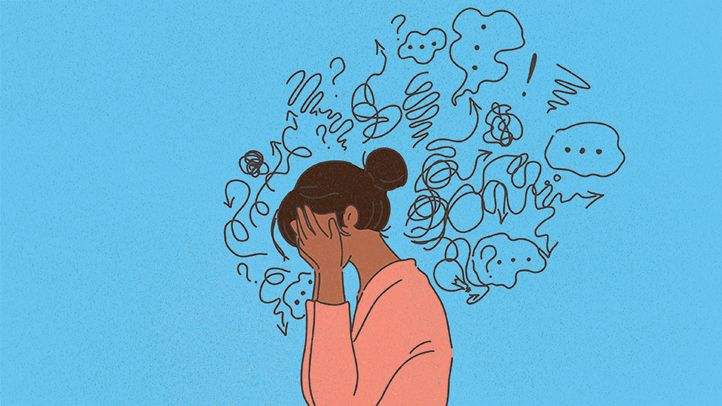
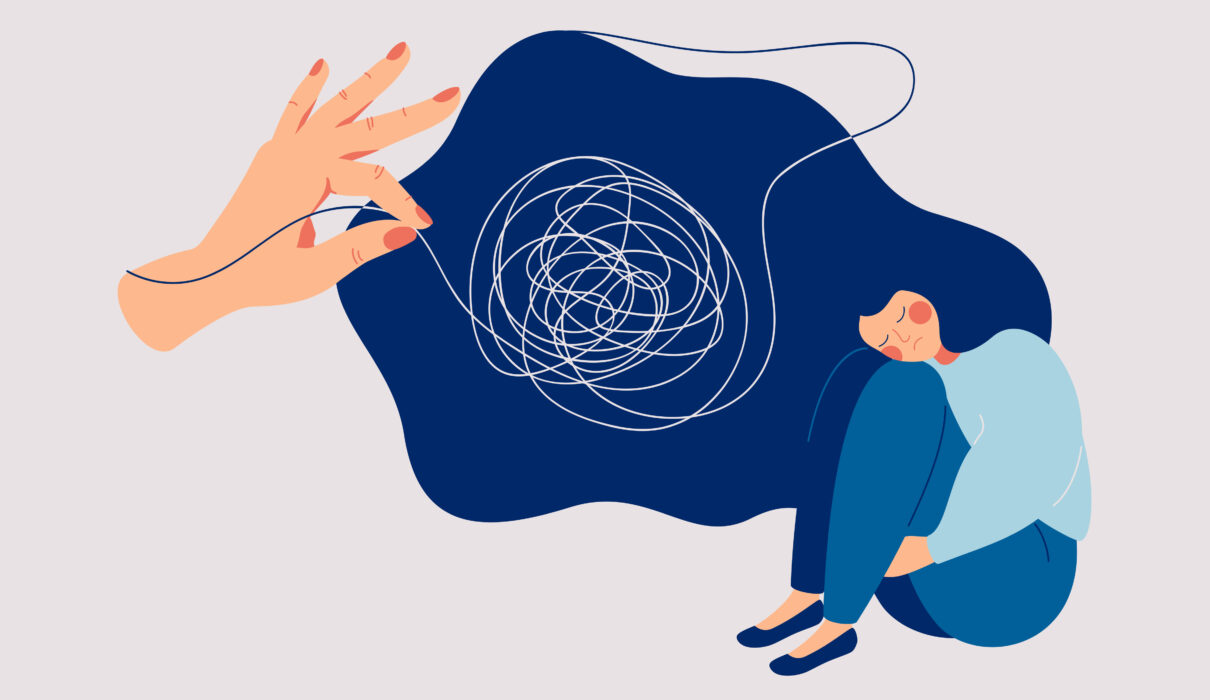
Do you constantly find yourself cutting off from people without any reason? The feeling that you don’t belong? A major reason for such thoughts is that you find it difficult to blend in with your friends and family. While such mindset is not something permanent, it can develop from a constant state of neglect and lack of affection.
It is not necessary that such state of mind arises in only those who are generally closed off by nature. There is a larger percentage of so-called ‘extroverts’ who also suffer with the same complexion.
While this situation generally arises from a change in friend circle, or after losing a loved one, breakup, or a change in surroundings. Some other reasons like depression, heavy medicines, illness or other social factors can also be an imminent variable.
Some people can also call it a ‘Retreat’, a means to detach from society in order to better focus on their upcoming projects, a major people comprising this class will consist of authors, artists, and such other people in need of peace and tranquility.
The case is not always same for teenagers and young adults. Retreating from society in an abrupt manner is major teller of mental illness, depression, as it is generally termed. While it is not uncurable, a major support is required from family and loved ones in most cases. Emotional support goes a long way in providing support and a feeling of togetherness.
This does not mean that a person who appears to be detached from the general colorful society is weak. That would be a gross understatement. Such people are generally in need of a closure with whatever is it that they have suffering with. No other person can help solve this condition other than the person who suffers from it. All others can-do is provide an understanding gesture and emotional support.
The best ways to deal with such a swing of emotion could be to try to talk to someone and share your thoughts. Other than that, going out for a walk or eating your favorite dish will help make you feel better! The one thing that is imperative through the whole process is that you will emerge Stronger. A better version of your own self. With a better view of your dreams and desires. The only quality required is to have faith and be kind to yourself.
Think of your future self 5 or 10 years from now and how thankful they would be to you that in spite of all the hardships thrown your way, you held on, that is all that is required.
In a patriarchal society like India, women have always been under the umbrella of the community. It’s barely seen in the families who support a girl’s dream and accept her to be a dancer.
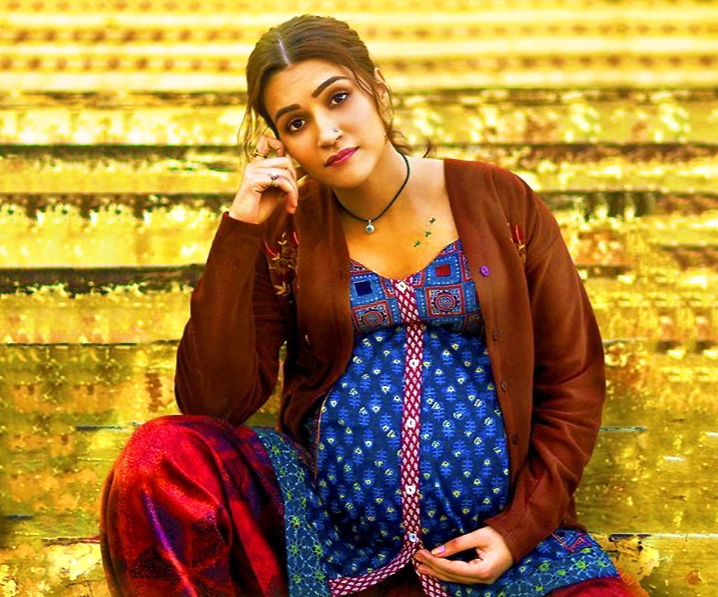
The movie begins with the introduction of a foreign couple who came to India in the search of a surrogate. After long hours of work, they were finally able to find a girl with the help of the driver (a role played by Pankaj Tripathi) in a hotel. Mimi(the girl) was a dancer and getting influenced by its flexibility they decided to offer her 20 lakhs to be the surrogate. Being an ambitious 25-year old woman agrees to take the risk for the same of becoming a famous Bollywood actress. She decides to live at her friend’s house by convincing the parents saying, she is going to a film shoot. With the required procedure, Mimi becomes the surrogate, and for the first four months, she was having a good time with the pregnancy. However, after eight months tests revealed that the baby is suffering from some mental disorder. This news outraged the couple and they decided not to accept the baby after birth and told Mimi to abort. This became the turning point in her life. She sacrificed all her dreams by deciding to give birth to the child and raise him. Later, the couple returned to her after 2 years when they came to know that the baby was born healthy. Mimi refused to give the child back and in the end, they decided to adopt a girl.
Message
A girl is also born with a dream and her character is not decided with what she pursues but what she is.
The support of family is crucial in the darkest times. Mimi faced all the criticisms from society but her parents never let her alone and accepted her as she was.
Killing is not an option. It’s not the fault of a child to be born unhealthy.
One loyal friend is more important than a group of unloyal ones. The driver and the friend were with Mimi till the end, helping her go through all the difficulties with a smile.
Every coin has two sides. Even though the movie won the hearts of the audience, it faced several criticisms like not following the laws related to a sensitive topic of surrogacy, using the term casually, and disrespect towards the decision of abortions.
It played with the emotions well, yet failed to manipulate the thoughts.
Sharks their name is enough to scare any one. Yes that’s for sure. They have some fearsome reputation for attacking humans but more humans are killed by lightning strike than by shark attacks in the world.
They are most ancient animal with low reproductive rates. Their skeleton is made up of cartilage, they are not able to see but their smelling power is more than enough to survive in the great oceans. They are deadly animals and even voilent to. Here, are some of the deadliest shark species for humans.
1) The Great White Shark
The Great White Shark ( Carcharodon carcharias) also known as white shark or great white are one of the deadliest animal. They are huge oceanic creature with 4.5m to 6.4m adult female and 3.4m to 4.1m adult male witha a weight of 520 to 1,100 kg adult. Their relationship with human is not so good. There is estimated to be unprovoked shark bite incident in 2012 to be 272 which is the largest as compared to different other species. Gradually the rates are lower in 2020 as compared to 2019, there is a drastic fall of 19.5% as in 2020.
2) The Tiger Shark
The tiger shark ( Galeocerdo cuvier). It has a length of 5m (16 ft 5 inch). Due to its dark stripes down it’s body which resembles the tiger pattern is called as tiger shark but these stripes fade away as the shark matures. They are found in temperate and tropical waters, and are mainly seen in central Pacific ocean. It comes second after the great white for fatal attacks on humans.
3) The Bull shark
The Bull shark ( Carcharhinus leucas) is also known as Zambezi shark. They are found worldwide along warm, shallow and coast of rivers. They are very well known for its aggressive nature and are found in both salt and fresh water. Make Bull shark grow upto 7 feet and females grow upto 11 feet. Their weight goes upto 91 to 227 kg. Human attacks are mainly found in freshwater and moreover less attacks are found and not every attack is fatal.
4) The Oceanic Whitetip shark
The oceanic whitetip shark ( Carcharhinus longimanus) also known as brown shark, lesser white shark. Its length ranges from 3.4m to 5m or 11ft to 13ft and its weight goes upto 167kg. It is aggressive towards humans. They are known to have attacked many survivor of ships.
5) The shortfin mako shark
The shortfin mako shark (Isurus oxyrinxhus) also known as blue pointer or bonito shark. Its size can reach upto 4m (13ft in length). This shark species is classified as endangered species by IUCN. This species is sexually dimorphic with female exceeding a length of 12ft and weight of 570kg. It only shows 9 attacks out of which only one was fatal on human between 1580 to 2017. But after 2017 they are regularly blamed for attack on humans, which are mainly due to harrasment for catching or killing of the fish.
There are many more deadliest species of sharks which cause damage to humans.
Motivation is something that helps you grow. Not only from inside but also from all aspects, all ups and downs in your life, whenever you feel low why do you need motivation? Have you ever thought about it. Here, is the answer because motivation is something that helps you to grow, that helps you to be you, that makes you. It has the power to awaken the beast hiding inside you.
” Your perspective with either become prison or your passport.“
-Steven Furtick
” Realise deeply that the present moment is all that you ever have. “
– Eckhart Tolle
” How you love yourself is how you teach others to love you.“
– Rupil Kaur
” The Secret of your success is determined by your daily agenda.“
– John C. Maxwell
” Burn the past, Turn the page, Move on.”
– Safura Arsh
” Act as what you do makes a difference, IT DOES.”
– William James
” Excessive fear is always powerless.”
– Aeschylus
” A good Education is the foundation of better future.”
– Elizabeth Warren
” Between thinking and seeing there isa place called knowing.”
– Carolyn Myss
” You can’t build a reputation on what you are going to do.”
– Henry Ford
” Believe you can and you are halfway there.”
– Theodore Roosevelt
” Take care of your body, It is the only place you have to live.”
– Jim Rohn
” If you hear a voice within you say ‘ you cannot paint,’ then by all means paint and that voice will be silenced.”
– Vincent Van Gogh
” Ofcourse motivation is not permanent. But then, neither is bathing: but it is something you should do on a regular basis.”
– Zig Ziglar
” The only way to do a great work is to love what you do.”
– Steve Jobs
” It’s not the load that breaks you down, it’s the way you carry it.”
– Lou Haltz
” Nothing will work unless you do.”
– Mayo Angelo
” Do one thing everyday that scares you.”
– Anonymous
” If you are not willing to risk the usual, you will have to settle for the ordinary.”
– Jim Rohn
” When I hear somebody sigh, ‘ Life is hard,’ I am always tempted to ask, ‘Compared to what?’
– Sydney Harris
” Success is walking from failure to failure with no loss of enthusiasm.”
– Winston Churchill
” All progress takes place outside the comfort zone.”
– Michael John Bobak
” The only place where success comes before work is in the dictionary.”
– Vidal Sassoon
Here are some of the motivational quotes that if you implement in your lives will be successful for sure. Motivation will help you to achieve all your goals and so are these quotes.
India the land of culture, heritage, devotion and beauty. There are many beautiful places to visit in India and we cannot talk about all places in this article. So, here are 4 affordable places to visit. If you are travel lover then this is great for you all.
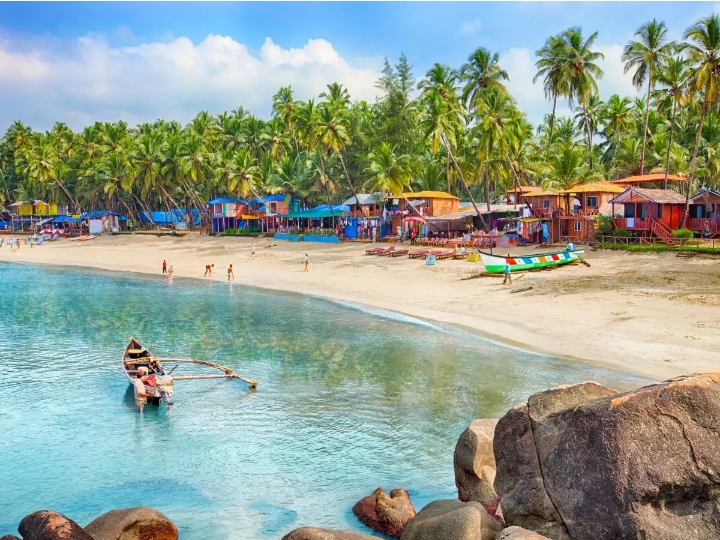
1) Goa
Goa is one of the cheapest country to visit. Alcohol is also very cheap here. You can have unlimited fun and crazy party all night and can even return with full pocket. The best time of the year to visit is October to March. Must visit places to visit is Calangute Beach, Fort Aguada, Dudhsagar falls, Anjuna beach. Goa is also known for its cruise and its water sports. You can check many websites for price. Average 4 days/ 3 Nights will cost you around 12,000 per adult on twin sharing with many amenities.
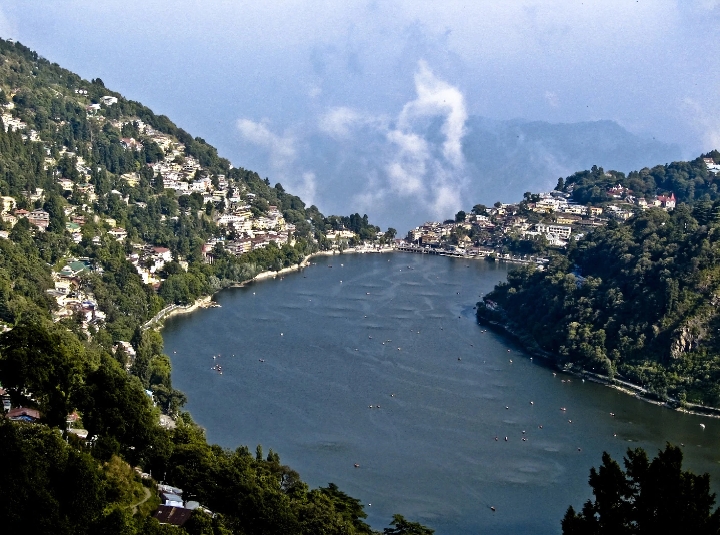
2) Nainital, uttarakhand
Nainital is famous for its misty lakes and mountains. Nainital is very beautiful hill station. It is also known for its cheap hotels and meals. You can do boating here at barely any cost. The area of interest lies in its name which it has gotten from the eye shaped Lake the Naini Lake thus due to this eye shaped Lake it’s called Nainital. Must visit places include Naini Lake, Tiffin top, Snow view point, Mall road, Eco cave gardens and High Altitude zoo. Average 3 days/ 2 Nights will cost you around 4,500 Rs per adult on twin sharing with other amenities as well. It can be seen that how much affordable is this place. Best time to visit is throughout the year.
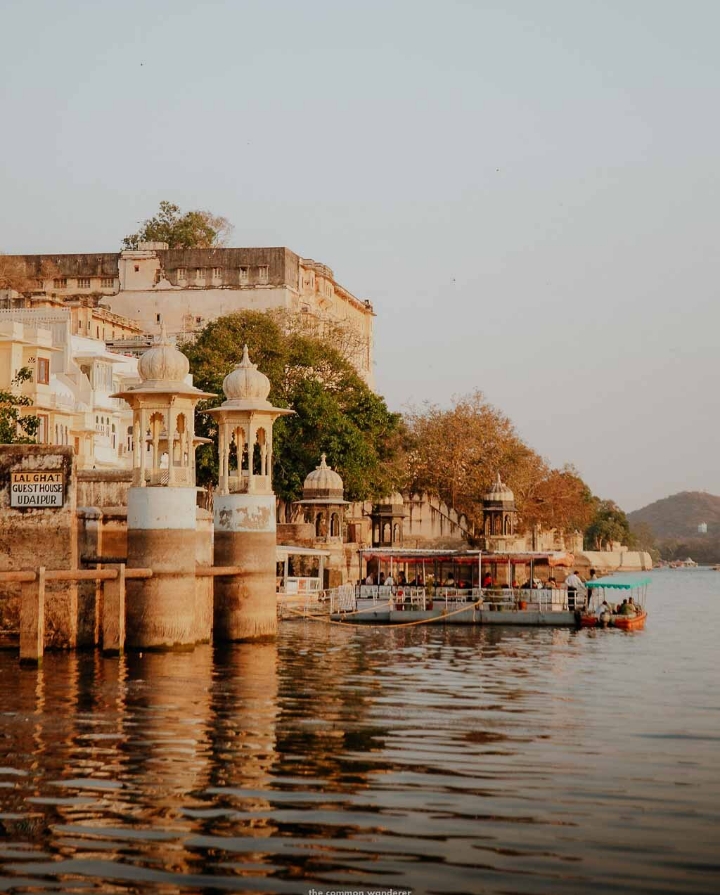
3) Udaipur, Rajasthan
Udaipur also know as city of lakes. It is also called as Venice of East. It is also termed as jewel. It has abundance of natural beauty, awesome architecture and breathtaking temples. Must visit places include Lake pichola, City Palace, Fateh Sagar Lake, Jaisamand Lake, Sajjangarh palace, Jagdish temple. In addition to this it cost very less on average 6 days/ 5 night stay cost you around 17,700 INR per adult on twin sharing. Best time to visit is from October to March.
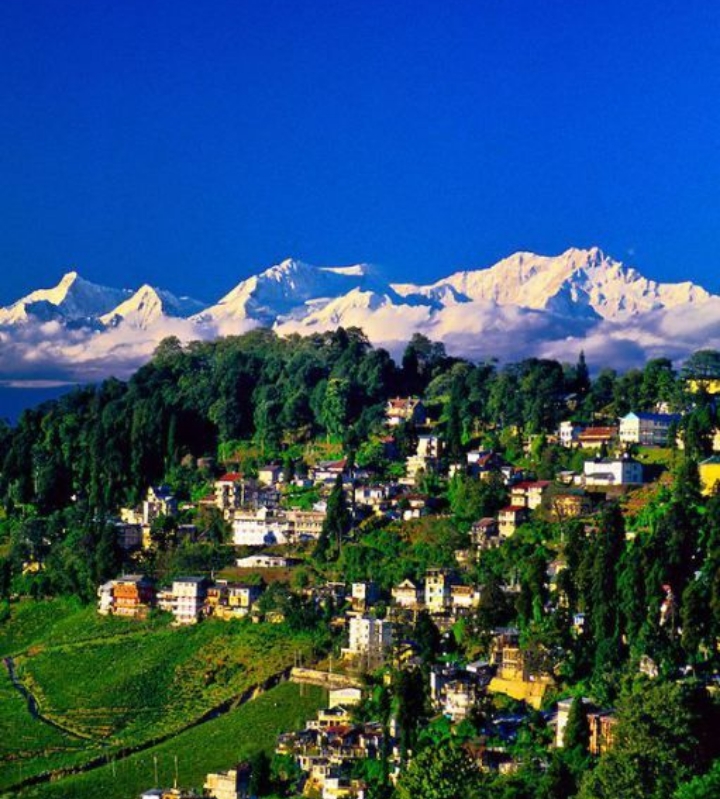
4) Darjeeling, West Bengal
Darjeeling also know as Queen of Himalayas, has jaw dropping and mesmerizing sunrises, the breathtaking beauty of the hills, the charm of past and all those beautiful smile of beautiful people. It is one of the most appealing hill station. And all chai lovers it offers best quality chai. Hotels and lodges are at reasonable price and it’s also cheap. Must visit places include Darjeeling Himalayan railway, Tiger hill, Batasia loop, Himalayan mounteering institute, Darjeeling ropeway and Nightingale park. Average 4 days/ 5 nights will cost around 8,375 Rs per adult on twin sharing. Best time to visit is from February to March and September to December.
So these are the places that have jaw dropping and breathtaking beauty. Apart from this they are also very affordable and hence you can easily visit with low money in your pocket. You can even check rates on different websites and there you may can get offers too. Hope you all like it.
















 Eduindex
You must be logged in to post a comment.