Universities Offering Doctoral and Post Doctoral Courses in Health Economics and Sustainable Development

 By Shashikant Nishant Sharma

Several universities around the world offer doctoral and post-doctoral programs in the fields of Health Economics, Economic Integration, and Sustainable Development. These programs are designed to equip students with advanced knowledge and research skills to address the complex challenges related to healthcare systems, economic cooperation, and sustainable practices. Here are some notable universities known for their expertise in these areas:

  1. Harvard University – USA:

    • Programs: Harvard offers a Ph.D. in Health Policy, which covers Health Economics as a major component. They also have programs in Economics and Sustainable Development.
    • Research Focus: The university emphasizes interdisciplinary research, exploring the intersection of health, economics, and sustainability.
  2. University of California, Berkeley – USA:

    • Programs: UC Berkeley provides a Ph.D. in Health Policy and Management, as well as programs in Environmental Economics and Sustainable Development.
    • Research Focus: The university is renowned for its research on health policy, environmental economics, and sustainable urban development.
  3. Erasmus University Rotterdam – Netherlands:

    • Programs: Erasmus offers a Ph.D. in Health Economics and Management. Additionally, they have programs focusing on International Economics and Sustainable Development.
    • Research Focus: The university is recognized for its contributions to health economics research and its commitment to sustainability.
  4. London School of Economics and Political Science (LSE) – UK:

    • Programs: LSE provides a Ph.D. in Health Policy, Economics, and Management. They also have programs related to International Economics and Sustainable Development.
    • Research Focus: LSE is known for its rigorous research in health economics and its exploration of economic integration and sustainable policies.
  5. University of Geneva – Switzerland:

    • Programs: The University of Geneva offers a Ph.D. in Economics, with specializations in Health Economics, Economic Integration, and Sustainable Development.
    • Research Focus: The university is situated in a hub for international organizations, allowing students to engage in cutting-edge research on economic integration and sustainability.
  6. University of Tokyo – Japan:

    • Programs: The University of Tokyo provides doctoral programs in Health Economics and Environmental Economics, contributing to the broader field of sustainable development.
    • Research Focus: The university is known for its research on the economic aspects of healthcare systems and its commitment to environmental sustainability.
  7. University of Sydney – Australia:

    • Programs: The University of Sydney offers a Ph.D. in Health Economics and programs in International Economics and Sustainable Development.
    • Research Focus: The university conducts research addressing health policy challenges, economic integration, and sustainable development, particularly in the Asia-Pacific region.

These universities stand out for their commitment to advancing knowledge in Health Economics, Economic Integration, and Sustainable Development, offering students opportunities to engage in impactful research and contribute to addressing global challenges in these critical areas. Prospective students should explore specific program details, faculty expertise, and research opportunities when considering these institutions for their doctoral or post-doctoral studies.

Here’s the information with clickable href links:

University Ph.D. Program Post-Doctoral Opportunities
Harvard University – USA Ph.D. in Health Policy Harvard Chan School Postdoctoral Research Fellowships
University of California, Berkeley – USA Ph.D. in Health Policy and Management Berkeley Population Center Postdoctoral Fellowship
Erasmus University Rotterdam – Netherlands Ph.D. in Health Economics Erasmus School of Economics Postdoctoral Positions
LSE – UK Ph.D. in Health Policy, Economics, and Management LSE Research Fellowship Programme
University of Geneva – Switzerland Ph.D. in Economics Postdoc Positions at the Faculty of Economics and Management
University of Tokyo – Japan Ph.D. Programs in Economics Researcher Positions at the Institute of Social Science
University of Sydney – Australia Ph.D. in Health Economics Research Fellowships at the Sydney School of Public Health
Indian Statistical Institute – India Ph.D. in Economics Post Doctoral Fellowship Programme
Jawaharlal Nehru University (JNU) – India Ph.D. in Economics Postdoctoral Research Fellowship Scheme
IIM Bangalore – India Ph.D. in Public Policy Post-Doctoral Programme in Public Policy

Feel free to click on the provided links to access more details about each program and opportunity.

Top Ten Books on Environmental Sustainability

A curated list of ten fantastic books that delve into various aspects of environmental sustainability:

  1. “Silent Spring” by Rachel Carson: This groundbreaking book raised awareness about the detrimental effects of pesticides on the environment and is credited with sparking the modern environmental movement.

  2. “Doughnut Economics: Seven Ways to Think Like a 21st-Century Economist” by Kate Raworth: Raworth presents a compelling framework for a sustainable economy that meets the needs of all within the means of the planet.

  3. “The Sixth Extinction: An Unnatural History” by Elizabeth Kolbert: Kolbert explores the ongoing mass extinction event caused by human activities, offering a sobering perspective on the impact of humanity on Earth’s biodiversity.

  4. “Cradle to Cradle: Remaking the Way We Make Things” by William McDonough and Michael Braungart: This book proposes a new industrial paradigm that promotes sustainable design, advocating for products that can be reused or recycled endlessly.

  5. “Braiding Sweetgrass: Indigenous Wisdom, Scientific Knowledge, and the Teachings of Plants” by Robin Wall Kimmerer: Kimmerer beautifully weaves together indigenous wisdom and scientific understanding, emphasizing the importance of respecting and learning from nature.

  6. “This Changes Everything: Capitalism vs. The Climate” by Naomi Klein: Klein explores the relationship between capitalism and climate change, arguing that addressing environmental issues requires fundamental societal changes.

  7. “Drawdown: The Most Comprehensive Plan Ever Proposed to Reverse Global Warming” edited by Paul Hawken: This book presents a collection of solutions to combat climate change, showcasing practical and scalable strategies.

  8. “The Nature Fix: Why Nature Makes Us Happier, Healthier, and More Creative” by Florence Williams: Williams explores the science behind our connection with nature and its profound impact on our well-being.

  9. “The Uninhabitable Earth: Life After Warming” by David Wallace-Wells: Wallace-Wells provides a stark portrayal of the potential consequences of unchecked climate change, urging urgent action to mitigate its impacts.

  10. “The Water Will Come: Rising Seas, Sinking Cities, and the Remaking of the Civilized World” by Jeff Goodell: Goodell investigates the impending threats of rising sea levels and the consequences for coastal cities due to climate change.

Each of these books offers a unique perspective on environmental sustainability, providing insights, solutions, and thought-provoking ideas that contribute to a deeper understanding of our relationship with the environment and the urgent need for sustainable practices.

Green Revolution

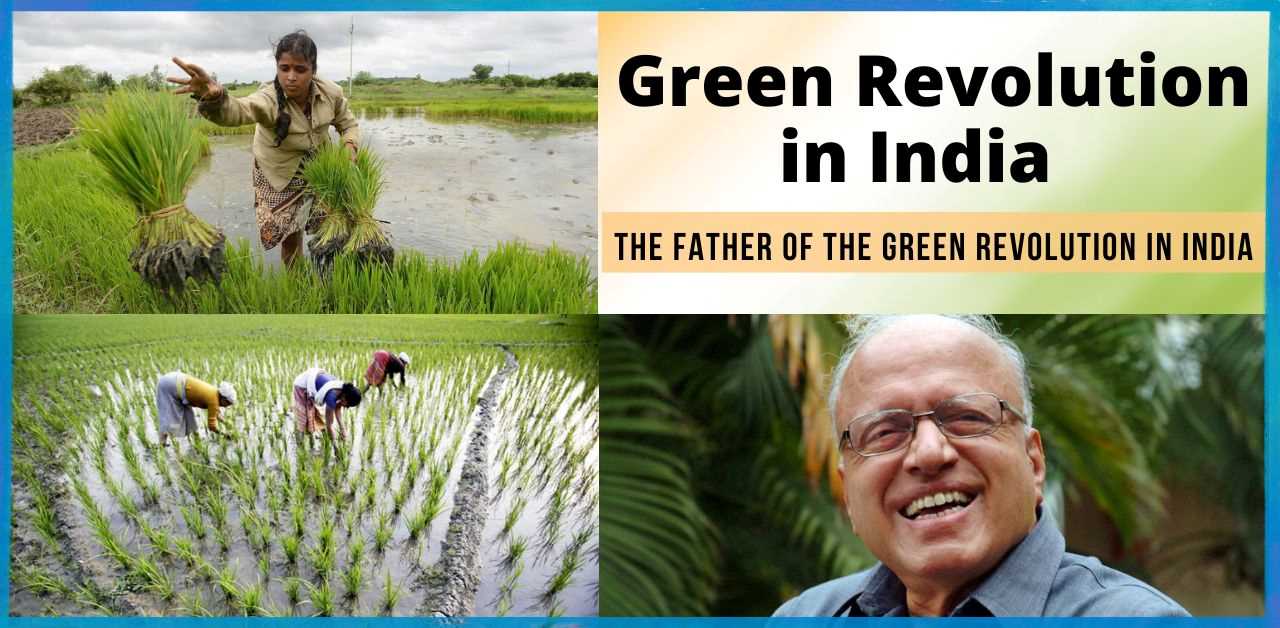
Green revolution, great increase in production of food grains (especially wheat and rice) that resulted in large part from the introduction into developing countries of new, high-yielding varieties, beginning in the mid-20th century. Its early dramatic successes were in Mexico and the Indian subcontinent.


part of a larger initiative by Norman Borlaug, Green Revolution in India was founded by M S Swaminathan. The aim was to increase agricultural productivity in the developing world with use of technology and agricultural research.

The Green Revolution was initiated in the 1960’s to address the issue of malnutrition in the developing world. The technology of the Green Revolution involved bio-engineered seeds that worked in conjunction with chemical fertilizers and heavy irrigation to increase crop yields.

The amount of greenhouse gas emissions will help to reduce this. It allows us to create more food than conventional methods of growing. In uncooperative conditions, it offers us with predictable yields. It allows a decline in food costs for the world economy.

it was beneficial because it helped produce more food and prevented the starvation of many people. It also resulted in lower production costs and sale prices of produce. Although it had several benefits, the Green Revolution also had some negative effects on the environment and society.

The Green Revolution was a significant period of agricultural innovation and development that began in the mid-20th century, aiming to increase agricultural productivity worldwide, particularly in developing countries.

Key elements of the Green Revolution included:

  1. High-Yielding Varieties (HYVs): Scientists developed new varieties of seeds, particularly for staple crops like wheat, rice, and maize, which had higher yields and were more resistant to diseases and pests.

  2. Intensive Use of Chemical Fertilizers and Pesticides: To support the growth of these high-yielding crops, farmers began using synthetic fertilizers and pesticides on a larger scale.

  3. Irrigation Techniques: Implementation of improved irrigation systems, like drip irrigation, helped provide water to crops more efficiently.

  4. Mechanization: Introduction of machinery and technologies into agriculture, such as tractors and combine harvesters, to streamline farming processes.

The Green Revolution had several positive impacts:

  • Increased Agricultural Productivity: Crop yields soared, leading to more food being produced on existing farmland.
  • Food Security: It helped alleviate hunger in many parts of the world by increasing food availability.
  • Economic Growth: Improved agricultural productivity contributed to economic growth in many developing countries.

However, there were also concerns and criticisms associated with the Green Revolution:

  • Environmental Impact: Excessive use of chemical fertilizers and pesticides led to soil degradation, water pollution, and loss of biodiversity.
  • Social Disparities: The benefits of the Green Revolution were not equally distributed, leading to socioeconomic disparities between wealthy and poor farmers.
  • Sustainability Concerns: Reliance on high inputs of water, chemicals, and specific seed varieties raised concerns about the long-term sustainability of this agricultural model.

Efforts have been made to address these issues through sustainable agricultural practices, emphasizing environmentally friendly approaches and technologies while aiming for increased productivity and food security without compromising the environment or social equity.

Sagar Parikrama: A successful journey towards resolving issues of fishers on ground

 A massive fishers and fish farmers outreach program namely Sagar Parikrama Yatra led by Union Minister of Fisheries, Animal Husbandry and Dairying Shri Parshottam Rupala is being undertaken since March 2022 through a pre-decided sea route from Gujarat to West Bengal covering around 8000 km of India’s coastline. Sagar Parikrama aims to meet the fishers at their door-steps and understand their issues and grievances, promote sustainable fishing and publicise the schemes and programs of the government and it has been instrumental so far. During Sagar Parikrama, fishers get an opportunity to interact with Union Minister Shri Rupala and key officials of Department of Fisheries, Government of India, State Government and other stake holders at their door- step.

 Shri Parshottam Rupala received a text message regarding capsized boat from a local fisherman who met him in Colachel during previous phase of Sagar Parikrama. The Union Minister issued directives immediately to concerned agencies for undertaking intense rescue operation of missing fishermen onboard fishing boat operating from Colachel Fishing Harbour.

Meanwhile the family members of missing fishermen met Shri Parshottam Rupala  in Karaikal to apprise him the issue and they were surprised to hear that he was not only informed but closely following the matter.


Efforts on rigorous search and rescue operations carried out by Indian Navy as well as by Indian Coast Guard with two Vessels of Indian Navy and One from Indian Coast Guard, mortal remains of one fishermen have been recovered by the divers today.

Search operations are still ongoing to locate the mortal remains of the second fishermen.  The family members of fishermen have expressed  thanks to the Union Minister and entire rescue team for recovery of bodies of the missing fishermen. 

With these endeavours and attempts, the Sagar Parikrama is expected to achieve its goal of achieving open communication and feedback while also build trust between the fishermen communities and proves an instrumental in resolving issues of the fishers.

*****

India is set to achieve $150 billion Bio-Economy by 2025

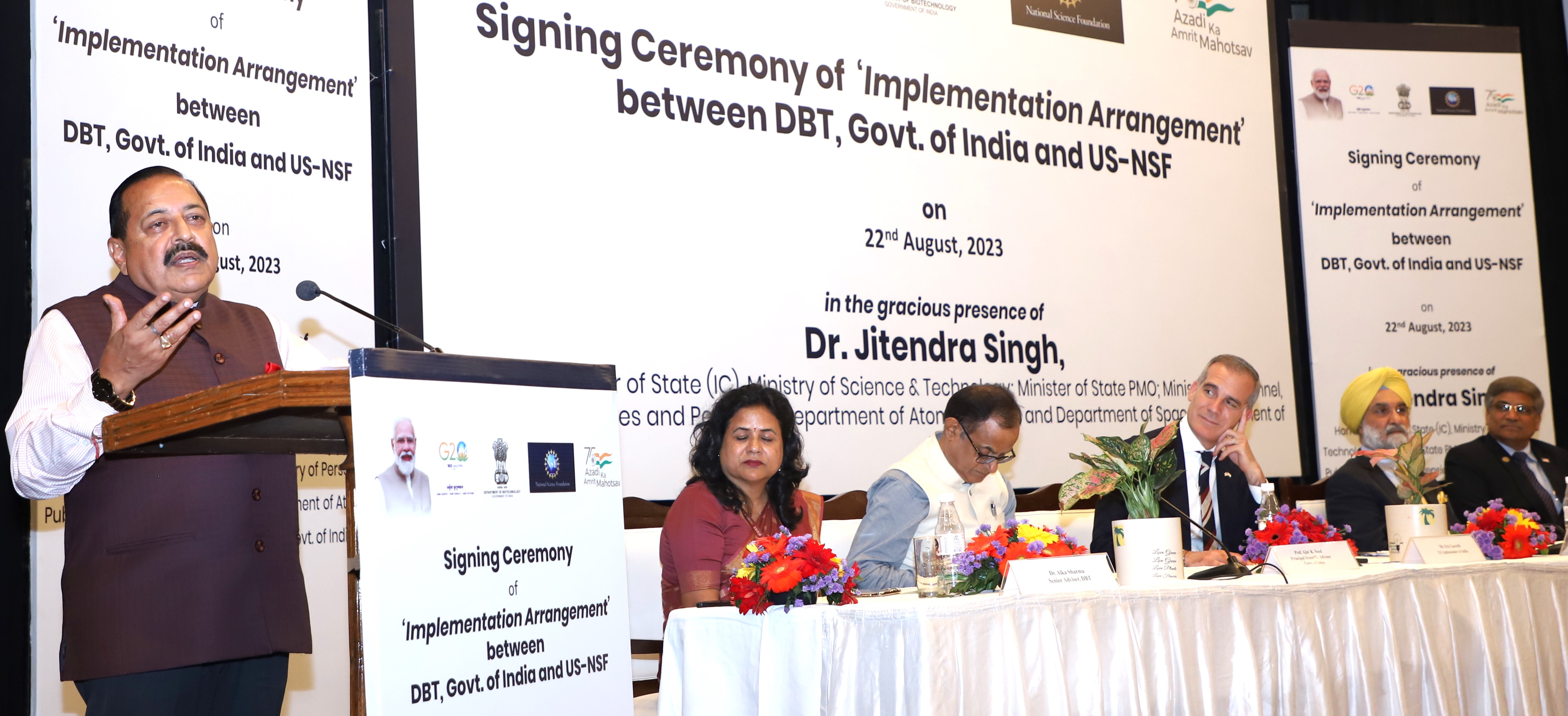
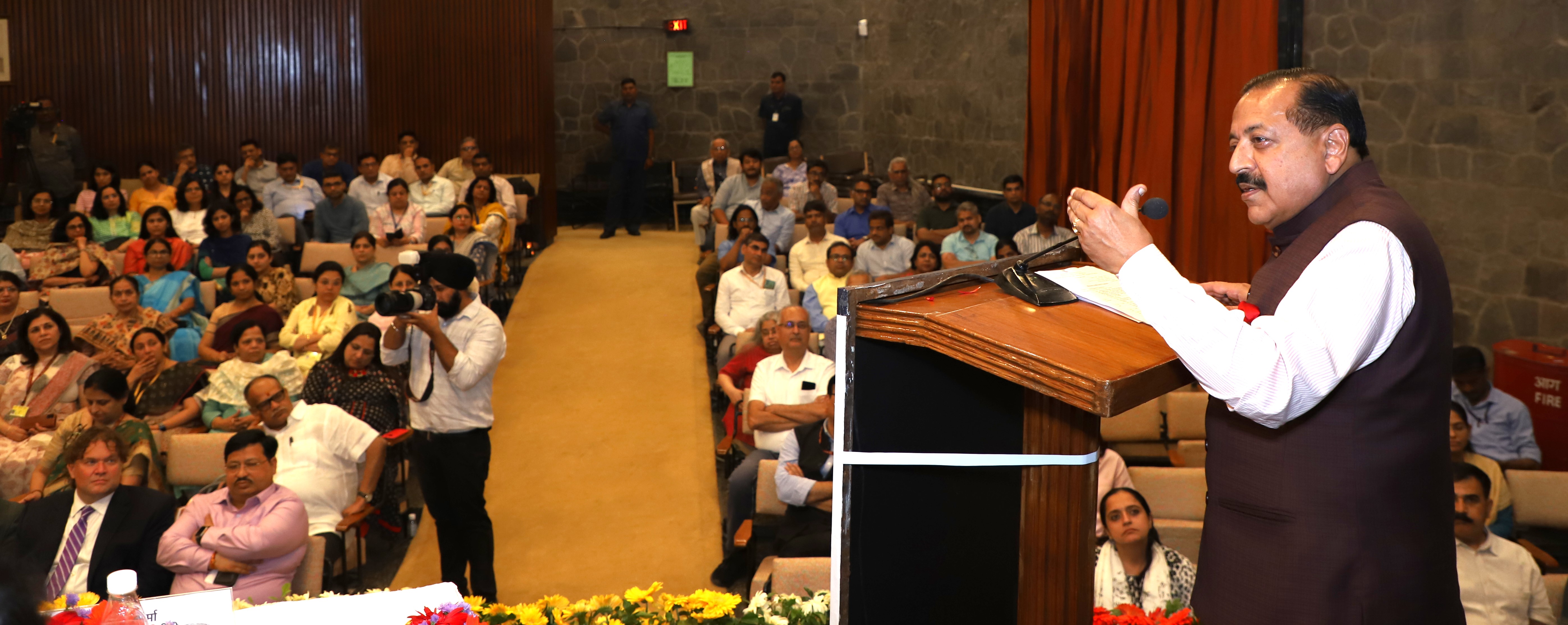
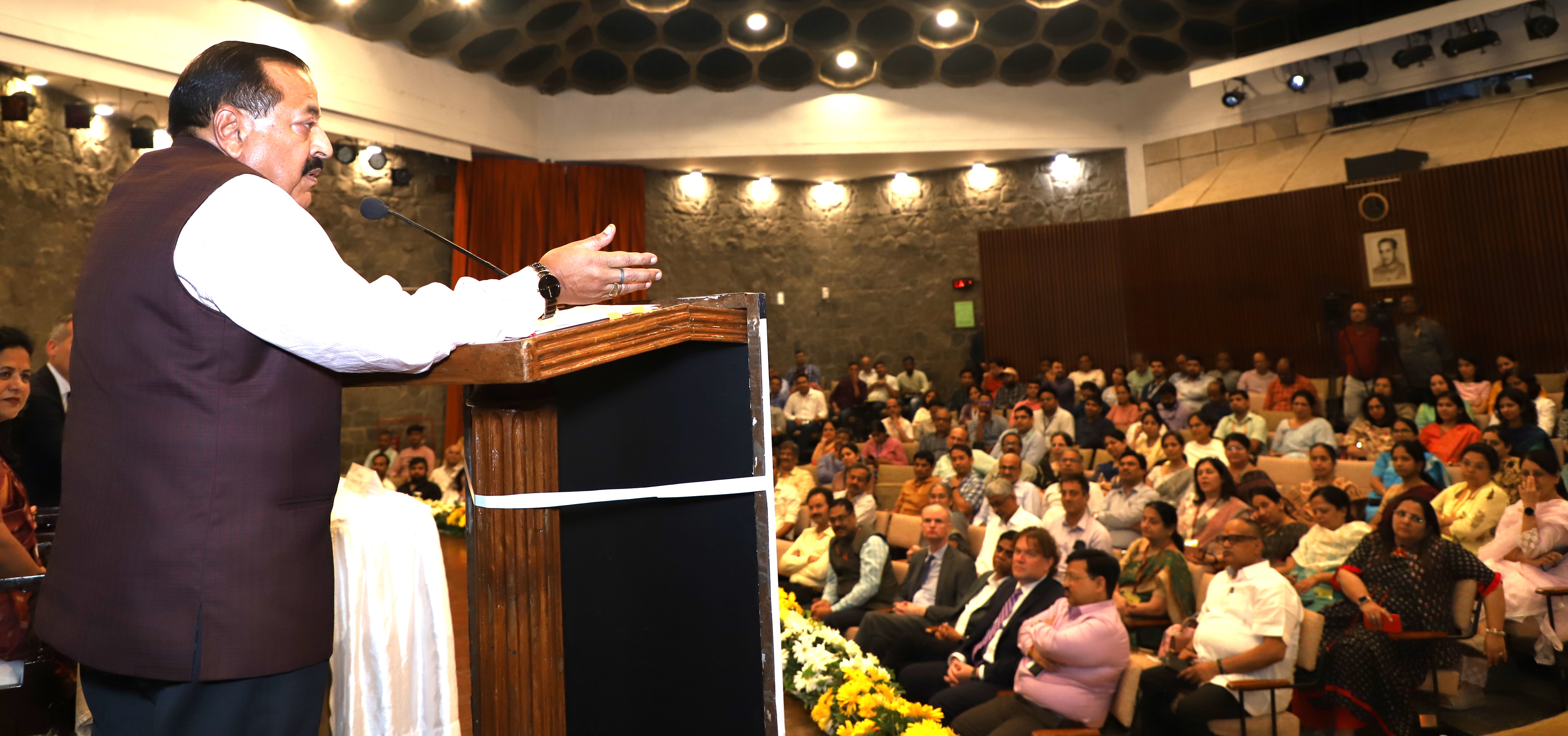
 Union Minister of State (Independent Charge) Science & Technology; MoS PMO, Personnel, Public Grievances, Pensions, Atomic Energy and Space, Dr Jitendra Singh today said, India is set to achieve $150 billion Bio-Economy  by 2025, which stood at over $100 billion in 2022.

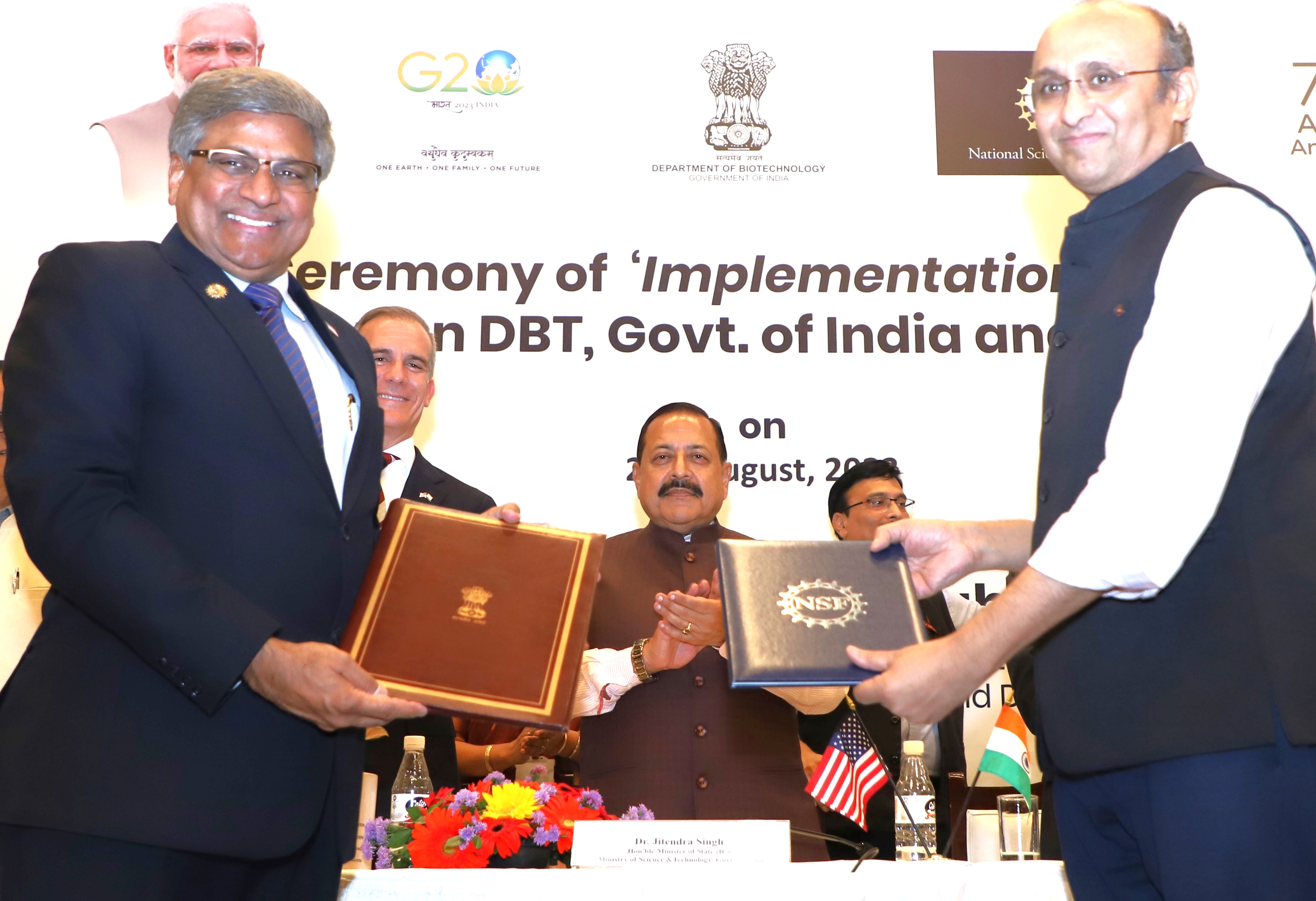
The Minister was speaking, while overseeing the signing up of the ‘Implementation Arrangement’ between the Department of Biotechnology (DBT) and the United States-National Science Foundation (US-NSF) today in New Delhi.  This was a follow-up of the discussion meeting held between Dr. Rajesh S. Gokhale. Secretary, DBT and Dr Sethuraman Panchanathan, Director, NSF in June, 2023 to discuss opportunities for developing ‘Strategic Partnership’ between DBT and US-NSF.

Dr Jitendra Singh recalled that during the recent visit of Prime Minister Narendra Modi to the US in June 2023, the leaderships of the both the countries called on their administrations to extend the existing partnerships to advanced biotechnology and biomanufacturing, and enhance biosafety and biosecurity innovation, practices, and norms.

Dr Jitendra Singh said, India’s ever-growing Bio-Economy graph is going to contribute significantly to India’s Overall Economy. He said, India has a 3-5% market share in the global biotechnology industry and it ranks 12th in the world in biotech and 3rd in Asia-pacific.

 The Minister said, India has the 3rd largest Startups ecosystem globally; and the largest vaccine manufacturer. Moreover, India’s ranking in global science and technology indices continues to rise and India has been ranked 40th among the innovative economies as per Global Innovation Index, 2022.

Dr Jitendra Singh pointed out that the Department of Biotechnology has created and nurtured a strong foundation in biotechnology innovation, research and manufacturing across segments such as bio-pharma, bio-services, agri biotech, industrial biotech, and bioinformatics through public-private partnership, Make-in-India and Atma Nirbhar Bharat initiatives of the Government.

Dr Jitendra Singh said, Indian Government has always supported technology-driven innovation towards the creation of a ‘future-ready’ technology platform in line with the Prime Minister Modi’s vision of Aatmanirbharta and he congratulated DBT and NSF for building on the bilateral collaborations between India and USA through this Implementation Arrangement.

Dr Jitendra Singh said, the climate change, inadequate resource utilization, an unsustainable pattern of material consumption and waste generation are global threats and require concerted sustainable interventions and therefore called for futuristic research and innovation strategies for accelerating Biomanufacturing are essential to address global sustainable goals. He said, accordingly, DBT has undertaken a major initiative on “Fostering High Performance Biomanufacturing- An integrated approach towards promoting circular economy for Green, Clean and Prosperous India” and added that it exemplifies ‘Lifestyle for the Environment (LIFE)’launched by Prime Minister that urges all stakeholders to pursue green and friendly environmental solutions in every aspect of life to effectively achieve climate and energy goals;

The Minister said, the ‘Implementation Arrangement’ will lay the foundation for collaboration between the two countries on accelerating innovations in the area of ‘Biotechnology Innovation and Biomanufacturing’.This will advance knowledge, technologies, and innovation through supportive collaborative research to empower biotechnology industries and promote bioeconomy of both the countries, he added.

Dr Sethuraman Panchanathan, Director, NSF, said that “USA and India can together address pressing global needs such as climate mitigation and energy goals through biotechnology innovation and biomanufacturing”.

Dr Rajesh S. Gokhale, Secretary, DBT added that “this partnership will be an important step to mutually address the challenges in the innovation space as well as for enhancing technological opportunities. This will also bring synergy to DBT’s initiatives for fostering high performance Biomanufacturing- an integrated approach towards promoting circular economy for Green, Clean and Prosperous India”.

About Department of Biotechnology (DBT)The Department of Biotechnology (DBT), Ministry of Science and Technology,Government of India creates and nurtures strong foundation in biotechnology innovation, research and development across segments such as bio-pharma, bio-services, agri-biotech, industrial biotech, and bioinformatics.

The U.S. National Science Foundation (US-NSF) is an independent federal agency that supports science and engineering in the United States. It was established to promote the progress of science, advance the national health, prosperity and welfare, and secure national defence, through administering grants.

***

Three-day National Thematic Workshop on Localization of (LSDGs) Sustainable Development Goals in Panchayats begins in Srinagar

 Ministry of Panchayat Raj (MoPR), Government of India, in close collaboration with Panchayati Raj & Rural Development Department, Government of Jammu & Kashmir, is organizing the National Workshop on Localization of Sustainable Development Goals in Gram Panchayats through Adopting Thematic Approaches on Theme 8: Panchayat with Good Governance during 21-23 August 2023 in Srinagar J&K. The Union Rural Development & Panchayati Raj Minister Shri Giriraj Singh will inaugurate the three-day Workshop tomorrow, in the august presence of Lt. Governor of Jammu & Kashmir Shri Manoj Sinha and Union Minister of State for Panchayati Raj Shri Kapil Moreshwar Patil.

The National Workshop will be inaugurated in the presence of Shri Sunil Kumar, Secretary, Ministry of Panchayati Raj (MoPR), Shri Arun Kumar Mehta, Chief Secretary, Government of Jammu & Kashmir, Dr. Chandra Shekhar Kumar, Additional Secretary, MoPR, Smt. Mandeep Kaur, Commissioner & Secretary, RD&PR Deptt. Government of Jammu & Kashmir, Shri Vikas Anand, Joint Secretary, MoPR, Dr. Bijaya Kumar Behera, Economic Adviser, MoPR and other distinguished dignitaries and local public representatives. A host of Senior Officers of the Government of India and State Governments, representatives of United Nations / International agencies and around 1000 elected representatives of Panchayati Raj Institutions from across the country are also expected to grace the occasion.

‘Meri Panchayat Mobile app’ developed by Ministry of Panchayati Raj and Meri Panchayat Mobile App, Operating Guidelines of NCBF, Service-level Benchmarks, Self-Assessments and Model Contract will be released during the inaugural session of the National Workshop.

Elected representatives and functionaries of Panchayati Raj Institutions from across the country and across the Jammu and Kashmir will attend the National Workshop. Panchayats that have taken initiatives in thematic areas have been invited to participate in the Workshop.

Participants will be consisting of elected representatives & functionaries of Panchayats, key stakeholders, domain experts and agencies doing exemplary work in the 5 Ts of Good Governance: Teamwork, Timeline, Transparency, Technology and Transformation.  Representatives of all States/ UTs from State Department of Panchayati Raj & Rural Development, Planning Department, NIRD&PR, SIRD&PRs, Panchayati Raj Training Institutes, will also participate in the workshop. Elected Representatives & Functionaries of selected Gram Panchayats from different States/ UTs will showcase their experiences in relevant thematic area through short video film presentation of 3 to 4 minutes during different Technical Sessions/ Panel Discussions.

The main objective of the workshop will be exhibiting the best strategies, approaches, convergent actions and innovative models in context to capacity building & training; best practices; monitoring framework, incentivization and reflection of themes of SDGs into Gram Panchayat Development Plan (GPDP).

 Background:

Sustainable Development Goals adopted by United Nations came into effect from January 1, 2016. Ministry of Panchayat Raj, Government of India has adopted thematic approach to SDGs – It is approach to ensure ‘local action’ for achieving ‘global plan’. The approach aims to localise SDGs in rural areas through PRIs, especially Gram Panchayats by clubbing 17 ‘Goals’ into ‘9 Themes’. Appropriate policy decisions and revisions have followed resulting into revamping of Rashtriya Gram Swaraj Abhiyan (RGSA) and Gram Panchayat Development Plan (GPDP) Guidelines which smoothens the process of Localisation of Sustainable Development Goals (LSDGs) in Gram Panchayats.

In pursuance to the agenda of localising Sustainable Development Goals in Panchayats, Ministry of Panchayat Raj, Government of India is organising a series of Thematic Workshops/ Conferences on Localization of Sustainable Development Goals (LSDGs) based on the nine themes to be saturated by the Panchayati Raj Institutions (PRIs), at different locations in close collaboration with State/ UT Departments of Panchayati Raj, State Institutes of Rural Development & Panchayati Raj (SIRD&PRs), line Ministries/ Departments and other stakeholders. The effective and impactful implementation of LSDGs can occur only when the concept and its process are properly understood, imbibed and implemented by the three-tier Panchayati Raj Institutions (PRIs) in order to ensure no one is left behind.

Vision of LSDGs Theme 8 – Good governance is an essential ingredient for socio-economic development of the country. It centers around the responsibility of government and governing bodies to meet the needs of the masses as opposed to select groups in society – “The way those with power use that power.

Good Governance has direct correlation to service delivery and progress 5T pillars framework of Teamwork Technology, Timeline, Transparency and Transformation are essential for Good Governance. It centres around the responsibility of Gram Panchayats to serve the people by delivering all citizen services in a timely efficient and transparent manner.

A Village with Good Governance must necessarily have very vibrant, strong, and active Gram Sabha wherein there is large popular participation, informed discussion and Inclusive decision making it is envisaged that Gram Panchayat act as an information facilitation centre including proactive disclosure of all information and has in place an effective grievance redressed mechanism.

*****

Meri LiFE App under LiFE mission

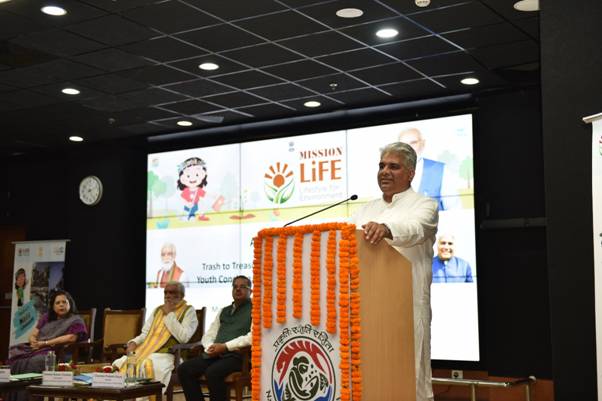
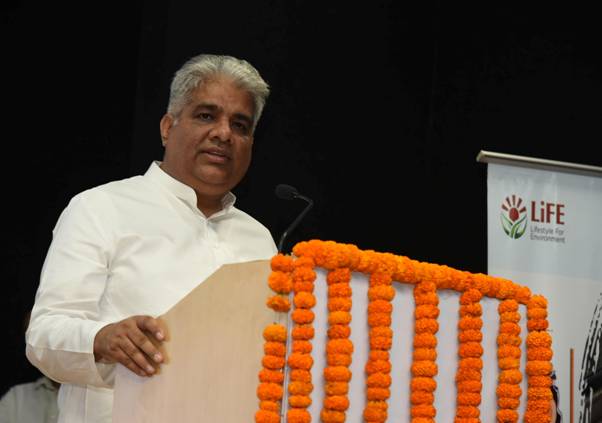
 The Union Minister of Environment, Forest and Climate Change, Shri Bhupender Yadav presided over the award Ceremony for Trash to Treasure Hackathon, Dharti Kare Pukaar, Youth Conclave & Inter-School Painting Competition, held today, on the eve of World Environment Day, in the presence of Minister of State, Shri Ashwini Kumar Choubey, and senior officials of the government.

Speaking at the ceremony, Shri Yadav congratulated Meri LiFE initiative of the government, as the application has recorded 1 crore 90 lakh participants, and 87 lakh events, which is a milestone in environmental consciousness. He said that not only the winners, but also all participants need to be commended, as they have shown their dedication towards environment protection.

Calling conscious consumption as a big challenge, he expressed that there are limited resources available on the planet and that to tackle global warming, biodiversity loss and pollution, adopting environmentally friendly lifestyle is the way ahead. He spoke about the initiatives launched under the leadership of the Hon’ble Prime Minister, such as International Solar Alliance, Coalition for Disaster Resilient Infrastructure among others, which have led to India achieving many of its Nationally Determined contribution targets well ahead of time.

Shri Yadav  said that while mitigation measures are a part of government policy, adaptation measures are a part of societal behaviour, environmental consciousness is the responsibility of every individual, and that there is a need to take Mission LiFE forward to make it a public movement.

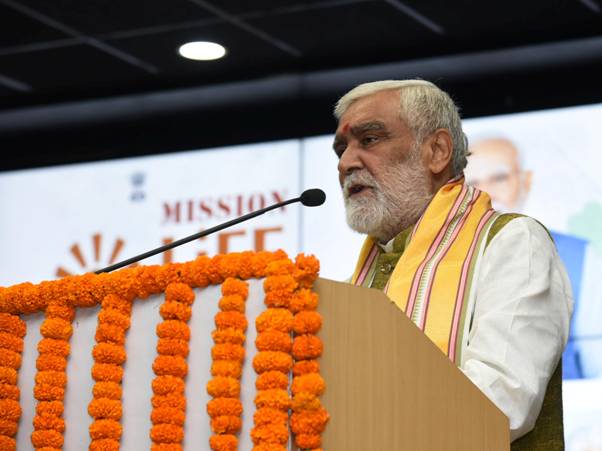
Appreciating the participation of the youth from all parts of the country, Shri Ashwini Kumar Choubey said that climate change is a global challenge and yuva shakti has a major role to play in tackling it. Though e-waste is an emerging issue, it has now become a big problem and hoped that the solutions which have come out from the hackathon will help in addressing the problem to an extent and help create awareness on the importance of converting waste to wealth. He said that the youth have shown the capability to lead, and recounted examples of historical Indian figures such as Chanakya and Guru Dronacharya, to suggest the importance of timely guidance and encouragement, which the government is ready to provide.

Taking inspiration from the declaration of the Prime Minister in COP26 and the role of youth in Amrit Kaal, Shri Choubey appealed to the children to take the call for LiFE forward to every town and village in the country, in their own unique ways.

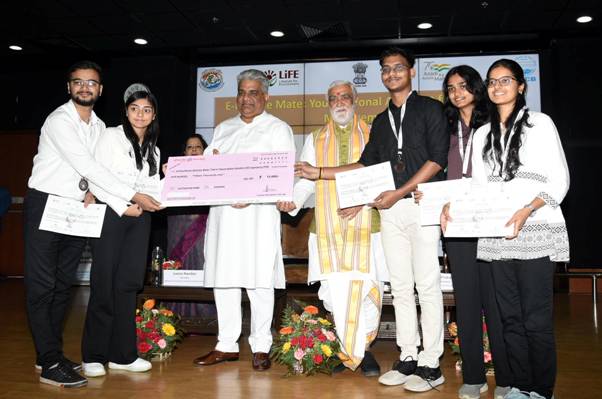
During the award ceremony, prizes were given to winners of National Ideation Hackathon organised by CPCB for coming out with innovative solutions for battery and electronic waste management. Awards were also conferred on the winners of the inter-school painting competition on Clean and Healthy Oceans, organised for students for classes 8th to 12th, by National Museum of Natural History in collaboration with UNEP India, and on the 5 Youth Icon Award winners of Youth Conclave, organised by Indian Institute of Forest Management.

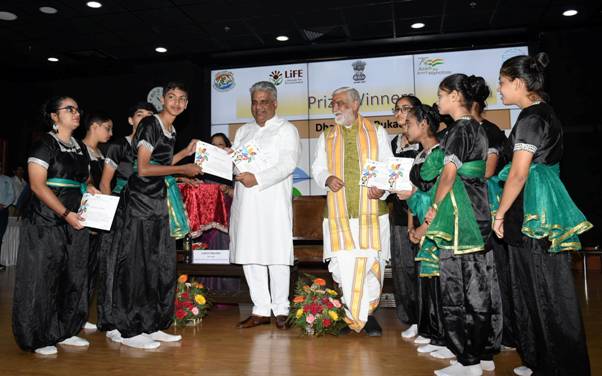
National winners of National Level Nukkad Natak Competition “Dharti Kare Pukaar”, Kikani Vidhya Mandir, Coimbatore, performed on stage with their act focusing on LiFE actions, and were also felicitated in the event. The competition saw participation of over 6 lakh students, and was organised by National Museum of Natural History.

Ms. Leena Nandan, Secretary, Ministry of Environment, Forests & Environment (M/o EF&CC) underscored that the challenge is infinite, however India has shown the way, with the immense participation in LiFE related activities in the past month a testimony to India’s determination. She said that the winners of various events are now ambassadors of LiFE and need to spread the message far and wide.

Ms. Inger Andersen, Executive Director, UNEP through a video message expressed UNEP’s support for India’s LiFE initiatives and said that actions under LiFE can not only help beat plastic pollution, the theme for this year’s World Environment Day, but can also help tackle the triple planetary crisis, and that India’s role would be vital in this fight.

Ms. Cynthia McCaffrey, Country Representative, UNICEF India laid emphasis on the role of children in the fight against climate change. She was pleased to see the involvement of children in India’s fight through various initiatives, and urged the children to convince their friends and family to adopt a sustainable lifestyle and support Mission LiFE. The event saw participation from students and teachers from across India, UNICEF, UNEP, officials from MoEF&CC and CPCB.

***

MJPS

Mission LiFE on Agatti Island in the Union Territory of Lakshadweep

 The Ministry of Environment, Forest and Climate Change (MoEF&CC), Government of India envisages to celebrate the World Environment Day 2023 with a thrust on the Mission LiFE. The concept of LiFE, introduced by the Hon’ble Prime Minister of India, aims to promote sustainable living by encouraging individuals to make changes in their lifestyles and emphasizes responsible and conscious use of resources to safeguard and conserve the environment.

To generate widespread awareness and advocacy for LiFE across India, a month-long mass mobilization campaign on Mission LiFE is currently underway.  Following the “whole of government” and “whole of society” approach, the Ministry has mobilized Central Ministries/ Departments, State/ UT Governments/ Administrations, Institutions, and private organizations to spread the message of Mission LiFE. The ongoing mass mobilization campaign aims to amplify pan-India advocacy and awareness about LiFE, leading up to celebration on World Environment Day on 5th June 2023.

  1. National Centre for Sustainable Coastal Management

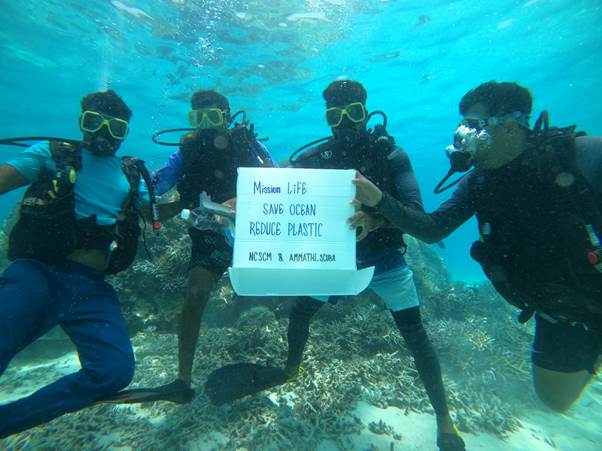
In an ongoing effort to promote the principles of Mission LiFE, Lifestyle for Environment, NCSCM scuba divers undertook a sea floor clean-up and awareness drive at the coral reefs of Agatti Island, one of the inhabited islands in the Lakshadweep Union Territory. The island, located in the Arabian Sea off the southwestern coast of India, is home to a diverse and vibrant coral reef ecosystem. Lakshadweep holds immense ecological and economic significance and is considered a biodiversity hotspot due to its rich marine life. The coral reefs of the islands support a wide range of organisms, including fish, mollusks, and other invertebrates, which attract tourists from around the world. The pristine beauty of these reefs, with their colourful corals and diverse marine life, makes them popular destinations for snorkelling, scuba diving, and other water-based recreational activities. Tourism associated with coral reefs contributes to the local economy and provides employment opportunities. Given their ecological, economic, and cultural significance, it is crucial to protect and conserve the coral reefs of Lakshadweep. Sustainable management practices, community engagement, and awareness campaigns can play a vital role in ensuring the long-term health and survival of these invaluable ecosystems. However, Lakshadweep Island has faced several environmental challenges in recent years, including marine litter.

On the sea floor clean-up drive, NCSCM partnered with Ammathi Scuba to conduct a sea floor clean-up and sensitization programme at the coral reefs of Agatti Island. Divers recovered around 5 kg of seafloor litter, including pet bottles, abandoned, lost, or otherwise discarded fishing gear (ALDFG), ropes, packing materials, and food wrappers. This public awareness campaign aims to improve the health of the oceans through collective action and large-scale community participation (Janbhagidari). Participants in the event took part in the LiFE pledge to safeguard the environment. As part of the event, placards and LiFE mascots were displayed on the beach and underwater to describe Mission LiFE to regional and national audiences.
The NCSCM has launched yet another effort to promote Mission LiFE on Agatti Island, in the Union Territory of Lakshadweep. As part of Lifestyle for the Environment, NCSCM scientists undertook a public outreach and beach clean-up drive at Agatti Island. This is one of the inhabited islands in the Lakshadweep archipelago, and it holds cultural, demographic, ecological, and economic significance. Agatti Island is a popular tourist destination in Lakshadweep due to its scenic beauty, white sandy beaches, and vibrant marine life. The island offers opportunities for activities such as snorkelling, scuba diving, and boat tours. Fishing is an important economic activity on this island and throughout the Lakshadweep archipelago. The islanders have a long-standing tradition of fishing, and it plays a crucial role in their livelihoods. However, Lakshadweep Island has faced several environmental challenges in recent years, including marine pollution. Rising sea levels, coral bleaching, biodiversity loss, and extreme weather events are some of the specific environmental challenges associated with climate change in the islands.

Along with the NCSCM staff, the general public, including women, youth, and representatives from the fishing community, participated in the lagoon-side beach clean-up and awareness campaign. About 25 islanders took part in the clean-up drive, where about 20 kg of plastic waste, including discarded nets, were collected and handed over to a material recovery facility. NCSCM scientists sensitised around 60 islanders of various age groups on the services and functions provided by the several ecosystems (coral, seagrass, sandy beaches, and dune vegetation) and emphasised the need for conservation of these ecosystems. The public was made aware of the necessity of reducing plastics in such sensitive ecosystems by using eco-friendly alternatives to single-use plastics. The concept of a sustainable blue economy, including responsible tourism and fishing, waste segregation at the source and management (constructed wetlands), water (rainwater harvesting), energy (rooftop solar), biodiversity conservation, native coastal vegetation as a “bioshield” against these extreme events, and adopting a sustainable lifestyle, were also highlighted during the event. The scientists also emphasised the need to follow the litter minimization hierarchy (reduce, reuse, recycle, recovery, and disposal) for their daily litter footprint. The initiative provided a quick introduction to the islanders about the sensitivity of island ecosystems and the need to conserve the values of the sensitive ecosystems by avoiding “trampling” and “littering”. During the event, participants undertook the LiFE pledge in support of the LiFE mission and safeguarding the environment. Placards, posters, and LiFE mascots were displayed on the island to describe Mission LiFE to the local community.

 

  1. Zoological Survey of India

Zoological Survey of India, Kolkata organised a number of events for mass mobilisation of Mission LiFE at Netaji Subash Chandra Airport, Kolkata. The  ZSI team  spoke to  managers from different sectors at the airport on different  themes of Mission LiFE and asked them what steps they have taken to support LiFE.The manager of a  cake shop Floury’s said supporting ‘Say No to Plastics’ they have completely banned use of single use plastics and use cloth bags and paper packets instead of plastics. A young customer at  a cosmetic shop said she uses products which are free from chemicals, not tested on animals and sourced from natural plant products.She appealed to all To support LiFE. To Save water the taps in the toilets  are  installed with sensor or timers. The toilets are regularly cleaned and hygiene is maintained. Continuing with the mass mobilisation of LiFE the team spoke to passengers of Air Asia flight and a nine year old school girl said she supports Mission LiFE for her future.Through this campaign  Zoological Survey of India could spread awareness across 300 people of different age groups and different professions including passengers and also retail shop owners.

Zoological Survey of India, Kolkata conducted an awareness drive at Sanyasisthan Tea Gardens, Bagdogra, Dist Darjeeling, West Bengal in which the manager of the garden,Mr Mithilesh Singh told the tea garden workers about the importance of fauna and Mission LiFE. About 200 workers took the Mission LiFE pledge amidst  the lush green tea gardens.
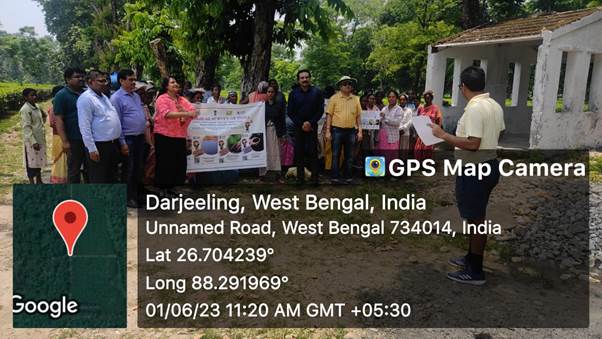
 

  1. GB Pant National Institute of Himalayan Environment

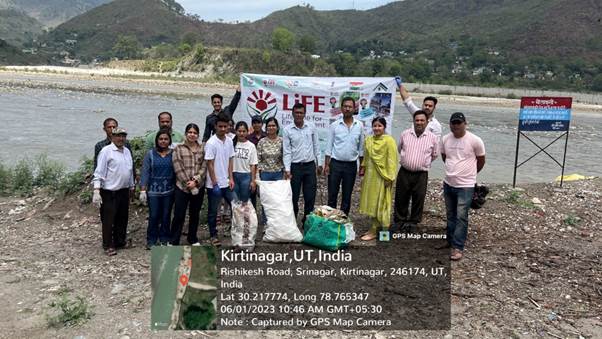
Garhwal Regional Centre (GRC) of the G.B. Pant National Institute of Himalayan Environment (NIHE) conducted an awareness program and cleanliness drive along the banks of Alaknanda River, Srinagar under the ‘Say no to Single Use Plastic’ theme of mission LiFE. A total of 25 kg of plastic waste was collected and disposed off at the waste collection point of Nagar Nigam. A total of 35 participants participated in the program including local, faculties, researchers, and staff. All the participants pledged to adopt environmentally friendly habits.
 

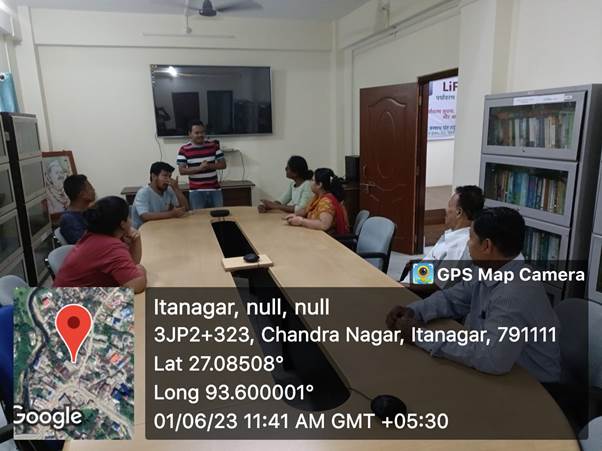
North-East Regional Centre (NERC) of the G.B. Pant National Institute of Himalayan Environment (NIHE) organized an awareness meeting under the theme “Mission Lifestyle for the Environment (LiFE)”. A total of 10 participants, including scientists, researchers, and office staff, attended the meeting. The program aimed to encourage the adoption of the following practices within the office premises including avoiding the uses of water resources for our daily uses, and avoiding using single-use plastic by replacing it with environment-friendly alternatives such as cloth/jute bags. All the participants took the LiFE pledge to sustain the natural resources in the Indian Himalayan region (IHR) and to contribute to environmental conservation.
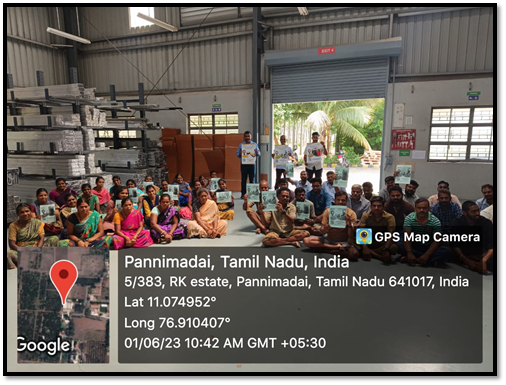
Centre for Socio-Economic Development (CSED) of the G.B. Pant National Institute of Himalayan Environment (NIHE) organized four awareness and action programs under the Mission LiFE on 01st June, 2023. Two awareness programs were conducted which were followed by two cleanliness events by faculty, research scholars and supporting staff of CSED at Jyoli Village of Almora district and its nearby spring (water source). A total of 30 participants including the shopkeepers and women from Jyoli village, Almora and tourists participated in the program. The participants were sensitized on reducing single-use plastic. All the participants took the LiFE pledge to sustain the natural resources in the Indian Himalayan region (IHR) and to contribute to environmental conservation.
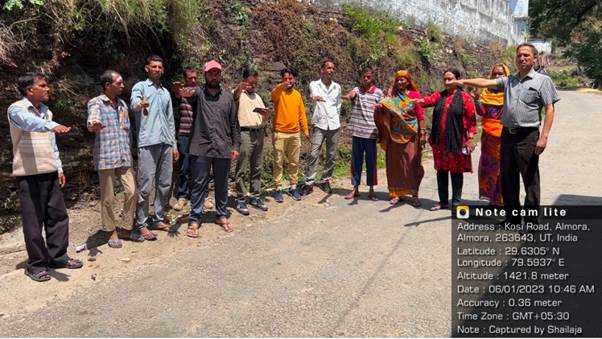
Centre for Land and Water Resource Management (CLWRM) of the G.B. Pant National Institute of Himalayan Environment (NIHE) conducted an awareness and action campaign under mission LiFE on 01 June 2023 at Badi Village, Almora, Uttarakhand. The participants were sensitized on various themes of mission LiFE themes viz. ‘Save Water’, ‘Adopt Sustainable Food Systems’ ‘Reduce Waste’ and ‘Adopt Healthy Lifestyles’ etc. Further, the participants were also informed about the role of spring rejuvenation in water security in the Himalayan region. A cleanliness drive was conducted with the villagers to clean the local water source (Naula) at Badi Village. With major participation from Women, a total of 50 participants from the village including faculties, researchers, and support staff of CLWRM, NIHE participated in the event. All the participants took LiFE pledge for adopting environment-friendly habits.
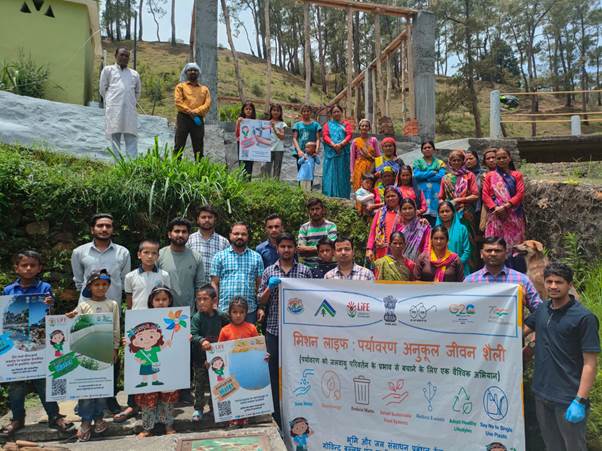
 

  1. Environmental Information, Awareness, Capacity Building and Livelihood Programme (EIACP):

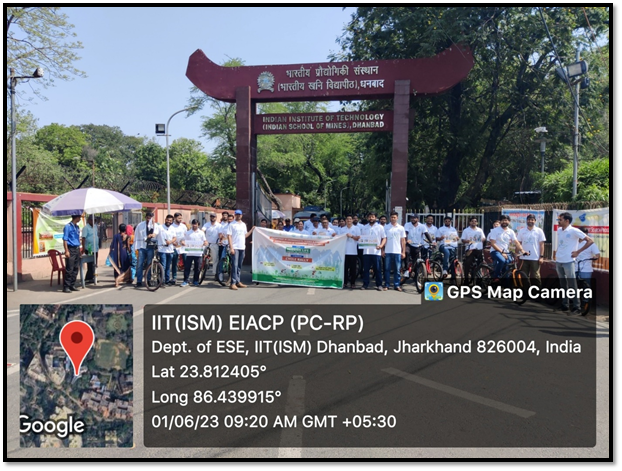
The program is dedicated to raising awareness, building capacity, and promoting sustainable actions among individuals and communities across India. On Thursday, 1st June, 2023, the EIACP Programme Centres conducted a series of activities as part of a mass awareness campaign on Mission LiFE leading up to the World Environment Day 2023 celebrations.

In a run up for WED Mission LiFE Campaign, EIACP PC Hubs and RPs conducted awareness drives to various stakeholders including government officials, academic institutions, government schools, colleges, etc. More than 20 activities and over 1400 participants took part in various events organised by EIACP Centres across India.


  1. Environment Education Programme (EEP)

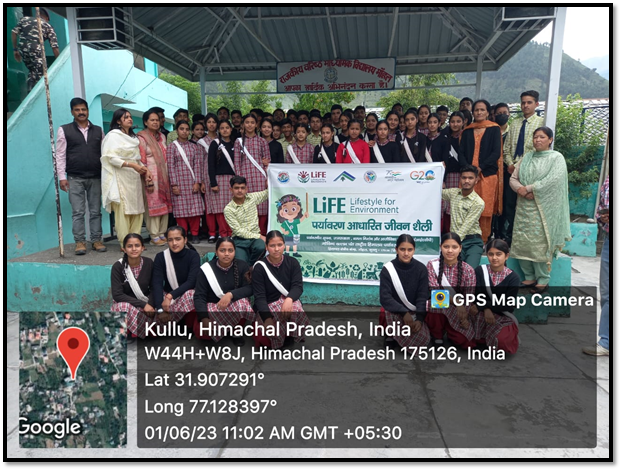
Various Eco-clubs under Environment Education Programme (EEP) organized 1022 events for promiton of Mission LiFE with participation of more than 37,000 children on June 1, 2023. More than 36,000 LiFE pledges also were taken during the day’s events.

Under Mission LiFE mass mobilization campaign various schools in Madhya Pradesh organized LiFE pledge events, essay and painting competitions, etc.  for Eco-Club students. LiFE pledge was taken by all the Principals of HS and HSS, of District Mandla, MP under the leadership of Shri Rajesh Chatri, NGC In-Charge. The participants were also sensitized about EEP and also on environmental protection, water conservation, cleanliness, and biodiversity conservation. EEP resource materials were also distributed to the participants.
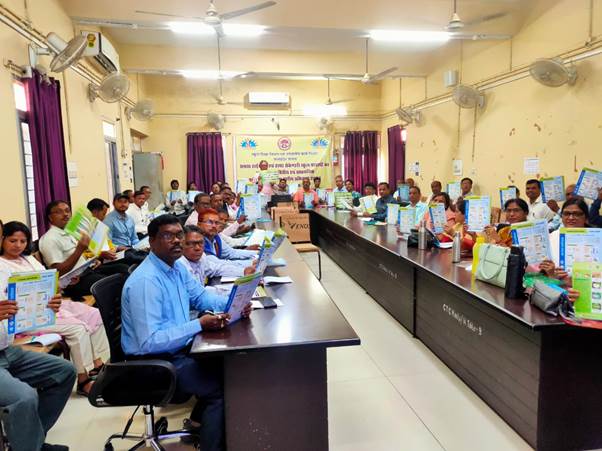
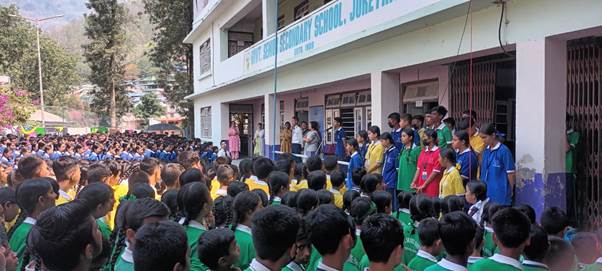
Around 20 Eco-club schools engaging 1000+ students took active part in Mission LiFE propagation and awareness in Sikkim. Activities included awareness on Mission LiFE theme on morning assembly, distribution of saplings and plantations, etc.
 

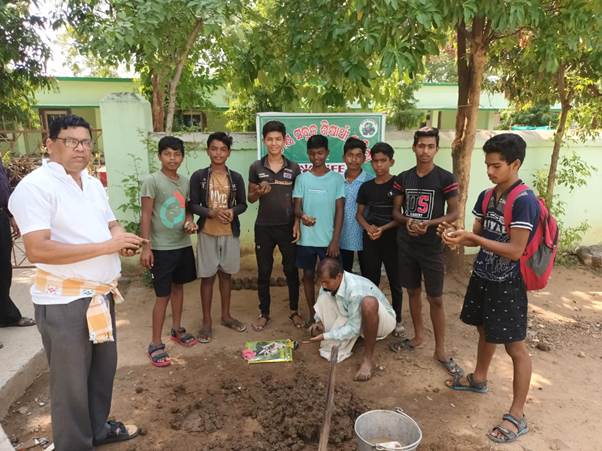
Students of Government Upgraded High School, Saintala, Bolangir district, Odisha have started collecting seeds and making seed balls for plantation in view of the rainy season.
******


Petersberg Climate Dialogue over need for stronger mitigation and adaptation efforts and for expansion of renewables

 Union Minister for Environment, Forest and Climate Change and Labour and Employment Shri Bhupender Yadav said the Petersberg Climate Dialogue concluded in Berlin with delegates having worked towards laying the groundwork for joint decisions at COP28. He said that there was a broader consensus over the need for stronger mitigation and adaptation efforts and for expansion of renewables.

https://static.pib.gov.in/WriteReadData/userfiles/image/image001OYML.jpg

India put forth its side strongly at the discussions. Shri Yadav said as has been underlined by Prime Minister Shri Narendra Modi, at the event it was reiterated that recognising the need for support towards Just, Affordable & Inclusive Energy Transition is crucial in the spirit of leaving no one behind.

https://static.pib.gov.in/WriteReadData/userfiles/image/image002OMQV.jpg

Shri Yadav said while following the clean energy pathway, to protect livelihood of local population and local economy, which depend on the existing energy system, focus on diversifying the economy and creation of new livelihood opportunities are required.

https://static.pib.gov.in/WriteReadData/userfiles/image/image003OIHC.jpg

Earlier Shri Yadav addressed the session on ‘Strategic Dialogue on Global Stocktake and Roadmap for Global Transformation’.

The Union Minister highlighted that the Global Stocktake outcome should focus on how climate change impacts, actions and responses have a bearing on the developmental priorities of developing countries including eradication of poverty. He said the outcome of the first GST should seek to convey a message on sustainable lifestyles as well as sustainable consumption to inform the next round of Nationally Determined Contributions (NDCs) and enhanced international cooperation.

*****

Challenges of Sustainable Development

Sustainable development refers to a way of meeting the needs of the present generation without compromising the ability of future generations to meet their own needs. However, there are several challenges to achieving sustainable development, including:

Climate Change: Climate change is one of the most significant challenges facing sustainable development. The burning of fossil fuels and deforestation are major contributors to climate change, leading to rising temperatures, changing weather patterns, and more frequent natural disasters.
Poverty and Inequality: Achieving sustainable development requires reducing poverty and promoting equity. Poverty and inequality are major obstacles to sustainable development, as they can prevent people from accessing basic resources and opportunities.
Biodiversity Loss: The loss of biodiversity, caused by factors such as habitat destruction, overfishing, and pollution, threatens the balance of ecosystems and the sustainability of many industries that rely on natural resources.
Population Growth: The world’s population continues to grow, putting increasing pressure on natural resources and contributing to environmental degradation.
Unsustainable Consumption: Unsustainable patterns of consumption and production, such as overconsumption of meat and other animal products, can strain resources and contribute to environmental damage.
Political Will and Governance: Achieving sustainable development requires political will and effective governance. However, many governments lack the political will or capacity to enact policies that promote sustainable development.
Technological Innovation: Technological innovation has the potential to drive sustainable development, but it also presents challenges. New technologies can have unintended consequences and can be expensive to develop and implement on a large scale.
Overall, achieving sustainable development requires a collective effort to address these challenges and ensure that economic, social, and environmental goals are met in an integrated and equitable way.

Give your views on participatory forest management and its importance in sustainable development and management.

 Participatory forestry refers to processes and mechanisms that enable those people who have a direct stake in forest resources to be part of decision-making in all aspects of forest management, from managing resources to formulating and implementing institutional frameworks.

Participatory Forest Management (PFM) is an approach to forest management that involves the participation of local communities in decision-making processes related to forest resources. This approach recognizes the importance of community involvement in the sustainable development and management of forest resources. PFM is crucial in achieving sustainable development and management of forests for the following reasons:

  1. Community Involvement: PFM involves the active participation of local communities in decision-making processes related to forest management. This approach recognizes the importance of local knowledge and the participation of local communities in ensuring the sustainable management of forest resources.

  2. Sustainability: PFM promotes the sustainable management of forest resources by ensuring that local communities have a stake in the management and conservation of forest resources. This approach recognizes the importance of balancing economic, social, and environmental considerations in forest management.

  3. Forest Conservation: PFM can help to promote the conservation of forest resources by involving local communities in the monitoring and protection of forest areas. This approach recognizes the importance of local communities in the protection of forest resources from illegal logging, forest fires, and other threats.

  4. Livelihoods: PFM can help to support the livelihoods of local communities by promoting sustainable forest-based activities such as agroforestry, eco-tourism, and non-timber forest products. This approach recognizes the importance of forests in supporting the livelihoods of local communities.

  5. Conflict Resolution: PFM can help to resolve conflicts between different stakeholders in forest management, such as government agencies, forest industries, and local communities. This approach recognizes the importance of building trust and cooperation between different stakeholders in forest management.

In summary, Participatory Forest Management is an important approach to achieving sustainable development and management of forest resources. It recognizes the importance of community involvement, sustainability, forest conservation, livelihoods, and conflict resolution in achieving this goal. By involving local communities in decision-making processes related to forest management, PFM can help to ensure that forest resources are managed in a way that balances economic, social, and environmental considerations.

Carrying Capacity and Ecological Footprint

The carrying capacity of an environment is the maximum population size of a human that can be sustained by that specific environment ecosystem or region. While ecological footprint is the human demand on natural capital, i.e. the quantity of nature it takes to support people and their economies. So carrying capacity is the total supply of natural wealth while ecological footprint is the demand or consumption per person. Thus if population increases then the resources get depleted. Rich counties have higher ecological footprint while poor nations have low.
Carrying capacity can be defined as a species’ average population size in a particular habitat. The species population size is limited by environmental factors like adequate food, shelter, water, and mates. If these needs are not met, the population will decrease until the resource rebounds.

In ecology, carrying capacity is measured as the maximum load of an environment. The physical features present in the environment act as limiting factors (e.g. food, water, competition, etc.). Thus, the population limit can be expected to depend on these factors. In essence, food availability is an important variable as it affects the population size of the species. It does so in such a way that if food demand is not met over a given period of time the population size will eventually decrease until the resources become adequate. By contrast, when food supply exceeds demand then the population size will soon increase and will stop increasing when the source is consequently depleted.
Carrying capacity may also be defined as the population size at which the population growth rate equals zero. It should not be confused with the term, equilibrium population, which is defined as a population in which the gene frequencies have reached an equilibrium between mutation pressure and selection pressure. 
Ecological footprint (EF), measure of the demands made by a person or group of people on global natural resources. It has become one of the most widely used measures of humanity’s effect upon the environment and has been used to highlight both the apparent unsustainability of current practices and the inequalities in resource consumption between and within countries.
The ecological footprint (EF) estimates the biologically productive land and sea area needed to provide the renewable resources that a population consumes and to absorb the wastes it generates—using prevailing technology and resource-management practices—rather than trying to determine how many people a given land area or the entire planet can support. It measures the requirements for productive areas (croplands, grazing lands for animal products, forested areas to produce wood products, marine areas for fisheries, built-up land for housing and infrastructure, and forested land needed to absorb carbon dioxide emissions from energy consumption). 

What is a sustainable urban design

Sustainable urban design focuses on creating cities and communities that meet the needs of the present without compromising the ability of future generations to meet their own needs. It involves planning, designing, and developing urban areas in ways that promote environmental, social, and economic sustainability.

Here are key elements of sustainable urban design:

  1. Compact and Mixed-Use Development: Designing communities where residential, commercial, and recreational spaces are in close proximity. This reduces the need for long commutes, encourages walking or biking, and minimizes urban sprawl.

  2. Green Spaces and Biodiversity: Incorporating parks, green belts, gardens, and natural habitats within urban areas to improve air quality, provide recreational spaces, support biodiversity, and mitigate the urban heat island effect.

  3. Public Transportation and Alternative Mobility: Prioritizing public transit systems, bike lanes, pedestrian pathways, and carpooling to reduce reliance on individual vehicles, minimize traffic congestion, and lower carbon emissions.

  4. Energy-Efficient Buildings and Infrastructure: Implementing green building practices, using renewable energy sources, improving energy efficiency in buildings, and employing sustainable materials in construction to reduce energy consumption and environmental impact.

  5. Water and Waste Management: Incorporating efficient water management systems, such as rainwater harvesting, wastewater treatment, and recycling programs, to reduce water consumption and manage waste effectively.

  6. Resilience to Climate Change: Designing cities to withstand and adapt to the impacts of climate change, including rising sea levels, extreme weather events, and heatwaves, by integrating resilient infrastructure and urban planning strategies.

  7. Community Engagement and Social Equity: Involving residents in the urban design process, ensuring accessibility for all, and addressing social equity concerns by providing affordable housing, access to amenities, and opportunities for all community members.

  8. Smart Technologies and Data Integration: Using technology and data-driven approaches to manage resources efficiently, monitor energy usage, optimize transportation systems, and enhance overall urban functionality.

  9. Adaptive Reuse and Sustainable Practices: Encouraging adaptive reuse of existing structures, promoting sustainable practices in industries, and fostering a circular economy approach to minimize waste generation.

Sustainable urban design seeks to create vibrant, livable, and resilient cities that balance environmental preservation, economic prosperity, and social inclusivity. It requires collaboration among urban planners, architects, policymakers, community members, and various stakeholders to create holistic solutions that address the complex challenges of urbanization while prioritizing sustainability.