
The Semiconductor shortage

Semiconductors are defined as  crystalline or amorphous solids that have electrical conductivity opposite at temperatures to those of metal, higher electrical resistance than typical resistant materials, but still of much lower resistance than insulators.  Semiconductors can be pure elements, such as silicon or germanium, or compounds such as gallium arsenide or cadmium selenide.

Some facts about Semiconductors :

1. Conducts electric current less than a conductor and higher than insulator.

2. Has high resistance and negative temperature coefficient.

3. Formed due to covalent bonds

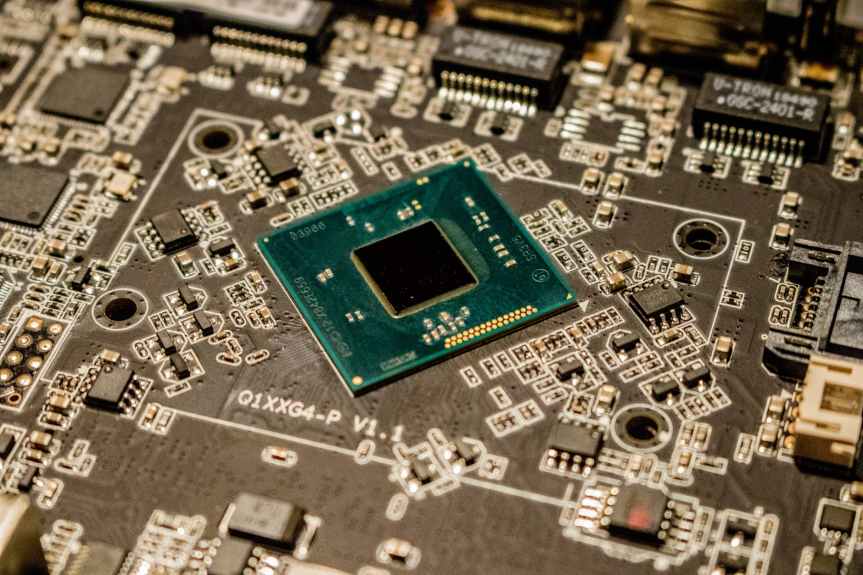
4. A semiconductor chip is an electric circuit with many components such as transistors and wiring formed on a semiconductor wafer. An electronic device comprising numerous of these components is called Integrated Circuit (IC), and can be found in electronic devices such as computers, smartphones, appliances, gaming hardware and medical equipment.

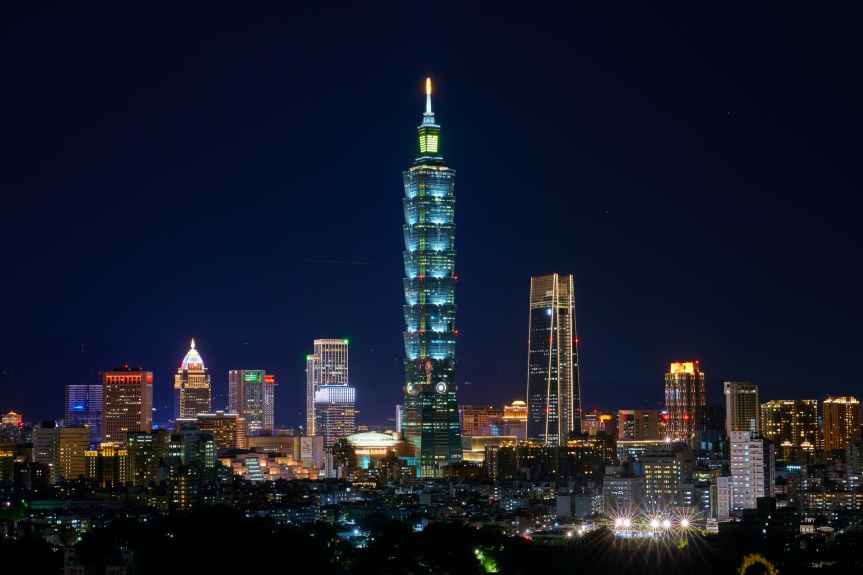
Taiwan is the world’s leading producer of semiconductors and other electronic components.The Taiwan Semiconductor Manufacturing Company (TSMC) has more than 55 per cent of the global market share in the production of high-end custom-made chips.Of the two rival companies that have survived, US-based Intel is in trouble and Korea’s Samsung has challenges of its own.

Due to the pandemic and the series of lockdowns being imposed, the world has been facing a shortage of semiconductors which has been affecting the industries dependent on them.The increase in chip consumption over the last decade is also partly attributable to the rising contribution of electronic components in a car’s bill of materials.Especially the car manufacturers and consumer electronics manufactures, have not been receiving enough of this crucial input to continue production.

This shortage has caused delayed vehicle deliveries, as carmakers in order to make just in time car deliveries , typically kept low inventory holdings and relied on an electronics industry supply chain to feed production lines as per demand. This has not only affected the international markets , but also affected the India based vehicle manufactures to curtail the production.

Also due to geopolitical tensions in Taiwan , prominently from China, this has opened an opportunity for India to realize it’s capacity and make positive changes in it.It should make extra efforts to solidify strategic-economic cooperation between Delhi and Taipei and make them more stronger.

Trade has increased from about $1 billion in 2001 to about $7 billion in 2018 . India has made a special effort to woo Taiwanese companies that are moving some of their production away from China.

India should continue to make it’s presence in Indo- Pacific stronger, and also come to terms with Taiwan’s critical role in shaping the strategic future of Asia’s waters.
Global chip shortage : An Analysis

Not many industries have suffered the fate of disarray as the chip industry after the advent of the Covid pandemic. Things were not great for chipmakers in 2020 due to the pandemic but instead of seeing any signs of improvement, 2021 has been even worse for the industry so far. There has been a deficit of chip supply as compared to the demand and it’s not just the electronic industry that is going through a rough phase but it’s many other industries as well. Unlike a couple of decades back when chips were mainly present in personal computers and specialized electronic appliances and gadgets. Now chips power the world. One of the worst-hit industries has been the automobile sector. When the first wave of Covid-19 hit the world, global sales of cars had dwindled, and to compensate for this, car manufacturers had lowered their chip orders from the manufacturers. These chips are a requirement for assembling the critical electronics and computers that are inside modern cars. 2021 saw a sudden increase in automobile sales and this caused the disruption in equilibrium of chip supply and many automobile manufacturers started giving large orders and chip fabrication plants like TSMC were unable to cope up with the sudden growth in demand. This parallel demand for chips has increased the backlog and even though the chip manufacturers are operating over time, they have not been able to keep up with the demand. Now even home appliances might face issues with their chip supply.

There is one more important aspect that we have to address and it’s the increased demand for electronics items after the pandemic. As many people were and are still stuck in homes, they are buying computers, consoles, televisions, and various other electronic components. Many companies have not been able t keep up with the demand due to this. Graphics card is one of those elusive items that have suffered a double whammy. Both potential gamers and crypto miners want their hands on the newest graphics card but due to a shortage of chips card manufacturers are not able to keep up with the demand. There have been many cases where individuals and groups are scalping (buying in bulk) these new cards and reselling them at much higher prices.

Basic appliances and car components often use chips manufactured with older technology. For instance, PC and smartphones are using 7nm manufacturing whereas cars manufacturers uses older 32 nm or 14 nm technology because they are comparatively cheaper to manufacture. But due to the shortage in supply, manufacturers are prioritizing their newer chips and it’s getting challenging to allocate resources for older manufacturing processes. Due to this many car manufacturers have scaled-down on the extra amenities in their models.

TSMC (Taiwan Semiconductor manufacturing company) is one of the biggest chip manufacturers in the world. The company produces 60 percent of the world’s chips for automobiles and 92 percent of cutting-edge chips. Recently Taiwan is experiencing its worst drought in over 50 years. A high quantity of water is required to clean the wafers during the manufacturing of the chips. Droughts have only increased the problems in the manufacturing of these chips. There is immense pressure when most of the world’s chips are made in one single building. This also exposes the problem of relying on a single source of manufacturing. Due to globalization and completion, most of the world’s manufacturing shifted to Asia. The issue of chip shortage will most probably remain next year as well. Intel (U.S) is has started to set up two new manufacturing plants in Arizona. This comes at a time when many have realized that a concentrated source of manufacturing is not the most reliable thing and diversification is the only way to deter any future shortages.