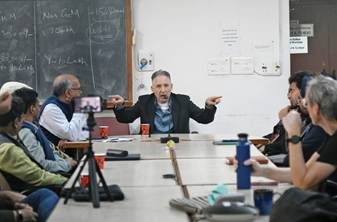
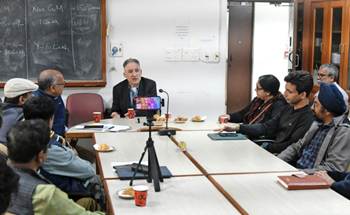
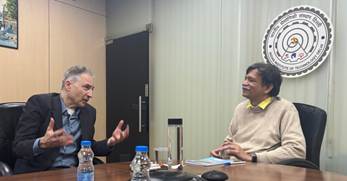
Prof. Brian Greene  renowned American Physicist and Professor of Mathematics & Physics, Columbia University visits IIT Delhi and interacts with students

Daily writing prompt
Write a letter to your 100-year-old self.

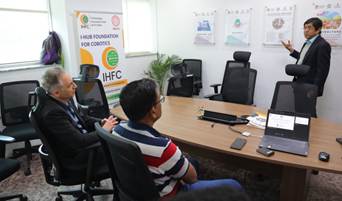
Prof. Brian Greene, renowned Theoretical Physicist, Author, and Professor of Mathematics & Physics, Columbia University, visited Indian Institute of Technology (IIT) Delhi today and interacted with the students. Director of IIT Delhi, Dr. Rangan Banerjee, faculty and students were present at the event. Prof. Greene also visited the Research & Innovation Park of the Institute and appreciated the facilities.

While interacting with the students, Prof. Greene expressed his gratitude for the wonderful visit and the engaging discussions with both the faculty and students. He appreciated their energy, creativity, and zeal for innovation. He also emphasized that their keen interest in scientific and technological development is highly significant, as it will pave the way for a better future.

Acknowledging India’s rapid advancements in scientific innovation, Prof. Greene expressed his hope that this progress would position the country as a global leader in science and technology. He praised IIT as a world-class institute, highlighting the remarkable faculty dedicated to nurturing some of India’s greatest minds.

During the session, students posed intriguing questions, including where, in his opinion, subjects such as physics and mathematics diverge and converge, as well as inquiries about string theory. In response, he elaborated on his work related to the mathematics of string theory.

Prof. Greene visited the Research & Innovation Park of IIT Delhi. The establishment was inaugurated by President of India Smt. Droupadi Murmu during the Diamond Jubilee Celebrations of the Institute. It focuses on innovation and product development where IIT Delhi, industry, entrepreneurs and government agencies interact and enable creation of advanced technological solutions. The Park works towards accelerating research translation, providing avenues for IIT Delhi students and faculty to interact more closely with industry and bring to market technological breakthroughs through incubation, amplifying technological and societal impact of R&D, and galvanizing entrepreneurial aspirations. It has facilities including labs for start-ups, board rooms, conference hall, meeting and training rooms, etc.

*****

Hindu College’s 126th Founder’s Day

Daily writing prompt
What movies or TV series have you watched more than 5 times?

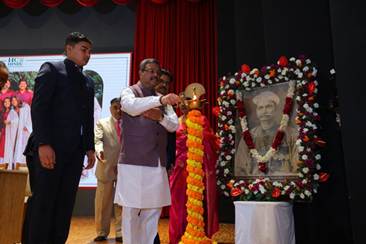
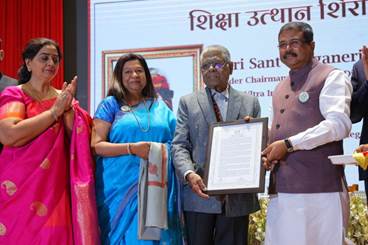
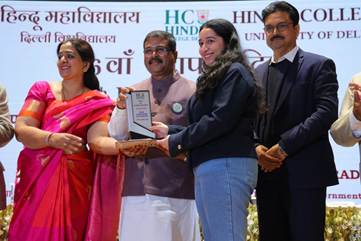
Union Minister for Education, Shri Dharmendra Pradhan, attended an event celebrating Hindu College’s 126th Founder’s Day in New Delhi today. Academicians, staff members and students also were present at the event. He engaged with the students and faculty of the college during his visit to the exhibition on Skill Development and Entrepreneurship activities. While exploring ideas, prototypes, and business models, he expressed confidence that they will serve as flag-bearers of innovation, entrepreneurship, job creation, and wealth generation in the times ahead.

Image
Image
Image

While addressing the event, Shri Dharmendra Pradhan highlighted the esteemed legacy of Hindu College, describing it as a temple of learning and a cradle of educational excellence, innovation, diversity, plurality, democratic ethos, nationalistic spirit, and nation-building.

He reflected on the college’s founding by Shri Krishan Dass Ji Gurwale, who sought to counter Macaulay’s efforts to dismantle India’s education system and culture. He emphasized how Hindu College has since carved an unparalleled legacy in shaping India’s intellectual, cultural, and national identity. The path of progress and prosperity on which India stands today, he asserted, has been paved by Hindu College.

Shri Pradhan also remarked that while creating a legacy is easier, sustaining it requires relentless dedication. Congratulating the students, faculty, and staff for their unwavering ‘Sadhna’ in upholding the college’s tradition of excellence, he urged them to continue this commitment, striving to transform the institution into a global hub of solutions.

He also underscored that Viksit Bharat 2047 is a collective goal for all Indians. The next 22-25 years, he noted, mark the Amrit Kaal, a crucial period for the Hindu College community. He emphasized that as India celebrates the centenary of its independence, Hindu College will also mark its 150th Founder’s Day. During this pivotal phase, the college must aspire to establish itself as an epicentre of research, innovation, entrepreneurship, and solutions to 21st-century challenges, he added.

Expressing confidence in Hindu College’s role in shaping India’s future, he envisioned it emerging as a ‘Captain’ of India’s transformation in the coming decades. He expressed hope that its students will evolve into wealth-creators, job-creators, deep-tech innovators, policymakers, and global citizens of tomorrow.

*****

2 PhD Candidates for the project “Climate Citizenship

Daily writing prompt
What experiences in life helped you grow the most?

Vacancy

2 PhD Candidates for the project “Climate Citizenship

Vacancy number15477Job typePhD positionsHours (in fte)1,0External/ internalExternalLocationLeidenPlaced on18 February 2025Closing date31 March 2025 38 more days to apply

Apply now

Leiden University’s Institute of Cultural Anthropology and Development Sociology (CADS) is looking for

2 PhD Candidates for the project “Climate Citizenship (4 years, full time)

We welcome applications for two PHD candidates for the research project “Climate Citizenship: Infrastructures, Environments, and Democracy in the Era of Climate Change,” funded by a European Research Council Starting Grant (ERC-StG).

Climate Citizenship explores how adapting environments to climate change through new forms of nature-based infrastructure reshapes people’s relationships with each other and the state. Examples range from green roofs and vertical gardens to urban parks, flood plains and more ambitious efforts to transform landscapes. The project treats these infrastructures as social and political as well as environmental experiments. It asks: when and how do they stimulate behavioural change, create new alliances between stakeholders, or transform the division of rights and responsibilities within a society?

As a PhD candidate, you will conduct ethnographic research on these questions in either the Louisiana Delta (the United States) or the Tokyo Bay area (Japan). You will employ an “ecographic” research design, combining ethnographic methods with those from the ecological sciences in order to track how new forms of climate adaptation alter both environment and society. Your primary supervisor will be the project’s Principal Investigator, Dr. Andrew Littlejohn. The project is hosted by Leiden University’s Institute of Cultural Anthropology & Development Sociology.

What you will do
You will conduct independent ethnographic research in either the Louisiana Delta (the United States) or Tokyo Bay area (Japan) within the frame of this project:

  • You will conduct ethnographic research, entailing at least 10 months of fieldwork in one of the two research sites, using an “ecographic” protocol developed together with the Postdoc;
  • Submit a PhD thesis, publish at least one peer-reviewed journal article, and produce one work of audio-visual media;
  • Co-produce a podcast series designed for a public audience on the results of the project;
  • Participate in the meetings and proceedings of the project (e.g. reading groups, seminars, workshops) and wider activities of the Institute of Cultural Anthropology & Development Sociology, including training requirements of the institute and faculty;
  • Co-organise and participate in academic and public events, such as an international conference organized by the project.


You will be part of a team comprising two PhD candidates, a postdoctoral researcher, and the PI. The entire team is expected to reside in the Netherlands and work from Leiden for the duration of the project, except during fieldwork.

Where you will work
The Faculty of Social and Behavioural Sciences consists of five institutes: Centre for Science and Technology Studies, Cultural Anthropology and Development Sociology, Education and Child Studies, Political Science, and Psychology. The faculty has approximately 7000 students and 1000 staff members. Within the institutes, not only education is provided but also groundbreaking research is conducted that pushes the boundaries of our understanding of human behaviour and societal structures. What makes our faculty unique is the diversity of research topics, the various styles of teaching, and the way professional support is organized; this provides you with the opportunity to explore and develop your interests and expertise. Visit our website for an impression: Welcome to the Leiden Faculty of Social and Behavioural Sciences – Leiden University.

Leiden University’s Institute of Cultural Anthropology and Development Sociology (CADS)
Leiden University’s Institute of Cultural Anthropology and Development Sociology concentrates on ‘global vulnerability and social resilience’. The institute has three main themes: diversity, sustainability, and digitalisation. CADS is dedicated to making a real-world impact, not just studying change, but also working with communities to promote positive change through education and research. We use a unique approach that blends qualitative, quantitative, audiovisual, and digital methods based on ethnographic fieldwork.

With our unique blend of interdisciplinary interests, comparative regional studies, and social science research methods, we emphasize our role in the extensive collaborative network within Leiden University. In both our research and education, we engage in extensive interdisciplinary and international networks.

What you bring

  • (Research) Master’s degree in Cultural Anthropology or another relevant social science;
  • Excellent research skills as demonstrated by an outstanding master’s thesis or research papers;
  • Enthusiasm, passion, and commitment for long-term fieldwork in the United States or Japan;
  • Speaking, reading, and writing skills in Japanese in the case of research in Japan, for example as demonstrated by the Japanese-Language Proficiency Test;
  • Excellent command of English (speaking and writing);
  • Independent work attitude and demonstrable ability to work in a team.

Some interest and/or experience in ecological and acoustic research methods and outputs is an advantage but not a requirement.

What we offer
Our goal is to work together to create a transparent and inclusive work environment in which everyone feels welcome and appreciated. Our organisation is always evolving, and we need your ideas for improvement and innovation to take us further. We want to devote attention to your personal development.

You can expect an enjoyable job within the socially relevant world of education and research. The University’s challenging and international work environment is located just steps away from Leiden’s lively city centre or the bustling city centre of The Hague. We also want to work with you to devote attention to your health and vitality, for example with the fun activities we organise through Healthy University.

We also offer:

  • A temporary employment contract for (38 hours per week) as a PhD candidate, initially for a period of 1 year, with the possibility of extension for 3 years after a positive evaluation. This contract falls under the Collective Labour Agreements (CLA) of Dutch Universities;
  • A salary of a minimum of € 2,901 and a maximum of € 3,707 gross per month, based on a full-time appointment (38 hours) (scale P); with increments based on the CLA.
  • A holiday allowance (8%), an end-of-year bonus (8,3%), and an attractive pension scheme at ABP;
  • Flexible working hours: as a standard, you are entitled to a minimum of 29 leave days on the basis of a full-time working week of 38 hours;
  • If your work allows it, hybrid working is possible within the Netherlands;
  • A home-working allowance (day and internet allowance) and attention for good workplaces. The University will also provide you with a laptop and a mobile telephone (if applicable for the position).


For more information about employment conditions, see:
https://www.universiteitleiden.nl/werken-bij/sollicitatieprocedure-en-arbeidsvoorwaarden

What we find important
Promoting an inclusive community is central to Leiden University’s values and vision. Leiden University aims to be an inclusive community in which all students and staff members feel valued and respected and are able to develop to their full potential. Diversity in experiences and perspectives enriches our teaching and strengthens our research. High-quality education and research mean inclusive education and research.

Want to apply or find out more?
If you want to apply straight away, click the application button.
If you would like more information about what the job entails, please contact: Dr. Andrew Littlejohn, Assistant Professor at a.l.littlejohn@fsw.leidenuniv.nl

You can apply until March 31, 2025; applications will be processed immediately.
Online interviews will be held with shortlisted candidates in April 2025. The intended starting date is August 2025.

To apply, please submit:

  • A motivation letter (maximum 2 pages), explaining your motivation for pursuing a PhD and for working in the climate citizenship project, indicating where you would like to do research (U.S. or Japan) and how your experience and skills make you suitable;
  • A curriculum vitae (CV) (maximum 2 pages);
  • Copies of academic transcripts from prior study at Bachelor’s and Master’s levels;
  • A short research statement, explaining how you imagine addressing the subproject’s questions (maximum 500 words);
  • Names and contact details of two referees.


To help us get to know each other better, we follow a number of steps in the application procedure. For more information, see:
https://www.universiteitleiden.nl/werken-bij/sollicitatieprocedure-en-arbeidsvoorwaarden

  • A pre-employment screening (references, diplomas, certificate of good conduct (VOG) may be part of the selection procedure.
  • Acquisition in response to this vacancy is not appreciated. If you nevertheless choose to send us CVs, no rights can be derived from this. -Hybrid

UPGRADATION OF AGRICULTURAL TECHNOLOGY

The Government has launched several key schemes to upgrade agricultural technology to improve productivity, sustainability, and farmers’ income. The Digital Agriculture Mission, is a major initiative that leverages technologies like Artificial Intelligence (AI), Big Data, and geospatial data for better crop monitoring, soil management, and weather forecasting. Indian Council of Agricultural Research (ICAR), during the last ten years has developed 2900 varieties out of which, 2661 varieties are tolerant to one or more biotic and/or abiotic stresses. About156 technologies/machines/process protocols were developed for production and post-harvest production of agriculture. Technologies related to animal, Fisheries sector were also developed for enhancing productivity of animal, fisheries, aquaculture, diagnostics & vaccines for animal and fish health management, processing and value addition. For increasing awareness and promotion of newly developed technologies, Krishi Vigyan Kendras (KVKs) and State Agricultural Universities (SAUs) conduct trainings, field level demonstration, farmers’ interface meetings, skill development programs among the small and marginal farmers and other stakeholders and making agriculture more efficient and profitable.

The Government has introduced many initiatives to enhance agricultural marketing such as e-NAM, Kisan Rail and Kisan Udan for improved logistics. The promotion of Farmer Producer Organizations (FPOs) aims to reduce intermediaries and strengthen market access for farmers. Additionally, agri-tech startups and online platforms like AGRI-Bazaar help farmers to connect directly with buyers, ensuring better pricing and increased income.

ICAR recommends soil test based balanced and integrated nutrient management through conjunctive use of both inorganic and organic sources (manure, biofertilizers etc.) of plant nutrients for judicious use of chemical fertilizers and to improve soil health.   All these measures reduce chemical fertilizer use in the country.  Also, ICAR suggests judicious use of water through efficient irrigation techniques including micro-irrigation for various crops to save irrigation water substantially.

The Soil Health Card Scheme also promotes the use of soil-appropriate fertilizers to reduce wastage and improve productivity. Further, the Government supports State Governments through scheme the Per Drop More Crop (PDMC) to improve water use efficiency, reduce costs, and enhance farm income. While the Government has promoted the Pradhan Mantri Kisan Sampada Yojana, which focuses on enhancing value-added processing, improving the shelf-life of farm products, and linking farmers with agro-industries.

INITIATIVES TO PROMOTE SUSTAINABLE FARMING PRACTICES AND RESILIENCE AGAINST CLIMATE CHANGE

The Government through ICAR flagship network project ‘National Innovations in Climate Resilient Agriculture’ (NICRA) develop and promotes climate resilient agricultural technologies in 151 climatically vulnerable districts spread across the country, which are prone to extreme weather conditions like droughts, floods, frost, heatwaves, etc in light of the challenges posed by climate change. Climate resilient technologies viz., climate resilient varieties, intercropping systems, conservation agriculture, crop diversification, agroforestry systems, zero-till sowing, green manuring, integrated farming systems, integrated nutrient and pest management, organic farming, site specific nutrient management, in-situ moisture conservation, protective irrigation, micro irrigation methods etc. have been developed and demonstrated to large number of farmers through farmers’ participatory approach. Further, these technologies have been documented for 23 States and 3 Union Territories and shared with the State departments for further upscaling and convergence with on-going schemes in the States.

To promote Precision Agriculture, ICAR has a Network Program on Precision Agriculture (ICAR-NePPA) working at 16 locations to develop ICT based technologies for accelerated profitable and sustainable system through precise use of inputs. Some of the outcomes of the project related to adopting to climate change/ weather aberrations are as, sensor-based soil and crop health monitoring and precision management of inputs (water and fertilizer) using robotics, IoTs and Data analytics; developed technologies for pest and disease monitoring particularly for rice and cotton crops for value added advisories for real time management.

ICAR operates All India Coordinated Research Programme on Integrated Farming Systems (AICRP-IFS) in 25 States/UTs and All India Network Programme on Organic Farming (AINP-OF) in 16 States to develop sustainable farming practices such as alternate efficient cropping systems, integrated farming systems, organic farming and natural farming to address the challenges posed by climate change. A total of 76 models of integrated farming system (IFS) including 8 integrated organic farming system models for 26 States/UTs and organic farming packages for 80 cropping systems suitable to 16 States have been developed so far.          

(c):    To help farmers in building resilience against extreme weather events and ensure long-term agricultural sustainability in the country, the Government of India implements National Mission for Sustainable Agriculture (NMSA), which is one of the Missions within the National Action Plan on Climate Change (NAPCC). NMSA has three major components i.e. Rainfed Area Development (RAD); On Farm Water Management (OFWM); and Soil Health Management (SHM). The Government of India provides financial assistance to the states through the NMSA to cope with the adverse impacts of climate change.

Further, Government has introduced flagship yield based Pradhan Mantri Fasal Bima Yojana (PMFBY) along with Restructured Weather Based Crop Insurance Scheme (RWBCIS) from Kharif 2016 to help farmers build resilience against extreme weather events.

Through Technology Demonstration component of NICRA, 6,93,629 farmers were benefitted through technology demonstrations and 6,47,735 farmers were benefitted through 23,613 capacity building programs on climate resilient agriculture.

Why You Should Visit Eduindex.org Daily for Educational News

Daily writing prompt
Describe the most ambitious DIY project you’ve ever taken on.

In today’s fast-paced digital world, staying updated with the latest educational trends, research developments, and academic opportunities is crucial for students, educators, and researchers. Eduindex.org is your one-stop destination for all things education, offering timely and relevant news across various domains. Here’s why you should make it a habit to visit Eduindex News daily and follow our WhatsApp channel for instant updates.

1. Comprehensive Coverage of Educational News

Eduindex News provides a wide range of educational updates, including:

  • Latest research findings and academic papers.
  • University admissions, scholarships, and funding opportunities.
  • Government policies related to education.
  • Online learning resources and technology trends in education.
  • Interviews with top educators and scholars.

2. Timely and Reliable Information

We ensure that the news published on Eduindex.org is well-researched and verified from credible sources. Whether you are looking for information on faculty development programs, peer-reviewed journals, or eBook publications, you can trust our platform to provide accurate and up-to-date information.

3. Opportunities for Researchers and Scholars

For academicians and researchers, Eduindex News offers exclusive insights into research publication opportunities, edited book proposals, and call for papers from reputed journals like the International Journal of Research (IJR). Our platform also highlights discounted publication offers for scholars from developing countries and NGOs.

4. Daily Updates via WhatsApp Channel

To ensure you never miss an important update, Eduindex News has launched an exclusive WhatsApp channel. By subscribing, you will:

  • Receive daily educational news directly on your phone.
  • Get notified about upcoming academic conferences and workshops.
  • Access publication discounts and research funding alerts.
  • Stay ahead with the latest trends in online education and eBook publishing.

5. User-Friendly and Ad-Free Experience

Unlike many news portals cluttered with ads, Eduindex.org ensures a clean and user-friendly reading experience. Our website is optimized for easy navigation, making it convenient for readers to access educational content anytime, anywhere.

How to Join Our WhatsApp Channel?

Following our WhatsApp channel is simple and free! Click the link below and subscribe to get educational news delivered instantly to your device.

📌 Join Eduindex WhatsApp Channel Now

Final Thoughts

If you are passionate about education and want to stay informed about academic opportunities, Eduindex.org is the ultimate platform for you. Make it a habit to visit our website daily and subscribe to our WhatsApp channel to stay updated with the latest in the world of education.

🚀 Stay informed, stay ahead – with Eduindex News!

MANIT Bhopal to Host 11th International Conference on Transportation Systems Engineering & Management (CTSEM 2025)

Daily writing prompt
What bores you?

Bhopal, India – Maulana Azad National Institute of Technology (MANIT) Bhopal, in collaboration with CSIR-Central Road Research Institute (CRRI), New Delhi, is set to host the 11th International Conference on Transportation Systems Engineering & Management (CTSEM 2025) on July 4-5, 2025. The conference aims to bring together researchers, academicians, scientists, and transportation professionals to discuss emerging challenges and advancements in transportation engineering and management.

Conference Leadership

  • Chief Patron: Dr. Manoranjan Parida, Director, CSIR-CRRI, New Delhi
  • Conference Chairperson: Dr. P.K. Agarwal, MANIT Bhopal
  • Conference Secretaries:
    • Dr. Siddhartha Rokade, MANIT Bhopal
    • Dr. Pritikana Das, MANIT Bhopal
    • Dr. Bivina G.R., MANIT Bhopal

Conference Highlights

CTSEM 2025 will provide a platform for experts to discuss key issues related to transportation systems, including:

  • Sustainable and Intelligent Transportation Solutions
  • Traffic Management and Congestion Mitigation
  • Road Safety and Infrastructure Development
  • AI, Big Data, and IoT in Transportation
  • Public Transport Planning & Management
  • Urban Mobility and Non-Motorized Transport (NMT)
  • Freight Transport and Logistics

The event will feature pre-conference workshops, networking sessions, technical visits, and best paper awards, making it a valuable gathering for professionals in the field.

Paper Submission and Publication Opportunities

Authors are invited to submit their full papers via the MSCMT platform by April 15, 2025, with final acceptance notifications to be sent by June 1, 2025. Selected high-quality papers will be published in SCOPUS-indexed conference proceedings by Springer, and some outstanding papers will be considered for publication in the Journal of Traffic and Transportation Engineering (JTTE) by Elsevier.

Sponsorship Opportunities

CTSEM 2025 welcomes industry sponsors to participate, with sponsorship categories ranging from Platinum (INR 3 lakhs) to Bronze (INR 0.5 lakh). Sponsors will receive branding and promotional benefits, exhibition space, and recognition during the conference.

About MANIT Bhopal and CSIR-CRRI

MANIT Bhopal, one of India’s premier technical institutions, has been at the forefront of engineering education and research. The Civil Engineering Department is a key center for academic excellence, fostering innovative solutions for urban and rural transportation challenges. CSIR-CRRI, a leading research institute, is known for its contributions to road and transportation planning, playing a crucial role in shaping India’s infrastructure.

Venue and Connectivity

The conference will be held at MANIT Bhopal, located in the heart of Bhopal City, known as the City of Lakes. Bhopal is well-connected by air, rail, and road, with the campus just 20 km from the airport and 8 km from the railway station.

Contact Information

CTSEM 2025 Organizing Committee
Transportation Engineering Division, Civil Engineering Department
Maulana Azad National Institute of Technology (MANIT), Bhopal, India
Email: ctsem2025manit@gmail.com
Website: CTSEM 2025

With a rich history of successful editions hosted by reputed institutions across India, CTSEM 2025 at MANIT Bhopal promises to be an enriching event for professionals in the transportation sector. Don’t miss the opportunity to be part of this significant international conference!

Measuring the Pulse of Indian Education

Daily writing prompt
Tell us about your favorite pair of shoes, and where they’ve taken you.

Education is not only the foundation upon which our civilization has been built, but it is also the architect of humanity’s future.”

~Prime Minister Shri Narendra Modi

Education has always been a key priority for the government and with the vision to make India a global education hub, the Union Budget 2025-26 introduces innovative initiatives. Focused on expanding medical seats, enhancing skilling infrastructure and growing IITs, these measures aim to provide more opportunities and equip youth with essential skills for the future.

Announcements for a Smarter, Inclusive India

  1. Bharatiya Bhasha Pustak Scheme: To provide digital-form Indian language books for school and higher education. This aims to help students understand their subjects better. 
  2. National Centres of Excellence for Skilling: Building on the July 2024 Budget, five National Centres of Excellence for skilling will be established with global partnerships to equip youth with skills. These centres will focus on curriculum design, trainer training, skills certification, and regular reviews.
  3. Expansion of Capacity in IITs: Additional infrastructure will be created in the 5 IITs started after 2014 to facilitate education for 6,500 more students. Hostel and other infrastructure capacity at IIT, Patna will also be expanded. Total number of students in 23 IITs has increased 100 per cent from 65,000 to 1.35 lakh in the past 10 years.  
  4. Centre of Excellence in AI for Education: A Centre of Excellence in Artificial Intelligence for education will be set up with a total outlay of 500 crore.
  5. Expansion of Medical Education: The government had added almost 1.1 lakh UG and PG medical education seats in ten years, an increase of 130 per cent. In the next year, 10,000 additional seats will be added in medical colleges and hospitals, towards the goal of adding 75,000 seats in the next 5 years.

Inside India’s Education System

The Indian education system has undergone significant transformation over the years. Serving 24.8 crore students across 14.72 lakh schools, it is supported by a dedicated workforce of 98 lakh teachers, as reported by the UDISE+ (Unified District Information System for Education Plus 2023-24). Government schools form the backbone of the system, comprising 69% of the total, enrolling 50% of students and employing 51% of teachers. On the other hand, private schools make up 22.5% of institutions, catering to 32.6% of students and employing 38% of teachers. This growing structure reflects the dynamic changes in the Indian education landscape, paving the way for continuous improvements in enrollment and access over the years.

Enrollment Trends in India

The NEP 2020 aims for a 100% Gross Enrollment Ratio (GER) by 2030. The GER is near universal at the primary (93 %) and the efforts are underway to bridge the gaps at the secondary (77.4 %) and higher secondary level (56.2 %), driving the nation closer to its vision of inclusive and equitable education for all. In the realm of higher education, India has seen a dramatic rise in student enrollment. The total number of students enrolled in higher education reached 4.33 crore in 2021-22, a 26.5% increase from 3.42 crore in 2014-15. The Gross Enrollment Ratio (GER) for the 18-23 age group also rose from 23.7% to 28.4% in the same period.

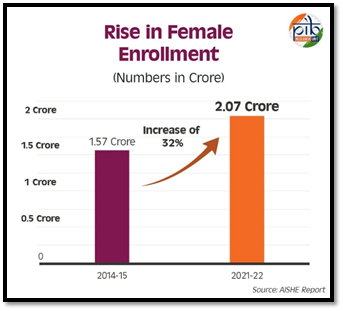
Women’s participation in higher education has also witnessed significant growth, with female enrollment rising from 1.57 crore in 2014-15 to 2.07 crore in 2021-22, marking a 32% increase. This progress is especially evident in fields like Medical Science, Social Science, and Arts, where women are now leading the charge in enrollment.

Decline in Dropout Rate


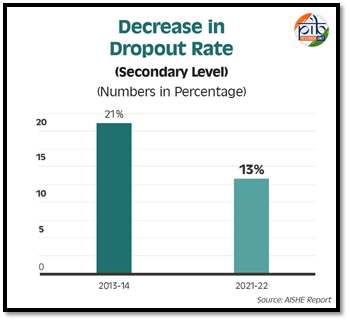
However, challenges still persist and the dropout rate remains a critical concern. While there has been a steady decline in dropout rates. School dropout rates have steadily declined in recent years, standing at 1.9 per cent for primary, 5.2 per cent for upper primary and 14.1 per cent for secondary levels. According to AISHE report the dropout rate at the secondary level has also decreased significantly from 21% in 2013-14 to 13% in 2021-22.

Transforming India’s Education Landscape

Over the years, India has seen a remarkable transformation in its higher education ecosystem. The number of Higher Education Institutions (HEIs) has grown significantly, increasing by 13.8% from 51,534 in 2014-15 to 58,643 in 2022-23. This expansion reflects the country’s commitment to making higher education more accessible and diverse.

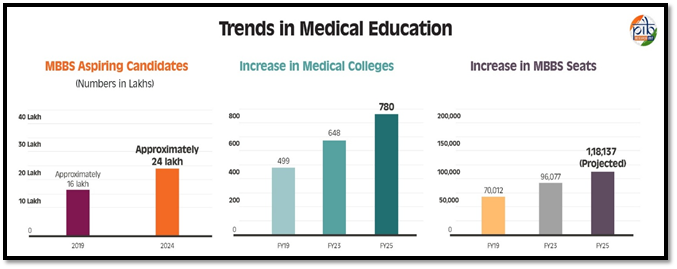
  • Growth in Medical Education and Workforce:  Medical Colleges grew from 499 in FY19 to 780 in FY25.
  • Candidates aspiring to study MBBS increased from 16 lakh in 2019 to 24 lakh in 2024.
  • MBBS Seats increased from 70,012 in FY19 to 1,18,137 in FY25.
  • Postgraduate Medical Seats grew from 39,583 in FY19 to 73,157 in FY25.

  • Doctors Available: 13.86 lakh registered practitioners as of July 2024, with a current ratio of 1:1263 per person. The WHO norm of 1:1000 could be met by 2030 with an annual increase of 50,000 doctors.
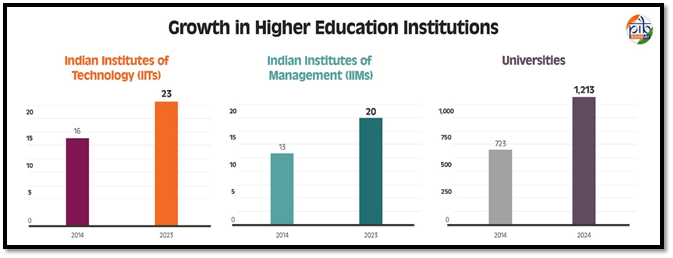
  • Growth of Indian Institutes of Technology (IITs): The number of IITs increased from 16 in 2014 to 23 in 2023.
  • Growth of Indian Institutes of Management (IIMs):The number of IIMs grew from 13 in 2014 to 20 in 2023.
  • Expansion of Universities:The number of Universities grew from 723 in 2014 to 1,213 in 2024, marking a 59.6% increase.
  • Increase in Higher Education Institutions (HEIs): Total HEIs increased by 13.8%, from 51,534 in 2014-15 to 58,643 in 2022-23.

Progress in Basic Facilities

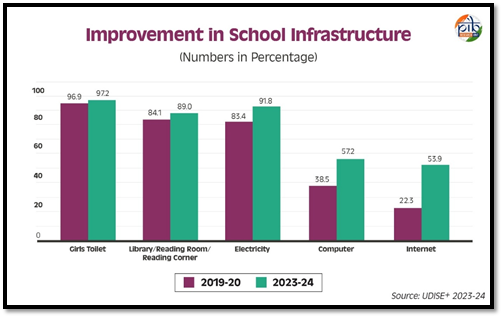
Education infrastructure has significantly improved, with a rise in the number of higher education institutions. Key areas like medical check-upssanitation, and ICT availability have also seen substantial upgrades, highlighting positive progress in school facilities to enhance the quality of education. From 2019-20 to 2023-24, there have been notable improvements in school infrastructure. The percentage of schools with girls’ toilets increased slightly from 96.9% to 97.2%, while access to libraries/reading rooms rose from 84.1% to 89%.  The availability of electricity improved from 83.4% to 91.8%, and computers in schools increased from 38.5% to 57.2%. Additionally, internet access grew significantly from 22.3% to 53.9%, marking a positive shift toward better-equipped schools.

Conclusion

The education sector in India is being strengthened through various government initiatives aligned with NEP 2020. Programs like Samagra Shiksha Abhiyan, PM SHRI (Pradhan Mantri Schools for Rising India) and PM POSHAN (Pradhan Mantri Poshan Shakti Nirman) are driving improvements in infrastructure, teacher training and learning outcomes. The Economic Survey highlights the progress and the government’s commitment to making education more inclusive and accessible.

References

Click here to download PDF

*******

IAF CONDUCTS SEMINAR ON ‘NAVACHAR UTKRISHTAM BHAVISYAM’ (Innovation is Path to Better Future) AERO INDIA 25

Daily writing prompt
If there was a biography about you, what would the title be?

Indian Air Force (IAF) is working to harness the potential of indigenous defence industry through Govt policies under the umbrella of Atmanirbharta by continuously engaging with the Industry Partners. Considerable success has been achieved in the indigenisation and innovation of spares and sustenance of equipment. The efforts are now being focused towards complex futuristic technologies, weapon systems and space domain.

Aero India being one of the premier aerospace and defence exhibition, serves as a global platform for showcasing cutting-edge technologies, innovations, and products in the field of aviation. IAF has been at the forefront of embracing the vision of ‘Make in India‘ by actively supporting indigenous defence development and manufacturing. IAF is the biggest stakeholder in aerospace domain and a major participant in leading the drive towards Atmanirbhata.

In pursuit of futuristic technologies and to highlight the drive towards self-reliance, lAF is conducting a seminar on the theme ‘NAVACHAR UTKRISHTAM BHAVISYAM’ (innovation is the Path to better Future). The Hon’ble Raksha Mantri Shri Rajnath Singh has been invited as the Chief Guest for the event with Chief of the Air Staff in attendance.

The seminar is planned on 11 Feb 25, from 1400-1630 Hr, at Hall No 1, Air Force Station Yelahanka, Bengaluru. The seminar is expected to have attendance from senior officers of Armed Forces, Govt officials, Industry leaders from aviation and aerospace domain, reps from Defence Public Sector Units (DPSUs), MSMEs, Start-ups, Innovators and the Academia. The seminar aims to inspire collaboration between defence forces, industry and R&D agencies, fostering a robust ecosystem for innovation. During this seminar, the following are planned to be released /launched by Hon’ble Raksha Mantri:- a publication titled ‘IAF Compendium (Samarthya Margdarshika) of Challenges and Opportunities for Indian Industry‘, for the Indian industries, Micro Small Medium Enterprises (MSMEs), Start-ups and individual innovators, encompassing current and future requirements of IAF; Declaration of the winners of Mehar Baba-ll Competition (MBC). The MBC-II was launched for the Indian Industries in the year 2022. This competition harnessed exceptional talent of Indian industry in swarm drone technology and showcased their capabilities in realising solutions to specific problem statements. In addition, MBC-III ‘Collaborative Drone Based Surveillance Radars‘ will be launched to develop an unmanned capability similar to an Airborne Warning and Control System.

Towards bolstering the ‘Digital India’ drive, IAF will be launching ‘VAYU VITT‘ digital portal for placing orders, certification and payments between lAF and HAL. This is aimed towards enhancing digitisation along with improved efficiency and transparency.

Additionally, a panel discussion on ‘Manned Unmanned Teaming- From Concept to Targeting‘ is planned with eminent experts from the aerospace domain including scientists, industrialists, certification agencies and end users. The panel discussion is intended towards underscoring the pivotal role of Indian Industry in driving indigenous solutions for futuristic technologies to meet the evolving defence and security needs of our Nation.

***

Pariksha Pe Charcha -Empowering Students, Transforming Lives

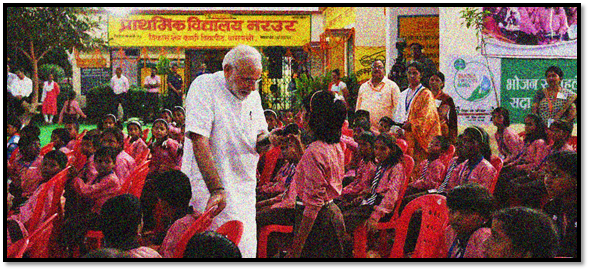
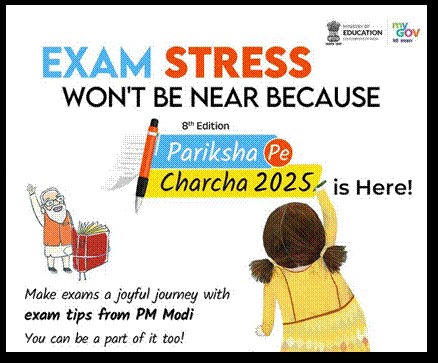
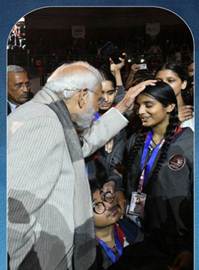
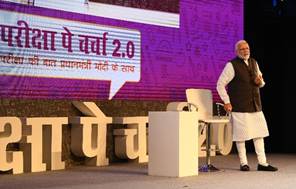
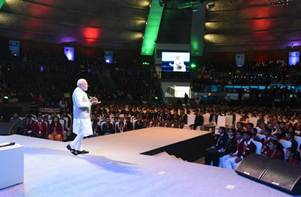
Examinations are often a source of stress for students and their families, but the “Pariksha Pe Charcha” (PPC) initiative by Prime Minister Narendra Modi has been transforming this narrative. Scheduled for 11 AM on February 10, 2025, this year’s PPC will once again serve as an interactive platform where the Prime Minister directly engages with students, teachers, and parents. Each edition of PPC highlights innovative approaches to tackle exam-related anxiety, fostering a celebratory attitude toward learning and life.

The Record-Breaking PPC 2025

The 8th edition of PPC, scheduled on 10 February 2025, has already set a new benchmark. With over 5 crore participation, this year’s program exemplifies its status as a Jan Andolan, inspiring collective celebration of learning This year, 36 students from all State and UT, have been selected from State / UT Board Government schools, Kendriya Vidyalaya, Sainik School, Eklavya Model Residential School, CBSE and Navodaya Vidyalaya. Pariksha Pe Charcha 2025 will feature seven insightful episodes, bringing together renowned personalities from diverse fields to guide students on essential aspects of life and learning. Each episode will address key themes:

  • Sports & Discipline – M.C. Mary Kom, Avani Lekhara, and Suhas Yathiraj will discuss goal setting, resilience, and stress management through discipline.
  • Mental Health – Deepika Padukone will emphasize the importance of emotional well-being and self-expression.
  • Nutrition – Experts Shonali Sabherwal, Rujuta Diwekar, and Revant Himatsingka (Food Farmer) will highlight healthy eating habits, sleep, and overall well-being.
  • Technology & Finance – Gaurav Chaudhary (Technical Guruji) and Radhika Gupta will explore technology as a learning tool and financial literacy.
  • Creativity & Positivity – Vikrant Massey and Bhumi Pednekar will inspire students to cultivate positivity and manage negative thoughts.
  • Mindfulness & Mental Peace – Sadhguru will introduce practical mindfulness techniques for mental clarity and focus.
  • Stories of Success – Toppers from UPSC, IIT-JEE, CLAT, CBSE, NDA, ICSE, and past PPC participants will share how PPC shaped their preparation and mindset.

A Journey Through the Years

 2024: Nationwide participation.

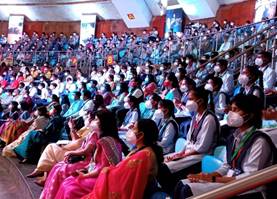
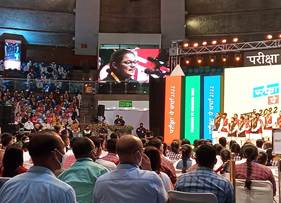
The seventh edition of PPC, held on January 29, 2024, was expansive with 2.26 crore registrations on the MyGov portal, it reflects the program’s immense popularity and relevance. For the first time, 100 students from Eklavya Model Residential Schools (EMRS) participated, symbolizing the inclusivity of the initiative. The event was held in a town-hall format at Bharat Mandapam, ITPO, Pragati Maidan, New Delhi, with approximately 3,000 participants, including students, teachers, parents, and winners of the Kala Utsav.

Pariksha Par Charcha 2024

2023: Widening Participation 

The 6th Edition of PPC was conducted on 27 January 2023 at Talkatora Stadium, New Delhi. Hon’ble Prime Minister of India interacted with students, teachers and parents during this programme and gave his valuable suggestions/ inputs to all stakeholders. The programme was telecast live by many TV Channels and YouTube channels. 718110 students, 42337 employees and 88544 Parents viewed the live programme of PPC-2023. The interaction of the Hon’ble Prime Minister of India with students, teachers and parents was inspiring, motivating thought-provoking for all.

Pariksha Par Charcha 2023

2022: The Revival of Physical Interactions

5th Edition of PPC was conducted on 1st April 2022 at Talkatora Stadium, New Delhi. Hon’ble Prime Minister of India has interacted with students, teachers and parents in this programme and has given them his valuable suggestions/ inputs. 9,69,836 students, 47,200 employee and 1,86,517 parents viewed the live programme of Pariksha Pe Charcha-2022. The programme was telecast live by the many TV Channels and YouTube channel etc

Pariksha Par Charcha 2022

2021: The Virtual Connection

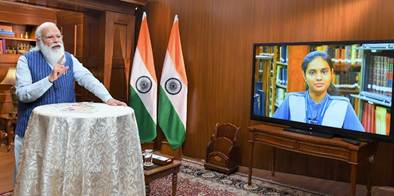
In response to the COVID-19 pandemic, the fourth edition of PPC was held online on 7 April 2021. Despite the challenges posed by the pandemic, the interaction continued to inspire students and their families. The focus shifted to resilience and adaptability, teaching life skills to help students navigate uncertain times.

Pariksha Par Charcha 2021

2020: Expanding Participation

The unique Town Hall format of the event in which the Hon’ble Prime Minister directly interacted with school students at the Talkatora Stadium, New Delhi was held on 20th January, 2020.  The event broadened its scope with an online competition for students that received  2.63 lakh entries. Students from all over India and also Indian students residing abroad from 25 countries participated. The event highlighted the need to embrace challenges as stepping stones for success.

Pariksha Par Charcha 2020

2019: Growing Reach 

On January 29, 2019, the second edition of PPC took place at the same venue, witnessing an even greater level of participation. The interaction, which lasted for over ninety minutes, saw students, teachers and parents relax, laugh, and repeatedly applaud the Prime Minister’s observations, which included a touch of humour and wit.

Pariksha Par Charcha 2019

2018: The Inaugural Interaction

The first-ever Pariksha Pe Charcha was held on February 16, 2018, at Talkatora Stadium, New Delhi. There were more than 2500 students from schools and colleges who were present in Talkatora Stadium of 16th February, 2018 for the interaction and more than 8.5 Crore students from across the country viewed or heard the programme on DD/TV Channels/ Radio Channels. The Prime Minister emphasized holistic development, resilience, and the importance of maintaining balance during exams. The event’s success set the tone for future editions.

Pariksha Par Charcha 2018

The Impact of Pariksha Pe Charcha

Over the years, PPC has evolved into an opportunity aimed at transforming exam-related stress into positive energy. By addressing real questions and offering actionable solutions, Prime Minister Modi has bridged the gap between policy and practice, empowering students to thrive under pressure. The program’s inclusivity, digital reach, and innovative approaches ensure its continued success as a cornerstone of student engagement in India. With each passing year, PPC reinforces the message that exams are not the end but a beginning!

References

Annual report 2023-24 to 2018-19. https://www.education.gov.in/documents_reports?field_documents_reports_tid=All&field_documents_reports_category_tid=All&title=&page=1

Click here to download PDF

*****

Daily writing prompt
What were your parents doing at your age?

Aero India 2025 at Yelahanka Air Force Station in Bengaluru on February 10, 2025

Daily writing prompt
What were your parents doing at your age?

The 15th edition of Aero India, Asia’s biggest aerospace and defence exhibition, will be inaugurated by Raksha Mantri Shri Rajnath Singh at the Yelahanka Air Force Station in Bengaluru, Karnataka on February 10, 2025. With the broad theme of ‘The Runway to a Billion Opportunities’, the five-day extravaganza will showcase India’s aerial prowess and indigenous cutting-edge innovations alongside state-of-the-art products of global aerospace companies. In line with ‘Aatmanirbhar Bharat’ and ‘Make in India, Make for the World’ vision, the event will also provide a stage to forge international collaborations to fast-track the indigenisation process, thereby providing a thrust to Prime Minister Shri Narendra Modi-led Government’s resolve of making the country Viksit Bharat by 2047.

Addressing a press conference in Bengaluru on the eve of the event, Raksha Mantri described Aero India as a crucial platform, which will drive forward the Government’s vision of a strong, capable India, secure and self-reliant India. “Aero India is a platform that showcases the strength, resilience, and self-reliance of New India. It is not just crucial for India’s defence preparedness, but it also plays a pivotal role in shaping the future of our nation. It will demonstrate our defence capabilities and forge global partnerships. Our goal is to enhance collaboration in areas of common interest with our friendly nations, fostering deeper cooperation and shared progress. The event is not just a showcase of technology and innovation, but will also serve as a source of inspiration for our youth, fostering scientific temperament and a spirit of innovation,” he said.

Organised in a total area of over 42,000 sq m and with the confirmed participation of over 900 exhibitors, including 150 foreign companies, the event is set to be the biggest-ever Aero India till date. Shri Rajnath Singh termed the participation of more than 90 countries as a testament to the growing global confidence in India’s aerospace and defence capabilities. “Defence ministers or representatives from about 30 countries have come to participate in this event. The presence of Air Chiefs and Secretaries from 43 countries further highlights the significance of this event – not just for India, but for the entire international defence community,” he said.

Highlighting the transformation of the defence and aerospace sector in the recent years, Raksha Mantri asserted that, today, India is not only capable of designing and developing major platforms and equipment within India, it has also successfully established a vast supply chain within the country. “Advanced platforms like Light Combat Aircraft Tejas, Light Combat Helicopter Prachand and C-295 Transport Aircraft are now being produced in India. We have also taken a firm resolve to manufacture fifth-generation fighter aircraft within the country. From the advanced variants of the Agni missile, the Astra missile system, and the Pinaka missile system to the cutting-edge Hypersonic missile system and the Akash air defence system, we have built numerous success stories. These achievements have played a crucial role in strengthening our defence sector, making India more self-reliant and secure,” he said.

Shri Rajnath Singh added that post corporatisation of Ordnance Factory Board, the newly formed companies have started performing exceptionally well in defence production. “Under a well-considered and well-developed plan, we have actively worked to empower the private sector in the defence and aerospace industries. Today, India has a thriving private defence industry that has firmly established itself and is making significant contributions to our national security,” he said.

Raksha Mantri expressed confidence that defence production, having crossed the record figure of Rs 1.27 lakh crore, will exceed Rs 1.60 lakh crore by the end of 2025-26. Defence exports, which touched the record figure of Rs 21,000 crore, he said, will surpass Rs 30,000 crore.

Shri Rajnath Singh underlined the crucial role being played by the defence industrial sector in making India an economic super power. He stated that any breakthrough in the defence sector not only strengthens national security, but also impacts the economy. Technologies developed for defence applications promote innovation in the civil sector as well, leading to employment generation and economic development, he said. He termed Aero India a significant driver of economic strength, contributing to the overall growth and development of the economy. He expressed confidence that Aero India will be remembered as a historic milestone in India’s journey towards becoming a global leader in the aerospace and defence sector.

The 15th Aero India will be held between 10th and 14th February 2025. February 10th to 12th have been reserved as business days, with 13th & 14th set as public days for people to witness the show. The event comprises Defence Ministers’ Conclave; CEOs Roundtable; inauguration of India & iDEX Pavilions; Manthan iDEX event; Samarthya Indigenisation event; Valedictory function; seminars; breath-taking airshows and an exhibition of aerospace companies.

Defence Ministers’ Conclave

With the aim to strengthen defence cooperation with friendly nations amidst a rapidly-evolving global security landscape, Raksha Mantri will host the Defence Ministers’ Conclave on February 11 in hybrid mode. The theme this year ‘Building Resilience through International Defence and Global Engagement (BRIDGE)’ underscores the importance of supply chain resilience and strategic collaboration in defence.

The last edition witnessed the participation of 27 Defence Ministers and Deputy Defence Ministers alongside 15 Defence & Service Chiefs and 12 Permanent Secretaries. This year, the participation has expanded as representatives from more than 80 countries are likely to participate in the conclave. Approx. 30 Defence Ministers in addition to Defence/Service Chiefs and Permanent Secretaries from friendly nations will attend the event.

The conclave will provide a crucial platform to address key aspects such as Defence capacity building through investment, joint ventures & co-production, Collaboration in R&D, training & technological advancements in AI & space, Maritime security cooperation and strategic partnerships.

CEOs Roundtable

CEOs Roundtable 2025 will be chaired by Raksha Mantri on February 10, on the theme ‘Enabling Defence Cooperation through Global Engagement (EDGE)’. Over 100 Original Equipment Manufacturers (OEMs) have confirmed their participation in the event. These include 55 from 19 countries (USA, France, Russia, South Korea, UK, Japan, Israel & Brazil etc), 35 Indian (Larsen & Toubro, Bharat Forge Ltd, Adani Defence & Aerospace, Mahindra Defence Systems Ltd, BrahMos Aerospace & Ashok Leyland Defence) and 16 Defence Public Sector Undertakings (DPSUs). Shri Rajnath Singh had addressed over 73 CEOs of 28 Foreign OEMs and 45 Indian OEMs in the 2023 edition of the event.

Major foreign OEMs including Airbus (France), Ultra Maritime (USA), GNT (South Korea), John Cockerill Defence (UK), Mitsubishi (Japan), Rafael Advance Defence System (Israel), Safran (France) and Liebherr Aerospace (France) are expected to highlight their future plans, Joint Ventures, collaborations, partnerships with Indian companies for production of spares parts, development of aero-engines, setting up of Maintenance, Repair and Operations (MRO) facilities and establishment of R&D facilities etc.

India Pavilion

The India Pavilion will provide an opportunity to Indian Defence Industries to showcase their design, development, innovation and manufacturing capabilities. It will be inaugurated by Raksha Mantri on February 10. The grandeur show at India Pavilion would signify the ‘Flight of Self-Reliance’ which encapsulates India’s journey towards becoming a global aerospace and defence powerhouse.

India Pavilion will be divided into five distinct zones displaying indigenous capabilities in aero aviation, land aviation and naval aviation, def-space and niche technologies domains.  More than 275 exhibits will be at display through various mediums, represented by complete defence ecosystem of the country which includes DPSUs, design houses, private corporates including MSMEs and start-ups. The Central Area exhibits will include a striking display of marquee platforms including Advanced Medium Combat Aircraft, Combat Air Teaming System, Twin-Engine Deck-Based Fighter.

iDEX Pavilion

 The iDEX Pavilion will be inaugurated by Raksha Mantri on February 10. It will showcase cutting-edge indigenously developed products and technologies, marking a significant milestone in India’s defence innovation journey. Leading innovators will display their indigenously-developed products spanning a wide-range of advanced domains including Aerospace, DefSpace, Aero Structures, Anti-drone systems, Autonomous Systems, Robotics, Communication, Cybersecurity, Surveillance & Tracking, Unmanned Ground Vehicles etc. The Pavilion will also feature a dedicated section highlighting the winners of Acing Development of Innovative Technologies with iDEX (ADITI) scheme, showcasing their ground-breaking work in critical and niche technologies.

iDEX has successfully onboarded over 600 start-ups and MSMEs, marking a significant milestone in fostering innovation. Furthermore, 40 prototypes developed under iDEX have received official clearance for procurement, with 31 procurement contracts worth Rs 1,560 crore already signed.

Manthan

Manthan 2025, the flagship annual defence innovation event, will be graced by Raksha Mantri on February 12. Organised by Innovations for Defence Excellence – Defence Innovation Organisation (iDEX-DIO), the event will bring together stakeholders of the defence innovation ecosystem including innovators, industry leaders, academia, incubators, investors, thought leaders, senior government officials etc.

Manthan will deliberate on emerging challenges and opportunities in the sector, with a focus on supporting defence start-ups and MSMEs, enhancing innovation capabilities, and fostering strategic collaborations within the defence ecosystem. It stands as a testament to the scale and speed of iDEX, showcasing the rapid strides made in defence innovation and the pivotal role of start-ups in transforming India’s defence capabilities.

Samarthya

On the success story of indigenisation and innovation in the defence sector, an Indigenisation event on the theme ‘SAMARTHYA’ will be held on February 12 alongside the Valedictory function which will be graced by Raksha Mantri. This event is first-of-its-kind during Aero India, as it will showcase India’s indigenous ingenuity in defence manufacturing by demonstrating some of the major items indigenised by DPSUs, DRDO and Services with the involvement of the private sector.

Bilateral Meetings

Bilateral meetings at the levels of Raksha Mantri/Raksha Rajya Mantri/Chief of Defence Staff/Service Chiefs/Defence Secretary/Secretary (Defence Production) will take place on the sidelines of Aero India 2025.

Seminars

A number of seminars on a variety of topics will be organised as part of Aero India 2025. On February 11, Raksha Mantri is scheduled to address a seminar organised by the Indian Air Force on the theme ‘Manned Unmanned teams for Aerial Warfare – concept to targeting’ and another organised by DRDO on the theme ‘DRDO Industry Synergy towards Viksit Bharat’.

Other seminars on the themes – Mission DefSpace: From Vision to Reality – A Progress Report; Indigenous Development of Aerospace Materials: Strengthening India’s Self-Reliance; Transition to Aatmanirbhar Indian Naval Aviation 2047 and its associated ecosystem; Transformation of Maritime Aviation by Adopting Technological trends and Indigenisation; Aligning Technologies to Future Conflicts; and Investment Opportunities for Aerospace & Defence Manufacturers in Karnataka – will also be held as part of the event.

Historic First – Su-57 and F-35 at Aero India

For the first time in history, Aero India 2025 will witness the participation of two of the world’s most advanced fifth-generation fighter aircraft – the Russian Su-57 and the American F-35 Lightning II. It marks a milestone in global defence collaboration and technological advancement, offering aviation enthusiasts and defence experts an unparalleled prospect to witness these state-of-the-art warplanes.

  • Su-57: Russia’s premier stealth multirole fighter is designed for superior air superiority and strike capabilities. Equipped with advanced avionics, supercruise capability, and stealth technology, it is making its debut at Aero India 2025. Visitors can expect high-speed aerial manoeuvres and tactical demonstrations that highlight the fighter’s agility, stealth and firepower.
  • F-35 Lightning II: The Lockheed Martin F-35 Lightning II, the most widely-deployed fifth-generation fighter, integrates advanced stealth, unparalleled situational awareness and networked combat capabilities. Its presence at Aero India 2025 will enable visitors to witness the flagship of US Air Force.

The inclusion of both the Su-57 and F-35 highlights India’s position as a key hub for international defence and aerospace collaboration. Aero India 2025 will provide a rare side-by-side comparison of Eastern and Western fifth-generation fighter technology, offering defence analysts, military personnel and aviation enthusiasts valuable insights into their respective capabilities.

Visitor-Friendly Experience

With key infrastructure upgrades and improved amenities, Aero India 2025 promises to be bigger, smoother and more visitor-friendly than ever before.

  • Enhanced Infrastructure & Traffic Management: Recognising past challenges, extensive improvements have been made to facilitate seamless entry, movement and connectivity and there has been close coordination between Ministry of Defence, Indian Air Force (IAF), various arms of Karnataka State Government like Bengaluru Traffic Police, BBMP, NHAI, and Namma Metro. Approach roads have been widened to optimise traffic flow around Air Force Station Yelahanka so as to ease congestion and improve movement around the venue.
  • Security and Emergency Preparedness: Red drone zones have been designated and published with countermeasures in place to tackle unauthorised drone activity. Rapid Mobile Units will be deployed strategically to provide quick assistance and emergency support. Continuous mock drills with multiple agencies are being conducted to ensure practical and implementable contingency plans.
  • Exhibitor & Visitor Experience Enhancements: To enhance the experience for exhibitors and business delegates, the exhibition area has been revamped with several key upgrades:
  • Expanded and better-ventilated exhibition halls to accommodate more exhibitors and visitors comfortably.
  • Improved seating and rest zones throughout the venue.
  • Additional food courts and refreshment kiosks, including Indira Canteens (at parking areas).
  • Lost and found counters and ATM kiosks for visitor convenience.
  • Multiple water points, medical aid posts, and a dedicated cardiac aid post for emergencies, including medical evacuation.
  • Multi-Layered Security Measures: Ensuring the safety of all attendees, a multi-layered security system is being deployed in collaboration with the Ministry of Home Affairs, Bengaluru Police, CISF, and Intelligence Agencies. Measures include:
  • Enhanced security protocols and faster access control.
  • An operational Command and Control Centre for real-time responses to security concerns.
  • 24/7 CCTV monitoring for situational awareness.
  • Dedicated screening zones for visitors, exhibitors, and VIPs.
  • Disaster management and fire safety committees to handle emergencies.
  • Connectivity & Digital Infrastructure: To address connectivity challenges, all telecom service providers are deploying temporary mobile towers and network boosters for uninterrupted communication. A dedicated Aero India 2025 mobile app has also been launched which will provide live updates, navigation assistance, and event scheduling. Secure digital communication channels have also been established for coordination among agencies. Additionally, provisions have been made to support increased electricity demands during the event while ensuring safety.
  • Airspace Management & Demonstrations: Aero India demonstrations and aircraft movements are a major highlight of Aero India 2025. In coordination with AAI and HAL, the Indian Air Force has structured a dedicated Airspace management plan including:
  • Temporary flight restrictions around Aero India Force Station Yelahanka to maintain safety during scheduled demonstrations.
  • Strategic Aircraft parking and refuelling plans for domestic and international participants.
  • Business and Innovation Support: The Aero India provides a platform for collaborations and to facilitate B2B, G2B interactions and hosting roundtable discussions to showcase technological advancements. Special focus will be given to supporting start-ups and MSMEs by providing them with a global platform to present indigenous innovations.
  • Sustainability Initiatives: Aero India 2025 is committed to sustainability and has incorporated several eco-friendly measures in its conduct like:
  • Reduced vehicle movement to minimise pollution and enhance pedestrian comfort.
  • Exclusive use of more than 100 E Karts for movement of visitors in the exhibition venue.
  • Comprehensive waste management, including increased recycling bins, waste segregation zones, and timely disposal of waste.

With these multi-agency collaborations, Aero India 2025 is set to be one of the most well-coordinated and better organised editions to date.

Raksha Rajya Mantri Shri Sanjay Seth, Chief of Defence Staff & Secretary, Department of Military Affairs General Anil Chauhan, Chief Secretary, Government of Karnataka Dr Shalini Rajneesh, Secretary (Defence Production) Shri Sanjeev Kumar, Secretary, Department of Defence R&D and Chairman DRDO Dr Samir V Kamat, other senior officials of Ministry of Defence and industry leaders attended the curtain raiser press conference.

*******

Pariksha Pe Charcha 2025

Daily writing prompt
Write about your first computer.

Pariksha Pe Charcha (PPC), an initiative by Prime Minister Shri Narendra Modi to transform exam-related stress into a festival of learning, witnessed unprecedented growth in its 8th edition.  Pariksha Pe Charcha (PPC), an initiative by Prime Minister Shri Narendra Modi to transform exam-related stress into a festival of learning, witnessed unprecedented growth in its 8th edition. Since its beginning in 2018, PPC has evolved into a nationwide movement, garnering a staggering 3.56 crore registrations for its 8th edition in 2025. This also marks a significant increase from the 7th edition, which saw 2.26 crore registrations, reflecting a remarkable surge of 1.3 crore registrations.

Pariksha Pe Charcha has not only become a popular program but has also transformed into a “Jan Andolan” (people’s movement), resonating deeply with students, teachers, and parents across the country. The initiative’s focus on addressing exam stress and encouraging students to view examinations as a festival – “Utsav” – has struck a chord with people from all walks of life. The overwhelming participation in PPC reflects a growing awareness and acceptance of the importance of mental well-being and holistic education. The program’s interactive format, which involves open dialogue between students, teachers, and the Prime Minister, has further contributed to its success.

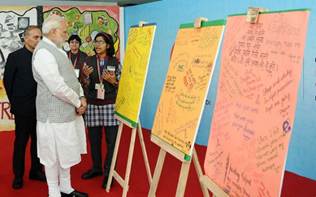
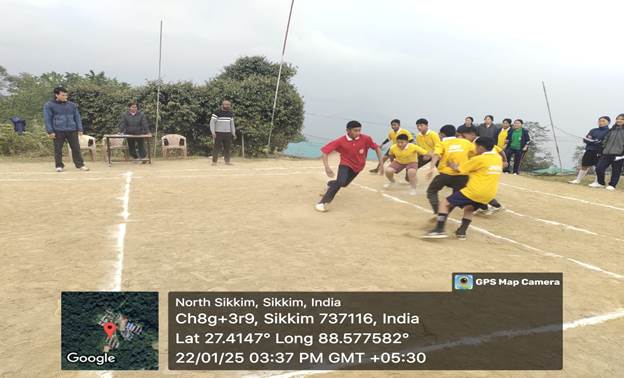
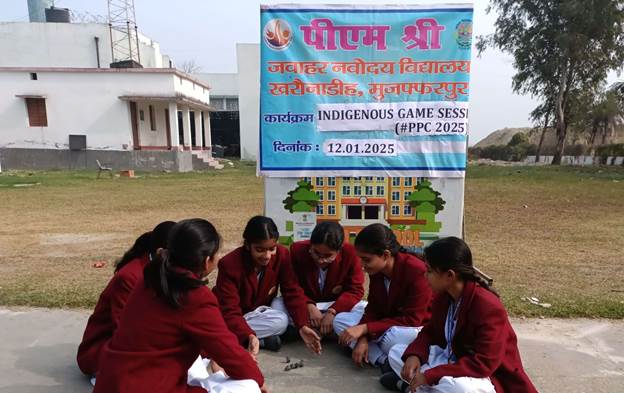
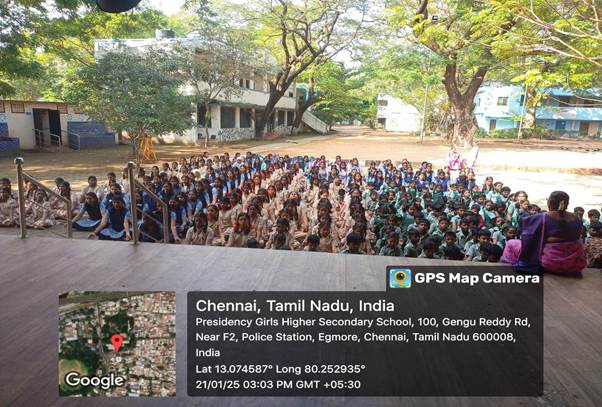
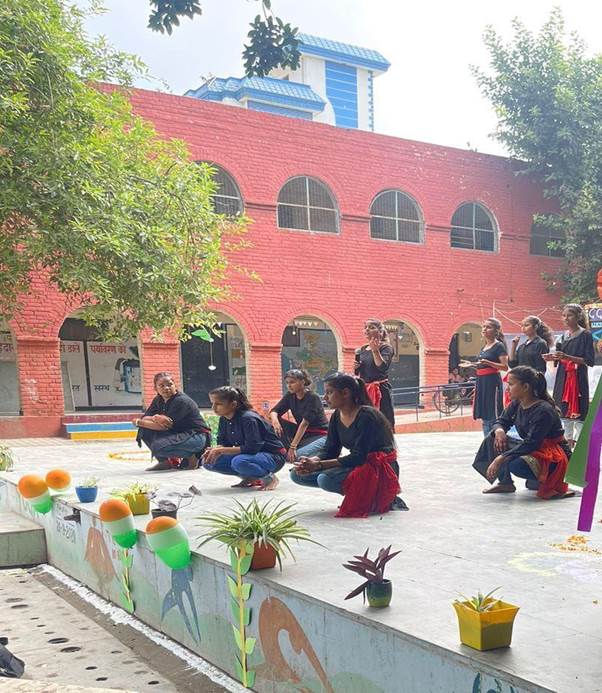
To further strengthen PPC as a “Jan Andolan,” a series of engaging activities were conducted from 12th January 2025 (National Youth Day) to 23rd January 2025 (Netaji Subhash Chandra Bose Jayanti) at the school level. These activities, conducted across States/UTs, aimed to engage students, parents, and teachers in celebrating PPC as a festival. A total of 1.42 crore students, 12.81 lakh teachers, and 2.94 lakh schools participated. These activities were designed to reduce stress, improve focus, and enhance performance during exams and beyond. Students were encouraged to participate in a diverse range of activities, including indigenous games like Kho-Kho and Kabaddi, short-distance marathons, creative meme competitions, engaging Nukkad Natak performances, and eye-catching poster-making. They were also encouraged to share their experiences through student testimonials, participate in student-led discussions, and engage in yoga and meditation sessions to cultivate relaxation and mindfulness. Schools organized plays developed by students, conducted workshops, and invited special guests to share their insights.

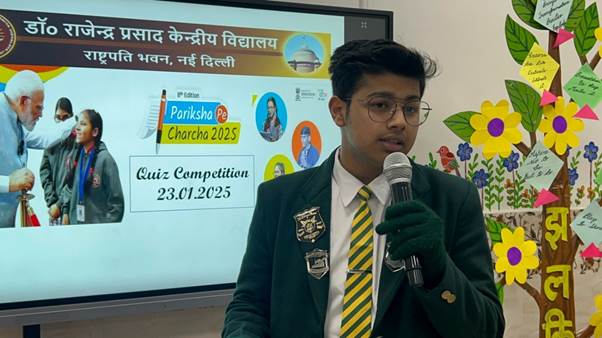
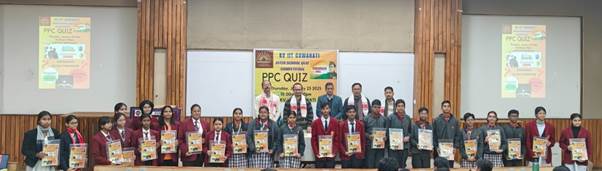
Culminating these activities, screening of glorious inspirational stories of valour and sacrifice, the “Bharat Hai Hum” series was conducted on 23rd January 2025. Thereafter, a quiz competition based on the series “Bharat Hai Hum” was conducted across 567 Kendriya Vidyalayas nationwide. A total of 55,961 students participated, including 17,408 from Kendriya Vidyalayas, 4,567 from Jawahar Navodaya Vidyalayas, 5,542 from PM SHRI Schools, 18,394 from CBSE-affiliated schools, and 10,050 from State Board schools. Prizes were awarded to the winners, and all participants received a copy of the book “Exam Warriors,” authored by the Prime Minister of India. This initiative not only tested the students’ knowledge but also reinforced the valuable lessons imparted through the “Bharat Hain Hum” series.

Pariksha Pe Charcha 2025 has once again proven to be a resounding success, solidifying its position as a pivotal initiative in fostering a positive and supportive learning environment for students across India.

*****
Agricultural Productivity and Market for Agricultural Produce

Daily writing prompt
What would you do if you won the lottery?

By Shankar Chatterjee

Agriculture forms the backbone of many economies around the world, especially in developing countries. It provides food, raw materials, and employment to a significant proportion of the global population. The concepts of agricultural productivity and the market for agricultural produce are closely intertwined, influencing food security, economic development, and rural livelihoods. This essay delves into the intricacies of agricultural productivity, the factors affecting it, and the dynamics of the market for agricultural produce.

Understanding Agricultural Productivity

Agricultural productivity refers to the output generated per unit of input in farming activities. Inputs may include land, labor, capital, seeds, fertilizers, water, and technology. Productivity is a critical measure of the efficiency and sustainability of agricultural practices. It determines the ability of a nation to meet the growing food demands of its population and contributes significantly to economic growth.

Factors Affecting Agricultural Productivity

  1. Technological Advancements:
    • Adoption of modern farming techniques, mechanization, and biotechnology significantly enhances productivity.
    • Precision farming, irrigation systems, and genetically modified crops are examples of innovations that have improved yields.
  2. Soil Fertility and Management:
    • The quality of soil determines its capacity to support crops.
    • Practices such as crop rotation, organic farming, and balanced fertilization help maintain soil health.
  3. Climate and Weather Conditions:
    • Temperature, rainfall, and sunlight are critical for crop growth.
    • Erratic weather patterns due to climate change pose challenges to agricultural productivity.
  4. Access to Inputs:
    • Timely availability of quality seeds, fertilizers, and pesticides influences productivity.
    • High input costs or unavailability can hinder optimal agricultural output.
  5. Government Policies and Support:
    • Subsidies, minimum support prices (MSPs), and agricultural extension services impact farmers’ ability to adopt better practices.
    • Infrastructure development, such as roads and irrigation facilities, also plays a vital role.
  6. Education and Training:
    • Farmers with knowledge of modern farming techniques are better equipped to enhance productivity.
    • Agricultural extension programs and capacity-building initiatives are essential for disseminating knowledge.

Market for Agricultural Produce

The market for agricultural produce refers to the entire system through which farm products are bought, sold, processed, and distributed. It encompasses local markets, wholesale markets, export markets, and online platforms. An efficient market system is crucial for ensuring fair prices for farmers and adequate supplies for consumers.

Challenges in Agricultural Markets

  1. Price Volatility:
    • Agricultural produce is often subject to price fluctuations due to seasonal variations, demand-supply imbalances, and global market trends.
  2. Lack of Market Access:
    • Farmers, especially smallholders, face challenges in accessing profitable markets due to poor infrastructure and inadequate market information.
  3. Middlemen and Exploitation:
    • A significant portion of profits is often absorbed by intermediaries, leaving farmers with low returns.
  4. Post-Harvest Losses:
    • Poor storage facilities, inadequate transportation, and lack of cold chains result in significant wastage of perishable commodities.
  5. Trade Barriers:
    • Export restrictions, tariffs, and non-tariff barriers limit farmers’ access to international markets.

Improving Agricultural Markets

  1. Infrastructure Development:
    • Investments in roads, cold storage, and warehouses can minimize post-harvest losses and improve market access.
  2. Digital Platforms and E-Markets:
    • Initiatives like eNAM (National Agriculture Market) and online trading platforms can connect farmers directly to buyers, ensuring better prices.
  3. Cooperatives and Farmer Producer Organizations (FPOs):
    • FPOs enable farmers to pool resources, negotiate better prices, and access markets collectively.
  4. Government Interventions:
    • Policies such as MSPs and procurement mechanisms provide price stability and income security for farmers.
  5. Value Addition and Processing:
    • Promoting agro-industries and value-added products increases the profitability of agricultural produce.

Interrelationship Between Productivity and Market Dynamics

Higher agricultural productivity and efficient markets are mutually reinforcing. Increased productivity ensures a steady supply of produce, stabilizing prices and enabling market growth. Simultaneously, well-functioning markets incentivize farmers to adopt better practices, invest in technology, and enhance productivity.

Conversely, inefficiencies in markets can lead to low returns for farmers, reducing their capacity to invest in inputs and technology, thereby negatively affecting productivity. Ensuring a balance between production and market demand is essential for the sustainability of the agricultural sector.

Conclusion

Agricultural productivity and the market for agricultural produce are pivotal to food security, economic development, and rural prosperity. Addressing the challenges in both domains requires a comprehensive approach that combines technological innovation, supportive policies, infrastructure development, and market reforms. By fostering synergy between productivity and market efficiency, nations can build resilient agricultural systems that cater to the needs of their populations and contribute to global food security.

References

Amadi, L. A., Ogbanga, M. M., & Agena, J. E. (2015). Climate change and feminist environmentalism in the Niger Delta, Nigeria. African Journal of Political Science and International Relations9(9), 361-371.

Chavas, J. P. (2008). On the economics of agricultural production. Australian Journal of Agricultural and Resource Economics52(4), 365-380.

de Lima, G. N., Zuñiga, R. A. A., & Ogbanga, M. M. (2023). Impacts of Climate Change on Agriculture and Food Security in Africa and Latin America and the Caribbean. In Climate Change and Health Hazards: Addressing Hazards to Human and Environmental Health from a Changing Climate (pp. 251-275). Cham: Springer Nature Switzerland.

Gollin, D. (2010). Agricultural productivity and economic growth. Handbook of agricultural economics4, 3825-3866.

Jack, J. T. C. B., Ogbanga, M. M., & Odubo, T. R. (2018). Energy poverty and environmental sustainability challenges in Nigeria. Ilorin Journal of Sociology10(1), 19-31.

Ogbanga, M. M., & Sharma, S. N. (2024). Climate Change and Mental Heat.

Ogbanga, M. M. (2024). Assessment of the Barriers to the Adoption of Clean Energy for Household Cooking in Okrika Local Government Area.

Ogbanga, M. M. (2024). Examining the Potential of Women Organisations in Promoting the Use of Clean Energy for Household Cooking; A Study of Okrika Local Government Area.

Van der Ploeg, J. D. (2019). Labor, markets, and agricultural production. CRC Press.

Serhii Tokarev: How AI Can Turn Business Failures into Success

Daily writing prompt
What would you do if you won the lottery?

Artificial Intelligence (AI) is reshaping how businesses operate, offering tools to streamline processes and improve decision-making. Despite its potential, many companies don’t fully utilize AI. Serhii Tokarev, an IT entrepreneur and co-founder of Roosh Ventures, explains how AI can help businesses turn mistakes into valuable lessons and thrive.

Learning from Mistakes with AI

Failure is part of business and life, but repeating the same mistakes leads to setbacks. Serhii Tokarev explains that AI can analyze errors and transform them into actionable insights. He outlines several ways businesses can use AI effectively:

1. Finding Cause-and-Effect Relationships

AI excels at uncovering complex connections that might go unnoticed. Serhii Tokarev highlights how declining sales could be linked to factors like pricing, changing demand, weather, or emerging trends. AI can analyze such patterns across areas like sales, logistics, and production workflows, helping businesses fix problems at their root.

“For example, if there is a drop in sales, we might attribute it to decreased demand or pricing issues. AI, however, can uncover unexpected correlations—such as the influence of weather, emerging trends, local nuances, or geographical factors,” explains the entrepreneur.

2. Building “Institutional Memory”

AI can learn from a company’s past to improve its future. By analyzing historical data, AI identifies patterns in successes and failures, offering strategies tailored to specific contexts.

Tokarev points to UPS’s ORION system as a strong example. ORION uses AI to optimize logistics by studying delivery routes, customer data, and performance history, saving time and costs.

3. Listening to Customers

Customer interactions hold valuable insights. Whether through chatbots, reviews, or feedback, AI can analyze data to improve customer experiences.

For example, if customers frequently ask the same question, it may signal a need to update the company’s website or social media. AI can detect these patterns faster and more comprehensively than humans, making it especially useful for B2C businesses.

4. Balancing AI and Human Oversight

AI isn’t a standalone solution. Serhii Tokarev stresses that human supervision is critical for making contextually sound decisions. 

“Consider the case of Zillow’s real estate division, Zillow Offers, which relied solely on algorithms to predict housing prices. Without human intervention, the system failed to adapt to unforeseen events like COVID-19 and labor shortages, leading to massive losses, layoffs, and the division’s eventual shutdown,” explains Serhii Tokarev.

By combining AI insights with human expertise, businesses can avoid similar pitfalls. Learning from others’ mistakes, as well as their own, is key to building a successful AI strategy.

Serhii Tokarev shows how AI can turn business challenges into opportunities. By identifying patterns, learning from the past, and listening to customers, companies can use AI to enhance operations and decision-making. However, a balanced approach—mixing AI with human judgment—is essential for long-term success.

NIT Trichy Global Alumni Meet (GAM) 2025

Daily writing prompt
What books do you want to read?

i

The Director, G. Aghila, National Institute of Technology, Tiruchirappalli (NIT Trichy), announced the Global Alumni Meet (GAM) 2025 will take place in Chennai on January 4, 2025. This momentous event is spearheaded by RECAL, the institute’s official alumni association. This gathering will unite NIT Trichy alumni from across the globe to celebrate the rich legacy of REC/NIT Trichy. The previous edition of GAM was held in 2020.

Boasting a dynamic network of over 48,000 alumni, including 930+ CEOs and 1,300+ founders, NIT Trichy stands as a powerhouse of talent and innovation. GAM 2025 will feature a stellar lineup of distinguished alumni, including:

  • Mr. N. Chandrasekaran, Chairperson of the Tata Group, as the Chief Guest
  • Dr. Palanivel Thiagarajan, Minister for Information Technology & Digital Services, Tamil Nadu, as the Guest of Honour
  • Mr. Gopi Kallayil, Chief Business Strategist for AI at Google, delivering the Keynote Address
  • Dr P Veeramuthuvel, Project Director of Chandrayaan 3, T V Narendran, Manging Director, CEO, Tata Steels will be the Guests of Honour

These leaders, alongside numerous other notable alumni, will celebrate shared achievements, inspire collaborations, and forge impactful connections.

Launch of a Research and Innovation Hub

NIT Trichy will unveil its vision for a 20-acre Research and Innovation Hub at GAM 2025, marking a significant step in its mission to foster entrepreneurship and interdisciplinary research. The facility will focus on emerging domains such as AgriTech, FinTech, SpaceTech, GreenTech, Quantum Computing, and AI/ML. The hub will involve an estimated investment of ₹150 crore and aims to accelerate innovation in Tier-II cities.

Empowering Students and Alumni Engagement

The institute’s ongoing initiatives, including the Adopt-a-Student Program, travel grants, and endowment funds, continue to support deserving students. Alumni-driven programs like Rockfort Ventures, SCIENT Labs, and CEDI exemplify NIT Trichy’s dedication to nurturing entrepreneurial talent. Plans to introduce Chair Professorships and enhance global research collaborations further demonstrate the institute’s commitment to academic excellence and sustainable development.

Dr. G. Aghila, Director of NIT Trichy, informed that “The Research and Innovation Hub will provide a formal platform for alumni-student mentorship, industry-led projects, and a thriving startup ecosystem. It’s a step towards scaling research and nurturing entrepreneurship talent.”

Mr. K. Mahalingam, President of RECAL, added, “Our vast and accomplished alumni network is a reservoir of mentorship, funding, and innovation. GAM 2025 underscores our collective commitment to supporting our alma mater.”

About NIT Tiruchirappalli

NIT Trichy, formerly Regional Engineering College (REC), is one of India’s premier engineering institutions, consistently ranked among the top in the country. Offering undergraduate, postgraduate, and doctoral programs across 17 disciplines, the institute continues to make significant contributions to global innovation and industry leadership.

***