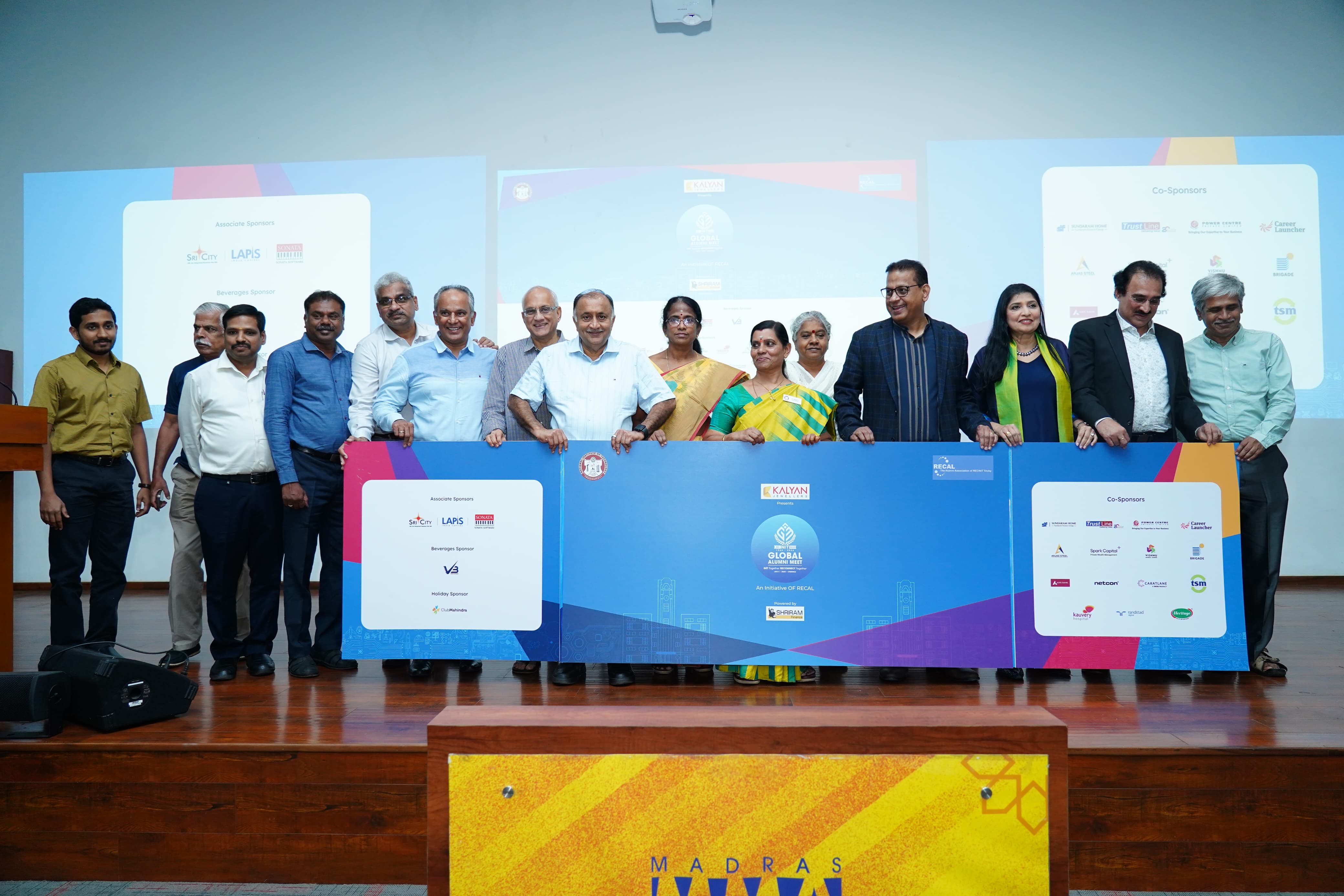
The Director, G. Aghila, National Institute of Technology, Tiruchirappalli (NIT Trichy), announced the Global Alumni Meet (GAM) 2025 will take place in Chennai on January 4, 2025. This momentous event is spearheaded by RECAL, the institute’s official alumni association. This gathering will unite NIT Trichy alumni from across the globe to celebrate the rich legacy of REC/NIT Trichy. The previous edition of GAM was held in 2020.
Boasting a dynamic network of over 48,000 alumni, including 930+ CEOs and 1,300+ founders, NIT Trichy stands as a powerhouse of talent and innovation. GAM 2025 will feature a stellar lineup of distinguished alumni, including:
Mr. N. Chandrasekaran, Chairperson of the Tata Group, as the Chief Guest
Dr. Palanivel Thiagarajan, Minister for Information Technology & Digital Services, Tamil Nadu, as the Guest of Honour
Mr. Gopi Kallayil, Chief Business Strategist for AI at Google, delivering the Keynote Address
Dr P Veeramuthuvel, Project Director of Chandrayaan 3, T V Narendran, Manging Director, CEO, Tata Steels will be the Guests of Honour
These leaders, alongside numerous other notable alumni, will celebrate shared achievements, inspire collaborations, and forge impactful connections.
Launch of a Research and Innovation Hub
NIT Trichy will unveil its vision for a 20-acre Research and Innovation Hub at GAM 2025, marking a significant step in its mission to foster entrepreneurship and interdisciplinary research. The facility will focus on emerging domains such as AgriTech, FinTech, SpaceTech, GreenTech, Quantum Computing, and AI/ML. The hub will involve an estimated investment of ₹150 crore and aims to accelerate innovation in Tier-II cities.
Empowering Students and Alumni Engagement
The institute’s ongoing initiatives, including the Adopt-a-Student Program, travel grants, and endowment funds, continue to support deserving students. Alumni-driven programs like Rockfort Ventures, SCIENT Labs, and CEDI exemplify NIT Trichy’s dedication to nurturing entrepreneurial talent. Plans to introduce Chair Professorships and enhance global research collaborations further demonstrate the institute’s commitment to academic excellence and sustainable development.
Dr. G. Aghila, Director of NIT Trichy, informed that “The Research and Innovation Hub will provide a formal platform for alumni-student mentorship, industry-led projects, and a thriving startup ecosystem. It’s a step towards scaling research and nurturing entrepreneurship talent.”
Mr. K. Mahalingam, President of RECAL, added, “Our vast and accomplished alumni network is a reservoir of mentorship, funding, and innovation. GAM 2025 underscores our collective commitment to supporting our alma mater.”
About NIT Tiruchirappalli
NIT Trichy, formerly Regional Engineering College (REC), is one of India’s premier engineering institutions, consistently ranked among the top in the country. Offering undergraduate, postgraduate, and doctoral programs across 17 disciplines, the institute continues to make significant contributions to global innovation and industry leadership.
A child starts its learning journey from a play school followed by primary, secondary, any other higher/professional or vocational education with multiple touch points involving many entities (schools, college, universities, education boards, sports academy, financial institutions etc.). In the current scenario, all these entities maintain their records in isolation, creating multiple and duplicate information for each student having its own way to become accessible to the individual. This leads to nothing but chaos, confusion, no way to track dropouts and increased efforts at every stage and for every stakeholder but most importantly for the student.
Public Digital Platform for Education could be envisaged as unifying isolated systems into a combined Platform with a unique number where all the entities through consent-based mechanism supported by new age technologies would interact with the data available across entities. Thus, helping the student with a consolidated view of their education journey foremost but also making it easier for other stakeholders involved within the education system and even outside it.
What is Personal Education Number (PEN) ? :
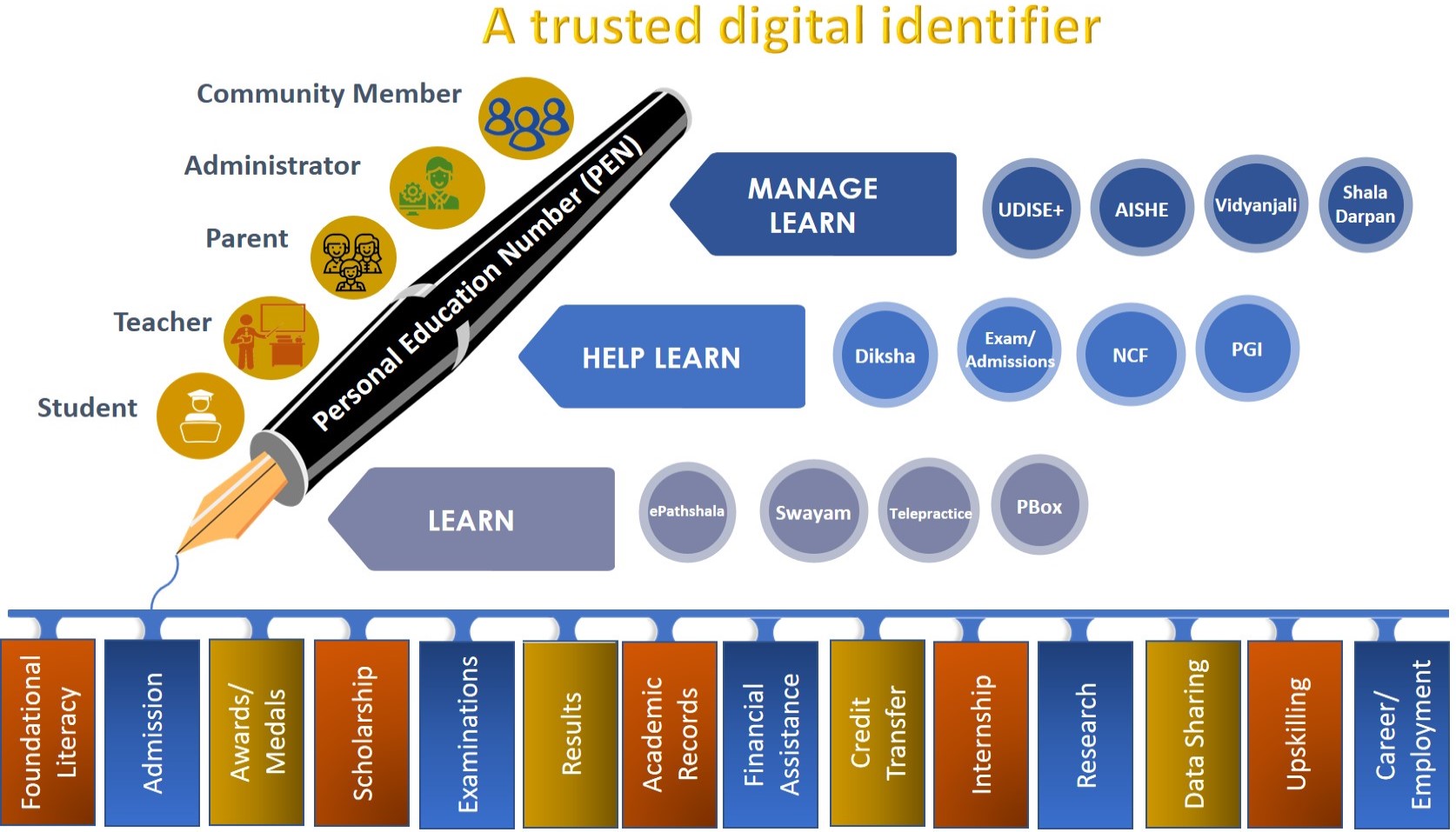
Personal Education Number or “PEN” is an initiative to create a unique identification number across all the Education platforms. PEN would be issued to 5 key personas (Learners, Parents, Teachers, Administrators and Community Members) interacting through 3 generalized scenarios: Learn, Help Learn and Manage Learn as defined in National Digital Enterprise Architecture (NDEAR).
PEN would contain minimum set of essential parameters (like name, date of birth, gender, email, phone etc.) validating the association of personas to the education sector to uniquely identify an academician or an entity.
PEN would facilitate unifying of existing digital assets and applications part of the federated system.
It would act as a permanent reference number in the entire persona lifecycle at different learning stages including pre-primary, primary, secondary, senior secondary, graduate, post-graduate, upskilling etc.
PEN can also facilitate building of national core registries such as student, teacher, counsellor, entities etc. as identified in NDEAR.
Most importantly, it would benefit the personas by providing a unified view of digital assets from diverse federated systems. Stakeholders would be able to share the digital academic assets like UPI model which uses mobile number linked to various kinds of financial accounts for making transaction. On the similar lines PEN linked with multiple registration numbers can be used for availing different services including employment, education, scholarship, credit transfer, loans, examinations, admissions, Passport/Visa etc.
Why Not Aadhaar and other Identifiers ? :
Aadhaar can be enlisted as an attribute for PEN rather than a unique identifier as it might not always be available for everyone part of the education system like NRIs, foreign nationals, organizations etc. Also, due to the legal frameworks associated with Aadhaar, it can’t be made a mandatory parameter for educational services. Similar is the case with other identifiers like Health ID, Passport, PAN etc.
Way Forward
Although generating identification numbers for such a huge population can be a daunting task, it can be implemented if done in a phased manner. In the initial phase, the focus can be on existing class 10th passed students and teachers for whom the database is readily available and slowly it can be cascaded down further for rest of the population. The new entrants can be easily considered by providing tools and creating policies & procedures.
India, a land of ancient knowledge and rich tradition, has always been a beacon of innovation and discovery. From pioneering advancements in mathematics and astronomy to groundbreaking contributions in various fields of science, the country’s legacy of intellectual achievement is unmatched. On August 15, 2022, Prime Minister Narendra Modi, from the ramparts of the Red Fort, reminded the nation of this proud legacy and the critical role that Research and Development (R&D) would play in shaping India’s future. As he addressed the nation, he emphasized the importance of nurturing R&D capabilities, particularly during Amrit Kaal, and called for a renewed focus on innovation with the inspiring slogan, “Jai Anusandhan.”
This call for a vibrant R&D ecosystem resonated with the goals outlined in the National Education Policy (NEP) 2020, which identifies research as a fundamental driver of educational excellence and national progress. The policy seeks to cultivate a robust research culture that not only enhances academic quality but also accelerates India’s growth on the global stage.
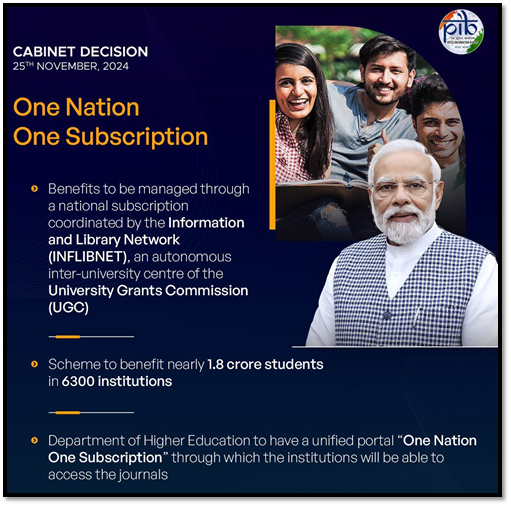
In alignment with this vision, Union Cabinet has approved the One Nation One Subscription (ONOS) scheme on 25th Nov 2024. This initiative seeks to break down barriers to knowledge by providing all students, faculty, researchers, and scientists across the nation’s government higher education institutions (HEIs) and central government R&D centres with access to international scholarly journals and articles. The goal is to ensure that India’s academic and research communities are equipped with the best global resources, fostering innovation and enhancing the quality of research across disciplines.
The ONOS scheme is a cornerstone of India’s ambition to become a self-reliant and developed nation by 2047. This initiative is a key component of the Viksitbharat@2047 vision. This roadmap envisions India’s emergence as a leading global power driven by cutting-edge research, technological advancement, and self-sustained progress. Through such initiatives, India is preparing to build on its rich legacy of knowledge, positioning itself at the forefront of global innovation and discovery.
ONOS Scheme Overview:
The scheme’s objective is to provide all eligible students, faculty, researchers, and scientists with access to top-tier international research articles and journals. It covers more than 6,300 government-managed higher education institutions and central government-managed research and development institutions across the country.
The scheme provides:
• Access to more than 13,000 scholarly journals from 30 major international publishers.
• Benefits about 1.8 crore students, faculty, and researchers across disciplines such as STEM (Science, Technology, Engineering, Mathematics), Medicine, Social Sciences, Finance & Accounts, etc.
• Inclusive access to research for institutions in tier 2 and tier 3 cities, ensuring equitable access to knowledge.
Key Objectives and Goals:
Access to Scholarly Knowledge: The scheme provides access to high-quality scholarly journals and publications across various fields. This aims to democratise access to knowledge to enhance the research capabilities of students, faculty, and researchers.
Inclusion of Diverse Institutions: The scheme ensures that institutions, regardless of their geographic location—in urban centres or remote areas—have access to world-class research resources. This is crucial for advancing core and interdisciplinary research in the country.
Global Research Participation: It aligns with the goals of Viksitbharat@2047, helping India to emerge as a global leader in research and development by enabling its academic and research institutions to engage with international scholarly communities.
Implementation Details:
National Subscription via INFLIBNET: The entire subscription process will be centrally coordinated by INFLIBNET (Information and Library Network), an autonomous inter-university centre under the University Grants Commission (UGC). INFLIBNET will manage the distribution of digital access to these journals, ensuring a seamless experience for users.
Digital Access: Journals will be accessible entirely through a digital platform, ensuring convenience and ease for all users. This approach minimises administrative complexities and makes access available on-demand.
Government Allocation: A total of ₹6,000 crore has been allocated for the PM-ONOS initiative, covering three years—2025, 2026, and 2027. The funding will cover the subscription charges for all participating institutions across the three-year period. Further, ONOS will also provide central funding support of Rs. 150 Crore per year for beneficiary authors to publish in selected good quality Open Access (OA) journals.
Funding and Financial Strategy:
The ₹6,000 crore allocated for ONOS ensures smooth implementation of ONOS from 1st January 2025 to 31st December 2027
ONOS phase I, starting from 1 January 2025, will provide access to over 13,000 journals for more than 6,300 government academic and R&D institutes including central and state-govt universities and colleges. This translates to nearly 1.8 Crore students, faculty and researchers getting access to high quality research publications.
The subscription charges for journals from 30 publishers under ONOS Phase I will be centrally paid by INFLIBNET, covering payments from library consortia, HEIs, and R&D institutions under central ministries. Independent subscriptions will continue for resources not included in Phase I.
This phase will establish the program’s framework and ensure that key research resources are made available to a large number of institutions across India.
Payment of Article Processing Charges (APC) to publishers for selected high quality research publications of the researchers from these participating institutions have also been envisaged in this phase.
Experience of ONOS phase I will be used for designing subsequent phases of ONOS.
Further Enhancements and Features:
Synergy with Existing Initiatives: The ONOS scheme will complement the existing Anusandhan National Research Foundation (ANRF), which is designed to promote R&D activities across India. ONOS will facilitate easy access to international research materials, supporting the foundation’s goal of fostering research and innovation across government-managed institutions.
Discounts on Article Processing Charges (APCs): One of ONOS’s significant features is the discounts on Article Processing Charges (APCs). Journals typically levied these charges for publishing research articles. By negotiating lower APCs with publishers, the scheme will help Indian researchers publish their work in high-quality journals without incurring heavy financial costs.
Conclusion
The One Nation One Subscription initiative is a game-changing scheme for India’s research ecosystem. By providing digital access to over 13,000 journals from 30 international publishers, it will bridge gaps in research infrastructure across India. Through its phased implementation, the scheme will significantly contribute to enhancing India’s academic and research excellence, fostering innovation, and helping the country emerge as a global hub for scientific research. By leveraging existing consortia initiatives of 10 central government Ministries and Departments as well as initiatives of many government higher education institutions, an unifying approach through the one nation one subscription will democratise knowledge dissemination and empower a new generation of researchers and students, providing them with the resources they need to excel.
ONOS is a key part of a broader vision to transform access to knowledge in the country. As the first step in a multi-pronged approach, it expands access through the widely used subscription model. The other steps focus initially on promoting Indian journals and repositories and then introducing new research evaluation methods that consider both journal metrics and factors like innovation and entrepreneurship.
India’s education sector is undergoing a transformation, with an urgent demand for skilled faculty and researchers. According to the HRD Ministry’s report, over 14,500 faculty positions remain unfilled across leading institutions, including IITs and IIMs. Addressing this gap, IIM Bodh Gaya invites applications for its PhD program starting July 2025, offering an unparalleled opportunity for aspiring scholars to lead in academia and industry.
Beyond Academia: The Real Power of a PhD
A PhD equips scholars with more than just academic credentials. Graduates often step into leadership roles in multinational corporations, government advisory boards, think tanks, and research organizations. The degree hones critical thinking, analytical rigor, and innovative problem-solving skills, making PhD holders indispensable in shaping sustainable business practices, public policy, and global strategies.
IIM Bodh Gaya’s PhD Program: Where Excellence Meets Opportunity
Launched in 2020, the PhD program at IIM Bodh Gaya provides world-class training in eight specializations:
Marketing
Economics
Finance and Accounting
Information Technology and Analytics
Operations Management and Quantitative Techniques
Human Resource Management and Organizational Behaviour
Business Communication
Strategy Management
The program is designed to foster cutting-edge research in a supportive environment, backed by a team of experienced faculty and state-of-the-art resources, including advanced analytics tools and well-stocked libraries.
Competitive Scholarships and Global Exposure
A key highlight of IIM Bodh Gaya’s PhD program is its financial support. Scholars receive a stipend starting at ₹50,000 per month, increasing to ₹60,000 post-comprehensive exams—one of the highest among IIMs. Additionally, the program ensures global exposure through specialized training at IIM Bangalore and collaboration opportunities with QS 200-ranked international universities.
Eligibility and Application Details
To be eligible, candidates must meet one of the following criteria:
A Master’s degree with 60% marks or equivalent.
Professional qualifications such as CA, ICWA, or CS with 60% marks or equivalent.
A Five-year Integrated Master’s degree program with 60% marks.
A Four-Year Bachelor’s degree in Engineering with 65% marks or equivalent.
Candidates should also have valid scores in CAT (2022/23/24), GRE, GMAT, GATE, JRF (UGC/CSIR), or the IIMB Test. Applications close on March 31, 2025.
Why Choose IIM Bodh Gaya?
Pursuing a PhD at IIM Bodh Gaya is more than an academic endeavor—it’s a gateway to global opportunities and impactful research. With exceptional financial aid, a nurturing research ecosystem, and unmatched international exposure, IIM Bodh Gaya empowers scholars to become changemakers in their fields.
If you’re ready to redefine your career and make a lasting impact, apply to IIM Bodh Gaya’s PhD program today. Visit their website for more details and take the first step toward unlocking a future of excellence.
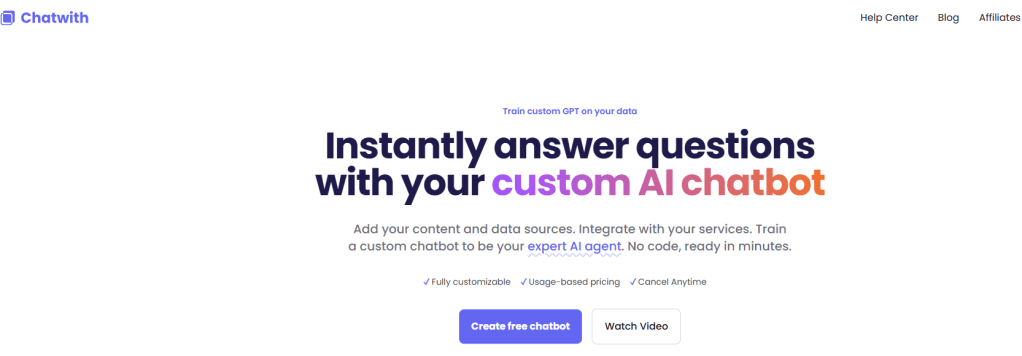
Chatwith.tools is a cutting-edge platform that enables businesses, educators, researchers, and individuals to build, deploy, and manage custom AI chatbots tailored to their specific needs. The platform leverages advanced AI technologies to deliver instant, accurate, and context-aware responses, enhancing user engagement, productivity, and overall experience.
Key Features
1. Customizable Chatbots
Design your chatbot to align with your specific domain or industry needs.
Integrate specialized knowledge bases or datasets to make the chatbot an expert in your chosen area.
Personalize chatbot behavior, tone, and branding to maintain consistency with your organizational identity.
2. Instant Answers
Provides instant, accurate responses to user queries.
Reduces the time spent on repetitive questions, allowing you to focus on more complex tasks.
Powered by advanced AI models for context-aware and natural language processing.
3. User-Friendly Interface
Easy-to-navigate dashboard for creating and managing chatbots.
No coding skills required – the platform offers a drag-and-drop or simple configuration setup.
Suitable for both beginners and advanced users.
4. Integration Capabilities
Seamless integration with popular platforms like websites, apps, and messaging services (e.g., WhatsApp, Messenger, Slack).
API support for custom integrations into existing software or systems.
Compatible with CRMs, eCommerce platforms, and learning management systems (LMS).
5. Advanced AI and Machine Learning
Built on state-of-the-art natural language understanding (NLU) technologies.
Learns and adapts over time to improve response accuracy.
Supports multiple languages, making it ideal for global applications.
6. Analytics and Reporting
Access detailed analytics on chatbot performance, user interactions, and frequently asked questions.
Insights help improve chatbot efficiency and user satisfaction.
Real-time feedback and monitoring to ensure optimal operation.
7. Affordable and Scalable
Flexible pricing plans to suit different needs – from startups to large enterprises.
Scalable architecture to handle growing user interactions without performance issues.
Use Cases
1. Customer Support
Automate responses to FAQs.
Provide 24/7 support, ensuring customer queries are resolved promptly.
Free up human agents for more complex or sensitive issues.
2. Education and E-Learning
Enable interactive learning experiences by answering student questions instantly.
Assist with course navigation, resource recommendations, and academic inquiries.
Support remote learning programs with multilingual chat capabilities.
3. E-Commerce
Improve user experience by guiding customers through product catalogs.
Handle queries about shipping, returns, and payments.
Recommend products based on user preferences and past behavior.
4. Healthcare
Provide preliminary medical advice or information on symptoms.
Guide patients to appropriate services or specialists.
Share appointment schedules or reminders.
5. Research and Academia
Help researchers navigate vast knowledge bases.
Answer specific technical or scholarly questions with precision.
Facilitate collaboration by summarizing complex topics in real-time.
Discover Cities is a fully open access, peer-reviewed journal that supports multidisciplinary research and policy developments across the field of urban science. The journal aims to be a resource for researchers, policy makers and the general public for recent advances in urban research, and the range of interdisciplinary studies that focus on cities and urban life. As a fully open access journal, we ensure that our research is highly discoverable and instantly available globally to everyone. The journal particularly welcomes work that aims to address the United Nations Sustainable Development Goals, especially Sustainable Cities and Communities; Industry, Innovation and Infrastructure; and Responsible Consumption and Production.
Topics
Topics welcomed at Discover Cities include but are not limited to the following:
Smart Cities:
Big data processing and analytics
Machine learning, and artificial intelligence applications
Mobile and wireless sensor networks; location-based services
Internet of Things (IoT); 5G and satellite-based communications
Cloud and edge computing; smart city governance
Digital twin of urban areas and systems
Urban Energy and Sustainability:
Renewable energy sources; energy consumption and carbon emissions
Smart grids and energy management; urban heat island mitigation
Energy transition and decentralization
Energy storage; water-energy nexus; energy communities; zero-energy building (nZEB)
Urban Planning, Design and Transport:
Urban design, development, regeneration and revitalization
Public transportation; pedestrian infrastructure; cycling infrastructure; shared mobility services
Urban public transportation and traffic management
Urban Constructions:
Assessment and retrofitting of existing constructions
Sustainable constructions
Innovative construction materials and techniques
Lifecycle assessment of buildings and building stocks
Urban Climate and Impacts:
Impact of climate on safety and life quality in cities
Extreme climatic events and effects
Effects of climate changes on the urban environment; adaption and mitigation
Built Environment:
Green architecture and building design; urban infrastructure;
Indoor environment
Building information modeling (BIM)
Urban Water:
Urban water infrastructure and management
Urban drainage; urban catchment hydrology and modeling
Urban water storage and contamination
Urban wastewater collection, treatment and recycling
Urban Agriculture and Forestry:
Urban farming; community gardens; rooftop farms
Vertical farming
Planting, maintaining, protecting of urban trees
Urban Economics & Policy:
Urban infrastructure investment and financing; Incentives for renewable energy adoption; energy-efficient building codes; urban housing markets and affordability
Urban poverty, inequality, and social welfare policy
Urban tourism
Urban Health and Well-being:
Healthcare services and facilities in urban areas
Urban health disparities and inequities
Urban environment and its effects on public health
Content types Discover Cities welcomes a variety of article types – please see our submission guidelines for details. The journal also publishes guest-edited Topical Collections of relevance to all aspects of urban science. For more information, please follow up with our journal publishing contact.
The Unified Payments Interface (UPI) has emerged as a game-changer in India’s financial landscape, revolutionizing digital transactions. This critical essay assesses UPI’s evolution, highlighting its undeniable success in fostering financial inclusion and empowering users. UPI’s exponential growth, from millions to billions of transactions, underscores its widespread acceptance. UPI faces significant challenges. Security concerns and frauds pose threats, highlighting the need for robust cybersecurity measures. The digital divide and accessibility issues persist, raising questions about equitable access. Transaction costs burden small businesses, hindering widespread adoption. Regulatory complexities and concerns about market dominance call for a more transparent and equitable ecosystem. Additionally, privacy concerns surround the vast amount of transaction data generated. UPI’s impact on India’s financial landscape is undeniable, but it is essential to address its challenges. Balancing convenience, security, and affordability while ensuring accessibility for all, alongside robust regulations and privacy protection, will be crucial for UPI’s continued success.
The Unified Payments Interface (UPI) has emerged as a transformative force in the Indian financial landscape, revolutionizing the way people conduct transactions. Since its inception in 2016, UPI has garnered immense popularity and is hailed as one of India’s most successful fintech innovations. While UPI’s growth and impact on financial inclusion are commendable, it is crucial to critically examine its various facets to understand both its strengths and limitations.
The Rise of UPI
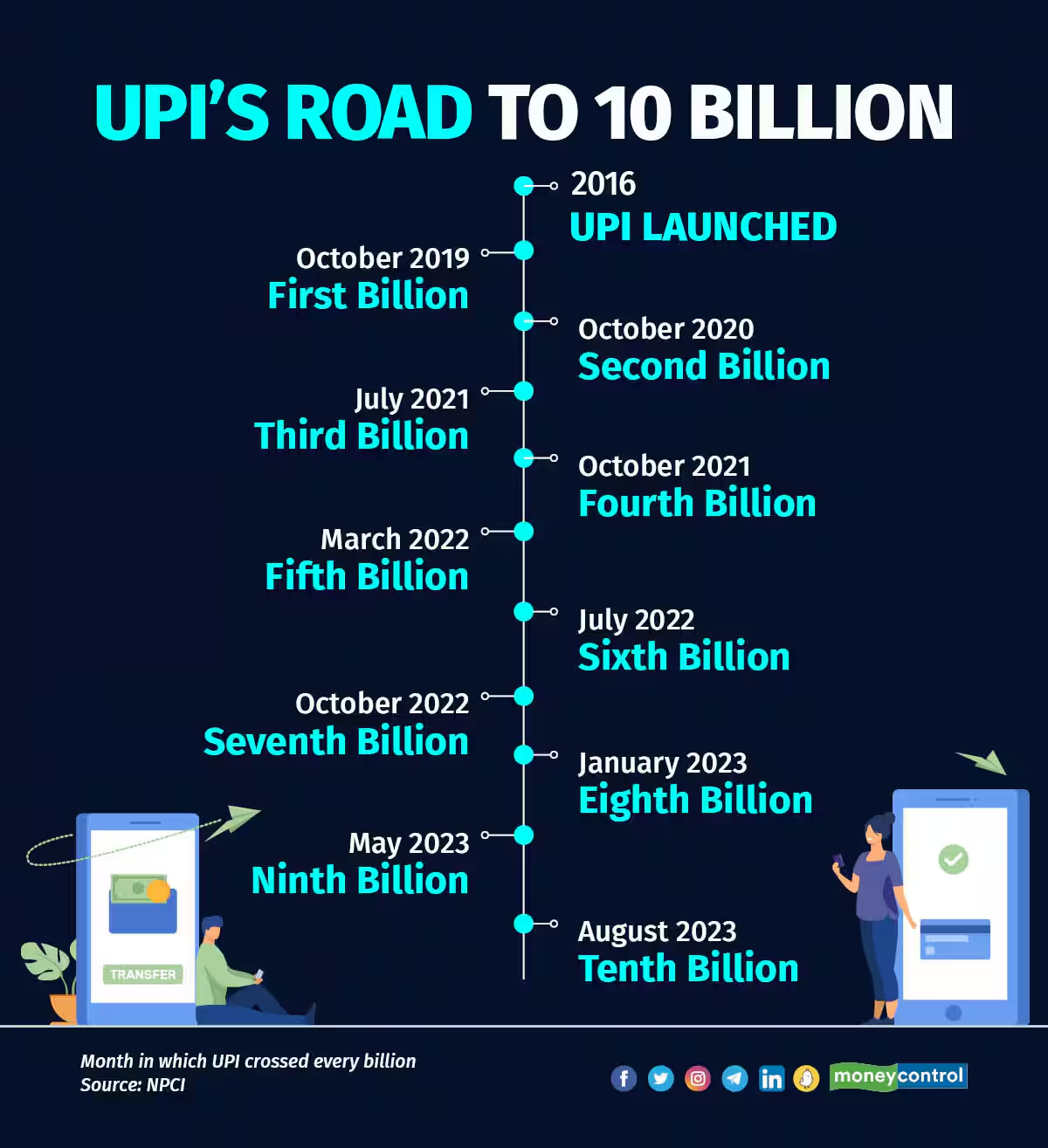
UPI’s success is indisputable. Its user-friendly interface and bank interoperability have made it accessible to millions of Indians. The rapid adoption of UPI can be attributed to its simplicity and convenience, enabling users to send and receive money seamlessly. Its growth from a mere 0.2 million transactions in August 2016 to over 10 billion transactions in August 2023 is a testament to its widespread acceptance.
Financial Inclusion: UPI’s Greatest Triumph
One of the most significant achievements of UPI is its role in furthering financial inclusion. It has allowed people in remote areas to access banking services, make digital payments, and participate in the formal financial system (Daya & Madar, 2018). The Jan Dhan Yojana and Aadhar integration have played pivotal roles in enabling this, but UPI has acted as the vehicle for reaching the underserved.
Security Concerns and Frauds
While UPI offers numerous benefits, it has its share of challenges. Security concerns and frauds have been a growing issue. Despite stringent regulations and guidelines, instances of phishing, social engineering, and unauthorized access have been reported. The ease of transferring funds via UPI has made it an attractive target for cybercriminals (Jajodia & Krishnaswamy, 2017).
Digital Divide and Accessibility
Another critical issue is the digital divide in India. While UPI has made banking services more accessible, it has also left behind a significant portion of the population that lacks access to smartphones, the internet, or digital literacy. The government must address these disparities to ensure that the benefits of UPI reach every citizen.
Transaction Costs and Merchant Concerns
For businesses, minimal vendors, UPI has been a double-edged sword. While it provides a platform for digital payments, the associated transaction fees can be burdensome, particularly for those operating on slim profit margins. This cost factor has led to a reluctance to adopt UPI, which is a concern for the broader goal of a cashless economy.
Regulatory Challenges
The regulatory framework governing UPI needs continuous refinement. Disputes over revenue sharing between various stakeholders and concerns about monopolistic behavior by certain players like Google Pay and PhonePe have highlighted the need for stricter regulation. An equitable and transparent ecosystem is essential to maintain UPI’s integrity.
Privacy Concerns
UPI transactions generate a significant amount of data, which raises concerns about user privacy. The potential misuse of transaction data for profiling or targeted advertising requires robust data protection regulations and practices.
Concluding Remarks
UPI’s emergence in India has undoubtedly transformed the country’s payment landscape and has contributed to greater financial inclusion. However, it is essential to critically assess its impact and address the challenges it faces. Striking the right balance between convenience, security, and affordability, while ensuring accessibility for all, is crucial for the continued success of UPI. Additionally, regulatory and privacy concerns must be addressed to safeguard users’ interests and maintain trust in this revolutionary payment system.
References
Daya, H., & Mader, P. (2018). Did demonetisation accelerate financial inclusion. Economic & Political Weekly, 53(45), 17-20.
Jajodia, N., & Krishnaswamy, A. (2017). A Cashless Society, Cyber Security and the Aam Aadmi. Economic and Political Weekly, 35-38.
Considering furthering your education but struggling to find time? You’re not alone. Adults seek to update their skills or pursue new careers while balancing work and family commitments.
An online adult school can be the key to achieving your goals without compromising your current responsibilities. With flexible learning options, tailored programs, and various course offerings, these institutions cater specifically to adult learners. Let’s delve into the top nine benefits of enrolling in an online adult school that could change your life.
1. Flexible Learning Schedules
One major benefit of online adult schools is the flexibility they offer, which is especially helpful for adults juggling multiple responsibilities. With online programs, you can choose when and where to study, allowing you to fit education into your busy life. Whether you work full-time, care for a family, or have other obligations, these programs make it possible to pursue learning without sacrificing other important areas of your life.
This flexibility also means you can plan your studies around your personal schedule. For instance, you might study early in the morning, during a lunch break, or late at night-whatever works best for you. Unlike traditional schools that require fixed attendance times, online classes let you create a routine that fits your needs.
2. Diverse Course Options
Online adult schools offer a wide range of courses, giving learners the chance to explore many different areas. This variety makes it easier for you to find classes that align with your personal interests or career goals. Whether you want to learn practical skills for a new job, improve abilities you already have, or dive into something completely new, these schools often have career advancement options to match what you’re looking for.
For example, if you’re interested in technical skills, you might find courses on computer programming, graphic design, or digital marketing. These skills are highly valued in today’s job market and can open doors to better job opportunities. If your interests lie in the liberal arts, you could choose from topics like literature, history, or creative writing, which allow you to explore your passion for knowledge and self-expression.
Personal development courses are another great option. These might focus on leadership, communication, or even time management, helping you grow not only professionally but also in your everyday life. Some programs also offer hobby-related classes, such as photography, cooking, or music, which are perfect for those looking to learn for enjoyment and relaxation.
3. Affordable Education
Going back to school can be expensive, but online adult programs are often much cheaper than traditional colleges. One big reason is that these programs cut down on many of the extra costs that come with attending a physical school. For example, you don’t need to spend money on commuting since you can study from home. There’s no need to pay for housing on or near campus, which can be a big expense for students at traditional schools.
Another way online programs save money is by offering digital materials. Instead of buying expensive textbooks, many courses provide e-books, online resources, or other materials that are free or low-cost. This makes learning more affordable and accessible for everyone.
Online schools also tend to have lower tuition fees compared to traditional colleges. This is because they don’t have to maintain large buildings or other facilities, which means they can pass those savings on to students. Some programs even offer payment plans or financial aid options, making it easier for you to afford your education.
4. Boost Skills and Credentials
In today’s job market, having the right skills and credentials can make a big difference. Online adult schools can help you develop new abilities or strengthen the ones you already have. Completing courses shows employers that you’re serious about growing professionally, giving you a better chance at promotions or new job opportunities.
5. Focus on Personal Growth
Many online adult programs don’t just teach work-related skills-they also emphasize personal development. Classes on leadership, communication, or problem-solving can help you grow as a person. These skills are valuable in both your career and personal life, making you more confident and satisfied with your progress.
6. A Global Learning Community
Online schools connect you with people from all over the world. You can interact with classmates and teachers who have different perspectives, helping you learn about new cultures and ideas. This global connection can inspire creative thinking and give you a broader understanding of the world around you.
7. Personalized Learning
Online adult schools often offer tailored experiences to meet your specific needs. Many programs use technology to adjust the material so it fits your learning style. This kind of personalization can be very helpful, especially if traditional classroom settings didn’t work well for you in the past.
8. Learn at Your Own Speed
Another great feature of online programs is the ability to learn at your own pace. You can take extra time to understand harder topics or move quickly through easier ones. This approach helps you truly grasp the material and remember it better, making your education more effective.
9. Better Job Prospects
Finishing a program at an online adult school can lead to new career opportunities or help you get promoted in your current job. Employers value candidates who continue their education because it shows dedication and a willingness to improve. By enrolling in these programs, you can stand out in a competitive job market and move closer to your professional goals.
When considering further education, it’s essential to understand the difference between an MBA vs. Master’s Degree in your field. The choice can greatly affect your career trajectory since an MBA focuses more on business administration and management skills, while a specialized Master’s
A degree might delve deeper into a particular discipline. Evaluating your career goals will help guide your decision and ensure you choose the path that aligns with your aspirations.
Take the Leap in an Online Adult School
With its numerous benefits, enrolling in an online adult school can be a transformative step in your educational journey. From flexible learning schedules to increased career opportunities, the advantages are clear.
Don’t let your busy life prevent you from pursuing your educational dreams. Explore the options available and consider how an online adult school can help you reach your full potential.
For more topics aside from adult education courses, visit our blog!
When it comes to acquiring industrial ice-making equipment, businesses have to balance cost with functionality and reliability. Buying new machines guarantees the latest technology and warranties but comes with a steep price. On the other hand, used industrial ice equipment presents an opportunity for significant savings, provided you do your homework. It’s essential to assess various factors such as machine condition, maintenance history, and compliance with industry standards. Below, we delve into the key considerations to keep in mind when buying pre-owned industrial ice machines.
Assessing the Quality and Condition of Pre-Owned Industrial Ice Machines
Determining the condition of used industrial ice equipment is paramount. Start with a visual inspection to look for signs of wear or damage, which may indicate how well the machine has been maintained. Pay attention to rust, dents, and any other irregularities that could affect the machine’s performance. It’s also important to inquire about any recent repairs or parts replacements. These could either be a sign of good upkeep or indicate potential future problems. Requesting a demonstration of the machine’s operation can provide insights into its functionality and output efficiency. When assessing the quality of used ice equipment, don’t forget to consider the brand and model. Renowned brands often have a reputation for durability and longevity, which can be a promising factor when looking at second-hand options.
Evaluating the Cost-Benefit Ratio: When Does Buying Used Make Sense?
Buying used industrial ice equipment can be cost-effective, but it’s crucial to weigh the immediate savings against long-term costs. Compare the price of the used machine with new models, considering the remaining lifespan and potential needs for repairs or upgrades. Consider the warranty and service agreements available for new versus used equipment. While used ice machines come with a lower upfront cost, the lack of a warranty could result in higher expenses if the machine malfunctions. Examine your business’s operational demands. A used machine might suffice if your ice production requirements are modest or you have backup options. However, if ice production is central to your operations, the reliability of a new machine might justify the extra cost.
Key Features to Look for in Used Industrial Ice Equipment
When searching for second-hand ice equipment, certain features are critical to consider. Capacity should align with your business’s needs, ensuring that you can meet demand without overextending the machine’s capabilities. Efficiency is another key feature. Older ice machines may use more energy and water than newer models, so calculate potential increases in utility costs when evaluating different options. The type of ice produced is just as important. Different industries require specific ice types, like flake, cube, or nugget. Ensure the used machine you’re considering produces the appropriate ice for your purposes.
Regulatory and Safety Compliance of Second-Hand Ice Machinery
Compliance with health and safety standards is essential when purchasing used ice equipment. Check that the machine meets current Food and Drug Administration (FDA) regulations, as non-compliance can pose health risks and lead to penalties. Look for machines that also adhere to energy standards set by organizations like ENERGY STAR. Compliance not only ensures better efficiency but can also signify that the machine is up to date with current industry standards. It’s advisable to have a qualified technician evaluate the machine for safety hazards such as electrical issues or malfunctioning safety features. Overall, purchasing used industrial ice equipment can offer significant financial benefits if due diligence is taken to ensure quality, longevity, and compliance. By thoroughly examining the machine’s condition, maintenance history, cost-effectiveness, and feature set while keeping regulatory standards in mind, businesses can make a well-informed decision that aligns with their operational needs and budgetary constraints.
Laravel Eloquent is a powerful ORM that simplifies database operations in PHP applications. Understanding Eloquent joins is crucial for developers to create efficient database interactions and craft high-performance applications. In the world of Laravel, Eloquent relationships are a fundamental concept that can dramatically streamline the process of working with database relations. In this article, we will delve into the intricacies of Eloquent joins, exploring their types, use cases, and best practices for optimizing performance and maintainability. Keep reading to become proficient in leveraging Eloquent joins for your Laravel projects.
Advanced Eloquent Join Techniques and Performance Optimization
When working with large datasets, optimizing Laravel Eloquent joins is crucial for improving performance. Subquery joins allow you to filter or sort data before joining, which reduces the volume of data processed. Additionally, indexing foreign keys and frequently used columns can significantly speed up query execution, while query caching can prevent unnecessary repetitive operations.
To further boost efficiency, leverage Laravel Eloquent join capabilities to create more specific SQL queries with raw expressions. While eager loading can be useful, it may lead to memory overhead if overused. Instead, lazy loading can load related models on demand, balancing performance with data availability for smoother application performance.
Exploring the Basics of Laravel Eloquent Relationships
Eloquent relationships in Laravel are syntaxes used to define associations between database tables, allowing developers to define how different models interact. These relationships are defined within the Eloquent model, allowing for methods like hasMany and belongsTo, which simplify retrieval and manipulation of related records without writing cumbersome SQL queries. These relationships serve as the foundation for all types of joins within the framework.
Eloquent also allows eager loading, avoiding the N+1 query problem by preloading related models, reducing the number of queries sent to the database and improving application performance. Developers can use these relationships to write clearer and more fluent code. Eloquent also handles complex scenarios like many-to-many relationships, using pivot tables for easy establishment and operation.
Delving into the Types of Eloquent Joins and Their Use Cases
Laravel Eloquent provides various join operations, including inner, left, right, and cross joins. Inner joins retrieve records with matching values in both tables, ideal for direct relationships between two models. Left and right joins retrieve all records from one table and matching records from another, including null if no match is found.
Left joins are useful for optional relationships like fetching all products and reviews. Cross joins produce Cartesian products between two tables, combining each row of the first table with all rows in the second. Developers must understand these joins effectively to address different application requirements.
Troubleshooting Common Issues with Laravel Eloquent Joins
Eloquent joins are a powerful tool for data management, but they can also present challenges. One such issue is the ‘N+1 query problem’, where an additional query is executed for each primary record to retrieve related records. To minimize this, use eager loading correctly. Column name conflicts can also occur when joining tables with identical column names. To avoid this, use table aliases and select columns explicitly.
Eloquent’s selectRaw method can be used to define output precisely. Incorrect relationship definitions can cause unexpected results or errors. Verify that foreign keys and local keys are properly matched. If inconsistencies arise, review model definitions. Profiling queries can reveal inefficient joins or indexing issues, allowing developers to quickly identify and address performance bottlenecks.
Leveraging Eloquent Join Best Practices for Clean and Maintainable Code
When implementing Eloquent joins, it’s essential to follow best practices, such as consistently naming database tables and columns to follow Laravel’s convention-over-configuration paradigm. Breaking complex joins into scopes can make queries more readable and reusable, promoting a cleaner code structure and easier maintenance. Avoid over-engineering Eloquent relationships, as simplifying them can lead to easier-to-understand and more maintainable code.
Strive for a balance between performance and readability to ensure a codebase is efficient and approachable. Documentation is crucial for maintainable code, especially when dealing with complex join operations and relationships. It clarifies intent and helps fellow developers navigate and extend the codebase confidently.
Overall, mastery of Laravel Eloquent joins can lead to the development of robust and efficient applications. By understanding the different types of joins and their use cases, employing advanced techniques for optimization, troubleshooting common issues, and adhering to best practices, you can ensure that your code remains clean, maintainable, and performant. With the knowledge and tools accessible through Eloquent, Laravel developers are well-equipped to tackle the challenges of database management in their web applications.
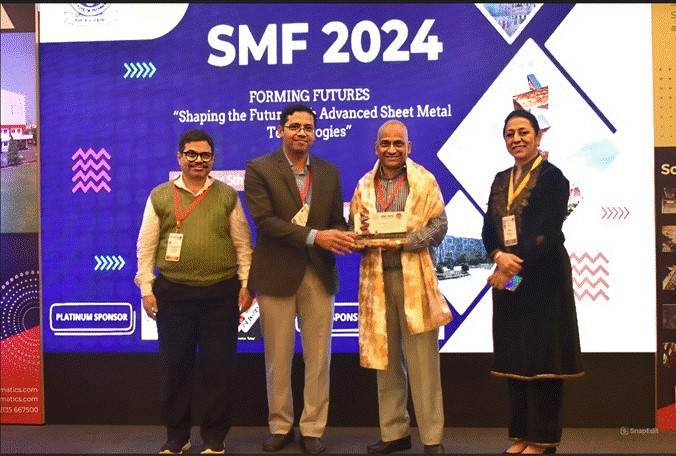
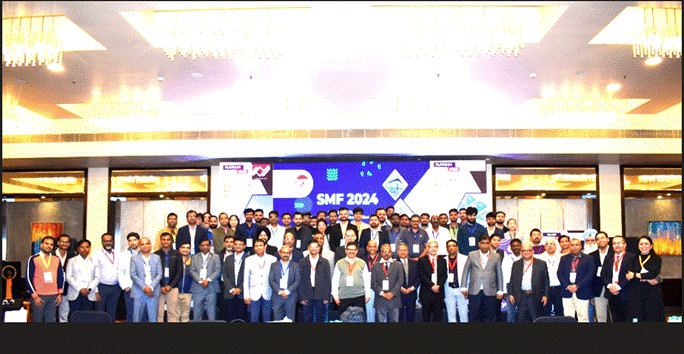
Rupnagar, 9th December 2024: IIT Ropar successfully hosted the Sheet Metal Forming (SMF) 2024 conference, attracting a large gathering of national and international delegates. The event featured eminent speakers from IITs and prominent industry partners, including Auto form, Electropneumatics & Hydraulics, Altair, Tata Steel, Tata Technologies Ltd., Ford India, Felss System GmbH, and JBM Auto Ltd. SMF 2024, the flagship conference of the Sheet Metal Forming Research Association (SMFRA), provided a platform for researchers and developers from India and abroad to present and exchange ideas on metal forming technologies.
The conference commenced on December 5th with an inaugural ceremony. Prof. Anupam Agrawal, from the Department of Mechanical Engineering at IIT Ropar and Organizing Secretary of SMF 2024, welcomed the attendees, including speakers, SMFRA members, scholars, and industry guests. Prof. Rajeev Ahuja, Director of IIT Ropar, conveyed his best wishes for the success of the conference. This was followed by an address by Dr. Prabhat K. Agnihotri, Head of the Department of Mechanical Engineering and Chairman of the conference. Chief Guest Dr. Santosh Kumar, Vice President, Jindal Stainless Ltd., delivered the Rasquinha Memorial Lecture, sharing insights on the latest advancements and challenges in the field of sheet metal forming. Prof. K. Narasimhan, Secretary of SMFRA and Professor at IIT Bombay, highlighted the key challenges in metal forming for academia and underscored the importance of the SMF conference series in bridging academia and industry. The ceremony concluded with a vote of thanks by Prof. Navin Kumar, Department of Mechanical Engineering, IIT Ropar, and Co-Organizing Secretary of SMF 2024.
The event was supported by Platinum Sponsors Auto Formand Electropneumatic & Hydraulics (I) Pvt. Ltd., along with Silver Sponsor Altair Engineering India Pvt. Ltd.
Day 1 of the conference showcased presentations by leading researchers, professors, and industry leaders on the latest advancements in sheet metal forming. Day 2 included technical sessions on diverse topics, such as lightweight metal forming, hot forming for lightweight construction, and challenges in skin panel forming. Attendees had the opportunity to engage with experts and exchange ideas on cutting-edge research in sheet metal forming.
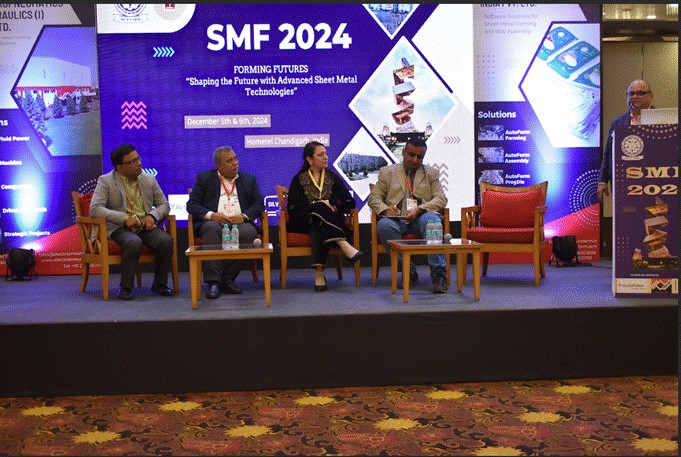
SMF 2024 featured a panel discussion on day 2, moderated by Mr. Avinash Khare, Consultant at Tool Maker’s Facility, India. The panel included distinguished experts such as Prof. Hariharan K. (Associate Professor, IIT Madras), Mr. Prashant Kulkarni (Regional Manager, Altair Engineering India Pvt. Ltd.), Dr. Rahul Kumar (Tata Steel), and Prof. Ekta Singla(Associate Professor, IIT Ropar).
SMF 2024 aimed to provide insights into the future of metal forming research and promote knowledge-sharing among experts. The biennial event concluded successfully, with SMF 2024 Organizing Secretary Prof. Anupam Agrawal and Co-Organizing Secretaries Prof. Navin Kumar and Prof. Ekta Singla—receiving widespread appreciation for their efforts. The conference ended on Day 2 with a valedictory address by Prof. Anupam Agrawal.
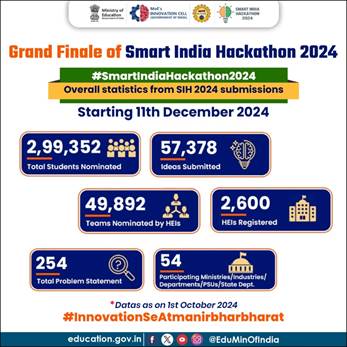
The 7th edition of the Smart India Hackathon (SIH) will concurrently begin on 11th December, 2024 at 51 centres nationwide. Union Minister for Education, Shri Dharmendra Pradhan, will virtually inaugurate the event. SIH is a nationwide initiative to provide students with a platform to solve some of the pressing problems we face in our daily lives and thus inculcate a culture of product innovation and a problem-solving mind set. Like past editions, the student teams will work on either the problem statements given by the Ministries/Departments/Industries or submit their idea in the Student Innovation Category against any of the 17 themes.
For SIH 2024, more than 250 problem statements have been submitted by 54 Ministries, Departments, State Governments, PSUs, and Industries. This year, an impressive 240% increase has been recorded in internal hackathons at the institute level, growing from over 900 in SIH 2023 to over 2247 in SIH 2024, making this the largest edition so far. More than 86000 teams have participated in SIH 2024 at the institute level and around 49,000 student teams (each consisting of 6 students and 2 mentors) have been recommended by these institutes for the national level round. SIH grand finale also serves as a ground for open interaction between officials from different Ministries/government departments and students, teachers from educational institutes which is very unique and also very encouraging for the students and teachers.
The challenges identified and addressed cover 17 major areas/themes linked to sectors of national importance and national priorities. These are Healthcare, Supply chain & Logistics, Smart Technologies, Heritage & Culture, Sustainability, Education & Skill Development, Water, Agriculture & Food, Emerging Technologies, and Disaster Management.
SIH has profoundly influenced India’s innovation landscape, empowering students and professionals to address real-world challenges. A pivotal element ensuring this success is the SIH Alumni Network, which, through its well-designed portal (https://alumni.mic.gov.in/), has seamlessly documented success stories, showcasing transformative outcomes. Till date, SIH Alumni have established over 100 Startups, many of which have strong social dimensions.
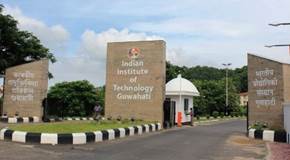
India International Science Festival (IISF) is going to be celebrated at Indian Institute of Technology Guwahati during 30 Nov. to 3 Dec. 2024. The Council of Scientific and Industrial Research (CSIR) is the nodal department for this year IISF and a constituent laboratory of CSIR namely National Institute for Interdisciplinary Science and Technology (CSIR-NIIST, Thiruvananthapuram) is coordinating the whole festival. IISF is a unique festival of science society engagement which was initiated in the year 2015 and the very first IISF was organised at IIT Delhi. Vijnana Bharati, a science movement of India conceptualized this science festival. North East India will witness this festival for the first time. To date, India International Science Festival has been the largest science event in the country with a participation of thousands of people who come together annually to foster scientific collaboration, inspire young minds and propel economic growth through scientific approaches.
“IISF is not only meant for the people who do science. The key philosophy of IISF is the celebration of science by all, and thus it also engages common people in a joyful and entertaining manner”.
This year in 2024, IISF is being organized at IIT Guwahati, Assam from November 30th – December 4th, 2024. The theme of this 10th edition of IISF is “Transforming India into an S&T driven Global Manufacturing Hub”. It reflects the government’s aim to merge science and technology with industrial growth, making India global leader in manufacturing.
IISF Organizers and Organizing Partners
The Ministry of Science and Technology (MoS&T), through their departments viz. Department of Science & Technology (DST), Council of Scientific & Industrial Research (CSIR), Department of Biotechnology (DBT) and Ministry of Earth Science (MoES) is responsible for conducting this mega annual event. Along with government organizations Vijnana Bharati has been a consistent organizing partner of IISF since the inception of this event.
The other organizations that took active part in IISF are office of Principal Scientific Advisor (PSA) to Govt. of India, Department of Space (DoS), Department of Atomic Energy (DAE), Directorate of Defence Research & Development (DDR&D), Ministry of New And Renewable Energy (MNRE), Ministry of Health & Family Welfare (MoH&FW), Department of Agricultural Research and Education (DARE), Ministry of Environment, Forest and Climate Change (MoEFCC), Ministry of Ayush, Ministry of Electronics and Information Technology (MeitY), Ministry of Rural Development (MoRD), and many other concerned ministries, their departments, councils and organizations.
The IISF-2024 is being coordinated by the CSIR, convened by CSIR-NIIST and partnered by all the major ministries and scientific departments of the Government of India in collaboration with Vijnana Bharati.
Thematic Events of IISF-2024
IISF has various themes that aim to indulge scientific and common people for diverse scientific discussions and activities. Here, everyone gets a chance to engage and learn scientific approaches due to the themes that have been planned after keeping in mind the needs of various stakeholders. For IISF some new themes have been added as per the need of North East India and here a little information is been given about all themes.
To begin with, IISF 2024 has one special event “Chandrayaan – The Museum of the Moon” where an artistic model by British artist Dr. Luke Jerram will be placed among the attendees to showcase and celebrate India’s success of Chandrayaan Mission. The model is a replica of the moon that measures about seven meters in diameter and will showcase the real like imagery of lunar surface where Chandrayaan was landed on August 23, 2023.
Mega Science and Technology Exhibition will showcase accomplishments and success stories of India in the field of Science, Technology, Engineering, and Mathematics (STEM). In the expo various technologies developed by Indian Scientific and R&D Institutions across the country kept on display for all four days of the festival to show and educate students, scientists, and the general public.
Make in India, Make for theWorld event aims to attract national as well as international organizations involved in manufacturing, technology, and logistics to discuss about things required to make India a global manufacturing hub.
The New Nalanda known earlier as Student Science Village will enable interaction of students and teachers. The event aims to ignite students’ interest in STEM through interactive exhibits, demonstrations, educational games and challenges.
Pragya Bharat event will discuss New Frontiers in S&T that are needed to make India Viksit Bharat by 2047. The event aims at promoting cutting edge research across various scientific disciplines like AI, Biotechnology, Cybersecurity, Robotics, Quantum Computing etc. which can make India developed and self-reliant.
Nari Shakti – Women’s Development to Women-led Development in S&T event will focus on active participation of women in STEM and Entrepreneurship and discuss about various schemes provided by Government of India to empower women in S&T.
S&T Hackathon – Ideas for Viksit Bharat event is designed to encourage school and college students to develop innovative solutions related to science and technology, focusing on Viksit Bharat Sankalp. Teams comprising of students and mentors will be allowed to participate in the competition and winners will get attractive prizes whereas final participants will get special benefits like internships, project positions etc.
Young Scientists Conclave intends to bring together young researchers, scientists and innovators below the age of 45 years belonging to academia, research and industry fraternities. It enables young researchers to be aware of the scientific policies of India and the recent developments in science and technology of India including infrastructure development, funding opportunities etc.
Thought Leaders Round Table – Minister – Secretary – Councils – CEO Conclave will bring the leaders and policy makers like Central and State Government Ministers, Departmental Secretaries, S&T Councils and CEOs of Industries on one platform. The event will have discussions on important issues and establish collaborations for making big changes in public and private sectors that can align with the goal of Viksit Bharat.
The Gurukula – Aspiring Educators and Teachers Workshop earlier known as The National Science Teachers Workshop aiming at the professional development of science teachers by equipping them with innovative teaching methodologies, modern tools and strategies to effectively impart scientific knowledge to students.
Mission Start-up eventoffers the opportunity to Start-ups and supporting enablers like incubation centres. Start-ups in this event can showcase their products and services to the investors and associates which in turn help them grab the further opportunities under Start-up India mission and other initiatives available in the country.
Reimagining Bharat Exhibition – Transformation through New Age Technologies aims to showcase emerging technologies and prototypes/models developed by Governmental Agencies and Departments. The S&T areas targeted for this event are not limited to fundamental and applied sciences, agriculture, healthcare, space, education, strategic sectors, robotics, etc.
Sagarika – The Tale of Earth Sciences event as name suggest aims to engage and educate people on different areas of earth science such asmeteorology, oceanography, ecology etc. Through this event, IISF desires to raise public awareness on environmental issues.
Science beyond Borders event is aimed at fostering international collaboration, partnerships and exchange of dialogues among scientists, researchers and institutions to address global challenges in S&T.
Vigyanika event celebrates Science Literature Festival which aims to promote science literacy and effective science communication strategies in Indian languages. The interactions done through keynote lectures, panel discussions and scientific sessions among S&T authors, Vigyan Kavi Sammelan, Science Drama and arts, and related competitions.
Fusion Forum – The Atomic Assembly event will discuss the current perspectives, future benefits, and pressing challenges in implementing nuclear energy in India for various sectors like Generation of power, nuclear medicine, agriculture, Additive manufacturing etc.
Student – Scientist Interaction Program – Face to Face with New Frontiers in Science mediates interaction and short discussion based sessions of students/researchers with experts of various disciplines of S&T to inspire students to pursue science and research career.
National Social Organizations and Institutions Meet (NSOIM), well understand the role of social organizations promotion of S&T and thus provides them platform to discuss scientific interventions and sustainable models for societal development and nation-building.
Vision Sansad aims at bringing together key leaders like Directors, Vice Chancellors, Presidents and Senior Leaders from every possible science institution of the country where discussions can take place strategies for advancing scientific research, collaboration and policy development to address current challenges and shaping the future of Indian science in an inclusive manner.
Science Safari Science through Games and Adventures provides a platform to display science-based toys and games and also workshops are being organized to let the teachers learn the ways these toys used for teaching purposes.
S&T Media Conclave will bring media personnel, journalists, communicators and general public on a platform where they can discuss the challenges and opportunities of communicating science to a wide audience, best ways of science communication and preventing misinformation, and strategies to enhance collaboration between scientific community and media.
Saga of Science Chronicles is an evening event that will tell the history and recent developments of Indian science and scientists through LED light show that will happen during 7:30 pm – 9:30 pm during each day of IISF 2024.
Science Odyssey of the North East will address the challenges that hinders the growth of science and technology in North East and discuss the ways of promotion of science and technology of North East.
The Taste of the Hills- North East Food Street will showcase the food heritage of North East and let the people eat and enjoy their traditional food items. The Food Street will remain open throughout IISF 2024.
North East Symphony- North East Cultural Fest will portray North East India’s diverse traditions, customs, and arts through experience of music, dance, crafts, and traditional practices. The fest is staged during the whole duration of IISF 2024.
IISF 2024, promises to be a landmark event in promoting science and technology. With the current theme it seeks to celebrate India’s scientific achievements and foster collaboration across various sectors. The event will feature diverse activities, engaging both scientific professionals and the general public. It is open for all and free so one has to attend the event to see India’s scientific achievements.
Ministry of Food Processing Industries (MoFPI) is implementing a Centrally Sponsored- “Pradhan Mantri Formalisation of Micro Food Processing Enterprises (PMFME) Scheme” for providing financial, technical and business support for upgradation of micro food processing enterprises in the country. The scheme is operational for a period of five years from 2020-21 to 2025-26 with an outlay of Rs. 10,000 Crore. The scheme aims to enhance the competitiveness of existing individual micro-enterprises in the unorganized segment of the food processing industry and promote formalization of the sector. The Scheme primarily adopts One District One Product (ODOP) approach to reap the benefit of scale in terms of procurement of inputs, availing common services and marketing of products. It provides the framework for value chain development and alignment of support infrastructure. The ODOP are identified by States / UTs based on the agriculture production, raw material availability, perishability of the product etc. The details of financial assistance offered to the prospective entrepreneurs under PMFME Scheme to promote ODOP are at Annexure.
Ministry of Food Processing Industries (MoFPI) extends financial assistance as grant-in-aid to various institutions/ universities, Public funded organizations and recognized R&D laboratories both in public and private sector, to promote and undertake demand driven R&D work in the Food Processing Sector for product and process development, design and development of equipment, improved storage, shelf-life, packaging etc.
Under the scheme, financial assistance as grant-in-aid is given to Private organizations/ Universities/institutions/R&D laboratories and Council of Scientific & Industrial Research (CSIR) recognized R&D units in private sector to the tune of 50% of equipment cost in general areas and 70% in difficult areas and to various Universities, Indian Institute of Technology(IITs), Central/ State Government Institutions, Government funded organizations to promote and undertake demand driven R&D work in food processing sector for product & process development, design and development of equipment, improved storage, shelf-life, packaging etc. R&D projects of Government organizations/ Institutions are eligible for 100% grant-in-aid for the cost of equipment, consumables and expenditure related to Research Fellows, etc. R&D portal had been developed through the National Institute of Food Technology, Entrepreneurship & Management (NIFTEM), Kundli, Sonepat, Haryana to disseminate information relating to research & development work supported by MoFPI scheme, including outcomes, technologies developed, etc. The portal will also be a repository of R&D work by other Ministries/Institutions in the food processing sector.
This information was given by Union Minister of Food Processing Industries Shri Chirag Paswan in a written reply in Lok Sabha today.
ANNEXURE
The details of financial assistance offered to the enterprises under Pradhan Mantri Formalisation of Micro Food Processing Enterprises (PMFME) Scheme are as under:
(i). Support to Individual / Group Category Micro Enterprises: Credit-linked capital subsidy @35% of the eligible project cost, maximum ceiling Rs.10 lakh per unit;
(ii). Support to SHGs for seed capital: Seed capital @ Rs. 40,000/- per member of SHG engaged in food processing for working capital and purchase of small tools subject to maximum of Rs. 4 lakh per SHG Federation.
(iii). Support for Common Infrastructure: Credit linked capital subsidy @35% subject to maximum of Rs. 3 crore to support FPOs, SHGs, Cooperatives and any Government agency for setting up of common infrastructure. The common infrastructure will also be available for other units and public to utilize on hiring basis for substantial part of the capacity.
(iv). Branding and Marketing Support: Grant upto 50% for Branding and Marketing to groups of FPOs/ SHGs/ Cooperatives or an SPV of micro food processing enterprises.
(v). Capacity Building: The scheme envisages training for Entrepreneurship Development Skilling (EDP+): program modified to meet the requirement of food processing industry and product specific skilling.
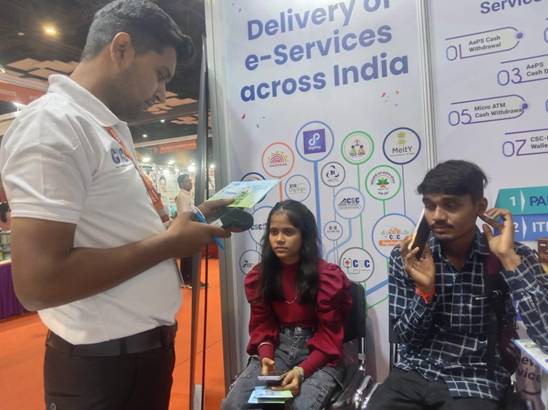
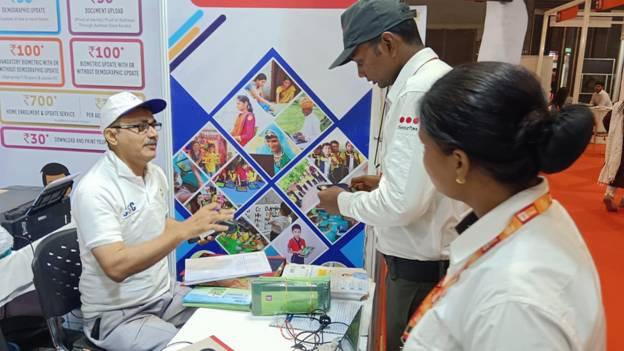
The Ministry of Electronics and Information Technology has set up a vibrant stall at the India International Trade Fair (IITF) in Hall No. 14. Hosted by Common Service Centers (CSC), the stall showcases a wide range of digital and community services, including the Grameen eStore, CSC Academy, DigiPay, Aadhaar-related services, and other key initiatives. The primary aim of this exhibit is to spread awareness about the facilities provided by CSC and encourage more people to leverage these services for their empowerment.
The Dynamic Leaders Behind the Stall
This CSC stall is led by two dedicated and inspiring Village Level Entrepreneurs (VLEs) from Delhi, Siddharth and Vikas. Their dedication and commitment reflect the transformative power of digital services, as they serve their communities while setting examples for others.
Siddharth: A 22-Year-Old Visionary
Siddharth, a 22-year-old entrepreneur, started his CSC center in 2020. Operating from Mandawali, Delhi, he faced the responsibility of supporting his family right after completing his 12th-grade education. Despite the challenges, he turned his situation around by utilizing the income generated through CSC services. Today, Siddharth manages services such as Aadhaar registration, DigiPay, and Grameen eStore with great efficiency. His journey is a testament to how young individuals can transform their lives by seizing the right opportunities.
Vikas: A Story of Resilience and Success
50-year-old Vikas has overcome significant challenges in his life. Stricken by polio in childhood, he experiences difficulty walking. However, his determination never wavered, and he established his CSC center in the Rohini area of Delhi. Vikas’s story serves as a powerful reminder that physical limitations cannot hinder one’s drive and potential for success. Through his center, he provides vital services like Aadhaar enrollment, seamless transactions via DigiPay, and other government schemes.
The CSC Stall: A Symbol of Digital Empowerment
Visitors to the CSC stall at IITF can explore opportunities like the Grameen eStore, which facilitates easy buying and selling of products, DigiPay for cashless transactions, and CSC Academy’s programs to enhance digital literacy. The efforts of VLEs like Siddharth and Vikas underscore how digital services can bridge gaps and empower individuals, even in the face of adversity.
Role Models for Society
The inspiring journeys of Siddharth and Vikas illustrate that digital services are not just tools for livelihood but also a means to uplift every segment of society. Their hard work and dedication have made them role models for countless others aspiring to achieve financial independence and social impact.
The CSC stall at the India International Trade Fair exemplifies the success of the Digital India initiative, reaching even the remotest corners of the country. Siddharth and Vikas, with their resilience and determination, stand as shining examples of this transformation. Their stories teach us that success is achievable despite challenges if one has perseverance and the right opportunities. CSC’s initiative not only promotes digital inclusion but also inspires individuals across the nation to become self-reliant and empowered.









 National Subscription via INFLIBNET: The entire subscription process will be centrally coordinated by INFLIBNET (Information and Library Network), an autonomous inter-university centre under the University Grants Commission (UGC). INFLIBNET will manage the distribution of digital access to these journals, ensuring a seamless experience for users.






















 Eduindex
You must be logged in to post a comment.