One of the popular item to make home and offices look nice is blinds. Blinds are versatile window coverings that serve both functional and aesthetic purposes in homes and offices. They offer control over privacy, light, and temperature while also contributing to the overall interior design. Peterjohn.co.uk provides different types of Blinds come in various designs, allowing individuals to choose the perfect option to suit their needs and style preferences.
Here are some of the most popular types and designs of blinds:
Vertical blinds consist of individual slats that hang vertically from a track.
They are an excellent choice for large windows and sliding glass doors.
Available in various materials, including fabric, vinyl, and wood, allowing for customization.
Horizontal Blinds:
Horizontal blinds have slats that run horizontally and can be adjusted to control light and privacy.
Common materials include aluminum, wood, and faux wood.
Venetian blinds are a popular type of horizontal blind with wider slats.
Roman Blinds:
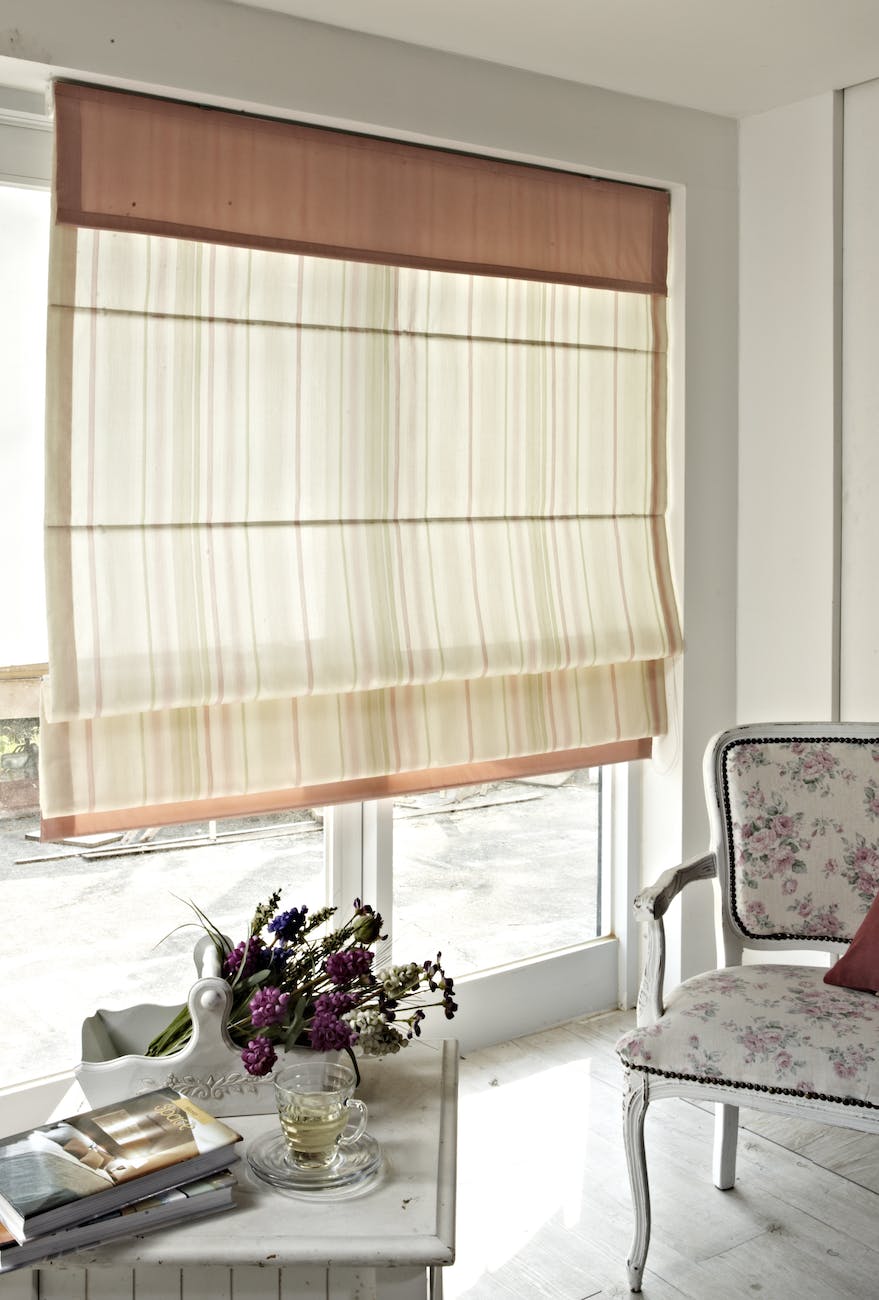
Roman blinds are made of fabric that folds up into neat horizontal pleats when raised.
They create an elegant and soft look in any room and are great for bedrooms and living areas.
Roller Blinds:
Roller blinds consist of a single piece of fabric that rolls up and down using a pulley system.
They are simple and functional and come in a wide variety of patterns and colors.
Pleated Blinds:
Pleated blinds have a concertina-like structure and are made from pleated fabric.
They are perfect for adding texture and style to windows, especially in contemporary interiors.
Cellular or Honeycomb Blinds:
These blinds are designed with a unique honeycomb structure that traps air, providing excellent insulation.
They are energy-efficient and help regulate indoor temperatures.
Bamboo and Woven Wood Blinds:
These blinds are crafted from natural materials such as bamboo, reeds, and grasses.
They add a warm and earthy feel to interiors and are often used in eco-friendly designs.
Panel Blinds:
Panel blinds consist of large fabric panels that slide horizontally along a track.
They are ideal for covering large windows and creating room dividers in open spaces.
Motorized Blinds:
Motorized blinds can be controlled remotely or through a smart home system.
They offer convenience and can be programmed to adjust automatically based on time of day or sunlight levels.
Blackout Blinds:
Blackout blinds are designed to block out all light and are perfect for bedrooms or home theaters.
They often have special light-blocking features and are available in various styles.
Custom Blinds:
Many blinds can be customized to fit specific window sizes and design preferences.
Custom options include fabric choices, color, slat width, and decorative elements.
Blinds play a significant role in interior design, providing both functionality and aesthetics. When choosing blinds for your space, consider factors like light control, privacy, insulation, and style to find the perfect blinds that complement your decor and meet your needs.
Health estimates play a pivotal role in shaping healthcare policy, resource allocation, and individual health decisions. These estimates, often based on rigorous research and data analysis, provide valuable insights into various aspects of health, including disease burden, healthcare utilization, mortality rates, and the efficacy of public health interventions. In this essay, we will delve into the significance of health estimates and their impact on healthcare systems and individual well-being.
Health estimates encompass a wide range of quantitative assessments related to public and individual health. They can be broadly categorized into the following key areas:
Disease Burden: Health estimates provide essential information about the prevalence and incidence of diseases within a population. These estimates help policymakers and healthcare professionals understand the scope of health challenges, allocate resources effectively, and prioritize interventions.
Healthcare Utilization: Analyzing healthcare utilization patterns allows for the assessment of healthcare access, disparities, and the efficiency of healthcare delivery systems. It helps identify areas where healthcare services may be underused or overused.
Mortality Rates: Estimations of mortality rates are fundamental for tracking the impact of diseases and interventions over time. These estimates guide public health initiatives, especially during epidemics and pandemics.
Efficacy of Interventions: Health estimates are crucial for evaluating the effectiveness of healthcare interventions, such as vaccination programs, treatment modalities, and preventive measures. They aid in evidence-based decision-making and can inform policy adjustments.
Importance of Health Estimates
Informed Decision-Making: Health estimates serve as the bedrock of informed decision-making for healthcare policymakers and practitioners. By providing accurate and up-to-date data, estimates enable the formulation of targeted strategies to address health challenges.
Resource Allocation: Limited healthcare resources must be allocated judiciously. Health estimates guide resource allocation by identifying areas with the greatest need, thus optimizing the utilization of healthcare funds and infrastructure.
Monitoring and Evaluation: Health estimates provide benchmarks for evaluating the impact of healthcare policies and interventions. Regular assessments help refine strategies and ensure that resources are directed toward the most effective initiatives.
Public Health Preparedness: In the face of emerging threats, such as infectious disease outbreaks, health estimates are indispensable for gauging the potential impact and planning effective response measures. Timely and accurate estimates can save lives during public health emergencies.
Personal Health Decisions: On an individual level, health estimates can empower people to make informed decisions about their own health. For instance, understanding the prevalence of risk factors for certain diseases can motivate individuals to adopt healthier lifestyles and seek timely medical care.
Challenges and Limitations
While health estimates are invaluable, they are not without challenges and limitations. Some of these include:
Data Quality: The accuracy of health estimates relies heavily on the quality and availability of data. In some regions, data collection may be incomplete or unreliable, leading to less accurate estimates.
Assumptions and Modeling: Many health estimates are based on mathematical models that involve assumptions. These assumptions can introduce uncertainty into the estimates, making it important to communicate the limitations associated with them.
Resource Constraints: Conducting comprehensive health surveys and studies can be resource-intensive. Some countries, particularly low-income ones, may face challenges in obtaining sufficient data for accurate estimates.
Conclusion
Health estimates are a vital tool in modern healthcare. They guide policymakers, healthcare providers, and individuals in making informed decisions about public health, resource allocation, and personal well-being. As we continue to navigate the complex landscape of healthcare challenges, the importance of accurate and up-to-date health estimates cannot be overstated. Investing in data collection, research, and analysis is essential to improve our understanding of health trends and to develop effective strategies for promoting better health outcomes for all.
When ever I had a plan of buying some skin care products i am denied to do so by my mom. She always told me that its the kitchen that has the solution for all the skin problems. I trusted her, and i am glad i still do. We often are fascinated by all the chemical based products that many people on the internet use. Not going to deny that they all are helpful enough to make your skin better, but the magic that these natural ingredients exhibit is pleasing enough for us to stick to them tesilab.
These are some ingredients that gives your skin the care it needs.
HONEY
Honey is very beneficial for all types of skin. It moisturizes dry skin and balances oily skin. Honey can be used alone with no additives or it can be added with other ingredients like curd, turmeric, rose water, coffee etc. It has a lot of other important benefits like it cleans pores, exfoliates skin, treats acne, and fades scars. It is a must in your skin care routine.
ROSEWATER
Rose water has been used as a beauty product for thousands of years. It can improve your complexion and reduce skin redness. The antibacterial properties may help reduce acne. The anti-inflammatory properties can reduce skin redness and puffiness. One way of use would be to mix 2 teaspoons of rose water with half a teaspoon of lime juice. Using it every alternate day will help you to cleanse and freshen your skin naturally.
PAPAYA
Papaya consists of an enzyme called papain which promotes healing of the skin and will also enhance the secretion of collagen when used topically for the skin. Papaya is a natural remedy to heal scars, burns and skin diseases for ages. Just rub a small piece of papaya on your face as let the ski absorb it all and late rinse it off for a radiant skin.
EGGS WHITES
Egg whites contain vitamins and minerals that can benefit the skin’s overall appearance. For aging skin, egg whites can help tighten and firm. If you have large pores or acne-prone skin, egg whites help close pores and get rid of build up. Blending egg whites with yogurt will give the perfect combo that helps you get rid of clogged skin pores.
YOGURT
Yogurt also contains calcium, which supports skin cell generation, promoting healing of dry skin. The zinc in yogurt provides anti-inflammatory effects and protects the skin from sun damage. The lactic acid in yogurt also helps remove dry and dead skin cells, giving your skin a smooth appearance.
Madhur Day Matka is a popular card game in India that people of all ages enjoy. With a significant impact on the economy of the gaming industry, it has become one of the most popular games in the country. In Madhur Day Matka, players use combinations of two cards to make as many points as possible. A player’s objective is to score more points than your opponent, and the first player to reach the score of 25 points or more wins the game. The game is also known by a few other names, such as Madhur Day, Madhur Matka, or Madhur Day Re.
As online gambling in India continues to grow, so too does the significance of Madhur Day Matka Gambling. The game became increasingly so popular that it is estimated to be worth over $3 billion annually. The impact of Madhur Day Matka Gambling on Indian society and culture has been significant, not only financially but also socially and culturally. Online gambling has provided a convenient platform for bettors to put their part in playing Madhur Matka efficiently across India and get Madhur matka results more rapidly by logging in through a potential website like Matka.bet. Popular and is growing at a significant rate.
The industry is expected to reach above $1.9 billion by the end of the year among the state dwellers. The country’s population of over 1.3 billion people gives it a significant advantage over other countries regarding online gambling. Madhur Day Matka Gambling is available in several different languages, including English, Hindi, Punjabi, Tamil, and Telugu.
Association with Satta Matka Game
Madhur Day Matka is an Indian card game closely associated with the popular Satta Matka game. Both games are based on mathematical calculations and involve betting on the outcome of specific cards. However, The key difference that makes both the games variational is that in Madhur Day Matka, you don’t need to calculate the exact sum of a number or a combination. Instead, you have to bet on the outcome of specific cards.
Potential Tips for Beginners
Madhur Day Matka is a popular game in India where two players compete to earn points by matching cards. There are several tips that beginners can consider when playing the game, including learning the basic strategy and picking the right betting options. It is a two-player game with a unique scoring system. If you’re new to the game, here are five tips to help you get started:
1. Learn the basic rules of Madhur day Matka
Madhur Matka is a popular board game in India. It is similar to the game of chess but with more moves per turn. The game’s objective is to capture all of the opponent’s pieces or put them into a position where they cannot move. Several basic rules should be followed while playing Madhur Matka day in India. It’s equally important for a bettor to look out for basic rules before jumping onto the game.
2. Strategize your moves
In Madhur Matka, good planning strategies are important to win the game. This is because many different types of combinations can be played, and each can lead to a different outcome. Therefore, players must carefully consider which combination to play and when to make the most advantageous decisions. By using effective planning strategies, players can maximize their chance of winning.
3. Practice regularly
Regular practice with a friend in the Madhur Matka game can effectively improve one’s skills. Playing with a friend provides an opportunity to share notes and strategies and help one another improve. This type of practice can also help promote positive competition, leading to improved results on the playing field. Also, it helps the player anticipate the wrong move’s outcomes and how they impact your winnings.
4. Look out for better odds
Looking out for better odds in Madhur Matka is an effective move to increase your chances of winning the game. Playing with better odds means you can win more hands, which will increase your chances of winning the game. You can do a handful of things to improve your odds in Madhur Matka: play more hands, bet high when possible, and avoid playing with Pros in the first place. Playing more hands does a couple of things.
5. Be patient – it can take some time to get good at the game
There is no doubt that patience while playing Madhur Matka can be effective in winning the game. However, knowing when to back off and press on is essential. Knowing when to stay and when to go is highly important. Sometimes it will be best to hold onto your cards and play defensively; other times, it is better to take risks and attack your opponent. There are times when it will be best to play aggressively and other times when you must hold onto your cards. It completely depends on what is happening in the game and what strategy you want to follow. The chances are that the more patient you are, the longer it will stay in the game and increase your winning chances.
Empowerment stands for giving authority and power to women. Thus, Women’s empowerment refers to empowering women to make their own decisions. It means women should have full equality across all fields, regardless of stereotypes. With higher literacy rates and equal pay for equal work, women can thrive economically and rise out of poverty. Protecting women and girls from violence and abuse while challenging the stigmas against reporting crimes would overall create a much safer society.
The Current State of Gender Equality:
On the World Economic Forum’s Global Gender Gap Index of 2021, India ranks 140th among 153 nations, “becoming the third-worst performer in South Asia.” India fell 28 places from its 2020 rank of 112th. The report cites several reasons for this fall. In terms of political empowerment, the number of female ministers declined from about 23% in 2019 to just 9% in 2021. The female workforce participation rate also decreased “from 24.8% to 22.3%.” Additionally, the “share of women in senior and managerial positions also remains low.” The report also indicates that women in India earn just one-fifth of what men earn.
Furthermore, “one in four women” endure “intimate violence” at least once in their lifetime. Although India has achieved gender parity in educational attainment, illiteracy rates among women remain high. The report indicates that just 65.8% of women in India are literate in 2021 in comparison to 82.4% of men.
Women also endure inequality concerning land and property rights. A 2016 UNICEF report noted that only 12.7% of properties in India “are in the names of women” despite 77% of women in India depending on agricultural work as a core source of income.
Benefits of Empowering Women in India:
As the majority of India’s population, women represent a significant portion of the nation’s untapped economic potential. As such, empowering women in India through equal opportunities would allow them to contribute to the economy as productive citizens. With higher literacy rates and equal pay for equal work, women can thrive economically and rise out of poverty.
Protecting women and girls from violence and abuse while challenging the stigmas against reporting crimes would overall create a much safer society. Improving the female political representation rate would enable more women to serve as role models for young girls and allow a platform to bring awareness to the issues affecting women in India. Overall, gender equality allows for women to live a better quality of life, allowing them to determine their futures beyond traditional expectations.
Women Of Worth (WOW):
According to its website, “Women Of Worth exists for the growth, empowerment, and safety of girls and women” standing “for justice, equality and change.” WOW began in 2008, created by a group of women who longed for change in a society rife with gender discriminatory practices. Its ultimate vision is “to see women and girls live up to their fullest potential.” With a mission of empowering women in India.
The organization has three focal areas:
1. Advocacy Work: WOW utilizes social media platforms to raise awareness of gender inequality and “change attitudes and behavior.”
2. Training and Health Services: WOW provides training to both men and women in schools, tertiary institutions, and companies on women’s safety and rights. It also presents lectures and “keynote addresses” on the topic. Furthermore, WOW provides counseling sessions to improve mental health. Rehabilitation and Restoration: WOW offers “counseling, life skills training, and therapy” to children and women who are victims of abuse, neglect, and trafficking.
WOW’s efforts have seen success. The organization helped to rescue 200 girls from abusive backgrounds, providing them with rehabilitation services. WOW also gave 11 girls scholarships to continue their education. WOW provided training on gender equality to about 800 working people and “1500 students” along with “200 parents” and 300 educators.
3. Gender equality is a crucial cornerstone in the advancement of any society or nation as it affects all areas of society from economic growth to education, health, and quality of life. Gender inequality in India is a deep-rooted, complex, and multi-layered issue but it is also an essential battle to overcome to see the fullest potential of the nation.
How are women empowered in India?
The Constitution of India has certain provisions that specifically focus on women’s empowerment and prevents discrimination against women in society. Article 14 talks about equality before the law. Article 15 enables the state to make special provisions for women.
Beti Bachao Beti Padhao Andolan has been launched for creating awareness among the people to educate all girl children in the country. The government successfully promotes this scheme by forming District Task Force and Block Task Force. The scheme was launched in the Panipat district of Haryana on 22 January 2015 with initial funding of Rs. 100 crore. Before the launching of this scheme, the Child Sex Ratio of Panipat was 808 in 2001 and 837 in 2011.
Massive publicity is made about the program in print and electronic media, and the logo of this scheme is very common in government buildings such as pillars of National Highway 44, Panipat District Court, bus stand, and railway station of Panipat district, etc.
Financial independence is important for women’s empowerment. Women, who are educated and earning, are in a much better position in our society as compared to uneducated women workers. Therefore, a scheme called working women hostels has been launched so that safe and convenient accommodation should be provided to working women. The benefit of this scheme is given to every working woman without any distinction of caste, religion, marital status, etc. To take benefit from this scheme, the gross total income of women should not exceed Rs. 50,000 per month in the case of metropolitan cities whereas, in the case of small cities, the gross total income should not exceed Rs. 35,000 per month.
The focus of the government has shifted from women’s development to women-led development. To achieve this goal, the government is working around the clock to maximize women’s access to education, skill training, and institutional credit. MUDRA Yojana ( Micro Units Development and Refinance Agency Ltd ) is one such scheme that was launched on 8 April 2015 in which loans up to Rs. 10 lakh are provided to women entrepreneurs, without any collateral. For instance: A woman namely Kamla daily wage laborer from Panipat has taken a loan of Rs. 45,000 from the State Bank of India to start work in a beauty parlor and she is engaged in gainful employment with dignity now.
Conclusion:
Women must have an equal voice, rights, and opportunities, throughout their lives. Gender equality can make a difference to individual lives and whole communities. Economic and Social Empowerment places women and girls in a stronger position. Women’s and girls Economic Empowerment gives a voice in decison making processes. women also should be given equal rights like men to actually empower them. They need to be strong, aware, and alert every time for their growth and development. The most common challenges are related to the education, poverty, health, and safety of women.
A mutual fund is a company that pools money from many investors and invests the money in securities such as stocks, bonds, and short-term debt. The combined holdings of the mutual fund are known as its portfolio. Investors buy shares in mutual funds.
Why do people buy mutual funds?
Mutual funds are a popular choice among investors because they generally offer the following features:
1. Professional Management -:The fund managers research for you. They select the securities and monitor the performance. 2. Diversification-: “Don’t put all your eggs in one basket.” Mutual funds typically invest in a range of companies and industries. This helps to lower your risk if one company fails. 3. Affordability -: Most mutual funds set a relatively low dollar amount for initial investment and subsequent purchases. 4. Liquidity -: Mutual fund investors can easily redeem their shares at any time, for the current net asset value (NAV) plus any redemption fees.
What types of mutual funds are there?
1. Money market funds-: Have relatively low risks. By law, they can invest only in certain high-quality, short-term investments issued by U.S. corporations, and federal, state, and local governments. 2. Bond funds-: Have higher risks than money market funds because they typically aim to produce higher returns. Because there are many different types of bonds, the risks and rewards of bond funds can vary dramatically. 3. Stock funds-: Invest in corporate stocks. Not all stock funds are the same. Some examples are: • Growth funds-: focus on stocks that may not pay a regular dividend but have the potential for above-average financial gains. • Income funds-: invest in stocks that pay regular dividends. • Index funds-: track a particular market index such as the Standard & Poor’s 500 Index. • Sector funds-: specialize in a particular industry segment. 4. Target date funds -: Hold a mix of stocks, bonds, and other investments. Over time, the mix gradually shifts according to the fund’s strategy. Target date funds, sometimes known as lifecycle funds, are designed for individuals with particular retirement dates in mind.
What are the benefits and risks of mutual funds?
Mutual funds offer professional investment management and potential diversification. They also offer three ways to earn money:
1. Dividend Payments -: A fund may earn income from dividends on stock or interest on bonds. The fund then pays the shareholders nearly all the income, and fewer expenses. 2. Capital Gains Distributions -: The price of the securities in a fund may increase. When a fund sells a security that has increased in price, the fund has a capital gain. At the end of the year, the fund distributes these capital gains, minus any capital losses, to investors. 3. Increased NAV -: If the market value of a fund’s portfolio increases, after deducting expenses, then the value of the fund and its shares increases. The higher NAV reflects the higher value of your investment.
A fund’s past performance is not as important as you might think because past performance does not predict future returns. But past performance can tell you how volatile or stable a fund has been over a while. The more volatile the fund, the higher the investment risk.
How to buy and sell mutual funds:
Investors buy mutual fund shares from the fund itself or through a broker for the fund, rather than from other investors. The price that investors pay for the mutual fund is the fund’s per share net asset value plus any fees charged at the time of purchase, such as sales loads.
Mutual fund shares are “redeemable,” meaning investors can sell the shares back to the fund at any time. The fund usually must send you the payment within seven days.
Before buying shares in a mutual fund, read the prospectus carefully. The prospectus contains information about the mutual fund’s investment objectives, risks, performance, and expenses.
Avoiding fraud:
By law, each mutual fund is required to file a prospectus and regular shareholder reports with the SEC. Before you invest, be sure to read the prospectus and the required shareholder reports. Additionally, the investment portfolios of mutual funds are managed by separate entities known as “investment advisers” that are registered with the SEC. Always check that the investment adviser is registered before investing.
Are mutual funds safe?
Mutual funds are a safe investment if you understand them. Investors should not be worried about the short-term fluctuation in returns while investing in equity funds. You should choose the right mutual fund, which is in sync with your investment goals and invest with a long-term horizon.
Insurance is a means of protection from financial loss. It is a form of risk management, primarily used to hedge against the risk of a contingent or uncertain loss. An entity that provides insurance is known as an insurer, an insurance company, an insurance carrier, or an underwriter. an arrangement with a company in which you pay them regular amounts of money and they agree to pay the costs if, for example, you die or are ill, or if you lose or damage something.
Insurance is a contract in which an insurer indemnifies another against losses from specific contingencies or perils. It helps to protect the insured person or their family against financial loss. There are many types of insurance policies. Life, health, homeowners, and auto are the most common forms of insurance. insurance is a contract, represented by a policy, in which a policyholder receives financial protection or reimbursement against losses from an insurance company. The company pools clients’ risks to make payments more affordable for the insured.
Insurance policies are used to hedge against the risk of financial losses, both big and small, that may result from damage to the insured or their property or liability for damage or injury caused to a third party.
Key Takeways :
1. Insurance is a contract (policy) in which an insurer indemnifies another against losses from specific contingencies or perils.
2. There are many types of insurance policies. Life, health, homeowners, and auto are the most common forms of insurance.
3. The core components that make up most insurance policies are the deductible, policy limit, and premium.
How Insurance Works :
A multitude of different types of insurance policies is available, and virtually any individual or business can find an insurance company willing to insure them—for a price. The most common types of personal insurance policies are auto, health, homeowners, and life. Most individuals in the United States have at least one of these types of insurance, and car insurance is required by law. Businesses require special types of insurance policies that insure against specific types of risks faced by a particular business. For example, a fast-food restaurant needs a policy that covers damage or injury that occurs as a result of cooking with a deep fryer. An auto dealer is not subject to this type of risk but does require coverage for damage or injury that could occur during test drives. There are also insurance policies available for very specific needs, such as kidnap and ransom (K&R), medical malpractice, and professional liability insurance, also known as errors and omissions insurance.
Insurance Policy Components:
A firm understanding of these concepts goes a long way in helping you choose the policy that best suits your needs. For instance, whole life insurance may or may not be the right type of life insurance for you. Three components of any type of insurance are crucial: premium, policy limit, and deductible.
1. Premium -: A policy’s premium is its price, typically expressed as a monthly cost. The premium is determined by the insurer based on your or your business’s risk profile, which may include creditworthiness.
2. Policy Limit -: The policy limit is the maximum amount that an insurer will pay under a policy for a covered loss. Maximums may be set per period (e.g., annual or policy term), per loss or injury, or over the life of the policy, also known as the lifetime maximum.
3. Deductible -: The deductible is a specific amount that the policyholder must pay out of pocket before the insurer pays a claim. Deductibles serve as deterrents to large volumes of small and insignificant claims.
Types of Insurance :
There are many different types of insurance. Let’s look at the most important.
1.Health Insurance -: Regarding health insurance, people who have chronic health issues or need regular medical attention should look for policies with lower deductibles. Though the annual premium is higher than a comparable policy with a higher deductible, less expensive access to medical care throughout the year may be worth the tradeoff.
2. Home Insurance -: Homeowners insurance (also known as home insurance) protects your home and possessions against damage or theft. Virtually all mortgage companies require borrowers to have insurance coverage for the full or fair value of a property (usually the purchase price) and won’t make a loan or finance a residential real estate transaction without proof of it.
3. Auto Insurance -: When you buy or lease a car, it’s important to protect that investment. Getting auto insurance can offer reassurance in case you’re involved in an accident or the vehicle is stolen, vandalized, or damaged by a natural disaster. Instead of paying out of pocket for auto accidents, people pay annual premiums to an auto insurance company; the company then pays all or most of the costs associated with an auto accident or other vehicle damage.
4. Life Insurance -: Life insurance is a contract between an insurer and a policy owner. A life insurance policy guarantees that the insurer pays a sum of money to named beneficiaries when the insured dies in exchange for the premiums paid by the policyholder during their lifetime. Life insurance. life insurance provides for your family if you unexpectedly die. This is especially important if your family is dependent on your salary. Industry experts suggest a policy that pays out 10 times your yearly income. But not everyone can afford the cost. When estimating the amount of life insurance you need, factor in funeral expenses. Then calculate your family’s daily living expenses. These may include mortgage payments, outstanding loans, credit card debt, taxes, child care, and future college costs.
5. Travel Insurance -: Travel insurance is a type of insurance that covers the costs and losses associated with traveling. It is useful protection for those traveling domestically or abroad.
6. Long-Term Disability Coverage -: Long-term disability insurance is the type of insurance most of us think we will never need. Yet, according to statistics from the Social Security Administration, one in four workers entering the workforce will become disabled and will be unable to work before they reach the age of retirement. Often, even workers who have great health insurance, a nice nest egg, and a good life insurance policy don’t prepare for the day when they might not be able to work for weeks, months, or ever again. While health insurance pays for hospitalization and medical bills, you’re still left with all of the expenses that your paycheck had covered.
Is insurance an asset?
Depending on the type of life insurance policy and how it is used, permanent life insurance can be considered a financial asset because of its ability to build cash value or be converted into cash. Simply put, most permanent life insurance policies can build cash value over time.
Conclusion:
Insurance plans will help you pay for medical emergencies, hospitalization, contraction of any illnesses and treatment, and medical care required in the future. The financial loss to the family due to the unfortunate death of the sole earner can be covered by insurance plans.
Television is the most powerful medium of mass communication that has ever existed. It has revolutionized our lives in many ways. Isn’t it a wonder that we can witness the events happening all over the world in the comfort of our drawing-room by merely switching on the Television? Today television has become an integral part of our lives. Television is a recent invention. Very few homes had television sets some fifty years ago. Also, till the 1990s Doordarshan was the only channel available to a vast majority of Indians.
Evolution Of Television-:
Today television has become an integral part of our lives. 1939, television broadcasts began in the United States also. Other countries began television broadcasting on a wide scale only by the 1950s. Second World War slowed down the rapid development of the new medium, but the post-war years made up for it. The limitations of the early camera forced the actors and anchors to work with impossibly hot lights. Imagine trying to read news with full makeup under a blazing light. The early television broadcasts were all black and white. The first successful program in color was transmitted by Columbia Broadcasting System (CBS) in the USA in 1953. From being a “radio with pictures” it acquired a unique style of its own. As a result of this, this phase is often called the “golden age” of television.
Important dates -:
1. 1936 – British Broadcasting Corporation (BBC) of Britain began the first television service in the world.
2. 1939 – Television broadcasts began in the US. The 1950s – Other countries began television broadcasting on a wide scale.
3. 1953 – The first successful program in color was transmitted by CBS in the USA.
1959- TELEVISION BEGAN IN INDIA ON AN EXPERIMENTAL BASIS -:
The early programs on these experimental broadcasts were generally educational programs for school children and farmers. Several community television sets were set up in Delhi’s rural areas and schools around Delhi for the dissemination of these programs. By the 1970s, television centers were opened in other parts of the country also. In 1976, Doordarshan, which was All India Radio’s television arm until then became a separate department.
1976- DOORDARSHAN BECAME A SEPARATE DEPARTMENT INDEPENDENT OF ALL INDIA RADIO (AIR) -:
Several community television sets were distributed as a part of one of the important landmarks in the history of Indian television, the Satellite Instructional Television Experiment (SITE). It was conducted between August 1975 and July 1976. Under this program, the Indian government used the American satellite ATS-6 to broadcast educational programs to Indian villages. Six states were selected for this experiment and television sets were distributed in these states.
1975-1976 SATELLITE INSTRUCTIONAL TELEVISION EXPERIMENT (SITE) -:
SITE was an important step taken by India to use television for development. The programs were mainly produced by Doordarshan which was then a part of AIR. The telecasts happened twice a day, in the morning and evening. Other than agricultural information, health and family planning were the other important topics dealt with in these programs. Entertainment was also included in these telecasts in the form of dance, music, drama, folk, and rural art forms. A major milestone in the history of Indian television was the coverage of the Ninth Asian Games in 1982. In addition to the domestic transmission, Doordarshan was also providing content for the broadcasters of many other countries. After 1982, there was a huge increase in the live coverage of sports by Doordarshan. Doordarshan provided national coverage for the first time through the satellite INSAT 1A. Also, for the first time, the transmission was in color.
1982- DOORDARSHAN PROVIDED NATIONAL COVERAGE FOR THE FIRST TIME THROUGH THE SATELLITE INSAT 1A. -:
By 1983, the government-sanctioned a huge expansion of Doordarshan. Several new transmitters were set up throughout the country. Thus towards the end of the 80s around 75 percent of the population could be covered by the transmitters. Many of the programs of Doordarshan like Hum Log, Buniyaad, and Nukkad were immensely popular.
1983- GOVERNMENT SANCTIONS HUGE EXPANSION OF DOORDARSHAN -:
In 1997, Prasar Bharati, a statutory autonomous body was established. Doordarshan along with AIR was converted into government corporations under Prasar Bharati. The Prasar Bharati Corporation was established to serve as the public service broadcaster of the country which would achieve its objectives through AIR and DD. This was a step towards greater autonomy for Doordarshan and AIR. However, Prasar Bharati has not succeeded in shielding Doordarshan from government control.
1997- ESTABLISHMENT OF PRASAR BHARATI -:
About 90 percent of the Indian population can receive Doordarshan programs through its network. From its humble beginning as a part of All India Radio, Doordarshan has grown into a major television broadcaster with around 30 channels. These include Regional Language Satellite Channels, State Networks, International Channel, and All India Channels like DD National, DD News, DD Sports, DD Gyandarshan, DD Bharati, Loksabha Channel, and DD Urdu.
Conclusion -:
Television as a medium of visual communication offers immense possibilities to overcome the illiteracy barrier and assists in the process of modernization. It has a marked role to play in furthering the cause 2 of education and has a unique advantage over the media. While it provides words with pictures and sound effects like the movies, it scores over the latter by its high intimacy and reaches the largest number of people in the shortest possible time the visual in it has ii an edge over sound broadcasting. It can also deal with topical problems and present known persons who can provide solutions. People learn through the eye and remember things better. periodical surveys about the public reaction to television programs have indicated that most of the programs telecast are rather dull. There is a lot to be done in them. The plays particularly are uninspiring and badly directed.
Criticism against Indian television is that like the All India Radio, it is the mouthpiece of the Government and the ruling party. The News Bulletins in Hindi and English and the news and views programs are heavily colored in favor of the Government and the party in power. Achievements of the Government are highlighted while the weaknesses are ignored. There is hardly any program: which allows free, frank, and straightforward criticism of the Governmental policies and the ruling party politicians. Therefore, there has been a demand for All India Radio and Doordarshan to be turned into autonomous bodies with no control and interference by the Government.
Eating disorders are behavioral conditions characterized by severe and persistent disturbance in eating behaviors and associated distressing thoughts and emotions. They can be very serious conditions affecting physical, psychological, and social function.
The most common type of Eating disorders are -:
1. Anorexia Nervosa -: Anorexia is characterized by a distorted body image, with an unwarranted fear of being overweight.
2. Bulimia Nervosa -: A serious eating disorder marked by bingeing, followed by methods to avoid weight gain.
3. Binge Eating – People with the binge-eating disorder frequently consume unusually large amounts of food and feel unable to stop eating.
Additional eating disorders include:
1. Avoidant/resistant food intake disorder (ARFID)
2. Diabulimia
3. Other specified feeding and eating disorders (OSFED)
Physical Warning Signs of Eating Disorders -:
1. Dramatic or rapid weight loss
2. Compulsive or excessive exercise
3. Visiting the bathroom immediately after each meal
4. Loss of menses
5. Frequent stomach cramps or stomach pain
Emotional Warning Signs of Eating Disorders -:
1. Behavior changes (acting differently)
2. Isolation and withdrawing from others
3. Being less interested in daily activities
4. An increase in mood swings, irritability, or high anxiety
Warning Signs of Anorexia Nervosa -:
Anorexia is a potentially life-threatening illness characterized by the following eating disorder symptoms and signs: an abnormally low body weight, an intense fear of gaining weight, and a distorted perception of weight or shape. People with anorexia use extreme measures to control their weight, such as excessively restricting calories, over-exercising, and laxative or diet aid abuse.
Warning Signs of Bulimia Nervosa -:
Bulimia is a serious, potentially life-threatening eating disorder. It is typically characterized by episodes of bingeing on large portions of food and then voiding the food through purging, excessive exercise, or the use of diet pills or laxatives. Many people with bulimia also restrict their eating during the day, which often leads to more binge eating and purging.
Warning Signs of Binge Eating Disorder -:
People with binge eating disorder (BED) regularly eat too much food (binge) and feel a lack of control over their eating. Typically, they eat quickly or eat more food than intended, even when not hungry, or they may continue eating even long after they’re uncomfortably full. They may feel guilty, disgusted, or ashamed of their behavior and the amount of food eaten. Many times, they overeat in private. New bouts of bingeing usually occur at least once a week. Sufferers can be normal weight, overweight or obese.
Causes of Eating Disorder -:
1. Having a trauma history
2. Being pressured to look or act a certain way
3. Dealing with stringent sports performance requirements
4. Having high expectations for grades
5. Life transitions and developmental changes
6. Other challenging family dynamics
7. Perfectionism
8. Highly reactive to stress
9. High sensitivity
10. Low distress tolerance
11. Anxiety
Treatment for Eating Disorder -:
Nutritional Healing :
1. Develop a healthy relationship with food 2. Eat a variety of foods in a balanced way 3. Enjoy food in moderation
Family-based therapy is shown to improve eating disorder treatment outcomes increasing one’s chance of a full recovery. Family and caregiver support is especially critical for younger patients, but family involvement and family therapy are encouraged for all patients seeking help for eating disorders, including adults.
Medication :
In eating disorder treatment, medications may be prescribed to address physical health concerns and complications related to the eating disorder.
Arguments, whether they are interpersonal or professional, are essential. Be it a constructive or non-beneficial disagreement, we engage in it more frequently than we plan to in our regular lifestyle.
Nobody can win an argument against you unless you give the opportunity to.
Even if this isn’t your strongest suit, there are a few straightforward strategies you may use to quickly and easily win. To assist you, here are a few of them:
1. Do your research – In a professional setting when you know you’re likely to have to get into an argument, prepare yourself beforehand with all the information and facts so that you have an upper hand in the discussion
2. When it’s unlikely – Sometimes you could encounter yourself in a heated argument in an unusual situation, caught off guard and unsure of what to say. It’s typically best to try to reason with the other person so that you can depart the argument quickly.
3. Calm down – The most important thing to remember when in an argument is to keep your composure and maintain decorum, especially if your parents are on the other side. However, this is true for practically all contentious discussions.
4. Don’t raise your voice – Being ear-splittingly loud won’t help you win, instead strengthen your case. Maintaining your mental fortitude will help you make your point to the opposing side as effectively as you can.
5. Decapitate them delicately – Be gentle and kind! Talk calm and pleasant until your generosity and encouraging wordscause the opposition’s rage to subside. In between disputes, you must remind the other person of the good in you in case they have forgotten. This works!
6.Be reasonable – Avoid making assumptions just to justify your assertions. Provide evidence to back up your claims so the opposite side won’t have a chance to refute the information.
7. Choose your next word carefully- Remember in an argument the point is not just winning but also successfully winning at it. So communicating the issue that you’re debating about is also vital because that is the reason it happened in the first place. In doing so, be careful how you choose your words.
8.Don’t rush— Time may not always be to your advantage, so consider whether it is the appropriate time to protest before you start the conversation. Better to steer clear of it for a while if not. Additionally, it will offer both parties a chance to think things through.
9. Listen!- If you aren’t willing to listen and consider the opposing viewpoint, how can you expect others to? It’s crucial to hear what the opposing side has to say because a one-sided discussion is not an argument.
10. Make believe – when you really want to win and your case isn’t solid enough, make the opposition believe that your perspective is stronger and their claim needs to be reevaluated. Even if you’re wrong, trick them into thinking otherwise.
You’ll master the art of argumentation in no time, just follow these simple methods and the win is yours.
As a parent, it’s sometimes hard to be away from your kids. But it’s an indescribable, heartwarming feeling when you return – their smiles, the running to you with open arms, their tiny arms squeezing your neck. Whether you’ve been gone ten minutes or two days, that moment, this sweet reward, is everything.But what if reunions aren’t possible because the goodbyes are too much for your child to bear? If goodbyes are full of tears and fits, your little one might have separation anxiety.
Separation anxiety is a normal part of development that occurs when toddlers begin to grow more aware and develop stronger relationships with their caregivers. This awareness can make them more apprehensive and possibly feel unsafe without their parent or caregiver.Whether it’s dropping your child off at day-care or leaving your child at home as you head out to work, farewells can be difficult. Your child may understand that mommy and daddy didn’t vanish, but they might not know for how long. All they know is that they feel safest when you’re around.
When does it begin?
Separation anxiety typically develops before age 1 and peters out around age 3, but it can be experienced by older children and young adults as well—particularly during major life changes like transitioning to high school or leaving for college. Certain life stressors can trigger feelings of anxiety about being separated, such as divorce, loss of a pet, new caregiver, a new sibling, a new school or moving to a new place.
Separation anxiety can be normal and temporary. Although it can be difficult for your child, and for you as their parent, remember this indicates a strong attachment between you and your child.However, if you notice your child’s anxiety starts affecting their daily life and academics, talk to their doctor. Things like stomach aches, vomiting, headaches, constant worry about losing you or a loved one to a disease or illness or a reluctance to sleep away from you may be a sign of a more serious emotional problem called separation anxiety disorder (SAD. The main difference between the two is that with SAD their fears keep them from normal activities. Adult separation anxiety can have an onset in childhood or adulthood. Similar to other anxiety disorders, adult separation anxiety can affect your quality of life, but the condition can be managed with treatment. Talk to a medical professional if you suspect you or someone you love is living with this disorder.
Common causes of separation anxiety disorder
Separation anxiety disorder occurs because a child feels unsafe in some way. Take a look at anything that may have thrown your child’s world off balance, made them feel threatened, or upset their normal routine. If you can pinpoint the root cause—or causes—you’ll be one step closer to helping your child through their struggles.Common causes of separation anxiety disorder in children include:
Change in environment. Changes in surroundings, such as a new house, school, or day care situation, can trigger separation anxiety disorder.
Stress. Stressful situations like switching schools, divorce, or the loss of a loved one—including a pet—can trigger separation anxiety problems.
Insecure attachment. The attachment bond is the emotional connection formed between an infant and their primary caretaker. While a secure attachment bond ensures that your child will feel secure, understood and calm enough for optimal development, an insecure attachment bond can contribute to childhood problems such as separation anxiety.
Tips to reduce separation anxiety
Separation anxiety may come and go, but there’s plenty you can do to help ease your child’s symptoms. These tips can help them through this difficult period.
Talk to your child in a calm, positive tone. Let your child know what will happen while you are gone, who they will be with and all the fun things they get to do. Even if you feel your child is too young to understand, your positive tone and attitude will send a reassuring message. It may even be helpful to find and read picture books that talk about separation and that goodbyes aren’t forever.
Practice separating. Practice leaving your child at home with a caregiver for a short period of time. As time goes on, you can extend the time you are away before returning home.
Ease the separation. Leave your child with their favorite stuffed animal or toy.
Prepare an activity. Engage your child in a fun activity when the caregiver arrives or ask the daycare teacher to have an activity ready as soon as you drop your child off.
Make your goodbye short. Whenever you leave your child or drop them off, keep the goodbye brief. If you act anxious or keep returning for just one more hug or kiss, you may unnecessarily worry your child
Follow through on your promise. It’s important that you return when you promised to return as this helps your child build confidence and trust.
Aim for consistency. Kids like consistency, so try to schedule the same caregiver whenever possible, so your child feels more comfortable when you leave. Develop a brief, consistent routine for when you leave to create a familiar transition from being with you to being without you.
Attention: When separating, give your child full attention, be loving, and provide affection. Then say good-bye quickly despite their antics or cries for you to stay.
Additional tips for older children
Although separation anxiety tends to lower during adolescence, teens can experience it too. it is necessary to make sure an older child still feels safe and emotionally well to start being independent or it can resurface in untimely situations. . Here are some additional tips to help your adolescent child:
Acknowledge their fears. Let them know you’re there for them and that uneasy feelings are natural parts of adolescence.
Praise them for doing something they are anxious about.
Gently encourage, don’t force, them to do things that make them anxious.
Wait until your child is anxious before stepping in to help.
Remind your child of times when they were initially afraid but still managed to do something.
As a parent, it’s sometimes hard to be away from your kids. But it’s an indescribable, heartwarming feeling when you return – their smiles, the running to you with open arms, their tiny arms squeezing your neck. Whether you’ve been gone ten minutes or two days, that moment, this sweet reward, is everything.But what if reunions aren’t possible because the goodbyes are too much for your child to bear? If goodbyes are full of tears and fits, your little one might have separation anxiety.
Separation anxiety is a normal part of development that occurs when toddlers begin to grow more aware and develop stronger relationships with their caregivers. This awareness can make them more apprehensive and possibly feel unsafe without their parent or caregiver.Whether it’s dropping your child off at day-care or leaving your child at home as you head out to work, farewells can be difficult. Your child may understand that mommy and daddy didn’t vanish, but they might not know for how long. All they know is that they feel safest when you’re around.
When does it begin?
Separation anxiety typically develops before age 1 and peters out around age 3, but it can be experienced by older children and young adults as well—particularly during major life changes like transitioning to high school or leaving for college. Certain life stressors can trigger feelings of anxiety about being separated, such as divorce, loss of a pet, new caregiver, a new sibling, a new school or moving to a new place.
Separation anxiety can be normal and temporary. Although it can be difficult for your child, and for you as their parent, remember this indicates a strong attachment between you and your child.However, if you notice your child’s anxiety starts affecting their daily life and academics, talk to their doctor. Things like stomach aches, vomiting, headaches, constant worry about losing you or a loved one to a disease or illness or a reluctance to sleep away from you may be a sign of a more serious emotional problem called separation anxiety disorder (SAD. The main difference between the two is that with SAD their fears keep them from normal activities. Adult separation anxiety can have an onset in childhood or adulthood. Similar to other anxiety disorders, adult separation anxiety can affect your quality of life, but the condition can be managed with treatment. Talk to a medical professional if you suspect you or someone you love is living with this disorder.
Common causes of separation anxiety disorder
Separation anxiety disorder occurs because a child feels unsafe in some way. Take a look at anything that may have thrown your child’s world off balance, made them feel threatened, or upset their normal routine. If you can pinpoint the root cause—or causes—you’ll be one step closer to helping your child through their struggles.Common causes of separation anxiety disorder in children include:
Change in environment. Changes in surroundings, such as a new house, school, or day care situation, can trigger separation anxiety disorder.
Stress. Stressful situations like switching schools, divorce, or the loss of a loved one—including a pet—can trigger separation anxiety problems.
Insecure attachment. The attachment bond is the emotional connection formed between an infant and their primary caretaker. While a secure attachment bond ensures that your child will feel secure, understood and calm enough for optimal development, an insecure attachment bond can contribute to childhood problems such as separation anxiety.
Tips to reduce separation anxiety
Separation anxiety may come and go, but there’s plenty you can do to help ease your child’s symptoms. These tips can help them through this difficult period.
Talk to your child in a calm, positive tone. Let your child know what will happen while you are gone, who they will be with and all the fun things they get to do. Even if you feel your child is too young to understand, your positive tone and attitude will send a reassuring message. It may even be helpful to find and read picture books that talk about separation and that goodbyes aren’t forever.
Practice separating. Practice leaving your child at home with a caregiver for a short period of time. As time goes on, you can extend the time you are away before returning home.
Ease the separation. Leave your child with their favorite stuffed animal or toy.
Prepare an activity. Engage your child in a fun activity when the caregiver arrives or ask the daycare teacher to have an activity ready as soon as you drop your child off.
Make your goodbye short. Whenever you leave your child or drop them off, keep the goodbye brief. If you act anxious or keep returning for just one more hug or kiss, you may unnecessarily worry your child
Follow through on your promise. It’s important that you return when you promised to return as this helps your child build confidence and trust.
Aim for consistency. Kids like consistency, so try to schedule the same caregiver whenever possible, so your child feels more comfortable when you leave. Develop a brief, consistent routine for when you leave to create a familiar transition from being with you to being without you.
Attention: When separating, give your child full attention, be loving, and provide affection. Then say good-bye quickly despite their antics or cries for you to stay.
Additional tips for older children
Although separation anxiety tends to lower during adolescence, teens can experience it too. it is necessary to make sure an older child still feels safe and emotionally well to start being independent or it can resurface in untimely situations. . Here are some additional tips to help your adolescent child:
Acknowledge their fears. Let them know you’re there for them and that uneasy feelings are natural parts of adolescence.
Praise them for doing something they are anxious about.
Gently encourage, don’t force, them to do things that make them anxious.
Wait until your child is anxious before stepping in to help.
Remind your child of times when they were initially afraid but still managed to do something.
Technological determinism is a reductionist theory that aims to provide a causative link between technology and a society’s nature. It tries to explain as to whom or what could have a controlling power in human affairs. The theory questions the degree to which human thought or action is influenced by technological factors.
The term ‘technological determinism’ was coined by Thorstein Veblen and this theory revolves around the proposition that technology in any given society defines its nature. Technology is viewed as the driving force of culture in a society and it determines its course of history.
Karl Marx believed that technological progress lead to newer ways of production in a society and this ultimately influenced the cultural, political and economic aspects of a society, thereby inevitably changing society itself. He explained this statement with the example of how a feudal society that used a hand mill slowly changed into an industrial capitalist society with the introduction of the steam mill.
WINNER’S HYPOTHESES
Langdon Winner provided two hypotheses for this theory:
The technology of a given society is a fundamental influencer of the various ways in which a society exists Changes in technology are the primary and most important source that leads to change in the society An offshoot of the above hypotheses which is not as extreme is the belief that technology influences the various choices that we make and therefore a changed society can be traced back to changed technologies.
Technological determinism manifests itself at various levels initially it starts with the introduction of newer technologies introduces various changes and at times these changes can also lead to a loss of existing knowledge as well. For example, the introduction of newer agricultural tools and methods has seen the gradual loss of knowledge of traditional means of farming. Therefore technology is also influencing the level of knowledge in a society.
Examples of Technological determinism
History shows us numerous examples to explain why technology is considered to be determining the society that we live in. The invention of the gun changed how disputes were sorted out and changed the face of combat. A gun required minimum effort and skill to be used successfully and could be used from a safe distance. This when compared to how earlier wars were fought with swords and archery lead to a radical change in the weapons used in war. Today with the discovery .
Today with the discovery of nuclear energy, future wars will be fought with nuclear arsenal. Each new discovery causes a transition to a different society. The discovery of steam power let to the development of the industrial society and the introduction of computers has led to the dawn of the information age.
Technological Drift
Winner believed that changes in technology sometimes had unintended or unexpected results and effects as well. Winner called this phenomenon as ‘technological drift’ where people start drifting more and more among a sea of unpredictable and uncertain consequences. According to Winner, technology is not the slave of the human being but rather humans are slaves to technology as they are forced to adapt to the technological environment that surrounds them.
Forms of Technological Determinism
An alternative weaker view of technological determinism says that technology is serving a mediating function because despite it leading to changes in culture, it is actually controlled by human beings. When control of technology slowly reduces from being in the hands of few human beings, it passes completely into the control of technology itself. This view of humans having no control is referred to as ‘autonomous technological determinism.’
Technological Determinism and Media
New media are not only an addition to existing media, they are also new technologies and therefore do have a deterministic factor as well. Marshall McLuhan made a famous statement that “the medium is the message.” This means that the medium used to communicate influences the mind of the receiver. The introduction of news print, television and the internet have all shown how technological advances have an impact on the society in which we live in.
Criticism of Technological Determinism
A critique of technological determinism is that technology never forces itself on members of the society. Man creates technology and chooses to use them. He invents television and chooses to view it. There is no imposition on the part of the technology to be used rather technology requires people to participate or involve themselves at some point or another to use a car or a microwave. The choice of using technology and experiencing its effects therefore lies in the hand of a human being.
विश्व स्वास्थ्य संगठन के प्रमुख ट्रेडोस ऐडनोम घेबरियस ने बर्लिन में आयोजित अपने एक वर्ल्डहेल्थ समिट को संबोधित करते हुए कहा कि जब सभी देश उपलब्ध स्वास्थ्य उपकरणों का प्रभावी ढंग से उपयोग करना शुरू कर देंगे,तब जाकर कोरोना महामारी खत्म हो जाएगी। उन्होंने कहा कि जब दुनिया इसे खत्म करना चाहेगी, तब यह समाप्त होगा। यह हमारे हाथों में है। वह सभी उपकरण हमारे पास मौजूद है,चाहे प्रभावी सार्वजनिक स्वास्थ्य उपकरण हो या प्रभावी चिकित्सा उपकरण,जिनकी हमे अवश्यकता है। परंतु दुनिया ने इसका अच्छी तरीके से उपयोग नहीं किया।एक सप्ताह में करीब 50 हज़ार मौतें हुईं हैं तो अभी महामारी खत्म नहीं हुई।
उन्होंने सम्मेलन में बोलते हुए कहा कि वह को भी ने टीकाकरण के लिए एक वैश्विक रणनीति शुरू करने के लिए WHO प्रमुख में शामिल हुए,जो सभी देशों में लोगों को टीके वितरित करने के लिए एक लागत और विश्वसनीय प्रभावी योजना का सुझाव देता है।
WHO प्रमुख ने जी 20 देशों का पहले से ही 40% अपनी आबादी को कोवैक्स तंत्र में सक्रिय रूप से संलग्न कर देने के लिए भी आव्हान किया। रविवार को संयुक्त राष्ट्र महासचिव एंटोनियो गुटेरेस ने जी-20 देशों से पूरी दुनिया में कोविड-19 के टीका का उचित वितरण सुनिश्चित करने के लिए 8 बिलियन अमेरिकी डॉलर इकट्ठा करने में मदद का एलान किया।
बता दें, WHO पहले से भी कोरोना को लेकर पूरी दुनिया को चेतावनी देता रहा है। एक बार फिर से भारत में कोरोना से मरने वालों की संख्या में इजाफा देखा गया है। पिछले 24 घंटों में 443 लोगों की मौतें हुई है। वहीं एक दिन में 14,306 कोरोना के नए मामले सामने आए हैं।
“Dreams are as simple or as complicated as dreamers.” The interpretations of the dreams are the royal road to a knowledge of the unconscious activities of the mind. The theories state that dreams don’t mean anything. These are just images put in by the brain from the memories. These are the stimulants that help one face the tragedies of life. As it’s truly said, “an individual suffers more in imagination than in reality” proves in this situation. Before facing it in person if a being conquers it in the dreams, then it will encourage him to win easily in real life. Its history goes back to the early stages when it was used as a tool to fool enemies because though our bodies get paralyzed while dreaming minds stay active. There is a whole psychology behind the dream theory and an explanation of why we dream in the way we do?
You dream, what you believe!!
Interesting Facts
“I always dream about falling from great heights.” It symbolizes that something in your life isn’t well. It might mean you need to rethink a choice or consider a new direction in some areas of life. It characterizes fear in existence, perhaps falling in work or love. It often expresses a need to let go and enjoy more.
“I was attacked by a chaser in my dream.” These types can be quite terrifying. It might indicate a desire to escape from your fears. Running away from an animal often depicts that you are hiding from your anger, passions and other feelings. If your pursuer is mysterious, it represents childhood trauma. And if a person is of opposite sex then it reveals that you are haunted by love or past relationships.
“I died, no not in real….in my sleep.” Death is a very common subject of dreams. People imagine death either of loved ones or about themselves. It reflects anxiety about a change. Just like death, change can be scary. Those approaching the end of life and loved ones around them experience significant and meaningful dreams, often relating to a confronting presence, preparing to go, watching or engaging with the deceased, loved ones waiting, distressing experiences, and unfinished business.
“I flew like a bird while dreaming.” It can be liberating at the same time, quite frightening. It can represent two sides. One, independence and freedom. On the other hand, escape from the realities of life.
There are a lot of things that influence dreams. The first thing includes health conditions that affect the secretions of the brain causing sleep to disrupt. The type of food one intakes can also become the factor for the feeling of sickness and in turn affect the types of dreams one visualize. Daily exercises and a little change in daily activities can help improve sleep and at last the dreams. There are two ways to remember dreams; one by telling yourself that you want to remember them when you wake up and the other by grasping as many images as you can before getting out of bed or using a smartphone.
Dreams are more profound when they seem the craziest. “Life is only a dream and we are the imagination of ourselves.”

















 Eduindex
You must be logged in to post a comment.