Tag: travel
World to witness 1st Indian in Space and other Indian in Deep Sea by 2025
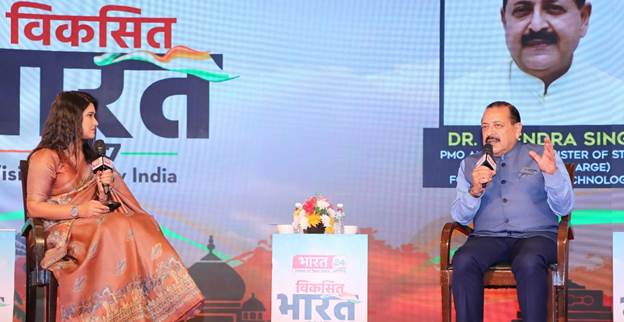
World to witness 1st Indian in Space and other Indian in Deep Sea by 2025, says Union Minister Dr. Jitendra Singh on the stage of Bharat 24 News network during his address here today.
Speaking on India’ s progress in Space and Marine sector, Dr. Jitendra Singh shared that four astronauts-three Group Captains and one Wing Commander have been selected for India’s 1st Human Space Mission- Gaganyaan. Similarly, he also shared that India’s Deep-Sea mission will send three Indians to deep sea in 2025.

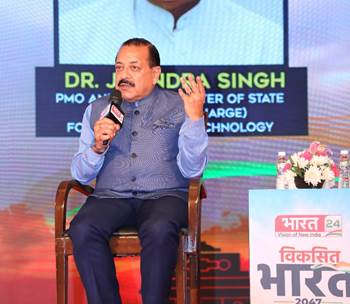
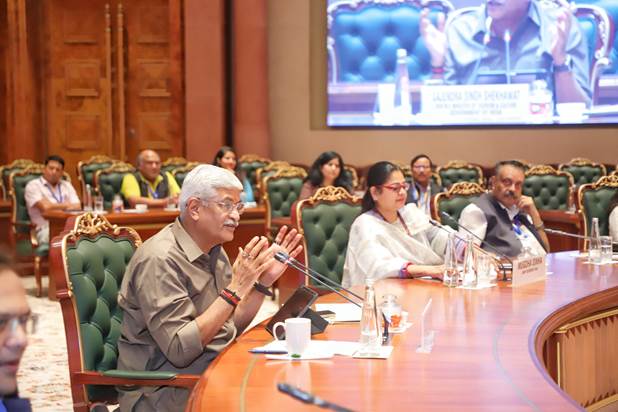
Union Minister Dr. Jitendra Singh at the programme hosted by Bharat 24 News network
During his address highlighting the Development in the Northeast India, Union Minister of State (Independent Charge) for Science and Technology, Minister of State (Independent Charge) for Earth Sciences, MoS PMO, Department of Atomic Energy and Department of Space and MoS Personnel, Public Grievances and Pensions Dr. Jitendra Singh said Infrastructure overhaul in Northeast India in the last decade is the role model of PM Modi’s development.” Going further he recalled the new airports made operational in Northeast. Increase in network of all-weather roads and highways along with remote connectivity. The railways operating trains from Itanagar and new waterways that have been opened. He categorically mentioned that not only in terms of Infrastructure but also in human resources development is commendable as recruiters in the hospitality and aviation industry are now visiting these states for talent acquisition. Going further he stated that Prime Minister is fond of the region and preferred Mizoram to establish a ‘Citrus Fruit Park- A Centre of excellence’ in Mizoram due its favorable conditions.

Dr. Jitendra Singh when asked about the progress of Jammu Kashmir in the last decade said “Record number of tourists visiting Kashmir nearly 2.5 crore in the last season is the testimony of development and peace in the region.” He also added that 1 lakh people have already arrived for Amarnath Yatra which also highlights boom in domestic tourism. He also mentioned that terrorism is in its last phase.
The media group congratulated Dr. Jitendra Singh for making a hattrick by winning from Udhampur constituency and also being the Minister for the 3rd time. The Science and Technology Minister recalled the recent progress and shared the path of India’s vision. He said “Space sector is limited to launch rockets and satellites but it will also propel growth and positively impact agriculture, infrastructure, communication, healthcare etc. Land Record management, new geospatial policy, new space policy, and initiatives such as soil health card, DBT, land mapping etc. will boost farmer productivity,”
He said, “In 2022 we had just one space Startup and in 2024 after opening the space sector for private participation we have nearly 200 startups and many among them have global capacity. He also shared that in just few months 1000 crore of Private sector investment has come into Space sector.
Dr. Jitendra Singh said, “India is among the frontline nations in terms quantum technologies as we have National Quantum Mission”. He also highlighted India’s Vast resources which are untapped such as Himalayan resources, Marine Resources of 7500km long coastline. The minister also shared that the government is successful in bringing agriculture and entrepreneurship together by Aroma Mission which promotes lavender cultivation and empowers farmers economically with the help of technology.
*****
“Yuga Yugeen Bharat Museum will stand as a testament to India’s rich heritage and it’s legacy as the mother of Democracy”
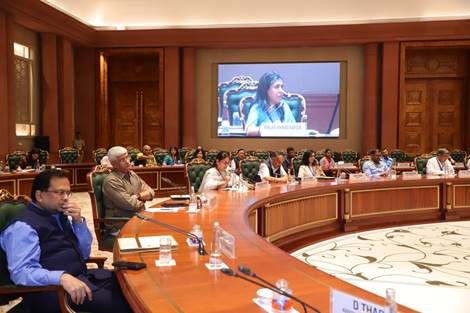
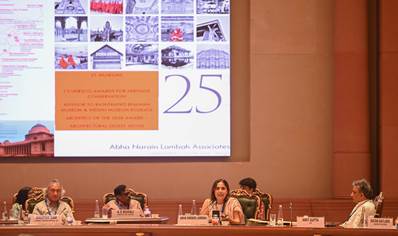
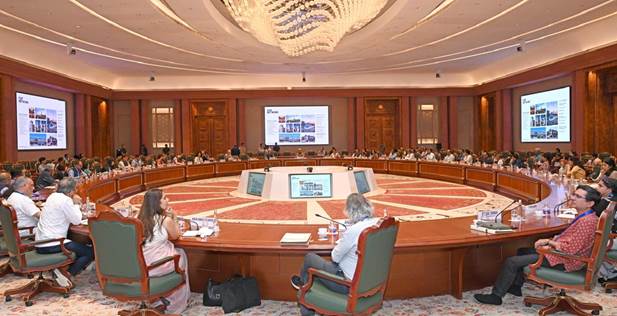
Ministry of Culture organised a four-day inter-ministerial stakeholder consultation and capacity building workshop for upcoming Yuga Yugeen Bharat Museum, slated to be built in the North and South Block as part of the Central Vista Redevelopment Project. The workshop was held from 26th to 29th June 2024 at Bharat Mandapam in New Delhi. The final day of the deliberation was attended by the Union Minister for Culture and Tourism, Shri Gajendra Singh Shekhawat and senior Ministry officials such as the Secretary, Shri Govind Mohan as well as Dr. Thierry Mathou, French Ambassador to India.
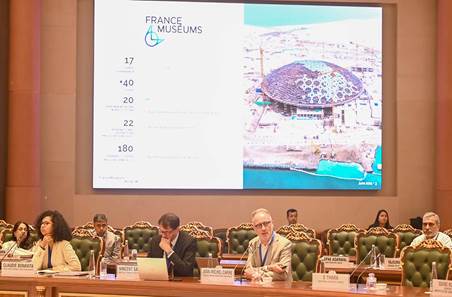
The consultation engaged individuals from the museum ecosystem, both private and government to discuss the upcoming Yuga Yugeen Bharat (The timeless and eternal India) Museum. The Capacity Building was spearheaded by a team of experts from France Muséums, an international museum consultancy.


Union Minister for Culture and Tourism, Shri Gajendra Singh Shekhawat, on the concluding day of the four-day Capacity Building Workshop said “This museum will stand as a testament to India’s rich heritage and its unwavering spirit of progress, as it draws inspiration from its past as a blueprint. The Yuga Yugeen Bharat Museum will transcend the traditional museum experience, embodying the spirit of inclusivity. It will be a museum of the people, centring community narratives – a testament to India’s legacy as the mother of Democracy.”

The new National Museum of India is set to come up at North and South Block as part of the Central Vista Redevelopment project that seeks to revamp India’s central administrative area located near Raisina Hill, New Delhi. The museum will be spread over 1,54,000 sqm, making it the largest museum in the world. The video walk through for the museum was first unveiled by the Prime Minister Shri Narendra Modi at the inauguration of the first International Museum Expo organized by the GLAM (Galleries, Libraries, Archives and Museums) Division of the Ministry of Culture on 18.05.2023 and was reiterated during the inauguration of the Bharat Mandapam in July 2023.

The Museum will be developed through Adaptive Reuse, in collaboration with France owing to their expertise in similar projects such as the Louvre, which too housed the French Ministry of Finance. The French are partners for this project owing to the long-standing friendship between the two countries, which had contributed to a Letter of Intent being signed between both governments in 2020 that emphasised Museum & Heritage Co-operation.
Pursuant to this, the GLAM Division spearheaded a series of capacity building workshops that aimed to foster critical objectives: alignment amongst stakeholders and generation of synergy for a unified vision. The first of these was a brainstorming session held on the 14th of June, bringing together other ministries and departments of the Government of India. This not only fosters interdepartmental coordination but also ensures the project resonates with various facets of Indian society.
Following this, an intensive four-day brainstorming session was held at Bharat Mandapam from 26th to 29th June, amongst stakeholders of the museum ecosystem such as high-level management from government museums, private experts such as conservation architects, scenographers, exhibition designers, publishers, conservationists, educators and many others.

The intensive brainstorming session and workshops held over the past few days have provided invaluable insights into the core operational elements of a world-class museum. These sessions focused on critical areas such as collection management, curatorial practices, administrative best practices, and the strategic integration of technology. The knowledge gleaned will be instrumental in shaping the development of the Yuga Yugeen Bharat Museum.
Shri Sarbananda Sonowal Reviews Inland Water Transport Projects at IWAI Headquarters
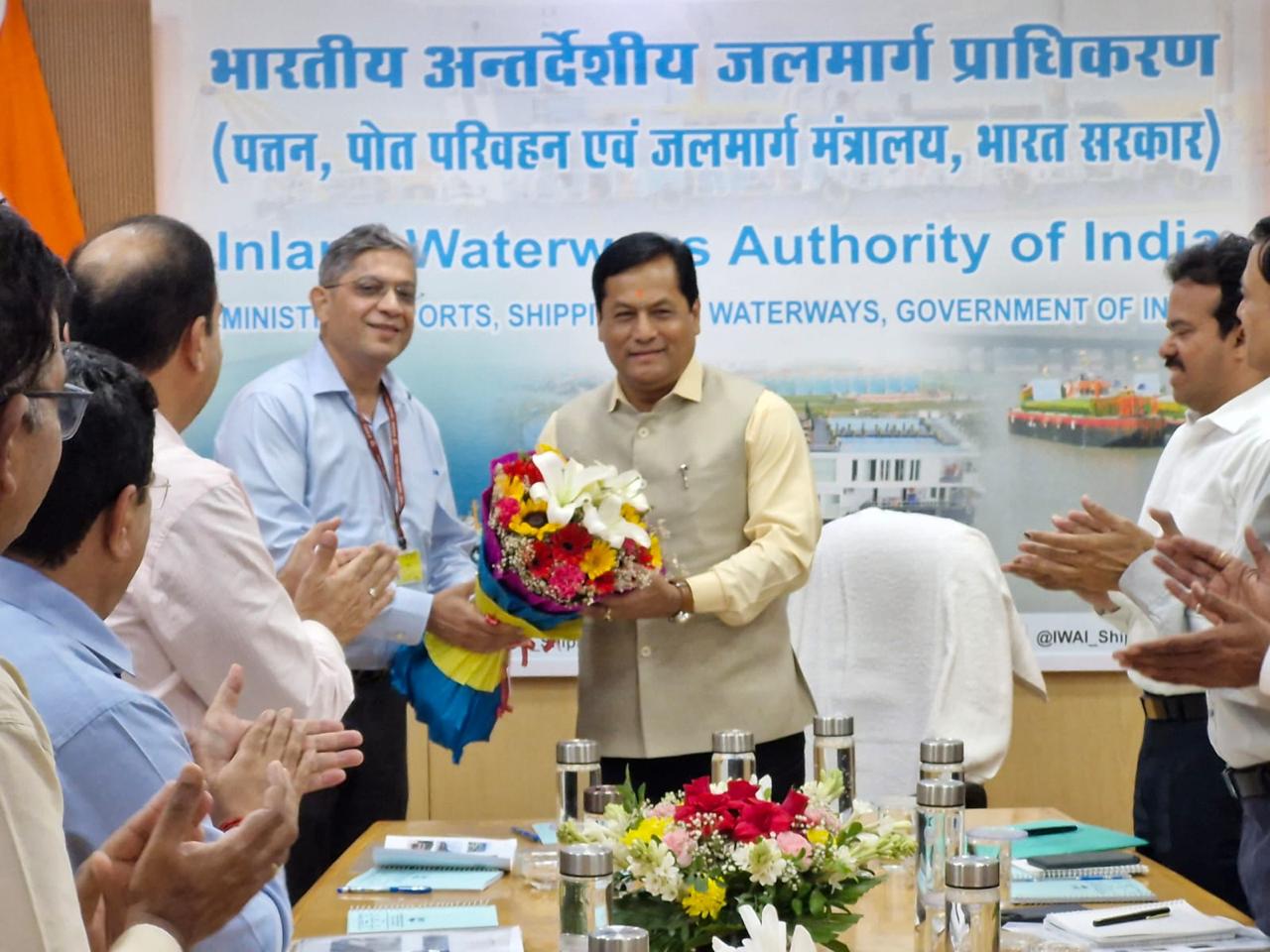
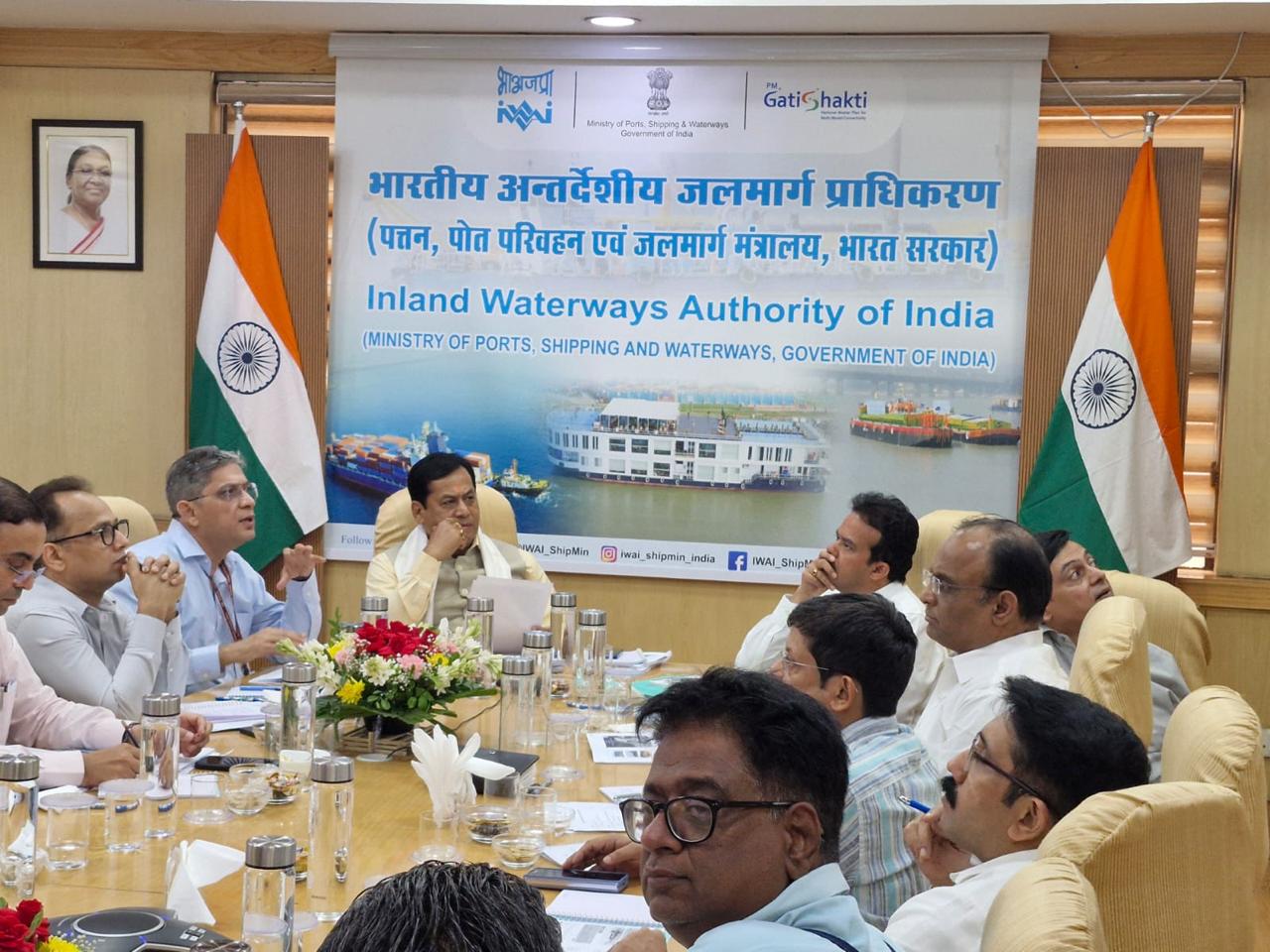
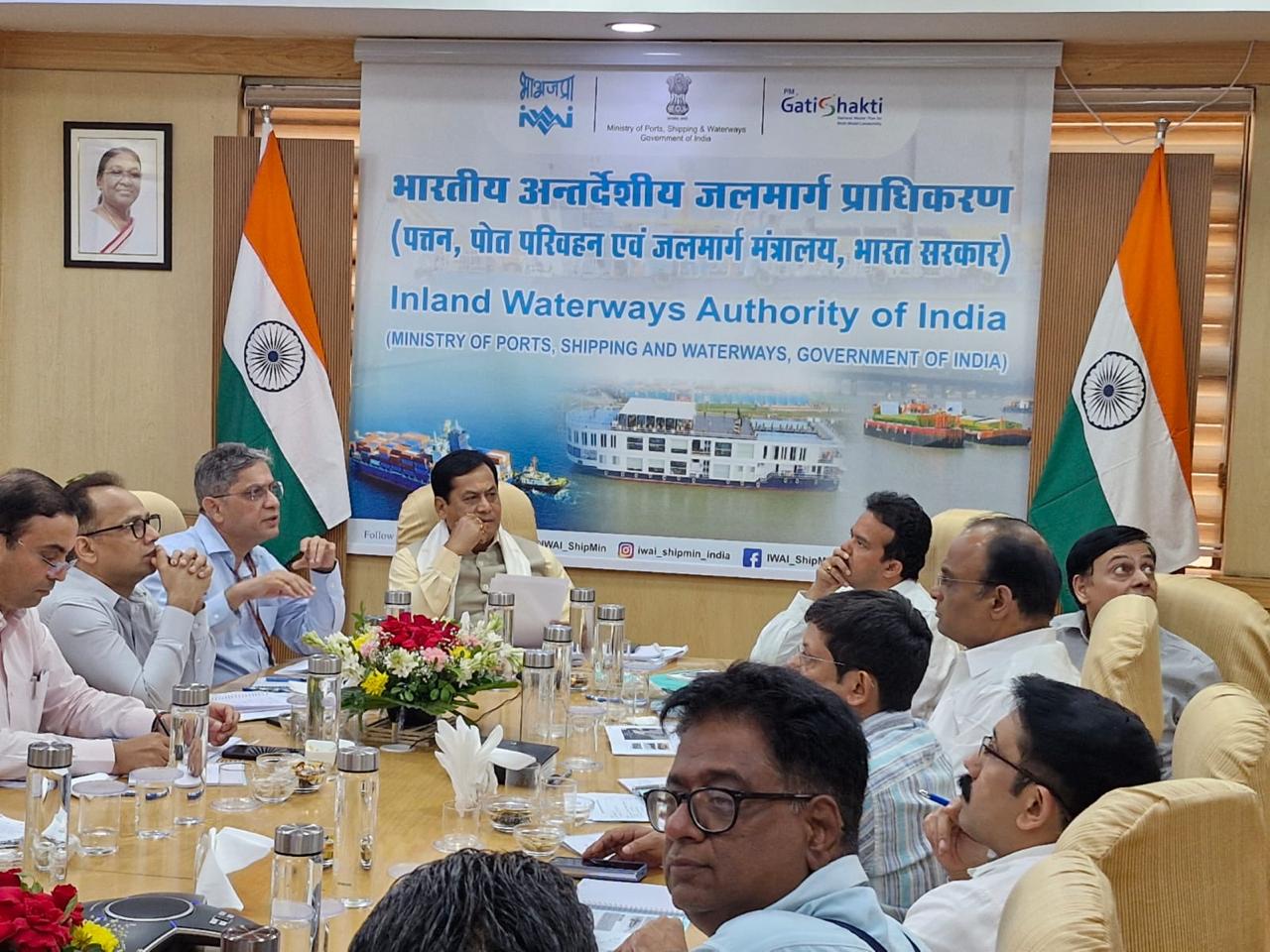
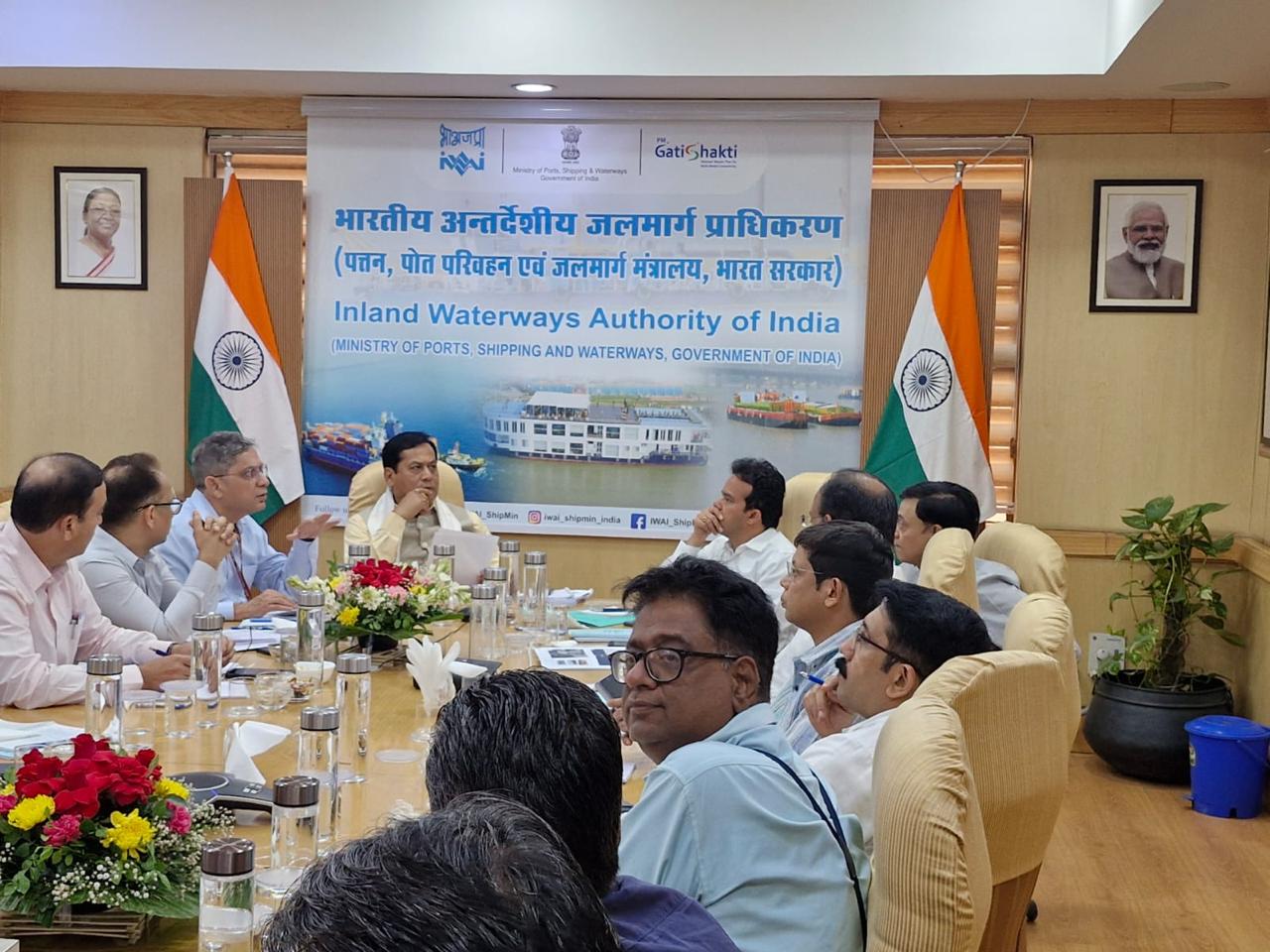
Today, the Hon’ble Union Minister of Ports, Shipping, and Waterways, Shri Sarbananda Sonowal, visited the Noida Head Office of the Inland Waterways Authority of India (IWAI). During his visit, Shri Sonowal was briefed about the status of the 111 National Waterways in the country and how inland waterways are emerging as a sustainable mode of transportation to complement roadways and railways.

While interacting with senior officials of IWAI, the Hon’ble Minister emphasized the need to develop national waterways across the country and to significantly increase passenger and freight movement on waterways. He praised the efforts made to promote river cruise tourism in the country and recent initiatives such as the introduction of Hybrid Electric Catamaran vessels and the country’s first Hydrogen Vessel.

Additionally, Shri Sonowal reviewed the progress of the World Bank-funded Jal Marg Vikas Project (JMVP) on National Waterway (NW) 1 – River Ganga. The Authority is enhancing waterways infrastructure by constructing Multi-Modal Terminals at Varanasi, Sahibganj, and Haldia, and an Inter-Modal Terminal at Kalughat to facilitate freight movement and improve connectivity. IWAI is also installing community jetties to benefit communities residing along the banks of the river Ganga.

“MoPSW is committed towards developing a robust inland water transport system. By enhancing India’s national waterways, MoPSW and IWAI together aims to boost economic growth and ensure efficient, sustainable transportation options for the nation, in line with Prime Minister Narendra Modi’s vision of a ‘New India’ with world-class infrastructure,” said Shri Sarbananda Sonowal.

During the interaction at IWAI, the minister unveiled a five-year action plan for developing new national waterways, emphasizing river cruises through targeted campaigns and events to boost tourism. Collaboration with Northeastern Region (NER) states was highlighted, with a robust mechanism in place to ensure effective CSS project implementation. Addressing human resource issues, the minister discussed overcoming challenges in the Indo-Bangladesh Protocol (IBP) route and proposed innovative solutions for expediting Inland Water Transport (IWT) work in Goa, Maharashtra, and Gujarat, leveraging technology and inter-state cooperation to enhance national infrastructure.
5U99.jpeg)
Shri Sonowal also assessed the interventions being made by the Authority to promote IWT activities in North Eastern Region especially NW 2, 16 and 31 i.e. Brahmaputra, Barak and Dhansiri rivers in Assam. Initiatives to improve regional connectivity with neighbouring countries like Bangladesh, Bhutan, Nepal and Myanmar were also evaluated. New technological advancements by IWAI made to improve navigation were also showcased to the Union Minister. This included initiatives like PANI – Portal for Assets and Navigational Information, RIS – River Information System, CAR-D for collection and compilation, analyses and dissemination of cargo and cruise movement data and also future projects like Central Database and National River Traffic and Navigation System among others.
6HN0.jpeg)
As a symbol of growth and prosperity, Shri Sonowal also planted a sapling in the premises of IWAI in the presence of Shri Vijay Kumar, Chairman, IWAI, Sh.R. Lakshmanan, Joint Secretary (IWT) MoPSW, Sh Sunil Kumar SINGH, Vice Chairman, IWAI and other senior officials of the Authority.
Notably the cargo movement on national waterways has increased to over 133 million tons recording a CAGR growth of 22.1% over a period of ten years from FY 2014 to FY 2024. IWAI aims to increase the modal share of freight movement through IWT from 2% to 5% and traffic volume to more than 200 MMT in line with the Maritime India Vision 2030 and more than 500 MMT by 2047 as per the Maritime Amrit Kaal Vision 2047. The two vision documents formulated by the Ministry of Ports, Shipping & Waterways aim to promote inland water transport in a big way ensuring a sustainable complimentary mode of transportation in the country.
To enable inland waterways as conduits of economic growth and commerce in the country, an investment ₹45,000 crore for development of river cruise tourism in the country has been planned. Of this ambitious sum, an estimated ₹35,000 crore has been earmarked for cruise vessels and another ₹10,000 crore for development of cruise terminal infrastructure at the end of Amrit Kaal, i.e. by 2047. To amp up inland waterways for cargo trade, an investment of ₹15,200 crore has been arrived at the Global Maritime India Summit (GMIS) held in Mumbai in October, 2023. This is likely to register a growth rate of more than 400%, increasing the volume upto 500 Million Tonnes Per Annum (MTPA) by 2047. With the Harit Nauka Guidelines, the MoPSW has put forth a strong commitment towards furthering passenger transport through waterways in an environment friendly and sustainable manner by promoting the adoption of low-emission fuel (CNG/LNG/electric/hydrogen/methanol) as propulsion fuel for inland vessel operations (Green Vessels).
***
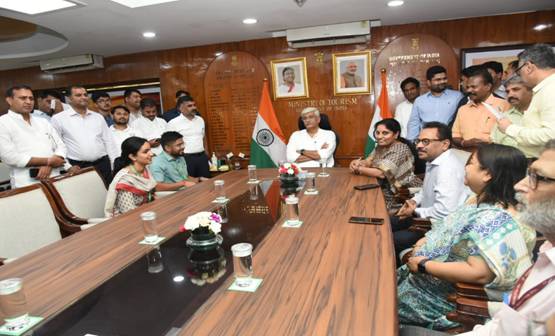
Shri Gajendra Singh Shekhawat assumes charge of Ministry of Tourism
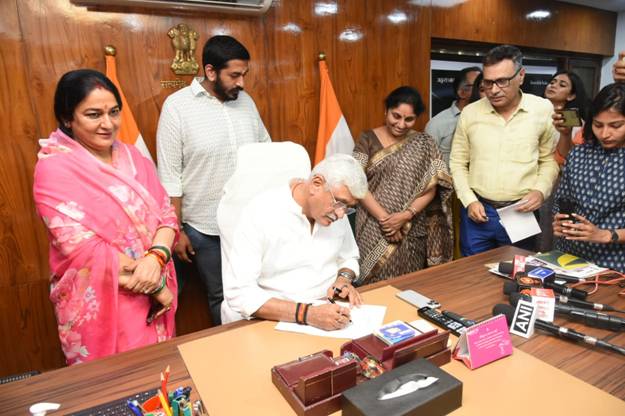
Shri Gajendra Singh Shekhawat took charge as Union Minister of Tourism, here today. Secretary, Ministry of Tourism Ms. V. Vidyavathi,along with other senior officials of the ministry, welcomed the Minister.

Shri Shekhawat was briefed by senior officials of the Ministry of Tourism about the schemes and initiatives of the ministry. Speaking on the occasion Shri Shekhawat expressed his gratitude that he has been given this responsibility of globally showcasing Bharat and inviting the world to our country. “As PM Shri Narendra Modi has emphasized through his various visits and words about our tourism potential, we will work towards enhancing the same, highlighting our various natural and cultural heritage sites from Kashmir to Kanyakumari”, added the minister

***
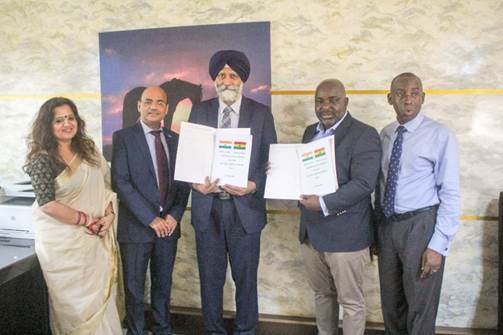
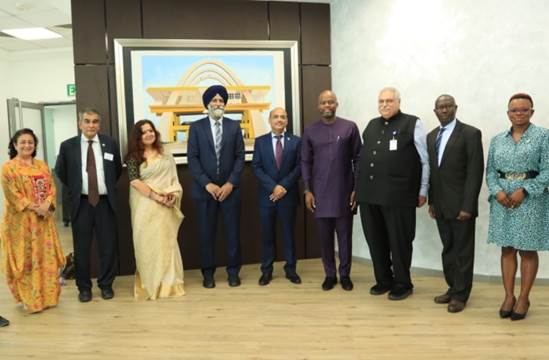
4th Session of India-Ghana Joint Trade Committee held in Accra
A seven-member delegation from India led by Additional Secretary, Department of Commerce, Ministry of Commerce and Industry, Government of India, Shri Amardeep Singh Bhatia accompanied by High Commissioner of India to Republic of Ghana, Shri Manish Gupta and Economic Adviser, Department of Commerce, Ms. Priya P. Nair held a Joint Trade Committee (JTC) meeting with their Ghanaian counterparts in Accra from 2nd to 3rd May, 2024. The JTC was co-chaired by Deputy Minister for Trade and Industry, Republic of Ghana, Hon. Michael Okyere-Baafi; and Additional Secretary, Department of Commerce, Shri Amardeep Singh Bhatia.

In a comprehensive dialogue, both sides undertook a detailed review of recent developments in bilateral trade and investment ties and acknowledged the vast untapped potential for further expansion. Both sides agreed to work expeditiously towards the operationalization of Unified Payment Interface (UPI) of National Payments Corporation of (NPCI) on Ghana’s Ghana Interbank Payment and Settlement Systems (GHIPSS) within a period of 6 months. Both sides delved into discussions regarding the possibilities of a Memorandum of Understanding (MoU) on Digital transformation Solutions; Local Currency Settlement System and also deliberated on the opportunities offered by African Continental Free Trade Agreement (AfCFTA).
Both sides identified several areas of focus for enhancing both bilateral trade as well as mutually beneficial investments. These include cooperation in pharmaceuticals, healthcare, information and communication technology, agriculture and food processing, renewable energy, power sector, digital economy and digital infrastructure, critical minerals, textiles and garments, etc.
Official delegation from India consisted of officials from Geological Survey of India, EXIM Bank and the Indian Pharmacopoeia Commission. The officials of both India and Ghana actively engaged in the proceedings of the JTC.

A business delegation led by Confederation of Indian Industry (CII) also accompanied the official delegation with representatives from the varied sectors including power, fintech, Telecommunications, electrical machinery, pharmaceuticals sectors. The delegation including representatives of business also met Secretary General, AfCFTA and his team of officials wherein areas of cooperation including signing of an MoU, setting of standards, investments, participation in trade events in India, and increasing the depth of engagement between India and AfCFTA was discussed. Names of nodal officers to take the discussions forward were also exchanged.
Ghana is an important trading partner of India in Africa region. Bilateral trade between India and Ghana stood at USD 2.87 billion in 2022-23. India stands as a leading investor in Ghana and emerged as the third-largest investor. These investments traverse diverse sectors, encompassing pharmaceuticals, construction, manufacturing, trade services, agriculture, tourism, and more.
The deliberations of the 4th Session of India-Ghana JTC were cordial and forward-looking, indicative of the amicable and special relations between the two countries. There was enthusiastic response towards greater cooperation in addressing pending issues, boosting trade and investment and enhancing people to people contacts.
*****
ECONOMIC DEVELOPMENT OF THE UNION TERRITORY AREAS
The Government has taken various steps for the economic development of UTs such as promoting tourism, augmentation of telecom & web connectivity, development of road, sea and air connectivity, development and promotion of clean and green energy, waste management including initiatives for waste to energy, commissioning of new power projects, boost to infrastructure, etc.
Tourism has been identified as a key sector due to its multiplier effect. The Government is actively promoting various kinds of tourism like eco-tourism, heritage tourism, adventure tourism, monsoon tourism,
promotion of niche tourism activities, tourist circuits, religious tourism, astro- tourism, cruise tourism, MICE tourism etc. In UT of J&K tourism sector has been accorded the status of industry, UT of DNH&DD have developed world class sea fronts and premier river fronts, in Island UTs eco-tourism resorts are being developed. In the UT of Ladakh first ever dark sky reserve of the country has been set up in Hanle to promote astro-tourism and livelihood of local communities. All these initiatives have resulted in a boost to tourism and other allied economic activities, improvement in civil aviation and other infrastructure, promotion of clean and green energy and “waste to wealth” in the UTs.
Internet/broadband and mobile/digital connectivity in the Island UTs have been considerably enhanced with the commissioning of the Chennai Andaman Nicobar Islands (CANI) Optical Fiber Cable Project at a cost of about ₹ 1,224 cr. This project has revolutionized internet connectivity and increased the bandwidth utilization in the UT of A&NI from 4.1 Gbps to 70.31 Gbps, internet speed has increased from 100 kbps to upto 300 Mbps, total mobile connections have increased to about 7 lakh from 4.7 lakh and Fiber-to-the-Home (FTTH) services, which provide high broadband speeds directly to home and offices, have increased to about 34,500. 5G services were also launched in the UT. As a result, the Islanders have benefitted significantly through greater access to online Government to Citizen (G2C) services, tele-medicine, online education, development of tourism, e-commerce, enhanced participation in the digital economy (the number of digital transactions have increased from about 10 lakh to 2.2 crore) etc. Similarly, The Kochi Lakshadweep Islands Submarine Optical Fiber Cable Project (KLI Project), with a cost of about ₹1,072 Cr, has connected the mainland (Kochi) and all the inhabited Islands of the Union Territory of Lakshadweep through submarine cable. The KLI Project is designed to offer speeds upto 100 Gbps and support 4G as well as 5G networks. Trial traffic has been fed in the network. At present 3,972 FTTH connections have been provided through this network. The KLI Project is expected to benefit the public significantly through enhanced online access in the fields of education, tele-medicine, e-commerce, digital governance, tourism etc.
The Government has also been focusing on air, road and sea connectivity in the UTs. A new terminal building of Veer Savarkar International Airport at Port Blair has come up with a cost of about ₹710.00 crore with a capacity to handle 50 lakh passengers per year. ‘Azad Hind Fauz Setu’ on Humphrey Strait at a cost of ₹ 203.00 crore has significantly improved the road connectivity in the island UT of A&NI.
Several infrastructure projects to boost road connectivity have also been completed/under way in the other UTs like the construction of Zojila tunnel in UT of Ladakh.
Several steps have also been taken to promote ease of doing business and bring in governance reforms in UTs. To promote industry and business activities compliance burden has been significantly reduced. Single window clearance system has also led to faster clearance of proposals. UTs have implemented suitable policies to promote businesses and entrepreneurship including industrial policy, land allotment policy, logistics policy, policies to promote handicrafts, agriculture, MSMEs through suitable incentivisation etc. Investment promotion schemes have been formulated to encourage investment by way of providing capital and interest subsidy. The thrust sectors identified are tourism, manufacturing, production, IT and ITes, shipping, agriculture, fisheries etc. The Prime Minister’s Employment Generation programme, PM VISHWAKARMA, Pradhan Mantri Formalisation of Micro food processing Enterprises (PMFME) scheme, PM SVANidhi etc. are also being effectively implemented in the UTs with an aim to generate employment, provide financial support and skill development support. UTs have also identified certain priority economic sectors for accelerated economic growth of UTs, based on their unique strengths and resources, such as developing a Blue Economy, transforming into regional knowledge/IT/medical hubs, promoting tourism etc.
The Government’s policy of zero tolerance towards corruption and introduction of IT enabled initiatives have brought greater accountability, transparency and financial transformation resulting in a big push to businesses and economic development in the UTs and also promoting them as new drivers of economic prosperity (Aatmanirbhar Arthvyawastha) and Viksit Bharat.
Initiatives under Aatmanirbhar Bharat have been taken to provide better services to consumers & improvement in operational & financial efficiency in electricity distribution in certain UTs.
Further, a robust monitoring mechanism has been put in place to monitor the implementation of various flagship/development schemes and programmes of Government of India in the UTs.
It is the endeavour of Government of India to make UTs role models of good governance and development. Moreover, it is envisioned to holistically develop the island UTs as global hubs of tourism, raise the standard and quality of living of residents in UTs, create better infrastructure including social infrastructure, achieve saturation of health and educational indicators, enhance health infrastructure to ensure universal access to quality healthcare, promote green energy by leveraging technology, etc. This is a continuous process.
To promote fisheries and blue economy in the island union territories of Andaman & Nicobar Islands and Lakshadweep, the Government has taken various initiatives. The focus is primarily on development of infrastructure & logistics, deep sea fishing, aquaculture, capacity building and fisheries management for overall development.
Assistance to fishermen/fish farmers is provided for modernization of existing fishing crafts and acquisition of new fishing vessels. Further, initiatives like creation and upgradation of post-harvest handling & processing infrastructure, export oriented processing units and use of technological advancements like Fish Aggregating Devices have also been taken.
The Government is also creating forward market linkages and promoting fisheries related co-operative societies and Self Help Groups (SHGs). Agencies like the Marine Products Export Development Authority (MPEDA), Export Inspection Agency (EIA) and Central Marine Fisheries Research Institute are providing technical support and training to the fishermen and fish farmers for their capacity building.
The Government is also implementing various subsidy programme under the Pradhan Mantri Matsya Sampada Yojana to improve the post-harvest infrastructure, promote deep sea fishing, and aquaculture, mariculture activities, fish marketing and shore based infrastructure. Institutional credit is extended through Kisan Credit Card scheme.
Seaweed cultivation is also being promoted with the participation of Self Help Groups and fisheries co-operatives.
Top Restaurants in Pune
Pune, a vibrant city in Maharashtra, India, is renowned for its rich culinary heritage, blending traditional Maharashtrian flavors with diverse culinary influences from across India and the world. Here’s a glimpse into some of the top restaurants in Pune that offer an exquisite dining experience:

- Shreyas: Nestled in the heart of Pune, Shreyas is celebrated for its authentic Maharashtrian thali, showcasing a delightful array of traditional dishes served in a classic ambiance. From delectable sabzis to fragrant rice and mouthwatering desserts, Shreyas offers a culinary journey through the flavors of Maharashtra.
- Paasha: Perched atop the JW Marriott Hotel, Paasha offers panoramic views of Pune along with an extensive menu of North Indian cuisine. With its elegant décor and sumptuous dishes, Paasha promises a memorable dining experience, featuring flavorful kebabs, rich curries, and indulgent desserts.
- Baan Tao: Located in the Hyatt Pune, Baan Tao invites diners to savor the flavors of Asia in a contemporary setting. Specializing in Thai, Chinese, and Vietnamese cuisine, this restaurant offers an innovative menu crafted with fresh, high-quality ingredients and impeccable presentation.
- Malaka Spice: Known for its vibrant ambiance and eclectic menu, Malaka Spice is a beloved destination for lovers of Southeast Asian cuisine. From fragrant Thai curries to tangy Vietnamese salads, Malaka Spice offers a diverse culinary experience that delights the senses.
- German Bakery: A Pune institution, the German Bakery is cherished for its cozy atmosphere and delectable baked goods. Whether it’s freshly baked bread, savory quiches, or decadent pastries, this charming café is a favorite among locals and tourists alike.
- Café Moshes: Tucked away in Koregaon Park, Café Moshes is renowned for its relaxed vibe and delicious comfort food. From hearty sandwiches to indulgent desserts, this café offers a menu that caters to diverse tastes, making it a popular choice for casual dining.
- The Flour Works: With its emphasis on fresh, seasonal ingredients and artisanal bread, The Flour Works has carved a niche for itself in Pune’s culinary scene. Whether it’s a leisurely brunch or an intimate dinner, this charming café offers a menu that celebrates the joys of simple yet flavorful cuisine.
- Arthur’s Theme: Inspired by the legendary King Arthur, this restaurant exudes old-world charm and sophistication. Known for its European-inspired menu and extensive wine list, Arthur’s Theme offers an elegant dining experience that transports diners to a bygone era.
These are just a few highlights from Pune’s vibrant culinary landscape, which continues to evolve with new flavors and experiences waiting to be discovered. Whether you’re craving authentic regional cuisine or international flavors, Pune’s top restaurants promise a gastronomic adventure like no other.
DPIIT organises Workshop on ‘Integration of Economic/User
Department for Promotion of Industry and Internal Trade (DPIIT), Ministry of Commerce and Industry, organised a pivotal Workshop on ‘Integration of Economic/User Ministries/Departments on PM GatiShakti National Master Plan (PMGS-NMP’ on 3rd April 2024 in New Delhi. The workshop was chaired by Additional Secretary (Logistics), DPIIT, Shri Rajeev Singh Thakur, aimed to sensitise the Economic/User Ministries/ Departments about onboarding of GIS Data Layers on the PM GatiShakti NMP, benefits of using the platform for planning and to review the progress made in this respect.
Additional Secretary, DPIIT, Shri Rajeev Singh Thakur, highlighted PM GatiShakti principles to be adopted for integrated planning and holistic development of socio-economic infrastructure. He further emphasized PMGS-NMP as a comprehensive and sustainable strategy to reshape India’s infrastructure, by fostering integrated planning and harmonised project implementation involving all relevant Ministries and State Governments. This “whole-of-the-government” approach is embraced to enhance decision-making in project planning as well as ‘ease of doing’ and ‘ease of living’.
Joint Secretary, DPIIT, Dr. Surendra Kumar Ahirwar, mentioned that adoption of PM GatiShakti NMP by economic Ministries is important not only for efficient data driven planning of its own infra/schemes but also for planning of infra/schemes by infra/social Ministries as well as States/UTs. Joint Secretary, DPIIT, Shri E Srinivas, stated integration of Economic/User Ministries on the PMGS-NMP will ensure the efficient realisation of the core principles of GatiShakti—logistical efficiency, multimodality, and connectivity to economic hubs.
The workshop witnessed enthusiastic participation from over 32 officials representing 18 ministries/departments, including Agriculture & Farmers Welfare, Chemicals & Petrochemicals, Fertilisers, Coal, Commerce, Food & Public Distribution, Defence Production, Electronics & Information Technology, Economic Affairs, Revenue, Animal Husbandry & Dairying, Fisheries, Food Processing Industries, Micro, Small & Medium Enterprises, Mines, Steel, Earth Sciences, and Pharmaceuticals. More than 20 officials from BISAG-N and Logistics Division, DPIIT were also present.
The event commenced with a thought-provoking video on PM GatiShakti, followed by a comprehensive presentation by the Logistics Division, DPIIT, highlighting the overview, progress, benefits, and the way forward for the ambitious program. BISAG-N, the technical partner, provided an insightful presentation on the technical architecture of PMGS-NMP and tools developed for various ministries enabling participants to gain a practical understanding of its features.
The core segment of the workshop involved presentations from the economic/user ministries/departments, showcasing their status of adoption of PM GatiShakti and the necessary steps taken in line with the provided pointers. This interactive session facilitated an exchange of best practices, challenges faced, and potential solutions, fostering a collaborative approach towards seamless implementation, leading to a conclusion that the Ministries/Departments should proactively identify and upload various data layers on the PMGS-NMP, develop Standard Operating Procedures (SOPs) for data management, and enhance capacity to independently plan projects and programs utilising PMGS-NMP and develop specific Planning Tools.
As a way forward, specific action points were highlighted, involving identification of interventions followed by analysis, leading to accelerated adoption of PM GatiShakti principles in planning of socio-economic infrastructures.
The use of the PMGS-NMP platform has generated successful use cases in the infrastructure sector such as urban transport, roadways, railways, etc., along with benefits to users. The use of PMGS-NMP has significantly de-risked infrastructure investments for the private sector, streamlined operations and decision-making for Ministries/Departments and States/UTs. The GatiShakti approach is also helping to plan disaster management, location of social sector assets, development of tourism circuits, etc., in a manner to give maximum connectivity for the users. Recognizing the significant progress made by Infrastructure and Social sector Ministries, the workshop focused on enabling Economic/User Ministries to effectively leverage the PMGS-NMP platform.
Exploring Red Rocks Shuttle: Seamless Transportation from Denver
Located near Denver, Colorado, Red Rocks Amphitheatre stands
as one of the most iconic concert venues globally, nestled amidst stunning rock
formations. For visitors eager to experience its allure, transportation
logistics often pose a challenge. Enter Red Rocks Shuttle, a company
specializing in convenient transit solutions from Denver to Red Rocks
Amphitheatre.
Red Rocks Shuttle prioritizes passenger convenience and
comfort above all else. With a fleet of modern, well-maintained vehicles, the
company ensures a smooth and enjoyable journey for concert-goers and tourists
alike. From spacious seating to climate control, every aspect of the shuttle
experience is tailored to enhance customer satisfaction.
Professionalism and Reliability
What sets shuttle bus to Red
Rocks apart is its unwavering commitment to professionalism and
reliability. The company employs experienced drivers who navigate the route
with precision and efficiency. Whether it’s a bustling concert night or a
leisurely afternoon visit, passengers can rely on Red Rocks Shuttle to deliver
prompt and dependable service.
Recognizing the diverse needs of its clientele, Red Rocks
Shuttle offers flexible scheduling options. Passengers can choose from a range
of departure times, allowing for seamless integration with their itinerary.
Additionally, the company provides convenient pickup and drop-off locations in
Denver, ensuring accessibility for customers from various points within the
city.
Safety Measures
In an ever-evolving landscape, safety remains paramount. Red
Rocks Shuttle adheres to stringent safety protocols to safeguard the well-being
of its passengers. From regular vehicle inspections to driver training
programs, every measure is taken to uphold the highest standards of safety and
security.
As stewards of the environment, Red Rocks Shuttle embraces
sustainability practices to minimize its ecological footprint. The company
invests in fuel-efficient vehicles and explores innovative technologies to
reduce emissions. By promoting eco-friendly transportation solutions, Red Rocks
Shuttle contributes to the preservation of Colorado’s natural beauty for future
generations to enjoy.
Exceptional Customer Service
At the heart of Red Rocks Shuttle is a dedication to
exceptional customer service. From the moment passengers book their journey to
the final drop-off, they are met with professionalism, courtesy, and
attentiveness. Whether it’s assisting with inquiries or accommodating special
requests, the team at Red Rocks Shuttle goes above and beyond to exceed
customer expectations.
In summary, Red Rocks Shuttle stands as a beacon of
excellence in the transportation industry, offering unparalleled service from
Denver to Red Rocks Amphitheatre. With a commitment to convenience,
professionalism, safety, and environmental responsibility, the company
continues to redefine the standards of transit excellence. For those seeking a
seamless and unforgettable journey to one of Colorado’s most cherished
destinations, Red Rocks Shuttle remains the premier choice. For additional
information you can visit our site: https://redrocksshuttle.com/.
ECONOMIC DEVELOPMENT OF THE UNION TERRITORY AREAS
The Government has taken various steps for the economic development of UTs such as promoting tourism, augmentation of telecom & web connectivity, development of road, sea and air connectivity, development and promotion of clean and green energy, waste management including initiatives for waste to energy, commissioning of new power projects, boost to infrastructure, etc.
Tourism has been identified as a key sector due to its multiplier effect. The Government is actively promoting various kinds of tourism like eco-tourism, heritage tourism, adventure tourism, monsoon tourism,
promotion of niche tourism activities, tourist circuits, religious tourism, astro- tourism, cruise tourism, MICE tourism etc. In UT of J&K tourism sector has been accorded the status of industry, UT of DNH&DD have developed world class sea fronts and premier river fronts, in Island UTs eco-tourism resorts are being developed. In the UT of Ladakh first ever dark sky reserve of the country has been set up in Hanle to promote astro-tourism and livelihood of local communities. All these initiatives have resulted in a boost to tourism and other allied economic activities, improvement in civil aviation and other infrastructure, promotion of clean and green energy and “waste to wealth” in the UTs.
Internet/broadband and mobile/digital connectivity in the Island UTs have been considerably enhanced with the commissioning of the Chennai Andaman Nicobar Islands (CANI) Optical Fiber Cable Project at a cost of about ₹ 1,224 cr. This project has revolutionized internet connectivity and increased the bandwidth utilization in the UT of A&NI from 4.1 Gbps to 70.31 Gbps, internet speed has increased from 100 kbps to upto 300 Mbps, total mobile connections have increased to about 7 lakh from 4.7 lakh and Fiber-to-the-Home (FTTH) services, which provide high broadband speeds directly to home and offices, have increased to about 34,500. 5G services were also launched in the UT. As a result, the Islanders have benefitted significantly through greater access to online Government to Citizen (G2C) services, tele-medicine, online education, development of tourism, e-commerce, enhanced participation in the digital economy (the number of digital transactions have increased from about 10 lakh to 2.2 crore) etc. Similarly, The Kochi Lakshadweep Islands Submarine Optical Fiber Cable Project (KLI Project), with a cost of about ₹1,072 Cr, has connected the mainland (Kochi) and all the inhabited Islands of the Union Territory of Lakshadweep through submarine cable. The KLI Project is designed to offer speeds upto 100 Gbps and support 4G as well as 5G networks. Trial traffic has been fed in the network. At present 3,972 FTTH connections have been provided through this network. The KLI Project is expected to benefit the public significantly through enhanced online access in the fields of education, tele-medicine, e-commerce, digital governance, tourism etc.
The Government has also been focusing on air, road and sea connectivity in the UTs. A new terminal building of Veer Savarkar International Airport at Port Blair has come up with a cost of about ₹710.00 crore with a capacity to handle 50 lakh passengers per year. ‘Azad Hind Fauz Setu’ on Humphrey Strait at a cost of ₹ 203.00 crore has significantly improved the road connectivity in the island UT of A&NI.
Several infrastructure projects to boost road connectivity have also been completed/under way in the other UTs like the construction of Zojila tunnel in UT of Ladakh.
Several steps have also been taken to promote ease of doing business and bring in governance reforms in UTs. To promote industry and business activities compliance burden has been significantly reduced. Single window clearance system has also led to faster clearance of proposals. UTs have implemented suitable policies to promote businesses and entrepreneurship including industrial policy, land allotment policy, logistics policy, policies to promote handicrafts, agriculture, MSMEs through suitable incentivisation etc. Investment promotion schemes have been formulated to encourage investment by way of providing capital and interest subsidy. The thrust sectors identified are tourism, manufacturing, production, IT and ITes, shipping, agriculture, fisheries etc. The Prime Minister’s Employment Generation programme, PM VISHWAKARMA, Pradhan Mantri Formalisation of Micro food processing Enterprises (PMFME) scheme, PM SVANidhi etc. are also being effectively implemented in the UTs with an aim to generate employment, provide financial support and skill development support. UTs have also identified certain priority economic sectors for accelerated economic growth of UTs, based on their unique strengths and resources, such as developing a Blue Economy, transforming into regional knowledge/IT/medical hubs, promoting tourism etc.
The Government’s policy of zero tolerance towards corruption and introduction of IT enabled initiatives have brought greater accountability, transparency and financial transformation resulting in a big push to businesses and economic development in the UTs and also promoting them as new drivers of economic prosperity (Aatmanirbhar Arthvyawastha) and Viksit Bharat.
Initiatives under Aatmanirbhar Bharat have been taken to provide better services to consumers & improvement in operational & financial efficiency in electricity distribution in certain UTs.
Further, a robust monitoring mechanism has been put in place to monitor the implementation of various flagship/development schemes and programmes of Government of India in the UTs.
It is the endeavour of Government of India to make UTs role models of good governance and development. Moreover, it is envisioned to holistically develop the island UTs as global hubs of tourism, raise the standard and quality of living of residents in UTs, create better infrastructure including social infrastructure, achieve saturation of health and educational indicators, enhance health infrastructure to ensure universal access to quality healthcare, promote green energy by leveraging technology, etc. This is a continuous process.
To promote fisheries and blue economy in the island union territories of Andaman & Nicobar Islands and Lakshadweep, the Government has taken various initiatives. The focus is primarily on development of infrastructure & logistics, deep sea fishing, aquaculture, capacity building and fisheries management for overall development.
Assistance to fishermen/fish farmers is provided for modernization of existing fishing crafts and acquisition of new fishing vessels. Further, initiatives like creation and upgradation of post-harvest handling & processing infrastructure, export oriented processing units and use of technological advancements like Fish Aggregating Devices have also been taken.
The Government is also creating forward market linkages and promoting fisheries related co-operative societies and Self Help Groups (SHGs). Agencies like the Marine Products Export Development Authority (MPEDA), Export Inspection Agency (EIA) and Central Marine Fisheries Research Institute are providing technical support and training to the fishermen and fish farmers for their capacity building.
The Government is also implementing various subsidy programme under the Pradhan Mantri Matsya Sampada Yojana to improve the post-harvest infrastructure, promote deep sea fishing, and aquaculture, mariculture activities, fish marketing and shore based infrastructure. Institutional credit is extended through Kisan Credit Card scheme.
Seaweed cultivation is also being promoted with the participation of Self Help Groups and fisheries co-operatives.

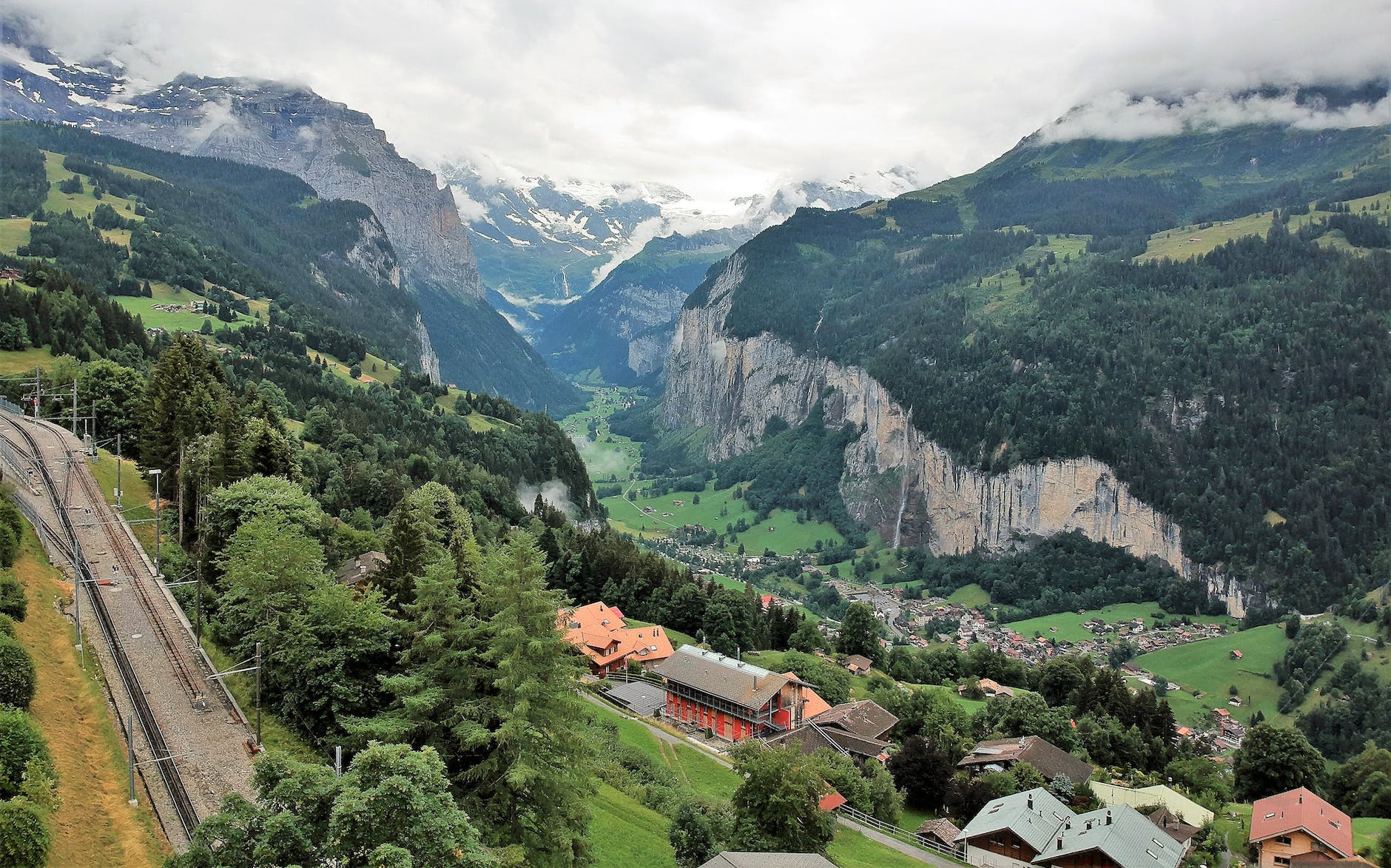
Leisure and Detox Destinations in Switzerland
Switzerland is renowned for its breathtaking landscapes, serene surroundings, and pristine natural beauty, making it an ideal destination for leisure and detox experiences. Whether you seek to unwind, rejuvenate, or detoxify, Switzerland offers a range of destinations that cater to diverse preferences. Here are some of the top leisure and SWISS DETOXdestinations in Switzerland:

- Swiss Alps Retreats: The Swiss Alps provide an ideal setting for relaxation and detoxification. Many luxury resorts and wellness retreats are nestled amidst the stunning alpine scenery, offering spa treatments, yoga sessions, and meditation classes. The crisp mountain air and therapeutic thermal springs further enhance the detox experience.
- Lake Geneva: The picturesque Lake Geneva, surrounded by the majestic Alps and charming towns, is a popular leisure destination. Visitors can indulge in various water activities, including boating, paddleboarding, and swimming. Along the lake’s shores, you’ll find luxurious resorts and wellness centers where you can pamper yourself and enjoy detoxifying treatments.
- Swiss Countryside: The tranquil Swiss countryside, with its rolling hills, lush greenery, and quaint villages, offers a peaceful escape from the bustling city life. Many countryside retreats provide organic farm-to-table meals, spa facilities, and outdoor activities like hiking and biking, ensuring a rejuvenating and detoxifying experience.
- Engadin Valley: Located in southeastern Switzerland, Engadin Valley is a haven for relaxation and detoxification. The region is dotted with picturesque villages and stunning lakes, making it an excellent spot for nature lovers. Engadin Valley also boasts luxurious spa resorts that offer wellness treatments and detox programs to promote mental and physical well-being.
- Ticino Region: The Italian-speaking Ticino region offers a unique blend of Swiss charm and Mediterranean vibes. The area is famous for its palm-lined lakeshores and mild climate, making it a delightful destination for unwinding and detoxifying. Ticino also features numerous wellness centers and thermal baths, where visitors can indulge in detoxifying treatments and therapies.
- Montreux: Situated on the shores of Lake Geneva, Montreux is a renowned leisure destination known for its Jazz Festival and breathtaking landscapes. The town’s mild climate and serene ambiance make it an attractive place for relaxation and detoxification. Montreux hosts luxurious hotels and spas that offer a wide array of wellness treatments and detox programs.
- Swiss Health Resorts: Switzerland is home to various health resorts known for their detoxification programs and holistic approaches to well-being. These resorts often incorporate traditional Swiss therapies, such as herbal treatments and Alpine baths, along with modern wellness practices.
Whether you’re seeking to detoxify your body or simply relax and recharge, Switzerland has plenty to offer. From its awe-inspiring natural landscapes to world-class wellness centers, Switzerland provides a perfect blend of leisure and detox experiences that can leave you feeling refreshed and rejuvenated.
A must carry things in your backpack for a trip
If you are going to hilly areas, no doubts do carry some woolen clothes, mufflers, earmuffs, etc. Hilly areas can be cold at nights and in early morning also.
A Great Developed Land Asset near Hyderabad: Kanha Shanti Vanam
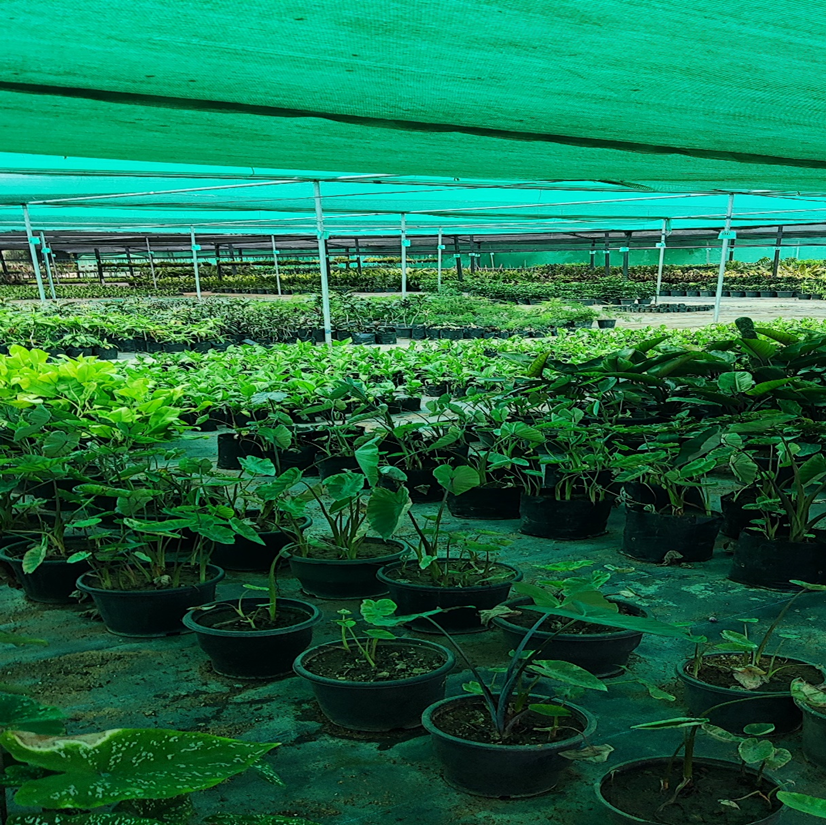
Hyderabad, a wonderful city and also a city of historical importance is popular in India and abroad because of many factors including educational institutions and medical tourism. In the vicinity of Hyderabad, many immovable assets mainly land assets which have been developed for different purposes are located. These attract Indians and foreigners. As an inhabitant of Hyderabad, I am proud of my city. Anyway, I am presenting a case which is known as Kanha Shanti Vanam. I visited the place on June 8, 2023, and spent the whole day there. Kanha Shanti Vanam is a spiritual center with an integrated township located around 25 kilometers away from Rajiv Gandhi International Airport, Hyderabad at Chegur village, Ranga Reddy District, Telangana. The Vanam is spread over an area of 1,200 acres of land. It provides many activities such as spiritual training and mentorship programmes, manages nurseries, shops of books and clothes, the canteen where varieties of foods both north Indians and south are available, etc. The Centre also boasts of environmental initiatives including water conservation and saving endangered plant species. It is pertinent to mention that more than 2500 species of plants of more than 300 plant families are available inter alia of which are aquatic plants, bonsai and medicinal plants, cycads, edible fruits, ornamental plants, shade-loving foliage, flowering plants, etc are available in the nursery. Further, it may be mentioned that as a part of its educational activities, the Heartfulness Institute has established the “Heartfulness Learning Center,” which intends to offer children from Pre-KG through Grade eight.
For the benefit of readers, I wish to mention the history of the place. Shri Ram Chandra Mission (SRCM) is a non-profit organization and a spiritual movement originating in India, which teaches the practice of “Sahaj Marg” or “Heartfulness Meditation”. It was registered in 1945 by Ram Chandra of Shahjahanpur, Uttar Pradesh but its headquarters is at Kanha Shanti Vanam, Kanha village, Ranga Reddy District Telangana. The organization was also registered as SRCM USA in California in 1997. Shri Ram Chandra Mission (SRCM) claims to have spread this system of meditation amongst millions of people across 160 countries. Internationally the place is popular. As per the statistics in Kanha Shanti Vanam, there is the largest meditation center in the world, accommodating 100,000 people at a time for meditation. The Organisation has established a medical center that has adequate medical facilities to assist the local people and visitors.
As a great achievement of the organization, the first-ever international conference on integrative health and wellbeing (IHW), took place at Kanha Shanti Vanam between 16 and 18 December 2022. The Conference combined traditional with integrative holistic approaches to health and wellness that were supported by research. Many prestigious national and international institutions provided support for the conference. There are dormitories, a large meditation hall, dining for 50,00 people, kitchens, toilets, and other facilities that could host a spiritual gathering of over 50,000 people. Many dignitaries visited the place. In December 2017, Ram Nath Kovind, the then Hon’ble President of India, E.S.L. Narasimhan, Governor of Andhra Pradesh and Telangana, visited SRCM’s Kanha Shanti Vanam Ashram and planted trees under the Green Kanha initiative.
This wonderful place is worth visiting. In addition to my visit and collecting information, the following websites have been consulted during the course of writing the article.
Prof Shankar Chatterjee, Hyderabad
References:
1) http://kanha.dev4srcm.org/the-kanha
2) https://en.wikipedia.org/wiki/Shri_Ram_Chandra_Mission


Which is the most favourite beach destination for Indians?see report.
A new search report from US-based vacation rental firm Airbnb reveals that for domestic travellers, Kerala is a more popular beach destination than Goa, apart from the hills of Himachal Pradesh and Uttarakhand, as well as the North-Eastern regions.
Under these categories, Airbnb saw over 375 percent increase in searches for Kerala from Q3 2021 to Q3 2022, followed by Goa (almost 275 percent increase in searches) and Pondicherry (over 200 percent increase).
The report, which compared search data from Q3 2021 to Q3 2022, also stated that hill stations of Uttarakhand witnessed over 100 percent increase in searches, while Himachal Pradesh saw over 50 percent rise in the same period.
More importantly, the North Eastern region has proved to be a trending destination among travellers. Airbnb’s search data showed an increase of over 450 percent in searches for stays in Meghalaya, over 400 percent increase in searches for Assam, and almost 300 percent increase in searches for Nagaland from Q3 2021 to Q-3 2022.


You must be logged in to post a comment.