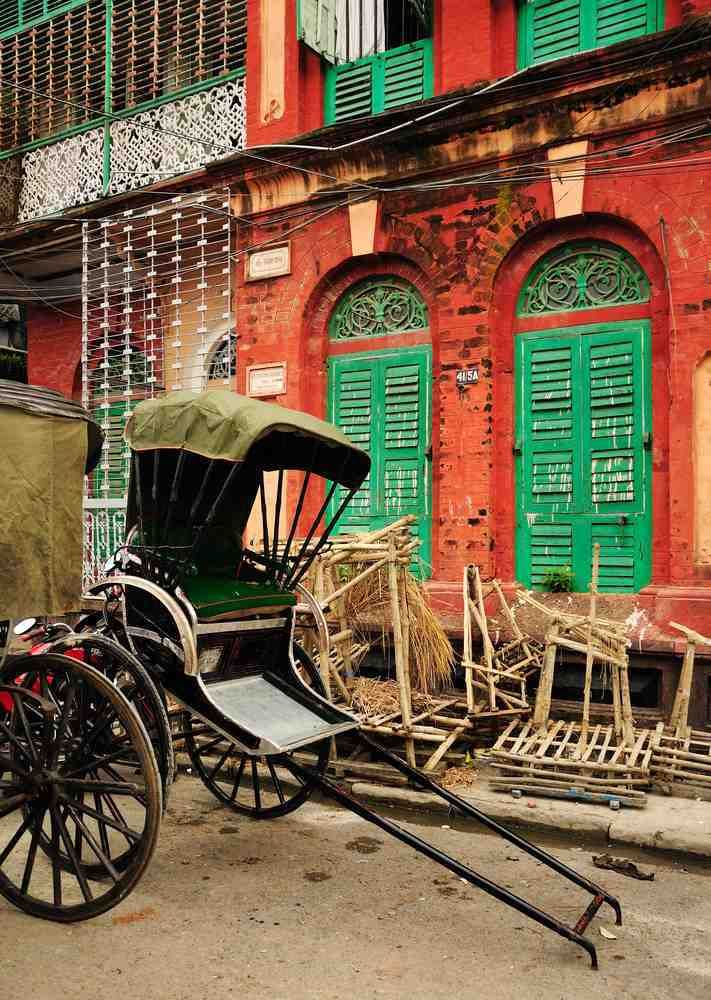

Hand-Rickshaw Pullers of Kolkata: The Legacies Left Behind

Hand-Rickshaw puller of Kolkata

Introduction

Kolkata is a city that is an amalgamation of the old and new. A city that is being modernised everyday but still manages to hold on to the old charm vibe. It is the only city in India to have various modes of transportation, dating back to the British era. The first city in India to construct a metro rail, it is now the only city in the world that continues to operate licensed hand-pulled rickshaws (called tana rickshawin Bengali) as a mode of public transport. One can still see the tram cars and hand-pulled rickshaws plying on the narrow bylanes of Kolkata.

Hand Rickshaw in Kolkata

Histrionic Background

The word ‘rickshaw’ originates from the Japanese word ‘Jin-riki-sha’ (jin meaning human, riki meaning power, and sha meaning vehicle; which translates to human-powered vehicle). The hand-pulled rickshaw was invented in Japan in 1869 and was introduced in China by 1874. Unlike previous modes of transport, like kago, sedan chairs, etc. which needed two persons to carry, the rickshaw had the significant advantage of being driven by a single person. The following decades witnessed a boom of hand-pulled rickshaws in Japan, China, Singapore, India, Indonesia and Malaysia. They served as cheap means of transportation and provided employment to millions of poor working-class families living in cities. 

The British were the dominant colonial power in Asia and the usage of a human to pull another human definitely served in reinforcing the master-slave power hierarchy. Post World War II, colonialism declined in Asia and the hand-pulled rickshaw faded out of use from erstwhile British colonies. Strangely, the legacy of rickshaws continued in Calcutta long after the British Empire was gone (1947), and long after the communist government in China banned (1949) the use of rickshaws. Not only did it survive in Calcutta but the tenacious hand-pulled rickshaw has become an icon of the metropolis

A Hand-Rickshaw in an alley of Kolkata City

A Staple to Kolkata’s Culture

Kolkata’s hand-pulled rickshaws are mentioned in many literary books and featured in films of different languages. It plays the protagonist in Rudyard Kipling’s ‘The Phantom Rickshaw’. The story is set in Shimla of the 1980s. Greg Vore, an international travel photographer, researched on the life, role and history of hand-pulled rickshaws in Kolkata and Bangladesh. Bimal Roy’s classic Do Bigha Zamin (released in 1953) tells the story of a farmer who becomes a rickshaw wallah in the then Calcutta.

Present Situation of Rickshaw: How They Are Doing

The hand-pulled rickshaw survives due to a number of socio-economic reasons peculiar to Kolkata. Firstly, pulling a rickshaw does not require skill; it requires hard physical labour. Unemployed and unskilled labourers find employment as rickshaw pullers in Kolkata. They do not undergo any training or require a driver’s license to operate. Most rickshaw pullers do not even know the names of the roads they ply their trade on, nor do they understand the various traffic symbols. This is because they are mostly illiterate and speak Hindi instead of the local Bengali. Many rickshaw pullers do not even own the vehicles themselves, but rent them from sardars (rickshaw owners) who own khatals (rickshaw garages). This arrangement evolved because many rickshaw pullers are either too poor or seasonal migrants, plying the rickshaws only for a few months when their fields back home lie fallow. 
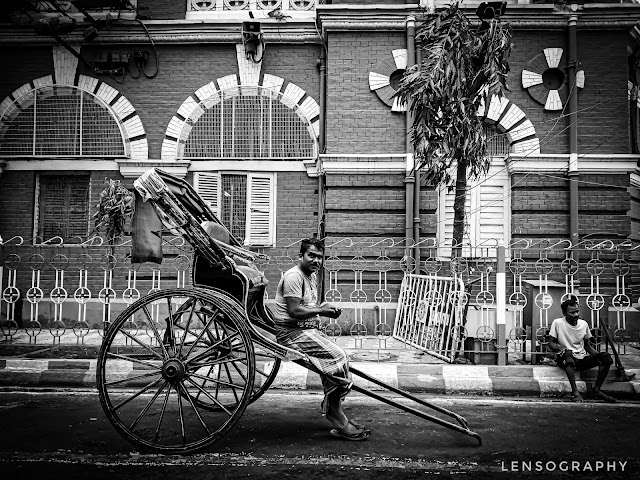
Leisure between the fare trips

Today, due to declining popularity and availability of other modes of transport, rickshaw pullers earn a meagre amount and mostly live on the streets, saving every rupee to send to their families. Added to this are costs for food and rent paid to sardars, after which they are left with very little money for themselves. Many turn to alcohol and suffer from various diseases and medical problems associated with old age and the physical stress of the job.

Kolkata does currently have 18,000 rickshaw pullers and 6000 rickshaws, though not all of them are licensed by the municipality

Queued up for passengers

The “Ban” for Rickshaws: The Efforts to Demolish The Rickshaw Transportation

Kolkata has faced much flak due to the existence of this colonial relic. In 2006, the state government tried permanently banning these rickshaws by the passing of the Calcutta Hackney-Carriage (Amendment) Bill, but it was never implemented. Nothing has changed after the change of government in 2011, though promises were made about replacing the licensed hand-pulled rickshaws with electric or cycle rickshaws. If these rickshaws need to be permanently removed from the streets, a justifiable solution needs to be worked out to ensure proper rehabilitation for all the people directly and indirectly attached to the trade.
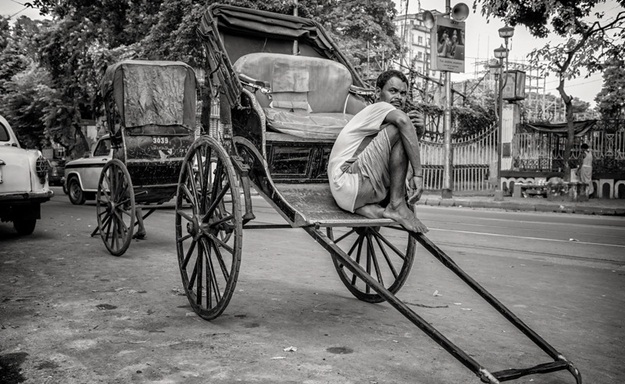
On the streets of Kolkata

The Positive Side: Why Hand-pulled Rickshaws Are Relevant To Kolkata

The narrowed urban planning of Kolkata has also played a part in the continuance of this mode of transportation. Due to poor drainage, streets in low-lying areas get flooded frequently. During heavy monsoons, the hand-pulled rickshaw is the only form of transport which can navigate flooded streets. Its non-reliance on fossil fuels makes it less expensive and non-polluting, and its compact size allows easy navigation through the narrow lanes of Kolkata

Carrying passengers in flooded road

Conclusion

Hand-pulled Rickshaws are the legacies of Kolkata’s British colonial past. The demolition of these mannual carts and their replacement with electric mode of carrier carts, would slightly dim the spirit the of the old city. But with time’s stand, it is on the behalf of saving the human labour in a more cost-effective and eco-friendlier way. Although, Kolkata will always cherish its beautiful past garnered with these wooden carts, that served the city and its citizens for ages.
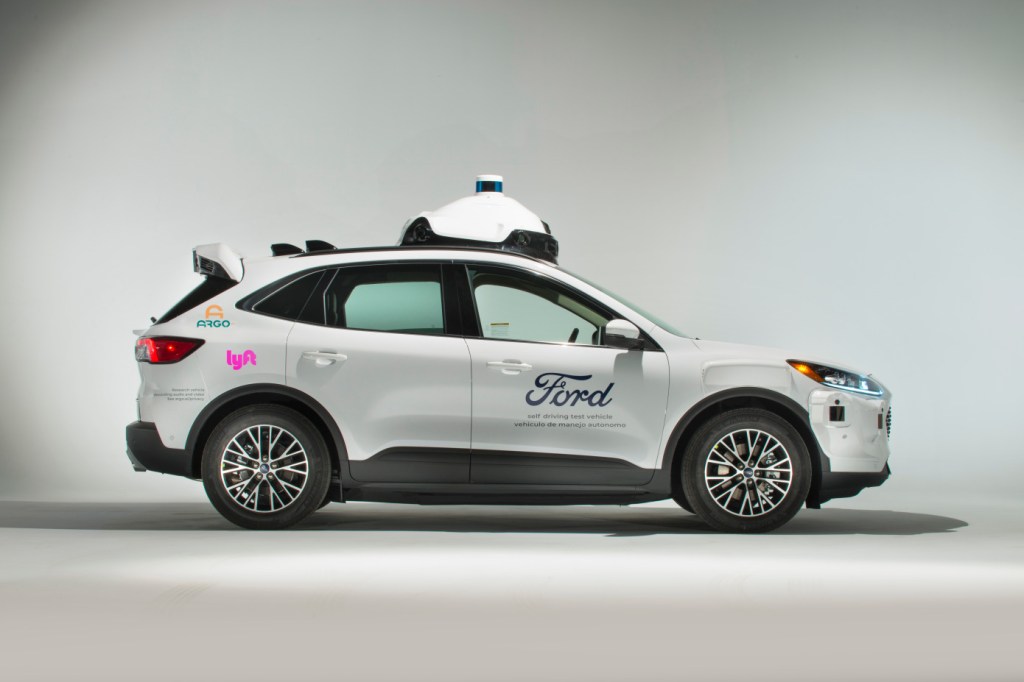
In California, Argo AI may now provide public rides in its self-driving vehicles.

Argo AI, the Ford and VW-backed autonomous vehicle technology firm, has received a permit in California that will allow it to provide free rides in its self-driving vehicles on public highways.

According to the accepted application, the California Public Utilities Commission gave the so-called Drivered AV pilot permit earlier this month. It was published on its website on Friday, a little over a week after Argo and Ford revealed plans to debut at least 1,000 self-driving cars on Lyft’s ride-hailing network in a variety of locations over the next five years, beginning with Miami and Austin.

The authorization, which is part of the state’s Autonomous Vehicle Passenger Service pilot, adds Argo to a small but increasing group of businesses looking to go beyond standard AV testing — a hint that the industry, or at least some companies, are getting ready to go commercial. Since 2019, Argo has been testing its self-driving technology in Ford cars in Palo Alto. In California, the company’s test fleet consists of around a dozen self-driving test vehicles. In addition to Miami, Austin, Washington, D.C., Pittsburgh, and Detroit, it has autonomous test cars.

Aurora, AutoX, Cruise, Deeproute, Pony.ai, Voyage, Zoox, and Waymo have all been granted licences to participate in the CPUC’s Drivered Autonomous Vehicle Passenger Service Pilot program, which necessitates the presence of a human safety operator behind the wheel. This permission does not allow companies to charge for rides.

Cruise is the only business that has obtained driverless authorization from the CPUC, allowing it to transport people in its test cars without the presence of a human safety operator.

Obtaining a Drivered authorization from the CPUC is only the first step on the road to commercialization in California. Before charging for rides in robotaxis without a human safety operator behind the wheel, the state needs firms to clear several regulatory barriers from the CPUC and the California Department of Motor Vehicles, each with its tiered system of licences.

The DMV is in charge of regulating and issuing licenses for autonomous vehicle testing on public roads. The DMW issues three types of permits, the first of which allows businesses to test autonomous vehicles on public roads with a safety driver. This basic testing authorization is held by more than 60 businesses.

The next permission allows for driverless testing, followed by a commercial deployment permit. Permits for driverless testing, in which no person is behind the wheel, have become the new benchmark and a need for firms looking to start a commercial robotaxi or delivery service in the state. The DMV has issued autonomous permits to AutoX, Baidu, Cruise, Nuro, Pony.ai, Waymo, WeRide, and Zoox.

Nuro is the only person who has gotten deployment permission from the DMV. Nuro may now deploy on a commercial basis thanks to this permission. Nuro’s trucks can only carry freight and not passengers, allowing the firm to avoid the CPUC approval procedure.

Meanwhile, in May 2018, the CPUC approved two pilot projects for autonomous vehicle passenger transportation. The Drivered Autonomous Vehicle Passenger Service Pilot program, which Argo just obtained, permits firms to run a ride-hailing service utilizing autonomous vehicles as long as they adhere to certain guidelines. Companies are not permitted to charge for rides, and a human safety driver must be present at all times. Additionally, specific data must be provided quarterly.

The second CPUC pilot will allow Cruise to launch an autonomous passenger service in June 2021.

It’s worth noting that getting to the holy grail of commercial robotaxis necessitates obtaining all of these permissions from the DMV and CPUC.

The issue of Electric Vehicles and their sustainability

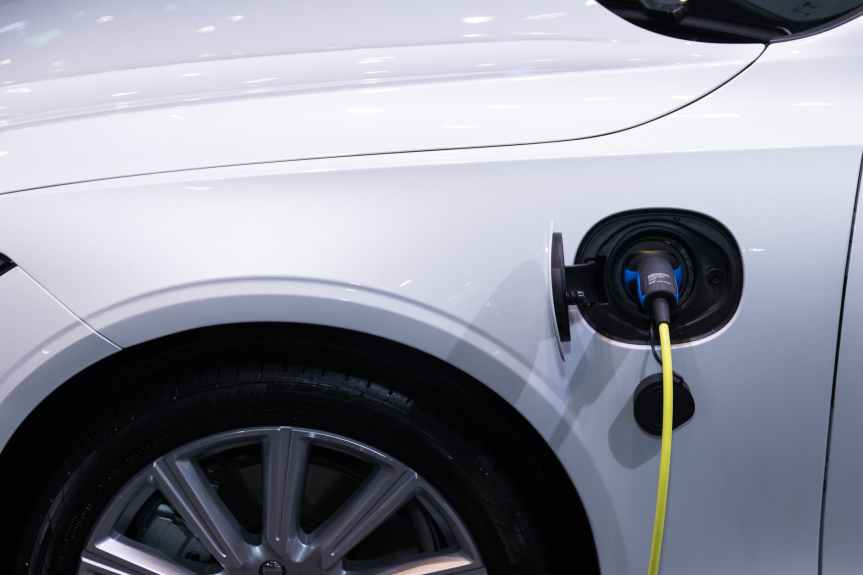
Tesla launched the Model-S in 2012, the luxury car was one of the more mainstream vehicles that accelerated the growth of electric vehicles. Some traditional cars manufacturers also followed the suit to compete with Tesla. Fast forward to a decade later, electric cars have become even more relevant and every major internal combustion engine manufacturer has an electric car model in their portfolio.

The rise of electric cars has been commendable with 75% growth rate and current sales north of 3 million units. But we have to look at the sustainability of electric vehicles realistically. Internal Combustion Engines cars have come a long way from 20 years back. Conventional cars are significantly more fuel-efficient and release less harmful gases to the environment. But still, they are incomparable to electric vehicle zero fuel emissions.

When we talk about electric vehicles, we also have to consider the whole infrastructure that is required to sustain that. The elephant in the room is the batteries. Battery technology has progressed a lot in the past decade but still, there are lots of limitations that have hindered the adaptability of EVs. One of the biggest issues that EVs face is the limited lifespan of batteries. The average lifespan of a typical EV battery is approximately 10 years depending upon the usage. In many EVs, the replacement of batteries is very difficult or almost impossible. Another problem is the case of recycling batteries. It’s not easy to recycle batteries and currently, electric vehicles have a very small percentage of market share. But as more and more people adopt EVs, there will be more EVs that will have to be scrapped and the proper disposal of batteries will be required. This can be a cause of environmental concerns as batteries will accumulate with no proper arrangement for its recycling.

Issues that will have to be addressed

The problem is much more than just battery technology. The power delivery and infrastructure also need to be developed to support the EVs. It’s going to be easier in urbanized areas with a small population, for instance Norway has been moderately successful in adopting EVs as a standard with plans to totally cease the sales of internal combustion engine vehicles by 2025. This target is going to be much more difficult in large countries with large populations and rural populations where distances between cities are larger. It also requires a considerable amount of capital resources to make the transition possible. Currently, traditional gas vehicles are still more viable, practical, and cheaper than EVs. This tells us that EV manufacturers and the government will require much more than subsidies to convince people to convert. EV manufacturers will also need to control the amount of energy that is required to produce a single EV, which is much more than a gas vehicle.

The extraction of lithium is also a contested issue and just as fossil fuels, the elements that are required to make batteries are non-renewable. Lithium can be extracted in a limited capacity and with more demand, it will become even more challenging to supply the raw materials required to build a battery. Building new battery production factories will also require a considerable amount of time and money. Until battery production facilities are not increased, supplying batteries will be a challenge and mass adoption will not be as fast as we would like it to be.

In conclusion, EVs are certainly the future, they are cheaper to operate and have zero emissions. But there are many other issues like infrastructure, battery supply, and proper disposal that would have to be addressed.

References: