What’s a Caldera?

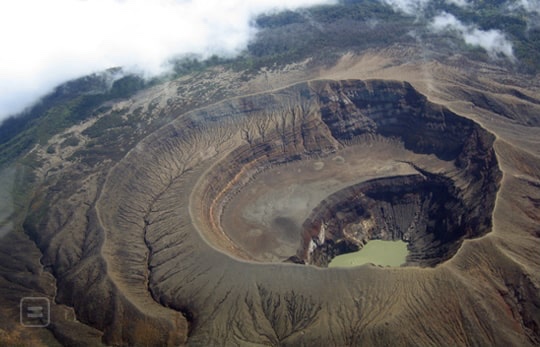
A Caldera is a large depression or a hollow area that forms when a volcano erupts and the magma chamber below it empties. This results in the collapse of side and top of the volcano.Without any structural support below the area, the erupting volcano vent collapses inwardly due to gravity creating a bowl shaped Caldera. There is a difference between a Caldera and crater. Craters form by the outward explosion of materials from a volcano. Craters are more circular than a caldera because in the latter the land collapses unevenly.
Magma chamber

It is a large pool of molten rock or magma below the surface of earth or under the existing volcano . The density of magma is less than that of the surrounding hard rocks so it starts to rise through cracks beneath the crust. When the magma is not able to find its way to the surface of the earth ,it is collected and pools into a magma chamber . Over the passage of time , this magma chamber grows in size due to the successive injections from horizontal and vertical magma and thus the pressure inside the chamber increases.

The magma chamber bears the weight of the volcano above it due to the buoyant forces which are acted upon the chamber by the surrounding rocks . The buoyant force gives a resultant upward push to the pool of magma chamber .

Sometimes when a volcano erupts, the whole pool of magma beneath it empties and this results in a void . Now there is nothing to support the weight of volcano. This causes volcano to collapse and form a caldera . Calderas are rare ; only 7-8 of them have known to occur in the last century. They are more than 25 kms in diameter and several kms deep.
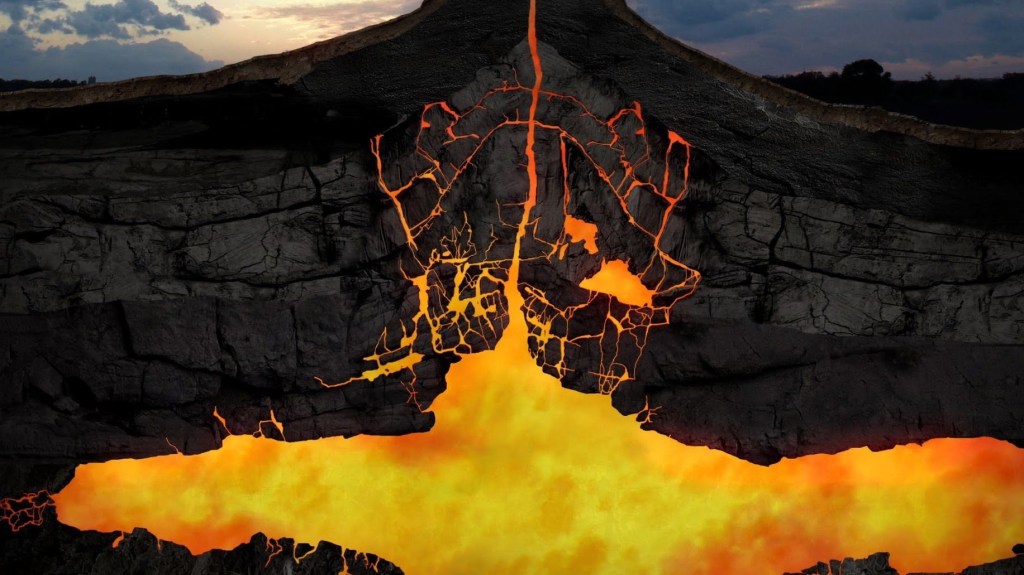
Magma chamber ( pool of magma at the bottom)

Types of calderas

Explosive calderas

Explosive caldera forms when large magma chambers filled with silica (highly viscous)and gas move upwards. The high viscosity silica holds the gas bubbles under high pressures but as the material rises to the surface, due to decrease in the pressure the gas expands . This causes an enormous explosion which throws away rocks and magma to form a caldera . eg. Yellowstone caldera ,Toba caldera.
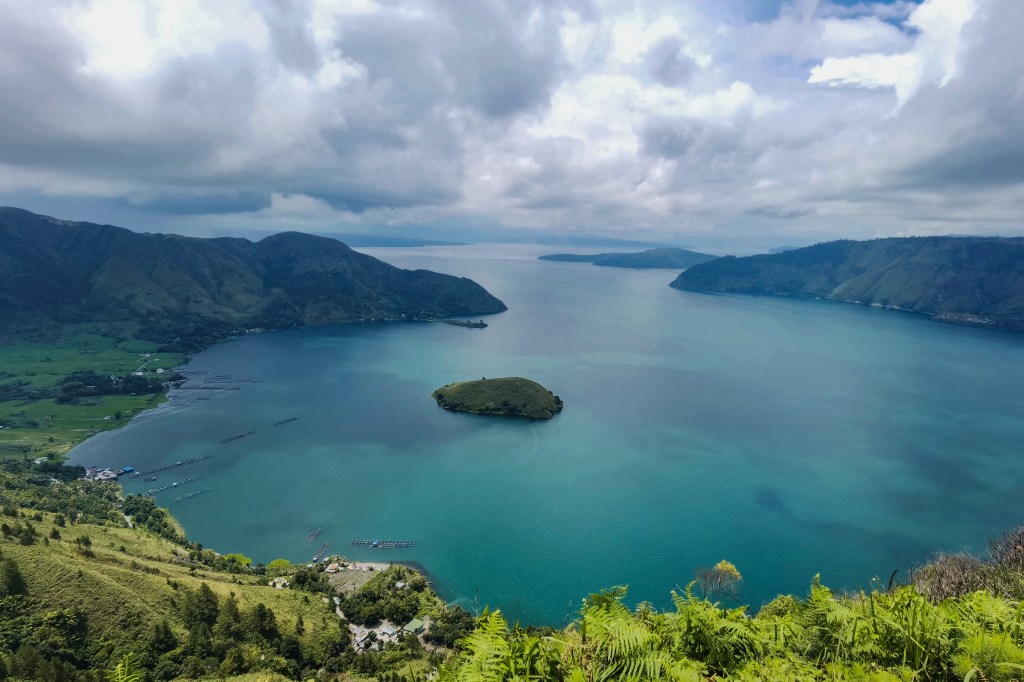
Toba caldera lake

Non-explosive calderas

When the matter is composed of basalt , which is much less viscous, the magma chamber is gradually drained by large lava flows rather than a single explosive eruption. eg. caldera atop Fernandina Island and Mauna Loa caldera.
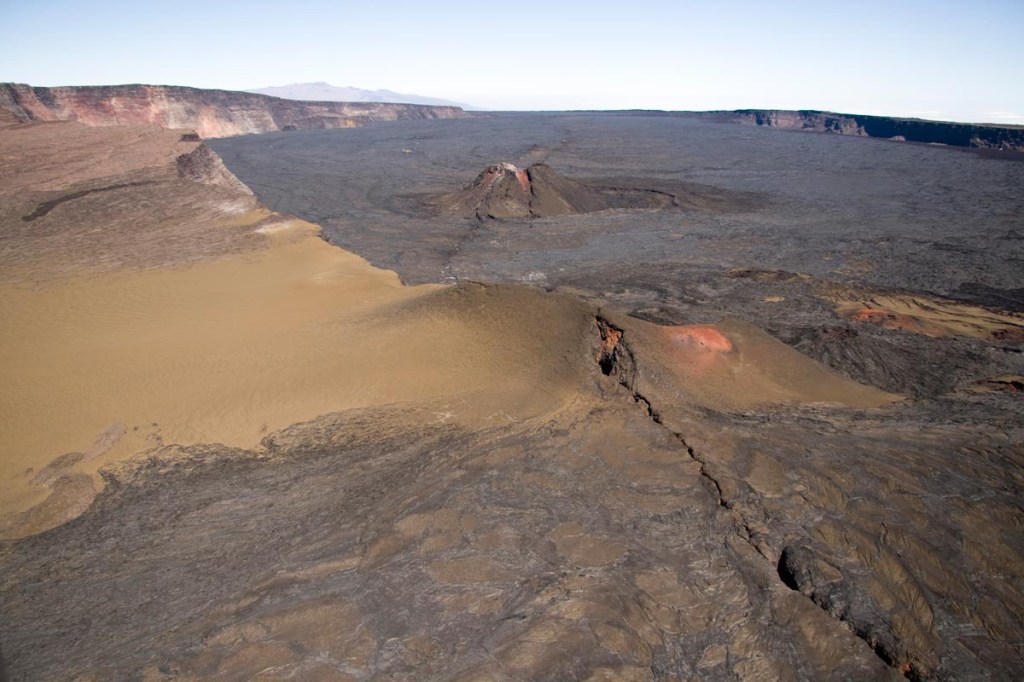
Mauna Loa caldera

Calderas are not limited to Earth . Other planets like Venus and mars or our moon also has caldera formations.
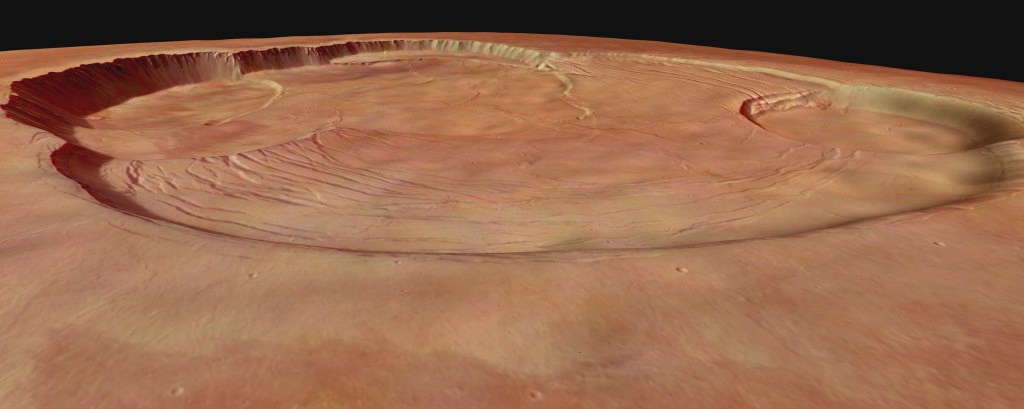
Caldera of Olympus Mons( Volcano on Mars- largest volcano known in the Solar System)

POMPEII

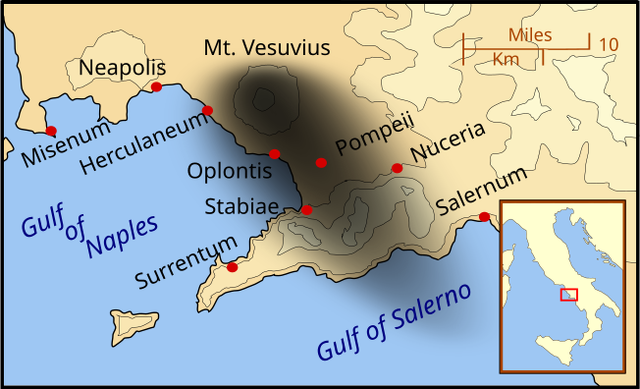
Pompeii, is a preserved ancient Roman city in Campania, Italy, 14 miles southeast of Naples, at the southeastern base of Mount Vesuvius. Around noon on August 24, 79 CE, a huge eruption from Mount Vesuvius showered volcanic debris over the city of Pompeii, followed the next day by clouds of blisteringly hot gases. Buildings were destroyed, the population was crushed or asphyxiated, and the city was buried beneath a blanket of ash. For many centuries Pompeii slept beneath its pall of ash, which perfectly preserved the remains. When these were finally unearthed, in the 1700s, the world was astonished at the discovery of a sophisticated Greco-Roman city frozen in time. Grand public buildings included an impressive and an amphitheatre; lavish villas and all kinds of houses, dating back to the 4th century BCE, were also uncovered. Inside were some preserved remains of people sheltering from the eruption; others lay buried as they fled; bakeries were found with loaves still in the ovens. The buildings and their contents revealed day-to-day life in the ancient world—and stirred 18th-century interest in all things classical.

History

It seems certain that Pompeii, Herculaneum, and nearby towns were first settled by Oscan-speaking descendants of the Neolithic inhabitants of Campania. Archaeological evidence indicates that the Oscan village of Pompeii, strategically located near the mouth of the Sarnus River, soon came under the influence of the cultured Greeks who had settled across the bay in the 8th century BCE. Pompeii is first mentioned in history in 310 BCE, when, during the Second Samnite War, a Roman fleet landed at the Sarnus port of Pompeii and from there made an unsuccessful attack on the neighbouring city of Nuceria. After the war, Pompeii, along with the rest of Italy south of the Po River, received Roman citizenship. However, as a punishment for Pompeii’s part in the war, a colony of Roman veterans was established there under Publius Sulla, the nephew of the Roman general.

Mt. Vesuvius

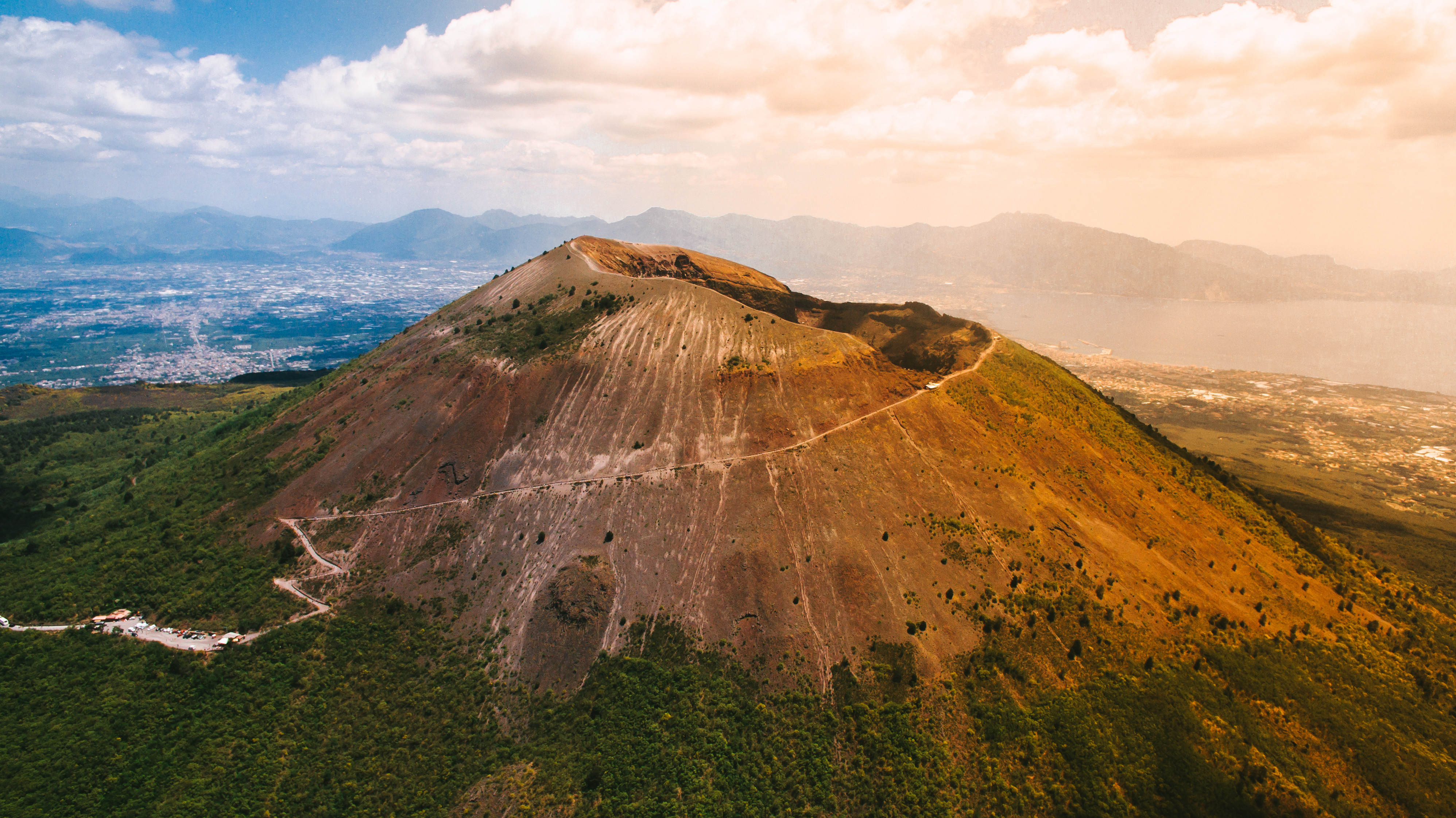
Mt. Vesuvius erupted on August 24, 79 CE. A vivid eyewitness report is preserved in two letters written by Pliny the Younger to the historian Tacitus, who had inquired about the death of Pliny the Elder, commander of the Roman fleet at Misenum. Pliny the Elder had rushed from Misenum to help the stricken population and to get a close view of the volcanic phenomena, and he died at Stabiae. Site excavations and volcanological studies, notably in the late 20th century, have brought out further details. Just after midday on August 24, fragments of ash, pumice, and other volcanic debris began pouring down on Pompeii, quickly covering the city to a depth of more than 9 feet and causing the roofs of many houses to fall in. Surges of pyroclastic material and heated gas, known as nuées ardentes, reached the city walls on the morning of August 25 and soon asphyxiated those residents who had not been killed by falling debris. Additional pyroclastic flows and rains of ash followed, adding at least another 9 feet of debris and preserving in a pall of ash the bodies of the inhabitants who perished while taking shelter in their houses or trying to escape toward the coast or by the roads leading to Stabiae or Nuceria. Thus Pompeii remained buried under a layer of pumice stones and ash 19 to 23 feet (6 to 7 metres) deep. The city’s sudden burial served to protect it for the next 17 centuries from vandalism, looting, and the destructive effects of climate and weather.

The Remains

The city of Pompeii was shaped irregularly because it was built on a prehistoric lava flow. Excavations indicate that the southwestern part of the town is the oldest, but scholars do not agree on the stages by which the walls were expanded or on who the builders were. The walls are 2 miles (3 km) in circumference, and they enclose an area of about 163 acres. The public buildings are for the most part grouped in three areas: the Forum (elevation 110 feet), located in the large level area on the southwest; the Triangular Forum (82 feet), standing on a height at the edge of the south wall overlooking the bay; and the Amphitheatre and Palaestra, in the east. The Forum was the centre of the city’s religious, economic, and municipal life; it was a large rectangular area surrounded by a two-story colonnaded portico. The Triangular Forum is the site of the Doric Temple, the oldest temple in Pompeii. Between the 3rd and the 1st century BCE a theatre, a palaestra (sports ground), and a small covered theatre were built to the east of the Triangular Forum. The temples of Zeus Meilichius and of Isis and the old Samnite palaestra were nearby. n the east corner of Pompeii was the Amphitheatre, and to the west a large palaestra was built to replace the old Samnite palaestra. Baths were scattered throughout the town.

Importance as a Historical Source

The extent of the archaeological sites makes them of the greatest importance, for they provide a unique source of information about so many aspects of social, economic, religious, and political life of the ancient world. The bakeries, complete with mills, kneading machines, and ovens, some still containing loaves of bread, show how this staple of everyday life was produced. The shops of the sculptor, toolmaker, and gem cutter, as well as the factories for fish sauce and lamps and the many wine and food shops, document other aspects of ancient life. Pompeii was a busy port town that exported products throughout the Mediterranean region. Merchants and tradesmen found food and lodging near the city gates and the Forum. Further, Pompeii offers the best opportunity for the study of city planning and land use in an ancient city. Excavations since the mid-20th century have revealed an unexpected amount of open land. Unfortunately, the excavations are constantly endangered by the ravages of weather, tourist traffic at the site, and destructive vegetation. 

Khawa Ijen: The Electric Blue Beauty

Nature has its own way to astonish us. Sometimes, in the forms of blooms, sometimes in the form of volcanoes. Now, when we hear volcane, the first picture that comes to our mind must be of red, hot and viscous lava, flowing down the edges of the volcano. But that image is going to change soon, hopefully. And the credit goes to the Ijen, a volcano complex in Indonesia.

The Blue Beauty

Indonesia, apart from being the country with the largest number of volcanoes, also houses a natural uniquiety, Kawah Ijen volcano. Part of the Ijen volcano complex, situated in East Java, Indonesia, this volcano is famous for two things: a mass of electric blue liquid flowing down the sides of the volcano and the lake situated in its crater. Also known as the Kawah Ijen Crater lake, this lake has the status of being the largest highly acidic crater lake. The acidity of the water can be as high as 0.5  at the edges and 0.13  in the middle, in terms of pH. Due to the high levels of acidity, the water of this lake maintains a turquoise shade. This lake also happens to be the origin source of the river Banyupahit, which obviously, also has a high concentration of acidic compounds and metals. 

The reason behind the high acidity of the lake is that the water is saturated with hydrochloric acid. The source of this hydrochloric acid is the hydrogen chloride gas emitted by the volcano. The hydrogen chloride gas, when reacts with the water, gives rise to hydrochloric acid, with pH upt almost 0. The acidity sometimes imparts a slightly strong green colour to the water sometimes.

The reason for this electric blue wonder, though, is just pure, simple chemistry. Between sulphur and oxygen. Sulphuric gas, originating under high pressure and temperature (600°C) conditions, emerge through cracks and vents in the volcano structure. Coming in contact with the atmosphere (360°C), specifically oxygen, triggers the sulphur to combust, in the process, shooting flames at a height upto 5 metres (16 feet). 

When the gases condense into liquid sulfur, while burning, this liquid flows down the volcano slopes, along with the sulfur rich lava, giving the ultimate spectacle of blue flames. Infact, this phenomenon is also known as the Api Biru (Blue Fire) amongst the locals.

Needless to say, there is a vast expanse of sulfur in this volcanic structure. And as a part of the industrial development, this treasure mine of a resource has also been tapped. Naturally, the burning gases, on gradual condensation, deposit sulphur around the lakes. To speed up the production of sulphur, a mining company has devised their own system to aid the condensation. They have installed ceramic pipes on an active vent near the edge of the lake, which condenses and liquefies the sulfur gases passing through them. To assist this process, miners often spray cold water over the pipes. This liquid sulfur is diverted through the vent slopes to get deposited onto the sulfur mats, where they solidify. 

The miners cut these sulfur into manageable pieces and take them down the mountains on their back. They are known to carry loads of around 80 to 100 kilograms once everyday, or twice, if they work through the night. Apart from that, they also collect sulphur stalactites, which sometimes form from the dripping sulphur drops, to sell to the tourists. And for the elemental chunks of sulphur, they get about 680 Indonesian rupiah (about 6 USD cents) per kilo. 

The Darker Side 

The working conditions are far from ideal. Not only have they been exposed to highly toxic volcanic ashes and gases, more so due to the lack of protection, but also are at risk due to the dangerous trek they need to do to reach the carter. Many miners suffer from chronic and severe health problems due to the inhalation of the toxic sulfuric air, over a long period of time. Several media houses and individuals have made documentaries and pieces regarding the plight of these local sulfur miners.

Speaking of the tourists, this incredible phenomenon got its due attention when National Geography mentioned about this place. Since then, Ijen has witnessed a surge of tourists, whose most preferred activity is a night time, two hour hike to enjoy the electric blue flames in the fullest glory. But certainly not without precautionary measures!

Website Reference:

https://www.nationalgeographic.com/news/2014/1/140130-kawah-ijen-blue-flame-volcanoes-sulfur-indonesia-pictures/

https://en.wikipedia.org/wiki/Ijen

https://interestingengineering.com/blue-lava-largest-sulfuric-acid-lake-ijen-volcano

Image Credit: Reddit

Out of sight out of mind

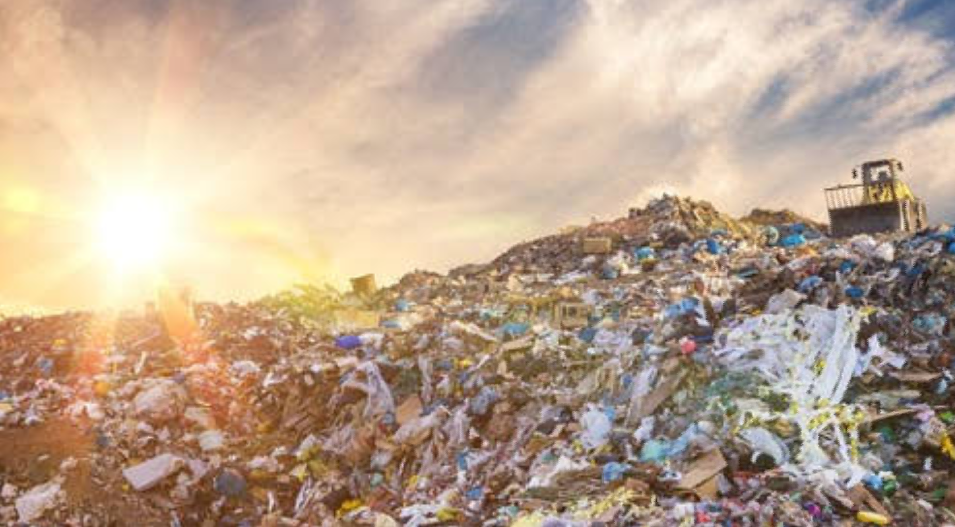
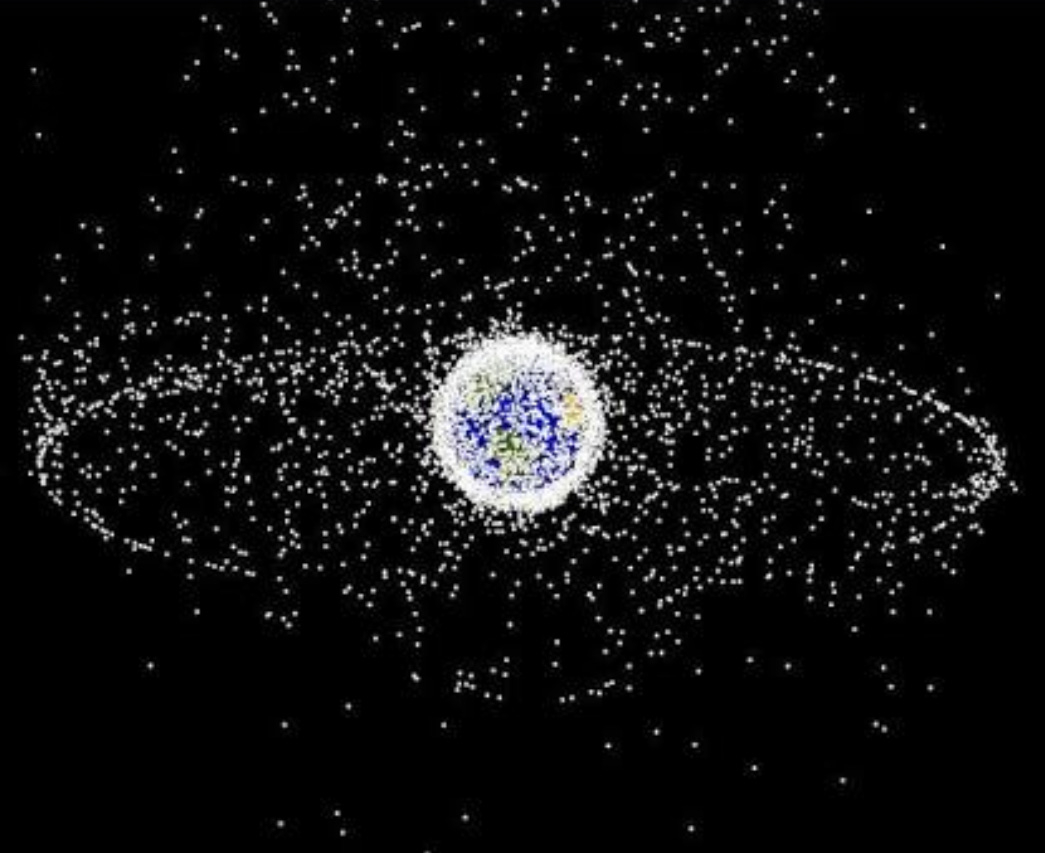
The world has so much problem with the waste production and dumping and landfills. We need more space. Why not send it to outer space? You know take some amount of trash at a time and send it to space and let it go. Sounds easy but turns out it isn’t that easy.

First of all it costs a LOT to send a spaceship into the space. We would need a large number of rocket launches to actually get rid of the insane amount of garbage the world produces(1.2 trillion kg). That way, the rise in air pollution… unimaginable. Also, complex infrastructure requirements! We need a lot more launch pads.

Suppose we do find a way to manage the costs and send a rocket filled with trash to be thrown out in the space. Imagine if some technical issue occurs and it blasts. It would rain burning plastic. Not good for the environment.

Even if we throw it out, the accumulation would make our atmosphere so dense that it would be a toxic world to live in. Also we couldn’t use satellites plus space travel would be tough. What if it comes floating back. Gross sight.

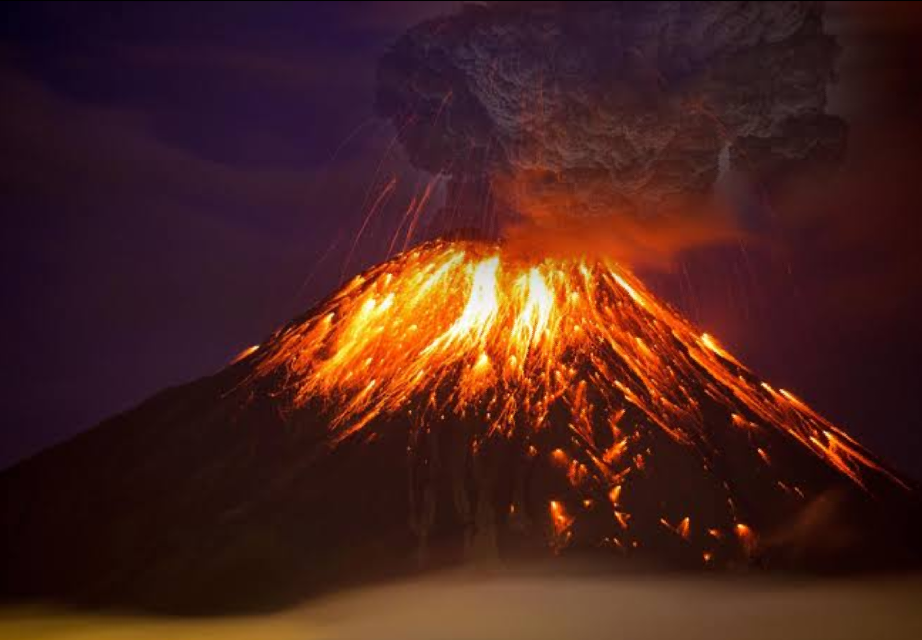
There’s another thing we could do. Burn the trash in the volcanoes. Trash incinerators have filters to filter out poisonous gases. In case of volcanoes filtering is not possible so again toxic world. Besides throwing something in the lava, disturbing the surface, would instantly trigger a chain reaction leading to an explosion. So not an option.

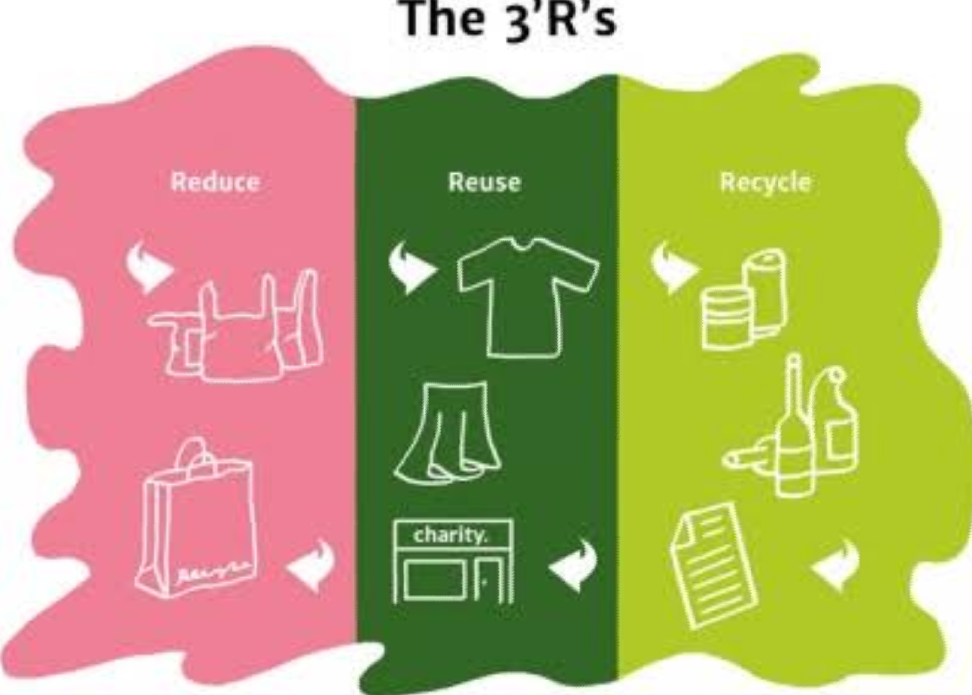
Guess we have to find other sources to convert the trash into some kind of energy. Maybe some day. Till then we need to manage our trash and follow the three R’s. (Reuse, Recycle, Reduce)

Thank you for reading. Have a nice day!