

Introduction
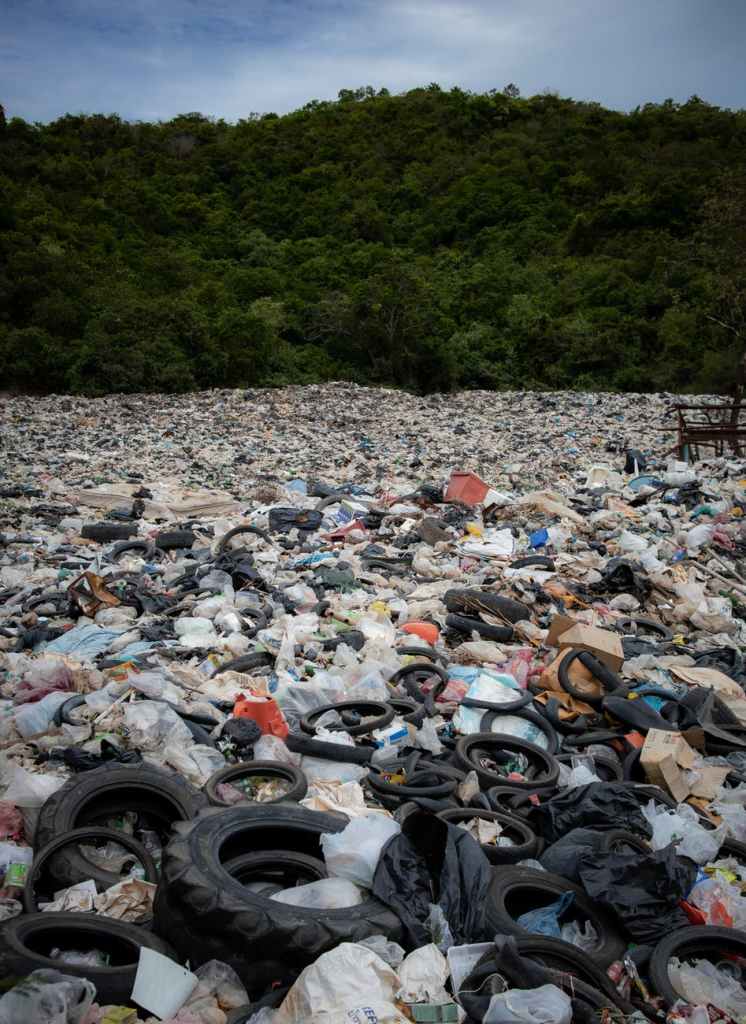
Plastic bags are the main cause of plastic pollution. The pollution which is destroying our environment. To reduce pollution plastic bags must be banned. Humans try to decompose them but it does not decompose instead it leads to air, water as well as soil pollution. It is said that plastic bags are the leading causes of increasing pollution.
For this reason plastic bags are banned in various countries. In spite of knowing the consequences, plastic bags are still used widely in most parts of the world making it harmful for the environment.
Plastic bags are readily available in the market and are used widely.These are popular at the grocery stores, markets, etc because they are handy and are comfortable to carry the grocery items like rice, wheat flour, pulses. Apart from grocery items it is used to carry veggies, fruits etc.
It is available in various sizes; these are quite economical and also easy to carry or use. But the cost for using these bags -is overlooked. These bags are costing us our beautiful environment. The plastic bags that we use in our everyday life are very much harmful to the environment. The actual problem is much more severe than it appears to us.
Plastic bags are destroying the soil making our agricultural lands infertile. It also causes several other serious problems. To ensure a cleaner and greener environment many countries have banned the use of plastic bags. Among those countries, India is one of them.
Our country has banned the use of plastic bags in many states. However, the implementation of this rule hasn’t been proper.
These are still available in the market. The retailers provide goods in these bags, and the shoppers gladly take their stuff in these easy to carry bags. And another reason for this does not have a proper option to replace them.
It is time for each one of us to understand the severity of the issue and stop the use of plastic bags.
Plastic Bags – A Boon or A Bane /A Curse?
Plastic bags are lightweight and can be carried anywhere without much effort.
This may sound like a blessing to us, but in reality it is much more harmful than its uses. They get carried away by the wind and water because of its light weight. They end up landing on the seas and water and pollute them. They get stuck in fences and pollute the environment while getting carried away with the wind.
The material used to make plastic bags is polypropylene. This material makes them durable thus making them last for a longer time. This polypropylene is prepared from natural gas and petroleum. They are non biodegradable in nature.
Green-house gases like Methane Carbon, Monoxide, and Carbon Dioxide are released during the production of various plastics products including plastic bags. This is a significant cause of global warming in the world today.
There is a misconception that recycling is an alternative to the misuse of plastic bags but recycling of plastic products cannot be a good choice because only 5% of the plastic bags can be recycled and the remaining 95% find their way in soil, water and landscape causing pollution. Only 35-40 percent of plastic bags are being recycled and the remaining 60% is not even known where it is gone.
As 60% of the plastic bags are not being traced, the producers are forced to produce more products to meet the needs of people. Everyone considers plastic bags as the most convenient bags to carry loads but it has the most harmful effects on human health.
Synthetic substances present in the polythene bags can disturb the typical working of hormones in the body.Most plastic pieces in the seas, like plastic bags, have a few contaminations, for example, PCBs (polychlorinated biphenyl) together with PAHs (Polycyclic fragrant hydrocarbons), which disturbs the normal function of our hormones.
When the marine creatures eat these synthetic substances, they travel through the food web then later into the people who consume sea animals, especially the fish.
How can we minimize their use?
In many countries across the world plastic bags have been restricted in several nations all over the world.
In many states the Government of India has already restricted the utilization of plastic bags.
Strict measures must be taken to ensure that the use of these bags is stopped. There must be curbs on the production of plastic bags altogether.
Retailers for selling as well as those who are carrying and using plastic bags must be fined.
Good quality plastic available in the market must be made chargeable. This is a good strategy to minimise the use of plastic bags.
To provide a proper alternative of polythene bags is another good strategy. The alternative must be cost efficient and have to be similar in use.
Conclusion
We had often overlooked and underestimated the harmful consequences caused due to plastic bags because we don’t notice the long term effect of these small, easy to carry bags used in our daily life.
People keep on using these bags owing to their convenience. They completely ignore the real fact about these bags that they are harmful for the environment and are a threat to life on earth.
@track2trainingseminar @track2traininginstitute @edunewsnetwork @pen2prints @
 Eduindex
You must be logged in to post a comment.