EDUCATION FOR ALL

Daily writing prompt
What Olympic sports do you enjoy watching the most?

The Department of School Education and Literacy is implementing an integrated centrally sponsored scheme for School education- Samagra Shiksha. The scheme treats school education holistically, without segmentation from pre-primary to class XII in alignment with the recommendations of the National Education Policy (NEP) 2020 and aims to ensure that all children have access to quality education with an equitable and inclusive classroom environment which should take care of their diverse background, multilingual needs, different academic abilities and make them active participants in the learning process.

Under Samagra Shiksha, financial assistance is provided to States and UTs for implementation of various provisions of Samagra Shiksha Scheme including  free uniform to eligible children at elementary level, free textbooks at elementary level, reimbursement under RTE Act, various qualitative components development of primers/textbooks for tribal language, teaching learning materials, transport/escort facility up to secondary level, special training for age appropriate admission of out of school children and residential as well as non-residential training for older children, seasonal hostels / residential camps, special training centers, age-appropriate residential and non-residential training, support to Out of School Children (16 to 19 years) for completion of education through NIOS/SIOS, Holistic Progress Card, bilingual teaching material and books.

Further, financial assistance is also provided to the States and UTs for  opening/strengthening of new schools upto senior secondary level, construction of school buildings & additional classrooms, development/strengthening of school infrastructure in northern border areas under Vibrant Village Programme, setting up, up-gradation and running of Kasturba Gandhi Balika Vidyalayas, setting up of Netaji Subhash Chandra Bose Avasiya Vidyalayas, construction of hostels for PVTGs under PM-JANMAN, construction of hostels under Dharti Aaba Janjatiya Gram Utkarsh Abhiyan for unsaturated ST population, strengthening of teacher education and strengthening of DIETs/BRCs/CRCs, provision of ICT and digital interventions.

Under the student-oriented component for the children with special needs, financial assistance is provided for identification and assessment of children with special needs, aids and appliances, braille kits and books, appropriate teaching learning material and stipend to girl students with disability etc. It also has provisions for creation of differently-abled friendly infrastructure such as ramps, ramps with handrails and differently-abled friendly toilets for barrier free access in schools. Further, to improve the identification of CwSN, the Government has introduced the Prashast App for early screening and identification of CwSN in regular schools. Teacher capacity building programs are being undertaken under NISHTHA in hybrid mode to train general teachers to address the learning needs of CwSN.

The New India Literacy Programme (NILP) popularly known as ULLAS – targets non-literates aged 15 years and above who have missed formal schooling and provide educational opportunities to them to make them literate. It is being implemented from FY 2022-23 to 2026-27. A dedicated ULLAS App has been created for registering learners and volunteer teachers. Till now, over 2.20 crore learners and more than 40 lakh volunteer teachers have registered on the app. The App also contains TLM in the form of ULLAS primers in all languages.

The Scheme supports creation and strengthening of infrastructure like, School buildings, Additional Classrooms, Toilets, Drinking Water, Ramp and Handrails, electrifications, Boundary wall, Science labs, Library Rooms, Computer Rooms, and Major Repairs works as per state requirements.

To bridge the gap between rural and urban areas in educational access, digital initiatives like ICT Labs, Smart Classrooms, PM e-Vidya including DIKSHA and SWAYAM PRABHA DTH-TV Channels are also being supported under the scheme.

The annual plans are prepared by the States and UTs as per their requirements/ priority including creation/ strengthening of infrastructure, support to teachers’ salary etc. and same is reflected in their respective Annual Work Plan and Budget (AWP&B) Proposals. These plans are then appraised and approved by the Project Approval Board (PAB) in the Department of School Education & Literacy in consultation with the States and UTs as per the programmatic and financial norms of the scheme and physical and financial progress of the State for the interventions approved earlier.

International Women’s Day 2025

Eduindex News Network

International Women’s Day is celebrated around the world on 8th March. It is a day when women are recognized for their achievements across national, ethnic, linguistic, cultural, economic or political boundaries. The theme of International Women’s Day 2025 is “For ALL Women and Girls: Rights. Equality. Empowerment.” This year’s theme calls for action to unlock equal rights, power and opportunities for all and an inclusive future where no one is left behind. Central to this vision is empowering the next generation—youth, particularly young women and adolescent girls—as catalysts for lasting change.

Further, the year 2025 is a pivotal moment as it marks the 30th anniversary of the Beijing Declaration and Platform for Action. This document is the most progressive and widely endorsed blueprint for women’s and girls’ rights worldwide, transforming the women’s rights agenda in terms of legal protection, access to services, youth engagement, and change in social norms, stereotypes, and ideas stuck in the past.

In India, the government has been actively working towards women’s empowerment and gender equality through various policies, schemes, and legislative measures. The country is witnessing a transition from women’s development to women-led development, ensuring equal participation in national progress. Women are playing a crucial role in shaping India’s socio-economic landscape, breaking barriers in education, health, digital inclusion, and leadership roles.

On March 3, 2025, Prime Minister Narendra Modi encouraged women across India to share their inspiring life journeys on the NaMo App Open Forum ahead of International Women’s Day. He praised the remarkable stories already submitted, highlighting the resilience and achievements of women from different walks of life. As a special initiative, he announced that selected women would take over his social media accounts on March 8 to amplify their voices and experiences. This initiative aims to celebrate women’s contributions and inspire others by showcasing their journey of empowerment, perseverance, and success.

Constitutional and Legal Framework

The Indian Constitution guarantees gender equality through provisions in its Preamble, Fundamental Rights, and Directive Principles of State PolicyArticle 14 ensures equality before the law, while Article 15 prohibits discrimination based on sex. Article 51(a)(e) encourages citizens to renounce practices derogatory to women’s dignity. The Directive Principles, particularly Articles 39 and 42, emphasize equal livelihood opportunities, equal pay, and maternity relief.

India is a signatory to international treaties such as:

  • Universal Declaration of Human Rights (1948)
  • International Covenant on Civil and Political Rights (ICCPR, 1966)
  • Convention on the Elimination of All Forms of Discrimination Against Women (CEDAW, 1979)
  • Beijing Declaration and Platform for Action (1995)
  • United Nations Convention Against Corruption (2003)
  • Agenda 2030 for Sustainable Development

Government Schemes for Women’s Upliftment

1. Education

Education is the key to women’s empowerment and economic independence. India has undertaken several initiatives to ensure that girls have equal access to quality education from primary schooling to higher education. Gender parity in education has improved significantly, with female enrolment surpassing male enrolment in recent years.

  • Right to Free and Compulsory Education Act, 2009 ensures schools are within reach for all children.
  • Beti Bachao Beti Padhao (BBBP): Focuses on improving the child sex ratio and promoting girls’ education.
  • Samagra Shiksha Abhiyan: Supports school infrastructure and girl-friendly facilities.
  • National Education Policy (NEP) 2020 prioritizes gender equity and inclusion in education.
  • Eklavya Model Residential Schools: Promote quality education for tribal girls
  • Female Gross Enrollment Ratio (GER) has overtaken Male GER since 2017-18.
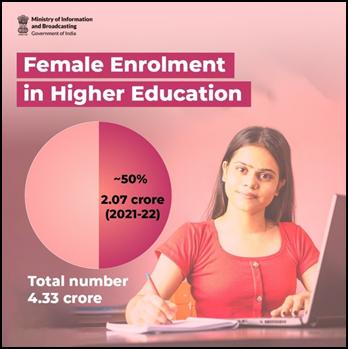
  • Female enrolment in higher education: 2.07 crore (2021-22), which is nearly 50% of the total number 4.33 crore.
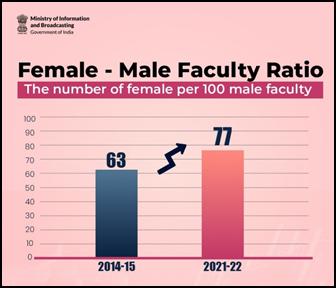
  • The female to 100 male faculty ratio has also improved to 77 in 2021-22 from 63 in 2014-15.
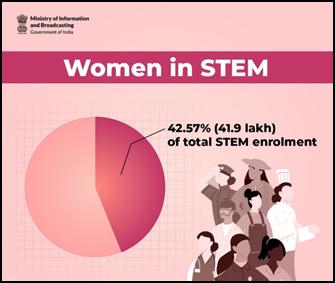
  • Women in STEM: 42.57% (41.9 lakh) of total STEM enrolment.
  • STEM Initiatives:
    • Vigyan Jyoti (2020) promotes STEM education for girls in underrepresented areas.
  • Overseas Fellowship Scheme supports women scientists in global research opportunities.
  • National Digital Library, SWAYAM, and SWAYAM PRABHA ensure access to online learning.
  • Over 10 lakh girl students benefitted under various scholarships for STEM fields.
  • Skill Development Initiatives:
    • Skill India Mission, Pradhan Mantri Kaushal Vikas Yojana (PMKVY), Women Industrial Training Institutes provide vocational and technical training to women.
    • Women Technology Parks (WTPs) serve as hubs for training and capacity building.

2. Health and Nutrition

Access to healthcare services is crucial for improving the well-being of women and reducing gender-based health disparities. The government has introduced several policies to ensure maternal and child health, nutrition, and medical support for women across all sections of society.

  • Pradhan Mantri Matru Vandana Yojana (PMMVY): Provides cash incentives to pregnant and lactating mothers, with ₹17,362 crore disbursed to 3.81 crore women, as of January 2025.
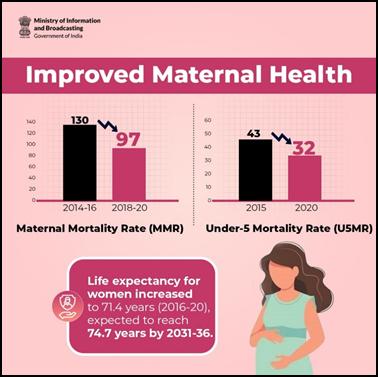
  • Improved Maternal Health:
    • Maternal Mortality Rate (MMR) reduced from 130 (2014-16) to 97 (2018-20) per lakh live births.
    • Under-5 Mortality Rate (U5MR) decreased from 43 (2015) to 32 (2020).
    • Life expectancy for women increased to 71.4 years (2016-20), expected to reach 74.7 years by 2031-36.
  • Nutrition and Sanitation:
    • Jal Jeevan Mission provided potable tap water to 15.4 crore households, reducing health risks.
    • Swachh Bharat Mission led to the construction of 11.8 crore toilets, improving sanitation and hygiene.
    • Poshan Abhiyaan: Strengthens maternal and child nutrition programs
    • Over 10.3 crore clean cooking gas connections distributed under the Ujjwala Yojana.

3. Economic Empowerment and Financial Inclusion

Women’s participation in the workforce is a key driver of economic growth. The government has launched multiple initiatives to promote financial independence, entrepreneurship, and employment opportunities for women.

  • Women’s participation in major household decisions: Increased from 84% (2015) to 88.7% (2020).
  • Financial Inclusion:
    • PM Jan Dhan Yojana: Over 30.46 crore accounts (55% belonging to women) opened.
    • Stand-Up India Scheme: 84% of loans under ₹10 lakh to ₹1 crore sanctioned to women entrepreneurs.
    • MUDRA Scheme: 69% of microloans given to women-led enterprises.
  • Self-Help Groups under NRLM: 10 crore (100 million) women connected to 9 million SHGs.
  • Bank Sakhis Model: 6,094 women banking correspondents processed transactions worth $40 million in 2020.
  • Employment and Leadership:
    • Women in Armed Forces: Entry into NDA, combat roles, and Sainik Schools.
    • Civil Aviation: India has over 15% women pilots, higher than the global average of 5%.
    • Working Women’s Hostels (Sakhi Niwas): 523 hostels benefiting 26,306 women.
  • Women Entrepreneurs in Startups: 10% of funds in the Small Industries Development Bank of India reserved for women-led startups

4. Digital and Technological Empowerment

In the digital era, access to technology and digital literacy are crucial for women’s socio-economic progress. The government has been proactive in ensuring women are part of the digital revolution through various initiatives.

  • Digital India Initiatives:
    • PMGDISHA (Prime Minister’s Digital Saksharta Abhiyan): 60 million rural citizens trained in digital literacy.
    • Common Service Centres (CSCs): 67,000 women entrepreneurs running digital service centers.
    • Ayushman Bharat Digital Mission (ABDM): Bridging healthcare accessibility through digital solutions.
    • SANKALP Hubs for Women Empowerment: Functioning in 742 districts across 35 States/UTs
  • Financial Technology and Inclusion:
    • Digital banking and Aadhaar-linked services ensure financial security for women.
    • Government e-marketplaces encourage female entrepreneurship and online businesses.

5. Safety and Protection

Ensuring women’s safety is a top priority for the Indian government. Several legislative measures, dedicated funds, and fast-track courts have been established to curb crimes against women and provide legal and institutional support.

  • Key Legal Frameworks:
    • Criminal Law (Amendment) Act, 2018: Enhanced penalties for crimes against women.
    • Protection of Women from Domestic Violence Act, 2005.
    • Sexual Harassment of Women at Workplace Act, 2013.
    • POCSO Act, 2012: Strengthened laws against child abuse.
    • Ban on Triple Talaq (2019): Criminalizing instant divorce practices.
    • Dowry Prohibition Act, 1961: Penalizes dowry-related offenses.
    • Prohibition of Child Marriage Act, 2006: Protects minors from forced marriages.
  • Nirbhaya Fund Projects (₹11,298 crore allocated):
    • One Stop Centres (OSCs): 802 centers functional, assisting over 1 million women.
    • Emergency Response Support System (ERSS – 112): 38.34 crore calls handled.
    • Fast Track Special Courts (FTSCs): 750 operational courts, 408 exclusively for POCSO cases.
    • Cyber Crime Helpline (1930) and cyber forensic labs for digital safety.
    • Safe City Projects: Implemented in 8 cities to enhance women’s safety.
    • 14,658 Women Help Desks in Police Stations, 13,743 headed by women.
  • Institutional and Legislative Reforms
    • Bharatiya Nyaya Sanhita (BNS), 2023: Strengthens provisions for gender justice.
    • Marital rape (for wives under 18) criminalized.
    • Enhanced punishment for sexual offenses and trafficking.
    • Witness protection and digital evidence admissibility improved.
    • Women’s representation in CAPFs: 33% reservation in select forces.
    • Nari Adalat: Piloted in 50 Gram Panchayats each in Assam and J&K, now expanding.

Conclusion

India has made remarkable progress in women’s empowerment through comprehensive policies, targeted schemes, and legal frameworks. From economic participation to safety, digital inclusion to education, the government’s initiatives have led to significant improvements in women’s lives. On this International Women’s Day, it is crucial to reaffirm the commitment to building an inclusive, gender-equal society where women play a central role in shaping the nation’s future. Sustained efforts in policy-making, community engagement, and digital inclusion will ensure that women continue to drive India’s growth story in the years to come.

References

Ministry of Women and Child Development

Daily writing prompt
Write a letter to your 100-year-old self.

#AbKoiBahanaNahi Campaign to end Gender-Based Violence launched

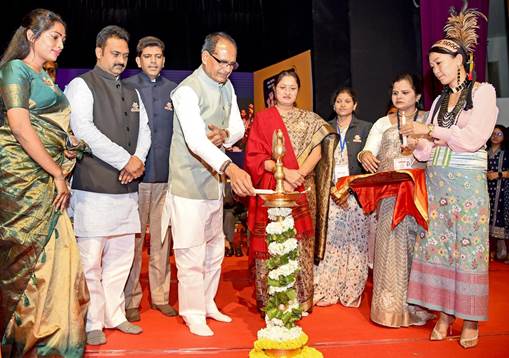
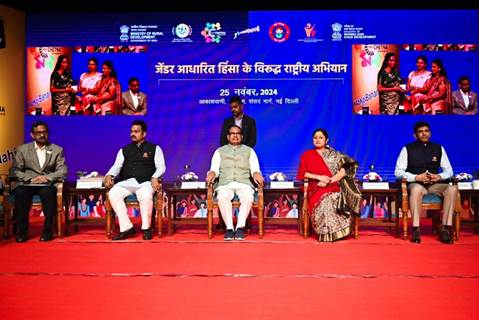
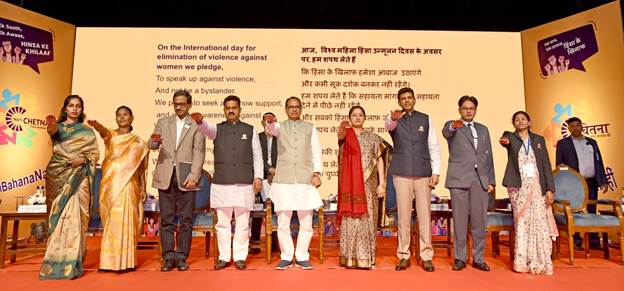
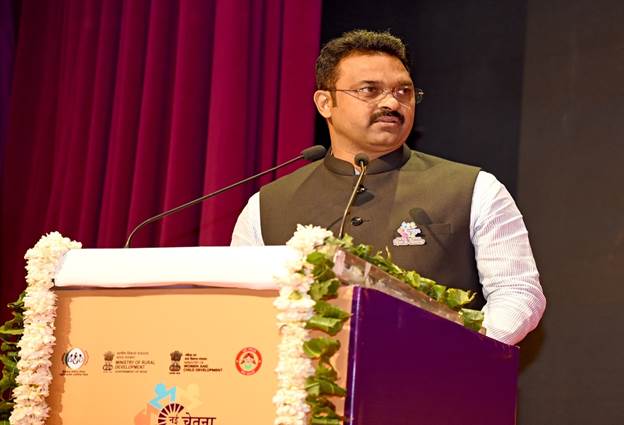
A National Campaign “#AbKoiBahanaNahi” was launched today in New Delhi. It is a collaborative effort between the Ministries of Women and Child Development and Rural Development, with support from UN Women. The Union Minister for Women and Child Development, Smt. Annpurna Devi, Union Minister for Rural Development, Shri Shivraj Singh Chouhan, Minister of State for Rural Development Shri Kamlesh Paswan and Dr. Chandra Sekhar Pemmasani, Minister of State for Rural Development and Communications were present on this occasion.

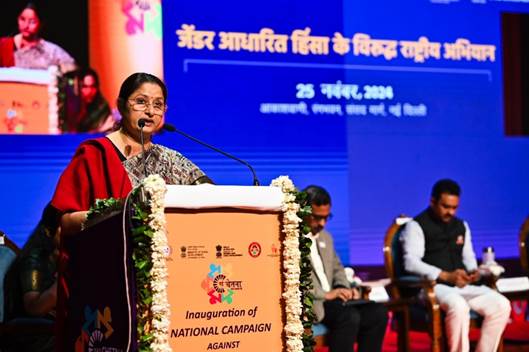
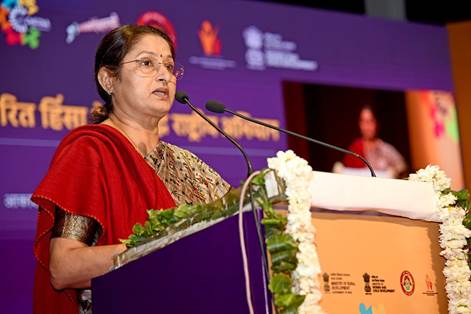
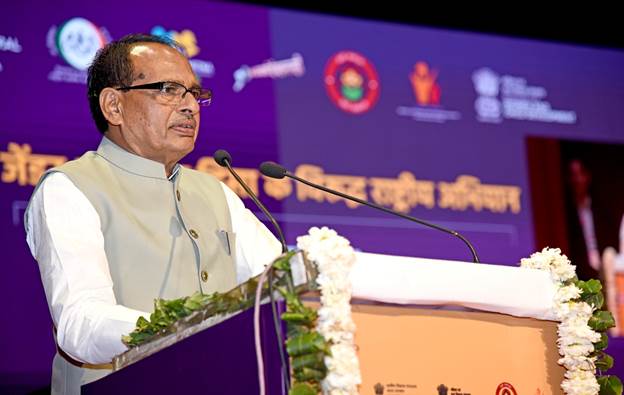
While addressing the gathering the Minister Smt. Annpurna Devi said that the purpose of this campaign being launched today is to advance the rights of women and individuals of diverse genders, and to free their lives from fear and gender-based discrimination. This aims to empower women to break free from shame and societal constraints, enabling them to report the atrocities they have faced and fight for their dignity.

A person speaking into a microphoneDescription automatically generated

This year, building on the Global Campaign of the United Nations of , which draws attention to the alarming escalation of violence against women to revitalize commitments, call for accountability and action, the Government of India launched with the aim to highlight the message of urgency of ending violence against women and girls, and underscoring zero-tolerance stance of central India towards any and all forms of gender-based violence.

The Government of India, implementing the paradigm shift in governance to women-led development, has created enabling provisions for women’s full, equal and meaningful participation in all spheres of life and the economy, such as several large scale interventions to reduce women’s drudgery and  poverty, building public care infrastructure and universal access to healthcare, to reduce women’s disproportionate care work, improving access to formal financial systems, bridging the gender digital divide, ensuring safe mobility, safe accommodation, and building a robust service delivery infrastructure for the prevention and redressal of all forms of violence against women and girls. 

A group of people sitting on a stageDescription automatically generated

Highlighting the good work already underway the Union Minister for Rural Development, Shri Shivraj Singh Chouhan, said that if women are to be completely empowered, then women empowerment, social empowerment, political empowerment, and educational empowerment must be achieved. Under the leadership of Prime Minister Shri Narendra Modi, women empowerment initiatives are being implemented as a campaign.

Gender-based violence inhibits women and girls from living with dignity and contributing as equal partners in the development process. As India aims to become a developed country by 2047, under the visionary leadership of Prime Minister Shri Narendra Modi, this dream will not be possible without women’s full and equal contribution, which, in turn, is hindered if women continue to face violence or the threat of violence. The Union Minister for Women and Child Development reiterated the importance of female participation in the economy to make Viksit Bharat, as envisioned by Prime Minister, a reality.

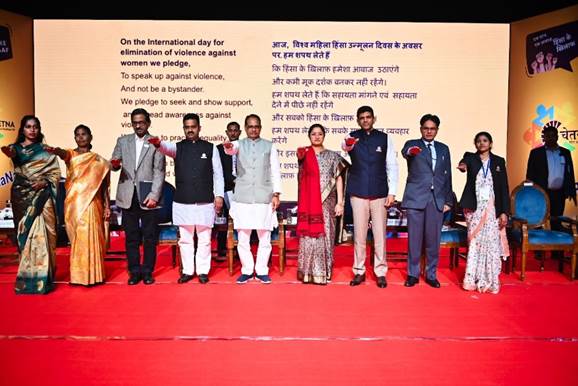
Hence, in order to urge all stakeholders to take decisive steps towards addressing violence against women and girls, the “#AbKoiBahanaNahi” (#अबकोईबहानानहीं)  campaign commenced with a national Call to Action. To ensure a wide reach on spreading the call to action on ending gender-based violence, leaving no one behind, the campaign was launched in conjunction  with the ‘Nayi Chetna 3.0 campaign,’ organized by the Ministry of Rural Development, reaffirming the national commitment to end all forms of gender-based violence.

A group of people standing on a red carpetDescription automatically generated

At the launch event, a film on was showcased, highlighting the need for accountability from all stakeholders, including citizens, to pledge against ending gender-based violence.

The primary objective of the campaign is to foster advocacy efforts and inform policy directives concerning the safety and security of women and girls. Furthermore, this campaign serves as a critical and urgent call for systemic change, emphasizing the imperative for justice, equity, and transformation. The campaign aims to catalyze a ripple effect, where each action and initiative contributes to reinforcing the message of women’s safety as a fundamental and non-negotiable priority for national growth and development.

A group of women in colorful clothes doing a danceDescription automatically generated

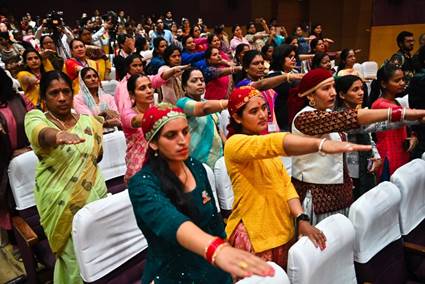
The launch event was attended by women leaders from Self Help Groups across the country, staff from service providers for redressal for survivors of violence against women and girls, such as One Stop Centres, and Aanganwadi workers, amongst others.  To spread the awareness of the campaign to the remotest corners of the country, the launch was telecast live through the Webcast link and  Ministry of Women and Child Development’s YouTube channel.

Globally, every year, from 25th November, which is observed as the International Day for the Elimination of Violence against Women, to 10th December, which is observed as the Human Rights Day, the 16 Days of Activism campaign is observed by civil society to raise awareness on ending gender-based violence.

YouTube Link -https://www.youtube.com/embed/xTcQfXFuRmo

****

‘Nayi Chetna – Pahal Badlaav Ki’ a month long national campaign against gender based violence

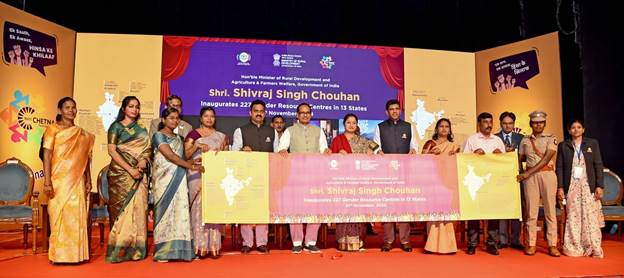
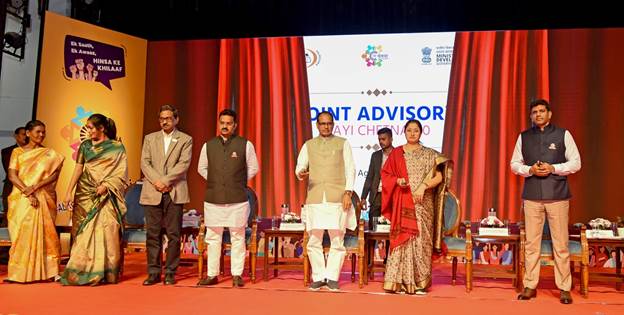
Union Minister of Rural Development and Agriculture & Farmers’ Welfare, Shri Shivraj Singh Chouhan launched the third edition of Nayi Chetna – Pahal Badlaav Ki, a one month long national campaign against gender-based violence in New Delhi today. Union Minister of Women and Child Development Smt. Annpurna Devi also graced the event with Ministers of states of Rural Development Shri Kamlesh Paswan and Dr. Chandra Sekhar Pemmasani. The campaign, organized by the Deendayal Antyodaya Yojana – National Rural Livelihoods Mission (DAY-NRLM) under the aegis of the Ministry of Rural Development, will run across all States and Union Territories until 23rd December 2024. This initiative, led by DAY-NRLM’s extensive Self-Help Group (SHG) network, embodies the spirit of Jan Andolan. The Nayi Chetna campaign aims to amplify awareness and drive informed action against gender-based violence through grassroots initiatives. Union Minister of Rural Development Shri Shivraj Singh Chouhan released Nayi Chetna 3.0 joint Advisory along with Union Minister of Women and Child Development Smt. Annpurna Devi and Ministers of state of Rural Development Shri Kamlesh Paswan and Dr. Chandra Sekhar Pemmasani. And they also inaugurated 227 new Gender Resource Centers in 13 states.

Shri Shivraj Singh Chouhan said that during his tenure as Chief Minister of Madhya Pradesh, he initiated numerous schemes aimed at women’s development. These initiatives brought about significant positive change in their lives, also enhancing their respect within their households.If women are to be completely empowered, then women empowerment, social empowerment, political empowerment, and educational empowerment must be achieved. Under the leadership of Prime Minister Shri Narendra Modi, women empowerment initiatives are being implemented as a campaign. I heartily congratulate Prime Minister Shri Narendra Modi for this endeavour. Programs like Nayi Chetna must be taken to society, as violence persists, affecting not only rural areas but also cities, where incidents like Nirbhaya occur. Daughters like Rubika Pahari and Ankita Sen are victims of heinous crimes. During my tenure as Chief Minister, I observed that 90% of rape cases involved acquaintances. Widespread public awareness is essential to combat this issue. Women self-help groups have sparked a revolution in women empowerment, uniting women as a force. This campaign must be taken to every village through these groups. To enhance its effectiveness, we will review and strategize its implementation in every village and city, with a focus on urban areas.

Shri Chouhan emphasizes the need for a new consciousness in India, where the tradition of respecting women seems to be dwindling. He stresses that there should be no tolerance for violence against women and no excuses for not taking action. To achieve this, he advocates for the death penalty for those convicted of rape, arguing that human rights are for humans, not for those who commit heinous crimes. He also highlights the importance of unity and collective effort among women, the Women Development Department, self-help groups, and society as a whole to ensure safety and end violence. Shri Chouhan envisions a future where women can live without fear of violence, and he urges everyone to work together to achieve this goal.

Shri Kamlesh Paswan highlighted the remarkable efforts of the Rural Development Ministry, under Prime Minister Shri Narendra Modi’s leadership, in empowering women, who constitutes half of India’s population. Notably, the housing scheme has made significant strides, allocating 75% of houses to women. This initiative is part of the rapid changes taking place in India to promote women’s equality.

Dr. Chandra Sekhar Pemmasani said that our nation’s progress hinges on the dignity, security, and freedom of every woman especially those in our rural heart land. Gender based violence is a global issue that knows no boundaries, taking many forms from physical and emotional abuse to online harassment and cyber bullying. Many gender based violence cases go unnoticed due to fear, social stigma, lack of awareness and inadequate support systems, therefore empowering women isn’t just a policy, and it’s our moral duty and societal necessity Dr. Pemmasani added.

Secretary of Rural Development Shri Shailesh Kumar emphasized the crucial role of women’s determination and dedication in driving this movement forward. He stressed that a strong movement can only be formed with the active participation and support of women. Shri Shailesh Kumar also acknowledged the current situation of gender-based violence and inequalities in India. Despite progress in women’s education, health, and political participation, women continue to face challenges like discrimination, social norms, high levels of violence, and unequal household workload. In rural India, the statistics are alarming, with 49% of women having no control over their income and 32% believing their opportunities are limited due to gender inequality.

The campaign is a collaborative effort in the spirit of “whole of government” approach and witness participation of 9 Ministries/Departments namely Ministry of Women and Child Development, Ministry of Health and Family Welfare, Department of School Education and Literacy, Ministry of Home Affairs, Ministry of Panchayati Raj, Ministry of Social Justice and Empowerment, Ministry of Youth Affairs and Sports, Ministry of Information and Broadcasting and Department of Justice.

The objectives of Nayi Chetna 3.0 include raising awareness of all forms of gender-based violence, encouraging communities to speak out and demand action, providing access to support systems for timely assistance and empowering local institutions to act decisively against violence.The campaign’s slogan, “Ek Saath, Ek Awaaz, Hinsa Ke Khilaaf,” embodies the call for collective action through convergence efforts, adopting a whole-of-society and whole-of-government approach.

*****

Impact of Financial Literacy on Retirement Planning of Women Employees in Public Electricity Companies in Telangana

By S. Kavitha Devi & M. Priyanka

Abstract:

The purpose of this research is to investigate the Impact of financial literacy on retirement planning of women employees in public Electricity companies in Telangana. The current research study is an investigative and exploratory research. It uses primary data. The study examined partial least square-structural equation modelling (PLS-SEM) obtained by sampling data from 406 women employees of Public Electricity Companies in Telangana. The findings of this study have important inferences for both researchers and practitioners in the field of personal finance. They highlight the significance of FL in influencing individuals’ Retirement Planning. Moreover, the role of psychological factors emphasizes the need to consider these factors when examining the relationship between FL and Retirement Planning. These findings suggest that interventions aimed at improving FL should also focus on enhancing individuals’ Psychological Factors and cultivating positive Retirement Planning Behavior.


Keywords:  financial literacy; financial risk tolerance; retirement planning; herding behavior.

Introduction

Financial education or financial literacy has gained relevance in recent years as a result of the rising complexity of the financial products and services available, as well as information asymmetry between financial service providers and consumers. Financial education is the process of obtaining the information and abilities needed to handle and use money in an educated and efficient manner. It is a lifelong process that assists people and households in becoming more knowledgeable about the financial goods and services offered in the market in order to make wise decisions regarding their use. Financial education is broadly defined as the understanding of financial market products, particularly rewards and risk, in order to make educated decisions. Organisation for Economic Co-operation and Development (OECD, 2013) has defined financial education as “the process by which financial consumers/ investors improve their understanding of financial products, concepts and risks through information, instruction and/or objective advice, develop the skills and confidence to become more aware of financial risks and opportunities, to make informed choices, to know where to go for help, and to take other effective actions to improve their financial well-being”. According to Standard & Poor’s Ratings Services Global Financial Literacy Survey, 2014 “76% of Indian adults do not understand key financial concepts like inflation, compounded interest rate, and risk diversification adequately. This finding says that financial literacy is lower than the worldwide average”. Authors Lusardi and Mitchell, 2011, Bucher-Koenen and Lusardi, 2011, Grohmann et al. have revealed in their papers that there is a positive impact of financial literacy on retirement planning.

The development and expansion of any country is heavily influenced by its economic condition. Proper capital formation is necessary to stimulate the process of economic growth. The financial market is crucial in accelerating capital development by encouraging savings and using investment alternatives, which contributes to speeding up the process of wealth creation.

Being a developing country, India needs rapid capital generation. This could only be accomplished by encouraging smart planning and guiding people’s financial habits. The Indian economy has expanded at a quicker rate from the previous decade, however in order to achieve the goal, economic growth alone is not enough must improve citizen living standards. According to Singh (2008) “development cannot be measured only in terms of growth, instead the objective must be to achieve the improvement in the standard living of people.”

According to Ahuwalia (2008) “Indians are poor investors but smart savers. They do not prepare for the long term and do not invest in long-term investment products. Furthermore, it was stated that Indians like to save their money into their houses instead of saving in banks or other investments. This will be a major issue in India, where social security is non-existent”.

Indian Population Context:


(Source: IMPORTANCE OF SAVINGS FOR RETIREMENT AND EARLY DECISION

MAKING IN HUMAN LIFE, N Sheikh & S Karnati – 2021)

India is young demographically with 90% of population under the age of 60 years but ageing gradually, it is estimated that persons above the age of 60 would increase from ~8.9% of the population now to ~15% by 2050. Those above 80 are likely to increase from ~0.9% to ~2.8%. According to United Nations World Population Prospects, India’s 60-plus population is expected to reach 323 million by 2050 – a number greater than US Population of 2012.

Figure above shows historical data and future forecasts on the Indian population’s dependency from 1980 to 2050. It can be seen that the percentage of dependent people gradually increased between1980 to 2015. However, the share of the dependent population is predicted to rise faster between 2015 and 2050. In 2050, 15% of India’s elderly population would be dependent on the working population.

Despite the fact that the transition from a young to an older age structure indicates a successful and satisfying outcome of health improvement, the rate of old and the size of the Older population with diverse requirements and resources creates various obstacles for health care providers and Government officials. The percentage of old age people has increased and is expected to increase further, while the percentage of the young age group is decreasing, resulting in a slow but continuous shift to an older population structure in the country. Furthermore, the transition from a young age structure is not uniform across the country. A rising old population requires increased quantity and quality of elder services, income security, and overall improved quality of life. The necessity for social pension payments and the resulting financial outlays to meet expanding old-age dependency and a decreasing support base is more demanding for policy consideration now and in the future.

Research Gap

According to the review of the literature, even though women’s literacy rates have improved significantly in recent years, there are still significant gender gaps in financial education in

India. More research is needed on the factors that contribute to these gaps and an apparent gap is observed in understanding the retirement financial planning of women in India. Previous research on financial literacy usually focuses on its potential effects on financial decision-making; however, little research is done on its effects on retirement planning. Therefore, the present study having spotlight on Financial Literacy and Retirement planning aimed and focused on women employees in electricity companies in Telangana. Majorly it considers respondents awareness levels towards financial literacy and retirement planning decisions of respondents using three components to calculate the financial literacy (financial knowledge, financial attitude and financial behaviour) of women employees to assess the holistic impact on retirement planning decisions. We examine the potential effects of financial literacy on retirement planning of women employees in Public electricity companies in Telangana. This study will fill in this research gap. 

Objectives of Research

1)         To find the relationship between financial literacy levels and retirement financial planning.

2)         To study the impact of psychological constructs variables on the retirement planning of women employees in public electricity companies of Telangana and analyses the financial literacy levels.

Hypotheses

Hypotheses are considered to be the most significant tool in a research study. It makes a difference in representing new tests and their views. Hypotheses are based on fundamental assumptions in every research study. Following a thorough analysis of the relevant literature, an attempt was made to create the conditional assumption in constructing the test and its reasonable consequences. The following hypotheses have been developed for the aim of the research.

H01: There is no significant relationship between financial literacy levels and retirement financial planning.

H02: There is no significant influence of psychological constructs on retirement financial planning.

H02a: There is no significant influence of Future time prospective on retirement financial planning.

H02b: There is no significant influence of Attitude towards Retirement on retirement financial planning.

H02c: There is no significant influence of Risk tolerance on retirement financial planning.

H02d: There is no significant influence of Retirement Goal Clarity on retirement financial planning.

Methodology

Primary Data

Primary Data collected through a Survey Questionnaire from the respondents of women employees in Public Electricity Companies in Telangana

For current study both convenience and snowball sampling methods (non-probability) sampling techniques were used to recruit potential samples for the achievement of the research objectives. Convenience sampling refers to the collection of data from immediately available representative respondents of the population of the study. Convenience sampling would help a researcher when he could not have access to the entire population of the study and/or when a researcher had difficulty identifying the representative sample of the study.

Snowball sampling refers to the researcher initially recruiting participants, and these initial participants help to recruit future respondents for the study. This technique helps the researcher when he is facing challenges or difficulties to collect data from the target potential population of the study. The researcher may be face difficulty due to unknown to the respondents and hesitate to give important personal information to strangers.

This study involved the collection of personal and financial information of the respondents. Some respondents may be unwilling to provide their personal and financial information.

Therefore, convenience and snowball sampling techniques were employed in this study to gather the data to evaluate the research hypothesis. The blend of convenience and snowball sampling methods helps to achieve reliable results for the research investigation.

Secondary Data:

Secondary data collected from various Publications, Journals, Articles, Newspapers and official websites Viz. RBI, SEBI, IRDAI, PFRDA, NCFE, etc.,

Period of the study is between July 2022 and November 2022.

Calculation of Sample Size

The present research study is an investigative in nature, the study is done based on four public electricity companies in Telangana selected on the basis of population as criteria. In order to study the perception of women employee’s financial retirement planning from each company, sample variables are selected proportionately. Hence the total sample size is 406.

Sl.

No.

Name of the        company

Population (women

employees)

1

TSSPDCL

1320

2

TSNPDCL

1182

3

TSGENCO

2429

4

TSTRANSCO

2125

TOTAL

7056

                          (Source: collected from respective HR Department by Researcher)


The total women employees of Public Electricity Companies in Telangana is 7056, out of that population the sample is detrained and drawn according to Krejcie Morgan table, at Confidence Level of 95%, Confidence Interval is 4%, Proportion is 5% and if Population is below 8000,

Sample size determined is 367 respondents. In present study 430 respondents sample size was taken, among them 406 were found to be relevant for study.

Proportionately the sample is determined from each company as follows:


Sl.


No.

Name        of        the company

Population

(womenemployees)

Proportionatesample

1

TSSPDCL

1320

80

2

TSNPDCL

1182

72

3

TSGENCO

2429

131

4

TSTRANSCO

2125

123

TOTAL

7056

406


Measurement of Reliability

Cronbach’s Alpha

No of Items

0.867

45

The degree of consistency between multiple measurements of variables was measured by the reliability test. Reliability calculates the accuracy and precision of a measurement procedure. Cronbach’s Alpha is widely used to measure thereliability of data. The coefficient of Cronbach’s Alpha value for financial literacy and retirement planning of womenemployees in public electricity companies of Telangana for 45 variables was 0.867 as presented in the above table.

Analytical Tools and Software

The current research study is an investigative and exploratory research. It uses primary data. Thus data would be analyzed through descriptive statistics, structural equation modeling, factor analysis and frequency tables etc, The software package like SmartPLS is used to analyze the data.

Data Analysis and Results:

Correlation Between Latent Constructs

Correlation refers to the extent to which two variables move together in a systematic way. It quantifies the strength and direction of the relationship between variables. Correlation coefficients, often represented as path coefficients in SEM, indicate the extent to which the latent constructs are related.

 Correlation between latent constructs

Constructs

Financial Literacy

FUTURE TIMEPERSPECTIVE

ATTITUDETOWARDSRETIREMENT

RISKTOLERANCE

RETIREMENTGOALCLARITY

SOCIALGROUPSUPPORT

PLANNINGACTIVITY

SAVINGS

Financial Literacy

1.000

0.320

0.303

0.417

0.272

0.449

0.443

0.268

FUTURE TIMEPERSPECTIVE

0.320

1.000

0.326

0.299

0.293

0.322

0.318

0.288

ATTITUDETOWARDSRETIREMENT

0.303

0.326

1.000

0.284

0.277

0.305

0.301

0.274

RISKTOLERANCE

0.417

0.299

0.284

1.000

0.255

0.420

0.414

0.251

RETIREMENTGOALCLARITY

0.272

0.293

0.277

0.255

1.000

0.274

0.270

0.245

SOCIALGROUPSUPPORT

0.449

0.322

0.305

0.420

0.274

1.000

0.445

0.270

PLANNINGACTIVITY

0.443

0.318

0.301

0.414

0.270

0.445

1.000

0.266

SAVINGS

0.268

0.288

0.274

0.251

0.245

0.270

0.266

1.000


These correlations provide insights into the relationships between the latent constructs. For example, Retirement Planning is positively associated with Financial Literacy. As well as, FTP, ATR, RT, RGC, SGS, PA and Savings shows positive associations with Financial Literacy. However, it’s important to note that correlation does not imply causation, and further analysis is needed to understand the underlying factors influencing these relationships.

Common Method Bais (CMB)

The Common method bias can be caused by different groups responding differently to the same questions or scales, leading to inaccurate results(Podsakoff & Organ, 1986). Another source of bias is the researcher’s own expectations or preconceptions about the data. This could lead to a researcher interpreting the data in a way inconsistent with the actual results. (MacKenzie & Podsakoff, 2012)  (Spector, 2006).

Inner Model VIF Values using Random Variable method

Constructs

Random Variable

Financial Literacy

1.720

Future Time perspective

1.303

Attitude Towards Retirement

1.507

Risk Tolerance 

1.635

Retirement Goal Clarity

1.121

Social Group Support

1.565

Planning Activity

1.626

Savings

1.747


To mitigate the CMB, used different anchors of constructs while collecting the data from respondents, different scales were also adopted, research instrument was pre-tested with two academicians in the field and six respondents. and report a full collinearity measure by reporting that all inner and Outer VIF values are less than 3.3(Kock & Lynn, 2012) (Kock, 2015). 

Hence the model is free from CMB.

Factor Loading and AVE ( From author collected data)


These results indicate that the indicators generally have strong to moderate relationships with their respective constructs, and the constructs explain a substantial amount of variance in their indicators.

Model Assessment Procedure:

The Model Assessment Procedure introduced by Hair et al. in 2017a is a methodology used to evaluate the performance and validity of a statistical model. This procedure involves several steps to ensure the accuracy and reliability of the model’s results. The Model Assessment Procedure by Hair et al. provides a systematic framework for developing and evaluating statistical models, ensuring that they are robust, reliable, and appropriate for the research objectives at hand.

1.     Evaluation of the Measurement Model:

1.1.Internal Consistency & Reliability: Internal consistency and reliability are important concepts in the field of measurement and psychometrics. They refer to the extent to which a measurement instrument, such as a questionnaire or a test, consistently and reliably measures a particular construct or attribute.


Reliability Thresholds

Constructs

Cronbach’s alpha

Composite reliability (rho_a)

Composite reliability (rho_c)

Future Time Prospective

0.702

0.783

0.812

Attitude Towards Retirement

0.700

0.711

0.752

Risk Tolerance

0.720

0.743

0.753

Retirement Goal Clarity

0.909

0.923

0.931

Social Group Support

0.702

0.719

0.749

Planning Activity

0.726

0.730

0.731

Savings

0.715

0.721

0.765

Cronbach’s alpha values greater than 0.60 for the early stages of the research, values of at least 0.70 required, values higher than 0.95 are not desirable(Nunnally,1978)

Cronbach’s alpha can be considered the lower bound and composite reliability(rho_c) the upper bound of the exact internal consistency and reliability.                               

1.2.Discriminant validityDiscriminant validity is a concept in measurement and psychometrics that assesses the extent to which different measures or indicators of distinct constructs are distinct or discriminate from each other. It examines whether measures designed to capture different constructs are truly measuring separate concepts and not converging or overlapping.

                                                Heterotrait-Monotrait Ratio (HTMT)

Constructs

Attitude Towards Retirement

F L

F T P

P A

R G C

R P

R T

Savings

Financial Literacy

0.61


Future Time Prospective

0.60

0.84


Planning Activity

0.57

0.83

0.86


Retirement Goal Clarity

0.52

0.76

0.41

0.80


Retirement Planning

0.51

0.65

0.54

0.72

0.74


Risk Tolerance

0.49

0.97

0.69

0.53

0.63

0.66


Savings

0.45

0.66

0.57

0.85

0.55

0.59

0.68


Social Group Support

0.44

0.71

0.60

0.65

0.54

0.62

0.61

0.78


Based on the HTMT values and their confidence intervals, it can be concluded that all the constructs (Financial Literacy, Future Time Prospective, Planning Activity, Retirement Goal Clarity, Retirement Planning, Risk Tolerance, Savings, Social Group support) exhibit discriminant validity. This suggests that these constructs are distinct from each other and do not overlap significantly in measurement.


2.     Evaluation of the Structural model:

Evaluation of the Structural Model involves assessing collinearity among constructs, significance and relevance of path coefficients, predictive accuracy (R-squared, F-squared, Q-squared, PLS predict), predictive model selection, and goodness-of-fit.

2.1. Collinearity among constructs:

The Variance Inflation Factor (VIF) is a measure of the degree of multicollinearity between predictor variables in a linear regression model. A VIF of 1 indicates no correlation between the predictor variable and other predictor variables in the model, while a VIF more significant than 1 indicates some degree of multicollinearity. Typically, a VIF value of 5 or greater indicates high multicollinearity and may require corrective action. The VIF values were, listed in Table 5.6, below 5 confirm there was non-existence of multi-collinearity between constructs in this study. . For this, we report a full collinearity measure by reporting that all inner VIF values are less than 3.3 (Kock & Lynn, 2012)(Kock, 2015).

Inner Model VIF Values

Constructs

Attitude Towards Retirement

F L

FTP

PA

RGC

RP

RT

Savings

SGS

Financial Literacy


1.458


Retirement Planning

1.659


1.885

1.215

1.632


1.145

1.745

1.656

Source: Calculated by Author

In summary, based on the VIF values provided, there is no substantial collinearity issue among the constructs in the model. The VIF values are all relatively low, indicating that the variables are not highly correlated, and the model is not affected by multicollinearity.

2.2.  Hypotheses Testing:


After confirmation of the reliability and validity of the outer model, the significance of research model (hypothesized) relationships was examined with standardized path coefficient (b) and critical value (T-Value) at the significant level of 5 % (P-Values) by using the PLS bootstrapping. 

The first hypothesis (H1) is supported by (β=0.626, P<0.05) Financial Literacy positively effects Retirement Planning.The second hypothesis (H2) is supported by (β=0.932, P<0.05) Retirement Planning positively effects Future Time Prospective.The third hypothesis(H3) is supported by (β=0.905, P<0.05)  Retirement Planning positively effects Savings. The fourth hypothesis(H4) is also supported (β=0.817, P<0.05) as Retirement Planning has a positive significant effect on ATR. The fifth hypothesis (H5) is also supported (β=0.874, P<0.05) as Retirement Planning has a positive significant effect on Planning Activity.

The sixth hypothesis (H6) is also supported (β=0.839, P<0.05) as Retirement Planning has a positive significant effect on Risk Tolerance. 

The seventh hypothesis (H7) is supported by (β=0.921, P<0.05), as Retirement Planning has a positive significant effect on Retirement Goal Clarity. 

The eighth hypothesis(H8) is supported by (β=0.892, P<0.05), as Retirement Planning has a positive significant effect on Social Group Support.

Hypothesis Results

Hypothesis

Relationship

Path Coefficients  (b)

Standard Deviation (STDEV)

T Value (|b/STDEV|)

P Values

Decision

H1

Financial Literacy – Retirement Planning

0.626

0.057

10.982

0.000

supported

H2

Retirement Planning Future Time Prospective

0.932

0.043

21.674

0.000

supported

H3

Retirement Planning –Savings

0.905

0.039

23.205

0.000

Supported

H4

Retirement Planning-> Attitude Towards Retirement

0.817

0.046

17.760

0.001

supported

H5

Retirement Planning-> Planning Activity

0.874

0.048

18.208

0.000

supported

H6

Retirement Planning- Risk Tolerance

0.839

0.071

11.816

0.012

supported

H7 

Retirement planning-Retirement Goal Clarity

0.921

0.083

11.096

0.000

supported

H8 

Retirement planning- Social Group Support

0.892

0.049

18.204

0.000

supported

2.3.Goodness-of-fit: For PLS-SEM SRMR will give a goodness-of-fit index.

Standardized root mean square residual (SRMR): squared discrepancy between the observed correlations and the model implied indicator correlations.

SRMR assessing the quality of the whole model results (i.e., jointly evaluating the outer and inner model results). It Should be less than 0.08 (Hair et al.,2019).

As per PLS algorithm results, the research model’s SRMR is 0.075, which is less than the threshold limit (0.08). Hence it is concluded as our model has a good fit.

Discussion:

The frequency statistics of age represent that most of the women working in Public Electricity companies in Telangana were aged between 31 to 40 years representing almost 32.5 %; aged between 41 to 50 years represented 29.3 %, 21.2 % of respondents were from the age group of 51-60 years and 7 % of respondents were above the age 60 who were near to retirement and 10.0% of individuals falls under the age group 20 to 30 years. All the respondents were below their retirement age. The Profession of the respondents were either financial or non-financial. Maximum respondents i.e., 61.33% respondents were from non-financial background. The rest 38.66% respondents were from financial background. Findings of the study reveal that most of the respondents were from non-financial background. 

The findings of this study have important inferences for both researchers and practitioners in the field of personal finance. They highlight the significance of FL in influencing individuals’ Retirement Planning. Moreover, the role of psychological factors emphasizes the need to consider these factors when examining the relationship between FL and Retirement Planning. From a practical standpoint, these findings suggest that interventions aimed at improving FL should also focus on enhancing individuals’ Psychological Factors and cultivating positive Retirement Planning Behavior. This could be achieved through targeted educational programs, financial counselling, and promoting a financial environment that fosters positive financial behaviors.

Conclusion:

Result shows that those who practice constructive financial habits tend to achieve good Retirement Planning. The well Retirement Planning can be enhanced through sound FL, FTP, ATR, SGS, RGC, Planning Activity, Savings. Among the predictors of Retirement Planning, Psychological factors has a higher impact followed by financial literacy of women employees. It is very important to understand the concepts like the impact of simple and compound interest rates, understands inflation, risk diversification, and the time value of money, have a positive perception of money, budget money in a planned manner, and explore financial products/services like a savings account, debit card, credit card, and insurance, to achieve the Retirement Planning of women employees.  The research model has explained 39.2% of the variance in financial wellbeing. So, it can be concluded as Retirement Panning is a long-term goal to achieve by admitting financial literacy, psychological factors. By prioritizing financial literacy, psychological factors individuals can achieve Retirement Planning and improve their overall quality of life.

References:

[1.]       Hogarth, R. M., & Karelaia, N. (2006). “Take-the-best” and other simple strategies: why and when they work “well” with binary cues. Theory and Decision61, 205-249.

[2.]       Lusardi, A., & Tufano, P. (2015). Debt literacy, financial experiences, and overindebtedness. Journal of Pension Economics & Finance14(4), 332-368.

[3.]       Lusardi, A. (2008). Financial literacy: an essential tool for informed consumer choice? (No. w14084). National Bureau of Economic Research.

[4.]       Lusardi, A. (2008). Household saving behavior: The role of financial literacy, information, and financial education programs (No. w13824). National Bureau of Economic Research.

[5.]       Thomson, S., De Bortoli, L., Underwood, C., & Schmid, M. (2020). PISA 2018: Financial Literacy in Australia.

[6.]       Awais, M., Laber, M. F., Rasheed, N., & Khursheed, A. (2016). Impact of financial literacy and investment experience on risk tolerance and investment decisions: Empirical evidence from Pakistan. International Journal of Economics and Financial Issues6(1).

[7.]       Garman, E. T., MacDicken, B., Hunt, H., Shatwell, P., Haynes, G., Hanson, K. C., … & Woehler, M. B. (2007). Progress in measuring changes in financial distress and financial well-being as a result of financial literacy programs. Consumer interests annual53, 199-211.

[8.]       Beal, D., & Delpachitra, S. (2003). Financial literacy among Australian university students. Economic Papers: A journal of applied economics and policy22(1), 65-78.

[9.]       Bianchi, M. (2018). Financial literacy and portfolio dynamics. The Journal of Finance73(2), 831-859.

[10.]    Bialowolski, P., Cwynar, A., Xiao, J. J., & Weziak‐Bialowolska, D. (2020). Consumer financial literacy and the efficiency of mortgage‐related decisions: New evidence from the Panel Study of Income dynamics. International Journal of Consumer Studies.

[11.]    Lusardi, A., & Tufano, P. (2015). Debt literacy, financial experiences, and overindebtedness. Journal of Pension Economics & Finance14(4), 332-368.

[12.]    Taft, M. K., Hosein, Z. Z., Mehrizi, S. M. T., & Roshan, A. (2013). The relation between financial literacy, financial wellbeing and financial concerns. International journal of business and management8(11), 63.

[13.]    Chu, Z., Wang, Z., Xiao, J. J., & Zhang, W. (2017). Financial literacy, portfolio choice and financial well-being. Social indicators research132(2), 799-820.

[14.]    Frijns, B., Gilbert, A., & Tourani-Rad, A. (2014). Learning by doing: The role of financial experience in financial literacy. Journal of Public Policy34(1), 123-154.

[15.]    Ameliawati, M., & Setiyani, R. (2018). The influence of financial attitude, financial socialization, and financial experience to financial management behavior with financial literacy as the mediation variable. KnE Social Sciences, 811-832.

[16.]    Khan, F., & Surisetti, S. (2020). Financial well-being of working women: mediating effect of cashless financial experience and digital financial self-socialization. Khan, F and Surisetti, s. Financial well-being of working women: mediating effect of cashless financial experience and digital financial self-socialization. MDIM Business Review, 1(2), 51-68.

[17.]    Nikolaos D. Philippas & Christos Avdoulas (2020) Financial literacy and financial well-being among generation-Z university students: Evidence from Greece, The European Journal of Finance, 26:4-5, 360-381, DOI:  10.1080/1351847X.2019.1701512

[18.]    Yakoboski, P. J., Lusardi, A., & Hasler, A. Financial literacy and well-being in a five generation America.

[19.]    Pandey, A., Ashta, A., Spiegelman, E., & Sutan, A. (2020). Catch them young: Impact of financial socialization, financial literacy and attitude towards money on financial well‐being of young adults. International Journal of Consumer Studies44(6), 531-541.

[20.]    Chhatwani, M. (2022). Mortgage delinquency during COVID-19: do financial literacy and personality traits matter?. International Journal of Bank Marketing.

[21.]    Thongrak, N., Chancharat, S., & Kijkasiwat, P. (2021). Financial Literacy: Does It Improve Well-being? A Case Study of Farmers in Khon Kaen, Thailand. In Environmental, Social, and Governance Perspectives on Economic Development in Asia. Emerald Publishing Limited

[22.]    Nunnally, J. C. (1978). Psychometric Theory 2nd ed. Mcgraw hill book company.

[23.]    Gutiérrez‐Nieto, B., Serrano‐Cinca, C., & de la CuestaߚGonzález, M. (2017). A multivariate study of over‐indebtedness’ causes and consequences. International Journal of Consumer Studies41(2), 188-198.

[24.]    Huston, S. J. (2010). Measuring financial literacy. Journal of consumer affairs44(2), 296-316.

[25.]    Fornero, E., Monticone, C., & Trucchi, S. (2011). The effect of financial literacy on mortgage choices.

[26.]    Lusardi, A., & Mitchell, O. S. (2014). The economic importance of financial literacy: Theory and evidence. Journal of economic literature52(1), 5-44.

[27.]    Bhalla, G. S., & Chadha, G. K. (1982). Green Revolution and the Small Peasant: A Study of Income Distribution in Punjab Agriculture: II. Economic and Political Weekly, 870-877.

[28.]    Madi, A., & Yusof, R. M. (2018). Financial Literacy and Behavioral Finance: Conceptual Foundations and Research Issues. Journal of Economics and Sustainable Development9(10), 81-89.

[29.]    Wolfe-Hayes, M. A. (2010). Financial literacy and education: An environmental scan. The International Information & Library Review42(2), 105-110.

[30.]    Amisi, S. A. R. A. H. (2012). The effect of financial literacy on investment decision making by pension fund managers in Kenya (Doctoral dissertation).

[31.]    Musundi, K. M. (2014). The effects of financial literacy on personal investment decisions in real estate in Nairobi count (Doctoral dissertation, University of Nairobi).

[32.]    Financial Express Bureau, November 24,2020

[33.]    Atkinson, A., & Messy, F. A. (2012). Measuring financial literacy: Results of the OECD/International Network on Financial Education (INFE) pilot study.


LINK to DOWNLOAD PDF

Skill Development Initiative for Underprivileged Women, Hamari Pahchan NGO’s

In the realm of social change, women stand as pillars of resilience, strength, and transformation. Hamari Pahchan NGO has embarked on a transformative journey, dedicated to empowering women and fostering their financial independence through the dynamic Skill Development Programme.

The Imperative of Women’s Empowerment: At the core of societal progress lies the empowerment of women—an endeavor that Hamari Pahchan NGO champions with unwavering commitment. The organization recognizes that investing in women’s education and economic empowerment is not just a choice but a crucial step toward creating a positive ripple effect that benefits everyone.

Navigating Challenges Faced by Underprivileged Women: The path to women’s empowerment is riddled with challenges, especially for those facing economic hardships. Underprivileged women often encounter barriers such as limited access to resources, restricted educational opportunities, and entrenched societal norms that confine them to lower-paying jobs. Hamari Pahchan acknowledges these hurdles and is determined to dismantle them.

Hamari Pahchan NGO’s Response: Enter the SKILL DEVELOPMENT PROGRAMME—a beacon of hope and catalyst for change. This initiative conducts workshops and training sessions, addressing the unique needs of underprivileged women and equipping them with skills essential for securing better employment opportunities and financial independence.

Addressing Skill Gaps: The NGO begins its journey by conducting thorough surveys to identify skill gaps within the target communities. This meticulous approach allows Hamari Pahchan to tailor its training programs, ensuring they directly address the specific needs of the women they aim to empower. It’s not just about teaching skills; it’s about instilling the confidence to apply those skills in real-world scenarios.

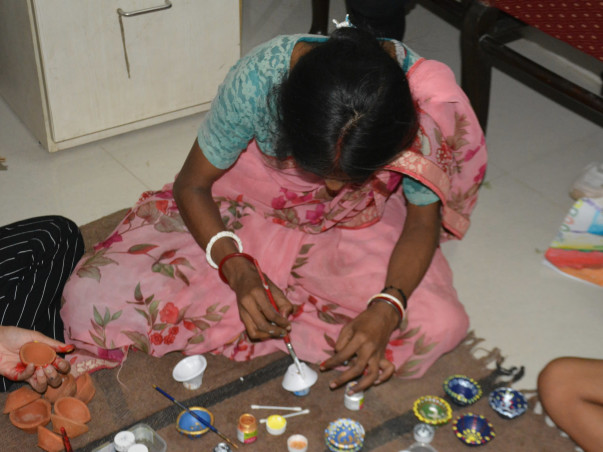
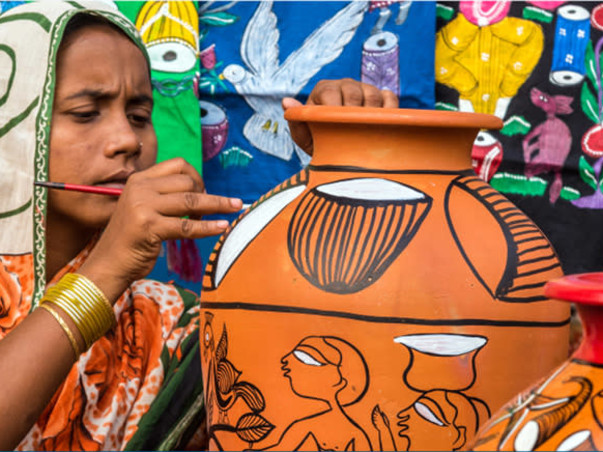
Diverse Skill Development Initiatives: The Skill Development Programme embraces diversity, offering workshops in makeup, handicrafts, knitting, sewing, embroidery, candle and diya making, music, and more. By presenting a wide array of skills, Hamari Pahchan ensures that women have the autonomy to choose paths aligned with their passions and aptitudes.

A Platform for Empowerment: Beyond imparting skills, the NGO provides a platform for unemployed women to showcase and sell their products. This not only boosts their confidence but also creates a sustainable income stream. The proceeds from these sales directly contribute to the financial security and independence of the women involved.

Professional Training and Certification: Hamari Pahchan goes the extra mile by engaging skilled professionals to conduct training sessions. Participants not only gain practical skills but also receive certificates upon completion, validating their capabilities and enhancing their employability.

In the tapestry of Hamari Pahchan NGO’s Skill Development Programme, each thread symbolizes a step toward women’s empowerment and financial independence. By addressing skill gaps, providing diverse training opportunities, and creating platforms for economic growth, the NGO sparks a ripple effect that transforms not just individual lives but entire communities. As we applaud the strides made, let’s unite in supporting initiatives like https://hamaripahchan.org/, where women are architects of their destinies. Together, we can break barriers, empower women, and weave a future where every woman possesses the tools to carve her unique path to success.

WOMEN’S PARTICIPATION IN PUBLIC LIFE AND THE WORKFORCE OF GOA

 The President of India, Smt Droupadi Murmu addressed the members of Goa Legislative Assembly at Porvorim, Goa today (August 23, 2023). 

Speaking on the occasion, the President said that she was happy to address the representatives of such people who believe in ‘one Goa’ and ‘one India’ despite following different religions, faiths and sects. She stated that this belief of oneness with India has always existed among the people of Goa. She added that India’s independence was also incomplete without the liberation of Goa and imbued with this feeling, people from all over the country took part in the Goa Liberation Movement. She said that political activists and members of civil society fought for the independence of Goa. She added that the use of the Indian national flag and slogan ‘Jai Hind’ during the Goa Liberation Movement by the revolutionaries of Goa was a testimony that the people of Goa wanted to be integrated with India after being freed from foreign rule.

The President said that Goa is among the leading states on many parameters of development. The per capita GDP in this state is almost two and a half times higher than the national average. Goa is also among the leading states of the country on parameters like water management, export preparedness, innovation, education and health. However, one area in which the Government and people of Goa need to give attention is the participation of women in public life and the workforce. She noted that the proportion of working women in Goa is relatively low. She said that this is not a proper situation for a liberal society like Goa and efforts should be made towards changing this situation.

The President said that parliament and state legislatures are sacred institutions that represent the sovereignty of the people. The people’s representatives discuss and take decisions on the subject of public interest at these sacred places. Therefore, meaningful and effective participation of the members in the proceedings is important. She noted that for the last several years, the proceedings of the Goa Legislative Assembly have been telecast live. She said that through this broadcast, common people see how their representatives are acting and raising their issues in the House. This live streaming strengthens relationships of people’s representatives with the public but also puts additional responsibility on people’s representatives. Their conduct in the House is expected to be decent. She was happy to note that right from the beginning, there has been a healthy tradition of debate-discussion-dialogue in the Goa Legislative Assembly. She expressed confidence that the members of the Goa Legislative Assembly would continue to set good examples of articulating and translating the hopes and aspirations of the people of Goa.

The President said that today the approach of the world towards India has changed. We have become the fifth largest economy in the world and are poised to become the third largest economy. With the mantra of ‘One Earth, One Family, One Future’, India, in collaboration with the G-20 countries, is striving to find collective solutions to present global challenges. She stressed that we have the right opportunity to showcase India’s potential and culture and we should take full advantage of this opportunity. She said that in this important period, it should be the endeavour of the Government and people of Goa to establish Goa as a model of development which can be emulated by other states as well. This would be an important contribution of Goa for the country in the Amrit Kaal.  


Please click here to see the President’s Speech – 


***

“Suvidha, Suraksha, Samman” to women

Last 9 years the Union Government under Prime Minister Narendra Modi has provided “Suvidha, Suraksha, Samman” to women. Thoughtfully planned schemes like Ujjwala for Gas connections, Swachhta for female toilets and Jal Jeevan for tap water in households not only provided Ease of Living to women but also gave them a sense of self-confidence with self-esteem.

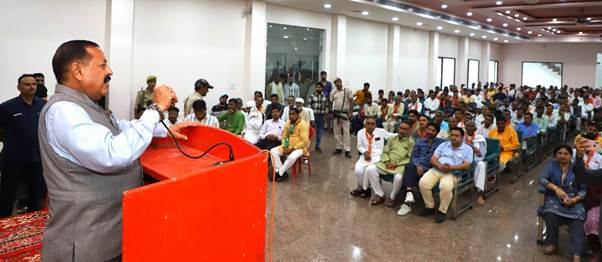
This was stated by the Union Minister of State (Independent Charge) for Science and Technology, MoS PMO, Department of Atomic Energy and Department of Space and MoS Personnel, Public Grievances and Pensions, Dr Jitendra Singh at Sambhal, Uttar Pradesh while addressing a congregation of Modi scheme beneficiaries, majority of whom comprised women.

The Minister said there has been a paradigm shift in Public Service Delivery and the implementation of Government schemes in the last 9 years. “Be it DBT, or provision of basic facilities like electricity, water, toilets to poor people, all these have brought a revolution at the grassroots level,” he said.

Dr Jitendra  Singh said Prime Minister Narendra Modi has put Nari Shakti at the forefront of India’s development journey. Mission Shakti comprises two sub-schemes ‘Sambal’ and ‘Samarthya’ for the safety, security and empowerment of women. The impact of this approach has been evident in the outcomes, such as an improved sex ratio at birth which is now for the first time 1020 women per 1000 men, a rise in institutional deliveries, declining infant mortality, and a lower maternal mortality rate.

With a promise to remove drudgery from the daily life of Women, Dr Jitendra Singh said the increased usage of LPG cylinders under the Ujjwala Yojana has saved crores of women from chronic respiratory disorders through smoke-free kitchens. With the success of Swachh Bharat Abhiyan, crores of women are now able to access toilets in their homes without any fear of safety or violation of dignity. Walking long distances to fetch water for daily consumption is becoming a thing of the past as households across the country are getting tap water connections under the Jal Jeevan Mission. Over 27 crore sanitary pads have been sold at One Rupee at Jan Aushadhi Kendras.

He said Women Empowerment is contingent upon the economic empowerment of women. Programmes such as MUDRA Yojana in which 68% of loans have been extended to more than 27 crore women, have enabled crores of women across the country to pursue micro-level entrepreneurship and become financially independent. 3.18 crore Sukanya Samriddhi Yojana accounts have been created. To promote financial inclusion among women, Mahila Samman Savings Certificate was introduced as part of the Union Budget 2023-24, which is a small savings scheme exclusively for female investors.

Under PM Awas Yojana, women are being made owners of the family home thus becoming active participants in household decision-making. In the 9 years of the Modi government, women have grown from strength to strength. Their success can be seen in the significant increase in the numbers of female police personnel, laurels won by sportswomen for the country and enrolment of women in the fields of Science, Technology, Engineering & Maths.

The government has transformed Women from being targets of welfare to agents of empowerment. “Today it is no longer women development, but women-led development,” he said.

*******

Rights that Indian women should be aware of:

  Regarding rights in the modern era, every Indian woman needs to be aware of a few legal rights. There are plenty of laws protecting women in India. For the protection and advancement of women, our constitution grants them exclusive rights.

Indian women rights history:

During the early Vedic era, women and men were treated equally in all aspects of their lives. Women may have received an education during the early Vedic era, according to the writings of ancient Indian grammarians like Patanjali and Katyayana. In a practise known as swayamvar or a live-in relationship known as Gandharva marriage, Rigvedic verses imply that women married at an advanced age and were likely free to choose their own husbands.

The modern laws to look in today’s world are:

Right to maintenance

As long as she doesn’t remarry, a married woman is entitled to get maintenance from her ex-husband, which includes the necessities of life like food, clothing, shelter, and access to healthcare. Except when the wife is living in adultery or refuses to live with her husband without a good reason, Section 125 of the Code of Criminal Procedure, 1973, requires the husband to support his divorced wife.

Right to equal pay

Our laws are now gender-neutral. Equal remuneration for equal work is due to both men and women. The same is provided for by the Equal Remuneration Act. It guarantees equal pay for equal work for both male and female employees. There won’t be any gender discrimination in the context of hiring practises or working conditions.

Right to dignity and decency

Women’s rights include decency and dignity. Anyone who tries to harm her modestly is regarded as a sinner, and the law very good mandates punishment for such behaviour. Each and every woman has the right to live in dignity, free from intimidation, compulsion, violence, and prejudice. The criminal code outlines the penalties for offences against women such as sexual harassment (Section 354), assault with the intent to strip her naked or violate her sense of modesty (Section 354), voyeurism (Section 354), stalking (354D), etc.

Rights at workplace

You have a right to have a female restroom where you work. At places, with more than 30 female workers, providing facilities for care and feeding of children is mandatory. Further, the Supreme Court and the Govt. had put in to ensure the safety of women at workplaces. The Hon’ble Supreme Court in Vaisakha v. State of Rajasthan, had laid down exclusive guidelines for protection of women from Sexual Harassment at workplace, following which, the Govt. in 2013, has enacted an exclusive legislation- The Sexual Harassment of Women at Workplace (PREVENTION, PROHIBITION and REDRESSAL) Act, 2013 for that end. So, if any person at your workplace, asks you for sexual favours, or makes sexually coloured remarks and whistles looking at you or sings obscene songs looking at you, touches you inappropriately, or shows pornography, then all that will constitute Sexual Harassment and you may complain to the Internal complaints committee which is required to be constituted by the employer at each office or branch with 10 or more employees. The District Officer is also required to constitute a Local Complaints Committee at each district, and if required at the block level. Apart from this, IPC also, penalizes Sexual Harassment under 354A by providing an imprisonment of 1-3 years.

.

Right of private defence/ self-defence

It is a right of defence. When defending your body or the body of another person from the attacker, you run the risk of causing serious harm, severe harm, or even death. However, you can only kill the attacker without drawing liability or punishment if certain conditions are met. For example, if you believe the attacker is about to rape, kill, or kidnap you, lock you in a room, or throw or attempt to throw acid at you, you can kill that person and the law will protect you.

Contribution of women in STEM &amp; biodiversity conservation highlighted at the 10th Women Science Congress

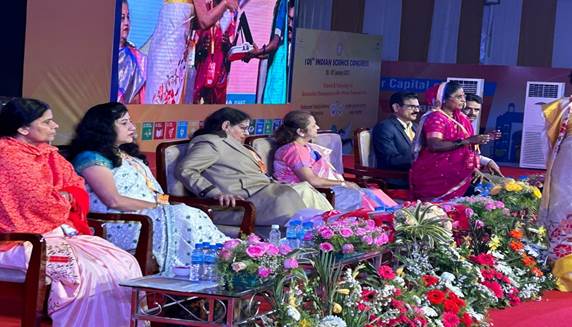
 The contribution of women in all walks of life, including STEM, as well as conservation of biodiversity, was highlighted at the 10th Women Science Congress (WSC), organised as a part of the 108th Indian Science Congress at Rashtrasant Tukadoji Maharaj Nagpur University during 5-6 January 2023.

Padmashri Smt. Rahibai Soma Popere, a farmer and conservationist, highlighted the crucial role women have played in biodiversity conservation and also elaborated about her campaign to help farmers return to native varieties of crops while Chief Guest Mrs. Kanchan Gadkari, Head, Seva Sadan Sanstha, spoke about self-reliance among women. Several eminent women scientists shared their research and professional experiences with the audience.

Dr. Nisha Mendiratta, Advisor & Head, WISE-KIRAN Division, Department of Science & Technology (DST), emphasized on the need for interventions to promote women in STEM. She highlighted that in tertiary education, the percentage of girls is more than 55, but after that, there are high numbers of dropouts – an issue that needs to be addressed. Dr. Mendiratta underlined the efforts of DST in plugging the gap areas and promoting women’s participation in Science & Technology, benefiting more than 35000 girls and women in the last 8 years under various women-centric programs.

The experts discussed about the role of S&T in Women Empowerment; Opportunities in Food Science & Technology; Sustainable Development Goals; Science Communication, Role of Digitalization, etc.

A panel discussion was also organized wherein Dr. Indu Bala Puri, Scientist, DST, pointed out the importance of S&T-led development in rural areas. Dr. Suphiya Khan, Banasthali Vidyapith, asserted that innovation in research can excel in the output. Dr. Sangeeta Nagar, TIFAC, DST, briefed about the opportunities for women in the area of Intellectual Property Rights.

Dr. Zareena Qureshi, Principal, JNV Nagpur, shared the significance of the Vigyan Jyoti program for school girls to pursue a career in STEM fields. Dr. Sonal Dhabekar, beneficiary of the WOS-B program, highlighted how this program helped to reshape her scientific career after a long break.

Dr. Vijaylaxmi Saxena, General President of ISCA, appreciated the various initiatives of Govt. of India for empowering women. Dr. Kalpana Pande, Convener WSC, talked about the scientific temperament among women since ancient times. Around 5000 participants attended the 2-day event.


SNC/RR

Shadow Puppetry in India;Gender role & Divisions

Shadow Puppetry

In India Puppetry has been one of the most ancient folk skill forms of traditional entertainment and has the richest variety of types and styles of shadow puppets.

Shadow puppets are made up of leather that has been carved into flat figures.

The audience is seated in front of the screen, and shadow puppets are pressed up against the screen with a powerful source of light behind it. The interaction between the light and the screen creates vibrant shadows for the audience. Popular regions for these puppets include Orissa, Kerala, Andhra Pradesh, Karnataka, Maharashtra, and Tamil Nadu.

Indian shadow puppetry examples include: 

Togalu Gombeyatta (Karnataka),

Tholu Bommalata (Andhra Pradesh), 

and 

Ravanachhaya (Odisha)

Togalu Gombeyatta: 

Togalu Gombeyatta is the name of Karnataka’s shadow theatre. 

Most of these puppets are small in size. 

However, the puppets’ sizes vary according to their social standing; for example, kings and religious figures are larger than ordinary people or servants, who are smaller.

Tholu Bommalata:

The majority of it comes from the state of AP. The puppets have jointed shoulders, elbows, and knees and are quite huge. On both sides, they are colored. As a result, these puppets cast colorful shadows on the screen. The Ramayana, the Mahabharata, and the Puranas are used as the inspiration for the puppet plays’ themes, and the music is mostly influenced by local classical music.

Ravanachhaya, Orissa:

This is a type of puppet from that state. There are no joints and the puppets are in one piece. Since they lack color, they cast opaque shadows on the screen. Along with the usage of human and animal characters, several props are also employed, including trees, mountains, chariots, etc. Despite being smaller in size—the tallest Ravanachhaya puppets are less than two feet tall and lack jointed limbs—they cast incredibly tender and lyrical shadows.

Gender role and division on Shadow puppetry in India:

For a long time, this art has hampered the involvement of women in taking part in the playing role of puppets. Women are mostly hidden or invisible in play and men’s roles are exclusively visible. A study conducted on the role of women in the traditional puppeteer family in India on
two major forms of puppetry-‘String puppetry and Leather- Shadow puppetry which shows women are not involved in making puppets even in South India that are made of wood called string marionettes.

Women are mostly involved in the fabrication of natural dyes and colors, such as those made from dirt, mud, leaves, tree bark, seeds, and charcoal, on cloth, the preparation of appam (Wall putty) utilizing soft lay, tamarind seeds, and traditional glue, and the designing and dressing of costumes are all more commonly done by women. puppets that are stitched using a needle and thread.

What studies say?

Traditional puppeteers did not allow women to take part actively as in Kerala, Shadow puppetry and the place and performance going on are like a temple and puppets are made of Gods and goddesses to be played on stage where they are not allowing women for the reason by the Custom or their menstruation. Only Male members are allowed to connect the profession and play roles.

What’s now?

Nevertheless, Today Women from Traditional families and women who are interested in puppetry come under an umbrella called Contemporary puppeteers. As a result, women in puppetry are using puppetry to revive the art form,  to address some of India’s most pressing social problems, to impart education, awareness campaign, in theatre, and also as therapeutic value. 

Women artists today not only contribute to this rich art form, but they also hold their own as equal puppeteers and performers. The evident cultural rebirth can be seen in the appropriation of traditional art, modifications, exploration of interconnection, artistic and creative modules connecting the international models, for teaching, education, social cause, campaign, and lastly to entertain with a message.

Reference:

Many Voices, One World (1982). New Delhi: Oxford, IBH.
Melkote, S.R. (1991). Communication for Development in the Third World: Theory and Practice. New Delhi: Sage.
Mukhopadhyay, D. (1994). Folk Arts and Social Communication, New Delhi: Publications Division.

WOMEN EMPOWERMENT

N kavya

Empowerment stands for giving authority and power to women. Thus, Women’s empowerment refers to empowering women to make their own decisions. It means women should have full equality across all fields, regardless of stereotypes. With higher literacy rates and equal pay for equal work, women can thrive economically and rise out of poverty. Protecting women and girls from violence and abuse while challenging the stigmas against reporting crimes would overall create a much safer society.

The Current State of Gender Equality:

On the World Economic Forum’s Global Gender Gap Index of 2021, India ranks 140th among 153 nations, “becoming the third-worst performer in South Asia.” India fell 28 places from its 2020 rank of 112th. The report cites several reasons for this fall. In terms of political empowerment, the number of female ministers declined from about 23% in 2019 to just 9% in 2021. The female workforce participation rate also decreased “from 24.8% to 22.3%.”
Additionally, the “share of women in senior and managerial positions also remains low.” The report also indicates that women in India earn just one-fifth of what men earn.

Furthermore, “one in four women” endure “intimate violence” at least once in their lifetime. Although India has achieved gender parity in educational attainment, illiteracy rates among women remain high. The report indicates that just 65.8% of women in India are literate in 2021 in comparison to 82.4% of men.


Women also endure inequality concerning land and property rights. A 2016 UNICEF report noted that only 12.7% of properties in India “are in the names of women” despite 77% of women in India depending on agricultural work as a core source of income.

Benefits of Empowering Women in India:

As the majority of India’s population, women represent a significant portion of the nation’s untapped economic potential. As such, empowering women in India through equal opportunities would allow them to contribute to the economy as productive citizens. With higher literacy rates and equal pay for equal work, women can thrive economically and rise out of poverty.

Protecting women and girls from violence and abuse while challenging the stigmas against reporting crimes would overall create a much safer society. Improving the female political representation rate would enable more women to serve as role models for young girls and allow a platform to bring awareness to the issues affecting women in India. Overall, gender equality allows for women to live a better quality of life, allowing them to determine their futures beyond traditional expectations.

Women Of Worth (WOW):

According to its website, “Women Of Worth exists for the growth, empowerment, and safety of girls and women” standing “for justice, equality and change.” WOW began in 2008, created by a group of women who longed for change in a society rife with gender discriminatory practices. Its ultimate vision is “to see women and girls live up to their fullest potential.” With a mission of empowering women in India.

The organization has three focal areas:

1. Advocacy Work: WOW utilizes social media platforms to raise awareness of gender inequality and “change attitudes and behavior.”


2. Training and Health Services: WOW provides training to both men and women in schools, tertiary institutions, and companies on women’s safety and rights. It also presents lectures and “keynote addresses” on the topic. Furthermore, WOW provides counseling sessions to improve mental health.
Rehabilitation and Restoration: WOW offers “counseling, life skills training, and therapy” to children and women who are victims of abuse, neglect, and trafficking.


WOW’s efforts have seen success. The organization helped to rescue 200 girls from abusive backgrounds, providing them with rehabilitation services. WOW also gave 11 girls scholarships to continue their education. WOW provided training on gender equality to about 800 working people and “1500 students” along with “200 parents” and 300 educators.


3. Gender equality is a crucial cornerstone in the advancement of any society or nation as it affects all areas of society from economic growth to education, health, and quality of life. Gender inequality in India is a deep-rooted, complex, and multi-layered issue but it is also an essential battle to overcome to see the fullest potential of the nation.

How are women empowered in India?

The Constitution of India has certain provisions that specifically focus on women’s empowerment and prevents discrimination against women in society. Article 14 talks about equality before the law. Article 15 enables the state to make special provisions for women.

Beti Bachao Beti Padhao Andolan has been launched for creating awareness among the people to educate all girl children in the country. The government successfully promotes this scheme by forming District Task Force and Block Task Force. The scheme was launched in the Panipat district of Haryana on 22 January 2015 with initial funding of Rs. 100 crore. Before the launching of this scheme, the Child Sex Ratio of Panipat was 808 in 2001 and 837 in 2011.
Massive publicity is made about the program in print and electronic media, and the logo of this scheme is very common in government buildings such as pillars of National Highway 44, Panipat District Court, bus stand, and railway station of Panipat district, etc.

Financial independence is important for women’s empowerment. Women, who are educated and earning, are in a much better position in our society as compared to uneducated women workers. Therefore, a scheme called working women hostels has been launched so that safe and convenient accommodation should be provided to working women. The benefit of this scheme is given to every working woman without any distinction of caste, religion, marital status, etc. To take benefit from this scheme, the gross total income of women should not exceed Rs. 50,000 per month in the case of metropolitan cities whereas, in the case of small cities, the gross total income should not exceed Rs. 35,000 per month.

The focus of the government has shifted from women’s development to women-led development. To achieve this goal, the government is working around the clock to maximize women’s access to education, skill training, and institutional credit. MUDRA Yojana ( Micro Units Development and Refinance Agency Ltd ) is one such scheme that was launched on 8 April 2015 in which loans up to Rs. 10 lakh are provided to women entrepreneurs, without any collateral. For instance: A woman namely Kamla daily wage laborer from Panipat has taken a loan of Rs. 45,000 from the State Bank of India to start work in a beauty parlor and she is engaged in gainful employment with dignity now.

Conclusion:

Women must have an equal voice, rights, and opportunities, throughout their lives. Gender equality can make a difference to individual lives and whole communities. Economic and Social Empowerment places women and girls in a stronger position. Women’s and girls Economic Empowerment gives a voice in decison making processes. women also should be given equal rights like men to actually empower them. They need to be strong, aware, and alert every time for their growth and development. The most common challenges are related to the education, poverty, health, and safety of women.

FEMINISM

N kavya

Feminism is a range of socio-political movements and ideologies that aim to define and establish the political, economic, personal, and social equality of the sexes. Feminism incorporates the position that society prioritizes the male point of view and that women are treated unjustly in these societies.

Who started Feminism ?

Mary Wollstonecraft is seen by many as a founder of feminism due to her 1792 book titled A Vindication of the Rights of Woman in which she argues for women’s education. Charles Fourier, a utopian socialist and French philosopher are credited with having coined the word “féminisme” in 1837.

The important aspect of feminism:

1. Feminism is defined as the belief in the social, political, and economic equality of the sexes.


2. The goal of feminism is to challenge the systemic inequalities women face daily.


3. Contrary to popular belief feminism has nothing to do with belittling men feminism does support sexism against either gender. Feminism works towards equality, not female superiority.


4. Feminists respect individual, informed choices and believe there shouldn’t be a double standard in judging a person. Everyone has the right to sexual autonomy and the ability to make decisions about when, how, and with whom to conduct their sexual life.


5. There isn’t just one type of feminism, there are a variety of feminist groups including girlie feminists, third-wave feminists, pro-sex feminists, and so on. All these groups aim to deal with different types of discrimination women, and sometimes men, face.


6. Women earn 78 cents for every dollar a man makes.


7. Only 17% of the seats in Congress are held by women.


8. Although 48% of law school graduates and 45% of law firm associates are female, women make up only 22% of federal-level and 26% of state-level judgeships.


9. Even in the 10 top paying jobs for women, females earn less than men; only one career, speech pathology, pays the same regardless of gender.


10. Despite previous attempts to ratify a UN treaty guaranteeing the elimination of all forms of discrimination against women, the U.S. refuses to support an international bill of rights for women signed by nearly every other nation on the planet.


11. What feminists want the world to know, or at least acknowledge is the different ways men and women are treated, and although there have been great strides towards equality, women and men are far from playing on the same field.

The First Wave of Feminism:

This first wave of feminism activism included mass demonstrations, the publishing of newspapers, organized debates, and the establishment of international women’s organizations. At around the same time, women became more active in communist, socialist and social democratic parties because increasing numbers of women began to work outside the home in factories and offices. Women were first allowed to go to university in the early 20th century, having both a career and a family. In certain countries, when fascist parties gained power the feminist movement was banned. Women started organizing again after the end of the Second World War, and they soon gained equal political rights in most European countries, with women’s emancipation becoming an important aim and most women being allowed to take on full-time jobs, divorce their husbands and go to university.

The Second Wave of Feminism:

The second wave of feminism aimed to achieve ‘women’s liberation, different groups had different ideas about how this should be done. Liberal feminists wanted better equality laws and reform of institutions such as schools, churches, and the media. Radical feminists argued that the root cause of women’s inequality is patriarchy: men, as a group, oppress women. They also focused on violence against women by men and started to talk about violence in the family, and rape. Socialist feminists argued that it is a combination of patriarchy and capitalism that causes women’s oppression. The second wave of feminism also resulted in new areas of science: women’s studies became a discipline to be studied at university, and books began to be published about women’s achievements in literature, music, and science and recording women’s previously unwritten history.

The women’s movement played an important role in the drafting of international documents about women’s rights, such as the Universal Declaration of Human Rights and the Convention on the Elimination of all Forms of Discrimination Against Women (CEDAW, 1979).

The Third Wave of Feminism:

The third wave of feminism mainly refers to the American movement in the 1990s, and was a reaction to the backlash of conservative media and politicians announcing the end of feminism or referring to ‘post-feminism’.t the third wave of feminism can be characterized by increased awareness of overlapping categories, such as race, class, gender, sexual orientation. More emphasis was also placed on racial issues, including the status of women in other parts of the world (global feminism). This was also a moment when several feminist non-governmental organizations were established, but focused on specific feminist issues, rather than claiming to represent general feminist ideas. Third-wave feminism actively uses media and pop culture to promote its ideas and to run activities, for example by publishing blogs or e-zines. It focuses on bringing feminism closer to people’s daily lives. The main issues that third-wave feminists are concerned about include: sexual harassment, domestic violence, the pay gap between men and women, eating disorders and body image, sexual and reproductive rights, honor crimes, and female genital mutilation.

The Fourth Wave of Feminism:

The term cyberfeminism is used to describe the work of feminists interested in theorizing, critiquing, and making use of the Internet, cyberspace, and new media technologies in general. The term and movement grew out of ‘third-wave’ feminism. Cyberfeminism is considered to be a predecessor of ‘networked feminism’, which refers generally to feminism on the Internet: for example, mobilizing people to take action against sexism, misogyny, or gender-based violence against women. One example is the online movement in 2017, which was a response on social networks from women all over the world to the case of Harvey Weinstein, a Hollywood producer who was accused of sexually harassing female staff in the movie industry.

Feminism Activists in India:

1. Aranya Johar. 2. Kamla Bhasin. 3. Aruna Roy. 4. Vandana Shiva. 5. Medha Patkar. 6. Manasi Pradhan. 7. Urvashi Butalia. 8. Laxmi Agarwal. 9. Deepa Malik. 10. Swati Maliwal

Conclusion:

Feminism can be seen as a movement to put an end to sexism, sexist exploitation, and oppression and to achieve full gender equality in law and practice. The women’s movement is made up of women and men who work and fight to achieve gender equality and to improve the lives of women as a social group.

The lights that don’t lie- The case of the radium girls

With war declared, hundreds of working-class women flocked to the studio where they were employed to paint watches and military dials with the new element radium, which had been discovered by Marie Curie a little less than 20 years before. Dial painting was “the elite job for the poor working girls”; it paid more than three times the average factory job, and those lucky enough to land a position ranked in the top 5% of female workers nationally, giving the women financial freedom in a time of burgeoning female empowerment. Radium’s luminosity was part of its allure, and the dial painters soon became known as the “ghost girls” — because by the time they finished their shifts, they themselves would glow in the dark. They made the most of the perk, wearing their good dresses to the plant so they’d shine in the dance halls at night, and even painting radium onto their teeth for a smile that would knock their suitors dead.

What’s more, the painters ingested the radioactive substance as part of their job. Because some of the watch dials on which they worked were extremely small, they were instructed to use their lips to bring their paint brushes to a fine point. When they asked about radium’s safety, they were assured by their managers that they had nothing to worry about.Of course, that wasn’t true. Radium can be extremely dangerous, especially with repeated exposure. Marie Curie suffered radiation burns while handling it, and she eventually died from radiation exposure.

It wasn’t long before the “Radium Girls” began to experience the physical ravages of their exposure. Among the first was Amelia (“Mollie”) Maggia, who painted watches for the Radium Luminous Materials Corp. Maggia’s first symptom was a toothache, which required the removal of the tooth. Soon the tooth next to it also had to be extracted. Painful ulcers, bleeding and full of pus, developed where the teeth had been. Maggia died on September 12, 1922, of a massive hemorrhage. Doctors were puzzled as to the cause of her condition. In growing numbers, other Radium Girls became deathly ill, experiencing many of the same agonizing symptoms as Maggia. For two years their employer vociferously denied any connection between the girls’ deaths and their work. Facing a downturn in business because of the growing controversy, the company finally commissioned an independent study of the matter, which concluded that the painters had died from the effects of radium exposure.

In 1925 a pathologist named Harrison Martland developed a test that proved conclusively that radium had poisoned the watch painters by destroying their bodies from the inside. The radium industry tried to discredit Martland’s findings, but the Radium Girls themselves fought back. Many knew that their days were numbered, but they wanted to do something to help their colleagues still working with the deadly substance. Ingested radium had subsequently settled in the women’s bodies and was now emitting constant, destructive radiation that “honeycombed” their bones. It was literally boring holes inside them while they were alive. It attacked the women all over their bodies.

In 1927, a smart young lawyer named Raymond Berry accepted their case, and Grace (along with four colleagues) found herself at the canter of an internationally famous courtroom drama. The women had been given just four months to live, and the company seemed intent on dragging out the legal proceedings. The New Jersey radium girls’ case was front-page news, and it sent shockwaves across America.

It was the mid-1930s: America was in the grip of the Great Depression. Catherine and her friends , victims of this heinous poisoning, were shunned by their community for suing one of the few firms left standing. Though close to death when her case went to court in 1938, Catherine ignored her doctors’ advice and instead gave evidence from her deathbed. In doing so, and with the help of her lawyer, Leonard Grossman, she finally won justice not only for herself, but for workers everywhere.

The radium girls’ case was one of the first in which an employer was made responsible for the health of the company’s employees. It led to life-saving regulations and, ultimately, to the establishment of the Occupational Safety and Health Administration, which now operates nationally in the United States to protect workers. . The women also left a legacy to science that has been termed “invaluable.”

The lights that don’t lie- The case of the radium girls

With war declared, hundreds of working-class women flocked to the studio where they were employed to paint watches and military dials with the new element radium, which had been discovered by Marie Curie a little less than 20 years before. Dial painting was “the elite job for the poor working girls”; it paid more than three times the average factory job, and those lucky enough to land a position ranked in the top 5% of female workers nationally, giving the women financial freedom in a time of burgeoning female empowerment. Radium’s luminosity was part of its allure, and the dial painters soon became known as the “ghost girls” — because by the time they finished their shifts, they themselves would glow in the dark. They made the most of the perk, wearing their good dresses to the plant so they’d shine in the dance halls at night, and even painting radium onto their teeth for a smile that would knock their suitors dead.

What’s more, the painters ingested the radioactive substance as part of their job. Because some of the watch dials on which they worked were extremely small, they were instructed to use their lips to bring their paint brushes to a fine point. When they asked about radium’s safety, they were assured by their managers that they had nothing to worry about.Of course, that wasn’t true. Radium can be extremely dangerous, especially with repeated exposure. Marie Curie suffered radiation burns while handling it, and she eventually died from radiation exposure.

It wasn’t long before the “Radium Girls” began to experience the physical ravages of their exposure. Among the first was Amelia (“Mollie”) Maggia, who painted watches for the Radium Luminous Materials Corp. Maggia’s first symptom was a toothache, which required the removal of the tooth. Soon the tooth next to it also had to be extracted. Painful ulcers, bleeding and full of pus, developed where the teeth had been. Maggia died on September 12, 1922, of a massive hemorrhage. Doctors were puzzled as to the cause of her condition. In growing numbers, other Radium Girls became deathly ill, experiencing many of the same agonizing symptoms as Maggia. For two years their employer vociferously denied any connection between the girls’ deaths and their work. Facing a downturn in business because of the growing controversy, the company finally commissioned an independent study of the matter, which concluded that the painters had died from the effects of radium exposure.

In 1925 a pathologist named Harrison Martland developed a test that proved conclusively that radium had poisoned the watch painters by destroying their bodies from the inside. The radium industry tried to discredit Martland’s findings, but the Radium Girls themselves fought back. Many knew that their days were numbered, but they wanted to do something to help their colleagues still working with the deadly substance. Ingested radium had subsequently settled in the women’s bodies and was now emitting constant, destructive radiation that “honeycombed” their bones. It was literally boring holes inside them while they were alive. It attacked the women all over their bodies.

In 1927, a smart young lawyer named Raymond Berry accepted their case, and Grace (along with four colleagues) found herself at the canter of an internationally famous courtroom drama. The women had been given just four months to live, and the company seemed intent on dragging out the legal proceedings. The New Jersey radium girls’ case was front-page news, and it sent shockwaves across America.

It was the mid-1930s: America was in the grip of the Great Depression. Catherine and her friends , victims of this heinous poisoning, were shunned by their community for suing one of the few firms left standing. Though close to death when her case went to court in 1938, Catherine ignored her doctors’ advice and instead gave evidence from her deathbed. In doing so, and with the help of her lawyer, Leonard Grossman, she finally won justice not only for herself, but for workers everywhere.

The radium girls’ case was one of the first in which an employer was made responsible for the health of the company’s employees. It led to life-saving regulations and, ultimately, to the establishment of the Occupational Safety and Health Administration, which now operates nationally in the United States to protect workers. . The women also left a legacy to science that has been termed “invaluable.”