

Regarding rights in the modern era, every Indian woman needs to be aware of a few legal rights. There are plenty of laws protecting women in India. For the protection and advancement of women, our constitution grants them exclusive rights.

Indian women rights history:
During the early Vedic era, women and men were treated equally in all aspects of their lives. Women may have received an education during the early Vedic era, according to the writings of ancient Indian grammarians like Patanjali and Katyayana. In a practise known as swayamvar or a live-in relationship known as Gandharva marriage, Rigvedic verses imply that women married at an advanced age and were likely free to choose their own husbands.
The modern laws to look in today’s world are:
Right to maintenance
As long as she doesn’t remarry, a married woman is entitled to get maintenance from her ex-husband, which includes the necessities of life like food, clothing, shelter, and access to healthcare. Except when the wife is living in adultery or refuses to live with her husband without a good reason, Section 125 of the Code of Criminal Procedure, 1973, requires the husband to support his divorced wife.
Right to equal pay
Our laws are now gender-neutral. Equal remuneration for equal work is due to both men and women. The same is provided for by the Equal Remuneration Act. It guarantees equal pay for equal work for both male and female employees. There won’t be any gender discrimination in the context of hiring practises or working conditions.
Right to dignity and decency

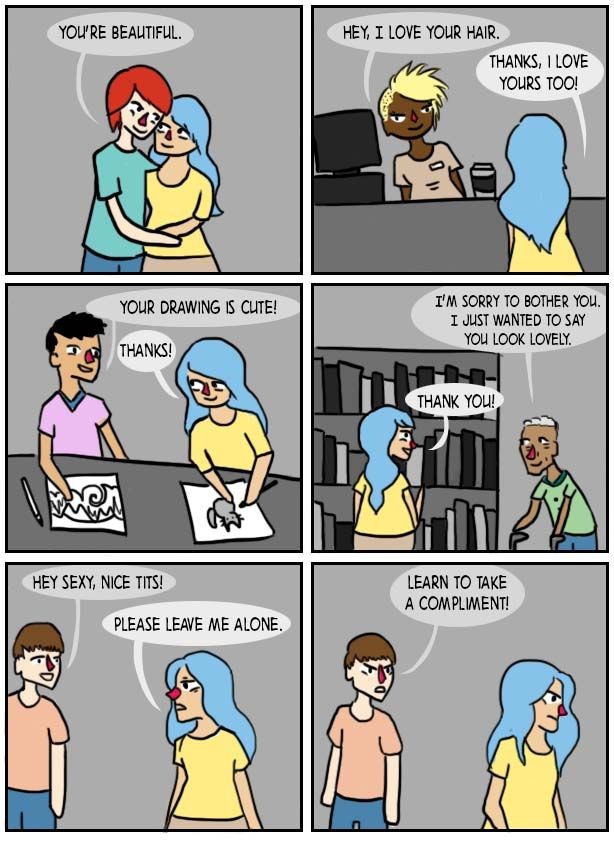
Women’s rights include decency and dignity. Anyone who tries to harm her modestly is regarded as a sinner, and the law very good mandates punishment for such behaviour. Each and every woman has the right to live in dignity, free from intimidation, compulsion, violence, and prejudice. The criminal code outlines the penalties for offences against women such as sexual harassment (Section 354), assault with the intent to strip her naked or violate her sense of modesty (Section 354), voyeurism (Section 354), stalking (354D), etc.
Rights at workplace

You have a right to have a female restroom where you work. At places, with more than 30 female workers, providing facilities for care and feeding of children is mandatory. Further, the Supreme Court and the Govt. had put in to ensure the safety of women at workplaces. The Hon’ble Supreme Court in Vaisakha v. State of Rajasthan, had laid down exclusive guidelines for protection of women from Sexual Harassment at workplace, following which, the Govt. in 2013, has enacted an exclusive legislation- The Sexual Harassment of Women at Workplace (PREVENTION, PROHIBITION and REDRESSAL) Act, 2013 for that end. So, if any person at your workplace, asks you for sexual favours, or makes sexually coloured remarks and whistles looking at you or sings obscene songs looking at you, touches you inappropriately, or shows pornography, then all that will constitute Sexual Harassment and you may complain to the Internal complaints committee which is required to be constituted by the employer at each office or branch with 10 or more employees. The District Officer is also required to constitute a Local Complaints Committee at each district, and if required at the block level. Apart from this, IPC also, penalizes Sexual Harassment under 354A by providing an imprisonment of 1-3 years.
.
Right of private defence/ self-defence
It is a right of defence. When defending your body or the body of another person from the attacker, you run the risk of causing serious harm, severe harm, or even death. However, you can only kill the attacker without drawing liability or punishment if certain conditions are met. For example, if you believe the attacker is about to rape, kill, or kidnap you, lock you in a room, or throw or attempt to throw acid at you, you can kill that person and the law will protect you.

































 Eduindex
You must be logged in to post a comment.