Observance of International Day of Older Persons

On 14th December 1990, the United Nations General Assembly designated October 1st as the International Day of Older Persons. The International Day of Older Persons was observed for the first time on October 1, 1991. According to United Nations, with the life expectancy at birth now exceeding 75 years in half of the world’s countries, 25 years longer than in 1950, by 2030, older persons are projected to outnumber youth globally, with this increase most rapid in developing countries. The observance of this day provides an opportunity to acknowledge the contribution, wisdom, dignity and needs of our senior citizens and to rededicate our efforts to ensure their well-being.

The Department of Social Justice and Empowerment along with  Department of School Education& Literacy is proposing a range of activities for the entire month of October, 2024 to help inculcate values of respect and gratitude towards senior citizens among students from an early age. These initiatives will foster respect and care for senior citizen among youngsters. This will lead to inter-generational bonding and empathy. In this regard, the following key initiatives are proposed to be undertaken viz:

  • Educational Institutions may host annual Grandparents’ Day with activities like storytelling and games to connect generations. They can also hold pledge-taking ceremonies for students, teachers, and staff to pledge respect for senior citizens, with these pledges displayed prominently in the institutions as a reminder.
  • As part of morning assemblies or language classes, students may be encouraged to recite poems or shlokas that highlight the importance of respecting elders. These can be drawn from lndia’s rich cultural heritage, resonating deeply with students.
  • Educational Institutions may introduce regular sessions where students and senior citizens from the community interact through various activities, such as sharing stories, discussing history, or learning about traditional crafts. This will help students develop an appreciation for the experiences and knowledge that senior citizens possess.
  • Encouraging students to engage in community service with senior citizens fosters inter-generational solidarity, mutual respect, and understanding. Educational Institutions may collaborate with local communities to create mentorship programs where seniors guide students in arts, culture, and vocational skills. This initiative benefits both generations by giving students valuable insights and providing seniors with purpose and connection.

For the month-long celebration of the International Day of Older Persons starting from 01.10.2024, the above initiatives have been shared with the States/UTs and Educational Institutions to instil the values of care and concern for the senior citizens among the youth as well as to involve the community in addressing to the issues and challenges faced by the senior citizens.

*****

NICDC and CEPT University hold workshop on sustainable design for administrative buildings in India’s new greenfield industrial Smart Cities

Daily writing prompt
What historical event fascinates you the most?

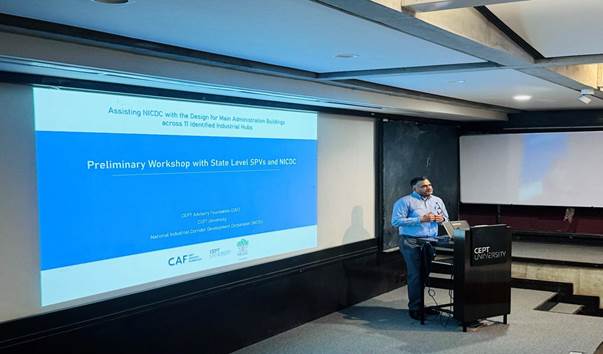
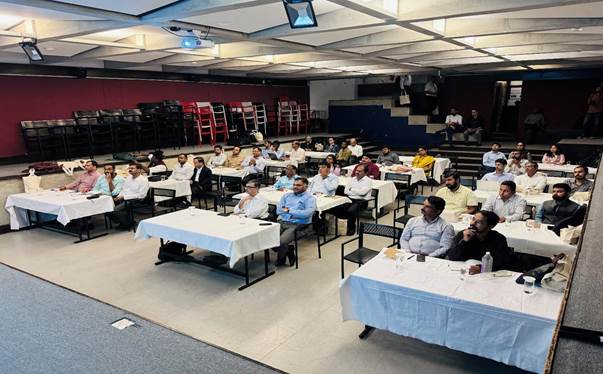
The National Industrial Corridor Development Corporation Limited (NICDC), under the administrative control of the Department for Promotion of Industry and Internal Trade (DPIIT), Ministry of Commerce and Industry, Government of India, in collaboration with the CEPT Advisory Foundation (CAF) of  the Centre for Environmental Planning and Technology (CEPT) University, organised a workshop to discuss the sustainable design of administrative buildings for 12 new greenfield industrial smart cities recently approved by the Government of India. This first-of-its-kind workshop, held on October 24, 2024, at the CEPT University campus in Ahmedabad, Gujarat, focused on highlighting sustainable design concepts such as biophilic architecture, integrated and inclusive planning, energy efficiency, and climatic bio-massing.

It has been envisioned that administrative buildings in these futuristic smart cities will embody these advanced principles to create uniquely designed structures that contribute to eco-friendly urban landscapes.The workshop was held to inspire Special Purpose Vehicles (SPVs) and state officials to participate in discussions on emerging technologies and sustainable practices on both national and global levels.

Participants engaged in two detailed sessions during the workshop. In the initial session, the emphasis was placed on the value of good design and its role in creating appealing, functional workspaces. Distinguished architects demonstrated exemplary projects to showcase the advantages of innovative designs, while open discussions were held on the latest design trends and implementation challenges. This session was led by renowned professionals, including Ms. Aparna Khemani from Gensler, Mr. Bedanta Saikia from Edifice, and Mr. Ambrish Arora from Studio Lotus.

In the second part of the workshop, the CAF team outlined a robust and transparent process for procuring architectural services. This presentation emphasized the importance of balancing quality and cost in commissioning competent designers through a reliable and thorough process. This session was facilitated by Mr. Prasad Jasti from Jacobs and Mr. Avanish Pendarkar, Center Head, CEPT Urban Planning and Design Foundation – CoE.

CEO and MD, NICDC, Shri Rajat Kumar Saini, IAS, stressed the significance of developing unique, iconic administrative buildings in the industrial smart cities being established under the National Industrial Corridor Development Programme. The aim of these industrial corridors is to create dynamic zones that stimulate industrial growth, improve logistics, and foster eco-friendly environments. Shri Saini expressed the NICDC’s vision of collaborating with CEPT University and CAF to develop resilient cities equipped to meet the needs of future generations.

CAF Director, Mr. Darshan Parikh, highlighted the importance of this collaboration with NICDC and SPVs, emphasising that CAF is committed to supporting NICDC in realising the vision of iconic buildings across designated locations. Mr. Parikh added, “Together, we aim to work collaboratively to bring the best design competencies for the development of these iconic administrative buildings”.

The workshop concluded with state officials gaining a deeper understanding of the nuances involved in designing and planning context-specific, innovative administrative buildings. This initiative represents a step toward the goal of Viksit Bharat,  showcasing the pivotal role that architecture, culture, design, planning, technology, research play in building a robust and sustainable future.

NICDC, formerly known as the Delhi Mumbai Industrial Corridor Development Corporation, is responsible for developing greenfield industrial smart cities with manufacturing as the primary economic driver, as part of the National Industrial Corridor Development Programme.

CEPT Advisory Foundation (CAF) is a section 8 (non-profit) company that focuses on advisory projects, constituted in November 2023. CAF offers services across nine thematic centres, including urban planning, transport, infrastructure, and water supply and sanitation. Its portfolio includes over 200 projects, ranging from development and strategic plans to feasibility studies and development control regulations.

***

ICSSR Workshop on Enhancing Livelihood Security through Eco-Tourism Inaugurated at MANIT Bhopal

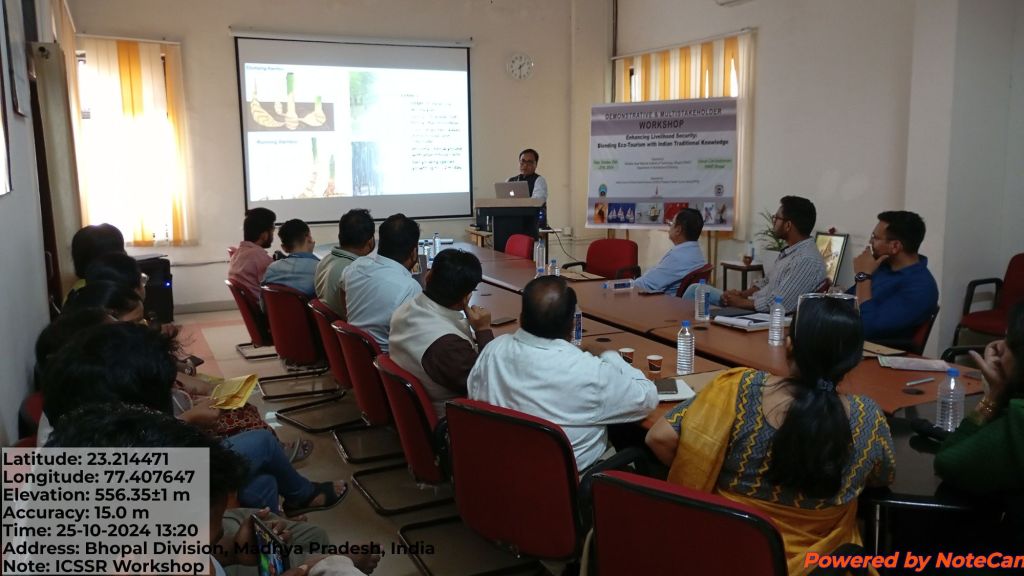
Bhopal, October 25, 2024 — The ICSSR-sponsored workshop, titled “Enhancing Livelihood Security: Blending Eco-Tourism with Indian Traditional Knowledge,” commenced today at MANIT Bhopal, in collaboration with the Madhya Pradesh Tourism Board. The event, hosted by the Department of Architecture & Planning, attracted a diverse group of experts, researchers, and local stakeholders.

The inaugural session featured a welcome address and introduction to the workshop’s objectives, focusing on sustainable development strategies that integrate eco-tourism with traditional knowledge to support tribal livelihoods. Dr. Sameeta Rajora, CEO of M.P. Eco-Tourism, graced the event as Guest of Honour, sharing insights on eco-tourism’s role in enhancing the socio-economic status of tribal communities in the region.

The first lecture was delivered by Dr. Lal Bihari Singha of Manipur University, who highlighted the cultural significance of bamboo crafting in homestay tourism, emphasizing its potential to strengthen local economies. Following the lecture, Dr. Khokhar from Van Dhan Kendra, Mandla, presented an expert session on developing indigenous herbal products for tourism, showcasing various herbal teas and wellness products created by tribal artisans.

The day concluded with a panel discussion on “Challenges and Opportunities for Livelihood Sustainability,” where prominent panelists, including Jigyasa Bisaria, Dr. Ramakant, and Prof. Madhuri Dubey, explored potential solutions for sustaining livelihoods through eco-tourism and community involvement.

The workshop continues tomorrow with a deliberation session, followed by a site visit to understand the livelihood opportunities available within the tribal communities of Madhya Pradesh.

Atal Innovation Mission and World Intellectual Property Organization

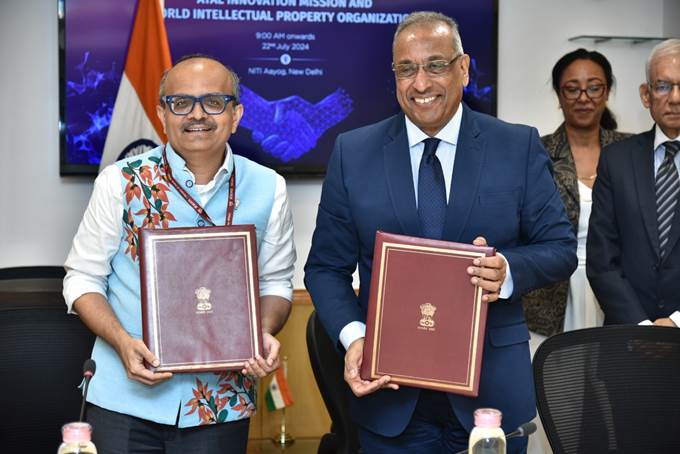
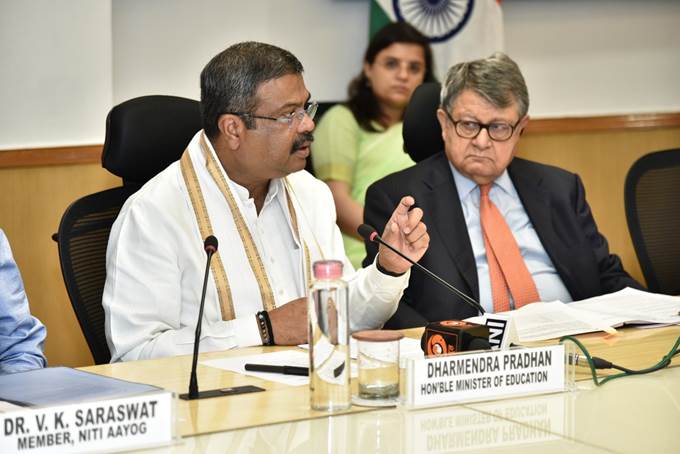
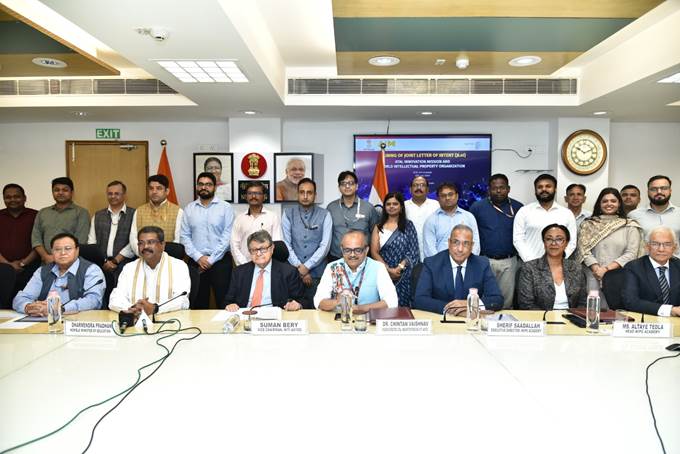
 A high-level delegation from World Intellectual Property Organization (WIPO) comprising of Mr. Sherif Saadallah, Executive Director, WIPO Academy and Ms. Altaye Tedla, Head WIPO Academy visited NITI Aayog for signing of a Joint Letter of Intent (JLoI) between Atal Innovation Mission (AIM) and WIPO. The JLoI is aimed at building programs for Innovation, Entrepreneurship & Intellectual Property (IP) for countries in the Global South.

Shri Dharmendra Pradhan, Cabinet Minister for Education and Skill Development and Entrepreneurship in the Government of India graced the occasion with his presence. From NITI Aayog the dignitaries present included Shri Suman Bery, Vice Chairperson, NITI Aayog, Dr. V.K. Saraswat, Member NITI Aayog, and Dr. Chintan Vaishnav, Mission Director, Atal Innovation Mission.

Shri Dharmendra Pradhan Cabinet Minister for Education and Skill Development and Entrepreneurship, Government of India said “I am very pleased to see that India’s innovation ecosystem is going global. Innovation is India’s strength. This pathbreaking partnership between AIM and WIPO will take the best of India’s innovation models to countries that are on similar development trajectories, and will enhance understanding and awareness about IPR right from the school-level and unlock the innovation potential of the world as well as foster inclusive and sustainable economic growth.

Mr. Sherif Saadallah, Executive Director, WIPO Academy during his address said – “Intellectual property (IP) is a powerful catalyst for innovation and creativity, essential for addressing development of youth and achieving the Sustainable Development Goals. Our focus on youth is an integral part of our work to build a more inclusive global IP ecosystem, and our partnership with Atal Innovation Mission demonstrates WIPO’s commitment to ensure youth’s participation in innovation and creativity so that IP ecosystems are utilized by a wider demographic, fostering a more innovative and creative global economy.”

Last year, Mr. Daren Tang, Director General, WIPO had visited the AIM ecosystem and advocated for Atal Tinkering Labs (ATL) and Atal Incubation Centers (AIC) to be a good template for innovation and entrepreneurship through South-South cooperation. His observations prompted WIPO to invite Dr. Chintan Vaishnav, Mission Director AIM to showcase these flagship initiatives earlier this year in front of the member nations at the Committee on Development and Intellectual Property (CDIP) at the WIPO headquarters in Geneva, Switzerland. The agreement signed today has transpired from these conversations.

Speaking at the occasion, Shri Suman Bery Vice Chairperson, NITI Aayog said “WIPO’s recognition of India’s entrepreneurship development model is a proud moment for India and NITI Aayog which hosts the Mission. This deepens an already productive relationship between NITI Aayog and WIPO on national competitiveness”

As one of the specialized agency of the United Nations, WIPO is the nodal institution that releases the Global Innovation Index (GII) annually. As per the GII 2023 report, India had retained the 40th position of 132 economies featured in the GII ranking. As per WIPO Report 2022, India has experienced sixth straight year of growth in patent filing, posting the highest growth of 31.6% globally. Importantly, a substantial increase in resident filings was the main driver of growth overall in 2022.

Dr. V.K. Saraswat, Member NITI Aayog in his address underlined that, “In the last few years, India has made huge strides in its entrepreneurial journey in line with our international aspirations in this domain. This partnership between AIM and WIPO would help position India as a global leader in innovation, leveraging our vast talent pool and dynamic market to attract international investments. This partnership can be a game changer in fostering a culture of IP-led Innovation and hence safeguarding the future of our nation’s technological advancements.”

Sharing his thoughts on the importance of this JLoI, Dr. Chintan Vaishnav, Mission Director Atal Innovation Mission said, “It is our hope that the AIM-WIPO partnership will benefit many nations for whom models such as Atal Tinkering Labs and Atal Innovation Centres are needed to build their innovation ecosystems. The experience of the two sides coming together helps us make these models significantly more holistic as now Innovation & Entrepreneurship meets Intellectual Property (IP) in a serious way.”

The WIPO delegation is on a 4 day visit to India, and will take part in a workshop on Intellectual Property in Innovation organised at AIC GGSIPU, Dwarka, on 23rd July. The delegates will also interact with school students from Atal Tinkering Labs and Industry Experts from FICCI, NASSCOM, PHDCCI among others during their visit.

About Atal Innovation Mission:

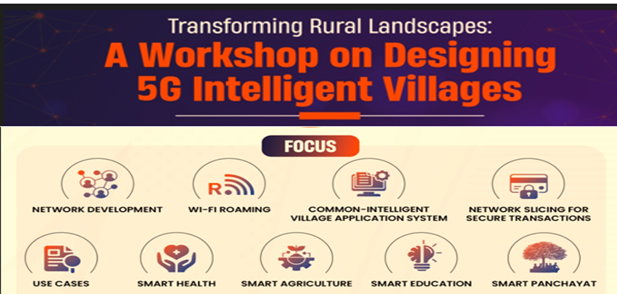
DoT organises workshop on ‘Transforming Rural Landscapes: Designing 5G Intelligent Villages’

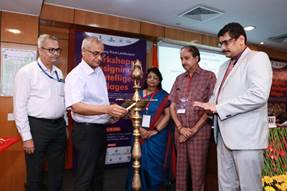
 The transformative potential of future technologies, such as 5G, to revolutionize life in rural areas, was the focus of a workshop on “Transforming Rural Landscape: Designing 5 G Intelligent Villages” held here today. The Workshop was organised by the Department of Telecommunications (DoT) which is spearheading these efforts by unlocking the potential of 5G technology for rural development.

Emphasizing the government’s priority on enhancing rural development, the workshop showcased initiatives aimed at improving connectivity, digital literacy, and sustainable practices to significantly enhance the quality of life for rural communities.


In his inaugural address, Dr Neeraj Mittal, Secretary (T) highlighted the importance of collaborative efforts in achieving the vision of intelligent villages. He discussed the concept of “smart” and “intelligent” villages, emphasizing the ability of these communities to interact, sense their surroundings, convey data, and extract knowledge, to be able to make informed decisions. He urged Industry and TSPs to come forward and adopt villages and employ technology to make them intelligent villages.  He expressed the hope that  workshop will come out with smart solution and test use-cases  for  creating a sustainable and prosperous future for our rural communities.

Member (T) Ms Madhu Arora emphasised on the need to bridge the digital gap between Urban and Rural landscapes. She said, the evolving technologies have the potential to enrich the lives of people in rural areas in all spheres of life, be it education, health, environment, agriculture and conservation and intelligent use of natural resources etc.

DDG(SRI) Shri A Robert J Ravi firmly asserted that technology must enhance the lives of people in rural areas to be truly valuable. Therefore, we need to develop innovative solutions, ranging from ‘Intelligent Display’ to micro-robots, to create 5G Intelligent Villages that will positively affect all sectors and benefit the society at large, particularly the rural population.

The sessions at the Workshop included ‘Building the backbone of rural connectivity’; ‘ Real world use cases and innovations’; ‘AI-powered real time monitoring’; and ‘On-ground 5G network infrastructure’.  A panel discussion was also  held on Deployment of “Intelligent Villages”.  It featured a series of presentations and interactions on topics such as renewable energy, smart agriculture, digital literacy, and infrastructure development. Attendees had the opportunity to engage with industry experts and explore practical applications of these technologies in their own communities.

Senior DoT officials, Industry people, MSMEs, start-ups, academia and other stakeholders participated in the Workshop.

The workshop aimed at integrating technology and rural development to enhance quality of life. The integration of cutting-edge innovations, like 5G, with traditional rural practices was highlighted as a pathway to foster sustainable growth and improve living standards in rural areas.

The 5G Intelligent Village Initiative of the DoT (see link attached) responds to the pressing need for equitable technological advancement by harnessing the transformative power of 5G technology to uplift rural communities. “From Connectivity Gaps to Smart Solutions: Designing 5G Networks for Rural Innovation- 5G Intelligent Villages”- aims to addresses critical pillars such as agriculture, education, healthcare, governance, and sustainability (see link attached). https://youtube.com/shorts/ufQzwxh8nZ0?si=e0vMGtASR6NTmaz1.

By leveraging such advancements, the government aims to ensure that rural areas are not left behind in the global push for technological progress and sustainability.

The Intelligent Village Workshop is a significant step forward in the journey towards empowering rural areas, demonstrating the government’s priority to integrate future technologies and sustainable practices in the development of intelligent villages.

****

CSIR-CIMFR Launches Two-Day Workshop on Gasification Challenges and Opportunities- “CARING-2024”

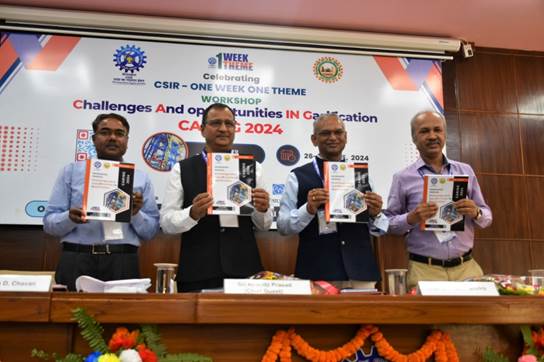
 Central Institute of Mining and Fuel Research (CSIR-CIMFR) has commenced its two-day workshop, CARING-2024, focusing on the challenges and opportunities in coal gasification. This event, being held on June 26-27, 2024, at the CSIR-CIMFR Digwadih Campus, brings together industry leaders, researchers, policymakers, and stakeholders to explore the complexities and potential of gasification technology.

With over 75 participants from various organizations such as Coal India Limited (CIL), Steel Authority of India Limited (SAIL), Jindal Steel and Power Limited (JSPL) Angul, Hindalco Industries, Thermax, and others from across India, the workshop is set to be a significant event in the field of gasification.

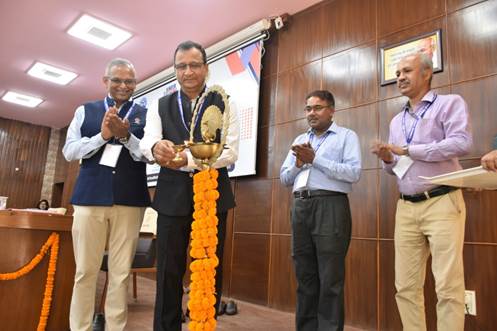
The workshop began with a formal opening ceremony featuring a welcome address by Dr. Arvind Kumar Mishra, Director of CSIR-CIMFR. In his speech, Dr. Mishra emphasized the importance of coal in the global energy mix and highlighted the potential of gasification for producing various value-added products such as methanol, chemicals, fertilizers (including ammonium nitrate), and liquid fuels.

Dr. Prakash D. Chavan, Head of Gasification at CSIR-CIMFR, outlined the objectives of the workshop and its relevance to the industry. He stressed the critical role of gasification in advancing sustainable energy solutions and fostering industrial growth.

The chief guest, Shri Anandji Prasad, Project Advisor from the Ministry of Coal, delivered an insightful inaugural address. He discussed the significant potential of gasification in India’s energy landscape and highlighted the government’s allocation of ₹8500 crore for incentivising the implementation of gasification projects. Shri Prasad underscored the importance of gasification technology in achieving India’s energy goals and enhancing energy security. He further emphasised on the focus of the Ministry of Coal on gasification and creating the ecosystem for realising the target of 100 MT coal gasification by 2030.

This workshop, under the CSIR One Week One Theme-Energy and Energy Devices Program, aims to foster collaboration, innovation, and knowledge sharing among participants. It provides a platform for stakeholders to discuss advancements, address challenges, and explore opportunities in gasification technology, ultimately contributing to India’s energy security and sustainability.

***

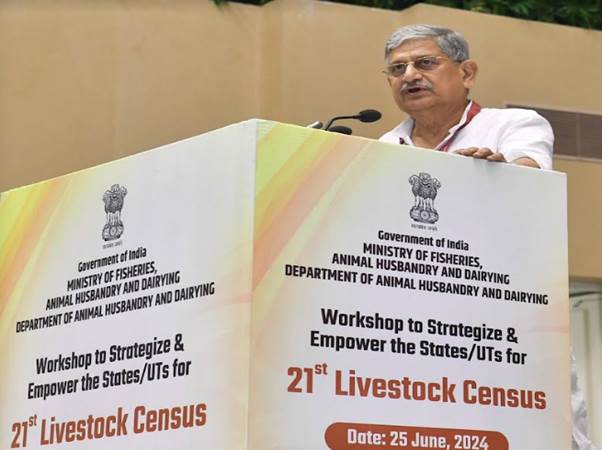
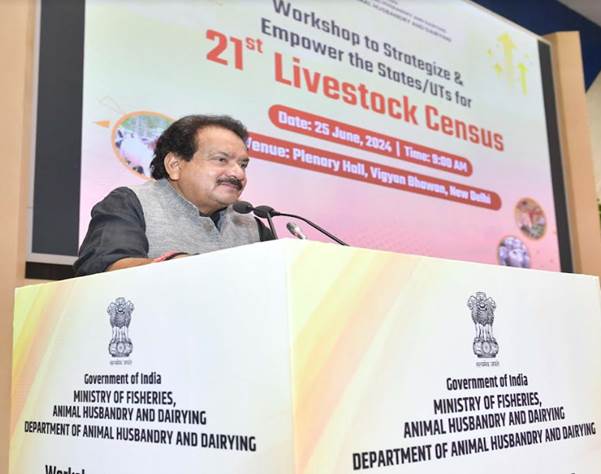
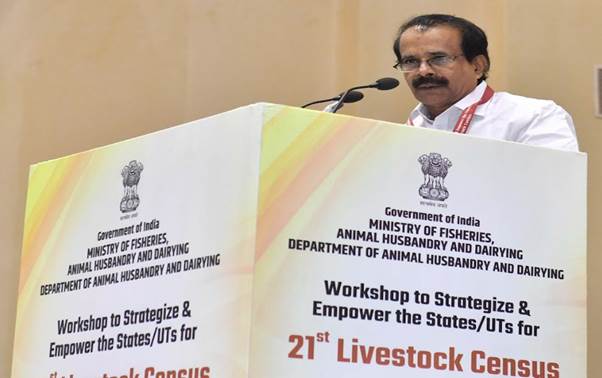
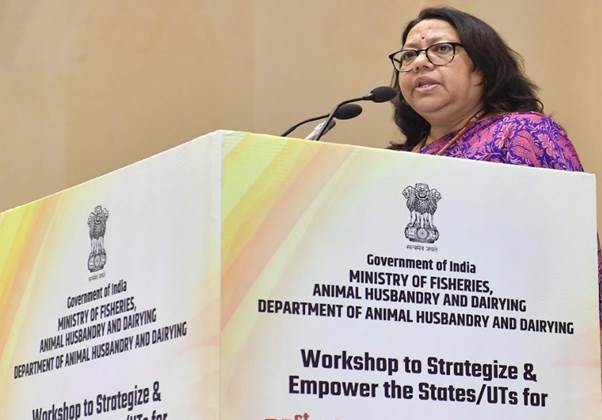
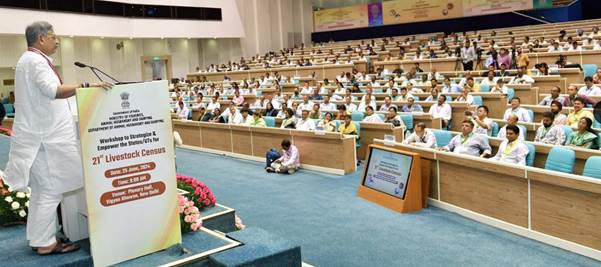
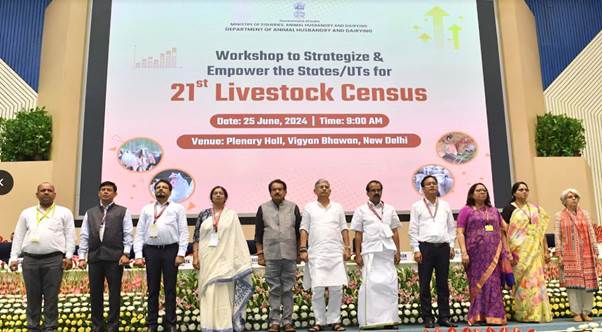
Comprehensive workshop to strategize and empower the States and Union Territories for preparation of 21st Livestock Census


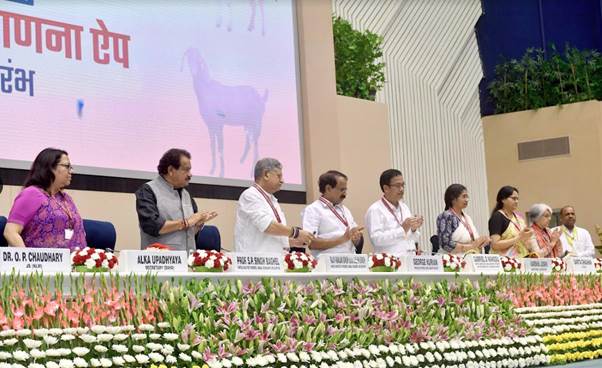
Union Minister of Fisheries, Animal Husbandry and Dairying, Shri Rajiv Ranjan Singh alias Lalan Singh inaugurated workshop today to strategize and empower the States and Union Territories (UTs) for preparation of 21st Livestock Census at Vigyan Bhawan, New Delhi. Ministers of State for Fisheries, Animal Husbandry and Dairying, Prof. S. P. Singh Baghel and Shri George Kurian were also present. The mobile application developed for 21st Livestock Data collection also launched by the Union Minister in the workshop.

Union Minister Shri Rajiv Ranjan Singh underscored the importance of the livestock sector to India’s economy and food security. He called for meticulous planning and execution of the census, stressing that the data gathered would play a crucial role in shaping future initiatives and addressing challenges in the sector. Union Minister informed that the workshop aimed at ensuring a coordinated and efficient approach to the upcoming census scheduled during September-December 2024.


Prof. S.P. Singh Baghel addressed the workshop and highlighted the need for comprehensive training and capacity building at the grassroots level. He acknowledged the efforts of the department in organizing such a strategic workshop and encouraged the participants to actively engage in the training sessions to enhance their understanding and capabilities.


Shri George Kurian emphasized the integration of sustainable practices within the livestock sector. He pointed out that the census data would contribute to the National Indicator Framework of Sustainable Development Goals, thereby aligning with broader national and global sustainability targets.

Ms. Alka Upadhyaya, Secretary, Department of Animal Husbandry & Dairying highlighted the importance of this workshop in her address, underscoring the department’s commitment to leveraging technology for accurate and efficient data collection. She emphasized the collective responsibility of all stakeholders to ensure the success of the 21st Livestock Census, which will play a critical role in shaping the future policies and programs of the Animal Husbandry sector and urged them to leverage the latest technologies to ensure the success of the census.

The workshop included detailed sessions on the methodologies and guidelines for the 21st Livestock Census, training on the mobile application and dashboard software, and an open house discussion for addressing queries and concerns.

The Department of Animal Husbandry & Dairying, Ministry of Fisheries, Animal Husbandry & Dairying conducted a comprehensive workshop to strategize and empower the States and Union Territories (UTs) for preparation of 21st Livestock Census. The workshop featured a series of sessions beginning with a brief description of the 21st Livestock Census by the Animal Husbandry Statistics Division, followed by a detailed presentation from ICAR-National Bureau of Animal Genetic Resources (NBAGR) on the breed details of species to be covered in the census. The importance of accurate breed identification was emphasized, which is crucial for producing precise statistics used in various livestock sector programs and for the National Indicator Framework (NIF) of Sustainable Development Goals (SDG).

*****

DPIIT to conduct knowledge sharing workshop with Flipkart and Indian Toy Industry on June 12

 The Prime Minister Shri Narendra Modi during his “Mann ki Baat” address in August 2020, expressed his desire to establish India as a global toy manufacturing hub. In order to fulfill the vision, the Government has undertaken a series of initiatives including formulation of a comprehensive National Action Plan for Toys (NAPT) to promote designing of toys, using toys as a learning resource, monitoring quality of toys, promoting indigenous toy clusters etc.

This has resulted in remarkable growth of Indian toy industry in FY 2022-23 in comparison to FY 2014-15, with the decline in imports by 52%, rise in exports by 239% and development of overall quality of the toys available in the domestic market.

In order to enable further growth, increased market access and development of new-age marketing skills, DPIIT is conducting a workshop with Flipkart and Indian Toy Industry on 12th June 2024.  In the workshop, participation from Flipkart, Walmart and Toy Association of India is expected with around 100 participants.

The workshop aims to enhance India’s position and capabilities in the global toy supply chain. It will help the toy manufacturers understand the nuances of online selling which shall in turn help in the growth of sales and market access.

The Government has already undertaken a series of initiatives for development of Indian toy industry including:

  1. Basic Customs Duty (BCD) on toys (HS code 9503) was increased from 20% to 60% in February 2020, and subsequently to 70% in March 2023.
  2. Directorate General of Foreign Trade (DGFT) has mandated sample testing of each import consignment to curb the import of sub-standards toys
  3. A Quality Control Order (QCO) for Toys was issued in 2020, with effect from 01.01.2021.
  4. Special provisions were notified by BIS on 17.12.2020 to grant licences to micro sale units manufacturing toys without testing facility for one year and without establishing in-house testing facility, which was further extended by three years.
  5. BIS has granted more than 1400 licences to domestic manufacturers and more than 30 licences to foreign manufacturers for manufacture of toys with BIS standard Marks
  6. Cluster-based approach adopted to support domestic toy industry. The Ministry of MSME is supporting 19 toy clusters under the Scheme of Funds for the Regeneration of Traditional Industries (SFURTI), and the Ministry of Textiles is providing designing and tooling support to 26 toy clusters.
  7. Several promotional initiatives have also been undertaken to promote indigenous toys and encourage innovation, including The Indian Toy Fair 2021, Toycathon, etc.

With the workshop, DPIIT aims to synergize the industry with online marketplaces, thereby enabling opportunities for growth.

**

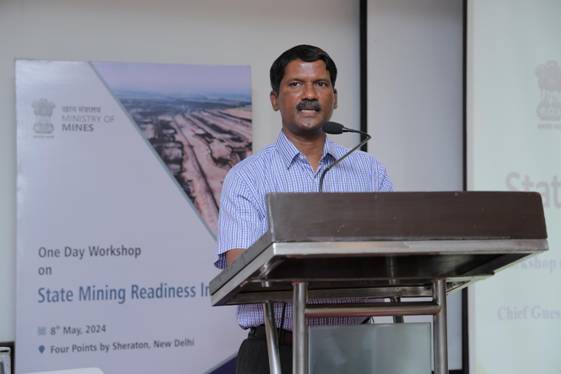
One-Day Workshop on State Mining Index in collaboration with IIT-ISM, Dhanbad

 Ministry of Mines, in collaboration with the Indian Institute of Technology – Indian School of Mines (IIT-ISM), Dhanbad will organize a one-day workshop tomorrow i.e., on 8th May, 2024 in Delhi to discuss the draft framework of the State Mining Index, envisaged to capture mining sector performance of States. The Secretary, Ministry of Mines, Shri V. L. Kantha Rao, will  chair the workshop, to be participated by the senior officials from States.

The mining sector is at the forefront of numerous value chains, supplying raw materials to key industrial domains such as steel, non-ferrous metals, cement, fertilizers, chemicals, and electronics. The States have a crucial role to play in the development of the country’s mining sector. For a mining sector vision that prioritizes resource use efficiency with equity, sustainability and responsibility, focussed attention is required on the exploration of India’s geography; taking actions for facilitating future mineral production and working for the interest and benefit of persons and areas affected by mining related operations. In such a national effort, a State’s relative contribution is important and needs to be reflected. As such, a State Mining Index has been envisaged to capture the mining sector performance as well as States’ future readiness in mining activity. The ambit of the index will be non-fuel major minerals and minor minerals. Ministry of Mines has commissioned IIT-ISM, Dhanbad to conduct a study for designing the framework, collecting data and formulating the index.

In order to make the process transparent and objective, States are being consulted at every stage of index development. The One-Day Workshop in Delhi is a part of this endeavour. Feedback from States at the workshop will help in finalizing the framework.

****

26 States Participate in the Workshop on State Mining Index Organized by Mines Ministry to Discuss and Finalize the Indicators of Performance

 Ministry of Mines, in collaboration with the Indian Institute of Technology-Indian School of Mines (IIT-ISM), Dhanbad successfully organized a one-day workshop on State Mining Index, here today. The Index would serve as a tool for stakeholders of the mining sector to understand various aspects related to the Ease of Doing Mining Business within a State.

The workshop was chaired by Secretary, Ministry of Mines, Shri V. L. Kantha Rao. In his keynote address, Shri Rao emphasized the importance of States’ efforts in the development of mining sector getting properly reflected in the policy narrative. He emphasized the importance of having a State Mining Index, which will promote cooperative federalism as well as competition among States. Emphasizing the active participation of States being important in making the exercise successful, he requested the States to help in data collection efforts by properly submitting the statistical returns in time.

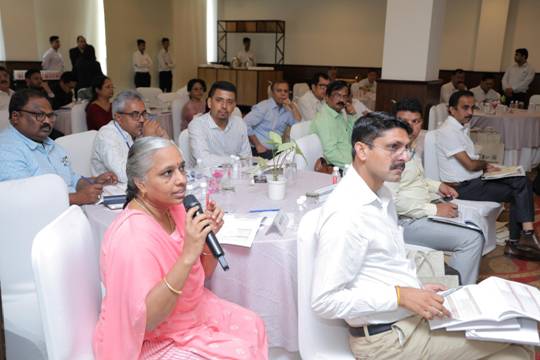
The workshop brought together policymakers, administrators and practitioners from the Central and State governments. Principal Secretaries, Directors and other officials from 26 States actively participated in the workshop to discuss and finalize the indicators and sub-indicators of performance which form part of the Index framework and methodology. Post consultations and feedback from the States, the Framework of the State Mining Index will be finalized and released in July 2024 for actual ranking to take place in April 2025.

****

Workshop on ‘State of Artificial Intelligence in Banks’ with representatives from 12 Public Sector Banks and other financial institutions under DFS

 Dr. Vivek Joshi, Secretary, Department of Financial Services (DFS), chaired a workshop on the ‘State of Artificial Intelligence in Banks’ as part of its lecture series, in New Delhi, today. The NASSCOM made a presentation during the workshop to provide banks and financial institutions with insights into best practices for AI adoption and risk mitigation. 

The event featured several industry experts who shared their experiences and insights on the AI. Besides, DFS Secretary, attendees included senior officials from the DFS, CEOs, MDs, CTOs, and CDOs from 12 Public Sector Banks (PSBs), as well as MDs and CEOs from various financial institutions under administrative control of DFS and delegates from NASSCOM.

The workshop served as a platform for participants to learn about various case studies and strategies for implementing AI in the banking sector. By leveraging the expertise of industry leaders, the workshop aimed to enhance the understanding of AI technologies and their potential impact on the financial services industry. The industry experts discussed how AI can be used to enhance customer service, make better decisions regarding credit, detect fraud and defaults, manage risks early, and boost employee productivity and efficiency.

The workshop also addressed the emerging challenges of AI in terms of data governance, cybersecurity, transparency and compliance.

****

DPIIT organises Workshop on ‘Integration of Economic/User

 Department for Promotion of Industry and Internal Trade (DPIIT), Ministry of Commerce and Industry, organised a pivotal Workshop on ‘Integration of Economic/User Ministries/Departments on PM GatiShakti National Master Plan (PMGS-NMP’ on 3rd April 2024 in New Delhi. The workshop was chaired by Additional Secretary (Logistics), DPIIT, Shri Rajeev Singh Thakur, aimed to sensitise the Economic/User Ministries/ Departments about onboarding of GIS Data Layers on the PM GatiShakti NMP, benefits of using the platform for planning and to review the progress made in this respect.

Additional Secretary, DPIIT, Shri Rajeev Singh Thakur, highlighted PM GatiShakti principles to be adopted for integrated planning and holistic development of socio-economic infrastructure. He further emphasized PMGS-NMP as a comprehensive and sustainable strategy to reshape India’s infrastructure, by fostering integrated planning and harmonised project implementation involving all relevant Ministries and State Governments. This “whole-of-the-government” approach is embraced to enhance decision-making in project planning as well as ‘ease of doing’ and ‘ease of living’.

Joint Secretary, DPIIT, Dr. Surendra Kumar Ahirwar, mentioned that adoption of PM GatiShakti NMP by economic Ministries is important not only for efficient data driven planning of its own infra/schemes but also for planning of infra/schemes by infra/social Ministries as well as States/UTs. Joint Secretary, DPIIT, Shri E Srinivas, stated integration of Economic/User Ministries on the PMGS-NMP will ensure the efficient realisation of the core principles of GatiShakti—logistical efficiency, multimodality, and connectivity to economic hubs.

The workshop witnessed enthusiastic participation from over 32 officials representing 18 ministries/departments, including Agriculture & Farmers Welfare, Chemicals & Petrochemicals, Fertilisers, Coal, Commerce, Food & Public Distribution, Defence Production, Electronics & Information Technology, Economic Affairs, Revenue, Animal Husbandry & Dairying, Fisheries, Food Processing Industries, Micro, Small & Medium Enterprises, Mines, Steel, Earth Sciences, and Pharmaceuticals. More than 20 officials from BISAG-N and Logistics Division, DPIIT were also present.

The event commenced with a thought-provoking video on PM GatiShakti, followed by a comprehensive presentation by the Logistics Division, DPIIT, highlighting the overview, progress, benefits, and the way forward for the ambitious program. BISAG-N, the technical partner, provided an insightful presentation on the technical architecture of PMGS-NMP and tools developed for various ministries enabling participants to gain a practical understanding of its features.

The core segment of the workshop involved presentations from the economic/user ministries/departments, showcasing their status of adoption of PM GatiShakti and the necessary steps taken in line with the provided pointers. This interactive session facilitated an exchange of best practices, challenges faced, and potential solutions, fostering a collaborative approach towards seamless implementation, leading to a conclusion that the Ministries/Departments should proactively identify and upload various data layers on the PMGS-NMP, develop Standard Operating Procedures (SOPs) for data management, and enhance capacity to independently plan projects and programs utilising PMGS-NMP and develop specific Planning Tools.

As a way forward, specific action points were highlighted, involving identification of  interventions followed by analysis, leading to accelerated adoption of PM GatiShakti principles in planning of socio-economic infrastructures.

The use of the PMGS-NMP platform has generated successful use cases in the infrastructure sector such as urban transport, roadways, railways, etc., along with benefits to users. The use of PMGS-NMP has significantly de-risked infrastructure investments for the private sector, streamlined operations and decision-making for Ministries/Departments and States/UTs. The GatiShakti approach is also helping to plan disaster management, location of social sector assets, development of tourism circuits, etc., in a manner to give maximum connectivity for the users. Recognizing the significant progress made by Infrastructure and Social sector Ministries, the workshop focused on enabling Economic/User Ministries to effectively leverage the PMGS-NMP platform.

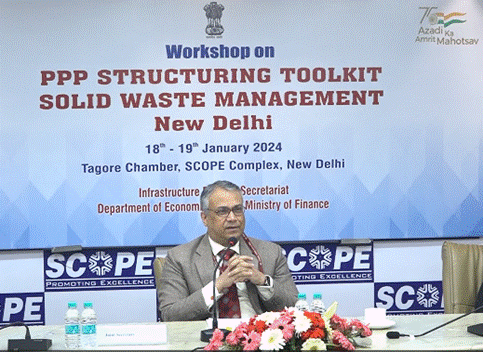
Workshop on ‘Public Private Partnership (PPP) Structuring Toolkit – Solid Waste Management (SWM)’

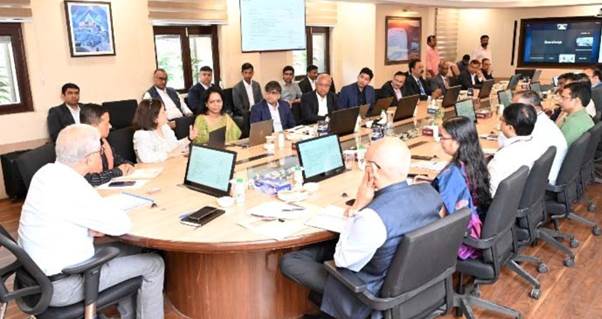
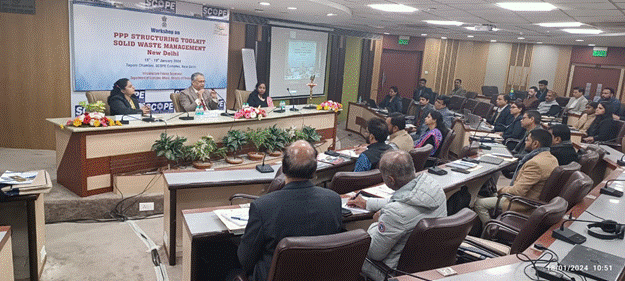
 The two-day workshop organised in hybrid mode by the Infrastructure Finance Secretariat (IFS) in the Department of Economic Affairs (DEA), Ministry of Finance (MoF), concluded in New Delhi, today. The workshop was organised to sensitise Project Sponsoring Authorities (PSAs) on how to use PPP structuring toolkit for PPP projects in Solid Waste Management (SWM) Sector. SWM is one of the prominent sector where PPPs are happening. The workshop was attended by more than 80 participants from Central Government and State/UT Governments.


‘PPP Structuring Toolkit’ is one among the initiatives that IFS has taken to support the Project Sponsoring Authorities (PSAs) to develop their projects with objectivity and to boost private sector investment in the country.

This workshop, which is the second in a series catering to Solid Waste Management Sector, was inaugurated by Shri Baldeo Purushartha, Joint Secretary, Infrastructure Support & Development (ISD) Division, DEA, MoF. He highlighted the importance of infrastructure and the need for creating a shelf of viable infrastructure projects to take India on a higher growth trajectory. The workshop provided an overview of the toolkit and a demonstration of tools developed for Solid Waste management sector. Shri Purushartha further encouraged the participants to develop few projects in PPP in solid waste management sector.


Ms. Preeti Jain, Director, DEA, highlighted how infrastructure development contributes to GDP growth and also stressed the necessity of appropriately structuring PPP projects due to their inherent complexities.

The workshop familiarised participants with the toolkit’s overview and objectives through the case studies for practical understanding, detailing its five integral tools:-

  • Suitability Filter
  • Family Indicator Tool
  • Mode Validation Tool
  • Financial Viability Indicator, and
  • Value for Money Indicator tool


IFS also showcased the ‘Contingent Liability Toolkit’, which gives a hands-on approach to the PSAs for estimating probable pay-outs of the PSA due to occurrence of various contingencies.

The workshop saw enthusiastic participation from officials representing Central Ministries/Departments, various State/UT Governments especially from Urban Local Bodies.

More details on the PPP Structuring Toolkits are available on:

https://www.pppinindia.gov.in/ppp_structuring_toolkit


****

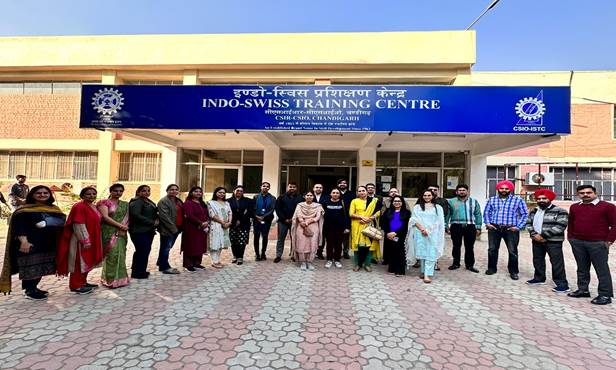
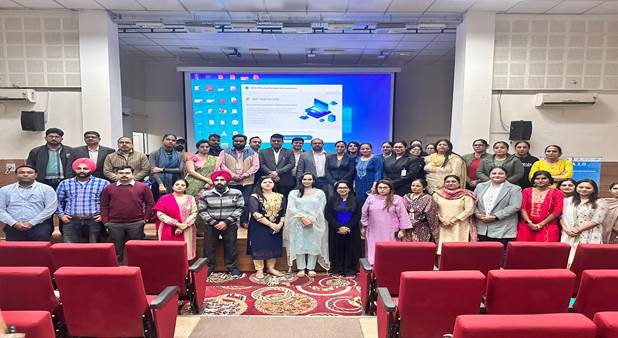
Successful Teacher Training Workshop on "Nano Quest

 A specialized Teacher Training Workshop convened at CSIR-CSIO in Chandigarh on November 20th, 2023 marked a significant milestone in the realm of science education. The workshop, organized as part of Knowledge and Awareness Mapping Platform (KAMP)’s third Continuous Professional Development (CPD) program for educators in collaboration with the CSIR – Central Scientific Instruments Organization (CSIO) and Central Board of Secondary Education (CBSE), brought together over 40 enthusiastic teachers from diverse schools.

The central theme of the workshop, “Nano Quest – A Journey of Exploration through Nanoworld,” underscored the commitment of educators to enhance their knowledge and teaching skills in the field of science education. The diverse training modules covered various facets of science education, providing a unique opportunity for educators to learn from esteemed scientists and experts associated with CSIR-CSIO, Chandigarh. 


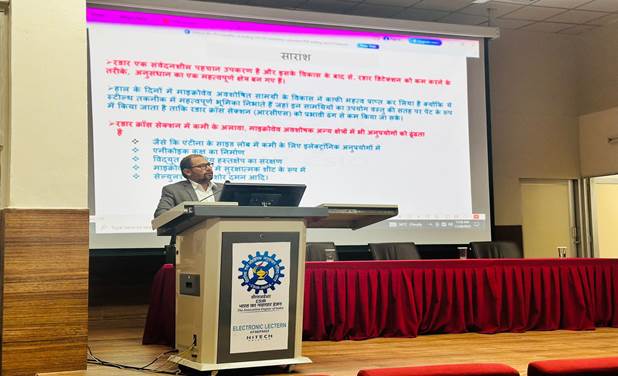
Dr. Sachin Tyagi, Principal Scientist at CSIR-CSIO, delivered an enlightening technical session on “माइक्रोवेव अवशोषण अनप्रयोग – “माइक्रोवेव अवशोषण अनुप्रयोग – चुभंकीय सामग्री आधारि त समिश्रण” which translates to “Microwave Absorption Applications – Magnetic Material Based Composites.” The workshop also featured a session by Dr. Abhay Sachdev, Senior Scientist at CSIR-CSIO, exploring the “Prospects and Applications of Nanomedicines.” In a practical turn, Dr. B. Sreekanth and Dr. Inderpreet Kaur, scientists from CSIR-CSIO, guided teachers on Environmental Monitoring, providing insights into skill development in a scientific context.

Mr. Dhiraj Singh Rajput, Regional Head of KAMP and Mr. Kaushal Payal, Regional Manager of KAMP captivated the audience with an in-depth presentation on the KAMP, an initiative of CSIR-NIScPR and NCPL. Stressing the importance of science education beyond textbooks and classrooms. Mr. Dheeraj emphasized the need for a dynamic and immersive experience that encourages students to question, explore, and innovate.

The workshop served as a platform for educators and administrators to gain fresh perspectives on science education, exchange ideas on effective teaching strategies, and align with the latest developments in the field. The collective knowledge and experience shared by the scientists promise to leave a lasting impact on the future of science education.

Continuous Professional Development programs of this nature play a vital role in equipping teachers with the latest tools and knowledge to enrich the learning experiences of their students. Beyond enhancing educators’ understanding of scientific concepts, these initiatives aim to spark a profound enthusiasm for scientific exploration in students.

About CSIR-CSIO:

CSIR-Central Scientific Instruments Organisation (CSIO) is a premier national laboratory dedicated to the research, design, and development of scientific and industrial instruments. As a multi-disciplinary and multi-dimensional apex industrial research & development organization, CSIO stimulates the growth of the Instrument Industry in India.

About CBSE (Training/Capacity Building Programmes):

CBSE is committed to addressing quality concerns in school education, prioritizing the development of teachers and principals. The Board provides various training programs to enhance their understanding of curriculum, delivery mechanisms, and other professional qualities.

About KAMP:

KAMP is an Initiative and Knowledge Alliance of CSIR-National Institute of Science Communication and Policy Research (NIScPR) and industrial partner M/S Nysa Communications Pvt. Ltd. (NCPL). It aims to develop creativity, meaningful learning, critical reading, and thinking skills, bringing out the inherent abilities of students.

*****