
Traveling Tips.🌄

\n

Who doesn’t like traveling? It is the most beautiful thing to do. Now a days it’s always in trend and also getting more popular day by day. Thanks to the digital world for that, but, there’s always something which you can’t learn from the digital world, yeah! Even youtube fails. Shocking, na!..
Hey, you don’t worry about it because I’m hear.

So, this blog will cover all those things which youtube can’t teach you. By the way there’s a lot of things which even though you learn from youtube but can’t replicate it in real life. See, I have got many issues with youtube but first let’s learn, what are the essential things to keep and remember while traveling?.

There’s a countless place in the world to travel and more are getting discovered.  Things like weather, people, food, transport are bound to be different but few things always goes same. For example:- There may be a difference between two beaches but safety measures always goes same. Just like that few things always goes same irrespective of the place.

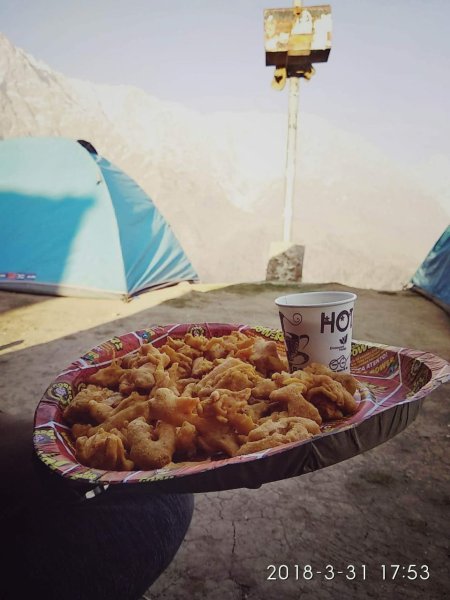
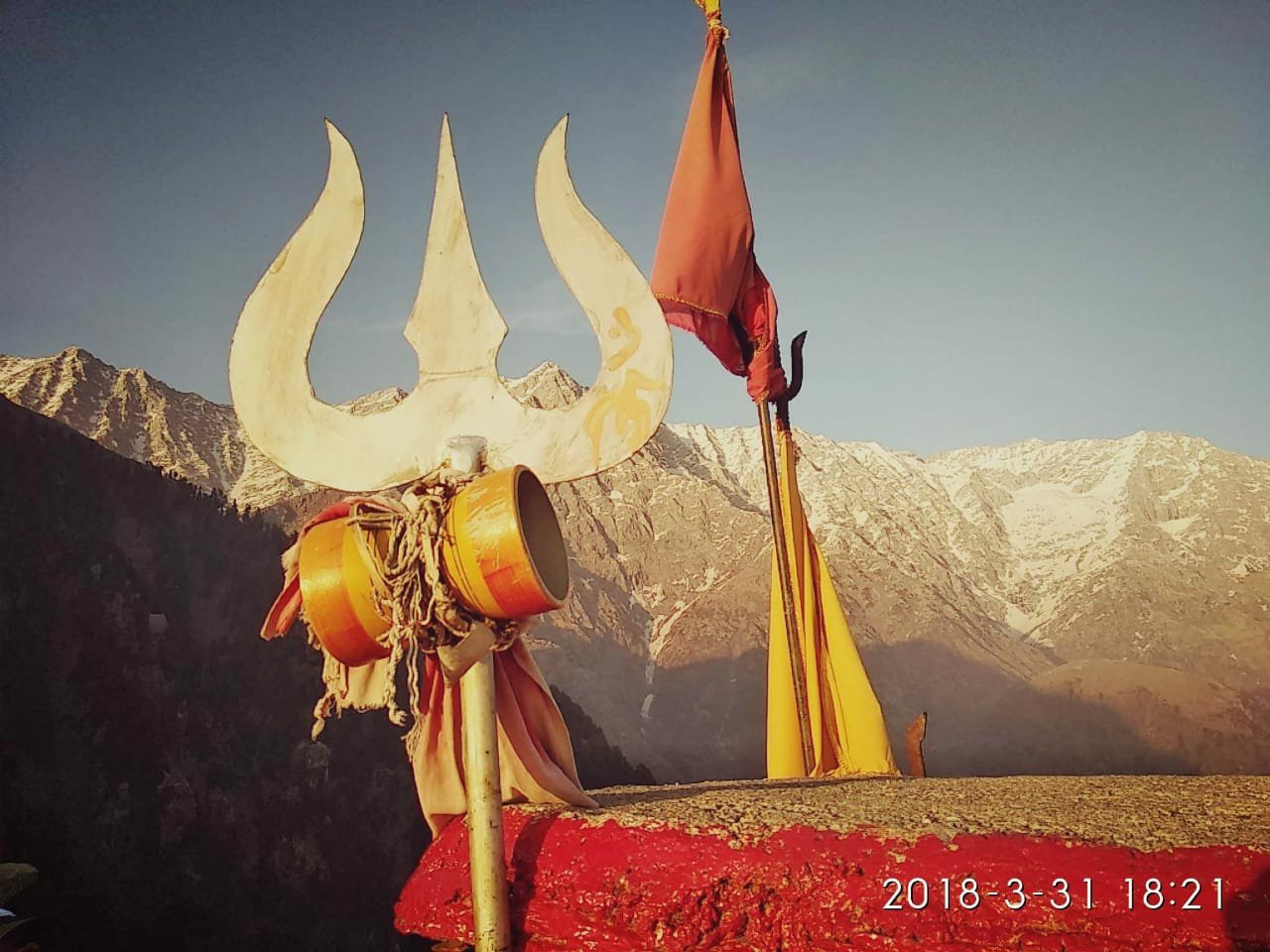
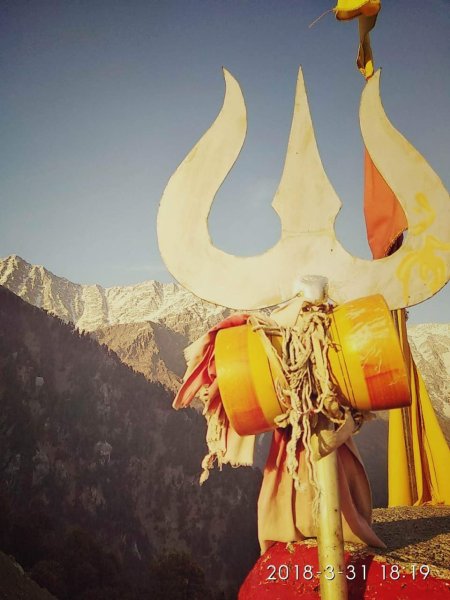
This paragraph will go for the travelers who like mountains and trekking the most. For the selection of place, you must have the theoretical knowledge about that place. You can do some sort of  surveys before selection, and I would like to suggest you to check it on Quora, if you trust digital world more, otherwise face to face surveys are still the best. After doing surveys you become aware about the place and the type of situation you can have there to face. Now, make a check list for all the things you are going to need there and also to make sure you don’t leave any necessary things behind. And Before leaving your doorstep, you must double check your check list, because one more layer of protection always gives more protection. Now, first of all you should know, there’s no trip that you can actually anticipate. Some if & but will surely happen, and for that keep your mind and senses active. Now you are well aware about the place where you are heading too, so, choose your clothes according to that place, like:- for trekking you should have a trouser and a light t-shirt under a jacket (optional) and a sports shoe. Plan your number of days and pack your things according to that and, because it’s a mountain area you should keep power bank and a non digital mobile phone for just in case. Keep you bagpack light because lighter the bag, easier the trekk. If you are going for the first time on trekking go by any agency or travel company for camping for better experience. After that  for the next time you can go all alone or for a solo trip. If you don’t have any sleeping bag or tent then don’t worry you can rent out. It’s available there either at starting point or in mid way of your trekk. Always keep an extra drinking water while trekking because of two major reasons : 1) it is costly to buy drinking water up there.
2) For cleaning or getting fresh you need water up there.
Keep checking your mobile phone for network and if there’s no network turn your phone in flight mode for less battery consumption. Don’t forget to take a portable speaker with you because without music even heaven is boring. Once you reach there interact with your fellow trekk mates for some good memories and also to make your trip memorable.

If you like photography then it’s okay, but, if you not then don’t waste your time in clicking snaps. Look around and try to observe each and every details for enjoyment. The world with naked eye is still more beautiful that your high mega pixels phone camera. Try to spend some time alone there, because it’s useless if you don’t get yourself some time.

At last, there are several things you will live that I don’t want to mention here because it’s your trekk man!. Go and feel it rather then reading it. Since, i have already said that I got some issue with youtube but somewhere I go with it like for further tips you need to read my other blog regarding this, Traveling Tips 2.

Till then enjoy your trekking and don’t forget to tell your experience in the comment section, No! not about your trekk, but, about this blog..😝

See yaa.
One Arranged Murder

Keshav has set up an investigation agency with his best friend, Saurabh. Can the two amateur detectives successfully solve another murder case that affects them personally? And where will it leave their friendship? ‘Ever since you found Prerna, I lost my best friend’ is what I told Saurabh. Hi, this is Keshav, and Saurabh, my best friend, flatmate, colleague and business partner, won’t talk to me. Because I made fun of him and his fiancée. Saurabh and Prerna will be getting married soon. It is an arranged marriage. However, there is more cheesy romance between them than any love-marriage couple. On Karva Chauth, she fasted for him. She didn’t eat all day. In the evening, she called him and waited on the terrace for the moon and for Saurabh to break her fast. Excited, Saurabh ran up the steps of her three-storey house. But when he reached … Welcome to One Arranged Murder, an unputdownable thriller from India’s highest-selling author. A story about love, friendship, family and crime, it will keep you entertained and hooked right till the end.

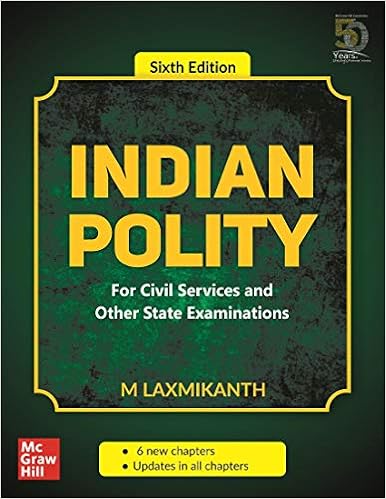
Indian Polity – For Civil Services and Other State Examinations

The book “Indian Polity”, 6th edition is a must-read for the aspirants appearing for the Civil Services Examinations as well as the other state Services Examinations. It is conceived to cater to the requirements of not just students appearing for competitive examinations but also postgraduates, research scholars, academics and General readers who are interested in the country political, Civil and constitutional issues. The extant chapters have been thoroughly revised and updated as per the recent developments.<Salient features: ✔ 80 chapters and 16 appendices covering the entire Indian political and constitutional spectrum ✔ chapters rearranged as per the latest pattern of the examination ✔ coverage on the recent developments in Jammu & Kashmir and Ladakh, constitutional interpretation, judicial review and judicial activism ✔ updated previous years’ questions and revised practice questions for both Preliminary and Mains Examinations ✔ one-stop reference for the Civil Services aspirants, students of law, political Science and public Administration ✔ 6 New chapters: Goods and Services Tax Council National Commission for backward classes National investigation agency National disaster Management role of regional parties coalition government

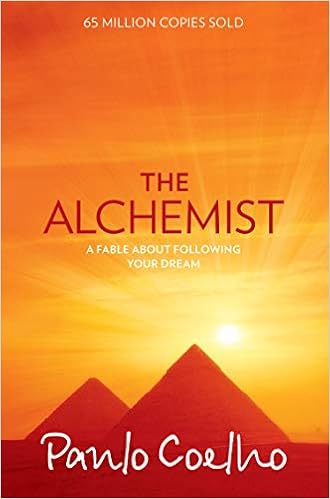
The Alchemist

Like the one-time bestseller Jonathan Livingston Seagull, The Alchemist presents a simple fable, based on simple truths and places it in a highly unique situation. And though we may sniff a bestselling formula, it is certainly not a new one: even the ancient tribal storytellers knew that this is the most successful method of entertaining an audience while slipping in a lesson or two. Brazilian storyteller Paulo Coehlo introduces Santiago, an Andalusian shepherd boy who one night dreams of a distant treasure in the Egyptian pyramids. And so he’s off: leaving Spain to literally follow his dream. Along the way he meets many spiritual messengers, who come in unassuming forms such as a camel driver and a well-read Englishman. In one of the Englishman’s books, Santiago first learns about the alchemists–men who believed that if a metal were heated for many years, it would free itself of all its individual properties, and what was left would be the “Soul of the World.” Of course he does eventually meet an alchemist, and the ensuing student-teacher relationship clarifies much of the boy’s misguided agenda, while also emboldening him to stay true to his dreams. “My heart is afraid that it will have to suffer,” the boy confides to the alchemist one night as they look up at a moonless night. About the Author Born in Brazil, Paulo Coelho started his career as a lyricist and theatre director and later left it to become an author. Paulo has written and published over 30 books and is also an avid blogger. He is active on numerous other social media platforms. Paulo Coelho was named the Messenger of Peace of the United Nations in 2007 and has bagged numerous prestigious awards like the Crystal Award by the World Economic Forum, The Honorable Award of the President of the Republic by the President of Bulgaria and so on.

Oxford Student Atlas for India

The Oxford student atlas for India uses the state-of-the-art techniques to produce maps that are accurate and easy to read. Thoroughly researched and up-to-date, this third edition of the atlas caters to the needs of the students preparing for competitive examinations conducted by the UPSC, state Public Service Commissions and other examining bodies. Exam-oriented features includes a revised section of practice questions based on the question pattern of competitive exams provides specific references to maps with relevant data to solve the practice questions acts as an easy-to-use practice guide for map and atlas-based questions General features provides the latest available socio-economic maps and data culled from authoritative sources provides special sections on the history of map-making, and concepts of contour and Landforms in the beginning of the atlas covers important topical themes such as biosphere reserves, wetlands and Wildlife, power projects, agricultural regions, levels of industrial development, human development, tourism and mass media, cultural realms, heritage, etc. Includes an informative section on world history, a world time Zone map and world—geographic comparisons includes 24 maps focusing on the history of Indian subcontinent, and 8 maps focusing on Environmental concerns and natural disasters of the country provide symbols for each place name for India and the world according to population range contains a fully updated and revised index br>pull-outs poster size wall map of India—political poster size wall map of the world—political poster size wall map of India—physical full size to PO sheet no. 45 br>D/7 download the free Oxford Areal app and scan the Oxford student atlas for India cover for: an exhaustive store of reference maps a plethora of exercises in the form of multiple choice questions interactive map-based exercises to facilitate learning and quick revision informative animations and videos explaining important geographical and historical concepts printable quizzes and printable outline maps for practice.

Ikigai: The Japanese secret to a long and happy life

We all have an ikigai.

It’s the Japanese word for ‘a reason to live’ or ‘a reason to jump out of bed in the morning’. It’s the place where your needs, desires, ambitions, and satisfaction meet. A place of balance. Small wonder that finding your ikigai is closely linked to living longer. Finding your ikigai is easier than you might think. This book will help you work out what your own ikigai really is, and equip you to change your life. You have a purpose in this world: your skills, your interests, your desires and your history have made you the perfect candidate for something. All you have to do is find it. Do that, and you can make every single day of your life joyful and meaningful. ‘I read it and it’s bewitched me ever since. I’m spellbound.’ Chris Evans ‘Ikigai gently unlocks simple secrets we can all use to live long, meaningful, happy lives. Science-based studies weave beautifully into honest, straight-talking conversation you won’t be able to put down. Warm, patient, and kind, this book pulls you gently along your own journey rather than pushing you from behind.’ Neil Pasricha, bestselling author of The Happiness Equation

Think Like a Monk

Jay Shetty, social media superstar and host of the podcast ‘On Purpose’, distils the timeless wisdom he learned as a practising monk into practical steps anyone can take every day to live a less anxious, more meaningful life.

Over the past three years, Jay Shetty has become one of the world’s most popular influencers. One of his clips was the most watched video on Facebook last year, with over 360 million views. His social media following totals over 32 million, he has produced over 400 viral videos, which have amassed more than 5 billion views, and his podcast, ‘On Purpose’, is consistently ranked the world’s health-related podcast. In this inspiring, empowering book, Shetty draws on his time as a monk in the Vedic tradition to show us how we can clear the roadblocks to our potential and power. Drawing on ancient wisdom and his own rich experiences in the ashram, “Think Like a Monk” reveals how to overcome negative thoughts and habits, and access the calm and purpose that lie within all of us. The lessons monks learn are profound but often abstract. Shetty transforms them into advice and exercises we can all apply to reduce stress, improve focus, improve relationships, identify our hidden abilities, increase self-discipline and give the gifts we find in ourselves to the world. Shetty proves that everyone can – and should – think like a monk.

Sex…Still a taboo?..

SEX…Oops!. I broke the stereotype of running away from this topic. Yes, even we are 130 crore population but ironically sex is still a taboo here. Generations after generations, we’ve been running from talking about sex, neither grandparents told this to our parents nor they tell us. Even a condom advertisement on the television make us feel uncomfortable just because we never talked about it. Sex is still a curiosity for a teenager. When parents and even teachers keep this as a secret, it adds into the curiosity. When a human hits puberty, it’s normal that he/she gets attracted to opposite sex, harmones rule them in this age. But the thing is nobody know the real science. So porn which is abundantly available on the internet becomes the saviour. These innocent teenagers go through such stuff and then they start exploring. The tag “relationship”works in the name of exploring the opposite sex and our body needs. In this cyclone of curiosity, things go beyond limit at times. Now the blame game begins, because whoever accepts sex as a need will be called characterless by the society. This goes to heartbreaks and emotional breakdowns. But they forget that their partner is of the same age and also learning things as you are. Now the society “4 log” will come into the picture. Everyone will judge you by all means and you’ll also try to prove partner guilty in the fear of society. The thing is these 4 long don’t even care. Our loved ones, family and friends will stay by our side.
Now here’s my question, can this be avoided?
Yes, together we can. Instead of running away from it, lets talk about it. Let’s educate ourselves and the upcoming generations rather than protest after something bad happens. Let’s not hesitate, let’s educate!…

My Body – My pride!…

Have you every watched yourself standing infront of the mirror NAKED?. I bet most of you will say No. But why?, because we never loved our body. We grew up watching people teasing and judging each other by their body shape, size and color. “Look he’s so fat, looks like a balloon”
“Hey, why do you need a table, you’ve your own belly”
“Ohh you’re so dark, nobody will marry you”
“He’s wandering without a shirt, he should’ve shaved the body hair atleast. He looks like a gorilla wandering on the beach”
“She’s wearing a sleeveless and she didn’t even shave her underarms,Eww!”
We all grew up hearing such stuff including people commenting about our eyes, nose, hair, height and even sizes of sexual parts.
This hammering since the childhood made us hate our bodies. Even if we face mirror naked by mistake, we rush to cover ourselves up, cause this feeling that we lack something, we are not good is always there in back of our mind making us hate what god has given us.
But the basic thing is people are nobody to judge you regarding your body. You can grow body fat as you want, grow body hair anywhere you want, unless and until it’s causing use some physical trouble, don’t try to hesitate loving your body. People gonna say, even if your transform yourself from fat to fit or grew hair on your head. They will always have something to say. But it’s your self confidence which will make you love your body. Just give it a try. Explore yourself. Observe every mole, every scar, every stretch mark the life gave you till now. Cry one or two times if you want, but then feel proud of yourself the way you are. You’ll definitely feel strong and your confidence will rise high. Even I’ve tried to feel myself positive towards my body. Though I haven’t succeeded in it totally but I’m sure I’ll reach there soon. The feeling of liberation when we’re confident of whatever we have inside out is what we actually crave for. That’s why I’ve so much respect for boudoir artists. I mean we don’t even dare to face the mirror and they face the camera with pride. What an amazing level of self acceptance they’ve. They accepted themselves the way they are and carry that much pride to flaunt. I even interacted with few of them and they told me how it helped them to boost their confidence, how they feel positive inside out. If they can, then we also can! And yes it’s not necessary to face the camera always. Be yourself. Take pride in it. Even if you atleast start loving your body, it’s a clear win for you. Say it with pride, I’m proud of my body and I’m not ashamed!…

Social media in today’s era

Priya Yadav,
Social Media creates a virtual world through the internet which the user can access using any social media platform (Facebook, Twitter, Instagram). In today’s era, social media has become an important part of life, which has many features, such as providing information, entertaining, and educating. About 700 million people in India’s 125 billion populations have phones. From which 25 crore people have smartphones in their pockets. 155 million people visit Facebook every month and 16 crore people live on WhatsApp every month.
While social media plays a positive role, some people also misuse it. By using social media incorrectly, such people try to divide people by spreading maliciousness. Misleading and negative information is shared through social media, which adversely affect the public. And through social media, also there have been many developmental works that have enriched democracy, which has increased the unity, integrity secularism, socialist qualities of any country.
These days, the increasing trend of social media has not only caught the youth, but even the teenage students have not been able to stay away from its attraction. The habit of accessing these websites until the morning and before going to sleep at night has left the children far away from the real world. When the students sitting with their hands on their mobile phones will have time to introspect. The main reason for the increasing problem of stress among students is their increasing busyness on social media.
Disadvantages of social media
Loss of memory
According to a study done by social media, more use of social media has the opposite effect on memory. Important information is not safe in the minds of such people. Actually, in spare time, the brain works to secure information. But even in free people are busy in online activities, due to which their mind is not able to get rest and it directly affects their memory.
Communication skills are lacking
There is a lack of sociality in students who are always engaged in online conversation, that is why they avoid communication face to face with people in private, due to which they lack communication skills while every area of life, whether academic or having professional, excellent communication skills is very important because the art of effective communication increases your success percentage.
Concentration is affected
Even during studies, most of the attention of the children remain on the message notification on their phones, due to which their attention is not focused on education. The distraction caused by social media sites like Facebook, WhatsApp, Twitter, etc. That means the academic performance of students also falls due to distraction.

Dr. Harsh Vardhan digitally interacts with Executive Director, Stop TB Partnership

Dr. Harsh Vardhan, Union Minister of Health and Family Welfare digitally interacted with Dr Lucica Ditiu, Executive Director, Stop TB partnership, here today.

The Union Minister stated that elimination of TB is a priority for the Indian government. He added that the Government is committed to scaling up access to free diagnosis through rapid molecular tests, provide information on drug resistance and also free treatment for all people with TB with best-quality drugs and regimens, financial and nutritional support to patients. Dr Harsh Vardhan added that the Government is committed to the  use of digital technologies for notification and adherence and linking with interface non-governmental agencies to strengthen private sector engagement.

Dr Harsh Vardhan emphasised that though the country is fighting with the COVID pandemic for the last eight months, it is ensured that the health department and health officials in all the states were constantly reminded about the target of elimination of TB by 2025. “Through our efforts on the front of fighting COVID, we have shown to the world that India can be a role model for other countries as we have achieved self reliance in terms of domestic manufacturing of masks and PPE kits”, he stated.

“India, under the guidance of our Hon’ble Prime Minister, Shri Narendra Modi, has accorded a high priority for ending tuberculosis in India by 2025, five years ahead of the Sustainable Development Goals (SDG) target of 2030, and stepping forward as a leader for a TB-free world”, Dr Harsh Vardhan said during the digital interaction. In the recent years, India has already taken several critical steps to showcase itself as a leader for a TB-free world, with impressive and ambitious policies and plans, he emphasised.

Dr Lucica applauded and thanked the Government of India for its commendable efforts in fighting TB.

Advisory issued on safety precautions for rural Water Sanitation and Hygiene (WASH) service providers

In compliance of the Hon’ble Supreme Court Order dated 3.4.2020 in WP (PIL) No.10808/2020 for ensuring safe drinking water during lock down period due to CoVID-19 pandemic, Department of Drinking Water & Sanitation (DDWS), Ministry of Jal Shakti had issued an advisory to all States/ UTs on April 13, 2020.

With the lockdown eased out and socio-economic activities resumed, especially with the commencement of post-monsoon working season, the water supply infrastructure activities have to be implemented on a bigger scale and with speed to achieve the goal of providing tap water connections to all rural households. Hence, it is imperative for WASH service providers at the forefront to follow all the necessary precautions to avoid contraction and spread of the virus.

Current evidence indicates that the CoVid-19 virus is transmitted through respiratory droplets or contact, and transmission occurs when contaminated hands touch the mucosa of the mouth, nose, or eyes; the virus can also be transferred from one surface to another by contaminated hands, which facilitates indirect contact transmission. Along with physical distancing, hand hygiene is the most effective single measure to reduce the spread of infections through multimodal strategies, including access to the appropriate supplies.

To ensure hand hygiene is practiced through hand wash at regular intervals, in order to contain the spread of the Corona virus, there is an urgent need to make tap water available inside every rural household premises. For this purpose, adequate fund has been made available under Jal Jeevan Mission. The mission presents an excellent opportunity to mitigate the ongoing pandemic situation not just by ensuring water supply but also by generating employment to labour who have migrated back home.

In this context, this supplementary advisory is issued by DDWS for assured safe water service delivery to every home with focus on various aspects.

Arrange hand-washing equipment: Hand-washing arrangements with soap and water at the entrance of every water supply establishment may be made to allow everyone to practice it before entering and when leaving. Installation, supervision and regular refilling of the hand washing equipment are the overall responsibility of PHE/ RWS Department;

Ensure potable water in quarantine/ isolation centres: Potable water arrangements are to be ensured at all camp sites, schools/ hostels that have been turned into quarantine/ isolation centres. The arrangements may include tanker water supply, providing temporary stand-posts from near-by potable water source, retrofitting/ repairing existing functional infrastructure wherever required, etc.;

Prioritize health care centres and facilities: A quick gap assessment on potable water facilities in health care centres may be undertaken and immediate arrangements may be made to ensure safe and clean water in all health care facilities;

Promote physical distancing of communities while fetching water: Wherever community members fetch water from stand posts, efforts may be made to widely communicate the importance of physical distancing by maintaining 6 feet gap (2 gaj doori), covering their mouth and nose, etc. All persons must wash hands thoroughly before fetching water;

Increase water supply duration: Given the need to practice physical distancing at stand posts, the duration of water supply may be increased for facilitating the same. Announcements may be made to spread awareness on physical distancing norms and increased water supply hours;

Provide personal protective gear to water supply service providers: Provide soaps/ sanitizers, gloves, masks, gumboots, wipes, etc. to all individuals involved in water supply service provision. All the contractors are to be briefed the precautionary measures regularly, if possible through texts or whatsapp, and ensure they make adequate arrangements for all the labour they employ. Posters of the precautions may also be circulated to GPs, water supply establishments, etc.;

Grievance redressal: Toll-free number at district/ state level may be set up (if not existing already) and the number may be widely circulated/ disseminated through social media, FM radio channels and local TV channels. Students/ volunteers from the operational PMKVY centres/ skill development centres, colleges, etc. can be quickly trained online  for handling grievance calls and supporting respective district/ state administration; and

Prioritize retrofitting in schools/ anganwadis: Children will eventually return to schools and anganwadis and there is an urgent need for retrofitting of existing water and sanitation infrastructure for ensuring access to potable water and clean toilets. The ‘swachh vidyalaya’ guidelines clarify the norms in terms of requirement.  Both, adequacy of the infrastructure and the appropriateness from a hygiene perspective needs to be ensured.

Precautionary measures are recommended particularly for community-level service providers, viz. plumbers, electricians, motor mechanics, sanitation workers, etc. especially when leaving home for workwhen at work and when reaching home. States/ UTs have been requested to give wide publicity to the supplementary advisory.

Minister for Tribal Affairs Sh. Arjun Munda to inaugurate tomorrow the two day National Tribal Research Conclave to be held virtually on 3rd and 4th September, 2020

The Minister for Tribal Affairs Sh. Arjun Munda will inaugurate tomorrow the two day National Tribal Research Conclave to be held virtually on 3rd and 4th September, 2020. The Conclave has been organized by Ministry of Tribal Affairs and Indian Institute of Public Administration(IIPA). The Minister of State for Tribal Affairs, Smt Renuka Singh Saruta will also address the participants at the conclave. This is the second workshop of its kind. The first such workshop was organized in January 2020.

IIPA is working on Tribal Talent Pool and on Strengthening of TRIs in partnership with Ministry of Tribal Affairs. The 2 days review workshop to be Chaired by Shri Arjun Munda will review the progress on the  outcome of various projects being implemented under different partnerships and the best practices to be show cased to all stakeholders.  Ten research partners will be sharing their projects in this conclave.  The road map of National Tribal Research Institutes will also be shared.  MoTA is also coming up with NTRI in collaboration with IIPA. 

Ministry of Tribal affairs is funding 24 TRIs for research under Grant to TRIs and  is engaged in quality research in collaboration with reputed Government and Non Government Organizations spread over the country.  These partner organizations are designated as Centres of Excellence.   MoTA along with such partner organisations designs workable models which provide end to end solution, like problem identification, finding solution and execution of the project as part of Action research which can be implemented by policy initiatives. The themes are Health, Livelihood, Education, digitalisation, water conservation, data sciences and development models for aspiration and model villages.

 Centre for Excellence for Data Analytics (CEDA) is analysing tribal data for various schemes and has developed “Performance and Monitoring Dashboard” (dashboard.tribal.gov.in) which was recently launched by Sh Amitabh Kant, CEO NITI Aayog and Sh. Ramesh Chand, Member NITI Aayog.   Bharat Rural Livelihood Foundation, an autonomous organisation under RD Ministry is working on gradation of NGOs and improving monitoring for NGO projects.   Piramal Foundation is working for creation of a consolidated health and nutrition data repository for tribal population and for providing data analytics support to facilitate evidence-based policy making and implementation strategies, and has helped MoTA launch Swasthya portal (swasthya.tribal.gov.in).  TERI is engaged with MoTA on developing an economical model for Community Rights under Forest right Act.   IIT Delhi has been given a project for development of a Data driven framework by using Data analytics to identify the villages that are having maximum socio-economic gaps, so that data drive planning can be made. Likewise NIT Rourkela, Indian Institute of Forest management, NIRTH, JNU, Jamia Milia Islamia, Bhasa, BAIF, FICCI, Assocham  are working on livelihood and Health projects in MP, Gujrat, Maharashtra, Jharkhand and other States.  Many other Civil Societies and Corporates have offered partnership with MoTA to work together for welfare of tribal in areas of Livelihood, Education, Health, Water Conservation, Organic Farming, Skill Developement, Tribal Culture & Festivals and are keen to become part of “Affirmative Action.  

MoTA has taken unique initiative in solving water problems and Livelihood problems of the tribal areas.  Action Research project has been given to SECMOL-LADAKH, wherein they would establish Ice stupa in 50 villages and which will solve problem of drinking water and water required for agriculture.  SECMOL will also plant trees through community participation.   UNDP is working on 1000 springs project with community participation to revive drying streams (https://thespringsportal.org/).  

Himmotthan Society, Uttarakhand, which is managed by Tata Foundation has been given project on sheep rearing, Packaging of Apricot and Peas as these are perishable items and locals do not get remunerative price for their products. 

Tribal Healers and Tribal medicines:    Tribals have vast traditional knowledge of treating diseases with locally available medicinal plants.  In order to protect this knowledge, which is fast vanishing,  Patanjali Research Institute has been given pilot project for research on Tribal Healers and Medicinal Plants in Uttarakhand.  Similar projects have been given to AIIMS-Jodhpur, Parvara Institute of Medical Science and Mata Amritamai Institute for Rajasthan, Maharashtra and Kerala. 

Through CII, FICCI, Assocham many Corporates and NGOs have also shown interest to support and act as mentor for such talent and offered to give Internships to interested Scholars. Many Civil Societies and Corporates have also offered partnership with MoTA to work together for welfare of tribal in areas of Livelihood, Talent pool, Tribal healers, Tribal Culture & Festivals and are keen to become part of “Affirmative Action”.   Philips India has offered scholarship to 30 medical students who could not be accommodated under the Top Class Scholarship scheme of MoTA.   GOAL (Going Online As Leaders) is also one such initiative of Facebook, which is funded by Facebook and various organisations working with MoTA are the Institutional partners in this project.

Minister for Tribal Affairs Sh. Arjun Munda to inaugurate tomorrow the two day National Tribal Research Conclave to be held virtually on 3rd and 4th September, 2020

The Minister for Tribal Affairs Sh. Arjun Munda will inaugurate tomorrow the two day National Tribal Research Conclave to be held virtually on 3rd and 4th September, 2020. The Conclave has been organized by Ministry of Tribal Affairs and Indian Institute of Public Administration(IIPA). The Minister of State for Tribal Affairs, Smt Renuka Singh Saruta will also address the participants at the conclave. This is the second workshop of its kind. The first such workshop was organized in January 2020.

IIPA is working on Tribal Talent Pool and on Strengthening of TRIs in partnership with Ministry of Tribal Affairs. The 2 days review workshop to be Chaired by Shri Arjun Munda will review the progress on the  outcome of various projects being implemented under different partnerships and the best practices to be show cased to all stakeholders.  Ten research partners will be sharing their projects in this conclave.  The road map of National Tribal Research Institutes will also be shared.  MoTA is also coming up with NTRI in collaboration with IIPA. 

Ministry of Tribal affairs is funding 24 TRIs for research under Grant to TRIs and  is engaged in quality research in collaboration with reputed Government and Non Government Organizations spread over the country.  These partner organizations are designated as Centres of Excellence.   MoTA along with such partner organisations designs workable models which provide end to end solution, like problem identification, finding solution and execution of the project as part of Action research which can be implemented by policy initiatives. The themes are Health, Livelihood, Education, digitalisation, water conservation, data sciences and development models for aspiration and model villages.

 Centre for Excellence for Data Analytics (CEDA) is analysing tribal data for various schemes and has developed “Performance and Monitoring Dashboard” (dashboard.tribal.gov.in) which was recently launched by Sh Amitabh Kant, CEO NITI Aayog and Sh. Ramesh Chand, Member NITI Aayog.   Bharat Rural Livelihood Foundation, an autonomous organisation under RD Ministry is working on gradation of NGOs and improving monitoring for NGO projects.   Piramal Foundation is working for creation of a consolidated health and nutrition data repository for tribal population and for providing data analytics support to facilitate evidence-based policy making and implementation strategies, and has helped MoTA launch Swasthya portal (swasthya.tribal.gov.in).  TERI is engaged with MoTA on developing an economical model for Community Rights under Forest right Act.   IIT Delhi has been given a project for development of a Data driven framework by using Data analytics to identify the villages that are having maximum socio-economic gaps, so that data drive planning can be made. Likewise NIT Rourkela, Indian Institute of Forest management, NIRTH, JNU, Jamia Milia Islamia, Bhasa, BAIF, FICCI, Assocham  are working on livelihood and Health projects in MP, Gujrat, Maharashtra, Jharkhand and other States.  Many other Civil Societies and Corporates have offered partnership with MoTA to work together for welfare of tribal in areas of Livelihood, Education, Health, Water Conservation, Organic Farming, Skill Developement, Tribal Culture & Festivals and are keen to become part of “Affirmative Action.  

MoTA has taken unique initiative in solving water problems and Livelihood problems of the tribal areas.  Action Research project has been given to SECMOL-LADAKH, wherein they would establish Ice stupa in 50 villages and which will solve problem of drinking water and water required for agriculture.  SECMOL will also plant trees through community participation.   UNDP is working on 1000 springs project with community participation to revive drying streams (https://thespringsportal.org/).  

Himmotthan Society, Uttarakhand, which is managed by Tata Foundation has been given project on sheep rearing, Packaging of Apricot and Peas as these are perishable items and locals do not get remunerative price for their products. 

Tribal Healers and Tribal medicines:    Tribals have vast traditional knowledge of treating diseases with locally available medicinal plants.  In order to protect this knowledge, which is fast vanishing,  Patanjali Research Institute has been given pilot project for research on Tribal Healers and Medicinal Plants in Uttarakhand.  Similar projects have been given to AIIMS-Jodhpur, Parvara Institute of Medical Science and Mata Amritamai Institute for Rajasthan, Maharashtra and Kerala. 

Through CII, FICCI, Assocham many Corporates and NGOs have also shown interest to support and act as mentor for such talent and offered to give Internships to interested Scholars. Many Civil Societies and Corporates have also offered partnership with MoTA to work together for welfare of tribal in areas of Livelihood, Talent pool, Tribal healers, Tribal Culture & Festivals and are keen to become part of “Affirmative Action”.   Philips India has offered scholarship to 30 medical students who could not be accommodated under the Top Class Scholarship scheme of MoTA.   GOAL (Going Online As Leaders) is also one such initiative of Facebook, which is funded by Facebook and various organisations working with MoTA are the Institutional partners in this project.

Metro Operations to Resume in a Graded Manner from 7th September 2020

Shri Hardeep S Puri, MoS, (I/C), Ministry of Housing and Urban Affairs has announced the SOP guidelines for metro operations in a media interaction today. As per MHA order No 40-3/2020-DM-I(A) dated 29.8.2020, metro services will resume from 7th September, 2020 in a graded manner.  For this purpose, SOP guidelines have been prepared by Ministry of Housing and Urban Affairs, which have been concurred by the Ministry of Home Affairs.  

              Broad features of the same are as below: –

a. Metro operations to be resumed in graded manner. Metros having more than one line should open different lines staring from 7th September, 2020 onwards in a graded manner so that all corridors become operational by 12th September 2020.  Daily hours of operations may be staggered initially, which needs to be increased gradually with resumption of full revenue service by 12th September, 2020. Frequency of trains to be regulated to avoid passenger crowding at stations and in trains.

b.​Stations/ entry-exit gates in containment zones to be closed.  

c.​​In order to ensure social distancing, suitable markings at stations and inside trains to be done.

d.​Wearing of face mask to be mandatory for all passengers and staff. Metro rail corporations may make arrangements for supply of masks on payment basis to the persons arriving without mask.

e.​Only asymptomatic persons to be allowed to travel after thermal screening at entry into the stations.  Symptomatic persons should be advised to go to nearby COVID Care Centre/Hospital for testing/medical attention. Use of Aarogya Setu App to be encouraged.

f.​Provision of sanitizers to be made at entry into the stations for use by passengers. Sanitization of all areas having human interface viz. equipment, train, working area, lift, escalators, handrail, AFC gate, toilets etc. needs to be done at regular intervals.

g.​Use of Smart Card and cashless/online transactions to be encouraged. Tokens and paper slips/ticket to be used with proper sanitization.

h.​Adequate dwell time at stations to be provided to enable smooth boarding/deboarding ensuring social distancing. Metro rail corporations may also resort to skipping of stations to ensure proper social distancing.

i.​Passengers to be advised to travel with minimum luggage and avoid carrying metallic items for easy and quick scanning.

j.​Operation of Heating, Ventilation and Air-Conditioning (HVAC) system as per the Central Public Works Department (CPWD) & Indian Society of Heating, Refrigerating and Air Conditioning Engineers (ISHRAE) guidelines. Intake of fresh air in air-conditioning system to be increased to the extent possible.

k.​Information, Education and Communication (IEC) campaign to be launched for passenger and staff through electronic/print/social media, poster, banner, hoarding, website etc.

l.​Metro rail corporations to keep close liaison with state police and local administration for regulating crowd outside station and to deal with contingencies.

             Based on above guidelines, Delhi, Noida, Chennai, Kochi, Bangalore, Mumbai Line-1, Jaipur, Hyderabad, Maha Metro (Nagpur) Kolkata, Gujarat and UP Metro (Lucknow) have prepared their SOPs. Government of Maharashtra has decided not to resume operation of metro during September, 2020.  Hence, Mumbai Line-1 and Maha Metro operations shall commence from October, 2020 or as State Government may decide further.