Veerapandiya kattabomman-Bravery part-1

Veerapandiya Kattabomman  also known as Katta Bomman was an 18th century Indian Palaiyakkarar chieftain from Panchalankurichi and who was one of the earliest to oppose the British rule. He waged a war with the British six decades before Indian War of Independence which occurred in 1857 in Northern parts of India. After a bloody war with the British he was captured by British and hanged in 1799 CE. His fort was destroyed and his wealth looted by the British army. Today Panchalankurichi is a historically important place in the present day Thoothukudi district of Tamil Nadu state, India.

Veerapandiya Kattabomman was born to Jagaveera Kattabomman and Arumugathammal on January 4, 1760. He had two younger brothers Dalavai Kumarasami and Duraisingam. Veerapandiyan was fondly called ‘Karuthaiah’ (the black prince), and Dalavai Kumarasami, ‘Sevathaiah’ (the white prince). Duraisingam, a good orator, was nicknamed ‘Oomaidurai’ meaning the Mute Prince.

Azhagiya Veerapandiapuram (Otta-pidaram of today) was ruled by Jagaveera Pandiyan. He had a minister Bommu, also a brave warrior, who was known as Getti-bommulu in Telugu, after the god Sastha Ayyappan Swamy to describe his strength and fighting qualities which over a period of time, became Kattabomman in Tamil. Katta-bomman ascended the throne after Jagaveera Pandiyan, who had no issue, as Adi Kattabomman, the first of the clan of Katta-bomman.

Legend has it that during a hunting trip into the forests of Salikulam (close to Azhagiya Pandiyapuram) one of the Kattabommans watched the spectacle of a hare chasing seven hounds. Kattabomman was amazed at this miracle. Believing that the land possessed great powers that could instil courage in people, he built his fort there and named it Panchalankurichi.

On February 2, 1790, Veerapandiyan, 30, became the king of Panchalankurichi as Veera Pandia Kattabomman supposed to be the 47th ruler of the region and the 5th ruler from the Kattabomman clan and a Palya-karrar (or Polygar) of the Madurai Nayak kingdom.

After the collapse of the Vijayanagara Empire in the mid-16th century, their governors of Tamil Nadu, declared independence and established independent kingdoms. The old Pandiya country came to be governed by Naicker rulers in Madurai, who in turn divided their territories into 72 Palayams. These 72 Palayams were franchised to a Palayakarrar (Tamil word) or Polygar or Poligar (a British Term), who had to administer their territories, collect taxes, run the local judiciary, and maintain a battalion of troops for the Naicker rulers. Their function was a mixture of military governance and civil administration.

The regional/local chieftains and rulers who were earlier subordinates to the Madurai Kings became Polygars (or Palaya-karrar).

The Nayak rule in Madurai which controlled the entire West Tamil Nadu after two centuries came to an abrupt end in 1736 when Chanda Sahib of Arcot seized the Madurai throne from the last queen of Madurai in an act of treason. Chanda Sahib was later killed after the Carnatic Wars and the territory came under the Nawab of Arcot. The Palaya-karrars of the old Madurai country refused to recognize the new Muslim rulers driving the Nawab of Arcot to bankruptcy, who also indulged in lavishes like building palaces before sustaining his authority in the region.

Finally the Nawab resorted to borrowing huge sums from the British East India Company, erupting as a scandal in the British Parliament. The Nawab of Arcot finally gave the British the right to collect taxes and levies from the southern region in lieu of the money he had borrowed. The East India Company took advantage of the situation and plundered all the wealth of the people in the name of tax collection. They even leased the country in 1750’s to a savage warrior Muhammed Yusuf Khan (alias Marutha Nayagam), who killed many of the Polygars including and later got himself killed by the Arcot British forces.

Many of the Polygars submitted, only with the exception of Katta-bomman.

Kattabomman refused to pay his dues and for a long time refused to meet Jackson the Collector of the East India Company. Finally, he met Jackson at Ramalinga Vilasam, the palace of Sethupathi of Ramanathapuram. The meeting turned violent and ended in a skirmish in which the Deputy Commandant of the Company’s forces, Clarke was slain. Kattabomman and his men fought their way to freedom and safety, but Thanapathi Pillai, Kattabomman’s secretary was taken prisoner.

You can check out the next part here…..

Poverty is not just a lack of money.

“Poverty is not just a lack of money; it is not having the capability to realize one’s full potential as a human being” — Amartya Sen

Poverty is a state or condition in which a person or community lacks the financial resources and essentials for a minimum standard of living. This is the basic “definition” we have been learning since ages. But, the bigger question here is is Poverty really confined to just financial resources or there is something more to it. If I have to answer this question I would say Poverty is a broad term which has been limited to the understanding of only money and people who can’t earn it . It is also a stereotypical word in the society where they have created an imaginary line of  people Above poverty line (APL) and people Below Poverty line (BPL) .

Poverty is the lack of Education and Health services . Poverty is not having a house to call yours. Poverty is hunger. Poverty is no job security .Poverty is loneliness of a person. Poverty  is fear of the future ,poverty is not able to imagine the days ahead. It is objective ,subjective and psychological.  Poverty is social exclusion or when you can not provide your children with stuff they want. It urges people to find an escape. The way of finding escape is sometimes dangerous. When a farmer is compelled to commit a suicide because he can’t feed his family and can not bear to see them starving that is Poverty. When a person is alone in a room full of people that is poverty. When your husband provides you with all the luxuries but fails to give you love, affection and time that is poverty.  A person who has nobody to talk his heart out to is called poor. Poverty is not only numbers but poverty is emotions, a feeling, a fear, an insecurity , anxiety and depression.

When a daughter is not allowed to stay out late because her father is frightened to even think about the detrimental effects it could have ,poverty exists here. When the society blames a woman for being divorced or a single mother ,their thinking reflects poverty. When a son leaves his parents to a VRIDH ASHRAM because he is too busy in his life to take care of them, that accounts for poverty. When two people  can not have a love marriage because their caste does not allow them, it is poverty. When a person belonging to the LGBTQ category is seen indifferently there comes in poverty. Bullying a friend for any xyz reason and making him lose his confidence  in himself is poverty. Male chauvinism is poverty, a drunk man beating his helpless wife is poverty. We as humans do not  raise voice for the right is Poverty. 

Poverty is a complex societal concept and it needs a lot of attention. It’s high time to realize that there are people who are lacking various comforts of life. The need to provide basic education to a child to build a secure future is important . Just by reaching out to people with various slogans does not help, what we need is Actions that are louder than words. The improvement of Healthcare facilities to reach out to the most vulnerable parts of the country is very important. The urgency to improve the infrastructure of the Healthcare industry has been completely witnessed in the current Pandemic situation where coronavirus has made people realize that few things can not be ignored for long. It is important to make sure that no child or adult goes to sleep starving. The country is experiencing a jobless growth leading to different other consequences and this needs to be addressed as soon as possible. It is important that the women of this country have freedom . A freedom from fear, a freedom from social barriers ,freedom from expectations,freedom from being forced for marriage, freedom to study upto the extent they want to.

“Extreme poverty anywhere is a threat to human security everywhere.

We as Humans have a lot of potential to deal and cope with things and try all possibilities to improve situations in hand. Every problem has a solution but only finding the right ones is important. India and Indians both have a lot of potential to improve their credibility over others . For an economy to make progress it is important to strengthen its roots and its roots lie in the most vulnerable sections of the society . For alleviating  poverty, a freedom to sustain, a freedom to express ,a freedom to actually live freely is the most important. India should succeed in making its citizens feel secure and to live free of poverty – emotionally and physically.

In conclusion, poverty is not the problem of a person but of the whole nation. Also, it should be dealt with on an urgent basis by the implementation of effective measures. In addition, eradication of poverty has become necessary for the sustainable and inclusive growth of people, society, country, and economy.

How Indian culture proves that Old is gold?

“If any individual is judged by his character and morality, society is judged by its culture and tradition” said Dr S. Radhakrishnan.   Culture means the way of life followed by a community that consists of custom, tradition, religious practices and the human values. Every culture has its distinct positive features.  The culture of a community never remains same.  It is evolved over a period and is always in the process of reforming itself.   

Even from very ancient time, the Indian civilization was highly developed.  Many factors have contributed to the cultural formation.  Our scriptures like Vedas and Upanishads are considered as immense treasure of knowledge.  There are various other scriptures like Ithihas, Purana etc.  Bhagawad Gita, Ramayana and Mahabharata have taught us how we should conduct ourselves.   We have developed very good art like Music, dance, paintings, sculpture etc.  While the temples like Ramanathapuram on the southern corner of India are noted for their workmanship, novelty and sculpture, temples like Rishikesh and Badrinath in north are considered as the very abodes of God.  Hinduism is one of the oldest religions of the world and great saints like Adi Sankara, Ramanuja, Sri Ramakrishna Paramahamsa and Swami Vivekananda have enriched our religion by their interpretations.  From the day Swamy Vivekananda addressed the Parliament of Religions at Chicago; many people have turned towards India for spiritual knowledge.  Though Adi Sankara and other saints have set Self-realisation as the ultimate goal, it was Sri Ramana Maharshi who highlighted its importance and showed the way for achieving that goal.    All these developments have contributed to India a rich cultural heritage and tradition.  India has thus inherited a great tradition and a way of life which formed the basis of its culture. 

Though Mughals came and then the British came and ruled over the land, they could not destroy the culture.  The Indian culture has now become universal and it has become a land where different religions and culture survive, co-exist peacefully and flourish.  Now there are different communities and nationals in India pursuing their own beliefs and faiths.  Though India presented a picture of diversity, India has grown as a national that welcomes all ideas, philosophies and doctrines.  It is a land where people of different faith live in peace and harmony, like a family bound in mutual love and affection. 

Indians have adopted and assimilated the foreign culture and yet they have retained what is good for their own culture.   They may be communicating in English, traveling in Mercedes, dressing in western style but they never deviate from their basic tradition and culture. The car symbolizes the modern trend but its name, Maruti, symbolizes the legendary past.  Those who migrate to foreign countries adopt the culture of the country to which they migrated without deviating from their own culture. Like , I f you ever met any family who use to live in USA and still touches feet of elders. Wherever Indians go, whether USA or Dubai, along with their spouses, children and belongings, they make it a point to carry the Indian culture also with them.   This is evident from the various cultural programmes being regularly organized in foreign countries like USA, Dubai or Singapore.  Music Festival is a regular annual feature in Cleveland, USA and leading Indian artists take active part in them.  Indian temples are seen in most of the States in America, the Venkatachalapathi temple at Petersburg being the biggest among them.

Cinemas, the computer, air linkage, information technology have all brought the inhabitants of the world closer.   The world which remained unreachable and wide apart before has become a global village now.  As the geographical boundaries became mere symbols, people to people contact became more frequent.  As people mingled with each other, we find a cultural synthesis taking place in India now. 

Some adverse changes have also come in the Indian family tradition.  Previously, the wife used to be the home maker, attending to house hold duties, managing the children, attending to religious practices etc. Now, according to the modern trend more and more house-wives are going beyond their home-making avocation and take up responsibilities in business undertakings. “Now, for women, there is life even after marriage” commented a friend in a lighter vein.  Women are well educated and became partners with men in bringing about progress and prosperity.  Thanks to the winds of change blowing over and thanks to the free and liberal outlook created by modern era, India now finds itself free from its outmoded customs and practices. Though woman has proved her enormous power as a contributor for nation building, it cannot be denied that she has left a vacuum at the home front.   We need to bring up a system where our culture and tradition should be passed on to our children also.  Woman has a higher responsibility in this sphere.        

It would be pertinent to conclude this essay with the quotation of Swami Ranganathananda, the late President of Ramakrishna Mission, Kolkata:  “Change is the order of the day.  Everyday, we witness changes occurring all around us and even within us.  Society may change in infinite ways in response to historical necessities but that is no reason why cultural values underlying all human endeavors should change.”  Let us all be proud of our culture and cherish it for ever.  

So, we not only say that we are proud of being and Indian but we really are. It is always indian culture which gave us a different definition or identity infront of whole world. Like, only by seeing a Foreigner you can’t say from where he/she belongs from, but, any Foreigner can easily say that he/she belongs from india. Jai hind.

See yaa…

Advantages & Disadvantages of Online Examination System

With an online examination, all these traditional elements continue to persist, however, the mode of test-taking has changed – instead of a physical examination hall, students instead log into an online examination system through which they access the question paper and share their answers. Evaluation and the publication of results also happen within this system.

What are the advantages of an online examination system? 

  • Environmentally Friendly 

Straight out of the gate, an online examination system cuts down the negative impact traditional pen and paper exams have on the environment.

  • Technologically Forward

Another key advantage to using the online examination system is that it integrates well into a technologically rich world. The use of pen and paper in professional situations is reducing. Most work is done using email, text messages, computers for presentations, computer-based design, etc. 

  • Saves on Time Investment 

Creating, administering and evaluating a test are time-intensive tasks for everyone involved from the student to the teachers. Using an online examination system allows some amount of reduction in the time investment required of the examination process as a whole. 

What are the disadvantages of an online examination system? 

  • Open Book Exams 

Due to the nature of the format of an online examination system, exams administered through this platform to some degree become open book exams. Unlike traditional examination settings that did not allow external materials into the physical space the exam was being conducted, nothing stops students from referring to their course materials during an online exam.

  • Onboarding onto New Technology 

The implementation of an online examination system necessitates a period of familiarisation on part of all users. Any change in structure will require some investment in onboarding on behalf of the educational institution in question. 

  • Not suited for Collaborative Evaluations or Group Projects 

The very nature of examinations in the online examination system prevents certain modes of evaluation being implemented at the school. The most obvious one here is that it is not an ideal platform for collaborative evaluations or group projects. This is because the nature of the platform is objective, preventing subjective evaluations where points are handed out to a group for subjective efforts, rather than points awarded on an existing framework. 

The story of a Stethoscope

Doctor and a stethoscope are synonymous with each other. A stethoscope is doctor’s best buddy. Hung around one’s neck, it gives doctor his identity. It is basically an instrument used to listen sounds made by heart, lungs or intestines and blood flow in veins and arteries. Let’s read how a young doctor’s shyness led to its invention which proved to be path breaking in field of medical diagnosis.

Born in 1781, a young French doctor, Rene Laennec got inspired to become a doctor when his mother passed away due to tuberculosis. He was a learnt man who studied medicine under famous physicians Dupuytren and Joan Nicholas Corvisat.

Corvisat strongly believed in diagnosing a patient by listening to heart sounds. In those days (early 1800s), it was common for a doctor to listen one’s heart beat by pressing his head directly on patient’s chest or back.

In 1816, as a part of his training, Laennec was told to examine a young overweight woman who was having heart problem. Laennec felt shy as well as uncomfortable thinking about using the traditional method. At that moment, he thought of a way. He rolled a quire of paper into a cylinder and placed one end on the chest of the patient and other end to his ear. And much to his surprise, he perceived sounds better than the other traditional method.

Successful in his impromptu experiment, Laennec devised a wooden version. It was 25 cm by 2.5 cm and could be carried around. He named it STETHOSCOPE which was derieved from a greek word sthethos( meaning chest) and scopos (meaning examination). Gradually, its use spread across Europe and US. But unfortunately Laennec died in 1826 at the age of 45 due to the same disease, as of his mother, tuberculosis.

Till date, various refinements have been made to original one. The major changes were brought by a Harward Professor, David Littmann in 1960s. He made a lighter version with better acoustics.

Littmann stethoscope are no doubt, the gold standard and used worldwide by doctors. But Laennec’s invention proved to be major milestone in the history of medical sciences.


Many of us must be unaware about this but have a knowledge always pays of.

See yaa

Taj Mahal to reopen after 6 months

The Taj Mahal, India’s “monument to love”, has reopened after a six-month hiatus with special rules introduced – including no touching the white marble walls of the mausoleum built for a Mughal emperor’s favourite wife

Taj Mahal Reopens: 5,000 Visitors A Day, Online Tickets Only, Masks Must

.Only 5,000 visitors are allowed daily – a quarter of usual capacity – and all have their temperature taken by staff wearing face shields, masks and gloves.

Taj Mahal opens with all COVID-19 norms in place - Rediff.com India News

Visitors can whip off their masks for a photo, but security personnel are quick to remind them to put them back on once the shutter has been pressed.

And the famous bench where people usually sit to have their picture taken has been laminated in plastic, to help cleaning between every photo

India, home to 1.3 billion people and some of the world’s most crowded cities, has recorded more than 5.4 million COVID-19 cases, with approximately 100,000 new infections and more than 1,000 deaths recorded daily in the past several weeks. But after a strict lockdown in March that devastated the livelihoods of tens of millions of people, Prime Minister Narendra Modi is reluctant to copy some other nations and reimpose curbs on activity.

Instead, in recent months his government has eased restrictions, including on many train routes, domestic flights, markets, restaurants – and now, visiting the Taj Mahal, a UNESCO World Heritage Site.

The 17th-century white marble mausoleum built by Mughal emperor Shah Jahan in the city of Agra, about 200km from the capital, New Delhi, is India’s most popular tourist site. It usually draws seven million visitors a year but has been closed since March

Types of film certifications

Everyone might have been observed displaying a certificate before a film begins, either in theatre or CD. This means, the film makers display that certificate to everyone so that we can know the standards of that film. But how do those certificates tells us the standard and what do they actually implies? Let us see know.

These certificates are actually issued by the Central Board of Film Certifications. There are actually four types of film certifications issued by CBFC. The certificates are U, U/A, A and S. Let us know about each one of them clearly.

U

U certificate of CBFC means unrestricted public exhibition. This means public of any age group can watch the movie. The U certified films do not contain any pornographic content, too much violence, abuse etc. So these films are something like family entertainers, can be seen with whole family.

Some of the U certified movies are: Hum aapke hein koun, Bhag Milla Bhag etc.

U/A

U/A certificates mean parental guides for children under age 12. This means that the children with age below 12 shouldn’t watch those movies without their parents beside. These movies tend to contain some frightening scenes, little romantic scenes, usage of crude language, moderate abusive scenes, moderate violence. So, the CBFC recommends that the children under age 12 can watch these movies with their parents beside.

Some of the U/A certified movies are: Gajini, Bahubali, etc.

A

If a film is A certified then it means that film is restricted to adults i.e. nobody of age 18 and below are allowed to watch that movie. Thae films tend to have pornographic content, too much abuse, violence in peaks, crude language. So, these films are allowed to watch by the people who crossed 18 years as these people are considered as majors.

Some of the A certified films are: Kabir Singh, The Dirty Picture etc.

S

This is a special certificate and is rarely used. The S certified films are restricted to some special categories of people like engineers, doctors, scientists etc. So, if a film is S certified then it means that only engineers or doctors or scientists can watch that movie.

Initially there were only two certificates U and A. The U/A and S certificates were added in June 1983. The certificate will be provided within 64 days by the censor board members. The censor board members together discuss and decide the type of certificate to be given and this has to be done within 64 days of film’s submission to the board.

The films which include the topics of foreign countries are carefully watched by censor board and decide whether some of the scenes are to be excluded or not. Because, the relations with other nations should not get broken by films.

How do the certificates are given for foreign dubbed movies?

CBFC does not give any seperate certificate for dubbed films. The certificate will be same as the one distributed to the original film.

Hope this article provides you some basic information on film certifications.

Plastic surgery

Plastic surgery is a surgical specialty involving the restoration, reconstruction, or alteration of the human body. It can be divided into two main categories: reconstructive surgery and cosmetic surgery. Reconstructive surgery includes craniofacial surgery, hand surgery, microsurgery, and the treatment of burns. The advancements in technology in medical science have opened the doors to better treatment possibilities with minimal side effects being witnessed post treatment. People are now able to avail treatments for such complications which require highly complex and minute procedures to be performed where the implications of the existence of errors are highly fatal. With the inclusion of robotic technology and advanced medical equipment infrastructure, procedures have now become highly convenient and accessible to the people and this feasibility has also enabled the healthcare professionals to provide better medical service to the consumers (Reconstructive Plastic Surgery Overview, 2008).The development of plastic surgery that has been witnessed over the recent years has given rise to various opportunities wherein the use of medical technologies are being used to enhance personal physical features rather than seeing the medical procedures as a means of treatment of illnesses. Among these procedures, plastic surgery is the most widely sought feature modification and enhancement methods which have enabled further developments in the medical field. Plastic surgery had originated as a means to provide reconstructive measures for the damaged parts of the physical parts of the body. These parts can get damaged or injured due to accidents or various other stimuli. Plastic surgery aims at reconstructing and / or modifying the appearance as well as the function of the respective limb (Reconstructive Plastic Surgery Overview, 2008).Plastic surgery is divided into two parts, cosmetic plastic surgery and reconstructive plastic surgery. Cosmetic surgery seeks to improve the patient’s features on a purely beauty level. Reconstructive surgery seeks to fix any physical feature, which is deformed by illness, accidents or birth defect or imperfection. It also provides a significant degree of functional enhancement so as to enable the patient to regain most of the actual functionality which existed for the respective part. Traditionally these processes have been used to treat damages and hide the scars arising out of deep wounds or skin damage. Reconstructive surgery is also being considered as a viable option for those who want to enhance one’s mobility and functionality in cases of incidents which render a person partially disable (Reconstructive Plastic Surgery Overview, 2008).However the current trend of becoming competitive in terms of physical features has led to the adverse outcomes being witnessed in cases where the patients have resorted to the use of new untested drugs or in cases when there is a natural adverse reaction to the procedure. In either case, there is a severe impact of these procedures on the social environment wherein various individuals and groups are subjected to the outcomes (Reconstructive Plastic Surgery Overview, 2008).When the word plastic surgery is heard or used, people immediately think of body changes or enhancements and want to know what has been done. This is especially so in the case of women due to the focus and featuring of the female face and body in magazines and fashion shows. Plastic surgery is performed all over the world where we have women who are in need of bodily transformations and where the procedures are available. There is a high prevalence of this in the US and Europe, and through globalization the image of the enhanced ‘western woman’ has been spread far and wide. Because of this, we find women aspiring to this model or just an enhancement to make her look ‘better’ than her compatriot. This phenomenon has also spread to the Middle Eastern countries and can be found from Lebanon, Syria and others to the UAE. There are many reasons which will be explained why women in this region, and the UAE resort to this treatment despite the fact that it is prohibited in the religion of Islam.In simple terms, plastic surgery can be seen as an operation to change, shape or mould a person’s features as you would do with plastic. However, on a more sophisticated basis, plastic, reconstructive, and cosmetic surgery refers to a variety of operations performed by doctors and undertaken by patients in order to repair or restore body parts to look normal again, or to change or enhance a body part to look ‘better’ than before and thus draw more attention. All of these types of procedures are highly specialized and require accurate skills and training to perform them. The operations require the careful preparation of a person’s skin and tissues, followed by precise cutting. Afterwards , stitching needs to be accurately done to leave minute traces of scar tissue. Due to cutting-edge technology in the form of instrumentation and procedures, plastic surgery is more advanced today than before (Magleby 2008;Surgery Encyclopedia 2010).General Reasons for Plastic Surgery:The three types of surgery performed use similar types of techniques and approaches. However, they all have different reasons attached. In the case of plastic surgery it is mainly used to treat defects after birth as well as enhance the skin whereby blemishes, acne scars, growths or birthmarks could be removed. Cosmetic surgery is just to make a person look younger or enhance the appearance. Reconstructive surgery is mainly used for the reattachment of body parts that got detached in an accident or in war or to add body parts that were missing at birth or were removed by surgery (Surgery Encyclopedia 2010;Skin grafts are also used for severe burn victims as shown in the case of a Palestinian child with severe burns who were sent to the UAE (Palestine Children’s Relief Fund 2006).Specific Types and uses of Plastic Surgery:Plastic surgery:- it involves surgical procedures of the skin. Here the popular ones are the shaping of ears, acne scars and removal of tattoos. Also, the famous excess removal of abdominal fatty tissue (‘tummy tucks’) are common.Cosmetic surgery:- this is done on the face for enhancement and beautification. This is used to enhance facial features or correct a disfigurement. In children cleft lips or palates are cosmetically rectified. For adults it is mostly about shaping and modeling noses and lips. Sagging bags under eyelids are also done as well as the well-known facelifts. Then there are also the cases of breast enhancements- either increase or decrease the size of it. For a breast increase, implants are used and for reduction, excess fat and tissue are removed (Leslie 2009; Surgery Encyclopedia 2010; Corder 2007).Reconstructive surgery: – most of the cases treated are accident and burn victims. In the case of accidents it is related to the rebuilding and reconstructing of broken bones and limbs and involves skin transplantations and skin grafts as well. It includes the cases of reattachment of severed fingers , toes or arms, provided these limbs are taken to the hospital quickly. At other times, artificial limbs are attached to the body or implants are made such as teeth, knee, elbow and hip joints (Surgery Encyclopedia 2010).Disadvantages of Plastic SurgeryThe obvious risk of plastic surgery is that it not only involves complications but also the risk of receiving bad work. This is for sure, no one wants to spend substantial amount money to look even worse that before or to be affected by side effects involved in plastic surgery. In order to clarify all the possibilities of plastic surgery, whether good or bad, you should consult your doctor before you plan any surgery for you. This will assist you in knowing the risks involved and to get prior knowledge of the medications to which your body reacts unpredictably. With cosmetic surgeries, results may be unrealistic, not up to the expectations of the person undergoing surgery.Advantages of Plastic SurgeryThe advantages of plastic surgery are no doubt dramatic, like the ability to use a hand, remove skin cancer or close an open wound, or subtle like cosmetic or skin surgery or rhinoplasty for a young woman etc. Cosmetic surgery has become one of the most common events in the lives of people of all age groups, after all everyone takes due advantage from this processes. The motive behind the surgery can be any, removing birth marks or unattractive looking scars, re-scaling of noses, get rid of enlarged breasts or any other problem. The sole purpose behind plastic surgery is to get a good appearance and therefore to enhance self-confidence.Plastic surgery, the enhancement process by means of surgery has many different forms and benefits. It is very beneficial where someone is in need of physical enhancement due to a malformed body part or where a limb has been severed or was destroyed. In the case of cosmetic surgery it serves to mostly shape and enhance the person’s personal looks and body shape. Millions of women worldwide and in the UAE favour this procedure. The women who subject themselves to the cosmetic surgery would like to look younger, or have a better facial or bodily look. Plastic surgery for purely better looks are frowned upon in the Islamic religion, however, women in the Middle East still do this and justify their actions. This surgery also does not come without risks and people have died, especially under the hand of unprofessionally qualified surgeons. Many instances of malpractices in the UAE have been uncovered and warnings and advice have been given in connection with plastic surgery. Despite all of the things mentioned, plastic surgery still carries on as women keep on searching for better looks.When the word plastic surgery is heard or used, people immediately think of body changes or enhancements and want to know what has been done. This is especially so in the case of women due to the focus and featuring of the female face and body in magazines and fashion shows. Plastic surgery is performed all over the world where we have women who are in need of bodily transformations and where the procedures are available. There is a high prevalence of this in the US and Europe, and through globalization the image of the enhanced ‘western woman’ has been spread far and wide. Because of this, we find women aspiring to this model or just an enhancement to make her look ‘better’ than her compatriot. This phenomenon has also spread to the Middle Eastern countries and can be found from Lebanon, Syria and others to the UAE. There are many reasons which will be explained why women in this region, and the UAE resort to this treatment despite the fact that it is prohibited in the religion of Islam.In simple terms, plastic surgery can be seen as an operation to change, shape or mould a person’s features as you would do with plastic. However, on a more sophisticated basis, plastic, reconstructive, and cosmetic surgery refers to a variety of operations performed by doctors and undertaken by patients in order to repair or restore body parts to look normal again, or to change or enhance a body part to look ‘better’ than before and thus draw more attention. All of these types of procedures are highly specialized and require accurate skills and training to perform them. The operations require the careful preparation of a person’s skin and tissues, followed by precise cutting. Afterwards , stitching needs to be accurately done to leave minute traces of scar tissue. Due to cutting-edge technology in the form of instrumentation and procedures, plastic surgery is more advanced today than before (Magleby 2008;Surgery Encyclopedia 2010).

SCHOOLS REOPEN from today, state wise status

After a long gap of 6months due to the coronavirus pandemic, schools of some states have decided to reopen the gate of the educational institution for students of classes 9-12, on a voluntary basis . All the guidelines provided by the government for unlock 4 will be followed in the process.


The union home ministry has a set of rules for schools to follow when reopen. Students and teachers residing in containment zones are not permitted to attend schools. Only 50% of the teaching and non-teaching staff are allowed to operate, while students only from classes 9 to 12 can attend, on voluntary basis. Students who would attend have to get a permission slip signed by their parents or guardians. Schools that decide to reopen will have to continue online classes for students that stay at home.


It is mandatory for Schools which are reopening to have thermal scanners at the entrance, so that students, teachers and other staff can enter only after temperature checks. Schools have been advised to operate separate gates for entry and exit, although it is not compulsory. Most importantly, everyone entering the school premises have to wear face masks, and sanitise their hands or wash them following the 20-second rule on a regular basis.

Here is the state wise status of school reopening :

Andhra Pradesh
Schools in Andhra Pradesh for classes from 9th standard to Intermediate second year are likely to reopen from September 21. Schools, colleges, educational and coaching institutions will continue to remain shut for students and regular class activity up to September 30.


Assam
The Assam government on Wednesday issued the SoPs for reopening of schools and colleges in the state from September 21, adhering to Covid-19 protocols. After six months from the date of closure of schools due to the pandemic, the state secondary education department has notified the SOPs for reopening of educational institutions in Assam from classes 9 to 12.


Bihar
Schools in the city are making all arrangements to ensure safety of students as the Centre has allowed partial resumption of activities for students of classes 9 to 12 from September 21 as part of Unlock 4.0.


Chandigarh
Class 9 to 12 students are allowed at schools from today on a voluntary basis, for taking guidance from teachers.


Goa
Most stakeholders in the field of education on Thursday said that Classes IX-XII could begin from September 21, even as they expressed concern over ferrying students via Bal Raths and addressed parents’ apprehensions about schools resuming during the height of the Covid-19 pandemic.


Haryana
Students of classes 9 to 12 will be allowed to visit their schools from September 21 in Haryana on a voluntary basis for academic help.


Himachal Pradesh
Schools reopen in the state after the Govt allowed students of Class 9 to 12 to visit schools from September 21 on a voluntary basis, for taking guidance from teachers.


Jharkhand
There is no clarity yet. Government is still to take a call. Although education department had drafted a proposal for staggered opening from September 21, but it was not approved by state government. Any decision on it will be taken only after month end


Karnataka
The Department of Public Instruction issued the order on Saturday. It is in the view of the Union Government’s order permitting students from classes nine to 12 to visit schools to meet teachers and get their doubts cleared. However, the state government issued an order on Saturday saying that students here won’t be permitted to visit school and PU college campuses till September end or further orders which will be issued after reviewing the developing situation.


Meghalaya
Education minister Lahkmen Rymbui on Friday said that the schools in Meghalaya which are shut for six months due to the Covid-19 pandemic will partially reopen from next week for students to meet teachers to clarify their doubts. The schools will be open for students of class 9 to 12 to meet teachers to clear their doubts but there will be no regular classes and no classroom session, he added.


Although states like, Uttar Pradesh, West Bengal, Gujarat, Kerala, Odisha, Uttarakhand, and Tamil Nadu, will not reopen schools from 21st September.

Kerela and Gujarat are not willing to rush into opening schools.
Odisha chief minister Naveen Patnaik has declared closure of schools till durga puja.
Uttar Pradesh and Uttarakhand in both the states schools will not reopen as the states saw a surge of COVID-19 cases.
Tamil Nadu has decided to reopen schools only when the coronavirus outbreak will be brought under control.
West Bengal schools are closed till 30th September, after which the Chief Minister Mamta Banerjee will make a decision.

Gurajada Apparao

Gurajada Venkata Apparao (21 September 1862 – 30 November 1915) was a noted Indian playwright, dramatist, poet, and writer known for his works in Telugu theatre. Rao wrote the play Kanyasulkam in 1892, which is often considered the greatest play in the Telugu language. One of the pioneers of Indian theatre, Rao holds the titles Kavisekhara and Abyudaya Kavitha Pithamahudu. In 1910, Rao scripted the widely known Telugu patriotic song “Desamunu Preminchumanna”.

In 1897, Kanyasulkam was published (by Vavilla Ramaswamy Sastrulu and Sons, Madras) and dedicated to Maharaja Ananda Gajapati. Apparao (along with his brother Syamala Rao) wrote several English poems. His Sarangadhara, published in “Indian Leisure Hour”, was well received. The editor of the Calcutta-based “Rees and Ryot”, Sambhu Chandra Mukherji read it and re-published it in his magazine. Gundukurti Venkata Ramanayya, editor of the “Indian Leisure Hour”, encouraged Apparao greatly during the same period. In 1891, Gurajada was appointed to the post of Epigraphist to the Maharaja of Vizianagaram.

Gurajada married Appala Narasamma in 1885. He continued his studies and graduated with B.A. (Philosophy major and Sanskrit minor) in 1886. For some period during 1886, he worked as Head Clerk in the Deputy Collector’s office. On Vijayadasami day, 1887, he joined as a Lecturer (Level IV) in M.R. College with a salary of Rs.100. Around the same time, he was introduced to Maharajah Pusapati Ananda Gajapati Raju (1850–1897).

In 1905, Gurajada’s mother died. In 1906, his close friend P.T. Srinivasa Iyyangar, principal of Mrs. A.V.N. College, Visakhapatnam started an association to promote curriculum reform in high schools. One of the chief aims was to introduce spoken dialects. Along with him, J.A. Yates (1874–1951) -a British civil servant, Gidugu and Gurajada were the principal members. Another friend S. Srinivasa Iyengar (1874–1941) also gave a lot of support and encouragement. Incidentally, this Srinivasa Iyengar was a well-known lawyer and was the President of AICC (All India Congress Committee) annual session at Guwahati in 1926. Gurajada’s childhood friend and classmate in Chipurupalli, Gidugu Rammurty (1863–1940) was his school of thought.

Gurajada lived most of his life in and around Vizianagaram in what was then called as Kalinga Rajyam. He and his father before him were both employed by the princely state of Vizianagaram. Gurajada enjoyed a close relationship with the ruling family during his adult life. He had his initial schooling in Cheepurupalli while his father was working there. His remaining schooling was done at Vizianagaram after his father died. During that time, he was taken care of by the then M.R. College Principal, C. Chandrasekhara Sastri who provided him free lodging and boarding. He completed his matriculation in 1882 and obtained F.A. in 1884. Soon after, he was employed as a teacher in M.R. High School in 1884 with a salary of Rs.25.

In 1887, Gurajada spoke at a Congress Party meeting in Vizianagaram. His daughter Voleti Lakshmi Narasamma was born in 1887. He was simultaneously involved in social work and became a member of the Voluntary Service Corps in Visakhapatnam in 1888. He was elected vice-president of the Ananda Gajapati Debating club in 1889. His son Gurajada Venkata Ramadasu was born in 1890. In 1891 he was promoted to Lecturer (Level III) with a salary of Rs.125. He taught the F.A. and B.A. classes several subjects including English Grammar, Sanskrit Literature, Translation, Greek and Roman Histories. His younger brother Syamala Rao died in 1892 while studying at Madras Law College.

In 1911, he was appointed to the Board of Studies by Madras University. The same year, Gurajada and his friends started the Andhra Sahitya Parishat to promote use of spoken dialects. The next year, he was invited to attend the meeting of the Bangeeya Sahitya Parishat (Bengal Literary Association) at Calcutta.

Gurajada retired in 1913, and the then Madras University honored him with the title “Emeritus Fellow”.He died on 30 November 1915.

Kanyasulkam

Kanyasulkam is about the deplorable condition of widows in traditional Brahmin families in the Andhra region of India during the 19th century. The play is a highly thought-provoking social drama dealing with social issues relevant to the time. Gurajada Apparao was deeply troubled by the double standards, hypocrisy and social inequalities in the Indian society. The English preface to the first edition of his play states: “Such a scandalous state of things is a disgrace to society, and literature can not have a higher function than to show up such practices and give currency to a high standard of moral ideas. Until reading habits prevail among masses, one must look only to the stage to exert such healthy influence.”

Perhaps for the first time in Telugu literary history, a prostitute was given a very positive image so much so that she is shown to better the lives of many people during the course of the play. The play is ageless in the sense that its projection of the Indian mindset and psyche is very relevant and applicable in Indian Society today. The play was, in some ways, ahead of its time and was very bold in criticizing the popular opinions and practices during that era. It frequently jabs at the male-dominated society of India, by bringing to the forefront certain egoistic idiosyncrasies of a typical Indian male, in an unflattering manner. It also questions the practices of witchcraft, sorcery, and their popular usage in medical practice during that period in India.

Mother Nature and Man

Article by – Shishir Tripathi

Intern at Hariyali Foundation
In collaboration with
Educational News

“Nature is Mighty
Nature is Strong
Nature is always usually right
Nature is rarely ever wrong
Nature is Beauty
Nature is Moody
Nature is Smart
Nature always has the Greater Part
Nature is Blue
Nature is Green
Nature is every Color Possibly Seen
Nature is True
Nature is Beaming
Nature is Dreaming”

The whole world is moving at a very faster pace at present. Man thinks that he with his inventions in science and other fields too; he has conquered the world and can survive on its own as he has made all the artificial things and inventions for all his luxuries. But, human beings must not forget the fact that they are born out of Nature not the vice versa.

Human beings have taken all the resources available in nature for granted as if they would have produced them on their own. Nations made international borders and divided the oceans, mountains, plateaus, etc and thought as if they owned it. But nature and its organisms do not consider any of these borders at all. A whale swimming in South Pacific Ocean can go each day each hour to South Atlantic Ocean on its own. Similarly a bird flying in Arunachal Pradesh can go on its own to China without asking anyone. Humans can make rules amongst their own selves and can follow but Mother Nature can’t be forced to accept such rules.

Human beings always thought that they are superior to all the other organisms on Earth forgetting the fact that each organism is dependent on the other for survival through a food chain. If any of the creatures of the food chain goes extinct or gets endangered then surely the entire food chain and food web gets disrupted and the other creatures have to bear the imbalances of the Nature.

Human beings consume everything at present right from eggs, meat, chicken, beef and what not. And in countries like China people consume bats, frogs, cockroaches, dogs and many other creatures. Due to the presence of laws and a proper system regarding punishments to those who kill people, otherwise human beings would start consuming other fellow human beings. The hunger and greed of man at present is increasing day by day. There are vegetable products and other foods than non- vegetarian stuffs, but still the man had and will be consuming the poor organisms like goats, chicks, fishes, pigs, etc. these creatures have no life of their own and are produced just to get consumed by such wicked, hungry human beings.

Humans extract each and every tinge of all the materials that Nature has been providing from years.oil wells in Arabic Nations are getting empty day. As millions of litres oil is consumed by the whole world in running automobiles and other machineries, showing a situation of excess demand and lesser and lesser supply. Similarly, the water resources too including ground water and surface water too are used recklessly without any limitations. Due to such reasons, some regions of the world face water scarcity. Similarly untreated smoke discharged from various factories is again the cause of polluted air in different cities of the world and is contributing towards increasing global temperatures.

And if one tries to list all such activities of man in which he harms nature, the list will never be ending. Human beings must realize that in their every deed filled with greed, the nation is surely going to react in ten times much harsh ways in the form of landslides, excessive rainfall, tsunamis, earthquakes, climate change with adverse situations, etc. Humans should realize the real meaning of sustainable development, only then they can survive peacefully without any such problems. Use of resources should be done in such an efficient way that the resources should get preserved for the future generations and also the usage at present must not harm any creature and the natural heritage too.

That’s why it is rightly said that Nature can enough for one’s need but not for everyone’s greed.

Colorism in India.

“It starts when children are young: the moment a child is born, relatives start comparing siblings’ skin colour. It starts in your own family – but people don’t want to talk about it openly.”

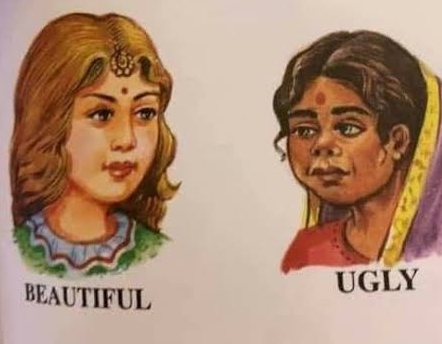
India’s hatred of dark skin, rooted in years of colonization, haunts naturally dark-skinned people there. While under British rule, white colonizers demeaned those with dark skin, favoring those with fairer skin. The British superiority in India showed the power struggle between the fair and the dark. As a result, even amongst Indians, those with darker skin were, and continue to be, looked down upon.

Darker skin represents a connection to the past and its traditions, while Westernization is considered to be modernization, creating a desire for pale skin. Fairness seems to equate to intelligence, power and beauty, leading many to try to achieve such skin.

Skin-lightening products, like “Fair & Lovely,” “Pond’s White Beauty” and “Lotus Herbals Whiteglow” are commonplace in Indian grocery stores, and make up an industry expected to be worth over $24 billion by 2027 globally. The media portrays lighter-skinned families in advertisements and TV shows, and Bollywood favors lighter-skinned actresses as the stars of films, creating an inaccurate ideal for Indians to look up to. This representation issue has been addressed more recently by many.

Yet, colorism might be most noticeable at the grassroots level. Comments from Indian relatives or acquaintances like “The bride is pretty, but dark,” “Oh, she’s so beautiful and fair!” and “She’s so dark, hopefully the baby won’t be as dark,” continue throughout the life of a “darker” Indian individual, and serve as microagressions pinning a negative connotation on those with a darker shade of brown.

This implicit bias has been internalized by Indian society and culture for decades. It does not outwardly show itself in the same way the United States’ prejudice systemically affects Black Americans, but it still accepts and normalizes the belief that lighter is better.

Colorism has led to very implicit discrimination that affects the greater society but also trickles down into everyday microagressions such as being told to drink saffron milk so your child doesn’t inherit the same dark genes you did, or that being pretty and dark is surprising or rare.

It’s a heavy burden and it’s not going anywhere anytime soon. And unlike the comments employed to “other” and homogenize South Indians, this shade of colorism is internalized and in some ways, more painful to deal with. After all, it’s not strangers who are trying to boost their own regionalist identity—but family members who honestly believe that if you were a shade or two fairer, you might be considered beautiful.

Campaigners standing up against the world’s bias towards lighter skin are fighting more than just bad medical practice and consumer habits. They are battling millennia-old preferences for lighter skin.

Colourism and skin lightening in India is a stellar case that shows us the need of using intersectionality to capture the depths of an issue. Our preference for light skin does not merely create beauty standards but also intersects with caste, class, and gender, and actually shapes the idea of womanhood in India. 

Mysteries (II)

Part one was : http://eduindexnews.com/2020/09/14/bermuda-triangle-and-other-mysteries/

• Indian rope trick

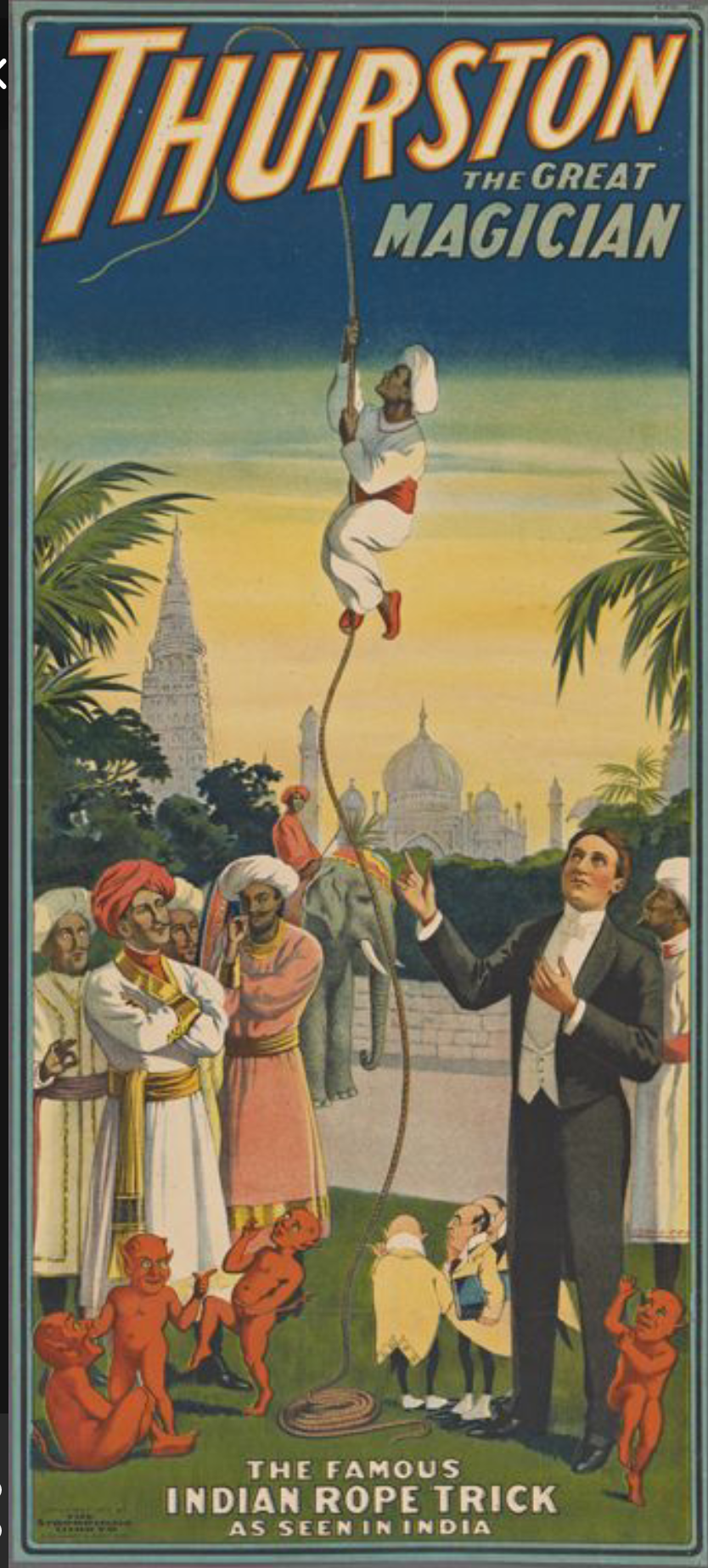
India is a land of countless mysteries that have puzzled the rest of the world. Perhaps the most enduring of these mysteries is that of the ‘Indian rope trick’. In the classic version of Indian rope trick, a rope is thrown into the air where it remains rigid. A young boy then climbs the rope, only to disappear at the top. The performer quickly follows him only to disappear when he reaches the top of the vertical rope! Shortly after, pieces of the boy’s body fall from the sky and land on the ground at the bottom of the rope. A few seconds later, the performer is seen climbing down the rope with a blood stained knife in his hand. On reaching firm ground, the performer utters a magic word and the rope falls limp to the ground. He then gathers up the pieces of the boy’s body and bundles them under a sheet. Within seconds, the sheet is lifted and the boy appears completely whole and unharmed! Travellers to India have described this amazing trick for over 600 years, but there is considerable doubt as to whether the trick is fact or fantasy.

• Shroud of Turin

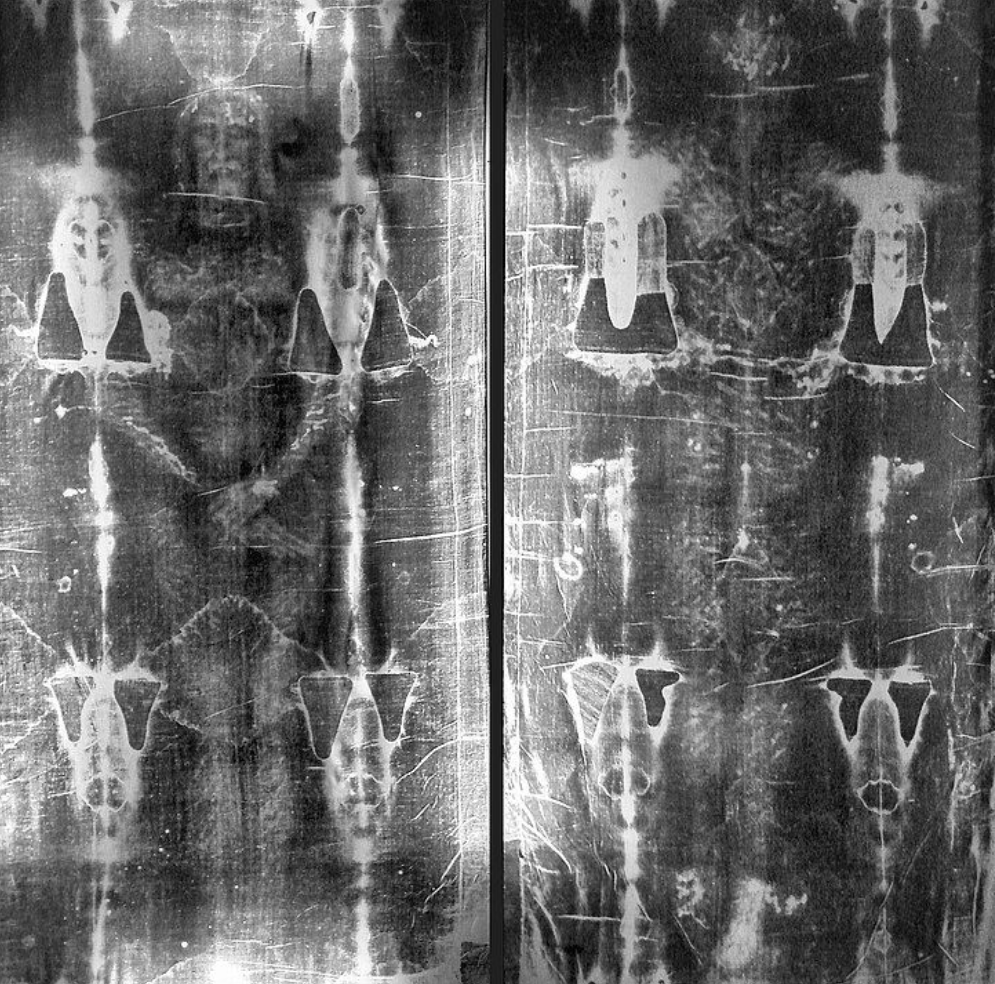
The shroud of Turin is reputedly the cloth in which Jesus Christ was wrapped and buried. The shroud is 4.34 meters long and it bears the image of a man with wounds similar to those suffered by Jesus Christ. The shroud is unquestionably old. Its history is known from the year 1357, when it surfaced in the tiny village of Lirey, France. Today, it is kept in a silver chest in the Cathedral of Saint John, the Baptist in Turin, Italy, where it has been since 1578.

Does the shroud really show the face of Jesus? No one really knows. Although, many scientists have expressed doubts about the accuracy of the image, millions believe it to be divine and it has been a religious relic since the middle ages.

• Loch Ness monster

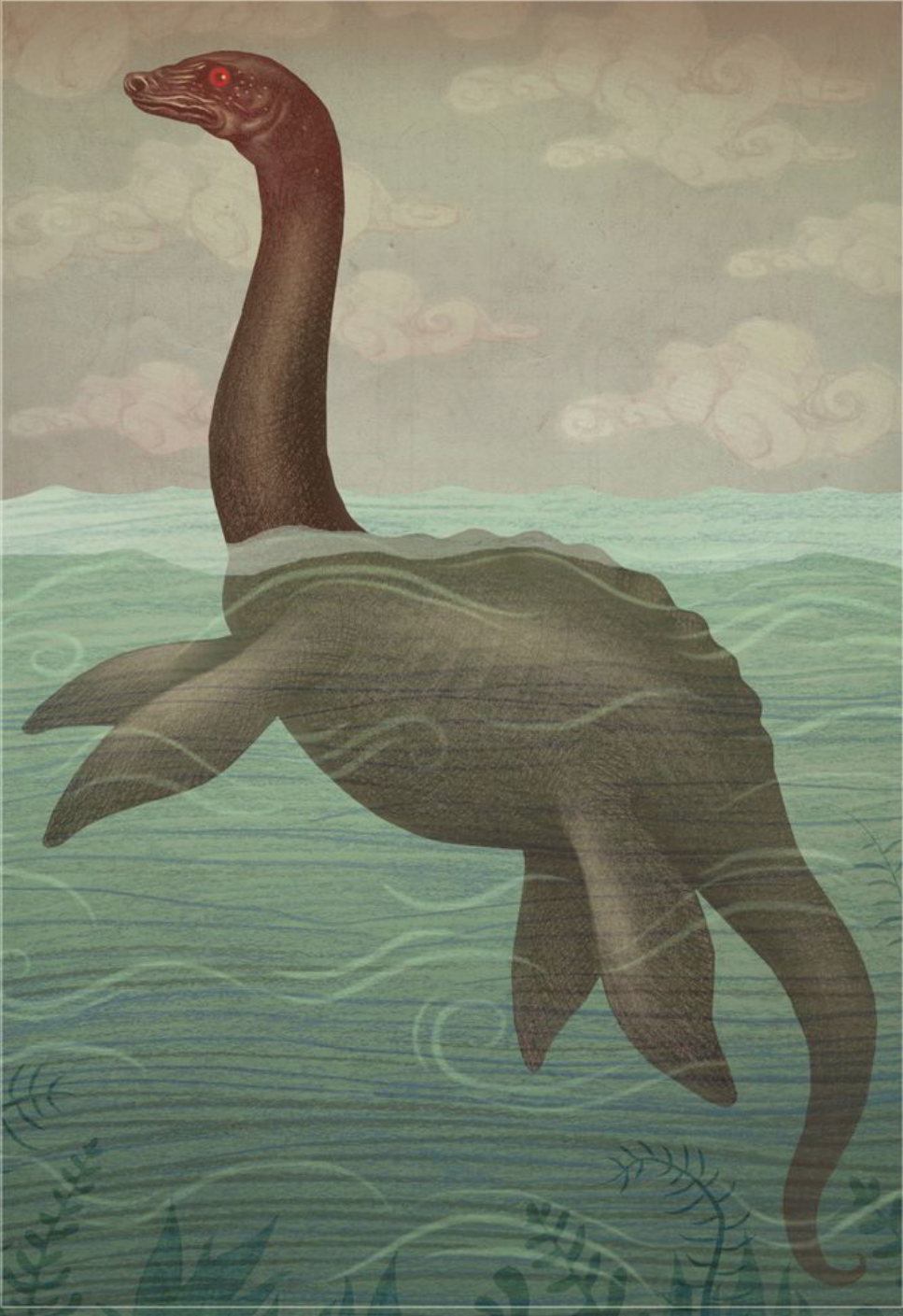
As far back as the 17th century, people have reported seeing a monster in the Loch Ness in Scotland. Loch means lake in Scotland. This is the largest freshwater lake in the UK. But, rather than being known for its size, it is famous for the mysterious legend of the Loch Ness monster or Nessie.

For thousands of years, people have reported catching glimpse of a huge creature. This creature is said to have a small head, a long neck and an immense body with flippers. Some people have shared photos they claim to have taken of this huge creature. The legend is so great that even scientists have been intrigued and many have conducted experiments and come up with theories to try and explain what people could be witnessing.

One explanation is that the monster could be a prehistoric creature called plesiosaur, an animal that has been considered to be extinct. Maybe one of these creatures managed to survive in the Loch Ness Lake, who knows?

Thank you for reading. Have a nice day!🌼

Indian Cuisine

Indian food is as diverse as India. Indian cuisines use numerous ingredients, deploy a wide range of food preparation styles, cooking techniques, and culinary presentations. From salads to sauces, from vegetarian to meat, from spices to sensuous, from bread to desserts, Indian cuisine is invariably complex. Harold McGee, a favourite of many Michelin-starred chefs, writes “for sheer inventiveness with the milk itself as the primary ingredient, no country on earth can match India.”

India is known for its love of food and spices. Indian cuisine varies from region to region, reflecting the local produce, cultural diversity, and varied demographics of the country. Generally, Indian cuisine can be split into five categories – northern, southern, eastern, western, and northeastern. The diversity of Indian cuisine is characterised by the differing use of many spices and herbs, a wide assortment of recipes and cooking techniques. Though a significant portion of Indian food is vegetarian, many Indian dishes also include meats like chicken, mutton, beef (both cow and buffalo), pork and fish, egg and other seafood. Fish-based cuisines are common in eastern states of India, particularly West Bengal and the southern states of Kerala and Tamil Nadu.

Despite this diversity, some unifying threads emerge. Varied uses of spices are an integral part of certain food preparations and are used to enhance the flavour of a dish and create unique flavours and aromas. Cuisine across India has also been influenced by various cultural groups that entered India throughout history, such as the Central Asians, Arabs, Mughals, and European colonists. Sweets are also very popular among Indians, particularly in Bengal where both Bengali Hindus and Bengali Muslims distribute sweets to mark joyous occasions.

Indian cuisine is one of the most popular cuisines across the globe. In most Indian restaurants outside India, the menu does not do justice to the enormous variety of Indian cuisine available – the most common cuisine served on the menu would be Punjabi cuisine (chicken tikka masala is a very popular dish in the United Kingdom). There do exist some restaurants serving cuisines from other regions of India, although these are few and far between. Historically, Indian spices and herbs were one of the most sought after trade commodities. The spice trade between India and Europe led to the rise and dominance of Arab traders to such an extent that European explorers, such as Vasco da Gama and Christopher Columbus, set out to find new trade routes with India leading to the Age of Discovery. The popularity of curry, which originated in India, across Asia has often led to the dish being labeled as the “pan-Asian” dish.

Regional Indian cuisine continues to evolve. A fusion of East Asian and Western cooking methods with traditional cuisines, along with regional adaptations of fast food are prominent in major Indian cities.

The cuisine of Andhra Pradesh and Telangana consists of the Telugu cuisine, of the Telugu people as well as Hyderabadi cuisine (also known as Nizami cuisine), of the Hyderabadi Muslim community. Hyderabadi food is based heavily on non-vegetarian ingredients while, Telugu food is a mix of both vegetarian and non-vegetarian ingredients. Telugu food is rich in spices and chillies are abundantly used. The food also generally tends to be more on the tangy side with tamarind and lime juice both used liberally as souring agents. Rice is the staple food of Telugu people. Starch is consumed with a variety of curries and lentil soups or broths. Vegetarian and non-vegetarian foods are both popular. Hyderabadi cuisine includes popular delicacies such as BiryaniHaleemBaghara baingan and Kheema, while Hyderabadi day to day dishes see some commonalities with Telanganite Telugu food, with its use of tamarind, rice, and lentils, along with meat. Yogurt is a common addition to meals, as a way of tempering spiciness.

Book Review- The Image of Man

The Image of Man is written by George Mosses. He was an eminent German-American historian, who specialised in the history of Germany, the rise of Nazism and Fascism and Jewish History along with the relationship between the Jewish and non-Jewish sections of German society through history. In this book, Mosse traces the contours of the evolution of the ideal of manliness and manhood in modern Western European society.

The ideal of masculinity was, according to Mosse, served the dual purpose of being both a positive stereotype and also a social function. It was the adhesive that kept the disparate pieces of post-industrial human society from falling apart and it did this by reconciling the desire for progress with the need for order. Order because of its balanced and harmonious appearance, and progress through its decisiveness, activeness, and virility.

Much like the notions of European Nationalisms and indeed the idea of European civilisation as conceptualised through the historiography of the late 19th and early 20th centuries, the ideal of manliness fused industrialising Europe’s reverence for the sophistication and greatness of Classical Greece with its faith in Christianity in general – in addition to what Max Weber called the ‘Protestant Work Ethic’ in particular– and pseudo-Darwinian notions.

The ideal male body symbolized a healthy, well-ordered society. The ideal male was virtuous, honourable, and merciful like a good Christian man should be. The ideal male was also strong and courageous, chaste and exercised self-control, much like the legendary men of yore from the epics. This ideal of man has lasted through the decades, evolving with the times but sticking to its core essence, and continues to remain the dominant idea of man today not just in the West, but also in other parts of a now increasingly globalised and westernised world. Mosse dates the appearance of this positive male stereotype to the time of the Napoleonic Wars.

Mosses’ analysis is subtle. He does not equate masculinity with the exercise of raw power. Few historians can equal his ability to discern what differentiates one country from another. Very few historians in the world can match Mosses’ depth of knowledge enabling him to pinpoint the differences within one country and among different countries. The book primarily deals with the situation in Pre-Nazi Germany, but also covers the situation in France, Italy, England and the United States to a lesser extent. The comparisons that Mosse makes are constructive. Why were nearly all Frenchmen considered honourable enough to duel, while in German only five per cent could give satisfaction? What distinguished the Italian fascist masculine ideal from its German counterpart? Mosse provides stimulating and convincing answers for these questions but does not consider America in any depth.

The outbreak of the First World War further entrenched the notions of martial fervour and strength as essential to masculinity. Young men were encouraged to fight the war and defeat the enemy, while conscientious objectors were looked down upon as effeminate weaklings or deviants who were parasites in society. The role of women in the construction of the ideal of man is not considered particularly significant, although not entirely absent. The book looks at institutions such as the military, schools, and clubs, which helped in shaping the manliness ideal, but fails to look into the home in any detail.