Students have the right to protest.

School students have led the way on climate protests in recent weeks and months, challenging the complacency of established politicians standing silently by while we move towards the point where it will be too late to reverse climate change.  

These students, who should be applauded for the courage and dedication to the biggest political challenge they are likely to face in their lifetime, instead face schools that have resorted to threats and punishment. In a number of cases, students have been threatened with or given after-school detention for taking part in local strikes, were marked as truant or even suspended.

Under-18s have the same right to free expression as anybody else, a right to seek, receive and impart information and ideas of all kinds. They also have the right to freedom of association and to freedom of peaceful assembly. These rights unquestionably include the right of young students to speak out and protest about climate change, the burden of which will fall most heavily on those who are the youngest among us today.

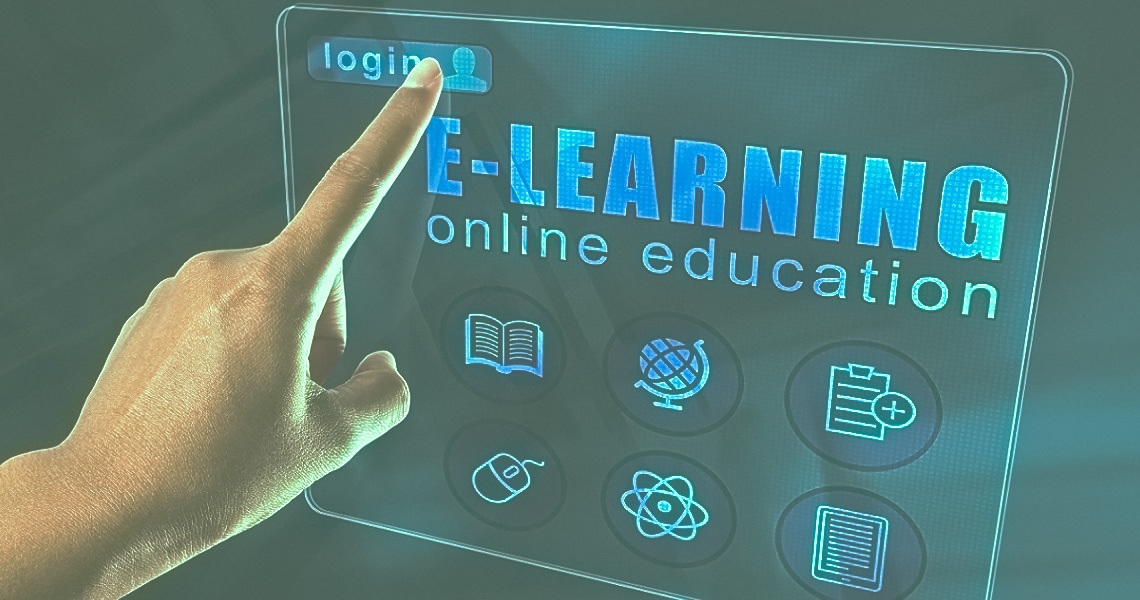
Online Education

Online Education

Online Learning is one of the trends now a days due to this situation. This mode of learning is done through the internet. With advanced and upgraded technologies, this mode of learning has been made simpler. It is also perferred in high education institution.

In this E-Learning Students study from home or any other place as they are comfortable and convenient for them. They can get learning Materials online like PDF’S, PPT, Articles… and so on. However this method has benefits and various drawbacks too. Usually we can see that this is suitable for ones who are not able to visit the traditional method approach.

Online education’s potential advantages involve increased educational access; it provides a high quality learning opportunity, improve, student outcomes and skills, and expands educational choice options. Therefore location , time and quality are no longer considered factors in seeking degree courses or higher education because of online eduaction.

Traditional Education

Traditional Education

Traditional Education model of classroom is one of the finest model for Education purpose. Because it is headed by the Class teacher. Students can easily understand the topics as they are taught and if they have doubt they can ask directly to the teacher and can solve their doubts.

Many factors play role in choosing a school because by that home-works related to that day tasks is also completed. One to one interaction is also important for students. So, that proper guidance can lead them proper path and they can also excel in Exam.

So we can say that Traditional Education is more beneficial than Online Mode Education.

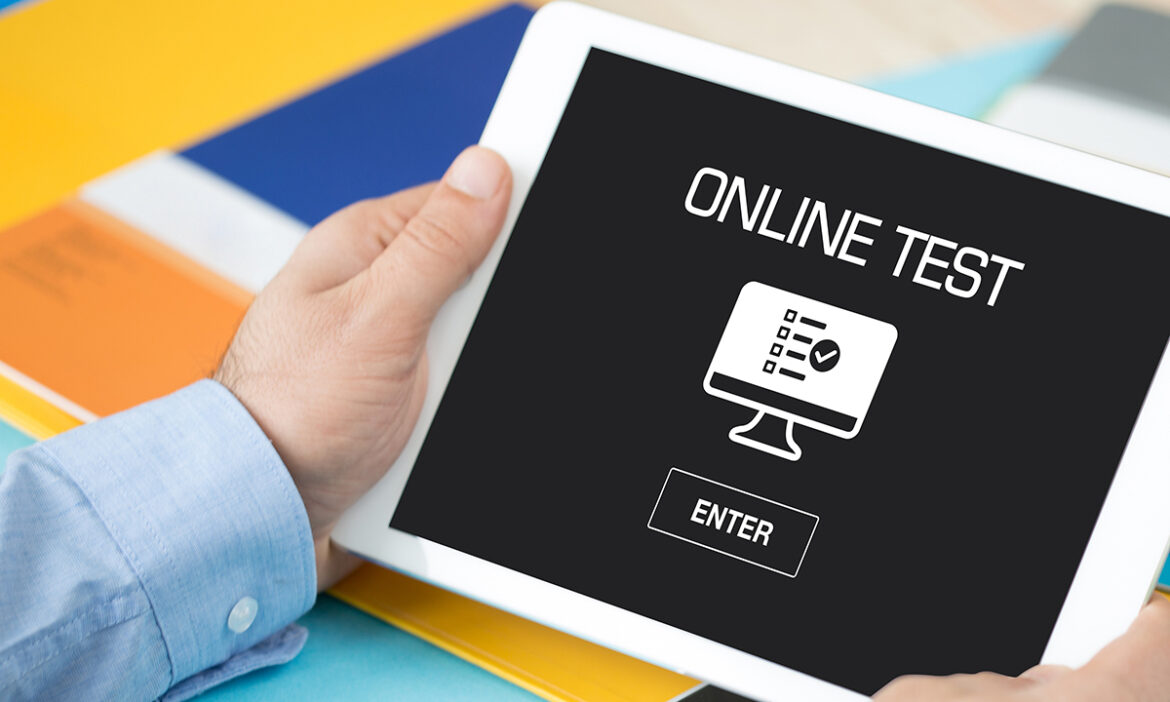
Online Examination: Advantages and Disadvantages

Advantages

  • Saves paper.
  • Saves time.
  • Saves Money.
  • More Secure.

Disadvantages

  • You have to keep in mind that your students will take the exam on their own device in their own time with nobody to Check up on them, so you have to alter your questions to provide for this situation. You have to ask questions which are not easily to be retrieved from books or the internet. Or you can add timer to each question so their is no time to search for the answer.
  • Open text questions are possible, but they don’t auto-grade, so you have to check them yourself.
  • An online exam system is a little bit more susceptible for fraud. So you have to keep that in mind if you setup your exam. Do you want to share the results immediately after the result? In that case you can setup a question bank to solve the issue of fraud. Handing out all questions & Answers of a question bank to students is ok. Because they have to learn all the questions & answers by heart. And when they’re done they master the material. Read more about proctored exams.

Moral education

The method of teaching moral values to students is universal. Teachers and parents have a key role in this. If a child misbehaves, it’s common for people to blame their parents and teachers for this.

Children usually tell lies for personal gains. Teachers should give proper guidance and advice to them. They are the student’s greatest inspirations.  The students always tend to look at their teachers as ideal ones. So teachers should be able to be a role model for them to imbibe moral values. Reading moral stories can also help in developing moral values.

Even students from refined and cultural families lose moral values if their companions and school environment are not proper.

Children should have a strong base of moral values.  Our curriculum must include the biographies of great personalities who followed the right path in life.

If effectively implemented, Moral Education will help learners with tools of judgment making and leading them to make effective decisions and choices. Therefore, the importance of moral education is vital and also it should be an integral part of the school and college curriculum,

Finally, moral values give us happiness, immense satisfaction and confidence to face life as it is. These values help to mold gentle humans who are beautiful in values and nature.

Grades never indicate intelligence.

Intelligence and effort is not something that grades can indicate. The fact that students who try are more likely to get good grades is somewhat of a blurring issue. It leads to the assumption that if all students try then all students will do well, and if all students do not try, then all students will fail. This is obviously untrue, and the matter of intelligence is not clear or easy to understand. There are clearly many ways of testing for intelligence, but relying on grades alone to judge somebody’s intelligence will not work.

Features of Education

Education empowers everyone. 

  1. Education helps in removing poverty. If a person is educated, he can get a good job and fulfill all the basic needs & requirement of his family.
  2. If you have a good education, you can serve your country well.
  3. For a safe & secure life, one needs to understand the value of education in our daily life.
  4. Trade & commerce of the country will also be flourished easily if its citizens are well-educated. Education helps to become self-dependent and build great confidence.
  5.  Good education helps to communicate better with other people. It also improves our communication skills such as speech, body language etc.
  6. Due to lack of education, many people suffer the hardships of discrimination, untouchability & injustices prevailing in the society. If all the people will be educated, they will be able to understand this better. Education is the most important ingredient to change the world.

How to procrastinate productively

If you’re anything like me, than you are the expert at procrastinating. You live and breathe last-minute assignments and you thriveunder the pressure of time crunches. You’ve survived countless essays and reading responses under the most harrowing of circumstances, the most stringent of 11:59’s. And the best (or perhaps, worst) part of it all is that you’re good at it. Nobody can tell you otherwise.

Well, as a fellow procrastinator, I’m here to do just that—tell you otherwise.

And as much I can say that I’m the best at studying (i’m not), old habits die hard. BUT, I have found a way that has worked so far, so here it is:

1. “Procrastinate” on bigger, more important tasks with smaller easier-to-do ones.

Often times, I’ll find that no matter how hard I try, I cannot bring myself to study that hard concept or read that looooong chapter I’ve been dreading all week. So I’ll do other tasks that’ll need to get done later anyway (like sending an email or even writing a certain blog post for a certain website…). The effects of this are two-fold: you’ll cross something off your to-do list and the very act of crossing said thing off to-do list (metaphorically or physically, your choice) will get the ball rolling for other, harder tasks. It’s all mind over matter. You’ll just start to feel more productive the more you get done.

2. Organize your study space/room/notes, etc.

Speaking of mind over matter, a cluttered desk is a cluttered mind. Taking out the trash or organizing your backpack are, once again, tasks that will need to get done sooner or later. Instead of wasting the time you should be spending studying on Netflix (or her lesser known but equally time consuming cousin, Pinterest), spend it organizing! If you haven’t already noticed the trend here, it’s all about maximizing your time with something productive, even if it’s not THE thing you’re procrastinating on.

3. If you just can’t get yourself to study, join something that’ll force you to.

If there is anything that I could forever imprint into the minds of my fellow Blue Jays, old and new, it’s to ENROLL IN PILOT!!!! Read that once, then go back and read it again. PILOT is a peer-led tutoring service that stresses group learning over individual learning. You’re not mindlessly studying things that, in the back of your mind, you know you won’t ever be tested on; you’re given problem sets that are (actually!) made by the professor. You’re led by a PILOT leader, someone that’s taken the class (and done well in it), who leads a group of you and your classmates to work through the problems together.

You can also try to eat while watching something, like a show or a movie. Remember it is absolutely okay to rest and procrastinate.

I hope these tips have helped, and that you, vis-à-vis me, feel a sudden urge to finish that thing you’ve been putting off. Whatever it is, good luck!

Thank you.

Importance of education in our society

Education is a tool which provides people with knowledge, skill, technique, information, enables them to know their rights and duties toward their family, society as well as the nation.  It develops the capabilities to fight against injustice, violence, corruption and many other bad elements in the society. Education gives us knowledge of the world around us. Education does play a very important role in the society, regardless which country or region of the world you’re living. India upholds Right to Education through the Constitution of India and its various amendments. Their aim is educating underprivileged sections of the Indian society and girls.  Education plays a very important role in the society of every nation. In fact, it’s the very basis for development of any society and country. One of the main reason is it decided social status. It’s no secret that highly educated people have better career and business options compared over those who’ve none or lesser education. An educated person is able to aptly distinguish between rights and wrongs. An educated person is an asset to the country. They also contribute significantly to the growth of the local economy of the state or region and the national economy as well. Education allows people to provide better lifestyle for their families. 

How can education improve your life?

Some people think that education is limited. They think that education is all about learning some limited subject and earn a certificate. These people are known as narrow-minded people. Education is life and We can improve our lives through the best education. Education is necessary to increase our opportunities to get a job. Also when you start your preparations for interview, you have to sure about your resume. Your resume have to be unique and perfect so it reflects your personality. When you have good skills, you will enhance your resume. Mental health is also important as physical health. We can improve mental health through learning something new or learning some new language. Every step you take will make you happy, you gain the confidence by taking actions and accomplishing your goals. We all should never stop learning. As life never stops, people should never stop learning. It creates new opportunities. Learning keeps your life going on. After all, you study and succeed, you can live on your own, no one can beat you when you are formative enough to gain work and live independently. So, education will be your solution to be independent. Education, not only, will improve your life, but also other’s lives. So keep it up and make a future better!

About Education

Education is the process of learning and improving knowledge, skills, values and habits. There are many educational methods include teaching, telling story, discussion, motivating etc. Education can take place in formal or informal. Formal education means it includes preschool, primary school, secondary school, higher secondary school and then college, university. formal education takes place in a school environment with classrooms of multiple students learning together. Each school system is different. They have many different choices like curriculum, about classroom, teaching staff, number of students etc. But I think that now a days education is very important for all. There is a important role of preschool and primary school. Proper and good education is very important for all of us. It facilitates quality learning all through the life among people of any age group, cast, creed, religion and region.

How to read more books

Photo by Pixabay on Pexels.com

As New Year’s Eve approaches, many people are thinking about their goals and resolutions for 2020. Reading more books is one of the most common resolutions. Maybe you didn’t read as many books as you wanted to this year. Maybe your TBR is getting out of control. Or maybe you read a lot this year, but want to do even better next year. Regardless, these tips to read more books will help you meet your reading goals in 2020.

The tips below will help you find ways to fit more reading into your schedule, prevent burnout, and reach your goals. Keep in mind that not everything works for everyone. Find inspiration in this list, but you don’t have to take all of the advice listed here to read more books. Remember that reading should be fun and interesting, not torture. That said, I hope this list helps you fulfill your reading dreams.

1. MAKE READING PART OF YOUR ROUTINE

The best way to consistently read more is to intentionally dedicate more time to reading. Seems easy, right? The best way to make sure you keep your reading resolution through the whole year is to integrate reading time into your regular routine. Wake up a little earlier each day and read while you drink your coffee, dedicate the half hour before bedtime to reading, or spend your lunch breaks with a book. As you make reading a regular part of your schedule, it will become an ingrained habit.

2. LEARN TO DOUBLE TASK

There are only so many hours in the day, right? But if you learn to double task, you double your hours. Read a book while you’re doing something else that doesn’t require your full attention. I like to read or listen to books while working out, cooking, cleaning, and even walking. Just save the really complex books for when you can give them your undivided attention.

3. ALWAYS HAVE A BOOK

When you have a book, you’ll never get bored. You’d be surprised how many moments in your day can be filled with reading if you have a book handy. Waiting for the bus, in line at the grocery, at the doctor’s office, even in a long elevator ride—all are perfect opportunities to squeeze in a few more pages. If you don’t like carrying around a physical book, I highly recommend carrying an ereader or having a reading app downloaded on your phone.

4. SET A GOAL

It’s much easier to read more books when you set a reading goal. With a goal in mind, you can stay motivated and make sure you’re staying on track to reach it. The Goodreads Reading Challenge is an excellent way to track your goal, as it can tell you how you’re doing and help you stay on schedule. But make sure the goal you set is attainable; it will only discourage you if you set a goal you aren’t able to reasonably reach.

5. READ WITH YOUR EARS

LISTENING TO AUDIOBOOKS IS NOT CHEATING. We all learn and retain information in different ways, and audiobooks are one of many ways to enjoy a good book. Audiobooks are amazing when it comes to multitasking. You can listen to an audiobook while driving, exercising, walking, and so much more. Plus it’s a great way to avoid eye fatigue when you’ve been reading a lot of print or ebooks. If you’re new to audiobooks or don’t know if they can work for you, I recommend starting with a memoir by a celebrity author you admire, like We’re Going to Need More Wine by Gabrielle Union. Alternatively, try a collection of essays or short stories that can be listened to in shorter bursts, like We Are Never Meeting in Real Life by Samantha Irby.

6. JOIN A BOOK CLUB

Book clubs are a great way to hold yourself accountable to your reading goal. First, scheduled book club meetings encourage you to finish a book by a certain date. Second, the social aspect of book clubs is a great way to feel more engaged in your reading and to discuss your thoughts with others. Third, books selected by a book club relieve some of the “what do I read next?” pressure that can keep you from picking up your next book. If you commit to a monthly book club, that’s 12 books toward your annual reading goal!

I hope these tips help you to reach your bookish goals!

Thank you.

Healthy habits for young people

Photo by Ella Olsson on Pexels.com

This article is part of a series aimed at helping you navigate life’s opportunities and challenges.

Staying healthy in your 20s is strongly associated with a lower risk for heart disease in middle age, according to research from Northwestern University. That study showed that most people who adopted five healthy habits in their 20s – a lean body mass index, moderate alcohol consumption, no smoking, a healthy diet and regular physical activity – stayed healthy well into middle age.

Weigh yourself often.

Buy a bathroom scale or use one at the gym and weigh yourself regularly. There is nothing more harmful to long-term health than carrying excess pounds, and weight tends to creep up starting in the 20s. It is pretty easy for most people to get rid of three to five pounds and much harder to get rid of 20. If you keep an eye on your weight you can catch it quickly.

Learn to cook.

Learning to cook will save you money and help you to eat healthy. Your focus should be on tasty ways to add variety to your diet and to boost intake of veggies and fruits and other nutrient-rich ingredients. As you experiment with herbs and spices and new cooking techniques, you will find that you can cut down on the unhealthy fats, sugar and salt, as well as the excess calories found in many prepared convenience foods. Your goal should be to develop a nutritious and enjoyable eating pattern that is sustainable and that will help you not only to be well, but also to manage your weight.

Cut back on sugar.

I suggest that young people try to avoid excessive simple sugar by eliminating the most common sources of consumption: 1) sugared soft drinks 2) breakfast cereals with added sugar and 3) adding table sugar to foods. Excessive sugar intake has been linked to obesity and diabetes, both of which contribute to heart disease. Sugar represents “empty calories” with none of the important nutrients needed in a balanced diet. Conversely, the traditional dietary villains, fat, particularly saturated fat, and salt, have undergone re-examination by many thoughtful nutrition experts. In both cases, the available scientific evidence does not clearly show a link to heart disease.

Live an active life.

While many people can’t find time for a scheduled exercise routine, that doesn’t mean you can’t find time to be active. Build physical activity into your daily life. Find a way to get 20 or 30 minutes of activity each day, including riding a bike or briskly walking to work.

​​Eat your veggies.

Nutrition science is complicated and debated endlessly, but the basics are well established: Eat plenty of plant foods, go easy on junk foods, and stay active. The trick is to enjoy your meals, but not to eat too much or too often.

Practice portion control.

My tip would be to not to ban entire food groups but to practice portion control. Portion control doesn’t mean tiny portions of all foods – quite the opposite. It’s okay to eat larger portions of healthy foods like vegetables and fruit. No one got fat from eating carrots or bananas. Choose smaller portions of unhealthy foods such as sweets, alcohol and processed foods. When eating out, let your hand be your guide. A serving of protein like chicken or fish should be the size of your palm. (Think 1-2 palms of protein.) A serving of starch, preferably a whole grain such as brown rice or quinoa should be the size of your fist. Limit high-fat condiments like salad dressing to a few tablespoons – a tablespoon is about the size of your thumb tip.

Adopt a post-party exercise routine.

If you engage in a lot of drinking and snacking, ensure you exercise a lot to offset all those extra calories from Friday to Sunday that come with extra drinking and eating. We found in a study that on Friday through Sunday young adults consumed about 115 more calories than on other days, mainly from fat and alcohol.

I hope you like these tips.

Thank you.

How to build resilience

Photo by Andres Ayrton on Pexels.com

Community resilience is always a characteristic of human communities, but what about you? When you turn your lens inward, how resilient are you?

So – we need each other to get through this strange, unsettling time. But, what about you? When you turn your lens inward, how resilient are you? Resilience is something that we are born with. Because of resilience, we learn to crawl, then walk, then run until we can finally skip and dance. Sometimes, however, our resilience muscle needs to bulk up. Here are a few tips for building individual resilience in times of stress.

1. Be Self- Compassionate

Resilience allows you to bounce back from a challenge. The first step is to recognize that what you’re experiencing is challenging. Give yourself permission to say, “This is hard.” “This is scary.” “I’m really worried.” Next, remind yourself that it’s ok to feel the way you feel. Now take a deep breath and remind yourself that this is a moment in time and for this moment, you will allow yourself to feel.

2. Be Flexible

When life doesn’t go as planned, flexibility allows us to form a “Plan B”.  As you go about your new normal, you’ll probably experience moments of deep frustration. These are the times that flexibility is most important. Allow yourself to relax previously held standards that don’t make sense in the present. Apply your creativity to solve problems that crop up. Adapt your responses to others with an awareness of their own level of stress. Flexibility will help you navigate whatever lies ahead.

3. Reframe Frustrations

Resilience has a lot to do with your mindset. People who are able to detect good, even in difficult situations, tend to be more resilient. For example, when kids are together all day long, there are bound to be disagreements and tears. The silver lining is that there is now time and opportunity to teach kids how to solve problems. You’ll not only have time to teach this, but kids will have time to practice these skills. So, when you bump up against a frustration, reframe it so that you can see the positive aspects of the situation.

4. Exercise

There are three types of human energy – emotional, mental, and physical energy. And physical energy is the most important. When physically drained, we’re more emotionally reactive, our thinking is clouded and our judgement is impaired. Exercise builds physical energy. Take time in your day to exercise even if you’re not used to exercising.  A simple walk around your neighborhood or a park will shore up your physical energy, allowing you to apply emotional and mental energy to the stressors that you’ll encounter during the day.

5. Sleep

Brain cells are cleansed and recharged during sleep. Sleep deprivation will slow down cognitive function and increases emotional reactivity. Binge-watching Netflix into the wee hours may be a good way to escape reality for a while. However, lack of sleep will reduce your ability to be resilient at a time when resilience is essential. So, set a schedule that includes time for relaxing before sleep. High quality sleep will sustain the energy you’ll need to be resilient every day.

I hope these tips help you.

Thank you.

Side Hustles for students

Photo by Andrea Piacquadio on Pexels.com

You may be spending most of your time studying (right?), but as a college student, you can never have enough pocket money! After all, there are an endless amount of coffees to buy in the campus cafe, ski trips to go on, and dates to pay for. But since few college students have the time to take on a full-time job, we’ve found 30 side hustles just perfect for busy (and broke!) college students.

1. Sell Stock Photos

Websites, book covers, brochures and just about anything else you can think of often use stock photos to spice up their product with images. College students who are avid photographers can sell their photos to websites like Shutterstock, who will sell them and provide the student with a commission. Go all out and pose various photos using friends as models, or simply sell photos of random objects, scenes, and experiences.

2. Start a Part-Time Photography Business

If photography is your thing, don’t just stop your side hustle at stock photos. Start a part-time photography business in your town or city! Put together a portfolio, then advertise your services to local families and your fellow students. The best part is you can choose not only your own prices but your own hours.

3. Deliver Anything Else Someone Might Need

If food isn’t enough, there’s even a market for the delivery of other things (think files and documents, groceries, and school supplies). To get on board this perfect side hustle, check out the website for Postmates. You can deliver on your own schedule using your car, bicycle, or even your own feet.

4. Start Your Own Etsy Business

College students who have a little extra time and some artistic talent can make a tidy little income with an Etsy business. Simply start your profile, then sell your homemade greeting cards, baby girl bows, crocheted scarves, or just about anything else you can think of. Not so crafty? That’s okay. Shop around for treasures at local garage and estate sales, then sell your most interesting finds on your Etsy page.

5. Become a Freelancer

More and more people are making their living as freelance writers — that is, creators of website content. If you are able to write well (or illustrate, code, or graphic design), check out Upwork, a website which connects freelancers with those who need work done. Writers can apply for each project individually, choosing their own rates and working to complete the project on their own schedule.

6. Become a Tutor

Are you especially talented at math, chemistry, French, or another subject that tends to stump others? If so, consider offering your own tutoring services! Parents want their children — whether in elementary school or in college — to succeed, and often pay big bucks for tutoring services. Be aware that this side hustle requires not only a true knowledge of a subject, but also a knack for teaching. If you can handle those two elements, then choose your hourly rate and get started!

I hope you like these ideas.

Thank you.