

Nowadays, we always hear about child abuse and there are many children being abused every year. There are many different from of abuse and many people do not realize them. They included, physical emotional, neglect and sexual abuse. Child abuse is when someone, whether through action or failing to act, causes injury, death, emotional harm, or risk of serious harm to a child.
A problem that is only beginning to come into light in India rape, sexual abuse, and sexual harassment are worldwide issues of gender violence. There is very little research done in this area in India and only a few books have been written.
Every year more than 3 million reports of child abuse are made in the United States. It’s a terrible epidemic that we at Childhelp are dedicated to put an end to. To do this, we need to first increase awareness of the issue itself.
First of all, let’s go to the physical abuse. Physical abuse of a child is when a parent or caregiver causes any non-accidental physical injury to a child. There are many signs of physical abuse.
Physical abuse includes striking, kicking, burning, biting, hair pulling, choking, throwing, shoving, whipping or any other action that injures a child. Even if the caregiver didn’t mean to cause injury, when the child is injured it is abuse. Physical discipline from a parent that does not injure or impair a child is not considered abuse; however non-violent alternatives are always available.
Physical abuse can result in:
●Bruises, blisters, burns, cuts and scratches
●Internal injuries, brain damage
●Broken bones, sprains, dislocated joints
●Emotional and psychological harm
●Lifelong injury, death.
Next, we proceed to the sexual abuse. Sexual abuse occurs when an adult uses a child for sexual purposes or involves a child in sexual acts. It also includes when a child who is older or more powerful uses another child for sexual gratification or excitement.
After that, we go to emotional abuse. When a parent or caregiver harms a child’s mental and social development, or causes severe emotional harm, it is considered emotional abuse. While a single incident may be abuse, most often emotional abuse is a pattern of behavior that causes damage over time.Child emotional abuse can be refereed to as a pattern of behavioral that impairs a child emotional development or sense of self worth. This may include constant criticism, threats or rejection as well as withholding love, support, or guidance. Emotional maltreatment is rarely manifested in physical signs. A few physical indicators of emotional maltreatment are speech disorders, lag in physical development and failure-to-thrive syndrome. The behavioral characteristics of emotional maltreatment are habit disorders, conduct disorders neurotic trait psycho-neurotic reaction behavior extremes (passive, aggressive, rigid reserved, demanding stubborn), and lag in emotional and intellectual, and attempted suicide. Four important causes emotional abuse are poverty, deficient parental control and non cordial relations within family, maltreatment faced by parents in their child hood or inter generational transmission of child maltreatment, and alcoholism of parents. A significant proportion of abusing parents were themselves abused as children
Signs of emotional abuse in parent or caregiver:
●Routinely ignores, criticizes, yells at or blames child
●Plays favorites with one sibling over another
●Poor anger management or emotional self-regulation
●Stormy relationships with other adults, disrespect for authority
●History of violence or abuse
●Untreated mental illness, alcoholism or substance abuse.
Last but not least, we proceed to neglect. Neglect is defined as a type of maltreatment that refers to the failure to provide the needed age. Neglect can be in physical and educational. Physical neglect included not providing food or clothes, appropriate medical care and not proper weather protection such as protection from rain and heat from sun. While educational neglect included failure to provide appropriate schooling or special educational needs and not allowing excessive truancies.
In sum, rape and sexual abuse of children in India is a large problem without an easy solution. Though the issue persists worldwide, India’s culture which traditionally keeps women below men, makes talk of private matters such as such unallowable, and a corrupt and weak legal system when it comes to rape makes the problems even larger. However, the situation could be improved by appropriately educating children and adults on sexual abuse, and educating police and strengthening laws. Further women’s empowerment may lead to healthy changes as well.
While child abuse and neglect is a significant public health problem, it is also a preventable one. In order to protect children from this situation, it is necessary to develop preventive programs, to raise awareness of their families-teachers-community and to make legal arrangements.
As the conclusion, prevent is better than cure. Child abuse leads to many bad effects not only for children that are being abused but also the person who abuse the children. We should prevent it from getting worse as the children today will be a leader for tomorrow.
Day: June 22, 2021
Machine learning technology.

Machine learning is associate application of computer science (AI) that has systems the flexibility to mechanically learn and improve from expertise while not being expressly programmed.
Machine learning focuses on the event of pc programs that may access information and use it to be told for themselves.
Some Machine Learning strategies,
- supervised machine learning algorithms
- unattended machine learning algorithms
- Semi-supervised machine learning algorithms
- Reinforcement machine learning algorithms
Supervised machine learning algorithms:
✓ It will apply what has been learned within the past to new information. examples:To predict future events.
✓ The system is ready to produce targets for any new input when comfortable coaching.
Unsupervised machine learning algorithms:
✓ It used once the knowledge accustomed train is neither classified.
✓ The system doesn’t discern the correct output, however it explores the info and may draw inferences from datasets to explain hidden structures.
Semi-supervised machine learning algorithms:
✓ It fall somewhere in between supervised and unattended learning, since they use each labeled and unlabeled information for coaching.
✓ Usually, semi-supervised learning is chosen once the noninheritable labeled information needs sure-handed and relevant resources so as to coach it .
Reinforcement machine learning algorithms:
✓ it’s a learning methodology that interacts with its atmosphere by manufacturing actions and discovers errors.
✓This methodology permits machines and code agents to mechanically verify the behavior at intervals a particular context so as to maximise its performance.
Machine learning allows analysis of large quantities of knowledge. whereas it usually delivers quicker, a lot of correct ends up in order to spot profitable opportunities or dangerous risks, it should additionally need overtime and resources to coach it properly. Combining machine learning with AI and psychological feature technologies will create it even simpler in process giant volumes of data.
An Insight on Kashmir

From its snowy mountains to its calm lakes, from pashminas to its delightful apples Kashmir has captivated each and every one with its breathtaking beauty. Indeed, its beauty is unearthly rather it’s the glimpse of that heaven on the seventh sky. But to me, it’s like that extremely beautiful, innocent girl whom every eye desires, from whom all know how to take but none knows how to give. To me, Kashmir is that lovely yet helpless girl who has been captured and exploited over and over again by her cold-blooded admirers. In the end, she gets rewarded with compliments for her beauty but her pain is left uncared for.
In 1947, India achieved its Independence from the British after 200 years of their colonial rule. But the independence didn’t come easy because with it came partition. The subcontinent split into two, an Islamic Pakistan and a secular but predominantly Hindu India. While the subcontinent was in the throes of the birthing of the nations, Kashmir, a princely state was confused. Being a Hindu king with a Muslim majority state Hari Singh was not able to decide. Should he accede to one of the new nations or stay sovereign. With no decision from Maharaja, impatient Pakistan launched the operation Gulmarg through which it occupied a part of Jammu and Kashmir which today is known as Azad Kashmir in Pakistan or PoJK as called by India. As a consequence of this Kashmir acceded to India in October 1947 on the conditions of having autonomy and a promise of a plebiscite in the coming years. Fast forward, the autonomy is gone and plebiscite is yet to happen.
Kashmir is one of the most disputed places on earth. For 70 years it’s been at the centre of three wars fought between two massive armies. The land of Kashmir has come a long way travelling the paths of struggle brimming with a long history of constant militancy.
Pakistan argues that being a Muslim majority territory Kashmir rightfully belongs to them while India insists that Kashmir was handed over to them by the Hindu monarch so they double downed and added Kashmir to their constitution. But in this Indo-Pak rivalry what really at stake is the voice of Kashmiris who are caught in a vicious cycle of violence. The territorial dispute has only gifted the legacy of a constant struggle for peace to the Kashmiri people. Many live their entire lives through this conflict, born and died under a curfew.

The heart of Kashmir can be contained with two perceptions; the alleged rivalries of religious identities. One of the most tragic happenings in the history of Kashmir was the 1990 Exodus of Kashmiri Pandits. Thousands of Kashmiri Pandits became victims of communal violence and were forced to leave their homeland. According to Kashmiri Pandit Sangharsh Samiti, more than 70,000 families fled between 1990 and 1992. The flight continued till 2000. The KPSS has placed the number of Kashmir Pandits killed by militants from 1990 to 2011 at 399. Many of the Kashmiri Pandits have been living in the refugee camps of Jammu to date. The nature of the exodus has remained controversial. The Kashmiri Muslim view of the exodus is that the then governor Jagmohan encouraged Kashmiri Pandits to depart the Valley and thus gave a communal colour to what was until then a non-religious Kashmiri cause. However, the Kashmiri Pandits believe that The Kashmiri Muslims with whom they had lived amicably for centuries drove them out of their homes with vengeance. The truth, many commentators have concluded may lie somewhere in the middle. But the question you need to ask yourself is, does this tragic happening of the past justifies the human rights violations of the many Kashmiris by the Indian State till now. You can’t use the Kashmiri Pandit exodus to overshadow the collective Kashmiri struggle for identity and self-determination. The abuses range from mass killings, enforced disappearances, torture, rape and sexual abuse to political repression and suppression of freedom of speech. Thousands of Kashmiri civilians and suspected insurgents have been killed by the Indian security forces in custody, extrajudicial killings, fake encounters and enforced disappearances.
In an incident of July 18, 2020, three Kashmiri youth who were alleged to be militants were killed in an encounter. A recent investigation revealed that an Indian army captain along with two others staged the encounter of the three boys who were actually labourers to receive a reward of around $30,000. These human rights violations are said to be carried out by Indian forces under total impunity. Indian authorities use the Armed Forces Special Power Act (AFSPA) to avoid holding its security forces responsible for the deaths of civilians. Pellet guns- a weapon meant to be deployed for crowd control have been responsible for blinding, killing and traumatizing people in Kashmir.

Kashmiri women are amongst the worst sufferers of sexual abuse in the World. Due to the impact of conflict and uncertainty in the territory, many people suffer from various psychological problems and post-traumatic disorders. Kashmiri women are reportedly said to be highly prone to suicidal tendencies. The incident of Kunan-Poshpora in the Kupwara district is a descriptive account of the horrors inflicted by the armed forces on Kashmiri women. The victims still await justice. Amidst these abuses, access to justice is unlikely in Kashmir. The way justice is denied systematically and how the corporate media of India fails to cover these incidents is a critical crackdown on the democracy of Kashmir.
This is the main concern, people still engage with the institutions only to realize that the establishment, on most events, can’t provide them justice, not because they cannot but because they do not want to.
With this Kashmir remains an open-air prison, leaving people with no control over their lives. While some say Kashmir should go to India and others say Kashmir belongs to Pakistan, Kashmiris seek a democratic right to be recognized.
The story of Kashmir has numerous narratives to it. One is of the 18-year-old boy who turns to militancy as a result of humiliation and oppression, another is of a mother who isn’t even aware if her son is dead or alive, of a wife whose husband’s disappearance leaves her as a half-widow, of a Kashmiri Pandit who hasn’t returned to his home since 30 years, of a stone pelter who believes that he isn’t throwing stones at soldiers but at the occupation of Kashmir and then comes the narrative of the arm-chair activists from India and Pakistan sitting in their comfortable sofas with their high-speed 4G internet giving opinions about something which hasn’t affected them at all.
In a world full of revenge and malice, humanity seeks forgiveness. More than a territorial dispute, Kashmir is a dispute of right and wrong, freedom and human rights. Between this tussle of right and wrong, paradise has been lost.
Since all conflicts come from the notion of right and wrong and which is a variable notion it’s always possible for one to have an opinion and still have compassion for someone who has a different opinion. There are always different perspectives about right and wrong but at the end of the day, everyone wants one simple thing, to love and to be loved.
human resorce management
Human resource management (HRM or HR) is the strategic approach to the effective and efficient management of people in a company or organization such that they help their business gain a competitive advantage. It is designed to maximize employee performance in service of an employer’s strategic objectives.[1][need quotation to verify] Human resource management is primarily concerned with the management of people within organizations, focusing on policies and systems.[2] HR departments are responsible for overseeing employee-benefits design, employee recruitment, training and development, performance appraisal, and reward management, such as managing pay and Employee benefits benefit systems.[3] HR also concerns itself with organizational change and industrial relations, or the balancing of organizational practices with requirements arising from collective bargaining and governmental laws.[4][need quotation to verify]
The overall purpose of human resources (HR) is to ensure that the organization is able to achieve success through people.[5] HR professionals manage the human capital of an organization and focus on implementing policies and processes. They can specialize in finding, recruiting, training, and developing employees, as well as maintaining employee relations or benefits. Training and development professionals ensure that employees are trained and have continuous development. This is done through training programs, performance evaluations, and reward programs. Employee relations deals with the concerns of employees when policies are broken, such as cases involving harassment or discrimination. Managing employee benefits includes developing compensation structures, parental leave programs, discounts, and other benefits for employees. On the other side of the field are HR generalists or business partners. These HR professionals could work in all areas or be labour relations representatives working with unionized employees.
HR is a product of the human relations movement of the early 20th Century, when researchers began documenting ways of creating business value through the strategic management of the workforce.[6] It was initially dominated by transactional work, such as payroll and benefits administration, but due to globalization, company consolidation, technological advances, and further research, HR as of 2015 focuses on strategic initiatives like mergers and acquisitions, talent management, succession planning, industrial and labor relations, and diversity and inclusion. In the current global work environment, most companies focus on lowering employee turnover and on retaining the talent and knowledge held by their workforce.[citation needed] New hiring not only entails a high cost but also increases the risk of a new employee not being able to adequately replace the position of the previous employee. HR departments strive to offer benefits that will appeal to workers, thus reducing the risk of losing employee commitment and psychological ownership.
Internet of things
The technology called internet of things, a tech section with a zany name, can be a much fascinating thing for technophiles. Because this booming sector has a lot of opportunities for growth both economically and technologically, equally for the country and the individual.
What’s Internet of things? The answer is simple. What’s internet, the global system of interconnected computers. In the similar way internet of things is also a network of interconnected physical objects -a.k.a. things, that are implanted with sensors, software and other technologies which will help them to connect and exchange data with each other. And the term was coined by Kevin Ashton, a British technology pioneer in 1999.
The prime role is of the sensor. They are embedded in all physical devices like refrigerator, an air conditioner, a barcode, or a car as well. These sensors continuously vent data about the working states of the device. All this data is dumped in a common platform provided by the IOT which also provides a common language for devices to communicate with each other. The data collected is sent to IOT security and this platform integrates the collected data and performs the analytics and extracts a valuable information about the device. This information is shared between all other connected devices. For example, the sensor in your AC collects the data about the performance of the device, emits it which is collected by IOT and from which a result about the devices is extracted. This result is shared to your smartphone which is connected with the AC and you can easily access information about your device`s state.
Arrival of cheap computer chips and omnipresence of wireless network made the conversion of anything into an IOT possible, from a pill to an aeroplane. Now anything that can have a sensor introduced can become an IOT device. The automated switches of lights, a self-driving car, a smartwatch or fitness bands are all IOT devices. ATMs are one of the old IOT device. But a conventional smartphone or a PC is not an IOT. Because a device which you would not expect to have internet connection and can communicate with the network independently is included in this category.
The industry of IOT will contribute a lot to the economic growth. McKinsey report says that 127 new IOT devices connect to the internet every second and it may produce an economic value of $11 trillion by 2025. A research organization called Zion states that $53 billion growth will be shown by the smart house automation market. The number of IOT connected devices will grow to 50 billion by 2030 as estimation.
India also shows a significant growth in IOT sectors. India’s investment in IOT sector is projected to reach $15 billion by 2021 from $5 billion on 2019 and this estimation is given by zinnov report. The companies like TCS, Infosys, HCL tech, LTI, Wipro, Tech Mahindra, Mindtree and may other are involving into the IOT sector. There are 154 industrial suppliers of IOT in India. And initiatives like smart manufacturing and smart cities will make India one of the best IOT ecosystem in the world.
The IOT sector has more opportunities and high salary compared to IT sector because it’s a new field and there are less skilled professionals. Median salary of an IOT professional is 15.2 LPA and that of IT professional is 8.65 LPA. According to talent supply index, 304% increase in the demand for IOT professional between 2014 and 2017 is observed. IOT India salary study of 2017 mentions that salary of IOT professionals is 76% higher than that of IT professionals.
Despite of all the comfort and benefits of the IOT there are some serious concerns about the security of the consumer data and botnet attack. There will also be a problem of device management at the individual level and also lack of user knowledge impacts the system. There are also concerns about the impacts on nature from this technology. But how much growth will this self-aware device technology will attain is a matter of time.
47th G7 Summit

This year marked the 47th year of the G7 summit, which was held in Cornwall, United Kingdom. Earlier the 46th edition of the G7 summit was cancelled due to the Covid-19 pandemic. Group of Seven or G7 is the group of seven major advanced nations. It is an inter-governmental political group. It was formed on 25 March 1973 under the Library group. This year it was held between the 11th to 13th of June 2021.
Member countries of the G7 include the United States of America (USA), United Kingdom (UK), Canada, France, Germany, Italy, Japan, and the European Union (EU). The European Union is not majorly a part of the Group of Seven, but it is a welcome participant in all the meetings and decision making since 1981. These nations were represented by either their Prime Minister or President or Chancellor. The United States was represented by its President Joe Biden, alongside France’s President Emmanuel Macron. Canada, Italy, Japan was represented by their Prime Minister Justin Trudeau, Mario Draghi and Yoshihide Suga, respectively. Whereas Germany on the other hand was represented by its Chancellor Angela Merkel. European Union was represented by its President Ursula von der Leyen, who has been representing it since the start of the 38th edition of the G7 summit.
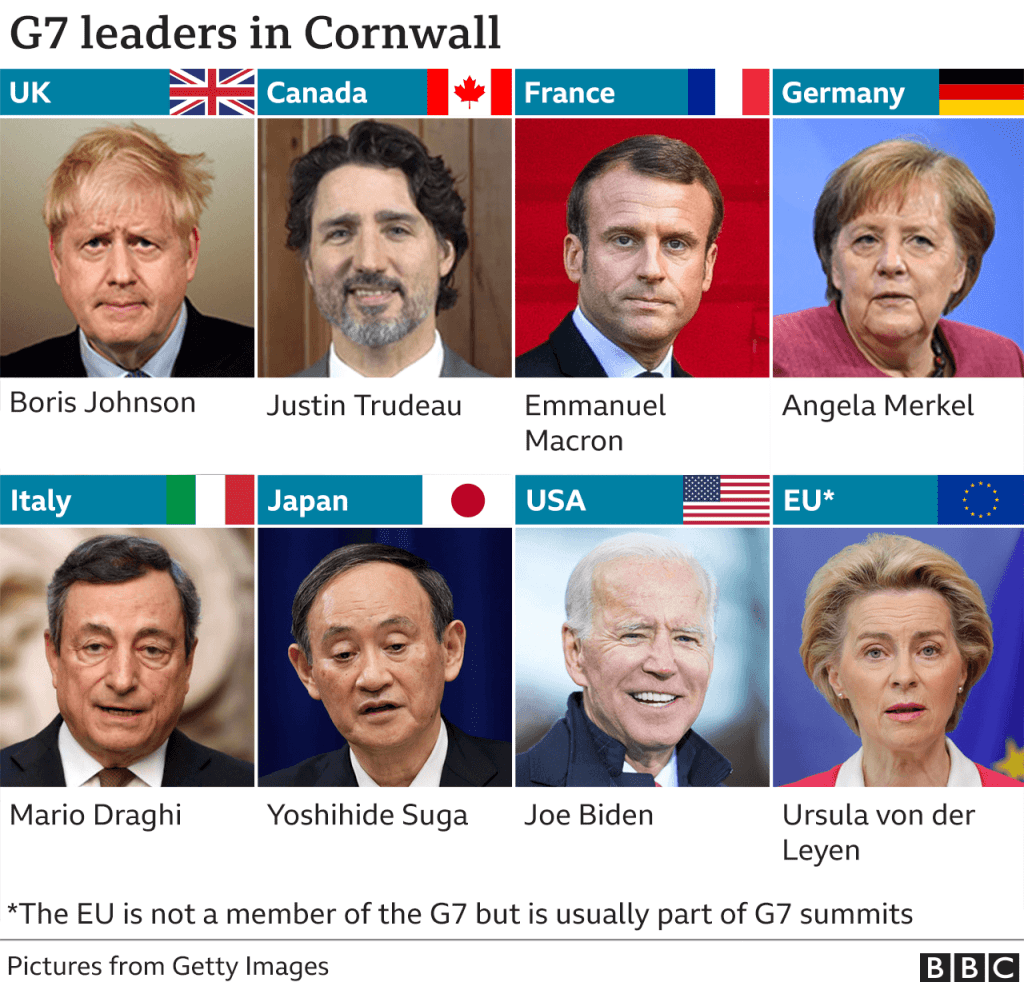
This year’s G7 summit also had its guest nation in the form of Australia, India, South Korea, and South Africa. Australia was represented by its Prime Minister Scott Morrison, India by Prime Minister Narendra Modi, South Korea by President Moon Jae-In and South Africa by President Cyril Ramaphosa. Antonio Guterres, Secretary-General of the United Nations also attended the Summit.
The agenda of this 3-day summit included the ongoing Covid-19 Pandemic and climate change. Various other agendas include the international coordination on economic policies, digital currencies, and the peace for Taiwan Strait. Japanese Prime Minister also stated Japan’s determination to host the Tokyo Olympic and Paralympic games.
China, on the other hand, reacted negatively to this summit. China accused the group of “meddling, lies, and false accusations”. China also denounced the group’s support for the violent Hong Kong protest and Uyghur militants in the Xinjiang region. A Chinese spokesperson from the embassy in London also stated its reaction to the Taiwan Strait saying, “The days when global decisions were dictated by a small group of countries are long gone.”
Profit or loss prior to incorporation for a corporate
When a running business is taken over from a date prior to its incorporation/commencement, the profit earned up to the date of incorporation/commencement (incorporation, in case of private company; and commencement, in case of public company) is known as ‘Pre-incorporation profit’.
The same is to be treated as capital profit since these are profits which have been earned before the company came into existence. In short, the profit earned after the date of purchase of business is called ‘Post-incorporation or Post-acquisition profit’ and the profit earned before the date of purchase of business is termed as ‘Pre-incorporation profit’.
Thus, any profit/loss made before the incorporation is known as “Profit (Loss) Prior to Incorporation” which is treated as a capital profit and the same cannot be distributed as business profit. Hence, it cannot be distributed by way of dividend.
The same is to be transferred to Capital Reserve or may be adjusted against Goodwill. “Loss prior to incorporation” is treated as a capital loss and, hence, the same is shown under the head “Miscellaneous Expenditure” in the assets side of the Balance Sheet.
A Profit and Loss Account is prepared at the end of the year and thereafter the profits (or losses) between the two periods are allocated:
(i) From the date of purchase to the date of incorporation or pre-incorporation period;
(ii) From the date of incorporation to the closing of the accounting year or post-incorporation period.
How systemic poverty is poisoning children
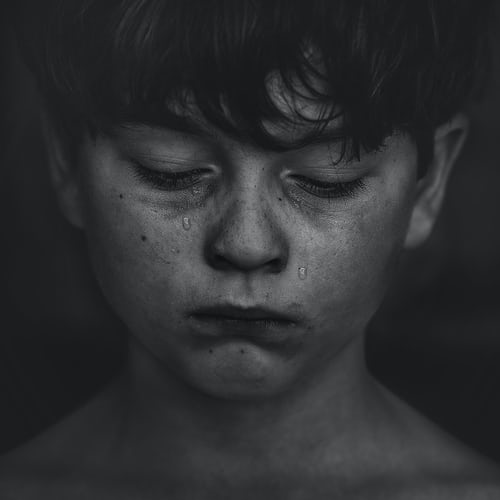
The Citarum River is the longest and largest river in West Java, Indonesia.Today it is known as the most polluted river in the world. When a group of journalists went to find out how this happened, the textile industry was found to be the culprit. The river water was severely polluted because the textile factories were mindlessly releasing their waste without any treatment. The amount of lead found in the water could permanently decrease the IQ of young children. Yet the same water was used to cook, clean and even water the paddy fields. This is what we call systemic poverty.
Let’s talk about india. India’s solid waste management system has two main factors causing the corruption & tipping fees and truck fee.Because of both these factors the people involved in this system do not want it to change. In fact they want the opposite. More garbage means more money for them.There is no incentive for change and betterment.From both these stories, what I want to highlight is that our system is poorly designed and is just a tool for people to profit off of .
Individual action is important but it’s also limited. I often see Greta Thunberg receive a lot of flak for protesting so much. But these people have failed to notice how she has started the biggest grassroots movement in climate history. Big companies are forced to change their ways and their unethical ways are exposed. Of course they are changing not because they are concerned about the planet but because they are concerned about the customers,but that is okay. We need systemic change and that is of utmost importance. We must hold our representatives accountable for these changes and not let them gaslight us into thinking that this garbage catastrophe is only taking place due to citizens.
The reason why citarum is the biggest example of systemic poverty is that despite major brands like H&M , Zara being responsible for the destruction , none of them are facing any charges. The innocent children are.
mental health for students
Mental health awareness is an important issue for all educators, who are often the first line of defense for their students. Education professionals have recognized the impact that a student’s mental health has on learning and achievement, and they realize that there’s a great deal that can be done to help students with mental health issues. As a high school teacher with more than 23 years of experience, I welcome the fact that mental health awareness is finally becoming an important part of a school’s function and curriculum.
Seeing the Signs in My Student
A few years ago, a student in my senior class changed drastically in a short period of time. I noticed that Melina no longer did her homework, and she didn’t even try on her essays. Previously meticulous in her appearance, Melina would come to school disheveled, wearing the same clothes. When I tried to speak to her, she was uncharacteristically distant and withdrawn. Because I had some training in mental health awareness, I knew Melina was in some sort of trouble.
Luckily, my school had social workers on staff who could speak to Melina and assess her issues. They discovered that Melina was depressed and suicidal, and she needed an immediate psychiatric intervention. Melina was hospitalized for a period of time, but she was able to return to my classroom a few months later. With the help of medication and therapy, she managed to graduate with her class.
Understanding the Impact
The National Alliance on Mental Illness estimates that one in five people live with some sort of mental disorder or disease. Despite the fact that the average age of early signs of mental illness is 14, most individuals don’t seek help until adulthood. Underlining the seriousness is the fact that 60 percent of high school students with mental illness don’t graduate.
New York mental health experts recognized that earlier intervention could result in more positive outcomes for these students. Beginning in July 2018, New York will be the first state in the nation to require mental health education for all students. The overall mission of New York’s School Mental Health (SMH) program is to promote healthy social, emotional, and behavioral development of students, and “break down barriers to learning so the general well-being of students, families, and school staff can be enhanced in collaboration with other comprehensive student support and services.”
The SMH program supports the emotional health and academic growth of all students with the following:
- Integrating comprehensive services and support throughout every grade level
- Assessing mental health needs through universal, selective, and targeted interventions
- Providing access to behavioral and mental health services and programs
- Leveraging higher-level personnel, such as those working with the Department of Education, for necessary support and services
- Building collaborative relationships between the school and students’ families and communities
Spreading Awareness Across the Nation
Until mental health education is a mandatory aspect of all schools, teachers and administrators can work to promote awareness with their students. Key elements to shine a light on include the concept of self-care and responsibility for one’s own mental health and wellness, with an emphasis on the fact that mental health is an integral part of health, and the concept of recovery from mental illness.
Teachers and students should be provided with ways to recognize signs of developing mental health problems, and there should be opportunities around the awareness and management of mental health crises, including the risk of suicide or self-harm. Further, instruction should address the relationship between mental health, substance abuse, and other negative coping behaviors, as well as the negative impact of stigma and cultural attitudes toward mental illness.
Further reading: Social-Emotional Learning
Because teens spend most of their day at school, it just makes sense to have mental health awareness and education become part of the curriculum. When we empower students with knowledge, and encourage dialogue, students will be able to get the help they need.
DANCE
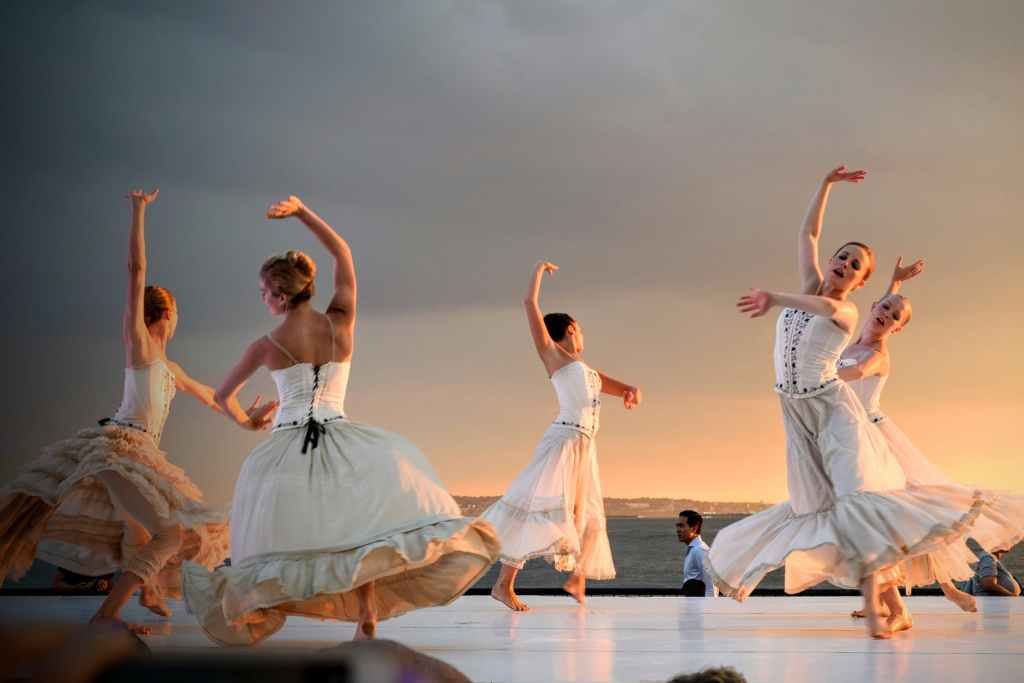
Dance is a performing art form consisting of sequence of movements , improvised or selected . The movement has aesthetic and symbolic value .
Dance in India comprises of numerous styles of dance . They are mainly classified in classical and folk dance.
As with other aspect of Indian culture different forms of dance are originated from different parts of India, developed inbibed elements from other parts of country .
Classical dance of India is developed a type of dance drama that is a form of a total theater. The dancer acts out a story through gestures. Most of the classical dance of India extract stories from hindu mythology . Each form represents the culture of a particular region or group of people . Some of the classical dance forms are like Bharatnatyam, Kathakali, Kuchipudi etc.
Folk dance are numerous in number ang style and vary according to the local trade of the respective State .Folk dance plays a significant role in rural areas as the expression of the daily work and rituals of village communities . Some of the folk dance forms are like bhangra ,garba etc
In India dance encompasses a wide range of dance activities currently performed . It includes experiment ing with existing classical and fork forms of dance by various artists.
Benefits of dance
• Improve condition of heart and lungs .
• Increases muscular strength , endurance and fitness.
• Increases aerobic fitness.
• Weight management.
• Better co-ordination and flexibility.
biography of netaji subash chandra bose
| Subhas Chandra Bose was born on January 23, 1897 in Cuttack, Orissa. His father Janaki Nath Bose was a famous lawyer and his mother Prabhavati Devi was a pious and religious lady. Subhas Chandra Bose was the ninth child among fourteen siblings. Subhas Chandra Bose was a brilliant student right from the childhood. He topped the matriculation examination of Calcutta province and graduated with a First Class in Philosophy from the Scottish Churches College in Calcutta. He was strongly influenced by Swami Vivekananda’s teachings and was known for his patriotic zeal as a student. To fulfill his parents wishes he went to England in 1919 to compete for Indian Civil Services. In England he appeared for the Indian Civil Service competitive examination in 1920, and came out fourth in order of merit. However, Subhas Chandra Bose was deeply disturbed by the Jallianwalla Bagh massacre, and left his Civil Services apprenticeship midway to return to India in 1921. After returning to India Netaji Subhash Chandra Bose came under the influence of Mahatma Gandhi and joined the Indian National Congress. On Gandhiji’s instructions, he started working under Deshbandhu Chittaranjan Das, whom he later acknowledged his political guru. Soon he showed his leadership mettle and gained his way up in the Congress’ hierarchy. In 1928 the Motilal Nehru Committee appointed by the Congress declared in favour of Domination Status, but Subhas Chandra Bose along with Jawaharlal Nehru opposed it, and both asserted that they would be satisfied with nothing short of complete independence for India. Subhas also announced the formation of the Independence League. Subhas Chandra Bose was jailed during Civil Disobedience movement in 1930. He was released in 1931 after Gandhi-Irwin pact was signed. He protested against the Gandhi-Irwin pact and opposed the suspension of Civil Disobedience movement specially when Bhagat Singh and his associates were hanged. Subash Chandra Bose was soon arrested again under the infamous Bengal Regulation. After an year he was released on medical grounds and was banished from India to Europe. He took steps to establish centres in different European capitals with a view to promoting politico-cultural contacts between India and Europe. Defying the ban on his entry to India, Subash Chandra Bose returned to India and was again arrested and jailed for a year. After the General Elections of 1937, Congress came to power in seven states and Subash Chandra Bose was released. Shortly afterwards he was elected President of the Haripura Congress Session in 1938. During his term as Congress President, he talked of planning in concrete terms, and set up a National planning Committee in October that year. At the end of his first term, the presidential election to the Tripuri Congress session took place early 1939. Subhas Chandra Bose was re-elected, defeating Dr. Pattabhi Sitaramayya who had been backed by Mahatma Gandhi and the Congress Working Committee. Clouds of World War II were on the horizon and he brought a resolution to give the British six months to hand India over to the Indians, failing which there would be a revolt. There was much opposition to his rigid stand, and he resigned from the post of president and formed a progressive group known as the Forward Block. Subhas Chandra Bose now started a mass movement against utilizing Indian resources and men for the great war. There was a tremendous response to his call and he was put under house arrest in Calcutta. In January 1941, Subhas Chandra Bose disappeared from his home in Calcutta and reached Germany via Afghanistan. Working on the maxim that “an enemy’s enemy is a friend”, he sought cooperation of Germany and Japan against British Empire. In January 1942, he began his regular broadcasts from Radio Berlin, which aroused tremendous enthusiasm in India. In July 1943, he arrived in Singapore from Germany. In Singapore he took over the reins of the Indian Independence Movement in East Asia from Rash Behari Bose and organised the Azad Hind Fauj (Indian National Army) comprising mainly of Indian prisoners of war. He was hailed as Netaji by the Army as well as by the Indian civilian population in East Asia. Azad Hind Fauj proceeded towards India to liberate it from British rule. Enroute it lliberated Andeman and Nicobar Islands. The I.N.A. Head quarters was shifted to Rangoon in January 1944. Azad Hind Fauj crossed the Burma Border, and stood on Indian soil on March 18 ,1944. However, defeat of Japan and Germany in the Second World War forced INA to retreat and it could not achieve its objective. Subhas Chandra Bose was reportedly killed in an air crash over Taipeh, Taiwan (Formosa) on August 18, 1945. Though it is widely believed that he was still alive after the air crash not much information could be found about him. |
Menstrual Taboos
Menstruation is a very natural and important thing in a woman’s life. But in India there are a lot of taboos and myths regarding this which are still now believed by a large number of the female population.
Menstruation(also known as periods) is the flowing of blood from the uterus through vagina which occurs when the eggs in the ovary of a female are not fertilised. This happens every month generally for 4-6 days. This is a biological process without which a female can never be able to have the beautiful feeling of becoming a mother.
But people in India, mostly the females still now follow a large number of menstrual taboos that are imposed upon them by their mothers or grandmothers. This creates a great impact on the mental health of many women during their periods. These taboos are followed without any scientific reasons and proofs.
During those days the girls are not allowed to enter the temples or any holy places and are not even allowed to touch anything holy not even the flowers or utensils used for the prayer of gods in their houses. It is because they are said that when a girl is going through her periods she is considered as an “impure”; because they are having a blood flow from their vaginal area. This creates a great impact on the mental health of a girl because she looses her self confidence and feels being an impure. The possible scientific reason for this kind of taboo can be that during this time a female undergoes tremendous stomach pain and so they may be unable to complete their prayers by following all rituals. But this reason is not thought by anyone rather they prefer continuing the taboo without finding the scientific reasons behind it.
It is seen that in some parts of the country women are not allowed to enter the kitchen and cook goods during these days. People believe that during this time the girls can be unhygienic and unclean and so if they cook food then the food would get contaminated. But there could also be another scientific reason behind this which could be that during this time a woman needs some rest because because of the hormonal changes they feel really tired so during this time it becomes difficult for them to cook food for the all day long. But here also people instead of giving her rest, believes in this kind of taboo which affects the mental health of the woman who is menstruating.
Also there are some girls who believe eating sour foods like tamarind, curd etc would make their blood flow worse or stop. But no such scientific reasons has been found to the impact of sour foods during periods. Girls can eat sour foods during their periods and no such changes in the blood flow occurs.
And which shocks the most is that a large number of girls from today’s generation still believe in this kind of taboos. Today everyone is well known by the fact of menstruation whether it’s a male or a female but there are still some girls who goes on believing on this taboos. Being an individual in this world of technology and science growing world it is very shocking to see that kind of girls who instead of fighting against this , believes in this taboos.
Also it is the responsibility of every men towards the female individuals of their lives , to provide them comfort and support during these days.
Periods is not an unholy thing. A girl does not become impure if she is having her periods. What is impure is the superstitious believes of the people who believes in this kind of taboos. During this time try to be supportive and stand beside the girl rather than destroying her mental health. Also every girl should raise a voice against this kind of taboos rather than believing in it.
Nothing changes if you are on your periods. You are as pure as you were in your other days of the month.
Shaw academy is giving diploma certificates for all
Today, we will talk about an amazing initiative created by SHAW ACADEMY. This academy is giving diploma certificates to all the students, boys and girls, who want to learn some courses.
If you want to get a diploma certificate, then no worry! There are many courses available in the menu.
All the courses divided into 2 to 5 modules. Each module has some chapters, which you will learn online. You can complete your registration and course from your home. Isn’t it amazing!


All the courses are absolutely free of cost!
If you want to get your certificate, you have to pay money for it!
You will get your certificate in an affordable price. They will give you some discount! So don’t miss this opportunity and find your way!!!
Website: Www.shawacademy.com
Eligibility: Anyone can apply
Ten ways to naturally detox your body
According to ayurveda there are many different types of toxins in our body. But the most common one is called Ama. Ama is actually the waste product of digestion that often builds up in our digestive tract when our digestion is either weak or unable to process the food that we are eating and often those are foods that are heavy to digest or are very highly processed. If ama is not cleared from the body and continues to build up it can actually leave our digestive tract and circulate around our body which means these toxins are traveling around our body too. There are five main signs of toxins in our body and it’s really just a way of your body telling you that you may need to pay a little bit more attention to it.
1.A thick white or yellow coating on your tongue in the morning.
2.Bad breath.
3. Strong body odor.
4.Feeling sluggish or lethargic throughout the day. And
5. Painful joints all over the body.
Detox ways=
1. Garshana also know as dry brushing. So when it comes to dry brushing you usually use brush that looks like this.

The trick is to use long strokes for your arms and your legs and do circular motion on your belly. Dry brushing actually help to stimulate your lymphatic system. The lymphatic system is basically the system in your body that carries around the liquid called lymph. Lymph carries all the toxins in your body and so when you use this brush all over your body it helps to get them moving and out of your system.
2. Toungue Scraper. There is lot of ayurvedic research that suggest that there is a strong link between your tongue and the state of your health. So use your tongue scraper every morning and start it from back of your tongue to the front. Do it around 10 times

3. Hot water. Really hot water can make such a difference to your body. Having cold water dampens your digestive fire. Boiling water actually helps lighten it and so it actually ends up penetrating deeper into your tissues to hydrate you even more. It helps to digest lot of ama that has built up that’s blocking a lot of channels in your body and helps to wash it away. Drinking water between your meals can dilute your digestive fluids which means that your food is not digested properly.
4. Spices. Spices in Ayurveda is the medicine box. It helps you to absorb your food better and makes your food tasty. Spices like black pepper, turmeric, cumin, cardamom the list is endless. They are helpful in daily detoxification of your body. Queen of detox coriander, cumin, fennel in hot water is best. Avoid fennel seeds during pregnancy because it stimulates menstrual cycle.

5.Abhyanga. Massaging your body with warm oil helps to loosen the toxins from the soft tissues of your body.
6. Epsom salt bath. It is made up of magnesium and sulfate and they are very useful in the detoxification process of our body.
7. Eat your largest meal in the afternoon andRegular meal times. Our body is in tune with nature and so when the sun is at its peak that is also when our digestion is at its strongest. Afternoon is the best time to eat your largest meal which means you have greater amount of time to digest it before you go to bed. Having regular meal time is because our body that gets used to knowing when we are going to eating our meal so our digestive juices start flowing just before we eat which means our tummy is ready to receive whatever we put in. According to Ayurveda it says that we actually need at least a three hour gap between our meals
8. Sleeping by 10 PM. just as our body has a sleep cycle it also has detox and digestive cycle and in ayurveda it says that, that time is 10pm to 2am so ideally if we are resting during this time it allow the process to happens more efficiently.
Those are my favourite tips on how to detox daily. These tips really helped me and I hope that it can help you too. Start slow and be kind to yourself. If you have any health conditions or any serious issue with your body I definitely recommend to going to see a doctor or a specialist.
Foods to eat to prevent hair fall post-COVID
Many people are experiencing hair fall after recovering from Covid- 19. Hair loss can be a result of many things, including a deficiency of nutrients during the period of infection can also result in hair fall
“A healthy diet is the most important aspect of recovery. Consuming a diet lacking the right nutrients can lead to hair loss. For healthy hair, one should consume enough water along with a diet rich in protein, biotin, iron, omega-3 fatty acids, B vitamins, vitamin C, E, and zinc.
Eggs: Egg yolks are rich in healthy fats and protein. They are full of biotin, a B vitamin that promotes strong hair growth and also good for scalp health. On the other hand, biotin deficiency can cause brittle hair. Other good sources of protein are dairy products, tofu, dal, chicken, and fish.
Spinach: Green leafy vegetables go a long way in not only maintaining the health of your hair but also provide it with essential vitamins and nutrients that help treat damaged hair back to health. Spinach is a rich source of vitamin A, K, E, C, B vitamins along with manganese, zinc, iron, and omega 3 fatty acids that keep your scalp healthy. These vitamins improve collagen and keratin levels and speed up the hair growth process.
Avocado: Avocados are packed with monosaturated fats, fatty acids, and vitamin E which nourish the hair and make them shiny and strong. This healthy fruit is high in protein and rich in B vitamins, too.
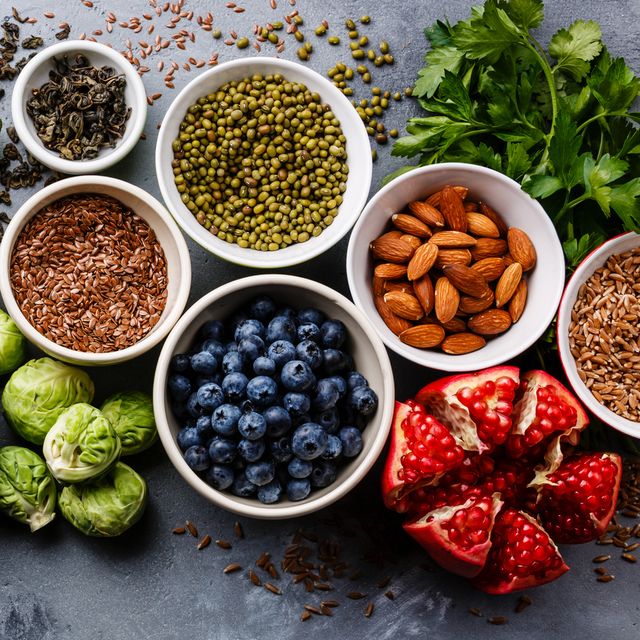
Oilseeds – Foods rich in Omega-3 fatty acids are a must for strong hair; these include chia seeds, flaxseeds, pumpkin seeds, and sunflower seeds. They are also an excellent source of minerals like phosphorus, calcium, and protein, all of which encourage hair growth and strong hair. Pumpkin seeds naturally contain biotin which encourages strong and faster hair growth. These seeds can be easily added to your everyday diet. Just sprinkle a spoonful into your morning glass of milk or smoothie.
Legumes: Legumes are rich in protein which is needed for improving hair growth and make it shiny. They also contain zinc and biotin. Beans contain complex carbohydrates, which help convert protein into cells that form hair. Vitamin A, B6, zinc, and manganese present in black channa plays an important role in building up the hair protein.
Almonds and cashew nuts – These nuts are extremely rich in fatty acids, which is the key to maintaining smooth, supple, and strong hair. Cashewnuts are also loaded with copper which enhances hair growth. Almonds are full of Vitamin E which gives silky and strong hair.
Lemon: They have a very high concentration of vitamin C which helps to build collagen. Collagen helps your hair to grow as well as helps your body to absorb iron which strengthens the hair scalp. Other sources of vitamin C which prevent hair fall are bell peppers, strawberries, amla, papaya, and kiwi.
Whole grains – Whole grains like oats, quinoa whole wheat, and barley, and B vitamin that helps prevent hair breakage and increases, hair strength and growth. They also contain a high amount of zinc that helps to hair loss at bay.
 Eduindex
You must be logged in to post a comment.