In the life of every human being have thire dreams .
Every ones wants to become to thire dreams , many of students inspired start up to a success business
Every successful business have passion to do of startup and have good idea an planings
There were have many Stories of Start ups and business
Let some them are:
The Greatest Entrepreneurs in the World .
Henry Ford.
Charles Merrill.
Sam Walton.
Charles Schwab.
Walt Disney.
Bill Gates.
Steve Jobs.
The Bottom Line.
Startup Success Stories That Will Inspire You
Flipkart. No one would be a stranger to this one! …
Zomato. Launched in 2008, Zomato hasn’t been anything less of a sensation. …
redBus. Started in 2006, redBus has grown phenomenally over the past few years. …
Housing.com. …
InMobi. …
FreeCharge. …
Ola Cabs. …
Teach For India.
AirBnB. This is a story of 3 guys and how they went from renting mattresses to a $10 billion company. …
Instagram. This is a story of two guys who made an app in flat 8 weeks. …
Pinterest. …
Angry Birds. …
Linkedin. …
Uber. …
Snapchat. …
WhatsApp.
guide to launching your startup company.
Make a business plan.
Secure appropriate funding.
Surround yourself with the right people.
Find a location and build a website.
Become a marketing expert.
Build a customer base.
Prepare for anything.
Opportunities for Startups in India
India’s Population Has Opened New Gateways. …
Many IIT-ians and MBA Freshers Opt for Entrepreneurship. …
Talent Is Inclined To Work With Startups. …
Indian and Foreign Investors Making Huge Investments in Startups. …
Government Funds for Startup firms. …
Startup India Initiative.
Financial benefits
Startups will get an 80% rebate on patent costs. This means, that if and when a startup applies for a patent, the government will come to its aid by funding the defence of the patent. The company will thus get a rebate of 80% in the fees
the problems of startup to solving
Lack Of Finances. Cash flow is essential for startups to survive. One of the key challenges that small businesses face today relates to finances. As income increases, the expenditures also increase and to top it all, startups rely heavily on investors who provide them strong financial support.
Have a strong mind to do you will be become your dream
Zero Budget Natural Farming(ZBNF) is a chemical free agriculture drawing from traditional Indian practices. It marks a departure from the use of expensive chemical fertilizers , insecticides and pesticides.
Subash Palekar, known as the father of ZBNF introduced it in the mid 1990s to move away from the use of chemicals in farming as an alternative to Green Revolution method of use of fertilizers and intensive irrigation.
Need for ZBNF:
Rising cost of agricultural inputs leads to indebtedness and suicide among farmers.
Use of chemicals has a devastating impact on the environment and long term fertility of soil.
Features of ZBNF:
Application of Jeevamrutha which is a mixture of fresh desi cow dung, aged desi cow urine, jaggery , pulse flour , water and soil on farmland. It is a fermented microbial culture that adds nutrients to the soil and acts as a catalytic agent to promote activity of microorganisms and earthworms in the soil. The requirement is of only one cow that too of Indian breed.
Application of Bijamrutha to treat seeds to increase their chances of germination. It is a mixture of cow dung , cow urine, lime and water.
For pest management and insects, a concoction is prepared using neem leaves and pulp, tobacco and green chillies .
Limitations concerning ZBNF:
This method of farming is being debated. There is not much research going on about this .
Many farmers reverted to conventional methods of farming after seeing drops in ZBNF returns.
It is nothing but state of industrial weakness or illness, that is the company fails to earn a reasonable profit. it is the continuos disportion in the debt equity ratio and falsification of the financial status of the industrial unit. it represents a stage where in the firm is not in a position to generate surplus on a regular basis and requires external credit, to survive in the market. when a unit is stick it shows signs of financial distress in the form of short term liquidity issues revenue and operating expenses.
CAUSES OF INDUSTRIAL SICKNESS:
EXTERNAL CAUSES:
NON AVAILABILITY OF RAW MATERIALS: when the supply of raw materials are not available regularly or in a good quality, the industrial units are bound to be in trouble. this often occurs in case of supply of imported raw materials.
HIGH PRICES OF INPUTS: when the cost of manufacture are high and sales realisation are low, the industrial unit cannot stand in the market. this happens when the prices of inputs such as price of fuel such as petroleum during energy crisis goesup whereas the competative forces keep down the prices of the products.
GOVERNAMENT POLICY: excessive governament control and restrictions of capital utilization, location, product mix, product quality, prices e.t.c, comes in the way of smooth functioning of the firms and often result in sickness to the firm.
INTERNAL CAUSES
FINANCIAL PROBLEMS: these problems are generally faced by small units. often the financial base of the small units are very weak. they generally borrow from their own sources or bank rather than approaching market. generally they are unable to meet their debt obligations in time and these debts accumulate.
FACULTY PLANNNG: mistakes in the planning stage are a major cause of industrial sickness. choice of faculty location is one such mistake. in case the unit is located at a place where basic infrastructure facilities are not available serious problems can arise.
MISMANAGEMENT: faculty management decisions and actions are a common cause of sickness in the small scale sector. poor maintenence of plant and machinery, lack of quality control system, absence of inventory management are some examples of mismanagement.
Recently a Netflix documentary has stirred up a lot of controversies on the usage of social media I believe that some certain parts of our childhood went as an experiment into the growing of the technology. There was this certain period of time when all our answers were found in the libraries and not in the e- resource lab (computer lab). Our minds have changed in alternative way, changing the way we think and respond. And most importantly Concentration gap has considerably decreased for most of the teenagers due to their constant usage of phone. It has all turned us time some creature who no longer uses their brain, but just their fingertips.
Media, especially social media has turned around the way our minds work, we are no longer owners of our brain but we are its prisoners. Our minds have turned against ourselves. Sometimes we find ourselves in situations we cannot explain or relate too. It has passively affected the way our minds work. It got into our systema and rewired our brain. Quitting can come up as an easy solution but for long will you quit, give up on something that connects you to everyone.
One of the major problems of using internet is that we forget to rely on ourselves sometimes. Assignments, projects are now all googled up and copy pasted and submitted, the student no longer reads a book. Even if someone attempts too, their concentration span has gone down so low that they wontbe able to focus for more than 20 minutes. Are we on the path to self-destruction? That was a constantly asked question around the world. The technology that we build is now turning against us. The worst part of this is that we do not even realize how much of it has affected us and our mind.
A major impact social media has on teenagers is that it has wired our brains to believe that our potential lies in getting likes or comments from certain posts. Our brain functions in a way where it becomes happy with the mere likes we get on social media and it can turn into depression and a feeling of inferiority when we do not get likes. Social media creates a segregation between the rich and poor. It has become a platform where people show off what they have, this inflicts a sense of disappointment for the ones who do not own a luxury.
What makes human beings so much more different from other creatures on earth is the fact that they have a very capable and efficient brain. Across these years from the time of humanity, human beings have grown in lot of possible different ways. Human beings had made life smooth with various inventions, it has become so easy that we sometimes simply not use our brains anymore. Life had become so easy with the push of a button that we forget the entire process that had existed once before.
A major reason why we don’t get sleep is because of the tiny screens. We spend so much time using that we no longer become aware of the time. It can cause sleeping disorders as well as eye problems too.
Usage of phones have so much impact on our lives that we sometimes cannot give it up. We can simply never quit from this technological advancement, all we can do is adjust ourselves in a way that it doesn’t become an addiction.
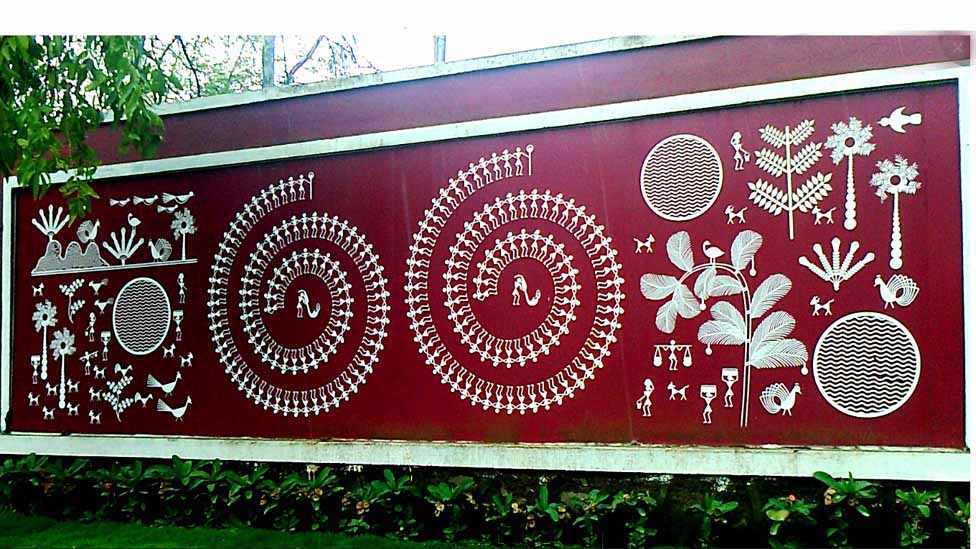
Tribal art is the visual arts and material culture of indigenous people. Warli is one of the Tribal art forms. India is a place of culture and Warli is a cultural folk style art. It is created by the tribal people from North Sahyadri Range in Maharastra, India.
Warli painting traditions in Maharashtra are among the finest examples of folk culture. The Warli painting is created with the concept of Mother Nature and elements of nature. This type of painting was not discovered until the 1970s.Warli art is believed to have originated 2000years ago.
The Warli painter’s main way of their life is farming and a large source of food for the tribe. So they greatly respect nature and they create the Warli art by centering this. The Wrli artists use their clay huts as the canvas.Basically this art is too simple to draw. It is characterized as geometrical shapes. The walls are only decorated to mark special occasions like weddings,festivals or harvests.
For this painting the preparation should be great. According to the Warli artists, to draw Warli on the clay huts there is some pre – preparation . Firstly , the walls should be covered by cow-dung, next earth and lastly with the reddish-brown terracotta paste. Then a paste of powdered rice and gum has to be prepared and as pens the artists use a thin stick of Baharu tree. And the upcoming result is the Warli paint. One interesting thing is there is no straight line in the Warli paint. The art is usually crooked lines, dots , circle , square , triangles and others geometric design.
We must say that whoever discovers this art style he should be too intelligent because this art style has a symbol in every touch. This painting is a visual poetry where its evry symbols stand for a significance. Like, the circle represents the sun and moon. The square represents the sacred land and the triangle represents trees and mountains. Square is the central motif in most of this type of painting. There is one more thing by which you will be more interested that is the central motif of this paint is such as pottery sense of hunting , fishing or farming , dancing or festive mode etc. Actually this type of painting indicates the daily life of villagers , which is apart from other modern art styles. You can notice in this art the ‘Tarpa dance’- actually tarpa is like any instrument , different men play it turn by turn. When music plays the villagers including men and women join their hands and move in a circle around the tarpa players.
But here I have a point to tell you that Jivya Soma Mashe , is the artist in Thane district who has played a great role in making Warli paint famous.
But all art is disappearing in this digital life . it is a matter of concern but all are not the same in this world. A few kind hearted people are still the same as they were in the past , and keep this wonderful traditional culturing art. Thus we can mention a saviour of this culture , Govardhan Eco Village in Thane district that keeps this painting alive by providing Warli artists a platform to display their art. In 2016 a group of Japanese artists made an effort to keep this art alive. They adopted the Ganjad village in Palghar district. To promote this art , this Japanese group has also been decorating huts according to the formula of Warli paint. By the way, Dahanu is one more village to keep this painting alive .
This is the case study of a group of 7 women who converted 80 rupees into a 1600 crore rupees of business empire.The women belong to none other than “Shree Mahila Griha Udyog Lijjat Pappad ” group.This group expanded to 67 branches and as of now it employees more than 42000 people .So let’s get started ……
The business started 62 years ago back in 1950s when there were not a lot of people who could afford the luxury of being educated .The situation was difficult for women but this group of 7 women converted this difficulty into opportunity.
The group first started giving the lijjat Pappad to local stores and they were given the first capital of 80 rupees by a social worker.Due to the deliciousness of the pappads,other local stores also started buying the pappads from these group of womens.The goal of the group was not to make money ,but was to empower the women and provide the source of livelihood to the women.
The group used the concept of collective ownership.So regardless of which religion or caste you belonged to ,u could always get a small part/ownership in the company and hence collectively share the profits and losses amongst themselves.Even “Starbucks” uses the concept of collective ownership.It helps to keep the company employees motivated and encourages them to work hard as if one of them is not performing well and one of them faces a loss,then everybody will be at the loss.
The pappads which they made were cost effective,had quality production and was suitable for the homemakers.They used to prepare the pappads at their own houses to avoid the expenditure initially.
The most important reason behind the success of this group was that they always sticked to their mission and visions .Even a company like apple started failing when the company started moving away from their missions and visions.In the last 62 years, the group has never deviated from their missions and visions and have always followed the mission of “Sarvodhya” which literally means progress for all .Today we live in such a world that even billion dollar companies don’t think twice before asking their employees to leave the company and thus putting the lives of the employees as well as their families at risk .But this group has always stuck to their core values of inclusive progress for all and has from so many years not removed any of its employees from the service whether they suffered profits k losses.The group also makes sure that the children of their employees get proper education regardless of their age,caste,religion,sex,creed or color.
Despite the fact that this group was a group formed from uneducated womens, ,had a really small capital to start with ,,they stuck to their core values and is truely a motivating example for all of us .
This pandemic has taught us many things, and right now in India as well as in World every other person is talking about vaccines, what are vaccines, how much time is require for development of vaccine including all trails , and how do they work ?
So, for now I would like to answer one of most frequently asked question HOW VACCINE WORKS ? well, for understanding the working of vaccine we must know what is vaccine ?
A vaccine is part of a germ that is exposed to your immune system in a safe way so that it can learn how to fight off that harmful pathogen and protect your body from it in the future. Basically it provides us immunity.
Well let’s see what exactly happens when you get vaccinated
When you get a vaccine, your immune system responds to the vaccine just like real germs.
i. The germs contained in the vaccine are identified as foreign.
ii. The vaccine produces and reacts with antibodies similar to real germs.
iii. Remembering how to destroy germs. If you come in contact with pathogenic germs at any time in the future, your immune system can quickly destroy it before it has a chance to make you sick. This is how you get immunity from vaccines
HOW VACCINE WORKS ?
A vaccine works by training the immune system to detect and protect against viruses or bacteria. To do this, certain molecules from the pathogen must enter the body to boost the immunesystem. These molecules are called antigens and are found in all viruses and bacteria. If a bacterium or virus reappears, the immune system immediately recognizes the antigen and attacks the disease well before the pathogen spreads.
Vaccines don’t just work on an individual level, they protect entire populations. Once enough people are immunized, opportunities for an outbreak of disease become so low even people who aren’t immunized benefit. Essentially, a bacteria or virus simply won’t have enough eligible hosts to establish a foothold and will eventually die out entirely. This phenomenon is called “herd immunity” or “community immunity,” and it has allowed once-devastating diseases to be eliminated entirely, without needing to vaccinate every individual.
So, for now I have only one request that is ”PLEASE GET VACCINATED”, it’s totally safe.
Cyber Security and Digital Data Protection Concept. Icon graphic interface showing secure firewall technology for online data access defense against hacker, virus and insecure information for privacy.
I think computer viruses should count as life. I think it says something about human nature that the only form of life we have created so far is purely destructive. We’ve created life in our own image.
Stephen Hawking
Cyber Security the word itself defines it. Security means providing protection or defending something from attackers while cyber means crime that involves computers, mobile phones or other digital things. Hence the proper definition of the word Cyber Security is defending computers, mobile devices or other devices from malicious data. It is also known as electronic information security. As we are advancing day by day the technology too gets advanced and somewhere it creates the small tiny loopholes which hackers find easily and they get into your data. Then the hackers start blackmailing for ransom and start threatening about leaking personal photos or files in public so to stop this wrong deed cyber security helps one.
Cyber Threat:-
More than 7.9 billion records have been exposed by data breaches in the first nine months of 2019 alone. This figure is more than double (112%) the number of records exposed in the same period in 2018. Medical services, retailers and public entities experienced the most breaches, with malicious criminals responsible for most incidents. Some sectors are more appealing to cybercriminals because they collect financial and medical data. The International Data Corporation predicts that worldwide spending on cyber-security solutions will reach a massive $133.7 billion by 2022. Governments across the globe have responded to the rising cyber threat with guidance to help organizations implement effective cyber security practices. In Australia, TheAustralian Cyber Security Centre regularly publishes guidance on how organizations can counter the latest cyber threats.
Malware:-
Malware is one of the common cyber threats. Malware word means malicious software. The software which might destroy one’s computer. It is formed by either hackers or cybercriminals for the purpose of damage. It can enter in one’s computer by many ways which include sharing files from one pc to other, through emails, through apps downloaded from unsecured websites. Different types of malware includes:-
Virus:- A programme that attaches itself to a clean file and spreads throughout a computer system, infecting files with malicious code.
Spyware:-A programme that secretly records what a user does in order for cybercriminals to profit from it. Spyware, for example, could record credit card information.
Adware:-Advertising software which can be used to spread malware.
Ransomware:-Malware that encrypts a user’s files and data and threatens to delete it unless a ransom is paid.
Trojans:-A type of malware that masquerades as genuine software. Users are duped into downloading Trojans onto their computers, which then cause damage or collect data.
To stop this cyber threats here are some solutions which may help ones:-
1. CHECK IF YOU’VE ALREADY BEEN INVOLVED IN A DATA BREACH
Change those passwords for any accounts that it suggests may have been compromised.
2. CHECK THE STRENGTH OF YOUR PASSWORDS
(use something similar to your original password to test its strength).
When choosing a password, remember: the longer it is, the stronger it is. A strong password is at least 12 characters long and hard to guess.
Using a sentence is a great way to create a long password that you’ll never forget.
3. AVOID THESE PASSWORDS
The following passwords are considered the most common and easiest to crack – so if you’ve got any of these or similar variations, you should seriously consider changing them – quickly!
123456 (or any chronologically-ordered numbers)
987654321
123123
QWERTY
111111
password
WHICH GENERATION IS MOST GUILTY OF USING INEFFECTIVE PASSWORDS?
4. TRUST NO ONE (ON EMAILS)
This may sound a bit extreme – but always be on the lookout for deceitful emails and compromised web pages (spam and phishing). Interacting with these puts your information at risk and can download viruses. Remember:
don’t open email from unknown email addresses.
trash attachments in unexpected emails.
avoid risky clicks – instead type the address into your browser.
5. SECURE YOUR DEVICE
If your mobile device is unsecured, lost or stolen, it could be used to access your info, your money or steal your identity and irreplaceable data like photos or messages. Secure your devices by:
a) Installing anti-virus software.
b) Setting a password, gesture or fingerprint that must be entered to unlock.
c) Setting the device to require a password before applications are installed.
d) Leaving Bluetooth hidden when not in use and disabling automatic connection to networks.
e) Enabling remote locking and/or wiping functions, if your device supports them.
Hackers:-
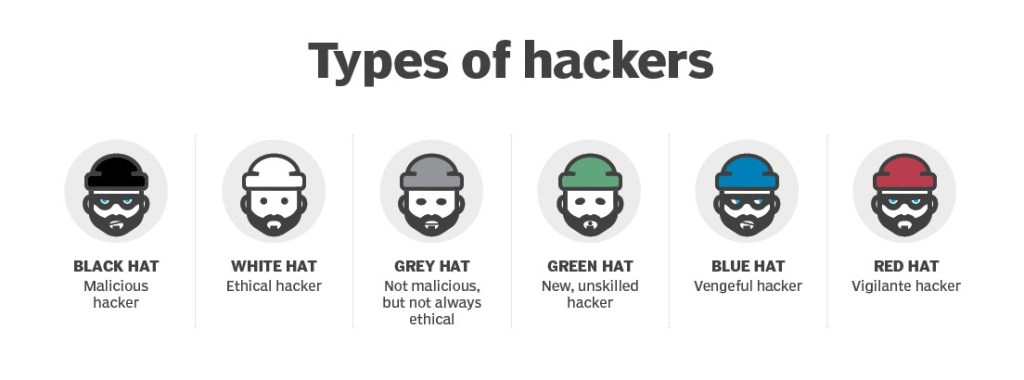
A hacker is an individual who uses computers, networking or other skills to overcome a technical problem. The term also refers to those who use their abilities to commit crimes in order to gain access to systems or networks for illegal purposes. A hacker may steal information to hurt people via identity theft. The term hacker was first used in the 1960s to describe a programmer who could increase efficiency by removing excess machine code instructions from a program. It has evolved over the years to refer to someone with an advanced understanding of computers, networking, programming or hardware. The term is also commonly applied to individuals who use this skill for illegal or unethical purposes.
There are different type of Hackers according to their work:-
1) Ethical Hackers:- Previously known as white hat hackers, these individuals try to act in the public’s best interests rather than wreaking havoc. Many ethical hackers who operate in the field of pen testing were recruited to break into the company’s networks in order to identify and disclose security flaws. The security businesses then assist their customers in resolving security vulnerabilities before they are exploited by criminal hackers.
2) Threat Hackers:- Previously known as black hat hackers, these intentionally gain unauthorized access to networks and systems with malicious intent. Threat actors are criminals by definition because they violate laws against accessing systems without authorization. They may also engage in other illegal activity, including corporate espionage, identity theft and DDoS attacks.
3)Grey hat hackers:- The gray hat hackers are more likely than ethical hackers to access systems without authorization. They may offer to fix vulnerabilities they have discovered through their own unauthorized activities, rather than exploit them for illegal profit. The group’s motives may be similar to those of ethical hackers and threat actors.
4)Red hat hackers:- Similar to ethical hackers, they are sometimes known as eagle-eyed or vigilante hackers. Red hat hackers want to deter threat actors from launching unethical assaults. While red hat hackers may have the same goal as ethical hackers, their methods differ in that red hat hackers may employ illegal or extreme methods. Red hat hackers frequently use cyber assaults against threat actors’ systems.
5)Blue hat hackers:- Hackers that use hacking as a social weapon are known as spiteful hackers. It is frequently employed as a form of retaliation against a person, employer, or other entity. Blue hat hackers post personal and sensitive info online to harm people’s reputations or try to obtain illegal access to email and social media accounts.
6)Red hat hackers:- Script kiddies are unskilled or amateur hackers who attempt to hack using pre-written scripts. Often, these are inexperienced hackers that inflict minimal harm.
At last I would say that ”Be Active and don’t hesitate to ask for help from Cyberwarrior.”
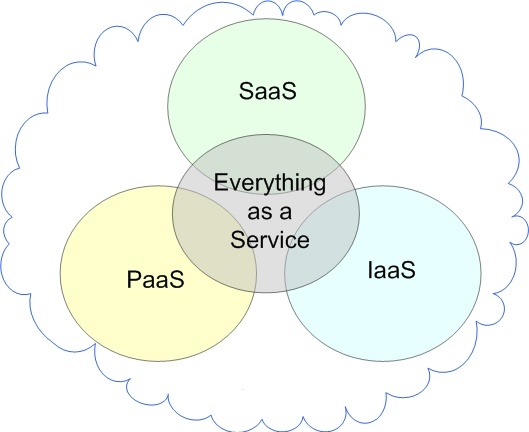
SaaS makes use of the internet to offer apps to consumers that are controlled by a third-party vendor. The majority of SaaS apps operate immediately in your web browser, thus there are no client-side downloads or installation required.
In simple words, Users can access software through the internet using SaaS services, which charge a monthly subscription fee.
Examples of SaaS are Dropbox, Google Workspace (formerly GSuite), Cisco WebEx, Salesforce, GoToMeeting, SAP Concur, etc.
SaaS Characteristics
Handled from a central location.
The website is hosted on a remote server.
Available via the internet.
Scalable, with multiple levels for small, medium, and large companies.
Security, compliance, and maintenance are all included in the price.
When to Use SaaS
Startups and small businesses that need to create an ecommerce site immediately and don’t have time to deal with server or software difficulties.
Short-term initiatives that demand rapid, simple, and cost-effective collaboration.
Tax software, for example, is an example of an application that isn’t used very often.
Apps that require access from both the web and mobile devices.
Platform as a Service (PaaS)
PaaS is a software development platform. Because this platform is supplied through the internet, developers may focus on developing software instead of worrying about operating systems, software upgrades, storage, or infrastructure.
PaaS enables companies to grow and develop apps using unique software components that are integrated into the PaaS. Because they take on cloud qualities, these programmes, also known as middleware, are scalable and highly available.
In simple words, People utilise these tools to create apps, and PaaS vendors supply hardware and software tools through the internet. The majority of PaaS users are programmers.
Examples of PaaS are Windows Azure, AWS Elastic Beanstalk, Heroku, Google App Engine, Force.com, OpenShift, etc.
PaaS Characteristics
Multiple users can access it.
Scalable – depending on the size of your company, you may pick from a variety of resource levels.
The system is based on virtualization technology.
It’s simple to use even if you don’t have a lot of experience with system management.
When to Use PaaS
PaaS is frequently the most cost- and time-effective method for a developer to construct a unique software.
PaaS allows the developer to concentrate on the creative aspects of app creation rather than routine duties like software upgrades and security fixes. The app will take up all of their time and brainpower to develop, test, and launch.
Infrastructure as a Service (IaaS)
Infrastructure as a Service (IaaS) refers to cloud infrastructure services that are made up of highly scalable and automated computing resources. Computers, networking, storage, and other services may all be accessed and monitored via IaaS. Instead of purchasing hardware altogether, IaaS allows organisations to acquire resources on-demand and as-needed.
In simple words, Pay-as-you-go storage, networking, and virtualization are among the services provided by IaaS companies. IaaS allows organisations to avoid investing in costly on-site resources by providing cloud-based alternatives to on-premise infrastructure.
Examples of IaaS are Linode, DigitalOcean, Amazon Web Services (AWS), Rackspace, Microsoft Azure, Cisco Metacloud, Google Compute Engine (GCE), etc.
IaaS Characteristics
As a service, resources are provided.
The price varies according on the amount of food consumed.
The services are extremely scalable.
On a single piece of hardware, there might be several users.
The infrastructure is under the total control of the organisation.
Adaptable and dynamic
When to Use IaaS
IaaS may be preferred by startups and small businesses to avoid spending time and money on acquiring and developing hardware and software.
Larger businesses may choose to maintain total control over their apps and infrastructure, but they want to buy just what they use.
Companies that are experiencing rapid expansion like the scalability of IaaS, which allows them to simply swap out particular hardware and software as their needs change.
Business management involves the supervision, organisation and coordination of business resources and operations to achieve specific objectives.Managing yourself: introduction to management and leadership styles. Managing money and key financial concepts, including the implications of various sources of finance and the relative importance of cash flow and profit. Managing people, stakeholder management and professional communication.
Topics Of Business AND Management:-
*Advertising
* Business Planning
* Business Planning Guides
* Business Structure
* Business Structure
* E-Commerce
* Employment Issues
* Energy Topics
* Financial Management
*Integrating Business and Family
* Inventory Control
* Insurance
* Legal Issues
* Marketing
* Market Research
*Merchandising
* Packaging
* Pricing
* Record Keeping
* Risk Management
* Self-Employment Assessment
* Social Media
* Taxes
* Time Management
1. Advertising:-
Advertising — A fact sheet on advertising your business from the U.S. Small Business Administration.
Advertising (PDF) — Another advertising fact sheet from U.S. Small Business Administration.
Advertising — A PowerPoint presentation on advertising by Rutgers University Cooperative Extension.
Advertising Topics — A variety of advertising topics for agricultural business owners.
Online Advertising — Tips on online advertising by the U.S. Small Business Administration.
2. Business Planning:-
Business Planning — Business planning fact sheet by Penn State University.
Business Planning Workbook — Business planning resources for small farmers from the University of Maryland.
Business Plans Made Simple — A six-page fact sheet on how to write a business plan for your small business from the Nevada Small Business Development Center.
Economic Analysis of a New Business — Doing It Right — An eight-page fact sheet on conducting an economic analysis of your new business from Kansas State University Research and Extension.
Market Planning for Value-Added Agricultural Businesses (PDF) — A 53-page market planning guide and workbook from the University of New Hampshire.
Plan Your Farm — Business planning tools for small-scale farmers from Cornell University.
Restaurant Start-Up Profile (PDF) — A 51-page fact sheet on starting-up your own restaurant from the Illinois Institute for Rural Affairs.
Starting a Business — A fact sheet on starting a home-based business from the Iowa Small Business Development Centers.
Starting a Business in Your Home: Weighing the Pros and Cons — A four-page fact sheet on the pros and cons of starting a home-based business from UMaine Extension.
Starting a Home Business — An eight-page fact sheet on starting a home-based business from UMaine Extension.
Starting a Successful Catering Business (PDF) — A six-page fact sheet on starting a catering business from Virginia Cooperative Extension.
Starting Your Own Business (PDF) — A four-page fact sheet on starting your own business from the University of Wisconsin Extension.
Ten Frequently Asked Questions for Micro and Home Based Business Start-Ups — A four-page fact sheet on micro and home-based business start-ups from the Oklahoma Cooperative Extension Service
Writing a Business Plan (PDF) — A six-page fact sheet on business planning by the University of Tennessee.
3. Business Planning Guides:-
Business Plan Guide — Guide with worksheets to assist in developing your business plan from the Massachusetts Small Business Development Center Network
Business Planning — A guide for writing farm-based business plans from Cornell University.
Business Planning for the Agriculture Sector: A Guide to Business Plan Development for Start-up to Mid-Size Operations — A book to help agricultural business operators and a full fledged business plan from Cornell University
Business Plans and Profiles Index — A subject guide to sample business plans and profiles for specific business types from Carnegie Library.
Developing a Bed & Breakfast Business Plan — A 98-page fact sheet on creating a bed and breakfast business plan from Illinois Extension.
Developing a Business Plan for Value-Added Agricultural Products — A four-page fact sheet on developing a business plan for value-added agricultural products from Oklahoma State University
Landscape Business Planning Guide — How to develop and implement a well-defined business strategy from Cornell University
Online Business Planning Software — A free business planning software tool for agricultural and natural resource businesses from the University of Minnesota.
Sample Business Plan: Moose Mountain Cafe — Sample plan for a cafe business from New Hampshire Small Business Development Center.
Sample Business Plans — A selection of business plans to assist in the wording of your own plan from Michigan Small Business & Technology Development Center.
Sample Business Plans — A list of business plans to assist in drafting a plan for your business from the Small Business Development Center Network.
Sample Business Plans — Sample business plans for a wide range of businesses.
Scaling Up for Regional Markets — Scaling up for regional markets tutorial by ATTRA.
4. Business Structure:-
Choose Your Business Structure — A fact sheet written by the U.S. Small Business Administration.
Determine Your Federal Tax Obligations— A fact sheet on what form of legal entity you should use from the U.S. Small Business Administration.
Farmers’ Guide to Business Structures — A SARE publication outlining the various forms of business structures available to farmers’ and small businesses.
How toOrganize Your Business — A six-page fact sheet on how to organize your home-based business from UMaine Extension.
Selecting an Organizational Structure for Your Small Business — A four-page fact sheet on structuring a small business from Montana State University.
Starting, Operating, or Closing a Business — Web links to a new business checklist, selecting a business structure, employees, deductions, recordkeeping and accounting methods, and FAQs from the IRS.
5.Customer Service:-
Customer Service — Customer service video by the U.S. Small Business Administration.
Focus on Customer Service — A Colorado State University Fact Sheet on improving your service to customers.
Obtaining Referrals to Increase Sales — Methods of gaining referrals in the sales industry from the University of Florida Extension.
So You’re in Sales — A six-page fact sheet on customer service for your home-based business from UMaine Extension.
The Customer is Still King — University of Maryland Extension bulletin on customer service.
6. E-Commerce:-
Creating Valuable Content that Converts — Recorded webinar exploring ways to improve the online presence for small businesses from eXtension.org.
Email Marketing — A fact sheet for eMarketing from the U.S. Small Business Administration.
Five Key Ingredients in Creating a Small Business Website — An article about creating a website for your small business by the U.S. Small Business Administration.
Maps, Apps and Mobile Media Marketing — Recorded webinar exploring a variety of ecommerce tools for your business from eXtension.org.
Selling On-line — A 24/7 Opportunity – Factors to consider in starting an on-line business by the University of Maryland Extension.
You are Here — Recorded webinar exploring mapping tools for small businesses from eXtension.org.
7. Employment Issues:-
Charming the Worker Bees — A fact sheet on employee compensation from the Iowa Small Business Development Center
Communication on the Job for Employees — A four-page fact sheet on communication for employees from the Alabama Cooperative Extension System.
Communication Skills for Daily Use at Work — A four-page fact sheet on communication skills at work from the Alabama Cooperative Extension System.
Developing and Implementing Sound Hiring Practices — A ten-page fact sheet on hiring procedures and practices from Purdue University Cooperative Extension.
Evaluating Employee Performance — A fact sheet from eXtension.org.
Great Employees Require Great Employers — A fact sheet on recruiting employees from the Iowa Small Business Development Center
Independent Contractor or Employee? — A fact sheet from the Internal Revenue Service.
Managing Employees — A fact sheet on employees from the U.S. Small Business Administration.
Orientation and Training of New Employees (PDF) — A fact sheet from North Carolina State University Cooperative Extension.
Overtime Rule — (Maine DOL Information and Resources). Maine Department of Labor information about the new overtime rule.
Recruiting and Retaining Employees — A video from the U.S. Small Business Administration.
Writing Effective Job Descriptions — A fact sheet from the U.S. Small Business Administration.
8. Energy Topics:-
Saving money through energy conservation and alternative energy sources — Energy saving tips for the homeowner, traveler, and business owner. Includes video how-to from UMaine Extension.
Efficiency Maine Business Program — Save energy and money and improve the environment from Efficiency Maine.
9. Financial Management:-
Balance Sheet Template — An Excel spreadsheet from the Maine Small Business Development Center.
Benchmark Data — 2015 Farm Credit East financial benchmark data for selected natural resource-based industries.
Break-Even Analysis Template — An Excel spreadsheet from the Maine Small Business Development Center.
Capital Sources for Your Business — A six-page fact sheet on finding capital sources for your business from UMaine Extension.
Cash Flow Template — An Excel spreadsheet from the Maine Small Business Development Center.
Developing an Income Statement (PDF) — A fact sheet from Oklahoma State University Extension.
Managing a New Business: A Beginner’s Guide to Financial Concepts and Tools — A 16-page fact sheet on successful small business management from Oregon State University.
Preparing Financial Statements — A fact sheet from the U.S. Small Business Administration.
Profit and Loss Template — An Excel spreadsheet from the Maine Small Business Development Center.
Setting Up Your Own Business: Financing Your Business — A three-page fact sheet on financing your business from the University of Nebraska – Lincoln Extension.
Setting Up Your Own Business: Monitoring the Health and Growth of Your Business — A six-page fact sheet on using financial statements to measure the health and growth of your business from the University of Nebraska – Lincoln Extension.
10. Integrating Business and Family:-
Setting Personal, Family and Business Goals for Business Success — from Iowa State University.
11. Inventory Control:-
Managing your Inventory — A fact sheet on stock control in your small business from the Iowa Small Business Development Center
12. Insurance:-
Agricultural Business Insurance — A fact sheet on insurance options for farm businesses from Penn State University.
Business Insurance: The Basics — When considering business insurance, business owners should start with the basics from the Missouri Small Business development Centers.
Get Insurance — What type of insurance to get for your business from the U.S. Small Business Administration.
How to Insure Your Business — 4-page fact sheet covers insurance types, state laws, insurance options and steps to setting up an insurance program from UMaine Extension.
13. Legal Issues:-
Avoiding Patent, Trademark and Copyright Problems — An eight-page fact sheet on how to avoid patent, trademark and copyright problems from the Nevada Small Business Development Center
Copyright Basics — A fact sheet on dealing with copyright issues from the Iowa Small Business Development Center
Deciding if Bankruptcy is an Option for You — Information about bankruptcy options provided by the Virginia Cooperative Extension.
Patents, Trademarks and Copyrights — U.S. Small Business Administration video on intellectual property protection.
Taxes and Permits — A six-page fact sheet on taxes and permits for your home-based business from UMaine Extension.
14. Marketing:-
Building Your Brand During a Downturn — Fact sheet on branding from the Missouri Small Business & Technology Development Centers.
Developing a Sensible and Successful Marketing Attitude — A five-page fact sheet on general marketing principles from Purdue University Cooperative Extension.
Developing and Implementing a Successful Marketing Plan — A five-page fact sheet on developing and implementing your marketing plan from Purdue University Cooperative Extension.
Direct Marketing of Farm Produce and Home Goods (PDF) — Direct marketing alternatives and strategies for beginning and established producers.
Food for Profit: Marketing Your Food Product — A fact sheet on the basics of marketing food products profitable by Penn State University Extension.
Is There a Market for My Product or Service? — A fact sheet on marketing techniques for growing businesses from the Iowa Small Business Development Center
Marketing Specialty Forest Products (PDF) – A fact sheet discussing was entrepreneurs can market their specialty forest products by the University of Nebraska.
Marketing Strategies to grow your business — A fact sheet on understanding marketing for small businesses from Penn State University.
Marketing: What Needs to be Done — An eight-page fact sheet on marketing from Kansas State University Research and Extension.
15.Market Research:-
A Do-it-Yourself Approach to Market Research — A fact sheet on conducting market research from MissouriBusiness.net.
Building Healthy Communities: Analyzing Local Markets — An eight-page fact sheet on analyzing local markets from Kansas State University Extension.
Demographics and Lifestyle Analysis — A fact sheet from the University of Wisconsin Cooperative Extension.
Estimating Retail Market Potential — A four-page fact sheet on estimating retail market potential for your home-based business from UMaine Extension.
Marketing Research for Entrepreneurs and Small Business Managers (PDF) — An eight-page fact sheet on market research for small businesses from Montana State University Extension Service.
Market Research: Surveying Customers to Determine Their Needs — A two-page fact sheet to aid in conducting your market research from the University of Wisconsin Extension.
Micro and Home-Based Businesses: Market Research — A six-page fact sheet on market research from Oklahoma State University Extension
Tradeshow Marketing — A fact sheet to help prepare for trade shows from the U.S. Small Business Administration.
16. Merchandising:-
Merchandise Presentation for Agricultural Businesses — A Penn State University publication on food product merchandising.
17. Packaging:-
The Role of Packaging in Society and the Environment — Understanding the types of packaging and the purpose from the University of Florida.
18. Pricing:-
How to Price Your Products and Services — A four-page fact sheet on pricing your products and services from the Iowa Small Business Development Center
Introduction to Pricing — A U.S. Small Business Administration resource to sound pricing strategies.
Micro and Home-Based Business Product Pricing — A four-page fact sheet on pricing for micro and home-based businesses from Oklahoma Cooperative Extension Service
Smart Pricing Strategies — A fact sheet on pricing from the Virginia Cooperative Extension.
Understanding Pricing Objectives and Strategies — A publication on pricing strategies for the value-added agricultural producer.
19. Record Keeping:-
Financial Statements — A fact sheet describing the balance sheet, income statement, and the cash flow statement from UMaine Extension.
Ratio Analysis — A fact sheet on using ratios to analyze your business performance from UMaine Extension.
Recordkeeping — A fact sheet from the U.S. Internal Revenue Service.
Record Keeping for a Small Business — A Powerpoint Presentation on basic recordkeeping from the U.S. Small Business Administration.
Record Keeping for Profit — A six-page fact sheet on record keeping for your home-based business from UMaine Extension.
Records — A fact sheet on tips for successful record keeping from UMaine Extension.
Setting Up Your Own Business: Records and Bookkeeping — A six-page fact sheet on records and bookkeeping for your small business from the University of Nebraska-Lincoln Extension.
The Projected Cash Flow Statement — A fifteen-page fact sheet on developing a projected cash flow statement from Purdue University Cooperative Extension.
20. Risk Management:-
Risk Management Agency Homepage — Website listing of resources related to risk management in Agriculture from the United States Department of Agriculture Risk Management Agency.
The Ag Risk Education Library — Risk Management Education Center from the University of Minnesota.
21. Self-Employment Assessment:-
Self- Assessment Checklist (PDF) — A self-assessment tool from the Nevada Small Business Development Center.
Small Business Readiness Assessment Tool — Take a test to see if you are ready to start your own business from the U.S. Small Business Administration.
Starting and Managing a Business — Programs and services to help you start, grow and succeed from the U.S. Small Business Administration.
22. Social Media:-
Getting Down to Business with Social Media — Recorded webinar exploring the use of social media in your business from eXtension.org.
How to Use Social Media for Your Farm Business(PDF)— A workbook designed to help you better understand how to use social media marketing in your farm business.
Intro Social Media for Small Business — Introduction to using social media in small business from the Alabama Cooperative Extension System.
Social Media and Internet Marketing — Social media and Internet marketing for small business from SBDC.NET.
Social Media for Agricultural Businesses: Blogs — A Penn State University publication about using Blogs as a marketing tool in your business.
Social Media for Agricultural Businesses: Facebook — A Penn State University publication about using Facebook as a marketing tool in your business.
Social Media for Agricultural Businesses: Twitter — A Penn State University publication about using Twitter as a marketing tool in your business.
Using Facebook to Grow Your Farm Business — A webinar that will teach you how to use Facebook to help market your farm business.
Using Social Media to Grow Your Farm Business — A webinar outlining strategies for using social media to help market your farm business.
23. Taxes:-
Business Use of a Car — A fact sheet from the U.S. Internal Revenue Service.
Filing and Paying Taxes — A fact sheet from the U.S. Small Business Administration.
IRS Checklist for starting a business — Start up checklist for small businesses from the IRS.
Self-Employed Individuals Tax Center — Basics on self-employment, filing requirements, and reporting responsibilities for independent contractors from the IRS.
Small Business and Self-Employed Tax Center — One stop resource assistance center for filing your business returns from the IRS.
Taxes and Permits — A six-page fact sheet on taxes and permits for your home-based business from UMaine Extension.
24. Time Management:-
7 Leaders Share Insights About Work-Life Balance — A Syracuse University publication offering seven time management tips for balancing work and life.
Managing Time in the Workplace — A four-page fact sheet on learning to manage time from the University of Florida.
Ten Strategies for Better Time Management–A fact sheet written by the University of Georgia Extension.
Time Management for a Small Business (PDF) — A time management guide from the U.S. Small Business Administration.
25. Branding:-
Branding Power Video — Proper branding creates an anchor in the customer’s mind which can be triggered by recurring events. When you really, really build a brand, every time that somebody has that recurring need in their life, your product is what is going to pop in their mind and that is what branding is.
Marketing Your School Foodservice DVD & Guide — Join FAME’s Golden School Foodservice Director of the Year, Jean Ronnei, and foodservice branding guru, Tom Whitney, for a step-by-step guide to marketing and branding your school foodservice program.
Accelerate Your Business — How can any organization consistently improve its most important desired outcomes, and do it in a way that is sustainable? In the end, it comes down to mastering simple, practical processes that can be repeated over and over again. In this content-loaded seminar.
Running a startup is a very difficult task for any of entrepreneur. which means that we will experience a significant number of struggles in the early months and the years of this process before. suppose if your business startups wants to become success its essential to overcome all these problems. then easily your business gets successfull. the issue with attempting to create a successful startup is that there are many reasons that the startup can fail. REASONS FOR STARTUP FAILURE IN THE BUSINESS: POOR MAEKETING: knowing how to get attention and convert them to leads and ultimately customers is one of the most important skills of a successfull business. the inability to market function of founders who liked to code or build product. suppose it was time to do marketing. unfortunately no one of us was skilled in that area. even worse no one had enough time to fill the gap. BAD PRODUCT EXPERIENCE: people are used to great interfaces like slack, gmail. great products like whatsapp, zomato have taken product development to the next level and spoiled the customers for eternity. our customers should be able to differentiate your product from competition not just from its value but also the experience. LOOSE FOCUS: founders are idea people and they mostly get carried away with ideas. in serious bussiness this could lead to distraction and waste of resource. some startups try to expand their offerings too soon or begin to focus on many of things at a time. BAD DEBTS: in intial days most startups agree to work on credit and often make the conditions worse for the business. in order to show intial traction it is often difficult to avoid credit requests. in such scenarios if the clients gets mischevious or goes in a financial crunch its our business which suffers
Note: I recently shared this only with the readers of my newsletter. I thought I’d post it here too.
Have you heard the reciprocity principle in social psychology?
It’s a social rule that says people give back what they receive, it was popularized by Robert Cialdini in his book Influence. Everyone has been in that type of situation.
When you feel obligated to invite that annoying colleague for your birthday, it’s because he/she invited you as well. And you feel like you have to return the favor, right?
Reciprocity is a common technique used by marketers. It’s about giving with the expectation that you get something back.
Altruism is different. Which is basically giving for the sake of giving. You don’t expect anything in return.
And then there’s reciprocal altruism (originally a term from evolutionary biology), which is what most thought leaders use. People have different terms for it.
It comes down to this: Give more than you ask.
I like that idea for three reasons.
Giving is an excellent way to demonstrate your expertise and skills. That makes it easier for people to hire you or buy your products.
Giving is a way to stand out from the crowd.
Giving is a win-win situation.
The first point is straightforward. You don’t ask someone to sleep with you on the first date, right?
You also don’t get a promotion without adding value.
Or, you don’t just buy a book from any author. It’s only after you’ve read multiple articles or signed up for the newsletter before you consider purchasing the book.
Second, we live in a selfish economy. It’s always about me, me, me. People want to sell you all kinds of stuff you don’t need. And they pretend they are giving. But that’s not true.
They’ve read some marketing books and try to use ‘giving’ as a sales technique. We see through that because it’s not authentic. Now, it’s totally different when you give without expecting something in return. When you do that, you truly stand out from the crowd.
The third point is often overlooked (the win-win of giving). When I write articles, It’s not only about marketing or giving, it’s also a way to improve my skills.
It’s a true win-win situation. You get a free article with value. And I improve my thinking, analyzing, and writing skills.
That’s why Seth Godin, one of the most well-known marketing thinkers, recommends everyone to blog for that reason. I agree.
No matter what you do, there’s one thing you always want to keep in mind. I learned this from my mentor: Life is business.
So always remember why you do what you do. And never forget to ask.
Do you blog to get more freelancing clients?
Do you do free consulting because you want to get into a new market?
Do you work for free because you want to learn more?
There has to be a reason behind what you do. Otherwise, you’re wasting your time.
That’s also a basic idea I learned from pragmatist philosophy.
Never forget that nothing in life will happen by itself.
You can’t assume people will always give back. After you give, give, give: Ask.
If you want a promotion: Ask.
If you want people to buy your book: Ask.
If you want someone to hire you: Ask.
When you do that, you get a great economy. People give and take. But not everyone does that.
Most people prefer to take, take, take. That means if you do give, you stand out.
Do you see? When you give more than you take, you will receive more eventually. It’s not about altruism, it’s not about changing the world. It’s about creating a win-win situation.
COVID-19 has challenged the physical health as well as the mental health of people. The children and the elderly are the ones most affected. The pandemic has brought a lot of changes in the lives of almost every individual. From working on your desk to working from the comfort of your, everything has flipped. Everybody’s life has been impacted by the sudden arrival of the pandemic. Working from home, which was initially feeling comfortable has now become bored and irritating. Even the students have lost interest in their online classes.
Earlier children had the access to playgrounds to play with their friends, which has now been limited to the boundaries of their homes because of the coronavirus, due to which the screen time of children has increased. Playing outdoors kept them physically fit and mentally healthy. The children are becoming irritated and moody being inside their home for such a long time. To keep up their mood, the children have to resort to mobiles and laptops; to play games, watch videos and shows. This has increased their screen time, which has further led to other issues.
Constantly using gadgets and glaring on the screen affects eyesight. Which can lead to blurry vision, and in severe cases can even lead to partial or complete blindness. The screen radiates blue light, which also hampers sleep.
Schools, universities, and colleges are places where the students not just study, but also interact with their peers and dwell together. They don’t just grow here intellectually but also culturally and morally through various activities taking place; contributing to their holistic development.
Be it, school-going children or college students, all have to be on their phones and laptops for their online classes because of the inability to resume on-campus learning due to COVID-19. Initially, online classes seemed interesting as it was a change in the conventional education process. But lately, students have become bored and have lost interest in their studies, as it has become a monotony now.
Students’ sleep cycle has been impacted a lot. The overuse of phones has impacted their quality of sleep and resulted in either too little sleep or too much sleep. The students from the underprivileged areas are unable to attend their classes properly due to bad network quality. This is stressing them out and taking a great toll on their mental health.
Students are overly stressed about whether they would be able to graduate on time or not as many institutions postponed their exams. This is a concern for the timely completion of their degrees, which decides their further step; be it getting into a university for their higher studies or getting into a job.
Stress and anxiety have become a problem in students, which is a reason for their distraction and reduced concentration level. Online classes are also causing social isolation, which is also triggering stress in the students. Lack of communication is causing them distress. Procrastination has become another issue among the students, which is resulting in lower grades.
The students are facing various issues. However, the educator’s and parent’s support can lower the negative impact due to the pandemic through proper communication and guidance.
Bioremediation is a process of clean up of waste from environment, basically it is a type of waste management technique which involves the use of organisms to remove or utilize the pollutants from a polluted area. Microorganisms like Bacteria and Fungi are the main role player when it comes to executing the process of Bioremediation. Bacteria are the most crucial microbes in this process as they break down the waste into nutrients and organic matter. Even though this is an efficient process of waste management but bioremediation cannot destroy 100% contaminants. Bacteria can easily digest contaminants like chlorinated pesticides or clean oil spills but microorganisms fail to destroy heavy metals like lead and cadmium. It’s great isn’t it.
Here arises a question why is it so important ?
It is important mainly because of two factors
1. It uses no harsh chemicals.
2. It can allow waste to be recycled.
Basically there are two main classes of bioremediation that are in-situ and ex-situ.
In-situ – In situ refers to when contaminated waste is treated right at its point of origin. For example, there may be soil that is contaminated. Rather than remove the soil from its point of origin, it is treated right where it is.
Ex-situ – Ex situ refers to treatment that occurs after the contaminated waste has been removed to a treatment area. To use soil as the example again, the soil may be removed and transported to an area where the bioremediation may be applied.
Bioremediation can be carried out by bacteria that is naturally present in the environment or adding nutrients, this process is called biostimulation.
Long back, a Roman philosopher Cicero had accepted and proclaimed this immortal concept that in the soul and the heart of every home there resides the books with its enticing and alluring aroma spread all over the apartment.
Years after this historic event, Roald Dahl one of the most prolific of modern writers in English vehemently echoed the aforesaid judgement with a different declaration. He recommended to uninstall the television set and opined to install a bookshelf in the drawing room or Living room, even though it welcomes the anger of ‘children’s association’.
“Go throw your TV set away, And in its place you can install A lovely bookshelf on the wall. Then fill the shelves with lots of books, Ignoring all the dirty looks,” ……Television (1960)
Technological and social advancement has given birth to stylised apartments in the posh societies. Rooms are bedecked with various paints, curtains, designs, furniture as well as glittering combinations of expensive electronic gadgets. Every item of luxury gives a particular identity to specific corner of a room which parallelly promotes ones social and economic status besides boasting the standard of life.
Presence of a bookshelf in the room adds a different glamour in its very beauty. Decent book sets of short stories, novel, drama, fiction and non-fiction together flaunt a distinguished admirable presence in the rack. They all are the true store house of treasure. They are our best friends in all thick and thin of life.
Someone has rightly said, “A person, who is in habit of reading, never feels lonely.”
In the vast ocean of books, there are different waves or topics on which every person can find books that suits one’s test. The living room if accommodates books of one’s own choice, not only works very strongly against all negativity but also ensures a life time insurance against multiple threatening forces.
Milton has rightly said, “A good book is the precious life blood of a master spirit treasured and embalmed in its pages for ages and ages.”
Books are our holy guide in all circumstances and they are very constant in forwarding their intimation and sweet commands in our life management system years after years.
They never fight or answer back ruthlessly to give us mental pain and emotional agony but work like silent companion with enlightened, soothing and motivating ideas. They carry this tradition from one generation to another and leave their deep imprint on the minds of even our younger ones.
Writers, essayists, and philosophers of modern era are not excited by the so-called progress and development of the human race. They are saddened to see that today’s children do not any longer read books as ardently as they used to. Books in all cases help in the tremendous growth of the brain of a child and boost their creativity by booming their knowledge store.
The actual development of children’s emotional, psychological, fictional and pedagogical development depends on reading of books and this is only possible if the room houses a bookshelf full of books from all the different subjects’ background.
Reading books soothes our nerves, formats our fluctuating mood, saves us from frequent depressive waves, guards us from sucking insomnia, bestows love and compassion towards one and all and opens many doors of opportunities by congregating and counselling our true potential towards the higher goals of life. It saves us from unnecessary quarrel and turmoil of day-to-day life, eventually adds humanity within ourselves.
The way when soul moves away from the body, our body surrenders and become non-living; absence of books takes away the essence of life from a living room and leaves it with the label of “The Haunted” one. The house without books stands there like a lifeless, powerless and non-energetic four walls of bricks.
















 Eduindex
You must be logged in to post a comment.