DANCE

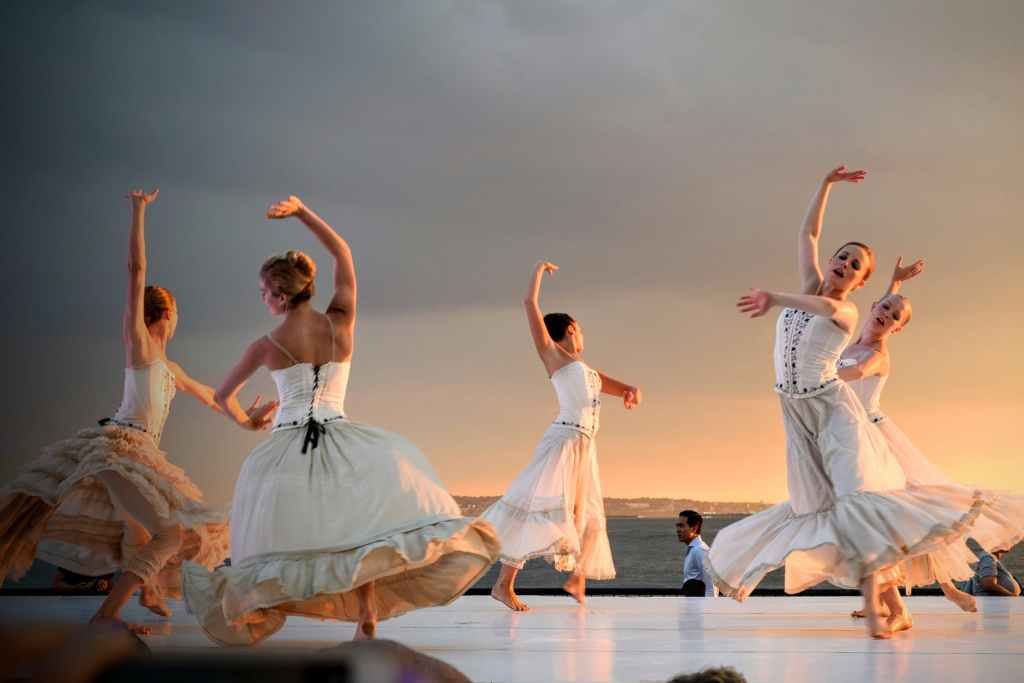
Dance is a performing art form consisting of sequence of movements , improvised or selected . The movement has aesthetic and symbolic value .

Dance in India comprises of numerous styles of dance . They are mainly classified in classical and folk dance.

As with other aspect of Indian culture different forms of dance are originated from different parts of India, developed inbibed elements from other parts of country .

Classical dance of India is developed a type of dance drama that is a form of a total theater. The dancer acts out a story through gestures. Most of the classical dance of India extract stories from hindu mythology . Each form represents the culture of a particular region or group of people . Some of the classical dance forms are like Bharatnatyam, Kathakali, Kuchipudi etc.

Folk dance are numerous in number ang style and vary according to the local trade of the respective State .Folk dance plays a significant role in rural areas as the expression of the daily work and rituals of village communities . Some of the folk dance forms are like bhangra ,garba etc

In India dance encompasses a wide range of dance activities currently performed . It includes experiment ing with existing classical and fork forms of dance by various artists.

Benefits of dance

• Improve condition of heart and lungs .

• Increases muscular strength , endurance and fitness.

• Increases aerobic fitness.

• Weight management.

• Better co-ordination and flexibility.

biography of netaji subash chandra bose

Subhas Chandra Bose was born on January 23, 1897 in Cuttack, Orissa. His father Janaki Nath Bose was a famous lawyer and his mother Prabhavati Devi was a pious and religious lady. Subhas Chandra Bose was the ninth child among fourteen siblings. Subhas Chandra Bose was a brilliant student right from the childhood. He topped the matriculation examination of Calcutta province and graduated with a First Class in Philosophy from the Scottish Churches College in Calcutta. He was strongly influenced by Swami Vivekananda’s teachings and was known for his patriotic zeal as a student. To fulfill his parents wishes he went to England in 1919 to compete for Indian Civil Services. In England he appeared for the Indian Civil Service competitive examination in 1920, and came out fourth in order of merit. However, Subhas Chandra Bose was deeply disturbed by the Jallianwalla Bagh massacre, and left his Civil Services apprenticeship midway to return to India in 1921.

After returning to India Netaji Subhash Chandra Bose came under the influence of Mahatma Gandhi and joined the Indian National Congress. On Gandhiji’s instructions, he started working under Deshbandhu Chittaranjan Das, whom he later acknowledged his political guru. Soon he showed his leadership mettle and gained his way up in the Congress’ hierarchy. In 1928 the Motilal Nehru Committee appointed by the Congress declared in favour of Domination Status, but Subhas Chandra Bose along with Jawaharlal Nehru opposed it, and both asserted that they would be satisfied with nothing short of complete independence for India. Subhas also announced the formation of the Independence League. Subhas Chandra Bose was jailed during Civil Disobedience movement in 1930. He was released in 1931 after Gandhi-Irwin pact was signed. He protested against the Gandhi-Irwin pact and opposed the suspension of Civil Disobedience movement specially when Bhagat Singh and his associates were hanged.

Subash Chandra Bose was soon arrested again under the infamous Bengal Regulation. After an year he was released on medical grounds and was banished from India to Europe. He took steps to establish centres in different European capitals with a view to promoting politico-cultural contacts between India and Europe. Defying the ban on his entry to India, Subash Chandra Bose returned to India and was again arrested and jailed for a year. After the General Elections of 1937, Congress came to power in seven states and Subash Chandra Bose was released. Shortly afterwards he was elected President of the Haripura Congress Session in 1938. During his term as Congress President, he talked of planning in concrete terms, and set up a National planning Committee in October that year. At the end of his first term, the presidential election to the Tripuri Congress session took place early 1939. Subhas Chandra Bose was re-elected, defeating Dr. Pattabhi Sitaramayya who had been backed by Mahatma Gandhi and the Congress Working Committee. Clouds of World War II were on the horizon and he brought a resolution to give the British six months to hand India over to the Indians, failing which there would be a revolt. There was much opposition to his rigid stand, and he resigned from the post of president and formed a progressive group known as the Forward Block.

Subhas Chandra Bose now started a mass movement against utilizing Indian resources and men for the great war. There was a tremendous response to his call and he was put under house arrest in Calcutta. In January 1941, Subhas Chandra Bose disappeared from his home in Calcutta and reached Germany via Afghanistan. Working on the maxim that “an enemy’s enemy is a friend”, he sought cooperation of Germany and Japan against British Empire. In January 1942, he began his regular broadcasts from Radio Berlin, which aroused tremendous enthusiasm in India. In July 1943, he arrived in Singapore from Germany. In Singapore he took over the reins of the Indian Independence Movement in East Asia from Rash Behari Bose and organised the Azad Hind Fauj (Indian National Army) comprising mainly of Indian prisoners of war. He was hailed as Netaji by the Army as well as by the Indian civilian population in East Asia. Azad Hind Fauj proceeded towards India to liberate it from British rule. Enroute it lliberated Andeman and Nicobar Islands. The I.N.A. Head quarters was shifted to Rangoon in January 1944. Azad Hind Fauj crossed the Burma Border, and stood on Indian soil on March 18 ,1944.

However, defeat of Japan and Germany in the Second World War forced INA to retreat and it could not achieve its objective. Subhas Chandra Bose was reportedly killed in an air crash over Taipeh, Taiwan (Formosa) on August 18, 1945. Though it is widely believed that he was still alive after the air crash not much information could be found about him.

Menstrual Taboos

Menstruation is a very natural and important thing in a woman’s life. But in India there are a lot of taboos and myths regarding this which are still now believed by a large number of the female population.

Menstruation(also known as periods) is the flowing of blood from the uterus through vagina which occurs when the eggs in the ovary of a female are not fertilised. This happens every month generally for 4-6 days. This is a biological process without which a female can never be able to have the beautiful feeling of becoming a mother.

But people in India, mostly the females still now follow a large number of menstrual taboos that are imposed upon them by their mothers or grandmothers. This creates a great impact on the mental health of many women during their periods. These taboos are followed without any scientific reasons and proofs.

During those days the girls are not allowed to enter the temples or any holy places and are not even allowed to touch anything holy not even the flowers or utensils used for the prayer of gods in their houses. It is because they are said that when a girl is going through her periods she is considered as an “impure”; because they are having a blood flow from their vaginal area. This creates a great impact on the mental health of a girl because she looses her self confidence and feels being an impure. The possible scientific reason for this kind of taboo can be that during this time a female undergoes tremendous stomach pain and so they may be unable to complete their prayers by following all rituals. But this reason is not thought by anyone rather they prefer continuing the taboo without finding the scientific reasons behind it.

It is seen that in some parts of the country women are not allowed to enter the kitchen and cook goods during these days. People believe that during this time the girls can be unhygienic and unclean and so if they cook food then the food would get contaminated. But there could also be another scientific reason behind this which could be that during this time a woman needs some rest because because of the hormonal changes they feel really tired so during this time it becomes difficult for them to cook food for the all day long. But here also people instead of giving her rest, believes in this kind of taboo which affects the mental health of the woman who is menstruating.

Also there are some girls who believe eating sour foods like tamarind, curd etc would make their blood flow worse or stop. But no such scientific reasons has been found to the impact of sour foods during periods. Girls can eat sour foods during their periods and no such changes in the blood flow occurs.

And which shocks the most is that a large number of girls from today’s generation still believe in this kind of taboos. Today everyone is well known by the fact of menstruation whether it’s a male or a female but there are still some girls who goes on believing on this taboos. Being an individual in this world of technology and science growing world it is very shocking to see that kind of girls who instead of fighting against this , believes in this taboos.

Also it is the responsibility of every men towards the female individuals of their lives , to provide them comfort and support during these days.

Periods is not an unholy thing. A girl does not become impure if she is having her periods. What is impure is the superstitious believes of the people who believes in this kind of taboos. During this time try to be supportive and stand beside the girl rather than destroying her mental health. Also every girl should raise a voice against this kind of taboos rather than believing in it.

Nothing changes if you are on your periods. You are as pure as you were in your other days of the month.

Shaw academy is giving diploma certificates for all

Today, we will talk about an amazing initiative created by SHAW ACADEMY. This academy is giving diploma certificates to all the students, boys and girls, who want to learn some courses.

Shaw academy

If you want to get a diploma certificate, then no worry! There are many courses available in the menu.

All the courses divided into 2 to 5 modules. Each module has some chapters, which you will learn online. You can complete your registration and course from your home. Isn’t it amazing!

There are very experienced and skilled educators , so you need not to worry about yourself
So many courses are available here! Like – photography, fashion design, fashion illustration, data analysis, cooking and many more!

All the courses are absolutely free of cost!

If you want to get your certificate, you have to pay money for it!

You will get your certificate in an affordable price. They will give you some discount! So don’t miss this opportunity and find your way!!!

Website: Www.shawacademy.com

Eligibility: Anyone can apply

Ten ways to naturally detox your body

According to ayurveda there are many different types of toxins in our body. But the most common one is called Ama. Ama is actually the waste product of digestion that often builds up in our digestive tract when our digestion is either weak or unable to process the food that we are eating and often those are foods that are heavy to digest or are very highly processed. If ama is not cleared from the body and continues to build up it can actually leave our digestive tract and circulate around our body which means these toxins are traveling around our body too. There are five main signs of toxins in our body and it’s really just a way of your body telling you that you may need to pay a little bit more attention to it.

1.A thick white or yellow coating on your tongue in the morning.

2.Bad breath.

3. Strong body odor.

4.Feeling sluggish or lethargic throughout the day. And

5. Painful joints all over the body.

Detox ways=

1. Garshana also know as dry brushing. So when it comes to dry brushing you usually use brush that looks like this.

The trick is to use long strokes for your arms and your legs and do circular motion on your belly. Dry brushing actually help to stimulate your lymphatic system. The lymphatic system is basically the system in your body that carries around the liquid called lymph. Lymph carries all the toxins in your body and so when you use this brush all over your body it helps to get them moving and out of your system.

2. Toungue Scraper. There is lot of ayurvedic research that suggest that there is a strong link between your tongue and the state of your health. So use your tongue scraper every morning and start it from back of your tongue to the front. Do it around 10 times

3. Hot water. Really hot water can make such a difference to your body. Having cold water dampens your digestive fire. Boiling water actually helps lighten it and so it actually ends up penetrating deeper into your tissues to hydrate you even more. It helps to digest lot of ama that has built up that’s blocking a lot of channels in your body and helps to wash it away. Drinking water between your meals can dilute your digestive fluids which means that your food is not digested properly.

4. Spices. Spices in Ayurveda is the medicine box. It helps you to absorb your food better and makes your food tasty. Spices like black pepper, turmeric, cumin, cardamom the list is endless. They are helpful in daily detoxification of your body. Queen of detox coriander, cumin, fennel in hot water is best. Avoid fennel seeds during pregnancy because it stimulates menstrual cycle.

5.Abhyanga. Massaging your body with warm oil helps to loosen the toxins from the soft tissues of your body.

6. Epsom salt bath. It is made up of magnesium and sulfate and they are very useful in the detoxification process of our body.

7. Eat your largest meal in the afternoon andRegular meal times. Our body is in tune with nature and so when the sun is at its peak that is also when our digestion is at its strongest. Afternoon is the best time to eat your largest meal which means you have greater amount of time to digest it before you go to bed. Having regular meal time is because our body that gets used to knowing when we are going to eating our meal so our digestive juices start flowing just before we eat which means our tummy is ready to receive whatever we put in. According to Ayurveda it says that we actually need at least a three hour gap between our meals

8. Sleeping by 10 PM. just as our body has a sleep cycle it also has detox and digestive cycle and in ayurveda it says that, that time is 10pm to 2am so ideally if we are resting during this time it allow the process to happens more efficiently.

Those are my favourite tips on how to detox daily. These tips really helped me and I hope that it can help you too. Start slow and be kind to yourself. If you have any health conditions or any serious issue with your body I definitely recommend to going to see a doctor or a specialist.

Foods to eat to prevent hair fall post-COVID

Many people are experiencing hair fall after recovering from Covid- 19.  Hair loss can be a result of many things, including a deficiency  of nutrients during the period of infection can also result in hair fall

“A healthy diet is the most important aspect of recovery. Consuming a diet lacking the right nutrients can lead to hair loss. For healthy hair, one should consume enough water along with a diet rich in protein, biotin, iron, omega-3 fatty acids, B vitamins, vitamin C, E, and zinc.

PRISONS AND COVID-19

The world is currently facing a public health emergency in coronavirus (COVID-19), but little has been said about the people in our prisons and juvenile detention centers.

The impact is felt strongly by prisoners in the majority of countries around the world. Even relatively well-resourced criminal justice systems have significant problems in reducing the pandemic’s impact in prisons. The repercussions are particularly severe in prison systems that were already overburdened, whether as a result of systemic neglect, a lack of manpower, or other factors. As a result, insufficient sanitation, hygiene, and health services have resulted in bad prison conditions.

Today’s record-high prison populations are the result of the criminal justice system’s failure to make the necessary changes in response to the pandemic. There is a fear of an unregulated spread of infection and escalating death toll loom with little to no data from jail authorities on current prevalence of testing and total disinterest from judges on prison conditions. Even more concerning is the complete lack of priority given to prisoners nowadays.

In public places to limit the spread of COVID-19 and avoid overburdening our health system, governments and health experts have proposed that we use the most effective technique to help flatten the curve: social distance. In prisons, though, it is nearly impossible. Because of the nature of prisons, individuals are always in close proximity to one another, separating sick people from healthy people to avoid disease transmission is impossible. This makes prisons the ideal breeding environment for COVID-19, which would spread like wildfire across the prison system once one person became infected on the inside. Almost one-third of those who enter prison have a chronic medical condition, such as asthma, cancer, cardiovascular disease, or diabetes, or are disabled. It is quite risky for the inmates.

To avoid a mass outbreak, the government must take immediate steps to limit the number of inmates in prisons, particularly those who are most vulnerable to COVID-19.

  1. Granting leave to those most vulnerable to COVID-19, such as the elderly, individuals with chronic illnesses, people with disabilities, and people with mental illnesses.
  2. Granting early release to persons in prison who are nearing the conclusion of their sentence, as has been done in several places around the United States;
  3. Granting parole or leave to those in prison who have been convicted of low-level offenses and who, if released, would pose a low risk to the community;
  4. Granting children and young people parole or leave so that they can remain with and be supported by their families during this public health crisis; and
  5. Making it easier for children, young people, and adults on remand to obtain bail if they have not been proven guilty of any criminal offense and pose a low risk to the community if freed.

Prisoners, like everyone else, are entitled to basic human rights. And despite requests from human rights organizations and others, nothing has been done to address these challenges effectively. State governments should endeavor to preserve the physical and mental well-being of people who stay in custody, particularly those who are most at danger, rather than relying solely on simple lock downs. If not, the coronavirus in prisons might be disastrous in more ways than one.

Madras HC Landmark Ruling on LGBTQ protection: Ignorance cannot justify Discrimination.

Since, June is considered as the pride month of the year and recently we got a landmark judgement from the Madras High Court regarding the LGBTQ+ Community.  Looking at these situations, we can see that society is changing their perspective towards these people, especially the current generation which looks for equality everywhere. This article will mainly focus on the LGBTQ+ people and the recent landmark judgement.

First of all, I would like to explain the kind of people who come under the LGBTQ community and their rights and what their current situation is in the country and then would make a small analysis of the recent judgement.

The LGBTQ/LGBTQIA+ (Lesbian, Gay, Bisexual, Transgender, Queer and/or Questioning, Intersex, and Asexual and/or Ally) Community can be simply defined as the group which contain same-sex couples. This community has been associated with certain symbols especially the flag which is denoted by rainbow colours where each colour signifies the value of the community.

The LGBTQ RIghts have evolved in India, but still they face social and legal issues which are not faced by the non- LGBTQ people. The country has however revoked the laws which were discriminating the homosexuals and transgender identities and they explicitly eludicated on Article 15 of the Constitution to restrain discrimination on the basis of sexual orientation and the gender identity of a person. But still, there are many legal protections which have not been provided which includes same-sex marriage, etc.

CASES WHICH GAVE JUSTICE TO THE COMMUNITY

One of the first landmark case which came in favour of this community was the case of Navtej Singh Johar v.  Union of India, where the Supreme Court of India decriminalised Article 377 of the Indian Constitution and allowed consensual homosexual intercourse excluding consensual homosexual sex between adults and those which are away from the scope.

Despite seeing and having strong political and social changes, there are still a majority of people who are homophobic in nature who still reject the same-sex relationships but also a acceptance and tolerance has been recognised in big cities.

Furthermore, there was another case, i.e, National Legal Services Authority v.  Union of India the Supreme Court of India held that discrimination whic is done on the basis of gender identity is prohibited.

CONVERSION THERAPY

Conversion therapy is the pseudoscientific practise of employing psychological, physical, or spiritual therapies to convert a person’s sexual orientation from gay or bisexual to heterosexual. Conversion therapy is unsuccessful and sometimes hazardous, according to medical institutions. There is no convincing evidence that sexual orientation can be reversed.

Its validity, efficacy, and ethics have been questioned by medical, scientific, and government groups in the United States and the United Kingdom. Conversion therapy is illegal in a number of places across the world.

Since, LGBTQ community is looked down upon in our country, the use of Conversion Therapy is used a lot here so that the people in this community convert themselve into the two dominant genders present in our country.

The recent landmark judgement S. Sushma v. Commissioner of Police has prohibited the Conversion Therapy in India.

SHORT ANALYSIS OF THE RECENT LANDMARK JUDGEMENT

The petitioner’s of this case is a lesbian couple whose relationship was opposed by both their respective parents, due to which they both fled to Chennai from Madhurai. The couple got help from the community in the financial matters. On the other hand their parents individually filed a missing complaint before the Inspector of Police and the two FIRs approached the couple as an apprehending threat to their safety and security.

Seeing it as a danger, the couple filed a petition regarding this matter which Justice N. Anand Venkatesh looked into and passed an interim order and asked their parents to undergo counselling with the psychologist Ms. Vidya Dinakaran and asked for a report after the first counselling. The report stated that their parents have understood the relationship between them and have agreed with the relationship, but still they feared that they might be against the relationship, the psychologist reported that that the parents are concerned about the society and the consequences they will have to face. In return the counsel for the petitioners asked for a set of guidelines which could help them live in peace. The judge in return took an unprecedented move, i.e, he himself said that he will take the counselling and look into the emotions and the problems the community faces in our country.

In the judgement he said that , he said that comprehensive measures should be taken to sensitize the society, state and federal government including the police and the judiciary to remove prejudices against the community. He also suggested that changes should be made in the school curriculum to educate and make the students understand this community. He also suggested that special NGOs should be made which professionally deal with the qeer community and. The court has also recognised  that there is an absence of laws which deal with the community, therefore they should work in the area and should try to protect the community. Lastly he says that the medical cures which deal with the change in sexual orientation should be prohibited. Lastly, it can be said that a lot of changes are required to help the LGBTQ in the society as well as in the legal system which can help the people of the LGBTQ community live a better life.

Active Involvement in a Commission of an Offence is not a Pre- Condition for Common Intention.

Recently, within the case of Subed Ali v. The State of Assam Home Department, the Supreme Court three-judge bench of RF Nariman, Navin Sinha, and Indira Banerjee, JJ, has ruled that it’s not essential for someone to be actively participating within the physical activity of assault before being convicted on the idea of common intention. Common purposes are often inferred if the character of the evidence shows a prearranged plan and other people operating united to hold it out.held that just an energetic involvement of someone during a commission of an offence can not be considered a precondition for a typical intention.

The judgement came through an appeal within which the appellants, who had been found guilty under Section 302/34 of the Indian legal code and sentenced to life in prison, had sought acquittal during a case within which two persons died as a result of the appellants’ assault. The Sessions Court acquitted two of the five defendants, giving them the good thing about the doubt. While eye witnesses testified that appellants 2 and three were the sole ones who assaulted the 2 deceased. There was no allegation that appellant no. 1 was in any way armed or attacked either of the 2 dead. As a result, it had been argued that there’s insufficient evidence to determine common purpose within the case of appellant no. 1.

The case mainly forbade the common intention aspect, and noted that a typical intention is defined as a gaggle of individuals who are operating together to pursue a same goal, while their responsibilities are diverse. It makes no difference whether the role is active or passive after a shared goal has been established.

The bench stated that,

“It’s hard to believe there’s any concrete proof of shared intent. It’s more of a matter of drawing inferences from a case’s facts and circumstances to support a cumulative evaluation of the sort of evidence against the participants.”

The Court explained that the concept of vicarious liability, which holds an individual accountable for the actions of individuals with whom he shares a standard intention, is that the foundation for conviction supported common intention. Without an actual involvement within the attack, the existence of the mental element or the will to perform the offence, if evidently proven, is sufficient for conviction.

As a result, it’s not required for an individual to be actively participating within the physical conduct of assault before being convicted on the idea of common intention. Common purpose is inferred if the character of the evidence shows a prearranged plan and folks operating mutually to hold it out. A shared purpose to realize a particular goal can emerge spontaneously among a bunch of individuals supporting the facts and circumstances of a given instance.

The bench further stated that,

“The gathering of the accused to the scene of the crime, some or all of whom could also be armed, the fashion of assault, the accused’s active or passive involvement are merely some of the materials from which conclusions may well be drawn.”

Therefore, through this case the Supreme Court held that only within the basis of mere common intention, the appellant can’t be held liable, but if the Court gets proven evidence where they get to understand that the appellant had taken part within the assault and has attacked the person, then the appellant are held liable.

IMPORTANCE of personality development

In today’s era , personality development is an important part , one need to develop their personality along with skills and knowledge . Personality not only being intelligent or looking fashionable or classy , it means acting smartly , thinking maturely , talking less and working more. One should develop such a personality that people crave his vibes . Blindly copying others and following this character doesn’t work , one needs to make his or her own identity and be yourself . Personality development not only makes us look good but it also helps us to face the world with our smartness and smile. It helps to relieve is from mental stresses , looking physically good and healthy in turn keeps our mind healthier too. One starts thinking about the goodness of life and start looking on the positive side of the life .A charming face and a beautiful smile are enough to kill all the negativities and to live a thriller life. It helps to built positive attitude in an individual as neagative people and negative minds are more likely to get stuck in problems. It’s a worth saying , “the way we treat others , same way the others will treat us .”So ,It is essential for the individuals to behave well with other people present around us . Respect can’t be bought or earned it is only gained by behaving well and polite with others .Here are some of the tips to improve personality that are as follows: Be Impeccable to your word ,Bee yourself ,Don’t be very hard on yourself,Be kind Talk politely with everyone,Dress up in classy way , not so high class not so low , dressing simpler is the best , bee a good listener,Stay calm, Be a little fun ,Be a good communicator ,Speak only when needed ,Behave maturely , Don’t be negative ,Don’t complaint all the time ,Maintain proper eye contact and body language while communication ,Don’t be lazier ,Reach the work place at time being punctual shows that you are responsible ,Don’t fight with others ,Don’t be egoistic ,Make sure your message is understood by the reciever.One of the most important thing to be considered is education. Education is essential for all aspects of development. Personality development is a mixture of skills , knowledge, experiences and opportunities , without all theses it’s totally impossible to achieve .One should stay motivated and encouragred while performing the tasks and develop leadership qualities . Being the captain of the group directly shows that how much knowledge the person have . Be confident and don’t be nervous on tiny things , different things comes and go , nothing stays permanent , one need to understand this and must follow the flow of life .Life skills are actually needed for a successful career. One must be inspiring, motivating and be such a unique and positive in actions that it sets and example among youngster .

Tillage Practices and Their Potential to Impact the Soil Carbon Dynamics

Abstract
In dry regions, it is customary for farmers to use soil water conservation and/or water harvesting techniques. These practices have now become applicable to agriculturalists combating the adverse effects of drought on food production. In the semiarid areas of Zalingei in western Sudan, we quantified the soil erosion using traditional conservation measures and conducted experiments in two consecutive rainy seasons (2013 and 2014). A split-split plot design was used to quantify the respective influences of each variable on reducing soil erosion: A) three gentle gradients (Slope1 (0.98%), Slope2 (1.81%), and Slope3 (3.1%)); B) two cropping systems (mono-crop and mixed-crops); and C) five indigenous conservation tillage practices—chisel ploughing (CHP), cross slope tied bonding (CSTB), contour ridge with stone bonds (CRSB), cross slope bonding (CSB), and zero tillage (ZT). Our results showed that there were significant differences between the slopes in season 2 (2014); the soil eroded at Slope3 was more than that of Slope1 and Slope2 by 71% and 27%, respectively. Over two seasons, there were no significant differences between the cropping systems. Conversely, the erosion level observed with CHP was higher than with the other practices. However, the CSTB and CSB erosion levels were only higher in season 2 when compared with those of CRSB and ZT. The study concluded that under the above conditions, the rate of soil erosion was severe and exceeded the erosion tolerance. Based on these results, in western Sudan, CRSB and ZT may be the more effective indigenous conservation practices for the protection of agricultural soils and productivity.

INTRODUCTION
The level of soil degradation is increasing globally and is linked to an increased risk of drought . The growing human population faces increased pressure on its food supply, which is compounded by the limited availability of agricultural lands. To address these issues, the productivity of existing arable lands must be increased via better water use efficiency and soil conservation practices. . Moreover, climate change is also predicted to increase the incidence and severity of droughts in semiarid regions
The erosion of agricultural soils has long been a global environmental concern . Also, soil erosion is considered as one of the significant environmental problems worldwide due to its effects on water quality, soil productivity, and ecosystems. Rain flood erosion in agricultural lands strips the fertile topsoil on-site in arid and semiarid regions. Soil loss is often triggered and accelerated by poor or non-existing soil conservation practices promoting the transport of sediments and potentially hazardous pollutants via runoff to rivers and streams . In rainfed areas, the on-farm management of soil and water plays a critical role in achieving the full potential of soil conservation and water use . It is important to design conservation measures and strategies that are effective in controlling such soil losses on the Earth . Reasonable cultivation patterns combined with rainwater harvesting techniques can improve the management of degraded lands, which eventually leads to the sustainability of production, greater certainty, and lower marginal inputs. One type of soil conservation practices that are commonly used are conservation tillage practices (CTPs), which aim at no-tillage, little tillage, and cover crops . Other traditional or modern agricultural operations are used in conjunction with CTPs to reduce farmland degradation and to increase land productivity . In developing countries, the land is commonly fragile and degradable with poor vegetation as a result of the influence of frequent fires, tree logging, and free grazing. On top of these challenges, the area may suffer from climatic changes , rainfall fluctuations and the rapid advancement of the Sahara Desert. As a climatic adaptation strategy, rainfed, smallholder cultivation of grain crops is the predominant agricultural system in the hilly areas, where the terrace system is an interesting practice among indigenous water harvesting systems . However, the most effective method in conserving the soil surface is not well studied and reported so far in this area. Knowledge about the reduction in water and soil losses due to the practice of the terrace system is very limited in developing areas. Whether this traditional irrigation system helps in improving soil characteristics, crop production, and biodiversity richness in the area is also insufficiently quantified. Arid and semiarid areas account for about 60% of the national land in Sudan and account for approximately 8% of the world’s semiarid tropical regions . They are usually characterized by an unprotected soil surface, especially in clay areas, through which high-intensity rainfall cannot be infiltrated and thereby discharged dominantly by the surface runoff process . From these perspectives, this study aims to:
(A) evaluate the effect of the cultivation practices on the soil erosion;
(B) understand whether the cropping system affects water erosion, and
(C) recommend suitable field operations.
2. Method and Materials
2.1. Study Site
The field experiments were carried out during two consecutive seasons (2013 and 2014) at the experimental field of the University of Zalingei, western Sudan (between latitudes 12◦300–13◦300 N and 23◦300–23◦450 E) in the semiarid zone of North Africa. This is a mountainous area, where there are different types of waterways due to the land undulation, and large water streams (valley/wadi), streaming through from the Jebel Marra massif (approximately 100 km east of Zalingei) carrying fertile alluvial and volcanic soils [21]. The agriculture consists exclusively of small-scale family farms. Miehe [17] classified the soils of the area as Andosols with a bulk density of 1.32 g/cm3 . The climate is hot and rainy in the summer and harsh and dry during the winter. The average annual rainfall in Zalingei is approximately 600 mm/yr.; however, approximately two-thirds of it falls during July and August and about 90% from June to September, and there is very little or no rain from October to March [22,23]. The major crops for food are mostly grown during the rainy seasons (June to October) and include sorghum (Sorghum bicolor), millet (Pennisetum glaucum), and groundnuts (Arachis hypogaea), with vegetables mostly cultivated alongside the wadis’ lowland and flood plains during the winter. Water 2020, 12, 1554 3 of 11 Water 2020, 12, x FOR PEER REVIEW 3 of 12 Figure 1. The study area, located in the semiarid zone of North Africa. In the first rainy season (May–September 2013), the accumulation of rainfall was 542 mm, and it was 675 mm in the second season (June–October 2014); thus, the rainfall in the second season was 24.5% greater than in the first (Figure 2). The rain distributions were also varied, particularly during July and August of the second season, as a higher amount of rain precipitated, compared to that of the same period in the first season. To be exact, it was higher by 116.2% and 46% in July and August, respectively. Figure 2. The distribution of the rainwater per month (mm/m) and the accumulation of rainfall in each of the growing seasons, Season 1 (2013) and Season 2 (2014).
2.2. Experimental Design:
In three-factor field trials, split-split plots, each with 3 replicates, were used to quantify the influence of the following factors on soil erosion control: slope, cropping systems, and indigenous Water 2020, 12, 1554 4 of 11 conservation tillage practices. Thus, the field trial layout consisted of 90 plots, i.e., 3 whole plots × 2 subplots × 5 sub-subplots × 3 replicates. Three whole plots (each 35 m × 10 m), each with a different slope (S): S1 = 0.98%, S2 = 1.81%, and S3 = 3.1% (gradient measured by manual clinometer), were subdivided into 3 subplots (each 11 m × 10 m), each with a different cropping system (CS): mono-crop; sorghum and mixed crop; sorghum + groundnut. Each cropping type subplot was further subdivided into 5 sub-subplots (each 2 m × 5 m), each cultivated with a different conservation tillage practice (CTP): chisel ploughing (CHP), cross slope tied bonding (CSTB), contour ridge with stone bonds (CRSB), cross slope bonding (CSB), and zero tillage (ZT) (Figures 3A and 4). Water 2020, 12, x FOR PEER REVIEW 4 of 12 conservation tillage practices. Thus, the field trial layout consisted of 90 plots, i.e., 3 whole plots × 2 subplots × 5 sub-subplots × 3 replicates. Three whole plots (each 35 m × 10 m), each with a different slope (S): S1 = 0.98%, S2 = 1.81%, and S3 = 3.1% (gradient measured by manual clinometer), were subdivided into 3 subplots (each 11 m × 10 m), each with a different cropping system (CS): monocrop; sorghum and mixed crop; sorghum + groundnut. Each cropping type subplot was further subdivided into 5 sub-subplots (each 2 m × 5 m), each cultivated with a different conservation tillage practice (CTP): chisel ploughing (CHP), cross slope tied bonding (CSTB), contour ridge with stone bonds (CRSB), cross slope bonding (CSB), and zero tillage (ZT) (Figures 3A and 4). Figure 3. View of the prepared land of the experiment: (A) conservation tillage techniques; (B) collectors of soil particle deposits. Figure 4. The field layout of the simple methodology to determine the effect of conservation tillage on soil erosion. Chisel ploughing, CHP; cross slope tied bonding, CSTB; contour ridge with stone bonds, CRSB; cross slope bonding, CSB; and zero tillage, ZT. Arrows are in the flow direction.
2.3. Measurement of Soil Losses:
A small ditch (40 cm wide and 20 cm deep) was prepared, covered with a plastic sheet at the bottom end of each plot to receive the deposit of soil eroded, and transported by rain force out of the plot (Figures 3B and 4). After at least one day of rain events, the soil deposit was carefully taken from the field to the lab, where the samples were dried in an oven at 70 ◦C until a constant weight was obtained. At the rainy season’s end, the samples were weighed and the eroded soil mass per plot area was estimated.
2.4. Data Analysis
The procedure in Gomez and Gomez [24] was used for the analysis of variance (ANOVA) and all statistical analyses were performed using the SAS 9.4 software package (SAS Institute Inc., Cary, NC, USA). A least significant difference (LSD) of 5% probability was used in comparing the means of soil erosion for different treatment: (S), (CS), (CTP) (S × CS), (S × CTP), (CS × CTP) and (S × CS × CTP).
3. Results
3.1. Soil Erosion
There were significant differences in the mass of eroded soils among treatments with different land slopes in the second season (Figure 5A). However, the slope levels did not significantly affect the soil erosion in the first season. The cropping system factor also did not exhibit any significant variances among the treatment means over the two consecutive seasons (Figure 5B). The results showed differences as a result of the interaction between the land slope and the cropping system only in the first season (Figure 6A). The conservation tillage also significantly (p ≤ 5%) affected the soil erosion. There were no significant differences among treatments due to factor interactions over the two seasons: slope (S) × cropping system (CS) × conservation tillage practices (CTPs).
3.2. Effect of the Land Slopes and Cropping System
The slope factor clearly affected the magnitude of soil erosion, as we expected (Figure 5A). Only in the second season, S3 (3.1%) had significantly more eroded soil than S2 (1.81%); moreover, the masses of the eroded soil at the slopes were in the following order: S3 > S2 (by 27%), S2 > S1 (by 35%), and S3 > S1 (by 71%). However, there were no significant differences between S1 (0.98%) and S2 or S3 in the first season. The first season was unlike the second; the slope factor did not show any significant differences. The results did not show any significant differences between the mono- and mixed-crop systems (Figure 5B). Therefore, the two systems had no effects on soil erosion.
3.3. Effect of the Conservation Tillage Practices
The results in Figure 5C showed that the conservation tillage techniques in both seasons affected the soil water erosion significantly: in the first season, the CHP treatment differed significantly from CSTB and CRSB/CSB/ZT, whereas CRSB, CSB, and ZT were not markedly dissimilar from each other. In season 2, the soil loss measured in CRSB and ZT was significantly smaller than in the other three techniques. At the same time, the soil loss measured in CHP did not significantly differ from that in ZT; moreover, CSTB did not significantly differ from CSB. However, CHP and Z were not different from CRSB, but smaller than CSTB and CSB.

4. Discussion
Soil erosion occurs due to soil particle detachment, transportation, and sedimentation by erosion, such as water or wind. The problems caused by soil erosion can be both onsite and offsite, including nutrient lessening and limiting of crop production. As the topography affects these processes, the practices of CTP and CS also affect the soil erosion and crop production as a result. Not only is the quantity of annual rainfall essential to removing the soil particles from the original place, but the number of events, rain intensity in each event, and raindrop characteristics are also crucial factors. The mass of heavy rain with larger drops is more powerful for detaching and transporting the soil.


5. Conclusions
Our experiment provides a clear picture of how the conservation tillage practices (CTPs) affect the soil erosion of three slopes (S), and two cropping systems (CSs) in the hilly semiarid areas of the study area. According to the results of the experiment, we concluded that the conservation tillage practices (CTPs) strongly affected the soil erosion, such as the contour ridge with stone bonds and zero tillage. We found that the cropping systems (CSs) did not have significant effects; therefore, farmers need to apply more practices (i.e., CRSB) beside the CSs to conserve their land from soil erosion. We confirmed that the steeper the land, the more erodible the soil surface. The soil erosion due to cultivation practices in the study area is severe; therefore, the cultivation of cropland requires extensive 5. Conclusions Our experiment provides a clear picture of how the conservation tillage practices (CTPs) affect the soil erosion of three slopes (S), and two cropping systems (CSs) in the hilly semiarid areas of the study area. According to the results of the experiment, we concluded that the conservation tillage practices (CTPs) strongly affected the soil erosion, such as the contour ridge with stone bonds and zero tillage. We found that the cropping systems (CSs) did not have significant effects; therefore, farmers need to apply more practices (i.e., CRSB) beside the CSs to conserve their land from soil erosion. We confirmed that the steeper the land, the more erodible the soil surface. The soil erosion due to cultivation practices in the study area is severe; therefore, the cultivation of cropland requires extensive.


Exploring Business Approaches!

“Being business minded requires you to always approach things with humility and respect.”

Strive Masiyiwa

We are by now familiar with two types of approaches which are of course, positive and negative but we miss out on another important one within the positive approach, the one that very subtly lets a wee bit of negativity drift in so that something positive can happen. Let us name it the Pogative Approach that uses negativity to make something positive occur in business. For instance, cheating with the delivery of your services to get a surplus is a good example of this approach. Thus, the point to be highlighted is that most businessmen resort to the Pogative Approach and assign it the positive tag. However, this approach isn’t acceptable in business owing to the fact that it has the capacity to damage your reputation which may only break the chain of regular customers and as stated in the earlier articles, you don’t want to compromise with the regular ones because they have the power to fetch you a new queue of customers through feedback. Thus, businessmen must shun the myopic perspective and have an agile future vision.

Before inaugurating your business on a large scale, it is better to begin as an entrepreneur because a bigger company comes with reputed customers and you don’t want to deal with them without any previous practice. You don’t want to mortify yourself by not being able to impart those perfect customer service skills. You don’t want a bad image owing to lack of expertise. That’s exactly why, we move from basics to advanced level of expertise because as the saying goes, Practice makes Perfect. Thus, practicality comes into handy as it lends us a helping hand towards the topsy turvy business route. Everything in life surely has stages. So, a company owner must have run errands or worked as an entrepreneur which is essential as it helps us understand whether or not we are interested in business. It can be considered the first stage. Many a times, after going through this basic stage, a person realizes that business isn’t his piece of cake, which eventually helps him back off and prevent future losses!

When customers come into the picture, businessmen have to adopt an emotional approach. Though, it may be a lipstick of sham that feeling needs to reach and penetrate deeply in the customers’ heart so that they feel impressed and prefer you yet again in the future. This is what constitutes customer service. However, instead of pretending to be emotional, it is advisable to be true to your feelings and respecting each and every customer who trusts you with their hard earned money. You don’t want to dupe them by showing a ruthless image that can never be dropped in the near future since First Impression is the Last Impression as we all know. Of course, you aren’t expected to have deep rooted loving emotions for each and every customer, but you surely must possess those ethics that dislocate your intentions of betraying them through lack of commitment. In short, emotions and ethics share a close relation which makes adopting the emotional approach mandatory since every customer matters.

Every business is a convenient spot for customers thus, expecting variety in conveniences is acceptable. Thus, one should adopt a flexible approach that welcomes all sorts of services to the society so that customers feel satisfied enough to approach you. For instance, if your business includes website designing then make sure you incorporate all sorts of web related activities. You too want a variety of sources that fetch you income, don’t you? Thus, don’t adopt a rigid approach and remember to remain open to the market trends as you digest new services in. Flexibility also comes into limelight when you are expected to fine tune your services. Don’t be rigid with the manner of your services and try streamlining them with new facilities each and every time, as the market trends transform! As we all know, we can either introduce new services or evolve convenient features in the existing one to make it look like a new service. Thus, both of these require a broad based mindset which accepts feedbacks be they in the form of criticism and takes these in a positive manner to enhance the quality of ones services.

Let us understand all of these approaches through a short story. Let us imagine a company selling children’s wear. The owner before beginning this business had been working as an entrepreneur and stitched pretty garments at home which received great demand later. Thus, it helped the owner evolve into a huge business since she had gained some expertise in customer handling and felt the need to occupy a bigger platform for herself. Customers receive a warm attitude that doesn’t back in pleasing them which lures them all the more. She stitches garments even better than the customer demands, which obviously melts them. They pledge to choose her always because the love mixed with the services clearly touches the customers’ heart. It’s been a year or so, she surveyed some people who informed her that including ladies wear could help which she flexibly considers with a positive approach and tries her hand on this new endeavor. She effectively learns the same and drags attention of women on a large scale after 6 months owing to the efforts she puts into perfectly constructing those beautiful garments with unique patterns that every lady feels eager to try out. In short, dedicated and flexible approach that accepts feedback helped her succeed and have a huge business. After ladies wear, she tried incorporating teen wear and this variety gained wider public admiration. In short, one mustn’t hesitate in introducing new services or trying hands on multiple ones so that success touches our feet!

Be Flexible, Be Vibrant, and Be Dedicated!

Happy Business- Ing!

New Plastic ammendments in india

Around the world, one to five trillion plastic sacks are devoured yearly. In the event that integrated, five trillion single-utilize plastic packs would cover a region twice the size of France. Before long, Indians should take cognisance of this ecological danger and embrace choices to convey sacks, straws and stick film as the nation begins to eliminate single-utilize plastic (SUP) beginning one year from now.

A focal government council has distinguished the SUP things to be prohibited dependent on a file of their utility and ecological effect. Ecological specialists have invited this move while plastic producers have communicated reservations and requested putting off the boycott by a year because of the pandemic-incited financial droop.

Resistance from the plastics business will make it harder to successfully execute the boycott, given how ineffectively existing boycotts have been authorized – as seen from a new request of the Public Green Court (NGT)- – and because of weaknesses in the draft warning, like inquiries over choices to SUP things, specialists say.

In this report, we inspect what the draft warning involves, the response of waste administration specialists and plastics exchange affiliations; the viability of existing boycotts and the part of expanded maker’s duty (EPR) in overseeing plastic waste.

What the notice looks to boycott

The new draft will supplant the current standards on plastic waste administration which were advised in 2016 and changed in 2018. The 2021 draft rules have proposed to restrict produce, import, loading, dispersion and offer of certain single-use plastics from January 1, 2022.

In the wake of looking for ideas and complaints on the draft from residents and partners for a time of two months until May 11, the service is presently thinking on the input it has gotten, service authorities told IndiaSpend, asking not to be named

In the three-stage boycott, the main class of SUP things proposed to be eliminated are plastic sticks utilized in inflatables, banners, candy, frozen yogurt and ear buds, and thermocol that is utilized in enhancements.

The subsequent class, proposed to be prohibited from July 1, 2022, incorporates things like plates, cups, glasses and cutlery like forks, spoons, blades, straws, plate; wrapping and pressing movies utilized in sweet boxes; greeting cards; cigarette parcels; stirrers and plastic standards that are under 100 microns in thickness.

A third classification of forbiddance is for non-woven sacks under 240 microns in thickness. This is proposed to begin from September 30, 2022.

The draft has, interestingly, characterized non-woven plastic packs – broadly utilized as shopping sacks – and brought brand proprietors (selling SUP under an enlisted brand name) just as plastic waste processors under its ambit. It has additionally, interestingly, characterized thermoset plastic- – which are irreversibly unbending and can’t be remolded- – and thermoplastics, which mellow on warming. Thermoset plastics are utilized in electrical fittings and flatware while thermoplastics are utilized in things, for example, toys, brushes and mugs.

The draft likewise proposes to build the thickness of do sacks made of virgin or reused plastic from 50 microns to 120 microns. The 2016 guidelines have effectively restricted utilization of plastic packs and sheets whose thickness is under 50 microns.

How things to be prohibited were distinguished

India has characterized SUP as expendable plastics (use-and-toss things) that are generally utilized for bundling and incorporate things proposed to be utilized just a single time before they are discarded or reused. These incorporate things, for example, convey sacks, food bundling, bottles, straws, compartments, cups and cutlery.

The SUP things to be eliminated have been related to the assistance of a report of a specialist board that was established by the Division of Synthetics and Petrochemicals. This panel was shaped after the public authority’s promise to dispense with SUP by 2022 to analyze, in addition to other things, classifications of SUP and to suggest which of them could be eliminated.

The 13-part master advisory group was going by resigned Association government secretary Indrajit Buddy, and included researchers and other specialized specialists who met multiple times in 2019. They cooperated with partners from industry bodies just as free specialists having a place with research foundations like The Energy and Assets Establishment (TERI) and non-benefit associations like Chintan and Toxics Connection. The report of this council had additionally noted in 2019 that yearly plastics utilization in India would cross 20 million metric tons by 2020.

The advisory group distinguished and suggested things for disallowance dependent on a file of the utility of a SUP and its unfriendly effect on the climate, according to their report. Five factors each for utility (cleanliness, item security, centrality, social effect and financial effect) and ecological effect (collectability, recyclability, probability of end-of-life arrangements, natural effect of substitute materials and littering penchant) were thought of. The SUP things were scored utilizing these 10 variables to measure their utility and ecological effects.

The things that had a low score on utility scale and high score on ecological effect scale were suggested for disallowance. Dainty convey sacks, non-woven convey packs and covers; little wrapping and pressing movies; straws, stirrers; frothed cutlery things; non-frothed cutlery things; plastic sticks; little drinking containers and plastic flags with thickness under 100 microns, and extended polystyrene utilized in enrichments were the things that were low on utility components and high in their effect on the climate.

Overall Effects

The measures taken will surely have a drastic impact on the future of non-sustainable use in India. Plastic being one of the major pollutants, needs to undergo immediate scrutiny under the environmental problems that it causes. And therefore, this step taken by India, even though small will have a drastic impact on the future of the country in terms of pollution and climate change.

Climate Change and its Immediate future in India

One of the significant regions that will be affected by environmental change in its furthest point in the near future is South Asia, particularly India principally due to its different territory. Environmental change is required to have a genuine effect around here as the nation is quickly debilitating its regular assets subsequently, annihilating its current circumstance generally because of “urbanization, industrialization and financial development.” 

India faces a disturbing ecological and financial test in its push to ensure its quick draining of normal assets. Water and air quality are deteriorating step by step because of the increase of different toxins in the air. Furthermore, the areas that will be exposed to the most noteworthy openness to environmental change are the country’s waterfront eco frameworks, biodiversity and farming efficiency. Additionally, the locale is as of now subject to regular dangers, for example, the 2013 Uttarakhand floods, landslides, the 2015 Chennai flood and the 2016 dry spell. 

There is additionally proof of unmistakable expansions in the force or potential recurrence of numerous outrageous climate occasions, for example, heat waves, expanded droughts and serious precipitation. The antagonistic effects of such calamities range from hunger, weakness to infections, loss of pay and livelihoods.15 According to the World Bank, an increment of 2°C on the planet’s normal temperature in the following not many years will just make India’s rainstorm more erratic. The change in downpour designs across India is anticipated to leave various regions submerged and others without enough water in any event, for drinking. 

“In India, over 60% of the harvest region is downpour taken care of, making it profoundly defenseless against environment instigated changes in precipitation designs. It is assessed that by the 2050s, with a temperature increment of 2°C-2.5°C contrasted with pre-modern levels, water for rural creation in the stream bowls of the Indus, Ganges and Brahmaputra will decrease further and may affect food sufficiency for about 63 million individuals.” 

A hotter environment is likewise expected to hinder the neediness decrease rate. Despite the fact that environmental change will influence everybody’s lives in the area, poor people will be the most influenced as they are the once generally subject to rain-based farming and have no or insignificant assets to support their business. An expansion of 2°C by the 2040s will hit crop creation in South Asia as well and will lessen the yield by 12%, requiring more imports to satisfy needs at home. Likewise, diminishing food accessibility would lead to extensive medical conditions particularly among ladies and youngsters. Dissolving of icy masses and loss of 

Snow presents a critical danger to solid water assets in India. Fundamental waterways like the Ganges, Indus and Brahmaputra, rely altogether upon snow and frosty dissolved water, which makes them even more vulnerable to unfavorable effects of a dangerous atmospheric deviation. This could additionally expand the danger of flooding of low regions and represent a danger to horticulture. Having momentarily investigated the effect of environmental change, the accompanying area will have an endless supply of the new climate occasions that were generally an immediate consequence of environmental change in India.

Lower-carbon improvement, however, could yield quick advantages, for example, cleaner air, more prominent energy security and fast occupation creation. India’s environment targets are viewed as ‘2°C viable’, for example a decent amount of worldwide exertion. Be that as it may, seeking after a cleaner, more asset productive way could invigorate a quicker, more attractive monetary recuperation and secure India’s thriving and seriousness in the long haul.

INTO THE WORLD OF WEBTOONS

Everybody has heard of K-Pop, many people know K-Dramas. After all, the Hallyu wave from Korea has been stunning the world for a long time now. With the addition of K-Dramas of various genres to Netflix and the exponential rise in fame of bands like BTS and Blackpink, Korean culture is taking over hearts in almost every part of the world. There is another part of Korean entertainment that is also making waves. Though not as prevalent yet, as Kdramas or Kpop, this part is also creating waves in its own way. What I am talking about are Webtoons.

Webtoon is an app that is part of the online portal developed in Korea called Naver. It was initially launched in Korea but soon after its rising popularity, it was launched globally in languages that included Chinese, Japanese, English, French, Indonesian, Spanish, Thai and German.

Webtoon is home to hundreds and thousands of comics across almost 20 different genres ranging from romance, to slice-of-life, to action and horror. Webtoon brought attention to the Korean equivalent of ‘Manga’, called ‘Manhwa’. The translations of these ‘Manhwa’ comics were released through the Webtoon app and has now gained a lot of popularity.

People still prefer reading Manga as books and their digitized copies are also in the form of ‘pages’. But, ‘webtoons’, as the comics on the app are called, are different. They are made solely for the mobile phones. They have a continuous style of page distribution, where one episode is generally one long page that you can scroll through easily on a phone. To be honest, the best experience of reading a webtoon is on the phone. Reading it on a desktop just does not have the same feel. This is bringing a lot of change in the way artists are planning out storyboards and layouts too.

That is another thing about webtoon. They have something called ‘Canvas’. This is a space where any artist can upload their comics for people from around the world to read. Through competitions and contests, many of these comics are recognized and taken up by the Webtoon corporation and made into an ‘Original’ on the app. When released as ‘Originals’, the artist is hired under the corporation and is financed by the corporation. The comic is serialized with proper release schedules and a more wider audience range. In this way, Webtoon is a great platform for aspiring comic book artists to get their works recognized and applauded.

During the lockdown, I came across the app and now I am fully hooked. There is so much variety both in terms of art styles and in terms of stories. So, I have decided to compile a list of my favourite webtoons for those who want to start reading and for those who already know and are looking for something new to read. So here goes!

1. WINDBREAKER

Windbreaker.
(img source:https://lh3.googleusercontent.com/nAHfAX6QMG7ht_6nAITp8VP3ATnOECEH5DIdEDf3wNAhLtAiMv6CFtGitzBYcRF3Orm0=h500)
  • Status: Ongoing
  • Genre: Sports
  • No. of Eps: 339 (so far)

This webtoon is one of my all time favorites. It is a sports webtoon about extreme and street cycling. Reading this webtoon made me, a couch potato at the best of times, to also want to ride a bicycle. It follows a group of high school kids who start a cycling crew to enter a street cycling competition. It is about how they grow together both as riders and human beings in general.

The art is amazing, the story is amazing and every week I am waiting excitedly for a new episode to release. It is a really nice webtoon to start off your foray into this world, especially for those who love cycling and even for those who don’t. It is a very underrated webtoon that I hope gets a lot more love.

2. SPIRIT FINGERS

  • Status: completed
  • Genre: drama
  • No. of eps: 167

For anyone looking for a light hearted webtoon to start their day, this is the perfect one. It is the story about a girl who has lived all her life as an awkward teenager and lacking self-confidence. But then, she encounters a group of the ‘hippest, strangest, coolest (yet most welcoming)’ people ever in the form of an art club called ‘Spirit Fingers’. Then begins her journey of self discovery self love.

A webtoon filled with lovable characters, dumb incidents and just hilarious in many senses, it is one that also gives out the message that everyone is unique and a ‘COLOR’ of their own. It is just about taking our the time to find yourself and your group. It is a small webtoon compared to the others on the list with just 166 episodes but a fun read nevertheless. The art took me some getting used to. But it grows on you and by the end of it you are in love with not only ALL the characters but also with how they are drawn.

3.LOST IN TRANSLATION

lost in translation
(img source:https://i.quotev.com/ihmkhfxjzola.jpg)
  • Status: ongoing
  • Genre: drama
  • No. of eps: 71 (so far)

This is one of the webtoons I started reading as soon as it released, so I have been part of the whole journey so far. It is a webtoon that brings the two worlds of webtoons and the Kpop industry together. The webtoon is about an Idol group member whose stage name is ‘Wyld’. As ‘Wyld’ of group ‘Mayhem’ he is embroiled in scandals and has a persona of a player but in reality “Jaehwon’ is just a huge cinnamon roll who was forced to put on the persona by the company he works under. It is a new webtoon with not even a hundred episodes yet but I already love it. The art is distinctive and the story is really good so far. I cant wait to see how much better it is going to get.

Another thing about the band, Mayhem. It actually exists! It is a 2d band that has a huge fan following, basically readers of the series. If you go to YouTube and search for Mayhem, you can even listen to an original song along with a music video that was released by the band. Twitter pages for all band members is also there all having a huge amount of fan following. This is another thing about the webtoon that is keeping me hooked.

So there you have it. A small list of my favorite webtoons that I hope everyone will enjoy as much as me. There are so many more good ones that I haven’t included in the list. Many that can be found the minute you open the app. And new ones are getting added almost everyday. It is a new world in itself. One I have enjoyed stepping into and being a part of. I hope this helps you also in your foray into the world of webtoons.