Let me begin by pointing out that the image of police in the eyes of common man has taken a severe beating in the last few decades . The reasons are manifold . A few black sheeps have tarnished the reputation of the entire police department . Just recently , we saw for ourselves that how policemen in Punjab were beating a woman when she complained of eve-teasing . This is not an isolated incident . Time and again , we keep hearing such untoward incidents . In Bulandshahar also some time back , a minor rape victim herself was locked by police in jail lock up . What is most shocking to see on various news channels is many men in police uniform beating a man most brutally like goons without any respect for ‘rule of law’!

Needless to state, the mindset of police must change . Police must be made more gender sensitive . Police must be freed from political control so that they don’t act as willing stooges for ruling party . Let me point out here that the Government of India vide its Notification No. 11018 / 17 / 99-PMA North Block , New Delhi – 1 dated 5-1-2000 set up a committee consisting of Shri K Padmanabhaiah Ex-Union Home Secretary as Chairman , and the members Sarv Shri Vijai Kumar IPS , MD Sharma , IPS ( MP-62 ) , Retd Amitabh Gupta , IPS ,( Raj-64) DGP Raj and BB Nanda , IPS ( OR-65 ) DIG , BPR&D ( Secretary ) and issued the following terms of references of the Committee –
1. To examine and specify the challenges that the Police in India would face during the next millennium .
2. To evaluate the strength and weaknesses of the Police Force as it is organised and structured today , to see if it would be able to meet those challenges .
3. To understand and appreciate the gap between the public expectations and the Police performance and whether this gap can be filled without making any basic changes in the structure , organization and the attitude of the Police .
4. To envision a new look , cultured people-friendly and a fighting fit Police Force which is able to win confidence and trust of the people and , at the same time , can tackle effectively the problems of the organized crimes , militancy and terrorism .
5. To examine and bring out the changes which should be made in the following systems to perform our Police into a most professional and competent Force –
( a ) Recruitment at different levels ;
( b ) Training – both induction and in service ;
( c ) Career planning at all levels ;
( d ) Accountability of the Police ;
( e ) Redressal of public grievances ;
( f ) Redressal of Police grievances ;
( g ) Police Station of the next Millennium ;
( h ) Village and city Police ;
( i ) Techniques of investigation ;
( j ) Prosecution of cases ;
( k ) Management of traffic ;
( l ) Dealing with women and weaker section of the society .
6. To suggest measures to equip the Police to adequately meet the challenges of the modern hi-tech criminal and cyber crime .
7. To recommend changes in the weaponry , communication and mobility of the Police Force .
8. To examine how the intelligence gathering machinery could be revamped both at the Centre and the States and how their mutual interaction for intelligence sharing could be made faster and more reliable .
9. To devise methods of insulating the Police from politicisation and criminalisation .
10. To devise ways of securing public trust and co-operation in preventing and solving crime .
11. To examine the need to clarify some crimes as “Federal Crimes” and to create a Federal Law Enforcement Agency under the ministry of Home Affairs .
12. The structural changes that need to be introduced for the Police to function more efficiently and professionally .
Let me also bring out here that this Padmanabhaiah Committee was directed to submit its report within a fixed time period of three months . The Committee submitted its 270 pages report on August 30 , 2000 . Without wasting any more time , let me straightaway describe in a brief summary the important recommendations of this Committee . They are as follows : –
1. The essence of the mandate is to recommend a new concept and structure for a Police force for the new millennium , which is modern , efficient , people friendly and which can elicit public trust and cooperation in its work ( Para 1.1 ) .
2. The Government should make the Committee’s report public so that there is a healthy debate on the recommendations . ( Para1.4 ) .
3. The major weakness of the Indian Police Force are –
( a ) the attitudes , behavior and the mindset of Police ;
( b ) lack of fairness and impartiality in dealing with public , especially in investigation of crime ;
(c ) a widely held perception that it is a Force to take care of the interests of the political and social elite ;
( d ) willingness to be manipulated by the party in power ;
( e ) rampant corruption at various levels and
( f ) non-registration of crime ( Para 1.6 ) .
4. The strength of the Indian Police is that it is a well organized , well structured and a disciplined Force inspite of extraneous influences ; has a well educated and intelligent leadership in the Indian Police Service that can provide the required motivation / inspiration , given some basic requirements ; a great degree of uniformity in the working of the Police in the country notwithstanding minor differences from State to State , and finally an All India outlook which has helped in promoting and preserving the integrity of the nation ( Para1.7 ) .
5. The Police Department itself is enthusiastic about the reforms and it is a welcome sign indicating that the reform have a good chance of success ( Para1.8 ) .
6. Internal Security management adds a new and important dimension to the traditional Police role of ( a ) investigation of crime and ( b ) maintenance of law and order . Though maintenance of law and order , and internal security are two different concepts , the dividing line between the two different concepts is sometimes thin . Police need to be trained and reoriented to take the role of maintaining internal security . The role of the States and the Centre including their role in funding , need to be discussed and clearly defined ( Para 1.11 and 15 , 18 ) .
7. The factors which shape the attitude and performance of the Police force are the Police leadership the political ethos in a State , proper requirement need based training and interaction with and support of the public ( Para 1.9 ) .
8. The role of the Police is bound to be an expanding one and none of the activities handled by the Police should be curtailed unless they are totally irrelevant to the maintenance of law and order . However the resources made available to the Police should be commensurate with the responsibility entrusted to them ( Para 1.10 ) .
9. The Police Force is presently constable dominated . Recruitment to constabulary should be restricted in future , till a teeth to tail ratio of 1: 4 are reached ( Para 1.11) .
10.The existing constabulary should be retained to enable them , to imbibe right attitudes to work and to acquire professional skills . Those who do not successfully complete the training need to be compulsorily retired . ( Para 1 : 11[ 4 ] ) .
11.Unless the Police department makes conscious and serious efforts towards specialization they would not be able to tackle the emerging sophisticated crime situation . Specialisation is the key to success ( Para 1.11 [ 16 ] ) .
12. Prevention of crime is more cost effective than investigation . In each district , there should be a crime prevention cell manned by officers who have specialised in the subject ( Para 1.11 [ 17 ] ) .
13. There should be a re-ordering of priorities of governance . With deregulation and privatisation , responsibilities of the government in future are going to be essentially in law enforcement and other regulatory functions and infrastructure development . Law and order is central to governance ( Para 1.11 [ 12 ] ) .
14. Various components of criminal justice system namely Police prosecuting agency , judiciary and prison system have received very low attention from government in the past , with a result that the system is almost at the point of collapse . In the coming three years , government must give the highest priority to the reform of criminal justice system ( Para 1.15 ) .
15. For the reforms to succeed there has to be total commitment from the Police leadership . The reform process should face the challenge of developing a new relationship with the public . This would require a strong will , both at the political level and in the Police leadership ( Para1.14 ) .
CHAPTER 2
POLICING IN THE NEW MILLENNIUM
17. The Police in India derives its statutory powers from the Police Act 1861 . For 86 years thereafter , it remained an integral part of the British India colonial administration . In this very long period , it imbibed the credo of a colonial force and became the repressive arm of the administration . Unfortunately 50 years thereafter independence , it is still saddled with an unflattery image . The reform process should begin by realising that there is no vision , at least a clear enunciation of a vision or call it a mission , for the Police . A beginning should be made with a mission Statement which should be affirmed as an oath by every police personnel immediately after recruitment , at the time of passing out parade , and at other suitable occasions as the government may decide .
CHAPTER 3
RECRUITMENT
18. In contrast to an army Jawan who comes across as a disciplined , committed and friendly figure , subordinate Police personnel are perceived as corrupt , inefficient and unfriendly ( Para 3.1 ) .
19. Conscious efforts to be made to change this image and make all Police personnel feel that they are part of elite force , which has been created for the betterment of our country . They should feel proud in joining the service ( Para 3.4 ) .
20. The key to successful reform is to recruit people with right attitude . The best way of doing this is to pick up candidates at young age and give them a sufficiently long training during which they could be moulded into upright , honest and competent Policemen ( Para 3.6 ) .
21. While the situation differs from State to State , generally nepotism , favouritism and money power have become the hallmark of recruitment to the Police force . With the liberalisation and consequent diminution of State in various economic areas and restructuring of PSUs , recruitment to Police and para-military forces has remained the biggest avenues for employment in Government and hence has become a source of patronage in certain States . Recruitment of a Constable who is a visible symbol of authority of the government and who has an official life span of 35 years cannot be treated in such a cavalier fashion . Senior officers must give up powers to select Constables and Sub-Inspectors . Most modern forces use genuine professionals for the job of selecting the right candidates . Selection of Constables and Sub-Inspectors must be based on a pre-qualifying screening test an open competitive examination on the lines of the Joint Entrance Examination ( JEE ) for admission to Engineering and Medical courses . The candidates for Constables should be 10th Standard pass with upper age limit of 19 years and for S.I.’s 12th Standard pass with upper age limit of 21 years . A three year relaxation can be made in the case of SC / ST candidates . There should be no other category of age relaxation . The Constables would undergo training for 2 years and S.I.’s for a period of 3 years . The syllabus for the training should be so devised in consultation with the Board of Secondary Examination and with a University that in addition to policing subjects , it includes general subjects like Arts , Science and Computers . Thus , at the end of the training , when they pass the final examination , the Police constable would get a 12th Standard pass certificate and S.I.’s would become graduates . ( Para 3.2 & 3.7 to 3.18 ) .
22. In order to ensure that candidates of high and comparable standard are picked up for training as S.I.’s , we recommend that the question papers for the screening test should be set at the national level , initially by a committee of experts . We envisage ultimately a Permanent National Board for Police Recruitment to take over this responsibility . The actual conduct of the examination and the evaluation of the papers would be done by the States ( Para 3.13 to 3.15 ) .
23. A constable is required to display a number of skills while dealing with a variety of law and order situations and crime investigation . His job is arduous and also hazardous . His status should be equated to a skilled worker . We recommend that the constables all over the country be given at least the same scale of remuneration as that fixed for the Delhi Police by the 5th Pay Commission . We are aware that the financial position of States vary , but unless a proper remuneration is given , we would not be able to get the best results from the staff , nor would we be able to attract good talent in future recruitment . However , the revised scales should only be given to those who successfully re-train themselves according to the prescribed norms . ( Para 3.11 )
24. The upper age limit for recruitment to IPS should be brought back to 24 years . States from where recruitment to IPS is very low should take special steps for training and providing other facilities for deserving candidates to successfully compete in the IPS examination . Allotment of cadre rules , especially , the roster system needs re-examination . As regards reservation to Scheduled Tribes quota in the IPS , a condition should be laid down that the candidates appearing for the examination should have spent a minimum period of time in the tribal areas . ( Para 3.20 to 3.23 ) .
24 (A ). All IPS officers/DSP recruits should work independently as SHOs for the first six months after they complete their training and before being posted as ASPs/DSPs . ( Para 3.24 ) .
25. Lack of interest on the part of DGs in the matter of training has been a major inhibiting factor . ( Para 4.1 ) .
26. Training is at the very heart of effective and responsible policing . While a lot of lip service is paid to it , in reality , it is the most neglected area . Training should not be treated as an end in itself . The real challenge is to translate the best possible training into the best possible police performance . ( Para 4.2 & 4.3 ) .
27. There has to be a co-relation between training undergone by the officer and his posting . No officer should be posted to a new discipline unless he has undergone the requisite training . ( Para 4.2 ) .
28. Promotion should be linked with training like in the Army . It must be mandatory for officers to undergo certain prescribed training programmes and to pass departmental promotion examinations before they are promoted . For this purpose , a Police Promotion Examination Board should be established in each State . ( Para 4.2 ) .
29. Training cannot be effective unless organisational climate encourages use of training concepts and unless the organisation as a whole should be established in each State . ( Para 4.3 ) .
30. One must get out of the mindset that training is a once-in-life-time affair at the beginning of the career . In-service training needs to be given greater attention . ( Para 4.4 [ I ] ) .
31. There is a need for total re-orientation in the approach for training . All training needs to be sub-divided into 2 areas , one that is basic , motivational , value based , which enhances discipline and communication skills . The second area of training should have as its objectives , acquisition of specialised skills and professional expertise . Training in both these areas together should achieve two purposes , namely attitudinal transformation and development of skills . ( Para 4.4 [i ] ) .
31 ( A ). The existing police force of the level of SIs and below need to be re-trained by putting them through a capsule of an intensive re-orientation course over the period of next five years . Revised pay scales suggested for constables should be given only to those who successfully retrain themselves . ( Para 3.11 and 4.4 ) .
32. Each DGP should constitute an in-house “Committee on Training” . The Committee should prepare a panel of competent trainers , since without competent trainers the entire reform would receive a set back . ( Para 4.4 [xvi ] ) .
33. Police behaviour , image , public relations and efficiency are interrelated areas . Of these , Police behaviour is the most vital parameter and has negative or positive impact on the remaining three areas . We recommend that each State Police force should adopt the concept of “change-agent action plan” ( A part of the UNDP project on improving the organisation and management of law enforcement system in India ) and train the required number of change-agents at various levels of Police hierarchy . ( Para 4.4 [iv ] ) .
34. The impact of training needs to be evaluated properly . There should be a method for such evaluation of each person who has undergone a training programme , at the end of one year after the training . Relevant entries should be made in the ACRs whether the officer is using the skills acquired in the training . ( Para 4.4 [xi & xii ] ) .
35. There must be greater emphasis on joint training of officers belonging to various components of the criminal justice system . ( Para 4.4 [ xix ] ) .
36. In order that the Government gets the best possible advice on improving the standards of training , we recommend that at the Union level and the State level , there should be a Police Training Advisory Council to advise the Home Ministers . The composition of such advisory council at the Centre is given at para 4.4 ( viii ) .
37. The suggestion made in para 4.4 regarding improving the infrastructure at the training institutes , improving the quality of trainers , provision of incentives to trainers etc. , need to be implemented .
38. The other suggestion made in paragraphs 4.4 need to be implemented .
39. UN studies have revealed that crime prevention is far more cost effective than investigating the crime after its commission . The subject of crime prevention , however , gets very low priority in the police thinking . Success of crime prevention programmes depends on mobilisation of people , local leadership and expertise . Police need to give greater attention to these aspects .
40. Best system is the basic essence of policing . It has , however , been in disuse in most places in the past one-decade or so . All efforts should be made to revive the heat system with necessary variations in rural and urban areas . ( Para 5.8 ) .
41. In most States , the traditional system of village policing has become defunct . Revival of this traditional system at village level and the proper utilization of the village functionaries by the police departments would give rich dividends . ( Para 5.9 ) .
42. Investigation under a number of special and local laws should be taken out from the police and assigned to senior officials of the concerned departments . ( Para 5.14 ) .
43. Trial of cases under a large number of social legislations can be entrusted to the executive magistrates . For the purpose of those Acts , the executive magistrates can be deemed to be judicial magistrates . Appeals from their orders would lie to the appropriate higher judicial Courts . ( Para 5.15 and 5.16 ) .
44. We feel that all IAS / IPS probationers after they complete their training should be posted for a period of two years to work as judicial magistrates . This would serve two purposes . It would give the administrators and law enforcers the much needed judicial outlook in their future career and would enable them to give just and sound decisions . It would also help reduce pendency in the Courts . Government may like to seek public opinion on this suggestion and examine the feasibility of its implementation . ( Para 5.16 ) .
45. While traditionally prevention and investigation of crime and maintenance of law and order have been the main responsibilities of police , a new dimension of internal security has become a major police responsibility in the last 15-20 years . It is essential for various levels in the police force to appreciate this major qualitative change in the job they are called on to handle . Once the police force sees this additional dimension to their responsibility in clear light , it would become easier to give them necessary training and to impart professional expertise to handle it . ( Para 5.18 ) .
46. There are roughly 120 non-cognizable offences listed in the Indian Penal Code . The dividing line between cognizable and non-cognizable is sometimes very thin . As such an SHO could convert a cognizable offence into a non-cognizable offence and vice-versa depending on his inclination which leaves considerable scope for malpractices and corrupt practices at police station level . ( Para 5.20 ) .
47. The classification into cognizable and non-cognizable offences made 150 years ago is not very relevant in the present circumstances . For instance , while white colour crime and economic offences have become a matter of concern to the Government , those very offences like cheating , fraudulent execution of deeds of transfer , forgery , falsification of accounts , issuing false certificates , counterfeiting of property marks , selling of counterfeit goods are still classified as non-cognizable offences . There are many other categories of non-cognizable offences , which need to be treated as cognizable . There are some minor non-cognizable offences which can be entrusted to Nyaya Panchayats for adjudication and trial . The entire subject of classification of cases into cognizable and non-cognizable and the question of powers of police to investigate such cases should be entrusted for review to the Law Commission of India . ( Para 5.22 ) .
48. Every Police station must maintain a separate non-cognizable register as a uniform practice throughout the country . ( Para 5.21 ) .
49. In metropolitan areas , which are windows to the world , where the traffic rules are enforced and obeyed sends strong signals about the citizens’ respect for law . Therefore law enforcement should be seen in all its majesty in vehicular traffic management .Various suggestions made by us in para 5.24 need to be implemented .
50. Police patrolling on highways – both national and state highways should be introduced and where existing , strengthened , to prevent interstate crime . ( Para 5.25 ) .
51. Criminal intelligence gathering capability of the police at the moment is agonisingly poor . Neither the State CID branches nor the Central Bureau of Investigation have made any special measures or arrangements for collecting , collating , analysing and disseminating criminal intelligence on a systematic basis .These capabilities have to be properly built up . ( Para 5.26 ) .
52. The intelligence gathering at the level of police stations has also suffered very seriously . To ensure intelligence gathering by police stations , DCP / SP should insist on a daily intelligence report from his SHOs . ( Para 5.26-5.27 ) .
53. Duties of service of summons , issue of parking tickets ,verification of antecedents , static guard duties should be taken out from the purview of the police . Similarly , police should not be entrusted with the duties like demolition of unauthorised constructions ,conducting Board examinations , investigation of electricity thefts etc. ( Para 5.30 to 5.37 ) .
54. In militancy affected areas , the State Armed Police battalions can be deployed for static guard duties . In other areas , this job can be entrusted to private sector . As regards personal security of VIPs ,provision of such security at the expense of the State should be given to about 200 individuals in the country as mentioned at para 5.35 . If security is demanded by others , it should be on the basis of recovery of full cost . If there is adequate demand an additional battalion may be raised as part of the police for this purpose . ( Para 5.36 ) CHAPTER 6
POLICE BEHAVIOUR
55. A set of well-defined positive duties , which can be conveniently carried out by the police , should become a part of police agenda so as to give a positive image to the police and improving the police behavior . These duties are spelt out at para 6.6 ( iv ) .
56. To stop police interfering in almost every matter , police should be spared , on pain of law , from enforcing a law which is domain of some other government agency .
57. Today , constabulary constitutes 87 % of the total civil police force . Because of low educational standards and poor training , we have a mass of semi-literate and illiterate constabulary , which is essence is the police force . The only way to handle the future policing requirements is by restricting the recruitment of constabulary so that a teeth ratio of 1: 4 is achieved and increasing the intake of sub-inspectors to make up the numbers and also to improve the standards of recruitment for constables . ( Para 7.5 ) .
58. A lot of ills of the police department arise out of lack of proper man power planning which should address such questions as the type of manpower needed at various levels of hierarchy , the levels of recruitment , requirements of specialisation taking into account the emerging trend , requirements of size of manpower taking into account the technological advances , functions and responsibilities that need to be shed or that need to be taken on , type of infrastructure service that can be privatized , etc . ( Para 7.6 to 7.11 ) .
59. Lack of proper career planning has adversely affected acquiring professional expertise , skills and specialization and has also resulted in whimsical postings and favouritism in postings . ( Para 7.12 to 7.18 ) .
60. Police department should have the wherewithal to prepare a good career plan which takes into account the promotional avenues and prospects , the needs of specialisation , the training needs and posting policy and should scrupulously implement such career plan . ( Para 7.12 to 7.18 ) .
61. In the Foreign Service , foreign stations of posting are classified into A , B and C and an officer is required to complete the cycle of each type of posting before he comes back to the headquarters at Delhi , whereafter the cycle repeats . By and large , an officer knows what type of posting he is likely to get next . While the conditions of working of police are no doubt different , the practice in Foreign Service is worth emulating . Officers would then , by and large , know their career graph . ( Para 7.12 ) .
62. Good career plan should provide for at least three promotions during the entire service , for every level of recruitment . This is especially important for constable level . ( Para 7.14 ) .
63. Cities with a population of over one million and State capitals should switch over to the Police Commissionerate System . ( Para 7.19 ) .
64. In city and metropolitan areas , where police stations have a fairly large compliment of staff , duties of officers other than the SHO have not been clearly spelt out . There is no delegation of power below the level of SHO . It is necessary that there is adequate delegation of powers below the rank of SHO level to build up the morale of the lower levels and to give them job satisfaction . ( Para 7.20 ) .
65. It is not possible for a Committee like this to give a comprehensive list of requirements of manpower and material resources at the police station level . One has to rely on the assessment made by the department . Each DGP and Commissioner of Police should prepare an assessment of the requirement of manpower and material at the police station level and these should be met as first priority . We would only like to point out that not even the basic necessary requirements are provided at the police stations presently . ( Para 7.25 , 8.2 to 8.4 ) .
66. Law and order are central to governance and the financial requirements of police should be the first charge on the resources of the State . The defence forces , which are meant to protect the country from external threats , are rightly given their due share of budget . The police which is required to meet threats to internal security , which are growing day-by-day , need to be given comparable treatment in terms of budget .
67. Escalation in costs of maintaining and running the police establishment should automatically be provided in the annual budgets . In addition , an amount equivalent to 10 % of the present police budget , should be earmarked as a development fund to be spent for augmentation of manpower and upgradation of its infrastructure and skills , in a phased and sustained manner . ( Para 7.26 [2 ] ) .
68. Directors General of Police and Police Commissioners should be delegated adequate financial powers . As an immediate measure , the staff should be conferred with such financial powers , which are presently enjoyed by DG , BSF and DG , CRPF . An Internal Financial Advisor should be located in the office of DG of Police to advise him on financial matters . There should be no ban on recruitment to police on grounds of financial stringency . ( Para 7.26 [ 4 ] ) .
69. Other recommendations are contained in paragraphs 7.26 and 7.27 .
CHAPTER 8
POLICE INFRASTRUCTURE
70. Out of a total of 11,976 police stations , 2846 police stations do not have buildings . The 11th Finance Commission has recommended a considerable sum of Rs. 153 crores for building of 1273police stations . Utilisation of these funds needs to be monitored closely by MHA . ( Para 8.2 ) .
71. Before we talk of modernisation of police stations , basic facilities like furniture , chairs , tables , provision of drinking water , telephones , vehicles , wireless sets needs to be provided . An ‘Imprest’ money of Rs. 5000 / – ( Rs. 20,000 / – in metropolitan areas ) should be sanctioned to each police station ( Para 8.3 ) .
72. In the second phase of modernization , all police stations need to be provided with computers and linked in a national network with facilities for transmission of date , fax and video clippings . ( Para 8.4 ) .
73. While opening new police stations , they should be located in residential or commercial areas to make them easily accessible . Such location would act as a check on mal-practices , third degree and violation of human rights , etc. , at the stations . ( Para 8.4 ) .
74. Tamil Nadu Government have devised standard designs for police stations for city , urban and rural areas . Other States can emulate this practice . The inside office layout of police stations should have an open plan with cubicles built for each officer . There should be a separate and well-equipped interrogation room in each police station . Similarly , there should be a reception counter in each police station manned by a police officer of genial temperament . ( Para 7.22 ) .
75. Attractive boards describing the services provided by the police station , and indicating the rights of persons arrested , etc. , in bold letters , should be displayed in a prominent place in police stations . ( Para 8.4 ) .
76. Mobility of police is fundamental to its effective performance . Adequate provision should be made for cycles , motorcycles and light vehicles , depending on the size of the police station and to meet the requirements of beat patrolling , law and order and investigation . Police vehicles are used day and night and their wear and tear being more , there should be different norms for writing off old vehicles . ( Para 8.5 ) .
77. Musketry practice has been badly neglected . In some States , this has not been done for years at a stretch . The present scale of practice ammunition is also grossly inadequate . It needs to be doubled , so that firing practices could be given twice a year . ( Para 8.8 ) .
78. A view has been expressed that weapons rejected by the Army are diverted to the police irrespective of their suitability for being used in the domain of policing . Ministry of Home Affairs ( MHA ) needs to look into this matter more closely . In fact , the question of adequacy of supplies of weapons , the source of supplies and arrangements for repair should be closely examined . There should be a high-powered standing committee to constantly review the nature and scale of arms and ammunition for police . ( Para 8.8 ) .
79. The present level of provision of family accommodation for constables is generally dismal . A sizeable proportion of them are forced to live in slum areas . Only two States , namely , Gujarat and Maharashtra register over 50 % satisfaction in housing for constables . When governments come out from time to time with schemes to provide homes for the homeless , it is a travesty of justice that government cannot provide houses for its own employees who are responsible for sensitive and arduous tasks of law enforcement . We recommend that family accommodation be provided to 60 % of police personnel in a phased manner over the next 5 years . The remaining 40 % can be covered by way of barrack accommodation . It must be noted that provision of a small family accommodation is the one single factor which enhances the morale of the Police personnel substantially . ( Para 8.10 ) .
80. A multi-pronged strategy for meeting housing satisfaction , mentioned at para 8.10 ( a ) to ( i ) need to be implemented .
81. The state of forensic science in India and its use by police in investigation of crime are both in a pathetic state . While , on the one hand , there are chronic delays in obtaining forensic science reports , no proper studies have been carried out to identify the supply and demand of forensic science laboratories and the quantum of work done by them . Forensic science in India was established 150 years ago and it should have grown into world-class excellence . However , the organization of forensic science in India has not grown adequately to meet the mandated role it is expected to play . ( Para 8.11 ) .
82. There are four issues relating to forensic science which need government’s attention : ( a ) to build world-class forensic science facilities ; ( b ) to ensure that the police use forensic science facilities in criminal investigation ; ( c ) to ensure that the forensic science reports achieve a reputation for integrity , impartiality and accuracy of their findings ; and ( d ) to ensure that forensic science reports are available without delay . ( Para 8.13 ) .
83. The National Human Rights Commission in May 1999 appointed a core group of scientists to prepare a report on effective use of forensic science in the criminal justice delivery system . We endorse the recommendations , which need to be implemented in a systematic manner . ( Para 8.15 ) .
84. Quality of investigation would radically improve if investigations are carried out through properly constituted teams and not by one officer alone . Such a team functioning right from the beginning should have an investigating officer , a forensic scientist of required expertise ( ballastics , chemical analysis , explosive experts , etc. ) , a finger print expert , an expert from forensic medicine and a legal advisor . ( Para 8.15 & 11.24 ) .
85. Police manuals must be amended to make it mandatory to collect samples and to obtain expert forensic opinion in all serious cases like murder , sexual assault , terrorist cases , etc . At the district level , a fairly senior and qualified police officer should be designated as a “scientific support manager” whose responsibility would be to secure optimum benefits of forensic science to the police force . ( Para 8.15 ) .
86. There must be at least one mobile forensic science laboratory for each district . Each police station should have two or three investigation kits with proper instruction manuals and these should be operated by adequately trained police technicians . ( Para 8.15 ) .
87. To meet the standards of forensic science laboratories , they should be asked to obtain accreditation from National Accreditation Board for Testing and Calibration Laboratories ( NABL ) over the course of next two years . ( Para 8.15 ) .
88. The National Institute of Criminology and Forensic Science should be divided into two parts . One should be designated as National Institute of Forensic Science and should continue to function from the present premises in Delhi . The criminology portion should be shifted to the National Police Academy ( NPA ) where it should function as a separate school or merged with the NPA , after further examination . ( Para 8.15 ) .
89. Various other recommendations made at para 8.15 needs to be implemented .
90. It is well recognized that the police work lends itself to a very high degree of computerisation and computerisation can play a very major role in detection and investigation of crime . ( Para 8.16 ) .
91. Cost of computerisation has come down , computer literacy is increasing by leaps and bounds , computer trained manpower is readily available , many application packages suitable for Police departments are available off-the-shelf and the country is going through an IT revolution , but computerisation in police has not kept pace inspite of its early start . Though computers have been supplied to all the police districts , they work as stand-alone pieces , since their connectivity could not be achieved till now because of chronic delay in setting up a dedicated satellite communication network ( POLNET ) , which is pending for the last 12 years . ( Para 8.17 & 8.22 ) .
92. Police computerisation is also making slow progress due to –
( a ) lack of priority for computerisation ;
( b ) delay in the standardisation of forms for recording and reporting crime ;
( c ) lack of an all-India digital connectivity ; and
( d ) fear of transparency . ( Para 8.22 ) .
93. It is essential that POLNET is made operational without any further loss of time as day-to-day monitoring of its progress is necessary , so that the programme does not slip once again . ( Para 8.18 ) .
94. Partly because of this delay , some States , which are anxious to go ahead with computerisation and connectivity , are making some uncoordinated and directionless efforts . There is a great need for coordination by MHA , so that duplication of work is avoided . ( Para 8.16 ) .
95. We do not have at the national level , data relating to firearm registration , motor vehicles registration , or motor driving licences . We do not even have State-level databases , since there are a number of registering authorities within the State and no serious measures have been taken to computerise the data . It is essential to develop computerised database for national arms licences , motor vehicle registration and motor vehicle driving licences . Similarly , there is no computerised Court and prison record . Systematic efforts should be made by the concerned departments to computerize the above type of data , which would be extremely useful for prevention and investigation of crime . ( Para 8.20 ) .
96. Tele-communications and information technology are converging and it would be useful if the police wireless and computer branches function under one Director , who should be in a salary scale equivalent to an Additional DG of Police . With rapid changes in these technologies that are taking place , it is necessary that these two branches are headed by competent technical persons and not by officers from the Indian Police Service . ( Para 8.25 ) .
97. There is need to create a separate department of forensic science , and to constitute an All-India Forensic Science Service comprising of Junior Class I level officers and above . ( Para 8.15 ) .
98. Other recommendations contained in para 8.15 and para 8.23 are equally important and need to be implemented .
CHAPTER 9
POLITICISATION AND CRIMINALISATION OF POLICE
99. The desire to make money by corrupt means and career ambitions on the part of certain police officers are the root causes for politicisation and criminalisation of police . The vesting of absolute powers regarding recruitment , posting and transfers , etc. , in the hands of politicians facilitates politicization , and also criminalization wherever there is nexus between politicians , criminals and police . Failure of political leadership , failure of police leadership and lack of transparent recruitment and transfer policies and procedures are factors squarely responsible for this . The recommendations made in para 9.7 deserve immediate consideration .
CHAPTER 10
CONTROL OVER POLICE
100. Police , in modern society , is perceived as an agency to enforce the laws of the land and thus provide a safe environment for the people to live and carry on their daily activities . In India , the widely held view is that the police force serves the government of the day . It is neither the people police nor is it service-oriented , but is a police which serves the political interests of its masters . The National Police Commission and the National Human Rights Commission have made certain recommendations , to reduce political interference . The Supreme Court of India also is on record expressing its concern at the undue political interference in the postings and transfers of police personnel . The American writer , Prof. David Bailey , who studied the Indian Police in great depth over a period of two decades , says , “Altogether the rule of law in modern India , the frame upon which justice hands , has been undermined by the rule of politics . Supervision in the name of democracy has eroded the foundations upon which impartiality depends in criminal justice system .” ( Paras 10.1 , 10.2 , 10.8 & 10.10 ) .
101. Countries like UK , Canada , Japan , Australia and USA have given a great deal of operational autonomy to the police . Another reform in the police world-wide is the concept of Community Policing where police are required to consult the community in setting up their priorities and targets and are also answerable to the community for the performance . ( Paras 10.3 to 10.7 ) .
102. After examining various models and views expressed by other august bodies , we feel that the rules should provide for a minimum tenure of 2 years for police officials at various levels . Normally , we should have recommended that the statutory tenure be given only to DGP . However , tinkering with police system has gone to such an extent that SHO’s postings are being made by Chief Ministers in some States and the average tenure of SPs and DMs in a particular State is about four months . In addition , we recommend that a Police Establishment Board should be constituted in each State to decide on transfers and postings of all officers of the rank of Superintendent of Police and above . A committee under the Chief Secretary should be constituted to see that the transfer rules are properly implemented . There should be a committee under the Chief Justice of the High Court to recommend a panel of names for appointment as DG . Detailed recommendations are made in para 10.12 and we commend these for acceptance .
102( A) Promotion upto DSP rank should be based on passing required promotion examinations . If an officer fails to pass an examination in three attempts , he should be compulsorily retired . Promotions to the rank of DIG and above should be based on the system of empanelment . An officer who fails to get empanelled twice should also be asked to retire . A police welfare and rehabilitation board should be constituted in every State to rehabilitate those who cannot make the grade . It is particularly important as regards the lower levels . ( Paras 4.4 , 7.11 and 10.12 ) .
CHAPTER 11
POLICE INVESTIGATION
103. Separation of investigation wing from law and other duties should no longer be delayed and it should forthwith be implemented at the Police station level in urban areas and later it should be extended to rural areas . Each district SP should be given an additional SP exclusively to supervise the work relating to investigation . ( Paras 11.24 [ xii ] ) .
104. Burking leads to serious long terms effects on police administration . Burking should be treated as serious dereliction of duty and should also be made a criminal offence . Excessive weightage that is presently given to crime data in assessing officers’ work should be removed . ( Paras 11.1 to 11.4 ) .
105. Formal training in the skills of interrogation is hardly imparted to policemen , apart from a few odd lectures during training . Central Detective Training Schools should be strengthened and renamed as Schools for Detection , Investigation and Interrogation . ( Para 11.12 and 11.20 ) .
106. Since our legal system requires a cast iron case against an accused , the endeavour of a police officer is to build such a cast iron case , even by padding it with false evidence . This has given rise in India since British time of course , the concept of ‘stock witnesses’ . Every police station has its own inventory of stock witnesses . A court knows about them , often comments upon them and even pass strictures against the police ; but the practice continues . Law should be amended to provide deterrent punishment for stock witnesses like in case of habitual offenders . The only reaction that a stock witness at present provokes in the Court is , to pass some strictures against the police . ( Para 11.13 ) .
107. A sentence of short-term imprisonment has no deterrent effect on the criminal . On the contrary , he spends the period in prison interfacing with other criminals and refining his existing modus operandi and in learning new crimes . This aspect should be studied by specialists in penal administration . ( Para 11.15 ) .
108. Sections 25 and 26 of Indian Evidence Act which make a confession made to a police officer inadmissible as evidence in Courts needs to be deleted . Under the present law , confession made to anybody , even the most notorious criminal is admissible as evidence . but not the confession made to a police officer , even if he is of the highest rank in the police hierarchy . Confessions made to officers of the rank of Superintendent of Police and above should be admissible . police Manuals should clearly prescribe that sole reliance on confessions would not be permitted and corroborative evidence must be sought . ( Paras 11.16 and 11.24 ) .
109. There are chronic delays in obtaining reports of forensic science and lie detector tests , opinion of questioned documents and medico-legal case reports . The set of recommendations made by us for revamping the forensic science set up need to be implemented . ( Para 11.24 ) .
110. The Law Commission should be requested to examine whether at least certain salutary aspects of inquisitorial system could be adopted in the Indian jurisprudence . ( Para 11.24 ) .
111. Adjournments are indiscriminately sought and are freely given . The total discretion is left to the Court . We have noticed IPC cases where the time period between 2 successive dates of hearing is as long as 15 months . This requires attention of the higher judiciary .
112. The set of recommendations made in para 11.24 to improve the quality of police investigations need implementation .
CHAPTER 12
PROSECUTION
113. Unless there is a great degree of coordination between the police and the prosecution agency , no improvement in conviction rate can take place . States in which there is no Directorate of Prosecution may create such a Directorate under the Home department . The control of the Director of Prosecution should extend to the prosecutors at the Courts of magistrates , upto and inclusive of sessions Courts . We commend the pattern being followed by the Tamil Nadu Government for adaptation elsewhere . ( Para 12.9 ) .
114. The police departments also need to do some in-house reform regarding handling of cases under trial . All the cases under trial should be allotted to individually named officer for proper follow up and monitoring . ( Para 12.12 ) .
115. The set of recommendations made to improve the prosecution machinery at para 12.13 need to be implemented .
CHAPTER 13
COMMUNITY POLICING
116. Rich dividends can be obtained in crime prevention and in ensuring a safer society , if the Indian police absorb the philosophy and the rationale of community policing . ( Para 13.16 ) . However the practices that are termed as ‘community policing’ vary so widely that some experts say that the term has become a meaningless “catch-all” . It is therefore essential to understand the concept of community policing , its evolution , its limitations and merits properly . The word refers to some arrangements for policing that give a significant role to the community in defining and guiding the performance of policing in their locality .
117 . Before adopting community policing in India , various problems which are likely to arise listed at paras 13.11 to 13.14 need to be taken into account .
118. There are certain relatively minor but useful elements in community policing that can be undertaken despite many problems presented by the Indian context . Placing police stations in more accessible locales , patrolling poor neighbourhoods , providing information about crime , organizing security of homes of people going on vacations , regular visits to residences of senior citizens and discussing crime issues and police policies with community members , can make useful contribution in improving discussions and the development of public security policies . ( Para 13.15 ) .
119. Community Liaison Groups should be formed at police station level and at the district level .
120. Police Manuals of each State should incorporate a chapter on community policing explaining clearly the rationale of approach , the type of programmes that can be taken up , preparatory work that is required , implementation details and techniques of evaluation of results . Government of India could play a supportive role by bringing out an operational handbook on community policing , by sponsoring officers for training in community policing and by funding certain pilot projects . ( Para 13.16 ) .
CHAPTER 14
WOMEN AND WEAKER SECTION
121. The best way of dealing with Weaker Sections and Women would be for the police to prevent atrocities against these sections with all the force at their command and to investigate the cases against them diligently and to co-ordinate with the prosecution to see that convictions are obtained , so that these sections would feel that justice has been done to them . ( Para 14.1 ) .
122. When the Weaker Sections feel that a government enforcement agency is itself ill-treating them , then it could affect the very ‘fairness’ of the government . Government and the head of the police force need to vigorously curb any tendency in the police personnel to exploit these under-privileged sections .
123. Treating these issues as ‘core issues’ in training modules and creation of human rights cells in the offices of the State police headquarters and in the Commissioner’s offices and constant monitoring of their work would help . ( Para 14.1 ) .
124. 91 % of the crime against women falls under various provisions of the IPC . The conviction rate of these crimes against women under IPC are much lower than the national average conviction rate for IPC crime ( except in the case of sexual harassment ) . More attention needs to be paid both to investigation as well as conduct of prosecution of cases of Crime Against Women . ( Para 14.2 ) .
125. Crimes Against Women Cells in various States should network with key NGOs for counseling , since police themselves are not at present trained to do counseling . ( Para 14.3 ) .
126. A considerable proportion of women who come to the police are not able to pay for the legal services . Steps should be taken to ensure that effective legal aid is made available for such indigent and deserving cases through the Crimes Against Women Cells . ( Para 14.3 ) .
127. In rape cases , timely medical examination is not forthcoming . In each government hospital , a panel of doctors must be designated to examine rape cases . ( Para 14.4 ) .
128. Greater resort to be had to DNA testing in rape cases . ( Para 14.4 ) .
129. Conscious efforts should be made to increase the percentage of women police to 10 % in the coming few years . ( Para 14.5 ) .
130. There should be a proper evaluation of the working of ‘all-women-police stations’ . ( Para 14.6 ) .
131. In all big police stations , there should at least be 2 women police constables posted . ( Para 14.7 ) .
132. Cr PC should be amended to provide for arrests without warrant in cases of offences under Sections 376B , 376C and 376D of the Indian Penal Code . ( Para 14.8 ) .
133. Though there are special laws relating to Scheduled Castes and Scheduled Tribes , most of the crime against these classes is covered by various provisions of the Indian Penal Code . IPC crime against SCs & STs constitute about 68 % of the total crime against those classes . Crime statistics at national level should be given separate figures for the charge sheeting rate and for conviction rate for IPC crime against members of the Scheduled Castes and Scheduled Tribes . ( Para 14.9 ) .
134. The conviction rate under Protection of Civil Rights Act and the SC & ST ( Prevention of Atrocities ) Act is dismally low compared to the overall conviction rate for all SLL crimes . That this happens inspite of many salutary provisions in the law and in the rules providing for proper investigation and proper prosecution is a matter of concern . There is an immediate need for the State Government to carefully review the entire question of investigation and prosecution of cases under these Acts . ( Para 14.10 ) .
135. The district superintendents of police should be made personally responsible for monitoring investigation and prosecution of Crime Against Scheduled Castes and Scheduled Tribes . ( Para 14.10 ) .
CHAPTER 15
MILITANCY AND TERRORISM
136. The first priority for government would be to convince the international community that attacks on civilian targets , wherever they occur , should be treated as terrorist acts ; there is need to strengthen bilateral and international co-operation to counter such terrorist attacks countries which give shelter to such groups should be subjected to appropriate sanctions . ( Para 15.3 ) .
137. Government must take all necessary steps to see that the local police is fully involved in and capable of fighting militancy . The present capabilities of police in many North Eastern States do not permit them to play any effective role in insurgency . ( Para 15.3 ) .
138. These capabilities can be built and improved by designing suitable training programmes relevant to anti-insurgency and counter terrorism , in consultation with the Army . ( Para 15.4 ) .
139. Communications and transport facilities for police must get a much higher priority in the insurgency-affected areas . ( Para 15.4 ) .
140. Police station buildings need to be suitably strengthened , so that they withstand terrorist attacks . ( Para 15.4 ) .
141. Weaponry practices and training must be improved before more sophisticated weapons are given to the police and it must be ensured that the police are able to protect their weapons . * Para 15.4 ) .
142. A complete review of the numbers and capability of the police in insurgency affected areas and Naxalite-affected areas should be undertaken . ( Para 15.4 ) .
143. A strong expression of political will to curb militancy through a comprehensive action plan on various fronts is missing . Present disjointed measures look half-hearted . A coordinated response of various organs of the State to fight militancy is needed . ( Para 15.5 ) .
144. Because of problems in securing the services of local lawyers in militancy-affected areas , police in these States should be permitted to operate a panel of eminent lawyers from outside . ( Para 15.6 ) .
145. Some of the so-called Human Rights groups , especially operating at the local level are essentially front organizations for the militant groups . Actions against such groups should not be mis-judged as if they are attacks on Human Rights Organisations . ( Para 15.7 ) .
146. There is need for the State and Central Governments to provide legal protection to bona-fide actions in the militant areas . A law of limitation , say , 2 years , should apply to the filing of cases against police personnel . ( Para 15.8 ) .
147. More medals should be awarded to police personnel working in the insurgency-affected areas , especially in the North-East . ( Para 15.9 ) .
148. There is a need for a very clear ‘surrender policy’ and ‘rehabilitation policy’ for surrendered militants . A surrender policy cannot be open-ended but should have a time limit . ( Para 15.10 ) .
149. In the context of Assam , Union and State Governments should take measures to sort out the border dispute between Assam and the neighbouring States . The post of a police / security liaison officer in Bhutan may be revived in consultation with the Royal Bhutanese Government . ( Para 15.11 ) .
150. Good intelligence is the best weapon against terrorism . The first priority has to be to prevent terrorist attacks . No other single policy effort is more important for preventing , pre-empting and responding to attacks than good intelligence . ( Para 15.12 ) .
151. Our counter-terrorism policy should be based on certain fundamental principles , like making no concessions to terrorists and striking no deals with them . ( Para 15.13 ) .
152. There should be a national counter-terrorism coordinator to prepare a comprehensive counter-terrorism plan and budget . ( Para 15.14 ) .
153. There is need for a comprehensive law to fight terrorism . Taking into account the wide ramifications of the terrorist crime , there have to be different norms regarding the burden of proof , the degree of proof and the legal procedures in regard to trial of terrorist cases . The concept of special Courts for trying terrorist cases has not been very successful and there are endemic delays even in the special Courts . Even transfer proceedings of terrorist cases from one High Court to another , under the TADA Act took over a year . The UK Terrorism Bill , 1999 is proposed to be a permanent piece of legislation and has extremely stringent provisions . ( Paras 15.15 to 15.17 ) .
154. There need not be any conflict between the human rights and a stringent anti-terrorism law . The European Union has a very strong commitment for human rights . The UK Terrorism Bill , 1999 under consideration of the House of Commons for example , has an explanatory note ( which is mandatory under British Law ) that the Minister-in-charge is convinced that the provisions of the Terrorism Bill are compatible with human rights under the European Convention . ( Para 15.16 ) .
155. The adverse effect of the weak laws was very clearly seen in India in relation to the drug trade . Before the enactment of the Narcotics Drugs and Psychotropic Substances Act , 1985 , drug mafia chose Bombay as a transit point only because the then laws in India were far too mild compared to the Pakistani law . ( Para 15.18 ) .
156. The policy to fight Naxalism and left-wing terrorism should be based on certain principles mentioned in para 531 .
CHAPTER 16
ORGANISED CRIME
157. The main characteristics of organised crime are described . Attainment of wealth is the driving motivation for it . It subverts administrative , political and judicial system through bribery , blackmail and intimidation . ( Para 16.1 ) .
158. While various types of organised crime are generally known , certain activities in the government and PSUs , like the fodder scam , the bitumen scam , the security scam , systemic frauds in banking , systematic looting of coal and petroleum products from public sector undertakings , and mafia influences on various governmental contracts are other examples of organised crime and should be dealt with accordingly . ( Para 16.3 ) .
159. Any effective strategy to deal with organised crime must have well-trained , specially selected teams comprising experts in multiple disciplines and should have access to other outside specialists in disciplines like banking , financial analysis , computer operations , etc. , and provided with proper equipment and weapons and with intelligence gathering capabilities . With the exception of one or two forces , our police forces are yet to do a great deal to control the growing menace of organised crime . ( Para 16.2 ) .
160. Constitution of special task forces working in close co-operation with the police stations can achieve best results . Officers on the special task force should be given sufficient tenure on the job . ( Para 16.7 ) .
161. Our system and the laws do not encourage the investigating officers to go deep into the matter , unravel the entire conspiracy and to smash the criminal investigation . Thus , though the police claim to have solved most crimes committed by organised gangs , , they have in fact not been able to administer a crippling blow to any gang . ( Para 16.5 ) .
162. Not only the Indian police , but the entire Indian Criminal Justice System is not adequately geared to deal with the growing menace of organised crime . ( Para 16.4 ) .
163. The objective of an investigation into organised crime should be prosecution of gang members at all levels of its hierarchy , more particularly the top leadership . ( Para 16.9 ) .
164. The reasons for inappropriate legal framework for fighting organised crime may be partly due to the lack of critical awareness of the social realities , but it may not be untrue that quite a few amongst the dominant sections seem to have developed a vested interest in an inappropriate or imperfect legal framework . A concerted action will require support of all major political parties . ( Para 16.10 ) .
165. There are three reasons to deal with organised crime differently from traditional crime under law . Firstly , the enormous power and influence wielded by the organisations ; secondly , the much greater harm potential-physical and economic-of the organised crimes ; and thirdly, enormity of seriousness of the implications of organised crimes for the political , social and legal systems that stand discredited by their presence . ( Para 16.12 ) .
166. We need to adopt provisions similar to those contained in the Racketeer Influenced and Corrupt Organisations Act of US ( RICO Act ) . ( Para 16.13 ) .
167. The experience with the special Courts , which were expected to dispose off cases expeditiously , has been very disappointing . This proves that the villain is not the pendency in the courts but our legal procedures which need radical simplification . Various suggestions have been made relating to framing of charge , examination of routine witnesses , immunity to the approver , etc . ( Para 16.14 ) .
168. The existing laws of extradition have not been of much help in getting certain important fugitives from abroad . ( Para 16.15 ) .
169. We also need to have stricter control on the possession of illegal firearms and explosives and provide for enhanced punishment for those found in possession of those . The need to obtain sanction of DM for prosecution under Arms Act and Explosives Act should be deleted . ( Paras 16.15 and 11.24 xli ) .
CHAPTER 17
FEDERAL OFFENCES
170. There appear to be two factors which prompted thinking on the lines of declaring certain offences as ‘federal offences’ . The first one is a handicap faced by the CBI in getting permission in each case from the State Government , and the action of some of the State Governments in withdrawing the permission once given . This matter can be handled easily . An amendment may be made in the Special Police Establishment Act to enable CBI to take actions against all employees of the Union , wherever they are located , a further amendment could be made to the effect that permission once granted by the State Government cannot be withdrawn . ( Paras 17.1 & 17.2 ) .
171. The second factor is the deteriorating internal security situation due to growth of terrorism and crime having national and international ramifications and the perception that , the State police departments are not able to handle such cases effectively either due to lack of expertise or lack of resources . ( Para 17.1 ) .
172. There is need to declare a very limited category of offences based on clearly defined selection criteria as ‘federal offences’ . ( Paras 17.3 to 17.5 ) .
173. Any temptation to expand this list , especially to include the so called “serious crimes” per se should be resisted . The CBI currently investigates a miniscule proportion of cases under the IPC compared to the State police . If the proposed list has to be expanded , the CBI needs a huge set up with offices spread throughout the country . In this context , we should carefully note the growing opinion critical of federalisation of criminal laws in USA . ( Paras 17.6 to 17.9 ) .
174. The task of investigating the proposed federal offences should be given to the special crimes division of the CBI , which should report to the Home Ministry . This would call for the strengthening of the special crimes division . Care should be taken to see that the division is manned by a proper mix of officers drawn from the executive police and the CBI’s own cadres . Similarly , there should be another division with the CBI charged with responsibility for collecting , collating , analysing and disseminating criminal intelligence , since the existing arrangements for collection of criminal intelligence are very unsatisfactory . ( Para 17.10 ) .
CHAPTER 18
ACCOUNTABILITY OF POLICE
175. The awesome powers given to the police must be matched with a proper system of accountability to ensure that powers given to the police are not misused . The way accountability is enforced presently is very diffused and vague . Presently , there is no independent outside assessment of various aspects of functioning of a State Police Force to come to a judgment whether it is efficient and effective . The Home Departments have neither the expertise , nor wherewithal , and sometimes , not even the time to properly evaluate the working of the police force . Commissions , like the National Human Rights Commission and the National Commission for Women only look into certain aspects of the police work . Therefore , there is need for a statutory , Independent Inspectorate of Police to carry out annual inspections of the police and to report to the State Home Minister whether the police force is functioning efficiently and effectively . In addition to annual inspections , the Inspectorate would carry out thematic inspections also . The head of the police would be required to offer his comments on the reports of the Inspectorate . Thereafter , the reports along with the comments of the head of police should be published and laid in the concerned State Assemblies . ( Para 18.1 to 18.10 ) .
176. To enable the Inspectorate to assess the work of the police forces , State Governments should define certain limited number of key objectives for their police force to be accomplished during the year . Similarly , for each district , certain local key objectives should be defined . ( Paras 18.5 & 18.6 ) .
177. To assess the performance of the district police , certain performance indicators / indices need to be developed and proper information on those needs to be gathered on the basis of surveys . ( Para 18.6 ) .
178. Proper evaluation criteria should be developed to judge the performance of a district , a sub-division and a Police Station as units . Similarly , there is need to evolve proper evaluation criteria to judge the performance of individual officers who head these units . The evaluation criteria need to be understood by all members of the force and published for information . ( Para 18.2 ) .
179. A District Police Complaints Authority should be set up with the DM as the Chairman . Investigation into all complaints against police would , in the first instance , be made by the superior formations in the police departments itself . Those who do not find satisfaction can approach the District Police Complaints Authority , which can direct the police to re-investigate the complaints . ( Paras 18.11 to 18.13 ) .
180. There should be a mandatory and automatic judicial inquiry into all cases of ( a ) alleged rape of a women in custody and ( b ) death caused while in police custody .
CHAPTER 19
POLICING IN THE NORTH EAST
181. Policing in the North-East requires special attention because of militancy in certain States in the area . Except , to some extent in the case of Nagaland , where insurgency has a political objective and ideology ( even here , of late , it has partly degenerated into criminality ) , the so-called militancy in the other North Eastern States mostly comprises of extortions and kidnappings , abductions and murder by many odd groups . Had the police force in these States been vigilant to record , detect and obtain convictions of these extortionists and kidnappers in proper time , the situation would not have deteriorated as it presently is . ( Para 19.1 ).
182. Extortion is a big industry in many of these States . Even government departments and government servants pay money to extortionists . The general perception is that a number of politicians also pay extortion money . One thing certain is politicians in authority are fully aware of the extortions that go on . Each State should have , therefore , constituted separate specialised
Cells to deal with cases of extortions . The National Crime Records Bureau does not even give separate figures for extortions in its reports . It is necessary that separate figures for extortion cases are compiled at the national level , at least to get the focus on the issue .
183. While kidnapping and extortions are an outcome of the unrest , the basic causes of unrest are the clashes of one tribe against the other and of tribals against non-tribals and vice versa . Being small ethnic communities , their fear that their culture , traditions , etc. , may be subsumed by the influx of “outsiders” needs to be addressed . Similarly , their perception , though may be unjustified , that governments have been playing one tribe against the other also need to be addressed . Government of India may like to appoint a Commission of Experts in Anthropology , Culture , History and Administration to study the “tribal problem” in the North East in the context of militancy .
184. There are very few prosecutions and fewer convictions of the militants caught by the Army with the result the militant who is caught stays in prison at most for a year if picked under the National Security Act or for lesser period if he can manage to get bail . Thereafter , he circulates back into militancy . Thus , the cycle goes on and on . Prosecution agencies need strengthening immediately . ( Para 19.1 ) .
185. A large number of firearm licenses running into hundreds and valid for all-India are being issued by authorities in Nagaland to people living in such far flung places as Bombay , Pune , Thane , Delhi , and places in Gujarat , Bihar and West Bengal . Prima facie it is clear these are issued without jurisdiction and without proper inquiry . Ministry of Home Affairs should conduct a thorough probe in the matter which has implications for law and order and national security . ( Para 19.3 ) .
186. There are various reasons as to why the police should be increasingly involved in anti-militancy activities . Capability for this should be built through proper training . ( Para 19.4 ) . 187. In our judgment , there is adequate Police force in almost all States in the North East . ( Para 19.6 ) .
188. The record of these States as regards police housing is extremely poor . Manipur has got housing accommodation only for 5 % of its constabulary . ( Para 19.7 ) .
189. There are many police stations in India without a proper building , but the position in the North East is even worse . ( Para 19.8 ) .
190. The crime rate is lower in the North East compared to the average for the country . this again shows that most of the crime goes unrecorded in these States . ( Para 19.9 ) .
191. The charge-sheeting rate is very low , while , for the country , it is 77.8 % , in Manipur , it is abysmally low as 3.4 % . In Assam , 55 % of the cases investigated have been filed as ‘true but undetected’ . ( Para 19.10 ) .
192. These States spend a larger proportion of their budget on ‘police’ . The fact that despite this the police performance is poor is a matter of serious concern . ( Para 19.13 ) .
193. The North Eastern Police Academy , established in 1978 , has got very good infrastructural facilities and also has no shortage of funds . Greater attention needs to be paid by the Union Home Ministry to the Academy to make it into an institute of excellence . On the contrary , we notice that for 3 years ( 1995-98 ) , the Academy was without a Director . ( Para 19.14 ) .
194. The other suggestions made in para 19.15 for improving the working of the Academy need attention .
195. The intelligence co-ordination requires a thorough overhaul . The Regional Communications Centre , established by IB at Shillong in 1996 , has not served the purpose for which it is created . ( Para 19.17 ) .
196. Personal matters relating to IPS cadre management of the North Eastern States needs a careful review by the Home Ministry . ( Para 19.1 ) .
197. Inspite of the fact that the budget allocations are good , most of the police chiefs complain about lack of funds even for purchase of uniforms , repair of vehicles , fuel for vehicles , etc . This reveals that there are no adequate and foolproof systems of financial control which need to be put in place . ( Para 19.20 ) .
198. It is not only the police , but various other issues relating to the prosecuting agency , the working of the judiciary , the state of prisons , the need for greater co-ordination between local police and para-military forces and the Army , that require careful review . Ministry of Home Affairs may set up another committee to study all these aspects of Criminal Justice System and maintenance of law and order in the North Eastern region . ( Para 19.21 ) .
CHAPTER 20
CENTRAL ROLE OF MHA
199. In its coordinating role , the focus of MHA has been on terrorism and insurgency , and marginal on crime prevention , investigation and the general policing issues . MHA should be playing a greater role in constantly reviewing the crime situation in the country in a systematic manner . Currently , it is left to the NCRB to produce annual reports on crime situation , which are published after a time lag of about 2 years . ( Para 20.1 ) .
200. The Committee has identified seven subjects as priority items for the Home ministry , which need to be reviewed on six monthly basis , through regional meetings of DGPs . The subjects are : ( a ) progress of computerization ; ( b ) progress of communication ; ( c ) strengthening forensic science and ensuring its greater utilisation in police work ; ( d ) adherence to training norms ; ( e ) progress in police housing ; ( f ) matters relating to weaponry and musketry practice ; and ( g ) progress in improving the infrastructure at the police stations . Home Ministry may decide for coordination from year-to-year . ( Para 20.4 ) .
201. There is a greater need for coordination between the Home Ministry and the Ministry of Law / Department of Justice , since a number of comprehensive amendments for Indian Penal Code and criminal Procedure Code , etc. , are pending for a long time . ( Para 20.2 & 20.12 ) .
202. We recommend setting up of a National Commission for Policing Standards which would be responsible for laying down certain uniform norms and standards on matters of common interest , for all the police forces , like training , norms for setting up of police stations , for weaponry , for evolving various performance indicators , for evaluating the work of police , etc . In addition to setting up of standards , it should oversee that the police forces of various States comply with the standards . ( Para 20.6 ) .
203. A Police Training Advisory Council may be set up at the Government of India level . A post of Joint Secretary ( Training ) should be created in the Ministry of Home Affairs and the post should be held by a competent police officer who has a flair for training . There is need to review the cadre management of IPS , especially the cadre allotment rules . ( Para 20.5 ) .
204. An institutional mechanism should be developed for coordination of investigation work of various Central Government agencies functioning under the Home Ministry and the Finance Ministry . The Union Home Secretary should play a nodal role in achieving this coordination . A similar role should be suggested to DIB to coordinate the internal intelligence work . ( Para 20.7 ) .
205. Government of India in the Ministries of Home and Finance should issue instructions to their agencies to ensure effective coordination between the Central agencies and the State Government agencies in intelligence gathering and in investigation of organised crime , narco-terrorism , etc. , at the State level . ( Para 20.8 ) .
206. Before release of Central grants for modernisation or upgradation funds earmarked by the Eleventh Finance Commission . Government of India should lay down certain conditionalities for compliance on certain central and basic issues , like each State having a manpower planning system , career planning system , a transparent recruitment policy , promotion policy , transfer policy and following certain minimum standards for training . ( Para 20.9 ) .
207. The Police Act , 1861 should be replaced by a new Act to send a clear message that government wants that the police should have a clear break with the old philosophy and old style of working . ( Para 20.11 ) .
208. The Home Ministry should be re-organised and have three Joint Secretaries looking after police work . One would provide policy support to Central Police Organisations , one would be responsible for training , human resource development , inspections , management of IPS cadre , computerization and communications for State police and the third one would be responsible for the remaining aspects of the working of the State police . One of the Joint Secretaries should be made responsible for processing recommendations of this Committee on a time-bound basis . ( Para 20.13 to 20.15 ) .
Let me also point out here that the Committee made the following recommendations for the Prosecution Wing : –
1. Initial recruitment should be made through an open competitive examination of law graduates through the State PSC and higher posts are filled by promotions ;
2. The service conditions should be such as to attract the required talent ;
3. Proper training including Medico-legal and Forensic Science should be imparted ;
4. There should be separate Training Institute for the APP’s and PP’s ;
5. After completion of training they should be posted to Police Stations for a period of six months ;
6. Delinking of service of Prosecutors from Bar and making them full time government servants ;
7. The Director of Prosecutions should not have Police powers ;
8. The Director of Prosecutions should have the responsibility for supervising and dividing the work to all Prosecutors in Magistrate Courts and the Sessions ;
9. There should be an APP to work as Legal Advisor to S.P. , in each District . The weak case should not be sent to the Court .
10. The police Department and prosecutors should take greater recourse to Sections 301 and 302 Cr PC ;
11. The State Government should appoint , as far as practicable , sufficient number of women PP and APP’s , so that they can effectively deal with cases involving women .
Let me point out here that regarding the accountability of the Prosecutors , the Committee said that their role is very important especially in those cases where the Court has framed the charges and the concerned Prosecutor should be answerable for acquittals . Let me also point out here that as regards the follow up of the chargesheeted cases are concerned the Committee found the same to be quite unsatisfactory . There is no monitoring . The position of service of summons is not to the mark .
Now coming to community policing , before deliberating on what the Committee said , it is imperative to elaborate on what it actually is . As we all know , no police anywhere can succeed in detecting and controlling crime without the active participation and well coordination of community . Needless to say , the community policing is based on the democratic principle that anyone who exercises authority , as for instance , the Police is accountable to the community for the exercise of that authority . There is no gainsaying that the Committee observed that , “Simply put , community policing is an active partnership between the Police and the local community in identifying the basic problems which give rise to crime and in identifying solutions in preventing and controlling crime ,” As per the Committee , the review of the history of the policing shows that most Police Organisations have held tenaciously to what is called reactive police theory – that is , reacting to crime which has taken place . The Committee laid emphasis on these following programmes for effective community policing : –
1. Police department – sponsored neighbourhood watches ;
2. Crime prevention news letters ;
3. Crime education for the public ;
4. Community identification of local problems ;
5. Promotion of civil volunteers liaison with community ;
6. Foot patrols ;
7. Special problem-solving task units ;
8. Increased attention to minor offences that are major annoyance to local residents ;
9. More role for the minorities ;
10. Increased education level of Police ;
11. Permanent assignment of Officers to neighbourhoods ;
12. Re-alignment of certain management tasks from Police personnel to civilian personnel ;
13. Police to do civic jobs also .
The Committee also pointed out that the main obstacles in effective community policing are : –
1. Police resistance – Community policing implies a long-term reform process that seeks to change institutional culture over time . Much Police resistance comes from the reluctance to abandon set habits and practices . Commitment from political and Police leadership is vital to initiate and maintain reform process of this dimension .
2. Community trust and engagement – The general aptitude amongst the people are that they do not relish the visits of the Policemen at their abode . Besides it there is community scepticism and the cognizance they have heard ; the public perception that the approach is soft on crime , people’s fear that they would face repraisals by criminals , if they co-operate with the Police .
It emphasized that more attention has to be focused towards neighbourhood and colonies having marginalized and disadvantaged people . The community policing will be more effective in inner city environments characterised by poverty , social fragmentation and high crime , particularly juvenile crime . The Police will have to be more responsive . It has to guard against the possibility of local ‘goondas’ and ‘dadas’ getting a foothold and hijacking the community policing .
The common evaluation tool i.e. , citizens surveys have not been implemented . Different channels of the community have to be systematically brought into confidence . Mohalla community has to be revamped , alert citizens programmes are organized . The private security Guards and Chowkidars to be briefed . More than anything else , it must be realized that community policing is not a programme , but a philosophy . It is not a set of dis-jointed schemes like neighbourhood watch , or involvement of school children in road safety patrols , but a long term strategy to develop a partnership with the people . It takes a long time , effort and patience for it to take roots and succeed . It calls for total change in the mindset of the Police . The Committee also suggested that the Police Manuals of each State should incorporate a Chapter on community policing explaining clearly the rationale of the approach .
According to the Committee , the community liaison group ( CLG ) represents a group of people belonging to various socio-economic strata of the society within a given geographical area who come together with a common specific objective to improve relationship between public and Police of the given area with an aim to foster peace and harmony in the society through cooperation and constant communication , interaction and understanding between the Police and public . The following steps have to be taken for making the community policing pragmatic and result oriented : –
1. The community as a group should maintain continuous relationship with the community and Police Department to bridge the gap between both the parties .
2. The community should try to improve the law and order situation in the locality in partnership with Police ;
3. The community should listen to the grievances and problems faced by the community people and endeavour for feasible redressal of such grievances in partnership with Police ;
4. The community should help the Police to prevent and detect crime in the locality ;
5. The community should take responsibility of spreading awareness among the community regarding legal affairs , procedure of the Police Department and rights and obligations of the citizens . This can be done by educating people through pamphlets , hoarding , organizing cultural programmes , seminars , debates and related events and daily contacts with people of the locality ;
6. The committee should be able to mobilize and manage resources towards its long terms sustainability . The committee should not expect or depend on grants or any other financial assistance from the government . This will help to generate a sense of belongingness among the community members .
7. The committee should apprise appropriate authorities about the performance of the Police including instances of alleged atrocities . At the same time , it should also monitor the activities taking place in the community . It should act as a pressure group to motivate the Police to do their work in proper manner and within the legal frame work . it should help to upkeep the social order through preventing riots and building harmonious relationship in the community ;
8. The committee should actively follow up each grievance of the people . If law and order issues are not solved at the beat level committee , the members should take up the issue at the Police Station level committee ;
9. Members should be willingly associated with this process and with the spirit of voluntarism . It is expected that the people will serve selflessly and should devote time to this kind of work . Members should be socially aware and involved in social activities ;
10. The confidentiality of the sources of information should be maintained ;
11. No member of CLG shall go the Police Station individually to support of any person having grievance . If any complainants grievance is found to be genuine by a member of the CLG , he shall apprise at least two other members of the CLG of such complaint and go to the Police Station in a group of three members ;
12. No member of the CLG shall be actively involved in the affairs of any political party or shall be an office bearer of a union .
The Committee observed that the Police should prevent atrocities against the women class and the weaker sections of the society . The crimes are to be investigated diligently and complete coordination with the prosecuting agency has to be established so that the accused person may be convicted by the Court of law .By helping the victims of crime , the Police will be doing a great service and erase its traditional image as exploiters of the weaker sections . The Policemen need to be trained with these core issues in training modules and the impact of the same reviewed constantly . The Human Rights Cell working under the DGP and in the office of Commissioner of police should monitor this assignment .The NHRC has issued certain guidelines on the role and duties of Human Rights Cell .
As per the Committee , to deal with the crime against women ( CAW ) , District Women Cells have been opened at the District level and cities . The Central Crime against Women Cell also have been started at the Police Head Quarters at the State level and in major cities . The Delhi CAW Cell has been liasing with the National Commission for Women and Delhi Commission for Women and with other NGO’s . While the crime is being registered at the various Police Stations , these Cells , both at the District level and at the city level are supervising and coordinated the activities . The Cell has taken up other activities to educate and making women aware of the menace of eve teasing by conducting awareness / educational campaigns in girls / Schools / Women colleges and has also started counseling units where efforts have been made by lady Counsellors from the Department of Social Welfare to prevent break down of the family on flimsy issues or where differences between the couples are not serious . The committee found that at present the couples are not serious . The Committee found that at present the Police personnel are not well equipped and trained to do counselling . They must , therefore , do considerable amount of networking with good NGO’s . The Literacy mission , members of Panchayat and Municipalities should be involved in the matter . An effective aid will have to be provided to lot of women who reach Police Station with genuine complaints .
171. The second factor is the deteriorating internal security situation due to growth of terrorism and crime having national and international ramifications and the perception that , the State police departments are not able to handle such cases effectively either due to lack of expertise or lack of resources . ( Para 17.1 ) .
172. There is need to declare a very limited category of offences based on clearly defined selection criteria as ‘federal offences’ . ( Paras 17.3 to 17.5 ) .
173. Any temptation to expand this list , especially to include the so called “serious crimes” per se should be resisted . The CBI currently investigates a miniscule proportion of cases under the IPC compared to the State police . If the proposed list has to be expanded , the CBI needs a huge set up with offices spread throughout the country . In this context , we should carefully note the growing opinion critical of federalisation of criminal laws in USA . ( Paras 17.6 to 17.9 ) .
174. The task of investigating the proposed federal offences should be given to the special crimes division of the CBI , which should report to the Home Ministry . This would call for the strengthening of the special crimes division . Care should be taken to see that the division is manned by a proper mix of officers drawn from the executive police and the CBI’s own cadres . Similarly , there should be another division with the CBI charged with responsibility for collecting , collating , analysing and disseminating criminal intelligence , since the existing arrangements for collection of criminal intelligence are very unsatisfactory . ( Para 17.10 ) .
CHAPTER 18
ACCOUNTABILITY OF POLICE
175. The awesome powers given to the police must be matched with a proper system of accountability to ensure that powers given to the police are not misused . The way accountability is enforced presently is very diffused and vague . Presently , there is no independent outside assessment of various aspects of functioning of a State Police Force to come to a judgment whether it is efficient and effective . The Home Departments have neither the expertise , nor wherewithal , and sometimes , not even the time to properly evaluate the working of the police force . Commissions , like the National Human Rights Commission and the National Commission for Women only look into certain aspects of the police work . Therefore , there is need for a statutory , Independent Inspectorate of Police to carry out annual inspections of the police and to report to the State Home Minister whether the police force is functioning efficiently and effectively . In addition to annual inspections , the Inspectorate would carry out thematic inspections also . The head of the police would be required to offer his comments on the reports of the Inspectorate . Thereafter , the reports along with the comments of the head of police should be published and laid in the concerned State Assemblies . ( Para 18.1 to 18.10 ) .
176. To enable the Inspectorate to assess the work of the police forces , State Governments should define certain limited number of key objectives for their police force to be accomplished during the year . Similarly , for each district , certain local key objectives should be defined . ( Paras 18.5 & 18.6 ) .
177. To assess the performance of the district police , certain performance indicators / indices need to be developed and proper information on those needs to be gathered on the basis of surveys . ( Para 18.6 ) .
178. Proper evaluation criteria should be developed to judge the performance of a district , a sub-division and a Police Station as units . Similarly , there is need to evolve proper evaluation criteria to judge the performance of individual officers who head these units . The evaluation criteria need to be understood by all members of the force and published for information . ( Para 18.2 ) .
179. A District Police Complaints Authority should be set up with the DM as the Chairman . Investigation into all complaints against police would , in the first instance , be made by the superior formations in the police departments itself . Those who do not find satisfaction can approach the District Police Complaints Authority , which can direct the police to re-investigate the complaints . ( Paras 18.11 to 18.13 ) .
180. There should be a mandatory and automatic judicial inquiry into all cases of ( a ) alleged rape of a women in custody and ( b ) death caused while in police custody .
CHAPTER 19
POLICING IN THE NORTH EAST
181. Policing in the North-East requires special attention because of militancy in certain States in the area . Except , to some extent in the case of Nagaland , where insurgency has a political objective and ideology ( even here , of late , it has partly degenerated into criminality ) , the so-called militancy in the other North Eastern States mostly comprises of extortions and kidnappings , abductions and murder by many odd groups . Had the police force in these States been vigilant to record , detect and obtain convictions of these extortionists and kidnappers in proper time , the situation would not have deteriorated as it presently is . ( Para 19.1 ).
182. Extortion is a big industry in many of these States . Even government departments and government servants pay money to extortionists . The general perception is that a number of politicians also pay extortion money . One thing certain is politicians in authority are fully aware of the extortions that go on . Each State should have , therefore , constituted separate specialised
Cells to deal with cases of extortions . The National Crime Records Bureau does not even give separate figures for extortions in its reports . It is necessary that separate figures for extortion cases are compiled at the national level , at least to get the focus on the issue .
183. While kidnapping and extortions are an outcome of the unrest , the basic causes of unrest are the clashes of one tribe against the other and of tribals against non-tribals and vice versa . Being small ethnic communities , their fear that their culture , traditions , etc. , may be subsumed by the influx of “outsiders” needs to be addressed . Similarly , their perception , though may be unjustified , that governments have been playing one tribe against the other also need to be addressed . Government of India may like to appoint a Commission of Experts in Anthropology , Culture , History and Administration to study the “tribal problem” in the North East in the context of militancy .
184. There are very few prosecutions and fewer convictions of the militants caught by the Army with the result the militant who is caught stays in prison at most for a year if picked under the National Security Act or for lesser period if he can manage to get bail . Thereafter , he circulates back into militancy . Thus , the cycle goes on and on . Prosecution agencies need strengthening immediately . ( Para 19.1 ) .
185. A large number of firearm licenses running into hundreds and valid for all-India are being issued by authorities in Nagaland to people living in such far flung places as Bombay , Pune , Thane , Delhi , and places in Gujarat , Bihar and West Bengal . Prima facie it is clear these are issued without jurisdiction and without proper inquiry . Ministry of Home Affairs should conduct a thorough probe in the matter which has implications for law and order and national security . ( Para 19.3 ) .
186. There are various reasons as to why the police should be increasingly involved in anti-militancy activities . Capability for this should be built through proper training . ( Para 19.4 ) . 187. In our judgment , there is adequate Police force in almost all States in the North East . ( Para 19.6 ) .
188. The record of these States as regards police housing is extremely poor . Manipur has got housing accommodation only for 5 % of its constabulary . ( Para 19.7 ) .
189. There are many police stations in India without a proper building , but the position in the North East is even worse . ( Para 19.8 ) .
190. The crime rate is lower in the North East compared to the average for the country . this again shows that most of the crime goes unrecorded in these States . ( Para 19.9 ) .
191. The charge-sheeting rate is very low , while , for the country , it is 77.8 % , in Manipur , it is abysmally low as 3.4 % . In Assam , 55 % of the cases investigated have been filed as ‘true but undetected’ . ( Para 19.10 ) .
192. These States spend a larger proportion of their budget on ‘police’ . The fact that despite this the police performance is poor is a matter of serious concern . ( Para 19.13 ) .
193. The North Eastern Police Academy , established in 1978 , has got very good infrastructural facilities and also has no shortage of funds . Greater attention needs to be paid by the Union Home Ministry to the Academy to make it into an institute of excellence . On the contrary , we notice that for 3 years ( 1995-98 ) , the Academy was without a Director . ( Para 19.14 ) .
194. The other suggestions made in para 19.15 for improving the working of the Academy need attention .
195. The intelligence co-ordination requires a thorough overhaul . The Regional Communications Centre , established by IB at Shillong in 1996 , has not served the purpose for which it is created . ( Para 19.17 ) .
196. Personal matters relating to IPS cadre management of the North Eastern States needs a careful review by the Home Ministry . ( Para 19.1 ) .
197. Inspite of the fact that the budget allocations are good , most of the police chiefs complain about lack of funds even for purchase of uniforms , repair of vehicles , fuel for vehicles , etc . This reveals that there are no adequate and foolproof systems of financial control which need to be put in place . ( Para 19.20 ) .
198. It is not only the police , but various other issues relating to the prosecuting agency , the working of the judiciary , the state of prisons , the need for greater co-ordination between local police and para-military forces and the Army , that require careful review . Ministry of Home Affairs may set up another committee to study all these aspects of Criminal Justice System and maintenance of law and order in the North Eastern region . ( Para 19.21 ) .
CHAPTER 20
CENTRAL ROLE OF MHA
199. In its coordinating role , the focus of MHA has been on terrorism and insurgency , and marginal on crime prevention , investigation and the general policing issues . MHA should be playing a greater role in constantly reviewing the crime situation in the country in a systematic manner . Currently , it is left to the NCRB to produce annual reports on crime situation , which are published after a time lag of about 2 years . ( Para 20.1 ) .
200. The Committee has identified seven subjects as priority items for the Home ministry , which need to be reviewed on six monthly basis , through regional meetings of DGPs . The subjects are : ( a ) progress of computerization ; ( b ) progress of communication ; ( c ) strengthening forensic science and ensuring its greater utilisation in police work ; ( d ) adherence to training norms ; ( e ) progress in police housing ; ( f ) matters relating to weaponry and musketry practice ; and ( g ) progress in improving the infrastructure at the police stations . Home Ministry may decide for coordination from year-to-year . ( Para 20.4 ) .
201. There is a greater need for coordination between the Home Ministry and the Ministry of Law / Department of Justice , since a number of comprehensive amendments for Indian Penal Code and criminal Procedure Code , etc. , are pending for a long time . ( Para 20.2 & 20.12 ) .
202. We recommend setting up of a National Commission for Policing Standards which would be responsible for laying down certain uniform norms and standards on matters of common interest , for all the police forces , like training , norms for setting up of police stations , for weaponry , for evolving various performance indicators , for evaluating the work of police , etc . In addition to setting up of standards , it should oversee that the police forces of various States comply with the standards . ( Para 20.6 ) .
203. A Police Training Advisory Council may be set up at the Government of India level . A post of Joint Secretary ( Training ) should be created in the Ministry of Home Affairs and the post should be held by a competent police officer who has a flair for training . There is need to review the cadre management of IPS , especially the cadre allotment rules . ( Para 20.5 ) .
204. An institutional mechanism should be developed for coordination of investigation work of various Central Government agencies functioning under the Home Ministry and the Finance Ministry . The Union Home Secretary should play a nodal role in achieving this coordination . A similar role should be suggested to DIB to coordinate the internal intelligence work . ( Para 20.7 ) .
205. Government of India in the Ministries of Home and Finance should issue instructions to their agencies to ensure effective coordination between the Central agencies and the State Government agencies in intelligence gathering and in investigation of organised crime , narco-terrorism , etc. , at the State level . ( Para 20.8 ) .
206. Before release of Central grants for modernisation or upgradation funds earmarked by the Eleventh Finance Commission . Government of India should lay down certain conditionalities for compliance on certain central and basic issues , like each State having a manpower planning system , career planning system , a transparent recruitment policy , promotion policy , transfer policy and following certain minimum standards for training . ( Para 20.9 ) .
207. The Police Act , 1861 should be replaced by a new Act to send a clear message that government wants that the police should have a clear break with the old philosophy and old style of working . ( Para 20.11 ) .
208. The Home Ministry should be re-organised and have three Joint Secretaries looking after police work . One would provide policy support to Central Police Organisations , one would be responsible for training , human resource development , inspections , management of IPS cadre , computerization and communications for State police and the third one would be responsible for the remaining aspects of the working of the State police . One of the Joint Secretaries should be made responsible for processing recommendations of this Committee on a time-bound basis . ( Para 20.13 to 20.15 ) .
Let me also point out here that the Committee made the following recommendations for the Prosecution Wing : –
1. Initial recruitment should be made through an open competitive examination of law graduates through the State PSC and higher posts are filled by promotions ;
2. The service conditions should be such as to attract the required talent ;
3. Proper training including Medico-legal and Forensic Science should be imparted ;
4. There should be separate Training Institute for the APP’s and PP’s ;
5. After completion of training they should be posted to Police Stations for a period of six months ;
6. Delinking of service of Prosecutors from Bar and making them full time government servants ;
7. The Director of Prosecutions should not have Police powers ;
8. The Director of Prosecutions should have the responsibility for supervising and dividing the work to all Prosecutors in Magistrate Courts and the Sessions ;
9. There should be an APP to work as Legal Advisor to S.P. , in each District . The weak case should not be sent to the Court .
10. The police Department and prosecutors should take greater recourse to Sections 301 and 302 Cr PC ;
11. The State Government should appoint , as far as practicable , sufficient number of women PP and APP’s , so that they can effectively deal with cases involving women .
Let me point out here that regarding the accountability of the Prosecutors , the Committee said that their role is very important especially in those cases where the Court has framed the charges and the concerned Prosecutor should be answerable for acquittals . Let me also point out here that as regards the follow up of the chargesheeted cases are concerned the Committee found the same to be quite unsatisfactory . There is no monitoring . The position of service of summons is not to the mark .
Now coming to community policing , before deliberating on what the Committee said , it is imperative to elaborate on what it actually is . As we all know , no police anywhere can succeed in detecting and controlling crime without the active participation and well coordination of community . Needless to say , the community policing is based on the democratic principle that anyone who exercises authority , as for instance , the Police is accountable to the community for the exercise of that authority . There is no gainsaying that the Committee observed that , “Simply put , community policing is an active partnership between the Police and the local community in identifying the basic problems which give rise to crime and in identifying solutions in preventing and controlling crime ,” As per the Committee , the review of the history of the policing shows that most Police Organisations have held tenaciously to what is called reactive police theory – that is , reacting to crime which has taken place . The Committee laid emphasis on these following programmes for effective community policing : –
1. Police department – sponsored neighbourhood watches ;
2. Crime prevention news letters ;
3. Crime education for the public ;
4. Community identification of local problems ;
5. Promotion of civil volunteers liaison with community ;
6. Foot patrols ;
7. Special problem-solving task units ;
8. Increased attention to minor offences that are major annoyance to local residents ;
9. More role for the minorities ;
10. Increased education level of Police ;
11. Permanent assignment of Officers to neighbourhoods ;
12. Re-alignment of certain management tasks from Police personnel to civilian personnel ;
13. Police to do civic jobs also .
The Committee also pointed out that the main obstacles in effective community policing are : –
1. Police resistance – Community policing implies a long-term reform process that seeks to change institutional culture over time . Much Police resistance comes from the reluctance to abandon set habits and practices . Commitment from political and Police leadership is vital to initiate and maintain reform process of this dimension .
2. Community trust and engagement – The general aptitude amongst the people are that they do not relish the visits of the Policemen at their abode . Besides it there is community scepticism and the cognizance they have heard ; the public perception that the approach is soft on crime , people’s fear that they would face repraisals by criminals , if they cooperate with the Police .
It emphasized that more attention has to be focused towards neighbourhood and colonies having marginalized and disadvantaged people . The community policing will be more effective in inner city environments characterised by poverty , social fragmentation and high crime , particularly juvenile crime . The Police will have to be more responsive . It has to guard against the possibility of local ‘goondas’ and ‘dadas’ getting a foothold and hijacking the community policing .
The common evaluation tool i.e. , citizens surveys have not been implemented . Different channels of the community have to be systematically brought into confidence . Mohalla community has to be revamped , alert citizens programmes are organized . The private security Guards and Chowkidars to be briefed . More than anything else , it must be realized that community policing is not a programme , but a philosophy . It is not a set of dis-jointed schemes like neighbourhood watch , or involvement of school children in road safety patrols , but a long term strategy to develop a partnership with the people . It takes a long time , effort and patience for it to take roots and succeed . It calls for total change in the mindset of the Police . The Committee also suggested that the Police Manuals of each State should incorporate a Chapter on community policing explaining clearly the rationale of the approach .
According to the Committee , the community liaison group ( CLG ) represents a group of people belonging to various socio-economic strata of the society within a given geographical area who come together with a common specific objective to improve relationship between public and Police of the given area with an aim to foster peace and harmony in the society through cooperation and constant communication , interaction and understanding between the Police and public . The following steps have to be taken for making the community policing pragmatic and result oriented : –
1. The community as a group should maintain continuous relationship with the community and Police Department to bridge the gap between both the parties .
2. The community should try to improve the law and order situation in the locality in partnership with Police ;
3. The community should listen to the grievances and problems faced by the community people and endeavour for feasible redressal of such grievances in partnership with Police ;
4. The community should help the Police to prevent and detect crime in the locality ;
5. The community should take responsibility of spreading awareness among the community regarding legal affairs , procedure of the Police Department and rights and obligations of the citizens . This can be done by educating people through pamphlets , hoarding , organizing cultural programmes , seminars , debates and related events and daily contacts with people of the locality ;
6. The committee should be able to mobilize and manage resources towards its long terms sustainability . The committee should not expect or depend on grants or any other financial assistance from the government . This will help to generate a sense of belongingness among the community members .
7. The committee should apprise appropriate authorities about the performance of the Police including instances of alleged atrocities . At the same time , it should also monitor the activities taking place in the community . It should act as a pressure group to motivate the Police to do their work in proper manner and within the legal frame work . it should help to upkeep the social order through preventing riots and building harmonious relationship in the community ;
8. The committee should actively follow up each grievance of the people . If law and order issues are not solved at the beat level committee , the members should take up the issue at the Police Station level committee ;
9. Members should be willingly associated with this process and with the spirit of voluntarism . It is expected that the people will serve selflessly and should devote time to this kind of work . Members should be socially aware and involved in social activities ;
10. The confidentiality of the sources of information should be maintained ;
11. No member of CLG shall go the Police Station individually to support of any person having grievance . If any complainants grievance is found to be genuine by a member of the CLG , he shall apprise at least two other members of the CLG of such complaint and go to the Police Station in a group of three members ;
12. No member of the CLG shall be actively involved in the affairs of any political party or shall be an office bearer of a union .
The Committee observed that the Police should prevent atrocities against the women class and the weaker sections of the society . The crimes are to be investigated diligently and complete coordination with the prosecuting agency has to be established so that the accused person may be convicted by the Court of law .By helping the victims of crime , the Police will be doing a great service and erase its traditional image as exploiters of the weaker sections . The Policemen need to be trained with these core issues in training modules and the impact of the same reviewed constantly . The Human Rights Cell working under the DGP and in the office of Commissioner of police should monitor this assignment .The NHRC has issued certain guidelines on the role and duties of Human Rights Cell .
As per the Committee , to deal with the crime against women ( CAW ) , District Women Cells have been opened at the District level and cities . The Central Crime against Women Cell also have been started at the Police Head Quarters at the State level and in major cities . The Delhi CAW Cell has been liasing with the National Commission for Women and Delhi Commission for Women and with other NGO’s . While the crime is being registered at the various Police Stations , these Cells , both at the District level and at the city level are supervising and coordinated the activities . The Cell has taken up other activities to educate and making women aware of the menace of eve teasing by conducting awareness / educational campaigns in girls / Schools / Women colleges and has also started counseling units where efforts have been made by lady Counsellors from the Department of Social Welfare to prevent break down of the family on flimsy issues or where differences between the couples are not serious . The committee found that at present the couples are not serious . The Committee found that at present the Police personnel are not well equipped and trained to do counselling . They must , therefore , do considerable amount of networking with good NGO’s . The Literacy mission , members of Panchayat and Municipalities should be involved in the matter . An effective aid will have to be provided to lot of women who reach Police Station with genuine complaints .
As regards the victims of rape , timely examination should be ensured . A panel of Doctors must be designated to do medico-legal job at any time , day or night . The Committee suggested that the Indian Medical Council should examine this aspect . The Committee also suggested for greater resort to DNA Tests .
The Committee considered the penal provisions like Section 376B , 376C and 376D of IPC , which deals with custodial rapes and provides that no arrest shall be made without a warrant or without an order of a Magistrate . Thus , the offences ought to have been treated as more serious . In addition the offence has been made bailable . the Committee recommended for the deletion of these liberal provisions .
I also deem fit here to disclose that the Committee felt quite perplexed over the abysmally low rate of convictions under the SC and ST ( Prevention of Atrocities ) Act . The Act authorizes the Government to empower the Officers of other Departments to conduct investigation , effect arrest and launch prosecutions . Thus , the Government should consider this aspect in view of the lower rate of convictions and observed that if the investigation is to be continued with the Police , the SP in-charge of the District should be made personally responsible for monitoring investigation and prosecution aspect . It was also suggested by the Committee that the performance evaluation of the I.O.’s should be on the basis of convictions obtained and not merely on investigations completed .
The Committee was of the view that the Government of India should play much more active role i.e. , all aspects of training like setting norms and standards , provide infrastructural and specialized support services , intelligence support , maintaining crime records and data banks , supply of critical equipments like night vision devices , BP Jackets , cars and weaponry , funding of various innovative pilot projects . Also , the Government of India should set up National Commission for Policing Standards and increase central grants for modernization . The Committee recommended that the Police Act , 1861 should be replaced . The proposed Act should define all the aspects of policing , and the extent and magnitude of Human Rights .
I am hugely gobsmacked and outraged to see nearly everyday in various news channels how our police force is increasingly becoming more and more intolerant and violent while dealing with the common man . As if this is not enough , they have just stopped caring whether the person whom they are beating black and blue is an old man or woman or a girl or a child . They are breaking all previous records of even the British Raj and care a damn as to where they are hitting anyone , not sparing even the delicate organs of body including private parts . Fake encounters are rising every year and this certainly does not augur well for a democratic country like India which believes in Gandhiji’s ideal of non – violence . Have you ever heard Kasab or Afzal Guru or any other terrorist like Balwant Singh Rajoana who killed former Punjab Chief minister late Beant Singh and who openly shouts anti – India slogans being killed by police in fake encounter ? No , never . Rather they are given all facilities and our government makes it clear that they will hold “talks and dialogues” only with terrorists and not with rapists or murderers or other ordinary criminals because they consider only terrorists worth shaking hands with and extending them all VVIP treatment and not rapists or other ordinary criminals . So what if terrorists can attack our nuclear installations and destroy our entire nation ? So what if terrorists attack our courts , blow off trains , hijack aeroplanes , attack our national symbols like Red Fort etc , get rigorous training from hostile nations like Pakistan , are armed to the teeth by them for beheading our soldiers , killing innocents and receive huge money to be used against India ? Yet , our politicians are firm that under no circumstances will they hold “talks and dialogues” with rapists or other ordinary criminals as this is reserved only for terrorists and cases too are withdrawn against them at the drop of a hat ! With such politicians at the helm of affairs , do we really need Pakistan or any other external enemy to destroy India ?
It needs therefore , no Albert Einstein to realize that the first step to reform our police is to free them from political control . Right now , we see that it is the political masters who remote controls not only police but also CBI and this explains why recently Supreme Court termed CBI as “caged parrot” which must be freed . Right from appointment of police from top to bottom , their postings , promotions and everything is remote controlled by their political masters . Not surprising , terrorists are not killed rather VVIP treatment is extended to them because they have to hold “talks and dialogues” with MPs and MLAs and ceasefire is declared by ruling elite and police is instructed not to fire at them and result is terrorists exploit such declaring of ceasefire and mercilessly murder hundreds of policemen and securitymen but our politicians refuse to learn anything and keep declaring ceasefire again and again . This has to stop and police must not indulge in tom-tomming and kowtowing before politicians as we see right now . Police must be deployed for security of common man and not politicians as most unfortunately we see right now . This explains why crime rate is increasing so rapidly in India .
I must invite my readers attention to the clinching fact that Supreme Court has time and again slammed police for the atrocities committed by them . Just recently , the Supreme Court has sought an explanation from the UP and Delhi state governments on two incidents in which a 65 – year – old woman and a 17- year – old girl were beaten up while protesting against rape of minors . A bench of Supreme Court Judges led by Justice GS Singhvi said that , “Even a wild animal won’t do what your officials are doing . Is your government left with any shame ? Are we mute spectators to everything ?” Radical police reforms have to be effected soon to save India from going to not just dogs but to terrorists . Here I must mention that the suggestions which made by K Padmanabhaiah Committee are very exhaustive and praiseworthy which must be implemented now itself as it brooks no delay and is imperative for giving fresh impetus to effective police reforms . In addition , the guidelines and directions made by the Supreme Court itself in the landmark Prakash Singh’s case of 2006 also must be implemented without fail!
<
p class=”MsoNormal” style=”font-family: Calibri, sans-serif;font-size: 11pt;line-height: normal;margin: 0in 0in 0.0001pt”>Sanjeev Sirohi


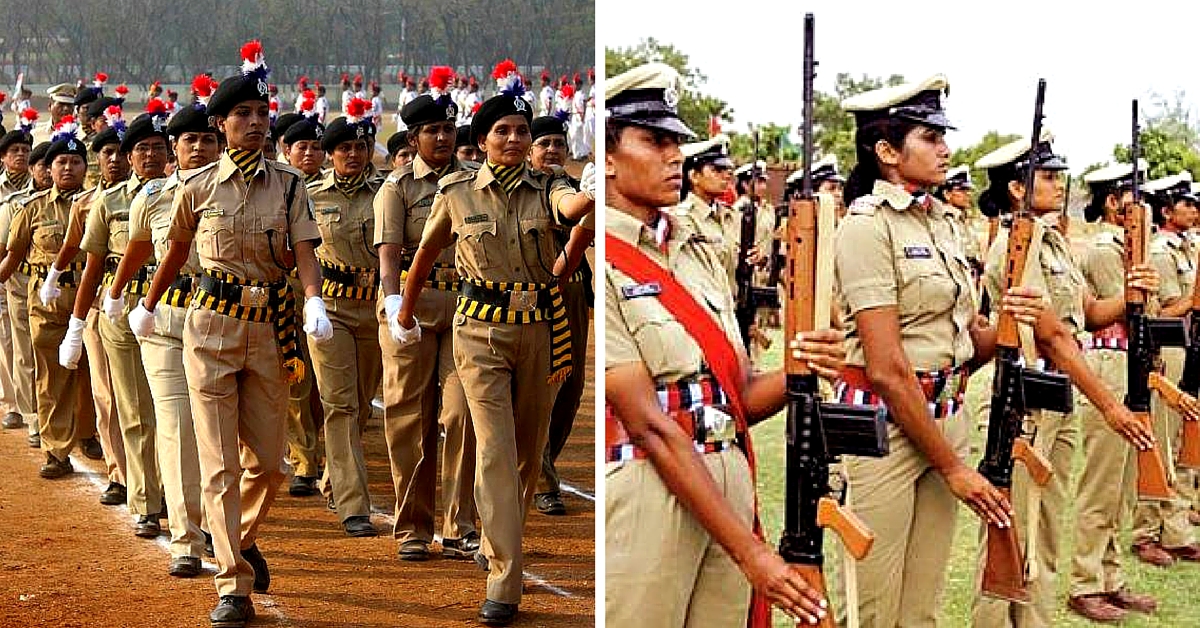
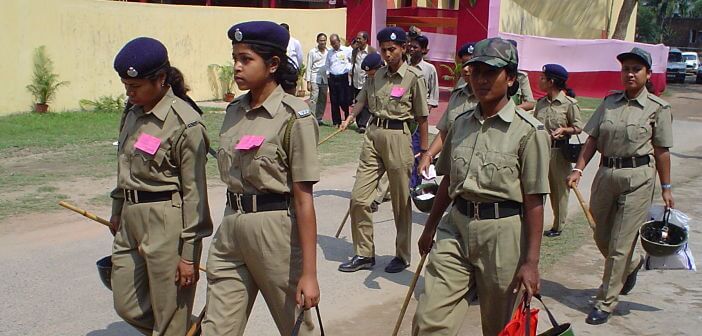
_1601876932779_1601876951836.jpg)




 The Bible teaches us obedience towards God and all the creation of God. God sees Satan falling from heaven into the fiery grounds of hell. It was due to disobedience that he fell to hell. The main theme of the poem is that God’s decisions must be obeyed, as he is the creator and the destroyer.








 Eduindex
You must be logged in to post a comment.