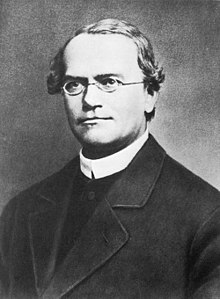
Once in a while we all have gone through the term ‘genes’. We know that genes are the basic physical and functional unit of heredity which determine the nature of protein formed and those expressing the characteristics passed on from one generation to another generation. Least do we know about who experimented and discovered the same. Gregor Johann Mendel, also known as the father of modern genetics, discovered the ‘factors’ that were responsible for the transfer of characters from parents to off springs, which were later known to be the genes.
WHO WAS GREGOR MENDEL?
Gregor Johann Mendel was an Austrian Monk, a meteorologist, mathematician, biologist born in 1822 near Brunn in Austria. Born to a family with limited means in German-speaking Silesia, Mendel was raised in a rural setting. His academic abilities were recognized by the local priest who urged his parents to send him away to school at the age of 11. His Gymnasium studies(grammar school) completed in 1840, Mendel entered a two-year program in philosophy at the Philosophical Institute of the University of Olemouc, Czech Republic, where he excelled in physics and mathematics completing his studies in 1843. His initial years away from home were hard, because his family could not sufficiently support him. He tutored other students to make ends meet and twice he suffered serious depression and had to return home to recover from the same. As his father’s only son, Mendel was expected to take over the small family farm, but he preferred a different solution to his predicament, choosing to enter monastery(local community or residence of a religious order) where he was given the name Gregor.
However, in 1850 Mendel failed an exam- introduced through new legislation for teacher certification and was sent to the University of Vienna for 2 years. There he devoted his time in physics and mathematics and also studied botany. In 1854, Abbot Cyril Napp permitted Mendel to plan a major experimental program in hybridization at Monastery. The aim of this program was to trace the transmission of hereditary characters in successive generations of hybrid progeny. Mendel chose to conduct his studies with the edible pea(Pisum sativum).
From 1854 to 1856 he tested 34 varieties for constancy of their traits. In order to trace the transmission of characters, he chose seven traits that were expressed in a distinctive manner, such as:-
plant height(short or tall)
seed color(green or yellow)
seed shape(smooth or wrinkled)
pod color(green or yellow)
pod shape(inflated or pinched)
flower color(purple/grey or white)
flower position(axial or terminal)
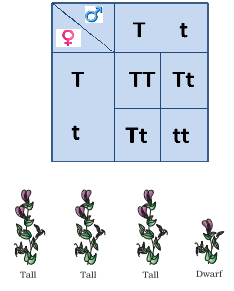
He crossed the varieties that differed in just one trait- tall plant with short plant(monohybrid cross). The first generation of hybrids(F1) displayed the character of one variety but not that of the other. In Mendel’s term, one character was dominant and the other was recessive. In the second generation(F2), however, the recessive character reappeared, and the proportion of off springs bearing the dominant and recessive trait was in the ratio 3:1.
WHY DID MENDEL CHOOSE PEA PLANT FOR HIS EXPERIMENTS?
Flower structure of pea plant ensured self-pollination and also had a well defined male and female reproductive structures.
pea plant is a single season crop.
they can be grown easily.
emasculation and pollination of flowers is quite easy
these plants reproduce sexually.
they have easily distinguishable pair of characters.
The evolution of science is like a boon to the world, as human beings come to know a lot about the world they are living in including the activities they indulge into. Furthermore, the development of technology along with the advancement in Science helps to bring in a revolution in various fields such as medicine, agriculture, education, information and technology, and many more.In the present world, if we think of any sort of development, then the presence of science and technology cannot be ignored.
What is Science?
Science fundamentally is the systematic study of the structure and behavior of the natural and physical world through observations and experiments.
Study of science evolved with the civilization of human beings.
What is Technology?
Technology (which is basically derived from the Greek word ‘technologia’) is an art, skill or ability, which is used to create and develop products and acquire knowledge.
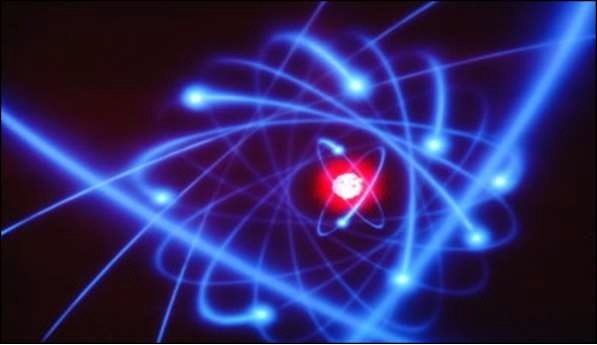
Scientists used their knowledge to develop technology and then used technology to develop Science; so, because of this reason science and technology are an integrated term in today’s world.
Consider the following points to understand the relationship between Science and Technology −
Contribution of Science to Technology
Contribution of Technology to Science
Let us discuss these points in brief.
Contribution of Science to Technology
Let us now understand how Science has contributed to Technology −
Science as a direct source of new technological ideas
For example, innovation and development medical instruments; nuclear technology, radar system, etc.
Science as a source of engineering
Most of the technical knowledge used in the designing and development of tools and techniques is actually an outcome of ‘engineering science’.
Science has also helped in the development of human skills. This is one of the fundamental contributions of Science.
Contribution of Technology to Science
Consider the following points to understand the contribution of Technology to Science −
Technology as a source of scientific challenges
The development in the field of technology paves way for research and development in the field of Science. For example, space science is one of them. Technological development likewise indirectly stimulates basic research in the field of science.
Instrumentation and measurement techniques
Development of advanced instruments facilitated scientists to measure the distance between sun and earth, the intensity of sun’s rays, the revolution of celestial bodies, internal problems of human beings, life of a bridge, etc.
Connection between science and technology:-
Science is the study of the natural world by scientific method i.e. collecting data through a systematic process. And technology is where we apply science to create devices that can solve problems and perform different tasks. Technology is literally the application of science. So, it is really impossible to separate the two.
Science, innovation, and technology each represent a successively larger category of activities that are highly interdependent from each other but distinct. Science contributes to technology generally in six ways:
New knowledge which serves as a direct source of ideas for new technological innovations.
Source of tools and techniques for more efficient engineering designs and a knowledge base for evaluation of the feasibility of different new designs.
Research instrumentation and laboratory techniques used in research eventually find their way into the design or industrial practices, through different methods in different areas.
The practice of research as a source for the development and assimilation of new human skills and capabilities useful for different innovative technologies.
Creating a knowledge that becomes increasingly important in the assessment of technology in terms of its wider social and environmental impacts.
Develops knowledge that enables more efficient strategies of applied research, development, and refinement of new technologies.
The confer impact of technology on science is of equal importance as a source of unavailable instrumentation and techniques needed to address difficult scientific questions more efficiently.
The neem is a large evergreen tree that grows up to 20 m in height, with spreading branches that form a broad crown. The plant is found throughout India and neighboring regions, where it is cultivated commercially. Leaves grow alternately with leaflets containing 8 to 19 leaves. The tree yields high-quality timber and a commercial gum. Various parts of this tree have long been utilized in traditional Asian medicine.
The bark, leaves, and seeds are used to make medicine. Less often, the root, flower, and fruit are also used.
Neem contains chemicals that might help reduce blood sugar levels, heal ulcers in the digestive tract, prevent pregnancy, kill bacteria, and prevent plaque formation in the mouth.
Neem twigs: People in the tropic regions chew neem twigs instead of using tooth brushes.It fights germs, maintains the alkaline levels in your saliva, keeps bacteria at bay, treats swollen gums and also gives you whiter teeth.
Bark:The bark is used for malaria,stomach and intestinal ulcers,skin diseases,pain and fever.
Leaves:The neem leaves are used for healing the wound, clearing dandruff,eye troubles such as irritation,redness or tiredness,dark spots,acne,ear ailments,other skin disorders etc.,
Seeds:Neem oil that are extracted from the neem seeds are rich in medicinal properties.It can treat lot of skin diseases and more over it is an excellent mosquito repellent.It is also used for blackheads,anti ageing and for great hair.
Root:It is used as a tonic and astringent.
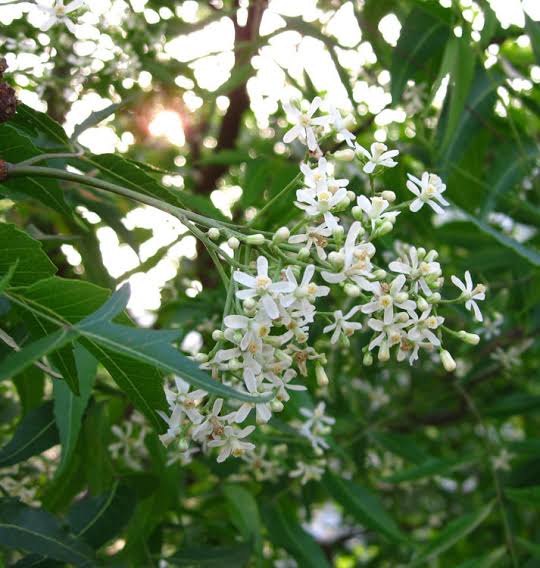
Flower:White and delicate, neem flowers with their off-white buds are almost too pretty to be eaten and unbelievably therapeutic. They’re often dry roasted and sprinkled on top of the dish to garnish as well.Neem flowers can be used to treat anorexia, nausea, belching and intestinal worm.Ayurveda suggests neem leaves are good for the eyes and useful in treating skin disease and headaches.
Fruits:The fruit is used for hemorrhoids, intestinal worms,urinary tract disorders,bloody nose,eye disorders,wounds and diabetes.
As we all know, a few days ago in Uttar Pradesh, police come and allegedly beaten up a Muslim guy and halted his marriage because the police received false and unauthentic information that a Muslim man and a Hindu girl were marrying after a Dalit girl converted her faith from Hindu to Muslim. This is not the only incident like this that has occurred; there have been numerous incidents in this country where Muslim men have been repeatedly beaten up by the police based on false information and rumours, and now there is a widespread belief that marrying a Hindu girl to a Muslim man should be prohibited. As a result, exploitation of a particular religious community happens in India, and political parties have been subjected to numerous Interfaith issues, with political leaders profiting from the proclamation of Love Jihad.
What is Love Jihad? Radical Hindu organisations have coined the phrase “love jihad” to refer to an alleged campaign by Muslim men to convert Hindu girls under the guise of love.
What is the law of ‘Love Jihad’? The infamously known as the ‘Love Jihad’ law, the “UP Vidhi Virudh Dharma Samparivartan Pratishedh Adyadesh 2020” (prohibition of unlawful religious conversion), states, among other things, that a marriage will be declared null and void if the “sole intention” of the same is to “change a girl’s religion.” The Uttar Pradesh Cabinet approved a law that divides punishment and fines into three categories. Madhya Pradesh, Haryana, and Karnataka, all BJP-ruled states, are currently considering legislation to outlaw “forcible conversions” through marriage.
The origin of the phrase “love jihad” is as follows: In the year 1924, an event occurred in Kanpur in which a Muslim bureaucrat was accused of kidnapping and wooing a Hindu woman before forcibly converting her to Islam. This phrase came to the public’s attention in 2009 as a result of several developments in Karnataka and Kerala.
Conclusion In my opinion, there is no need for a legislation, and the way forward is to pass an honest law that deals with inter-religious marriages that do not require a man or woman to convert, i.e., inter-religious marriages that do not require any conversion. Fundamentally, we need to enhance the Special Marriage Act of 1954. Because this is the only rule that permits inter-caste and inter-religious marriages without requiring conversion, However, there is a problem with this Act: unlike other personal laws, where you can get married in a jiffy, if you marry under the special marriage act, you must give a notice of 30 days. After 30 days, you can come in and they will register your marriage, but your marriage application will be prominently displayed at our office, infringing on that individual’s right to privacy.
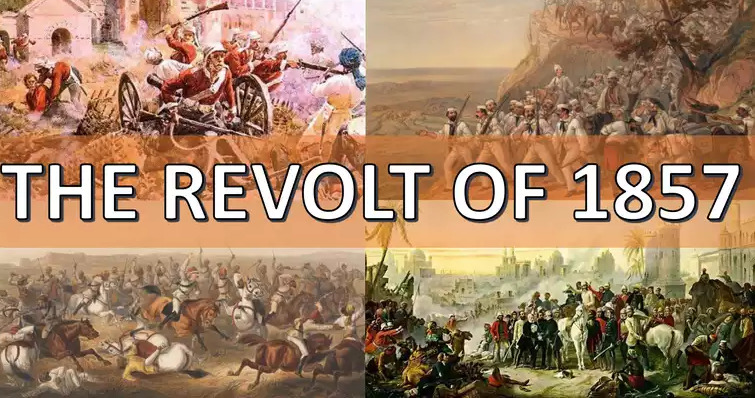
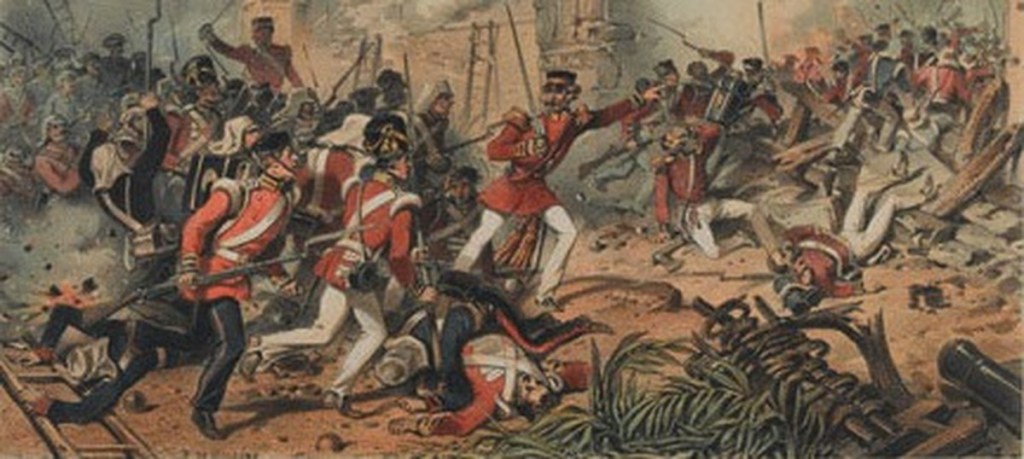
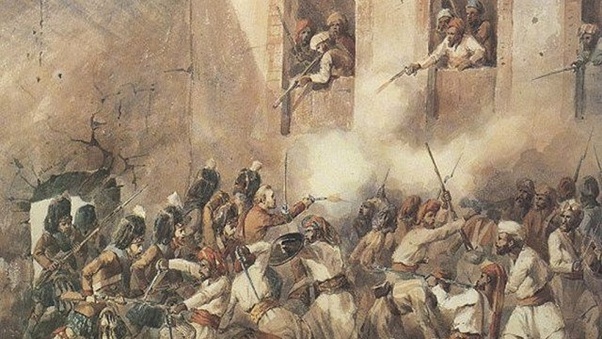
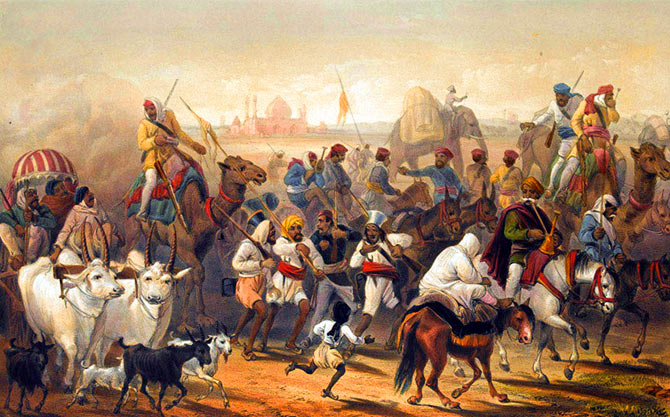
The Rebellion of 1857 was among some of the major yet unsuccessful uprisings against the British Rule that contributed in the course of bringing Independence to India. The rebel was actually against the East India Company that worked on behalf of the British Crown Rule.
Many mistakes the Rebellion of 1857 to be the first rebellion of the country against British Rule. But the truth is that many small regional rebellions had already occurred before the 10th May of 1857. And all these small uprisings indicated that agitation among Indians had started throughout the country.
Some of the mentionable revolts that occurred before the Rebellion of 1857 are the Sanyasi Revolt, The Jungle Mahal Rebellion (1767), Nayak Rebellion, Chuad Rebellion, Santhal Rebellion, the Second Military Rebellion of Bengal (1795), the Vellore’s Rebellion (1803), the Great Rebellion of 1824, Mahikant Rebellion of Gujarat (1836), and Military uprising of 1855.
But it was the Rebellion of 1857 that recorded the most unified support from the Indian population. It was not one reason that caused such massive uprising. Rather the people had multiple reasons to revolt against the British Government by then.
Some of the causes of the revolt were the Britishers looting Indians of their rightful properties like land and imposing an excessive amount of taxes on the people. The sense of fear among regional rules heightened with the introduction of the Doctrine of Lapse by Dalhousie.
The orthodox conservative families of India were also threatened when Britishers started banning some of the then social norms. Other than this, the Indians working in the military of the British Government were treated very poorly.
One of the major incidents that enraged the Indian people, including Mangal Pandey and his mates, was that the British made them use cow and pig fat covered of bullets. These bullet covers were required to be broken using teeth, and the army did so. The British did this, knowing that it would be going against most people’s religious beliefs in India.
The Britishers imprisoned those who did not use those bullets and also hanged them. Thus such injustice gave rise to rebellions in several parts of India. And the Rebellion of 1857 did start in Meerut when the arrested soldiers broke out of the jail and killed several British officers.
The revolt was led by Dhan Singh Gurjar, who was a Katowal in the British army himself. The revolting soldiers went to Delhi to spread the notion of revolt. And they succeeded in doing so because the revolt started in other parts of India as well.
The Britishers were stunned since they were outnumbered compared to the number of Indian soldiers in the British Army who were all revolting. But the British Government wasn’t letting the satiation get the best of them so easily, so they played dirty politics by using several tactics. Lord Canning ultimately suppressed the Rebellion of 1857. It was because the tactics of the British Government succeeded in creating a massacre as they lured Sikh and Madrasi soldiers in their favor.
Net neutrality refers to the idea that internet service providers such as Comcast and Verizon should treat all material passing through their cables and mobile towers identically. That means they shouldn’t be allowed to put some information in “fast lanes” while restricting or discriminating against other information. To put it another way, these firms shouldn’t be able to prevent you from using Skype or slow down Netflix or Hulu in order to persuade you to keep your cable subscription or switch to a competing video-streaming provider. Net neutrality proponents have long claimed that maintaining an open internet is essential for innovation. New enterprises and technologies may never have a chance to thrive if broadband providers pick favourites online. We might not have Netflix or YouTube today if internet providers had prohibited or severely curtailed video streaming in the mid-2000s.
Net Neutrality’s Background In a 2003 paper about online discrimination, Columbia University law professor Tim Wu invented the phrase “network neutrality.” Some broadband providers, such as Comcast, prohibited users from using virtual private networks (VPNs), while others, such as AT&T, prohibited users from utilising Wi-Fi routers. Wu was concerned that broadband providers’ proclivity for limiting new technology would stifle innovation in the long run, and he called for anti-discrimination legislation.
Net Neutrality’s Long-Term Prospects Congress, the courts, and the states are now in charge of the future of net neutrality. In January 2018, twenty-one state attorneys general, as well as many consumer advocacy groups, sued the FCC to overturn the new rules and reinstate the old ones. In 2019, a federal court ruled in favour of the FCC, but it said the agency couldn’t override state-level net neutrality rules.
Benefits and Drawbacks of Net Neutrality
Benefits Smaller businesses will be more inclined to enter the market and establish new services if ISPs are not allowed to dictate the speed at which consumers can access specific websites or services, according to proponents of network neutrality. This is due to the fact that smaller businesses may not be able to purchase “fast lane” access, whereas larger, more established businesses can. Human rights organisations, consumer advocates, and software businesses are among many that support net neutrality, believing that an open internet is essential for democratic interchange of ideas, free expression, fair corporate rivalry, and technical innovation.
Drawbacks Net neutrality opponents argue that requiring ISPs to treat all traffic equally will hinder investment in new infrastructure and make it difficult for them to innovate. The upfront expenses of laying fibre optic wire, for example, can be quite high, and critics contend that without being able to charge more for that level of connectivity will make it more difficult to recover the investment. Conservative research institutes, hardware corporations, and big communications providers are all against the open internet. The providers say that they need to be able to charge tiered fees for access in order to remain competitive and raise funds for additional broadband network innovation and growth, as well as to recoup expenditures already spent on broadband.
“To Autumn” is the final work in a group of poems known as Keats’ “1819 odes”. He composed “To Autumn” after a walk near Winchester one autumnal evening. This ode describes, in its three stanzas, three different aspects of the season: its fruitfulness, its labour and its ultimate decline. Through the stanzas there is a progression from early autumn to mid autumn and then to the heralding of winter. parallel to this, the poem depicts the day turning from morning to afternoon and into dusk. These progressions are joined with a shift from the tactile sense to that of sight and then of sound, creating a three part symmetry which is missing in Keats’ other odes.
Autumn is represented metaphorically as one who conspires, who ripens fruit, who harvests, who makes music. The first stanza represents Autumn as involved with the promotion of natural processes, growth and ultimate maturation, two forces in opposition in nature, but together creating the impression that the season will not end. In this stanza the fruits are still ripening and the buds still opening in the warm weather suggested by the imagery of growth and gentle motion: swelling, blending and plumping.
In the second stanza Autumn is personified as a harvester, to be seen by the viewer in various guises performing labouring tasks essential to the provision of food. Autumn is not depicted as actually harvesting but as seated, resting or watching. The personification of autumn can be seen also as an exhausted labourer and near the end of the stanza, as a gleaner. The progression through the day is revealed in actions that are all suggestive of the drowsiness of afternoon: the harvested grain is being winnowed; the harvester is asleep or returning home, the last drops issue from the cider press.
The last stanza contrasts Autumn’s sounds with those of Spring. The sounds that are presented are not only those of autumn but essentially the gentle sounds of the evening. Gnats wail and lambs bleat in the dusk. As night approaches within the final moments of the song, death is slowly approaching alongside of the end of the year. the full grown lambs, like the grapes, gourds and the hazel nuts will be harvested for the winter. the twittering swallows gather for departure, leaving the fields bare. The whistling red-breast and the chirping cricket are the common sounds of winter. The references to Spring, the growing lambs and the migrating swallows remind the reader that the seasons area cycle widening to the scope of this stanza from a single season to life in general.
According to Helen Vendler, ” To Autumn” may be seen as a allegory of artistic creation. As the farmer processes the fruits of the soil into what sustains the human body, so the artist processes the experience of life into a symbolic structure that may sustain the human spirit. This process involves an element of self sacrifice by the artist, analogous to the living grains being sacrificed for human consumption. In “To Autumn”, as a result of this process, the “rhythms” of the harvesting “artist-goddess” “permeate the whole world until all visual, tactile, and kinetic presence is transubstantiated into Apollonian music for the ear” the sounds of the poem itself. What makes “To Autumn” beautiful is that it brings an engagement with that connection out of the realm of mythology and fantasy and into the everyday world. Keats has learned that an acceptance of mortality is not destructive to an appreciation of beauty and has gleaned wisdom by accepting the passage of time.
WHAT DOES IT MEAN TO HAVE A UNIFORM CIVIL CODE? In this context, a uniform civil code refers to a single law that applies to all Indian citizens in personal concerns including marriage, divorce, custody, adoption, and inheritance.
Its goal is to replace the current system of disjointed personal rules that govern interpersonal relationships and associated matters within religious groupings. “The state shall seek to provide for the citizens a uniform civil code across the territory of India,” says Article 44 of the Indian Constitution. In view of Article 44 of the Indian constitution, it is sometimes questioned if it is not past time for India to adopt a uniform civil code. Personal laws are civil laws that deal with issues like marriage, divorce, custody, adoption, and inheritance, among others. The article, as one of the state’s directive principles, should be “enjoyed” rather than “pressed” onto any society or communities. However, many important concerns must be answered before such a code may become a reality.
A civil code that is consistent is required. Almost every country on the planet has a civil code that applies to all of its residents. The fundamental goal of developing an universal civil code is to eliminate religious discrimination. Almost every religion’s personal law has been used to oppress women, with the majority of cases using religious and societal responsibilities as justifications. Gender discrimination has always been exacerbated by personal laws. The constitution’s promise of a uniform civil code has become a highly sensitive and contentious issue that has always been communalized by those with vested interests.
How has the Supreme Court dealt with the UCC issue?
Since its decision in the Shah Bano Case in 1985, the Supreme Court has focused on the UCC in numerous of its decisions. In several of these cases, the court favoured a common law system for all citizens and reminded Parliament of Article 44’s spirit. The Supreme Court, on the other hand, stayed within its constitutional bounds by refusing to provide any positive directives to the administration in this regard, emphasising that lawmaking is solely the province of Parliament.
Suggestions for Implementing a Uniform Civil Code include the following:
The following ideas must be considered immediately in order to achieve the DPSP’s goals and maintain legal uniformity:
• People should be encouraged to have a progressive and open-minded mindset in order to grasp the spirit of the UCC. •Education, awareness, and sensitization programmes must be implemented to achieve this. • The Uniform Civil Code should be written with the greatest interests of all religions in mind. • To maintain uniformity, a committee of distinguished jurists should be formed, and care must be taken not to offend the feelings of any particular group. • Given the sensitivity of the subject, it is always preferable if the initiative comes from the religious groups involved.
CONCLUSIONS Article 44 of the Indian Constitution mandates that the state ensure a Uniform Civil Code for all Indian nationals across the country’s territory. As previously said, India is a unique blend and fusion of Hindu, Muslim, Christian, and Parsi codified personal laws.
However, there is no unified family-related law for all Indians in a single legislative book that is acceptable to all religious communities that coexist in India. The issue is not one of minority protection or even national unity; rather, it is one of treating each human being with the respect that he or she deserves, something that personal laws have failed to do thus far.
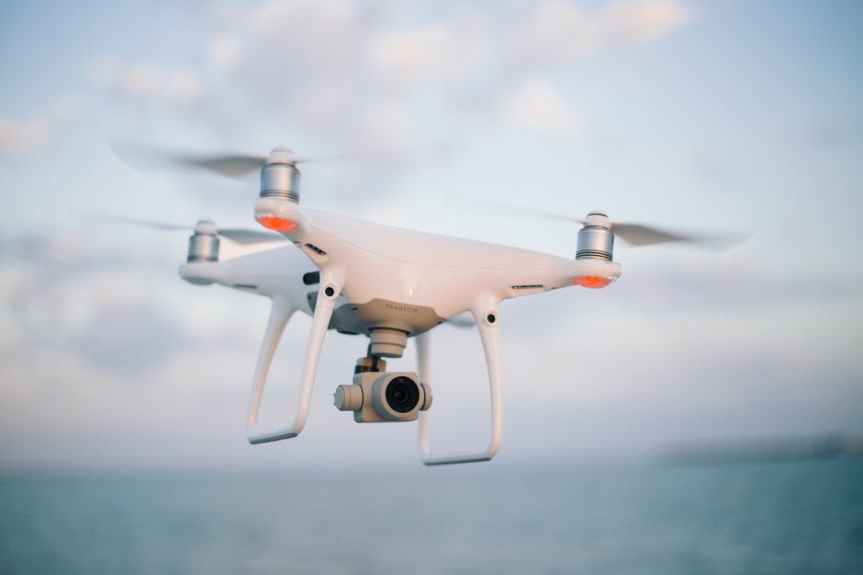
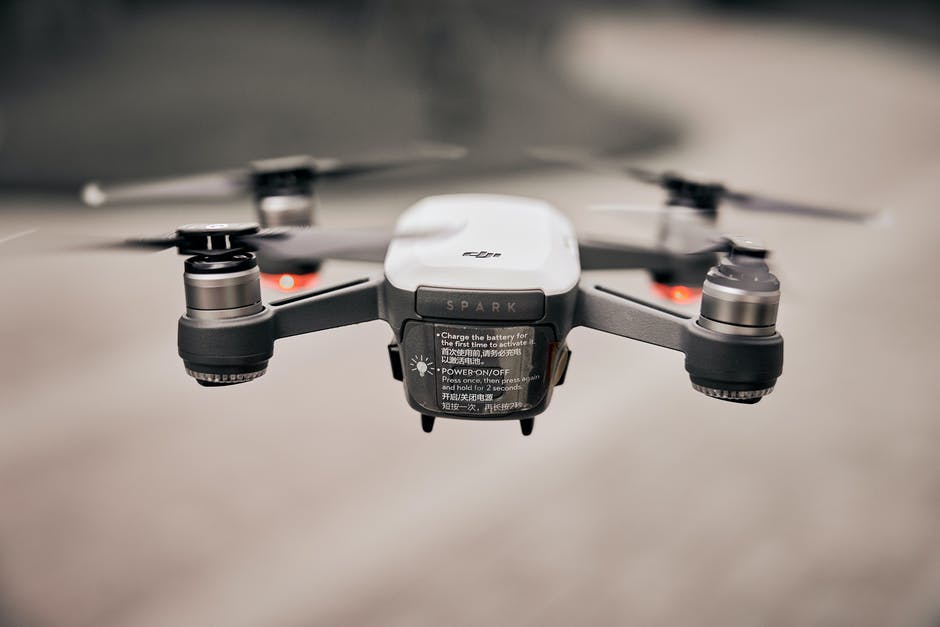
Unmanned aerial vehicles (UAVs), sometimes known as “drones,” are aircraft that have been in use since the early 1900s but do not have human pilots. Drones’ role developed to include not only more specialised military activities but also civilian applications as the digital revolution brought in tiny microprocessors and the ability to communicate over vast distances. Drones are frequently equipped with a variety of sensors, including GPS navigation systems, TV cameras, image intensifiers, radars, infrared imaging devices, and lasers, to aid in round-the-clock monitoring and targeting. Drones used by the military are also outfitted with laser-guided missiles.
Drones are classified into several types. A drone can operate in one of two modes:
Preprogrammed to run autonomously without human involvement or remotely operated by a pilot sitting in a faraway place. Drones can be divided into two categories: surveillance drones and unmanned aerial vehicles (UAVs). Drones with fixed wings and rotors.
The following are a few examples of drone applications in India:
Development of the city •Drones are being used by the Andhra Pradesh government to monitor development efforts in the capital city region, namely Amaravati, through dron-ebased outputs. •The Karnataka government is deploying drones as part of a pilot project to estimate property taxes and create a base map of a city or town for detailed planning and long-term governance. •Drones have been used by the Chandigarh administration as part of a pilot project to gain an overhead view of all properties in the city.
Transport •Drones were employed to monitor the 25-kilometer Seawoods-Belapur-Uran15 corridor by the Indian Railways. •The National Highways Authority of India (NHAI) has used drones to check accuracy in the Salem-Chennai green corridor highway project. •The Maharashtra government has deployed two drones as part of a trial project to monitor weekend rush hour traffic and accidents on the 95-kilometer section of the Mumbai-Pune Expressway between the Lonavala Exit and Khalapur Toll Plaza, as well as the six-lane Mumbai-Pune Expressway.
Agriculture •In 2016, a general insurance firm used drones to analyse crop damage caused by floods in a specific district in Maharashtra. •Drones were employed by the Maharashtra government above farms in the Marathwada region to estimate crop loss due to low rainfall. •Drones are being used by individual farmers in Andhra Pradesh’s capital region to spray crop pesticides and fertilisers in limited crop zones.
Management of Natural Disasters •In flood-ravaged Uttarakhand, the National Disaster Management Authority (NDMA) used four drones to scan areas where search and rescue crews couldn’t get to. •In Mandi, Himachal Pradesh, the National Disaster Relief Force deployed drones to track down 24 engineering students from Hyderabad who were swept away by the Beas river. •Several agencies used drones to seek for survivors to document toppled monuments, shattered heritage sites, and destroyed homes during the Nepal earthquake.
Conclusion Drone technology implementation necessitates a collaborative and inclusive approach that includes governance, strategic planning, security, legislation, and correct awareness. The successful adoption of drone technology necessitates the involvement of a variety of stakeholders.
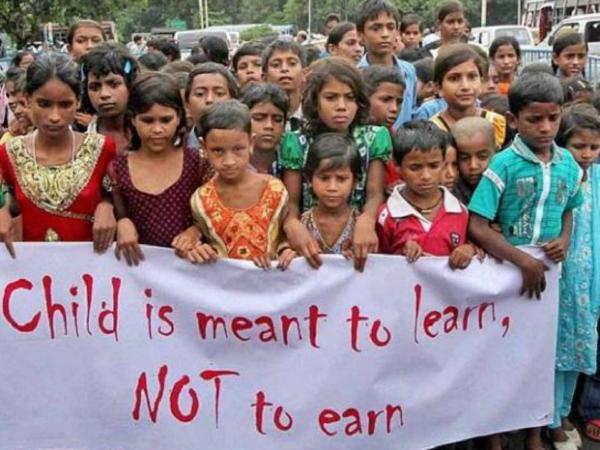
Child labour is a type of crime in which children are forced to work at a young age and do tasks that adults undertake by engaging in economic operations. We discover youngsters working as hotel suppliers, caretakers, industrial employees, prostitutes, and other ill-paying jobs all around the world in order to help their families survive. It is our job to ensure that every child experiences a happy childhood. Every child deserves the same care, and instead of working out their childhoods, they should be sent to school.
Reasons for Child labour
Poverty and a lack of education are the two main causes of child labor’s rising societal evil.Because parents view their children as money-making machines, they carry babies to make extra money on the street by begging.They then take them as beggars and eventually sell them to employers as they mature.This disease has spread over India’s length and breadth.Child labour is caused by a variety of factors other than poverty and a lack of education.Some of the causes may be universal in some nations, while others are exclusive to certain locations.
To begin with, it occurs in nations where there is a high level of unemployment rather than poverty. When a family’s earnings are insufficient, the children are forced to work in order to help the family survive. Similarly, if the elders in the family are unemployed, the younger members of the family must fill in for them. Furthermore, when individuals lack access to education, they would eventually force their children to work. Because they are ignorant, they are only concerned with the short term outcome, which is why they force children to work in order for them to live in the present. The children’s future will be the same as their parents’, who are illiterate and let their children work at a young age.
Child Labour in the Worst Situation
After Africa, India has the second-highest rate of child labour. Slavery or bonded child labour is one of the most harmful forms of work for children.
Despite the fact that the Indian parliament enacted the bonded labour system in 1976, this practise still exists. It is estimated that there are around 10 million bonded children working as domestic servants in India, with almost 55 million bonded children employed in other countries. The children are sold to money lenders since the money borrowed cannot be repaid at home. Street children are another kind of child labour, in which youngsters work on the streets as beggars, flower sellers, and other types of street vendors rather than attending school. They are often forced to go hungry for days on end in order to make others feel sorry for them and offer charity. Child labour, when combined with child maltreatment, has become one of the world’s most pernicious diseases. Year after year, statistics reveal an increase in child maltreatment, particularly among girls. To disguise the fact that a girl has been abused at home, she is sold to a city employer as domestic assistance or later as a bride to an older man.
Child Labour is to be banned.
Child labour is to be considered if state parties acknowledge the right of children to be safeguarded from economic exploitation, according to article 32 of the Convention on the Rights of the Child. Any employment that is likely to interfere with a child’s education should be damaging to the child’s health, according to United Nations guidelines. If we are to eliminate child labour, we must devise effective solutions that will save our children. It will also benefit the future of any country dealing with these social challenges to form multiple unions dedicated entirely to the prevention of child labour. These unions should assist children who are engaged in this job and penalise those who force them to do so. Furthermore, we must keep parents informed in order to instil in them the value of education.
We will be able to educate more and more children who will not be forced to work as children if tuition is made free and people are made aware. Furthermore, raising public awareness about the negative repercussions of child labour is essential. In order to eliminate it, we must also implement family control measures. This will relieve the family’s financial burden, and because there will be less food to feed, the parents will be able to work for themselves rather than the children. To exist, the government must provide a basic income to every household. Because there are areas where no accounting has been done on how many children are working or forced to work in violation of the child labour laws, the best important information about child labour cannot be brought to the tree size. Many workshops and industries have fantasised about areas where children can work, eat, and sleep. No one from the outside world would even know they were working there, and those working for the welfare of child labour have been able to rescue numerous children from such units thanks to a tip from insiders. The national strategy on child labour, which was established in 1987, aims to take a progressive and sequential approach, with an emphasis on the rehabilitation of children who work in dangerous jobs. Not only must steps be done to halt this crime against children, but they must also be taken to ensure that every kid has a healthy and normal childhood.
At last I would say that “Make our Future Bright Shape our Future Right Stop Child Labour”
The three main Himalayan rivers are the Indus, the Ganga and the Brahmaputra. The river Ganga starts from the glacier called Gangothri Glacier, which is in Uttarakhand. At its birthplace, it is known as the Bhagirathi. the Brahmaputra also originates from a glacier, the Angsi glacier in Tibet. Indus originates from the Tibetan plateau near Lake Manasarovar and enters India in Ladakh.
THE GANGA
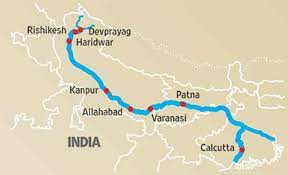
The mighty Ganga isn’t confined to one country. Its valleys stretch across India and Bangladesh. In fact its basin covers parts of China and Nepal too. Born in the lofty peaks of Himalayas, in the Gangotri glacier, it begins its journey as Bhagirathi. The Bhagirathi rushes down to meet the Mandakini, and then the Alaknanda at Dev Prayag. From then on, the river is known as Ganga. After cutting through the Himalayas, the Ganga breaks out of the foothills at Haridwar, and flows across the vast Gangetic plain. Midway in its course, near Allahabad, it is joined by one of its chief tributaries, the Yamuna river. The Ganga is one of the greatest rivers. The 2525 km long journey finally ends at Bay of Bengal. Thus it is called a river without boundaries.
Tributaries of the Ganga
Rivers have headstreams, tributaries and distributaries. A headstream is a stream that is a source of a river. The Ganga’s headstreams are the Alaknanda, DhauliGanga, Nandakini, Pindar, Mandakini, and Bhagirathi rivers. A tributary is a freshwater stream that joins a larger river. Most large rivers are formed from many tributaries and the Ganga has more than a dozen. Among them are the Ghagara, Yamuna, Koshi, Ramganga, Gomti, Gandaki, Burhi Gandak, Mahananda, Tamsa, Son, Punpun. the Ghaghara is the largest tributary of the river Ganga followed by Yamuna and Koshi. Though Yamuna is a separate river system in itself it is a tributary of the Ganga. A distributary is a branch of rivers that flows away from it. The Hooghly is a distributary of the Ganga that provides water for irrigation for west Bengal. It leaves Ganga just before the river enters the Bangladesh.
Rivers that join the Ganga
The river Ganga actually begins at Dev Prayag, the meeting place of two of its headstreams- the Bhagirathi and Alaknanda. After merging from the mountains of Rishikesh, the Ganga is joined by Ramganga. Later, it joins the Allahabad. The Hindus believe that the mythical river Saraswati too joins here. Hence the name Triveni Sangam, means the meeting place of three rivers. Next the Ganga flows east to meet the river Tamsa, later on, the river Gomti joins it. The next river to join the Ganga is the Ghaghara. Further downstream, the river Son joins the Ganga from the south, the river Koshi from the north. By the time the Ganga reaches the bay of Bengal, its waters have mingled with those of several other rivers, making it mystically representative of a soul of India itself.
Why is the Ganga important to Bangladesh?
The Ganga’s river basin is one of the most fertile and densely populated in the world. It covers an area of1000000 sq.km. For most 150 km, the Ganga forms the boundary between India and Bangladesh. When it enters Bangladesh, it is known as the Padma. The upper Padma flows southeastward to receive the mighty Brahmaputra river. The Brahmaputra is known as the Jamuna river in Bangladesh. The Padma joins the Meghna river, before it empties into the bay of Bengal. The Padma river is known for the frequent erosion of its banks, and sandbars that continually emerge in its course. The river is a busy waterway, and fishing is an important industry along its banks. A number of fast developing urban centres have also come up along its banks.
Yamuna
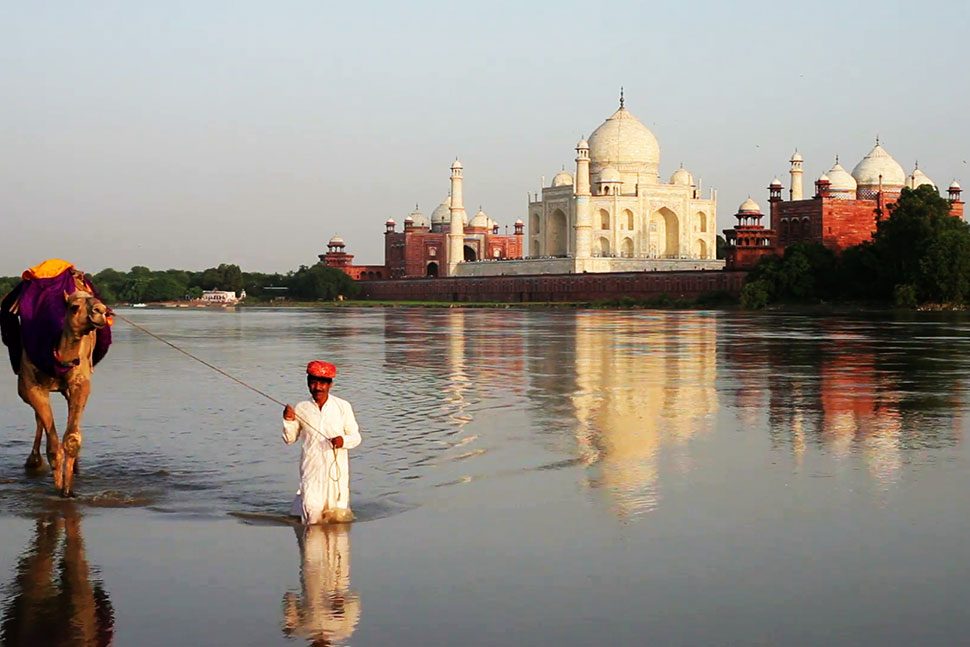
The river Yamuna is the most famous and greatest tributary of Ganga. One of the country’s most sacred rivers, its birthplace is the Yamunotri glacier, high up in the Himalayas in Uttarakhand. It flows through the foothills of the Himalayas into the Indo-Gangetic plain, flowing through Uttar Pradesh, Himachal Pradesh, Haryana, Rajasthan, Madhya Pradesh and Delhi. After 1376 km, the Yamuna meets the Ganga at Allahabad. Their confluence is well known. The important tributaries of the Yamuna river are Tons, Chambal, Hindon, Betwa and Ken. Other small tributaries of the Yamuna river include the Giri, Sind, Uttangan, Sengar and the rind. Thus, though the Yamuna is a tributary of the Ganga, it has many tributaries of its own as well. Therefore, the Yamuna is considered to be a river system in itself.
Ghaghara
The Ghaghara is the largest tributary of the Ganga. It is a river that crosses many countries in the journey. Born in Himalayas in Tibet, it flows southeast through Nepal. Later it splits into two branches that rejoin south of Indian border. The Ghaghara flows through Uttar Pradesh and Bihar, and then joins the Ganga. Its major tributaries – the Kuvana, the Rapti and the little Gandak rivers – all flow into the Ghaghara from the mountains to the north. The river’s flow is influenced by both the glacial melt and the monsoon together with the Ganges and its tributaries, the Ghaghara has helped to form the vast, fertile, alluvial plain of northern Uttar Pradesh.
Gomti
The river Gomti, a tributary of the Ganga, has great mythological significance. Most Hindus believe that a ritual dip in its waters will purify a person from all sins. According to legend, the river the daughter of sage Vasishta, who brought the river from heaven to earth. The river is also associated with the epic Ramayana. Lord Rama is believed to have taken a dip in the river on the advice of sage Vasishta. Lakshmana, the younger brother of lord Rama, is believed to have Lakshman Teela – part of present day Lucknow on the banks of river Gomti. Some even trace the name of Lucknow city to Lakshmana. The Gomti rises in northern Uttar Pradesh, and flows through the state, draining an area of 18750 sq. km. It is joined by one of its own tributaries before flowing into Ganga.
Gandak
The river Gandak is formed by the union of two rivers that have their own source in the Himalayas in Nepal. These rivers are the Kali and the Trisuli, and once they merge, the river is known as the Narayani in Nepal. The river then flows southwards into India. It is joined at the Indo – Nepalese border by two other rivers from Nepal – the Panchnad and Sohna. Once it enters India, the river is known as the Gandak. After winding its way through 765 km, it merges with the Ganga opposite the Patna. The Gandak is one of the major rivers in Nepal and India. It is distinguished for the deep gorge across which it flows, and for a large hydroelectric facility in Nepal. This river also provides water for a major irrigation and hydroelectric power facility at the Indo Nepal border at Valmikinagar.
Koshi
The Koshi river also called the Kosi – is an important tributary of the Ganga. It flows through Tibet and Nepal, before entering India from the Himalayas. The river is joined by major tributaries, approximately 48 km north of the Indo Nepal border, breaking into more than 12 distinct channels. These channels shift during flooding and so, the river shifts course frequently. The river basin is surrounded by the ridges separating it from the Brahmaputra in the north, the Gandaki in the west, the Mahananda in the east, and by the Ganga in the south. The river, along with its tributaries, drains a total area of 69300 sq.km up to its confluence with the Ganga in India.
Tamsa
The Tamsa river flows through Madhya Pradesh and Uttar Pradesh. A tributary of the Ganga, its origin is at Tamakund in Kaimur range. The Tamsa is 264 km long. It is famous for the many waterfalls through which it tumbles during its journey to meet the Ganga. The river has great significance for Hindus for their belief that lord Rama spent his first night during 14 years of forest exile on the banks of Tamsa. There is also a belief that the rare and elusive Fwindoju fish lives in this river. The ashrams of the sage Valmiki and Bharatwaj are also believed to have been located on the banks of the Tamsa.
Son
The Son, a tributary of the Ganga, is one of the largest rivers in India. It starts near Amarkantak in Madhya Pradesh and has a total length of 784 km. The Son’s main tributaries are the Rihand and the North Koel. It flows through Uttar Pradesh, Jharkhand, and Bihar to join the Ganga just above Patna. When fed by the monsoons, it becomes a roaring force. However, during the summer, it dries up in places, leaving large pools of water along its course. The Indrapuri barrage is located on the Son. It is one of the longest dams of India and it irrigates vast areas of agricultural land.
“E-commerce” and “online shopping” are often used interchangeably, but the scope of e-commerce is much broader: it embodies the concept of doing business on the Internet, for example, it includes many different services. Make online payments, book flights, etc. Buying and selling goods or services electronically via the Internet is called e-commerce.
Courierdelivery model Traditional order fulfillment model
E–commerce
Including network marketing, also known as online marketing. Internet marketing is the process of using tools that help generate potential customers and sales to promote a company or brand and its products or services on the Internet.
Content marketing Content marketing aims at Your personal brand and your target audience Keywords and research. Focus and content commitment. What will you create? How often do you post? Where will you post? You need to define these basics to create consistent and qualitycontent. Content Creation Content Promotion
SEO (Search Engine Optimization)
The process of maximizing the number of visitors to a given website by placing the websiteat the top of the search engine results list. SEO stands for search engine optimization, which means increasing the quantity and quality of website traffic through regular search results.
SEM (Search Engine Marketing)
Search Engine Marketing(SEM) is one of the most effective ways to develop business in an increasingly competitive market. Online advertising is important to millions of businesses, and search marketing is the most effective way to promote your products and grow your business.
Email marketing
Email marketing is an efficient digital marketing strategy for sending emails to potential customers and customers. Effective marketing emails turn potential customers into customers and long-termcustomers into loyal and enthusiastic followers.
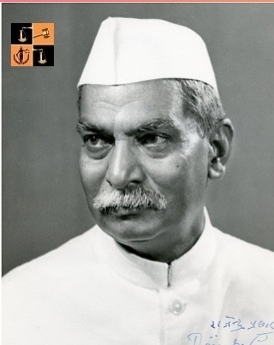
Advocate’s Day is celebrated in our country by the lawyer community on 3rd december every year to mark the birth anniversary of Dr. Rajendra Prasad, the First President of India and a very eminent lawyer.
Dr. Rajendra Prasad First President of india
Rajendra Prasad was born on December 3, 1884. Having graduated from school, he studied at the Presidency College in Calcutta and the University of Calcutta. Initially Prasad was a science student. In 1907, he completed his M.A. in economics and began teaching.
In 1909, Prasad decided to pursue law studies. He completed his Bachelor in Law in 1910 and passed his Masters in Law in 1915, receiving a gold medal. The following year, Prasad joined the High Court of Bihar and Odisha. He also practiced law in the city of Bhagalpur.
A supporter of Mahatma Gandhi, Prasad was imprisoned by British authorities during the Salt Satyagraha of 1931 and the Quit India movement of 1942. After the 1946 elections, Prasad served as Minister of Food and Agriculture in the central government. Upon independence in 1947, Prasad was elected as President of the Constituent Assembly of India, which prepared the Constitution of India and served as its provisional parliament.
As President of India, he duly acted as required by the Constitution, independent of any political party. He travelled the world extensively as an ambassador of India, building diplomatic rapport with foreign nations. He was re-elected for two consecutive terms in 1952 and 1957, and is the only President of India to achieve this feat. The Mughal Gardens at the Rashtrapati Bhavan were open to public for about a month for the first time during his tenure, and since then it has been a big attraction for people in Delhi and other parts of the country.
He died on 28 February 1963, aged 78. Rajendra Smriti Sangrahalaya in Patna is dedicated to him.
SignificantRolePlayedbyAdvocatesinSociety:-
Any person who supports or recommends for the cause of others or for a change is said to be advocating for the cause. However, a person who takes up the noble profession to plead for the cause of others, to fight for the rights of others and to fight for justice is called an “Advocate”
1. Advocates have been instrumental in spearheading movements in the society for a positive change. In modern times lawyers in various countries have given leadership to their nations. In the great American and French Revolutions many of the leading figures were lawyers.
2. The reason why many great leaders in various countries were lawyers is that the legal profession is objectively in the position of producing statesmen.
This is due to two reasons:-
1) Lawyers belong to an independent profession, they are not subordinate to the Government or to anyone else. 2) they are directly in contact with society in its entirety as they have to deal with all kinds of problems of people from all sections of society, unlike say, doctors who are confined to medical problems or engineers who are confined to technical problems.
3. The central function of the legal profession is to promote the administration of justice. Every civilised society sustains itself on the “Rule of Law” and the lawyers being the primary supporters of it aid and assist its operation in a meaningful measure.
4. The legal profession is different from other professions in that what the lawyers do, affects not only an individual but the administration of justice which is the foundation of the civilised society. It is to be noted that when people suffer from medical problems, they have to endure and suffer, whereas when people are meted out with injustice, it is intolerable and they pull down the whole structure.
In modern times, many lawyers have given leadership to India, like Prashant Bhushan, and Ram Vilas Paswan, and this happens because this profession itself holds pure knowledge about the laws of various fields. And it is indeed a fascinating field which is why a lot of people wish to become lawyers in different types. Lawyers of our country have been noteworthy in shaping revolutionary movements in the society for a constant positive change, and they truly deserve a day on their name due to their huge contribution in society.
Celebration
During this special day of celebration, people take time to remember Rajendra Prasad and lawyers also join together to celebrate their profession and honour Rajendra Prasad who was one of the most successful lawyers in the country. Another promising reason to celebrate this day is the respectable lawyers we have got, and these lawyers make justice prosper. They help the wrongly accused get free. They similarly help in fair settlements and many other things. And this is why lawyers deserve to be honoured during this special Advocate’s Day.
In the year 2020, on August 28th several fans of the Black Panther were deeply disheartened due to the death of the lead actor Chadwick Boseman. Chadwick passed away due to a disease known as colon cancer, he was diagnosed with cancer in the year 2016. Although he was suffering from the disease for the past four years, he never gave up on his filming career. He was awarded by the Screen Actors Guild for outstanding performance in a motion picture in the year 2018. In the past four years, he appeared in four MCU films.
Several tributes were given to this amazing actor who led the Marvel Universe on a completely new path. The social media was raged up by several tributes and tweets to the man we knew as the Black Panther. Marvel even went ahead and created a video to pay tribute to the departed man. Chris Evans formerly known as Captain America stated Chadwick had a lot of work to be done in the Marvel Universe that would change everything as we know it. Furthermore, Robert Downey Jr famously known as the Iron Man applauded Boseman for the fight he put out to save his life from cancer.
Fans over the world are now concerned about the role of Boseman in the upcoming movies. The main question remains is who will step up into the shoes of the Black Panther, all we know is that T’Challa will not be recast. Few actors could step up to the role of Black Panther, but the most probable as of now appears to be Shuri. Shuri plays the role of the Black panther’s sister and is a tech genius in all of Wakanda.
It has been clearly stated that Ryan Coogler is currently in the works of writing and directing a sequel to the 2018 movie. The sequel would be named ‘Black Panther: Wakanda Forever’; Kevin Feige the main man behind the Marvel Universe recently stated in the Black Widow global fan event that everyone is keen to bring out the world of Wakanda back to its fan very soon. He also stated that the sequel would be made in such a way that it would make Boseman proud.
The initial film that was released in 2018 had a budget of a little over 200 million dollars but made over a billion dollars worldwide. Additionally, it was the only Marvel movie that has the best review on Rotten Tomatoes of 96%. This tells us that Black Panther is by far one of the greatest movies Marvel has ever made. It would be a great disappointment if Marvel discontinues this series.
The uplifting news for the fans worldwide is that production has begun for the sequel in Atlanta. The movie is scheduled to release on July 8th, 2022. Although, things remain unclear about how Marvel will continue the movie and storyline. All we can expect is a completely fun and thrill-packed sequel in the coming year. Hence, let’s patiently wait for the sequel Black Panther: Wakanda Forever.
1. The product manufacturing unit in a factory is referred to as the shop floor. It is that place where production tasks are performed in a continuous flow while manufacturing a product.
The efficiency is determined by the amount of work done by a person as well as the machine in a particular time frame.
Shop floor automation is the integration of manufacturing hardware with software. Human pace cannot match with a machine’s speed, hence shop floor automation proves to be a great breakthrough for industrial advancement. As we all know the Industrial Revolution 4.0 is mainly about integrating new technology to a very great extent in the industries, or the manufacturing sector, hence making way for automated machines to do precise jobs can be helpful.
A manufacturing task requires high precision. So, if a person is considered, it is his skill, speed and accuracy that determines the quality of a product and that too, for every single piece.
Compare this to a machine that is programmed to do a particular task. It reuses the code and hence only the code mainly determines the quality of the product.
Automation saves time, reduces wastage and increases productivity. Hence large industries can apply this
2. IoT can help us send information regarding delivery insufficiencies and this void can be filled with the help of drones for small products for faster delivery in a specific radius.
3. We know that India has a large potential for utilizing its human resource, but the problem is illiteracy, lack of digital resources etc.
If these people are given proper training in small skills such as hardware and software development and maintenance, it would prove helpful in the proper utilization of human resources in the digital domain. More importantly, with a large digital setup in the whole country, more technical problems would arise. With these skilled people in the picture, problems can be resolved in a much quicker manner and efficiently.
As we all know that there is that more and more startups are coming up these days. For this technological revolution among people, startups and youth having basic knowledge of software can help to make technology available for all. Startups do not have many liabilities as compared to tech giants. Hence, they can be more helpful at the ground-zero level. Doing this can also bring startups to the attention of many techies, and it would be an innovational breakthrough.
4. Securing the Network Against Cyber Threats- This applies to companies currently having a large digital base. Although rare, a cyberattack could be devastating to your organization’s reputation and bottom line. Whether it’s ransomware or a targeted, zero-day attack, these incidents can be detected and prevented with the right plan in place. First, your organization must have an up-to-date inventory of its digital assets to develop an understanding of its network to pinpoint any existing vulnerabilities within it. Second, you need to have authentication processes in place to guard your digital and physical assets. Third, your organization needs to have the ability to detect anomalous activity. The most effective way to achieve this is to deploy a continuous monitoring solution. Finally, your organization should have a contingency plan in place to quickly respond and recover from a potential cyberattack.
5. It is estimated that by 2023, industry 4.0 and cyber-physical systems will be at a much larger level as compared to today. With changing scenarios of technology, the current technology will not be sufficient. The nature of jobs will change. Hence, keeping that in mind, upcoming techies and also the current techies in the market should be given the knowledge of A.I., machine learning, big data analytics and IoT to efficiently adapt to the changing nature of work.
CONCLUSION–
“Industry 4.0 is opening significant opportunities for organizations,” says Stankard. “From re-evaluating business models to new data-driven revenue streams, the sky is the limit and we’ve only begun to see the possibilities.“ But on the other side of the coin, there is going to be a significant incremental risk, likely posed by cyber and the immense – and growing –the amount of connectivity. There is a risk reduction element here as well. With such levels of connectivity, Industry 4.0 is likely to isolate and improve quality issues and enhance the overall customer experience. Rising to these challenges is going to be key if we are to fully take advantage of the amazing new opportunities the fourth industrial revolution will offer.”

















 Eduindex
You must be logged in to post a comment.