Set in the 1910s in Bengal, this film originally known in Bengali as Pather Panchali is the first feature length film of one of India’s most acclaimed and celebrated directors: Satyajit Ray (1921-1992). The film focuses on an impoverished Brahman family in a Bengali village with the youngest member Apu being one of the central characters. It is his story that Ray focuses on in his two feature length films : Aparajito (The Unvanquished, 1956) and Apur Sansar (The World of Apu, 1959) thus making this movie the first in Ray’s critically acclaimed Apu Trilogy.
The film centers around Apu and his family members including his elder sister Durga, his priest of a father who dreams of being a poet and a playwright and his mother who is often engaged in a battle with his father’s cousin who she resents for stealing their food from the kitchen while she struggles to feed her children. The film is a slice of life and one that displays the harshness of reality for a family living in dire poverty. Since Apu’s mother is often busy, taking care of the family, it is Durga who cares for him like a second mother, often teasing him and sharing the simple joys of life with him like sitting under the cool shade of a tree, viewing the mind-boggling pictures through a travelling vendor’s bioscope or watching a folk theatre performed by a troupe or even chasing and salivating at the sweets of the candy man despite their empty pockets.
The film blindsides the viewer by showing a child’s perspective of the world. Be it Apu and Durga’s fascination with all the vendors and their goods or their wealthier friend’s jewellery and beads. A soundtrack composed by Pandit Ravi Shankar which includes mainly tunes played on the sitar, transports us to the village and its peace; free from the worries of the hustling-bustling cities.
Starring mostly amateur actors and a first-time director at the helm, the film struggled in its funding but was ultimately funded by the government of Bengal, giving Ray the opportunity to finish his masterpiece. Once released, the film was an astounding critical and commercial success. Grossing 100 million through positive word of mouth, the film received accolades from various national and international organizations the most noticeable being The National Film Awards and a screening at the Cannes Film Festival. The film cemented Satyajit Ray’s career as a director and placed India on the world cinema map. It created a new genre of film-making in which authenticity and realism were the primary themes, breaking the norms of traditional Indian filmmaking. The film may not hold the test of time from a technical stand point due to its poor print quality and damage to the original negatives, but from a story telling standpoint, the film still strongly puts forward its themes of poverty and child-like wonder, that are as relevant today as they were in a film that released 66 years ago.
People are mainly aware about the algae as seaweeds or algal blooms. They are the organisms with ability of photosynthesis and very much diverse community as well. But algae are important to man and their economic importance is manyfold. They are used as food, fodder and manure. They are also important in industrial field as well as agriculture.
there are 7 major types in algae
Chrysophytes
Euglenophytes
Pyrrophytes
Chlorophytes
Rhodophytes
Phaeophytes
Xanthophytes
these are the benificial roles of algae
Algae is a food source: In different parts of the world algae have been utilized as direct source of food. They are rich in proteins, carbohydrates, oils, vitamins and minerals hence used as a diet food. They possess minerals like Cu, Fe, Zn, Co, V, Mn and Cr. About 20 different seaweeds are used as food source. Nostoc,
Algae as fodder: Many seaweeds are as food for cattle, poultry and aquatic organisms. Sargassum is used as cattle feed in China. Laminaria and Fucus are also used for the same purpose. Seaweed meal increases the egg laying capacity of fowls. These eggs contain high amount of iodine and carotene.
Algae in agriculture: Algae are used as green manures in agriculture. Sargassum, Laminaria, Macrocystis and Gracilaria are the most commonly used ones. Seaweed manure increases the yield of barley, potato, coconut palms, citrus etc. Many blue green algae have the ability to fix the atmospheric nitrogen into the soil. So they can be used as biofertilizers. Saline and alkaline soils can be converted into productive ones by growing some blue-green algae on soil. Anabaena, Rivularia, Spirulina are used for this purpose.
Algae in Industries: In Industries many algae have been used as sources for the extraction of commercial products like agar-agar, diatomite, carrageenin and algin. Agar-agar is used as culture media for bacteria. It is also used as emulsifier in ice-cream, fruit jellies and dairy product preparation. Algin is used as painting pastes in textile industry and thickeners in cosmetics, pharmaceutical products etc. Carrageenin which is extracted from Chondrus crispus and Gigartina are used in food industry, textiles and leather industry. It is a remedy for cough.
Algae in sewage disposal: Sewage water contains organic and inorganic substances which makes it low in oxygen content. But sewage finds use in agricultural practice as they are rich in salts. To decrease the foul smell algae are used. Algae are used to decompose the organic and inorganic substances.
Algae and Research: Algae are used in the study of effects of pesticides, herbicides and UV light. They are used in the research for preparing biofuels.
Algae as pollution indicator: Some algae grow well in polluted water as they are more tolerant towards pollution. Growth of these algae indicates the pollution and its intensity. Scenedesmus indicates copper wastes and Ulothrix zonata indicates indicates paper mill wastes.
Though many algae are useful, there are harmful algae are also there. The development of water blooms is considered to be a bad effect of algae. There are some parasitic algae cause diseases in plants. Attachment of algae tp ship retards the speed of the ship. growth of algae on cloths are also seen and they ruin the cloth.
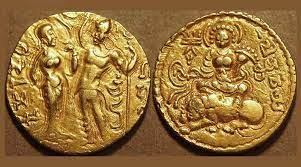
Chandra Gupta I, king of India (reigned 320 to c. 330 c) and founder of the Gupta empire. Prosperity in the Gupta Empire initiated a period known as the Golden Age of India, marked by extensive inventions and discoveries in science, technology, engineering, art, dialectic, literature, logic, mathematics, astronomy, religion, and philosophy. After the Kushanas, the Guptas were the most important dynasty. The Gupta period has been described as the Golden Age of Indian history. The first famous king of the Gupta dynasty was Ghatotkacha’s son Chandragupta I. He married Kumaradevi, the daughter of the chief of the Licchavis. This marriage was a turning point in the life of Chandragupta I. He got Pataliputra in dowry from the Lichhavis. From Pataliputra, he laid the foundation of his empire and started conquering many neighbouring states with the help of the Licchavis. He ruled over Magadha (Bihar), Prayaga and Saketa (east Uttar Pradesh). His kingdom extended from the river Ganges to Allahabad. Chandragupta I also got the title of Maharajadhiraja (King of Kings) and ruled for about fifteen years.
Chandragupta I was succeeded by Samudragupta in about 330 A.D., who reigned for about fifty years. He was a great military genius and is said to have commanded a military campaign across the Deccan, and also subdued the forest tribes of the Vindhya region.
Samudragupta’s successor Chandragupta II, also known as Vikramaditya, conquered the extensive territories of Malwa, Gujarat and Kathiawar. This provided exceptional wealth, which added to the prosperity of the Guptas. The Guptas in this period engaged in sea trade with the countries of the west. It was most probably during his reign that Kalidas, the greatest Sanskrit poet and dramatist, as well as many other scientist and scholars flourished.
Gupta dynasty, rulers of the Magadha (now Bihar) state in northeastern India. They maintained an empire over northern and parts of central and western India from the early 4th to the late 6th century CE. Historians once regarded the Gupta period as the classical age of India—during which the norms of Indian literature, art, architecture, and philosophy were established—but many of those assumptions have been challenged by more extensive studies of Indian society and culture between the Mauryan and Gupta periods. Among the products traditionally thought to be from the Gupta era were the decimal system of notation, the great Sanskrit epics, and Hindu art, along with contributions to the sciences of astronomy, mathematics, and metallurgy.
The word “last” makes people sad always but I’m sure the last time when you will no more ask your father for your pocket money but rather you would give him your “first” salary ,I’m sure no one will feel sad for this “last” instead you will be waiting for it…
I thought it was just few thousands but it brought happiness in my mom’s face ,made my dad forget all his struggles and made him feel proud of him as well as me ,only then I realized that it might be few thousands but it made something happen which I haven’t seen or felt before. I told myself,” Its worth a million bucks”.
The whole family, friends, relatives and neighbours came to know about my first salary ,each and every one was very happy but someone who was happiest than me ,was my Mom!! She didn’t ask me for a saree ,gold or anything else for her , instead she asked me,“what do you want for dinner?“.
I gave my first salary to my father and saw his hands, I couldn’t see Gandhi’s smile in it but all I could see was my father’s smiling face. He didn’t react to me with his words but his silence told me many things which I haven’t heard before and made me feel proud.
I got a silver ring for my mom and gave it to her. I knew that was a surprise for her. Her eyes filled with tears and face with a bright smile. I asked her,” if someone asks you, who brought this ring?, What would you say?”. She replied ,” My daughter’s first salary”. This made me feel like “I’M DONE”…
” First Salary is not only dream of a boy ,it is also a big dream for a girl”…
As soon we wake up we need our cup of tea . Normally we make tea from loose leaves but for ease big companies started selling tea in teabags. We only have to dip these teabag in hot water or milk and our tea is ready.
Teabag seems like paper bag but to keep the seal and shape of teabags intact in hot water, some companies are mixing polypropylene in it, which is a type of plastic. When teabag is dipped in hot water billions of microplastic gets released in tea, so basically it is not good for health.
To find out teabag is made of plastic or not we just have to rip a single bag with hands. If it rips easily, then it’s a paper bag. If it doesn’t rip easily then either it’s cloth bag or there is high chance of plastic mixed in it. Also teabag comes in different packets which is plastic wrapper so it generates a lot of waste.
Solution to teabags
It is best to make tea with loose leaves but this is not possible during travel that’s why most people use teabags. We can use Tea Infuse instead of tea bags. Tea infuser starts from Rs. 150/- and it is made up of steel.
We just have to open it fill it with tea leaves and use it as teabags. This won’t release any microplastic nor any waste would be generated. We can use tea infuser multiple times and it is compact, easy to carry during travel. This will save money as well because loose leaves are much cheaper than tea bags. One can buy tea infuser at any crockery shop or online.
Modi goverenment cabinet reshuffle due to resignation of 12 ministers
12 ministers resigned including Ravi Shankar Prasad, Harsh Vardhan, Prakash Javdekar, Ramesh Pokhriyal Nishank and Santosh Gangwar. Due to over haul
Kiren Rijiju will be the new Minister of Law and Justice while the health portfolio has been allocated to Mansukh Mandaviya and home minister amitsah has been allotted as ministry of cooperation and ministry of Home affairs
Mansukh Mandavia was appointed as the new Health Minister and bureaucrat-turned-politician Ashwini Vaishnaw the new Railway Minister on Wednesday.
Jyotiraditya Scindia has been made the Civil Aviation Minister, while Home Minister Amit Shah has been given the charge of the newly-created Ministry of Cooperation. Piyushgoyalwill now be the Minister of Textiles, while dhramendra pradhan has been given the portfolios of Education Ministry and the Ministry of Skill Development and Entrepreneurship. And kiren Rijiju was allotted for the ministry for Law and Justice. And hardeep Singh will going to charge the Minister of Petroleum and Natural Gas and Housing and Urban Affairs Minister.
Among the new ministers who were inducted into the Union Cabinet are BJP’S Narayan Rane-minister of micro small and medium enterprises, Sarbananda Sonowal-minister of ports, shippingand waterway,also for minster of ayush,Jyotiraditya Scindia-ministry of civil aviation , Ajay Bhatt, Bhupender Yadv-minister of environment forest and climate change also a minister of Labour and employement, Shobha Karandlaje, Sunita Duggal, Meenakshi Lekhi-ministry of external affairs and ministry of culture, Bharati Pawar, Shantanu Thakur and Kapil Patil; JD(U)’s R C P Singh, LJP’s Pashupati Paras, and Apna Dal’s Anupriya Patel.
And these seven members were promoted to higher ministry positions Anurag Thakur, G Kishan Reddy, Paroshottam Rupala, Kiren Rijiju, Hardeep Singh Puri, Mansukh Mandaviya and Raj Kumar Singh.
The world we live in today consists of people belonging to different religions, castes, places, people who speak different languages, have differing political opinions and the list goes on. Human beings are unique in their thinking as well as the way they express their thoughts. They are inherently different so many ways and sometimes conflicts can arise between people due to this. But having difference of opinion always does not necessarily mean it is bad or it can end up in conflicts, it can sometimes give insight into how differently and parallelly things work in the other paradine.
This can result in Political Liberalism, where people are more attentive and acceptable of other people’s religion and are not ethnocentric. This is what John Rawls talks about, he brings in the idea of Political Liberalism where he claims that people who are reasonable would have a liberal approach towards the differing views. And hence the idea that conflicts or fights will happen between people because of their differences is flawed.
People who hold different comprehensive doctrines can only be acceptable of others differences if they are reasonable. This is what Rawls point out in his study, he says that people living in a society, if they are reasonable people and rational in thinking and attitudes.
Rawls talks about ‘Reasonable Pluralism’ where people are accommodative of other people’s differences and views. Even though people are inherently different and have different ideas and beliefs people choose to understand them and let this not cause a divide between them. It instead made people more accommodative of these changes and will make them more cosmopolitan in approach.
This is how Political Liberalism comes into play, people who are liberal and rational tend to understand these diversities and learn to be more adaptive of these differences. This is termed as overlapping consensus. A term used to define the consensus between people having different opinions and view points but are still accommodative of each other. Rawls believed that this would only happen if people were reasonable enough to understand these differences in its moral sense.
Although this idea behind Rawls is really good, the problem here is that he only takes into account the reasonable citizens. He never accounts for people whose thinking lies beyond reasonable one. Hence, we cannot really say if this is applicable to everyone in the state. Flawless his theory was but it failed to capture people with different perspectives and opinions as different from the crowd of reasonable people. This is one of the major problems which has gone unanswered.
UEFA has charged England after a laser pointer was aimed at Denmark’s Kasper Schmeichel in the Three Lions’ Euro 2020 semi-final win.
The goalkeeper had a laser shone in his face before he saved Harry Kane’s extra-time penalty, although Kane scored the rebound to earn England a 2-1 victory on Wednesday.
England have also been charged with “disturbance caused by its supporters during the national anthem” after home fans booed the Denmark national anthem and the lighting of fireworks inside Wembley.
The case will be dealt with by the UEFA Control, Ethics and Disciplinary Body.
England came from behind after Mikkel Damsgaard’s free kick gave Denmark the lead.
Simon Kjaer’s own goal levelled for Gareth Southgate’s side and Kane booked England’s first major tournament final for 55 years when he followed up his missed penalty after Raheem Sterling was tripped by Joakim Maehle.
The Three Lions now play Italy at Wembley on Sunday aiming to win their first major trophy since lifting the World Cup in 1966.
The news comes amid a petition to get the game replayed.
The England penalty, which was deemed ‘soft’ by the Italian media and many others, has led one particularly salty individual to set up a petition to UEFA with change.org to try and get the match replayed.
The ‘Rematch England vs Denmark’ petition started by Cris Pinto reads: ‘We wish to overule the penalty decision against Denmark. It was a wrong call, there needs to be contact for a penalty and there was absolutely no contact. If this is not overuled, it would show a failure by UEFA and the beautiful game of football.’
Peter Schmeichel was also angry over the call which cost Denmark.
“He made a really big mistake on the penalty and this will be debated for a long, long time. It’s a hard one to take because it’s not a penalty,” he said.
“I would have been much more relaxed and acceptable if they had scored one of the many chances that they created, but unfortunately, the referee made a big mistake in my opinion.
“I know in your opinion and everyone’s opinion – my phone has not stopped going off – everyone else is saying it’s not a penalty so I’m quite sure that I’m right.
“We are very proud of the Danish team. We think the Danish team has done fantastically well. We leave the tournament with honour and England go on to play Italy in the final.
“They have had a really good tournament. It’s the first time, today, they have played against very, very top, tough opposition and in the end they came good.”
Substance abuse refers to the harmful or hazardous use of psychoactive substances, including alcohol and illicit drugs. The use of psychoactive substances causes significant health and social problems for the people who use them, and also for others in their families and communities.
Millions of Indians are dependent on alcohol, cannabis, and opiates, and drug misuse is a pervasive phenomenon in Indian society, says a new report, published jointly by the UN Office on Drugs and Crime and India’s Ministry of Social Justice. Cannabis, heroin, and Indian-produced pharmaceutical drugs are the most frequently abused drugs in India. Cannabis products, often called charas, bhang, or ganja, are abused throughout the country because it has attained some amount of religious sanctity because of its association with some Hindu deities.
Hindu deities are just a reason for people to use drugs without being called as a addict. People started to buy these kind of drugs easily and smoking bhang is now becoming a trend it cant be stopped until its supply is stopped . Drug trafficking is one of the most serious problems for most countries all over the world. Generally, drug trafficking means production, distribution and sale of illegal drugs. Historically, it is possible to talk about appearance of illegal drug trade around the beginning of the 19th century.
The Narcotics Control Bureau (NCB) is the chief law enforcement and intelligence agency of India responsible for fighting drug trafficking and the abuse of illegal substances. Governments has made the punishments severe. More than small quantity but less than commercial quantity of drugs the punishment is 10 years rigorous imprisonment or fine of Rs. 1,00,000 or both and for commercial quantity of drugs the punishment is 10-20years rigorous imprisonment or fine of Rs. 2,00,000 or both.
Best way to stop drug usage is making awareness to people about harmful effects of consuming drugs
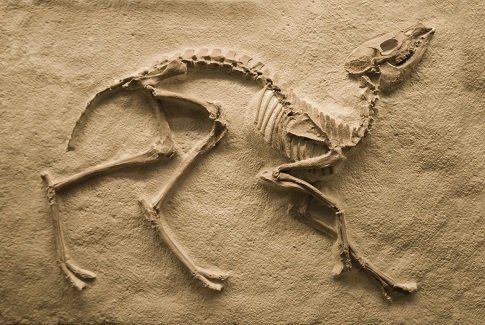
The fossils are the preserved remains of animals,plants or their parts found in various strata of earth.Fossils may be of entire organisms or a part which got burried,a mould or cast,foot prints or imprints of a leaf on a stone.
Fossilization : Fossils can result by several methods.However these methods are purely accident.There are many methods of fossilization.
1) Petrifaction:It is the commonest method.In this method dead and buried organisms turn into stones.This is due to formation of sedimentary rocks under water.While the soft parts disappear due to decaying,hard parts get preserved due to mineralisation.The preservation happens in the original strata.
2) Petrifaction of soft parts:Under certain conditions muscles and other soft organs may get mineralised and form rocky fossils.Several such plant fossils had been obtained.
3) Preservation of foot prints: Moving animals on soft mud can leave foot prints.These prints,if left undisturbed,can get hardened and form rocky fossils.A study of such imprints can provide clues regarding the body form and characteristics of the extinct animal.
4)Moulds and casts:Fossilized moulds are found in volcanic ashes.Several invertebrate fossils had been obtained as moulds.They provide details about the exact physical features of the animal.
5) Fossilization in resins and Amber:Normally,insects get entangled in soft sticky secretions of trees called resin.The dried material can get Fossilized.These fossils can even reveal the colour of the organism.
6) Preservation in ice:Entire animals can get Frozen and may be preserved in ice.In such fossils the body parts remain intact without change.Fossils of woolly mammoth from Siberia are classical fossils of this nature.
7) Dating of fossils:The age of the fossils to a large extent can be assessed accurately,using radioisotope method.It is known that all elements exist as isotopes.Isotopes are atoms having slightly different atomic weights.eg c12 and c14.Some isotopes remain unstable.They undergo decay and release sub atomic alpha and beta particles till they become more stable.
The time required for the breakdown of half the given quantity of unstable isotope is called the half life.The half life of many isotopes is useful to assess the age of the rock accurately by measuring the ratio of unstable:stable nuclides.
Evolutionary significance of fossils
⭐Fossils tell us the full story of evolution.Fossil studies reveal the course of evolution.
⭐ Through fossils the origin and evolution of specific groups of organisms can be understood.eg.Hirse evolution.
⭐Fossils provide us clues regarding climatic conditions of various prehistoric periods.
⭐Study of fossils simplifies phylogenetic discussions.
⭐Some fossils like woolly mammoth can provide vital clues regarding genetical make up.
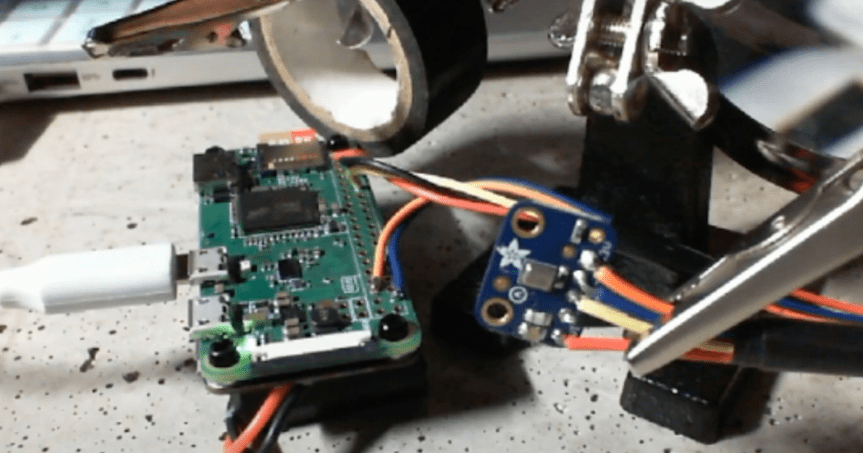
The dog wears a harness with a microphone that picks up its barks. The barks get processed through a device that determines what the dog is saying and then outputs it through speakers.
Raspberry Pi Zero is the affordable brain powering NerdStoke’s solution to this age-old human-and-pup problem. But writing code that could translate the multitude of frequencies coming out of a dog’s mouth when it barks was a trickier problem. NerdStoke tried to work it through on Twitch with fellow hobbyists, but alas, the original dream had to be modified.
The kit worked fine – it was the coding challenge that changed the course of this project
Spoiler alert: fast Fourier transforms did not work. You would need a clear, pure tone for that to work in a project like this, but as we said above, dogs bark in a rainbow of tones, pitches, and all the rest.
So what’s the solution?
Because of this, a time-based model was devised to predict what a dog is likely to be barking about at any given time of day. For example, if it’s early morning, they probably want to go out to pee. But if it’s mid-morning, they’re probably letting you know the postman has arrived and is trying to challenge your territory by pushing thin paper squares through the flap in your front door. It’s a dangerous world out there, and dogs just want to protect us.
Nerdstoke had his good friend record some appropriate soundbites to go with each bark, depending on what time of day it happened. And now, Nugget the dog can tell you “I want to cuddle” or “Why aren’t you feeding me?”Same, Nugget, same
While the final project couldn’t quite translate the actual thoughts of a dog, we love the humour behind this halfway solution. And we reckon the product name, Holler Collar, would definitely sell.
The iPhone is a line of smartphone designed and introduce by apple inc.. that use apple’s iOS mobile operating system.the first generation of iPhone was announced by formar apple ceo Steve jobs on January 9th,2007 . Since then apple has annually released new iPhone models and iOS updates as of November 1 ,2018 , more the 2.2 billion iPhones are sold ..
Development of what was to become the iPhone become in 2004 , when apple started to gather a team of 1000 employees led by hardware engineer Tony fadell , software engineer scoot forstall and design engineer sir jonathn Lev to work on the highly confidential “project purple”. Apple ceo Steve jobs steered the original focus away the tablet towards a phone . Apple created the device during a secritive collaboration with Cingular wireless ( which becomes AT&T mobility) at the time _at an estimated development cost of us$150 million over thirty months according to Steve jobs “I”means “i mac” (and therefore “iPod “, “iPhone”, and” iPad “)which stands for individual , internet ,instruct , inform , and inspire
The iPhone runs an operating system known as iOS (formally iPhone os) . It is varient of the Darwin operating system core found in macos . Also included is the ” core animation ” software component from Mac os x v10.5 leopard . Together with the graphics hardware (and on the iPhone 3GS, openGL ES 2.0), it is responsible for the interfaces motion graphics.the iPhone comes with a set of bundled applications developed by apple , and supports downloading third party application through the app store .apple provides free updates to the operating system for the iPhone either wirelessly or through I tunes major new updates have historically accompined with new models
And then finally apple rejected the ” design by committee “
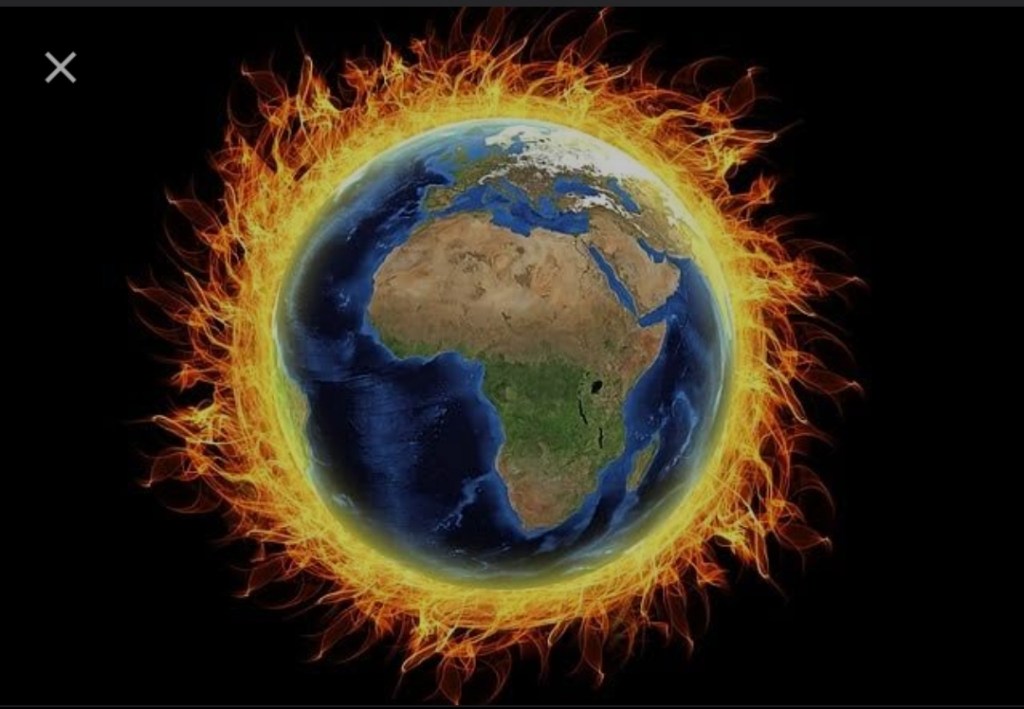
Global warming is the long-term heating of Earth’s climate system observed since the pre-industrial period (between 1850 and 1900) due to human activities, primarily fossil fuel burning, which increases heat-trapping greenhouse gas levels in Earth’s atmosphere.
What is global warming?
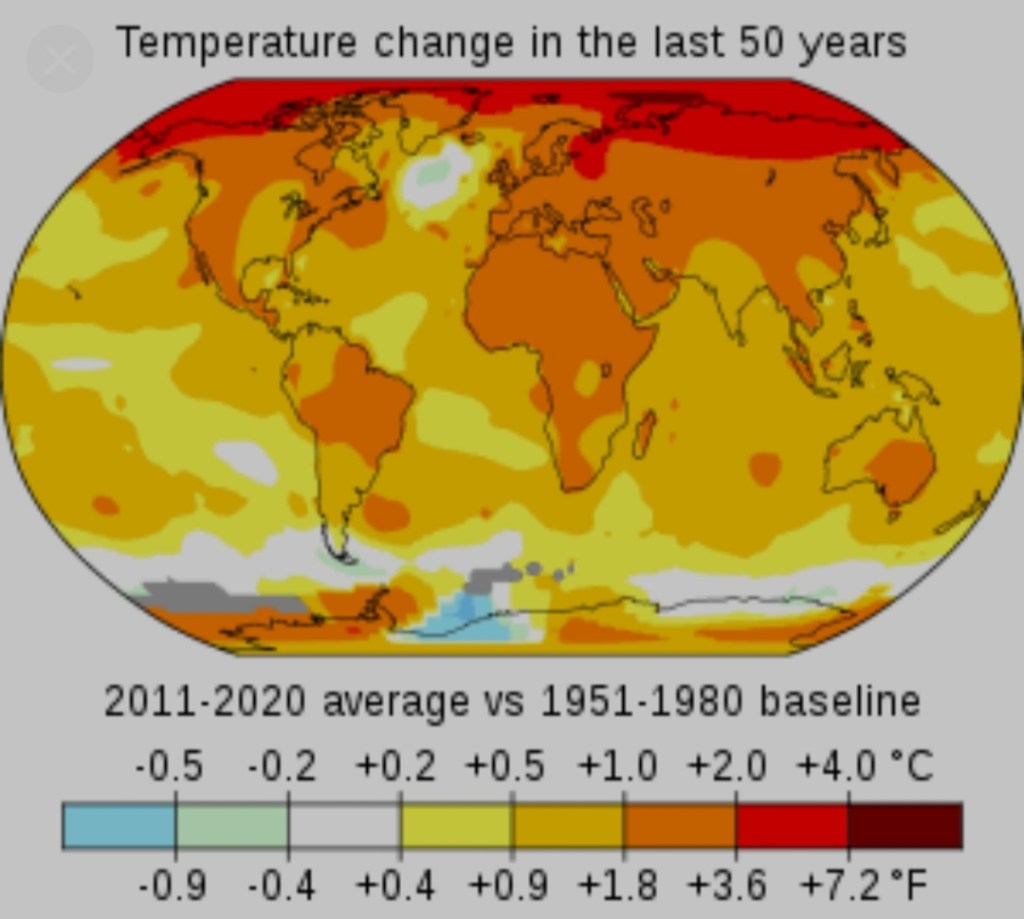
Since the Industrial Revolution, the global annual temperature has increased in total by a little more than 1 degree Celsius, or about 2 degrees Fahrenheit. Between 1880—the year that accurate recordkeeping began—and 1980, it rose on average by 0.07 degrees Celsius (0.13 degrees Fahrenheit) every 10 years. Since 1981, however, the rate of increase has more than doubled: For the last 40 years, we’ve seen the global annual temperature rise by 0.18 degrees Celsius, or 0.32 degrees Fahrenheit, per decade.
Now climate scientists have concluded that we must limit global warming to 1.5 degrees Celsius by 2040 if we are to avoid a future in which everyday life around the world is marked by its worst, most devastating effects: the extreme droughts, wildfires, floods, tropical storms, and other disasters that we refer to collectively as climate change. These effects are felt by all people in one way or another but are experienced most acutely by the underprivileged, the economically marginalized, and people of color, for whom climate change is often a key driver of poverty, displacement, hunger, and social unrest.
What is the causes of global warming?
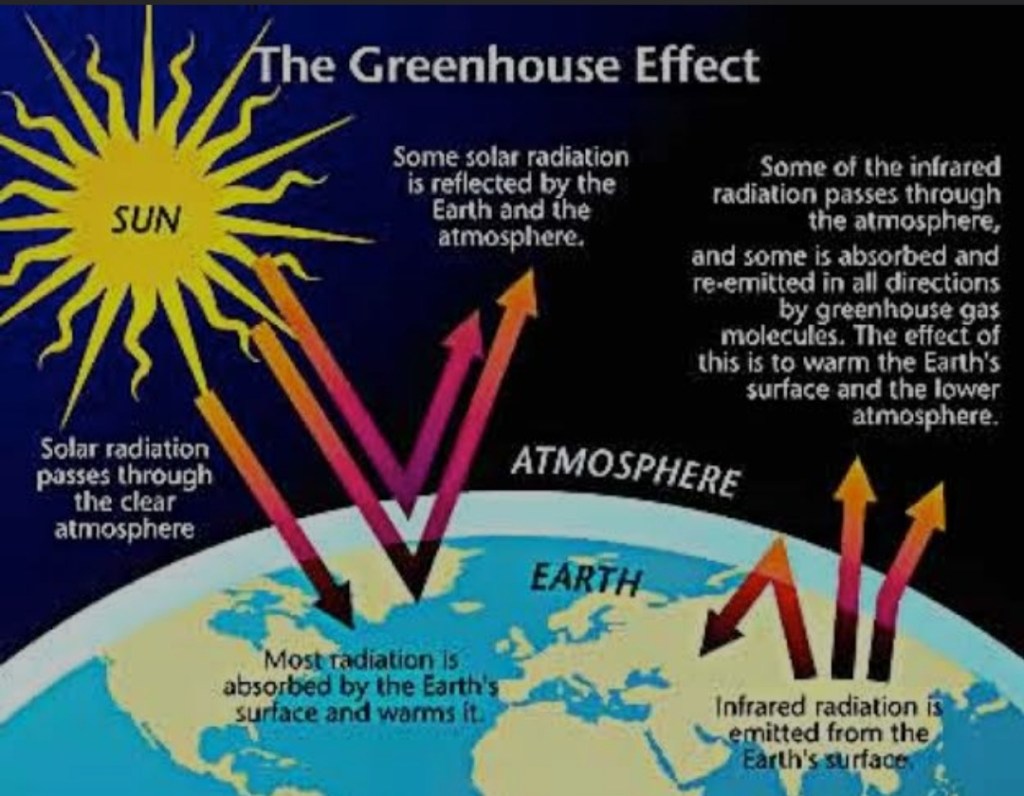
Global warming occurs when carbon dioxide (CO2) and other air pollutants collect in the atmosphere and absorb sunlight and solar radiation that have bounced off the earth’s surface. Normally this radiation would escape into space, but these pollutants, which can last for years to centuries in the atmosphere, trap the heat and cause the planet to get hotter. These heat-trapping pollutants—specifically carbon dioxide, methane, nitrous oxide, water vapor, and synthetic fluorinated gases—are known as greenhouse gases, and their impact is called the greenhouse effect.
Curbing dangerous climate change requires very deep cuts in emissions, as well as the use of alternatives to fossil fuels worldwide. The good news is that countries around the globe have formally committed—as part of the 2015 Paris Climate Agreement—to lower their emissions by setting new standards and crafting new policies to meet or even exceed those standards. The not-so-good news is that we’re not working fast enough. To avoid the worst impacts of climate change, scientists tell us that we need to reduce global carbon emissions by as much as 40 percent by 2030. For that to happen, the global community must take immediate, concrete steps: to decarbonize electricity generation by equitably transitioning from fossil fuel–based production to renewable energy sources like wind and solar; to electrify our cars and trucks; and to maximize energy efficiency in our buildings, appliances, and industries.
What are the effects of global warming?
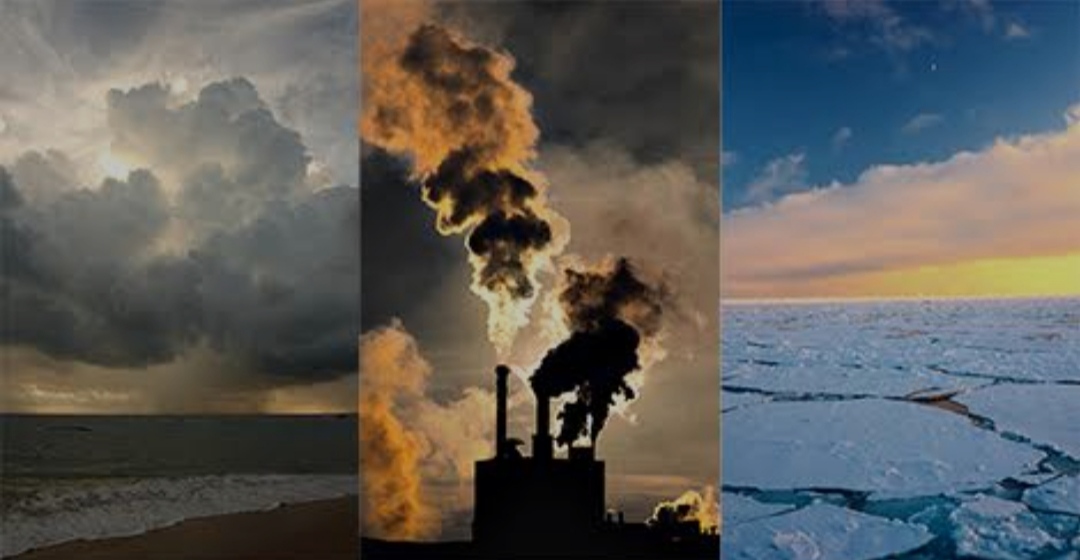
Each year scientists learn more about the consequences of global warming, and each year we also gain new evidence of its devastating impact on people and the planet. As the heat waves, droughts, and floods associated with climate change become more frequent and more intense, communities suffer and death tolls rise. If we’re unable to reduce our emissions, scientists believe that climate change could lead to the deaths of more than 250,000 people around the globe every year and force 100 million people into poverty by 2030.
1). Disappearing glaciers, early snowmelt, and severe droughts will cause more dramatic water shortages and continue to increase the risk of wildfires in the American West.
2). Rising sea levels will lead to even more coastal flooding on the Eastern Seaboard, especially in Florida, and in other areas such as the Gulf of Mexico.
3). Forests, farms, and cities will face troublesome new pests, heat waves, heavy downpours, and increased flooding. All of these can damage or destroy agriculture and fisheries.
4). Disruption of habitats such as coral reefs and alpine meadows could drive many plant and animal species to extinction.
5).Allergies, asthma, and infectious disease outbreaks will become more common due to increased growth of pollen-producing ragweed, higher levels of air pollution, and the spread of conditions favorable to pathogens and mosquitoes.
Though everyone is affected by climate change, not everyone is affected equally. Indigenous people, people of color, and the economically marginalized are typically hit the hardest. Inequities built into our housing, health care, and labor systems make these communities more vulnerable to the worst impacts of climate change—even though these same communities have done the least to contribute to it.
How is global warming linked to extreme weather?
Scientists agree that the earth’s rising temperatures are fueling longer and hotter heat waves, more frequent droughts, heavier rainfall, and more powerful hurricanes.
In 2015, for example, scientists concluded that a lengthy drought in California—the state’s worst water shortage in 1,200 years—had been intensified by 15 to 20 percent by global warming. They also said the odds of similar droughts happening in the future had roughly doubled over the past century. And in 2016, the National Academies of Science, Engineering, and Medicine announced that we can now confidently attribute some extreme weather events, like heat waves, droughts, and heavy precipitation, directly to climate change.
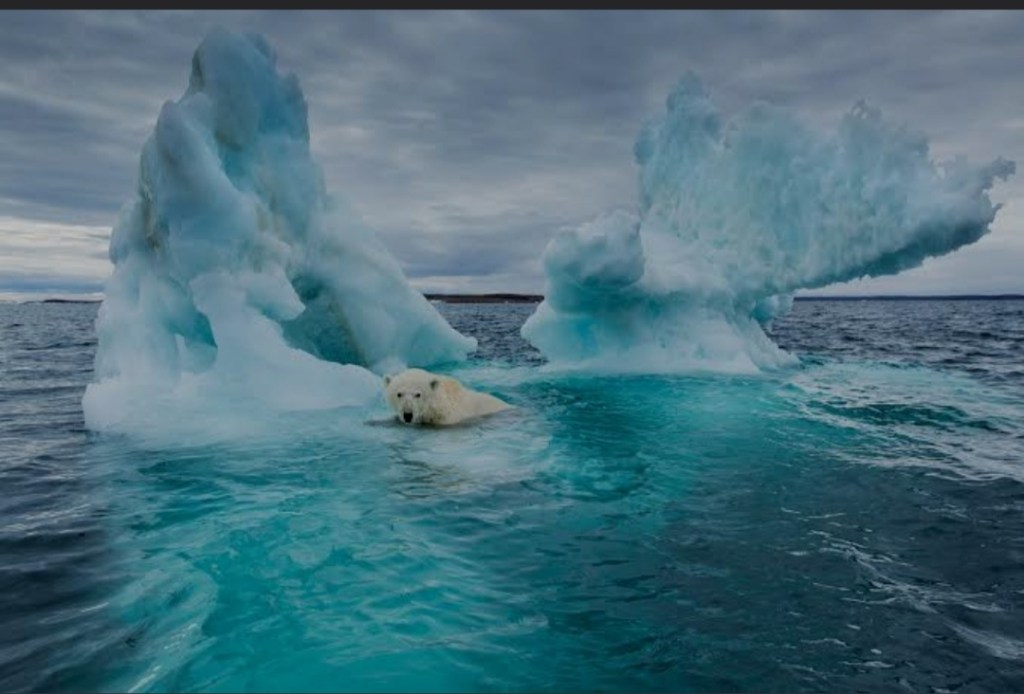
The impacts of global warming are being felt everywhere. Extreme heat waves have caused tens of thousands of deaths around the world in recent years. And in an alarming sign of events to come, Antarctica has lost nearly four trillion metric tons of ice since the 1990s. The rate of loss could speed up if we keep burning fossil fuels at our current pace, some experts say, causing sea levels to rise several meters in the next 50 to 150 years and wreaking havoc on coastal communities worldwide.
Is the United States doing anything to prevent global warming?
We’ve started. But in order to avoid the worsening effects of climate change, we need to do a lot more—together with other countries—to reduce our dependence on fossil fuels and transition to clean energy sources.
Under the administration of President Donald Trump (a man who falsely referred to global warming as a “hoax”), the United States withdrew from the Paris Climate Agreement, rolled back or eliminated dozens of clean-air protections, and opened up federally managed lands, including culturally sacred national monuments, to fossil fuel development. Although President Biden has pledged to get the country back on track, years of inaction during and before the Trump administration—and our increased understanding of global warming’s serious impacts—mean we must accelerate our efforts to reduce greenhouse gas emissions.
President Biden has made action on global warming a high priority. On his first day in office, he recommitted the United States to the Paris Climate Agreement, sending the world community a strong signal that we were determined to join other nations in cutting our carbon pollution to support the shared goal of preventing the average global temperature from rising more than 1.5 degrees Celsius above preindustrial levels. (Scientists say we must stay below a 2-degree increase to avoid catastrophic climate impacts.) And significantly, the president has assembled a climate team of experts and advocates who have been tasked with pursuing action both abroad and at home while furthering the cause of environmental justice and investing in nature-based solutions.
Is global warming too big a problem for me to help tackle?
No! While we can’t win the fight without large-scale government action at the national level, we also can’t do it without the help of individuals who are willing to use their voices, hold government and industry leaders to account, and make changes in their daily habits.
Wondering how you can be a part of the fight against global warming? Reduce your own carbon footprint by taking a few easy steps: Make conserving energy a part of your daily routine and your decisions as a consumer. When you shop for new appliances like refrigerators, washers, and dryers, look for products with the government’s ENERGY STAR® label; they meet a higher standard for energy efficiency than the minimum federal requirements. When you buy a car, look for one with the highest gas mileage and lowest emissions. You can also reduce your emissions by taking public transportation or carpooling when possible.
It’s not a surprise to come across a comment or an opinion that is often made on the character of an individual based on their clothes. It’s been a long going tradition, especially one where pre-defined ‘ethics’ have already pre-conditioned the minds of many that it’s not easy to escape from such an opinion.
When a girl is in a bikini, she is tagged as a prostitute. If a male wears feminine-looking clothes, he is tagged as a transgender or gay. A woman who chooses to wear shirts and pants unlike the traditionally viewed girls’ clothes, they are praised as tomboys. From Clothes defining character, to clothes defining gender, to clothes defining opinion, the chain of link between clothes and humans don’t seem to end.
Often under the hood of this orthodox opinion some people even go on to ‘police’ someone’s cloth choices while being condescending and prejudiced. Clothes have been exploited as a way to define someone’s character, someone’s gender or someone’s life in a nutshell. These pre-conditioned orthodox views have been passed down from generations to generations for so long that even after learning about it, unlearning this becomes tough.
From being commented by India’s well-off leaders about jeans and skirts being arousing to that common gasping stares of people when you walk out with shorts, all of them not only degrade one’s life quality but also restrain them from opportunities that they’d like to explore.
Now, it’s possible that you may argue about how clothes are one of the essentials of human life and it’s inevitable to not link clothes with character? If clothes were not meant for character reflection, then why do places such as offices, schools, etc. have a dress code? Shouldn’t we all should be allowed to wear a bikini at work?
To quench your curiosity let me reveal a little fact to you. Dress-codes actually emerged to enhance team-spirit and comfortable environment and fit for the individuals. It was meant to improve the feeling of ‘belonging’ together among the members. However, this too strayed from it’s path of goal and ended up as being one of the traditionally forced ethics. But the focus of the article is not the history. It’s the present. It is because of this orthodox view that dress-codes which started out as a way to provide comfort actually became a ‘moral police’ baton. Skin-revealing clothes started became tagged as modern and this modern-ness a trolling weapon for many orthodox people.
So, what’s the solution to this cloth-character problem?
Here are some things that you can do!
Unlearn – This is definitely the most needed solution. To unlearn. Unless we re-teach ourselves the basis of what makes a person a good person, (which btw aren’t clothes) none of this will ever change. Mahatma Gandhi once said, ‘Be the change you want to see.’ And it is indeed true. Start with you. Your values. Your views. Teach yourself how clothes don’t have a gender and neither a character.
Unresponsive to people holding orthodox views – Instead of trying your best to change some orthodox person’s view, who is unyielding and strongly stupid, the best you can do is ignore them. Ignore their comments and don’t let your blood boil. It’s not easy to unlearn. And what’s more tough is to let go of your wrong convictions if that’s what’s you’ve been conditioned with the whole life.
Express your views – This may sound conflicting but give it a read. You need to express your views about how cloth-character assumption is wrong and why it is so. This is because unless you will tell them, no one ever will. They won’t know that a view opposite to theirs can exist. So you be the opposite one. But never waste your time by continuously pestering them with your views. You know how the saying goes, ‘A dog’s twisted tail will always remain twisted.’ So, don’t waste your energy on such people.
Teach the kids – Just like how we and the previous generations have been conditioned with some wrong views, you can start on the right foot by teaching the kids the difference and the right thing about what defines a good human character. And it’s definitely not the clothes.
We’ve heard the ‘Don’t Judge a Book by its Cover’ and ‘Don’t Judge a Song by its Language’. Now, it’s time that we also learn; ‘Don’t Judge a Character by its Clothes’.
The record of occurrence of a trait in several generations of a human family is called pedigree analysis. The inheritance of a particular trait is represented in the family tree over generations.
Mendelian Disorders
Mendelian disorders are mainly determined by alteration or mutation in the single gene. Mendelian disorders can be traced in a family by the pedigree analysis.
Most common and prevalent Mendelian disorders are :
Haemophilia
Cystic fibrosis
Sickle-cell anaemia
Colour blindness
Phenylketonuria
Thalesemia
Haemophilia
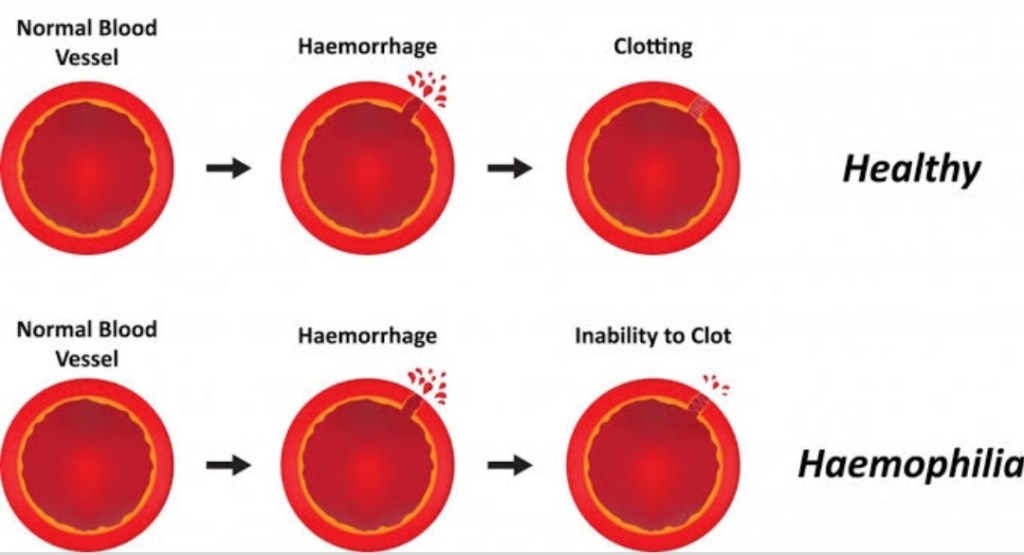
This sex linked recessive disease, which shows its transmission from unaffected carrier female to some of the male progeny has been widely studied. In this disease, a single protein that is a part of the cascade of proteins involved in the clotting of blood is affected. Due to this, in an affected individual a simple cut will result in non- stop bleeding.
The heterozygous female (carrier) for haemophilia may transmit the disease to sons. The possibility of a female becoming a haemophilic is extremely rare because mother of such a female has to be at last carrier and the father should be haemophilic.
Sickle-cell anaemia
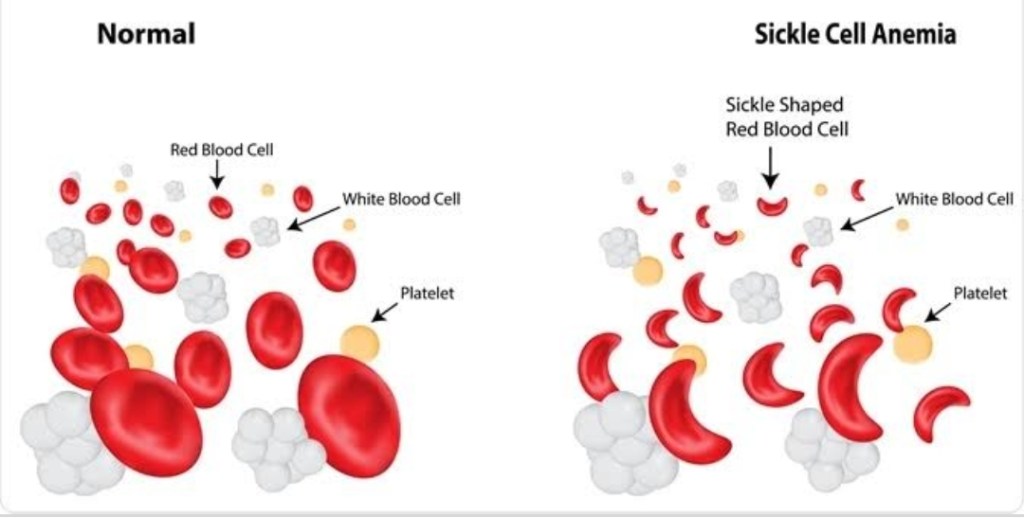
This is an autosome linked recessive trait that can be transmitted from parents to the offspring when both the partners are carrier for the gene(or heterozygous). Heterozygous individuals appear apparently unaffected but they are carrier of the disease as there is 50 per cent probability of transmission of the mutant gene to the progeny, thus exhibiting sickle-cell trait.
The defect is caused by the substitution of Glutamic acid by Valine at the sixth position of the beta globin chain of the haemoglobin molecule.
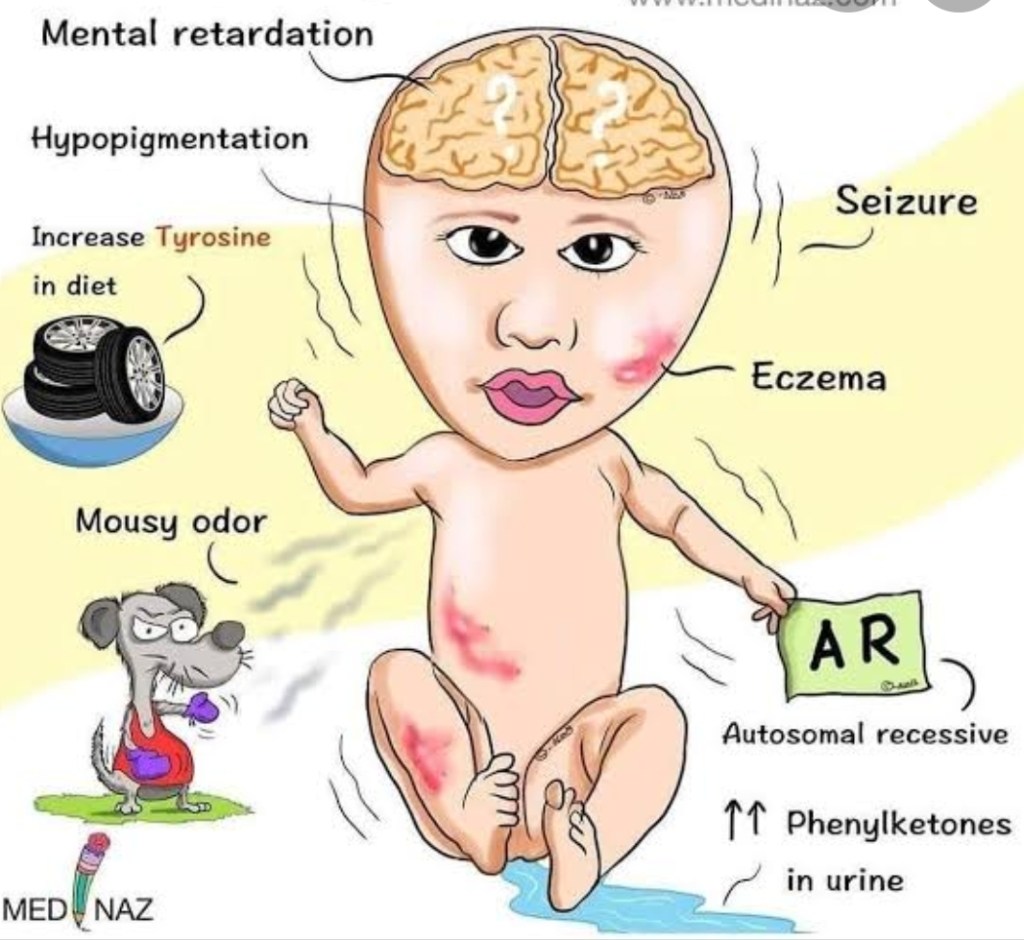
Phenylketonuria
This inborn error of metabolism is also inherited as the autosomal recessive trait.the affected individual lacks an enzyme that converts the amino acid phenylalanine into tyrosine. As a result of this phenylalanine is accumulated and converted into phenylpyruvic acid and other derivatives.
Accumulation of these in brain results in mental retardation. These are also excreted through urine because of its poor absorption of kidney.
Chromosomal Disorders
The chromosomal disorders on the other hand are caused due to absence or excess or abnormal arrangement of one or more chromosomes. Failure of segregation of chromatids during cell division cycle results in the rain or loss of a chromosome, called Aneuploidy. Failure of cytokinesis after telophase stage of cell division results in an increase in a whole set of chromosomes in an organism and this phenomenon is known as Polyploidy.
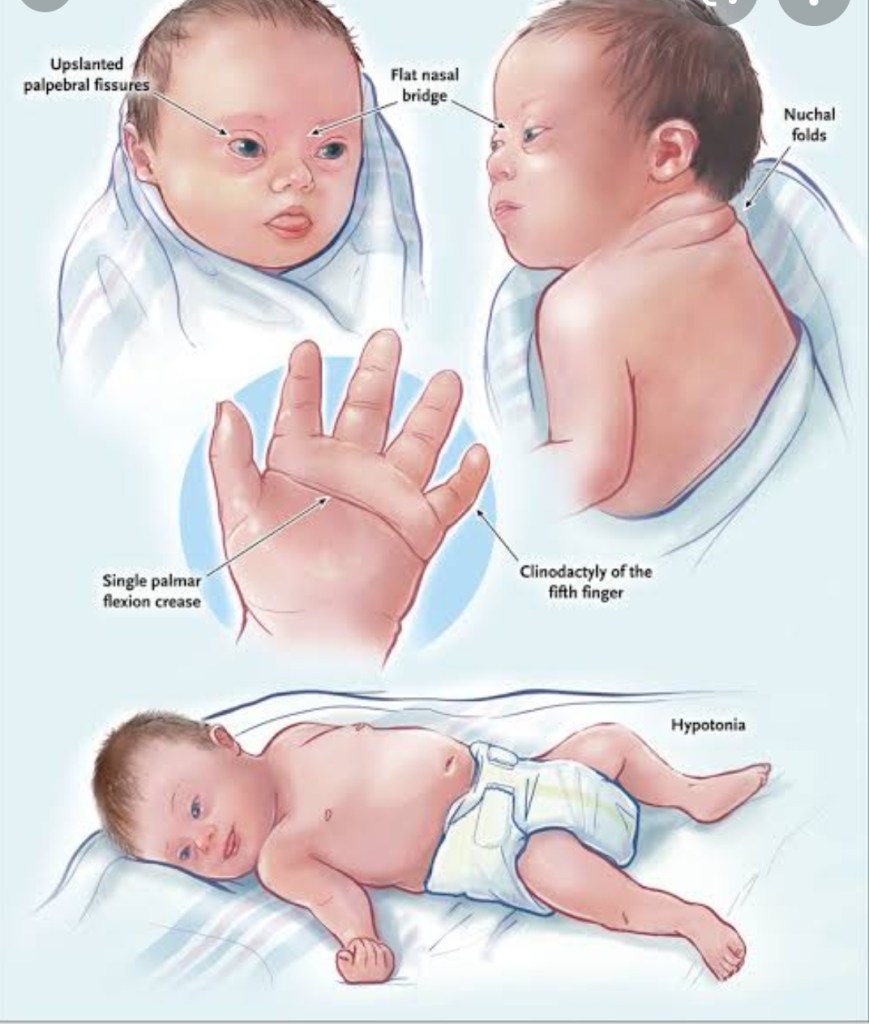
Down’s Syndrome
The cause of this genetic disorders is the presence of an additional copy of the chromosome number 21.
The affected individual is short statured with small round head, furrowed tongue and partially open mouth. Palm is broad with characteristic palm crease. Physical, psychomotor and mental development is retarded.
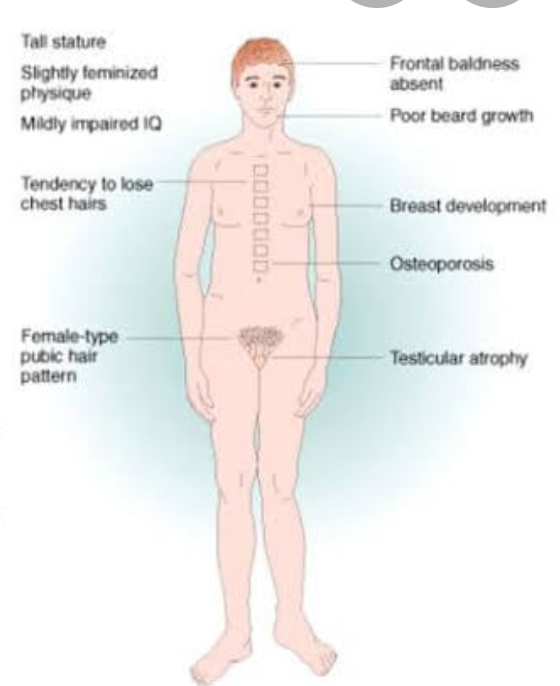
Klinefelter’s Syndrome
This genetic disorder is also caused due to the presence of an additional copy of X-chromosome resulting into a karyotype of 47, XXY. Such an individual has overall masculine development, however, the feminine development (development of breast) is also expressed. Such individuals are sterile.
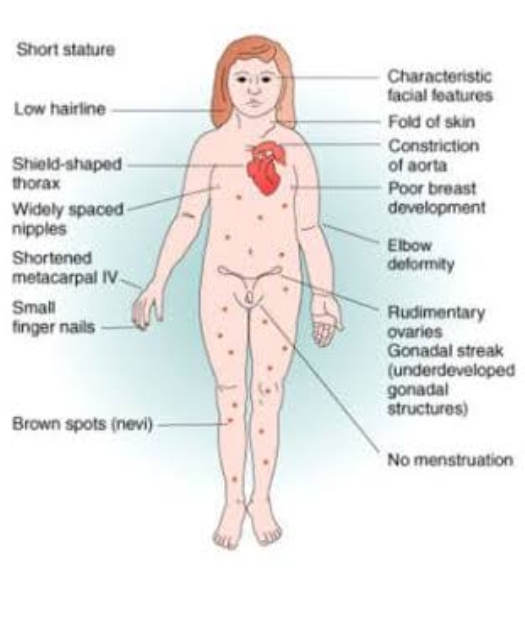
Turner’s Syndrome
Such a disorder is caused due to the absence of one of the X chromosomes, i.e., 45 with X0. Such females are sterile as ovaries are rudimentary besides other features including lack of other secondary sexual characters.










 Eduindex
You must be logged in to post a comment.