IS VACCINE DISCRIMINATION A BARRIER TO GLOBAL TRAVEL?

Who doesn’t love travelling? Travelling is all about collecting moments and exploring the world with comfort. Especially in the times of covid, where people are home bound, there is an eager need to travel and enjoy the freedom instead of staying at home because Beyond discovery, travel broadens our understanding of the planet, other species, and cultures, and assists us in becoming better global citizens. Apart from it, many people and students are home stuck who wanted to go abroad to pursue education and get back to their respective jobs in the other countries but are stuck due to pandemic. However, many countries have opened their doors for the Indian citizens to travel in their countries but the basic requirement to travel is vaccination.
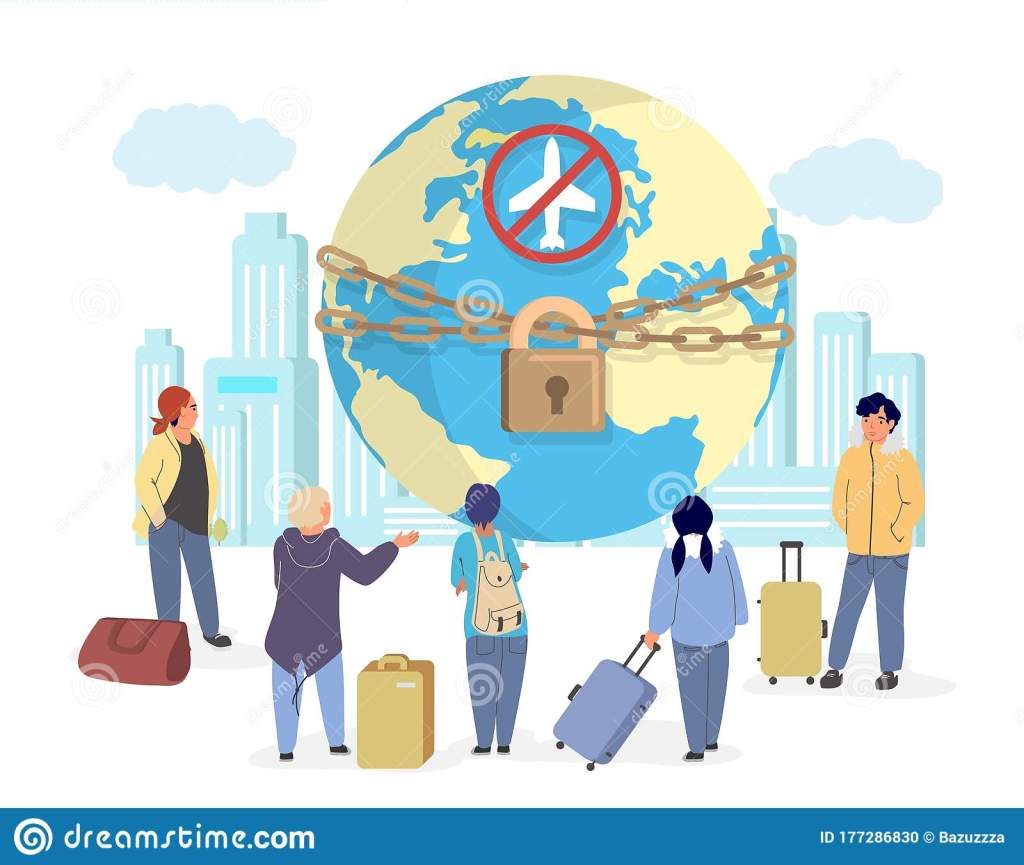
 As well all know that in India Covaxin, produced in-house by Bharat Biotech in Hyderabad, and Covishield, manufactured by the Serum Institute of India in Pune, are presently being used in  coronavirus inoculation program. The WHO has approved the covishield but covaxin is yet to approve. So, there are the bunch of Indian citizens who are skeptical about the approval of covaxin and hence for now, they can’t travel abroad until and unless the vaccine is not approve by world health organization. Therefore, many people are of the opinion that the test should be the main basis to travel abroad and not the jabs. 
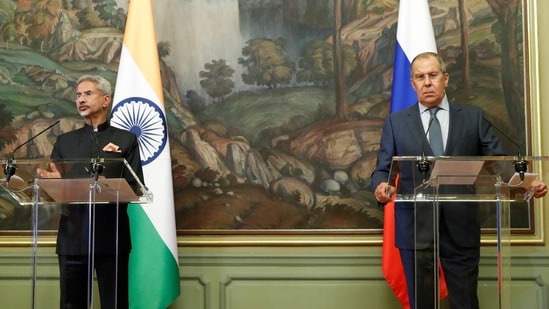
 Recently, S Jaishankar, the Union’s external affairs minister, said on Friday that international travel based on coronavirus (Covid-19) testing is “good enough,” despite the fact that some nations have made vaccination mandatory, and that a deal must be reached. He said after meeting with his Russian colleague, Sergey Lavrov, during a joint news conference that “People who are tested before foreign travel and tested on arrival is a good enough foundation for travel, but other countries have recently added the problem of vaccination,”

 India has previously demanded that each EU member state do so independently. Consider granting a similar exemption to those who have received Covid-19 vaccines in India, such as Covishield and Covaxin, and accepting the immunisation certificate obtained through the Cowin site. According to Jaishankar, he and Lavrov discussed how visitors from their respective nations are not “discriminated against” and how “understandings” about Indian and Russian travel to one other’s countries may be established. The continuing Covid-19 epidemic, according to the external affairs minister, has allowed Russia and India to display the strength of their collaboration, with the development of Sputnik vaccine being one of them. The Russian foreign minister also stated that both Russia and India are opposed to vaccine politicization, and that he is “sure” that the majority of nations would follow suit. 

Russia’s foreign minister, Sergei Lavrov, also stated that Russia is willing to discuss the possibility of coordinating their actions related to vaccinated citizens, including certification of those who have been vaccinated, and that they can reach an agreement in this area that will serve as an example to other countries.


INFLATION AND ITS EFFECTS ON ECONOMY

Inflation is an economic phenomenon that describes the general increase in the prices of goods and services in the economy. So inflation is the rate at which the average prices of certain selected goods increase in a given time period.

So inflation also indicates the loss of purchasing power of the consumer. The same unit of currency will buy fewer goods and services as their prices increase. This is the loss of purchasing power of the currency of a country.

EFFECTS OF INFLATION

Persistent inflation in an economy can have some very adverse effects. Many problems currently plaguing our economy are results of inflation in our economy. Rapid inflation can disrupt our entire economy can cause a financial crisis in the country. Let us take a look at some of the adverse effects that are results of inflation in the Indian Economy.

Balance of Payments

India’s current account deficit is around 17 billion dollars for the last quarter of 2018. This is roughly 2.5% of our GDP. This is because for years now India’s imports are mismatched with their exports. With increasing prices of goods in India, exports have seen a further decline. And the imports have actually become cheaper. So the current account deficit will continue to be a problem for our economy.

Industrial Sector

India has seen a stagnation in the industrial growth in the last few years. The industrial growth for the month of February 2019 year-on-year was merely 0.1%. This is because inflation has adversely affected the industrial sector as well.

The rising prices mean that the factors of production like labor and raw materials have also become expensive. The profit margins of the companies are decreasing. And after an extent, the companies pass on the burden of these additional expenses to the final consumer. And the entire economy suffers.

Banks will increase interest rates as inflation increases otherwise real interest rate will be negative. (Real interest =
Nominal interest rate – inflation). This makes borrowing costly for both consumers and corporate. Thus people will
buy fewer automobiles, houses and other goods. Industries will not borrow money from banks to invest in capacity
expansion because borrowing rates are high.

Higher interest rates lead to slowdown in the economy. This leads to increase in unemployment because companies
start focusing on cost cutting and reduces hiring. Remember Jet Airways lay off over 1000 employees to save cost.


Rising inflation can prompt trade unions to demand higher wages, to keep up with consumer prices. Rising wages
in turn can help fuel inflation.


Inflation affects the productivity of companies. They add inefficiencies in the market, and make it difficult for
companies to budget or plan long-term. Inflation can act as a drag on productivity as companies are forced to shift
resources away from products and services in order to focus on profit and losses from currency inflation.

Final Consumer

The person most affected by rising inflation is the final consumer of goods. The prices of goods and services are constantly rising. But the salaries and income of consumer do not rise proportionately, there is a lag. So the goods and services become less affordable to these final consumers. And the population in the lowest income group are the most affected. They cannot even afford basic necessities.

Investments

One of the major results of inflation in an economy is the general slowdown of the economy. When this happens unemployment rates rise, the purchasing power of the consumer decreases, credit becomes expensive. All these cause a strain on the entire financial system of the country. It discourages heavy investment in the economy by both domestic and international players.

PHRASICAL TALE : words of wonder

YOU ARE SO FAT

YOU LOOK LIKE A RAT

YOU HAVE NO HAIR , WEAR A HAT.

BUY YOURSELF A YOGA MAT.

YOUR STOMACH LOOKS LIKE THAT OF A CAT

YOU LOOK LEAN LIKE THE HANDLE OF THE BAT

IT MAKES ME THINK OF WHY DO PEOPLE PUT THEIR NOT SO NEEDED SUGGESTION,

SHOW THEIR AGGRESSION ?

THESE PHRASES HIT HARD AT HEART

JUST LIKE A SHARP DART.

KEEP YOUR VOICES ON MUTE AND DONT UTTER A WORD

DONT BE THE PART OF THE GOSSIPING HERD.

KEEP CALM AND PRAISE THE LORD

SING AND PLAY THE GUITAR RINGING THE CORD.

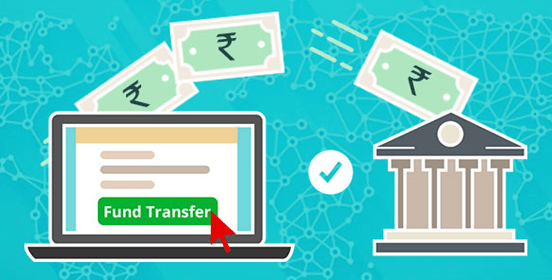
HOW TO FILL NEFT/RTGS FORM

Step 1:- Fill the Branch Code and Branch Name where service is being availed.

Step 2:- Mention Date and Time

Note:- Non Bank Customer/ Walk in Customer or Indo-Nepali NEFT Remittance can also avail the facility of NEFT and can transfer an amount up to Rs. 50,000 by vising a Bank Branch.

Step 3:- Tick the type of transfer required i.e. NEFT or RTGS.

Note:- If the amount is Rs. 2,00,000 or above, then tick RTGS otherwise tick NEFT.

Step 4:- If using a cheque for transfer, then fill the details like cheque number and amount

Note:- Sender need to write “Bank Name- NEFT” in Pay Column on Cheque in case of NEFT transaction and “Bank Name- RTGS” in Pay Column in case of RTGS transaction

Step 5:- Fill Beneficiary Details i.e. the person to whose account the amount is to be transferred.

NEFT vs IMPS vs RTGS: Which One Should You Opt To Make Fund Transfer? -  informalnewz

Beneficiary Details include:-

Beneficiary Name as per Bank Records

Beneficiary Account Number

Beneficiary Address

Beneficiary Bank Name and Branch

Beneficiary Bank IFSC Code

Account Type i.e. Resident/ Non Resident

Amount to be Credited ( In Figures)

Amount To be Credited (In Words)

This image has an empty alt attribute; its file name is image-276.png

Step 6:- Fill Remitter/Sender Details i.e. the person from whose account the amount is to be transferred.

Sender/ Remitter Details

• Remitter Name as per Bank Records

• Remitter Account Number

• Cash Deposited ( For Non Bank Customer)

• Mobile/ Phone Number of Remitter

• E-Mail Id

• Address of Remitter

• Remarks

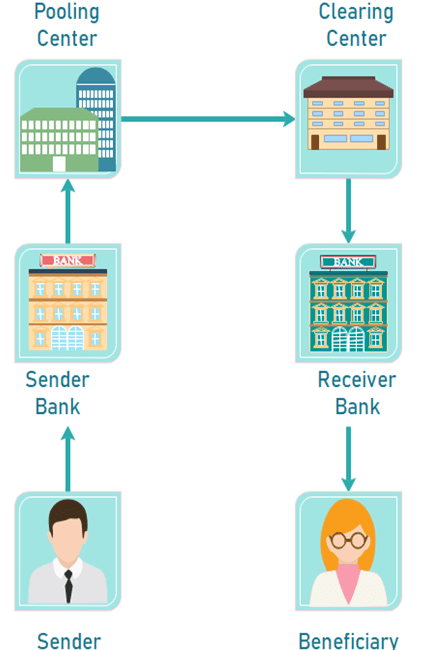
Immediate Payment Service - IMPS Payment & Fund Transfer | Instant Money  Transfer

Step 7:- Read the terms and Conditions

Step 8:- Attest the authorised Signature

Note:- All the account Holders need to attest their signature in case of Joint Account

Note:- If the transaction is done using a Current Account, then the Company Stamp is mandatory to be attested.

After verification of details, the transaction will be processed and conducted. The amount will be debited from Remitter’s Account and will be credited to the Beneficiary Account .

Does Art Really Matter in Our Daily Lives?

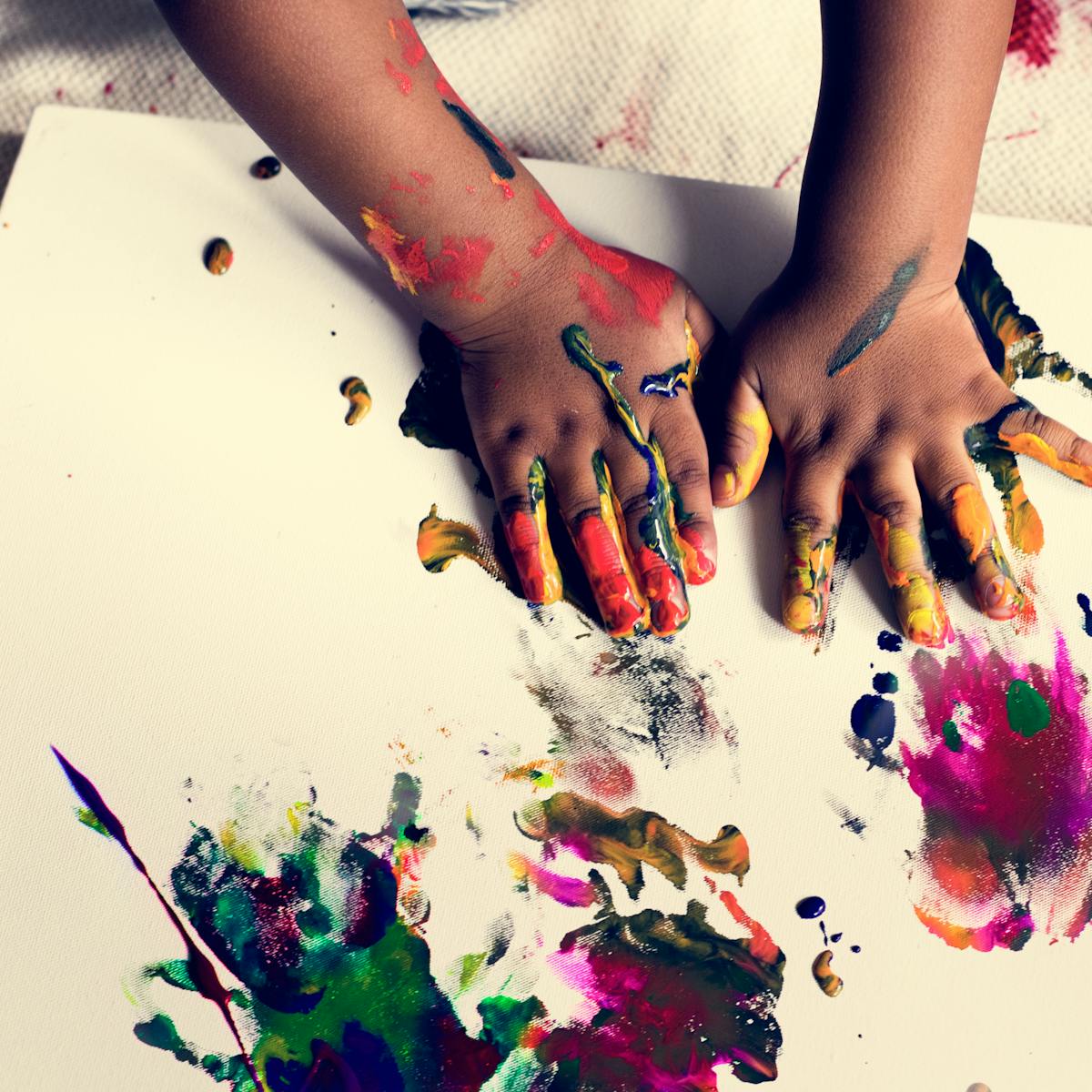
Art is known to surround life, every individual in different locations, without us being aware of it fully.  Since time has been immemorial, art has existed as long as man has and has exited ever since. It is an integral part of our culture, which contributes in shaping our ideas, and vice versa, and it provides us with a deeper understanding of our emotions, increases our self-awareness, and more. To conclude that art is only confined to the artist or the painter, the dancer, the sculptor, the musician or the singer or other craftsman is to look at a needlessly rigid and a restricted view of life. Life itself is known to be art and though poets and artists may seem visionaries, they have a specific and distinct role to play in our being. Almost every individual has some form of art in their house—a hanging painting, framed photographs on walls, a decorative table center piece and even the main layout and design of a house is and can be considered as a form of art.  Art is not restricted purely for looking at it and admiring, a lot of it is functional too which we often don’t realize, especially when it comes to our living spaces and our daily lives.

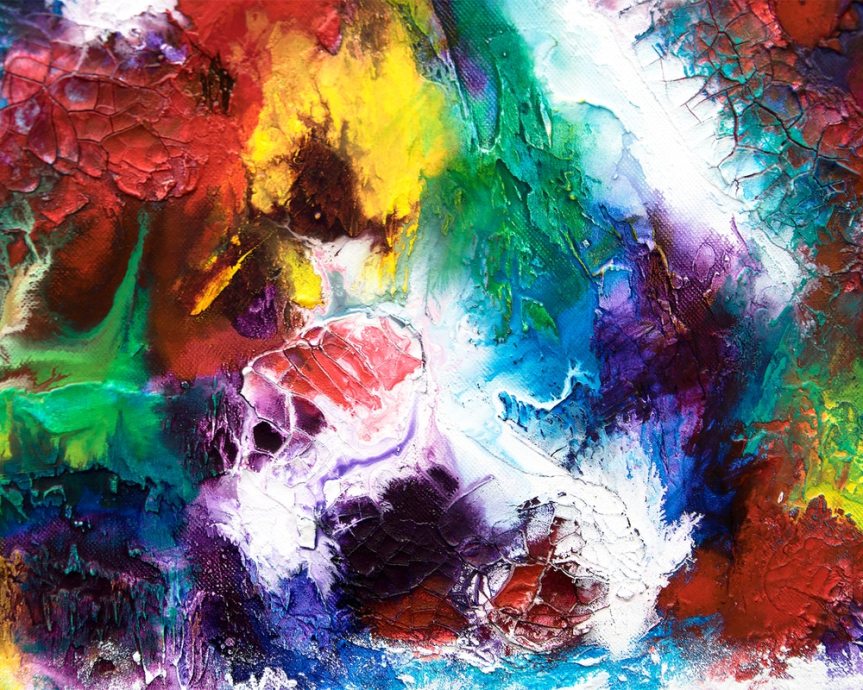
Image of World Collaboration Limited edition Art Print (6 artists  collaboration) | Art, Drawings, Art drawings

Everything from a delightfully patterned cushion cover on the pillow or even a decorative plate and intricate designed teacups can be considered as a form of art.  Our brain is mostly conditioned to think that these type of items or things are not a form of art when it’s only for decoration. Another important element of form of art that adds value in our daily lives is Music, it is similar as art, and is considered to be a universal language and it holds importance in our daily lives which is indisputable. Subconsciously, when we hear music through various forms like on shows, commercials, radio and through other forms of media. Sounds, songs, instruments and music can make life extremely joyful and it can contribute heavily in lifting our spirits up and also till some extent improve our mental health and wellbeing. People think that technology and science are considered to be superior to art or any form of art.

Brain research shows the arts promote mental health

But art makes life worthwhile. It may not be as vital to fulfil our basic wants or necessities, but it does add value into our lives and brings colours in it as well. As we proceed our journey of a fast-paced life with quick decisions, moments, time and with many fragmented thoughts, art allows us to learn from every moment and to enjoy each moment and to make it memorable. Understanding our true emotions can help us heal from pain, grow and improve ourselves to become better humans. It helps in increasing our self-awareness and through that it can lead to more success professionally and personally. Through any form of art, we gain a better understanding of history, culture and tradition. It helps people in the present to build a better life for themselves.

The Journalism and mass media

The Journalism and mass media is the  graduates work nationwide and worldwide at newspapers and magazines and in advertising, branding, broadcast news, social media, marketing, media research, photojournalism, publication design, public relations, radio, and other areas.

The Journalism is the activity of gathering, assessing, creating, and presenting news and information. It is also the product of these activities. Journalism can be distinguished from other activities and products by certain identifiable characteristics and practices.

There are five types,

  • investigative,
  • news,
  • reviews,
  • columns,
  • feature-writing.

The Rules Of Journalism

: Ask questions.

The  journalist’s greatest assets is their natural curiosity. Start with the famed five W’s (and one H), then ask some more. Asking “why?” is what gets you the good stuff.

: Dig for the story.

If you think you’ve got the whole story, dig around some more. The most fascinating parts of the story are often just under the surface.

: Master the language.

As a journalist, language is your main tool. Read as much as you can and as often as you can, research odd words and archaic sayings, look at what’s behind etymology. Learn the patterns behind language and how to use them.

: Spelling matters.

Double-check if you aren’t sure about spelling or style (especially in the case of names), and read through messages and articles thoroughly before sending either.

#5: Know thy publication.

Before you pitch, know a publication’s style, editorial staff and content. Publications are usually more than happy to provide back-issues. If you can’t find writer’s guidelines, send a short introductory email requesting them.

#6: Contacts are your career.

Contacts (and your reputation with said contacts) are your entire career. Editors, sources and interviewees are all vital parts of the journalistic process. Without them, you’d be screwed.

#7: Once it’s off the record, keep it that way.

Trusted sources will tell you all sorts of juicy, fascinating, scandalous and personal things in your career as a journalist, often off the record. Shut up about it.

#8: Three is a golden number.

Mind the rule of threes: Have at least three reliable, corroborating sources for every fact; three interviewees for every article; and read through a piece at least three times before you sit down to change a comma – that’s at least.

#9: Rejection is opportunity.

Getting a story rejected means you’ve just opened up a line of communication with a new editor – congratulations. Pitch again. Rejection also gives you a chance to sell the story elsewhere: Sometimes rejection just means it’s not right for them

#10: Editors are teachers.

You can learn a hell of a lot from the experience of your editors, and when given the chance you should. They braved the journalistic battlefield before you, so you can trust their edits and advice. Usually, they’re right.

: Mind the word count.

Yes, you can do that in the assigned word count, and the editor will either make you add or cut if you don’t. Here, they always know better. (Remember this piece of key-advice from The Elements of Style and repeat it as your daily editing mantra: Omit unnecessary words.)

: Deadlines are holy.

Deadlines exist for a reason: Never skip out on a deadline unless you are incapacitated or dead. If you have to, let your editor know beforehand and have a damn good reason. Then, don’t do it again. Compare deadlines to menstrual cycles: If you skip one, you might just be stressed. If you skip several, you’re in trouble.

#13: Know the law.

Journalism can take you to some strange places. Make sure you know the law and what side of it you’re standing on at all times.

#14: Always do your research.

Make sure that your research is flawless and that you can always match which source gave which fact. Cross-reference, find first-hand information and do your background research before requesting, planning or conducting an interview.

#15: Have it outlined.

Have the skeleton of your idea outlined and ready by the time you pitch the idea. That way you have all the information ready, and it makes your job – and theirs – easier. Your outline should include the article’s proposed headline, the article’s sub-headers and sections (you can write down facts as key-words here) and who you will interview.

#16: Keep and file everything.

Keep prior notes, interviews, sources, tapes, the lot: You never know when you’ll need it, and you probably will.

#17: Guard your vices.

Many great journalists have been crippled or completely destroyed by their vices – and it can be almost anything: Overworking, coffee, manic exercising, painkillers or heavier drugs. Whatever yours is, keep it in check or risk your job.

#18: Burnout is a rabid, fanged monkey.

Burnout is a myth, until you’re there. It’s a mental and physical size of your writing engine, and if you don’t find your way to unwind you’ll get there a lot quicker.

The Mass media refers to a diverse array of media technologies that reach a large audience via mass communication. … Broadcast media transmit information electronically via media such as films, radio, recorded music, or television.

The types of mass media include Newspapers, Radio, Television, Internet, Magazines and more,

  • What is Mass Media?
  • Journalism.
  • Social Media.
  • Films.
  • Television.
  • Radio.
  • Advertising.
  • Public Relations.
  • Books, Magazines, Newspapers and Journals.

RULES OF MASS MEDIA

  • The Privacy Act works to guarantee privacy to individuals and controls how personal information is used. Defamation in the written form (libel) or the spoken form (slander) is illegal in the United States.
  • Section 315 (Equal Time Rule) ensures that broadcast media cannot favor any one candidate over another by granting one more time than another. The Fairness Doctrine ensured that radio stations offered equal time to opposing viewpoints.
  • The Freedom of Information Act grants the public, including the news media, access to many government documents. The Digital Millennium Copyright Act, established in 1998, extended existing copyright laws to encompass and protect information online.

INSOLVENCY AND BANKRUPTCY CODE, 2016

After the introduction of the Insolvency and Bankruptcy Code, 2015 in the Lok Sabha on 21st December 2015, it was referred to the Joint Committee. On such a referral the Committee had presented its recommendations and a modified Bill based on its suggestions. In May 2016 both the Houses of Parliament passed the Insolvency and Bankruptcy Code, 2016. The major objective of this economic reforms is to focus on creditor drove insolvency resolution.

nsolvency resolution in India took 4.3 years on an average.  This is higher when compared to other countries such as United Kingdom (1 year) and United States of America (1.5 years).  These delays are caused due to time taken to resolve cases in courts, and confusion due to a lack of clarity about the current bankruptcy framework.

APPLICABILITY OF THE CODE

The provisions of the Code shall apply for insolvency, liquidation, voluntary liquidation or bankruptcy of the following entities:-

  1. Any company incorporated under the Companies Act, 2013 or under any previous law.
  2. Any other company governed by any special act for the time being in force, except in so far as the said provision is inconsistent with the provisions of such Special Act.
  3. Any Limited Liability Partnership under the LLP Act 2008.
  4. Any other body being incorporated under any other law for the time being in force, as specified by the Central Government in this regard
  5. Partnership firms and individuals

Exceptions: There is an exception to the applicability of the Code that it shall not apply to corporate persons who are regulated financial service providers like-

  • Banks;
  • Financial Institutions; and
  • Insurance companies.

OBJECTIVES OF THE CODE

The 2016 Code applies to companies and individuals.  It provides for a time-bound process to resolve insolvency.  When a default in repayment occurs, creditors gain control over debtor’s assets and must take decisions to resolve insolvency within a 180-day period.  To ensure an uninterrupted resolution process, the Code also provides immunity to debtors from resolution claims of creditors during this period. The Code also consolidates provisions of the current legislative framework to form a common forum for debtors and creditors of all classes to resolve insolvency.

WHO FACILITATES THE INSOLVENCY RESOLUTION UNDER THE CODE ?

The Code creates various institutions to facilitate resolution of insolvency.  These are as follows:

  • Insolvency Professionals: A specialised cadre of licensed professionals is proposed to be created. These professionals will administer the resolution process, manage the assets of the debtor, and provide information for creditors to assist them in decision making.
  • Insolvency Professional Agencies: The insolvency professionals will be registered with insolvency professional agencies. The agencies conduct examinations to certify the insolvency professionals and enforce a code of conduct for their performance.
  • Information Utilities: Creditors will report financial information of the debt owed to them by the debtor. Such information will include records of debt, liabilities and defaults.
  • Adjudicating authorities: The proceedings of the resolution process will be adjudicated by the National Companies Law Tribunal (NCLT), for companies; and the Debt Recovery Tribunal (DRT), for individuals. The duties of the authorities will include approval to initiate the resolution process, appoint the insolvency professional, and approve the final decision of creditors.
  • Insolvency and Bankruptcy Board: The Board will regulate insolvency professionals, insolvency professional agencies and information utilities set up under the Code.  The Board will consist of representatives of Reserve Bank of India, and the Ministries of Finance, Corporate Affairs and Law.

PROCEDURE FOR RESOLVING INSOLVENCY UNDER THE CODE

  • Initiation: When a default occurs, the resolution process may be initiated by the debtor or creditor. The insolvency professional administers the process.  The professional provides financial information of the debtor from the information utilities to the creditor and manage the debtor’s assets.  This process lasts for 180 days and any legal action against the debtor is prohibited during this period.
  • Decision to resolve insolvency: A committee consisting of the financial creditors who lent money to the debtor will be formed by the insolvency professional. The creditors committee will take a decision regarding the future of the outstanding debt owed to them.  They may choose to revive the debt owed to them by changing the repayment schedule, or sell (liquidate) the assets of the debtor to repay the debts owed to them.  If a decision is not taken in 180 days, the debtor’s assets go into liquidation.
  • Liquidation: If the debtor goes into liquidation, an insolvency professional administers the liquidation process. Proceeds from the sale of the debtor’s assets are distributed in the following order of precedence: i) insolvency resolution costs, including the remuneration to the insolvency professional, ii) secured creditors, whose loans are backed by collateral, dues to workers, other employees, iii) unsecured creditors, iv) dues to government, v) priority shareholders and vi) equity shareholders.

FLAWS IN THE CODE

  • The Bankruptcy Board (regulator) will regulate insolvency professional agencies (IPAs), which will further regulate insolvency professionals (IPs).  The rationale behind multiple IPAs overseeing the functioning of their member IPs, instead of a single regulator is unclear. The presence of multiple IPAs  operating simultaneously could enable competition in the sector. However, this may also lead to a conflict of interest between the regulatory and competitive goals of the IPAs.  This structure of regulation varies from the current practice where the regulator directly regulates its registered professionals.  For example, the Institute of Chartered Accountants of India (which regulates chartered accountants) is directly responsible for regulating its registered members.
  • The Code provides an order of priority to distribute assets during liquidation. It is unclear why: (i) secured creditors will receive their entire outstanding amount, rather than up to their collateral value, (ii) unsecured creditors have priority over trade creditors, and (iii) government dues will be repaid after unsecured creditors.
  • The smooth functioning of the Code depends on the functioning of new entities such as insolvency professionals, insolvency professional agencies and information utilities.  These entities will have to evolve over time for the proper functioning of the system.  In addition, the NCLT, which will adjudicate corporate insolvency has not been constituted as yet, and the DRTs are overloaded with pending cases.

NATIONAL EDUCATION POLICY, 2020

Recently, the Union Cabinet has approved the new National Education Policy (NEP), 2020 with an aim to introduce several changes in the Indian education system – from the school to college level.

  • The NEP 2020 aims at making “India a global knowledge superpower”.
  • The Cabinet has also approved the renaming of the Ministry of Human Resource Development to the Ministry of Education.
  • The NEP cleared by the Cabinet is only the third major revamp of the framework of education in India since independence.
    • The two earlier education policies were brought in 1968 and 1986.
  • School Education:
    • Universalization of education from preschool to secondary level with 100% Gross Enrolment Ratio (GER) in school education by 2030.
    • To bring 2 crore out of school children back into the mainstream through an open schooling system.
    • The current 10+2 system to be replaced by a new 5+3+3+4 curricular structure corresponding to ages 3-8, 8-11, 11-14, and 14-18 years respectively.
      • It will bring the uncovered age group of 3-6 years under school curriculum, which has been recognized globally as the crucial stage for development of mental faculties of a child.
      • It will also have 12 years of schooling with three years of Anganwadi/ pre schooling.
    • Class 10 and 12 board examinations to be made easier, to test core competencies rather than memorised facts, with all students allowed to take the exam twice.
    • School governance is set to change, with a new accreditation framework and an independent authority to regulate both public and private schools.
    • Emphasis on Foundational Literacy and Numeracy, no rigid separation between academic streams, extracurricular, vocational streams in schools.
    • Vocational Education to start from Class 6 with Internships.
    • Teaching up to at least Grade 5 to be in mother tongue/regional language. No language will be imposed on any student.
    • Assessment reforms with 360 degree Holistic Progress Card, tracking Student Progress for achieving Learning Outcomes
    • A new and comprehensive National Curriculum Framework for Teacher Education (NCFTE) 2021, will be formulated by the National Council for Teacher Education (NCTE) in consultation with National Council of Educational Research and Training (NCERT).
      • By 2030, the minimum degree qualification for teaching will be a 4-year integrated B.Ed. degree.
  • Higher Education:
    • Gross Enrolment Ratio in higher education to be raised to 50% by 2035. Also, 3.5 crore seats to be added in higher education.
      • The current Gross Enrolment Ratio (GER) in higher education is 26.3%.
    • Holistic Undergraduate education with a flexible curriculum can be of 3 or 4 years with multiple exit options and appropriate certification within this period.
    • M.Phil courses will be discontinued and all the courses at undergraduate, postgraduate and PhD level will now be interdisciplinary.
    • Academic Bank of Credits to be established to facilitate Transfer of Credits.
    • Multidisciplinary Education and Research Universities (MERUs), at par with IITs, IIMs, to be set up as models of best multidisciplinary education of global standards in the country.
    • The National Research Foundation will be created as an apex body for fostering a strong research culture and building research capacity across higher education.
    • Higher Education Commission of India (HECI) will be set up as a single umbrella body for the entire higher education, excluding medical and legal education. Public and private higher education institutions will be governed by the same set of norms for regulation, accreditation and academic standards. Also, HECI will be having four independent verticals namely,
      • National Higher Education Regulatory Council (NHERC) for regulation,
      • General Education Council (GEC) for standard setting,
      • Higher Education Grants Council (HEGC) for funding,
      • National Accreditation Council (NAC) for accreditation.
    • Affiliation of colleges is to be phased out in 15 years and a stage-wise mechanism to be established for granting graded autonomy to colleges.
      • Over a period of time, every college is expected to develop into either an autonomous degree-granting College, or a constituent college of a university.
  • e country.
  • The National Research Foundation will be created as an apex body for fostering a strong research culture and building research capacity across higher education.
  • Higher Education Commission of India (HECI) will be set up as a single umbrella body for the entire higher education, excluding medical and legal education. Public and private higher education institutions will be governed by the same set of norms for regulation, accreditation and academic standards. Also, HECI will be having four independent verticals namely,
    • National Higher Education Regulatory Council (NHERC) for regulation,
    • General Education Council (GEC) for standard setting,
    • Higher Education Grants Council (HEGC) for funding,
    • National Accreditation Council (NAC) for accreditation.
  • Affiliation of colleges is to be phased out in 15 years and a stage-wise mechanism to be established for granting graded autonomy to colleges.
    • Over a period of time, every college is expected to develop into either an autonomous degree-granting College, or a constituent college of a university.

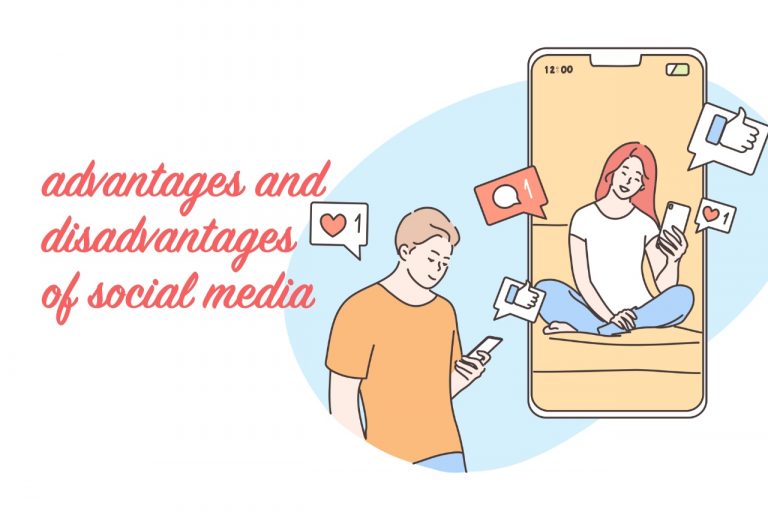
Pro and Cons of Social Media

People and the entire globe have been greatly impacted by social media. We are so reliant on technology and social media that we can’t envision a world without them. Social media has had a huge impact on our lives, from building relationships through global connectivity to online companies and digital marketing, from brand loyalty to awareness. We are fortunate to have social media in our life since it allows for quicker information access and updates. However, no one can dispute that taking it excessively can lead to serious health problems and have a negative influence on our lives. Developing a social media addiction can cause changes in your lifestyle, job schedule, and sleep schedule. Its addiction can impair one’s capacity to focus, think, and reason, resulting in an unproductive mind. It is necessary and good to take a social media break in order to improve your physical and mental health. You can use social media for business or for enjoyment for a set amount of hours.

You must prepare appropriately, and it is up to you to determine how you will use it constructively so that you do not become overly reliant on it or a social media junkie.

Technology, particularly social media, has had a significant impact on people’s lives in today’s globe. What if there were no gadgets and no social media ? I believe that technology has many benefits, but when utilised excessively, it has a negative impact on a person’s life. Anything, whether it’s technology or social media, if used repeatedly over a long length of time can cause mental tension, worry, incapacity to think, and so on. Social media, particularly Facebook, Instagram, and Twitter, have millions of users. According to Statista, 3.6 billion people use social media, with an estimated 4.41 billion people using it by 2025.

Advantages of Social Media

1. Connectivity

Connectivity is one of the most essential benefits of social media. It has the ability to connect an unlimited number of people from any location at any time. Information can be disseminated all over the world thanks to social media and its connection, and creating relationships with one another has never been easier. It connects people all around the world.

Social media fosters a sense of community and belonging among users.

2. Education

In the realm of education, social media has shown to be useful. It facilitates learning by bringing together educators and professionals from all around the world with students. It also aids in the development of talents by increasing knowledge and creativity. It allows learners and instructors to connect at their own speed, allowing for greater flexibility in the learning process. 

3. Information and Updates

You may keep yourself informed about everything that is going on in the globe or in someone’s life by using social media. Social media, in addition to television, radio, and newspapers, may assist you in providing accurate information by displaying the actual picture of contents and resources. It contributes to the globalisation of the actual world.

4. Awareness

People become more conscious as a result of social media. It serves as a source of information that enables people to innovate and succeed by improving their skills and knowledge. People all around the world are now aware of what is going on because of social media.

5. Share Anything with Others

Social media is the ideal place to share everything you want. It may be a song, a poem, an artistic work, a delectable dessert dish, or anything else. It enhances and shows a person’s creativity while also allowing them to reach millions of consumers. You never know if sharing your artistic efforts can help you achieve your goals.

Disadvantages of Social Media

1. Affects Social-Emotional Connection

The use of social media has become a barrier to social-emotional connection. Everything has been restricted to written material through social media, whether it be wishes on special days or expressing one’s sentiments, resulting in a loss of genuine feelings and ties.

People used to go to someone’s house to wish them on important occasions, but today they prefer to send a text message. The emotions and sentiments of a person cannot be felt through a text message alone. As a result of social media, there is a disconnect between individuals.

2. Decreases Quick-witted Skill

I completely agree that social media has reduced our ability to have real-time face-to-face discussions with our friends. People have begun to rely on text messages, which they may send by merely entering a message. Internet surfers are not quick-witted; they deliberate before responding. It’s doing havoc on their mental health. 

Can you think of a modern-day aspect that is missing? Because of the frequent use of social media, the elements of love, friendship, enjoyment, fun time, peace, and much more are being lost out consciously or unwittingly.

When they are in front of others, they may write words to communicate the same feelings.

3. Causing Distress to Someone’s Feelings

When I see someone utilising social media as a platform to harm others, it makes me sad. I’m not sure why that is.

I’m really upset by the needless trolls, feedback, and remarks on other people’s lives. What is the point of it all? Is social media the answer to everything? No, I don’t believe so. Instead of harming someone or causing them pain and suffering, you may utilise it for a great cause.

Some individuals are not publishing anything to offend others; they are simply sharing their point of view, but anyone who does not agree with them may be offended or dissatisfied by their viewpoint. It generates conflicts in the home, among friends, and in the workplace.


4. Present Physically Not Mentally

When I’m at a friend’s house or on an excursion with them, seeing everyone engrossed in their phones depresses me.

Relationships have faded away in recent years as we have been so absorbed in our phones that we have forgotten about friendship, love, and caring.

It’s one of the main causes of mental health concerns like sadness, stress, and anxiety because we’re missing out on the real-time connections with our pals that we used to have.

5. Hacking

Hacking is a common social media danger in which hackers may quickly access a person’s account and data. It has caused major problems in one’s life.

To avoid similar situations in life, I recommend that everyone maintain their privacy settings updated and their profile closed. To deal with these scenarios, you’ll have to learn to think on your feet.

Conclusion

The benefits and drawbacks of social networking are undeniable. It is entirely up to the users to make intelligent and active use of it. I hope that everyone wants to reap the benefits of social media, but no one wants to become a victim of it by being addicted to it. Now it’s up to you to consider and determine if social media is beneficial or harmful to you. Also, if you feel that social media is invading your personal space, I recommend taking a break from it. After all, when you utilise something effectively, it doesn’t interfere with your job or your life; instead, it adds value to it by creating a creative, healthy atmosphere and instilling happiness.

Sunken City in deepest diving pool

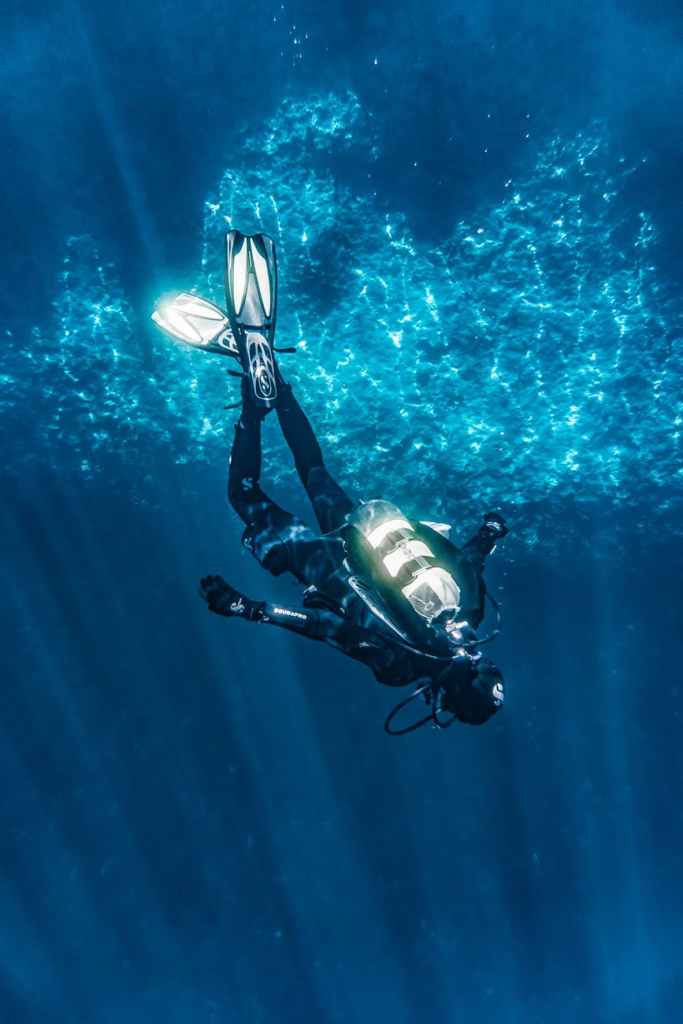
Deep dive Dubai has a depth of 60 metres or 196 feet. The incredible creation has a sunken City effect with various interactive features. Divers can explore sunken apartments, play games like chess, table football,pool. The pool has a special lighting and audio system. There are underwater film studio with editing room, a video wall, 56 underwater cameras surrounding the pool which ensures the safety of the divers and 164 lights which create diferent moods. It is Located in Nad Al Sheba. A swimmers can see an apartment with a bedroom, kitchen, dining area and a garage featuring cars, motorbikes.

Dubai crown Prince Sheik Hamdan bin Mohammed and Guinness World record shared videos. It holds the title of world’s largest underwater attraction. It can withhold 14 million litres of water, which is the equal of six Olympic-sized swimming pools. There is an advanced filter system to maintain hygiene.

Currently the pool is only open to people by invitation, but it may open to the general public later in July. It is the deepest and largest pool in the world. Only place where divers will be able to explore whole new city inside the pool.

NBFC CRISIS – DETAILED EXPLANATION

Non-Banking Financial Companies (NBFC) are establishments that provide financial services and banking facilities without meeting the legal definition of a Bank. They are covered under the Banking regulations laid down by the Reserve Bank of India and provide banking services like loans, credit facilities, TFCs, retirement planning, investing and stocking in the money market. However, they are restricted from taking any form of deposits from the general public. These organizations play a crucial role in the economy, offering their services in urban as well as rural areas, mostly granting loans allowing for the growth of new ventures.

NBFCs are facing a liquidity crunch. In other words, they don’t have money to lend or are facing enormous difficulties in raising funds. NBFCs typically borrow money from banks or sell commercial papers to mutual funds to raise money. They on-lend these money to small and medium enterprises, retail customers and so on. When NBFCs don’t have money to lend, that reduces the credit flow to the economy, hits economic growth and causes many borrowers to default on loans.

REASONS FOR LIQUIDITY CRUNCH

One, the NBFC business model itself is flawed, to begin with. It relied on raising short-term funds which were then lent out as long-term loans. This leads to a situation called an asset-liability mismatch. For example, an NBFC raises money by selling 6-month debt papers and on-lends this as a car loan with a  tenure of 5 years. This leads to a situation where the NBFC has to roll over (or renew) the 6-month debt paper or raise fresh loans to repay the debt paper. In good times, this happens as a matter of course. But when times are tough, this cycle is broken.

That leads us to the second factor. The cycle was broken by a default of some firms of the IL&FS group. There were fears that this would turn out to be a contagion. Simply put, banks, mutual funds and their investors were afraid that more such entities wouldn’t default. As this fear took hold, many institutions refused to give money to NBFCs. The cost of funds rose by as much as 150 basis points for NBFCs.

IMPORTANCE OF NBFC FOR ECONOMY

 NBFCs are playing an increasingly important part in the economy. Their share of credit has increased because they were lending in sectors where banks refused to go or did not want to go. The used commercial market is a good example here.

Now that NBFCs are finding it difficult to raise money or having to pay a huge cost for doing so, this will choke the flow of credit to the economy. It will hit the MSME sector which is already suffering from the twin blows of demonetisation and the goods and services tax.

More importantly, it will hit consumption demand in the economy. With investment demand yet to pick up and exports flagging, consumption was the primary engine driving the economy. A reduction in credit further adds to economic slowdown pressures, which are already visible.

Besides, a slowdown in credit could lead to another pile of non-performing assets in sectors such as commercial real estate and infrastructure, which could have economy-wide knockdown effects.

Consider this example, an infra project needs working capital funds for completion so that it can start earning. When funds aren’t available or come at a higher cost, this undermines the feasibility of the project and puts the money already sunk in at risk. This adds to the stressed assets; mutual funds lending to such projects will have to mark down their net asset values; this leads to investors taking money out of mutual funds and in turn mutual funds won’t be able to give money to NBFCs/ other projects, setting off a vicious cycle.

WHAT NOW ?

In the last financial year, the Reserve Bank of India bought government debt paper worth Rs 3 lakh crore from the market. Basically, this meant that so much money was given to the banking system to on-lend. This is the only way for RBI to help NBFCs since the central bank can’t lend directly to the latter as they don’t hold government paper for use as collateral.

But the cost of borrowing for NBFCs is still high as banks are risk averse or have reached exposure limits. This will prompt NBFCs to tap alternative sources such as external commercial borrowings, public bond issuances, or sales of assets. But even then, analysts point out that most of their borrowings  will be used to repair balance sheets and refinance liabilities. Even if a full-blown crisis won’t happen, it will take at least 12 months for NBFCs to be back on the lending track.

Latest Transfer News (SOCCER)

Manchester City contact A.Griezmann

Goal takes a look at the biggest transfer news and rumours from the Premier League, La Liga, Serie A and around the world.

Benzema staying at Real

Karim Benzema will be staying at Real Madrid even if they land Kylian Mbappe this summer, reports Marca.

Los Blancos are keen to bolster their frontline this summer, with a move for France superstar in their sights.

That will have no impact on Benzema’s future however, with the 32-year-old hoping to extend his contract for a further year through to 2023.

DIFFUSION

The spreading out and mixing of a substance with another substance due to motion of its particles is called diffusion  It is based on motion of its particles and is fastest in gases and slowest in solids. The rate of diffusion increases on increasing temp. (kinetic energy increases giving faster motion to particles). Light gases diffuses faster than heavier ones. Egs- smell of food reaches us even at considerable distances, smell of perfume is spread all over the room,     spreading of ink in water on its own when put undisturbed for sometime, dissolving of oxgen and co2 in water for survival of aquatic plants and animals, disappearance of chalk from blackboard when leave uncleaned for 15 days.

The common unit of measuring temperature is degree celsius and the SI unit of measuring temperature is Kelvin
0 degree = 273 kelvin / kelvin scale temp. = celsius scale temp. + 273
melting point of ice = 0 degree /273k and boiling point of water is 100 degrees/ 373k.

Change of state from one form to other can be done by- 1.Changing the temperature 2.Changing the pressure. Effect of change in temperature : The process of changing solid to liquid by heating is called melting/ fusion. The temp. at which this happen at atmospheric pressure is called melting point of that substance. This happens due to weakening of attraction forces due to high kinetic energy in particles.

The process in which a liquid substances changes into gas rapidly on heating is called boiling. The temp. at which this takes place at atm pressure is called its boiling point. The process of changing a gas to a liquid by cooling is called condensation. This happens as gas looses its kinetic energy and particles come closer. When liquid changes to solid by cooling it is called freezing.

LATENT HEAT OF FUSION: The latent heat of fusion of a solid is quantity of heat in joules required to convert 1kg of solid to liquid without any change in temperature. It is 3.34*10^5 joules per kg. Heat energy is used up in changing the state by overcoming the force of attraction between the particles so the temp. remain the same even after supply of energy, further heating increases the kinetic energy rising temp. Ice at o degree is more effective in cooling than water at same temp. as for melting each kg of ice takes latent heat from substance whereas water do not have any such latent heat. When solid melts it absorbs heat from liquid also when liquid freeze to form a solid an equal amount of heat is given out.

Latent heat of vaporization: It is the quantity of heat in joules required to convert 1 kg of liquid to vapors/gas without change in temp. The temp. don’t rises due to overcoming force of attraction. When water changes to steam it absorbs latent heat, when steam condenses to form water an equal amount of latent heat is given out therefore burns caused by steam is much severe than boiling water as steam contains more heat than water.

Sublimation- the changing of solid directly into vapors on heating and gas on solid by cooling; substances = ammonium chloride, iodine, camphor, naphthalene ,etc. solid co2(dry ice) sublimes to form liquid co2.

Effect of change of pressure- Gases can be liquefied by applying pressure and lowering temp. Dry ice is extremely cold substance it is used as deep freeze to keep food and ice cream cold. Solid co2 changes to Gas by decrease in pressure and higher atmospheric temp. So it is always kept under high pressure.

PANGONG LAKE

Pangong Lake also known as Pangong Tso is a beautiful endorheic lake situated in the Himalayas and is 134 km long, extending from India to China. Pangong Lake is situated at a height of 4350 m and is one of the biggest tourist attractions of the country. The beauty and allure of this lake has attracted people from all over the country and beyond. The lake is said to be in the process of being identified as a wetland with international significance under the Ramsar Convention and if everything goes as expected then the Pangong Lake will be the first in South Asia to be a trans-boundary wetland and that too under this convention.

The one factor that makes this Lake so popular is the fact that it keeps changing colors. Situated in the Himalayan range it is approximately 140 km from Leh in Jammu and Kashmir. The name of the lake Pangong was got from a Tibetan word Banggong Co that means a narrow and enchanted lake. And now you know that the lake has got its name rightfully. You will know this when you visit the beautiful lake of Pangong. You are sure to be enchanted by the charm. And because the lake is a long stretch, one third area of the lake lies within our country and the other two third portion lies with Tibet and is controlled by China.

Child – Labour in India

India is a democratic country and a welfare State and it’s children have no security and safety. The sons and daughters of the millions of Indians living under the poverty line in the age group of 5 and 14 are forced to spend a very miserable existence. There is no social security for them as their parents cannot afford to send them to schools. They are subject to various types of exploitations and abuses.

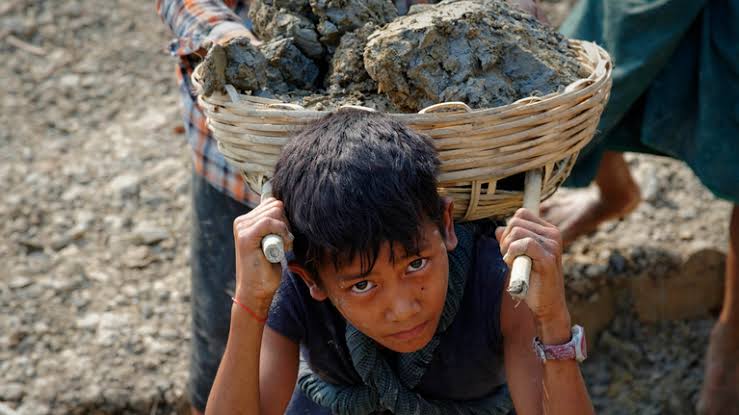
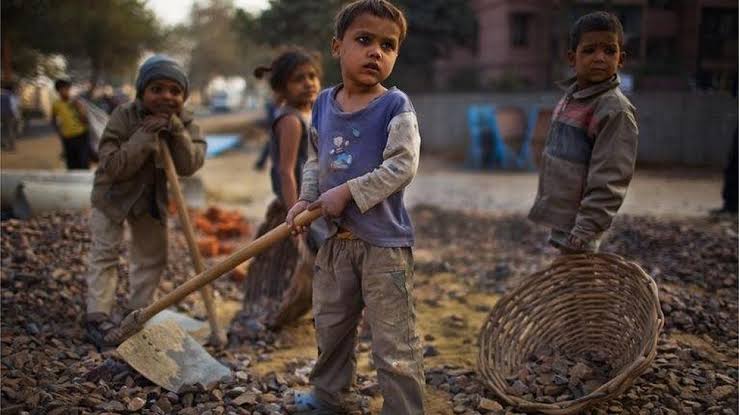
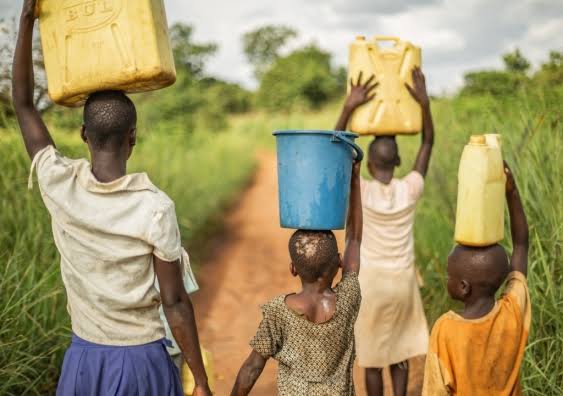
There are estimated to be over 11 million child workers. They are forced to labour hard and for long hours in mills, factories, fields, farms and houses as domestic servants. They have to work in very trying, unhealthy and sometimes dangerous conditions. They belong to the age group of 5 and 14 years and hardly know what is childhood and boyhood and its fun and enjoyments.

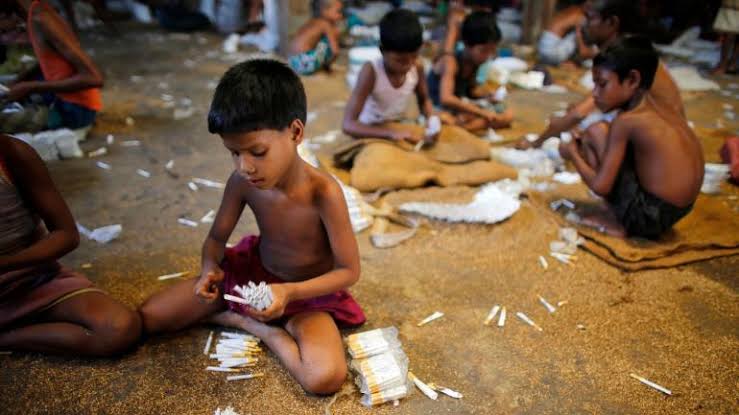
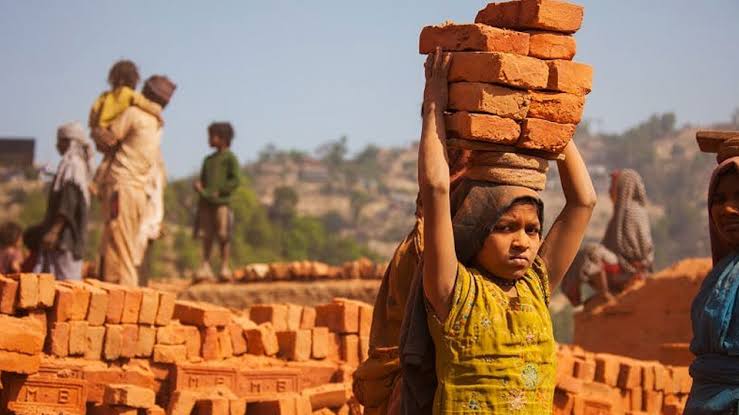
These children, who have only one childhood, are obliged to work as labourers in match, knit-wear, silk, carpet, sports goods, construction, fireworks, bangles and such other labour intensive industries. They are also engaged as bidi-rollers, brick kiln workers, shop servants and domestic helps against their wishes and abilities. The figure of 11 million child workers is far too low than the actual number of child labours because the Child Labour Act covers only the 15 percent of the employed children and the rest comprising 85 percent working in unorganised sector have been ignored. There is utter lack of social awareness and accountability in the matter. The children of the weaker sections of the society are being exploited openly and blatantly. There is no effective forum to voice their grievance and protect them against this wide spread exploitation.

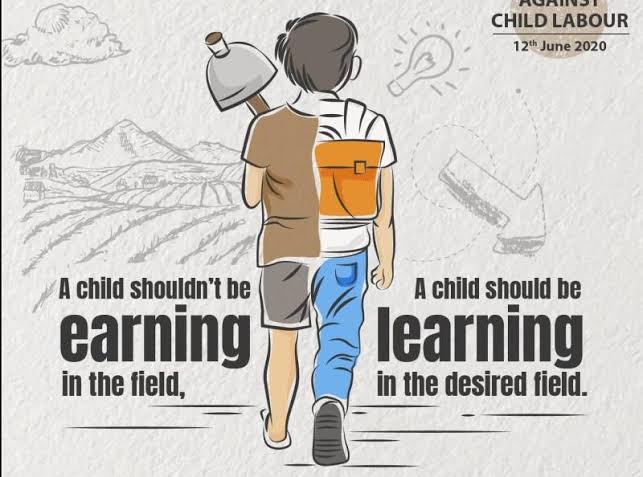
The international code of conduct on minimum labour standards is not being implemented in our country. Actually every person under 18 years of age unless, under the law applicable to the child, majority is attained earlier, is a child. According to the Convention of Rights of the Child of 1990, every child has the right to an adequate standard of living and social security. He or she has the right to education. They have the right of protection against any kind of exploitation. They are entitled to protection from involvement in illicit production, trafficking and use of narcotic drugs, protection from sexual exploitation and abuse. But these rights are on papers and the reality is very shocking. They have no opportunity of going to school and develop their skills and abilities. Half the total population of children in India is estimated to be out of schools. Without provision of compulsory, free and universal elementary education, the evil of child labour in India cannot be checked and eradicated. The emancipatory value of education, specially primary education, is very significant.

Social groups, voluntary organisations, reform societies and parents should create public awareness against child labour and make the masses demand free, universal, primary education. Right to education on the elementary level should be one of the fundamental rights. The percentage of allocation on primary education is very low in India. The aim of providing education to all the children is not an easy one. It requires most sincere and concentrated efforts on the part of all concerned. The country cannot afford to neglect it any longer.

The problem of child labour is directly linked with the problem of literacy and poverty alleviation. The poor parents cannot afford to let their children not to work. Unless there is significant improvement in the quality of life and living standards, the eradication of child labour will remain a pipe dream. Children should be respected, their rights restored and their voices heard. They should be rescued from all types of labour and exploitation. Boycott of goods produced with child labour can be one of the effective weapons of fight against child labour. Apart from the government, individuals, organisations, companies and business firms should come forward and adopt poor children and see that those children are given education in a healthy and conducive environment. To stop dropouts, there can be financial and other incentives to children as well as to parents.