Infosys Ltd told employees last week they could resume work from offices, according to a memo seen by Reuters that offers an early sign of the country’s $190 billion technology services sector moving to get back on track.
Many IT businesses are mass-vaccinating their personnel to ensure that they are protected from Covid, while also preparing them to return to work once the situation gets back to normal, or the pandemic’s impact is reduced.
Most MNC employees have already received their first round of vaccination, and some have also completed their second dosage.
Infosys Ltd Will Resume Work From Offices….!!
Large corporations have allowed their staff to work from home but small businesses and startups are finding it difficult to adapt the work from home due to a lack of resources and technology.
Many corporations planned to reopen offices in full force at the moment, but with the second wave striking and more lockdowns being announced, these plans had to be postponed for a long period.
Infosys said the country’s safety situation seems to be improving, with growing vaccination coverage. Infosys did not respond to Reuters’ request for comment on the memo.
“We have been getting requests from certain accounts to allow their team members to work from Infosys campuses. In addition, some of our employees have also been asking to come back and start working from the office, as a personal preference.”
Infosys had a total employees of 2.67 lakh at the end of the June quarter, as compared to 2.59 lakh in the March quarter.
After reporting results last week, Infosys executives told analysts that roughly 99% of its staff was working from home, and the company would make efforts to get “more and more people to come to office” over the next couple of weeks.
Health Insurance refers to a type of insurance coverage that protects your overall health by paying your medical expenses due to an illness. Health insurers directly pay for the health expenses incurred from an injury or a certain condition. It provides multiple benefits to the insured. Any person of any can avail the benefits of this insurance. The main objective of health insurance it to provide maximum protection during an illness.
Pros of Health Insurance
1.Protects you financially
Financial planning can be disrupted if you have to take a loan or sell any asset for availing health services. The kind of medical expenses one is burdened with is huge and your current financial situation may not support such huge bills. Taking loans affect your current finances, whereas, health insurance ensures best quality of health services without any compromise on your current finances. During emergencies, health insurance is the best way to avoid such a predicament. Instead of borrowing, health insurance helps at the time of need without damaging your financial plan.
2.Benefit from taxes
Health insurance is purchased by a numerous people because of the tax benefit you get from it. It is one of the advantages that excites people to buy health insurance. Tax deduction for people below 60 years is around Rs 25000 and for people above that age criteria can claim a double deduction from what people below that age received. However, tax benefit should not be the only reason to purchase health insurance. You should consider it as a health security during emergencies.
3.Wide range of available options
Back in those days, a basic health insurance plan was available to everyone. Now, a wide range of plans are available to choose from. Health insurance is available for an individual and for a family. If you want your entire family to be insured, then family insurance is available. Apart from these basic and popular insurance plans, insurance is provided even for people suffering from chronic illnesses or accidents. You can choose from whatever suits your needs.
4. No Claim Bonus
No claim bonus is a bonus benefit that get with your health insurance. Insurance premium is paid every year to renew your insurance plan but if you don’t file a claim for a year, you will benefit from No Claim Bonus.
5.Cashless Claims
An advantage of health insurance is cashless hospitalization. There are a group of network hospitals in the entire country that are partnered with the insurance company. If you get admitted at any one those network hospitals, you will have to pay no medical bills. Insurers will pay all your hospital dues and your treatment will be totally cashless. If you get treatment from non-network hospitals, reimbursement claim facility can be used.
6.Provide security
The thought of managing every penny to pay medical bills and entire treatment at the last moment can be very stressful. Health insurance relieves that stress and ensures utmost safety. It provides you with certain security for your not only yourself also your family. Health insurance frees you from healthcare costs and additional worry about quality care.
Cons of Health Insurance
1.Waiting period for pre-existing health issues
A lot of healthcare insurances have a specified waiting period. This period can be from 2 to 3years for the people already suffering from a health problem. At the time of purchasing health insurance, if you are currently suffering from diabetes, thyroid or any other condition, you will have to wait until the end of the waiting period. Nevertheless, there are insurance plans that have less waiting period. To avoid this, health insurance should be bought at a younger age.
2.Insurance premiums and age
Insurance premiums are decided according to the age of the insured. If 30 year old people or below purchase an insurance plan, the risk of those people suffering from a health condition is very low, so the insurers will charge lower premium. In the case of a 60 year old people or above, insurers will change higher premium as the chances of them getting serous health conditions is quite higher.
3.High premium for additional benefits
Every insurance plan can be customized. You want certain claims to be added to your insurance plan, you will have to pay additional premium. Therefore, additional benefits come with higher benefits. But if you see these add-ons are beneficial as most insurance plans exclude severe illnesses, adding it to your plan covers your overall healthcare. The only drawback is that you will have to pay extra premium.
Health insurance has a a few drawbacks but it is still essential to secure your health. Choose an insurance plan wisely to protect your health and your dear ones as well.
Health Insurance refers to a type of insurance coverage that protects your overall health by paying your medical expenses due to an illness. Health insurers directly pay for the health expenses incurred from an injury or a certain condition. It provides multiple benefits to the insured. Any person of any can avail the benefits of this insurance. The main objective of health insurance it to provide maximum protection during an illness.
Pros of Health Insurance
1.Protects you financially
Financial planning can be disrupted if you have to take a loan or sell any asset for availing health services. The kind of medical expenses one is burdened with is huge and your current financial situation may not support such huge bills. Taking loans affect your current finances, whereas, health insurance ensures best quality of health services without any compromise on your current finances. During emergencies, health insurance is the best way to avoid such a predicament. Instead of borrowing, health insurance helps at the time of need without damaging your financial plan.
2.Benefit from taxes
Health insurance is purchased by a numerous people because of the tax benefit you get from it. It is one of the advantages that excites people to buy health insurance. Tax deduction for people below 60 years is around Rs 25000 and for people above that age criteria can claim a double deduction from what people below that age received. However, tax benefit should not be the only reason to purchase health insurance. You should consider it as a health security during emergencies.
3.Wide range of available options
Back in those days, a basic health insurance plan was available to everyone. Now, a wide range of plans are available to choose from. Health insurance is available for an individual and for a family. If you want your entire family to be insured, then family insurance is available. Apart from these basic and popular insurance plans, insurance is provided even for people suffering from chronic illnesses or accidents. You can choose from whatever suits your needs.
4. No Claim Bonus
No claim bonus is a bonus benefit that get with your health insurance. Insurance premium is paid every year to renew your insurance plan but if you don’t file a claim for a year, you will benefit from No Claim Bonus.
5.Cashless Claims
An advantage of health insurance is cashless hospitalization. There are a group of network hospitals in the entire country that are partnered with the insurance company. If you get admitted at any one those network hospitals, you will have to pay no medical bills. Insurers will pay all your hospital dues and your treatment will be totally cashless. If you get treatment from non-network hospitals, reimbursement claim facility can be used.
6.Provide security
The thought of managing every penny to pay medical bills and entire treatment at the last moment can be very stressful. Health insurance relieves that stress and ensures utmost safety. It provides you with certain security for your not only yourself also your family. Health insurance frees you from healthcare costs and additional worry about quality care.
Cons of Health Insurance
1.Waiting period for pre-existing health issues
A lot of healthcare insurances have a specified waiting period. This period can be from 2 to 3years for the people already suffering from a health problem. At the time of purchasing health insurance, if you are currently suffering from diabetes, thyroid or any other condition, you will have to wait until the end of the waiting period. Nevertheless, there are insurance plans that have less waiting period. To avoid this, health insurance should be bought at a younger age.
2.Insurance premiums and age
Insurance premiums are decided according to the age of the insured. If 30 year old people or below purchase an insurance plan, the risk of those people suffering from a health condition is very low, so the insurers will charge lower premium. In the case of a 60 year old people or above, insurers will change higher premium as the chances of them getting serous health conditions is quite higher.
3.High premium for additional benefits
Every insurance plan can be customized. You want certain claims to be added to your insurance plan, you will have to pay additional premium. Therefore, additional benefits come with higher benefits. But if you see these add-ons are beneficial as most insurance plans exclude severe illnesses, adding it to your plan covers your overall healthcare. The only drawback is that you will have to pay extra premium.
Health insurance has a a few drawbacks but it is still essential to secure your health. Choose an insurance plan wisely to protect your health and your dear ones as well.
Ilha da Queimada Grande, also known as Snake Island, is an island off the coast of Brazil in the Atlantic Ocean. It is administered as part of the municipality of Itanhaém in the State of São Paulo. The island is small in size, only 43 hectares (106 acres), and has a temperate climate. The island’s terrain varies considerably, ranging from bare rock to rainforest.
The island is the only home of the critically endangered, venomous golden lancehead (pit viper), which has a diet of birds. The snakes became trapped on the island when rising sea levels covered up the land that connected it to the mainland. The resulting selection pressure allowed the snakes to adapt to their new environment, increasing rapidly in population and rendering the island dangerous to public visitation.
Queimada Grande is closed to the public in order to protect both people and the snake population. Access is only available to the Brazilian Navy and selected researchers assessed by the Chico Mendes Institute for Biodiversity Conservation, the Brazilian federal conservation unit.
The lancehead genus of snakes is responsible for 90 percent of Brazilian snakebite-related fatalities. The golden lanceheads that occupy Snake Island grow to well over half a meter long, and they possess a powerful fast-acting venom that melts the flesh around their bites. The potent venom of this species evolved due to the need for the snake to quickly incapacitate and kill seabirds that land on the island’s trees before they are able to fly away.
Because there are so many snakes on one island — by some estimates one snake to every square meter — there is competition for resources. On an island ecosystem occupied by hundreds of competitors, the deadly venom of the golden lancehead maximizes its potential to feed and survive. Golden lanceheads are so dangerous that, with the exception of some scientific outfits, the Brazilian Navy has expressly forbidden anyone from landing on the island.
The island was previously thought to have a population of about 430,000 snakes, but recent estimates are much lower. The first systematic study of the population of the golden lancehead found the number to be 2000 to 4000, concentrated almost entirely in the rainforest area of the island.
Ilha da Queimada Grande, also known as Snake Island, is an island off the coast of Brazil in the Atlantic Ocean. It is administered as part of the municipality of Itanhaém in the State of São Paulo. The island is small in size, only 43 hectares (106 acres), and has a temperate climate. The island’s terrain varies considerably, ranging from bare rock to rainforest.
The island is the only home of the critically endangered, venomous golden lancehead (pit viper), which has a diet of birds. The snakes became trapped on the island when rising sea levels covered up the land that connected it to the mainland. The resulting selection pressure allowed the snakes to adapt to their new environment, increasing rapidly in population and rendering the island dangerous to public visitation.
Queimada Grande is closed to the public in order to protect both people and the snake population. Access is only available to the Brazilian Navy and selected researchers assessed by the Chico Mendes Institute for Biodiversity Conservation, the Brazilian federal conservation unit.
The lancehead genus of snakes is responsible for 90 percent of Brazilian snakebite-related fatalities. The golden lanceheads that occupy Snake Island grow to well over half a meter long, and they possess a powerful fast-acting venom that melts the flesh around their bites. The potent venom of this species evolved due to the need for the snake to quickly incapacitate and kill seabirds that land on the island’s trees before they are able to fly away.
Because there are so many snakes on one island — by some estimates one snake to every square meter — there is competition for resources. On an island ecosystem occupied by hundreds of competitors, the deadly venom of the golden lancehead maximizes its potential to feed and survive. Golden lanceheads are so dangerous that, with the exception of some scientific outfits, the Brazilian Navy has expressly forbidden anyone from landing on the island.
The island was previously thought to have a population of about 430,000 snakes, but recent estimates are much lower. The first systematic study of the population of the golden lancehead found the number to be 2000 to 4000, concentrated almost entirely in the rainforest area of the island.
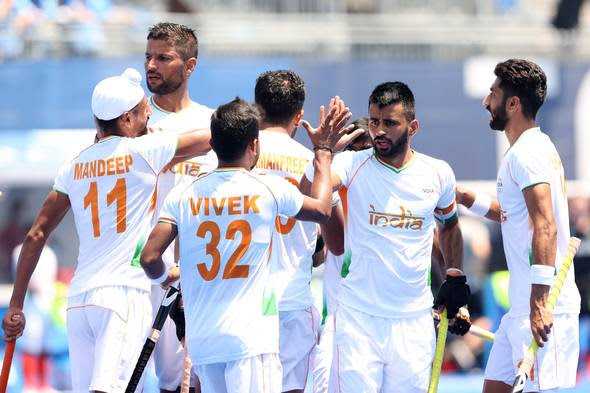
A brace from Harmanpreet Singh, both off penalty corners, and a Rupinder Pal Singh penalty-stroke conversion cancelled out Kane Russell’s opening goal for New Zealand as India took a 3-1 lead in the 33rd minute.
MATCH HIGHLIGHTS:
AND THE GAME IS OVER! INDIA BEATS NEW ZEALAND 3-2!!!
60′ PC FOR NEW ZEALAND! A brilliant run from Hugo Inglis gives NZL a chance to make it 3-3. But the Indian defence stands strong to keep the score 3-2 in their favour.
59′ NZL REFERRAL! This one is just out of pure desperation. The New Zealand players think they can win a penalty corner here. However, they end up empty handed.
58′ SREEJESH YOU BEAUTY! Kane Russell hit a stunning shot towards the top left corner of the post off a penalty corner. Indian goalie PR Sreejesh executed a full-stretch dive to his right to deny New Zealand the equaliser. Moments later, he pulled off another remarkable save in open play.
57′ BACK-TO-BACK PCs FOR NEW ZEALAND! After a long referral, NZL is eventually given the penalty corner. And, surprise, surprise! the team has won one more.
55′ Harmanpreet Singh has been the standout player on the field here. He’s put in a very good defensive shift and has converted two penalty corners. The substitute Birendra Lakra has been excellent since coming on as well.
52′ New Zealand has a slight edge when it comes to possession (52-48) today. However, the team has been a bit wasteful up front (1/5 PCs with a shooting efficiency of 25%), and that’s why India has the lead.
49′ After three consecutive successful referrals, India has a failed one in an attempt to win a penalty corner. New Zealand regains possession.
47′ Amit Rohidas and Lalit Upadhyay come up with a decent move on the left flank for India. The New Zealand defence stays compact to avert the danger.
THE FOURTH QUARTER BEGINS!
We are heading towards a thrilling final 15 minutes as India leads New Zealand 3-2 in men’s hockey on day two of the Tokyo Olympics.
THE THIRD QUARTER IS DONE AND DUSTED!
43′ GOOOOAAAAALLLLL!!!!!!! NEW ZEALAND PULLS A GOAL BACK!!!! A major lapse in concentration for the Indian defence and NZL capitalises on it. Nick Wilson receives a pass on the right flank, dribbles past Birendra Lakra and sets up Stephen Jenness, who scores past Sreejesh with ease.
40′ UPDATE: Australia beats Japan 5-3 to register the first points in Hockey at the Tokyo Olympics. The Aussies are in the same group (Pool A) as India and New Zealand.
38′ The Indian forwards are pressurising the New Zealand defence big time here. Sreejesh has had absolutely nothing to deal with at the other end this quarter.
36′ ANOTHER INDIAN PENALTY CORNER! Harmanpreet almost completed his hat-trick with the shot on target. But NZL keeper Hayward made a good save.
33′ GOAAALLLLLLLL!!!!! INDIA TAKE A 3-1 LEAD NOW!!! Another Indian penalty corner, another Harmanpreet goal. New Zealand looks extremely rusty in the middle since conceding the second goal.
32′ EARLY CHANCES FOR INDIA! Mandeep Singh has been a menace up front. He’s been supported well by Dilpreet Singh on the right. Another Indian goal looks likely.
THE THIRD QUARTER IS UNDERWAY!
Indian athletes are also in action in various other sports at the Tokyo 2020 Olympics today. Follow them through the links provided below.
SHOOTING BLOG | Read more
ARCHERY BLOG | Read more
THE SECOND QUARTER IS OVER!
29′ New Zealand enjoyed a long period of dominance in this quarter but India scored against the run of play. Nick Wilson’s missed chance could come back to haunt NZL.
26′ GOOOOAAAALLLL!!!!! INDIA TAKES THE 2-1 LEAD!! A penalty-corner innovation from the Indians and Harmanpreet Singh finds the back of the net. Rupinder Pal, the usual PC converter, slipped the ball towards Harmanpreet on his left to trick the New Zealand players.
24′ VERY CLOSE! Vivek Sagar Prasad had a wonderful chance to score. But the New Zealand defence gets the better of him close to goal.
22′ JAPAN 3 – 3 AUSTRALIA! In the other Olympic men’s hockey game happening now, the host nation and the 2004 gold medalist from Athens are involved in an exciting clash, which is in the third quarter.
19′ WHAT A CHANCE FOR INDIA! The captain Manpreet received a long pass from substitute Lalit. He was one-on-one with the NZL goalie. However, his lob attempt was saved by Hayward.
17′ New Zealand is dominating possession against India right now. The Indians are losing the ball cheaply in midfield quite too often.
THE SECOND QUARTER BEGINS!
A penalty-stroke goal from Rupinder Pal Singh cancelled out a penalty-corner strike from Kane Russell as India and New Zealand are tied 1-1 after the opening 15 minutes.
THE FIRST QUARTER COMES TO AN END!
15′ INDIAN COUNTER-ATTACK! The substitute Gurjant Singh rushes forward with the ball. But the New Zealand defence tracks back in time to avert the danger.
13′ FOUR CONSECUTIVE PCS FOR NEW ZEALAND! The Indian defence is struggling to get the ball away here. Sreejesh pulled off a brilliant save for India just moments ago. NZL messes up another penalty corner.
10′ GOOOOAAAAALLLL!!!!!! INDIA EQUALISES!!! Rupinder Pal won a penalty stroke from a penalty corner and he sent NZL keeper Leon Hayward the wrong way from close range.
9′ The experienced duo of Birendra Lakra and Lalit Upadhyay haven’t started in the first quarter. The youngster Vivek Sagar Prasad is also on the bench.
6′ GOOOOAAAALLLL!!!! NEW ZEALAND TAKES THE 1-0 LEAD!! NZL won its first penalty corner and Kane Russell converts it with precision.
5′ FOUL! Indian skipper Manpreet Singh hits New Zealand defender Nic Woods on the face with his stick, unintentionally. Woods is being treated on the field.
3′ PENALTY CORNER FOR INDIA! Mandeep Singh won this one after receiving a pass from Nilakanta Sharma. HITS THE POST! Rupinder Pal Singh misses the target by a whisker.
1′ Good early pressure from India here. Dilpreet Singh moves forward with pace on the right flank but isn’t able to create a clear-cut chance.
AND THE MATCH BEGINS!
The team lineups are out!
INDIA XI: PR Sreejesh (GK), Rupinder Pal Singh, Surender Kumar, Harmanpreet Singh, Amit Rohidas, Manpreet Singh (C), Hardik Singh, Nilakanta Sharma, Dilpreet Singh, Mandeep Singh, Shamser Singh.
COACH – Graham Reid.
NEW ZEALAND XI: Leon Hayward (G), Dane Lett, Nic Woods, Kane Russell, Blair Tarrant (C), Shea McAleese, Nick Ross, Hugo Inglis, Sam Lane, Stephen Jenness, Nick Wilson.
COACH – Darren Smith.
The world’s best coaches and scientific training have given Indian hockey a refreshingly new identity, Moscow Olympics gold medallist MM Somaya writes ahead of the country’s hockey teams’ opening games at the Tokyo Olympics.
READ MORE | Read more
He was marked out for greatness as a player and a leader even before he became a constant in the national side. Having led the Indian team at the Junior World Cup, Manpreet Singh has always had confidence in abundance but it has been tempered with a sense of responsibility as captain.
Ahead of his third Olympics, the Indian skipper shared his plans, disappointments and determination to succeed at Tokyo.
FULL STORY | Read more
MATCH PREVIEW:
It has been over 40 years since the Indian men claimed the most recent of their incredible eight Olympic hockey gold medals, which arrived at Moscow 1980.
However, their superb form in recent times makes them serious contenders to claim a ninth title at the upcoming event in Tokyo.
The team has claimed victories against nearly all the top teams in world hockey over the past few years, with Australia-born head coach Graham Reid, a former international with the Kookaburras, getting the best out of a talented and exceptionally fit collection of athletes.
India had booked its ticket to Tokyo with two victories over Russia in the 2019 FIH Hockey Olympic Qualifiers, winning 4-2 and 7-1 in Bhubaneswar.
“It has not been an easy process to make the final selection of 16 players as there is a lot of quality and ambition in this group of players,” Reid said ahead of the 2021 Tokyo Olympic Games.
RELATED | Read more
“The performance levels of all athletes are at an optimum level and more importantly they work well together. They know what it means to represent the country at the Olympics. We’re now focused on training with the same intensity and our goal is to put forward our best performance as a collective unit in Tokyo,” he added.
Meanwhile, coached by former Black Sticks midfielder Darren Smith, New Zealand – which shocked the world by becoming Olympic champion at Montreal 1976 – is renowned for its tireless work ethic as a team but is also blessed with some exceptional individuals.
Stephen Jenness and Hugo Inglis are both wonderful attacking talents, while veteran defender Shea McAleese and penalty corner expert Kane Russell are consistently excellent performers.
New Zealand reached Tokyo with two victories over Korea in the 2019 FIH Hockey Olympic Qualifiers, winning 3-2 and 3-0 in Stratford.
“It’s a pretty experienced group but it’s also the first pinnacle event for players like Sam Lane who have previously missed out through injury or Jacob Smith and Nick Ross who have been rewarded for their perseverance. They’ve shown they’re really determined to be there,” said coach Smith.
New Zealand – Leon Hayward, Blair Tarrant, Hugo Inglis, Steve Edwards, Sean Findlay, Stephen Jenness, Sam Lane, Dane Lett, Shea McAleese, Jared Panchia, Nick Ross, Kane Russell, Jacob Smith, Dylan Thomas, Nick Wilson, Nic Woods.
Sony TEN 3 HD/SD will telecast India events with Hindi commentary while Sony TEN 1 HD/SD and Sony TEN 2 HD/SD will have English commentary.
Live streaming of the events will be available on the SonyLIV and JioTV apps.
A brace from Harmanpreet Singh, both off penalty corners, and a Rupinder Pal Singh penalty-stroke conversion cancelled out Kane Russell’s opening goal for New Zealand as India took a 3-1 lead in the 33rd minute.
MATCH HIGHLIGHTS:
AND THE GAME IS OVER! INDIA BEATS NEW ZEALAND 3-2!!!
60′ PC FOR NEW ZEALAND! A brilliant run from Hugo Inglis gives NZL a chance to make it 3-3. But the Indian defence stands strong to keep the score 3-2 in their favour.
59′ NZL REFERRAL! This one is just out of pure desperation. The New Zealand players think they can win a penalty corner here. However, they end up empty handed.
58′ SREEJESH YOU BEAUTY! Kane Russell hit a stunning shot towards the top left corner of the post off a penalty corner. Indian goalie PR Sreejesh executed a full-stretch dive to his right to deny New Zealand the equaliser. Moments later, he pulled off another remarkable save in open play.
57′ BACK-TO-BACK PCs FOR NEW ZEALAND! After a long referral, NZL is eventually given the penalty corner. And, surprise, surprise! the team has won one more.
55′ Harmanpreet Singh has been the standout player on the field here. He’s put in a very good defensive shift and has converted two penalty corners. The substitute Birendra Lakra has been excellent since coming on as well.
52′ New Zealand has a slight edge when it comes to possession (52-48) today. However, the team has been a bit wasteful up front (1/5 PCs with a shooting efficiency of 25%), and that’s why India has the lead.
49′ After three consecutive successful referrals, India has a failed one in an attempt to win a penalty corner. New Zealand regains possession.
47′ Amit Rohidas and Lalit Upadhyay come up with a decent move on the left flank for India. The New Zealand defence stays compact to avert the danger.
THE FOURTH QUARTER BEGINS!
We are heading towards a thrilling final 15 minutes as India leads New Zealand 3-2 in men’s hockey on day two of the Tokyo Olympics.
THE THIRD QUARTER IS DONE AND DUSTED!
43′ GOOOOAAAAALLLLL!!!!!!! NEW ZEALAND PULLS A GOAL BACK!!!! A major lapse in concentration for the Indian defence and NZL capitalises on it. Nick Wilson receives a pass on the right flank, dribbles past Birendra Lakra and sets up Stephen Jenness, who scores past Sreejesh with ease.
40′ UPDATE: Australia beats Japan 5-3 to register the first points in Hockey at the Tokyo Olympics. The Aussies are in the same group (Pool A) as India and New Zealand.
38′ The Indian forwards are pressurising the New Zealand defence big time here. Sreejesh has had absolutely nothing to deal with at the other end this quarter.
36′ ANOTHER INDIAN PENALTY CORNER! Harmanpreet almost completed his hat-trick with the shot on target. But NZL keeper Hayward made a good save.
33′ GOAAALLLLLLLL!!!!! INDIA TAKE A 3-1 LEAD NOW!!! Another Indian penalty corner, another Harmanpreet goal. New Zealand looks extremely rusty in the middle since conceding the second goal.
32′ EARLY CHANCES FOR INDIA! Mandeep Singh has been a menace up front. He’s been supported well by Dilpreet Singh on the right. Another Indian goal looks likely.
THE THIRD QUARTER IS UNDERWAY!
Indian athletes are also in action in various other sports at the Tokyo 2020 Olympics today. Follow them through the links provided below.
SHOOTING BLOG | Read more
ARCHERY BLOG | Read more
THE SECOND QUARTER IS OVER!
29′ New Zealand enjoyed a long period of dominance in this quarter but India scored against the run of play. Nick Wilson’s missed chance could come back to haunt NZL.
26′ GOOOOAAAALLLL!!!!! INDIA TAKES THE 2-1 LEAD!! A penalty-corner innovation from the Indians and Harmanpreet Singh finds the back of the net. Rupinder Pal, the usual PC converter, slipped the ball towards Harmanpreet on his left to trick the New Zealand players.
24′ VERY CLOSE! Vivek Sagar Prasad had a wonderful chance to score. But the New Zealand defence gets the better of him close to goal.
22′ JAPAN 3 – 3 AUSTRALIA! In the other Olympic men’s hockey game happening now, the host nation and the 2004 gold medalist from Athens are involved in an exciting clash, which is in the third quarter.
19′ WHAT A CHANCE FOR INDIA! The captain Manpreet received a long pass from substitute Lalit. He was one-on-one with the NZL goalie. However, his lob attempt was saved by Hayward.
17′ New Zealand is dominating possession against India right now. The Indians are losing the ball cheaply in midfield quite too often.
THE SECOND QUARTER BEGINS!
A penalty-stroke goal from Rupinder Pal Singh cancelled out a penalty-corner strike from Kane Russell as India and New Zealand are tied 1-1 after the opening 15 minutes.
THE FIRST QUARTER COMES TO AN END!
15′ INDIAN COUNTER-ATTACK! The substitute Gurjant Singh rushes forward with the ball. But the New Zealand defence tracks back in time to avert the danger.
13′ FOUR CONSECUTIVE PCS FOR NEW ZEALAND! The Indian defence is struggling to get the ball away here. Sreejesh pulled off a brilliant save for India just moments ago. NZL messes up another penalty corner.
10′ GOOOOAAAAALLLL!!!!!! INDIA EQUALISES!!! Rupinder Pal won a penalty stroke from a penalty corner and he sent NZL keeper Leon Hayward the wrong way from close range.
9′ The experienced duo of Birendra Lakra and Lalit Upadhyay haven’t started in the first quarter. The youngster Vivek Sagar Prasad is also on the bench.
6′ GOOOOAAAALLLL!!!! NEW ZEALAND TAKES THE 1-0 LEAD!! NZL won its first penalty corner and Kane Russell converts it with precision.
5′ FOUL! Indian skipper Manpreet Singh hits New Zealand defender Nic Woods on the face with his stick, unintentionally. Woods is being treated on the field.
3′ PENALTY CORNER FOR INDIA! Mandeep Singh won this one after receiving a pass from Nilakanta Sharma. HITS THE POST! Rupinder Pal Singh misses the target by a whisker.
1′ Good early pressure from India here. Dilpreet Singh moves forward with pace on the right flank but isn’t able to create a clear-cut chance.
AND THE MATCH BEGINS!
The team lineups are out!
INDIA XI: PR Sreejesh (GK), Rupinder Pal Singh, Surender Kumar, Harmanpreet Singh, Amit Rohidas, Manpreet Singh (C), Hardik Singh, Nilakanta Sharma, Dilpreet Singh, Mandeep Singh, Shamser Singh.
COACH – Graham Reid.
NEW ZEALAND XI: Leon Hayward (G), Dane Lett, Nic Woods, Kane Russell, Blair Tarrant (C), Shea McAleese, Nick Ross, Hugo Inglis, Sam Lane, Stephen Jenness, Nick Wilson.
COACH – Darren Smith.
The world’s best coaches and scientific training have given Indian hockey a refreshingly new identity, Moscow Olympics gold medallist MM Somaya writes ahead of the country’s hockey teams’ opening games at the Tokyo Olympics.
READ MORE | Read more
He was marked out for greatness as a player and a leader even before he became a constant in the national side. Having led the Indian team at the Junior World Cup, Manpreet Singh has always had confidence in abundance but it has been tempered with a sense of responsibility as captain.
Ahead of his third Olympics, the Indian skipper shared his plans, disappointments and determination to succeed at Tokyo.
FULL STORY | Read more
MATCH PREVIEW:
It has been over 40 years since the Indian men claimed the most recent of their incredible eight Olympic hockey gold medals, which arrived at Moscow 1980.
However, their superb form in recent times makes them serious contenders to claim a ninth title at the upcoming event in Tokyo.
The team has claimed victories against nearly all the top teams in world hockey over the past few years, with Australia-born head coach Graham Reid, a former international with the Kookaburras, getting the best out of a talented and exceptionally fit collection of athletes.
India had booked its ticket to Tokyo with two victories over Russia in the 2019 FIH Hockey Olympic Qualifiers, winning 4-2 and 7-1 in Bhubaneswar.
“It has not been an easy process to make the final selection of 16 players as there is a lot of quality and ambition in this group of players,” Reid said ahead of the 2021 Tokyo Olympic Games.
RELATED | Read more
“The performance levels of all athletes are at an optimum level and more importantly they work well together. They know what it means to represent the country at the Olympics. We’re now focused on training with the same intensity and our goal is to put forward our best performance as a collective unit in Tokyo,” he added.
Meanwhile, coached by former Black Sticks midfielder Darren Smith, New Zealand – which shocked the world by becoming Olympic champion at Montreal 1976 – is renowned for its tireless work ethic as a team but is also blessed with some exceptional individuals.
Stephen Jenness and Hugo Inglis are both wonderful attacking talents, while veteran defender Shea McAleese and penalty corner expert Kane Russell are consistently excellent performers.
New Zealand reached Tokyo with two victories over Korea in the 2019 FIH Hockey Olympic Qualifiers, winning 3-2 and 3-0 in Stratford.
“It’s a pretty experienced group but it’s also the first pinnacle event for players like Sam Lane who have previously missed out through injury or Jacob Smith and Nick Ross who have been rewarded for their perseverance. They’ve shown they’re really determined to be there,” said coach Smith.
New Zealand – Leon Hayward, Blair Tarrant, Hugo Inglis, Steve Edwards, Sean Findlay, Stephen Jenness, Sam Lane, Dane Lett, Shea McAleese, Jared Panchia, Nick Ross, Kane Russell, Jacob Smith, Dylan Thomas, Nick Wilson, Nic Woods.
Sony TEN 3 HD/SD will telecast India events with Hindi commentary while Sony TEN 1 HD/SD and Sony TEN 2 HD/SD will have English commentary.
Live streaming of the events will be available on the SonyLIV and JioTV apps.
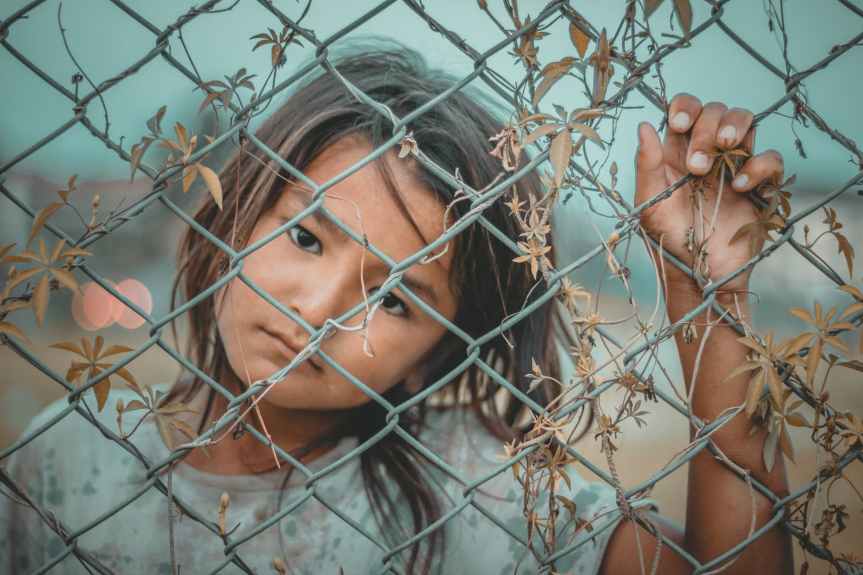
Poverty! Poverty is lack of food, Poverty is lack of shelter, Poverty is being sick and can not afford medicines, Poverty is knowing how to read but can’t afford going to School, Poverty is being unemployed. And Poverty is lack of representation and freedom.Poverty has so many faces, and can describe in different ways. Most often, poverty is a situation people want to escape.
We have to take the step to reduce poverty so that many more may have enough food to eat, adequate shelter to cover their head, access to education and health.Overpopulation and underdevelopment in the country is the main cause for poverty. The birth rate in India is very high and the former has taken the measure of the ‘one child policy’ to change the situation, but the latter has not made any effort yet.
Underdevelopment is another reason, the country do not have enough economic growth to support their growing populations.Poverty in India can eradicate with some effective programmes, just need a joint effort from everyone not only from the government. Government of India should make effective policies aiming to develop rural areas through the key components like primary education, population control policies, family welfare, job creation and many more.
We can define poverty as the condition where the basic needs of a family, like food, shelter, clothing, and education are not fulfilled. It can lead to other problems like poor literacy, unemployment, malnutrition, etc. A poor person is not able to get education due to lack of money and therefore remains unemployed. An unemployed person is not able to buy enough & nutritious food for his family and their health decline. A weak person lacks the energy required for the job. A jobless person remains poor only. Thus we can say that poverty is the root cause of other problems.
How Poverty is Measured?
For measuring poverty United nations have devised two measures of poverty – Absolute & relative poverty. Absolute poverty is used to measure poverty in developing countries like India. Relative poverty is used to measure poverty in developed countries like the USA. In absolute poverty, a line based on the minimum level of income has been created & is called a poverty line. If per day income of a family is below this level, then it is poor or below the poverty line. If per day income of a family is above this level, then it is non-poor or above the poverty line. In India, the new poverty line is Rs 32 in rural areas and Rs 47 in urban areas.
Causes of Poverty
According to the Noble prize winner South African leader, Nelson Mandela – “Poverty is not natural, it is manmade”. The above statement is true as the causes of poverty are generally man-made. There are various causes of poverty but the most important is population. Rising population is putting the burden on the resources & budget of countries. Governments are finding difficult to provide food, shelter & employment to the rising population.
The other causes are- lack of education, war, natural disaster, lack of employment, lack of infrastructure, political instability, etc. For instance- lack of employment opportunities makes a person jobless & he is not able to earn enough to fulfill the basic necessities of his family & becomes poor. Lack of education compels a person for less paying jobs & it makes him poorer. Lack of infrastructure means there are no industries, banks, etc. in a country resulting in lack of employment opportunities. Natural disasters like flood, earthquake also contribute to poverty.
In some countries, especially African countries like Somalia, a long period of civil war has made poverty widespread. This is because all the resources & money is being spent in war instead of public welfare. Countries like India, Pakistan, Bangladesh, etc. are prone to natural disasters like cyclone, etc. These disasters occur every year causing poverty to rise.
Ill Effects of Poverty
Poverty affects the life of a poor family. A poor person is not able to take proper food & nutrition &his capacity to work reduces. Reduced capacity to work further reduces his income, making him poorer. Children from poor family never get proper schooling & proper nutrition. They have to work to support their family & this destroys their childhood. Some of them may also involve in crimes like theft, murder, robbery, etc. A poor person remains uneducated & is forced to live under unhygienic conditions in slums. There are no proper sanitation & drinking water facility in slums & he falls ill often & his health deteriorates. A poor person generally dies an early death. So, all social evils are related to poverty.
Government Schemes to Remove Poverty
The government of India also took several measures to eradicate poverty from India. Some of them are – creating employment opportunities, controlling population, etc. In India, about 60% of the population is still dependent on agriculture for its livelihood. Government has taken certain measures to promote agriculture in India. The government constructed certain dams & canals in our country to provide easy availability of water for irrigation. Government has also taken steps for the cheap availability of seeds & farming equipment to promote agriculture. Government is also promoting farming of cash crops like cotton, instead of food crops. In cities, the government is promoting industrialization to create more jobs. Government has also opened ‘Ration shops’. Other measures include providing free & compulsory education for children up to 14 years of age, scholarship to deserving students from a poor background, providing subsidized houses to poor people, etc.
Poverty is a social evil, we can also contribute to control it. For example- we can simply donate old clothes to poor people, we can also sponsor the education of a poor child or we can utilize our free time by teaching poor students. Remember before wasting food, somebody is still sleeping hungry.
Poverty! Poverty is lack of food, Poverty is lack of shelter, Poverty is being sick and can not afford medicines, Poverty is knowing how to read but can’t afford going to School, Poverty is being unemployed. And Poverty is lack of representation and freedom.Poverty has so many faces, and can describe in different ways. Most often, poverty is a situation people want to escape.
We have to take the step to reduce poverty so that many more may have enough food to eat, adequate shelter to cover their head, access to education and health.Overpopulation and underdevelopment in the country is the main cause for poverty. The birth rate in India is very high and the former has taken the measure of the ‘one child policy’ to change the situation, but the latter has not made any effort yet.
Underdevelopment is another reason, the country do not have enough economic growth to support their growing populations.Poverty in India can eradicate with some effective programmes, just need a joint effort from everyone not only from the government. Government of India should make effective policies aiming to develop rural areas through the key components like primary education, population control policies, family welfare, job creation and many more.
We can define poverty as the condition where the basic needs of a family, like food, shelter, clothing, and education are not fulfilled. It can lead to other problems like poor literacy, unemployment, malnutrition, etc. A poor person is not able to get education due to lack of money and therefore remains unemployed. An unemployed person is not able to buy enough & nutritious food for his family and their health decline. A weak person lacks the energy required for the job. A jobless person remains poor only. Thus we can say that poverty is the root cause of other problems.
How Poverty is Measured?
For measuring poverty United nations have devised two measures of poverty – Absolute & relative poverty. Absolute poverty is used to measure poverty in developing countries like India. Relative poverty is used to measure poverty in developed countries like the USA. In absolute poverty, a line based on the minimum level of income has been created & is called a poverty line. If per day income of a family is below this level, then it is poor or below the poverty line. If per day income of a family is above this level, then it is non-poor or above the poverty line. In India, the new poverty line is Rs 32 in rural areas and Rs 47 in urban areas.
Causes of Poverty
According to the Noble prize winner South African leader, Nelson Mandela – “Poverty is not natural, it is manmade”. The above statement is true as the causes of poverty are generally man-made. There are various causes of poverty but the most important is population. Rising population is putting the burden on the resources & budget of countries. Governments are finding difficult to provide food, shelter & employment to the rising population.
The other causes are- lack of education, war, natural disaster, lack of employment, lack of infrastructure, political instability, etc. For instance- lack of employment opportunities makes a person jobless & he is not able to earn enough to fulfill the basic necessities of his family & becomes poor. Lack of education compels a person for less paying jobs & it makes him poorer. Lack of infrastructure means there are no industries, banks, etc. in a country resulting in lack of employment opportunities. Natural disasters like flood, earthquake also contribute to poverty.
In some countries, especially African countries like Somalia, a long period of civil war has made poverty widespread. This is because all the resources & money is being spent in war instead of public welfare. Countries like India, Pakistan, Bangladesh, etc. are prone to natural disasters like cyclone, etc. These disasters occur every year causing poverty to rise.
Ill Effects of Poverty
Poverty affects the life of a poor family. A poor person is not able to take proper food & nutrition &his capacity to work reduces. Reduced capacity to work further reduces his income, making him poorer. Children from poor family never get proper schooling & proper nutrition. They have to work to support their family & this destroys their childhood. Some of them may also involve in crimes like theft, murder, robbery, etc. A poor person remains uneducated & is forced to live under unhygienic conditions in slums. There are no proper sanitation & drinking water facility in slums & he falls ill often & his health deteriorates. A poor person generally dies an early death. So, all social evils are related to poverty.
Government Schemes to Remove Poverty
The government of India also took several measures to eradicate poverty from India. Some of them are – creating employment opportunities, controlling population, etc. In India, about 60% of the population is still dependent on agriculture for its livelihood. Government has taken certain measures to promote agriculture in India. The government constructed certain dams & canals in our country to provide easy availability of water for irrigation. Government has also taken steps for the cheap availability of seeds & farming equipment to promote agriculture. Government is also promoting farming of cash crops like cotton, instead of food crops. In cities, the government is promoting industrialization to create more jobs. Government has also opened ‘Ration shops’. Other measures include providing free & compulsory education for children up to 14 years of age, scholarship to deserving students from a poor background, providing subsidized houses to poor people, etc.
Poverty is a social evil, we can also contribute to control it. For example- we can simply donate old clothes to poor people, we can also sponsor the education of a poor child or we can utilize our free time by teaching poor students. Remember before wasting food, somebody is still sleeping hungry.
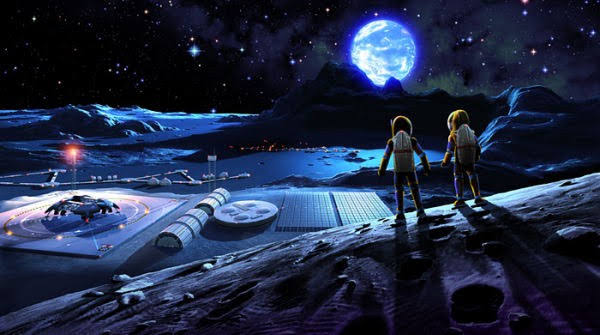
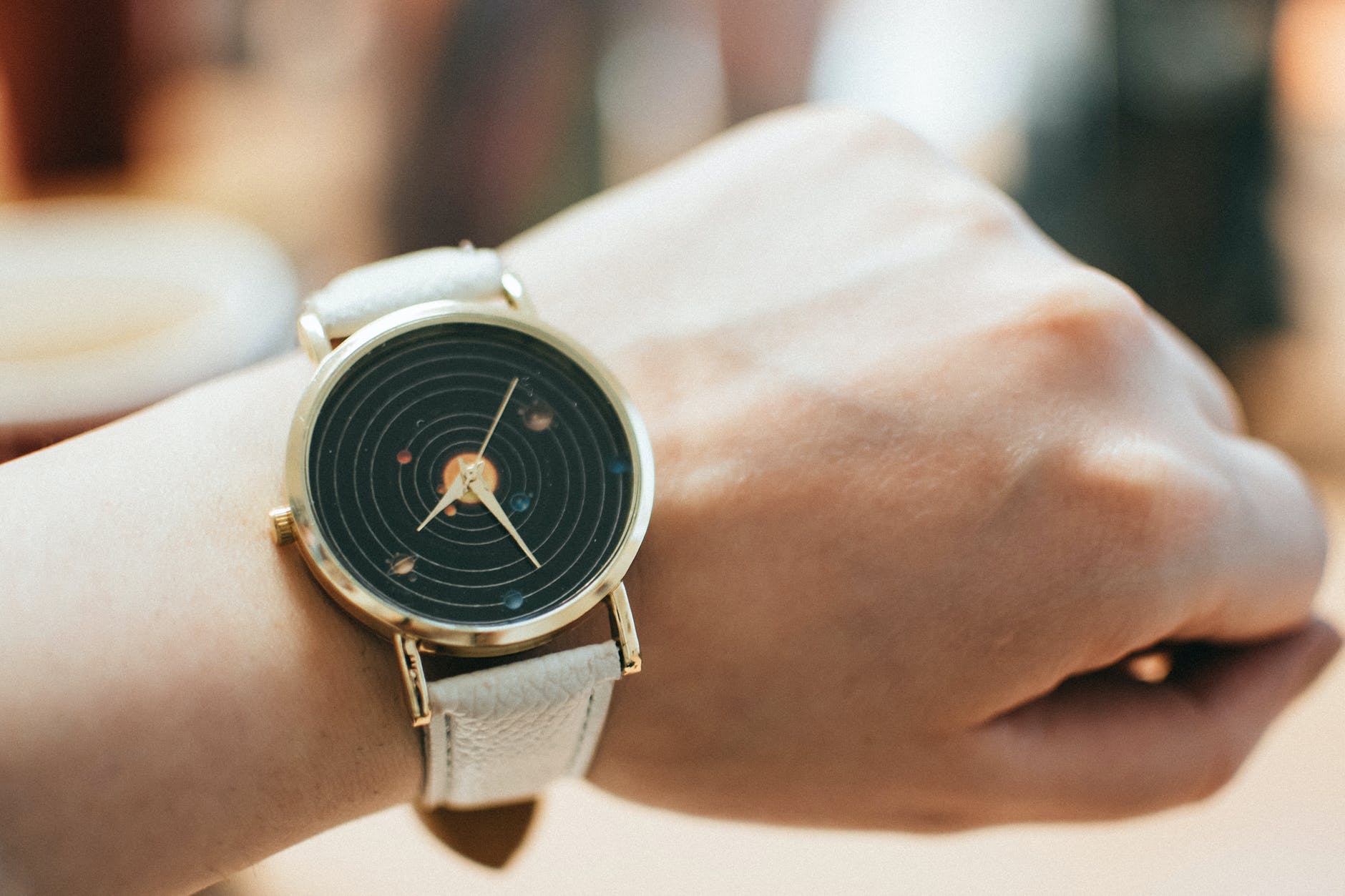
Yesterday when I lay asleep, a magical force lifted me from my bed and I found myself floating towards the skies rapidly. I saw the pale blue sphere that I was leaving behind. Earth never looked so magical before. I took a spin around the moon and marveled at the craters. I passed through the rings of Saturn and played hopscotch on the red soil of Mars. I made a snowman on the icy surface of Neptune. I saw the Milky Way from afar and was awestruck by the vast expanse of our Universe. I rode on the meteors that went whooshing by and saw pulsars and quasars. I almost got sucked into a black hole but pull myself away in time.I danced on the glowing surface of Venus and visited mercury.I took a spin around the sun without a single hair singed.After witnessing all the beautiful sight,I started feeling homesick. I slowly drifted back to the pale blue planet that we call home.Full of memories from the visit,I hoped to take another trip soon.Soon I was laid back on my bed and I drifted back into sleep.
Yesterday when I lay asleep, a magical force lifted me from my bed and I found myself floating towards the skies rapidly. I saw the pale blue sphere that I was leaving behind. Earth never looked so magical before. I took a spin around the moon and marveled at the craters. I passed through the rings of Saturn and played hopscotch on the red soil of Mars. I made a snowman on the icy surface of Neptune. I saw the Milky Way from afar and was awestruck by the vast expanse of our Universe. I rode on the meteors that went whooshing by and saw pulsars and quasars. I almost got sucked into a black hole but pull myself away in time.I danced on the glowing surface of Venus and visited mercury.I took a spin around the sun without a single hair singed.After witnessing all the beautiful sight,I started feeling homesick. I slowly drifted back to the pale blue planet that we call home.Full of memories from the visit,I hoped to take another trip soon.Soon I was laid back on my bed and I drifted back into sleep.
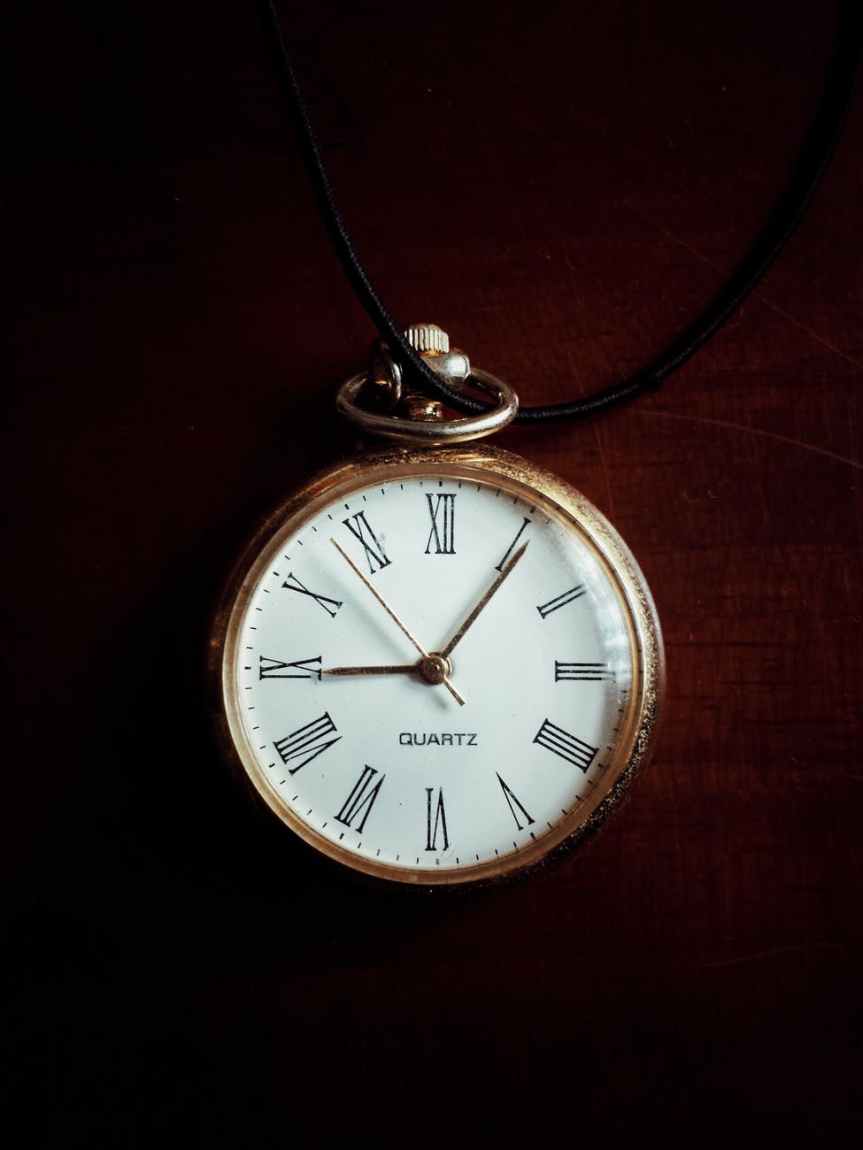
Time management is the course of marshalling everyday routine to harness the maximum time available. Time management is a method to work smarter rather than harder to get more out of your time and resources. Everyone has the same amount of time – 24 hours a day; the key is to allocate appropriate time to your activities based on their importance.
It is up to one to utilize it whatever way one wants. One may waste it on insignificant things or use it productively; the decision is theirs. However, if one wants to get the maximum out of their time, one has to esteem time management. Time management can be very merely done through simple methodologies.
Students should make a priority-based schedule regarding their studies and assignments. Time to different subjects must be allotted based on the individual difficulties faced by the students in that particular subject.
For example, if a student is good at physics and not so good in Biology; then he/she should award biology with a little extra time than physics. Even the time one likes to spend on TV or other activities must be included in the schedule to keep one in full control of their available time.
In today’s scenario people are so busy in their lives that they are not getting time for themselves. Due to which time management has become the need of the hour. Time management is playing a vital role in mankind. Time management creates discipline or vice versa. If you want to be successful in life then you need to manage your time. As a result, various billionaires teach about time management.
The Meaning of Time ManagementIn our daily life, we have got only twenty-four hours in a day. Therefore we cannot do everything in one day. This creates limitations in our everyday work. In order to manage work, social life and sleep, division of time is important. In a particular way division of time is the need. This will help the person to complete all his tasks. You should write your tasks in a schedule.Designing has to be in a way that each task gets enough time. Your work should have the highest priority. The second priority should sleep. And the last but not the least your social life. Your social life includes family and friends.In order to live a happy and peaceful life socializing is important. Too much workload can make a person ill. So, give your mind a little rest. Spending time with family can help you with this. Moreover, the main purpose to work is to fulfill the needs of the family. Since the fulfillment of needs is important. Which makes a person happy.
Importance of Time Management for StudentsThough adults are working, the students are not spared with work. The students today have many studies to do. Because of this, they are not getting time to enjoy their childhood. Time management for students has become a crucial need. Education has become vast. Therefore proper scheduling of time is important.
A good student knows the importance of studies. But he should also know time never comes back. Thus a student should take out time for personal development too. Since personal development is important for their proper growth. Moreover, personality development is also important for a student. They should at least take out one hour for sports. Sports teach student teamwork. Since it is enjoyable it lessens the stress of the day.The daily routine is School or college, and then coaching. This leaves with no time of self-studies. Self-study is an important aspect of education. The student should not neglect this. As the day ends, they get too tired. Due to which there is no energy left. This degrades the performance of the student.There is a difference between a topper and an average student. That difference is proper time management. A topper student schedules his time. While an average student does not do that. And because he never manages time, he gets no time for self-study. Which in turn leaves him behind.
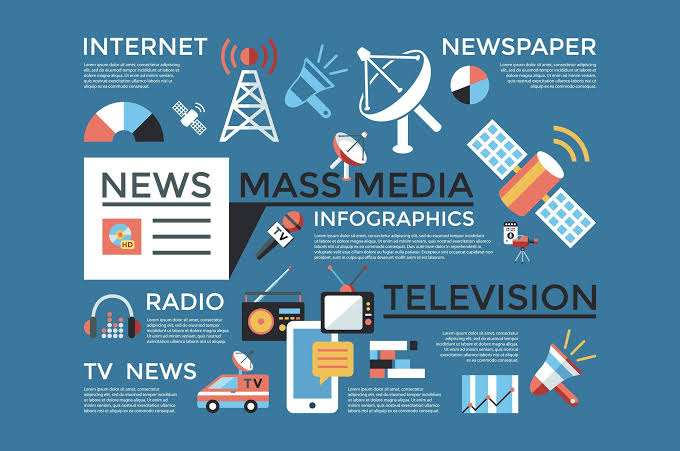
The present age is the age of information & Communication Technology. And mass media is the powerful and the most effective instrument of spreading or sharing information. With the advancement of digital technology, mass media have become a powerful and quick means of communication, broadcasting news and views, disseminating ideas and massages, and making information available anywhere in the world. The means of communicating news and views is termed as mass media. Mass media is classified into two categories print media and electronic media. Print media include newspapers, magazines, journals, and other printed materials. Electronic media includes radio, internet, television, satellite channels, cinema, etc.
In today’s world, mass media embraces internet, cell phones, electronic mail, computers, pagers and satellites. All these new additions function as transmitting information from a single source to multiple receivers.In other words, they are interactive and work on the person to person formula. Thus, it revolves around the masses i.e. the people. It is true that radio, television, press and cinema are in the spotlight when we talk about mass media.Nonetheless, the role of pamphlets, books, magazines, posters, billboards, and more also have equal importance if not less. Moreover, the reach of these tools extends to a huge amount of masses living all over the country.Television, cinema, radio and press are comparatively expensive forms of media which private financial institutions or the Government runs. These tools centre on the idea of mass production and mass distribution.Therefore, newspapers, television and radio cater to the needs of the mass audience and accommodates their taste. As a result, it will not always be refined or sophisticated. In other words, it displays popular culture.
The Function of Mass MediaThe main function of mass media is to reach out to the masses and provide them with information. In addition to that, it also operates to analyze and observe our surroundings and provide information in the form of news accordingly.As a result, the masses get constantly updated about not just their own surroundings but also around the world. This way mass media spreads and interprets information. For instance, weather forecasts equip people and farmers to plan ahead.Similarly, fishermen get updates about the tidal activities from the news. In addition to this, mass media also strives to keep the fabric of our social heritage intact which showcasing our customs, myths and civilization.Another major product of mass media is advertising. This way people learn about the goods and services in the market. It also spreads social awareness. For instance, anti-smoking campaign, women empowerment, green earth clean earth and more.Most importantly, with the numerous mediums available in multiple languages, the masses get entertainment in their own language easily. Millions of people get to access a cheap source of relaxation and pass their time. In fact, it also helps to transport momentarily from our ordinary lives to a dream world. Thus, it remains the undisputed leader in reaching out to the masses.Conclusion of Essay on Mass MediaAll in all, while it is an effective tool, we must also keep a check on its consumption. In other words, it has the power to create and destroy. Nonetheless, it is a medium which can bring about a change in the masses. Thus, everyone must utilize and consume it properly.







 Eduindex
You must be logged in to post a comment.