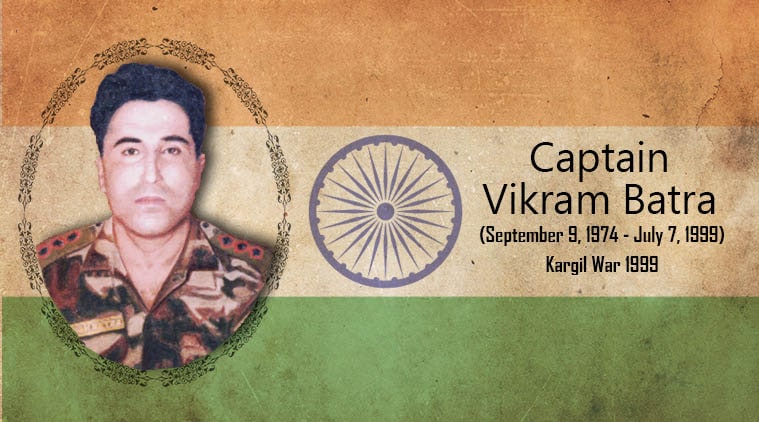
Biotechnology

Biotechnology is the technology that uses living organisms or parts of living organisms to develop and create various products. It harnesses cellular and biomolecular processes to develop technologies and products that help improve our lives and the health of our planet. Today, biotechnology covers many different fields (eg. genetics, biochemistry, molecular biology, etc.). New technologies and products are developed every year within the areas of eg. medicine (development of new medicines and therapies), agriculture (development of genetically modified plants, biofuels, biological treatment) or industrial biotechnology (production of chemicals, paper, textiles and food). Biotech is being used in the medical field to reduce rates of infectious diseases, create tools for precise disease detection and combating everyday biological threats.

In the agricultural field, biotech is being used to improve crop insect resistance, enhance crop herbicide tolerance and it also facilitates the use of more environmentally sustainable farming practices. Through this, higher crop yields are being generated and food produced is free of any allergens or toxins. Biotech has also reduced the amount of input needed for a good yield, helped produce crops that need fewer applications of pesticides and helped develop crops with enhanced nutrition profiles that solve vitamin and nutrient deficiencies.

Biotech has also immensely helped the industrial world. It uses biological processes such as fermentation and harnesses biocatalysts such as enzymes, yeast, and other microbes to become microscopic manufacturing plants. It has helped streamline chemical manufacturing processes and has improved the efficiency of manufacturing processes. This has saved companies millions of dollars in operating costs. Biofuels are being used much more today and have cut greenhouse gas emmissions by over 50%. Hence, the dependance on and usage of petrochemicals has reduced significantly. Biotech is also helping decrease water usage and waste generation and is tapping into the full potential of biomass waste products.

Overall, the revenues of U.S. and European biotechnology industries roughly doubled over the five-year period from 1996 through 2000. Rapid growth continued into the 21st century, fueled by the introduction of new products, particularly in health care. By 2020 the biotechnology market size was estimated at $752.88 billion globally, with new opportunities for growth emerging in particular from government- and industry-driven efforts to accelerate drug development and product-approval processes. Recent advances in biotechnology are helping us prepare for and meet society’s most pressing challenges. It is no doubt, very important for the future of our species as well as the planet.
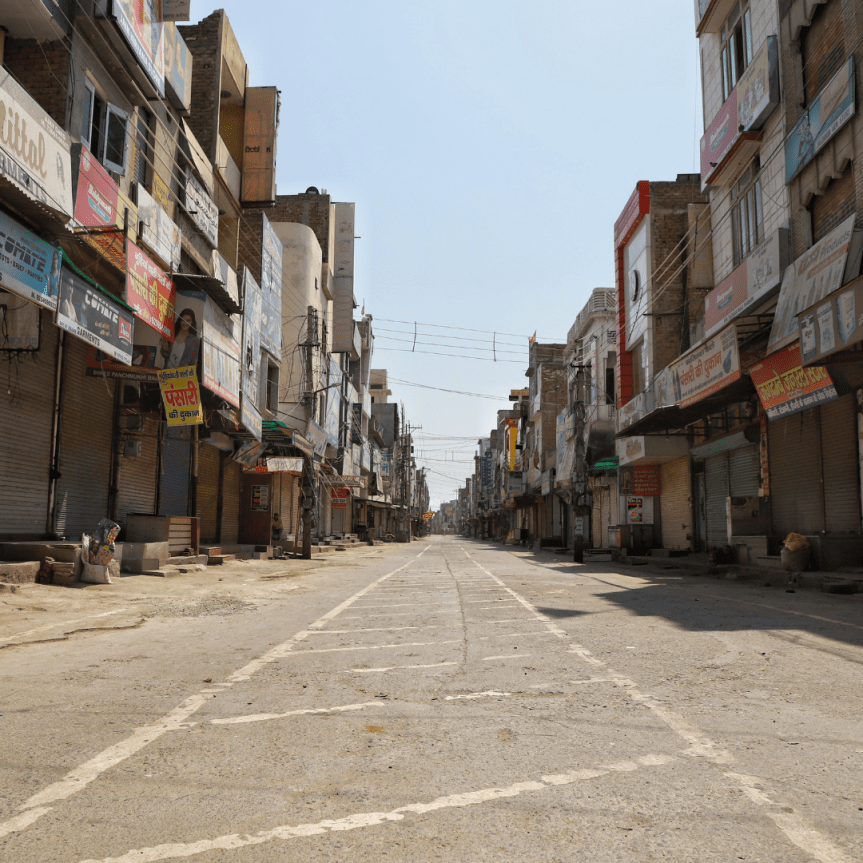
Has the lockdown helped us?

In the first half of the year 2020, the citizens of our nation experienced their first-ever three-week lockdown. Initially, it was meant for a three-week duration which gradually grew to almost three whole months. Life has not yet revived to the usual normal, students and working professionals are still in the online phase even after a year. Some people condemn this as the worst phase faced by mankind of all time. While others are playing the blame game at their best. But we have not realized how the lockdown might have helped us. From improvising our hygienic habits, virtual meetings, family time and in various other ways.

Not only did mankind get benefitted from this lockdown but also the several other habitats dependent on our planet. According to a study, air pollution levels have been reduced by almost 20% in almost 20 countries. So, the lockdown not only helped contain the virus but also helped curb air pollution. This effort had been put by several countries to reduce the air pollution caused but was unsuccessful and finally, a virus had to come to the rescue.

The lockdown has also benefitted marine life, less movement in the ocean means less harm to the ocean and its habitants. The noise levels in the ocean have been reduced drastically saving hundreds of different species of marine life. To support this, a study in New Zealand proved that the ability of dolphins to navigate around the ocean doubled post the lockdown. This proves that the lockdown had a plus side to marine life.

Further, people have saved over 30% of their income because the lockdown has made people eat home. This not only lightens the pocket but also adds to healthy eating, improving the nutrition levels of a person. Apart from this, Work from home has made us connect on another level with people in our lives which would be nearly impossible in the normal scenario. Work from home has thought us technology has become a major part of our lives.

Although we were forced into our homes for almost a year we did learn new things and an experience is always a good thing in one’s life. So, we must take it positively and make the maximum of anything we are given in our lives.

Network :

🌟A large numver of computers are interconnected by copper wire, fiber optic cable, microwave and infrared or though satellite.
🌟A system consisting of connected nodes made to share data, hardware and software is called a Computer Network.

Application of Network:

The following are the areas where computer networks are employed.

🔸️Electronic data interchange
🔸️Teleconferencing
🔸️Cellular telephone
🔸️Cable Television
🔸️Financial services, marketing and sales
🔸️Reservation of Airlines, trains, theater and busses
🔸️Telemedicine
🔸️ATM
🔸️Internet banking

Several educational institutions, businesses and other organizations have discovered the benefits of computer networks. Users can share data and programmes. They can co-operate on projects to maximize the usage of available expertise and talent.

Benefits of Network:

🔹️Effective handling of personal communications
🔹️Allowing several users to access simultaneously important programs and data.
🔹️Making it easy for the users to keep all critical data ok shared storage device and safeguard the data.
🔹️Allowing people to share costly equipment.

The computer communication should ensure safe, secure and reliable data transfer.

🌟Safe : The data received is the same as the data sent
🌟Secure : The data being transferred cannot be damaged either will fully or accidentally.
🌟Reliable : Both the sender and the receiver knows the state of the data sent. Thus the sender knows whether the receiver got the correct data or not.

Some Important Reasons for Networking:

♦️Sharing of resources : Primarily goal of a computer network is to share resources. For example several PCs can be connected to a single expensive line printer.

♦️Sharing information : Information on a single computer can be accessed by other computers in the network. Duplication of data file on separate PCs can be avoided.

♦️Communication : When several PCs are connected to each other, messages can be sent and received. From a remote location, a mobile salesman can relay Important messages to the central office regarding orders. Relevant databases are updated and the business commitment are fulfilled.

Network :

🌟A large numver of computers are interconnected by copper wire, fiber optic cable, microwave and infrared or though satellite.
🌟A system consisting of connected nodes made to share data, hardware and software is called a Computer Network.

Application of Network:

The following are the areas where computer networks are employed.

🔸️Electronic data interchange
🔸️Teleconferencing
🔸️Cellular telephone
🔸️Cable Television
🔸️Financial services, marketing and sales
🔸️Reservation of Airlines, trains, theater and busses
🔸️Telemedicine
🔸️ATM
🔸️Internet banking

Several educational institutions, businesses and other organizations have discovered the benefits of computer networks. Users can share data and programmes. They can co-operate on projects to maximize the usage of available expertise and talent.

Benefits of Network:

🔹️Effective handling of personal communications
🔹️Allowing several users to access simultaneously important programs and data.
🔹️Making it easy for the users to keep all critical data ok shared storage device and safeguard the data.
🔹️Allowing people to share costly equipment.

The computer communication should ensure safe, secure and reliable data transfer.

🌟Safe : The data received is the same as the data sent
🌟Secure : The data being transferred cannot be damaged either will fully or accidentally.
🌟Reliable : Both the sender and the receiver knows the state of the data sent. Thus the sender knows whether the receiver got the correct data or not.

Some Important Reasons for Networking:

♦️Sharing of resources : Primarily goal of a computer network is to share resources. For example several PCs can be connected to a single expensive line printer.

♦️Sharing information : Information on a single computer can be accessed by other computers in the network. Duplication of data file on separate PCs can be avoided.

♦️Communication : When several PCs are connected to each other, messages can be sent and received. From a remote location, a mobile salesman can relay Important messages to the central office regarding orders. Relevant databases are updated and the business commitment are fulfilled.

Kargil Vijay Diwas 2021

Introduction

Kargil Vijay Diwas is celebrated every year on July 26th to remember the sacrifice of the Indian soldiers during the Kargil war of 1999 with Pakistan. The brave-hearted men of the Indian army had aided the Indian air force in defeating Pakistan on this very day 22 years ago.

Kargil War

The war was fought between India and Pakistan from May to July 1999 in the district of Kargil which is in Kashmir, along the Line of Control (LOC). It is also known as “Operation Vijay”. India launched “Operation Vijay” to clear the Pakistani infiltration in the Kargil sector. A huge part of this war was the Indian Air Force’s role in acting along with the Indian Army ground troops. Indian Air Force’s role was to flush out the regular and irregular troops of the Pakistan Army. This operation of flushing out the Pakistani troops was given the codename “Operation Safed Sagar” which means “White Sea”.

Cause of the War

This war was caused because the Pakistani troops infiltrated the Indian side of the Line of Control acting as Kashmiri militants. The Line of Control is the de facto border between India and Pakistan in Kashmir. In the starting stages of the war, Pakistan blamed Kashmiri militants for all the fighting but later they messed up and left some documents because of casualties which showed clear involvement of the Pakistani paramilitary forces. Adding to that, later a statement by the then Prime Minister of Pakistan, Nawaz Sharif, and the Chief of Army Staff, General Pervez Musharraf, confirmed the involvement of the Pakistani paramilitary which was being led by General Ashraf Rashid. With the help of Operation Vijay and Operation Safed Sagar, the Indian Army recaptured most of the area. Adding to that, Pakistan was facing international diplomatic opposition so they had to withdraw their forces as well.

This War is the most recent example of high-altitude warfare in mountainous terrain which for obvious reasons posed logistical challenges.

World’s Opinion

Pakistan was greatly criticized for instigating war. They claimed they did not start the war and that it was the Kashmiri militants but a lot of evidence contradicted their claim and nobody believed them, for one, the war was at heights where only trained soldiers could fight, and not some simple freedom fighters.

Pakistan’s Prime Minister, Nawaz Sharif had flown to the United Stated to ask the US President Bill Clinton for support, who showed his clear disapproval and asked him to withdraw his soldiers from the Indian territory.

The G8 nations at that time, Canada, France, Germany, Italy, Japan, Russia, United Kingdom, and the United States supported India. Even the European Union opposed Pakistan’s violation of the LoC. China who is known as a long-time ally of Pakistan also suggested retreating and settling the issue peacefully. Even ASEAN supported India.

Gallantry Awards

Four Param Vir Chakras were awarded to – Grenadier Yogendra Singh Yadav, Lieutenant Manoj Kumar Pandey, Captain Vikram Batra, and Rifleman Sanjay Kumar. And eleven Maha Vir Chakras were awarded.

Facts

  • The war was fought at a height of 8,780 feet. 
  • The soldiers had to fight at a temperature of minus 10 degrees Celsius. 
  • Operation Safed Sagar was the first time the Air Force conducted an operation at the height of 32,000 above sea level. 
  • The pilots and engineers of the Air Force were given just one week to train. 
  • As many as 527 Indian soldiers laid their lives and the Indian Army built a memorial wall with all the names of the soldiers who lost their lives. 

Conclusion

The victory of the success of Operation Vijay meant a lot to India and all the Indians. Till now, every year Indians remember July 26th as the day of victory and remember the sacrifice their fellow Indians paid for the safety of all.

References

Kargil Vijay Diwas 2021

Introduction

Kargil Vijay Diwas is celebrated every year on July 26th to remember the sacrifice of the Indian soldiers during the Kargil war of 1999 with Pakistan. The brave-hearted men of the Indian army had aided the Indian air force in defeating Pakistan on this very day 22 years ago.

Kargil War

The war was fought between India and Pakistan from May to July 1999 in the district of Kargil which is in Kashmir, along the Line of Control (LOC). It is also known as “Operation Vijay”. India launched “Operation Vijay” to clear the Pakistani infiltration in the Kargil sector. A huge part of this war was the Indian Air Force’s role in acting along with the Indian Army ground troops. Indian Air Force’s role was to flush out the regular and irregular troops of the Pakistan Army. This operation of flushing out the Pakistani troops was given the codename “Operation Safed Sagar” which means “White Sea”.

Cause of the War

This war was caused because the Pakistani troops infiltrated the Indian side of the Line of Control acting as Kashmiri militants. The Line of Control is the de facto border between India and Pakistan in Kashmir. In the starting stages of the war, Pakistan blamed Kashmiri militants for all the fighting but later they messed up and left some documents because of casualties which showed clear involvement of the Pakistani paramilitary forces. Adding to that, later a statement by the then Prime Minister of Pakistan, Nawaz Sharif, and the Chief of Army Staff, General Pervez Musharraf, confirmed the involvement of the Pakistani paramilitary which was being led by General Ashraf Rashid. With the help of Operation Vijay and Operation Safed Sagar, the Indian Army recaptured most of the area. Adding to that, Pakistan was facing international diplomatic opposition so they had to withdraw their forces as well.

This War is the most recent example of high-altitude warfare in mountainous terrain which for obvious reasons posed logistical challenges.

World’s Opinion

Pakistan was greatly criticized for instigating war. They claimed they did not start the war and that it was the Kashmiri militants but a lot of evidence contradicted their claim and nobody believed them, for one, the war was at heights where only trained soldiers could fight, and not some simple freedom fighters.

Pakistan’s Prime Minister, Nawaz Sharif had flown to the United Stated to ask the US President Bill Clinton for support, who showed his clear disapproval and asked him to withdraw his soldiers from the Indian territory.

The G8 nations at that time, Canada, France, Germany, Italy, Japan, Russia, United Kingdom, and the United States supported India. Even the European Union opposed Pakistan’s violation of the LoC. China who is known as a long-time ally of Pakistan also suggested retreating and settling the issue peacefully. Even ASEAN supported India.

Gallantry Awards

Four Param Vir Chakras were awarded to – Grenadier Yogendra Singh Yadav, Lieutenant Manoj Kumar Pandey, Captain Vikram Batra, and Rifleman Sanjay Kumar. And eleven Maha Vir Chakras were awarded.

Facts

  • The war was fought at a height of 8,780 feet. 
  • The soldiers had to fight at a temperature of minus 10 degrees Celsius. 
  • Operation Safed Sagar was the first time the Air Force conducted an operation at the height of 32,000 above sea level. 
  • The pilots and engineers of the Air Force were given just one week to train. 
  • As many as 527 Indian soldiers laid their lives and the Indian Army built a memorial wall with all the names of the soldiers who lost their lives. 

Conclusion

The victory of the success of Operation Vijay meant a lot to India and all the Indians. Till now, every year Indians remember July 26th as the day of victory and remember the sacrifice their fellow Indians paid for the safety of all.

References

Aquarium

An aquarium is a container made of glass,or with glass walls.It permits watching the fishes swimming easily and for prolonged periods of time.It is a hobby which appeals to young and old and has opened up a flourishing business in all big cities.

And also,next to birds,fishes are perhaps the most colourful of animals.They are graceful in their shape,body form and movement.

Setting up an aquarium tank

Tank selection: The choice of an aquarium tank,depends largely on where it is to be housed,the extent of one’s enthusiasm and the money one wants to spend.While selecting a tank it is very important to note that it is of good construction.Shallow and wide tanks are preferable as they have more surface area to facilitate oxygenation through atmospheric contact.Further such tanks can accommodate more number of fishes.

Before setting up the tank,a suitable place has to be selected.In order to get a good view of both fishes and plants in an aquarium tank,the light should come obliquely.Hence, instead of the window sill,a place nearer to its side may be selected.To avail maximum sunlight an eastern exposure is preferable.The support or table for positioning the tank must be strong and in level.It is also essential to have a cover with a provision for installing lights and feeding.

If the tanks are purchased they should be checked for leakage.Their sides should be cleaned with 1% potassium permanganate solution, besides repeated washing with tap water.The next step in the setting up of an aquarium is the collection of sand that is necessary to make the bed at the bottom of the tank.The sand for the tank bottom can be collected from the sea shore or a river.This sand has to be washed to remove the dirt.It is advisable to put the sand in a shallow pan or aluminium vessel and heating it.The cleaned sand may be exposed in the bright sun.These processes ensure the killing of all bacteria or germs.The cleaned sand should be spread evenly in the tank bottom.Over the top layer of sand a thin layer of stone chips or very small pebbles may be placed.

Quality of water for Aquarium tank

Rain water free from contaminants or tap water is ideal for aquarium tanks.A tap water of domestic supply is likely to have chlorine which is harmful to fish.This water may be stagnated for about one or two days before use.If the water is hard it must be properly treated.The tank should be filled with the desired water without disturbing the bottom sand.

Planting:The aquarium tank after being filled with water can be planned with selected varieties of aquatic plants.The plants provide shade, shelter and sanctuary for fish.Besides decorating the aquarium tank,they also help in spawning and as food for certain fishes.The plants provide oxygen through photosynthesis.Over crowding of plants has to be avoided to ensure an adequate supply of oxygen to fishes.

Lighting:Light besides beautifying the aquarium helps in the photosynthesis of aquarium plants.Fishes also require light to trace their food.Further the light is known to influence the growth of fish.Strong sunlight destroys bacteria and keeps the tank healthy.For a moderate tank bulbs of 60 watts each may be lit for eight hours a day.It is better to use fluorescent lighting for promotion of plant growth and for even distribution of light.

Introduction of fish in an aquarium tank

The number of fishes suitable for stocking in an aquarium tank depends mainly on the surface area of the tank,it’s dissolved oxygen content and size of the fish.It is reported that 1 cm long fish may lead about 75 cm^2 of the surface area.The fishes are generally introduced two or three days after planting when the water would be clear and well oxygenated by plants.Before introduction into the Aquarium tank,the fish may be treated with 2 percent potassium permanganate solution to avoid parasitic attack.

Feeding: Fishes may be fed once or twice a day according to their preference and satiation.Excess food and detritus may be removed 30 minutes after feeding,by siphoning out using rubber tubing.If the level of the water gets reduced in course of time it should be restored by the addition of some rain water or chlorine free tap water.

A large number of fishes are cultured in aquaria for their beauty and graceful movements.The movement of colour fishes in an aquarium would certainly please the ailing and convalescing people.The aquarium may gladden one’s heart.

Stock Market

Money plays a crucial role in our lives. Every person has a desire to be rich for which people search different paths. One such path is the stock market.
A stock market is a place where buying and selling of ownership of a company take place. These units of ownership are termed shares, which collectively are known as stocks.

Many regard it as a Gamble & state it’s an easy fortune for some, for others, it is a  road to doom.

There is some element of risk in this investment but majorly success depends on the person and their analysis of the stocks.
Some key things to consider while buying a share:-
• Face value(FV) of the share– Dividend is paid on the face value of the share.
For example, if a share is traded for Rs 1000 with a face value of Rs 2. 100% dividend it would mean a sum of Rs 20 is paid.

•Past performance of the company- A company with a good performance record. Have a growth potential and the chances of price rise are more.

• Any major Change in government policy -Change may have an impact on the business environment. For instance, a policy that bars or regulates new competitors from entry will be a good indicator for the existing players.
• ROI– ROI or Return on Investment tries to measure the amount of return a particular investment, relative to the investment’s costs.

Aquarium

An aquarium is a container made of glass,or with glass walls.It permits watching the fishes swimming easily and for prolonged periods of time.It is a hobby which appeals to young and old and has opened up a flourishing business in all big cities.

And also,next to birds,fishes are perhaps the most colourful of animals.They are graceful in their shape,body form and movement.

Setting up an aquarium tank

Tank selection: The choice of an aquarium tank,depends largely on where it is to be housed,the extent of one’s enthusiasm and the money one wants to spend.While selecting a tank it is very important to note that it is of good construction.Shallow and wide tanks are preferable as they have more surface area to facilitate oxygenation through atmospheric contact.Further such tanks can accommodate more number of fishes.

Before setting up the tank,a suitable place has to be selected.In order to get a good view of both fishes and plants in an aquarium tank,the light should come obliquely.Hence, instead of the window sill,a place nearer to its side may be selected.To avail maximum sunlight an eastern exposure is preferable.The support or table for positioning the tank must be strong and in level.It is also essential to have a cover with a provision for installing lights and feeding.

If the tanks are purchased they should be checked for leakage.Their sides should be cleaned with 1% potassium permanganate solution, besides repeated washing with tap water.The next step in the setting up of an aquarium is the collection of sand that is necessary to make the bed at the bottom of the tank.The sand for the tank bottom can be collected from the sea shore or a river.This sand has to be washed to remove the dirt.It is advisable to put the sand in a shallow pan or aluminium vessel and heating it.The cleaned sand may be exposed in the bright sun.These processes ensure the killing of all bacteria or germs.The cleaned sand should be spread evenly in the tank bottom.Over the top layer of sand a thin layer of stone chips or very small pebbles may be placed.

Quality of water for Aquarium tank

Rain water free from contaminants or tap water is ideal for aquarium tanks.A tap water of domestic supply is likely to have chlorine which is harmful to fish.This water may be stagnated for about one or two days before use.If the water is hard it must be properly treated.The tank should be filled with the desired water without disturbing the bottom sand.

Planting:The aquarium tank after being filled with water can be planned with selected varieties of aquatic plants.The plants provide shade, shelter and sanctuary for fish.Besides decorating the aquarium tank,they also help in spawning and as food for certain fishes.The plants provide oxygen through photosynthesis.Over crowding of plants has to be avoided to ensure an adequate supply of oxygen to fishes.

Lighting:Light besides beautifying the aquarium helps in the photosynthesis of aquarium plants.Fishes also require light to trace their food.Further the light is known to influence the growth of fish.Strong sunlight destroys bacteria and keeps the tank healthy.For a moderate tank bulbs of 60 watts each may be lit for eight hours a day.It is better to use fluorescent lighting for promotion of plant growth and for even distribution of light.

Introduction of fish in an aquarium tank

The number of fishes suitable for stocking in an aquarium tank depends mainly on the surface area of the tank,it’s dissolved oxygen content and size of the fish.It is reported that 1 cm long fish may lead about 75 cm^2 of the surface area.The fishes are generally introduced two or three days after planting when the water would be clear and well oxygenated by plants.Before introduction into the Aquarium tank,the fish may be treated with 2 percent potassium permanganate solution to avoid parasitic attack.

Feeding: Fishes may be fed once or twice a day according to their preference and satiation.Excess food and detritus may be removed 30 minutes after feeding,by siphoning out using rubber tubing.If the level of the water gets reduced in course of time it should be restored by the addition of some rain water or chlorine free tap water.

A large number of fishes are cultured in aquaria for their beauty and graceful movements.The movement of colour fishes in an aquarium would certainly please the ailing and convalescing people.The aquarium may gladden one’s heart.

World Heritage Site

Telangana’s Ramappa Temple’s made it to UNESCO’s World Heritage List Ramappa Temple , a 13th century temple named after its architect , Ramappa , was proposed by Government as its only nomination for the UNESCO World Heritage site tag for the year 2019 . Even so , the temple has been in UNESCO tentative list since 2014 . The Famous 800 year-old Ramappa Temple conferred World Heritage site . The culture Minister said on Sunday . Rudreswara Temple also known as Ramappa temple , located at Palampet , Mulugu District , Near Warangal in the state of Telangana, which is about 200 km North of Hyderabadand has made it to UNESCO World Heritage List . The decision was taken at 44th session of the World Heritage Committee of UNESCO held on Sunday in China . Apart from the Ramappa temple , the World Heritage Committee inscribed Quanzhou : Emporium of the World in Song-Yaun China (China) , The Trans- Iranian Railway (Iran) , and Paseo del Prado and Buen Retiro , a landscape of Arts and sciences (Spain ) on UNESCO’s World Heritage it means the ” Outstanding universal value ” . This signifies “cultural and or natural significance which is so exceptional as to transcend national boundaries and to be common importance for present and future generations of all humanity “. To be included , sites must meet at least one of ten selection criteria . Even temple has been in UNESCO’s tentative list since 2014 . On Sunday , over 17 of the 21 member nations supported the inscription . With this , India now has 39 sites on UNESCO’S and Archaeological Survey of India is now the custodian of 23 World heritage sites.

World Heritage Site

Telangana’s Ramappa Temple’s made it to UNESCO’s World Heritage List Ramappa Temple , a 13th century temple named after its architect , Ramappa , was proposed by Government as its only nomination for the UNESCO World Heritage site tag for the year 2019 . Even so , the temple has been in UNESCO tentative list since 2014 . The Famous 800 year-old Ramappa Temple conferred World Heritage site . The culture Minister said on Sunday . Rudreswara Temple also known as Ramappa temple , located at Palampet , Mulugu District , Near Warangal in the state of Telangana, which is about 200 km North of Hyderabadand has made it to UNESCO World Heritage List . The decision was taken at 44th session of the World Heritage Committee of UNESCO held on Sunday in China . Apart from the Ramappa temple , the World Heritage Committee inscribed Quanzhou : Emporium of the World in Song-Yaun China (China) , The Trans- Iranian Railway (Iran) , and Paseo del Prado and Buen Retiro , a landscape of Arts and sciences (Spain ) on UNESCO’s World Heritage it means the ” Outstanding universal value ” . This signifies “cultural and or natural significance which is so exceptional as to transcend national boundaries and to be common importance for present and future generations of all humanity “. To be included , sites must meet at least one of ten selection criteria . Even temple has been in UNESCO’s tentative list since 2014 . On Sunday , over 17 of the 21 member nations supported the inscription . With this , India now has 39 sites on UNESCO’S and Archaeological Survey of India is now the custodian of 23 World heritage sites.

Be Safe With Your Dinnerware

Are you staring at your plate right now with suspicious eyes? If so, then relax and take off that crease from your forehead. If you are worried about lead being present in your dishes, then we are here for you. Here all your doubts about how to test dinnerware for lead will be addressed and you don’t have to worry.

Safety is the first thing anyone wants while buying any product. You wouldn’t have thought about searching for lead in your dinnerware. Did you? Dinnerware is the most regularly used item in our homes, but to find that unsafe for us is disappointing. And also you shouldn’t be even asking this question. Think about it, you bought a nice dinner set from a respectable company, but here you are getting suspicious? Don’t worry any further. We will clear all your suspicions. Come on, let’s have a look at how to test your dinnerware for lead?

Why is Lead unsafe?

Lead is a harmful toxin that if ingested, may cause serious damage to the body systems. Children and pregnant women stay at a higher risk of health issues from the toxic effects of lead. You may have heard of lead poisoning too. It is very real and lethal.

Lead does not leave your body after entering. It accumulates there and due to this, even small amounts are harmful to health. You need to remove lead from your dinnerware so that you can eat your food safely.

Why is Lead Used in Dinnerware?

Lead is used in dinnerware for glazes and bright colors. It is basically used to beautify the dishes. The glazes that make the dishes shine like glass, the bright red color designs, these all are lead. It seems nice but it’s lethal. Lead also provides strength to the dishes and prevents them from moisture.

How Does Lead Enter Our Body?

There are many ways in which lead can enter our bodies. Let us point them out for you.

  1. If hot food is served on plates with glaze, the heat tends to extract the traces of chemicals from the surface and enter the food.
  • If you heat your food in the microwave, it can get lead into it. So don’t heat too many times.
  • Serving too much acidic food on a plate can also cause lead to enter the food. Acids tend to fast forward the process.

What Type of Dishes Contain Lead?

Dishes come in many varieties, so it can be hard to figure out the safest one. But we have something for you that can help. Now try to avoid the following things when looking for dishes:

  1. Antique dishes that may be passed down in your family from generations.
  • Heavily designed dishes, especially with bright colors like red, yellow, or orange.
  • Used dinnerware found in thrift stores or second-hand dishes you bought at a lower price.
  • Terra cotta dishes which are heavily glazed
  • Handmade dishes or pots.
  • Any dish with corroded glaze, or old dishes with worn-out designs.
  • Dishes with designs made above the glazed surface.

How to Test For Lead in Dishes?

You didn’t think you can check for the lead with plain sight, did you? No, you can’t. But there are some ways to test dishes for lead. One of them is to avoid the above mentioned types of dishes. Another useful way is by testing the dinnerware by home kit for testing lead in dinnerware.

Home Kit for testing lead in dinnerware is mainly useful for high content lead testing. It does not detect if there are only small amounts of lead in the dishes.

Another way is to send the dishes to a laboratory. But this may be a bit of absurd advice considering everyone doesn’t have access to labs and it is a bit expensive as well.

Method to Test For Lead With Home Kit

  1. Buy the chemically tested swabs, which are not very expensive.
  • Clean your dish with the swab.
  • If your dish contains lead, the lead detector on the swab with turn bright red indicating the presence of lead in your dish.
  • Or use a small chipped section of the glaze from the dish.
  • Peel a small part of the glaze and test it with the swab for more accuracy.

This method doesn’t tell you the exact amount of lead present in the dish. It is not much use but is fine for testing at home.

Method For Testing Lead in Laboratories

  1. Laboratories use X-ray systems to test for lead in dishes.
  • This method tells the accurate amount of lead present in the dish by using some electron reactions (which you don’t need to know about).

There are many ways to test for lead in laboratories. But some of them might damage the dish in the process. So this method is not feasible.

How to Reduce Exposure to Lead From Dishes?

The following points might be of some help:

  1. Stop using antique dishes
  • Don’t heat food in contaminated dishes
  • Don’t use highly glazed dishes for regular use
  • Stop storing food in contaminated dishes for a long time
  • Don’t wash the dishes containing lead in the dishwasher
  • Don’t serve acidic food on dishes containing lead. It speeds up the process.

Safest Lead Free Dinnerware

Choosing lead-free dinnerware for your safety is not that hard as it sounds. Just keep some points in mind next time while shopping for dishes.

  1. Choose the dishes with minimum designs
  2. Dishes with less glaze will be safe
  3. Plain white plates or dishes is definitely a winner
  4. Try to find less bright colored dishes
  5. We recommend more glass dishes. With them, you can be sure they are lead-free.
  6. If you are an appreciator for old, vintage dishes, you may want to restrict to the plain white ones.
  7. Melamine is considered to be the safest as it is more plastic than a glazed surface.

Now you are just a step away from buying lead-free dinnerware. Step out, go to that store, keep these few points in mind and find the perfect dinner set for you. And we hope now you know how to test for lead in dinnerware.

Be Safe With Your Dinnerware

Are you staring at your plate right now with suspicious eyes? If so, then relax and take off that crease from your forehead. If you are worried about lead being present in your dishes, then we are here for you. Here all your doubts about how to test dinnerware for lead will be addressed and you don’t have to worry.

Safety is the first thing anyone wants while buying any product. You wouldn’t have thought about searching for lead in your dinnerware. Did you? Dinnerware is the most regularly used item in our homes, but to find that unsafe for us is disappointing. And also you shouldn’t be even asking this question. Think about it, you bought a nice dinner set from a respectable company, but here you are getting suspicious? Don’t worry any further. We will clear all your suspicions. Come on, let’s have a look at how to test your dinnerware for lead?

Why is Lead unsafe?

Lead is a harmful toxin that if ingested, may cause serious damage to the body systems. Children and pregnant women stay at a higher risk of health issues from the toxic effects of lead. You may have heard of lead poisoning too. It is very real and lethal.

Lead does not leave your body after entering. It accumulates there and due to this, even small amounts are harmful to health. You need to remove lead from your dinnerware so that you can eat your food safely.

Why is Lead Used in Dinnerware?

Lead is used in dinnerware for glazes and bright colors. It is basically used to beautify the dishes. The glazes that make the dishes shine like glass, the bright red color designs, these all are lead. It seems nice but it’s lethal. Lead also provides strength to the dishes and prevents them from moisture.

How Does Lead Enter Our Body?

There are many ways in which lead can enter our bodies. Let us point them out for you.

  1. If hot food is served on plates with glaze, the heat tends to extract the traces of chemicals from the surface and enter the food.
  • If you heat your food in the microwave, it can get lead into it. So don’t heat too many times.
  • Serving too much acidic food on a plate can also cause lead to enter the food. Acids tend to fast forward the process.

What Type of Dishes Contain Lead?

Dishes come in many varieties, so it can be hard to figure out the safest one. But we have something for you that can help. Now try to avoid the following things when looking for dishes:

  1. Antique dishes that may be passed down in your family from generations.
  • Heavily designed dishes, especially with bright colors like red, yellow, or orange.
  • Used dinnerware found in thrift stores or second-hand dishes you bought at a lower price.
  • Terra cotta dishes which are heavily glazed
  • Handmade dishes or pots.
  • Any dish with corroded glaze, or old dishes with worn-out designs.
  • Dishes with designs made above the glazed surface.

How to Test For Lead in Dishes?

You didn’t think you can check for the lead with plain sight, did you? No, you can’t. But there are some ways to test dishes for lead. One of them is to avoid the above mentioned types of dishes. Another useful way is by testing the dinnerware by home kit for testing lead in dinnerware.

Home Kit for testing lead in dinnerware is mainly useful for high content lead testing. It does not detect if there are only small amounts of lead in the dishes.

Another way is to send the dishes to a laboratory. But this may be a bit of absurd advice considering everyone doesn’t have access to labs and it is a bit expensive as well.

Method to Test For Lead With Home Kit

  1. Buy the chemically tested swabs, which are not very expensive.
  • Clean your dish with the swab.
  • If your dish contains lead, the lead detector on the swab with turn bright red indicating the presence of lead in your dish.
  • Or use a small chipped section of the glaze from the dish.
  • Peel a small part of the glaze and test it with the swab for more accuracy.

This method doesn’t tell you the exact amount of lead present in the dish. It is not much use but is fine for testing at home.

Method For Testing Lead in Laboratories

  1. Laboratories use X-ray systems to test for lead in dishes.
  • This method tells the accurate amount of lead present in the dish by using some electron reactions (which you don’t need to know about).

There are many ways to test for lead in laboratories. But some of them might damage the dish in the process. So this method is not feasible.

How to Reduce Exposure to Lead From Dishes?

The following points might be of some help:

  1. Stop using antique dishes
  • Don’t heat food in contaminated dishes
  • Don’t use highly glazed dishes for regular use
  • Stop storing food in contaminated dishes for a long time
  • Don’t wash the dishes containing lead in the dishwasher
  • Don’t serve acidic food on dishes containing lead. It speeds up the process.

Safest Lead Free Dinnerware

Choosing lead-free dinnerware for your safety is not that hard as it sounds. Just keep some points in mind next time while shopping for dishes.

  1. Choose the dishes with minimum designs
  2. Dishes with less glaze will be safe
  3. Plain white plates or dishes is definitely a winner
  4. Try to find less bright colored dishes
  5. We recommend more glass dishes. With them, you can be sure they are lead-free.
  6. If you are an appreciator for old, vintage dishes, you may want to restrict to the plain white ones.
  7. Melamine is considered to be the safest as it is more plastic than a glazed surface.

Now you are just a step away from buying lead-free dinnerware. Step out, go to that store, keep these few points in mind and find the perfect dinner set for you. And we hope now you know how to test for lead in dinnerware.

Curtailment of Academic Freedom.

Academic freedom can be defined as a right to educate and learn any diverse course without intervention or any objection. Academic freedom is a very broad spectrum topic that has different meanings when used at different strata. Institutional academic freedom is referred to the right of an institution to teach any diverse course without interference from the government. Whereas the right of an individual professor to teach his/her curriculum without undue interference from university is known as individual academic freedom.

According to the All India Survey in 2018-19, India has 993 universities, 39,931 colleges and 10,725 standalone institutions. Of these, 385 universities and 78% of the colleges are privately managed while 394 universities and 60.53% of the colleges are located in rural areas. The enrolment in higher education in India is 37.4 million persons (19.2 million males and 18.2 million females). The Gross Enrolment Ratio (GER) in higher education in India is 26.3%. Certain categories of citizens have less access to higher education – for instance, Scheduled Castes have a GER of 23% and Scheduled Tribes have a GER of 17.2% as compared to the national GER of 26.3%. Muslims constitute only 5.2% of the student population, compared to their overall percentage of about 14.2% in the population.

A new education policy (NEP) has been introduced in the year 2020 that promises, certain reforms in the field of education in India. Under this policy 5+3+3+4 structure will be followed and rigid separation between science, arts and commerce stream will not be there in the education system. Furthermore, internships and vocational courses, as well as workshops, will be included in the study module after 5th grade. And coding would be a must for 6th grader. No doubt, NEP could help up to very extent to reform the education in India if it would be implemented as stated.

Academic freedom becomes challenging when authorities put limitations on the right to express ideology. To protect favoured position, officials or authorities deny the rightfulness of academic enquiry which makes it even more complex. Scholars, researchers and institutions should be free to conduct research and publish papers in whatsoever field that is suitable and convenient for the study. Academic freedom is necessary and it must be protected.

References

https://en.m.wikipedia.org/wiki/Academic_freedom

https://www.britannica.com/topic/academic-freedom

https://en.m.wikipedia.org/wiki/National_Education_Policy_2020

Curtailment of Academic Freedom.

Academic freedom can be defined as a right to educate and learn any diverse course without intervention or any objection. Academic freedom is a very broad spectrum topic that has different meanings when used at different strata. Institutional academic freedom is referred to the right of an institution to teach any diverse course without interference from the government. Whereas the right of an individual professor to teach his/her curriculum without undue interference from university is known as individual academic freedom.

According to the All India Survey in 2018-19, India has 993 universities, 39,931 colleges and 10,725 standalone institutions. Of these, 385 universities and 78% of the colleges are privately managed while 394 universities and 60.53% of the colleges are located in rural areas. The enrolment in higher education in India is 37.4 million persons (19.2 million males and 18.2 million females). The Gross Enrolment Ratio (GER) in higher education in India is 26.3%. Certain categories of citizens have less access to higher education – for instance, Scheduled Castes have a GER of 23% and Scheduled Tribes have a GER of 17.2% as compared to the national GER of 26.3%. Muslims constitute only 5.2% of the student population, compared to their overall percentage of about 14.2% in the population.

A new education policy (NEP) has been introduced in the year 2020 that promises, certain reforms in the field of education in India. Under this policy 5+3+3+4 structure will be followed and rigid separation between science, arts and commerce stream will not be there in the education system. Furthermore, internships and vocational courses, as well as workshops, will be included in the study module after 5th grade. And coding would be a must for 6th grader. No doubt, NEP could help up to very extent to reform the education in India if it would be implemented as stated.

Academic freedom becomes challenging when authorities put limitations on the right to express ideology. To protect favoured position, officials or authorities deny the rightfulness of academic enquiry which makes it even more complex. Scholars, researchers and institutions should be free to conduct research and publish papers in whatsoever field that is suitable and convenient for the study. Academic freedom is necessary and it must be protected.

References

https://en.m.wikipedia.org/wiki/Academic_freedom

https://www.britannica.com/topic/academic-freedom

https://en.m.wikipedia.org/wiki/National_Education_Policy_2020