Bollywood v/s Tollywood

Do you find Tollywood funny because of it’s hilarious fighting scenes? and Do you choose Bollywood over Tollywood? If, yes! Then there are some things you need to know about these both well known film industries. Bollywood is basically a Hindi language movie industry and Tollywood belongs to South India. Tollywood releases movies in various south indian languages such as Telugu, Malayalam, Tamil, etc.

Bollywood is too overrated because of the number of movies it releases every year and also due to some actors who are famous world wide.

But, we all have noticed in past few years, that, the South – Indian movies (Tollywood) makes better movies than Bollywood. The story line given in Tollywood makes more sense than that of the Bollywood. Infact, Bollywood has adapted various stories from Tollywood and made some good remakes, for example, Rowdy Rathore starring Akshay Kumar is adapted from a Telugu movie, Vikramarkudu, Kabir Singh is a remake of Telugu movie, Arjun Reddy, Wanted is also a remake of a Telugu film, Pokiri.
So, now you know, that these hit Bollywood movies have come from Tollywood.

We usually tend to compare Bollywood actors with Tollywood actors on the basis of their looks, looks and looks. And we focus on this aspect so much that we forget about the talent, acting skills, and passion seen in them. Tollywood actors are as talented and passionate about their work as Bollywood actors. 
It is seen that the selection of actors in Tollywood is done more on the basis of their skills rather than their looks.

Tollywood has also produced some of the best actors like the Superstar Rajnikant, Chiranjeevi,
Nagarjuna, Mahesh Babu, and many more.

Tollywood movies are getting more recognition than bollywood movies in India like Bahubali and many more which have also got appreciated in international film industry too.
Every industry has its own pros and cons.So,its not right to debate on which one is better, both are doing exceptionally great.As to know whether which one is better, it completely depends on the viewer’s preference. The spectators are the one who give the final judgment for all the movies.

5 IITians who excelled in different field .

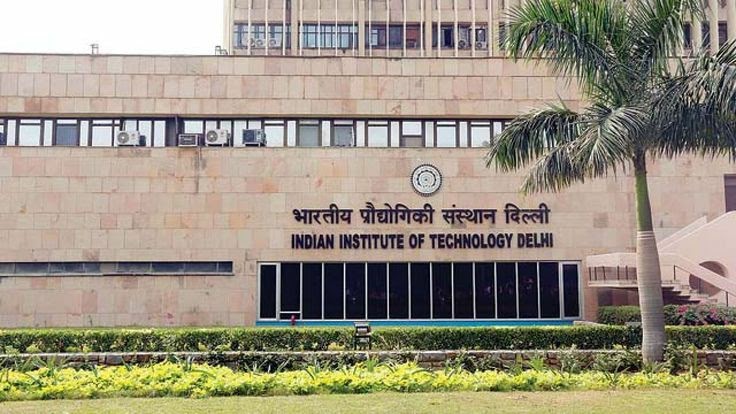
Indian institute of technology (iits) are the most prestigious institution in india. The IITs are autonomous public technical universities located across India students are mostly attached towards iits because of the High package offered in these institutions. It’s quite obvious that the enterance in theses institute need a lot of Hard work and perseverance. The Institutes of Technology Act, 1961 lists twenty-three institutes. Each IIT is autonomous, linked to the others through a common council, which oversees their administration. So here is the list of IITians who excelled in different field like arts, science & technology.

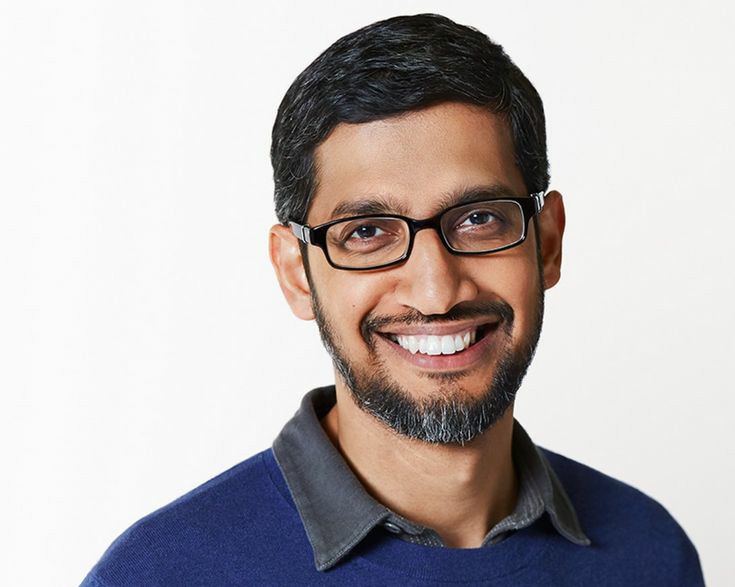
1.Sundar Pichai

Born in Madras, India, Pichai earned his degree from IIT Kharagpur in metallurgical engineering. Moving to the United States, he attained an M.S. from Stanford University in materials science and engineering and further attained an MBA from the Wharton School of the University of Pennsylvania, where he was named a Siebel Scholar and a Palmer Scholar, respectively. Pichai was selected to become the next CEO of Google on August 10, 2015, after previously being appointed Product Chief by CEO, Larry Page. On October 24, 2015, he stepped into the new position at the completion of the formation of Alphabet Inc., the new holding company for the Google company family. He was appointed to the Alphabet Board of Directors in 2017.

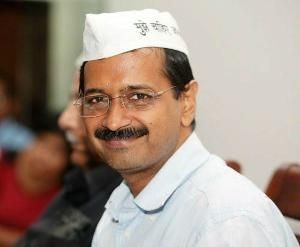
2.Arvind Kejriwal

Arvind Kejriwal is the founder of Aam Admi Party (AAP), and Convenor of the same. He is a politician and a former bureaucrat who is the current and 7th Chief Minister of Delhi since February 2015.In 2006, Kejriwal was awarded the Ramon Magsaysay Award for Emergent Leadership in recognition of his involvement in the grassroots level movement Parivartan using right to information legislation in a campaign against government corruption. The same year, after resigning from Government service, he donated his Magsaysay award money as a corpus fund to found the Public Cause Research Foundation, a non-governmental organization (NGO). He was educated at Campus School in Hisar and at Holy Child School at Sonipat.In 1985, he took the IIT-JEE exam and scored All India Rank of 563.He graduated from Indian Institute of Technology Kharagpur, majoring in mechanical engineering.

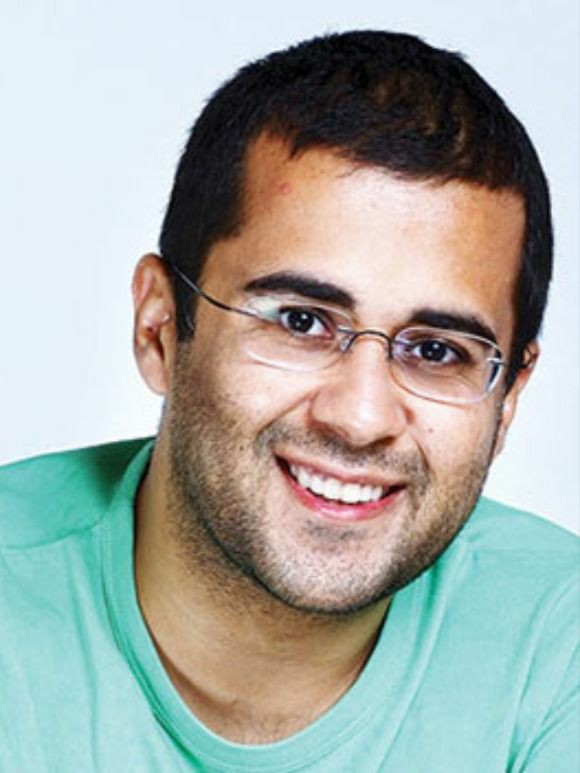
3.chetan Bhagat

Chetan Bhagat is an Indian author and columnist. He was included in Time magazine’s list of World’s 100 Most Influential People in 2010. grew up in Naraina Vihar, West Delhi in a traditional middle-class Punjabi Hindu family. Bhagat graduated with a BTech degree in Mechanical Engineering from the Indian Institute of Technology, Delhi in 1995. Bhagat then went on to do an master’s of business administration degree in marketing from the Indian Institute of Management, Ahmedabad (IIMA) and graduated in 1997.

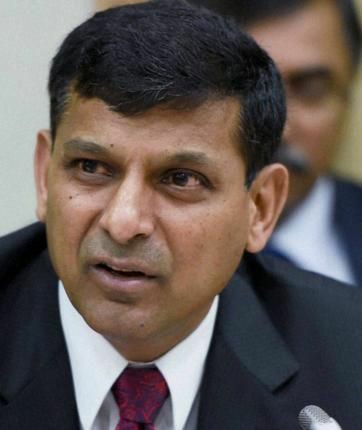
4.raghuram Rajan

Raghuram Govinda Rajan  is a indian economist & former governor of the Reserve Bank of India.Between 2003 and 2006 he was Chief Economist and Director of Research at the International Monetary Fund. From September 2013 through September 2016 he was the 23rd Governor of the Reserve Bank of India; in 2015, during his tenure at the RBI, he became the Vice-Chairman of the Bank for International Settlements. In 1981 he enrolled at Indian Institute of Technology Delhi for a bachelor’s degree in electrical engineering. In the final year of his four-year degree, he headed the Student Affairs Council. He graduated in 1985 and was awarded the Director’s Gold Medal as the best all-round student. In 1987, he earned a Master of Business Administration from the Indian Institute of Management Ahmedabad, graduating with a gold medal for academic performance.

5.Jitendra Kumar

Jitendra is one actor who makes it a point to play relatable characters that we just can’t forget. From Jeetu to Gittu, he has starred in series/movies like Kota Factory, Panchayat, Shubh Mangal Zyada Saavdhan. He has won a Filmfare OTT award in the category of “Best Actor Comedy Series (Male) for portraying Abhishek Tripathi in Amazon Prime’s Panchayat. He did his bachelor’s in civil engineering from IIT Kharagpur .While studying civil engineering at IIT Kharagpur Jitendra kumar started liking acting. Kumar has done many stage plays as the Governor of the Hindi Technology Dramatics Society at IIT KGP where he met Biswapati Sarkar who eventually invited him to join TVF in 2012.

CHILDHOOD MEMORIES

Childhood is a stage for us to discover whom we are before the world decides how we should be. Time is very playful, it speeds up when we want it to slow down ,it slows down when we want it to speed up.

I think childhood is the best season of life, it is the one that makes us happy the most. We all miss the eyes that shines brightly even at the simplest things, laughing about the little things and not caring about anything that is happening around in this world.

It is very funny when we compare our yesterday with today nothing changed but when we look back into our childhood, everything is different. We all spent our childhood days wishing we were older and now we are spending our adulthood wishing we were younger.

The best thing about our childhood memories was mostly not about us, it was about people around us. There is something about childhood friends,they just can’t be replaced by anyone in any stage of our life. The people in our childhood are the ones that we will miss the most, when we become adult.

We love those random memories that we spent with our childhood friends, it makes us smile, no matter what is going on in our life right now. The sorrowful part of our life is when we realize that our childhood is done and we have to move on.

We know the only way not to lose our childhood day is to carry the memories with us even when we become older but all that we need is not just memories. The day I can share all my childhood memories with my kids will be the most wonderful day of my life,ever, I know but still…

I wish I would take a one way ticket back to my childhood day to be care free once more…

“Life of little ones are destroyed, When child lab our is employed.”

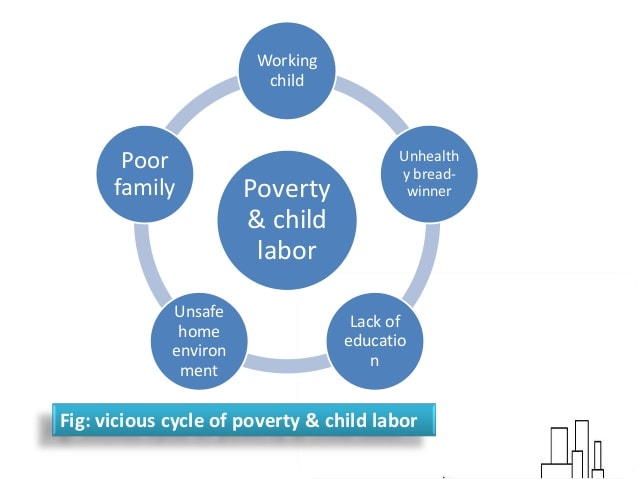
Poverty is consider to be the most important cause of child labour and it deprives children of schooling and acqurining human skill. The poor children grow as unskilled workers and earn low wages in adulthood. So, poverty persists and the parents are forced to send their children to work and a child labour trap is formed.

The econometric analysis using state level panel data in the Indian context demonstrates that poverty, illiteracy and child labour are significantly correlated. The results show that poverty adversely affects children’s schooling and education and results in persistence of poverty thereby creating a child labour trap.

Child labour deprives children of their childhood, their potential and dignity. It is believed to be harmful to their physical and mental development. It hinders in their human capital accumulation.

Less human capital accumulation results in lower productivity. Thus, they earn less and remain poor. When these uneducated, unskilled and poor people become parents they are not able to invest in human capital of their children.

Their income remains very low so they look towards these little hand to do child labour and supplement the household budget. This study investigates the relationship between poverty and child labour.

It also measures the impact of poverty alleviation on child labour. It finds that poverty breeds child labour and child labour perpetuates poverty. At the end it makes some policy recommendations to break this vicious cycle and reduce poverty and labour.

5 Lines on child labour

1. Child labour is a practice of involving children in business activities either by force or by consent.

2. This practice deprives children of their childhood and hampers their physical and mental development.

3. The 2011 census of India reports shows that there were 10.1 million child labours in the age group of 5-14 years.

4. Children agree to work in cheap wages, and it increases the profit of the business which fuels the issue of child labour.

5. The constitution of India does not support child labour.

DREAMS


 YOUR DREAMS ARE POSSIBLE


We may be rich or poor, kind or cruel, beautiful or ugly, smart or weak but still we can accommodate a dream. Most importantly don’t ever have a small dream:)Some people may not agree with this rather they would like to criticize on this.


IT IS POSSIBLE EVEN IN THE HARDSHIPS:

The biggest fear is how to face the dream because of the present situations we might have right now or the threat of the future, but not let the tomorrow’s dream destroyed by today’s situation because of the fear. The biggest fear is how to face the fear. At once, if we face it with full potential, we will able to shape our future. It is all about the small things which creates a great impact on the future.


PAINT YOUR DREAMS:

Painting our dreams is the best way we can do! At once when we come to know what we want at the right time we will be knowing how to get it also. Dreams should be balanced with the holistic vision. With the millions of the resources in the world, plenty of opportunities which we have in the world behind us and it really becomes silly when we start making small or selfish dreams. No one would like to carry waste things in the Audi right! Even though it has the capacity to withstand it, we won’t do it as it does not perfectly. If some things are accepted by many it is not that we are also supposed to do that. Check out your time, area of interest and do great things because we are having power to do that.


DISCOVER YOUR DREAM:

When we come to know about what dream is actually, we can start realizing the true power of it. We start living in it to the maximum. Sometimes, we never realize the amazing talent inside us, we are all only learnt to see others talents and admire them which makes us to behave small and worthless before others. This kind of attitude is to be removed once when you realize at once.

Passion is what your dream is! We are able to distinguish between the real and the fake dream. If so, then we are also able to find the way for our dream. Successful persons are those who have a burning passion with dream inside them and that’s why they are successful today and that success should not be a narcissistic one. 

Make a little star in you to shine bright in the darkest times. You are still unique even though we live in the mid of varied of varied people. It is good to dream, but better to dream and work. Faith is might but action is mightier. This is because action speaks louder than words.


NOTHING IS OVER UNTIL YOU RACE!


If you have decided to grow and not ready to face challenges and hard times, there is no liveliness in that. No bird goes to a dry land, no cattle go to the empty field, no human can face a dream without the challenge and this is the bitter truth.

Make your environment suitable for your dream. Have likeminded people around you. No matter how hard the life goes or how people comment on your attitude, it is still good to achieve your powerful dream with broad vision.

Don’t work your boss or leader, work for your dream because that can only give you satisfaction.

Don’t wait for your winter, work to change your summer a super cooled one.

“A gem cannot be polished without fiction, nor man without trials”, start facing your challenges and achieve your dreams.


Vaccine Development against COVID-19

A novel coronavirus (CoV) named ‘2019 novel coronavirus ’by the World Health Organization (WHO) is responsible of this outbreak of pneumonia that began at the mid of November 2019 near in Wuhan City, Hubei Province, China. The SARS-CoV-2 is a pathogenic virus. Coronaviruses are enveloped viruses with a large, single-stranded, positive-sense RNA genome, which are about 120 nanometers in diameter. They are vulnerable to mutation and recombination and are therefore highly diverse. There are about 40 different varieties which they mainly infect human and non-human mammals and birds. They reside in bats and wild birds, and will spread to other animals and hence to humans. The virus that causes COVID-19 is assumed to possess originated in bats then spread to snakes and pangolins and hence to humans, perhaps by contamination of meat from wild animals, as sold in China’s meat markets.
The corona-like appearance of coronaviruses is due to the presence of spike glycoproteins, or peplomers, which are necessary for the viruses to enter host cells. The spike has two subunits, one subunit is S1 which binds to a receptor on the surface of the host cell and the opposite subunit which is S2 fuses with the cell wall. The cell wall receptor for both SARS-CoV-1 and SARS-CoV-2 could even be a sort of angiotensin converting enzyme, ACE-2, different from the enzyme that’s inhibited by conventional ACE-1 inhibitors, like enalapril and ramipril.
Viral RNA can be detected by polymerase chain reaction which is sometimes referred to as RT-PCR or real time PCR. In this test, the virus’s single-stranded RNA is converted to its complementary DNA by reverse transcriptase; specific regions of the DNA are marked by primers, are then amplified. This is done by synthesizing new DNA strands from deoxy-nucleoside triphosphates using DNA polymerase.

COVID-19 DRUG DEVELOPMENT

COVID19 drug development is basically a research process to develop preventative therapeutic prescription drugs which may lower the severity of coronavirus disease 2019 (COVID19). Internationally, by November 2020, several hundred drug companies, biotechnology firms, university research groups, and health organizations are trying to develop over 500 potential therapies for COVID19 disease in various stages of preclinical or clinical research.
The World Health Organization (WHO), European Medicines Agency (EMA), US Food and Drug Administration (FDA), and therefore, the Chinese government and drug manufacturers were coordinating with academic and industry researchers to hurry development of vaccines, antiviral drugs, and post-infection therapies.
Drug development may be a multistep process, typically requiring five years to assure safety and assurance of the new compound. Several national regulatory agencies, like the EMA and the FDA, have approved procedures to expedite clinical testing. Chloroquine is an anti-malarial medication that is also used against some auto-immune diseases. Hydroxy-chloroquine is more commonly available than chloroquine in the United States. Although several countries initially used chloroquine or hydroxy-chloroquine for treatment of people hospitalised with COVID19, the drug has not been formally approved through clinical trials.

VACCINE DEVELOPMENT

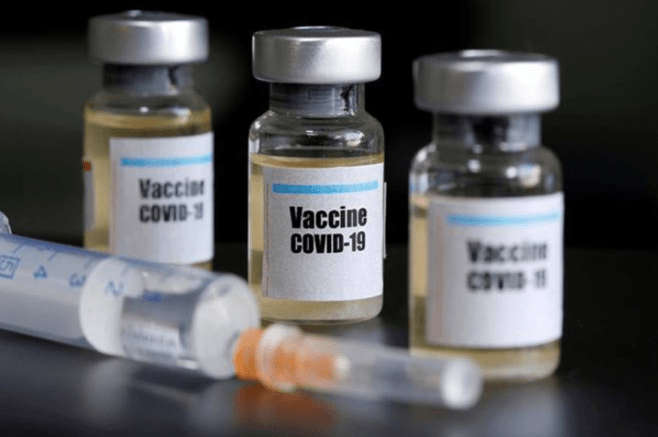
A vaccine for a communicable and pathogenous disease which has never before been produced in several years, and also no vaccine exists for preventing a coronavirus infection in humans. After the coronavirus was detected, the genetic sequence of COVID‐19 was published on 11 January 2020, triggering an urgent international response towards organize for an epidemic and hasten development of a preventive vaccine.

In February 2020, the World Health Organization (WHO) said it didn’t expect a vaccine against severe acute respiratory syndrome coronavirus or the SARS-CoV-2 which is the causative virus, to become available in 18 months.
Their development had previously been considered as low priority because the coronaviruses that were circulating in humans caused relatively mild disease. Most coronaviruses encode only one large surface protein, the spike protein, which is responsible for receptor binding and membrane fusion. In the case of SARS-CoV-2 (and SARS-CoV), the spike protein binds to angiotensin- converting enzyme 2 (ACE2) on host cells and is then endocytosed. This step is followed by fusion of viral and endosomal membranes and release of the viral genome into the cytoplasm. Antibodies that bind to the spike protein, especially to its receptor-binding domain (RBD), prevent its attachment to the host cell and neutralize the virus. On the basis of this knowledge, and information gained from preclinical studies with SARS-CoV and MERS-CoV, the spike protein was identified as an antigenic target for the development of a vaccine against SARS-CoV-2 at a very early stage. It has been demonstrated that the spike protein is a strong target of CD4+ T cells, whereas fewer CD8+ T cells are induced by natural infection with SARS-CoV-2 in general. It is important to note that natural infection induces both mucosal intramuscularly or intradermally induce mainly IgG, and no secretory IgA. It is therefore possible that most vaccines currently in development induce disease-preventing or disease-attenuating immunity, but not necessarily sterilizing immunity.

This pandemic which is due the coronavirus requires a rapid and fast action in the field of vaccines and biology and in a short amount of time as the original vaccine making process for any disease requires at least 15 years for the whole procedure and testing trials antibody responses (secretory immunoglobulin A (IgA)) and systemic antibody responses (IgG). The upper respiratory tract is thought to be mainly protected by secretory IgA, whereas the lower respiratory tract is thought to be mainly protected by IgG. Vaccines that are administered and therefore, is a very tedious and lengthy process and work. As this disease requires a very fast process so the first clinical trial of a vaccine candidate for SARS-CoV-2 began in March 2020. Trials were designed in such a manner that clinical phases are overlapping and trial starts are staggered, with initial phase I/II trials followed by rapid progression to phase III trials after interim analysis of the phase I/II data. Currently, several manufacturers have already started the commercial production of vaccines at risk without any results from phase III trials. Although the licensure pathways are not yet completely clear, it is possible that reviews could be expedited and that vaccines could even be approved through an emergency use authorization. The FDA has released a guidance document for the development and licensure of SARS-CoV-2 vaccines, which as well as providing additional details states that an efficacy of at least 50% will be required. It is very important to point out that moving forward at financial risk is the main factor that has enabled the accelerated development of SARS-CoV-2 vaccine candidates, and no corners have been or should be cut in terms of safety evaluation.

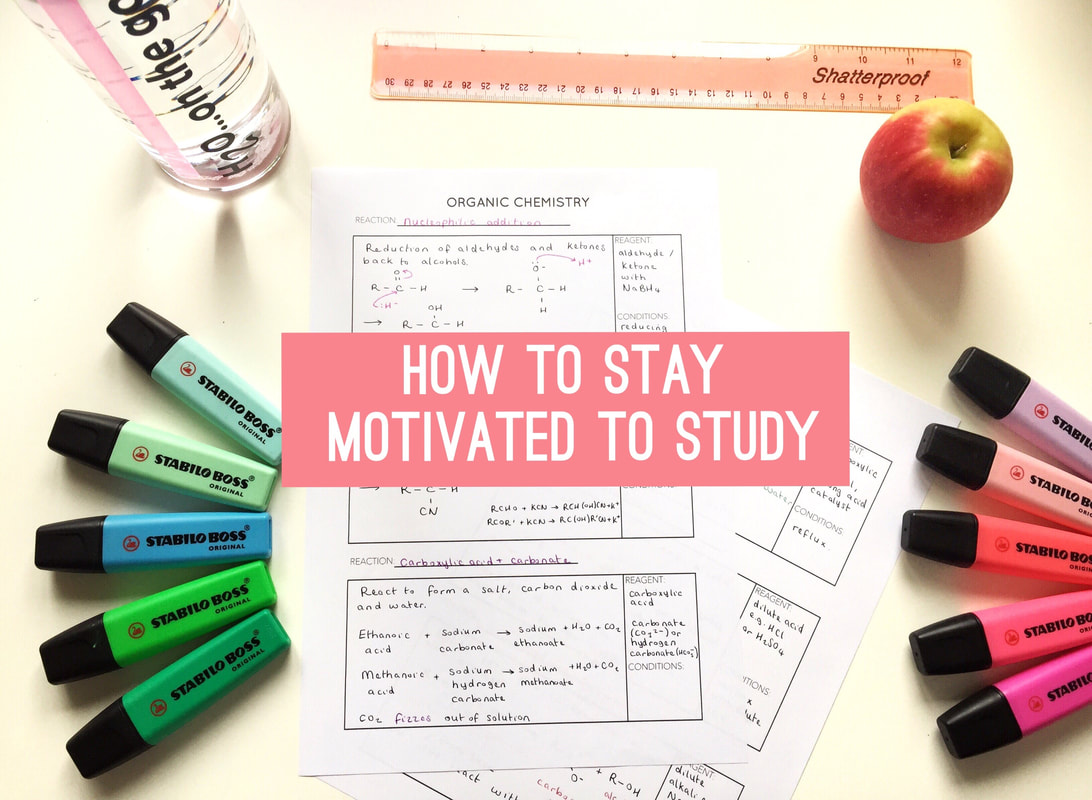
STAYING MOTIVATED WHILE STUDYING

Some people say that the hardest step in studying is to get started. Once you have taken the first step, the rest is easy, they suggest.

Other people, however, find it difficult to stay motivated when studying, especially when the end seems a long way away.


A Strategy for You👉

There is no single strategy that will work for everyone in supporting ongoing motivation.

However, there are plenty of options that you can try, to see if they work for you. If they do, you should incorporate them into your ongoing strategy. If not, then put them aside and try something else.

The important thing is whether your strategy keeps you motivated, not whether other people agree with you.

Tips for staying motivated👇

1. Designated study space

The first step to help you motivate yourself to study at home involves creating a designated space for your learning and revision to take place. Whether it’s a desk in your bedroom, or a portion of the kitchen table, make sure you sit in this same space each time you want to study, so your body gets into a routine of knowing that this is the space in which it needs to focus. 

2. Effective study schedule

One of the greatest benefits of getting up and going into school and/or college or university, is that you follow a structured timetable that helps your body get into routine. As humans, we need routine to help our brains know where and when to focus our attention, as well as when to relax. Therefore, it’s essential you create your own schedule/timetable to ensure you can study efficiently at home.

3. Break the task down into manageable chunks

A big task, such as writing a dissertation, or revising for an extended period, can be demotivating because it seems so big.

Breaking the task down into manageable chunks can therefore help make it seem less daunting.

4. Try different study approaches

Especially when you first start studying, you will not necessarily know what works for you. 


It is therefore worth trying different approaches, to see which you find most productive.

It is also worth varying your studying to keep you interested. Some days you may want to look at one subject, and try another on a different day. You may also find it helpful to vary your style of working. You could, for example, try working in different places, and varying whether you work alone or with friends.

5. Exercise regularly

When you’re focused on studying for a major exam, it’s common to overlook exercise.

But, as far as possible, get 20 to 30 minutes of physical activity every day.

This is because regular exercise is vital if you want to study effectively and stay motivated.

Aerobic activity, such as swimming, jogging or walking, sends oxygen, blood and nutrients to your brain.

This helps you to think and concentrate.

Conclusion

The key to getting motivated to study is organising your time and work, and knowing how to use your mind effectively.


Bioavailability of Nutrients

As with protein, the contents of other nutrients in foods determined by chemical or physical analysis may be quite misleading in terms of the nutrient status of a food. Apart from amount, what is important is whether the nutrient is in a form that can be utilized in metabolism; that is, whether the nutrient is bioavailable. For example, adding small iron pellets to cereals would increase their iron content, but the iron would not be very available to people eating the cereal and, therefore, be of little value.

Many factors influence a nutrient’s bioavailability, including the food’s digestibility and the nutrient’s absorbability from the intestinal tract, which are affected by nutrient binding to indigestible constituents and nutrient-nutrient interactions in food raw materials. Processing and cooking procedures also can influence nutrient bioavailability. Apart from the food itself, different animal species exhibit variations in bioavailability of specific nutrients from a particular food. The age, sex, physiological health, consumption of drugs, general nutritional status, combinations of foods eaten together, and other factors all influence the ability of an individual to make use of a particular nutrient.

Bioavailability of carbohydrates, proteins, fats, vitamins, and minerals may be in- creased or decreased since all nutrients are reactive and generally present in varying amounts in food systems. There are many examples of how food composition, processing, and storage affect nutrient bioavailability. One example is the essential mineral iron. Under practical conditions its bioavailability from foods may be only 1-10% of its total level determined by chemical analysis. The recommended dietary allowances for nutrients in the United States and other countries attempt to take bioavailability into account. However, the many factors influencing nutrient bioavailability and the difficulties inherent in meaningful evaluation procedures leave much research in this area still to be done.

CYBER CRIME


Everybody thinks that only stealing
someone’s private data is Cyber Crime. But in defining terms we can say that
‘Cyber Crime refers to the use of an electronic device (computer, laptop, etc.)
for stealing someone’s data or trying to harm them using a computer.

Computer related networks that involve the
use of computers, networks and gadgets can be interconnected to a cyber crime.
In such crimes, the security of networks, persons, institutions or a whole
nation could be at risk and threat.

Speaking in a broad way we can say that
Cyber Crime are categorized into four major types. These are Financial,
Privacy, Hacking, and Cyber Terrorism.

Hackers steal confidential data in
unethical ways and utilize this information and data for spurious purposes.
Cyber crimes are high functional frauds that can wipe off big online financial
transactions and transfer the entire amount into criminal accounts. It involves
digital devices as tools or targets. It can be defined as an unlawful act that
is done to harm someone.

In, hacking they intentional deface a
website to cause damage or loss to the public or owner. Apart from that, they
destroy or make changes in the existing websites to diminish its value.

In financial crime they steal the money of
account holders. And they also steal the data of big companies in order to fulfil
their desire or to seek revenge with someone.

In this age of technology and easy access
to internet anyone can easily hack your PC or your system. No matter how useful
the internet is, at the same time it has its own pros and cons as well.

Many
people think cyber crime refers to targeting people and stealing their money.
However, that is not the case. Cyber crimes may include credit card frauds,
voice phishing, distribution of viruses, cyber-stalking, child pornography,
forgery, unauthorized access, etc.

To stop this highly spreading cyber crime and
for the safety of netizens government has made several laws related to
cyber crime. And they have also introduced several cyber cell departments, where
we can complain about the fraud that has been committed against us.

But the thing is mostly people afraid of
complaining about the fraud, which is not good. If a crime is committed we must
go seek help from cyber cell department. They try to solve our problem as fast
as possible.

Cyber crimes can bring down a person, an
institution or even a whole nation with the breach of privacy. Cyber criminals
use underdeveloped laws of the developing countries to manipulate records and
remain anonymous. So we must stay alert.

Education and awareness are the initials
steps taken to prevent cyber crimes from taking place. It is not like that we
are waiting for someone to aware us, if we have internet then we also can learn
about prevention against cyber crime on internet itself. We must not open any
illegal link recklessly. We must also aware our loved ones who use internet. Download
applications from trusted sources.
Use encryption for your
most sensitive files such as tax returns or financial records, make regular
back-ups of all your important data, and store it in another location. And always
stay alert.

Bad bank and NPA

 Bad Bank and NPA

If banks cannot truly be customers intimate, they are doomed to be just dumb
commodities; acting behind the scenes, like utilities”. But somewhere this is
misunderstood and that is now bad loans are NPA. Suppose SBI gives a loan of Rs. 10 Crores to a company (Kingfisher Airlines). Consider that they agreed upon an interest 10%
per annum. Initially, everything was good and market forces are supporting the airline industry. Therefore the company was able to pay the interest amounts later,
due to technical reasons the company did not pay interest rates for 90 days. This is called NPA. So, NPA means it is a credit facility in respect of which interest on the installment of principal has remained as ‘post due’ for a specified time generally 90 days
in India.
If once the borrower has failed to make interest or principal payments for 90 days it
is also called as NPA. The account remains ‘out of order’ for a period of 90 days or more in
respect of Over Draft / Cash Credit.
NPA’S are categorized into 3 types: Substandard Assets: 
The assets which remain as NPA for a period not exceeding 12 months are called substandard. These have to be maintained 15% of its reserves in the bank.
Doubtful Assets: The assets which remain as NPA for a period exceeding 12
months.
Loss Assets: It is when the assets has been identified by bank or internal or
external auditor or central bank inspector. But the amount has been written off wholly or
partly.
OVERVIEW ON NPA:
According to RBI an asset including a leased asset become NPA.
When it ceases to generate income for a bank. NPA affected countries are
1.CHINA
2.SOUTH AFRICA
3.BRAZIL
4.RUSSIA
5.INDIA
To lessen NPA’S they are some advanced tools which help to detect fraud. For an
instance, Experian India’s Hunter Fraud Score have launched work on data mining and
calculate some genuine score that can help banks to detect fraud and lower the loses.
How serious is India’s bad loan problem?
a.More the Rs 1 lakh crores worth loans are as NPA’S in India.
b.Roughly 10% of loans that were given are nerve paid back which results in
substantial loss of money to banks.
c.When reconstructed and unorganized assets are added the total stress would
be 15-20% of total loans.
d.The bad performance is not a good sign and can result in the crashing of banks
which was happened in 2008 USA I.e; Sub Prime crisis.
e.NPA problem in INDIA is worst when comparing, other emergency economics
in BRICS. And even ‘ Reconstructing norms are being misused’.
Reasons for NPA’S:
i. Diversification of funds to unrelated bussiness or fraud.
ii. Lapses due to careless work.
iii. Business loses due to change in business or regulatory environment.
iv. Lack of confidence, particularly when government schemes which had waive loans.
v. Due to severe competition ( Telecom sector in India )
vi. Cheap import due to dumping leads to business loss of domestic companies.
High concern cases on NPA:SBI, PNB which is mired in the 11,400 crore Nirav Modi scam and IDBI Bank
limited top the list of bank loans given out by PSB’S in terms of quantum of loan
amount.
Vijay Mallaya case: A consortium of 17 banks led by SBI has filed a case to recover
duls worth over Rs. 9000 crores
Rotomac case: The CBI has quizZed 6 otficials of Bank of Baroda in connection with
Rs. 3695 crores bank fund. Rotamac pen company and its directors i.e. Vikram
Kothat and Rahul Kothari, Sadhana Kothari 7 banks led by Bank of Baroda had
charges of cheating.
Impact on Indian Economy:
Lender suffer lowering of profit margins. Stress in banking sector causes less money
available to fund other projects ie., negative impact on larger economy. Higher interest
rates by banks to maintain profit margin. investment gets struck, it may result in
unemployment. In case of public sector banks the bad health of banks means a bad return
for a share holder. I.e., GOI gets less money as dividend which results in social and political
costs. Balance sheet syndrome in India characterizes both banks & corporate sector have
stressed the investment by halting it.
Will bad bank effect deposits?
If loans become bad, banks will fail to make profit and cannot serve interest to depositors
and meet their expenses. Ultimately they will incure loss and banks failure. Apprehending
deposits loss customers will try to withdraw entire deposits from banks and there may be a run on banks.
According to Rating Agency (CARE) as of June 2017, SBI leads the list of scheduled banks
with highest NPA.
According to financial stability report 2017 released by RBI states that India’s gross
NPA’S stands at 9.6%. IDBI 24.11%, IOB-23.6%, Kotak 2.58%, HDFC – 1.24% and SBI
9.97% (ratio’s). PARA (Public Sectors Asset Rehabilitation Agency)- PARA colloquialy
called as Bad Bank’ is to assume the NPA of public sector banks in India to deal with
recovery of bad loans. It has been proposed in Economic Survey 2016-2017. The main
function of it is to charge the most difficult cases and make political decisions to reduce
debt.
Steps taken by Government:
Mission Indradhanush for Banks: It is a 7 pronged plan launched by government of
India to resolve issues faced by public sector banks. It aims to revamp their
functioning them to compete with private sector banks. 7 parts are appointments,
Banks board bureau capitalization, de-stressing, empowerment, framework of
accountability and governance
reforms.
Amendment in law making of banks ie. to give more power to RBI.
RBI’s loan restructuring schemes.
Recapitalization of PSB’S- bonds and budgetary allocation Prompt corrective actions by RBI for PSB’s.
Reforms within the working of the bank
i. Asset quality review
ii. Cautious lending
iii. Capital adequacy Ratio as per Basel IlI norms
iv. Bankruptcy laws.
v. Revenue Recovery Act.
CONCLUSION:
The NPA’s are the outcome of credit activity of the bank which is important to earn profit.
By considering all NPA problems the solutions has to be designed with consideration o1
political economy of India. For all these we need a larger committee to speedily vet loan
write of. It is advisable to constitute a Loan Resolution Authority by an Act of Parliament.
Bank and government should work in Tandem.
E. LALITHA 
Balanced Diet and Nutrients

A balanced diet is a diet that contains differing kinds of foods in certain quantities and proportions so that the requirement for calories, proteins, minerals, vitamins and alternative nutrients is adequate and a small provision is reserved for additional nutrients to endure the short length of leanness. In addition, a balanced diet ought to offer bioactive phyto-chemicals like dietary fibre, antioxidants and nutraceuticals that have positive health advantages.

A balanced diet should offer around 60-70% of total calories from carbohydrates, 10-12% from proteins and 20-25% of total calories from fat.

A balanced diet will not be the same for everyone. We’re all different and often, individuals will require different amounts and types of nutrients. What you need will depend on age, gender, lifestyle, health and the rate at which your body works. Eating a balanced diet is key in maintaining good health and keeping your body in optimum condition. A balanced diet doesn’t cut out food groups; it consists of a wide variety of foods to support your body and keep you energised, motivated and healthy. Most nutritionists recommend a diet that is balanced for anyone to remain fit and healthy. The exact meaning of a balanced diet, however, is not very clear in everybody’s mind. A balanced diet is not like a crash diet as it allows you to eat everything that an average adult should, but in optimum proportions. Moreover, to maintain a proper balance, you cannot indulge in only one type of food. This would result in you missing out on essential nutrition that comes from comprehensive meals. A ‘balanced diet’ is complete only when you have a variety of food from all food groups contributing to your nutrition intake.

Good nutritional habits and a balanced diet aren’t developed in one day, nor are they destroyed in one unbalanced meal. Healthful eating means a lifestyle of making choices and decisions, planning, and knowing how to make quick and wise choices when you haven’t planned. What you learn about eating in these first years on your own will help establish good dietary patterns for the rest of your life. Making the break from home cooking and becoming responsible for choosing the foods you eat is part of the challenge of becoming a mature and an independent adult. It is a challenge that should not be taken lightly. The nutritional habits you develop now will be difficult to change in the coming years when your body stops growing and your lifestyle may become more sedentary. Learning to make sensible choices from a confusing array of options is not easy, but the rewards are great. Eating nutritious and healthful food while maintaining your proper body weight will contribute to a better performance in the classroom, in the gym, and on the dance floor. You will feel and look your best. In contrast, a poor diet can lead to insidious health problems that can interfere with success in academic and social performance and may eventually mean confronting a serious long-term illness, such as heart disease or diabetes. Knowing how much and what to eat is important knowledge.

Temple Kartik Swami


Kartik Swami


It is believed that the Uttarakhand is the land of god that’s why it’s known as Devbhoomi. In this article , we will tell you about a temple named  Kartik Swami which is a temple of mystic ambiance and exquisite views. The shrine is dedicated to Lord Shiva’s son Kartikeya and is situated on a big rock atop the highest cliff. It is situated near Kanak Chauri Village on Rudraprayag-Pokhari route in the district of Rudraprayag of the state Uttarakhand and this popular Hindu temple is perched on a hilltop at an elevation of 3050metre above the sea level.


Read more about this at :- https://prashantshukla2021.blogspot.com/2021/07/temple-kartik-swami.html

Interesting facts about our country India!

  • India never invaded any country in her last 100000 years of history.
  • When many cultures were only nomadic forest dwellers over 5000 years ago, Indians established Harappan culture in Sindhu Valley (Indus Valley Civilization)
  • The name ‘India’ is derived from the River Indus, the valleys around which were the home of the early settlers. The Aryan worshippers referred to the river Indus as the Sindhu.
  • The Persian invaders converted it into Hindu. The name ‘Hindustan’ combines Sindhu and Hindu and thus refers to the land of the Hindus.
  • Chess was invented in India.
  • Algebra, Trigonometry and Calculus are studies, which originated in India.
  • The ‘Place Value System’ and the ‘Decimal System’ were developed in India in 100 B.C.
  • The World’s First Granite Temple is the Brihadeswara Temple at Tanjavur, Tamil Nadu. The shikhara of the temple is made from a single 80-tonne piece of granite. This magnificent temple was built in just five years, (between 1004 AD and 1009 AD) during the reign of Rajaraja Chola.
  • India is the largest democracy in the world, the 7th largest Country in the world, and one of the ancient civilizations.
  • The game of Snakes & Ladders was created by the 13th century poet saint Gyandev. It was originally called ‘Mokshapat’. The ladders in the game represented virtues and the snakes indicated vices. The game was played with cowrie shells and dices. In time, the game underwent several modifications, but its meaning remained the same, i.e. good deeds take people to heaven and evil to a cycle of re-births.
  • The world’s highest cricket ground is in Chail, Himachal Pradesh. Built in 1893 after leveling a hilltop, this cricket pitch is 2444 meters above sea level.
  • India has the largest number of Post Offices in the world. And world’s only floating post office.
  • The largest employer in India is the Indian Railways, employing over a million people.
  • The world’s first university was established in Takshila in 700 BC. More than 10,500 students from all over the world studied more than 60 subjects. The University of Nalanda built in the 4th century was one of the greatest achievements of ancient India in the field of education.
  • Ayurveda is the earliest school of medicine known to mankind. The Father of Medicine, Charaka, consolidated Ayurveda 2500 years ago.
  • India was one of the richest countries till the time of British rule in the early 17th Century. Christopher Columbus, attracted by India’s wealth, had come looking for a sea route to India when he discovered America by mistake.
  • The Art of Navigation & Navigating was born in the river Sindh over 6000 years ago. The very word Navigation is derived from the Sanskrit word ‘NAVGATIH’. The word navy is also derived from the Sanskrit word ‘Nou’.
  • Bhaskaracharya rightly calculated the time taken by the earth to orbit the Sun hundreds of years before the astronomer Smart. According to his calculation, the time taken by the Earth to orbit the Sun was 365.258756484 days.
  • The value of “pi” was first calculated by the Indian Mathematician Budhayana, and he explained the concept of what is known as the Pythagorean Theorem. He discovered this in the 6th century, long before the European mathematicians.
  • Algebra, Trigonometry and Calculus also originated in India. Quadratic Equations were used by Sridharacharya in the 11th century. The largest numbers the Greeks and the Romans used were 106 whereas Hindus used numbers as big as 10*53 (i.e. 10 to the power of 53) with specific names as early as 5000 B.C. during the Vedic period. Even today, the largest used number is Terra: 10*12(10 to the power of 12).
  • Until 1896, India was the only source of diamonds in the world (Source: Gemological Institute of America).
  • The Baily Bridge is the highest bridge in the world. It is located in the Ladakh valley between the Dras and Suru rivers in the Himalayan mountains. It was built by the Indian Army in August 1982.
  • Sushruta is regarded as the Father of Surgery. Over 2600 years ago Sushrata & his team conducted complicated surgeries like cataract, artificial limbs, cesareans, fractures, urinary stones, plastic surgery and brain surgeries.
  • Usage of anaesthesia was well known in ancient Indian medicine. Detailed knowledge of anatomy, embryology, digestion, metabolism,physiology, etiology, genetics and immunity is also found in many ancient Indian texts.
  • The four religions born in India – Hinduism, Buddhism, Jainism, and Sikhism, are followed by 25% of the world’s population.
  • Jainism and Buddhism were founded in India in 600 B.C. and 500 B.C. respectively.
  • Indian Constitution is the longest constitution till date.
  • Islam is India’s and the world’s second largest religion.
  • The oldest European church and synagogue in India are in the city of Cochin. They were built in 1503 and 1568 respectively.
  • Jews and Christians have lived continuously in India since 200 B.C. and 52 A.D. respectively.
  • Varanasi, also known as Benaras, was called “the Ancient City” when Lord Buddha visited it in 500 B.C., and is the oldest, continuously inhabited city in the world today.
  • His Holiness, the Dalai Lama, the exiled spiritual leader of Tibetan Buddhists, runs his government in exile from Dharmashala in northern India.
  • Martial Arts were first created in India, and later spread to Asia by Buddhist missionaries.
  • Yoga has its origins in India and has existed for over 5,000 years.

The First World War

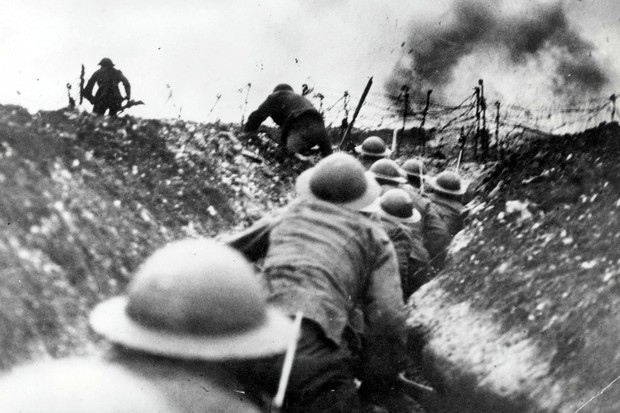
World war 1 was a global war that Started from Europe. World war 1 began in 1914 and lasted till 1918.it was the one of the deadliest and destructive war in history, with an estimated death of 8.5 million soldiers and 13 million civilian.

The major European states were divided into 2 blocks through treaties .Britain, France and Russia had formed one block that was called Triple Entene while Germany, Hungary-Austria and Italy had formed another block that was called Triple Alliance. a mutual hatred was created between these two alliances by secret alliances that ultimately led to the first world war.

During the 19th and early 20th centuries, European countries had come to dominate rest of the world either through conquest or unequal treaties. with backward countries. then the world war was started in 1914. it involved rest of the world also that is why it is called First world war.

Causes of World war 1

1. Rivalries of colonies: colonial power of Europe controlled vast overseas territories in south America, south Asia and many areas. Britain had the largest colonial empire. By the begining of 20th century, Germany had emerged as one of the most advanced Countries of Europe, however they lagged behind Britain and France. Germany was looking for a share in colonial markets. On the other hand Britain and France were following some policies to avoid Germany to achieve their goals. War was the only way for Germany to achieve their target.

2. Armament race:- All developed countries were busy making weapons for defence of their respective countries, but it led to fear and hatred among the various nations. they did not realize the outcome of growing their armaments.

3. Militant nationalism:-Nationalism became a very hot topic in Europe in 19th century. Each country wanted to become free from dominance of any other country. They wanted to be free. During this wave, Greece, Romania ,Bulgaria and Serbia became independent nations.

4. Territorial conflicts:-There were many conflicts between Turkey and some eastern European states due to territory issue. just before the start of first world war. the other European countries tried to solve the matter but Serbia was not happy and decided to start war. the France people wanted to get back Alsace-Lorraine which was taken away from them in 1870 by Germany.

5.Germany dream of becoming Superpower :-Germany always wanted to become a world leader but after 1890, the state of affairs was passed to a aggressive ang highly ambitious Emperor Kaiser Wilhelm. . he wanted to take a strong position in Europe. One by one each of the European countries became Germany’s enemy. slowly alliances were made to opposed Germany’s dominance and aggression.

Participation in war

The Russians declared support for Serbia that provoked Germany. On 4th of August ,Britain declared war against Germany. .Austria-Hungary declared war on Russia on 6th August. Turkey and Bulgaria joined war on Austria -Hungary side. Japan also joined war on the side of Britain. Later USA also joined war on the side of Britain.

result

it was the one of the deadliest and destructive war in history. Russia was badly defeated by Germany. The combined forces of USA, Britain and France were defeated Austria, Hungary and Germans .on the other hand, Turkey lost the territories to Palestine, Iraq, Syria and others. Germany lost many island in the east. The war came to an end in 11th of November 1918. and Treaty of Versailles was signed later.

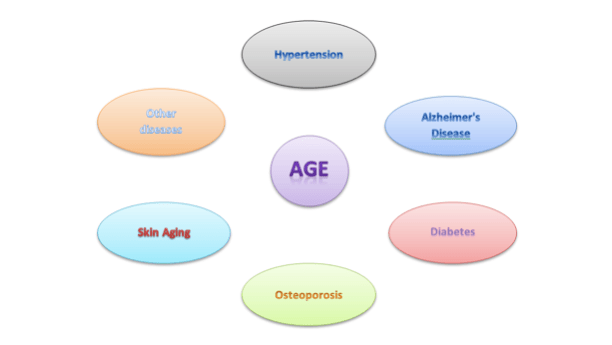
Ageing and Age-related Diseases

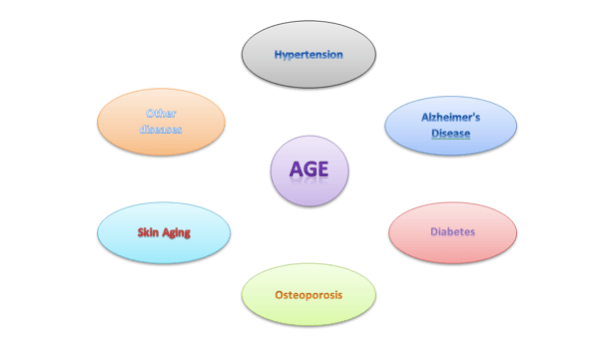
Age-related diseases are the leading cause of death worldwide, and they are also the leading source of concern for people concerned with global healthcare spending, both now and in the future. The CNS, vascular structures, joints, bones, the renal system, and other systems and tissues will be the focus of the special issue on age-related disease. The disorders must all be age-related, and the papers must seek to explain how the ageing process contributes to the pathology. Innovative articles that suggest basic interventions in the ageing process with either therapeutic potential or clinical trial results will be given high priority. Prospective publications may alternatively or in addition, address broader geriatric concerns, such as symptomatic care, diagnostic procedures, and funding for age-related disease treatment on a local, national, or global basis. Relevant dementias (such as Alzheimer’s, Parkinson’s, FTD, etc.), cardiovascular diseases (such as myocardial infarction, coronary artery disease, aneurysm, stroke, peripheral vascular disease, congestive heart failure, etc.), osteoarthritis, osteoporosis, renal failure, skin ageing, immunosenescence, or other age-related diseases may be among the specific age-related diseases.

Diabetes Mellitus

Diabetes involves the dysfunction of pancreatic ß-cells which leads to the development of diabetes. Aging of β cells in islets is mainly manifested as a decrease in the number of ß-cells and reduction in their secretion capacity. The mechanisms between islet cell failure in diabetes and aging are complex. The main interventions for diabetes include diet control, exercise, weight loss, and combination of hypoglycemic drugs.

Skin Ageing

Skin ageing is the overall part of the aging of the body and basically effects the appearance and makes body functioning difficult. This can lead to various diseases like anxiety, depression and self- abasement. Treatment for skin ageing mainly includes oral antioxidant drugs, topical anti-aging agents, and photoelectric and acoustic physical technology.

Alzheimer’s Disease

It is a neurodegenerative disease that occurs in old age and pre old age. It is basically brain aging. This disease involves nerve cell injury or apoptosis of brain nerve cells. Currently, drugs used in the clinical treatment of Alzheimer’s Disease are mainly noncompetitive N-methyl-D-aspartic acid receptor antagonists (such as memantine) and cholinesterase inhibitors (such as donepezil and galantamine).

The process of aging is universal but not uniform. Aging and age-related diseases pose a serious threat to human health and reduce the quality of life of elderly people. Awareness of age-related physiological changes, such as reduced acuity of vision and hearing, slow reaction time, and impaired balance, will prepare patients and caregivers to manage risks, make informed decisions, and perhaps prevent falls and medication adverse effects. The molecular basis of aging has various mechanisms and cells and different systems involved in it, which contribute to the process of aging and show the life span of a person and how healthy his life can be according to his inner systems. Stem cells have their own role to play and have a very important part in every single mechanism of aging. Basically, aging is a process which will happen no matter what the circumstances are and defines the life span of a person.