The disappearance of Amelia Earhart

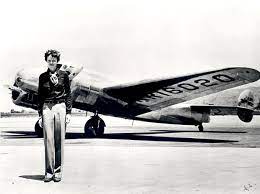
On July 2, 1937, the Lockheed aircraft carrying American aviator Earhart and navigator Frederick Noonan is reported missing near Howland Island within the Pacific. The pair were attempting to fly round the world once they lost their bearings during the foremost challenging leg of the worldwide journey: Lae, New Guinea , to Howland Island, a tiny island 2,227 nautical miles away, within the center of the Pacific . The U.S. Coast Guard cutter Itasca was in sporadic radio contact with Earhart as she approached Howland Island and received messages that she was lost and running low on fuel. Soon after, she probably tried to ditch the Lockheed within the ocean. No trace of Earhart or Noonan was ever found.
Amelia Earhart was born in Atchison, Kansas, in 1897. She took up aviation at the age of 24 and later gained publicity together of the earliest female aviators. In 1928, the publisher George P. Putnam suggested Earhart become the primary woman to fly across the Atlantic . The previous year, Charles A. Lindbergh had flown solo n”art-10″>In June 1928, Earhart and two men flew from Newfoundland, Canada, to Wales, Great Britain. Although Earhart’s only function during the crossing was to stay the plane’s log, the flight won her great fame, and Americans were enamored of the daring young pilot. The three were honored with a ticker-tape parade in ny , and “Lady Lindy,” as Earhart was dubbed, was given a White House reception by President Coolidge .
Earhart wrote a book about the flight for Putnam, whom she married in 1931, and gave lectures and continued her flying career under her maiden name. On May 20, 1932, she took off alone from Newfoundland during a Lockheed Vega on the primary solo n”art-15″>She was bound for Paris but was blown astray and landed in Ireland on May 21 after flying quite 2,000 miles in only under 15 hours. It was the fifth anniversary of Lindbergh’s historic flight, and before Earhart nobody had attempted to repeat his solo transatlantic flight. For her achievement, she was awarded the Distinguished Flying Cross by Congress. Three months later, Earhart became the primary woman to fly solo n”art-19″>In 1935, within the first flight of its kind, she flew solo from Wheeler Field in Honolulu to Oakland, California, winning a $10,000 award posted by Hawaiian commercial interests. Later that year, she was appointed a consultant in careers for women at Purdue University, and the school bought her a modern Lockheed Electra aircraft to be used as a “flying laboratory.”
On St Patrick’s Day , 1937, she took faraway from Oakland and flew west on an around-the-world attempt. It would not be the primary global flight, but it might be the longest–29,000 miles, following an equatorial route. Accompanying Earhart within the Lockheed was Frederick Noonan, her navigator and a former Pan American pilot. After resting and refueling in Honolulu, the trio prepared to resume the flight. However, while beginning for Howland Island, Earhart ground-looped the plane on the runway, perhaps due to a blown tire, and therefore the Lockheed was seriously damaged. The flight was called off, and therefore the aircraft was shipped back to California for repairs.
In May, Earhart flew the newly rebuilt plane to Miami, from where Noonan and she or he would make a replacement around-the-world attempt, this point from west to east. They left Miami on June 1, and after stops in South America, Africa, India, and Southeast Asia , they received Lae, New Guinea, on Saints Peter and Paul . About 22,000 miles of the journey had been completed, and the last 7,000 miles would all be over the Pacific Ocean. The next destination was Howland Island, a tiny U.S.-owned island that was just a couple of miles long. The U.S. Department of Commerce had a weather station and a airstrip on the island, and therefore the staff was ready with fuel and supplies. Several U.S. ships, including the Coast Guard cutter Itasca, were deployed to assist Earhart and Noonan during this difficult leg of their journey.
As the Lockheed approached Howland Island, Earhart radioed the Itasca and explained that she was low on fuel. However, after several hours of frustrating attempts, two-way communication was only briefly established, and therefore the Itasca was unable to pinpoint the Lockheed’s location or offer navigational information. Earhart circled the Itasca‘s position but was unable to sight the ship, which was sending out miles of black smoke. She radioed “one-half hour fuel and no landfall” and later tried to offer information on her position. Soon after, contact was lost, and Earhart presumably tried to land the Lockheed on the water.
If her landing on the water was perfect, Earhart and Noonan may need had time to flee the aircraft with a Carling float and survival equipment before it sank. An intensive search of the vicinity by the Coast Guard and U.S. Navy found no physical evidence of the fliers or their plane.
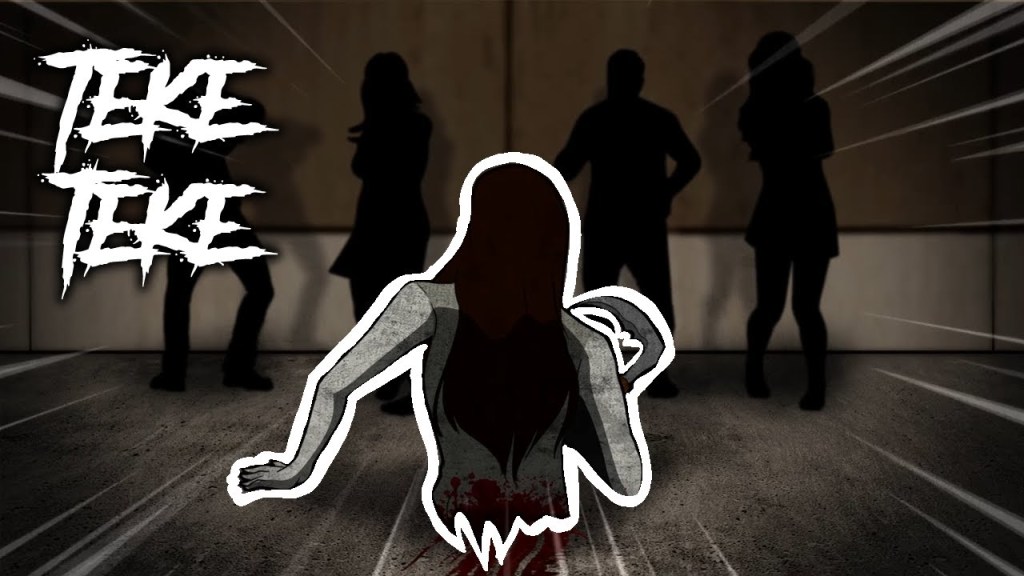
The legend of Teke Teke

Teke Teke  a Japanese urban legend about the ghost of a schoolgirl who is claimed to possess been tied by her bullies onto a railway line, where her body was cut in half by a train. She is an onryō, or a vengeful spirit, who lurks in urban areas and around train stations in the dark .
The Teke Teke is universally portrayed as a woman or a girl , usually with long, black hair. She is usually portrayed as having claws rather than fingernails or fingers, as these help her drag her torn body around. The legend is named “Teke Teke” due to the sound she makes while “walking” and carrying the scythe.
Like most urban legends, there are numerous versions of the Teke Teke story that it’s impossible to understand what the first story was or where it began from.
Every locality has its own version with different details. In some stories, the Teke Teke was the victim of a tragic accident; in others, it had been suicide. In some stories, certain magic charms can protect you from its wrath; in others, nothing can protect you and you’ll certainly die. In some versions, the Teke Teke’s victims become Teke Teke themselves. There are many things in common between these variations, and the most common ones point towards a woman from Hokkaidō named Kashima Reiko.
In the years after war II, an office worker in Muroran, Hokkaidō was assaulted by military personnel. She was left injured on the rail tracks and was hit by a train which stop her body in half. The severe cold of the Hokkaidō night caused her blood vessels to contract and prevented her from bleeding out quickly. Instead, she squirmed and wriggled around for help for several minutes. She was seen by an attendant. Instead of trying to assist her, the station attendant just covered her with a bag . She died a slow, agonising death.
According to legend, three days after hearing this story, you’ll see the ghost of a lady with no lower half. The ghost will attempt to catch you, and escape is impossible even during a car; the ghost can crawl at a speed of up to 150 km per hour. Some say that the ghost is checking out her missing legs. Others say that she is just bent slaughter as many of us as she will .
Another version of the story suggests that the legend was designed to discourage people from bullying, abusing or assaulting others. In many variations of the legend, the Teke Teke was mistreated by others in life and this ill-treatment directly caused her death. The only reason why she rose from the grave was to get revenge on others, albeit rather indiscriminately.

SPORTS AND GAMES

SPORTS AND GAMES


Games play an important role in children’s health both mentally and physically. Now-a-days they are adapted to video games rather than playing games in the real world with the real environment. It helps them to be aware of themselves by boosting their brain actions along with the hormonal balances. Indoor games help them to spend time with their family and friends with increases love between them. Outdoor games help them to improve their personality level by socializing themselves.

Here are the widely played games listed below,

GAMES – There are two types of games, indoor and Outdoor games.

INDOOR GAMES

Card games, puzzle games, Nondi, Five stones, Ludo, Rummy

OUTDOOR GAMES

Cricket, Football, Basketball, Kabbadi, Tennis 

TRADITIONAL GAMES OF INDIA

Kabadi, kho-kho, kancha or lakhoti, Nondi.    


INDOOR GAMES

 CARD GAMES:

   Cards are one of the indoor games played around the world. There are totally 52 cards. Each standard deck of cards has four suites: hearts, clubs, spades, diamonds.Each suite has 13 cards 2,3,4,5,6,7,8,9,10, jack, king, queen.

PUZZLE GAMES:

  Puzzle video games make up a broad genre of video games that emphasize puzzle-solving. The types of puzzles can test many problem-solving skills, including logic, pattern recognition, sequence solving, spatial recognition, and word completion. 

Nondi or Pandi

  Paandi, also known as Pandi or Nondi, is a regional hopscotch game played in rural parts of India (such as Tamil Nadu), Sri Lanka and also in certain other countries with large numbers of immigrant Indians.

Five stones:

   The game of five stones is believed to have originated in Ancient Asia, during the Siege of Troy in 1184 BC.The game had been declining due to urbanization but it has been revived by the efforts made in the schools.

LUDO:

LUDO is a board game played by the players by throwing a Ludo, an ancient Indian game which Akbar was addicted to, is now a strategy game taught at business schools.

RUMMY:

‘RUMMY‘ comes from the word ‘rum’, which is British slang for odd, peculiar, strange or queer. RUMMY is game by grouping match of cards, based on similar sequence or similar matching.


OUTDOOR GAMES

CRICKET:

  Cricket is the popular game of India. It is the national game of England. England had won their first men’s world cup in 2019. England, Australia, India, Newzealnd is the challenging national teams for cricket.

FOOTBALL:

The United States is the country which plays football more. However England is called as the Father of football as it has more football associations. It is a team sport because it needs team spirit to win the goal by kicking the ball. The match has two teams with eleven of each team. It is governed by FIFA which takes part in every four years.

BASKETBALL:

  Basketball is played between two teams of five players each. Basketball is a sport of the country Lithuania. It is second most popular sport in India. The teams only have limited time to win the opponent. The offense only has five seconds bouncing the ball as per the rules.

TENNIS:

   Tennis also called as the racket sport, is either played individually with the opponent or with the double players. It is played by millions of players worldwide and is called as the spectacular sport. 

TRADITIONAL GAMES

The traditional games represent the culture which we would have played during our childhood. One of the best known games without any kind of equipment is Kabadi, which is purely based on accurate planning and some kind of strategies. While playing they give a sound kabadi kabadi and play by touching the opposite team. Next widely played game is Kho-Kho which is played in the schools. Kancha or Goli or Lakhoti is also played by children by shooting the marbles by the middle finger. Nondi or Ladder grid is also widely played game. Several other games include Gilli, lotto, Chupur are played traditionally in India.


Tomino’s Hell- The cursed Japanese poem

Tomino’s Hell may be a notorious damned poem believed to curse or maybe kill anyone who reads it aloud . Saijo Yaso, a famous Japanese poet, wrote the poem after the top of war I. Many believe he explained his suffering through the poem as his father died during the war.
On the contrary, others have given different meanings to the poem and related Tomino’s descent to hell because the suffering of a soldier during a war. The poem gained notoriety when people suffered losses after reading the poem.
It is also believed that a lass died few moments after reading the poem. People complained of getting sharp headaches, muscular spasms, or malaise after reading the poem; hence, declaring the poem cursed.
Saijo Yaso was a Japanese poet who wrote the famous poem, Tomino’s Hell. His work was crammed with strange symbolism and unsettling wordplay, greatly influenced by French arts and history. Additionally, his primary audience was children.
In 1919, Saijo released his 27th collection of poetry known as Sakin,Tomino’s Hell or Tomino no Jigoku was one of the poems from Sakin. The poem became quickly famous when it troubled those reading it.
Saijo lost his father during World War I and penned the poem after the war. Initially, it had been largely believed that Tomino’s Hell was a symbolic depiction of Saijo’s feelings of loss. Saijo may need been during a constant state of suffering after losing loved ones, and he explained the tough emotions within the poem. However, later people gave several explanations to the dark poem.
The poet efficiently left the reason of the dark poem to the reader’s imagination; that’s why there are humungous explanations to the poem. Tomino’s gender isn’t identified within the poem; hence, some descriptions portray Tomino as a woman while others depict him as a boy.
It is a widely accepted myth that Tomino was a woman who belonged to an abusive family. She wrote all her agonies during a poem that her parents read and eventually locked her during a cellar. They did not feed the poor girl for weeks leading to Tomino’s death from bronchitis. Tomino’s poem has since haunted anyone who read the poem aloud .
In another tale, Tomino was a woman whose sisters tormented her. Tomino was immensely hurt by her sister’s torture and wrote the poem explaining how she felt a day together with her sisters. She explained that living together with her sisters was like living within the lowest level of hell.
Another tale depicts Tomino as a murderer girl who killed her parents. The poem says that Tomino was heading towards “mugen Jigoku,” which is the Japanese translation of “Avīci”. In Buddhism, Avīci is the lowest of hells, and the one who falls in Avici, their torment lasts for eternity.
In another myth, the poem depicted a boy sent to the Buddhism’s lowest level of hell for an unknown crime. However, some also say that the boy was a soldier during war I. He pictured his life as a living hell using twisted words within the poem. The boy loved his three sisters, and upon his departure, the sisters threw up their soul.
The boy further explained his horrible journey, metaphorically relating it to his descent into the last level of hell. He explained seeing sharp, bloodied needles during his way right down to hell. Myths relate the pointed needles covered in blood to “Senninbari.”
During war time, the Japanese women gave soldiers a bit of fabric called Senninbari, made with thousand stitches. It was believed to guard the soldier from harm. Mothers, sisters, girlfriends, or wives would stitch the cloth 1000 times and give it as a good luck charm to the man.

Features you’ll lose when upgrading from Windows 10 to Windows 11.

When Windows 11 is released later this year, it will include a new design, new colours, and new functions. However, not everything in Windows 10 will be preserved after the upgrade.
Between now and the public release of Windows 11, expect a few feature additions and subtractions, but here’s all we know about what will be lost along the road.

Timeline

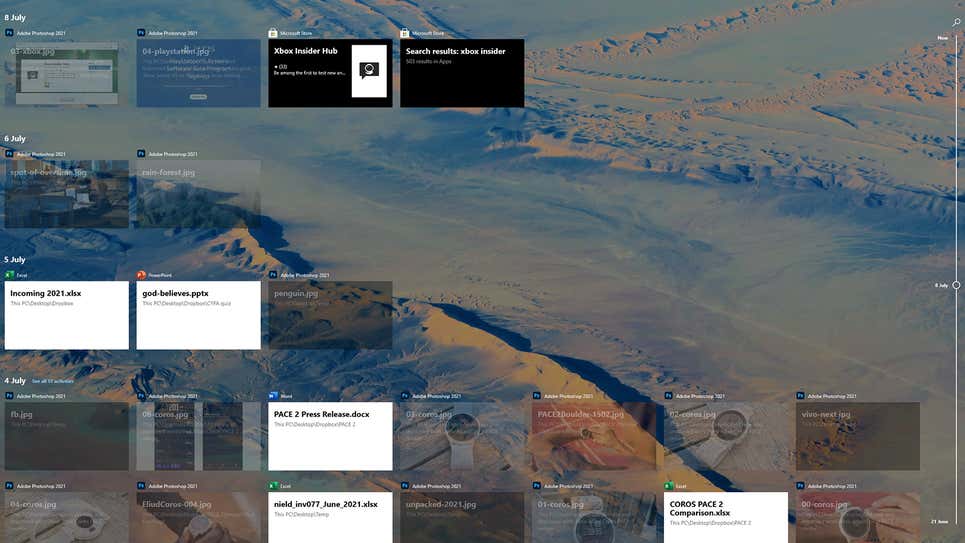
Perhaps you’ve never used Timeline, which is one of the reasons it’s being phased out in Windows 11. The function allows you to sync your activity over the previous 30 days across different Windows PCs (files you’ve opened, websites you’ve visited, and so on), making it quicker to switch between devices registered in with the same Microsoft account.

Timeline will not be available on Windows 11. Screenshot: Windows 10

Live Tiles

The Live Tiles feature on the Windows 10 Start menu, which allows different bits of information to be presented and updated in real time, was not well received by developers. You’d be correct if you thought that sounded a lot like widgets. However, with Windows 11, Microsoft will attempt to bring back desktop widgets, so let’s hope they perform better than Live Tiles.

Start Menu Groups 

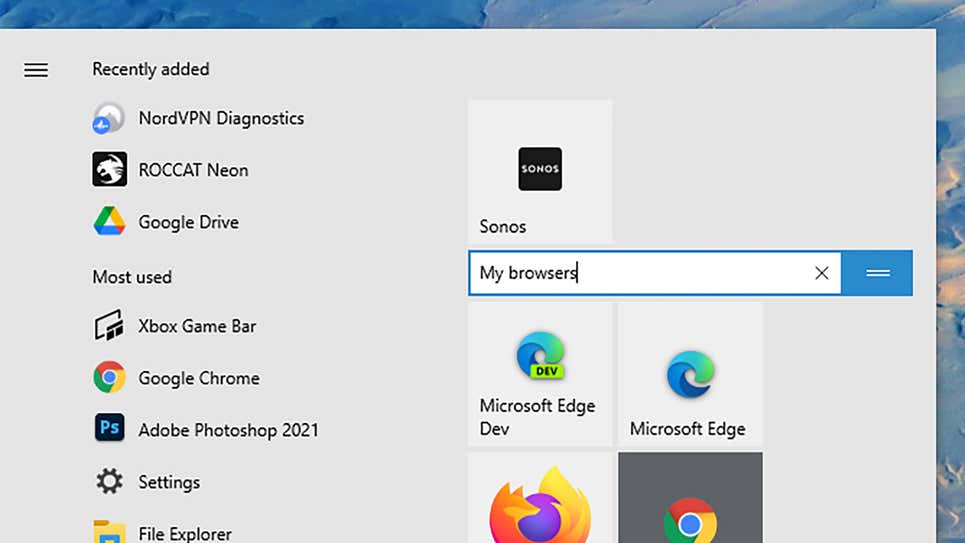
Another feature borrowed from the Start menu is the ability for users to organise and name tiles in categories like as productivity, writing, gaming, and so on. The Start menu’s layout will also not be resizable, implying that Microsoft intends to make the Start menu experience the same for everyone (as well as move it into the centre of the screen).

In Windows 11, tile grouping and naming are no longer available in the Start menu. Screenshot:Windows 10

Internet Explorer

What exactly is it? Didn’t you think it was already dead? It’s still available in Windows 10 if you look hard enough, but in Windows 11, all traces of Internet Explorer will be gone, and Microsoft Edge will take its place. Use the IE mode in Edge for those really, very ancient legacy programmes and sites you still require access to for whatever reason.

Cortana

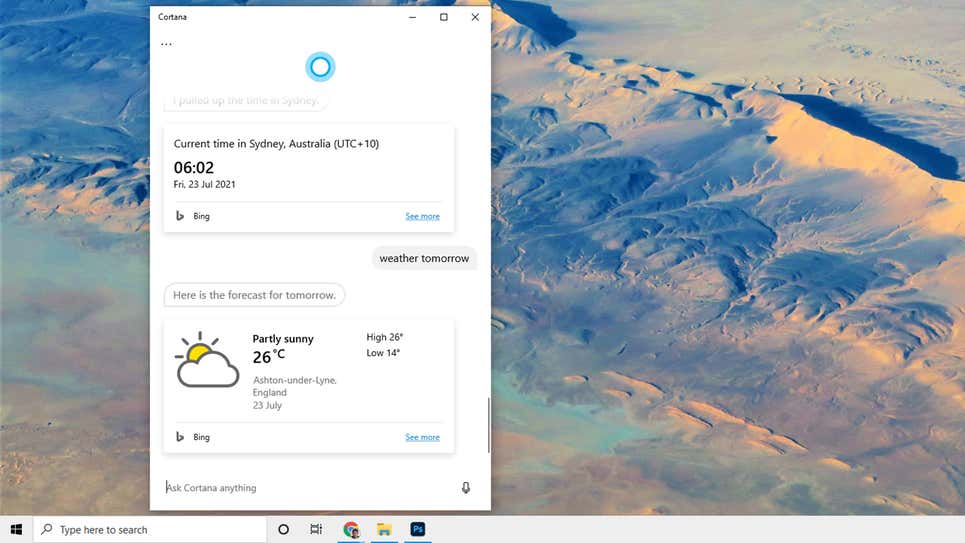
Although Microsoft’s digital assistant will not be completely removed from Windows 11, it will be removed from the setup process and will no longer be pinned to the taskbar. It’s unclear what Microsoft has planned for Cortana, but based on the capabilities introduced to it in the previous year or so, it may be recast as a business tool.

In Windows 11, Cortana will be less prominent. Screenshot: Windows 10

Skype

Skype will continue to be available in Windows 11, but it will not be included as an integral member as it is in Windows 10. That’s because Microsoft has shifted its attention to Teams as a solution for all of your communication requirements, including video, so expect a lot of tight Teams connections in the final Windows 11 experience.

Tablet Mode

Although Windows 10 works well on tablets like the Surface Pro as well as complete desktop and laptop computers, Windows 11 will not have a specific mode for tablet devices. Rather, this functionality will be redesigned, with part of it occurring automatically (like when you attach or detach a Bluetooth keyboard, for example).

Taskbar Location

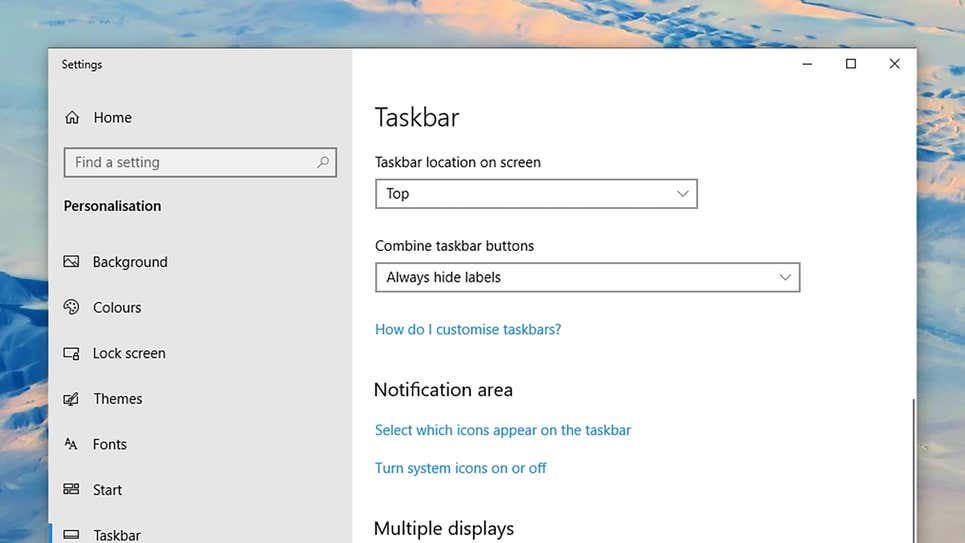
In terms of removing customizations, the taskbar in Windows 11 can only be found at the bottom of the screen. You may not have known it, but Windows 10 allows you to move the taskbar to the left, right, or even to the top of the screen. You’re out of luck if you enjoy tinkering with your operating system.

You may move the taskbar in Windows 10 if you haven’t noticed. Screenshot: Windows 10

Quick Status

Applications in Windows 10 can leave little blocks of information on the lock screen to remind you of incoming emails, impending calendar appointments, and so on. When Windows 11 ships, this feature, known as Quick Status, will be unavailable to applications, however widgets (see above) may be able to fill the void.

Windows S Mode

This is another feature that isn’t going away altogether, although you’ll see it less frequently: S Mode, which improves speed and security by only allowing programmes from the official Microsoft Store to be installed, will only be available in Windows 11 Home version. S Mode is now available for Windows 10 Home and Windows 10 Pro.

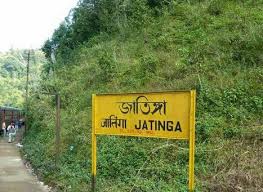
Jatinga birds’ Mystery

Jatinga, alittle tribal village, is understood for the mysterious suicide of birds during certain weeks of the year.
At the top of the monsoon months especially on moonless and foggy dark nights between 6 p.m. and 9:30 p.m., birds aren’t disturbed by the locals but out of the dark northern skies will start to descend as they’re interested in lights. These dazed birds are captured using bamboo poles by the locals. The local tribals first took this phenomenon to be spirits flying from the sky to terrorize them. This phenomenon isn’t confined to one species, with tiger bittern, black bittern, Egretta garzetta , pond heron, Indian pitta, and kingfishers all being affected, also as hill partridge, green pigeon, emerald dove, necklaced laughingthrush, black drongo.
The late naturalist E. P. Gee brought this phenomenon to global attention within the 1960s. He drove to Jatinga with famed ornithologist late Salim Ali. The explanation for it’s likely to be disorientation at high altitudes and high speed winds thanks to the widespread fog characteristic at the time. The zoological survey of India sent Sudhir Sengupta to unravel this mystery. The most recent description of the phenomenon and its comparison with similar incidents elsewhere in Malaysia, Philippines, and Mizoram is found within the book The Birds of Assam by Anwaruddin Choudhury. He concluded that the birds, mostly juveniles and native migrants, are disturbed by high velocity winds at their roost. When the disturbed birds fly towards lights as refuge they’re hit with bamboo poles and killed or injured.
Conservation groups and wildlife officials in India have taken steps to stop wanton killing of birds across India, creating awareness within the illiterate villagers. Bikash Brahma, Additional Principal Chief Conservator of Forests of Dima Hasao, stated the killings also because the number of birds arriving at the village has been declining gradually since the last few years. Much of this is often thanks to loss of habitat caused by “development and environment degradation”.
OVER THE LAST 100 YEARS, thousands of birds have flown to their death over alittle strip of land in Jatinga. In a town of only 2,500 people, this bizarre Bermuda Triangle of avian death remains largely unexplained.

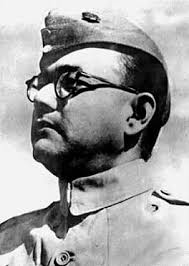
“SUBHASH CHANDRA BOSE” Biography

“Subhas Chandra Bose” was known as Netaji. He was the most prominent leader who are appeared at a time when most required for Indian freedom struggle. He was born on 23rd January, 1897 in the Eastern Indian city of Cuttack in the state of Odisha. His father’s name was janakinath Bose and mother’s name was prabhavati Devi. His father was a prosperous lawyer and mother came from an aristocratic family. Subhash was the ninth in the family of 14 children he was a brilliant student since childhood.

Subash excelled at his studies attaining an overall second position in the matriculation examination he enrolled at the College in 1911 but was sacked out from the same for assaulting Professor Oaten for the latter’s anti-India comments. Subhas then completed his graduation from Scottish Church College at the University of Calcutta attaining a BA in Philosophy in 1918. After passing BA he left India to study in Fitzwilliam College Cambridge from where he matriculated in 1919 following his father’s wish Subash did crack the examination with a 4th rank and secured a job with the Civil Service Department but Subhash refused to work as an administrative officer as he did not she want to serve Britishers he started newspaper named Swaraj at 1923 under the guidance and support of Chittaranjan Das, the spirit of nationalism grieve By leaps And bounds in Subash in the year 1923 super was selected the president of all India Youth Congress and also the secretary of Bengal State Congress Subhash also Rose to the position of the editor for the newspaper forward founded by Chitranjan Das and qualified to the post of the SEO of Kolkata Municipal Corporation his nationalistic attitude and contribution in the Indian struggle for independence did not go well with the British and 1925. He was sent to Prison in mandalay till 1927, coming out of the Prison in 1927, Subhas behind his Political career on a full-fledged note he secured the position of the general secretary of the Congress Party and started working alongside Jawaharlal Nehru in the struggle for independence three years later Subhash Rose to become the mayor of Kolkata in the mid 1930 he travelled extensively in Europe visiting Indian students and European politicians including Benito Mussolini over the years to Boss had gained so much of popularity that he become a leader of national stature Alto the popularity and admiration won him a nomination as a Congress President Neta Ji appeared as a powerful leader in Congress and he was elected president for two consecutive terms but he had conflicts in thought with Mahatma Gandhi because Netaji believed in active measure to gain freedom and independence Mahatma Gandhi was a believer of nonviolence for that reason he left the Indian National Congress and established a separate political party named all India forward bloc Netaji always insisted for complete and conditional Independence for India from the British roll virus All India Congress Committee wanted in phases through a dominant status.

He got married secretly without ceremony or weakness with Emily Schenk. On December 26th, 1937 at the age of 40, they had one daughter named Anita Bose Pfaff. It was in 1944 that Netaji give his motivational speech to Patriots give him blood and he will give them freedom inspired by the highly provocative words people joined him in large numbers for his fight against the British Raj during the Second World War Netaji start the opportunity to take advantage of British weakness and travel to Soviet Union Nazi Germany and imperial Japan seeking Alliance to attack the Indian British government with the support of Imperial Japan Netaji formed Indian National Army Azad Hindi Fauz with Indian prisoners of War and plantation workers from British Malaya Singapore and other parts of southeast Asia soldiers he also formed Azad Hindi government in exile with the support from Japan and regroup and let the Indian National Army in failed military campaigns against the Allies at Impala and Burma. Subhas Chandra Bose died on 18 August 1945 in Taipei Taiwan in a plane crash. “GIVE ME BLOOD AND I WILL GIVE YOU FREEDOM,” Said “SUBASH CHANDRA BOSE”.

Classification of Roads in India

A. National Highways
National Highways from the most important system of road transportation in India. These highways are running through length and breadth of the country connecting capitals of states, major ports rail junctions, industrial and tourist centers.

Ministry of Road Transport and Highways of India, is responsible for the development and maintenance of National Highways in India. The longest National Highway is NH-44 which runs from Varanasi in Uttar Pradesh to kanniyakumari in Tamil Nadu covering a distance of 2369 km. The shortest national highway is NH-47 A, which runs from Ernakulam to kochi port (willington Island) covering a distance of 6 km.

b) State Highways
The state highways are usually roads that link important cities, towns and district headquarters within the state and connect them with national highways or highways of neighbouring states. These roads are administered and financed by state governments.

C) District Roads
District Roads provide connectivity between the district and taluk headquarters with in state highways and national highways. District Roads are constructed and maintained by the Public Works Department of the states.

D) Rural Roads (Village Roads)
These roads are vital for providing links in the rural areas. It links the different villages with neighbouring towns. They are maintained by village panchayats.

E) Border Roads
These are the roads of strategic importance in border areas. They are constructed and maintained by Border Roads Organization. It was established in 1960 for the development of the roads of strategic importance in the northern and northeastern border areas. Border Roads Organization has constructed world’s highest road joining Chandigarh and Leh in Ladakh. This road runs at an average altitude of 4,270 meters.

F) Golden Quadrilateral
Golden Quadrilateral 5,846 km long road of4/6 lanes connects, India’s four metropolitan cities: Delhi-Kolkata-Chennai-Mumbai-Delhi. This project was launched in 1999.

G) North-South and East-West Corridors
North-South corridor aims at connecting Srinagar in Jammu and Kashmir with Kanniyakumari in Tamil Nadu (including Kochi-Salem Spur) with 4,076km long road. The East-West Corridor has been planned connect silchar in Assam with 3640km of road length. The two corridors intersect at Jhansi.

H) Expressways
These are multi-lane good quality highways for high speed traffic. Some of the important expressways are;
Mumbai-Pune Road,
Kolkata-Dumdum Airport road
Durgapur-kolkata Road
Yamuna expressway between Delhi and Agra.

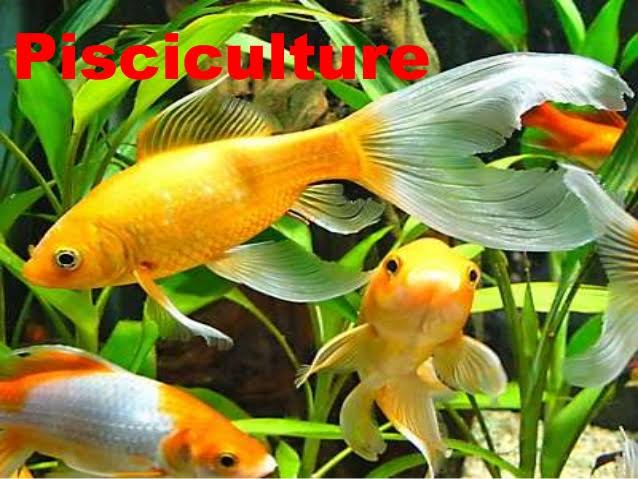
PISCICULTURE

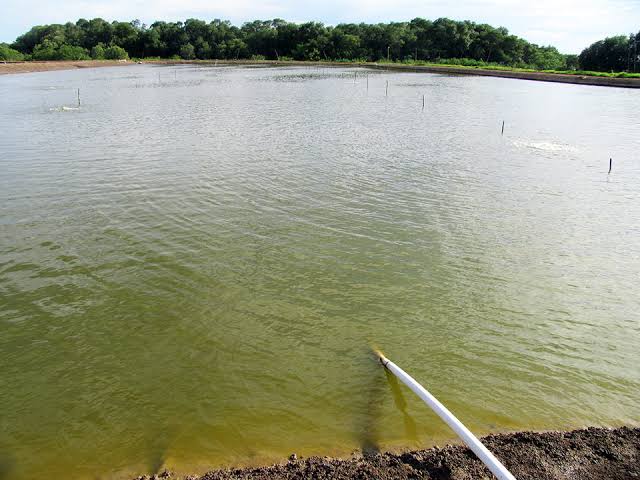
Pisciculture or Fish culture is the process of breeding and rearing of fishes in ponds, reservoirs (dams), lakes, rivers and paddy fields. It is the farming of economically important fishes under controlled conditions.

Types of Fish Culture

Extensive fish culture

Culture of fishes in large areas with low stocking density and natural feeding.

Intensive fish culture

Culture of fishes in small areas with high stocking density and providing artificial feed to increase production.

Monoculture

It is the culture of single type of fish in a water body. It is also called mono species culture.

Polyculture

It is the culture of more than one type of fish in a water body. It is also called composite fish culture.

Integrated fish farming

It is the culture of fishes along with agricultural crops or animal husbandry farming, Rearing of fish along with paddy, poultry, cattle, pig and ducks.

Types of Ponds for Fish Culture

Fish farm requires different types of pond for the various developmental stages of fish growth. They are given below:

Breeding pond

Healthy and sexually mature male and female fishes are collected and introduced in this pond for breeding. The eggs released by the female are fertilized by the sperm and fertilized eggs float in water as frothy mass.

Hatching pits

The fertilized eggs are transferred to hatching pits or hatching hapas for hatching.

Nursery ponds

The hatchlings are transferred from hatching pits after 2 to 7 days. The hatchlings grow into fry and are cultured in these ponds for about 60 days with proper feeding till they reach 2 – 2.5 cm in length.

Rearing ponds

Rearing ponds are used to culture the fry. The fish fry are transferred from nursery pond to rearing ponds and are maintained for about three months till they reach 10 to 15 cm in length. In these rearing ponds the fry develops into fingerlings.

Stocking pond

The stocking pond is also called as culture pond or production pond. These ponds are used to rear fingerlings upto the marketable size.

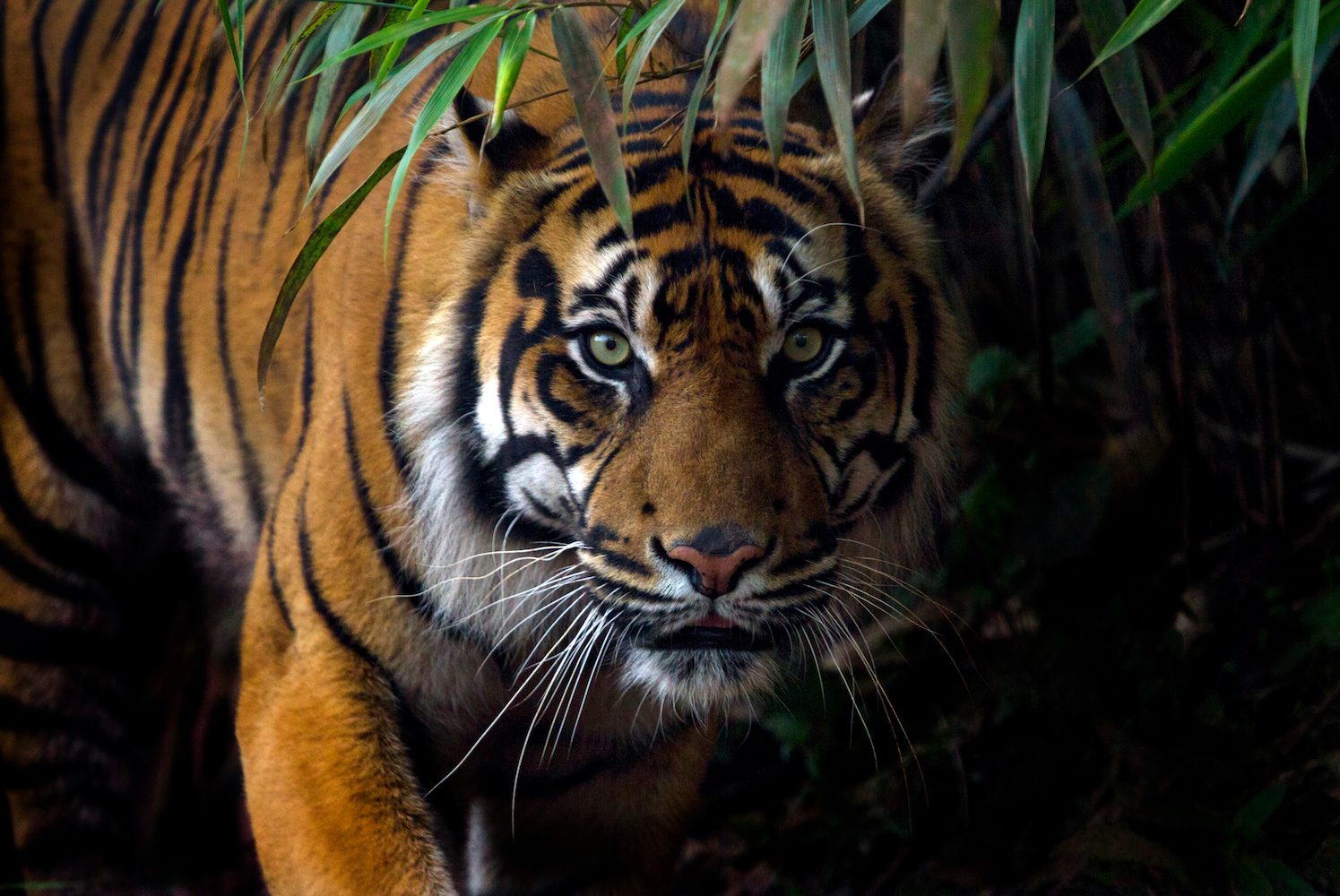
International Tiger Day

Today is International Tiger Day – 28th July 2021. It’s significance and theme this year.

 Theme this year: “Their survival is in our hands”.

The day is observed to spread awareness about dangers faced by tigers, the threat to their natural habitats due to natural or man-made reasons, to protect them from poachers. Wild tiger numbers dropped by more than 95% since the beginning of the 20th century.

Over 18 States in India provide habitat for tigers. 70% of the total number of tigers in the world are in India. National Tiger Conservation Authority (NTCA) and the Wildlife Institute of India (WII) have mapped 32 major tiger corridors and several smaller ones. (By: ANI)

It has been reported that the number of India has increased over time due to active actions by local community. Reportedly approximately 3,900 tigers now. It is reportedly also known that many tigers live in cage rather than out in wild.

The tiger is officially declared as endangered by the IUCN.

Tiger daywas celebrated first in 2010 at the Saint Petersburg Tiger Summit in Russia.13 tiger range countries came together to create Tx2, the global goal to double the number of wild tigers by the year 2022. Government officials, citizens, celebrities and many organizations from all over the world came together and showed the tiger range countries that there is worldwide support for tiger conservation efforts and to encourage the Tx2 goal.

“Doubling tigers is about tigers, about the whole of nature – and it’s also about us” 

Marco Lambertini, Director General WWF

WWF has contributed greatly to this cause. Animal adoptions, funding local communities to help them in tiger conservation, reducing poaching, and creating awareness by letting people be in proximity of this beautiful and ferocious animal to encourage them to take actoins.

https://www.wwf.org.uk/get-involved/schools/calendar/international-tiger-day

Facts about tigers:

  • Tigers are nocturnal creatures. They prefer engaging in most of their hunting activities at night. 
  • Tiger cubs are born blind. They follow their mother through her scent, almost half of them die due to thirst, hunger, or by other animals.
  • Unlike other cats, tigers like to play and hunt in water.
  • Their lifespan is about 25 years.
  • Ambush/ Steak : When a tiger are in a group, also when a tigress is with her cub.
  • Hybrid Cubs:
    • Tigon : Male cat and female lion’s cub is called Tigon.
    • Liger: Male lion and female tiger’s cub is called LIger.
  • They can imitate any animal!!
  • They do not normally look at humans as a prey.

What can you do to conserve our precious King of the jungle?

  1. For starters, learn about them, their habitats.
  2. Get acknowledged with organizations near you. Gather information about how they work and in what ways you can contribute.
  3. Visit WWF site, adoption, foster, donation and spread awareness by sharing it among your friends.
  4. Tigers are very important for our ecosystem. Advocate for banning poaching and hunting.
  5. Try to reduce pollution, garbage on land, sea, forest; when you visit them.
  6. Actively become the voice for our dear animals and roar for their right to live.

EVOLUTION OF AMAZON


FROM BOOKSTORE TO SUPERSTORE

Can you believe that a little more than
two decades ago, Amazon was still one man, a light bulb idea and a home garage?

Circa 1994, Jeff Bezos began working on a
business plan (yes, in his garage) for what would eventually become the largest
internet retailer in the US. In 1995, the company made its official debut.

In those early days, Bezos and his
employees would pack books and bring them to the post office themselves, and
even after the company began to build warehouses and acquire more assets, many
investors still wrote them off as another dot-com pipedream.
Of
course, even Bezos couldn’t have mapped out every twist and turn, as our
selection of key turning points in Amazon’s journey from garage to the globe
proves.

Jeff Bezos launched Amazon as an online
bookstore, and strategically chose Seattle, Washington as the home base
location. Due to Washington’s lack of sales tax, it allowed Amazon to sell
nearly all over without having to collect sales tax from its customers. Bezos finally
made the decision to go with “Amazon”, named after the largest river in the
world (his goal was to lead the company to become the largest bookstore in the
world.) He thought of the idea while looking through the dictionary,
specifically targeting names that began with “A” as he believed it would give
the company the advantage of being listed higher in alphabetized lists.

Amazon
moved into a whole new area of business as it began to allow third-party
sellers to move merchandise through the site.

In terms of revenue, Amazon is the biggest
internet-based company in the world. When it started out selling books online
in 1994, Jeff Bezos had an idea that the best way to succeed online was to grow
big and fast.
Today, the company sells everything from
books to groceries to shipping container houses. It has become a one-stop-shop
and has many ambitions for its future.

Amazon was not the first company to hit on
this business strategy. Another company, Computer Literacy (a Silicon Valley
bookstore) began selling its own wares online as early as 1991.

The difference that Amazon.com had to
offer was its greater convenience. It, from the off, was based on a model of
delivering online orders directly to the customer’s address anywhere in the
world.

As we all know now, Amazon.com is about a
lot more than just books today. This was always the plan, according to Bezos.

During
an earnings call in 2005, Jeff Bezos announced a customer loyalty program that
offered free two-day shipping on any order, along with other perks and benefits
for only $79 per year. Prime has proved to be a massive success: it now has
more than 112 million members across the globe.
Amazon
had been developing the Echo (and Alexa capabilities) since 2011, and finally
began selling the devices in June 2015. The idea of an in-home virtual
assistant was novel and exciting for many, but few realized just how big it
would become in such a short time.

No organisation has escaped the worldwide
impact of the Coronavirus pandemic, but few have been such prominent players as
Amazon.

Water is life. don’t waste it.

Water resource management is the activity of planning, developing, distributing and managing the optimum use of water resources.

With the growing uncertainities of global climate change and the long term impacts of management actions, the decision making will be even more difficult.

Fresh water is an important natural resource necessary for the survival of all ecosystems. The use of water by humans for activities such as irrigation and industrial applications can have adverse impacts on down stream ecosystems.

Fresh water is any naturally occurring liquid/solid water containing low concentrations of dissolved salts and other total dissolved solids.

Although the term specifically excludes seawater and brackish water, it does include non-salty mineral rich waters such as chalybeate springs.

Fresh water may encompass frozen and meltwater in ice sheets, ice caps, glaciers, snowfields and icebergs, natural precipitations such as rainfall, snowfall, hail/sleet and graupel, and surface runoffs that form inland bodies of water such as wetland, ponds, lakes, rivers, streams, as well as groundwater contained in a quires, subterranean rivers and lakes.

Water is critical to the survival of all living organisms. Many organisms can thrive on salt water, but the great majority of higher plants and most insects, amphibians, reptiles, mammals and birds need fresh water to survive.

Fresh water is not always potable water, that is, water safe to drink by humans. Much of the earth’s fresh water on the surface and groundwater is to a substantial degree unsuitable for human consumption without some treatment. Fresh water can easily become polluted by human activities or due to naturally occurring processes, such as erosion.

Fresh water is a renewable and variable, but finite natural resource. Fresh water can only be replenished through the process of the water cycle, in which water from seas, lakes, forests, land, rivers and reservoirs evaporates, forms clouds, and returns back inland as precipitation.

Locally, however, if more fresh water is consumed through human activities then is naturally restored, this may results in reduced fresh water availability or water scarcity from surface and underground sources and can cause serious damage to surrounding and associated environments.

Water pollution and subsequent eutrophication also reduces the availability of fresh water.

The History of Money

According to various individuals: Money is said to be the root of all evil. Yet it is money which controls the world. But what exactly is money? Money is a term that refers to two concepts: the abstract unit of account in terms of which the value of goods, services, and obligations can be compared; and anything that is widely established as a means of payment. Frequently the standard of value also serves as a medium of exchange, but that is not always the case. Nowadays we have digital currencies such as Bitcoin alongside our modern-day dollars and pounds. But how exactly did we reach to these currencies in the 21st century?

The Beginning: The Barter System

Barter is the exchange of resources or services for mutual advantage. Tribes in Mesopotamia were likely the starting point of the bartering system back in 6000 BC. Phoenicians (in the eastern Mediterranean; a part of modern-day Lebanon) saw the process, and they adopted it in their society. The barter system was frequently used by ancient people to get the food, weapons, and spices they needed. Because of salt’s great value, Roman soldiers bartered their services for the empire in exchange for it. In Colonial America, the colonists used bartering to get the goods and services they needed. Today, individuals, organizations, and governments still use, and often prefer, barter as a form of exchange of goods and services.

9000 – 6000 B.C.: Cattle and Grains

Cattle, which includes not only cows but also sheep, camels, and other livestock, are the first and oldest form of money. The livestock was also frequently bartered in exchange for various commodities. With the advent of agriculture also came the use of grains and other plant products as a standard form of barter in many cultures

1200 B.C.: Cowrie Shells

The first use of cowries, the shells of a mollusc available in the shallow waters of the Pacific and Indian Oceans, was in China. Historically, many societies have used cowries as money, and even as recently as the middle of this century, cowries have been used in some parts of Africa. The cowrie is the most widely and longest used currency in history.

1000 B.C.: First Metal Money

Bronze and Copper cowrie imitations were manufactured by China at the end of the Stone Age and are considered some of the earliest forms of metal coins. Metal tool money, such as knife and spade monies, was also first used in China. These early metal monies developed into primitive versions of round coins. These coins were made out of base metals, often containing holes so they could be put together like a chain.

500 B.C.: Coins

Outside China, the first coins developed out of lumps of silver. They soon took the familiar round form and were stamped with various Gods and emperors to mark their authenticity. These coins first appeared in Lydia (a part of present-day Turkey) but the techniques were quickly copied and further refined by the Greek, Persian and later the Roman empires. Unlike Chinese coins these new coins were made from precious metals such as silver, bronze, and gold, which had more inherent value.

118 B.C.: Leather Money

Leather money was used in China in the form of small pieces of white deerskin with colourful borders. This could be considered the first documented type of banknote.

806: Paper Currency

The first known paper banknotes appeared in China. China experienced over 500 years of early paper money, spanning from the ninth through the fifteenth century. Over this period, paper notes grew in production to the point that their value rapidly depreciated and inflation soared. Then beginning in 1455, the use of paper money in China disappeared for several hundred years. This was still many years before paper currency would reappear in Europe, and three centuries before it was considered common.

1816: The Gold Standard

Gold was officially made the standard of value in England in 1816. At this time, guidelines were made to allow for a non-inflationary production of standard banknotes which represented a certain amount of gold. Banknotes had been used in England and Europe for several hundred years before this time, but their worth had never been tied directly to gold. In the United States, the Gold Standard Act was officially enacted in 1900, which helped lead to the establishment of a central bank.

1930: End of the Gold Standard

The massive Depression of the 1930s, felt worldwide, marked the beginning of the end of the gold standard. In the United States, the gold standard was revised and the price of gold was devalued. This was the first step in ending the relationship altogether. The British and international gold standards soon ended as well, and the complexities of international monetary regulation began.

The Present:

Modern Day money is now longer restricted to simply coins or banknotes but has also advanced to the virtual world with new digital currencies outside the jurisdiction of governments such as cryptocurrency and various electronic wallets which are done through a portable electronic device, such as a smartphone, or a tablet now called mobile payment.

The evolution of money has truly seen various forms including physical ones such as livestock and coins made out of precious metals and has now even included virtual ones which now fit in the palm of your hand. Money makes the world round and its unknown what its new form will be.

Difference between click wrap, shrink wrap and browse wrap contracts

Introduction:

Have you ever wondered how you could have signed a deal with a corporation as large as Amazon while sitting in your recliner? Have you ever agreed to the terms and conditions of an app before using it? Have you clicked “I accept” without understanding what the contract entails? During this time, the pandemic has spurred innovation and the development of new business models. Everything is now available with a single click, whether you want to purchase meals from Zomato, electronics from Amazon, or groceries from Grofers. Have you ever been curious about how they sign contracts with you? Contract signing is also a click away these days.

What are e-contracts?

Contracts that went overseas and returned with new electronics and a fancy name are referred to as e-contracts. Electronic contracts are contracts that exist in a digital format and are in high demand these days. E-contracts are quite similar to normal contracts; the only difference is that they take place through an online digital means of communication. E-contracts have eliminated the need for middlemen, and merchants may now reach out to buyers directly. The computer programmes that link the vendor with an electronic agent, i.e. the app, and the buyer with an electronic agent are now the middlemen. Essentially, it provides a venue for the buyer and vendor to meet.

Are e-contracts binding and valid?

In India, the Indian Contract Act, 1872, Section 10 states that “All agreements are contracts if they are made by the free consent of parties competent to contract, for a lawful consideration and with a lawful object, and are not hereby expressly declared to be void.” 

Also, Section 10(A) of The Information Technology Act 2000 states that “Where in a contract formation, the communication of proposals, the acceptance of proposals, the revocation of proposals and acceptances, as the case may be, are expressed in electronic form or by means of an electronic record, that such contract shall not be deemed to be unenforceable solely on the ground that such electronic form or means was used for that purpose.”

Electronic signatures are also considered as proof of signing under the Indian Evidence Act of 1882, and Digital Signature Certificates are created when a document is electronically signed, and this certificate is also legally valid and binding under the IT Act of 2000.

Contracts in India are governed by The Indian Contract Act, 1872, and electronic contracts must be legitimate within the law’s interpretation. The following are the fundamentals of electronic contracts:

  1. Offer,
  2. Acceptance,
  3. Lawful consideration,
  4. Lawful object,
  5. Competent parties to contract,
  6. Free consent,
  7. Certainty of terms.

E-contracts are favoured over time-consuming paper documents since they are less expensive and more efficient. Electronic contracts, on the other hand, are more efficient to utilize and have a lot faster response time than long paper works. In reality, e-signatures save a significant amount of time and work. As a result, even if they are digitally signed and executed, e-contracts are legally binding and enforceable. However, this is not the case with click-wrap contracts.

Types of e-contracts:

To mention a few, there are shrink-wrap contracts, click-wrap contracts, browse-wrap contracts, source-code escrow contracts, software development and licence agreements, and many more. The following are three distinct types of contracts:

1. Shrink wrap contracts:-

The name of this contract was inspired by the shrink wrap packaging of CD-ROMs, which were used to deliver software. The licence agreements for various software are known as shrink-wrap contracts. These contacts are the licencing agreements, boilerplate, or terms & conditions that come with the product. When a consumer utilises the goods, he has agreed to the terms of the contract. Shrink wrap is the plastic wrapping that is done on the product’s cover. IT businesses are the most likely to utilise shrink wrap. The most intriguing aspect of this contract is that acceptance may be revoked by returning the merchandise. Furthermore, these days, licencing agreements are not supplied with the product, but rather shown before installing the software.

2. Click wrap contracts:-

Have you ever seen the lengthy paragraphs with comprehensive terms and conditions for utilising an app or programme that no one reads? Those are the Click wrap contracts, to be sure. The party is only a click away from signing this contract, as the name implies. To accept the contract, they only need to click a button or check a box. Essentially, the user is compelled to sign the contract or else he would be unable to progress, and therefore they are not negotiable at all. There are certain legal problems that will be addressed later.

3. Browse wrap contract:-

Have you ever seen a sentence that says something like, “By continuing to use these services, you agree to the terms and conditions” or “By signing up, I agree to the terms of usage”?

Browse wrap contracts may be found at the bottom of the page, and acceptance is presumed if the client uses the application. These contracts are often seen on websites, as well as in various mobile apps and software programmes. They can also be accessed via a hyperlink.

Critical analysis:-

Click wrap contracts and shrink wrap contracts are unilateral and presented as fixed contracts, but browse wrap contracts are significantly different in that they do not compel the customer to accept the contract, but rather presume approval when browsing the website.

Contracts such as click wrap and browse wrap are commonly employed by websites that wish to force their customers to adhere to their terms and conditions. The only difference between the two is how they are mandated. While browse wrap does not need consent, click wrap requires customers to click the “I agree” button.

Contracts with customers can be entered into through browse wrap, click wrap, and shrink wrap. Because it was basic and included all of the necessary information, browse wrap is the earliest and typical form of agreement. Shrink wrap was only discovered in the software business, although in a different form.

The agreement is contained inside the packaging of the shrink wrap contract, and the consumer’s approval of the same is indicated by the opening of the package. The terms and conditions and privacy policy for browse wrap contracts are posted on the website and indicated with a link. By default, the customer has consented to this contract. And, in most cases, the phrase reads something like, “Your use of our site implies your acceptance of our Terms of Use and your commitment to be bound by them.” So, if you disagree with the terms and conditions, simply do not use the website.

A click wrap contract, on the other hand, has more criteria than a shrink wrap or browse wrap contract. The two main components that make a significant difference are that, first and foremost, click wrap contracts include a link, but they also include a notice that summarises all of the legal terms and conditions. Second, they request actionable consent via a pop-up window, such as a “I agree” button or a check box. If a website or app employs this contract, it implies that they demand the consumer’s affirmative consent before proceeding. The consumer can also reject the terms and conditions by clicking on a “Cancel” button.

Conclusion:

The Indian Contract Act, 1872 controls all contracts in India, whereas the Information Technology Act, 2000 governs all electronic transactions. The majority of electronic contracts are provided to customers in the form of click wrap and browse wrap. The term wrap is originated from shrink wrap contracts, in which the terms and conditions were shrunk and wrapped in the product packaging. However, click wrap and browse wrap are only employed in digital form. Shrink wrap may be utilized for both digital and physical applications.

Previously, the owner of a website could choose between click wrap and browse wrap, and both were regarded equally legally, such as privacy policies and terms and conditions, but things have changed.

Finally, I’d like to emphasise that while a browser wrap contract can be used for terms and conditions, legal documents such as privacy policies must be accompanied by a click wrap contract to ensure affirmative permission.

The blind cricketer

Lachma Shekhar Naik was born on 7 April 1986, in a nomadic Banjara Family in southern Karnataka, as the son of a farmer. He was born completely blind as his mother and other 15 members of his family suffered from visual impairment, Naik was seven when he injured his head after falling along the bank of the River he was taken to a health camp where the doctor released that the possibility of restoring sight his right eye, he was operated in Bangalore and was able to restore 60 % of his right eye vision.


He was sent to Shri Sharada Devi School for blind in Shimoga, he learned to play cricket while at school, he used to work in filed in summer holidays to save money for his cricket ambitions, his mother died when he was the age of 12, while he off from playing he used to work as sports coordinator for an NGO ‘Samarthanam’ which funds for the cricket Association for Blind people in India.
He was selected in Karnataka Team in 2000, he was called up to India national Blind Cricket Team in 2002, went to captain the team in 2010. He was the man of the match in the 2006 World cup, he also led the team to victory in the 2014 cricket world cup.
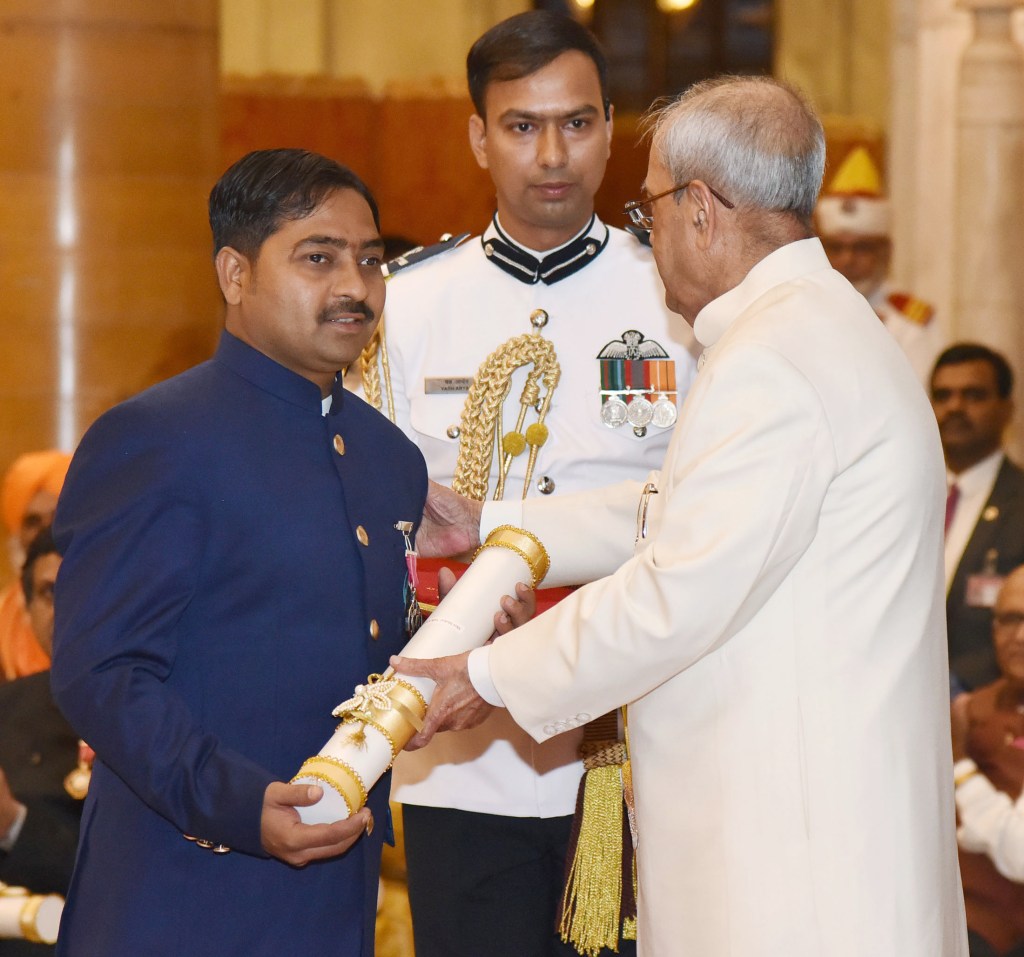
In 2017 he was honored by the country’s fourth highest Civilian honor Padma Shri by the Government of India.