Literally , animate means to bring to life, i.e., to put something into action. Animation makes graphics more realistic by imparting motion and dimension to an inanimate object. Intuitively , though you may think of animation as synonymous with motion , technically speaking , it covers all changes that have a visual effect. Thus, it may include time varying position (motion dynamics) , shape ,size, color, texture(update dynamics) of an object, and also changes in lighting , camera position , focus, etc.
With the development of advanced computer-aided techniques, today, animation is extensively used in entertainment (games and movies), educational and training presentations, advertising, Internet and in-process simulation. Process simulation through animation is very useful in visualization of functioning and stages of operations of industrial products (such as a gear or motor) or gradual transformations in a complex process (such as changing atomic structures in a chemical reaction or distortion of structures under dynamic forces).
For instance , by specifying a storyboard , object definitions and the image frames , a computer animation sequence can be set up . The storyboard is an outline of action . It could consist of rough sketches of motion sequence , or it could be a list of basic events that are to take place . Object definitions are given for each participating object in terms of their shape and movement . The still image frames are either drawn manually or computer-generated to stimulate motion-sequence of animating objects . The illusion of movement is created by playing 15-20 number of such still images with small changes made to each one per second .
A trio of Cornell University academics discovered that malware code may be hidden inside AI neural networks. On the arXiv preprint server, Zhi Wang, Chaoge Liu, and Xiang Cui have published a paper outlining their experiences with inserting code into neural networks.
Criminals’ attempts to get into devices running new technology for their objectives, such as deleting or encrypting data and demanding payment from customers for its recovery, are becoming more complicated as computer technology becomes more complex. The researchers discovered a new technique to infect specific types of computer systems running artificial intelligence applications in their new study.
AI systems function by processing data in the same manner that the human brain does. However, the study team discovered that such networks are vulnerable to foreign code intrusion.
Foreign actors can infiltrate neural networks by their very nature. All such agents have to do is imitate the network’s structure, similar to how memories are added to the human brain. The researchers were able to accomplish so by embedding malware into the neural network powering an AI system dubbed AlexNet, despite the virus is very large, taking up 36.9 MiB of RAM on the AI system’s hardware. The researchers picked what they thought would be the optimum layer for injection to inject the code into the neural network. They also added it to a model that had previously been taught, although they cautioned that hackers may choose to target an untrained network since it would have less impact on the entire network.
Not only did ordinary antivirus software fail to detect the malware, but the AI system’s functionality remained nearly unchanged after infection, according to the researchers. As a result, if carried out surreptitiously, the infection may have gone unnoticed.
The researchers point out that merely inserting malware into the neural network would not be harmful—whoever snuck the code into the system would still need to figure out how to run it. They also point out that now that hackers can insert code into AI neural networks, antivirus software may be upgraded to detect it.
A trio of Cornell University academics discovered that malware code may be hidden inside AI neural networks. On the arXiv preprint server, Zhi Wang, Chaoge Liu, and Xiang Cui have published a paper outlining their experiences with inserting code into neural networks.
Criminals’ attempts to get into devices running new technology for their objectives, such as deleting or encrypting data and demanding payment from customers for its recovery, are becoming more complicated as computer technology becomes more complex. The researchers discovered a new technique to infect specific types of computer systems running artificial intelligence applications in their new study.
AI systems function by processing data in the same manner that the human brain does. However, the study team discovered that such networks are vulnerable to foreign code intrusion.
Foreign actors can infiltrate neural networks by their very nature. All such agents have to do is imitate the network’s structure, similar to how memories are added to the human brain. The researchers were able to accomplish so by embedding malware into the neural network powering an AI system dubbed AlexNet, despite the virus is very large, taking up 36.9 MiB of RAM on the AI system’s hardware. The researchers picked what they thought would be the optimum layer for injection to inject the code into the neural network. They also added it to a model that had previously been taught, although they cautioned that hackers may choose to target an untrained network since it would have less impact on the entire network.
Not only did ordinary antivirus software fail to detect the malware, but the AI system’s functionality remained nearly unchanged after infection, according to the researchers. As a result, if carried out surreptitiously, the infection may have gone unnoticed.
The researchers point out that merely inserting malware into the neural network would not be harmful—whoever snuck the code into the system would still need to figure out how to run it. They also point out that now that hackers can insert code into AI neural networks, antivirus software may be upgraded to detect it.
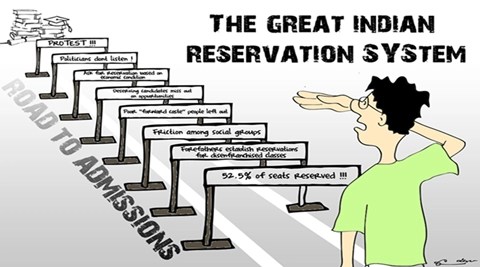
Reservation is a system of affirmative action in India which facilitates historically disadvantaged group of people to be represented in education, employment, politics etc. It was framed with a reason to uplift certain castes who were subjugated to atrocities, social and economic backwardness due to the prevalence of dominance of caste system in the society. Based on the amenities in the Indian constitution, it allows the Indian Government to set reserved seats which de-escalates some of the qualifications needed in employment, education, exams etc. for socially and economically backward citizens.
There are points both in the favor and against of the reservation system. Why some argue in favor of such a system ? Caste based reservation became a necessity in India because of historical negligence and injustice caused to the backward communities. Meritocracy is prominent for the better construction of a society as it is the idea that people get ahead based on their own accomplishments and abilities but it becomes meaning less without equality. The caste based reservation systems bridges the gap between upper and lower castes as every human being has the right to education, employment and other factors irrespective of their culture, background, race, sex etc. It provides a level playing field as it is strenuous for the backward sections who were historically deprived of education, skills and economic mobility to cope up with those who had access to those means for centuries. This has been a ray of hope for the backward sections to aspire of diverse professions and achieve an eminent position in life. It has encouraged and aided people to attain higher posts or services in the public sector and in the private as well. This system has mitigated the process of the forward becoming more richer and backward to a more pathetic level.
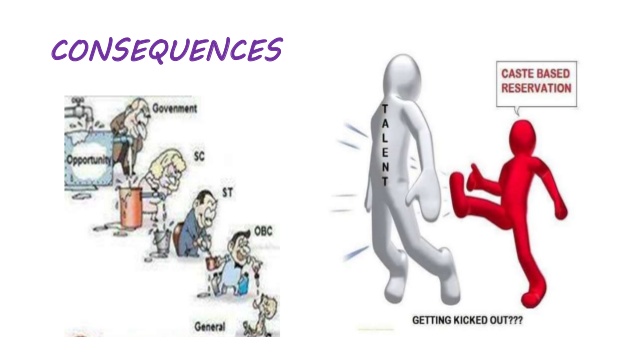
The caste discriminations were prevalent many years ago and now the lower castes have stepped up the social ladder and their is prevailing equity among all for the accessibility to education and employment so there is no more need for reservation. The road to success for the backward communities becomes easy these days but for others it is filled with hurdles and barriers. Although the reservation system plays a crucial role in the empowerment and upliftment of the socially and economically backward communities, to a large extent it degrades the quality of candidates and workers. Because in the competitive exams, entrance exams or for the job openings such people are limited to just a medium level of score to get qualified for the field and toil lesser which automatically impairs the quality of candidates. Imagine the plight of the candidates who travail more to reach the maximum marks framed for them just because they belong to the general class. The situation becomes vice versa again by disadvantaging and discriminating a group of people and fails to eliminate the notion. There are many who are impoverished in the general class but their hard work are underrated and not seriously taken into account as they belong to such class. Many upper class are still poverty- stricken and illiterates. Reservation is a weapon to address social and educational backwardness but it is not the complete solution to all the social indispositions. The government can provide platforms to enhance the knowledge and cognition of such classes to ace in the exams or jobs by facilitating courses to make them qualified rather than minimizing the scores to be obtained and making it a challenge for the other classes. It also brings down the economic growth of the country as it lowers the efficacy of labor.
Everyone should be equally offered with opportunities, that should be the crux of equality but it should be left in their hands how to utilize it and come up in life.
Reservation is a system of affirmative action in India which facilitates historically disadvantaged group of people to be represented in education, employment, politics etc. It was framed with a reason to uplift certain castes who were subjugated to atrocities, social and economic backwardness due to the prevalence of dominance of caste system in the society. Based on the amenities in the Indian constitution, it allows the Indian Government to set reserved seats which de-escalates some of the qualifications needed in employment, education, exams etc. for socially and economically backward citizens.
There are points both in the favor and against of the reservation system. Why some argue in favor of such a system ? Caste based reservation became a necessity in India because of historical negligence and injustice caused to the backward communities. Meritocracy is prominent for the better construction of a society as it is the idea that people get ahead based on their own accomplishments and abilities but it becomes meaning less without equality. The caste based reservation systems bridges the gap between upper and lower castes as every human being has the right to education, employment and other factors irrespective of their culture, background, race, sex etc. It provides a level playing field as it is strenuous for the backward sections who were historically deprived of education, skills and economic mobility to cope up with those who had access to those means for centuries. This has been a ray of hope for the backward sections to aspire of diverse professions and achieve an eminent position in life. It has encouraged and aided people to attain higher posts or services in the public sector and in the private as well. This system has mitigated the process of the forward becoming more richer and backward to a more pathetic level.
The caste discriminations were prevalent many years ago and now the lower castes have stepped up the social ladder and their is prevailing equity among all for the accessibility to education and employment so there is no more need for reservation. The road to success for the backward communities becomes easy these days but for others it is filled with hurdles and barriers. Although the reservation system plays a crucial role in the empowerment and upliftment of the socially and economically backward communities, to a large extent it degrades the quality of candidates and workers. Because in the competitive exams, entrance exams or for the job openings such people are limited to just a medium level of score to get qualified for the field and toil lesser which automatically impairs the quality of candidates. Imagine the plight of the candidates who travail more to reach the maximum marks framed for them just because they belong to the general class. The situation becomes vice versa again by disadvantaging and discriminating a group of people and fails to eliminate the notion. There are many who are impoverished in the general class but their hard work are underrated and not seriously taken into account as they belong to such class. Many upper class are still poverty- stricken and illiterates. Reservation is a weapon to address social and educational backwardness but it is not the complete solution to all the social indispositions. The government can provide platforms to enhance the knowledge and cognition of such classes to ace in the exams or jobs by facilitating courses to make them qualified rather than minimizing the scores to be obtained and making it a challenge for the other classes. It also brings down the economic growth of the country as it lowers the efficacy of labor.
Everyone should be equally offered with opportunities, that should be the crux of equality but it should be left in their hands how to utilize it and come up in life.
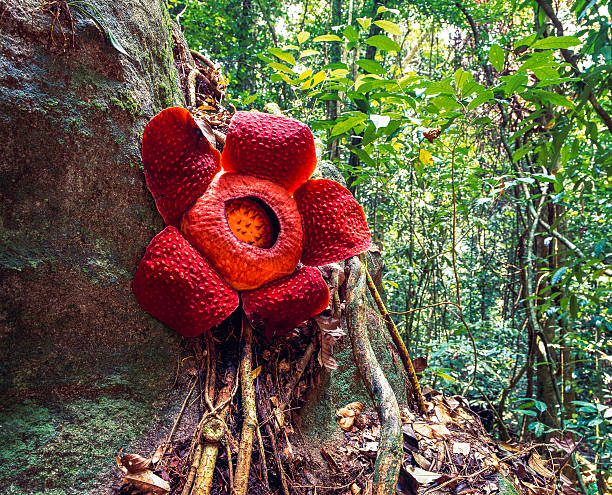
Rafflesia Arnoldii is a species of flowering plant in the parasitic genus Rafflesia. It is noted for producing the largest individual flower on Earth. It has a strong and unpleasant odor of decaying flesh. It is native to the rainforests of Sumatra and Borneo. Although there are some plants with larger flowering organs like the titan arum (Amorphophallus titanum) and talipot palm (Corypha umbraculifera), those are technically clusters of many flowers.
Rafflesia Arnoldii is one of the three national flowers in Indonesia, where it is known locally as the puspa langka or Padma paksasa. The other two being the white jasmine (Jasminum sambac) and moon orchid (Phalaenopsis amabilis). The first person to discover Rafflesia was the ill-fated French explorer Louis Auguste Deschamps in Java between 1791 and 1794, but his notes and illustrations were seized by the British in 1803 and were not available to western science until 1861.
Thailand, Rafflesia can be seen in Khao Sok National Park where the flowers are numbered and monitored by the park rangers. The regional name of Rafflesia Arnoldii is kerubut in Sumatra, cendawan biriang in the Minangkabau language in kecamatan (‘district’) of Pandam Gadang and “corpse flower” by the local people.
Antique illustration of Rafflesia Arnoldii
Although Rafflesia is a vascular plant, it lacks any observable leaves, stems or even roots, and does not have chlorophyll properties. It lives as a holoparasite on vines of the genus Tetrastigma. Similar to fungi, individuals grow as a mass of thread-like strands of tissue completely embedded within and in intimate contact with surrounding host cells from which nutrients and water are obtained. It can only be seen outside the host plant when it is ready to reproduce; the only part of Rafflesia that is identifiable as distinctly plant-like are the flowers, though even these are unusual since they attain massive proportions, have a reddish-brown colouration, and stink of rotting flesh. The flower of Rafflesia Arnoldii grows to a diameter of around one meter (3.3 feet), weighing up to 11 kilograms. These flowers emerge from very large, cabbage-like, maroon or dark brown buds typically about 30 cm (12 in) wide, but the largest flower bud ever recorded found at Mount Sago, Sumatra in May 1956 was 43 cm (17 in) in diameter. Indonesian researchers often refer to the bud as a ‘knop’ (knob).
Corpse flower, Rafflesia arnoldii, West Sumatra, Indonesia.
Rafflesia Arnoldii is found in both secondary and primary rainforests. The only host plant species of Rafflesia Arnoldii is Tetrastigma leucostaphylum in West Sumatra. Tetrastigma are themselves parasites of a sort, using the strength and upright growth of other surrounding plants to reach the light. The trees that Tetrastigma uses to climb up to light, are relatively limited in number of species, although they are generally the closest tree to the vine. The buds take many months to develop and the flower lasts for just a few days. The flowers are gonochorous – either male or female, thus both flowers are needed for successful pollination.
When Rafflesia is ready to reproduce, a tiny bud forms outside the root or stem of its host and develops over a period of a year. The cabbage-like head that develops eventually opens to reveal the flower. The stigmas or stamens are attached to a spiked disk inside the flower. A foul smell of rotting meat attracts flies and beetles. To pollinate successfully, the flies and beetles must visit both the male and female plants, in that order. The fruit produced are round berries filled with numerous minute seeds.
The flies like Drosophila colorata, Chrysomya megacephala and Sarcophaga haemorrhoidalis visit the late flowers. Black ants of the genus Euprenolepis may feed on the developing flower buds, perhaps killing them.
It’s conservation has not been assessed for the IUCN Red List. Ecotourism is thought to be a main threat to the species, at locations which are regularly visited by tourists the number of flower buds produced per year has decreased.
Some Insects are injurious to man as vectors of human diseases.Through the ages millions of people have died of diseases transmitted by insects.There are a number of insect borne diseases,and they may be transmitted in different ways.
⭐Housefly
House flies are cosmopolitan in distribution.They are closely associated with humans and thrive best where people are careless in the disposal of wastes.Adult flies are non parasitic.They feed on all kinds of decaying and decomposing matter.It is an important mechanical vector in the transmission of diseases like typhoid, dysentery and cholera.The housefly cause diseases through food contaminations.
House fly control is normally done in three different ways, namely sanitary, mechanical and chemical methods.Populations of house flies can be controlled by proper disposal of manure, garbage,sewage,food waste,human excreta and other organic materials.Mechanical practices such as screening, using of traps or sticky paper or baits can be valuable in excluding houseflies.Insecticides may be used against larvae.Spraying with 2% malathion,1% chlordane or lindane,0.5% tremephos are effective.
⭐Sand flies
These flies are 4 mm long.Only the female possess piercing sucking mouth parts and are haematophagous.The males are non parasitic, feeding on moisture.They are small slender insects with hairy bodies.Through biting this fly transmits the disease called kala-azar.During the day time the flies remain hiding.At night they come out to feed.The sand fly attacks during night times.The insect sucks the parasite from an infected person,along with blood.Inside the body of the fly,the parasite undergoes changes.When an affected fly bites man,the parasites pass into the blood and fresh infection is effected.The parasites mostly concentrate in the capillaries of spleen,liver and bone marrow.The disease is characterized by the symptoms like anaemia and emaciation.
Spraying of 5% DDT/BHC easily kills the flies.The pyrethrum ointment used on exposed part of the body works as a repellent.
⭐Rat fleas
Both male and female fleas take in the bacillus pasteurella pestis from infected rats during feeding.This rat flea is responsible for the transmission of plague from man to man,or from rat to man.When this bacterium is introduced into the skin,the lymph glands become inflamed.This is known as bubonic plague.When the rat flea sucks the blood of man or a rat infected with plague,the bacilli enter into its stomach and grow there into larger numbers.The flea thus heavily laden with the bacilli,may bite a healthy man and introduce the bacilli into the wound and cause infection.The bacilli are deposited by the flea on the skin along with the faeces.The bite of the flea causes scratchings and the bacilli are introduced into the blood when the skin is scratched.
Destruction of rats and other rodents is an effective method.Dusting of 1 to 2% chlordane,or 2% Y-BHC is very much effective in the elimination of fleas on the body of pet animals.Application of 5% DDT is recommended for spraying at the time of the spread of plague in all areas.
⭐The human louse
Louse is a blood sucking ectoparasite of man.It is cosmopolitan in distribution.The human louse is a major vector for three important human diseases,relapsing fever,typhus and trench fever.Wearing clean clothes,and having regular bath avoids infestation.
⭐ Mosquitoes
Mosquitoes are cosmopolitan in distribution.They are nocturnal in habit and are found in abundance in damp,marshy lands near stagnant water.Only female mosquitoes are adapted to suck the blood of human beings and function as carrier of viral,protozoan and nematode diseases.
When the infected mosquito bites another person,the larvae penetrate the superficial skin to find their way into the lymphatic vessels,and attain sexual maturity.In severe infection the adults cause blocking of lymphatic system which results in the enlargement of legs,arms,scrotum,and mammary glands.Another type of mosquito transmits yellow fever through a virus.
Rafflesia Arnoldii is a species of flowering plant in the parasitic genus Rafflesia. It is noted for producing the largest individual flower on Earth. It has a strong and unpleasant odor of decaying flesh. It is native to the rainforests of Sumatra and Borneo. Although there are some plants with larger flowering organs like the titan arum (Amorphophallus titanum) and talipot palm (Corypha umbraculifera), those are technically clusters of many flowers.
Rafflesia Arnoldii is one of the three national flowers in Indonesia, where it is known locally as the puspa langka or Padma paksasa. The other two being the white jasmine (Jasminum sambac) and moon orchid (Phalaenopsis amabilis). The first person to discover Rafflesia was the ill-fated French explorer Louis Auguste Deschamps in Java between 1791 and 1794, but his notes and illustrations were seized by the British in 1803 and were not available to western science until 1861.
Thailand, Rafflesia can be seen in Khao Sok National Park where the flowers are numbered and monitored by the park rangers. The regional name of Rafflesia Arnoldii is kerubut in Sumatra, cendawan biriang in the Minangkabau language in kecamatan (‘district’) of Pandam Gadang and “corpse flower” by the local people.
Antique illustration of Rafflesia Arnoldii
Although Rafflesia is a vascular plant, it lacks any observable leaves, stems or even roots, and does not have chlorophyll properties. It lives as a holoparasite on vines of the genus Tetrastigma. Similar to fungi, individuals grow as a mass of thread-like strands of tissue completely embedded within and in intimate contact with surrounding host cells from which nutrients and water are obtained. It can only be seen outside the host plant when it is ready to reproduce; the only part of Rafflesia that is identifiable as distinctly plant-like are the flowers, though even these are unusual since they attain massive proportions, have a reddish-brown colouration, and stink of rotting flesh. The flower of Rafflesia Arnoldii grows to a diameter of around one meter (3.3 feet), weighing up to 11 kilograms. These flowers emerge from very large, cabbage-like, maroon or dark brown buds typically about 30 cm (12 in) wide, but the largest flower bud ever recorded found at Mount Sago, Sumatra in May 1956 was 43 cm (17 in) in diameter. Indonesian researchers often refer to the bud as a ‘knop’ (knob).
Corpse flower, Rafflesia arnoldii, West Sumatra, Indonesia.
Rafflesia Arnoldii is found in both secondary and primary rainforests. The only host plant species of Rafflesia Arnoldii is Tetrastigma leucostaphylum in West Sumatra. Tetrastigma are themselves parasites of a sort, using the strength and upright growth of other surrounding plants to reach the light. The trees that Tetrastigma uses to climb up to light, are relatively limited in number of species, although they are generally the closest tree to the vine. The buds take many months to develop and the flower lasts for just a few days. The flowers are gonochorous – either male or female, thus both flowers are needed for successful pollination.
When Rafflesia is ready to reproduce, a tiny bud forms outside the root or stem of its host and develops over a period of a year. The cabbage-like head that develops eventually opens to reveal the flower. The stigmas or stamens are attached to a spiked disk inside the flower. A foul smell of rotting meat attracts flies and beetles. To pollinate successfully, the flies and beetles must visit both the male and female plants, in that order. The fruit produced are round berries filled with numerous minute seeds.
The flies like Drosophila colorata, Chrysomya megacephala and Sarcophaga haemorrhoidalis visit the late flowers. Black ants of the genus Euprenolepis may feed on the developing flower buds, perhaps killing them.
It’s conservation has not been assessed for the IUCN Red List. Ecotourism is thought to be a main threat to the species, at locations which are regularly visited by tourists the number of flower buds produced per year has decreased.
Some Insects are injurious to man as vectors of human diseases.Through the ages millions of people have died of diseases transmitted by insects.There are a number of insect borne diseases,and they may be transmitted in different ways.
⭐Housefly
House flies are cosmopolitan in distribution.They are closely associated with humans and thrive best where people are careless in the disposal of wastes.Adult flies are non parasitic.They feed on all kinds of decaying and decomposing matter.It is an important mechanical vector in the transmission of diseases like typhoid, dysentery and cholera.The housefly cause diseases through food contaminations.
House fly control is normally done in three different ways, namely sanitary, mechanical and chemical methods.Populations of house flies can be controlled by proper disposal of manure, garbage,sewage,food waste,human excreta and other organic materials.Mechanical practices such as screening, using of traps or sticky paper or baits can be valuable in excluding houseflies.Insecticides may be used against larvae.Spraying with 2% malathion,1% chlordane or lindane,0.5% tremephos are effective.
⭐Sand flies
These flies are 4 mm long.Only the female possess piercing sucking mouth parts and are haematophagous.The males are non parasitic, feeding on moisture.They are small slender insects with hairy bodies.Through biting this fly transmits the disease called kala-azar.During the day time the flies remain hiding.At night they come out to feed.The sand fly attacks during night times.The insect sucks the parasite from an infected person,along with blood.Inside the body of the fly,the parasite undergoes changes.When an affected fly bites man,the parasites pass into the blood and fresh infection is effected.The parasites mostly concentrate in the capillaries of spleen,liver and bone marrow.The disease is characterized by the symptoms like anaemia and emaciation.
Spraying of 5% DDT/BHC easily kills the flies.The pyrethrum ointment used on exposed part of the body works as a repellent.
⭐Rat fleas
Both male and female fleas take in the bacillus pasteurella pestis from infected rats during feeding.This rat flea is responsible for the transmission of plague from man to man,or from rat to man.When this bacterium is introduced into the skin,the lymph glands become inflamed.This is known as bubonic plague.When the rat flea sucks the blood of man or a rat infected with plague,the bacilli enter into its stomach and grow there into larger numbers.The flea thus heavily laden with the bacilli,may bite a healthy man and introduce the bacilli into the wound and cause infection.The bacilli are deposited by the flea on the skin along with the faeces.The bite of the flea causes scratchings and the bacilli are introduced into the blood when the skin is scratched.
Destruction of rats and other rodents is an effective method.Dusting of 1 to 2% chlordane,or 2% Y-BHC is very much effective in the elimination of fleas on the body of pet animals.Application of 5% DDT is recommended for spraying at the time of the spread of plague in all areas.
⭐The human louse
Louse is a blood sucking ectoparasite of man.It is cosmopolitan in distribution.The human louse is a major vector for three important human diseases,relapsing fever,typhus and trench fever.Wearing clean clothes,and having regular bath avoids infestation.
⭐ Mosquitoes
Mosquitoes are cosmopolitan in distribution.They are nocturnal in habit and are found in abundance in damp,marshy lands near stagnant water.Only female mosquitoes are adapted to suck the blood of human beings and function as carrier of viral,protozoan and nematode diseases.
When the infected mosquito bites another person,the larvae penetrate the superficial skin to find their way into the lymphatic vessels,and attain sexual maturity.In severe infection the adults cause blocking of lymphatic system which results in the enlargement of legs,arms,scrotum,and mammary glands.Another type of mosquito transmits yellow fever through a virus.
“Nothing in life is to be feared. It is only to be understood.’ –Marie Curie A phobia is a persistent, excessive, unrealistic fear of an object, person, animal, activity or situation. It is a type of anxiety disorder. A person with a phobia either tries to avoid the thing that triggers the fear, or […]
Reasonable advancement is a getting sorted out rule for meeting human improvement objectives while at the same time supporting the capacity of regular frameworks to give the normal assets and biological system administrations on which the economy and society depend. The ideal outcome is a condition of society where day to day environments and assets are utilized to keep on addressing human necessities without subverting the uprightness and dependability of the normal framework. Supportable improvement can be characterized as advancement that addresses the issues of the present without compromising the capacity of people in the future to address their own issues. Manageability objectives, like the current UN-level Sustainable Development Goals, address the worldwide difficulties, including neediness, disparity, environmental change, ecological debasement, harmony, and equity.
While the cutting edge idea of supportable improvement is gotten for the most part from the 1986 Brundtland Report, it is likewise established in before thoughts regarding reasonable woods the executives and twentieth-century natural concerns. As the idea of manageable improvement created, it has moved its concentrate more towards the monetary turn of events, social turn of events and ecological assurance for people in the future.
The idea of reasonable advancement has been, and still is, subject to analysis, including the topic of what is to be supported in feasible turn of events. It has been contended that there is nothing of the sort as a feasible utilization of a non-inexhaustible asset, since any certain pace of misuse will ultimately prompt the fatigue of earth’s limited stock this point of view delivers the Industrial Revolution in general unreasonable.
Reasonable advancement has its foundations in thoughts regarding economical backwoods the board which were created in Europe during the seventeenth and eighteenth centuries.[8][5]:6–16 in light of a developing familiarity with the consumption of lumber assets in England, John Evelyn contended, “Planting and planting of trees must be viewed as a public obligation of each landowner, to stop the dangerous over-misuse of regular assets.” in his 1662 exposition Sylva. In 1713 Hans Carl von Carlowitz, a senior mining executive in the help of Elector Frederick Augustus I of Saxony distributed Sylvicultura financial aspects, a 400-page work on ranger service. Expanding upon the thoughts of Evelyn and French clergyman Jean-Baptiste Colbert, von Carlowitz fostered the idea of overseeing woodlands for supported yield.[8] His work affected others, including Alexander von Humboldt and Georg Ludwig Hartig, in the long run prompting the advancement of the study of ranger service. This, thus, affected individuals like Gifford Pinchot, the main top of the US Forest Service, whose way to deal with timberland the board was driven by the possibility of shrewd utilization of assets, and Aldo Leopold whose land ethic was powerful in the advancement of the natural development during the 1960s.
Following the distribution of Rachel Carson’s Silent Spring in 1962, the creating natural development caused to notice the connection between monetary development and improvement and ecological corruption. Kenneth E. Boulding in his powerful 1966 exposition The Economics of the Coming Spaceship Earth distinguished the requirement for the monetary framework to fit itself to the environmental framework with its restricted pools of assets.
“Nothing in life is to be feared. It is only to be understood.’ –Marie Curie A phobia is a persistent, excessive, unrealistic fear of an object, person, animal, activity or situation. It is a type of anxiety disorder. A person with a phobia either tries to avoid the thing that triggers the fear, or […]
Reasonable advancement is a getting sorted out rule for meeting human improvement objectives while at the same time supporting the capacity of regular frameworks to give the normal assets and biological system administrations on which the economy and society depend. The ideal outcome is a condition of society where day to day environments and assets are utilized to keep on addressing human necessities without subverting the uprightness and dependability of the normal framework. Supportable improvement can be characterized as advancement that addresses the issues of the present without compromising the capacity of people in the future to address their own issues. Manageability objectives, like the current UN-level Sustainable Development Goals, address the worldwide difficulties, including neediness, disparity, environmental change, ecological debasement, harmony, and equity.
While the cutting edge idea of supportable improvement is gotten for the most part from the 1986 Brundtland Report, it is likewise established in before thoughts regarding reasonable woods the executives and twentieth-century natural concerns. As the idea of manageable improvement created, it has moved its concentrate more towards the monetary turn of events, social turn of events and ecological assurance for people in the future.
The idea of reasonable advancement has been, and still is, subject to analysis, including the topic of what is to be supported in feasible turn of events. It has been contended that there is nothing of the sort as a feasible utilization of a non-inexhaustible asset, since any certain pace of misuse will ultimately prompt the fatigue of earth’s limited stock this point of view delivers the Industrial Revolution in general unreasonable.
Reasonable advancement has its foundations in thoughts regarding economical backwoods the board which were created in Europe during the seventeenth and eighteenth centuries.[8][5]:6–16 in light of a developing familiarity with the consumption of lumber assets in England, John Evelyn contended, “Planting and planting of trees must be viewed as a public obligation of each landowner, to stop the dangerous over-misuse of regular assets.” in his 1662 exposition Sylva. In 1713 Hans Carl von Carlowitz, a senior mining executive in the help of Elector Frederick Augustus I of Saxony distributed Sylvicultura financial aspects, a 400-page work on ranger service. Expanding upon the thoughts of Evelyn and French clergyman Jean-Baptiste Colbert, von Carlowitz fostered the idea of overseeing woodlands for supported yield.[8] His work affected others, including Alexander von Humboldt and Georg Ludwig Hartig, in the long run prompting the advancement of the study of ranger service. This, thus, affected individuals like Gifford Pinchot, the main top of the US Forest Service, whose way to deal with timberland the board was driven by the possibility of shrewd utilization of assets, and Aldo Leopold whose land ethic was powerful in the advancement of the natural development during the 1960s.
Following the distribution of Rachel Carson’s Silent Spring in 1962, the creating natural development caused to notice the connection between monetary development and improvement and ecological corruption. Kenneth E. Boulding in his powerful 1966 exposition The Economics of the Coming Spaceship Earth distinguished the requirement for the monetary framework to fit itself to the environmental framework with its restricted pools of assets.
Although you may believe that you have dry, oily, or sensitive skin, do you truly know? Knowing your genuine skin type can help you shop for cosmetics the next time you’re in the store. In reality, using the wrong products for your skin type — or even famous Internet tips — can exacerbate acne, dryness, and other skin issues.
Which DIY skin hacks aren’t healthy, even if they seem to work, how to treat certain skin conditions like acne or scarring which DIY skin hacks aren’t healthy, even if they seem to work.
Building a daily skin care routine
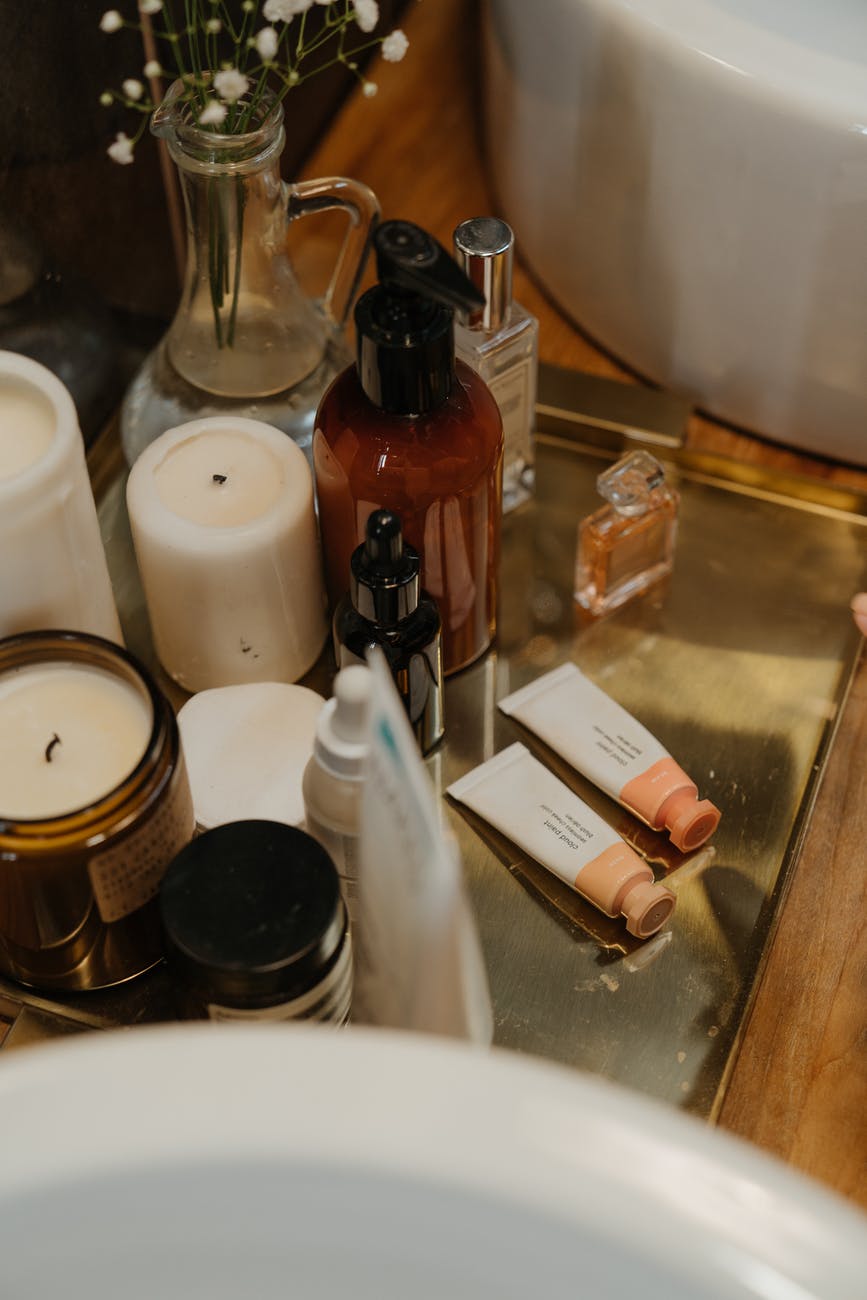
A daily skin care programme can help you maintain general skin health and alleviate particular concerns like acne, scars, and dark spots, regardless of your skin type. A daily skin care routine consists of four essential stages that should be completed once in the morning and once before bedtime.
1. Cleansing: Choose a cleanser that doesn’t leave your skin tight after washing. Clean your face no more than twice a day, or just once, if you have dry skin and don’t wear makeup. Avoid washing for that squeaky-clean feeling because that means your skin’s natural oils are gone. Cleansers known to work well for all skin types include Cetaphil and Banila Clean It Zero Sherbet Cleanser.
2. Serums: A serum with vitamin C or growth factors or peptides would be better in the morning, under sunscreen. At night, retinol or prescription retinoids work best. Makeup Artist’s Choice has an effective vitamin C and E serum and retinol available.
3. Moisturizer: Even oily skin needs moisturizer, but use one that is lightweight, gel-based, and non-comedogenic, or doesn’t block your pores, like CeraVe’s facial lotion. Dry skin may benefit from more cream-based moisturizers like MISSHA Super Aqua Cell Renew Snail Cream. Most brands will label their products as gel or cream on their packaging.
4. Sunscreen: Apply sunscreen with at least 30 SPF 15 minutes before heading outdoors, as it takes a while for sunscreen to activate. Darker skin tones actually need more sun protection because hyperpigmentation is harder to correct. Try EltaMD’s sunscreen, which offers broad-spectrum UVA/UVB protection and is recommended by the Skin Cancer Foundation.
Suitable for all skin types
Keep yourself hydrated.
At least once a week, change your pillowcases.
Before going to bed, wash or wrap your hair.
Apply sunscreen 15 minutes before heading out every day.
To test how your skin reacts, start with a basic and uncomplicated routine. You can then add other products like exfoliants, masks, and spot treatments to increase your skin’s health if you’re comfortable.
Also, remember to patch test new products, especially if you have sensitive skin. This can aid in the detection of allergic reactions.
DIY Hacks to avoid
For typical skin concerns like acne pimples and dark patches, people claim that DIY remedies like lemon juice and toothpaste work miracles. Even Oscar winner Emma Stone claims that baking soda is her skin care secret. However, because these techniques might damage your skin’s barrier, they may cause more long-term harm than good.
Avoid these do-it-yourself blunders
Lemon juice: While it contains citric acid, it is far too acidic and might create dark spots following sun exposure. It might also cause your skin to become dry and irritated.
Baking soda (sodium bicarbonate) Baking soda, with a pH of 8, will stress your skin, severely reduce your skin’s water content, and produce dry skin.
Garlic: Garlic, when eaten raw, can cause skin allergies, eczema, and other skin conditions.
Toothpaste: While toothpaste’s chemicals destroy bacteria and absorb oil, they can also dry up or irritate your skin. Sugar: Sugar is too harsh for the skin on your face as an exfoliator.
Vitamin E: Applying vitamin E to your skin can irritate it, and it hasn’t been proven to improve scar look.
Although some of these substances are natural and inexpensive, they are not tailored for your skin. Even if you don’t experience any obvious negative effects, some substances can cause long-term or delayed harm. It’s important to utilise cosmetics designed specifically for your face. Before attempting DIY skin care, consult your doctor or dermatologist.
If your skin problems do not improve with over-the-counter products, you should contact a dermatologist. Prescription treatment for more severe acne, scarring, or other issues may be required, such as oral antibiotics, birth control, or topical prescription retinoids.
For deeper cysts or acne patches lodged beneath your skin, your dermatologist may conduct an extraction.
Keep in mind that the way goods perform depends on your skin type. Even when using a natural product, using the wrong one might cause breakouts, pimples, and redness.
It’s crucial to figure out your skin type and tailor your skin care routine accordingly. You can also take notes on product ingredients to determine if any of them are producing allergic reactions on your skin.
After cleansing your face, look for products that include these substances and incorporate them into your routine.
When we talk about Olympics , how can we not talk about Usain St. Leo Bolt.Popularly known as Usain Bolt, he gained worldwide fame as sprinter.This talented man also hold 8 medals in Olympics
Bolt was born on 21st August 1986 in Sherwood Content, a small town in Jamaica. As a kid he was always interested in sports. He played football and cricket most. He stated ,”When I was young, I didn’t really think about anything other than sports”. Bolt mainly focused on other sports but his cricket coach notice his speed on cricket field and urged him to try track event. Following the advice of his coach he won his first annual high school medal in 2001; he took silver medal in 200 metres with a time of 22.04 seconds.
Bolt is a world record holder in 100 metres, 200metres and 4×100 metres relay. Bolt is a also a first athlete to win four World Championship titles in 200 m and is one of the most successful in 100 m with three titles. His achievements are so great that earned nickname “Lightning Bolt” . Bolt retired after 2017 World Championships, when he finished third in last Solo 100 m race, opted out of the 200 m and pulled up in 4×100 in relay final.











 Eduindex
You must be logged in to post a comment.