TECHNOLOGY.

Technology refers to science or knowledge put into practical use to solve problems or invent useful tools that use scientific knowledge to solve practical problems in case of industry and commerce. Technology consists of construction transportation energy power manufacturing communication BIO- related. Technology is important because it enables to have access to suppliers and technology makes feel more secure with every area in life both personal and business technology is ever growing by understanding how people shape technology and how technology shape people interactions with each other. Technology concerns itself with understanding how knowledge is creatively applied to organise task involving people and machine that meet sustainable goals.

Technology is about taking action to meet it a human needs rather than understanding the works of natures world which is the ultimate goal of science. The invention of microscope was driven by a need to look over the world of the small beyond our unaided vision. It uses much more than scientific knowledge and values as much as facts practical craft knowledge as much as theoretical knowledge. iPod where the physics of making a small device carry so much music which is creative indesign to make all iconic must have accessory. Technology in involves organised way of designing things that covers the interaction between products and the people and system madam use them or are are affected by them through various processes. When we speak about the technology used in car which are a equippede with that technology that can read out text messages latest news voice commands and to make phone calls and also a locating attention to others talks. Increasing vehicles come pre installed with technology that provides to improve our life and more productivity out of a journey. Digital Substances such as Alexa parking assistance system where we talk.

When we talk about the importance of technology in education all students life that provide easy to access information accelerated learning enables students to explore new subjects deepen their understanding of difficult concepts and also helps to learn fixable learning and experience as some students use YouTube video tutorial material that can find solution to difficult problems and activities to supplement their knowledge. Technology offers motivation to students to learn and explore things through websites videos apps and much more. Gives more opportunities for project based learning work in groups are as individuals buy Google classroom and provide feedback in real time Google feedback and slides and simultaneously create presentations or group papers

Deccan used a research to find solution in real time problem and also complete an assignment like making a blog video websites apps and programming. It also save money as they worth the investment in chromebooks iPads and computers are effective than paper. Many school nowadays what the bye-book which can be more convenient for students and upload their assignments through online. Technology is a tool that can improve in many ways it is a powerful assert in any modern classroom.

when will look Into the technology in future the dominant workplace with artificial intelligence and smart assistance will be common workplace. Everything will be smart converter the most possible invention maybe e superhuman clothing, hyperloop, space vacations, drone ecosystem, virtual reality, entire dependence on renewable resources, human robots rebirth of people , self driving cars and medical advancement

Let’s Review…

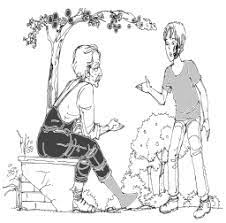
The story ‘On The Face Of It‘ by Susan Hill, reflects the ideology of the society towards deformed or disabled people by the characters Derek and Mr. Lamb.

Susan Hill: 'When you read a lot, you start writing your own stories' | |  The Guardian

Derek, a lad of fourteen, was a victim of inferiority complex, for he was having half face burnt with acid and was criticized by the society about his future. His mother kissed him on the good side of the face only which made Derek furious and agitated about his appearance. Mr. Lamb tries to understand his grievances and brings him out of his ideologies and isolation by quoting the example of Beauty and Beast, weeds, singing of bees. He says that, appearances are acceptive, at least Derry has two eyes, ears, hands, legs through which he can change his life. The bond of affection, amicability, binds the two despite of their deformity.

Derek already knew that handsome is as handsome does, but his mind and thoughts were overpowered, by the norms of the society, hence at least, wanted to play in Mr. Lamb’s garden, hear song of bees, make jelly, spend time with Mr. Lamb due to which he revisits him despite of his mother’s annoyance.

Mr. Lamb made Derry’s eye watch, which he earlier see only, he made him realize the difference between alive and living.

Pradhan Mantri Khanij Kshetra Kalyan Yojana

The Pradhan Mantri Khanij Kshetra Kalyan Yojana was launched on 17th September 2015 for the welfare of the people and areas affected by mining operations. Funds for this scheme are generated by District Mineral Foundations (DMFs). And most of these areas are occupied and inhabited by the scheduled tribes. In all the districts that are affected by the mining, District Mineral Foundations (DMFs) under the Mines and Minerals (Development & Regulation) Amendment Act, 2015, the Central Government has fixed rates payable by miners to the District Mineral Foundations. An amount of 30% of royalty has to be paid by the miner if the lease executed dates before 12th January 2015 and for the mining leases after 12th January 2015, it is 10% of the royalty payable. These Mines and Minerals (Development & Regulation) (MMDR) funds are then used for the implementation of the Pradhan Mantri Khanij Kshetra Kalyan Yojana. The directly and indirectly affected people (as specified by the government) by such mining or excavation activities should be covered under this scheme. The list of such directly and indirectly affected people and local communities should be maintained and updated by the District Mineral Foundations (DMFs). People having legal or traditional rights over the land on which mining, excavation, or any such activity is performed come under the list of affected people or traditional communities. The families which get displaced because of these mining activities need to be rehabilitated by the authorities. At least 60% of MMDR funds are required to be utilized in the following ‘High Priority Areas’:

• Health Care – Implementation of Group Insurance Scheme for the mining-affected people should be taken care of. Primary or secondary health facilities should be provided in consideration to the existing available health facilities of the central government, state, or any local bodies to the people of the mining-affected areas. While preparing for such infrastructure the knowledge available with the ‘National Institute of Miner’s Health’ should be included for taking care of diseases and illnesses related to mining.
• Drinking Water – Water purification facilities, drinking water facilities, and water connection pipes should be taken care of.
• Education – Construction of school buildings, hostels for students as well as teachers in remote areas, classrooms, labs, toilets, transportation facilities, and such more education-related resources should be considered.
• Sanitation – Proper collection and disposal of mining waste and fecal sludge, cleaning of public places, and construction of toilets.
• Development of Women and Children – Special programs can be carried out for spreading awareness for maternity-related issues, infections, malnutrition, and child health issues.
• Skill Development – Developing skills of the willing and deserving local people by setting up centers, providing training, and to the Self-Help Groups (SHGs) for generation of economic activities among the backward.
• Safeguard of Old and Disabled – Organizing programs for the welfare of the old and people with disabilities.
• Pollution Control and Environment Preservation – Opting for environment-friendly and sustainable mining techniques, prevention of lakes, ponds, groundwater, and other water resources, prevention of air pollution due to mining, and proper drainage system for mining dump.
Utilization of up to 40% MMDR funds in the following ‘Other Priority Areas’:
• Irrigation – Opting for sustainable and advanced irrigation techniques.
• Watershed and Energy – Establishing rainwater harvesting systems and alternative sources of energy.
• Infrastructure – Developing required infrastructure such as – roads, railways, and water projects.
• And more such measures for sustainable resources and improved environmental conditions in mining districts.

The vulnerable and marginalized communities such as the tribal are empowered through this scheme. It is said, annually Rs 6000 crore is utilized for the development of people and areas affected by mining activities. According to the reports of the ministry, till now an amount of Rs 22,999 crore has been approved out of which an amount of Rs 6,944 has been utilized.

UV Disinfection of waste water

Used alone, UV radiation does not improve the taste, odor, or clarity of water. UV light is a very effective disinfectant, although the disinfection can only occur inside the unit. There is no residual disinfection in the water to inactivate bacteria that may survive or may be introduced after the water passes by the light source. The percentage of microorganisms destroyed depends on the intensity of the UV light,  the contact time, raw water quality, and proper maintenance of the equipment.  If material builds up on the glass sleeve or the particle load is high, the light intensity and the effectiveness of treatment are reduced.  At sufficiently high doses, all waterborne enteric pathogens are inactivated by UV radiation. The general order of microbial resistance (from least to most) and corresponding UV doses for extensive (>99.9%) inactivation are: vegetative bacteria and the protozoan parasites Cryptosporidium parvum and Giardia lamblia at low doses (1-10 mJ/cm2) and enteric viruses and bacterial spores at high doses (30-150 mJ/cm2). Most low-pressure mercury lamp UV disinfection systems can readily achieve UV radiation doses of 50-150 mJ/cm2 in high quality water, and therefore efficiently disinfect essentially all waterborne pathogens. However, dissolved organic matter, such as natural organic matter, certain inorganic solutes, such as iron, sulfites and nitrites, and suspended matter (particulates or turbidity) will absorb UV radiation or shield microbes from UV radiation, resulting in lower delivered UV doses and reduced microbial disinfection. Another concern about disinfecting microbes with lower doses of UV radiation is the ability of bacteria and other cellular microbes to repair UV-induced damage and restore infectivity, a phenomenon known as reactivation. 

UV inactivates microbes primarily by chemically altering nucleic acids. However, the UV-induced chemical lesions can be repaired by cellular enzymatic mechanisms, some of which are independent of light (dark repair) and others of which require visible light (photorepair or photoreactivation). Therefore, achieving optimum UV disinfection of water requires delivering a sufficient UV dose to induce greater levels of nucleic acid damage and thereby overcome or overwhelm DNA repair mechanisms.

UV Irradiation Pretreatment

Either sediment filtration or activated carbon filtration should take place before water passes through the unit. Particulate matter, color, and turbidity affect the transmission of light to the microorganisms and must be removed for successful disinfection.

UV is often the last device in a treatment train (a series of treatment devices), following reverse osmosis, water softening, or filtration. The UV unit should be located as close as possible to the point-of-use since any part of the plumbing system could be contaminated with bacteria. It is recommended that the entire plumbing system be disinfected with chlorine prior to initial use of a UV system.

Types of UV Disinfection Devices:;

The typical UV treatment device consists, of a cylindrical chamber housing the UV bulb along its central axis. A quartz glass sleeve encases the bulb; water flow is parallel to the bulb, which requires electrical power. A flow control device prevents the water from passing too quickly past the bulb, assuring appropriate radiation contact time with the flowing water. It has been reported that turbulent (agitated) water flow provides more complete exposure of the organism to UV radiation.

A UV system housing should be of stainless steel to protect any electronic parts from corrosion. To assure they will be contaminant-free, all welds in the system should be plasma-fused and purged with argon gas. The major differences in UV treatment units are in capacity and optional features. Some are equipped with UV emission detectors that warn the user when the unit needs cleaning or when the light source is failing. This feature is extremely important to assurance of a safe water supply. A detector that emits a sound or shuts off the water flow is preferable to a warning light, especially if the system might be located where a warning light would not be noticed immediately.

Reviewing The Summary Of…

Should Wizard Hit Mommy‘, is a story within story by John Updike, reflects evils of society. Society is a mental concept in which individuals reside and support each other, but neglect the have-nots or unprivileged like Roger Skunk, who was neglected and unaccepted due to his obnoxious smell.

John Updike (Author of Rabbit, Run)

Jack, narrates the story of Roger Skunk, to his daughter, Jo. Skunk was always left alienated by all the Woodland creatures due to his foul smell. He decided to change his identity by accepting the smell of roses and thereafter he was accepted by society. Roger Skunk’s mother didn’t like the smell of roses and hit the wizard. Jo, as a child, was unable to accept the ending of the story of wizard being hit by mommy and rebelled against his father.

Jack, through the story of Roger Skunk, wanted to make Jo understand the trivialities of the society and one’s identity is pertinent for him. One should accept what nature has bestowed us with and elders are always right in their perspectives, for they are experienced.

Jack was not completely a good story teller, for, he always had the same creatures with a slight variation in the plot, but tried his best by putting expressions, sounds and gestures to make his story realistic.

SHOULD WIZARD HIT MOMMY ? By JOHN UPDIKE (In hindi) - YouTube

PLASTIC.

The term plastic is used to classify a wide variety of synthetic or semi-synthetic material. Plastic are organic material just like wood, paper or woll. We use plastic products in clothes we wear, house we dwell, mode if transportation we travel in, toys were kids play, the screen we watch. The raw material used to produce plastic are cellulose, coal, natural gas, salt, and crude oil they are corrosion resistant to many substances which attack other materials. The relatively low density and advantages is light weight, have excellent thermal and electrical insulation properties . They can easily be moulded into complex shapes, allowing other materials into it ,it balances the properties that can be modified with the addition of reinforcing fillers, colours foaming agents, plasticisers etc. As a result of these attractive properties plastics are being used in many of the places such as packing building and construction healthcare agriculture sports mobility and transportation. Plastic polymeric material that as the capacity of being molded and shaped. Many chemicals namely better known as PET, PVC polyethyleneterephthalate and polyvinyl chloride, polystyrene and, poly methyl methacrylate are known by their trademark name. Commodities resins are plastics that are produced at my volume and low cost that is disposable and durable. Member of the plastic speciality resins is the thermoplastic elastomers, polymers that I have the elastic property known for rubber. The plastic can be categorised based on chemical composition one is polymer having only aliphatic carbon atoms in their backbone chain and other is heterochain polymers which contains atom such as oxygen nitrogen or sulfur backbone chain. It is important to that for each polymer there are many subtypes about 20 to 30 variation

How plastic effects environment? They are threatens food safety and quality human health coastal tourism and most importantly contribution to climate change. The plastic pollution is concerned with plastic objects particles in earth environment or earth surface that affects wildlife wildlife habitat or humans. Plastic are inexpensive and durable in making them very adaptable for different users. The chemical structure of most plastics render them resistance to many natural process of degradation and result in slow degrade. It is Estimated that 1.1 to 8.8 million of plastic waste enters the ocean some researchers suggest that there could be more plastic than fish in oceans by weight. In some areas there have been in significant efforts to reduce the the prominence free range plastic pollution through reducing plastic consumption.

countries importing the plastic waste often lack the capacity to process all the material. There are three forms of plastic microplastic which have highest density is concentrated around urban centres and water fronts. Plastic can be found of the coast of some islands because of current earning the debris mega macro plastic are found in packing footwear and other domestic items. Primary plastic are in original form when collected but secondary plastic account for smaller plastic that have resulted from degradation of primary plastic.microdebris are plastic pieces between two to 5 mm in size commonly called nurdles which are recycle to make new plastic items and end up breaking into the environment during production smaller causes.

AS a result plastic is affecting the earth and all creators so say No to plastic

Principles of UV Disinfection – Home Water Treatment

UV radiation has three wavelength zones: UV-A, UV-B, and UV-C, and it is this last region, the shortwave UV-C, that has germicidal properties for disinfection.  A low-pressure mercury arc lamp resembling a fluorescent lamp produces the UV light in the range of 254 manometers (nm).   A nm is one billionth of a meter (10^-9 meter). These lamps contain elemental mercury and an inert gas, such as argon, in a UV-transmitting tube, usually quartz. Traditionally, most mercury arc UV lamps have been the so-called “low pressure” type, because they operate at relatively low partial pressure of mercury, low overall vapor pressure (about 2 mbar), low external temperature (50-100oC) and low power. These lamps emit nearly monochromatic UV radiation at a wavelength of 254 nm, which is in the optimum range for UV energy absorption by nucleic acids (about 240-280 nm).

In recent years medium pressure UV lamps that operate at much higher pressures, temperatures and power levels and emit a broad spectrum of higher UV energy between 200 and 320 nm have become commercially available. However, for UV disinfection of home drinking water at the household level, the low-pressure lamps and systems are entirely adequate and even preferred to medium pressure lamps and systems. This is because they operate at lower power, lower temperature, and lower cost while being highly effective in disinfecting more than enough water for daily household use. An essential requirement for UV disinfection with lamp systems is an available and reliable source of electricity. While the power requirements of low-pressure mercury UV lamp disinfection systems are modest, they are essential for lamp operation to disinfect water. Since most microorganisms are affected by radiation around 260 nm, UV radiation is in the appropriate range for germicidal activity. There are UV lamps that produce radiation in the range of 185 nm that are effective on microorganisms and will also reduce the total organic carbon (TOC) content of the water.  For typical UV system, approximately 95 percent of the radiation passes through a quartz glass sleeve and into the untreated water.  The water is flowing as a thin film over the lamp.  The glass sleeve is designed to keep the lamp at an ideal temperature of approximately 104 °F.

UV Radiation (How it Works)

UV radiation affects microorganisms by altering the DNA in the cells and impeding reproduction. UV treatment does not remove organisms from the water, it merely inactivates them. The effectiveness of this process is related to exposure time and lamp intensity as well as general water quality parameters.  The exposure time is reported as “microwatt-seconds per square centimeter” (uwatt-sec/cm^2), and the U.S. Department of Health and Human Services has established a minimum exposure of 16,000 µwatt-sec/cm^2 for UV disinfection systems.  Most manufacturers provide a lamp intensity of 30,000-50,000µwatt-sec/cm^2.  In general, coliform bacteria, for example, are destroyed at 7,000 µwatt-sec/cm^2.  Since lamp intensity decreases over time with use, lamp replacement and proper pretreatment are key to the success of  UV disinfection. In addition, UV systems should be equipped with a warning device to alert the owner when lamp intensity falls below the germicidal range.

Drinking Water Treatment with UV Irradiation

Ultraviolet (UV) rays are part of the light that comes from the sun. The UV spectrum is higher in frequency than visible light and lower in frequency compared to x-rays. This also means that the UV spectrum has a larger wavelength than x-rays and a smaller wavelength than visible light and the order of energy, from low to high, is visible light, UV, than x-rays. As a water treatment technique, UV is known to be an effective disinfectant due to its strong germicidal (inactivating) ability. UV disinfects water containing bacteria and viruses and can be effective against protozoans like, Giardia lamblia cysts or Cryptosporidium oocysts. UV has been used commercially for many years in the pharmaceutical, cosmetic, beverage, and electronics industries, especially in Europe. In the US, it was used for drinking water disinfection and treatment in the early 1900s but was abandoned due to high operating costs, unreliable equipment, and the expanding popularity of disinfection by chlorination.

Because of safety issues associated with the reliance of chlorination and improvement in the UV technology, UV has experienced increased acceptance in both municipal and household drinking water treatment systems. There are few large-scale UV water treatment plants in the United States although there are more than 2,000 such plants in Europe. There are two classes of disinfection systems certified and classified by the NSF under Standard 55 – Class A and Class B Units.

Class A — These ultraviolet water treatment systems must have an ‘intensity & saturation’ rating of at least 40,000 uwsec/cm2 and possess designs that will allow them to disinfect and/or remove microorganisms from contaminated water. Affected contaminants should include bacteria and viruses
“Class A point-of-entry and point-of-use systems covered by this Standard are designed to inactivate and/or remove microorganisms, including bacteria, viruses, Cryptosporidium oocyst and Giardia cysts, from contaminated water. Systems covered by this standard are not intended for the treatment of water that has obvious contamination or intentional source such as raw sewage, nor are systems intended to convert wastewater to drinking water. The systems are intended to be installed on visually clear water.”

Class B — These ultraviolet water treatment systems must have an ‘intensity & saturation’ rating of at least 16,000 uw-sec/cm2 and possess designs that will allow them to provide supplemental bactericidal treatment of water already deemed ‘safe’. i.e., no elevated levels of E. coli. or a standard plate count of less than 500 colonies per 1 ml. NSF Standard 55 “Class B” UV systems are designed to operate at a minimum dosage and are intended to “reduce normally occurring non-pathogenic or nuisance microorganisms only.” The “Class B” or similar non-rated UV systems are not intended for the disinfection of “microbiologically unsafe water.”

Therefore, the type of unit depends on your situation, source of water, and your drinking water quality. Transmitted UV light dosage is affected by water clarity. Drinking water treatment devices are dependent on the quality of the raw water. When turbidity is 5 NTU or greater and/or total suspended solids are greater than 10 ppm, pre-filtration of the water is highly recommended. Normally, it is advisable to install a 5 to 20 micron filter prior to a UV disinfection system.

News

107 LIVE SPIDERS SMUGGLED FROM POLAND TO CHENNAI

These smuggled spiders were caught in chennai international airport. And they were siezed under customs act 1962

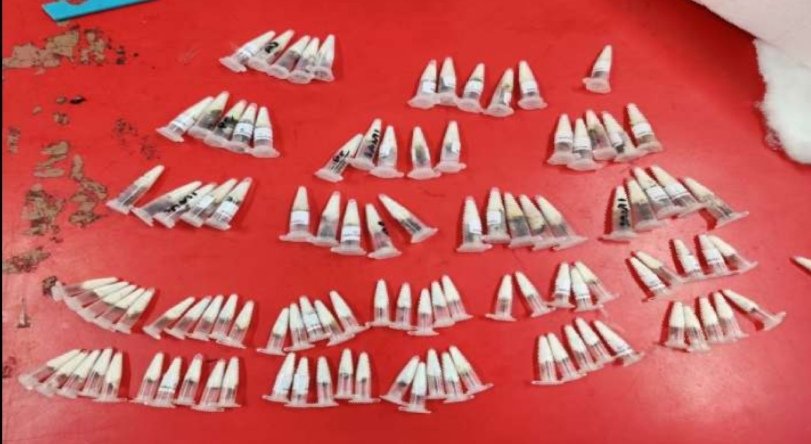
This parcel is from Poland to chennai on the name of arupukottai who lives in chennai. There were 107 spider which were packed in the thermocol box and were wrapped by silver foils and cotton and there spider were kept in 107 vials

To identify these species officials from the wild life crime control bureau (WCCB) As well as scientists from the zoological survey of India’s souther region center in chennai were attended. The morphological examined that the spiders were of genus phonopelma and brachypelma. And also said that these species native at South, Central America, and mexico

And due to there is no directorate general of foreign trade(DGFT) licence and health related documents. And they were imported back to Poland

Now chennai government started to enquire why these spiders were smuggled from Poland.

SC/ST Hub

About SC/ST Hub

As per the Public Procurement Policy for Micro and Small Enterprises, it is mandatory to procure a minimum of 25% of the total annual value of goods and services from the Micro and Small Enterprises, in which 4% of goods and services should be procured from SC / ST owned Micro and Small Enterprises and 3% of goods and services should be procured from Micro and Small Enterprises owned by women, for the Central Government Ministries, Departments, and Public – Sector Undertakings. Tenders are published by Central Public Service Enterprises (CPSEs), Public Sector Units (PSUs), and Government Organizations. These tenders are then bid upon and after the order is won, a Performance Bank Guarantee (PBG) is mandatorily required to be submitted for the CPSEs or large firm tenders, against the total value of the tender. This PBG agreement acts as a guarantee that the bank would pay the specified amount in case the Micro & Small Enterprises which is the applicant, fails to meet the ‘financial’ and ‘performance’ obligations. The bank charges an annual fee against its guarantee which generally ranges from 0.5 – 3% per annum. This application fee is paid one time, at the time of issue of the PBG. However, this charge varies based on the ‘risk profile’ of the applicant and various other aspects. Although, these charges are of small amount but somehow add a little burden on the part of entrepreneurs. To lower this burden on the Scheduled Cast / Scheduled Tribes Micro & Small Enterprises (SC / ST MSEs) the government has set the National SC-ST Hub (NSSH). This committee is chaired by Shri Milind Kamble the chairman of the Dalit Indian Chamber of Commerce and Industry (DICCI). It provides financial assistance to the SC / T MSEs by reimbursing the bank charges that any SC / ST MSE has paid for issuing PBG for government tenders. For the SC-ST Hub the Ministry of Micro, Small and Medium Enterprises, from 2016 to 2020, made an initial fund allocation of Rs 490 crore.

The objective for providing financial assistance to the ST / ST MSEs under this scheme are as follows:
• For achieving the target of 4% procurement of goods and services under the Public Procurement Policy, by the SC / ST MSEs.
• To provide exposure to the SC / ST MSEs to the global market.
• To provide a competitive platform to the MSEs and help them with their marketing skills.
• To provide exposure to large industries and buyers.
The nodal agency to look after the implementation of this scheme is the National Small Industries Corporation Ltd. (NSIC).
The financial assistance under this scheme is provided from the National SC-ST Hub (NSSH) fund and has a limit of 50% or Rs 1,00,000 whichever among the two is less. This amount is exclusive of GST and other taxes applicable. Although, in a financial year the scheme can be availed multiple times by the SC / ST MSEs the amount remains limited as mentioned above. The reimbursement s done based on valid documents or receipts showing payment details, bank statements showing debit of BG charges, GST invoice generated through the system, and a copy of PBG issued (which should be certified).
For availing the benefit under this scheme, the following criteria need to be fulfilled:
• If a proprietorship firm wants to be recognized as SC / ST MSE the proprietor should belong to SC / ST category.
• If a partnership wants to be recognized as SC / ST MSE then at least 51% of shares should be held by the SC / ST partners.
• If a private limited company wants to be recognized as SC / ST MSE then the company should have at least 51% shares held by SC / ST promoters.
• The SC / ST MSEs must have their Udyog Aadhaar Memorandum (UAM) number, PAN number and must be registered under the Goods and Service Tax (GST) to avail of the scheme benefit.

After the evaluation and approval of the reimbursement by the NSSHO and NSIC, the reimbursement amount is transferred to the bank account of the applicant from where the PBG charges are debited and this is directly transferred through the Public Financial Management System (PFMS). The claims by the applicant are required to be submitted within 45 days from the time PBG is issued.
This scheme can be availed by the PBG issued on or after 14th November 2018 till the NSSH scheme exists or there are any revisions or amendments made to this scheme.

Impact

The SC / ST Hub also provides professional support to the SC / ST MSEs and provides training and skill development programs. In 2016 – 17 it has provided for 3 capacity building training programs (skill entrepreneurship development) to 83 candidates, in 2017 – 18 64 programs with 1,311 candidates, in 2018 – 19 288 programs to 6,514 candidates and for the year 2019 – 20 provided with 513 programs to 13,362 candidates which come to a total of 868 programs to a total of 21,270 candidates. 823 crore procurements have been made from SC / ST owned MSEs by 162 CPEs and a total of 17,537 SC / ST candidates have been assisted as per the reports of the SC-ST Hub under the Ministry of Micro, Small & Medium Enterprises. This scheme is helping nurture the Micro and Small Enterprises through the involvement of the marginalized, that is the Scheduled Tribes and Scheduled Castes, giving them equal opportunities to grow and develop financially as well as socially.

Underrated Regional Movies – Part 1

Sarvam Thaala Mayam (2018) by Rajiv Menon – Tamil

Despite having a basic premise and a simple narrative with a predictable climax, the film doesn’t fail to bring you that smile you wish for, after having watched a feel-good inspirational film. It’s also a bonus if you’re interested in Indian classical music.

Our protagonist is Peter Johnson, a young man who is introduced to us as a diehard fan of Tamil superstar Vijay, so much so that he skips exams to watch his films first-day first-show. The transition that Peter’s character undergoes from a carefree lad crazy about a film star to someone well-disciplined and obsessed with music is the highlight of the film. What connects these two Peters is the love for beats, whether he played them on drums to celebrate Vijay’s success, or to become an ace Mridangam player. That’s what the title of the film suggests – beats are omnipresent, and there’s no particular way to follow them.

Sarvam Thaala Mayam

Interpretation

At its core, it’s essentially a Dronacharya-Ekalavya story, but has much more to offer. Although Peter surrenders himself to renowned mridangam player Vembu Iyer, he soon realizes that the path is going to be difficult. Society is cruel, and talent is not all that it takes to succeed. The commentary on caste/class distinction raises the obvious question: Isn’t art supposed to be for everyone who wants to pursue it? Peter’s father is a Mridangam manufacturer, who is in love with the instrument in his own way, not as a musician but as a builder. The father-son conflict regarding how to view the same object, one as a means of livelihood and the other as a subject of passion, is especially interesting.

I guess the film reinstated my belief about art being subjective, and the fact that rigidity in art is never a good idea. I would say I loved the film because it gave me what I wanted to see, which may not work for everyone. However, it is still a lovely watch, and I would ask you to go for it if you want something sweet and lighthearted. My only issue was that the female lead didn’t have much to do except playing a love interest.

Picasso (2019) by Abhijeet Warang – Marathi


In around 70 minutes, Picasso is a breezy watch. The story is simple, straightforward and heartwarming, and apart from the main takeaway that is the beautiful father-son relationship, you also get immersed in the world of Marathi Sangeet Natak, specifically the art of Dashavatar folk theatre as described before the end credits. Majority of the film is a detailed enactment of one such play, which keeps you yearning for a big screen experience of the same, if not the experience of watching such performances live.

Picasso 2019

Interpretation

But the father-son relationship is not the sole thing to explore here. It more of an artist-artist relationship, one extending a supporting hand to another, although it may not be mutual at the moment. Pandurang is a sculptor, and also an actor on stage. He provides for his family with whatever he earns, which is never enough. He has inspired his son Gandharva to paint, who has made him proud by winning a prestigious competition that can eventually give him a chance to learn art in Spain. But Pandurang cannot afford even the 1500 bucks needed to compete for the next round. Gandharva is heartbroken, but decides to spend the whole night watching his father perform on stage – one artist accepting his defeat, and eager to see the other flourish.

The scene in the frames above touched the right chords of my heart. We see a frustrated Pandurang trying to apply makeup on his face, while the cigarette dangling from his fingers makes it difficult for him. He knows he isn’t going to make much money tonight, and he is equally heartbroken as his son for having refused him. But then Gandharva helps out his father, painting his face as he would paint a canvas. Pandurang looks lovingly at his son and flashes a teary smile. Gandharva appears to be a true artist at this moment, whether he makes it to Spain or not.

How to read someone’s body language?

What Is Body Language?
Put simply, visual communication is that the unspoken element of communication that we use to reveal our true feelings and emotions.

It’s the relaxed countenance that breaks out into a real smile – with mouth upturned and eyes wrinkled. It are often a tilt of the top that shows you’re listening, sitting or standing upright to convey interest, or directing attention with hand gestures. It also can be taking care to avoid a defensive, arms-crossed posture, or restlessly tapping your feet.

Being conscious of visual communication in others means you’ll devour on unspoken issues or negative emotions. Here are some nonverbal signs to seem out for.


Body Language Examples From Difficult Conversations
Difficult conversations are an uncomfortable fact of life. Perhaps you’re handling a rude customer , giving an employee feedback , or negotiating a contract.

Situations like these are often complicated by feelings of nervousness, stress, or maybe anger.
-Arms folded ahead of the body.
-Minimal or tense countenance .
-Body turned faraway from you.
-Eyes downcast, maintaining little contact.

Visual communication of a Bored Audience
-Sitting slumped, with heads downcast.
-Gazing at something else, or into space.
-Fidgeting, picking at clothes, or twiddling with pens and phones.

Body Language for an honest First Impression
-Use a firm handshake. But aren’t getting carried away! you do not want it to become awkward, aggressive, or painful for the opposite person.


-Maintain good eye contact. attempt to hold the opposite person’s gaze for a couple of seconds at a time. this may show them that you’re sincere and engaged.


-Have an open posture. Be relaxed, but don’t slouch! Sit or stand upright and place your hands by your sides.


Body Language for Interviews and Negotiations
.

-Use mirroring. If you’ll , subtly mirror the visual communication of the person you’re lecture this may make them feel more comfortable and may build rapport . But don’t copy their every gesture or you’ll make them uncomfortable


-Relax your body. Maintain the looks of calm by keeping your hands still and breathing slowly.
Look interested. If you’re asked a posh question, it’s okay to briefly touch your cheek or stroke your chin.

How does one Use Your Body Language?
Eflect on how you employ your visual communication – and avoid making assumptions! If you’re getting mixed signs from someone, ask them what they’re thinking. After all, interpreting visual communication should be a complement to talking and listening attentively, not a replacement for it.

Books Written By Women For Women

Women are capable of accomplishing anything. Create great ideas, build businesses, and make a great difference in the world. Nonetheless, we don’t see enough of this message in mainstream media. However, the realm of literature has provided us with many incredible stories of women’s perseverance, knowledge, wit, boldness, and drive.As such, here are some excellent novels written by women authors for women.

I Know Why the Caged Bird Sings by Maya Angelou

The caged bird attempting to escape has long been a symbol of resistance to injustice. Maya Angelou employs this sign to express her desire to leave a life of strife, racism, and misogyny. I Know Why the Caged Bird Sings is an autobiographical novel about Angelou’s childhood in the 1930s. 

We encounter prejudice, rape, and rejection from her community, even from her own mother, as we follow this impoverished, disenfranchised black girl. Maya Angelou discovers as an adult how her own strong spirit, compassion, and generosity to others is the greatest way to be free. The book is a strong and beautiful storey of courage and breaking free from one’s captivity.

We Should All Be Feminists by Chimamanda Ngozi Adichie

We Should All Be Feminists is an interesting piece on women’s rights and equality. This book-length article discusses how the term “feminism” is sometimes connected with misunderstandings and prejudices like brainwashing.

To counterbalance this, Chimamanda Ngozi Aidchie provides the reader with a simplistic yet compelling description of feminism: equality for women in social, political, and economic terms. She confronts common feminist misconceptions front on. Even after her own friends called her a terrorist supporter, Aidchie continued to clarify that the term “feminist” has little to do with hostile, resentful, and men-hating women. The central theme of this novel is a narrative of a life-long battle to achieve equality between the sexes. 

According to the author, feminism is important since it helps to tackle women’s silence and exploitation.By how successive generations educate their children, the concepts of gender equality and feminism continue to struggle with all these terms.

The Terrible by Yrsa Daley-Ward

The Terrible is a novel about a lady attempting to manage her life on her own. Yrsa Daley-Ward recounts personal aspects of her childhood without her father and the terrible facts she had to discover in this stunning piece of painfully honest prose.

These realities are referred to as “the terrible.” As a young lady, the writer couldn’t comprehend the mental strain of having encountered tremendous pessimism and tribulations so early on in life. Having grown up as the only kid of colour in a white area, she was educated by a family of radical Christians, and witnessed her mother being devastated by several bad relationships.

Later in the book, the book relates Daley-Ward’s life as an adult, when she, too, had to deal with “the terrible.” She discovered it was continually expanding and having a much more huge psychological strain on her as she became hooked to narcotics and experienced repeated mental breakdowns.

The author reaches the climax and confronts “the terrible” after suffering all of the negative stuff that has occurred to her. She can only break free and recover if she recognises the consequences of her trauma and embraces her self-sustaining positivity.

The Girl with the Louding Voice by Abi Daré

The title of this novel hints at the main character. The tale of Adunni, a young Nigerian girl who aspires to acquire an education but ends up in an arranged marriage, is told in “The Girl with the Loud Voice.” As she escapes her violent husband and her native town, her resolve to attend school, which her mother encouraged Adunni to accomplish, triumphs.

The plot follows Adunni on her trip, which is packed with perilous, life-changing, and remarkable experiences. On her journey, she gains access to literature such as English dictionaries when she finds herself working as a maid in Lagos. Eventually, she comes upon an opportunity to learn. Her irrepressible attitude and perseverance drive her on the path to the “louding voice,” making this book a fantastic piece of how battling for your ambitions will be rewarded.

Notwithstanding the many difficulties in her journey, she never quits on her aim of escaping poverty. The end result reminds readers of the author’s message: pursue your goals, and you might just bring about change.

Wow, No Thank you: Essays by Samantha Irby

Wow, No Thank You is an essay collection in which Samanth Irby describes her life as a married woman in her forties. She compiles a fantastic series of stories in which she finds herself in situations that many people can relate to. All throughout the novel, humour is a recurring motif, as Irby makes amusing comments on her own behaviour and life choices.

The author’s inner voice, however, is at the heart of the book, pushing us to be more sensitive to things. That discourse also enables us to notice these things that no one else notices, which frequently results in pretty funny circumstances. Irby demonstrates how her internal thoughts influences her clothing and footwear, food preferences, cleansing items, and so much more.

Is work from home good for you?

More than a year have passed since the pandemic arrived. After lockdown announced, many of us started working from our homes. After sometime it become stressful. We don’t know when our lives becomes normal again. Will we go to the office again – and, if so, how often? We all know that work will never be the same, even after corona. What would it be like to have “work clothes” again?

According to research, those who work from home tend to report high levels of stress. When working from home, many people may experience distractions and interruptions throughout the day. People find themselves getting less exercise than they would do in an office setting. When we’re not active throughout the day, we didn’t feel tired at night which affect sleep quality. During your work hours, you may receive many non-work-related calls, just try to avoid them.

Job satisfaction were also negatively affected. Working from home doesn’t suit everyone. Switching to work from home may have a negative impact on many people’s mental health if they are unable to find a routine that suites them. Work from home is not for all job types such as manufacturing, hospitality, heavy Industry work. Work life balance affected very badly, people work more hours, less in person interaction. Some people stared at their screen for hours, sitting in awkward positions with no breaks. Easy access to junk food which means more weight gain. Working from home requires time management.

Benefits of WFH. You are safe from getting infected, comfortable while working, healthy eating habits, can save money easily. Confidant home office, increased performance. Many have enjoyed the benefits of telecommuting

  • Create routine and stick to schedule.
  • Try to make your workspace comfortable.
  • Keep your work and home lives separate.
  • Do not stick to text based communication only.
  • Maintain regular hours.
  • Take small breaks.
  • Be positive.
  • Don’t take too much stress.

Working from home is not always better or worse for people’s health.

Animated Movies of 2021 – Honest Reviews

Luca – Pixar Animated Studios

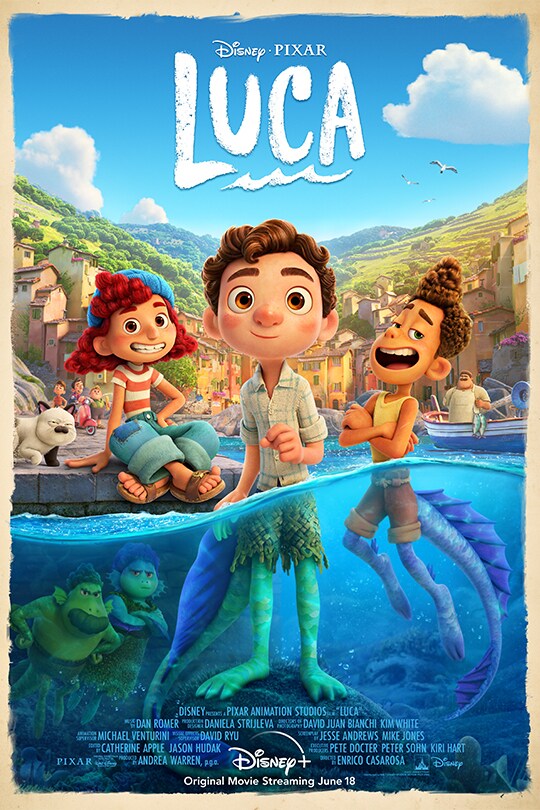
Sheltered from world beyond the ocean surface, a young sea monster ventures to a small coastal town disguised as a human boy. This movie unfortunately falls to an unreasonably high standard having been produced by Pixar Animation Studios. Sparing a few exceptions, there is an expectation that any given Pixar film will be in discussion for best movie of the year. While Luca certainly will not be talked about in any such manner & pales in comparison to Pixar’s other creations, it is far from a bad movie. This movie offers enough charm & heart to be generally enjoyable to almost any viewer. The environment is established well & the characters are all relatively likable. The animation, while not superb, is competently crafted.

The humor is mostly effective, with the physical comedy rendering the best laughs for me personally. The only aspect that didn’t work for me was that of the emotional investment. While there is some tension to be felt throughout the conflicts, the motives are never relayed strong enough for me to feel the weight behind some of the decision making. The climax went for deep emotion that just never struck. I don’t mean to sound redundant, but this just failed to capture that special Pixar spark. Outside of that, there is nothing necessarily wrong with this movie. It’s a harmless, entertaining watch for a young family movie night.

Raya And The Last Dragon Walt Disney Pictures

Worlds divided amidst war, a driven young warrior sets off to find a legendary dragon in hopes to reunite the community as one. While Disney Princesses are a trademark in the studio’s animated productions, I can’t say modern original creations like Elsa or Moana have really captured that magical spark for me. Raya, on the other hand, turned my head. The characters in written & showcased in a way that demonstrates deep understandable complexities while also crafting her into not only a likable protagonist, but a badass heroine as well. Per usual with Disney & their related properties, the quality of the animation cannot go unrecognized either. The script itself has its fair share of issues, including gaping plot holes & dialogue that is clearly pandering towards younger audiences, but nothing ever really compromised the enjoyment of the experience in a distracting way.

No movie is ever perfect, but it’s a huge compliment when it’s flaws can feel insignificant in the grand scheme of things. The one part that I had a harder time looking past was the execution of Awkwafina’s character. While she is undoubtedly a talented actress & comedian, I feel like she was given too much improvisational freedom for comedic relief that it made her character feel somewhat shallow. The writing was there for the character but I still had a difficult time building an emotional connection. My last minor complaint is that the music choices occasionally did not suit the tone of a given scene. As I said before though, this movie left me feeling positive about it once the credits rolled. It’s an engaging story & I would easily recommend giving it a chance if you haven’t already.