Dharavi: Asia's Largest Slum

Dharavi: Asia’s Largest Slum

Dharavi is a slum locality in Mumbai, Maharashtra, India and considered to be a one of the largest slum area in the Asia. Dharavi has a population of 10 lakhs and area of just over 2.1 square km. Dharavi has a population density of over 277,136/km.sq with this density, Dharavi is one of the most densly populated area in the world.


Demographics

The total current population of Dharavi slum is unknown, and estimates vary widely. Some sources suggest it is 300,000 to about a million. With Dharavi spread over 200 hectares (500 acres), it is also estimated to have a population density of 869,565 people per square mile. With a literacy rate of 69%, Dharavi is the most literate slum in India.

About 30% of the population of Dharavi is Muslim, compared to 14% average population of Muslims in India. The Christian population is estimated to be about 6%, while the rest are predominantly Hindus (63%), with some Buddhists and other minority religions. Among the Hindus, about 20% work on animal skin production, tanneries and leather goods. Other Hindus specialise in pottery work, textile goods manufacturing, retail and trade, distilleries and other caste professions – all of these as small-scale household operations. The slum residents are from all over India, people who migrated from rural regions of many different states. The slum has numerous mosques, temples and churches to serve people of Islam, Hindu and Christian faiths; with Badi Masjid, a mosque, as the oldest religious structure in Dharavi.

Location and characteristics

Dharavi is a large area situated between Mumbai’s two main suburban railway lines, the Western and Central Railways. It is also adjacent to Bombay Airport. To the west of Dharavi are Mahim and Bandra, and to the north lies the Mithi River. The Mithi River empties into the Arabian Sea through the Mahim Creek. The area of Antop Hill lies to the east while the locality called Matunga is located in the South. Due to its location and poor sewage and drainage systems, Dharavi particularly becomes vulnerable to floods during the wet season.

Slum shacks in Dharavi.

Dharavi is considered one of the largest slums in the world.The low-rise building style and narrow street structure of the area make Dharavi very cramped and confined. Like most slums, it is overpopulated.

Economy

An embroidery unit in Dharavi.

In addition to the traditional pottery and textile industries in Dharavi, there is an increasingly large recycling industry, processing recyclable waste from other parts of Mumbai. Recycling in Dharavi is reported to employ approximately 250,000 people.While recycling is a major industry in the neighborhood, it is also reported to be a source of heavy pollution in the area. The district has an estimated 5,000 businessesand 15,000 single-room factories.Two major suburban railways feed into Dharavi, making it an important commuting station for people in the area going to and from work.

Dharavi exports goods around the world. Often these consist of various leather products, jewellery, various accessories, and textiles. Markets for Dharavi’s goods include stores in the United States, Europe, and the Middle East. The total (and largely informal economy) turnover is estimated to be between US$500 million, and US$650 million per year, to over US$1 billion per year. The per capita income of the residents, depending on estimated population range of 300,000 to about 1 million, ranges between US$500 and US$2,000 per year.

A few travel operators offer guided tours through Dharavi, showing the industrial and the residential part of Dharavi and explaining about the problems and challenges Dharavi is facing. These tours give a deeper insight into a slum in general and Dharavi in particular.

Utility services

Potable water is supplied by the MCGM to Dharavi and the whole of Mumbai. However, a large amount of water is lost due to water thefts, illegal connection and leakage. The community also has a number of water wells that are sources of non-potable water.

Cooking gas is supplied in the form of liquefied petroleum gas cylinders sold by state-owned oil companies,as well as through piped natural gas supplied by Mahanagar Gas Limited.

There are settlement houses that still do not have legal connections to the utility service and thus rely on illegal connection to the water and power supply which means a water and power shortage for the residents in Dharavi.

Sanitation issues

Inside Dharavi

Mosque in Dharavi

Dharavi has severe problems with public health. Water access derives from public standpipes stationed throughout the slum. Additionally, with the limited lavatories they have, they are extremely filthy and broken down to the point of being unsafe. Mahim Creek is a local river that is widely used by local residents for urination and defecation causing the spread of contagious diseases. The open sewers in the city drain to the creek causing a spike in water pollutants, septic conditions, and foul odors. Due to the air pollutants, diseases such as lung cancer, tuberculosis, and asthma are common among residents. There are government proposals in regards to improving Dharavi’s sanitation issues. The residents have a section where they wash their clothes in water that people defecate in. This spreads the amount of disease as doctors have to deal with over 4,000 cases of typhoid a day. In a 2006 Human Development Report by the UN, they estimated there was an average of 1 toilet for every 1,440 people.

Epidemics and other disasters

Dharavi has experienced a long history of epidemics and natural disasters, sometimes with significant loss of lives. The first plague to devastate Dharavi, along with other settlements of Mumbai, happened in 1896, when nearly half of the population died. A series of plagues and other epidemics continued to affect Dharavi, and Mumbai in general, for the next 25 years, with high rates of mortality. Dysentery epidemics have been common throughout the years and explained by the high population density of Dharavi. Other reported epidemics include typhoid, cholera, leprosy, amoebiasis and polio.For example, in 1986, a cholera epidemic was reported, where most patients were children of Dharavi. Typical patients to arrive in hospitals were in late and critical care condition, and the mortality rates were abnormally high. In recent years, cases of drug resistant tuberculosis have been reported in Dharavi.

Fires and other disasters are common. For example, in January 2013, a fire destroyed many slum properties and caused injuries. In 2005, massive floods caused deaths and extensive property damage.

The COVID-19 pandemic also affected the slum. The first case was reported in April 2020.

 SEE NEW BLOG ON:- 

👉

TOP 5 COURSES TO DO IN YOUR 20s…

link:-     sahil vashistha  👈

YOUTUBE LINK      subscribe  👈

for free courses click on

👉   Udemy


👉  Coursera

THANK YOU 

HAVE A NICE DAY
HimAGee
NOTE:- FOR MORE INFORMATION CLICK ONSAHIL 
OR DM ME ON MY EMAIL.SAHIL
JAI BABA KI
🙏🙏🙏🙏🙏🙏🙏


Dharavi: Asia's Largest Slum

Dharavi: Asia’s Largest Slum

Dharavi is a slum locality in Mumbai, Maharashtra, India and considered to be a one of the largest slum area in the Asia. Dharavi has a population of 10 lakhs and area of just over 2.1 square km. Dharavi has a population density of over 277,136/km.sq with this density, Dharavi is one of the most densly populated area in the world.


Demographics

The total current population of Dharavi slum is unknown, and estimates vary widely. Some sources suggest it is 300,000 to about a million. With Dharavi spread over 200 hectares (500 acres), it is also estimated to have a population density of 869,565 people per square mile. With a literacy rate of 69%, Dharavi is the most literate slum in India.

About 30% of the population of Dharavi is Muslim, compared to 14% average population of Muslims in India. The Christian population is estimated to be about 6%, while the rest are predominantly Hindus (63%), with some Buddhists and other minority religions. Among the Hindus, about 20% work on animal skin production, tanneries and leather goods. Other Hindus specialise in pottery work, textile goods manufacturing, retail and trade, distilleries and other caste professions – all of these as small-scale household operations. The slum residents are from all over India, people who migrated from rural regions of many different states. The slum has numerous mosques, temples and churches to serve people of Islam, Hindu and Christian faiths; with Badi Masjid, a mosque, as the oldest religious structure in Dharavi.

Location and characteristics

Dharavi is a large area situated between Mumbai’s two main suburban railway lines, the Western and Central Railways. It is also adjacent to Bombay Airport. To the west of Dharavi are Mahim and Bandra, and to the north lies the Mithi River. The Mithi River empties into the Arabian Sea through the Mahim Creek. The area of Antop Hill lies to the east while the locality called Matunga is located in the South. Due to its location and poor sewage and drainage systems, Dharavi particularly becomes vulnerable to floods during the wet season.

Slum shacks in Dharavi.

Dharavi is considered one of the largest slums in the world.The low-rise building style and narrow street structure of the area make Dharavi very cramped and confined. Like most slums, it is overpopulated.

Economy

An embroidery unit in Dharavi.

In addition to the traditional pottery and textile industries in Dharavi, there is an increasingly large recycling industry, processing recyclable waste from other parts of Mumbai. Recycling in Dharavi is reported to employ approximately 250,000 people.While recycling is a major industry in the neighborhood, it is also reported to be a source of heavy pollution in the area. The district has an estimated 5,000 businessesand 15,000 single-room factories.Two major suburban railways feed into Dharavi, making it an important commuting station for people in the area going to and from work.

Dharavi exports goods around the world. Often these consist of various leather products, jewellery, various accessories, and textiles. Markets for Dharavi’s goods include stores in the United States, Europe, and the Middle East. The total (and largely informal economy) turnover is estimated to be between US$500 million, and US$650 million per year, to over US$1 billion per year. The per capita income of the residents, depending on estimated population range of 300,000 to about 1 million, ranges between US$500 and US$2,000 per year.

A few travel operators offer guided tours through Dharavi, showing the industrial and the residential part of Dharavi and explaining about the problems and challenges Dharavi is facing. These tours give a deeper insight into a slum in general and Dharavi in particular.

Utility services

Potable water is supplied by the MCGM to Dharavi and the whole of Mumbai. However, a large amount of water is lost due to water thefts, illegal connection and leakage. The community also has a number of water wells that are sources of non-potable water.

Cooking gas is supplied in the form of liquefied petroleum gas cylinders sold by state-owned oil companies,as well as through piped natural gas supplied by Mahanagar Gas Limited.

There are settlement houses that still do not have legal connections to the utility service and thus rely on illegal connection to the water and power supply which means a water and power shortage for the residents in Dharavi.

Sanitation issues

Inside Dharavi

Mosque in Dharavi

Dharavi has severe problems with public health. Water access derives from public standpipes stationed throughout the slum. Additionally, with the limited lavatories they have, they are extremely filthy and broken down to the point of being unsafe. Mahim Creek is a local river that is widely used by local residents for urination and defecation causing the spread of contagious diseases. The open sewers in the city drain to the creek causing a spike in water pollutants, septic conditions, and foul odors. Due to the air pollutants, diseases such as lung cancer, tuberculosis, and asthma are common among residents. There are government proposals in regards to improving Dharavi’s sanitation issues. The residents have a section where they wash their clothes in water that people defecate in. This spreads the amount of disease as doctors have to deal with over 4,000 cases of typhoid a day. In a 2006 Human Development Report by the UN, they estimated there was an average of 1 toilet for every 1,440 people.

Epidemics and other disasters

Dharavi has experienced a long history of epidemics and natural disasters, sometimes with significant loss of lives. The first plague to devastate Dharavi, along with other settlements of Mumbai, happened in 1896, when nearly half of the population died. A series of plagues and other epidemics continued to affect Dharavi, and Mumbai in general, for the next 25 years, with high rates of mortality. Dysentery epidemics have been common throughout the years and explained by the high population density of Dharavi. Other reported epidemics include typhoid, cholera, leprosy, amoebiasis and polio.For example, in 1986, a cholera epidemic was reported, where most patients were children of Dharavi. Typical patients to arrive in hospitals were in late and critical care condition, and the mortality rates were abnormally high. In recent years, cases of drug resistant tuberculosis have been reported in Dharavi.

Fires and other disasters are common. For example, in January 2013, a fire destroyed many slum properties and caused injuries. In 2005, massive floods caused deaths and extensive property damage.

The COVID-19 pandemic also affected the slum. The first case was reported in April 2020.

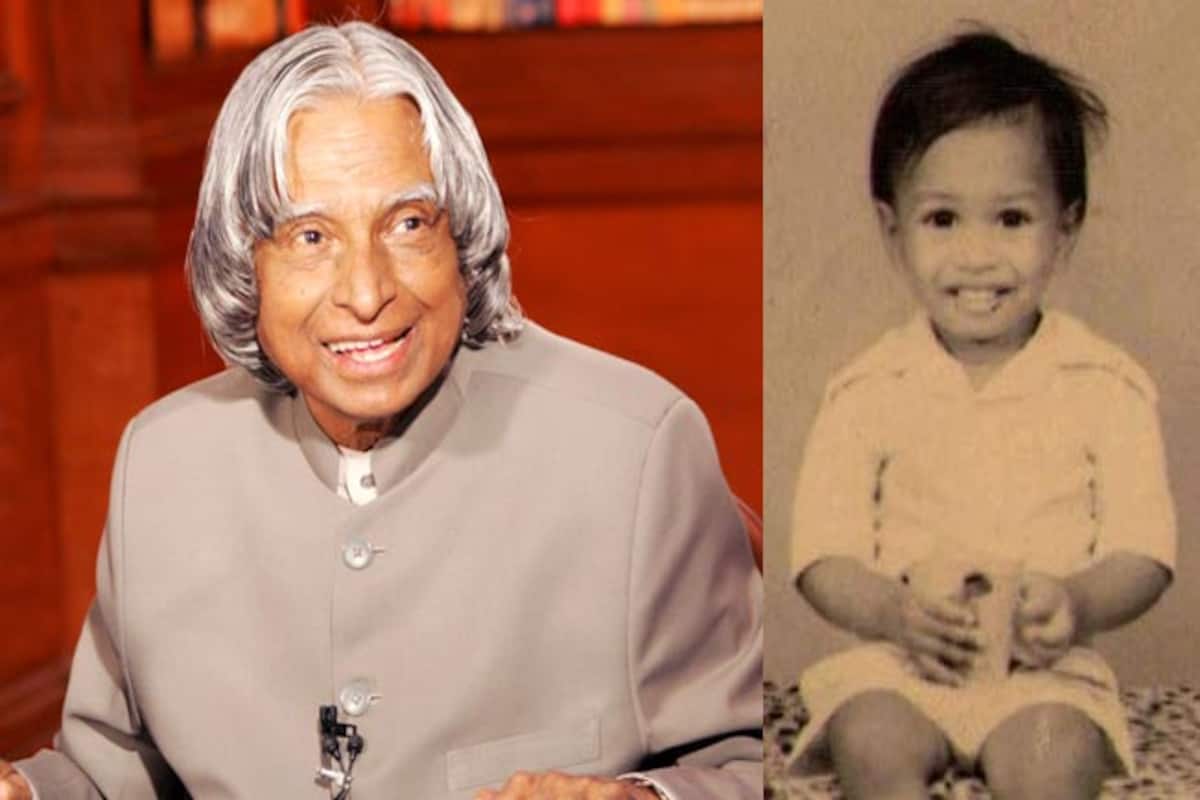
Most Powerful Biography of Dr.A.P.J. Abdul Kalam

Dr.A.P.J. Abdul Kalam, the star of the youth’s hope, is hailed as an unparalleled dawn in the political sky.

Birth and Adolescence of Abdul Kalam  

He was born on 15 October 1931 in Rameswaram, Tamil Nadu, the son of Jainulabdeen Marakayar and Ashiamma. His primary education took place in Rameswaram. He completed his engineering education in Chennai. 

Continuing Works of Abdul Kalam 

Not only did he tell others to dream, he also made it his policy to dream. The dream is not about selfishness. It is about her motherland, which includes the development of others. So he has a lot of work to do in relation to it. He first worked for an airline manufacturing and development company. At that time he developed the jet called “Nandi”. Realizing his uniqueness, the Indian Space Research Organization hired him. At that time, he was also known for his ability to launch satellites and launch missiles. Next he moved from the space company to the field of nuclear research and became successful. He next held the top post in the Indian Ministry of Defense and rose to the position of Scientific Adviser to the Prime Minister of India. Similarly, his work in the field of information and security is immeasurable.

Abdul Kalam Became the President of the Republic 

Among the positions held by Abdul Kalam, his crowning achievement was his position as the President of our Republic of India. Not only was he a good energetic scientist but also a great patriot, the position was only five years from 25.07.2002 to 2007. Although the benefits of this position were immeasurable. The benefits of the 12th President of India and his position are not to be underestimated. 


Kalam Received Titles and Awards 


Abdul Kalam was presented with several awards in recognition of their service. He has received many awards including Von Braun Award, Om Prakash Bass Award, Padma Vibhushan Award, Padma Bhushan Award, Nehru National Award, Indira Gandhi Award and special doctorate degree from various universities. Above all, he is proud to have been awarded the Bharat Ratna, India’s highest award, in 1998.

The Path Paved by Abdul Kalam

Abdul Kalam is the one who realizes that pride comes when knowledge and energy combine. He was exalted and sought to bring his country to the forefront of world history. Abdul Kalam passed away on July 27, 2015. 

Kalam, who has been not only a great leader but also a great volunteer in action, will guide us if we look at his picture and study the lesson and walk in his footsteps.

Brain Drain from the developing nations

With millions of people shifting from developing to developed nations in the past few decades in search of better opportunities, “Brain Drain” has become a serious issue. It is also known as “Human Capital Flight”. It is defined as a phenomenon when highly qualified and skilled individuals move to other countries for better jobs or educational opportunities. 

As a result of this migration of the people, the developed countries gain human capital known as “Brain Gain”. Human capital plays a crucial role in the economic development of any country. This benefits the already developed nations while the developing nations end up losing their skilled workforce

A huge number of Indians migrate to other nations every year. Research by the World Bank shows that more than 3% people worldwide reside in different countries rather than in the country of their birth. 

Students especially from the field of science, technology and research move to countries like the UK, USA, Canada, Germany, Australia etc. Between 2003 and 2013, the US saw a drastic rise in the number of immigrant scientists and engineers from 21.6 million to 29 million according to the National Centre for Science and Engineering Statistics. (NCSES)

Causes of Brain Drain

Brain drain is caused due to a combination of the “pull factors” and the “push factors”. Developed nations have more pull factors and the developing nations having more push factors leads to brain drain. 

Push factors are the reason why people move out of their country. It includes underemployment or under-paid jobs. People move to other countries when they don’t get paid enough for their skillset. Another major factor is standard of living. People prefer to move out from countries which lack basic facilities like proper education, healthcare and pleasant working conditions.


Lack of research opportunities in the developing nations are another reason that makes people move to another country for higher studies. Disaster prone areas and lack of safety can also be a push factor to move to another country. The push factors not only cause brain drain but also indicate the inadequacy of proper facilities in the native country. 

Pull factors are the factors that attract an immigrant to the destination. These are the exact opposites to the push factors. This includes better employment or educational opportunities, political rights, pleasant working conditions etc. These factors make the immigrants stay back and they often turn into permanent residents of the country. 

It is extremely important to ensure properly funded research laboratories for higher studies, better salary for skilled occupations and a good working environment.

The solution to brain drain is to develop the overall standard of living in order to utilise the human capital of the country efficiently. 


The Missile Man

Introduction

Dr. APJ Abdul Kalam was famously known as the “Missile Man” of India. He was also known for his humility. All the citizens of India are remembering him on his death anniversary on July 27th, when in 2015 he passed away because of a heart attack he suffered in Shillong. He is known to be the people’s President because of his simplicity and humility. He was one of the few Presidents every citizen loved and was fond of. He was the only President of India who did not have a political connection, that is, came from a non-political background. He was the 11th President of India, from 2002 to 2007. This year, July 27th, 2021 is his 6th death anniversary.

About Him

His full name was Avul Pakir Jainulabdeen Abdul Kalam. He was born on 15 October 1931. He was an Indian scientist and politician who played a major role in developing India’s missile and nuclear weapons programs. He was born into a Tamil Muslim family in the pilgrimage center of Rameswaram on Pamban Island, which was then in the Madras Presidency, which now is the State of Tamil Nadu. His father was a boat owner and an imam of their local mosque and his mother was a homemaker. He was the youngest of four brothers and one sister in his family. His ancestors were wealthy Marayakar traders and landowners but the family had lost all fortunes during the poverty-stricken time. Marayakar is a Muslim ethnic found in Tamil Nadu and Sri Lanka who are claimed to be descendants of Arab traders and local women. As a young boy, he sold newspapers to help his family in contributing income.

During his school years, he scored average grades but he was said to be a bright and hardworking student with a desire to learn. He spent a lot of his time studying, especially Mathematics. On completing his education, he went to Saint Joseph’s College, Tiruchirappalli, which was at that time affiliated with the University of Madras. He graduated from there in Physics in 1954. In 1955, he moved to Madras to study aerospace engineering from Madras Institute of Technology. Once while he was working on a senior project, the Dean was dissatisfied because of the lack of progress and he threatened Kalam to either finish the project in three days or get his scholarship revoked. To his surprise, Kalam met the deadline and impressed the Dean. His dream was to become a fighter pilot which he missed by one place.

Career as a Scientist

He had joined the Defense Research and Development Organization (DRDO) in 1958 as a senior scientific assistant. Later on, in 1969, he joined the Indian Space Research Organization (ISRO) where his responsibility was as the project director of the SLV-III, which is known as the first satellite launch vehicle.

He then rejoined DRDO in 1982 as the director. This is when he got the name of the “Missile Man” because of the implementation of the Integrated Guided Missile Development Program. He was then appointed as the senior scientific adviser to India’s defense minister in 1992. He also played an eminent role in the Pokhran-II tests in May 1998.

Awards

He won various awards:

  • Padma Bhushan – 1981
  • Padma Vibhushan – 1990
  • Bharat Ratna – 1997
  • Indira Gandhi Award for National Integration – 1997
  • Veer Savakar Award – 1998
  • SASTRA Ramanujan Prize – 2000
  • Von Braun Award – 2013

Conclusion

We should take a look at his inspiring quotes on this death anniversary and follow the great inspiration that he is to all of us. One of the most important one is “We are all born with a divine fire in us. Our efforts should be to give wings to this fire and fill the world with the glow of its goodness.”

References

The Missile Man

Introduction

Dr. APJ Abdul Kalam was famously known as the “Missile Man” of India. He was also known for his humility. All the citizens of India are remembering him on his death anniversary on July 27th, when in 2015 he passed away because of a heart attack he suffered in Shillong. He is known to be the people’s President because of his simplicity and humility. He was one of the few Presidents every citizen loved and was fond of. He was the only President of India who did not have a political connection, that is, came from a non-political background. He was the 11th President of India, from 2002 to 2007. This year, July 27th, 2021 is his 6th death anniversary.

About Him

His full name was Avul Pakir Jainulabdeen Abdul Kalam. He was born on 15 October 1931. He was an Indian scientist and politician who played a major role in developing India’s missile and nuclear weapons programs. He was born into a Tamil Muslim family in the pilgrimage center of Rameswaram on Pamban Island, which was then in the Madras Presidency, which now is the State of Tamil Nadu. His father was a boat owner and an imam of their local mosque and his mother was a homemaker. He was the youngest of four brothers and one sister in his family. His ancestors were wealthy Marayakar traders and landowners but the family had lost all fortunes during the poverty-stricken time. Marayakar is a Muslim ethnic found in Tamil Nadu and Sri Lanka who are claimed to be descendants of Arab traders and local women. As a young boy, he sold newspapers to help his family in contributing income.

During his school years, he scored average grades but he was said to be a bright and hardworking student with a desire to learn. He spent a lot of his time studying, especially Mathematics. On completing his education, he went to Saint Joseph’s College, Tiruchirappalli, which was at that time affiliated with the University of Madras. He graduated from there in Physics in 1954. In 1955, he moved to Madras to study aerospace engineering from Madras Institute of Technology. Once while he was working on a senior project, the Dean was dissatisfied because of the lack of progress and he threatened Kalam to either finish the project in three days or get his scholarship revoked. To his surprise, Kalam met the deadline and impressed the Dean. His dream was to become a fighter pilot which he missed by one place.

Career as a Scientist

He had joined the Defense Research and Development Organization (DRDO) in 1958 as a senior scientific assistant. Later on, in 1969, he joined the Indian Space Research Organization (ISRO) where his responsibility was as the project director of the SLV-III, which is known as the first satellite launch vehicle.

He then rejoined DRDO in 1982 as the director. This is when he got the name of the “Missile Man” because of the implementation of the Integrated Guided Missile Development Program. He was then appointed as the senior scientific adviser to India’s defense minister in 1992. He also played an eminent role in the Pokhran-II tests in May 1998.

Awards

He won various awards:

  • Padma Bhushan – 1981
  • Padma Vibhushan – 1990
  • Bharat Ratna – 1997
  • Indira Gandhi Award for National Integration – 1997
  • Veer Savakar Award – 1998
  • SASTRA Ramanujan Prize – 2000
  • Von Braun Award – 2013

Conclusion

We should take a look at his inspiring quotes on this death anniversary and follow the great inspiration that he is to all of us. One of the most important one is “We are all born with a divine fire in us. Our efforts should be to give wings to this fire and fill the world with the glow of its goodness.”

References

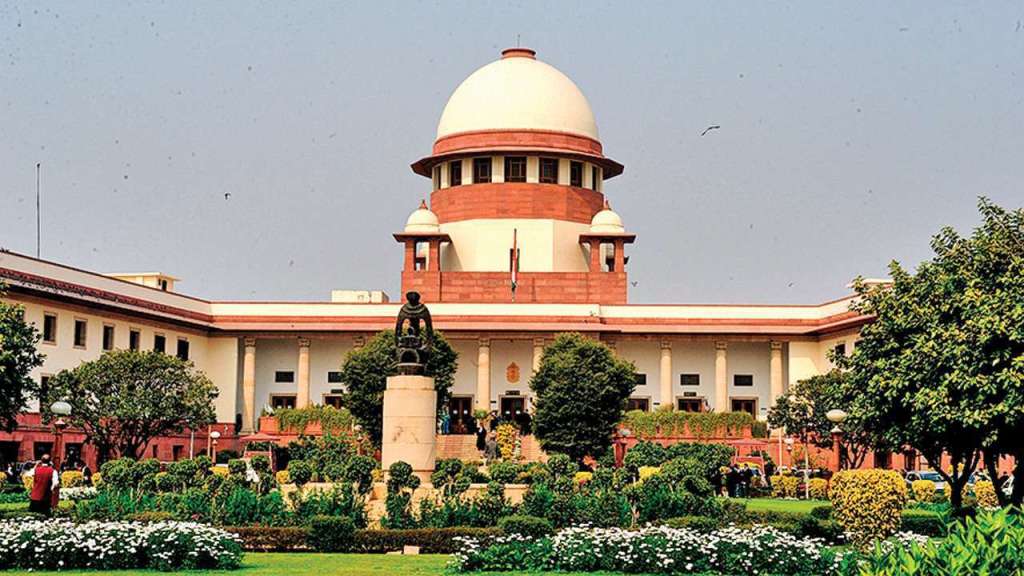
Plea for south bench of the Supreme Court

Bar Council heads of the southern States including Telangana, Andhra Pradesh, Tamil Nadu, Kerala, and Karnataka have appealed to Vice-President M. Venkaiah Naidu, and the Chief Justice of India N.V. Ramana to consider setting up the long pending demand of a Supreme Court bench in the south on Monday.

The delegation consisting of TS BC chairman A. Narasimha Reddy, AP BC chief G. Rama Rao, TN BC chief P.S. Amal Raj, Karnataka BC chief L. Srinivasa Babu, Kerala BC chief K.N Anil Kumar along with ex-MLC N. Ramchander Rao met both the dignitaries at Delhi where they presented a memorandum highlighting the need for such a step listing out the advantages. Pointing out that there were 65,000 cases pending in the SC, they argued for immediate reforms like establishing permanent regional centres of the Apex Court for the north, south, east and west at Delhi, Kolkata, Chennai and Mumbai as it was the need of the hour to ensure accessible and speedy justice to the people. Over the decades, several standing committees of the Parliament, Law Commissions, Bar Councils and several others have made several representations in this regard. In fact, the Law Commission in 2009 recommended setting up of a Constitution Bench with seven judges in Delhi and four Cessation Benches in Chennai/Hyderabad, Mumbai and Kolkata with four to six judges each. These were to work as appellate courts arising out of orders of the SC.

Though this was rejected in 2010 by SC the time has come to revisit this, they asserted. They also stated that Article 130 of the Constitution empowers the CJ to constitute with the consent of the President these regional benches. It would not only allow common people who cannot afford to make trips to Delhi to appeal to the highest courts but will also open up opportunities for the legal fraternity besides helping in reducing the pendency of cases in the courts.

“The present system of working of the SC needs to be changed if the delayed justice notion is to be changed,” they said and claimed in a press release later in the evening that both the VP and CJ had “responded positively”.

Words of the former law minister; Ravi Shankar Prasad

Law Minister Ravi Shankar Prasad, in a letter to Rajya Sabha member and Marumalarchi Dravida Munnetra Kazhagam (MDMK) chief Vaiko, said that though the matter of setting up a Southern Bench of the Supreme Court of India is pending in the top court, the issue has so far not found favour. The letter, dated February 12, responded to a query raised by Mr. Vaiko in Parliament, in which he asked if a Bench of the Supreme Court of India can be set up in south India.

“As as you must be aware, according to Article 130 of the Constitution, the Supreme Court shall sit in Delhi or in any other place or places as the Chief Justice of India may, with the approval of the President of India, from time to time, appoint. Representations have been received at various times from various quarters for the establishment of Benches of the Supreme Court in various parts of the country,” Mr. Prasad said in his letter.

Plea for south bench of the Supreme Court

Bar Council heads of the southern States including Telangana, Andhra Pradesh, Tamil Nadu, Kerala, and Karnataka have appealed to Vice-President M. Venkaiah Naidu, and the Chief Justice of India N.V. Ramana to consider setting up the long pending demand of a Supreme Court bench in the south on Monday.

The delegation consisting of TS BC chairman A. Narasimha Reddy, AP BC chief G. Rama Rao, TN BC chief P.S. Amal Raj, Karnataka BC chief L. Srinivasa Babu, Kerala BC chief K.N Anil Kumar along with ex-MLC N. Ramchander Rao met both the dignitaries at Delhi where they presented a memorandum highlighting the need for such a step listing out the advantages. Pointing out that there were 65,000 cases pending in the SC, they argued for immediate reforms like establishing permanent regional centres of the Apex Court for the north, south, east and west at Delhi, Kolkata, Chennai and Mumbai as it was the need of the hour to ensure accessible and speedy justice to the people. Over the decades, several standing committees of the Parliament, Law Commissions, Bar Councils and several others have made several representations in this regard. In fact, the Law Commission in 2009 recommended setting up of a Constitution Bench with seven judges in Delhi and four Cessation Benches in Chennai/Hyderabad, Mumbai and Kolkata with four to six judges each. These were to work as appellate courts arising out of orders of the SC.

Though this was rejected in 2010 by SC the time has come to revisit this, they asserted. They also stated that Article 130 of the Constitution empowers the CJ to constitute with the consent of the President these regional benches. It would not only allow common people who cannot afford to make trips to Delhi to appeal to the highest courts but will also open up opportunities for the legal fraternity besides helping in reducing the pendency of cases in the courts.

“The present system of working of the SC needs to be changed if the delayed justice notion is to be changed,” they said and claimed in a press release later in the evening that both the VP and CJ had “responded positively”.

Words of the former law minister; Ravi Shankar Prasad

Law Minister Ravi Shankar Prasad, in a letter to Rajya Sabha member and Marumalarchi Dravida Munnetra Kazhagam (MDMK) chief Vaiko, said that though the matter of setting up a Southern Bench of the Supreme Court of India is pending in the top court, the issue has so far not found favour. The letter, dated February 12, responded to a query raised by Mr. Vaiko in Parliament, in which he asked if a Bench of the Supreme Court of India can be set up in south India.

“As as you must be aware, according to Article 130 of the Constitution, the Supreme Court shall sit in Delhi or in any other place or places as the Chief Justice of India may, with the approval of the President of India, from time to time, appoint. Representations have been received at various times from various quarters for the establishment of Benches of the Supreme Court in various parts of the country,” Mr. Prasad said in his letter.

Domestic violence


                                                        (Photo: Bar and Bench)

Domestic violence (also named domestic abuse or family violence) is violence or other abuse in a domestic setting, such as in marriage or cohabitation.  Domestic violence may be used as a synonym for intimate partner violence, which is committed by a spouse or partner in an intimate relationship against the other spouse or partner, and can take place in heterosexual or same sex relationships, or between former spouses or partners. In the broadest sense, domestic violence can also involve violence against children, parents, or the elderly. It takes a number of forms, including physical, verbal, emotional, economic, religious, reproductive and sexual abuse, which can range from subtle, coercive forms to marital rape and to violent physical abuse such as choking, beating, female genital mutilation, and acid throwing that results in disfigurement or death. Domestic murders include stoning, bride burning, honor killing and dowry death(which sometimes involve non-cohabitating family members). 

FORMS OF DOMESTIC VIOLENCE

Physical abuse is that involving contact intended to cause fear, pain, injury, other physical suffering or bodily harm. In the context of coercive control, physical abuse is to control the victim. Physical violence can be the culmination of other abusive behavior, such as threats, intimidation, and restriction of victim self-determination through isolation, manipulation and other limitations of personal freedom. Denying medical care, sleep deprivation, and forced drug or alcohol use, are also forms of physical abuse.

Sexual abuse, is defined by World Health Organization as any sexual act, attempt to obtain a sexual act, unwanted sexual comments or advances, or acts to traffic, or otherwise directed, against a person’s sexuality using coercion. Aside from initiation of the sexual act through physical force, sexual abuse occurs if a person is verbally pressured into consenting, unable to understand the nature or condition of the act, unable to decline participation, or unable to communicate unwillingness to engage in the sexual act. This could be because of underage immaturity, illness, disability, or the influence of alcohol or other drugs, or due to intimidation or pressure.

Emotional abuse includes minimizing threats, isolation,  public humiliation, unrelenting criticism. Stalking is a common form of psychological intimidation. Victims tend to feel their partner has nearly total control over them, greatly affecting the power dynamic in a relationship, empowering the perpetrator, and disempowering the victim. Victims often suffer from depression, putting them at increased risk of eating disorders, suicide, and drug and alcohol abuse.

Economic abuse (or financial abuse) is a form of abuse when one intimate partner has control over the other partner’s access to economic resources. Marital assets are used as a means of control. Economic abuse diminishes the victim’s capacity to support themselves, increasing dependence on the perpetrator, including reduced access to education, employment, career advancement, and assets acquirement. Forcing or pressuring a family member to sign documents, to sell things, or to change a will are forms of economic abuse.

 CAUSES

A partner’s domination may take the form of emotional, physical or sexual abuse. Studies suggest that violent behavior often is caused by an interaction of situational and individual factors. That means that abusers learn violent behavior from their family, people in their community and other cultural influences as they grow up. They may have seen violence often or they may have been victims themselves. Some abusers acknowledge growing up having been abused as a child.

Children who witness or are the victims of violence may learn to believe that violence is a reasonable way to resolve conflict between people. Boys who learn that women are not to be valued or respected and who see violence directed against women are more likely to abuse women when they grow up. Girls who witness domestic violence in their families of origin are more likely to be victimized by their own husbands. Although women are most often the victim of domestic violence, the gender roles can and are reversed sometimes.

Alcohol and drugs may contribute to violent behavior. A drunk or high person will be less likely to control his or her violent impulses toward their partner, so keeping such drinking or drug use episodes to a minimum may be valuable for a person living in a domestic violence situation.

No cause of domestic violence, however, justifies the actions of the abuser, nor should it be used as a rationale for their behavior. These possible causes are only to better understand why an abuser believes it is acceptable to abuse their partner physically, sexually, psychologically or emotionally. Ultimately an abuser needs to get help for their unhealthy and destructive behavior, or find themselves living a solitary and lonely life.

 STATISTICS OF DOMESTIC VIOLENCE

        1 in 4 women and 1 in 7 men will experience severe physical violence by an intimate partner in their lifetime. (CDC, 2017)

        1 in 10 women in the United States will be raped by an intimate partner in her lifetime. (CDC, 2010)

    Approximately 16.9% of women and 8.0% of men will experience sexual violence other than rape by an intimate partner at some point in their lifetime. (CDC, 2010)

        Data on sexual violence against men may be underreported.

        An estimated 9.7% of women and 2.3% of men have been stalked by an intimate partner during their lifetime. (CDC, 2017)

        Nearly half of all women and men in the United States will experience psychological aggression by an intimate partner in their lifetime. (CDC, 2017)

GOVERNMENT SCHEMES TO CURB DOMESTIC VIOLENCE

  • Beti Bachao, Beti Padhao, meant for uplifting women in the sphere of women’s education
  • Sukanya Samriddhi Account, meant to help families’ save for their daughters
  • One Stop Center scheme meant to offer easy access for women suffering from domestic abuse or violence, and needing support
  • Pradhan Mantri Ujjwala Yojana meant to offer free LPG connections to women living below poverty line
  • Mahila Haat meant to support women entrepreneurs and women self-help groups
  • Rajiv Gandhi National Crèche Scheme for Children of Working Mothers meant to provide affordable daycare services to working women
  • Maternity Benefit Scheme meant for pregnant women and lactating mothers
  • Women’s Helpline 1091 meant to provide emergency assistance to women in trouble, especially those facing violence of any kind
WHAT CAN WE DO?

        Calling the police if you see or hear evidence of domestic violence.

        Speak out publicly against domestic violence.

        Consider reaching out to your neighbor, friends, family.

        Educating others on domestic violence.

        Organize campaigns special in rural areas.

  •   Donating to domestic violence counselling programs


LIFE-GIVING GANGA’S PLIGHT

“Best of rivers, born of all the sacred waters,” the Ganges, Described in the Mahabharata.

Ganga river, also deemed as the Ganges River, flows 2,700 km from the Himalayas mountains to the Bay of Bengal in northern India and Bangladesh The Ganga rises from the Gangotri glacier about 4,000 metres above sea level on the southern slopes of the Himalayan Alps. The Bhagirathi is joined by the tributaries Alaknanda and Mandakini to form the Ganga in the Himalayan region. Its river basin covers over 1 million square kilometres and is home to more than 650 million people. The Ganges is vital for the survival of millions of people and a diverse range of biodiversity.

The Ganga and its tributaries support a diverse range of fauna and flora. The Ganges supports 104 species of Rotifers, or minute creatures, 378 species of fish, eleven amphibian species, twenty-seven reptile species, eleven types of mammals, and 177 species of aquatic birds, according to the Zoological Survey of India. The Ganges River dolphin, the Sundarbans’ Royal Bengal tiger, freshwater turtles, Gharial crocodiles, Sarius Crane, egrets, herons, and terns are just a few well-known species.

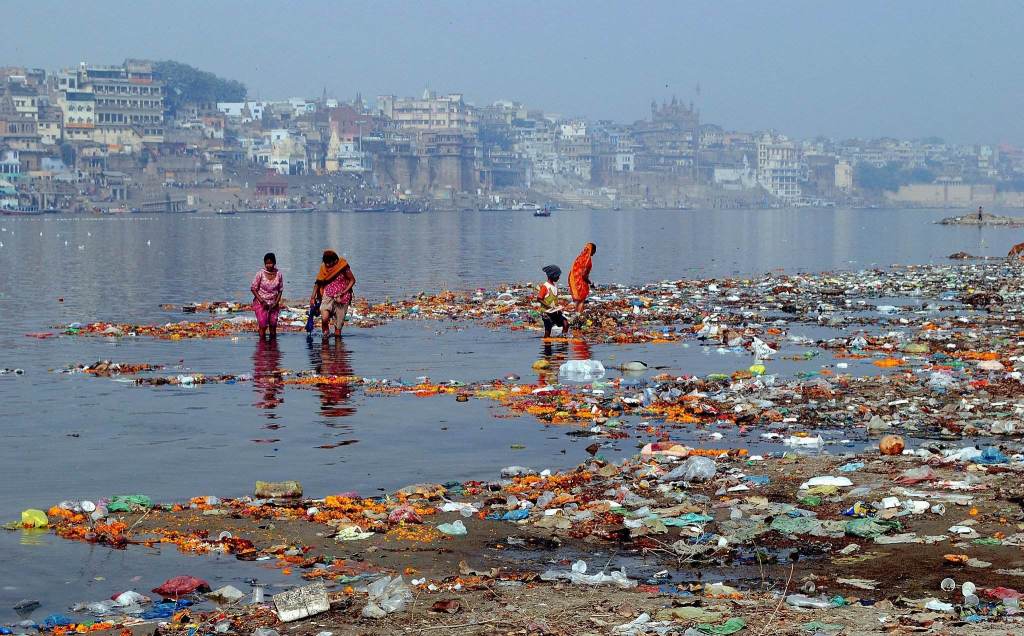
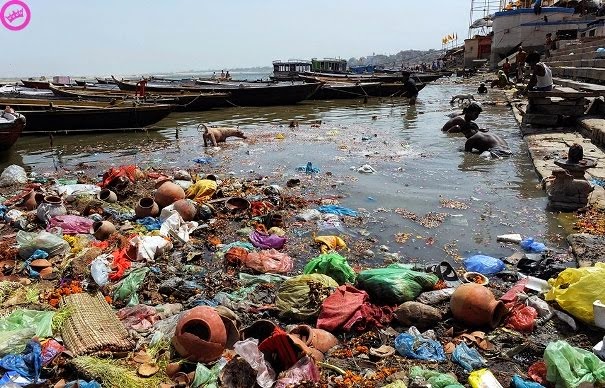
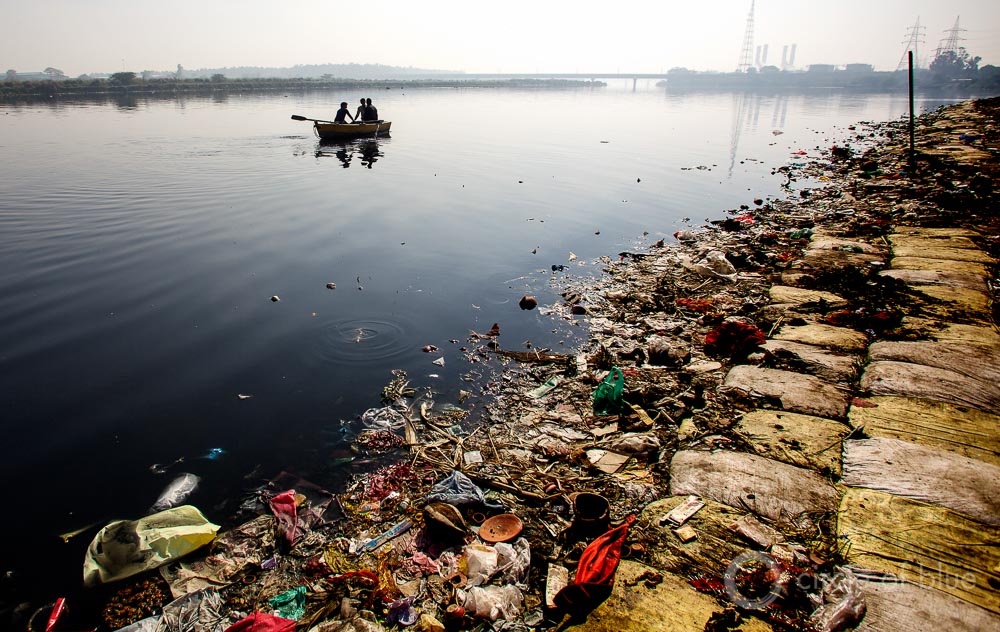
But due to the rapid rise of urbanization, farming, and commercialization in recent decades, the Ganges currently faces serious concerns. The Ganga has now become one of the five highly polluted rivers on the planet. Excessive water drawn-out for cultivation and other purposes, barrages, dams hindrance in the natural movement of the Ganges, and trash from households and industries have irreparably damaged this once pure and mighty, free-flowing river.

River pollution’s key sources

  • Hazardous trash from textile mills, slaughterhouses, abattoirs, hospitals, distilleries, and chemical facilities, being discharged into the river in large quantities.
  • The massive number of fertilizers and pesticides regularly employed in agriculture activities is washed into the Ganga with rainwater, endangering marine life.
  • Dams disrupting the river’s natural movement are also responsible for polluting the Ganga.
  • Open defecation on the river banks, some 70% of those living in rural areas have no access to toilets.
  •  Disposal of lost loved ones’ remains in the river since it is a river worshipped by a larger religious community.

Sewage- the most prominent contaminant

A report published by The Inter-Ministerial Group, established by the Indian government to study the pollution sources in the Ganga River, revealed that sewage and contaminated water dumped in the river are the principal sources of pollution in the Ganga. It also discovered a significant disparity between the quantity of garbage produced along the Ganga and the scale of waste treatment. It identified that plenty of cities along the Ganga’s banks, such as Kanpur, Varanasi, and Allahabad, lack any kind of sewerage systems at all. Approximately 2.9 billion liters of sewage, residential, and industrial wastewater are discharged straight into the Ganga daily. Millions of people who rely on the Ganga for all of their water needs are harmed by pollution. Many of these individuals have little choice but to continue to rely on the Ganga’s contaminated waters for survival, exposing themselves to waterborne diseases like dysentery, cholera, diarrhea, and typhoid.

OVerburdened Sewage Treatment Plants (STPs)

Among wastewater treatment capacity and ‘official estimated’ production, there is an 80% disparity. As per the Central Pollution Control Board, sewage is produced at a rate of 6,087 million liters per day (MLD), with a treatment capacity of 1,208.8 MLD. Since most cities are already established and overpopulated, constructing new conveyance and treatment systems isn’t just a difficult but an enormously expensive undertaking. Many of the already set up STPs are no longer functional or are underused due to a lack of financing from cities and local municipalities.

INDUSTRIAL & COMMERCIAL WASTE

More than 500 million liters of industrial wastewater is thrown straight into the Ganga daily. With toxic chemicals and pollutants flooding its waters at levels far past any form of permissible or safe levels, the Ganga has now become a toxic supplier of drinking and bathing water. 764 of the factories, approximately utilize 1123 MLD of water and dump 500 MLD of contaminated water in the Ganga’s mainstream. Tanneries produce the most hazardous types of toxins, and in a location like Unnao, more than 790 times the permitted level of chromium (about 1,125 tonnes), is dumped into the river. Small-scale companies continue to pollute the Ganga with over a billion gallons of toxic chemicals due to the lack of efficient and economical treatment methods.

FLAWED SOLID WASTE MANAGEMENT 

Many cities along the Ganga and its tributaries lack solid waste management systems, & even if they have, they are never adequate to handle the volume of waste generated each day. This solid trash is carried into the Ganga and its tributaries, either deliberately or because of rains during the monsoon. Vast quantities of biodegradable debris in the water consume a lot of oxygen as it breaks down, inflicting illness or death in aquatic animals like the threatened Gangetic dolphin. There were once tens of thousands of Ganges River dolphins in the river, but there are currently only about 1,200-1,800 left. Non-biodegradable materials float through rivers, obstructing the natural flow of air and gradually releasing their harmful toxins into the river. Aquatic species frequently eat these items obliviously and perish as a consequence. The general public lacks environmental awareness and education, inadvertently throwing their litter into the surroundings, utterly oblivious to the effects.

INAPPROPRIATE AGRICULTURAL PRACTICES

Over 80% of the river’s water is used for irrigation, while numerous hydro-power projects dry out vast swathes of the river, upping levels of pollution drastically. Evaporation and other variables cause around half of the water drawn from the Ganga for irrigation to be wasted before it can nurture a single crop. Out-of-date infrastructures, such as damaged and poorly assembled pipes and unsustainable farming techniques, are to blame for much of this damage. Groundwater depletion as a consequence of over-extraction for irrigation purposes.

The Ganges River nurtures the entire country and is crucial for everyone’s survival. Therefore, it must be rescued from its current plight. The public must be educated and made aware of the problem; efficient drainage systems must be built; and illegal dumping of harmful and hazardous materials by industries and households must be prohibited, promotion of water conservation for irrigation, Enactment of rules to keep dangerous chemical run-off out of the Ganga, Increasing farmer awareness of the practices and benefits of sustainable, organic farming, Solid waste collection and treatment at the source, minimizing and repurposing solid waste need to be done.

LIFE-GIVING GANGA'S PLIGHT

“Best of rivers, born of all the sacred waters,” the Ganges, Described in the Mahabharata.

Ganga river, also deemed as the Ganges River, flows 2,700 km from the Himalayas mountains to the Bay of Bengal in northern India and Bangladesh The Ganga rises from the Gangotri glacier about 4,000 metres above sea level on the southern slopes of the Himalayan Alps. The Bhagirathi is joined by the tributaries Alaknanda and Mandakini to form the Ganga in the Himalayan region. Its river basin covers over 1 million square kilometres and is home to more than 650 million people. The Ganges is vital for the survival of millions of people and a diverse range of biodiversity.

The Ganga and its tributaries support a diverse range of fauna and flora. The Ganges supports 104 species of Rotifers, or minute creatures, 378 species of fish, eleven amphibian species, twenty-seven reptile species, eleven types of mammals, and 177 species of aquatic birds, according to the Zoological Survey of India. The Ganges River dolphin, the Sundarbans’ Royal Bengal tiger, freshwater turtles, Gharial crocodiles, Sarius Crane, egrets, herons, and terns are just a few well-known species.

But due to the rapid rise of urbanization, farming, and commercialization in recent decades, the Ganges currently faces serious concerns. The Ganga has now become one of the five highly polluted rivers on the planet. Excessive water drawn-out for cultivation and other purposes, barrages, dams hindrance in the natural movement of the Ganges, and trash from households and industries have irreparably damaged this once pure and mighty, free-flowing river.

River pollution’s key sources

  • Hazardous trash from textile mills, slaughterhouses, abattoirs, hospitals, distilleries, and chemical facilities, being discharged into the river in large quantities.
  • The massive number of fertilizers and pesticides regularly employed in agriculture activities is washed into the Ganga with rainwater, endangering marine life.
  • Dams disrupting the river’s natural movement are also responsible for polluting the Ganga.
  • Open defecation on the river banks, some 70% of those living in rural areas have no access to toilets.
  •  Disposal of lost loved ones’ remains in the river since it is a river worshipped by a larger religious community.

Sewage- the most prominent contaminant

A report published by The Inter-Ministerial Group, established by the Indian government to study the pollution sources in the Ganga River, revealed that sewage and contaminated water dumped in the river are the principal sources of pollution in the Ganga. It also discovered a significant disparity between the quantity of garbage produced along the Ganga and the scale of waste treatment. It identified that plenty of cities along the Ganga’s banks, such as Kanpur, Varanasi, and Allahabad, lack any kind of sewerage systems at all. Approximately 2.9 billion liters of sewage, residential, and industrial wastewater are discharged straight into the Ganga daily. Millions of people who rely on the Ganga for all of their water needs are harmed by pollution. Many of these individuals have little choice but to continue to rely on the Ganga’s contaminated waters for survival, exposing themselves to waterborne diseases like dysentery, cholera, diarrhea, and typhoid.

OVerburdened Sewage Treatment Plants (STPs)

Among wastewater treatment capacity and ‘official estimated’ production, there is an 80% disparity. As per the Central Pollution Control Board, sewage is produced at a rate of 6,087 million liters per day (MLD), with a treatment capacity of 1,208.8 MLD. Since most cities are already established and overpopulated, constructing new conveyance and treatment systems isn’t just a difficult but an enormously expensive undertaking. Many of the already set up STPs are no longer functional or are underused due to a lack of financing from cities and local municipalities.

INDUSTRIAL & COMMERCIAL WASTE

More than 500 million liters of industrial wastewater is thrown straight into the Ganga daily. With toxic chemicals and pollutants flooding its waters at levels far past any form of permissible or safe levels, the Ganga has now become a toxic supplier of drinking and bathing water. 764 of the factories, approximately utilize 1123 MLD of water and dump 500 MLD of contaminated water in the Ganga’s mainstream. Tanneries produce the most hazardous types of toxins, and in a location like Unnao, more than 790 times the permitted level of chromium (about 1,125 tonnes), is dumped into the river. Small-scale companies continue to pollute the Ganga with over a billion gallons of toxic chemicals due to the lack of efficient and economical treatment methods.

FLAWED SOLID WASTE MANAGEMENT 

Many cities along the Ganga and its tributaries lack solid waste management systems, & even if they have, they are never adequate to handle the volume of waste generated each day. This solid trash is carried into the Ganga and its tributaries, either deliberately or because of rains during the monsoon. Vast quantities of biodegradable debris in the water consume a lot of oxygen as it breaks down, inflicting illness or death in aquatic animals like the threatened Gangetic dolphin. There were once tens of thousands of Ganges River dolphins in the river, but there are currently only about 1,200-1,800 left. Non-biodegradable materials float through rivers, obstructing the natural flow of air and gradually releasing their harmful toxins into the river. Aquatic species frequently eat these items obliviously and perish as a consequence. The general public lacks environmental awareness and education, inadvertently throwing their litter into the surroundings, utterly oblivious to the effects.

INAPPROPRIATE AGRICULTURAL PRACTICES

Over 80% of the river’s water is used for irrigation, while numerous hydro-power projects dry out vast swathes of the river, upping levels of pollution drastically. Evaporation and other variables cause around half of the water drawn from the Ganga for irrigation to be wasted before it can nurture a single crop. Out-of-date infrastructures, such as damaged and poorly assembled pipes and unsustainable farming techniques, are to blame for much of this damage. Groundwater depletion as a consequence of over-extraction for irrigation purposes.

The Ganges River nurtures the entire country and is crucial for everyone’s survival. Therefore, it must be rescued from its current plight. The public must be educated and made aware of the problem; efficient drainage systems must be built; and illegal dumping of harmful and hazardous materials by industries and households must be prohibited, promotion of water conservation for irrigation, Enactment of rules to keep dangerous chemical run-off out of the Ganga, Increasing farmer awareness of the practices and benefits of sustainable, organic farming, Solid waste collection and treatment at the source, minimizing and repurposing solid waste need to be done.

Importance and Benefits of Reading Books.

Growing up we all have learned basic skills and out of all the skills, our ability to read is the most significant. Whatever you read, it ends up enlightening you. And when it comes to books, each book that you read is an opportunity to learn something new. By reading you can broaden your vocabulary, improve your writing skills, train your mind, enhance your wellness, lower stress, and most important thing you can discover something new about yourself. 

Why is reading important?

It has been said that a person who can read can educate themselves in any field of life they’d like to. In this modern era, everything is flooding with fresh information. And reading is the best way to clarify and relate to further information. 

Although you can find it easier to watch a Youtube video or listen to a podcast, reading still tastes the cake when it comes to comprehension and enhancing your education. 

What are the benefits of reading books? 

If you are a bookworm, you already know many of the benefits of reading books. And if you are not then you are reading the right article. Mentioned below are some of the benefits of reading books:-

I) Improves Concentration

Reading requires concentration, time, and patience. In simple words, reading forces you to use your brain. According to One World Literacy Foundation, “when you read, you need to reason things out that are unfamiliar to you.”

II)  Broaden Vocabulary 

If you read, you uncover new words, that allow understanding on a greater level. If you read an hour per day, you’ll end up exposing yourself to approx 4 million words in a year. Isn’t it amazing?

III) Reduces Stress

According to a study by Sussex University, reading can reduce stress by 68%. When you read you involve your mind in reading, which takes away your focus from all the worries.  

David Lewis​ (a cognitive neuropsychologist) said, “It doesn’t matter what book you read. By losing yourself in a thoroughly engrossing book you can escape from the worries and stresses of the everyday world and spend a while exploring the domain of the author’s imagination.”

IV) Makes You A Better Communicator

When you learn new vocabulary, you become a far better communicator. With all the new vocabulary, you’ll know which word is right for which context. For example, when you feel bad, it can be anything like you are feeling hungry, you have a fever, you have a headache, etc. But if you say that I am feeling bad then you are not specifying the feelings, which results in another person not understanding what are you going through. In that case, your vocabulary can help, that you learn by reading.

V) It Helps Your Writing

With all the creativity, vocabulary, and communication skills gained from reading, imagine what you can do with your writing skills. By reading other’s work you can experience their way of explaining a feeling or certain situation. Hence, you learn how to use other writers’ experiences to improve yours.

VI) Reading Improves Empathy

Empathy is being able to put yourself in someone’s else shoes. Reading fiction or non-fiction can bring you as close as you’ll ever be in someone”s shoes. Studies have shown that readers have a better sense of empathy. 

There is a saying, “Books are man’s best friend.” I believe every one of us should follow this and start reading. 

Importance and Benefits of Reading Books.

Growing up we all have learned basic skills and out of all the skills, our ability to read is the most significant. Whatever you read, it ends up enlightening you. And when it comes to books, each book that you read is an opportunity to learn something new. By reading you can broaden your vocabulary, improve your writing skills, train your mind, enhance your wellness, lower stress, and most important thing you can discover something new about yourself. 

Why is reading important?

It has been said that a person who can read can educate themselves in any field of life they’d like to. In this modern era, everything is flooding with fresh information. And reading is the best way to clarify and relate to further information. 

Although you can find it easier to watch a Youtube video or listen to a podcast, reading still tastes the cake when it comes to comprehension and enhancing your education. 

What are the benefits of reading books? 

If you are a bookworm, you already know many of the benefits of reading books. And if you are not then you are reading the right article. Mentioned below are some of the benefits of reading books:-

I) Improves Concentration

Reading requires concentration, time, and patience. In simple words, reading forces you to use your brain. According to One World Literacy Foundation, “when you read, you need to reason things out that are unfamiliar to you.”

II)  Broaden Vocabulary 

If you read, you uncover new words, that allow understanding on a greater level. If you read an hour per day, you’ll end up exposing yourself to approx 4 million words in a year. Isn’t it amazing?

III) Reduces Stress

According to a study by Sussex University, reading can reduce stress by 68%. When you read you involve your mind in reading, which takes away your focus from all the worries.  

David Lewis​ (a cognitive neuropsychologist) said, “It doesn’t matter what book you read. By losing yourself in a thoroughly engrossing book you can escape from the worries and stresses of the everyday world and spend a while exploring the domain of the author’s imagination.”

IV) Makes You A Better Communicator

When you learn new vocabulary, you become a far better communicator. With all the new vocabulary, you’ll know which word is right for which context. For example, when you feel bad, it can be anything like you are feeling hungry, you have a fever, you have a headache, etc. But if you say that I am feeling bad then you are not specifying the feelings, which results in another person not understanding what are you going through. In that case, your vocabulary can help, that you learn by reading.

V) It Helps Your Writing

With all the creativity, vocabulary, and communication skills gained from reading, imagine what you can do with your writing skills. By reading other’s work you can experience their way of explaining a feeling or certain situation. Hence, you learn how to use other writers’ experiences to improve yours.

VI) Reading Improves Empathy

Empathy is being able to put yourself in someone’s else shoes. Reading fiction or non-fiction can bring you as close as you’ll ever be in someone”s shoes. Studies have shown that readers have a better sense of empathy. 

There is a saying, “Books are man’s best friend.” I believe every one of us should follow this and start reading. 

Importance and benefits of reading books!


Growing up we all have learned basic skills and out of all the skills, our ability to read is the most significant. Whatever you read, it ends up enlightening you. And when it comes to books, each book that you read is an opportunity to learn something new. By reading you can broaden your vocabulary, improve your writing skills, train your mind, enhance your wellness, lower stress, and most important thing you can discover something new about yourself. 

Why is reading important?

It has been said that a person who can read can educate themselves in any field of life they’d like to. In this modern era, everything is flooding with fresh information. And reading is the best way to clarify and relate to further information. 

Although you can find it easier to watch a Youtube video or listen to a podcast, reading still tastes the cake when it comes to comprehension and enhancing your education. 

What are the benefits of reading books? 

If you are a bookworm, you already know many of the benefits of reading books. And if you are not then you are reading the right article. Mentioned below are some of the benefits of reading books:-

I) Improves Concentration

Reading requires concentration, time, and patience. In simple words, reading forces you to use your brain. According to One World Literacy Foundation, “when you read, you need to reason things out that are unfamiliar to you.”

II)  Broaden Vocabulary 

If you read, you uncover new words, that allow understanding on a greater level. If you read an hour per day, you’ll end up exposing yourself to approx 4 million words in a year. Isn’t it amazing?

III) Reduces Stress

According to a study by Sussex University, reading can reduce stress by 68%. When you read you involve your mind in reading, which takes away your focus from all the worries.  

David Lewis​ (a cognitive neuropsychologist) said, “It doesn’t matter what book you read. By losing yourself in a thoroughly engrossing book you can escape from the worries and stresses of the everyday world and spend a while exploring the domain of the author’s imagination.”

IV) Makes You A Better Communicator

When you learn new vocabulary, you become a far better communicator. With all the new vocabulary, you’ll know which word is right for which context. For example, when you feel bad, it can be anything like you are feeling hungry, you have a fever, you have a headache, etc. But if you say that I am feeling bad then you are not specifying the feelings, which results in another person not understanding what are you going through. In that case, your vocabulary can help, that you learn by reading.

V) It Helps Your Writing

With all the creativity, vocabulary, and communication skills gained from reading, imagine what you can do with your writing skills. By reading other’s work you can experience their way of explaining a feeling or certain situation. Hence, you learn how to use other writers’ experiences to improve yours.

VI) Reading Improves Empathy

Empathy is being able to put yourself in someone’s else shoes. Reading fiction or non-fiction can bring you as close as you’ll ever be in someone”s shoes. Studies have shown that readers have a better sense of empathy. 

There is a saying, “Books are man’s best friend.” I believe every one of us should follow this and start reading.