

Month: July 2021
Dogecoin

A cryptocurrency is a form of digital asset based on a network that is distributed across a large number of computers. This decentralized structure allows them to exist outside the control of governments and central authorities. Dogecoin is a type of cryptocurrency created by software engineers Billy Markus and Jackson Palmer, who decided to create a payment system as a joke, making fun of the wild speculation in cryptocurrencies at the time. It was initially released on December 6, 2013, and quickly developed its own online community, reaching a market capitalization of US$85,314,347,523 on May 5, 2021.
Dogecoin.com promotes the currency as the “fun and friendly internet currency”, referencing its origins as a joke. It further gained major popularity when founder, CEO, and Chief Engineer at SpaceX and one of the richest person of the world – Elon Musk talked about it. Billy Markus was a IBM software engineer and Jackson Palmer was a Adobe Software engineer.
Palmer had purchased the domain Dogecoin.com and added a splash screen, which featured the coin’s logo and scattered Comic SanMarkus reached out to Palmer after seeing the site, and started efforts to develop the currency. Markus designed Dogecoin prototype based on other cryptocurrencies such as litecoin and Lucky coin using the scrypt technology in their proof-of-work algorithm.
On December 19, 2013, Dogecoin jumped nearly 300 percent in value in 72 hours, rising from US$0.00026 to $0.00095,with a volume of billions of Dogecoins per day. This growth occurred during a time when bitcoin and many other cryptocurrencies were reeling from China’s decision to forbid Chinese banks from investing into the bitcoin economy. But three days later its value dropped by 80%.
WHAT MAY BE THE REASONS BEHIND INCREASING NUMBER OF DIVORCES ?
The society went through number of shifts in attitude and behavior over the past 80 years and with all these shifts and transitions, the definitions, meanings, lifestyle etc. of people and the life events have also changes. There is change in the beliefs of the people and the meaning of marriage is also redefined and beliefs relating to marriage have also changed significantly. Marriage requires lifelong commitment and is dependent on an individuals fulfillment and satisfaction. With all these shifting’s, the stigma related with divorce has also been eliminated.
With the help of qualitative and quantitative studies it had been seen that there are number of reasons for divorce and some of the major reasons for divorce are lack of commitment, infidelity, and conflict/ arguing. And the most common final straw is domestic violence, infidelity and substance use. In recent decades, there is an increase in number of divorces. The increasing number of divorce is related to various social aspects.
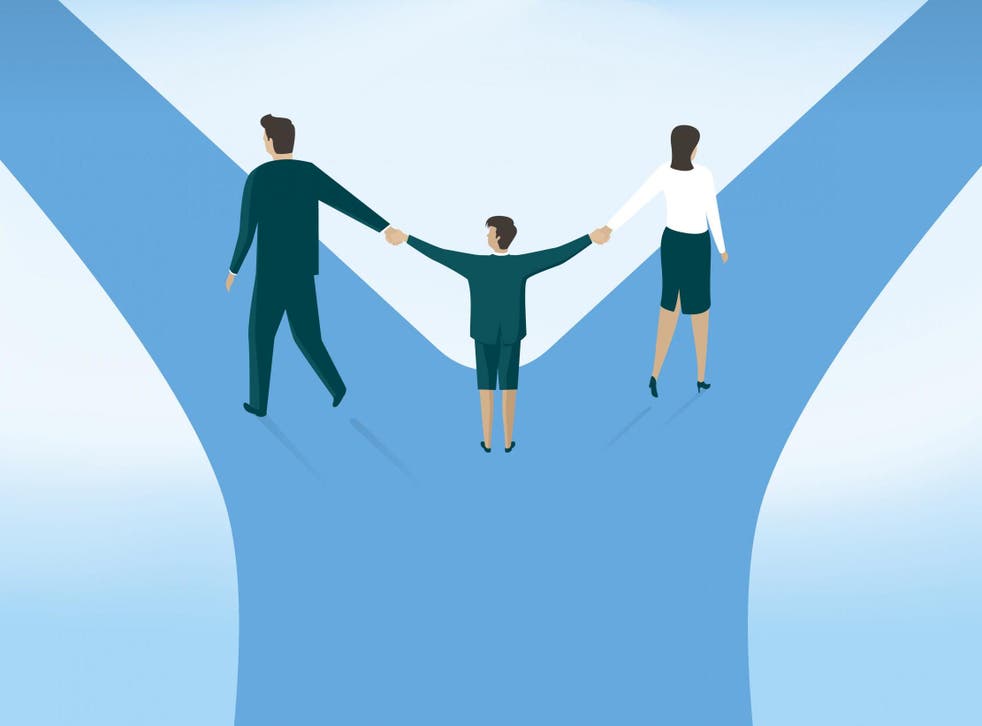
- LACK OF PROPER COMMUNICATIONS : Communication is very important when we’re interacting with someone and bad communication can have many impacts on a marriage. It is important to clarify each other’s meanings and concerns, otherwise, it will lead into suspicion, mistrust and arguments and many times it can affect the marriage severely. Arguments in any relationship is not a bad thing and can have healthy results but they can have bad impacts due to lack of communication.
- LACK OF COMMITMENT : According to various studies, the major reason behind divorces is the lack of commitment. The commitment gradually erodes until there was not enough commitment for sustaining the relationship and also due to negative events such as infidelity.
- ABUSE : When there is abuse in a marriage or in a family then divorce is the best ending and result possible. In some cases it is the husband. While there are some spouses who are able to end and overcome abuse and sometimes with the help of involvement of in laws and elders, the issues can be solved. But everything depends on the attitude and mindset of the person in relationship.
- INFIDELITY : Infidelity is considered as a critical turning point in a destroying a relationship and majority of couples end their relationship if they are cheated and due to infidelity. In some cases it is also seen that couples overcome this challenge and find strength to stay together.
- ADDICTIONS : Addictions can be in many forms. It can be in the form of alcohol, gambling etc. In many cases it was found that the addicted partner can recover from it and the marriage can be continued but if there is no change and recovery from addictions then it is best for the spouse and children to separate and see if progress is possible. Depending on the circumstance, it can be decided what to do and when to do.
- WOMEN’S INDEPENDENCE : Women have become more independent over these years and they are no more dependent on anyone and are no more mere housewives. Women have now become financially, socially, physically and mentally independent and this affects the old aged mentality of many people who believed that women have only one function to play that is nurturing the family. Besides so much advancements, there are many people who have still been hesitant to see women’s progress. And there men who cannot see the progress of women. There are ego clashes which cause dissatisfaction in marriage and lead to divorce.
WHAT MAY BE THE REASONS BEHIND INCREASING NUMBER OF DIVORCES ?
The society went through number of shifts in attitude and behavior over the past 80 years and with all these shifts and transitions, the definitions, meanings, lifestyle etc. of people and the life events have also changes. There is change in the beliefs of the people and the meaning of marriage is also redefined and beliefs relating to marriage have also changed significantly. Marriage requires lifelong commitment and is dependent on an individuals fulfillment and satisfaction. With all these shifting’s, the stigma related with divorce has also been eliminated.
With the help of qualitative and quantitative studies it had been seen that there are number of reasons for divorce and some of the major reasons for divorce are lack of commitment, infidelity, and conflict/ arguing. And the most common final straw is domestic violence, infidelity and substance use. In recent decades, there is an increase in number of divorces. The increasing number of divorce is related to various social aspects.
- LACK OF PROPER COMMUNICATIONS : Communication is very important when we’re interacting with someone and bad communication can have many impacts on a marriage. It is important to clarify each other’s meanings and concerns, otherwise, it will lead into suspicion, mistrust and arguments and many times it can affect the marriage severely. Arguments in any relationship is not a bad thing and can have healthy results but they can have bad impacts due to lack of communication.
- LACK OF COMMITMENT : According to various studies, the major reason behind divorces is the lack of commitment. The commitment gradually erodes until there was not enough commitment for sustaining the relationship and also due to negative events such as infidelity.
- ABUSE : When there is abuse in a marriage or in a family then divorce is the best ending and result possible. In some cases it is the husband. While there are some spouses who are able to end and overcome abuse and sometimes with the help of involvement of in laws and elders, the issues can be solved. But everything depends on the attitude and mindset of the person in relationship.
- INFIDELITY : Infidelity is considered as a critical turning point in a destroying a relationship and majority of couples end their relationship if they are cheated and due to infidelity. In some cases it is also seen that couples overcome this challenge and find strength to stay together.
- ADDICTIONS : Addictions can be in many forms. It can be in the form of alcohol, gambling etc. In many cases it was found that the addicted partner can recover from it and the marriage can be continued but if there is no change and recovery from addictions then it is best for the spouse and children to separate and see if progress is possible. Depending on the circumstance, it can be decided what to do and when to do.
- WOMEN’S INDEPENDENCE : Women have become more independent over these years and they are no more dependent on anyone and are no more mere housewives. Women have now become financially, socially, physically and mentally independent and this affects the old aged mentality of many people who believed that women have only one function to play that is nurturing the family. Besides so much advancements, there are many people who have still been hesitant to see women’s progress. And there men who cannot see the progress of women. There are ego clashes which cause dissatisfaction in marriage and lead to divorce.
Evolution of ‘Tragedy’ in English Drama
Tragedy as known in Dramas is one of the earliest forms of Drama that you can trace back in the history of Drama. With the passage of time ‘Tragedy’ continued to be redefined in history by many famous philosophers as well as playwrights. Both leading us to the present day contemporary Drama which portrays Tragedy in a whole different aspect as compared to the past.
The beginning of Tragic Drama first took place in Greek culture. The well-known stories and myths were the main sources of inspiration for the Tragic plays. The features of the Greek Tragic Drama were as followed. The play involved few actors who themselves played several characters on-stage. There was a norm that tragedy and comedy were never supposed to be mixed. The play strictly followed the three unities in drama known as the unity of place, unity of action and unity of time.
I will now talk about the description of Tragedy in Drama as approached by the early philosophers as well as modern day playwrights. Thus, proving the variations and evolution that took place in the Tragic category of Drama.
As first defined by the great Greek Philosopher Aristotle, a Tragic Drama was a good Tragic Drama if it followed the certain rules as laid out by the Philosopher. The first rule describing the characters of the Drama. According to Aristotle the character had to be good but not too good. This was because the main purpose of the ‘Tragedy’ play was to evoke feelings of pity and sympathy and not any other. This purging of emotions was what he called Catharsis. He also talked about presence of Hamartia in the lead character, which refers to the presence of flaws that later paved way to the tragic aspect of Drama known as the downfall of the protagonist. Aristotle also believed that apart from all this, the action of the play itself had to be proper and of high magnitude.
Geoffrey Chaucer, one of the great poets and writers of the middle English times, gave us why the subjects of tragedy were of ‘High Society’. He explained that the idea of tragedy was to show falseness of human power and wealth. Unlike Aristotle he believed that humble and meekness were the feelings that had to be purged out through tragic plays.
G.W. Hegel a modern philosopher stressed that ‘Tragedy’ in English Dramas had to have a moral conflict. A conflict between two rights.
The present day modern dramas are highly influenced with the ideas of William Shakespeare about Tragedy in Dramas. William Shakespeare was one of the first playwrights to break away from the restrictions about Tragedy as described by the Greeks, the early philosophers and the playwrights. Though he still followed Aristotle’s concepts of tragedy to some extent but he did not completely follow all of his ideas with regard to Tragedy.
The modern-day Dramas today revolve not just around people of high society but also around the stories of ordinary people, leading to a more realistic feeling in Tragedy. It also breaks away the norm of Tragedy not being mixed up with others genres of Drama. Thus, providing the audience with a combination of genres and a great source of entertainment and learning through Dramas.
Evolution of 'Tragedy' in English Drama
Tragedy as known in Dramas is one of the earliest forms of Drama that you can trace back in the history of Drama. With the passage of time ‘Tragedy’ continued to be redefined in history by many famous philosophers as well as playwrights. Both leading us to the present day contemporary Drama which portrays Tragedy in a whole different aspect as compared to the past.
The beginning of Tragic Drama first took place in Greek culture. The well-known stories and myths were the main sources of inspiration for the Tragic plays. The features of the Greek Tragic Drama were as followed. The play involved few actors who themselves played several characters on-stage. There was a norm that tragedy and comedy were never supposed to be mixed. The play strictly followed the three unities in drama known as the unity of place, unity of action and unity of time.
I will now talk about the description of Tragedy in Drama as approached by the early philosophers as well as modern day playwrights. Thus, proving the variations and evolution that took place in the Tragic category of Drama.
As first defined by the great Greek Philosopher Aristotle, a Tragic Drama was a good Tragic Drama if it followed the certain rules as laid out by the Philosopher. The first rule describing the characters of the Drama. According to Aristotle the character had to be good but not too good. This was because the main purpose of the ‘Tragedy’ play was to evoke feelings of pity and sympathy and not any other. This purging of emotions was what he called Catharsis. He also talked about presence of Hamartia in the lead character, which refers to the presence of flaws that later paved way to the tragic aspect of Drama known as the downfall of the protagonist. Aristotle also believed that apart from all this, the action of the play itself had to be proper and of high magnitude.
Geoffrey Chaucer, one of the great poets and writers of the middle English times, gave us why the subjects of tragedy were of ‘High Society’. He explained that the idea of tragedy was to show falseness of human power and wealth. Unlike Aristotle he believed that humble and meekness were the feelings that had to be purged out through tragic plays.
G.W. Hegel a modern philosopher stressed that ‘Tragedy’ in English Dramas had to have a moral conflict. A conflict between two rights.
The present day modern dramas are highly influenced with the ideas of William Shakespeare about Tragedy in Dramas. William Shakespeare was one of the first playwrights to break away from the restrictions about Tragedy as described by the Greeks, the early philosophers and the playwrights. Though he still followed Aristotle’s concepts of tragedy to some extent but he did not completely follow all of his ideas with regard to Tragedy.
The modern-day Dramas today revolve not just around people of high society but also around the stories of ordinary people, leading to a more realistic feeling in Tragedy. It also breaks away the norm of Tragedy not being mixed up with others genres of Drama. Thus, providing the audience with a combination of genres and a great source of entertainment and learning through Dramas.
Why to Use Adobe After Effect
Carnevale di Venezia!
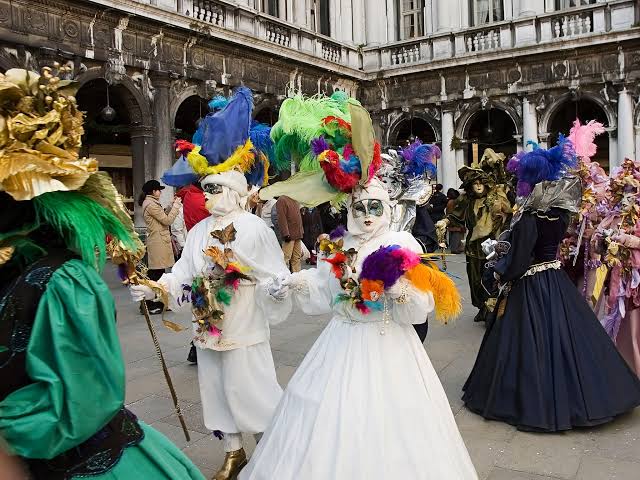
‘Life is a carnival. You wait in long lines to enjoy a short ride’.
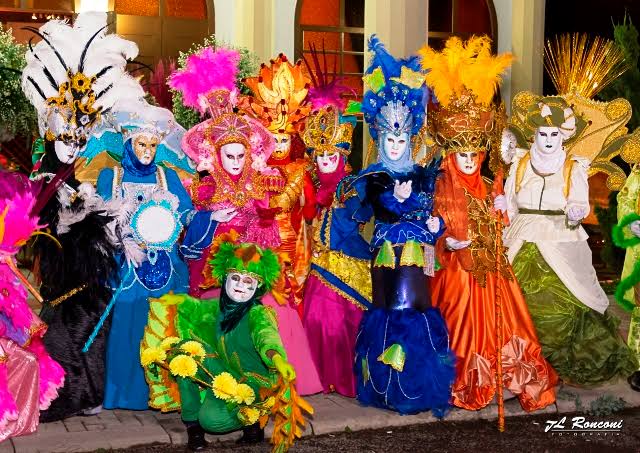
Colors, celebrations, ferry wheels, masks, costumes, merriments, public parades… All these words can be connected with the title of this article. The continuity of traditions is present even now in the city of canals. So, Carnival dye Venezia is one of the popular carnival around the world and the charming characteristic of the city. This carnival also attracts the tourists who visits there with its sumptuous costumes and masks parade. Wearing mask is followed as a traditional one, as it also get to mask the people’s class and status and it also makes fun of aristocracy. Having such carnival creates an enchanting atmosphere with acrobats, jugglers and raffish performances in private cafe and houses.
The carnival takes place in February. It starts before two weeks; prior to the ash wednesday and ends on shrove Thursday. The traces from the official documents of such carnivals are noted before 1094 A.D. as the celebrations that took place before lent. However this tradition was introduced by the act of the senate of the republic of Venice in 1296 A.D. and this has become internationally famous and prestigious during 18th century. But at the end of the century, with French conquest of the Republic 1st in the Austrian occupation and later; the tradition of masks was forbidden and the festivities got survived only in some island of Lagoon. This gradually came back in 19th century and the tradition was restored in 1979, when the Italian government has decided to bring back the history and the culture of Venice.
People would mask themselves as historical characters such as Casanova who had indulged in Venice with wild parties and love affairs and characters tend to interpret comic adventures. Carnival lasts for a couple of weeks and the most important day is last Thursday. St. Mark’s square is found to be the centre of all happenings. A wooden stage would be set around there; and during the last Sunday and last Tuesday, the award will be presented to the best dressed and masked artisans. Every year a theme would be setup and the events would be presented according to it. The theme of art and tradition was followed in the year 2016.
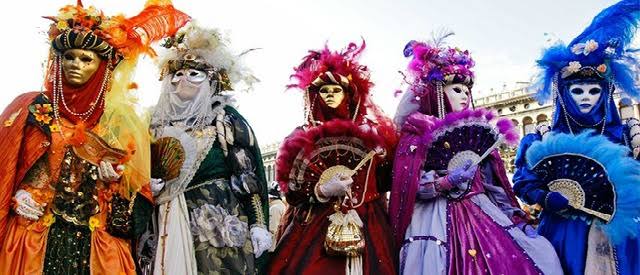
The characters would mask themselves as traditional Venetian artisans. For instance ‘Bata’ is a 17th century character and the masking involves the wearing of white mask under black hat and black cloak. ‘Merrida muda‘ is represented with a dark velvet mask and is often weared by women. Thus the tradition of mask, colour and celebrations tends to attract the tourists. Venice becomes the manufacturer of masks and the parade of traditional 18th century style masks.
Carnevale di Venezia!
‘Life is a carnival. You wait in long lines to enjoy a short ride’.
Colors, celebrations, ferry wheels, masks, costumes, merriments, public parades… All these words can be connected with the title of this article. The continuity of traditions is present even now in the city of canals. So, Carnival dye Venezia is one of the popular carnival around the world and the charming characteristic of the city. This carnival also attracts the tourists who visits there with its sumptuous costumes and masks parade. Wearing mask is followed as a traditional one, as it also get to mask the people’s class and status and it also makes fun of aristocracy. Having such carnival creates an enchanting atmosphere with acrobats, jugglers and raffish performances in private cafe and houses.
The carnival takes place in February. It starts before two weeks; prior to the ash wednesday and ends on shrove Thursday. The traces from the official documents of such carnivals are noted before 1094 A.D. as the celebrations that took place before lent. However this tradition was introduced by the act of the senate of the republic of Venice in 1296 A.D. and this has become internationally famous and prestigious during 18th century. But at the end of the century, with French conquest of the Republic 1st in the Austrian occupation and later; the tradition of masks was forbidden and the festivities got survived only in some island of Lagoon. This gradually came back in 19th century and the tradition was restored in 1979, when the Italian government has decided to bring back the history and the culture of Venice.
People would mask themselves as historical characters such as Casanova who had indulged in Venice with wild parties and love affairs and characters tend to interpret comic adventures. Carnival lasts for a couple of weeks and the most important day is last Thursday. St. Mark’s square is found to be the centre of all happenings. A wooden stage would be set around there; and during the last Sunday and last Tuesday, the award will be presented to the best dressed and masked artisans. Every year a theme would be setup and the events would be presented according to it. The theme of art and tradition was followed in the year 2016.
The characters would mask themselves as traditional Venetian artisans. For instance ‘Bata’ is a 17th century character and the masking involves the wearing of white mask under black hat and black cloak. ‘Merrida muda‘ is represented with a dark velvet mask and is often weared by women. Thus the tradition of mask, colour and celebrations tends to attract the tourists. Venice becomes the manufacturer of masks and the parade of traditional 18th century style masks.
How Much Does India Invest In Olympic Athletes?
Postponed by a year due to the pandemic, the Tokyo Olympics is now less than a month away. Last week, the Union Sports Minister Kiren Rijiju urged the people to extend their support to India’s Olympic-bound athletes, the same way they back India’s cricketers. However, India’s abysmal performances at the Olympics is in striking contrast to India’s immense success at cricket. The model of sports governance and financial irregularities are often blamed for the lack of competitive edge in sports other than cricket. So, the most obvious question that comes to our mind is, how much does India invest in the Olympics?
Money allocated for Sports
In the 2020-21 annual budget, the Government of India allocated Rs 2826.92 crore for sports, which meant an increase of mere ₹ 50 crore from the revised estimates of the financial year 2019-20. The Modi government’s flagship sports programme ‘Khelo India’ received a substantial hike of ₹ 312.42 crore and was allocated ₹ 890.42 crore compared to ₹578 crore in 2019-20. On the other hand, the National Sports Development Fund saw a reduction of ₹ 27.15 crore from ₹77.15 crore in 2019-20 to ₹ 50 crore in 2020-21. National Sports Federations saw the highest decrease after Finance Minister allocated ₹ 245 crore, ₹ 55 crore less than the previous financial year, according to The Wire. Even the budget for meritorious sportspersons saw a 40% reduction from the last financial year. It is important to note that the 2020-21 annual budget was presented in January 2020, when the government had no idea of the coming pandemic. It was also supposed to be the year of the Tokyo Olympics.
Target Olympic Podium Scheme
While these are the broad schemes under which Indian sportspersons are funded, the Target Olympic Podium Scheme (TOPS) provides financial assistance to potential Olympic medal winners. Launched in 2014, TOPS is the flagship programme of the Sports Ministry of India. The top-up funding scheme considers the performance of Indian athletes in the past three years. They are provided with personal coaches and other staff fees, cost of travel during competitions, purchase of equipment, and pocket allowance.
Looking Back At The Last Olympics
In the 2016 Rio Olympic, India spent ₹ 36.85 crore under TOPS, as per Financial Express. Nearly half of that amount was spent on shooting, which was India’s most successful Olympic sport in the previous three games. Shooting is also very expensive, which requires importing equipment from other countries. But shooting failed to bring any medal. Athletics received the second-highest funding of ₹ 7.80 crore in 2016, but India failed to make a mark in the sport. Unfortunately, out of the ₹ 36.85 crore, ₹30.49 crore had gone to disciplines that fell short of goals. Only 1.66 per cent of the total TOPS fund went to the fields that brought India two medals – PV Sindhu in Badminton and Sakshi Malik in wrestling.
Comparison With Other Countries
The United Kingdom allocated close to Rs 9000 crore on sports infrastructure and training in the annual sports budget, whereas India spent only one-third of the UK, Rs 3,200 crore, on youth affairs and sports, before 2016. The UK won 67 medals against India’s two at the Rio Games 2016. Abhinav Bindra had also tweeted back in 2016 that a medal cost UK 5.5 million pounds, and that is the kind of investment India needs to make. Otherwise, we cannot expect much. In the USA, a large number of athletes are privately funded. Individual athletes had started their own funding portal for donations from the general public. Therefore, only 10% of the US Olympic Committee’s finance was spent on athletes in Rio 2016, and the USA finished first. China, on the other hand, is known for its aggressive state-sponsored promotion of sports.
Private Investment In India
Before the 2016 Olympics, Indian Olympic Association (IOA) received donations from Reliance Jio, Amul, Tata Salt, Edelweiss Financial Services, Herbalife, Li Ning, and SBJ. Sakshi Malik had also thanked JSW Sport, a foundation funded by the OP Jindal group, after becoming India’s first medal winner in Rio Games, as reported by Hindustan Times.
However, unlike NSDF, where the contributions and sponsorships are open and documented, private funding to individual athletes is not. And most recently, the JSW Group has come on board to be the official sponsor of Team India in the Tokyo Olympics and has agreed to pledge sponsorship support of ₹ 1 crore to IOA. In 2018, the Sports Ministry earmarked ₹ 100 crore for funding of the athletes for the preparation of Tokyo Olympics 2020, which will take place this year. While the number of medals won cannot be equated to the investments made, since medals are not the only measure of success, India nonetheless needs to invest more and put in a new model of sports governance in action. A
How Much Does India Invest In Olympic Athletes?
Postponed by a year due to the pandemic, the Tokyo Olympics is now less than a month away. Last week, the Union Sports Minister Kiren Rijiju urged the people to extend their support to India’s Olympic-bound athletes, the same way they back India’s cricketers. However, India’s abysmal performances at the Olympics is in striking contrast to India’s immense success at cricket. The model of sports governance and financial irregularities are often blamed for the lack of competitive edge in sports other than cricket. So, the most obvious question that comes to our mind is, how much does India invest in the Olympics?
Money allocated for Sports
In the 2020-21 annual budget, the Government of India allocated Rs 2826.92 crore for sports, which meant an increase of mere ₹ 50 crore from the revised estimates of the financial year 2019-20. The Modi government’s flagship sports programme ‘Khelo India’ received a substantial hike of ₹ 312.42 crore and was allocated ₹ 890.42 crore compared to ₹578 crore in 2019-20. On the other hand, the National Sports Development Fund saw a reduction of ₹ 27.15 crore from ₹77.15 crore in 2019-20 to ₹ 50 crore in 2020-21. National Sports Federations saw the highest decrease after Finance Minister allocated ₹ 245 crore, ₹ 55 crore less than the previous financial year, according to The Wire. Even the budget for meritorious sportspersons saw a 40% reduction from the last financial year. It is important to note that the 2020-21 annual budget was presented in January 2020, when the government had no idea of the coming pandemic. It was also supposed to be the year of the Tokyo Olympics.
Target Olympic Podium Scheme
While these are the broad schemes under which Indian sportspersons are funded, the Target Olympic Podium Scheme (TOPS) provides financial assistance to potential Olympic medal winners. Launched in 2014, TOPS is the flagship programme of the Sports Ministry of India. The top-up funding scheme considers the performance of Indian athletes in the past three years. They are provided with personal coaches and other staff fees, cost of travel during competitions, purchase of equipment, and pocket allowance.
Looking Back At The Last Olympics
In the 2016 Rio Olympic, India spent ₹ 36.85 crore under TOPS, as per Financial Express. Nearly half of that amount was spent on shooting, which was India’s most successful Olympic sport in the previous three games. Shooting is also very expensive, which requires importing equipment from other countries. But shooting failed to bring any medal. Athletics received the second-highest funding of ₹ 7.80 crore in 2016, but India failed to make a mark in the sport. Unfortunately, out of the ₹ 36.85 crore, ₹30.49 crore had gone to disciplines that fell short of goals. Only 1.66 per cent of the total TOPS fund went to the fields that brought India two medals – PV Sindhu in Badminton and Sakshi Malik in wrestling.
Comparison With Other Countries
The United Kingdom allocated close to Rs 9000 crore on sports infrastructure and training in the annual sports budget, whereas India spent only one-third of the UK, Rs 3,200 crore, on youth affairs and sports, before 2016. The UK won 67 medals against India’s two at the Rio Games 2016. Abhinav Bindra had also tweeted back in 2016 that a medal cost UK 5.5 million pounds, and that is the kind of investment India needs to make. Otherwise, we cannot expect much. In the USA, a large number of athletes are privately funded. Individual athletes had started their own funding portal for donations from the general public. Therefore, only 10% of the US Olympic Committee’s finance was spent on athletes in Rio 2016, and the USA finished first. China, on the other hand, is known for its aggressive state-sponsored promotion of sports.
Private Investment In India
Before the 2016 Olympics, Indian Olympic Association (IOA) received donations from Reliance Jio, Amul, Tata Salt, Edelweiss Financial Services, Herbalife, Li Ning, and SBJ. Sakshi Malik had also thanked JSW Sport, a foundation funded by the OP Jindal group, after becoming India’s first medal winner in Rio Games, as reported by Hindustan Times.
However, unlike NSDF, where the contributions and sponsorships are open and documented, private funding to individual athletes is not. And most recently, the JSW Group has come on board to be the official sponsor of Team India in the Tokyo Olympics and has agreed to pledge sponsorship support of ₹ 1 crore to IOA. In 2018, the Sports Ministry earmarked ₹ 100 crore for funding of the athletes for the preparation of Tokyo Olympics 2020, which will take place this year. While the number of medals won cannot be equated to the investments made, since medals are not the only measure of success, India nonetheless needs to invest more and put in a new model of sports governance in action. A
CAUSES OF RUSSIAN REVOLUTION 1917
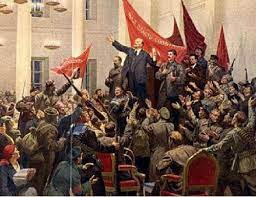
Russian Revolution popularly known as the Russian Revolution of 1917 was a set of two revolutions. 1) February Revolution (according to Julian calendar, otherwise in March for other nations). It overthrew the imperial government.
2) October Revolution (according to Julian calendar, otherwise November for other countries). This revolution placed Bolsheviks in power.
By 1917, the bond between the Czar and Russian population had been broken. Governmental corruption and inefficiency were rampant. Tsar’s reactionary policies of Dissolution of Duma (or the Russian parliament) spread dissatisfaction among public.
But it was government’s inefficient prosecution of World War 2 which led to making the revolution inevitable.
Causes
i) Autocratic Government and its defects
- Tsar was a despotic ruler. Nicholas II was called ” The Father of Nation”.
- All administrative decisions were taken by him despite the fact that a Parliament existed.
- He was the head of the Church, Commander of Army, etc.
- But the system was defective.
ii) Disability of Bureaucracy’s Army
- Most officers belonged to rich background. They favoured Czar.
- The poor and common men were neglected
- There were no proper facilities for Army.
- This created frustration.
iii) Social Dissatisfaction
- The society was divided into two categories-
- The Haves
- Have nots
- The Haves belonged to elite class, they occupied all administrative positions and favoured Despotism.
- Whereas the the category of Have nots contained all the poverty stricken men deprived of every advantage.
iv) Industrial Revolution
- Russia was an agricultural society.
- Industrialisation replaced labours and annual work.
- This increased further the already high unemployment percentage.
- Therefore the advancing economy contrasted with the miserable lives of workers.
- Meanwhile, the Communist ideology of Karl Marx started to spread.
v) Intellectual Revolution
- Idea of equality nitroduced through French Revolution.
- The Allied powers in the World War I propagated Democracy and Nationalism.
- Western Literature translated several important works and the youth was mad to realise that the root cause of backwardness was Autocracy of Tzar.
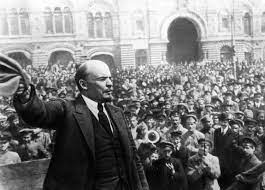
Later during the second phase of revolution, Lenin and Trotsky headed and overthrew Kerensky’s government.
Results of revolution
- Lenin became the Prime Minister
- March Revolution removed Czar and gave powers to middle class.
- November Revolution established the government fully supported by laborers.
CAUSES OF RUSSIAN REVOLUTION 1917
Russian Revolution popularly known as the Russian Revolution of 1917 was a set of two revolutions. 1) February Revolution (according to Julian calendar, otherwise in March for other nations). It overthrew the imperial government.
2) October Revolution (according to Julian calendar, otherwise November for other countries). This revolution placed Bolsheviks in power.
By 1917, the bond between the Czar and Russian population had been broken. Governmental corruption and inefficiency were rampant. Tsar’s reactionary policies of Dissolution of Duma (or the Russian parliament) spread dissatisfaction among public.
But it was government’s inefficient prosecution of World War 2 which led to making the revolution inevitable.
Causes
i) Autocratic Government and its defects
- Tsar was a despotic ruler. Nicholas II was called ” The Father of Nation”.
- All administrative decisions were taken by him despite the fact that a Parliament existed.
- He was the head of the Church, Commander of Army, etc.
- But the system was defective.
ii) Disability of Bureaucracy’s Army
- Most officers belonged to rich background. They favoured Czar.
- The poor and common men were neglected
- There were no proper facilities for Army.
- This created frustration.
iii) Social Dissatisfaction
- The society was divided into two categories-
- The Haves
- Have nots
- The Haves belonged to elite class, they occupied all administrative positions and favoured Despotism.
- Whereas the the category of Have nots contained all the poverty stricken men deprived of every advantage.
iv) Industrial Revolution
- Russia was an agricultural society.
- Industrialisation replaced labours and annual work.
- This increased further the already high unemployment percentage.
- Therefore the advancing economy contrasted with the miserable lives of workers.
- Meanwhile, the Communist ideology of Karl Marx started to spread.
v) Intellectual Revolution
- Idea of equality nitroduced through French Revolution.
- The Allied powers in the World War I propagated Democracy and Nationalism.
- Western Literature translated several important works and the youth was mad to realise that the root cause of backwardness was Autocracy of Tzar.
Later during the second phase of revolution, Lenin and Trotsky headed and overthrew Kerensky’s government.
Results of revolution
- Lenin became the Prime Minister
- March Revolution removed Czar and gave powers to middle class.
- November Revolution established the government fully supported by laborers.
Cyber fraud? Here’s your help!
The Ministry of Home Affairs has operationalised the national Helpline 155260 and Reporting Platform for preventing financial loss due to cyber fraud. The helpline was soft-launched on 1st April.
The National Helpline and Reporting Platform provides a mechanism for persons cheated in cyber frauds to report such cases to prevent loss of their hard earned money.
Also, a National Cyber Security Strategy 2020 is being formulated by the Office of National Cyber Security Coordinator at the National Security Council Secretariat.

What is Cyber security?
- Cyber Security is protecting cyber space including critical information infrastructure from attack, damage, misuse and economic espionage.
- Critical Information Infrastructure: According to Section 70(1) of the Information Technology Act, CII is defined as a “computer resource, the incapacitation or destruction of which, shall have debilitating impact on national security, economy, public health or safety”.
- Cyber Fraud: It is the crime committed via a computer with the intent to corrupt another individual’s personal and financial information stored online. It is the most common type of fraud and individuals and organisations need to be vigilant and protect their information from fraudsters.
How does this help?
- The helpline has been made operational by the Indian Cyber Crime Coordination Centre (I4C), in coordination with the Reserve Bank of India, all major banks, payment banks, wallets and online merchants.
- The Citizen Financial Cyber Fraud Reporting and Management System has been developed by I4C to integrate Law Enforcement Agencies and Banks and Financial Intermediaries.
- The facility empowers both the banks and the police, by leveraging new-age technologies for sharing online fraud related information and taking action in almost real time.
- Since its soft launch, in a short span of two months, the helpline has assisted in saving more than Rs 1.85 crore.

What is I4C?
- I4C is Indian Cyber Crime Coordination Centre
- The scheme to set up I4C was approved in October 2018, to deal with all types of cybercrimes in a comprehensive and coordinated manner.
- It has seven components:
- National Cyber Crime Threat Analytics Unit
- National Cyber Crime Reporting Portal
- National Cyber Crime Training Centre
- Cyber Crime Ecosystem Management Unit
- National Cyber Crime Research and Innovation Centre
- National Cyber Crime Forensic Laboratory Ecosystem
- Platform for Joint Cyber Crime Investigation Team.
- 15 States and Union Territories have given their consent to set up Regional Cyber Crime Coordination Centres.
- This state-of-the-art Centre is located in New Delhi.
What are other initiatives to tackle Cyber Crime?
- Draft Personal Data Protection Bill, 2018 (based on the recommendation of Justice BN Srikrishna Committee) to secure citizens data.
- Cyber Swachhta Kendra: The “Cyber Swachhta Kendra” (Botnet Cleaning and Malware Analysis Centre) is a part of the Government of India’s Digital India initiative under the Ministry of Electronics and Information Technology (MeitY).
- Indian Computer Emergency Response Team (CERT-IN): It is an organisation of the MeitY, with the objective of securing Indian cyberspace. It is the nodal agency which deals with cybersecurity threats like hacking and phishing.

Conclusion
Data is the new gold, it is very important that we protect our data from cyber fraudsters and cyber criminals. We have to stay aware and stay safe! But if we realise a data breach / cyber fraud / cyber crime, we have to report it immediately !
Remember ” A stitch in time saves nine! “
Cyber fraud? Here's your help!
The Ministry of Home Affairs has operationalised the national Helpline 155260 and Reporting Platform for preventing financial loss due to cyber fraud. The helpline was soft-launched on 1st April.
The National Helpline and Reporting Platform provides a mechanism for persons cheated in cyber frauds to report such cases to prevent loss of their hard earned money.
Also, a National Cyber Security Strategy 2020 is being formulated by the Office of National Cyber Security Coordinator at the National Security Council Secretariat.
What is Cyber security?
- Cyber Security is protecting cyber space including critical information infrastructure from attack, damage, misuse and economic espionage.
- Critical Information Infrastructure: According to Section 70(1) of the Information Technology Act, CII is defined as a “computer resource, the incapacitation or destruction of which, shall have debilitating impact on national security, economy, public health or safety”.
- Cyber Fraud: It is the crime committed via a computer with the intent to corrupt another individual’s personal and financial information stored online. It is the most common type of fraud and individuals and organisations need to be vigilant and protect their information from fraudsters.
How does this help?
- The helpline has been made operational by the Indian Cyber Crime Coordination Centre (I4C), in coordination with the Reserve Bank of India, all major banks, payment banks, wallets and online merchants.
- The Citizen Financial Cyber Fraud Reporting and Management System has been developed by I4C to integrate Law Enforcement Agencies and Banks and Financial Intermediaries.
- The facility empowers both the banks and the police, by leveraging new-age technologies for sharing online fraud related information and taking action in almost real time.
- Since its soft launch, in a short span of two months, the helpline has assisted in saving more than Rs 1.85 crore.
What is I4C?
- I4C is Indian Cyber Crime Coordination Centre
- The scheme to set up I4C was approved in October 2018, to deal with all types of cybercrimes in a comprehensive and coordinated manner.
- It has seven components:
- National Cyber Crime Threat Analytics Unit
- National Cyber Crime Reporting Portal
- National Cyber Crime Training Centre
- Cyber Crime Ecosystem Management Unit
- National Cyber Crime Research and Innovation Centre
- National Cyber Crime Forensic Laboratory Ecosystem
- Platform for Joint Cyber Crime Investigation Team.
- 15 States and Union Territories have given their consent to set up Regional Cyber Crime Coordination Centres.
- This state-of-the-art Centre is located in New Delhi.
What are other initiatives to tackle Cyber Crime?
- Draft Personal Data Protection Bill, 2018 (based on the recommendation of Justice BN Srikrishna Committee) to secure citizens data.
- Cyber Swachhta Kendra: The “Cyber Swachhta Kendra” (Botnet Cleaning and Malware Analysis Centre) is a part of the Government of India’s Digital India initiative under the Ministry of Electronics and Information Technology (MeitY).
- Indian Computer Emergency Response Team (CERT-IN): It is an organisation of the MeitY, with the objective of securing Indian cyberspace. It is the nodal agency which deals with cybersecurity threats like hacking and phishing.
Conclusion
Data is the new gold, it is very important that we protect our data from cyber fraudsters and cyber criminals. We have to stay aware and stay safe! But if we realise a data breach / cyber fraud / cyber crime, we have to report it immediately !
Remember ” A stitch in time saves nine! “
 Eduindex
You must be logged in to post a comment.