The Secret

By : Rhonda Byrne

Hello readers.

The Secret, there is a movie (specifically documentry) that goes by this name. The movie is based on this book. As the title says, it spills the secrets. All that we are is the result of what have thought. We are made of our thoughts; we are moulded by our thoughts.Change your life by changing your thoughts. It is as simple and as complicated. Because our thoughts become our words, words become actions, actions become habits, habits led you to your destiny.

This book, is a bit complicated for beginners. This book awakens the positivity in you. The hope on the goodness of universe will become more stronger than usual. It speaks about the law of attraction. The title itself attracts readers. At few movements you may feel you know those but by reading those facts from The Secret, will make your will to follow them stronger.

In the era of finger taps, following the tricks and methods mentioned may seem a difficult task. But it is worth every difficult step you take. You will find the new you a lot more happier and energetic than usual. A wonderful recommendation for all those who are not afraid of changing themselves.

Like I say : Reading books is magic, it makes you live hundreds of lives in a single one. Or atleast that’s what I believe. Hopefully this book will have an impact and magic you are/ were waiting for. I’ll take a leave.

And Thanks.😇

A Street Hawker

A street hawker goes from one street to another and from one locality to another selling his ware. A street hawker is a common sight in all the Indian towns and villages.

A street hawker usually comes with a cart or a basketful of goods, placed on his head. He carries a variety of things and eatables. Usually, in the morning, street hawkers come with vegetables and fruits in their baskets. They sell fresh fruits and vegetables and earn their livelihood.

Those people, who live in villages and towns, hear the call of the street hawkers early in the morning. He brings plenty of fruits and vegetables with him. Upon hearing his voice, people flock around him to buy fruits and vegetables. Sometimes street hawkers have to face very odd customers who go on arguing (bargaining) about the prices of various commodities. Sometimes. they have to bow to the wishes of the customers by reducing their rates.

There are other Street hawkers who come on bicycles, loaded with clothes, utensils and other articles of daily need and consumption.

All these are, no doubt, tough jobs. A street hawker has to labour a lot in order to earn his living. His profits are very meagre. He is generally a poor man. With this small income, he tries to make both ends meet. Normally, a street hawker has a cart with three or four wheels. Poor street hawkers have to carry their goods on their heads.

The street hawkers mostly carry inexpensive things. By selling their complete stock, they earn a very small amount of money.

On the whole, a street hawker’s condition is pitiable because he wanders all day to earn his meagre living. But, at least he tries to make an honest living and not begging or stealing. We should give due respect to the dignity of labour which a street hawker does.

WHAT!! FACTS????

. PANDORA’S BOX

According to Greek mythology, Pandora was the first ever women created by Zeus as a punishment for humankind after Prometheus stole fire for human use. Zeus then asked all the other gods and goddesses to shower gifts on her. She was also presented with a jar which contained all the evils & illness which she was not suppose to open. However she couldn’t resist the urge to open the container which resulted in unleashing evils into the world. Then onwards Pandora box signifies as the origin of troubles or complications. Morden generation criticised the myth an example of misogyny.

. HAPLODIPLOID SEX DETERMINATION

What does halpodiploid sex determination means? This type of sex determination is scene in honey bees. I’m this the sex of an individual is determined by the number of set of chromosomes received. An offspring formed from the the union of sperm and an egg developed into a female (queen or worker) and the unfertilized egg is developed into a male by parthenogenesis, which implies males have half the number of chromosomes that of a female. The female gets differentiated on the basis of food they consume during the development. The female that consumes royal jelly grows into a queen bee and others developes into a worker bees(sterile). The males produces sperms by mitosis so they do not have father and thus cannot have son’s but have a grandfather and can have grandsons.

. LIFE WITHOUT STOMACH?

Do you know that it’s possible to live without stomach? Let’s understand how; suppose a person is having a stomach cancer the recommended treatment would be partial or total removal of stomach termed as gastrectomy. When a person’s stomach is removed completely the esophagus is directly connected to intestine. A person is advised to consume a lot of calories in small bites/meals more times a day to prevent weight loss. A person may experience Dumping Syndrome (experience of nausea, diarrhoea, vomiting, sweats) as the the work of stomach is transfer to intestine, so a person is suggested to sit upright after having their food for sometime. It is difficult to adjust to changes but this is how a human tendency to survive.

Disaster & Disaster Management

A disaster is a sudden, calamitous event that seriously disrupts the functioning of a community or society and causes human, material, and economic or environmental losses that exceed the community’s or society’s ability to cope using its own resources. Though often caused by nature, disasters can have human origins.

The word disaster implies a sudden overwhelming and unforeseen event. At the household level, a disaster could result in a major illness, death, a substantial economic or social misfortune. At the community level, it could be a flood, a fire, a collapse of buildings in an earthquake, the destruction of livelihoods, an epidemic or displacement through conflict. When occurring at district or provincial level, a large number of people can be affected. Most disasters result in the inability of those affected to cope with outside assistance. At the household level, this could mean dealing with the help from neighbours. At the national level, it could mean assistance from organizations, various non-governmental organizations (NGOs) and government agencies themselves. As the limiting factor in disaster response is often the coping capacity of those affected, improving their resilience when responding to disasters is a key approach to lessening the consequence of a disaster.

There is no single measure of a disaster that can capture the full scope of a disaster. A common measure is the number of people killed or affected. The individual will consider the impact on his or her family and livelihood. Disaster managers will assess the speed and success of the disaster response. Economists will measure physical loss to houses and buildings and loss of production. Politicians will assess political damage from a poor response by state agencies. Health workers will consider the resources required to contain an outbreak of Ebola or Coronavirus. Others may focus on the nature of the hazard, the social consequences and the impact to specific elements of the infrastructure. To think seriously about a disaster means we must consider all affected and their losses both in the immediate and the longer term.

A disaster may occur with or without a warning phase. A response is made following a disaster. The response may be helped substantially by any preparedness actions which were made before the disaster occurred. Relief activities occur during the emergency phase, which follows the impact of the disaster.

General Effects of Disasters

 The typical effects of disasters may be one or more of the following :

  • Loss of life
  • Injury
  • Destruction of property, plantations and crops
  • Disruption of production, lifestyle & transport
  • Loss of livelihood and occupation to people
  • Disruption to essential services like electricity, water supply and gas supply
  • Damage to national infrastructure
  • Disruption of communication and other networks
  • Disruption to government systems and schemes
  • Shortage of food resources
  • Spreading of diseases
  • National economic loss
  • Sociological effects
  • Psychological after effects.

Types of Disasters

There are 2 major types of disasters :

1. Natural Disasters

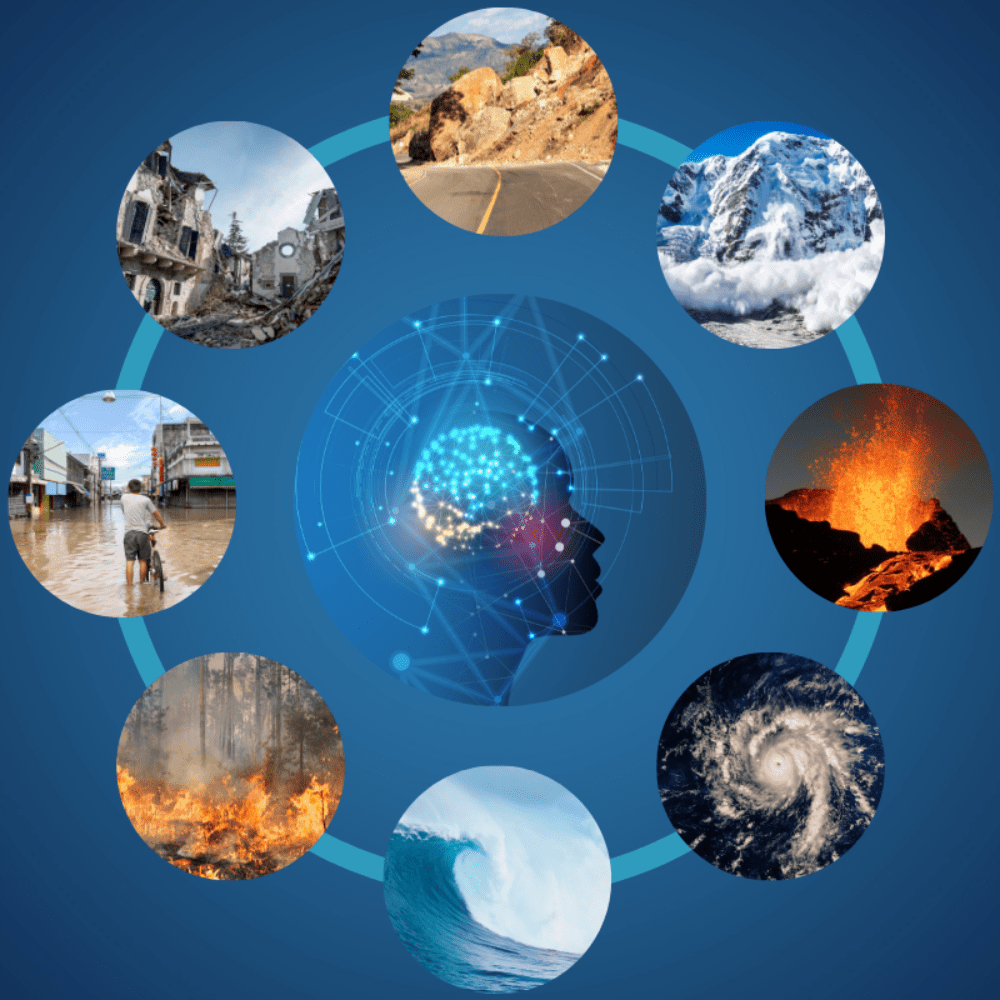
A natural disaster can be defined as a major event brought about by the natural processes of the Earth that causes widespread destruction to the environment and loss of life. The list of natural disasters include weather phenomena such as tropical storms, extreme heat or extreme cold, winds, floods, earthquakes, landslides and volcanic eruptions.

Management of Natural Disasters

  • Early warning systems can alert costal populations of approaching tsunamis and they can give populations time to be evacuated from danger areas.
  • Responsible land use can reduce the risk of landslips caused by unchecked felling of trees. For other events classified as natural disasters, risks can be dramatically reduced through careful planning.
  • Construction codes when enforced can reduce loss from earthquakes. Governments can institute measures to assist in extreme cold and extreme heat.
  • Food security programmes can protect a population against food crisis arising from pests and failed crops.
  • Surveillance systems and high coverage by routine immunization programmes can help prevent outbreaks of disease.
  • Social programmes can reduce vulnerability to disasters which otherwise could not be controlled.

Types of natural disaster

Natural disasters may be broadly grouped into major and minor types depending upon their potential to cause damage to human life and property. The disasters like earthquakes, volcanic eruptions, droughts, floods and cyclones could be regarded as major types. The disasters like hailstorms, avalanches, landslides, fire accidents, etc. whose impact is localised and the intensity of the damage is much less than the others may be categorized as minor disasters.

Natural disasters can be categorised into 4 parts :

  • Geophysical (e.g., Earthquakes, Landslides, Tsunamis and Volcanic Activity)
  • Hydrological (e.g., Avalanches and Floods)
  • Climatological (e.g., Extreme Temperatures, Drought and Wildfires)
  • Meteorological (e.g., Cyclones and Storms/Wave Surges)

2. Man-Made Disasters

Man-made disasters are extreme hazardous events that are caused by human beings. Some examples of man-made disaster emergencies include chemical spills, hazardous material spills, explosions, chemical or biological attacks, nuclear blast, train accidents, plane crashes, or groundwater contamination.

Man-made disasters have an element of human intent, negligence, or error involving a failure of a man-made system, as opposed to natural disasters resulting from natural hazards. Such man-made disasters are crime, arson, civil disorder, terrorism, war, biological/chemical threat, cyber-attacks, etc.

Man-made disasters can be caused by :

  • Environmental Degradation
  • Pollution
  • Accidents (e.g., Industrial, Technological and Transport usually involving the production, use or transport of hazardous materials)

Though weather and geologically related disasters are considered to have generated the greatest number of deaths and economic loss, disasters generated by humans are increasing in importance. As society has become more complex, it is evident that people are increasingly responsible, directly or indirectly, for the consequences of events previously ascribed to forces beyond their control. Globalization is now carrying industrial production to previously agrarian societies. The risk from the unintended release of hazardous materials is becoming ever more widespread. Potentially hazardous products are now available in communities and populations which do not have adequate regulations governing their use and, in fact, may not even be aware of their presence or health risks. Rapidly increasing transport of people and commodities across continents means that transportation disasters pose increasing threats to millions.

Disaster Management

Disaster Management can be defined as the organization and management of resources and responsibilities for dealing with all humanitarian aspects of emergencies, in particular preparedness, response and recovery in order to lessen the impact of disasters.

Disaster management conveys the important idea that protecting populations and property also involves the estimation of risks, preparation, activities which will mitigate the consequences of predictable hazards and post-disaster reconstruction in a way that will decrease vulnerabilities. An important goal is building a culture of awareness that preparation is not only possible, but also will greatly reduce the consequences from disasters in terms of human and economic loss.

An effective response to disaster begins with effective planning, but must include many other steps. Each of these steps depends on the strength of other links in the disaster management chain. While no one organization or group ‘owns’ a disaster, the ultimate responsibility rests with governments to protect its people against disaster. No government can carry out these responsibilities without cooperating with many other groups in a country. Disaster management planning is often seen as a separate activity from the main functions of governments and organizations.

Conclusion :

Disaster management is the only way to mitigate the effects of all these hazards. Advance planning is always needed to keep the items of emergency for any disaster. Guidelines are also to be prepared in the form of booklets and circulated to the educated individuals. Awareness camps are to be organised for public. Training is yet another initiative. Training involves the duties and responsibilities, efforts to sustain, role of employees/NGOs, risks, errors, behavioural patterns, recovery techniques, communication channels, safety rules, priorities and security measures. Knowledge of water quality, sanitation, first aid, emergency medicines, electricity controls and gas usage are needed. Evacuation, reporting and alert procedures, are the other major initiatives. Proper insurance policies, alterations to existing buildings, changes in business locations and other resources are to be planned, for future disaster mitigation.


Book review: A novel: It ends with us

BOOK:- It ends with us

AUTHOR:- Colleen Hoover

GENRES:- It is a standalone contemporary romance novel, fiction.

RELEASE DATE:- 2nd August, 2016.

ADAPTATIONS:- It ends with us (play) and It ends with us (movie).

MAIN CHARACTERS:- Lily Bloom ( female protagonist), Ryle Kincaid ( Lily’s husband, a surgeon) & Atlas Corrigan ( Lily’s teenage love interest, a homeless boy later owner of a restraunt). And many supporting characters like Lily’s father, her mother, ryle’s sister, his sister’s husband, ryle’s mother.

Fifteen seconds, That’s all it takes to completely change everything about a person. Fifteen seconds that we’ll never get back.”

– Line said by the protagonist Lily in the book.

SUMMARY:-

The book starts with introducing the female protagonist Lily Bloom. Lily is a twenty-three year old business graduate. She has grown up in an abusive family where her father was usually abusive towards her mother. At the age of fifteen she fell in love with Atlas, a eighteen year old homeless boy from her neighbourhood. She cares for Atlas. She loved him so much. But he left her promising to come to her when he will join military. She was all alone at this time but she didn’t loose hope. She left her past life and started her own flower business in Boston.

In Boston, she met Ryle, a neurosurgeon and soon fall in love with him. But he was not ready to be in a relationship and they parted their ways. After six months, Lily hired an employee named Allysa, who was Ryle’s sister. After many encounters Ryle finally realised that he can’t live without Lily so decided to marry her. Everything was perfect, the romance between Ryle and Lily was increasing day by day. One day Ryle decided to meet Lily and her mother, there she encounters Atlas, and was not able to control her feelings, which was not loves by Ryle for sure. Slowly he started to abuse her,Whenever he can. Lily always told herself that she was not like her mother and Ryle was not like her father.

She started to live with Ryle and she found a deep dark past of Ryle and was shocked. His behaviour towards Lily was being more and more abusive day by day until one day when he can’t control himself and almost raped her. She asked Atlas help in that situation and found that she was pregnant. She doesn’t know whether to love Ryle or hate him for his behaviour. After two months she witnessed a knock on her door and she was sacred to find that he was none other than Ryle. He told her that he just came to talk to her and he did so, but she wasn’t happy with it. She missed him. But also she cannot forget what he did to her. And the story continues how ryle’s sister and Lily’s mother help her, how she allowed Ryle to be with her in her pregnancy dates, how she told Ryle what she felt about him.

BOOK REVIEW:-

Overall the book is just beyond fabulous The characters, the narration and everything seems to be perfect. I personally loved the character of Lily and Atlas. Lily’s strong decision and ability to do justice to herself and her daughter was remarkable. The narration was so strong that you will personally think of yourself in the characters place.

Firstly while reading the book I thought it will be just an average but as soon the book started every single page hooked me to read more and more. Especially I loved the narration it was just awesome. The character of Lily was so very incredible. Atlas has great chemistry with Lily like after so long they had the same feelings for each other.

This is the must read book though sometimes the story didn’t bother me but it was such a great piece of writing that can’t be expressed in words. I hadn’t given the spoiler because it would be far better to read and enjoy it at the same time.

THE THEORY BEHIND HUMAN ATTENTION

PROLOGUE

Attention alludes to the capacity to effectively deal with data in the climate. In fact, attention is restricted as far as both limit and time span. In such a case, it becomes essential to have approaches to use our attention adequately. As per the renowned book “The Standards of Brain research,” composed by therapist and savant William James, consideration is the ingestion limit of the psyche in clear and striking structure. It likewise infers stopping from different attentions to manage different things.

WHAT IS HUMAN ATTENTION?

We might consider attention a highlighter. In the event that we read a segment of text in a book, the featured region unmistakably sticks out. Consequently, we center our advantage around that part. Attention is anything but something shallow; it is much significantly established. It’s not restricted to focusing on a specific thing. All things considered, it is tied in with overlooking a lot of data and boost that continually rivals that particular thing. Attention requires an individual to stop pondering information and insights that are not applicable at that specific second. It requires the individual to zero in his whole energy just on the crucial data.

MEANING OF ATTENTION IN LEARNING

Attention is a central part that is available in an individual even upon entering the world. The situating reflexes assist us with recognizing which occasions in the environmental factors need attention and which should be overlooked. Infants concentrate on ecological improvements like uproarious clamors. A touch on the child’s cheek triggers his establishing reflex. This makes him turn his head to the individual who contacted him.

Attention assumes a pivotal part in each part of life, including school, work, and even connections. It empowers individuals to zero in on significant data and make recollections as a primary concern. It likewise permits individuals to disregard diverting things so they can think and do explicit jobs. We have various bits of examination as to precisely the number of things and for how long we can focus. The key factors that impact human consideration are our advantage in the thing on which we need to focus and the quantity of interruptions.

WHAT ARE THE DIFFERENT KINDS OF ATTENTION?

There are various types of Attention:

Supported Attention

This sort of Attention is additionally called fixation. It is the capacity to zero in on something specific for a consistent period. During this time, individuals center around the errand until the undertaking is finished or a particular span of time has elapsed. Different examination proposes that supported Attention is at top during the mid 40s and step by step decays.

Exchanging Attention

This kind of Attention includes performing multiple tasks or consistently moving Attention starting with one thing then onto the next. It doesn’t mean zeroing in on more than one thing simultaneously. All things considered, it is tied in with focusing on a certain something, halting, and changing to the following thing.

Particular Attention

Attention is a restricted asset. Subsequently, we must be particular about what we choose to focus on and just disregard. We need to concentrate on a particular thing and disregard a huge number of different things. Particular Attention affects an individual’s capacity to pick and specifically focus on specific boosts in the climate and blocking other unimportant things out. This sort of Attention requires an individual to have the option to disregard outside outer boosts as well as interior interruptions. These interruptions might be as Attentions and feelings.

Centered Attention

This kind of Attention affects an individual’s capacity to quickly react to explicit visual or material upgrades like a boisterous commotion or a glimmer of light. It incorporates a quick reaction to outside boosts. It is especially huge in conditions where something in the climate requires brief Attention and activity.

Restricted Attention

Restricted attention or separated attention includes performing multiple tasks. Be that as it may, attention is partitioned for this situation between various undertakings. Rather than moving center, individuals focus on these improvements all the while and react to different requests at the same time. Individuals have a major misinterpretation that attention is limitless. Thus, many individuals work on performing various tasks.

HOW CAN WE USE OUR ATTENTION EFFECTIVELY?

Essentially, our capacity to focus on a certain something and tune out contending interruptions is programmed. However this capacity is extremely mind boggling. Curiously, even individuals without attention issues can profit with these systems. These procedures are intended to further develop attention. A portion of these include:

• Say no to performing multiple tasks

Assuming we need to further develop our attention then we should keep away from performing multiple tasks. Shuffling between different undertakings harms efficiency. Thus, we can benefit as much as possible from our restricted attention by working just on each thing in turn.

• Getting adequate rest

A few bits of examination have shown that satisfactory rest is basic to keep up with ideal degrees of attention. Moreover, there exists a bidirectional connection among rest and attention. This is on the grounds that rest directs attention, and interest for attention assumes a fundamental part in rest.

• Practice care:

Care includes giving total attention to the current second. In some cases, it is likewise seen as a kind of attention itself. A few bits of exploration have shown that care preparing can be extremely useful in further developing Attention.

THE FINAL THOUGHT

Individuals are attempting to discover new techniques for further developing Attention. This will assist with regarding Attention issues too. For example, as per the exploration distributed in 2017, the neural hardware that is the mind’s way identified with Attention is additionally firmly identified with conditions like Attention deficiency or hyperactivity issue. Improving comprehension of this cycle will assist with discovering better medicines for those experiencing this condition.

Organ Donation Live Life.Give Life.

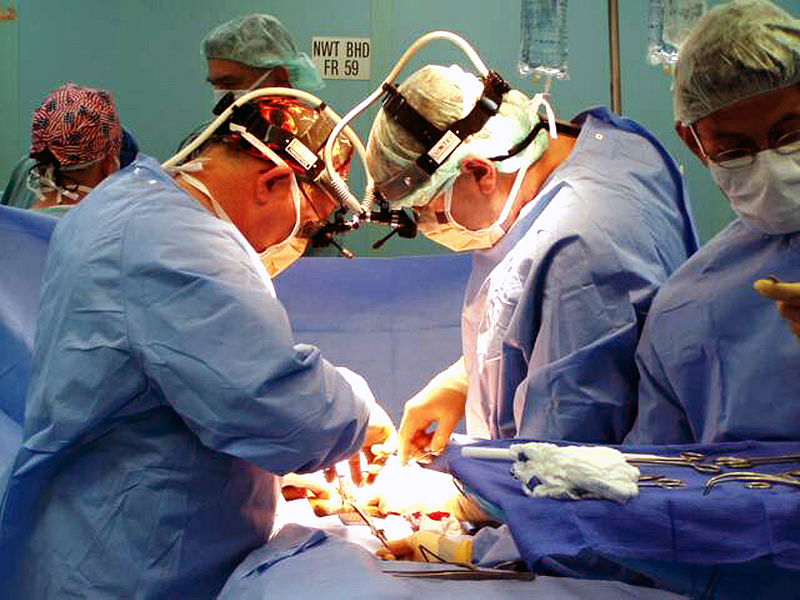
Organ donation is a process in which a person willingly donates an organ of his body to another person. Furthermore, it is the process of allowing the removal of one’s organ for its transplanting in another person. Moreover, organ donation can legally take place by the consent of the donor when he is alive. Also, organ donation can also take place by the assent of the next of kin of a dead person. There has been a significant increase in organ donations due to the advancement of medical science.

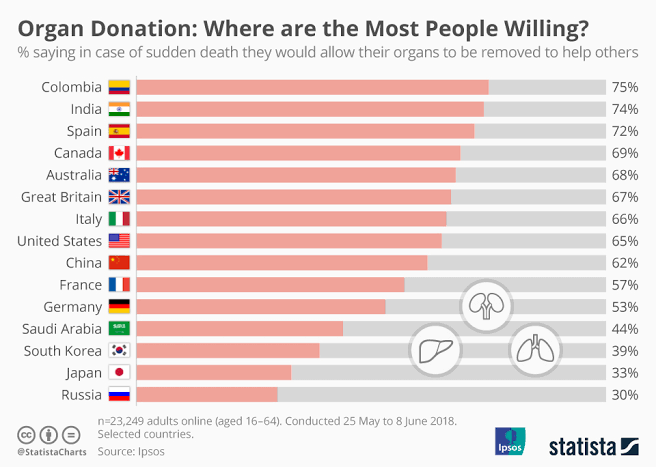
Organ Donation in Different Countries

First of all, India follows the opt-in system regarding organ donation. Furthermore, any person wishing to donate an organ must fill a compulsory form. Most noteworthy, this form is available on the website of the Ministry of Health and Family Welfare Government of India. Also, The Transplantation of Human Organs Act 1994, controls organ donation in India.

The need for organ donation in the United States is growing at a considerable rate. Furthermore, there has also been a significant rise in the number of organ donors in the United States. Most noteworthy, organ donation in the United States takes place only by the consent of the donor or their family. Nevertheless, plenty of organizations are pushing for opt-out organ donation.

Within the European Union, the regulation of organ donation takes place by the member states. Furthermore, many European countries have some form of an opt-out system. Moreover, the most prominent opt-out systems are in Austria, Spain, and Belgium. In England, no consent is presumed and organ donation is a voluntary process.

Argentina is a country that has plenty of awareness regarding organ donation. Most noteworthy, the congress of Argentina introduced an opt-out organ donation policy. Moreover, this means that every person over 18 years of age will be a donor unless they or their family state their negative. However, in 2018, another law was passed by congress. Under the new law, the family requirement was removed. Consequently, this means that the organ donor is the only person who can state their negative.

Benefits of Organ Donation

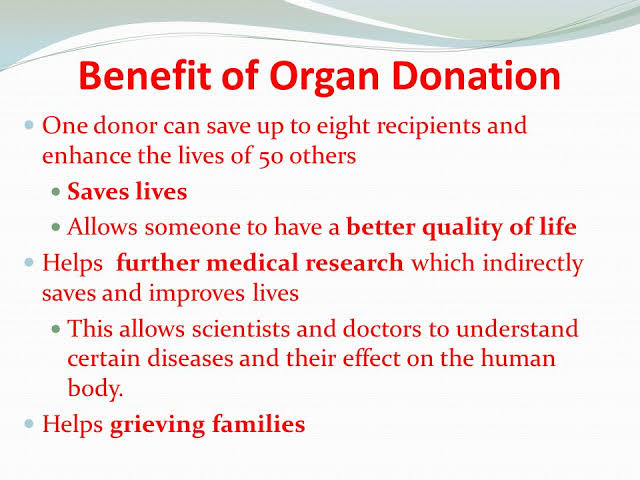
First of all, organ donation is very helpful for the grieving process. Furthermore, many donor families take relief and consolation due to organ donation. This is because they understand that their loved one has helped save the life of other people. Most noteworthy, a single donor can save up to eight lives.

Organ donation can also improve the quality of life of many people. An eye transplant could mean the ability to see again for a blind person. Similarly, donating organs could mean removing the depression and pain of others. Most noteworthy, organ donation could also remove the dependency on costly routine treatments.

Organ donation is significantly beneficial for medical science research. Donated organs offer an excellent tool for conducting scientific researches and experiments. Furthermore, many medical students can greatly benefit from these organs. Most noteworthy, beneficial medical discoveries could result due to organ donation. Organ donation would also contribute to the field of Biotechnology.

To sum it up, organ donation is a noble deed. Furthermore, it shows the contribution of an individual even after death. Most noteworthy, organ donation can save plenty of lives. Extensive awareness regarding organ donation must certainly be spread among the people.

“THE GIFT THAT HAS BEEN GIVEN TO ME SAYS MUCH ABOUT OUR CAPACITY FOR GREAT COMPASSION AND GENEROSITY, AND I HOPE IT SENDS AN INSPIRING MESSAGE TO OTHERS ABOUT THE IMPORTANCE OF ORGAN DONATION.”

. —STEVEN COJOCARU

THANJAVUR TEMPLE

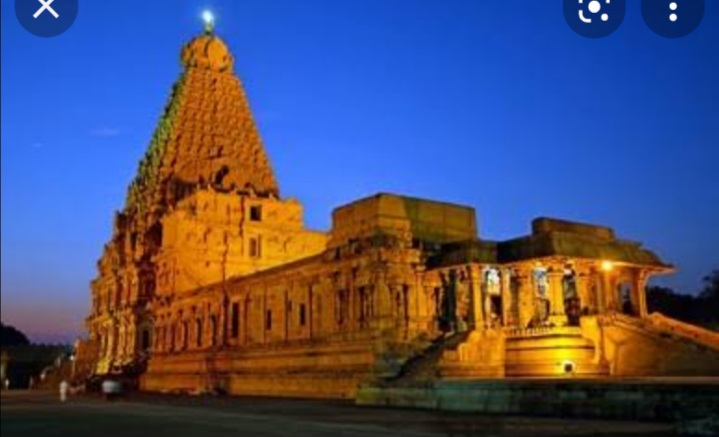
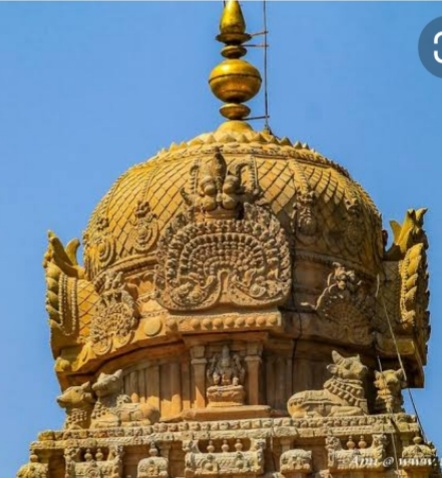
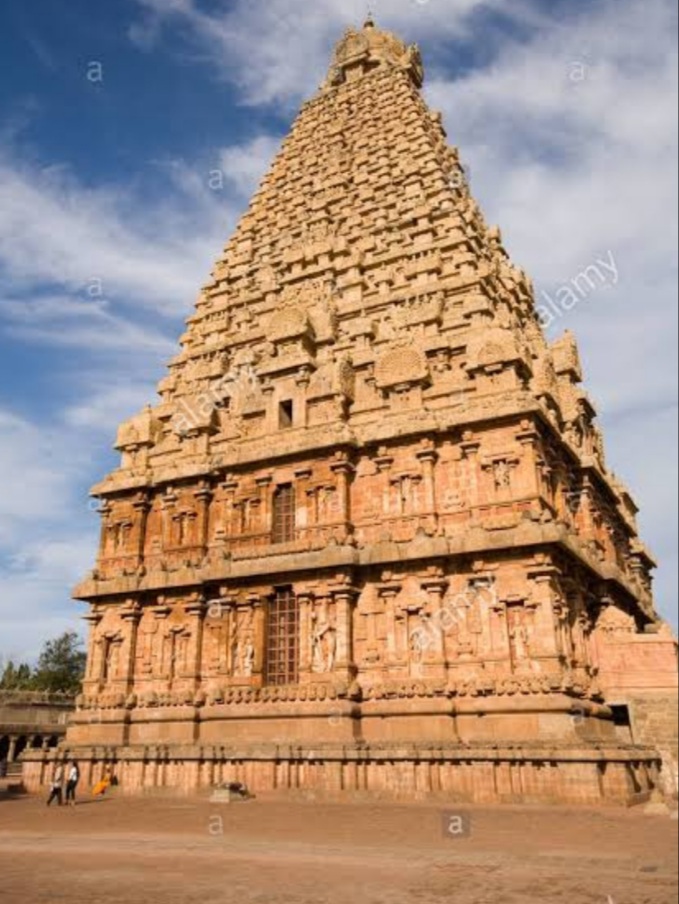
Brihadishvara temple, also called Rajarajeswaram or peruvudaiyar kovil, is an Hindu temple dedicated to Shiva located in south Bank of cauvery River in Thajore,Tamil Nadu,India. The closest airport are Thiruchirappalli and Madurai and closest seaport is the karaikal port.

How was Thanjavur Temple built?

Built on the banks of the river cauvery, where the water was diverted to the moat,this temple is made entirely to granite,and it stands tall amidst fortified walls .

5000 elephants were used for this temple construction. It took 30 years for the completion of the construction and all the worker’s name,the prime sculptor to water boy,are carved on the stones. It took five years to take an 80000 kg stone from the floor to the top of the temple.

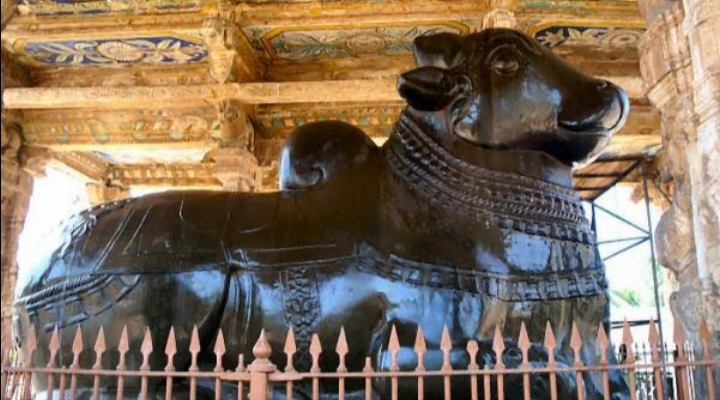
This temple is fully constructed with the balance to the gravity of the earth. Only one stone is used to make the Nandi of the temple and it is the second largest in India. Another interesting fact about its architecture is that the vimana (tower above the sanctum sanctorum) of the temple does not cast a shadow at noon.

Speciality of Thanjavur Temple

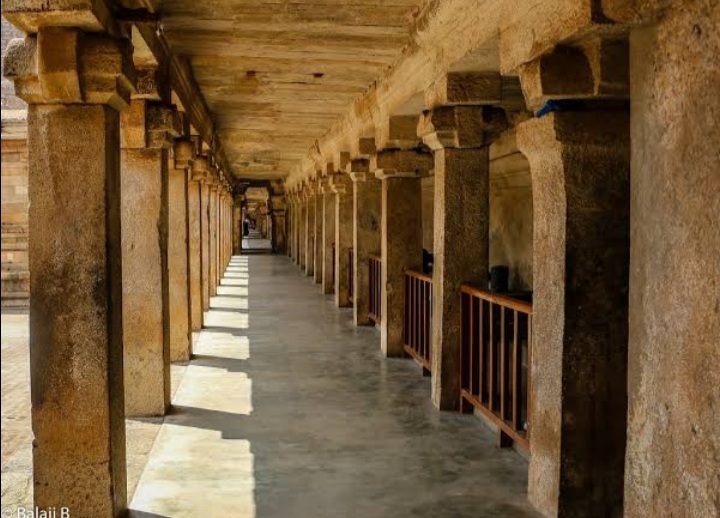
The temple has massive colonnaded prankara (corridor) and one of the largest Shiva lingas in India. It is also farmed for the quality of sculpture as well as being the location that commissioned the brass nataraja -shiva as the lord of Dance,in 11th century.

Thanjavur Temple related to Tamil letters

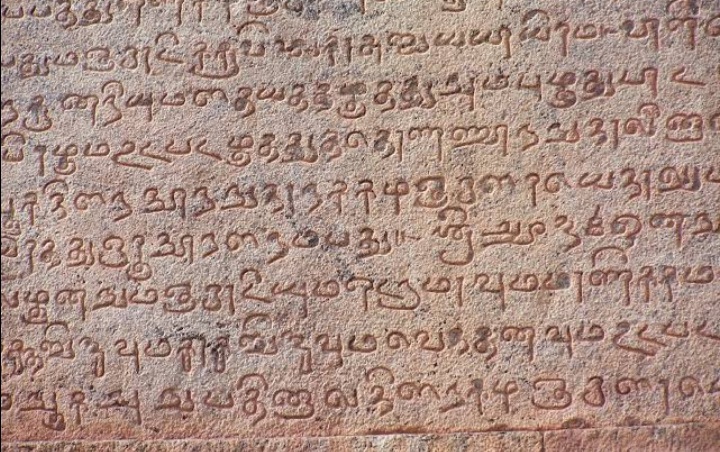
The height of the lingam in the sanctum of the temple is 12 feet which is equal to the number of Tamil vowels. The height of the linga pedestal is 18 feet which is equal to the number of Tamil consonants. The height of the temple gopuram is 216 feet which is equal to the number of consonant-vowels. The distance between the lingam in the sanctum of the temple and the Nandi (Bull) is 247 feet which is equal to the total number of Tamil characters.

Things to buy in Thanjavur

○ Silk weaves.

○ Thanjavur paintings.

○ Dancing dolls .

○ Traditional crafts.

Dancing Dolls

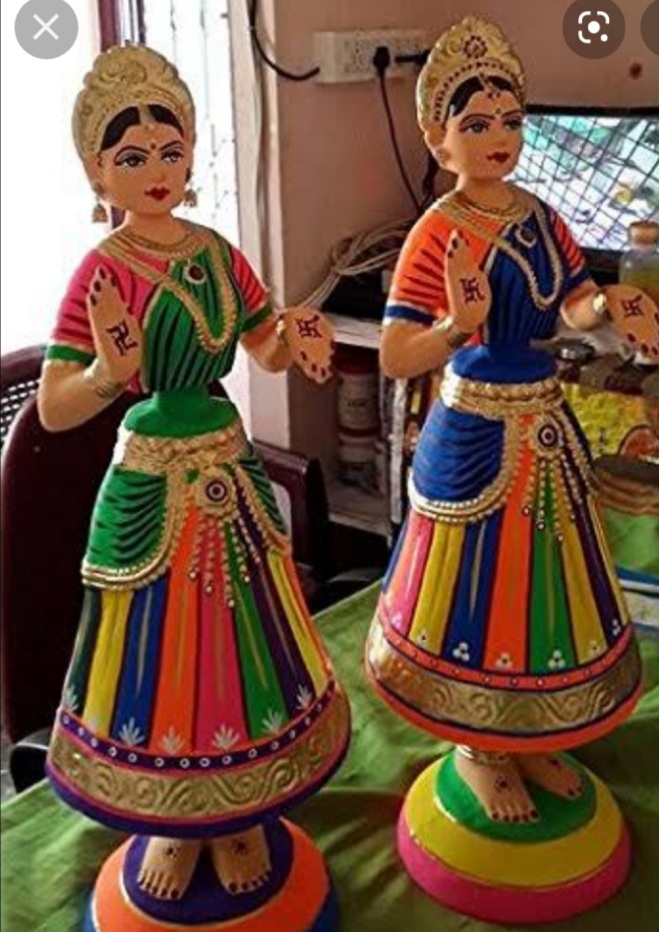
Thanjavur is also well known for thalaiyatti bommai nodding dolls made of clay. They come in different colors and shapes and slightest brush of breeze makes their heads go up and down. These dancing dolls not only make for a great souvenir but also give you a sneak-peek into Thanjavur artistic talents.

WHY ARE INDIANS AFRAID OF DIVORCE?

PROLOGUE TO THE THOUGHT

Our general public has been man centric and man-driven for quite a while. It gives men the opportunity to be their own lords yet denies ladies the equivalent. Culture completely concurs with men continually ruling and ladies continually being ruled. A man can stop a marriage at whatever point he wishes to, however society questions and derides her if a lady wishes to do likewise. It in a real sense anticipates that women should endure quietly, even get suffocated yet not get a separation.

SOCIETY’S PERSPECTIVE

Tragically a man needn’t bother with authorization for anything, while a lady needs it for everything. We gladly declare that we are instructed and making the world a superior spot to live. We yell trademarks about opportunity for ladies as loud as possible yet, actually, neglect to walk the discussion. It plainly draws out the false reverence of our general public. We gladly announce ourselves to be ‘present day. ‘For what reason can’t a lady decide to carry on with her own life according to her own preferences? We forcefully go against abusive behavior at home and the customary traditionalist mentality about ladies. In any case, do we really follow it at our homes?

They say ‘Good cause starts at home. Be that as it may, shockingly, separate is as yet a no-no in our general public. We show our kids that marriage is a sacrosanct establishment. Yet, that doesn’t imply that it is a declaration of joy. For what reason wouldn’t we be able to comprehend if marriage as an establishment isn’t working any longer? Most families consider separation to be the apocalypse. They don’t attempt to put themselves in the spot of individuals who are in that despondent marriage. Separation can have a good implication. Assuming a dead relationship is finished, it doesn’t mean everything is broken. All things considered, it is a new beginning. On the off chance that the two players arrive at a shared agreement that separation is the best hotel for them to be content in their particular lives, for what reason do individuals have an issue?

WHY IS DIVORCE VIEWED AS A SOCIAL STIGMA?

Another misinterpretation is that assuming individuals get separated, they become fierce foes to one another. In our country, ladies can’t consider leave a relationship rapidly. This is on the grounds that they are ladies. Society regularly fails to remember that before ladies, they are people. In the event that a man has the option to be the expert of his own life, then, at that point so does a lady. Much of the time, because of family pressure, ladies can’t tolerate upping for themselves and move out of a poisonous relationship.

We need to comprehend that solitary the spouse and the wife go through detachment after separate. The detachment doesn’t happen among youngsters and guardians. The guardians’ condition with their youngsters stays as before. It is only that the guardians play out their obligations independently. Subsequently, the two players improve life. Created nations like the USA are substantially more OK with separate. They comprehend the issue and backing the reason. In the event that we can take on their dressing sense and style of food, for what reason wouldn’t we be able to accept their expansive mindedness?

Marriage can give a conviction that all is good, yet separate from gives another desire to have a glad existence. Likewise, being a solitary parent is any day better than displaying a poisonous relationship. We need to comprehend that separation is surely not the most exceedingly terrible thing for youngsters, but rather undesirable everyday life is. It can likewise empower the two accomplices to fill in life once they feel glad intellectually.

POSITION OF LAW

The Seventy-First Law Commission Report of 1978 methodicallly contended the meaning of defining which perceived unrecoverable breakdown of marriage as a firm ground for separate. As per this, great separation law has twofold articles. Right off the bat to safeguard, and not subvert, the soundness of the relationship. Then, if the couple, through shared agreement, concludes that their marriage has hopelessly separated, then, at that point they ought to be liberated of it. This should be finished with complete equity and the base harshness.

TOWARDS THE END

A few cases have offered strong help to this contention. Henceforth it plainly addresses a social reality. Society has changed drastically, thus has our manner of thinking towards marriage. In this way, if a marriage has gotten suffocating and broken past all prospects of fix, then, at that point it should be finished.

Separation, in India, is as yet a sociocultural disgrace. Separation rates for Indian people are 0.3 percent and 0.2 percent, separately. Incidentally, this is in spite of that spousal viciousness is the most normal type of aggressive behavior at home in India. Thus, separation ought to be viewed as an answer and the way to independence from a poisonous relationship. It ought to positively not be a social shame.

Eventually, advancement is reflected in one’s thoughts.

Child trafficking

What do you mean by child trafficking?
Child trafficking can be defined as any person under 18 who is illegally recruited, transported, transferred, harboured or received by threats, force, and coercion or inducing fear for the purpose of exploitation, either within or outside a country.

How does child trafficking happen?
Traffickers manipulate children by using physical, emotional, and psychological abuse to keep them trapped.

What are the types of child trafficking?
-Sexual Exploitation
-Forced Marriage
-Forced Labor
-Criminal Activities
-Benefit Fraud
-Domestic Slavery

What are the laws against human trafficking in India?
The Criminal Law (Amendment) Act 2013, known as the Nirbhaya Act has come into force wherein Section 370 of the Indian Penal Code has been substituted with 370A (IPC).

Kargil war

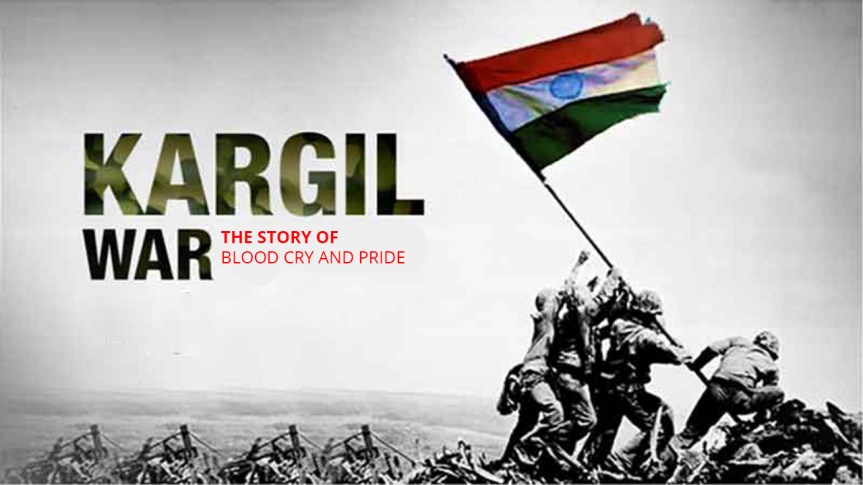
Kargil Vijay Diwas 2020: Brief Rundown of 1999 Kargil War And How India  Emerged Victorious | All You Need to Know

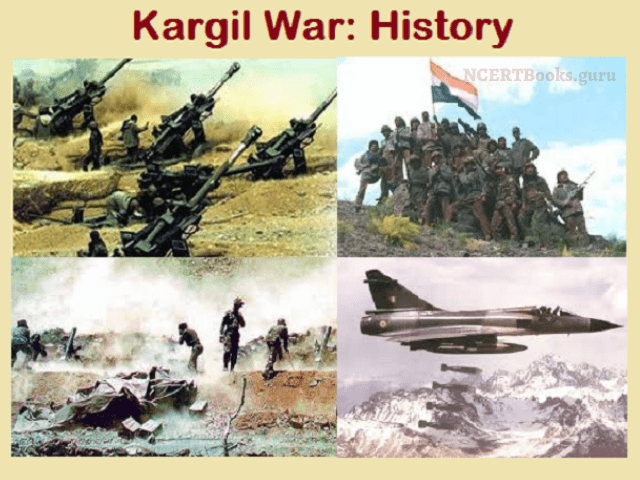
Kargil war was a very difficult time that our country went through. Furthermore, it was a crisis situation that ensued a feeling of nationalism, patriotism, and unity among every Indian. This essay on Kargil War will throw light on the various developments of the war and its after-effects.

Background of the War

Kashmir is a beautiful region that resides in an extremely mountainous area, containing some of the highest peaks in the world. Unfortunately, this amazing land has remained a constant battleground between the two countries of India and Pakistan.

The dispute began from the First Kargil War in 1947-1948 which led to the establishment of the LOC, line of control. The LOC still divides the land of Kashmir between India and Pakistan.

As part of the Simla Agreement in 1972, there was an agreement that neither India nor Pakistan would contest the border by making use of military means. Since the agreement, both countries began guarding the border heavily for the majority of the year. During the exceedingly cold winter months, both the Indian and Pakistani guards abandon their posts, only to return back in the spring.

All About Kargil War | When was Kargil Vijay Diwas? Who Win the Conflict?

However, during the winter of 1998-1999, a surprise attack took place from the Pakistan army and it became successful in crossing the LOC and into India’s portion of Kashmir. Moreover, slowly and gradually, they went on capturing one Indian outpost after another and held their position in Kargil.

In February 1999, at the same time as the winter invasion, the Lahore Declaration was being signed between India and Pakistan which was based on peace. After a few months, the Kargil war began between the two countries. Furthermore, a series of bloody battles were fought between the two nations of India and Pakistan.

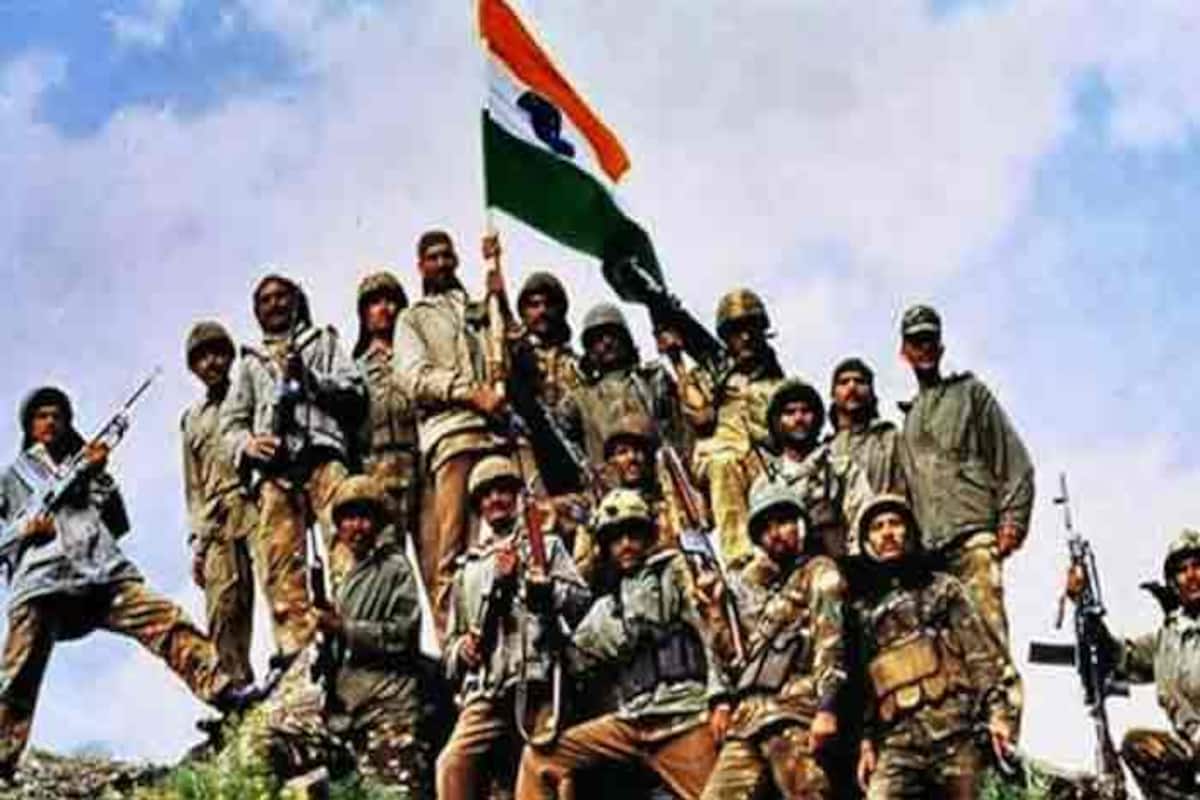
The battles posed a huge challenge for the Indian forces as they had to fight on difficult mountainous terrain.  In spite of this challenge, the Indian soldiers showed amazing bravery. After a long struggle, the Indian army became successful in pushing back the Pakistani forces across the line of control.

Rise of Nationalism

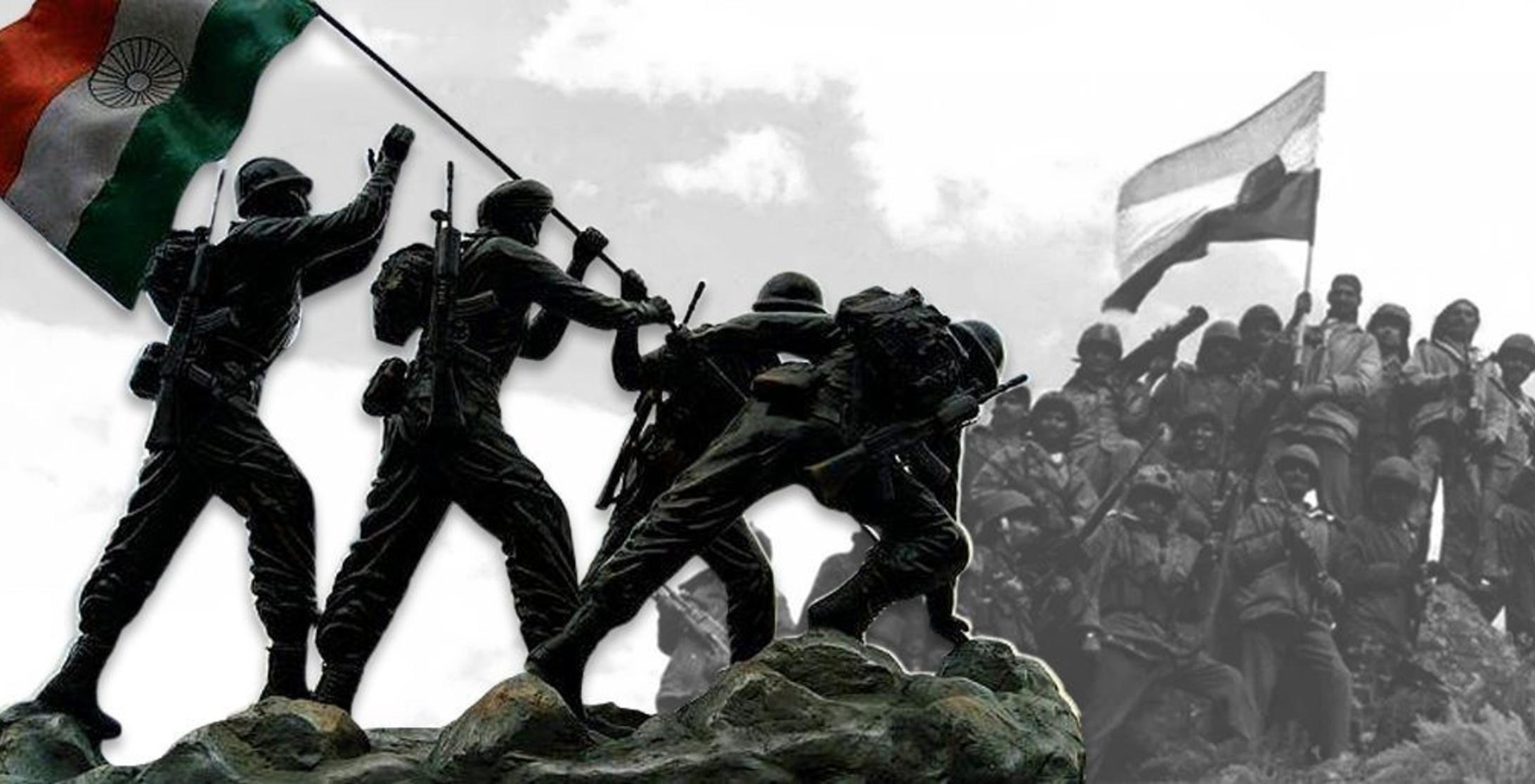
By July 14, 1999, there were heavy causalities on both sides. However, the sacrifice of Indian soldiers was not in vain. This great struggle of the Indian army has carved a place in the heart of every Indian.

The entire Kargil war was a time of tension and nervousness for the Indian people. It infused the spirit of national pride in every Indian. Most noteworthy, it served as an opportunity of unifying all the Indians together irrespective of caste, colour, religion, language etc.

Kargil Diwas 2021: Here Are 20 Kargil War Heroes You Should Know About

Conclusion of the Kargil War 

The Kargil war has become an unforgettable event in the history of India. Nevertheless, this was an event that brought about feelings of patriotism in the hearts of every Indian like never before. The brave struggle of the Indian soldiers will continue to be an inspiration for all the citizens of this country.

5 natural remedies to lower blood pressure

High blood pressure or hypertension is a dangerous condition that affects millions of people across the globe. It is a state in which the blood pressure against the wall of arteries rises to a dangerous level, which over time can damage the heart and give way to heart problems like stroke and heart attack.

1. Walk and exercise regularly
Regular exercise helps make your heart stronger and more efficient at pumping blood, which lowers the pressure in your arteries.

2.Reduce your sodium intake
Salt intake is high around the world. If you already have high blood pressure, it’s worth cutting back your sodium intake to see if it makes a difference.

3.Eat more potassium-rich foods
Potassium is an important mineral. It helps your body get rid of sodium and eases pressure on your blood vessels.

4.manage stress
Chronic stress can contribute to high blood pressure. Finding ways to manage stress can help.

5.Eat dark chocolate
Dark chocolate and cocoa powder contain plant compounds that help relax blood vessels, lowering blood pressure.

6.Eat berries
Berries are rich in polyphenols, which can help lower blood pressure and the overall risk of heart disease.

7.Eat foods rich in magnesium
Magnesium is an essential mineral that helps regulate blood pressure. Find it in whole foods, such as legumes and whole grains.

Some Golden Thought and Why?

Don’t Promise , When you are happy . Don’t Reply , When you are angry. Don’t decide , When you are sad.

It is said that time and dicision are the two most important factor in life and should be taken care of .They not only determine the quality of our lives but also help in bettering them and teach us valuable lessons in life . Life is nothing but an assembly of uneven spaces , events and lessons.

We should not promise someone in a hurry and in excitement because it can let you in trouble .For instance whenever are so happy there won’t be any balance of emotion to ensure our decision and anger is never good in any situation,and we should also avoid being angry.This will not only ruin the situation but also make things worse for us in the future.Similarly, we should not decide anything when we are sad or created a sad mindset for something.

Concludes that balance of emotion is quite essential to ensure dicision making in every sphere of life.

Everything will workout in the end , you don’t need to know how , you just have to trust that it will,Never let a bad situation bring out the worst in you .Be strong and choose to be positive.

Things always have a way of working out because your problems are temporary and don’t judge your life based on your current circumstances since, this is one facet of it .Instead of dwelling on unfortune conditions see them as obstacles that provide inner wisdom and personal growth.

Mistakes are very painful ,when they happen , but years later a collection of mistake is what is called experience.

As we all know that mistakes give us immense pain but we doesn’t realise that these mistakes are going to help us in future .The experience which we will get from mistake will always help us to choose right path for us as well as we can give advice to others on the basis of experience .So, we can say that mistakes gives us experience and that will help us to lead success in future.

Instead of worrying about what you cannot control, shift your energy to what you can create.

It is habit of humans that instead of working on our strengh ,we generally worry about its result but we should not do this .Instead of thinking about result we should shift our energy towards our work.

Enjoy the little things, in life for one day you will look back and realise they were the big things.

Once you take a moment to appreciate an act of kindness coming from someone you love or a person you don’t even know , you’ll become more aware of your belonging to a community of people who care about each other. This type of positive emotion has been linked to physical health as well . These emotions simply help people to cope with difficult situations.

How to improve your vocabulary: 7 ways to expand your vocabulary

One of the easiest ways to bolster your existing writing skills is to add new words to your written vocabulary. The English language is among the most voluminous of all languages, and this means that you’ll never run out of vocabulary words to learn and use. All forms of the written word—from fiction to journalism to essay writing to poetry—benefit from a strong vocabulary. To that end, the time you spend improving your vocabulary skills is actually time invested in your writing skills.

7 Ways to Improve Your Vocabulary

Most of us have not spent much time learning new vocabulary since we were high school or college students. Thankfully you can always pick up where you left off. Here are some tips to help you start learning new vocabulary words:

1. Develop a reading habit

Vocabulary building is easiest when you encounter words in context. Seeing words appear in a novel or a newspaper article can be far more helpful than seeing them appear on vocabulary lists. Not only do you gain exposure to unfamiliar words; you also see how they’re used.

2. Use the dictionary and thesaurus

Online dictionaries and thesauruses are helpful resources if used properly. They can jog your memory about synonyms that would actually be better words in the context of what you’re writing. A full dictionary definition can also educate you about antonyms, root words, and related words, which is another way to learn vocabulary.

3. Play word games

Classic games like Scrabble and Boggle can function as a fun way to expand your English vocabulary. Crossword puzzles can as well. If you really want to be efficient, follow up rounds of these word games with a little note-taking. Keep a list of the different words you learned while playing the game, and then study that list from time to time.

4. Use flashcards

 A quick way to build a large vocabulary is to study a number of words via flashcards. In today’s digital age, a wide array of smartphone apps make flashcards convenient and easy to organize. Aiming for one new word a day is reasonable. You can always go for more, but it may not be reasonable to assimilate dozens of English words every single day.

5.Practice using new words in conversation

It’s possible to amass a huge vocabulary without actually knowing how to use words. This means you have to take it upon yourself to put your personal dictionary into use. If you come across an interesting word in your reading, make a point of using it in conversation. By experimenting in low-stakes situations, you can practice the art of word choice and, with a little bit of trial and error, hone in on the right word for a particular context.

6.Use mnemonics

A mnemonic device is a form of word association that helps you remember words’ definitions and proper uses. For instance think of the word obsequious which means “attempting to win favor from influential people by flattery.” Break down that word into components: “obse” is the beginning of “obsessed,” “qui” sounds like the French word for “yes” (oui), and “us” is like the word “us.” So you can think of that big word obsequious as “obsessed with saying yes to us”—which is kind of what it means!


Right to Information in India

All you need to know about filing an RTI - iPleaders

The right to information, as enshrined in the Right to Information (RTI) Act of 2005, marks the end of a phase in human civilisation. It is the personification of one of the most mature faces of the country’s thriving democracy. This right is also a barometer of the expansion of human rights and liberties in their vital aspects, which naturally stem from the country’s democratic credentials. With the expansion of science, technology, and industry, a greater awareness of human rights and liberties prepared the path for democratic government. Almost every living being has an innate need for freedom. As a result of the growing awareness of diverse liberties, revolutions against autocracies and monarchs occurred in many areas of the world, and the political scene was visited by democracy, which grew and flourished in many countries. One of democracy’s key goals was to promote the advancement of human liberties and dignity.

People had high hopes and dreams for the new structure because our independence was the outcome of decades of struggle and sacrifice. As a result, the Indian Constitution established appropriate provisions in the form of fundamental rights and state policy direction principles.

What exactly does the term “information” imply?
Under the Act, the idea of information has been given a broad definition. The many modes and formats of information that can be accessed under the right to information have been specified in detail. Because it is the Act’s central theme, it has been included in all of its connotations, forms, and dimensions.

Any material in any form, including records, documents, manuscripts, files, memos, e-mails, opinions, advices, press releases, circulars, orders, logbooks, contracts, reports, papers, samples, models, data material held in any electronic form, and information relating to any private body that can be accessed by a public authority under any other law currently in force, is referred to as “information.”

What does the term “Right to Information” mean?
“Right to Information” refers to the right to inspect work, documents, and records held by or under the control of any public authority, as well as the right to take notes, extracts, or certified copies of documents or records, and to take certified samples of material; and to obtain information on diskettes, floppies, tapes, or video cassettes.

It is the right to access information from a public authority that the authority owns or controls. This right applies to every item of information with a public purpose. For example:

Inspection refers to looking over a work document or record closely, carefully, and for a specific purpose.
Taking notes: this could entail jotting down specific details from the documents being examined.
Certified samples of material: in order to promote transparency and prevent corruption, it allows citizens to take samples from the material acquired or utilised by the government.

What method do you use to gather information?
Citizens who wish to acquire information under the RTI Act should submit a written request to the Public Authority’s Public Information Officer in English, Hindi, or the official language of the area in which the request is made. The application must be detailed and precise. He must pay the application fee as specified in the Fee Rules at the time of submission of the application. The applicant has the option of sending the application via mail, email, or personally delivering it to the public authority’s office. An Assistant Public Information Officer can also submit the application.

This application may be written or electronic, and it may be written or printed, or it may be sent electronically, such as via e-mail or fax. Any mode may be chosen by the applicant depending on the circumstances and his convenience. The choice of the language would be that of the applicant and the SPIO and ASPIO concerned cannot force the applicant to use a particular language. However, the SPIO may decide the mode of supply of information as per availability of the resources.