Social Etiquette

The term Social Etiquette refers to a normative acceptable behavior within a particular society, profession or group. Each one of us is expected to follow certain behavioral norms in order to harmoniously co-exist. Niceties make the atmosphere amicable. Social Etiquette are numerous in types,inclusive of Conversational etiquette, Business etiquette, Dining etiquette, Wedding etiquette, Sanitary etiquette, so on and so forth. Each kind of etiquette has its own GOLDEN RULES.

CONVERSATIONAL ETIQUETTE

  • Attempt to choose a common subject of talk rather than bombarding the other person with the talk of your own interest.
  • Always carefully listen first and speak later. Being a good listener is essential for a amiable conversation.
  • Avoid unnecessary interruptions such as speaking on a call while talking to somebody in person, fidgeting, etc.
  • Try not to sidetrack. Do not waste the other person’s valuable time on explaining unnecessary details.
  • Maintain a friendly eye contact with the person whom you are conversing with.
  • Avoid counter questioning the speaker’s talk.

BUSINESS ETIQUETTE

  • While at a workplace always try to use people’s names while greeting or talking to them. Also, make sure that you spell their names appropriately.
  • Show courtesy and respect towards all colleagues irrespective of their designations.
  • Avoid making your fellow workers or clients wait for you. Sincerely apologize for any delay caused.
  • Keep a crucial check on your verbal communication. Do not crack inappropriate puns or use offensive statements/words.
  • Handshakes are universal formal gestures. Let the subordinate shake hands with you first. If, he/she does not, you may offer a firm and confident handshake.

DINING ETIQUETTE

  • Avoid placing your personal items on the table on which the food will be served.
  • If dining with an employer, stay clear of ordering dishes which you have not tried before.
  • Maintain a proper posture while having your meal.
  • Be aware of the usage of different cutlery.
  • Do not begin eating unless everybody on the table has been served.
  • Avoid messy eating and chew with your mouth closed in order to maintain hygiene.
  • Attempt to Go Dutch (share the expenses). If, the meal has been hosted by the other person, always remember to express gratitude and thank them.

SANITARY ETIQUETTE

  • Patiently wait outside if there is a queue outside a washroom (at the theater, airport, restaurants,etc).
  • Maintain the necessary hygiene norms and leave the restroom clean once you are done.
  • Avoid chattering inside a restroom. Keeping other waiting outside is unacceptable.
  • If there are guests arriving at your home, stock your restroom with the crucial hygiene products. People may find it embarrassing to ask for it.
  • Politely ask the restroom attendent to clean up the public washroom in case if you find it unclean.
  • Never skip washing your hands with a disinfectant liquid or soap after you are done using the washroom.

ETHICS IS THE DIFFERENCE BETWEEN WHAT YOU HAVE A RIGHT TO DO AND WHAT IS RIGHT TO DO

POTTER STEWART

Good manners always reflect a sense of consideration and respect for the people in the world we live in. Putting yourself before others shows dignity and has got to do nothing with subservience. Small individual efforts in following the essential etiquette will help take humanity towards different horizons. This will help promote kindness, respect and care across the globe.


Plastic A Modern Devil

Plastic the most dangerous and harmful enemy of our environment. It is killing mother nature and our health too. We take plastic bags from shop and don’t realise that we are actually taking home a devil who will cause harm to not only nature but to us too.

A normal plastic takes about 1000 years to decompose. Just think about it that a single piece of plastic take such long years to decompose, the level of plastic which we are using today will take how many years to decompose. It is choking our water organisms life. It is also choking are animals who eat food from the garbage like the cow, dogs, cats etc.

The youth are taking responsibility reduce the use of the plastic and organising campaigns and webinars to create awareness among people to not use plastic or use decomposable plastic. The big companies are taking responsibilities to to recycle plastic and many new forms has also set up for this purpose.

Even the government have started realising the need to protect our environment and nature. International organisations like UN has also so so called for an international cooperation in this matter.

There are many innovative way in which the plastic are being reused like in making bricks, floor, dolls, chair, etc. Forest sustainable future we have to look into this matter with utmost seriousness. This earth belongs to everyone and we have no right to miss you or destroy any element on this earth.

Popular doha’s by India poet Kabir with meaning

What is Doha in English ?

Doha is a lyrical verse format which was extensively used by Indian Poets and Bards of North India probably since the beginning of the sixth century A.D.

Bura jo dekhan main chala, bura na milya koye
Jo mann khoja apna, toh mujhse bura naa koye.

Meaning in English
This Doha of Kabir ji is about observing one’s own mind.  He says that when he went on to search for the bad guy or the evil person in the world, he could not find the evil person anywhere.  Then he looked within himself, within his own mind and then found the real evil person that lived in his mind.  Ultimately Kabir says that when I looked inside me I could find that nobody was more bad or evil than me.

Kal kare so aaj kar, aaj kare so ab
Pal mein parlay hoyegi, bahuri karega kab.

Meaning in English
In this Doha Kabir has clearly tried to explain the human tendency of laziness and procrastination.  It is a known fact that we all tend to postpone matters. Generally many of us are indecisive and given a choice,  we would like others to be doing the work and we simply enjoy to take rest.  Here Kabir emphasizes that we have to take care of present moment and don’t wait for the things to be prolonged.  If we delay, many things may not be achieved and anything may happen any moment. So let us take care of each and every moment.

Bada hua toh kya hua jaise ped khajur
Panth ko chhaya nahin phal lage ati dur.

Meaning in English
Kabir in this Doha says that what is the use of being big or rich if you can not do any good to others. He gives an example of palm tree. Palm tree is very tall , but it is of no use to a traveller as it cannot provide shade. And it bears fruits at the top of the tree. So no one can eat easily.

Sain itna dijiye jamein kutumb samay
Main bhi bhukha naa rahun sadhu naa bhukha jaye.

Meaning in English

Kabir in this Doha requests God to give that much only so that he can feed his family and if any guest comes he should be able to feed him and honour him,. The inner meaning here is , one should only have what he needs . There is no use of having too much.

Matti kahe kumhar se tu kya rounde moye
Ek din aisaa aayegaa main roundunga toye.

Meaning in English

In this Doha soil tells to the potter (pot maker) , today you think that you are kicking me and kneading me with your feet . There will be a day when I will do the same to you what you have done to me. The inner meaning id that after death everybody will be below the soil or earth.

Guru Govind dau khade, kake lagun payen
Balihari Guru apne, Govind diyo milay.

Meaning in English

In this Doha Kabir says that a Guru ( Teacher) and the God are standing infront of you , then whose feet you will touch and give honour? Then he says that Guru deserves the first right to get the honour as he  affectionately teaches to know God by giving knowledge . Therefore the importance of Guru is more than the God.

Taliban to ‘temporarily’ adopt 1964 monarchy Constitution

The Taliban said on Tuesday they will temporarily adopt 1964 Constitution that granted women the right to vote, but eliminate any elements they disagree with. The Taliban’s Acting Justice Minister issued a statement saying the Islamists planned to introduce Constitution used during Afghanistan’s shot lived golden age of democracy, but only briefly and with amendments. “The Islamic Emirate will adopt the Constitution of the former king Mohammad Zahir Shah’s time for temporary period,” Mawlavi Abdul Hakeem Sharaee said. But anything in the text to be in conflict with the Sharia law and principles of the Islamic Emirate would be discarded, he added.

Nearly six decades ago, before the world’s super-powers intervened in the country, Afghanistan enjoyed a brief period of constitutional monarchy during the reign of King Mohammad Zahir Khan. The king ratified the Constitution a year after coming to power in 1963, ushering in nearly a decade of parliamentary democracy before he was overthrown in 1973. The 1964 Constitution, which gave women the right to vote for the first time and opened the doors for their increased participation in politics, would appear an awkward fit with the Taliban’s hardline views. The group, which took over power in mid-August, has vowed a softer and more inclusive approach than during their brutal 1996 to 2001 rule. But when they presented their caretaker government earlier this month, all the top positions went to hardliners and now women were included.

SEBI clears norms for gold exchanges

The Securities and Exchange Board of India (SEBI), on Tuesday approved the framework for a gold exchange as well as for vault managers, facilitating trading in securities tied to the yellow metal. The markets regulator’s approval for the proposals made in the Union budget paves the way for the gold exchanges to be set up for the trading in ‘Electronic Gold Receipts’ (EGRs) like in the case of other securities. Existing stock exchanges will allowed to provide the platform for trading of EGRs, SEBI said after a board meeting in Mumbai.

The denomination for trading the EGRs and conversion of EGRs into gold would be decided by the exchanges with the approval of SEBI, Chairman Ajay Tyagi said, while addressing the media. The clearing corporation would settle the trades executed on the exchanges by way of transferring EGRs and funds to the buyer and seller, respectively, he said.

Vault Managers

EGR holders, at their discretion, could withdraw the underlying gold from the vaults after surrendering the EGRs. SEBI-accredited vault mangers would be responsible for the storage and safe keeping of gold deposits, creation of EGRs, withdrawal of gold, grievance redressal and periodic reconciliation of physical gold with the records of depository. The vault managers would have to have a net worth of at least 50 crore rupees. On the broader objective of such exchanges, Mr. Tyagi said, “India is a net importer of gold. We are price takers not price setters. The whole idea is to move from being price takers to the price setters. Price discovery at the exchanges will lead to… transparency in gold pricing.” Mr. Tyagi added that the exchanges would enable transparent price discovery, investment liquidity and assurance in the quality of gold. SEBI also cleared norms for social exchanges.

Everything you need to know about the classical dances of India-2

Kuchipudi

This dance comes from the state of Andhra Pradesh, precisely from a village which the dance is named after. Mainly a dance-drama performance, it gives a reference to the spiritual beliefs and temple gods of India, and is deeply explained in the Natyashastra. Evidence of Kuchipudi’s existence in an older version are found in copper inscriptions of the 10th century, and by the 15th century in texts such as the Machupalli Kaifat. The traditional set was performed by an all males troupe,  A dancer in a male role would be in Agnivastra, also known as Bagalbandi, wear a dhoti (a single pleated piece of cloth hanging down from the waist). A dancer in a female role would wear a Sari with light makeup.

Odissi

coming from the state of Odissa, this dance is as popular as Bharatanatyam or any other dance, originally done by females, it grew in popularity in the 20th century. it expresses spiritual stories and ideas particularly of lord Vishnu. again, when it was banned by the British, Indians protested all over the country, following its revival, evolution and glory. Modern Odissi productions by Indian artists have presented a diverse range of experimental ideas, culture fusion, themes and plays.[19] Odissi was the only Indian dance form present in Michael Jackson’s 1991 hit single Black and White.

How waves differ from tides? why do they occur?

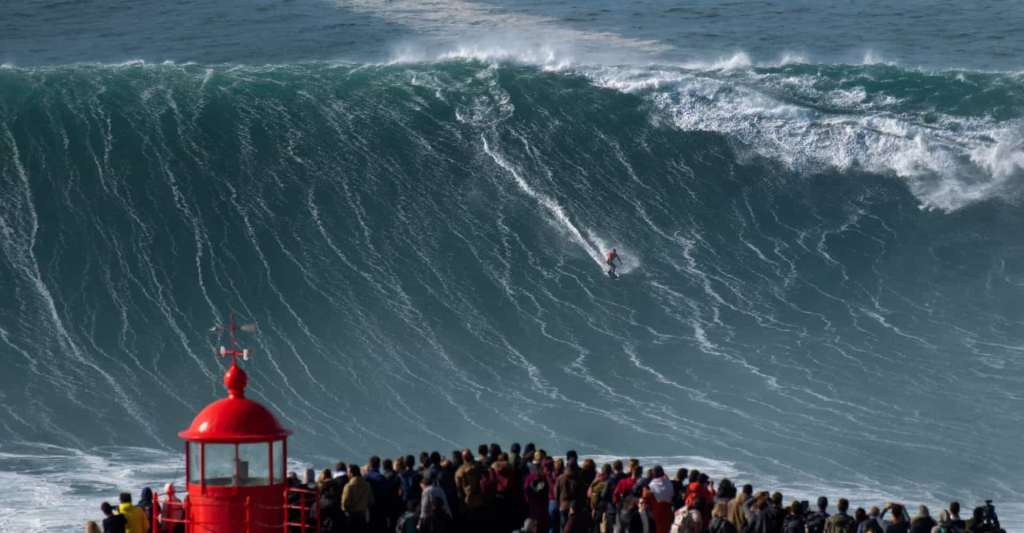
A wave begins as the wind ruffles the surface of the ocean. When the ocean is calm and glass like, even the mildest breeze forms ripples, the smallest type of wave. Ripples provide surfaces for wind to act on, which produces larger waves. Stronger winds push the nascent waves into steeper and higher hills of water. The size a wave reaches depends on the speed and strength of the wind. The length of time it takes for the wave to form, and the distance over which it blows in the open ocean is known as the fetch. A long fetch accompanied by strong and study winds can produce enormous waves. The highest point of a wave is called the crest and the lowest point the trough. The distance from one crest to another is known as the wavelength.

Although water appears to move forward with the waves, for the most part water particles travel in circles within the waves. The visible movement is the wave’s form and energy moving through the water, courtesy of energy provided by the wind. Wave speed also varies; on average waves travel about 20 to 50 Mph. Ocean waves vary greatly in height from crest to trough, averaging 5 to 10 feet. Storm waves may tower 50 to 70 feet or more. The biggest wave that was ever recorded by humans was in Lituya bay on July 9th, 1958. Lituya bay sits on the southeast side of Alaska. A massive earthquake during the time would trigger a mega tsunami and the tallest tsunami in modern times. As a wave enters shallow water and nears the shore, it’s up and down movement is disrupted and it slows down. The crest grows higher and be gins to surge ahead of  the rest of the wave, eventually toppling over and breaking apart. The energy released by a breaking wave can be explosive. Breakers can wear down rocky coast and also build up sandy beaches.

At Nazare ,the Brazilian Rodrigo Koxa holds the record for the biggest wave ever surfed (80ft).

Why does a tide occur?

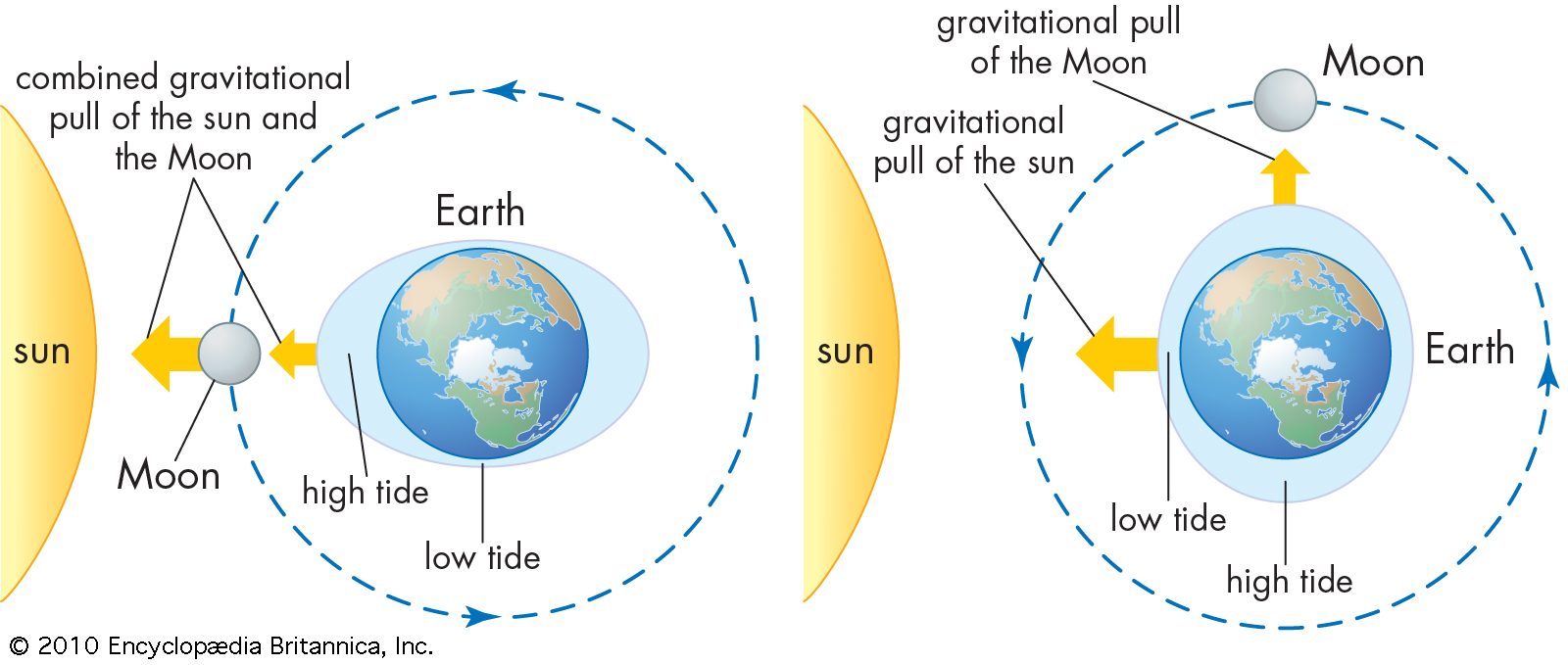
Tides are the regular daily rise and fall of ocean waters. Twice each day in most locations, water rises up over the shore until it reaches its highest level, or high tide. In between, the water recedes from the shore until it reaches its lowest level, or low tide. Tides respond to the gravitational pull of the moon and sun. Gravitational pull has little effect on the solid and inflexible land, but the fluid oceans react strongly. Because the moon is closer, its pull is greater, making it the dominant force in tide formation.

Gravitational pull is greatest on the side of earth facing the moon and weakest on the side opposite to the moon. Nonetheless, the difference in these forces, in combination with earth’s rotation and other factors, allows the oceans to bulge outward on each side, creating high tides. The sides of earth that are not in alignment with the moon experience low tides at this time. Tides follow different patterns, depending on the shape of the seacoast and the ocean floor.  In Nova Scotia, water at high tide can rise more than 50 feet higher than the low tide level. They tend to roll in gently on wide, open beaches in confined spaces, such as a narrow inlet or bay, the water may rise to very high levels at high tide.

There are typically two spring tides and two narrow tides each month. Spring tide of great range than the mean range, the water level rises and falls to the greatest extend from the mean tide level. Spring tides occur about every two weeks, when the moon is full or new. Tides are at their maximum when the moon and the sun are in the same place as the earth. In a semi-diurnal cycle the high and low tides occur around 6 hours and 12.5 minutes apart. The same tidal forces that cause tides in the oceans affect the solid earth causing it to change shape by a few inches.

WHY IS POVERTY A MAJOR ISSUE IN INDIA?

 Poverty is a
major problem from which India has been suffering since an extremely long time.
Poverty is quite a subjective topic and cannot have one ‘
right’ definition.
Each country can describe it in their own way according to the conditions of their
own economy. Although, in a broad way it may be described as a state in which
an individual is unable to fulfil even his basic needs of life.

The basic
reasons are the social factors. The quality of education provided to the poor
children is not good enough for them to change their future and therefore, they
end up being poor. This cycle goes on due to the lack of money. Here are some
of the major causes of poverty in India.


1.INEQUALITY

During the
five-year plan period, the national income of the country has been increasing
but the problem arises when it is not being distributed among the different
sections of people equally. Majority of this income goes to those who are
already rich leaving the poor with close to nothing. This inequality has widened
the problem of poverty.


2.BACKWARD
AGRICULTURE

In India,
the natural as well as the physical resources are underutilized due to the lack
of technology and capital. Therefore, the production is low in the country.
Even the technology available in the agricultural sector lack irrigation
facility and they do not have high-yielding variety of seeds. This also results
in the increase of poverty as their quality of life id still low.


3.BORROWINGS

The poor, in
order to survive financially, borrow money from government banks or rich money
lenders. For this borrowed money, they have to pay an interest which is set
quite high. This leads them to end up in a vicious cycle of borrowings. This
cycle continues from one generation to another making it impossible for them to
save.


4.HIGH RATE
OF POPULATION GROWTH

Because of
the increase in the population, the burden of dependency ahs increased.
Therefore, to provide for the family’s basic needs becomes an exceedingly big
problem. This high rate of population also indicates lower health facilities
and other crucial amenities which leads to the standard of living being low.


5.SOCIAL
CAUSES

Many social
factors such as caste, religion, gender, joint family system and others have
hindered the economic growth. Majority of the population still being orthodox
and not ready to change and move on ha vastly affected the growth of the
country.


6.UNEMPLOYMENT

Because of a
high level of unemployment, the number of dependency of people on the employed
ones has increased. As a result, the consumption expenditure per head is
decline because there is only so much one person can provide for a family.
Consequence – most of such families are living below the poverty line.


7.ILLITERACY

It is no
hidden fact that a high percentage of our population is illiterate. Due to
this, the farmers have absolutely no idea about the efforts and initiatives
taken by government that may help them with their financial condition. Also,
they are unaware of the new technologies and tools for cultivation being introduced
in the market. This also leads to the money lenders cheating them and
extracting more money from them.

About that author- George Orwell

George Orwell, best known for his novels “Animal Farm” and his dystopian novel “1984”. He was known for a dystopian world he could create through his imagination. His writings, in a sense were also satirical, criticism towards institutions that held power

Childhood

Born on june 25, 1903 Eric Arthur Blair wrote some of the best dystopian novels under the pen name George Orwell. He was born in Motihari, India. His father worked for the Indian Civil Services. His mother Ida Blair grew up in Burma. A year after Eric was born his mother took him and his sister back to England. Eric had 2 sisters and he was the middle child. He was sent to a boarding school, excelled academically and even secured a scholarship in school.

He did not come from a financially sound household and therefore could not go to a university to study further. So instead he left for Burma (a British colony back then) in 1922 to serve in the Indian Imperial police. 5 years later he resigned from the Imperial Police to go back to England in order to chase his dream of becoming a writer. But Burma left him inspired, inspired enough to write a novel about it entitled “Burmese Days”. His experiences in Burma shaped his perception of writing to a certain extent.

Career 

After leaving Burma, he spent some time with his family and also lived in the slums of London and Paris, working odd jobs, he even washed dishes at hotels in Paris. He collected all of these experiences and wrote them down in his first well recognized  work “Down and Out in Paris and London” published in 1933 under the pen name George Orwell. This work of his provides insights about the life of the impoverished and the working class in that economy. 

Orwell’s second piece of work “Burmese Days” published in 1934 gives it’s readers a tour of Burma under British rule. This novel surrounds the grim facets of colonialism that he himself first handedly lived through.

His stories contain an alienated character, a character who feels a little detached from the environment. This alienation parallels his feelings during childhood and perhaps even his adult life.

Orwell published books in the next few subsequent years including “A Clergyman’s Daughter” in 1935, “Keep the Aspidistra Flying” in 1936, a rather political novel.

Orwell’s writings became political due to political movements involving imperialism and the uprising of the communist ideology.

Orwell left for Spain in 1936 to fight in the Spanish civil war where he suffered some serious injuries. At the time, his wife, Eileen was taking care of the publishing of his next book “The Road to Wigan Pier ” (1937). In mid 1937 Orwell came back to London and was later diagnosed with tuberculosis. His time in Spain was one that he expresses in his novel “Homage to Catalonia”. During WWII, he was working as a journalist at the BBC, a job that he left in 1943. Later working as an editor for a newspaper which led him to be known as a fine journalist.

In 1950, about a year after “1984” was published, he died due to Tuberculosis, granting the world some great work to read.

ALCOHOLISM IN INDIA

One of the most important products of global addiction demand is an alcoholic beverage. In developing countries like India, alcohol consumption tends to be a major problem because of the various socio-cultural practices across the nation, different alcohol policies and practices across the various states, lack of awareness of alcohol-related problems among the community, false mass media propaganda about alcohol use, various alcohol drinking patterns among the alcohol consumers and the emergence of social drinking as a habit because of the widespread urbanisation across the country. 

Social consequences of alcohol use

Alcohol consumption not only affects the individuals but also his family members get affected in one way or the other. The person in an intoxicated state may indulge in domestic violence with his family members; may exhaust the savings of the family, which can negatively affect the education of his children, and the children of alcoholic fathers will have strained relationship with their family members, which can affect their psychological wellbeing.

Road traffic accidents

One of the major problem of alcohol consumption are road traffic accidents which occur due to driving vehicles under the influence of alcoholic beverages. Both developing and developed countries report high rates of road traffic accidents because of alcohol consumption.

Primary care intervention for alcohol-related problems

In developing countries like India, primary care physicians are the first contact of patients with the healthcare system. primary care management of alcohol-related problems include three core steps, namely, counselling the patient on the ill-effects of alcohol and, if necessary, prescribing medications like disulfiram and connecting with the patients by organizing treatment programs and forming support groups. If necessary, they have to refer the patient to higher centres for further care and management.

BUT WHAT ABOUT PEOPLE WHO CAN’T AFFORD THESE TREATMENT AND SUFFERES FROM ITS CONSEQUENCES

In many countries AA Meetings are held for being a support emotionally and spiritually to an alcoholic person with no financial support and most of all countries it being held have not only they have accepted this but hole heartedly supported it some for their family members or some for their friends suffering from alcoholism.

What is AA?

Alcoholics Anonymous is a fellowship of men and women who share their experience, strength and hope with each other that they may solve their common problem and help others to recover from alcoholism.

The only requirement for membership is a desire to stop drinking. There are no dues or fees for AA membership; we are self-supporting through our own contributions. AA is not allied with any sect, denomination, politics, organization or institution; does not wish to engage in any controversy; neither endorses nor opposes any causes. Our primary purpose is to stay sober and help other alcoholics to achieve sobriety.

AA is nonprofessional – it doesn’t have clinics, doctors, counsellors or psychologists. All members are themselves recovering from alcoholism. There is no central authority controlling how AA groups operate. It is up to the members of each group to decide what they do. However, the AA program of recovery has proved to be so successful that almost every group follows it in very similar ways.

WHAT DOES A.A. DO?

  1. A.A. members share their experience with anyone seeking help with a drinking problem; they give person-to-person service or “sponsorship” to the alcoholic coming to A.A. from any source.
  2. The A.A. programme, set forth in our Twelve Steps, offers the alcoholic a way to develop a satisfying life without alcohol.

HISTORY OF AA IN INDIA

Here is an account of how AA came to India and it’s growth in the subsequent years. Though there are no accurate records from the early days, what is definitely clear is that Harold M., a school teacher by profession, was the first person in India, to stop drinking and gain lasting sobriety through the spiritual principles of Alcoholics Anonymous. He stopped drinking on 5th May 1957, and hence that date is nationally acknowledged as the “Founders Day” in India.

On 5th May 2021, AA completed 64 years of its service in India. Looking back, the results are heart-warming. The wide support and awareness generated by the groups in India and its members inspires immense hope for the future.

AWARENESS OF AA

In India, AA meeting is a program which mostly seen by people through foreign movies and shows not through advertisement or medical portals as its necessity seems nonsensical by people especially in India because of their traditional values about alcohol where some drinks it as a medicine and some as men for showing their authority and masculinity over others, stupid norms like that make bad habit like drinking into ADDICTION.

Major geopolitical developments and it’s impact on India

Over the past several weeks, a number of important developments have taken place which may appear disconnected at a glance but in fact add up to a significant shift in regional and global geopolitics.

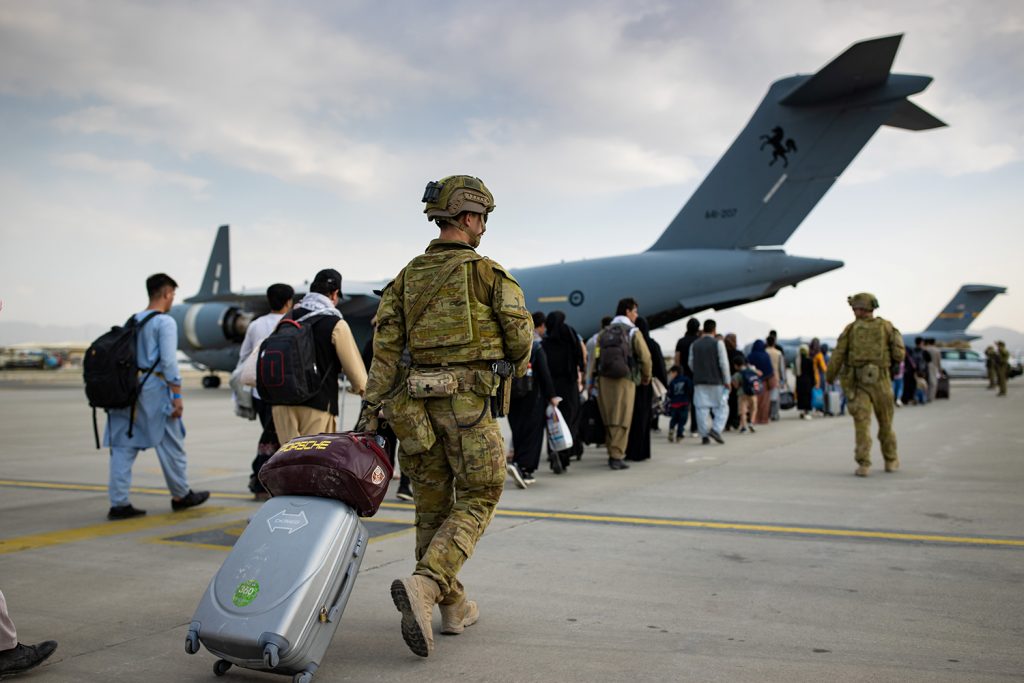
ONE, the withdrawal of US and NATO forces from Afghanistan and the complete takeover of the country by the Taliban. This resulted in chaos and overall disruption of the semblance of peace the country earlier possessed. With the Taliban claiming the residents of the country are happy with their takeover and the disrupted president on the run, the future of the country appears in shambles.

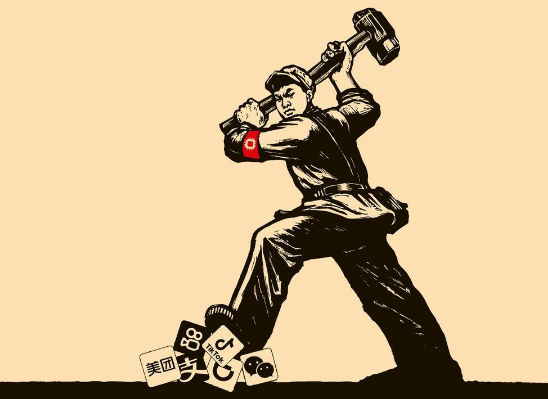
TWO, significant domestic political changes in the People’s Republic Of China. This includes the ideological and regulatory assault against its dynamic private high-tech companies and now recently, its real estate companies. As a result, it has a heightened risk perception among international business and industries which had seen China as a huge commercial opportunity until now. While the economical affairs of the country are entirely their own to manage and govern, there will be a lasting impact on the general job opportunities.

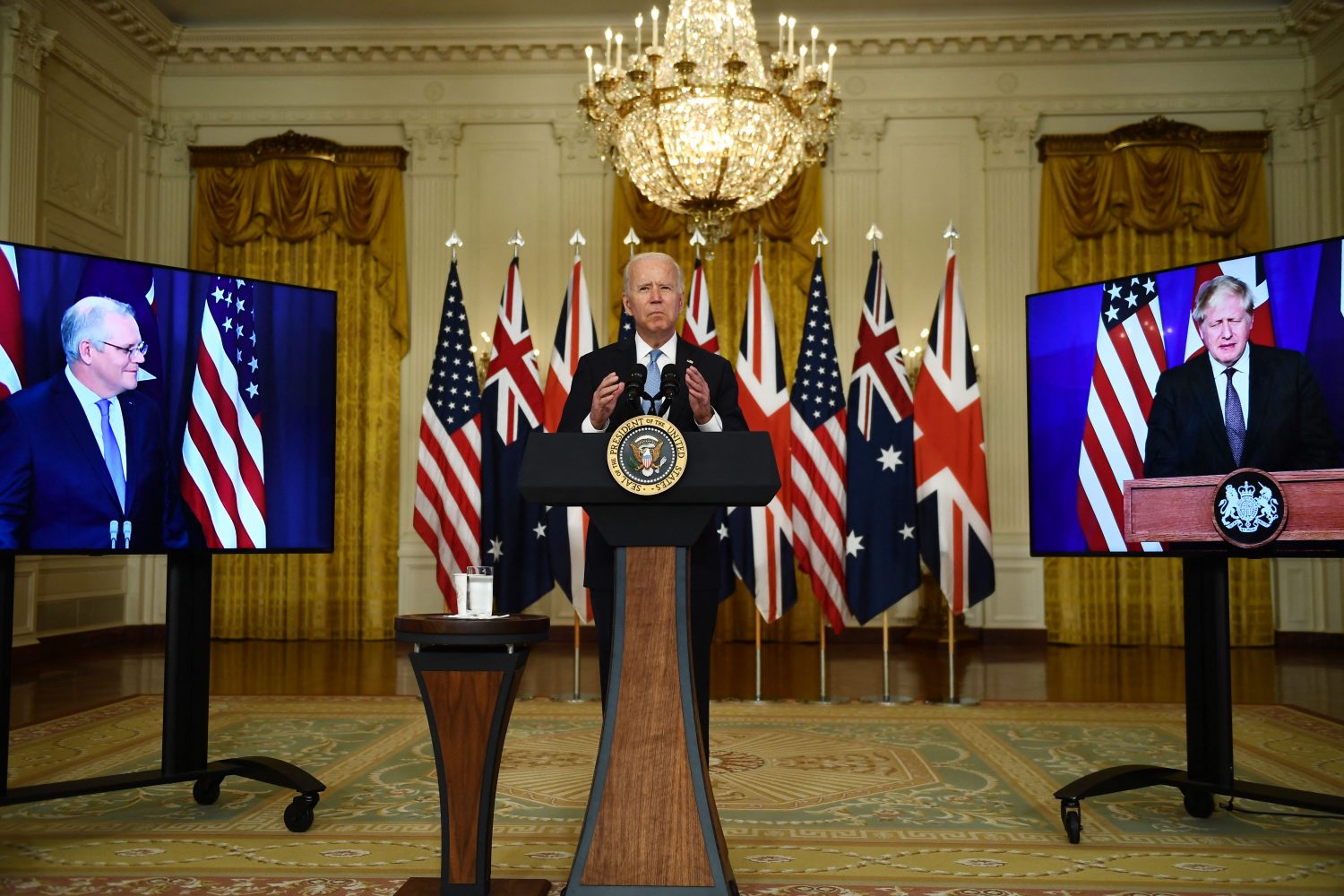
THREE, the announcement of the Australia-UK and US (AUKUS) alliance which represents a major departure in US strategy by its commitment to enable Australia to join a handful of countries with nuclear submarines. The alliance clearly portraits Australia’s strategic choice to firmly support USA despite its considerable economic and commercial equation in China.

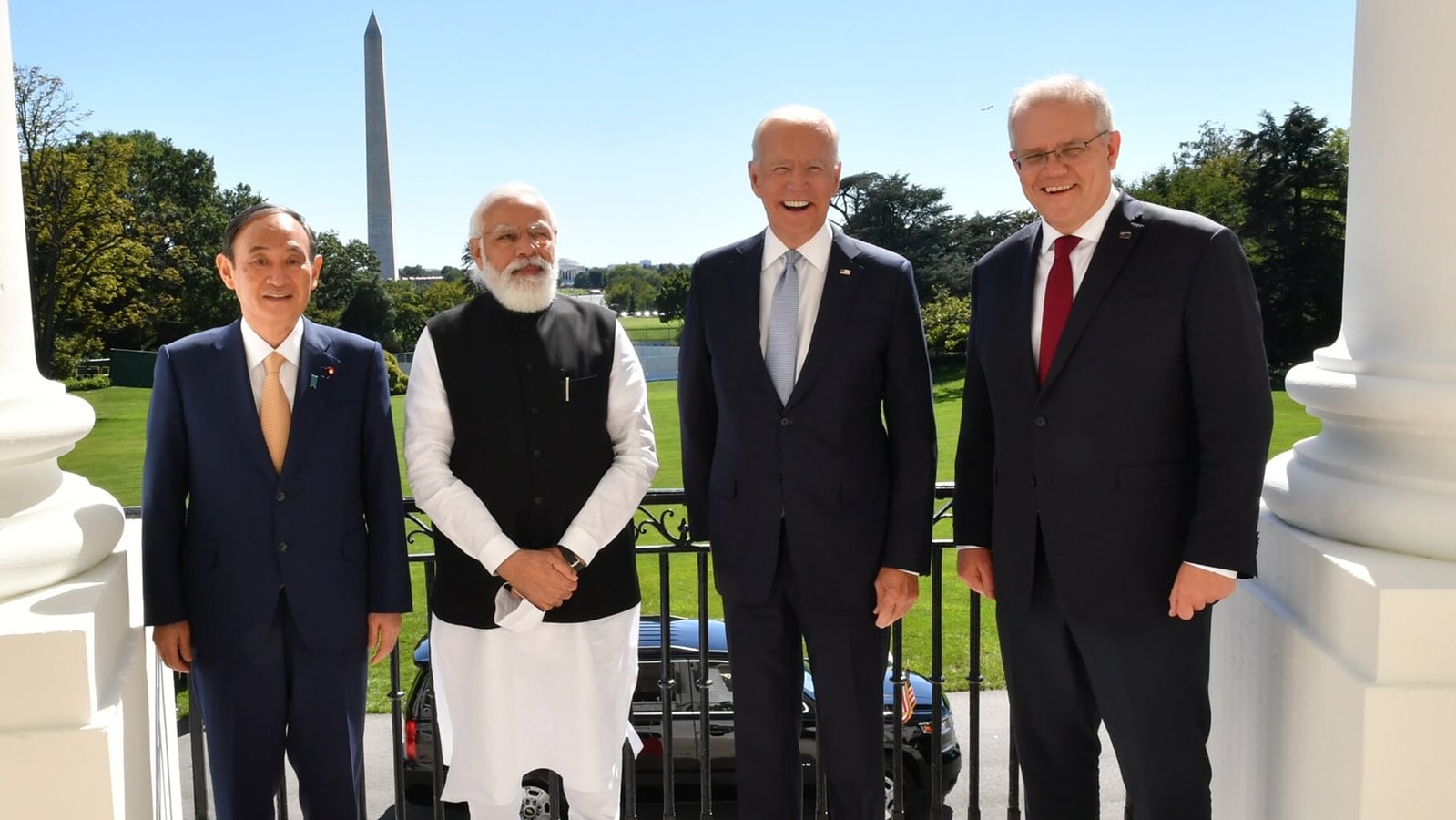
FOUR, the convening of the four nation Quad physical summit (India, Australia, Japan and the US) IN Washington. This reflected a major step towards its formalization as an influential grouping in the Indo-Pacific going beyond boundaries and into a personal level of safeguarding.

These four developments together present India with both risks and opportunities. While the latter outweighs the risks henceforth. It would indeed be fitting to say a future of uncertainties awaits the entire world. Are these measurements a preparation of the unseen future or simply precautions is something only time will reveal.

Written by : Ananya Kaushal

Generation Gap

By – Supriya

How many times have you felt that your parents don’t understand you, and have no respect for you as an individual? How often do you shake your head in frustration unable to get your point across to your parents? Parents ! They are like aliens from another planet altogether! You and they are in different camps ; strangers forced to live under the same roof. Right? Wrong! There is a way of bridging what appears to be a yawning chasm.If you genuinely want to improve your relationship with your parents(and give them a big shock in the bargain!) try listening to them , just like you would listen to a valued friend. Instead of always whining ,” You don’t understand me”, stop and think. Do you ever try and understand them? Parents are under a lot of stress too. When we are worrying about our upcoming Maths exam, they are worrying about the boss in the office , and just how they are going to pay for are worrying about the boss in the office, and just how they are going to pay for our expenses.Like us , they too have bad days when someone humiliates them at work. Sometimes, they are stressed wondering where the money for all the applications you send to foreign universities is going to come from. Your mom may seldom have a chance to go out and enjoy herself. Your dad’s colleagues may deride him because he cannot afford membership to a club.

Yes, weird though it may sound, parents are humans too. They may have dreams they’ve sacrificed because they want you to realize yours. Once you step into their shoes and try to look at things from their point of view, two wonderful things happen; one, you feel a new respect for them, and two, you will find that you can actually get your own way without heated arguments. Today, when you come back from school or college,ask your mom or dad ,” How did your day go today?” or ” Tell me a little more about your job”. or ” Is there anything I can do to help you around in the house?” You will see the visible difference it makes to the atmosphere at home. And each day, try to keep your promises – to do your homework, to clean your room and to write letters or telephone if you are living away from home. Seventy five percent of the youngsters claimed that the teenage years are a time of stress and anxiety for them – anxiety about exams,jobs, parental expectations, peer pressure, love lives, the need to look good and dress smartly, and we’ll , even the state of the nation.

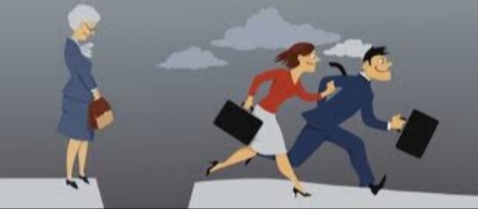
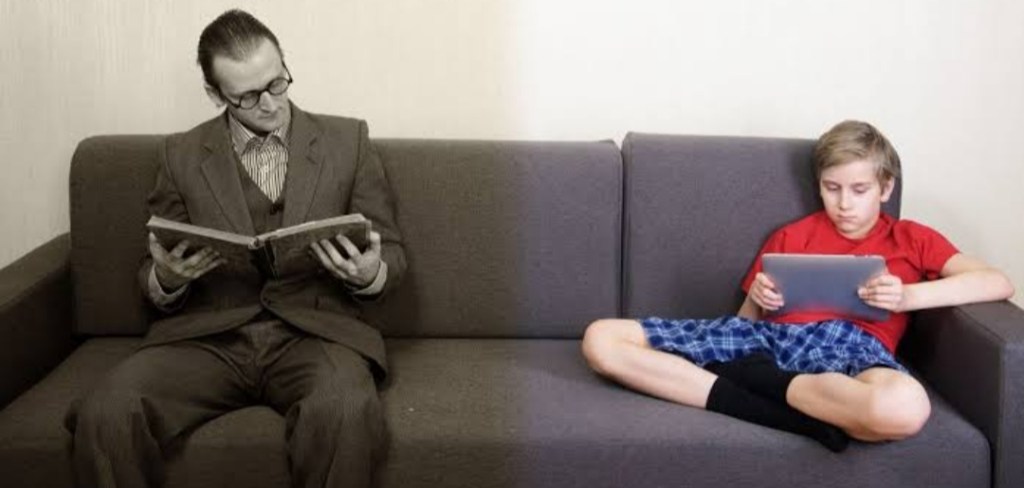
Generation gap means difference in attitude , or lack of understanding between younger and older generation. This generation gap has always been there but these days it has reached an explosive stage. The values and patterns of life have changed to a great extent. Today, everybody likes to live and behave in his own way. This attitude has enlarged the generation gap, which is becoming wider day by day. It is now disrupting the family life completely. The elders look after the children and make all sorts of sacrifices to bring them up. Parents want children to follow their instructions as they believe it is for benefit of children and would do them good. On the other hand, children face immense pressure of exams and cut- throat competition and think that parents know nothing about the demands of this fast paced world. In the end, despite love and affection for each other, both are drained of energy and find unable to comprehend the other. Consequently, there is lack of communication between the two that , with time, develops into larger rift. Unlike west, in india , this problem is yet in the initial stages, but the gap has appeared and it is going to grow bigger day by day. So it is not only the responsibility of the younger generation , but also of the elders to fill this gap with their love, affection and trust . The problem, in fact , has grown and intensified due to rise in complexities of modern life. These complexities have arisen in the wake of modernism as faster industrialization with increasing population has led to greater competition . The problem arises when parents begin to take things too seriously and forgot that as children they had themselves loved adventure and freedom . On the other hand, children too are in the blind race of enjoying life and following their friends. They fail to see their parents’ perspective as for them , at this age their friends suddenly become more important. This increases the anxiety of parents as they are concerned and afraid of their children falling in bad company . This leads to imposition of greater restrictions by parents, which further annoys the freedom- loving teenagers and increases the tension between the two.
At this time, grandparents can play a constructive role in order to bridge the gap of thought, attitude and approaches to life. Generation gap is not that serious a problem if families can learn to sit over dinner and amicably settle things by ironing out differences and sharing experiences. When this communication barrier is transcended and the ice broken, the problem does not remain that serious anymore. Talking it out calmly and coolly , with the idea of sorting the things out, changing for each other and changing for better can be the most helpful instrument in bridging the generation gap. Family outings, vacations, tours,panic-outings, often with the family could be effective ways to initiate intimacy between parents and children. Watching movies and discussing them, putting forth different viewpoints can be a beginning to inculcate the habit of a healthy dialogue between members of the family. Such small things and steps can do wonders in initiating a healthy family atmosphere and reducing friction between two generations that are both right from their perspective . Their only folly is that they are viewing the same thing from opposite directions. Age, time and experience or the lack of it , forces them to do so.

THANKYOU

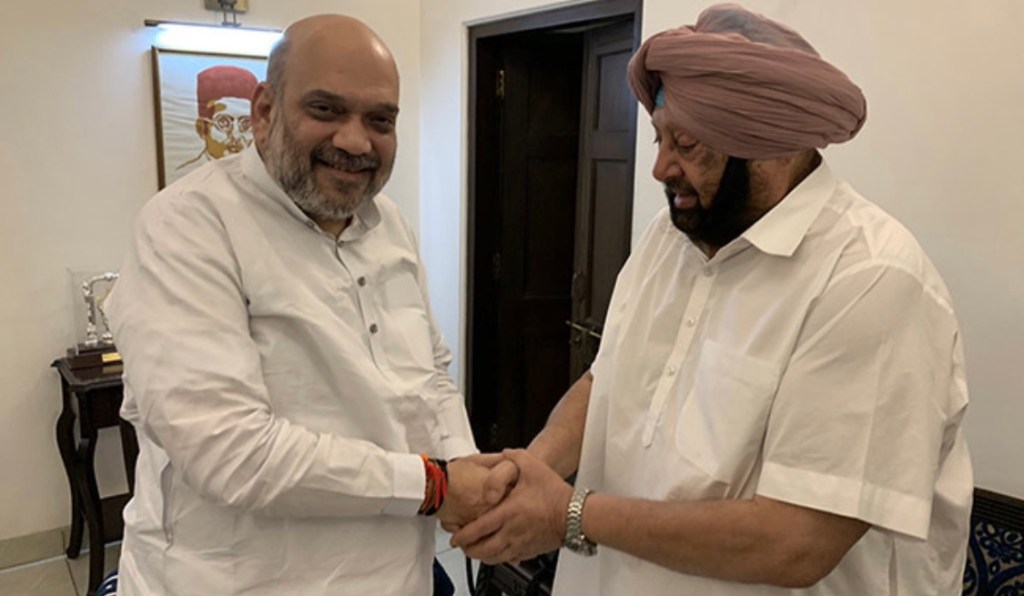
Punjab Congress Crisis LIVE: Amarinder Singh Meets Home Minister Amit Shah In Delhi

Punjab Congress Crisis LIVE: In a video message tweeted on Wednesday morning, Navjot Sidhu said that he will not compromise on ethics and would “fight for truth until my last breath.”

New Delhi/ Chandigarh: 

Punjab’s former Chief Minister and Congress veteran Amarinder Singh met Union Home Minister Amit Shah, amid speculation about his joining the BJP. Captain Amarinder Singh recently stepped down from the top post in Punjab. Mr Singh said that during the meeting he discussed the contentious farm laws, urging Home Minister Amit Shah to repeal the laws and guarantee MSP.

On Tuesday, Navjot Singh Sidhu resigned as Punjab Congress chief, delivering a big shock to the Gandhis, who may have hoped that changing Chief Ministers would help end the turmoil in the state before elections early next year.

In a video message tweeted on Wednesday morning, Mr Sidhu said that he will not compromise on ethics and would “fight for truth until my last breath.”

“My fight is issue-based and I have stood by it for a long time. I cannot compromise with my ethics, my moral authority. What I witness is a compromise with issues, agenda in Punjab. I cannot misguide the high command nor can I let them be misguided,” Mr Sidhu said in Punjabi.

In his resignation letter to Sonia Gandhi, the cricketer-turned-politician wrote, “The collapse of a man’s character stems from the compromise corner. I can never compromise on Punjab’s future and the agenda for the welfare of Punjab. Therefore, I hereby resign as the President of Punjab Pradesh Congress Committee. I will continue to serve the Congress.”