He was an American psychologist born in 1902 , who took the humanistic approach to psychotherapy. According to Rogers every individual has tendency to actualize himself. According to him mentally healthy individuals have congruence between self and their experience.
According to him every person has the tendency to actualize themselves and a mentally healthy individual have congruence between their experience and their self concept. Neurotic individual deny their sensory and emotional experience. There are two concepts related to this;
REAL SELF
Real self is what we truly are. It is important for good psychological health. Self image directly affects how a person feels, thinks and acts in this world. Real self is our inner personality who is aware about their strength and weakness. It may not be perfect but it is our real part.
IDEAL SELF
It is what desire to be. It represents our ambitious and goals. By ideal self , Rogers meant some goals which are beyond our capabilities. This causes gap between real and ideal self.
If ideal self and real self are alike our self concept is accurate. High congruence between real self and ideal self leads to greater sense of self worth and a healthy productive life and if there is incongruence between them it leads to maladjustment.
If you are a BA student and confused about what to do after graduation, don’t worry we have sorted out some career paths that you can choose after getting a bachelor’s degree in BA programme.
As we all know BA is one of the most popular undergraduate course among students specially humanities students. This three year course allows you to study a combination of subjects ranging from English, Hindi, Economics to History, political science and philosophy. Due to variety of subjects it opens up many job opportunities. Following are the most popular career paths after doing BA:
Post Graduation in courses like B.Ed. or M.A. (in a specific subject).
After M.A in Education, candidates are eligible for PGT jobs, elementary and secondary teaching jobs in private and government schools. After qualifying NET/SET in education, candidates are also eligible for university level teaching jobs in private and government institutions while obtaining a degree of B.Ed. only provides an opportunity to be a teacher in a government or private school.
2. MBA (Masters in Business Administration) is another sought after course after a degree in BA programme where upon completion, candidates are offered jobs in private/ government financial institutes. In an MBA program, you’ll learn about solving business problems, which would allow you to become a competent manager. You need to give the Common Admission Test (CAT) to apply for MBA degrees in numerous colleges and universities. Your CAT Score determines which colleges you can enter. Students of every stream are eligible for this course. This job pays handsome amount of money. Average salary of a MBA graduate is 5-10 LPA.
3. Civil Services Examination, Bank PO Exams, NDA Exams – After completing graduation, students are eligible to apply for civil service examinations and Bank PO exams. They can apply in Union public service communication for posts like IPS, IAS, IFS, Indian defense service. Jobs in public sector banking system is another good option. As these jobs provide job security.
4. Computer Courses– A B.A. graduate can pursue many certifications like web designing, animations, coral draw etc. to get a job/profession in the media industry in fields like web and graphics designing. This field is becoming broader with the rise of social media platform and inclusion of AI. It is almost certain that this field will provide a large number of jobs in near future.
5. Law – Students who have studied English, Hindi, Political Science as subjects can pursue law as a career. The program imparts extensive knowledge on topics like Jurisprudence, Environment Laws, Arbitration, Law of Insurance, Consumer Protection Act. Upon completing the course, one can either pursue LLB, start practice after registering oneself with the respective councils or can work in government or private sectors.
6. Master of Fine Arts is another sought after course for ones who are inclined towards artistic endeavors. Some of the prominent specialization offered under master’s level design programmes are: Industrial design, design computing, architectural design, fashion and textile design, shoe designing, leather designing, graphic designing, house design etc. After completion of the course, one can practice as a designer in the field of specialization in the private/government sector.
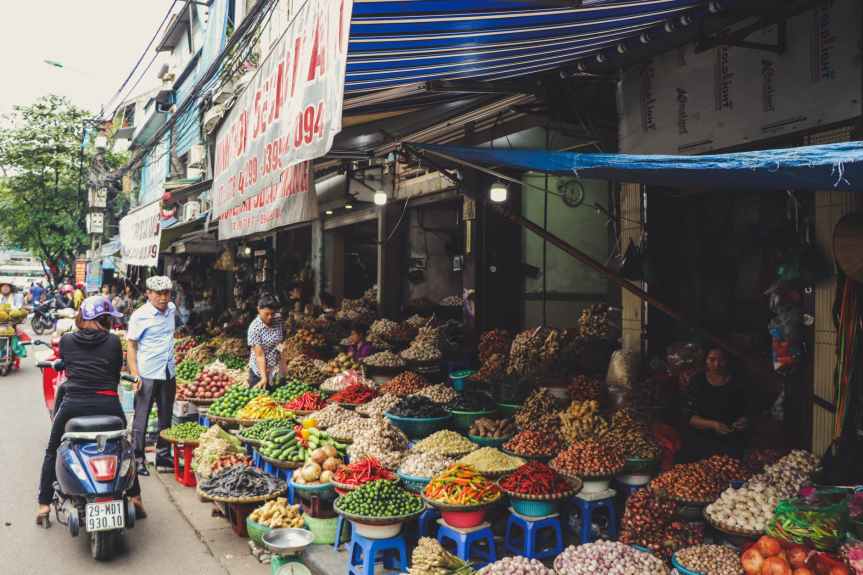
India is the biggest producer, consumer and exporter of spices in the world. India exports about 180 different spices to 150 countries of the world. A wide variety of spices are grown in different parts of the country many of which are native to these places. Others are imported and cultivated locally. Spices have been used in Indian kitchens for centuries, they are one of the most important thing in our daily diet. Spices are added to food to give it flavor, aroma, and to preserve it, also spices are said to be really good for health. Several spices are blended together to give food the known Indian taste. Not only in kitchens but spices play a vital role in pharmaceutical products, medicines, cosmetics, etc. Spices are known to help in curing many deseases like arthritis cancer, diabetes.
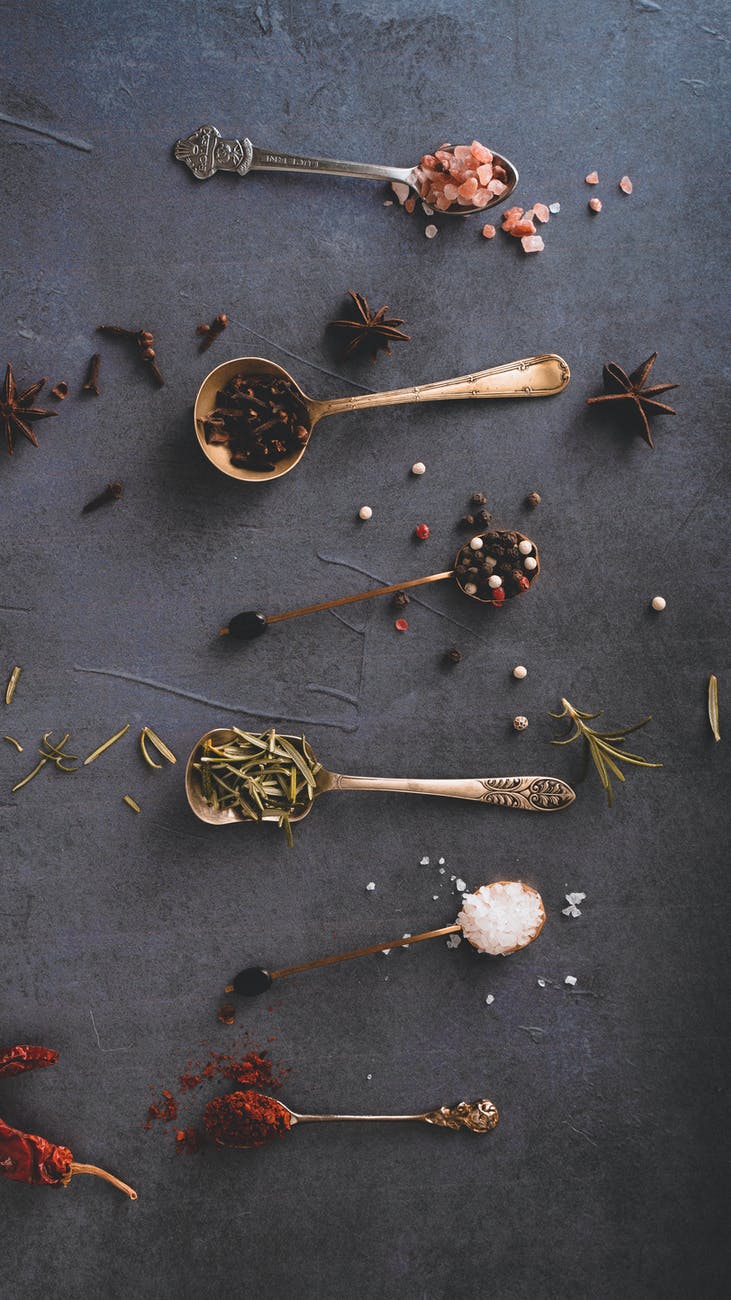
Spices add a twist to our foods. Without spices food looks, smells and tastes dull and lifeless, a pinch of common spices is what we all need. Be it cardamom in our tea, turmeric in lentils or curry leaves in curry, all the spices offer something different and are an essential part of our lives. They are known to be effective in gastric problems, blood disorders, infectious diseases. There are 7 spices which are a must to have in indian households. These spices are used for their aroma and spices and for their potential health benefits.
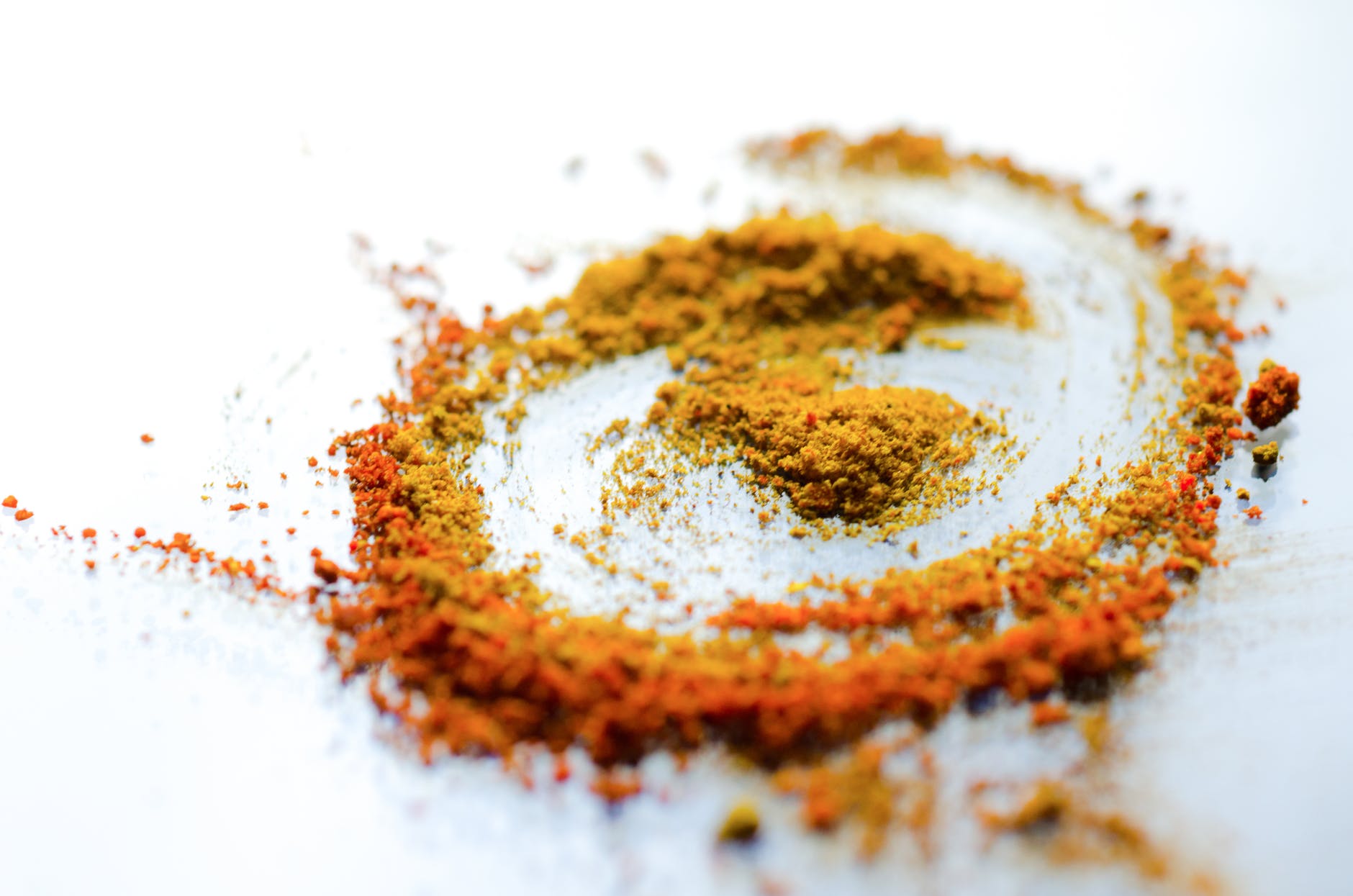
Turmeric has been used since ancient times as a healer, coloring agent and most importantly to give a yellow shade to our food and all the health benefits it provides us with consuming just a small amount daily. It is like a sack of nutrients. It has many benefits including, it’s antioxidant and antispetic properties. It has been a prominent ingredient in cosmetic industry as well. Face creams, face washes, etc with the goodness of turmeric are found in abudance. It is grown as a rhizom and can be used as fresh or dried. Cucurmin is the main component of turmeric. It is also helpful in stopping blood for minor cuts. Also known as golden spice or indian saffron. It helps relieve pain, aids digestion and supports immune system. A glass of milk with turmeric can be very effective at night for better sleep and digestion. It is known to provide warmth to the body, clean blood and cure skin realted problems.
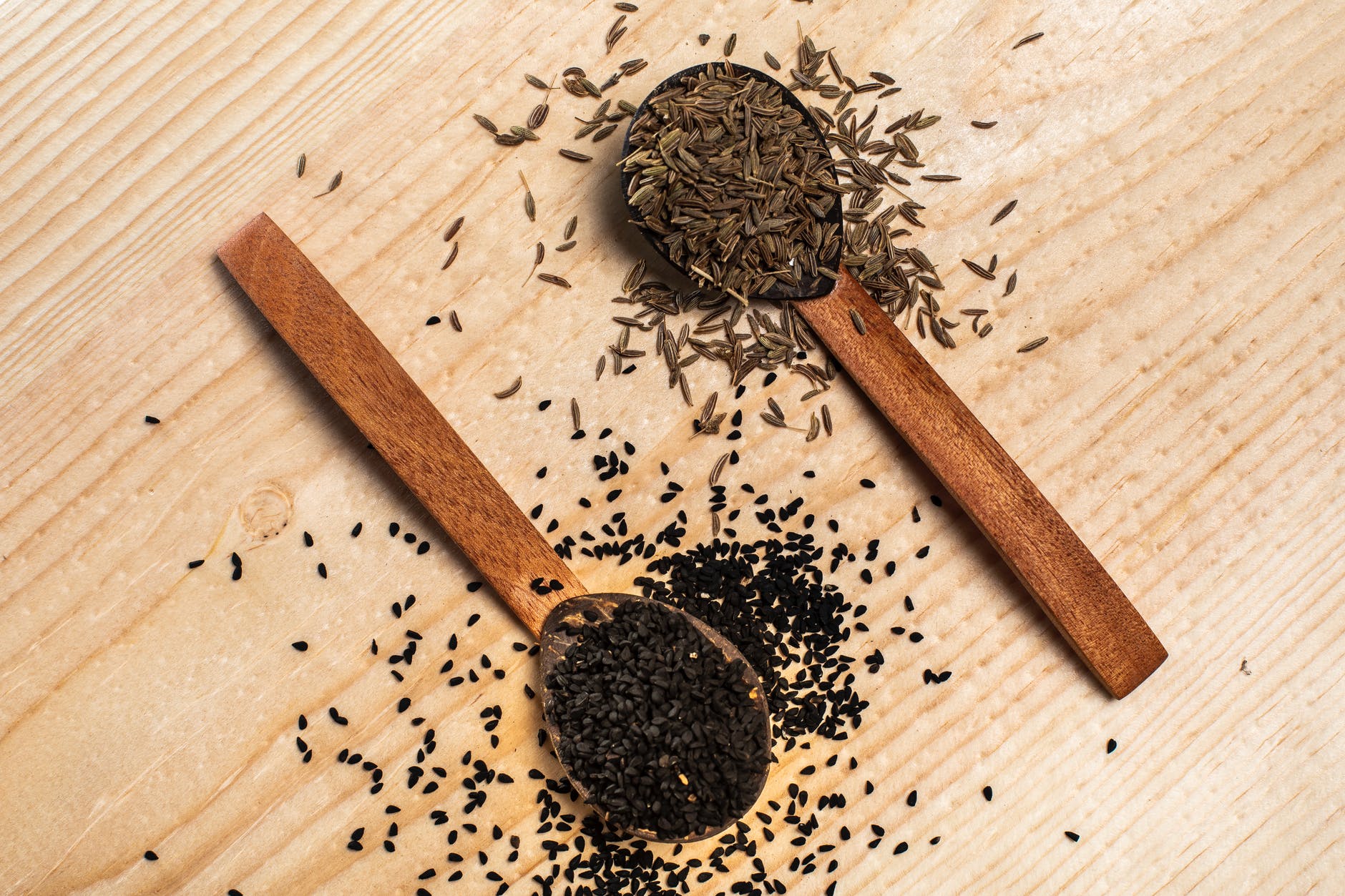
Cumin consists of oil that provide a particular aroma to the seeds. It is the basic and one of the first ingredient used while cooking. Smal boat shaped seeds is an ancient spice used as whole or powder and is infused with the hot oil or lightly roasted to bring out the flavor. It has an earthy aroma, and is beneficial for heart related diseases due to its antioxidant properties and has various vitamins and minerals in it. Cumin seeds improve taste and craving. Cumin oil posesses antifungal and antimicrobial properties. It is helpful in toothache and jaundice as well and is widely used in pharmaceutical industries.
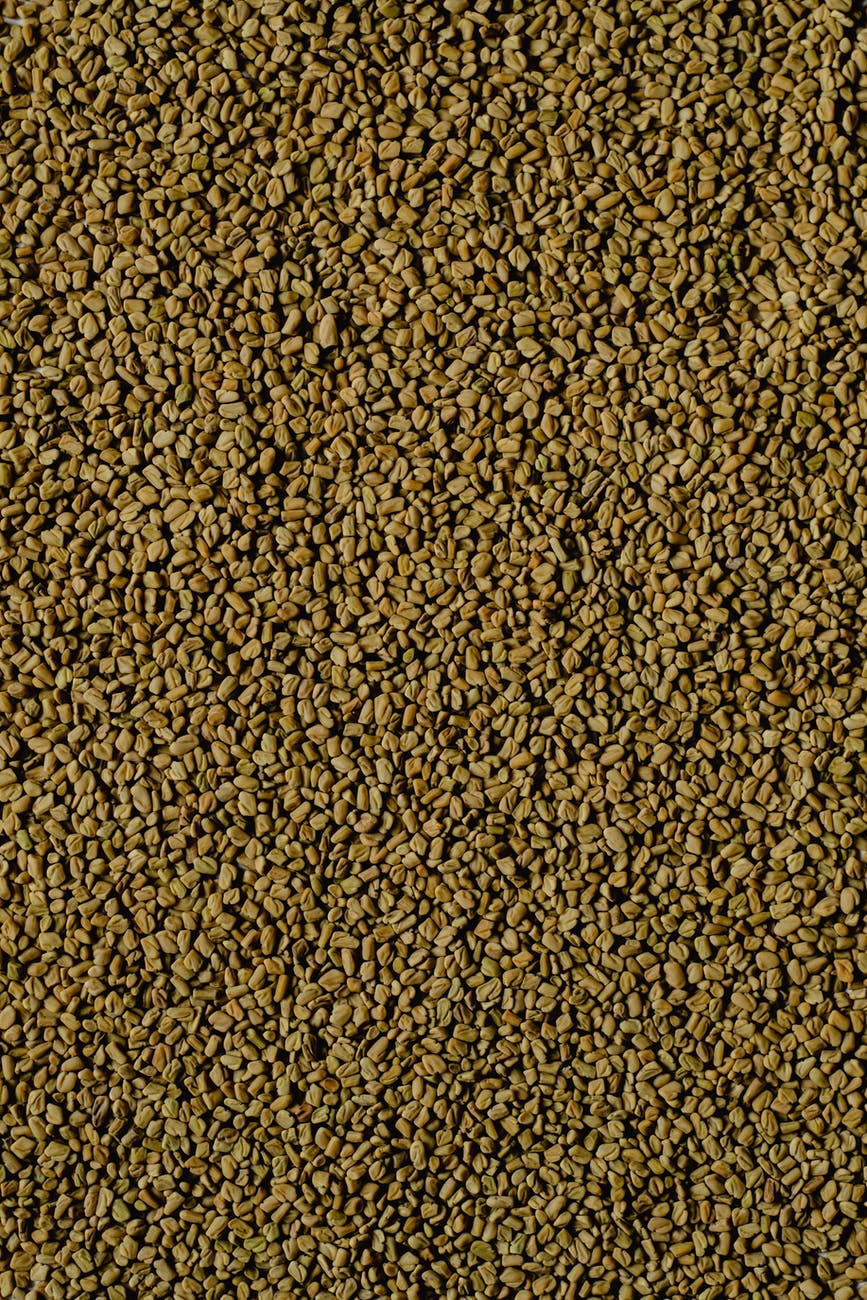
India accounts for the major production of fenugreek and is derived from various states out of which Rajasthan alone gives 80% of the indian output. The majority is cultivated and consumed in India itself. It is used as a herb dried or fresh in cooking, it possesses bitter taste which is reduced by roasting the seeds. Fenugreek plant is about 2-3 feet tall, it’s green leaves and pods that contain small, golden-brown seeds. For many years it has been used in Chinese medicines to treak skin problems many other diseases. And for similar reasons it has long utilized in households and can be found in shampoos and soaps as well. For it’s nutritious value and sweet nutty taste it has been a must to have spice in Indian kitchens. Fenugreek may be helpful in aiding diabetes and is also taken as supplement.
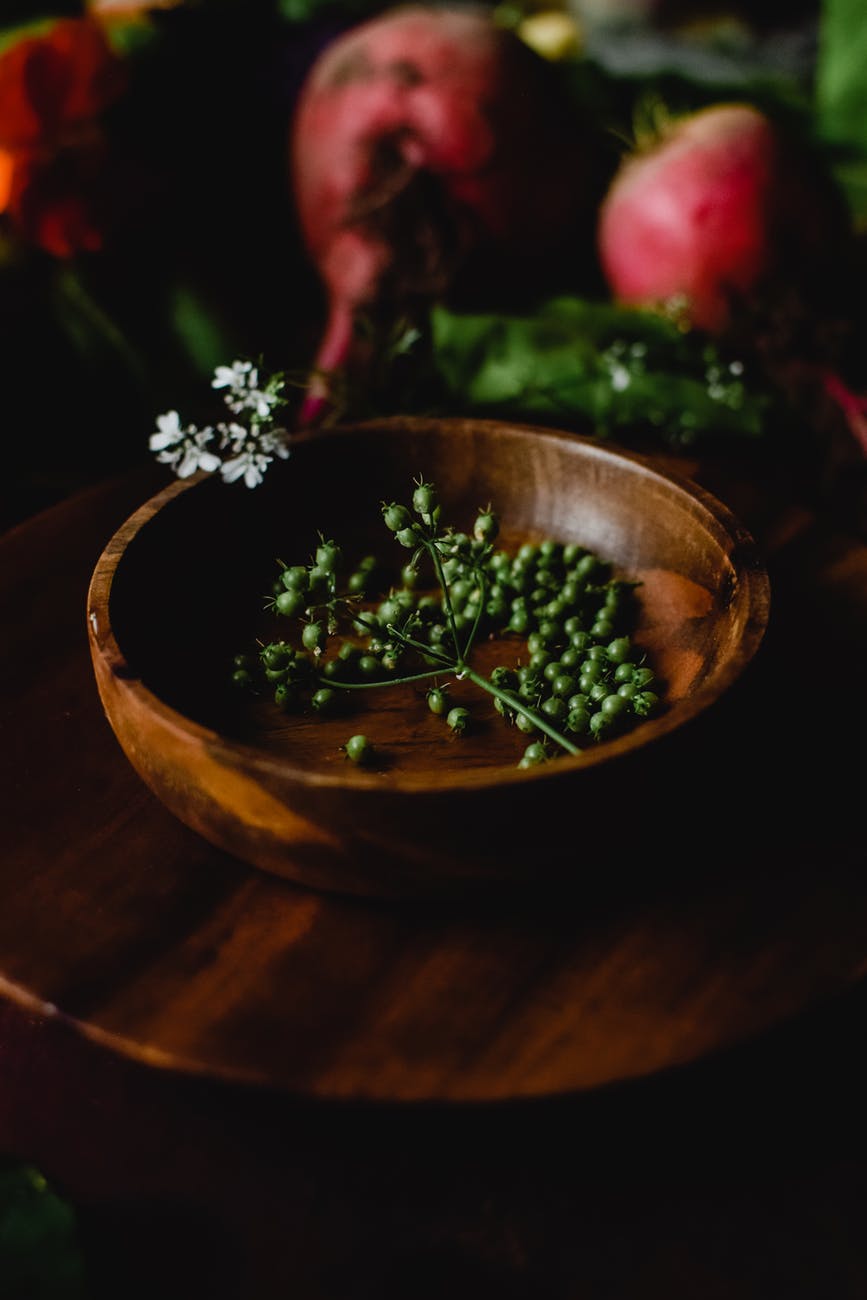
Coriander is one of the most used herb to flavor dishes, the seeds known as Coriander and the leaves as cilantro. Commonly known as dhaniya in india, It is also known as chinese parsley. Used in soups, currie masalas in India, middle, eastern and asian meals. While leaves and dried or ground seeds are used, coriander is useful in lowerin blood sugar, boosting immune system, lower heart related deseases. Both seeds and leaves of coriander are very different in taste. Whole seeds are added to vegetables, pickes, lentils and baked goods. Their aroma is released by warming. While leaves are used to garnish dishes. Coriander seeds are toasted and ground before eating as their texture can be hard to chew. A bright shining green plant. Surprisingly it has several skin benefits. It slowly absorbs the sugar in stomach and stimulates insulin and is found effective in lowering blood sugar levels in diabetic patients.
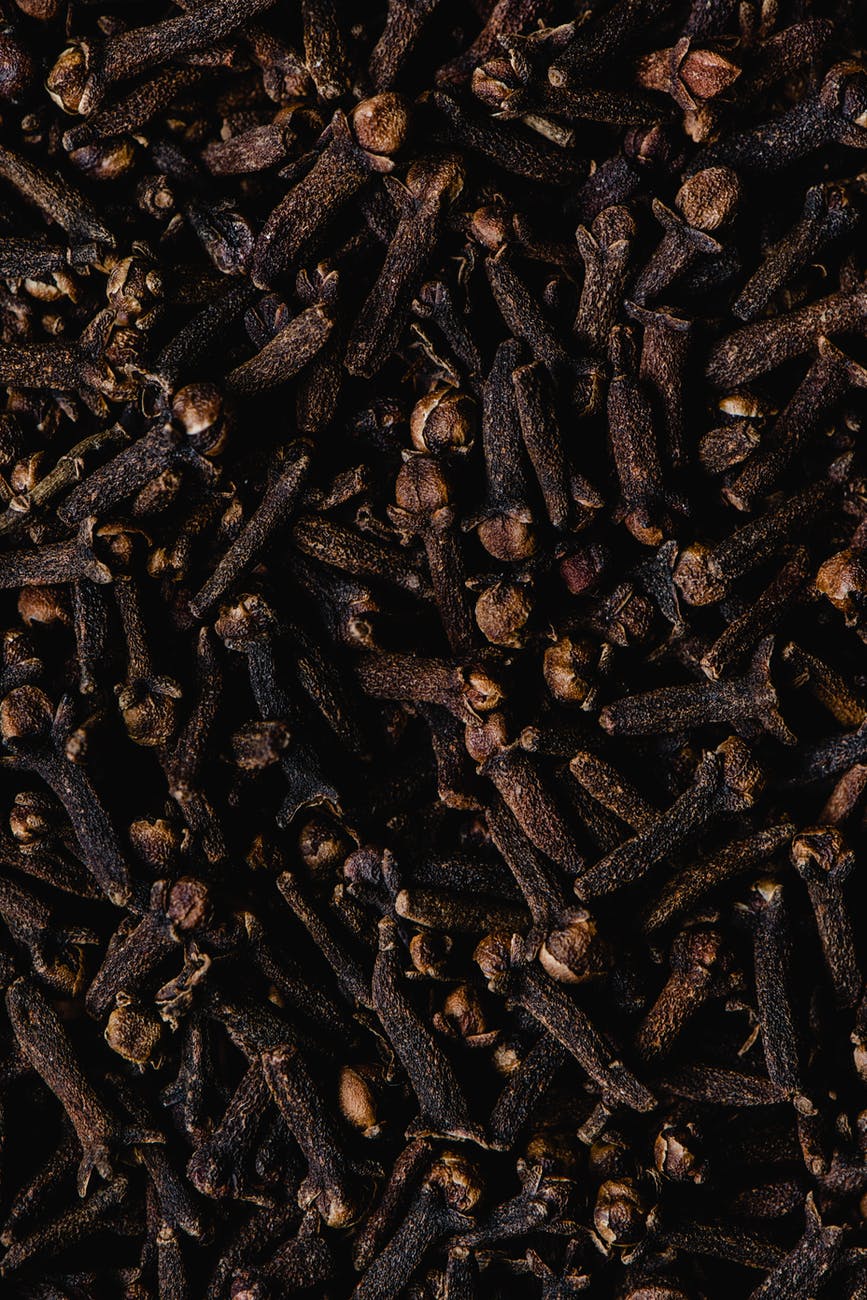
Clove is grown in Asia and America, its oil, stem, dried flower buds and leaves are used in making medicines. Clove is very effective in dental problems and can cure toothache when applied directly to it. Also used as a flavoring in foods and beverages, toothpaste, perfume, soaps and cigarettes. It resembles a nail in shape. It’s use in culinary is mainly for flavoring as it blends both with sweet and savory dishes. Clove oil has antispetic and antibiotic properties and is used especially in dentistry. Clove is often found in indian cuisine for it aroma and flavor and is a part of garam masala, which is a mixture od different spices.
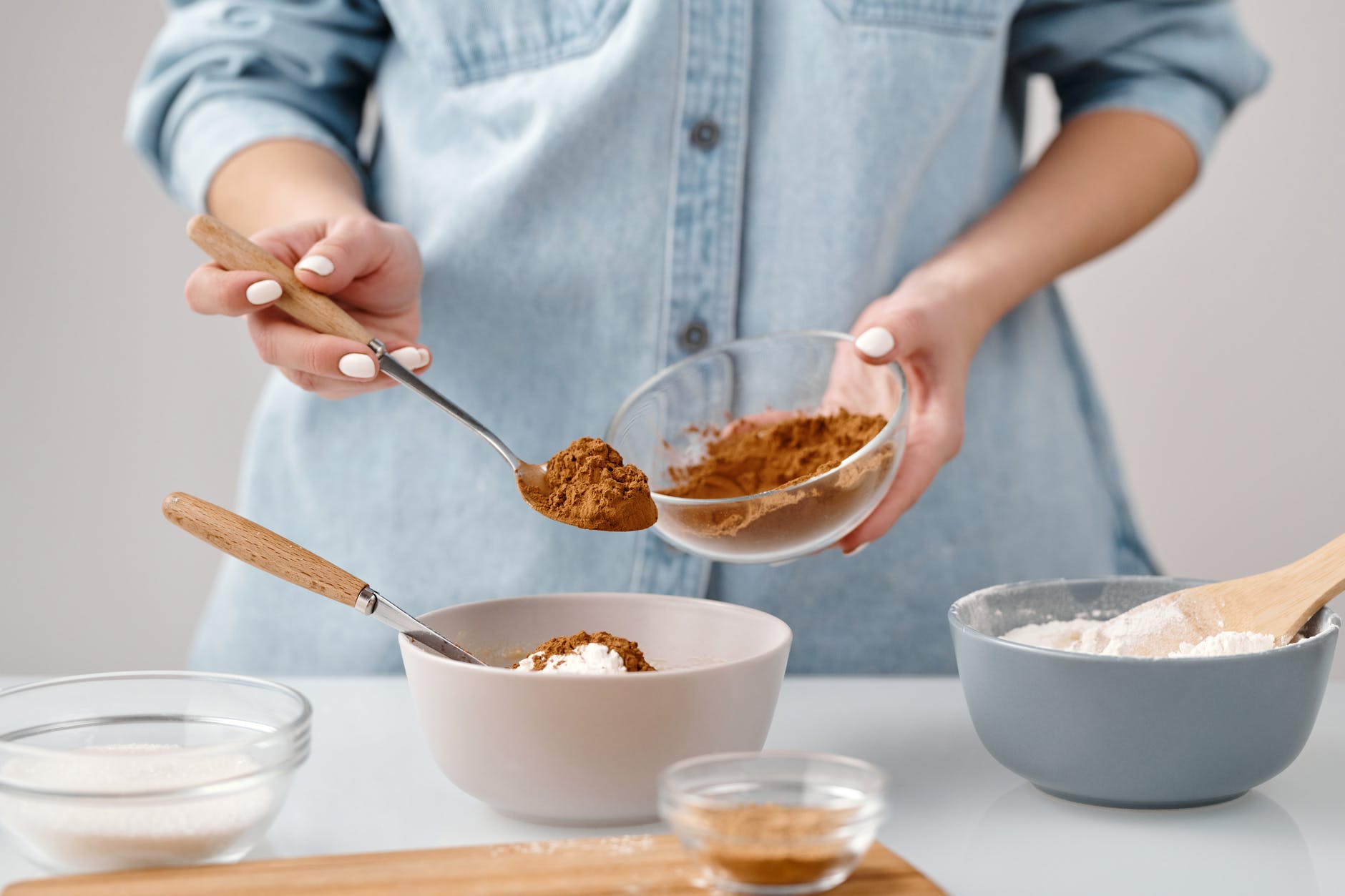
Cinnamon is a spice extracted from bark, leaves, flowers, fruits, and roots of the cinnamon tree and has been a part of traditional medicine for thousands for years. It has many health benefits and is also used for flavoring and fragrance. It is effective in blood sugar levels, lower cholesterol, stomach issues and obesity. It has antioxidant, antibiotic and anti inflammatory properties and has traces of nutrients in it. In india it is used in making chutneys, meat or rice dishes. Sometimes while cinnamon sticks are also used.
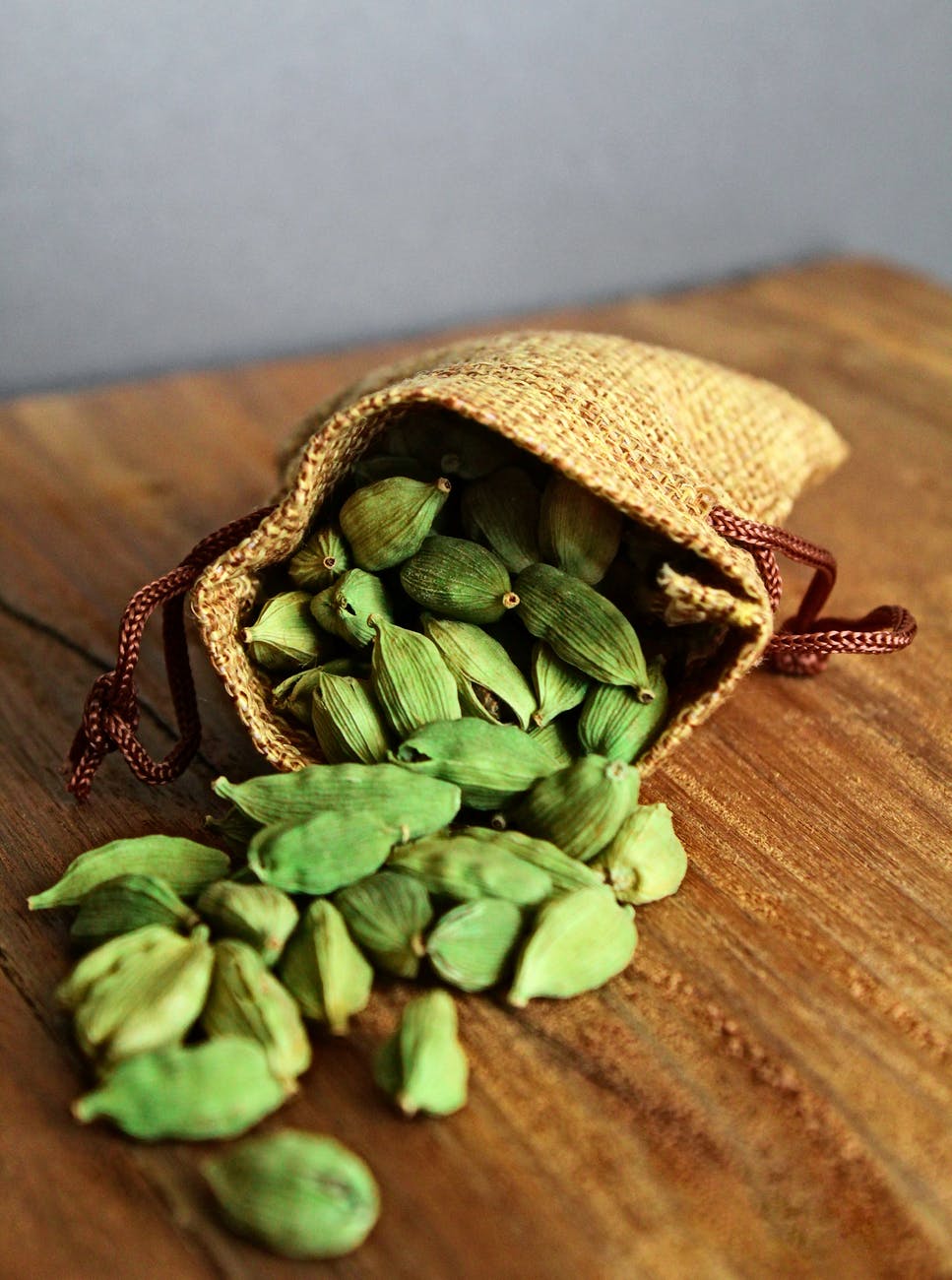
After Saffron and vanilla, cardamom is the most expensive spice in the world. This versatile pod is used in teas, spices and many sweets are garnished using cardamom. In indian cuisine whole pods of cardamom are used in making curry, milk deserts and many other dishes. It is widely used in making chai as it for its aroma and flavor. It benefits in gastric problems, cardiovascular issues, controlling cancer and cholesterol and is rich in nutrients. It is also included in garam masala as an essential ingredient. These small green and black pods have a wide range of uses added to their list.
External Affairs Minister S Jaishankar has said that the use of Afghan soil to promote terrorism in any manner by any country is unacceptable and the Taliban must live up to its declarations to that effect. He was addressing the Afghanistan conference co-convened by US Secretary of State Antony Blinken and German Foreign Minister Heiko Maas.
Dr Jaishankar said resumption of travel out of Kabul is a priority. He said the world should not countenance interference by external players, especially those intensifying violence at this difficult time. He added that the collective approach should be guided by UNSC resolution 2593.
As part of India’s ongoing Chairship of BRICS in 2021, Prime Minister Narendra Modi will chair the 13th Brazil, Russia, India, China, and South Africa Summit today in virtual format. The theme for the Summit is BRICS@15: Intra-BRICS cooperation for continuity, consolidation and consensus. India had outlined four priority areas for its Chairship. These are reform of the multilateral system, counter terrorism, using digital and technological tools for achieving SDGs and enhancing people to people exchanges.
The BRICS leaders will exchange views on the impact of the COVID-19 pandemic and other current global and regional issues. The meeting will be attended by the President of Brazil Jair Bolsanaro, Russian President Vladimir Putin, Chinese President Xi Jinping and President of South Africa Cyril Ramaphosa. This is the second time Prime Minister Modi will be chairing the BRICS Summit. Earlier he had chaired the Goa Summit in 2016.
The Indian Chairship of BRICS this year coincides with the fifteenth anniversary of BRICS. India’s National Security Adviser Ajit Doval, President of the New Development Bank Marcos Troyjo, the pro tempore Chair of the BRICS Business Council, Onkar Kanwar and pro tempore Chair of the BRICS Women’s Business Alliance, Dr. Sangita Reddy will present reports on the outcome pursued this year under their tracks to the leaders during the summit. Anupam Mishra, AIR News, Delhi.
Talking to AIR News, Defence Expert and Director of Society for Policy Studies, C. Uday Bhaskar said the summit is significant in view of the ongoing developments in Afghanistan.
He also said the situation in Afghanistan is a cause of concern for India as the Taliaban led government is pro-Pakistan.
In the inter war years, there was a war between two rival camps for urban planning, the highdensity housing with lots of communal space, or low-density with lots of private space. One group was known as The Modern Architectural Research Group (MARS), founded in 1933, with luminaries as varied as Morton Shand, Wells Coates, Maxwell Fry, F. R. S. Yorke, Ove Arup and John Betjeman.
As an organization though, it is probably most famous for a radical plan for the redevelopment of London, the details of which were published the Architectural Review in June 1942. They pretty much planned to rebuild London in its entirety – the entire city was to be rebuilt from scratch. Away with haphazard layouts they provided with an organized “herringbone” arrangement of homes, factories and facilities.
Although the report was presented in terms of preventing the further expansion of the built-up area of London and planning for new growth, it was suggested that redevelopment might extend the linear city corridors inwards as well, slowly stripping away the mass of buildings that had built up over centuries to create a utopian linear city.
MARS plan
The plan included a “vertebra” of the herringbone that comprised the areas of administrative and commercial buildings, with the docks and industries at its ends. The “bones” are the residential areas with the local industries at their ends. Between the residential ribbons are parks and recreation grounds would have been where the schools and playing fields were to be located. All parts of the city would have been then connected by a railway, whose stations were to be within walking distance even from the remote parts of the residential area. The long-distance railways were then to be connected by means of a belt which forms a traffic ring to the north and south, meeting in a central line where the main passenger stations are located.
One of the main criticisms of the plan wasn’t just how utterly bonkers it was, but that the finer details were less than ideal. For example, placing factories at the ends of the spines meant more travel was needed to go between residential and work zones within the city. Blending them more closely would reduce travel times the critics argued.
The plan was overshadowed by the release of a much more famous planning document, Abercrombie’s County of London Plan which came out two years later, in 1944 and was seen as a blueprint for post-war rebuilding, not just of London but also other bomb damaged cities. The welcoming of Abercrombie, and the rejection of MARS pretty much signed the death warrant for MARS, and its direction changed in subsequent years. The group finally disbanded in 1957.




You must be logged in to post a comment.