UNDERSTANDING SUICIDE

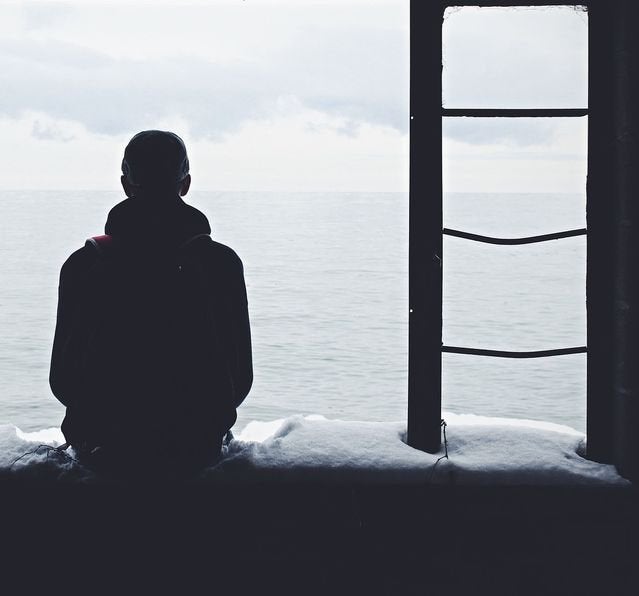
Reasearch says, about 7 lac people die of suicide annually, with approximately 132 suicides daily. An alarming rate, isn’t it? At times, we as humans may fail to understand what another individual might be facing. For every death by suicide, there are many more people who attempt it. Globally, ingestion of toxic substances, hanging and firearms are the most common methods of committing a suicide.

Emile Durkheim, a French sociologist and scholar, identified four different types of Suicides. Durkheim stated that, there are no societies in this world, where suicides do not occur. It includes, Egoistic Suicide, Altruistic Suicide, Anomic Suicide and Fatalistic Suicide. We can understand the core of these four forms of suicide, with further expansion of each term.

1. EGOISTIC SUICIDE

Durkheim states, when a man becomes socially isolated or feels that he has no place in society, he destroys himself. It is committed by people in order to find a route of escape from loneliness and introversion. Such individuals are devoid of proper care and empathy from the people in their lives. They are not socialists, hence they find it difficult to mingle in groups. This leads them to feel unhappy, alone and helpless in this world. Cutting off from the mainstream is the main cause of suicide in this case.

EXAMPLE – Person A, is an employee of a firm and is working most of the time in his day. He does not mingle with his relatives and friends or attend any social functions. Due to this, the ties with his family members are getting estranged day after day. His spouse argues with him regarding the same complaints. He now begins to feel alone. Ultimately, there arrives a day when he’s fed up with all the querulous complaints and fights, thus takes his own life.

2. ALTRUISTIC SUICIDE

Durkheim states, it is a sacrifice of one’s life to save or benefit others, for the betterment of society. It is quite an opposite of Egoistic Suicide. An over integration with society may lead to extreme benevolence in an individual. The individual regards suicide as a sacrifice that he/she is making for the good of a group or society as a whole. People committing suicide due to such a reason may consider their act as courageous and selfless.

Example – In the olden times, Indian women used to lay themselves on the funeral pyre of their husbands in order to follow the cultural rituals.

3. ANOMIC SUICIDE

Durkheim states, a moral confusion within an individual and inability to comprehend social direction may cause an upheaval in the life of an individual. An individual feels bewildered about the position that he holds in society and goes through a lack of self regulation. A sudden change in societal dimensions or ups and downs in a person’s personal life, may contribute to disappointment in his/her life.

Example – A once wealthy businessman, invests in a venture, but the venture fails miserably, he suffers a tremendous loss and goes bankrupt. Unable to deal with the sudden change in status and overall situation, he plans to end his life.

4. FATALISTIC SUICIDE

Durkheim states, Fatalistic suicide is caused from excessive regulation, that of persons with futures, pitilessly blocked and passions violently choked by oppressive discipline. Burden of mental and physical oppression by other people on oneself may lead to a constant feeling of hopelessness. Finding oneself under strict norms, rules, high civil expectations and regulations may lead to depression in oneself, eventually causing the person to end his/her life.

Example – A famous singer feels extremely conscious about her image in the society. She experiences a burden from society’s expectations from her and thus fears failure and poor performance. She fails to handle this undue pressure and has thoughts about ending her life.

In my opinion, suicides do have societal roots. The reason for any person to commit suicide does not solely lie with him, but with the society as well. We are all directly or indirectly dependent on each other for materialistic and emotional needs. Materialistic needs can be fulfilled in some or the other way but emotional needs rarely come to the forefront. Rightly approaching those experiencing stressful situations, intervening and empathizing can greatly contribute in prevention. Suicides are preventable, with individual, community and national support.
The genius of da Vinci 1

Leonardo da Vinci, a Renaissance man born in Italy in 1452, considered as one of the greatest painters the world has ever witnessed, was not just a painter but a man of great intellect. His scientific journals and studies way ahead of their time are to this date used by scientists to get a better understanding of them . In addition to being a painter, a sculptor, he was an anatomist and was well known in the field of engineering, architecture and astronomy as well. da Vinci was unmatched, the only artist who was able to get close to his art was the sculptor of the statue David Michelangelo. The fascinating thing is that he was able to do all this without being exposed to a speck of formal education or training in any field except in painting. He was taught how to read and do basic mathematics all the rest was his own creation.

Leonardo was a genius to say the least, he possessed curiosity ever so great. Maybe, this is what made him so great, his desire for knowledge.                                                                   

His scientific evaluations and anatomic studies are very much evident in his paintings. He used his scientific knowledge to better himself as an artist, and so he did.                                     

Here, we are going to take a look at a few of his paintings and some of his contributions in the milieu of science.

Leonardo da Vinci was born in a town in Vinci, Florence. His father was a Florence based legal notary and his mother belonged to a lower class. Not much is known about his family.

PAINTINGS

Leonardo is undoubtedly one of the greatest artists to have ever lived, but where did he start his artistic journey from?

Leonardo worked as an apprentice under Andrea del Verrocchio, an Italian painter, and sculptor of the 15th century. Leonardo first got introduced to Verrocchio at one of his workshops. He learned a plethora of skills by working for Verrocchio and later also collaborated with him for a painting called The Baptism of Christ around 1475.

Baptism of Christ was a collaborative effort of Andrea del Verrocchio and his student Leonardo da Vinci. This painting depicts Jesus being baptized (the Christian act of sprinkling water on someone, symbolizing purification), with two angels beside him, kneeling. The one performing Jesus’ baptism is John the Baptist, who can be seen with a golden cross and a halo over his head. The pair of hands shown above Jesus’ head is God’s representing approval and acceptance. A dove can also be seen above Jesus’ head as well, symbolizing the Holy Spirit.

Saint Jerome in the Wilderness Another unfinished yet wonderful piece by da Vinci portrays Saint Jerome, a Latin priest in the Christian Church, in the middle of the desert, kneeling, looking fixedly upwards with his arm extending outwards. A lion can be seen resting on the ground looking at the Saint. The lion’s presence can be accounted for by the fact that Saint Jerome helped a lion that entered the monastery where he stayed once, by removing a thorn from the lion’s paw.                                                                                                              

Leonardo used a method called tempera for this painting, which involves mixing of painting pigments with water-soluble emulsions, along with classic oil painting techniques.                                                                                     

This painting is currently present at the Vatican museum in Rome.

The beginning of Art: Visual arts history

Expressing oneself through art seems a universal human impulse, while the style of that expression is one of the distinguishing marks of a culture. As difficult as it to define, art typically involves a skilled, imaginative creator, whose creation is pleasing to the senses and often symbolically significant or useful. Art can be verbal, as in poetry, storytelling or literature or can take the form of music and dance. The oldest stories, passed down orally may be lost to us now, but thanks to writing, tales such as the epic of Gilgamesh or the Lliad entered the record and still hold meaning today. Visual art dates back 30,000 years, when Paleolithic humans decorated themselves with beads and shells. Then as now, skilled artisans often mixed aesthetic effect with symbolic meaning.

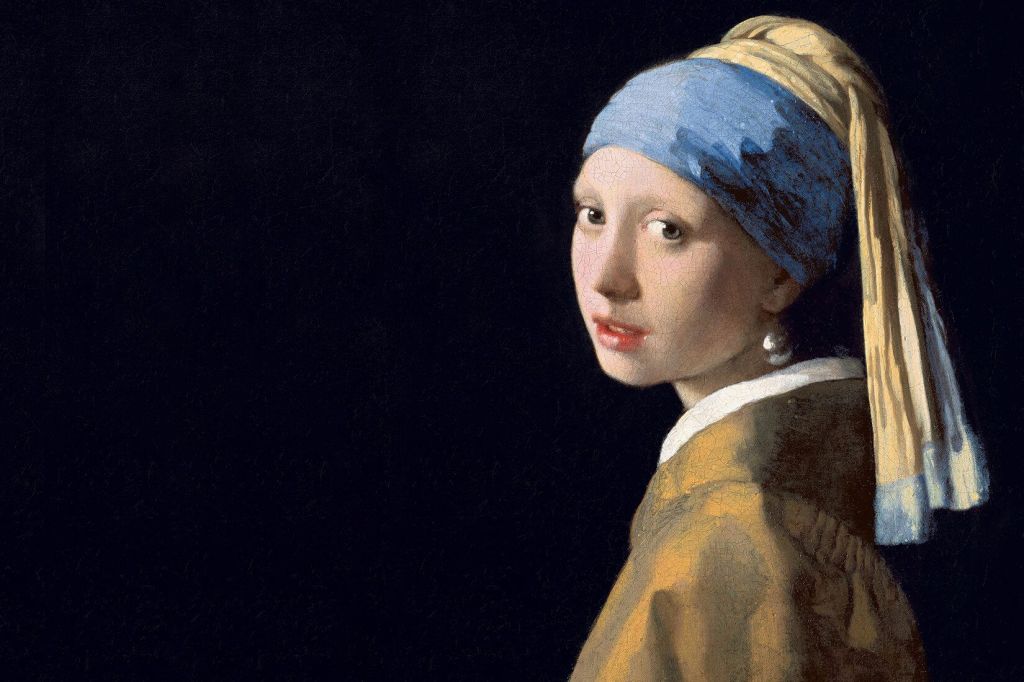
A masterpiece of Johannes Vermeer, 1665 –“Girl with a Pearl Earring”.

In an existence that centered on hunting, ancient Australians carved animal and bird tracks into their rocks. Early cave artists in Lascaux, France, painted or engraved more than 2,000 real and mythical animals. Ancient Africans created stirring masks, highly stylized depictions of animals and spirits that allow the wearer to embody the spiritual power of those beings. Even when creating tools or kitchen items, people seem unable to resist decorating or shaping them for beauty. Ancient hunters carved the ivory handles of their knives. Ming dynasty ceramists embellished plates with graceful dragons. Modern pueblo Indians incorporates traditional motifs in to their carved and painted pots. The western fine arts tradition values beauty and message. Once heavily influenced by Christianity and classical mythology, painting and sculptures has more recently moved toward personal expression and abstraction.

Humans have probably been molding clay- one of the most widely available materials in the world- since the earliest times. The era of ceramics began, however, only after the discovery of that very high heat renders clay hard enough to be impervious to water. As societies grew more complex and settled, the need for ways to store water, food, and other commodities increased. In Japan, the Jomon people were making ceramics as early as 11,000 B.C. by about the seventh millennium B.C.; kilns were in use in the Middle East and china, achieving temperatures above 1832°F. Mesopotamians were the first to develop true glazes, through the art of glazing arguably reached its highest expression in the celadon and three color glazes of the medieval china. In the new world, although potters never reached the heights of technology seen elsewhere, Moche, Maya, Aztec, and Puebloan artists created a diversity of expressive figurines and glazed vessels.

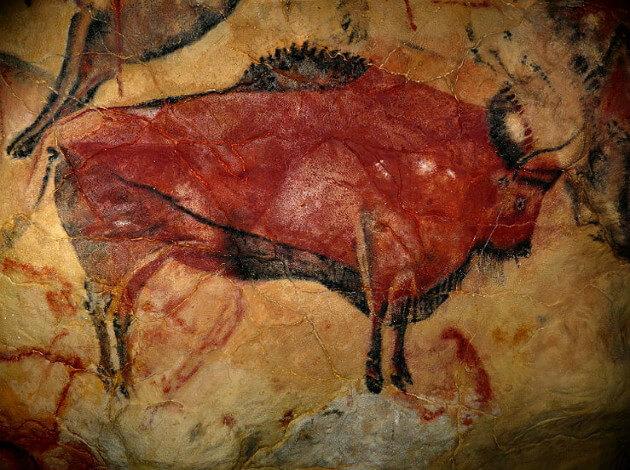
The prehistoric cave paintings of El Castillo, Spain were almost 40,800 years old 

When Spanish nobleman Marcelino Sanz de Sautuola described the paintings he discovered in a cave in Altamira, contemporizes declared the whole thing a modern fraud. Subsequent finds confirmed the validity of his claims and proved that Paleolithic people were skilled artists. Early artists used stone tools to engrave shapes into walls. They used pigments from hematite, manganese dioxide, and evergreens to achieve red, yelled, brown, and black colors. Brushes were made from feathers, leaves, and animal hair. Artists also used blowpipes to spray paint around hands and stencils.

“History is remembered by its art, not its war machines”James Rosenquist

Social Evils

By – Supriya

The social evils and superstitions that dominated the society over the centuries made social reforms imperative for the development of the society and the masses.In the 19th century, the newly educated increasingly revolted against the rigid social conventions and outdated customs.They could no longer tolerate irrational and de – humanizing social practices. Moreover, the backward features of Indian society, such as the caste system or inequality of the sexes had religious sanctions in the past . Therefore, it was necessary to reform religious practices as well. The condition of women was pathetic . The various religions practised in India as well as the personal laws based on them consigned women to a status inferior to that of men. Polygamy , Purdah system , Sati, ban on widow remarriage , no education for female child , female infanticide and child marriage were some of the evils that had a strong grip over the society. It thus became necessary to take women out of this degraded position and help her to realise her true potential. The problems of female foeticide , sexual harassment at work place and their lack of education are still prevalent , which are responsible for marginalized status of women in the society. Futile glorification of Sati practice and role of women confined to the four walls of the house , should be checked combat evils like dowry system, female foeticide, decline in sex ratio, harrassment of women etc. This can be achieved by educating women and making them financially independent. Rajasthan has been in the news recently and for all the wrong reasons. Firstly, due to disappearing tigers , then for a guidebook that referred to sati – sites as tourist destinations , and finally for promoting child marriages for political reasons. The legal age for marriage in India is 18 years for women and 21 years for men. Marriage of a person younger than this is banned in India under the Child Marriage Prevention Act of 1929. But child marriages still take place in India, particularly around the Hindu holy day of Akshay Tritiya (also knows as Akha Teej) . It is a religious tradition in many places in India and therefore, difficult to change. People feel that traditions are valuable and should not be changed, especially religious traditions, since changing these would put forth a challenge to their existing beliefs.
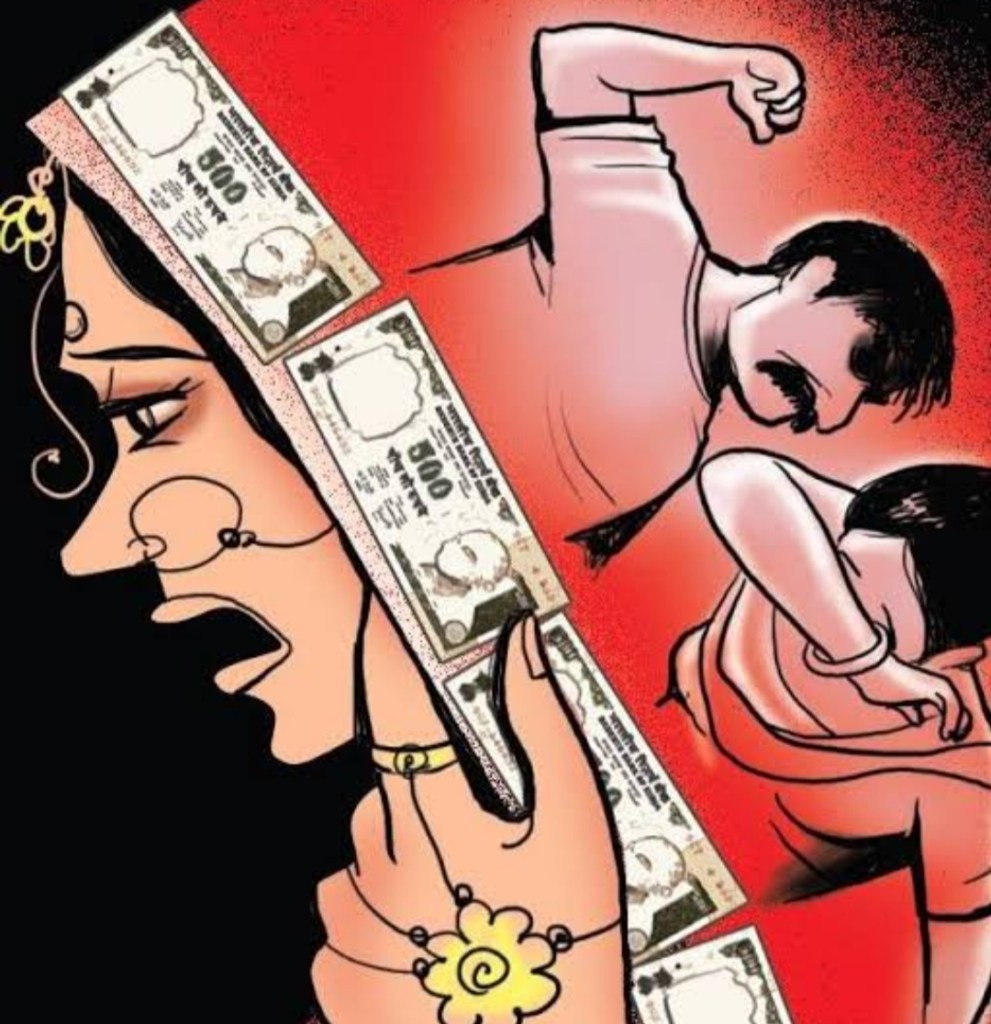
Dowry in India, the practice of endowing gifts to the groom by the bride’s family, is a tradition which changed its meaning from willingly offering gifts to demanding astronomical amounts. It not only puts immense pressure on parents but also brings them under the burden of huge debt. The inhumane circumstances created by groom’s family push many girls to suicide or murder. The moral and ethical code of conduct of eminent personalities concerns our society as their behaviour is keenly watched by the people. The present cause of concern is the decline of values in public figures. In such a situation , the representative of the people have to set high standards of behaviour in public life. Members of Parliament not only represent the society but also lead it. Therefore, they have to function as a role models and this naturally casts on them a heavy responsibility . Our freedom fighters and national leaders had set high ethical and moral standards in public life and they scrupulously followed those principles . This tendency , it is painfully observed , is now on decline. There has been a wide and critical collapse of moral values in all walks of life which is adversely affecting our global , political and trade relations and national economy. Increasing development has also increased discontent , corruption , unemployment, violence , communal and racial discord and has added to human distress, destruction and disillusionment. Barring this, the caste system , is another curse  in society . Though not so rigid in urban areas, it is still practised in rural areas with the same degree of rigidness. Caste decides man’s marriage , social circle and profession. The untouchables suffer from numerous disabilities and restrictions . Their dress , food , place of residence , all are in degraded state. Not only is it humiliating and inhuman and against the democratic principle of equality by birth , it is also a cause of social disintegration. Thus, it has to be fought against. Another problem that our society faces is the rapid criminalization of the polity, this could be the result of the fact that criminals have understood  the mechanics of the electoral process and have themselves become contenders for power. Earlier , politicians patronized criminals and provided them protection from the law – enforcement agencies in exchange for the use of their muscle power during elections. And now it is the opposite , with the criminals themselves taking over the reigns of power to meet their selfish ends and patronizing the politicians and their parties. Of late, there has been an increasing exposure of the criminals in the governing system of the country, to the extent that it alienates the common people from power.
The criminalization of politics is a reflection of , and a factor that aggregates the crisis of the political system. Only a qualitative change that transforms the system from its very roots can resolve this problem for the betterment of people. In the rural economy, both unemployment and under employment exist side by side and the distinction between them is by no means sharp. In rural areas, increasing population implies an increasing pressure on land . This pressure on land has resulted in an increase in the number of agriculturists , and this has largely contributed to the problem of unutilized labour or disguised unemployment in the agricultural sector. A large labour force accumulates around primary occupations . A general inelasticity of occupational structure prevents any large movement to other occupations in periods of slack demand. This also leads to seasonal unemployment . In short, the major feature of rural unemployment is the existence of unemployment in the form of disguised unemployment and seasonal unemployment rather than open unemployment that exists in the urban areas

THANKYOU !

10 Foods That Help Reduce Joint Pain

Ben Franklin was right when he said: “An ounce of prevention is worth a pound of cure.” We agree, so our orthopedic specialists encourage patients to adopt dietary and exercise habits that support strong bones and joints.

1. Omega-3 Fatty Acids / Fish Oils

Cold-water fish are a terrific source of Omega-3s fatty acids, which are essential nutrients for human health. These important nutrients are also sometimes referred to as polyunsaturated fatty acids. Not only are they proven to reduce inflammatory proteins in the body, but they also improve brain function and lower risk of heart disease, diabetes and other illnesses.

Omega-3 can be found in cold-water fish such as tuna, salmon, trout, halibut and sardines. Taking a daily fish oil supplement is another way to absorb Omega-3s.

2. Nuts and Seeds

There’s good news for the vegans and vegetarians among us. Omega-3s can also be found in a variety of nuts and seeds. A small daily portion of walnuts, almonds, flax seeds, chia seeds or pine nuts can help reduce inflammation in the joints and connective tissue.

3. Brassica Vegetables

What are those, you might ask. Also known as cruciferous vegetables, brassicas are commonly associated with the mustard and cabbage family. Leafy greens like mustard greens, arugula, kale and purple cabbage are in the brassica family. Several other popular (and tasty!) vegetables make the list, including broccoli, cauliflower and Brussel sprouts.

This particular subset of the vegetable population has been known to block an enzyme that causes swelling in the joints. Plus, they’re chocked full of fiber, vitamins and nutrients for overall health and well-being.

4. Colorful Fruits

Fruits sometimes get a bad rap because of their high sugar content, but many are excellent antioxidants. Just like with vegetables, certain fruits are more effective than others in reducing inflammation in the body.

We’re particularly partial to blueberries, which are high in anthocyanins – one of the most powerful flavonoids. These help “turn off” inflammatory responses in the body.

Apples are another fiber-rich, anti-inflammatory fruit, and they deliver added benefits for gut health.

Pineapple is also on our short list for its bromelain content, a nutrient that has shown to reduce joint pain caused by osteoarthritis and rheumatoid arthritis. However, most of the bromelain is found in the stem and core of the pineapple, so blend the core into a smoothie to get the maximum benefit.

5. Olive Oil

Toss out your vegetable oil, sunflower oil and peanut oil – all of which can increase inflammation. Instead, opt for a few tablespoons of olive oil for cooking and making salad dressings. Better yet, go with the extra virgin variety that is less processed. Often associated with a Mediterranean diet, olive oil is an unsaturated “healthy” fat. And guess what … it’s another source of Omega-3!

6. Lentils and Beans

Beans and lentils are known for their health benefits. They’re an excellent source of protein, fiber and essential minerals. They also have antioxidant and anti-inflammatory properties. Black beans, lentils, chickpeas, pinto beans and soybeans are all great sources of anthocyanins – that magical flavonoid that reduces inflammation.

7. Garlic and Root Vegetables

Garlic, onions, ginger and turmeric have anti-inflammatory properties. Various studies have shown that these pungent root vegetables can be useful in treating symptoms of arthritis and other joint pain. Incorporate these vegetables into meals for added flavor. Plus, they’re all available in a supplement.

8. Whole Grains

Research suggests that proteins found in refined grains (such as white bread, white rice and regular pasta) may trigger an inflammatory response in the body. However, high-fiber whole grains help produce fatty acids that are thought to counteract inflammation. Therefore, stick with the whole grains.

9. Bone Broth

Glucosamine, chondroitin and amino acids are well documented to help maintain healthy joints, while calcium is essential for bone density. Bone broth contains all of these. The gelatin-like substance that comes from cooking bones mimics collagen that occurs naturally in our joints, tendons and ligaments. Whether or not bone broth can actually stimulate regrowth of cartilage is a fiercely debated topic in the medical filed. But taken regularly as an oral supplement, it has been known to reduce joint pain and increase function for people with arthritis.

10. Dark Chocolate

Now we’re talking! Indeed, chocolate has anti-inflammatory properties. Cocoa, the main ingredient in chocolate, contains antioxidants that can counteract genetic predisposition to insulin resistance and inflammation. The higher the percentage of cocoa in the chocolate, the higher its anti-inflammatory effect.

But remember, chocolate can be high in sugar and fat, so enjoy it in moderation. If you’re going to indulge, choose chocolate that is at least 70% cocoa.

10 SELF-MADE WOMEN OF INDIA

Vandana Luthra (VLCC)

Vandana Luthra is an Indian businesswoman, philanthropy and chairperson of the beauty and wellness sector skill council(B&WSSC). In 1989, she started the company called VLCC as a beauty and slimming service centre.

Kiran Mazumdar Shaw (Biocon Limited)

Kiran Mazumdar Shaw is known as India’s wealthiest self-made women entrepreneur who found a biopharamaceutical firm in 1978. This firm has entered in US biosimilars market ad is getting the attention of investors.

Priya Paul(Park Hotel)

Priya Paul is an Indian woman entrepreneur who is chairperson of Apeejay Surrendra park hotels. After finishing her studies from Wellesley College(US), she startred working under her father as a marketing manager.

Ritu Kumar(Fashion Designer)

Ritu Kumar is an Indian fashion designer who began her Fashion career in Kolkata. Initially, she was making bridal wear and evening clothes. After decades, she entered an international market. She has been operating her business in several different forging cities France and New York.

Suchi Mukherjee(Limeroad)

In 2012, Suchi Mukherjee created online clothing and lifestyle accessories marketplace and named Limeroad. Today this company is known as India’s most stylish online shopping website for men and women.

Indra Nooyi (Amazon)

Indra Nooyi is a former CEO of PepsiCo who has joined Amazon’s board of directors. After completing a master’s degree from Yale School of management, she worked as aproduct manager at Johnson & Johnson.

Aditi Gupta (Menstrupedia)

Aditi Gupta is an author and the co-founder of the Menstrupedia. Aditi and her husband created a comic book to illustrate and educate girkls anout menstruation. Later, they created a website called menstrupedia.com.

Falguni Nayar (Nykaa)

After working 20 years as an investement banker with Kotak Mahindra, she left the job to pursue her own dream. In 2012 she started company Nykaa, which sells online cosmetic and wellness products. Today, the company has become so famous among Indian women.

Vani Kola(Kalaari Capital)

Vani Kola is a venture capitalist and founder an d mangung director of Kalaari Capital. She has done her masters of science degree from Arizona State University. Duribg her 22 years in Silicon Valley, she founded two company Rightwrok and Certus software.

Radhika Ghai (Shopclues)

Equipped with more that 15 years of marketing experience in several industriues such S Fashion & lifestyle, advertising & public relations, and others. She became co-founder of Shopclues.com. In 2011, the company was founded in Silicon Valley.

Top 5 tourist destination of Jaipur that you must visit

Jaipur is always honored for its magnetic heritage beauty which is indiscreet from more than thousands of years. And, if you are a lover of the wild, culture and history, then travel to Jaipur and celebrate this day by visiting some of its Heritage Sites.No trip to India is complete without spending time in Jaipur. Affectionately nicknamed “The Pink City” for the blushing color of its historic buildings, Jaipur is a princely wonderland of culture and heritage, brimming with architectural gems.

Jaipur, the Pink City of India, is an exotic destination, to say the least. From royal palaces to peppy pubs and from regal forts to plush restaurants, the city offers a fascinating mix of attractions for an avid traveler. And let’s not forget the welcoming vibe of the city, a quality that’s inherent to Rajasthan’s imperial culture and heritage. Even the hotels in Jaipur extend warm hospitality to their guests. When you are in such a warm and vibrant setting, there’s just one thing you should do – soak in the splendor of the city to the hilt. It Jaipur holds the distinction of being the first planned city of India. Renowned globally for its coloured gems, the capital city of Rajasthan combines the allure of its ancient history with all the advantages of a metropolis. The bustling modern city is one of the three corners of the golden triangle that includes Delhi, Agra and Jaipur.

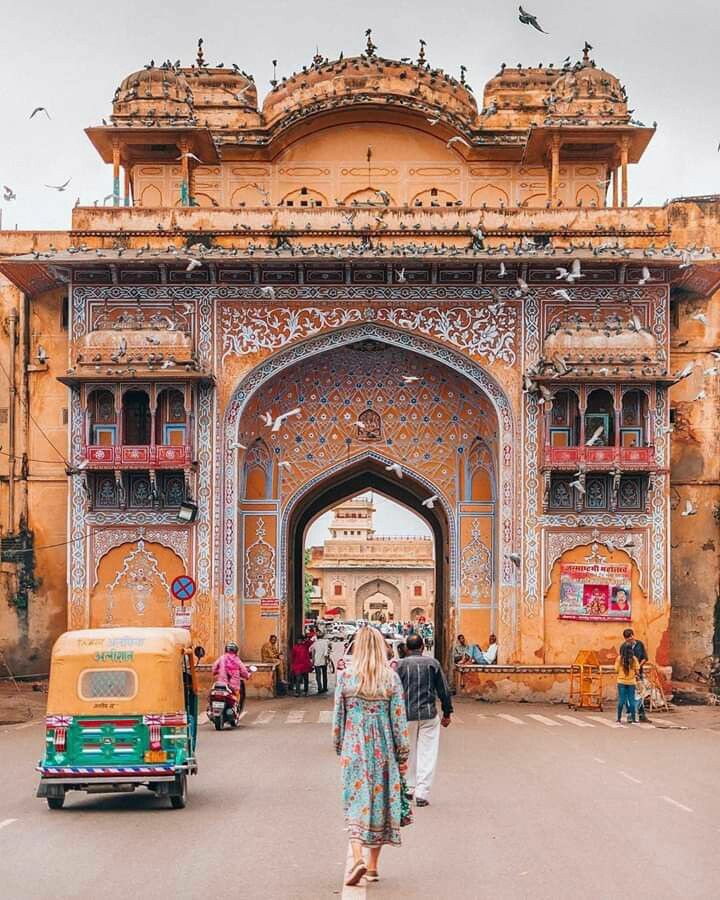
The spatial organization of the historic walled city of Jaipur continues to reflect the 18th century grid-iron plan. The architectural components like the gates and city walls, bazaars, chaupars and chowkris, historic structures, havelis, religious buildings, and water structures reflect the urban ensemble of the walled city of Jaipur as conceived from the 18th to the early 20th centuries. The materials and substance are largely original, primarily lime and stone. The bazaars (market areas) have been recently conserved using traditional materials. In some cases, 20th century structures use cement concrete but recreate the original architectural vocabulary.If you fancy elephant rides, you need to be in Jaipur to have a royal ride on the elephants. You can customize the rides the way you want, take elephant rides on jungles, through villages, in Biological Park and many more.If these are not enough to decide in favor of Jaipur, go ahead and have a look at the top list of attractions in Jaipur.

There is no death of historical places in Jaipur. A city with that embodies vibrant royalty and heritage, Jaipur is a must-visit for history buffs.Here is the list of 5 Top Historical Places In Jaipur & Best Monuments In The City.

1.Hawa mahal

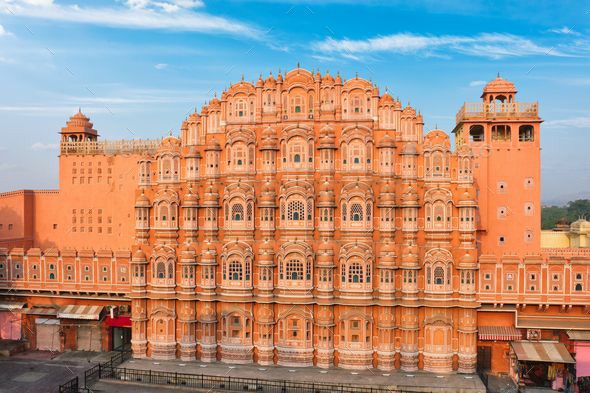
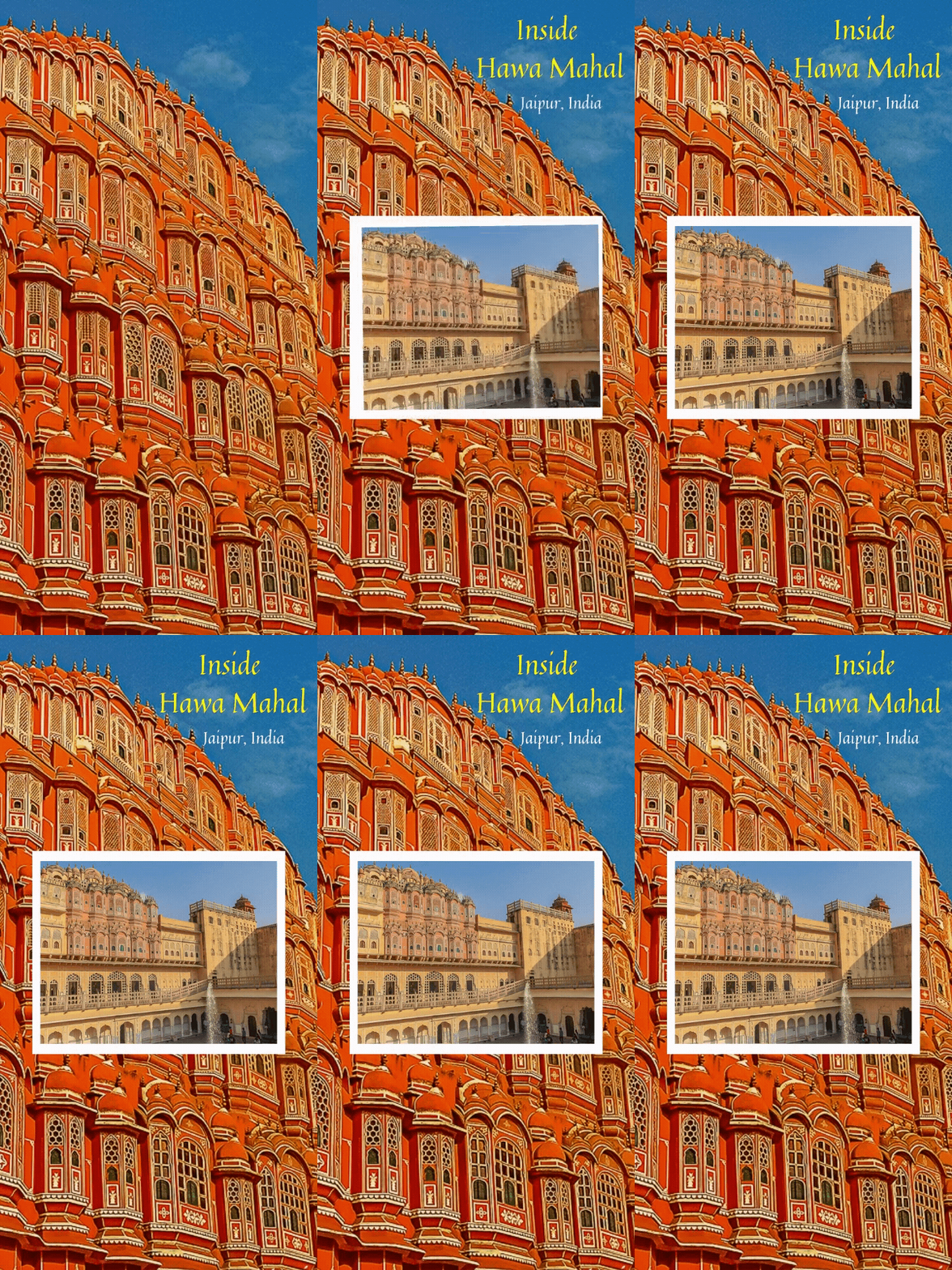
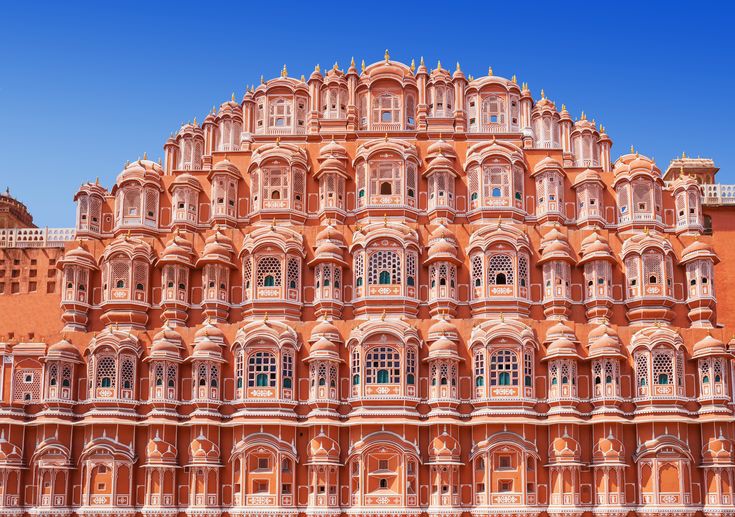
Hawa Mahal is also known as the palace of Winds because of its striking five-storey exterior, which is akin to honeycomb 953 peep windows that keep the palace cool when wind blows. Interestingly, Hawa Mahal is the tallest building in the world without any foundation and there’s isn’t any door in the front; the palace can be entered from behind. It is regarded as the signature building of Jaipur and was built by Maharaja Sawai Pratap Singh. It is an iconic historical place of Jaipur. Hawa Mahal derives its name from its unique structure, which is a mesh of small windows that allowed cool wind to enter the palace and hence kept the palace comfortable during the hot summer months.

2.Amer fort

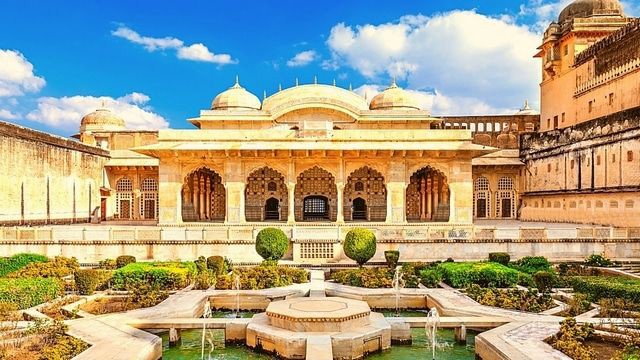
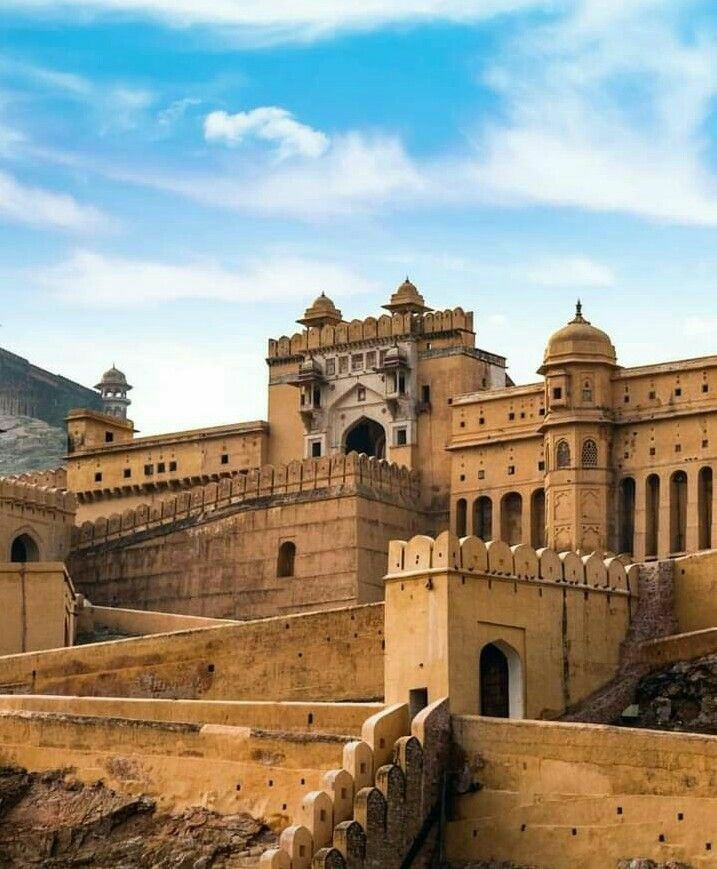
Amer Fort is a majestic citadel built by HH Maan Singh Ji I. The capital of Rajasthan before Jaipur , it is popular among local and overseas tourists for the temples , elephant rides right up to the fort and the Sound and Light Show narrated in Amitabh Bachchan’s baritone, which is a pure tribute to Rajputana heritage. The Sheesh Mahal within the fort, which is festooned with thousands of glass mirrors on its walls and ceiling, offers a fascinating aura to the visitors of this UNESCO’s World Heritage Site in Jaipur. It once served as a capital city of Rajasthan and is one of a prominent tourist attraction today with visitors coming from all over the globe.

3.city palace

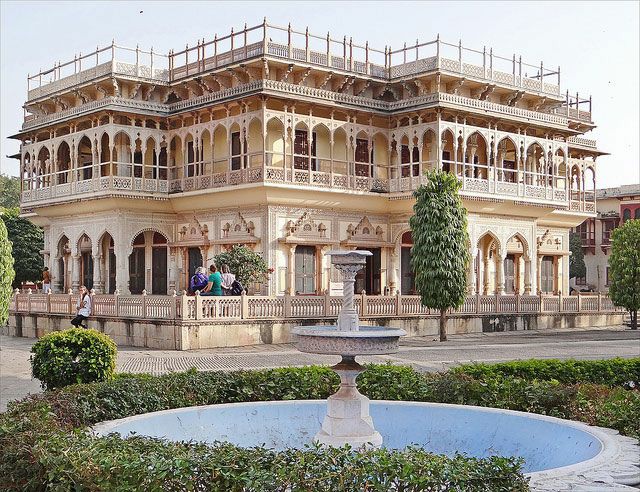
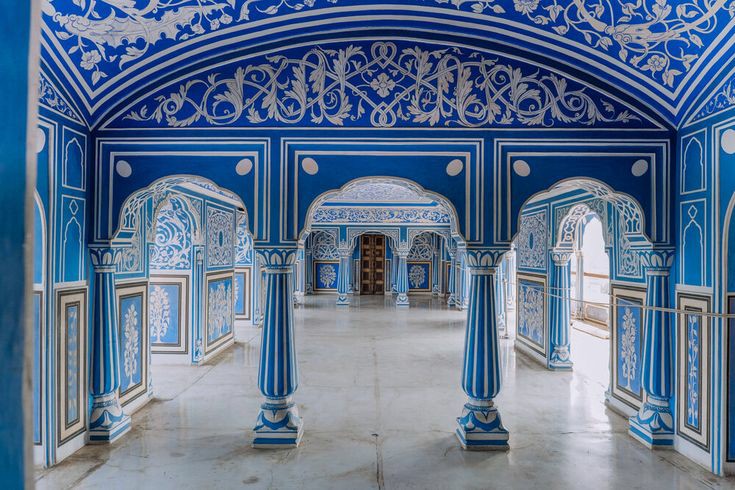
Located in the heart of the city, the City Palace is one of the most remarkable tourist attractions in Jaipur. The architecture of this palace is a splendid blend of Rajput and Mughal styles.Protected by huge guard walls, the fairy-tale-like structure is still the home of Jaipur’s modern-day royal family, and is more extravagant and enchanting than you might imagine. Adorned with sprawling gardens, courtyards, halls, royal residences, and art galleries, every part of this palace reflects Rajputana glory. The palace also houses a museum where you will come across the royal garments used by Maharaja Sawai Man Singh II and Maharaja Sawai Madho Singh I.The current occupants reside in the most eye-catching building, the Chandra Mahal, an elegant structure with curved eaves and domed rooftops. Each of its seven stories features an entirely different style. The ground floor is included in the price of admission, but you’ll need to book a private tour to go upstairs.

4.Nahargarh Fort

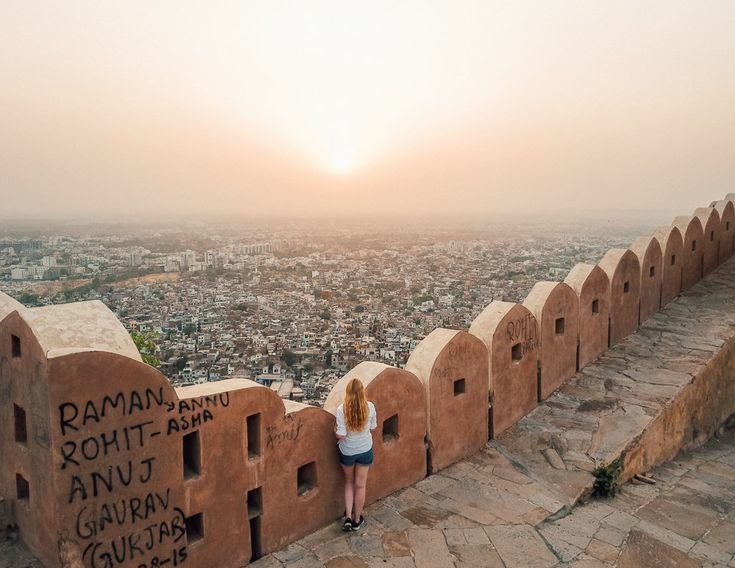
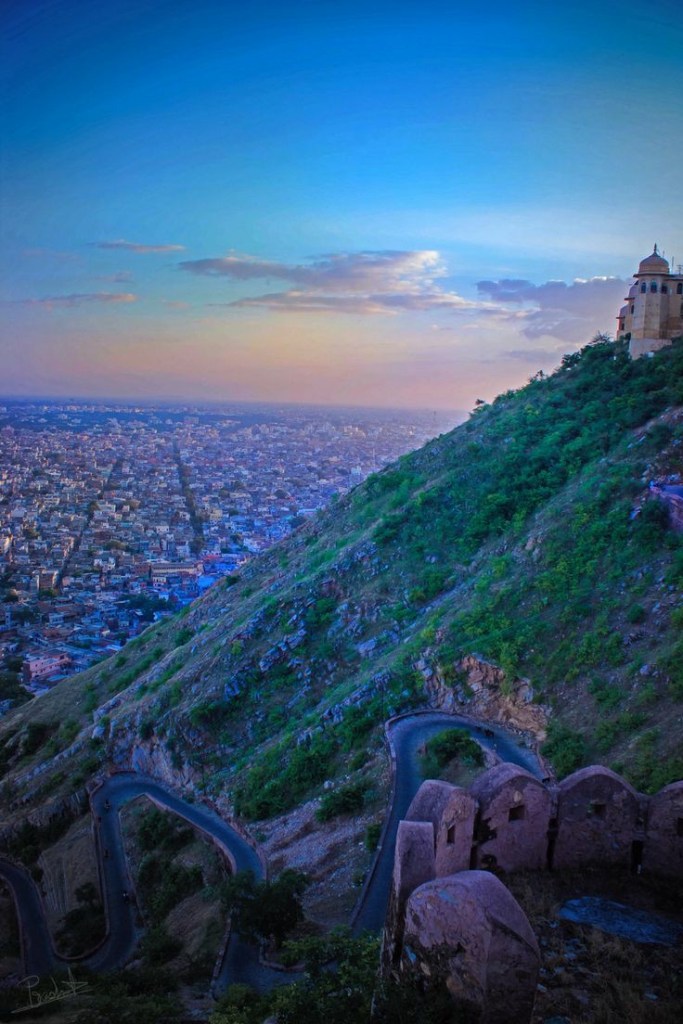
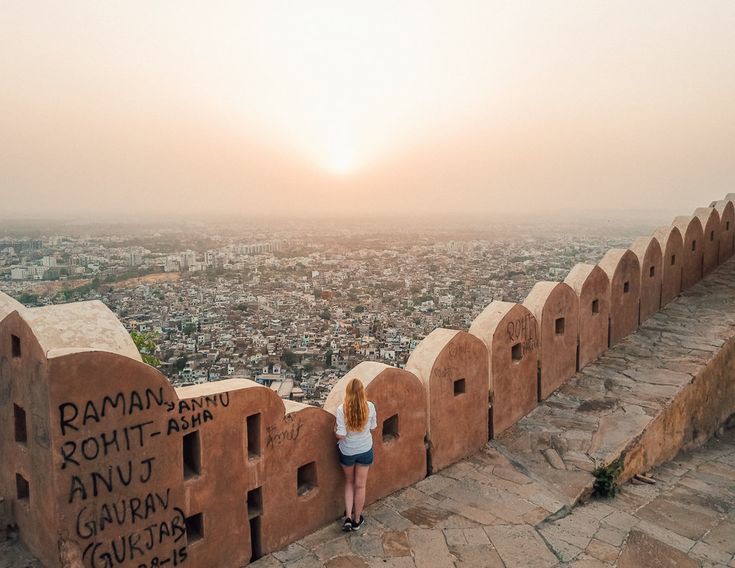
The rocky ridges of the Aravali Hills cradle Nahargarh Fort, a majestic monument that overlooks Jaipur and offers a stunning view of the city’s landscape. Built in 1734 by Jai Singh II, the then Maharaja of Jaipur, Nahargarh Fort was part of the city’s defense circle, along with Amer Fort and Jaigarh Fort. The fort served as a hunting retreat for the royal family. Today it is a splendid viewpoint to watch glorious sunsets over the Pink City. When it comes to sightseeing around Jaipur, the views don’t get better than what you’ll find at Nahargarh Fort.Also known as Tiger Fort, the nearly 300-year-old fort overlooks the entire city from atop the Aravalli Hills—a prime location for the structure to defend Jaipur against enemies many years ago.

5.Galta Ji

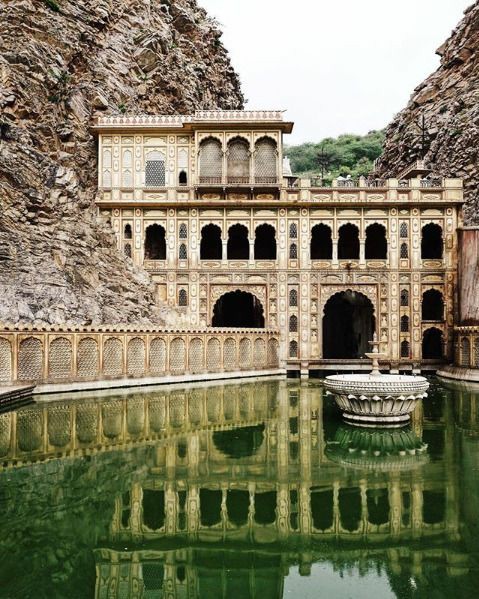
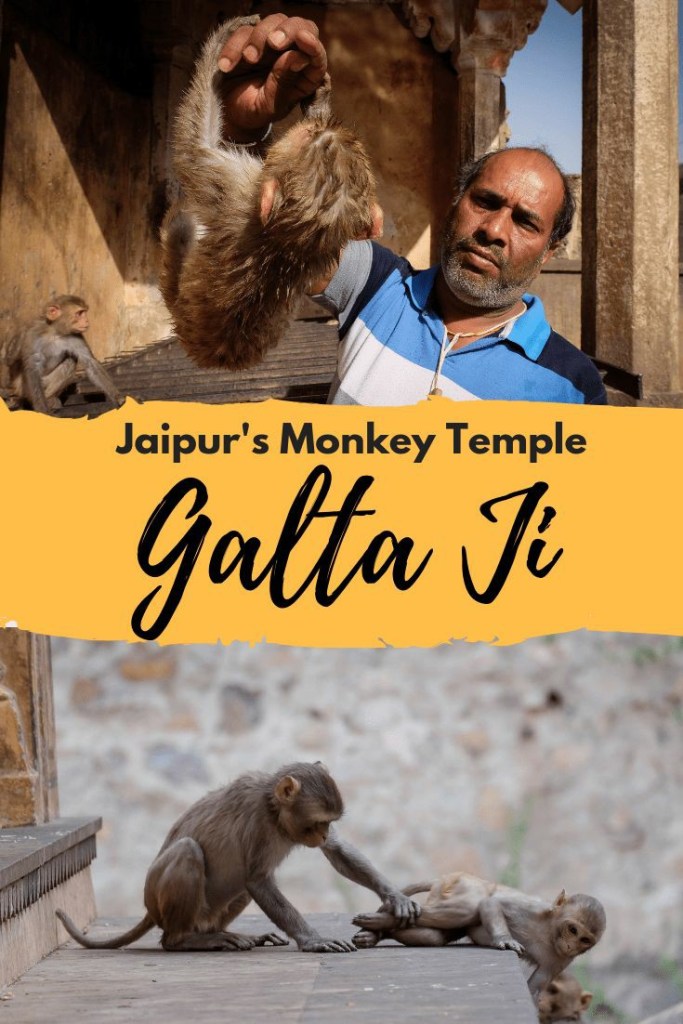
Nestled between cliffs, the temple features a few sacred water tanks, some with modest fountains, as well as frescoes that tell tales about Hindu god Krishna.While the official name for this place is Galta Ji, it’s better known as the Monkey Temple for the hundreds of macaques and langurs that live here. Daring tourists might opt to buy a handful of peanuts at the gate to tempt the monkeys, but you’re better off just watching the rambunctious creatures from a distance.This temple complex is known for its brilliant architecture and religious significance.Visitors and pilgrims can ascend the crevasse, continuing past the highest water pool to a hilltop temple from there are views of Jaipur and its fortifications spreads out across the valley floor. It is believed that a Saint named Galav lived here, practiced meditation, and did penance.

There is no end to the tourist destination in Jaipur but the above mentioned are probably the most famous and most visited destination in Jaipur. No place in india is culturally as rich as jaipur and above all , the various monuments and palaces adds to its beauty. If you are passionate about the strong forts and marvelous architecture that flaunt the expertise of old artisans,then Jaipur is where you need to be on your next vacation.

About that author – Robert Frost 

Robert Frost, most famous among us for his poem The Road not Taken which a lot of us might remember reading in school is one considered as one of the most famous poets in the world.  

Early Life 

Robert Lee Frost was born in 1874, in San Francisco, California and later moved to Lawrence, Massachusetts in 1885 after his father’s death. Frost’s father was a journalist and he died in 1885 due to tuberculosis. Frost’s mother took him and his sibling to their grandparents in Massachusetts.

Frost graduated from high school in 1892 and was at the top of his class. He showed an interest in poetry from an early age which he continued to pursue even after his graduation. 

Robert got into Dartmouth College and in 1894, his first piece of work was published “My Butterfly: An Elegy” in a weekly newsletter named The Independent. Frost dropped out of college in less than a year because the routine was too monotonous for him and he had grown tired of it. In 1895, he married his high school sweetheart Elinor Miriam White who shared the interest of poetry with frost. 

Adult Life 

In 1897, Frost went to Harvard University but was forced to leave 2 years later in 1898 due to illness. Between 1900 and 1909 Frost worked on a farm  near Derry, New Hampshire, which his grandmother had left for him before he died. He also worked as an english teacher in Pinkerton Academy while working on the farm and raising poultry there. During this time Frost wrote a lot of poems which were published later on and later became famous for as well. 

In 1912, Frost and his family set sail for England and settled there. The very next year he published his first book of poetry titled “A Boy’s Will” which included poems such as Storm Fear,“”The Tuft of Flowers”. The next year he published another book of poetry  North of Boston which included  “Mending Wall,” “The Death of the Hired Man,” “Home Burial” and a lot more famous poems of his. 

Publications and Success 

During  World War I the family had to move back to America where an edition of  A Boy’s Will which went on to become the best seller. 

Frost was awarded 4 Pulitzer Prizes throughout his career for  New Hampshire in 1924,  Collected Poems in 1931, A Further Range in 1937 and A Witness Tree in 1943. Frost served as a resident poet in multiple colleges and universities between 1939 and 1963. 

After having an extremely successful career and making a profound impact in the world of poetry he died in 1963 at the age of 88 due to some complications from a surgery. He is survived by his eternal multitude of work. 

Frost’s work revolved around despair that follows existence. His poems are described as poems that are a reflection of common people. He used poetic vocabulary and beautiful metaphors to describe some of the most common yet stark things of human life. He could write about one of the most abject experiences in one of the most beautiful of ways. 

IPL 2021: Proud to leave legacy behind? I haven’t left yet, says MS Dhoni as CSK fans cheer

CSK Vs KKR: Congratulatory Wishes Pour In As Chennai Super Kings Win IPL  Final 2021

DUBAI: Mahendra Singh Dhoni in his matchless style kept inquiries on his IPL retirement open-finished yet conceded that a great deal of things will rely upon the sort of maintenance strategy that BCCI sets up for the huge sale one year from now.

Dhoni, who is set to join the Indian group as ‘Coach’ for the T20 World Cup, talked concerning how he might want to make a guide for the following 10 years of IPL that Chennai Super Lords will play.

When inquired as to whether he was glad to have abandoned an inheritance in the 12 seasons for CSK, Dhoni guaranteed his million fans with a wide smile, “Still I haven’t left behind….”

However, he said that he hasn’t chose how he would squeeze into the maintenance plan of things.

“Again I’ve said it previously, it relies upon BCCI. With two new groups coming in……we need to choose what is useful for CSK,” the captain said after his group won the fourth IPL title by beating Kolkata Knight Riders in the last.

“It’s not with regards to me being there in top-three or four. It’s tied in with making a solid center to guarantee the establishment doesn’t endure. The center gathering, we must have a hard hope to see who can contribute for the following 10 years,” he added.

Dhoni was glad that a ton of individual match-champs have CSK to their fourth prize.

“We had match champs coming many more than one game and doing all around well. Each last is uncommon, in the event that you take a gander at details, we might say we’re the most reliable group to lose the last as well. I feel return solid, particularly in the knockouts,” he said.

Dhoni additionally clarified that he isn’t particularly into group gatherings as the normal ability to focus during these gatherings are 20 minutes.

“To be perfectly honest no visits, we don’t ramble (gatherings). It’s more one-on-one, our training meetings are meeting meetings. The second you get into a group room, it achieves diverse strain. Our training meetings have been acceptable.”

he ‘Thala’ had a directive for the CSK fans.

“I couldn’t want anything more than to thank the fans, any place we’ve played, in any event, when we were in South Africa, we’ve generally had a lot of CSK fans. That is the thing that you want for. On account of every one of them, it seems like we’re playing in Chennai. Ideally we’ll be back in Chennai for the fans.”

He additionally toward the beginning adulated KKR for a fine show as they returned from two focuses in seven games to arrive at the last which is an accomplishment in itself.

“Before I begin discussing CSK, need to discuss KKR. Hard to return and do what they have, if any group had the right to win the IPL, it’s KKR. Colossal credit to the mentors, group and care staff. The break truly helped them.”

Former US President Clinton improving but will remain hospitalised

The former president’s spokesperson said that Bill Clinton’s white blood count has decreased, indicating his health is improving.

Former US President but he will remain in a California hospital for at least another night to receive antibiotics intravenously for a urological infection that spread to his bloodstream, his spokesperson said on Friday.

The 75-year-old Clinton, who served as president from 1993 to 2001, entered the University of California Irvine Medical Center on Tuesday evening after suffering from fatigue. He spoke with President Joe Biden on Friday.

All health indicators are trending in the right direction, including his white blood count which was decreased significantly,” Urena said on Twitter. “In order to receive further IV antibiotics, he will remain in the hospital overnight.”

Since his admission to the intensive care unit at the hospital, Clinton has received fluids along with antibiotics, his doctors said.

His wife, former Secretary of State and 2016 Democratic presidential nominee Hillary Clinton, was at the hospital on Thursday and Friday, and the two read books and talked about politics, Urena told Reuters. It remained unclear when Clinton would be released.

Biden said Clinton would likely go home soon, though it was not clear whether he would be released on Saturday or later. “He is getting out shortly. … Whether that’s tomorrow or the next day, I don’t know,” Biden told reporters in Connecticut. “He’s doing fine. He really is.”

On Thursday, Urena said Clinton was “up and about, joking and charming the hospital staff.”

Clinton, who was in California to attend a dinner and reception for his foundation in Los Angeles County, has dealt with health problems in the past, including a 2004 quadruple bypass surgery and a 2010 procedure to open a blocked artery.

The Democrat served two terms in the White House, overseeing strong economic growth while engaging in bruising political battles with congressional Republicans. The Republican-controlled House of Representatives impeached him in 1998 on charges arising from his sexual relationship with White House intern Monica Lewinsky, but Clinton was acquitted by the Senate.

He was only the second US president to be impeached. Donald Trump would later become the third when he was impeached twice during his term.