Multiple myeloma

Multiple myeloma (MM), also known as plasma cell myeloma and simply myeloma, is a cancer of plasma cells, a type of white blood cell that normally produces antibodies. Often, no symptoms are noticed initially. As it progresses, bone painanemiakidney dysfunction, and infections may occur. Complications may include amyloidosis.

The cause of multiple myeloma is unknown. Risk factors include obesityradiation exposure, family history, and certain chemicals. Multiple myeloma may develop from monoclonal gammopathy of undetermined significance that progresses to smoldering myeloma. The abnormal plasma cells produce abnormal antibodies, which can cause kidney problems and overly thick blood. The plasma cells can also form a mass in the bone marrow or soft tissue. When one tumor is present, it is called a plasmacytoma; more than one is called multiple myeloma. Multiple myeloma is diagnosed based on blood or urine tests finding abnormal antibodies, bone marrow biopsy finding cancerous plasma cells, and medical imaging finding bone lesions. Another common finding is high blood calcium levels.

Multiple myeloma is considered treatable, but generally incurable. Remissions may be brought about with steroidschemotherapytargeted therapy, and stem cell transplant. Bisphosphonates and radiation therapy are sometimes used to reduce pain from bone lesions.

Globally, multiple myeloma affected 488,000 people and resulted in 101,100 deaths in 2015.In the United States, it develops in 6.5 per 100,000 people per year and 0.7% of people are affected at some point in their lives. It usually occurs around the age of 60 and is more common in men than women.It is uncommon before the age of 40. Without treatment, the median survival in the prechemotherapy era was about 7 months. After the introduction of chemotherapy, prognosis improved significantly with a median survival of 24 to 30 months and a 10-year survival rate of 3%. Even further improvements in prognosis have occurred because of the introduction of newer biologic therapies and better salvage options, with median survivals now exceeding 60 to 90 months. With current treatments, survival is usually 4–5 years. The five-year survival rate is about 54%. The word myeloma is from the Greek myelo- meaning “marrow” and -oma meaning “tumor”.

Risk factors

Studies have reported a familial predisposition to myeloma. Hyperphosphorylation of a number of proteins—the paratarg proteins—a tendency that is inherited in an autosomal dominant manner, appears a common mechanism in these families. This tendency is more common in African-American with myeloma and may contribute to the higher rates of myeloma in this group.

Plasma cell

Plasma cells, also known as plasma B cells, are white blood cells that are produced by B lymphocytes in the lymphoid organs and express huge amounts of proteins called antibodies in response to certain substances called antigens. These antibodies are delivered from plasma cells to the target antigen (foreign substance) through blood plasma and the lymphatic system, where they begin neutralisation or destruction. B cells differentiate into plasma cells, which produce antibody molecules that are very similar to the precursor B cell’s receptors.

Structure

Plasma cells are large lymphocytes with abundant cytoplasm and a characteristic appearance on light microscopy. They have basophilic cytoplasm and an eccentric nucleus with heterochromatin in a characteristic cartwheel or clock face arrangement. Their cytoplasm also contains a pale zone that on electron microscopy contains an extensive Golgi apparatus and centrioles (EM picture). Abundant rough endoplasmic reticulum combined with a well-developed Golgi apparatus makes plasma cells well-suited for secreting immunoglobulins. Other organelles in a plasma cell include ribosomes, lysosomes, mitochondria, and the plasma membrane.

Surface antigens

Terminally differentiated plasma cells express relatively few surface antigens, and do not express common pan-B cell markers, such as CD19 and CD20. Instead, plasma cells are identified through flow cytometry by their additional expression of CD138CD78, and the Interleukin-6 receptor. In humans, CD27 is a good marker for plasma cells; naïve B cells are CD27-, memory B-cells are CD27+ and plasma cells are CD27++.

The surface antigen CD138 (syndecan-1) is expressed at high levels.

Another important surface antigen is CD319 (SLAMF7). This antigen is expressed at high levels on normal human plasma cells. It is also expressed on malignant plasma cells in multiple myeloma. Compared with CD138, which disappears rapidly ex vivo, the expression of CD319 is considerably more stable.

Development

After leaving the bone marrow, the B cell acts as an antigen-presenting cell (APC) and internalizes offending antigens, which are taken up by the B cell through receptor-mediated endocytosis and processed. Pieces of the antigen (which are now known as antigenic peptides) are loaded onto MHC II molecules, and presented on its extracellular surface to CD4+ T cells (sometimes called T helper cells). These T cells bind to the MHC II-antigen molecule and cause activation of the B cell. This is a type of safeguard to the system, similar to a two-factor authentication method. First, the B cells must encounter a foreign antigen and are then required to be activated by T helper cells before they differentiate into specific cells.

Upon stimulation by a T cell, which usually occurs in germinal centers of secondary lymphoid organs such as the spleen and lymph nodes, the activated B cell begins to differentiate into more specialized cells. Germinal center B cells may differentiate into memory B cells or plasma cells. Most of these B cells will become plasmablasts (or “immature plasma cells”), and eventually plasma cells, and begin producing large volumes of antibodies. Some B cells will undergo a process known as affinity maturation.This process favors, by selection for the ability to bind antigen with higher affinity, the activation and growth of B cell clones able to secrete antibodies of higher affinity for the antigen.

Immature plasma cells[edit]

The most immature blood cell that is considered of plasma cell lineage is the plasmablast. Plasmablasts secrete more antibodies than B cells, but less than plasma cells. They divide rapidly and are still capable of internalizing antigens and presenting them to T cells. A cell may stay in this state for several days, and then either die or irrevocably differentiate into a mature, fully differentiated plasma cell. Differentiation of mature B cells into plasma cells is dependent upon the transcription factors Blimp-1/PRDM1 and IRF4

B cell

B cells, also known as B lymphocytes, are a type of white blood cell of the lymphocyte subtype. They function in the humoral immunity component of the adaptive immune system. B cells produce antibody molecules; however, these antibodies are not secreted. Rather, they are inserted into the plasma membrane where they serve as a part of B-cell receptors. When a naïve or memory B cell is activated by an antigen, it proliferates and differentiates into an antibody-secreting effector cell, known as a plasmablast or plasma cell. Additionally, B cells present antigens (they are also classified as professional antigen-presenting cells (APCs)) and secrete cytokines. In mammals, B cells mature in the bone marrow, which is at the core of most bones. In birds, B cells mature in the bursa of Fabricius, a lymphoid organ where they were first discovered by Chang and Glick, which is why the ‘B’ stands for bursa and not bone marrow as commonly believed.

B cells, unlike the other two classes of lymphocytes, T cells and natural killer cells, express B cell receptors (BCRs) on their cell membrane. BCRs allow the B cell to bind to a specific antigen, against which it will initiate an antibody response.

Antigen presentation is the process of a cell displaying antigen bound by major histocompatibility complex (MHC) proteins on its surface; this is known as antigen presentation. These complexes may be recognised by T cells via their T cell receptors (TCRs). Antigens are processed by APCs and presented to T-cells.

Antigens can be presented in a variety of ways by almost all cell types. They can be found in a wide range of tissues. Professional antigen-presenting cells, such as macrophages, B cells, and dendritic cells, present external antigens to helper T cells, whereas virus-infected cells (or cancer cells) can present cytotoxic T cells with antigens produced inside the cell.

Activation

B cell activation: from immature B cell to plasma cell or memory B cell

B cell activation occurs in the secondary lymphoid organs (SLOs), such as the spleen and lymph nodes. After B cells mature in the bone marrow, they migrate through the blood to SLOs, which receive a constant supply of antigen through circulating lymph. At the SLO, B cell activation begins when the B cell binds to an antigen via its BCR. Although the events taking place immediately after activation have yet to be completely determined, it is believed that B cells are activated in accordance with the kinetic segregation mode, initially determined in T lymphocytes. This model denotes that before antigen stimulation, receptors diffuse through the membrane coming into contact with Lck and CD45 in equal frequency, rendering a net equilibrium of phosphorylation and non-phosphorylation. It is only when the cell comes in contact with an antigen presenting cell that the larger CD45 is displaced due to the close distance between the two membranes. This allows for net phosphorylation of the BCR and the initiation of the signal transduction pathway. Of the three B cell subsets, FO B cells preferentially undergo T cell-dependent activation while MZ B cells and B1 B cells preferentially undergo T cell-independent activation.

B cell activation is enhanced through the activity of CD21, a surface receptor in complex with surface proteins CD19 and CD81 (all three are collectively known as the B cell coreceptor complex). When a BCR binds an antigen tagged with a fragment of the C3 complement protein, CD21 binds the C3 fragment, co-ligates with the bound BCR, and signals are transduced through CD19 and CD81 to lower the activation threshold of the cell.

Antigen-presenting cell

Antigen presentation is the process of a cell displaying antigen bound by major histocompatibility complex (MHC) proteins on its surface; this is known as antigen presentation. These complexes may be recognised by T cells via their T cell receptors (TCRs). Antigens are processed by APCs and presented to T-cells.

Antigens can be presented in a variety of ways by almost all cell types. They can be found in a wide range of tissues. Professional antigen-presenting cells, such as macrophages, B cells, and dendritic cells, present external antigens to helper T cells, whereas virus-infected cells (or cancer cells) can present cytotoxic T cells with antigens produced inside the cell.

Types and functions

Antigen-presenting cells fall into two categories: professional and non-professional. Those that express MHC class II molecules along with co-stimulatory molecules and pattern recognition receptors are often called professional antigen-presenting cells. The non-professional APCs express MHC class I molecules.

T cells must be activated before they can divide and perform their function. This is achieved by interacting with a professional APC which presents an antigen recognized by their T cell receptor. The APC involved in activating T cells is usually a dendritic cell. T cells cannot recognize (and therefore cannot respond to) “free” or soluble antigens. They can only recognize and respond to antigen that has been processed and presented by cells via carrier molecules like MHC molecules. Helper T cells can recognize exogenous antigen presented on MHC class II; cytotoxic T cells can recognize endogenous antigen presented on MHC class I. Most cells in the body can present antigen to CD8+ cytotoxic T cells via MHC class I; however, the term “antigen-presenting cell” is often used specifically to describe professional APCs. Such cells express MHC class I and MHC class II molecules and can stimulate CD4+ helper T cells as well as cytotoxic T cells.[2][3]

APCs can also present foreign and self lipids to T cells and NK cells by using the CD1 family of proteins, which are structurally similar to the MHC class I family.

Professional APCs

Professional APCs specialize in presenting antigens to T cells. They are very efficient at internalizing antigens, either by phagocytosis (e.g. macrophages), or by receptor-mediated endocytosis (B cells), processing the antigen into peptide fragments and then displaying those peptides (bound to a class II MHC molecule) on their membrane. The T cell recognizes and interacts with the antigen-class II MHC molecule complex on the membrane of the antigen-presenting cell. An additional co-stimulatory signal is then produced by the antigen-presenting cell, leading to activation of the T cell. The expression of co-stimulatory molecules and MHC class II are defining features of professional APCs. All professional APCs also express MHC class I molecules as well.

The main types of professional antigen-presenting cells are dendritic cells, macrophages and B cells.

Dendritic cells (DCs)

Dendritic cells have the broadest range of antigen presentation and are necessary for activation of naive T cells. DCs present antigen to both helper and cytotoxic T cells. They can also perform cross-presentation, a process by which they present exogenous antigen on MHC class I molecules to cytotoxic T cells. Cross-presentation allows for the activation of these T cells. Dendritic cells also play a role in peripheral tolerance, which contributes to prevention of auto-immune disease.

Prior to encountering foreign antigen, dendritic cells express very low levels of MHC class II and co-stimulatory molecules on their cell surface. These immature dendritic cells are ineffective at presenting antigen to T helper cells. Once a dendritic cell’s pattern-recognition receptors recognize a pathogen-associated molecular pattern, antigen is phagocytosed and the dendritic cell becomes activated, upregulating the expression of MHC class II molecules. It also upregulates several co-stimulatory molecules required for T cell activation, including CD40 and B7. The latter can interact with CD28 on the surface of a CD4+ T cell. The dendritic cell is then a fully mature professional APC. It moves from the tissue to lymph nodes, where it encounters and activates T cells.

Phagocytosis

Phagocytosis (from the Ancient Greek (phagein) ‘to eat’ and o, (kytos) ‘cell’) is the process by which a cell uses its plasma membrane to ingest a big particle (0.5 m), resulting in the formation of an internal compartment known as the phagosome. It’s a specific sort of endocytosis. A phagocyte is a cell that performs phagocytosis.

The act of a phagocyte absorbing a pathogen.
Phagocytosis is a major mechanism employed by a multicellular organism’s immune system to eliminate infections and cell debris. The phagosome then digests the ingested substance. Objects that can be phagocytized include bacteria, dead tissue cells, and microscopic mineral particles. Phagocytosis is a type of phagocytosis used by some protozoa.

Professional phagocytic cells

Light microscopic video sequence of a neutrophil from human blood phagocytosing a bacterium

Neutrophilsmacrophagesmonocytesdendritic cellsosteoclasts and eosinophils can be classified as professional phagocytes. The first three have the greatest role in immune response to most infections.

The role of neutrophils is patrolling the bloodstream and rapid migration to the tissues in large numbers only in case of infection. There they have direct microbicidal effect by phagocytosis. After ingestion, neutrophils are efficient in intracellular killing of pathogens. Neutrophils phagocytose mainly via the Fcγ receptors and complement receptors 1 and 3. The microbicidal effect of neutrophils is due to a large repertoire of molecules present in pre-formed granules. Enzymes and other molecules prepared in these granules are proteases, such as collagenasegelatinase or serine proteasesmyeloperoxidaselactoferrin and antibiotic proteins. Degranulation of these into the phagosome, accompanied by high reactive oxygen species production (oxidative burst) is highly microbicidal.

Monocytes, and the macrophages that mature from them, leave blood circulation to migrate through tissues. There they are resident cells and form a resting barrier.Macrophages initiate phagocytosis by mannose receptorsscavenger receptorsFcγ receptors and complement receptors 1, 3 and 4. Macrophages are long-lived and can continue phagocytosis by forming new lysosomes.

Dendritic cells also reside in tissues and ingest pathogens by phagocytosis. Their role is not killing or clearance of microbes, but rather breaking them down for antigen presentation to the cells of the adaptive immune system.

Initiating receptors

Receptors for phagocytosis can be divided into two categories by recognised molecules. The first, opsonic receptors, are dependent on opsonins. Among these are receptors that recognise the Fc part of bound IgG antibodies, deposited complement or receptors, that recognise other opsonins of cell or plasma origin. Non-opsonic receptors include lectin-type receptors, Dectin receptor, or scavenger receptors. Some phagocytic pathways require a second signal from pattern recognition receptors (PRRs) activated by attachment to pathogen-associated molecular patterns (PAMPS), which leads to NF-κB activation.

Fcγ receptors

Fcγ receptors recognise IgG coated targets. The main recognised part is the Fc fragment. The molecule of the receptor contain an intracellular ITAM domain or associates with an ITAM-containing adaptor molecule. ITAM domains transduce the signal from the surface of the phagocyte to the nucleus. For example, activating receptors of human macrophages are FcγRIFcγRIIA, and FcγRIII. Fcγ receptor mediated phagocytosis includes formation of protrusions of the cell called a ‘phagocytic cup’ and activates an oxidative burst in neutrophils.

Complement receptors

These receptors recognise targets coated in C3bC4b and C3bi from plasma complement. The extracellular domain of the receptors contains a lectin-like complement-binding domain. Recognition by complement receptors is not enough to cause internalisation without additional signals. In macrophages, the CR1CR3 and CR4 are responsible for recognition of targets. Complement coated targets are internalised by ‘sinking’ into the phagocyte membrane, without any protrusion

Apoptosis

Apoptosis (from Ancient Greek ἀπόπτωσιςapóptōsis, “falling off”) is a form of programmed cell death that occurs in multicellular organismsBiochemical events lead to characteristic cell changes (morphology) and death. These changes include blebbingcell shrinkagenuclear fragmentationchromatin condensationDNA fragmentation, and mRNA decay. The average adult human loses between 50 and 70 billion cells each day due to apoptosis. For an average human child between the ages of 8 and 14, approximately 20–30 billion cells die per day.

In contrast to necrosis, which is a form of traumatic cell death that results from acute cellular injury, apoptosis is a highly regulated and controlled process that confers advantages during an organism’s life cycle. For example, the separation of fingers and toes in a developing human embryo occurs because cells between the digits undergo apoptosis. Unlike necrosis, apoptosis produces cell fragments called apoptotic bodies that phagocytes are able to engulf and remove before the contents of the cell can spill out onto surrounding cells and cause damage to them.

Because apoptosis cannot stop once it has begun, it is a highly regulated process. Apoptosis can be initiated through one of two pathways. In the intrinsic pathway the cell kills itself because it senses cell stress, while in the extrinsic pathway the cell kills itself because of signals from other cells. Weak external signals may also activate the intrinsic pathway of apoptosis. Both pathways induce cell death by activating caspases, which are proteases, or enzymes that degrade proteins. The two pathways both activate initiator caspases, which then activate executioner caspases, which then kill the cell by degrading proteins indiscriminately.

In addition to its importance as a biological phenomenon, defective apoptotic processes have been implicated in a wide variety of diseases. Excessive apoptosis causes atrophy, whereas an insufficient amount results in uncontrolled cell proliferation, such as cancer. Some factors like Fas receptors and caspases promote apoptosis, while some members of the Bcl-2 family of proteins inhibit apoptosis.

The initiation of apoptosis is tightly regulated by activation mechanisms, because once apoptosis has begun, it inevitably leads to the death of the cell. The two best-understood activation mechanisms are the intrinsic pathway (also called the mitochondrial pathway) and the extrinsic pathway. The intrinsic pathway is activated by intracellular signals generated when cells are stressed and depends on the release of proteins from the intermembrane space of mitochondria. The extrinsic pathway is activated by extracellular ligands binding to cell-surface death receptors, which leads to the formation of the death-inducing signaling complex (DISC).

A cell initiates intracellular apoptotic signaling in response to a stress, which may bring about cell suicide. The binding of nuclear receptors by glucocorticoids, heat, radiation viral infection, hypoxia, increased intracellular concentration of free fatty acids and increased intracellular calcium concentration, for example, by damage to the membrane, can all trigger the release of intracellular apoptotic signals by a damaged cell. A number of cellular components, such as poly ADP ribose polymerase, may also help regulate apoptosis. Single cell fluctuations have been observed in experimental studies of stress induced apoptosis.

Before the actual process of cell death is precipitated by enzymes, apoptotic signals must cause regulatory proteins to initiate the apoptosis pathway. This step allows those signals to cause cell death, or the process to be stopped, should the cell no longer need to die. Several proteins are involved, but two main methods of regulation have been identified: the targeting of mitochondria functionality, or directly transducing the signal via adaptor proteins to the apoptotic mechanisms. An extrinsic pathway for initiation identified in several toxin studies is an increase in calcium concentration within a cell caused by drug activity, which also can cause apoptosis via a calcium binding protease calpain.

Cell culture

Cell culture is the process by which cells are grown under controlled conditions, generally outside their natural environment. After the cells of interest have been isolated from living tissue, they can subsequently be maintained under carefully controlled conditions. These conditions vary for each cell type, but generally consist of a suitable vessel with a substrate or medium that supplies the essential nutrients (amino acidscarbohydratesvitaminsminerals), growth factorshormones, and gases (CO2O2), and regulates the physio-chemical environment (pH bufferosmotic pressuretemperature). Most cells require a surface or an artificial substrate (adherent or monolayer culture) whereas others can be grown free floating in culture medium (suspension culture). The lifespan of most cells is genetically determined, but some cell culturing cells have been “transformed” into immortal cells which will reproduce indefinitely if the optimal conditions are provided.

In practice, the term “cell culture” now refers to the culturing of cells derived from multicellular eukaryotes, especially animal cells, in contrast with other types of culture that also grow cells, such as plant tissue culturefungal culture, and microbiological culture (of microbes). The historical development and methods of cell culture are closely interrelated to those of tissue culture and organ cultureViral culture is also related, with cells as hosts for the viruses.

The laboratory technique of maintaining live cell lines (a population of cells descended from a single cell and containing the same genetic makeup) separated from their original tissue source became more robust in the middle 20th century.

Concepts in mammalian cell culture

Cells can be isolated from tissues for ex vivo culture in several ways. Cells can be easily purified from blood; however, only the white cells are capable of growth in culture. Cells can be isolated from solid tissues by digesting the extracellular matrix using enzymes such as collagenasetrypsin, or pronase, before agitating the tissue to release the cells into suspension.[6][7] Alternatively, pieces of tissue can be placed in growth media, and the cells that grow out are available for culture. This method is known as explant culture.

Cells that are cultured directly from a subject are known as primary cells. With the exception of some derived from tumors, most primary cell cultures have limited lifespan.

An established or immortalized cell line has acquired the ability to proliferate indefinitely either through random mutation or deliberate modification, such as artificial expression of the telomerase gene. Numerous cell lines are well established as representative of particular cell types.

Maintaining cells in culture

For the majority of isolated primary cells, they undergo the process of senescence and stop dividing after a certain number of population doublings while generally retaining their viability (described as the Hayflick limit).A bottle of DMEM cell culture medium

Aside from temperature and gas mixture, the most commonly varied factor in culture systems is the cell growth medium. Recipes for growth media can vary in pH, glucose concentration, growth factors, and the presence of other nutrients. The growth factors used to supplement media are often derived from the serum of animal blood, such as fetal bovine serum (FBS), bovine calf serum, equine serum, and porcine serum. One complication of these blood-derived ingredients is the potential for contamination of the culture with viruses or prions, particularly in medical biotechnology applications. Current practice is to minimize or eliminate the use of these ingredients wherever possible and use human platelet lysate (hPL). This eliminates the worry of cross-species contamination when using FBS with human cells. hPL has emerged as a safe and reliable alternative as a direct replacement for FBS or other animal serum. In addition, chemically defined media can be used to eliminate any serum trace (human or animal), but this cannot always be accomplished with different cell types. Alternative strategies involve sourcing the animal blood from countries with minimum BSE/TSE risk, such as The United States, Australia and New Zealand, and using purified nutrient concentrates derived from serum in place of whole animal serum for cell culture.

Plating density (number of cells per volume of culture medium) plays a critical role for some cell types. For example, a lower plating density makes granulosa cells exhibit estrogen production, while a higher plating density makes them appear as progesterone-producing theca lutein cells.

Cells can be grown either in suspension or adherent cultures. Some cells naturally live in suspension, without being attached to a surface, such as cells that exist in the bloodstream. There are also cell lines that have been modified to be able to survive in suspension cultures so they can be grown to a higher density than adherent conditions would allow. Adherent cells require a surface, such as tissue culture plastic or microcarrier, which may be coated with extracellular matrix (such as collagen and laminin) components to increase adhesion properties and provide other signals needed for growth and differentiation. Most cells derived from solid tissues are adherent. Another type of adherent culture is organotypic culture, which involves growing cells in a three-dimensional (3-D) environment as opposed to two-dimensional culture dishes. This 3D culture system is biochemically and physiologically more similar to in vivo tissue, but is technically challenging to maintain because of many factors (e.g. diffusion).

Pipette

A pipette (sometimes called pipet) is a laboratory tool used to transfer a measured volume of liquid, generally as a media dispenser, in chemistry, biology, and medicine. Pipettes are available in a variety of designs and levels of accuracy and precision, ranging from simple single-piece glass pipettes to more complex adjustable or electronic pipettes. Many pipettes work by drawing up and dispensing liquid by establishing a partial vacuum above the liquid-holding chamber and selectively releasing this vacuum. The precision of measurements varies substantially depending on the equipment.

Air displacement micropipettes

Air displacement pipette Single-Channel Pipettes designed to handle 1–5ml and 100–1000µl with locking systemA 5,000 μl (5 ml) pipette, with the volume to be transferred indicated. 500 means that the amount transferred is 5,000 μl.A 1,000 μl (1 ml) pipette, with the volume to be transferred indicated.A variety of pipette tips

Air displacement micropipettes are a type of adjustable micropipette that deliver a measured volume of liquid; depending on size, it could be between about 0.1 µl to 1,000 µl (1 ml). These pipettes require disposable tips that come in contact with the fluid. The four standard sizes of micropipettes correspond to four different disposable tip colors

These pipettes operate by piston-driven air displacement. A vacuum is generated by the vertical travel of a metal or ceramic piston within an airtight sleeve. As the piston moves upward, driven by the depression of the plunger, a vacuum is created in the space left vacant by the piston. The liquid around the tip moves into this vacuum (along with the air in the tip) and can then be transported and released as necessary. These pipettes are capable of being very precise and accurate. However, since they rely on air displacement, they are subject to inaccuracies caused by the changing environment, particularly temperature and user technique. For these reasons, this equipment must be carefully maintained and calibrated, and users must be trained to exercise correct and consistent technique.

The micropipette was invented and patented in 1960 by Dr. Heinrich Schnitger in Marburg, Germany. Afterwards, the co-founder of the biotechnology company Eppendorf, Dr. Heinrich Netheler, inherited the rights and initiated the global and general use of micropipettes in labs. In 1972, the adjustable micropipette was invented at the University of Wisconsin-Madison by several people, primarily Warren Gilson and Henry Lardy.

Types of air displacement pipettes include:

  • adjustable or fixed
  • volume handled
  • Single-channel, multi-channel or repeater
  • conical tips or cylindrical tips
  • standard or locking
  • manual or electronic
  • manufacturer

Irrespective of brand or expense of pipette, every micropipette manufacturer recommends checking the calibration at least every six months, if used regularly. Companies in the drug or food industries are required to calibrate their pipettes quarterly (every three months). Schools which are conducting chemistry classes can have this process annually. Those studying forensics and research where a great deal of testing is commonplace will perform monthly calibrations.

Electronic pipette

To minimize the possible development of musculoskeletal disorders due to repetitive pipetting, electronic pipettes commonly replace the mechanical version.

Positive displacement pipette

These are similar to air displacement pipettes, but are less commonly used and are used to avoid contamination and for volatile or viscous substances at small volumes, such as DNA. The major difference is that the disposable tip is a microsyringe (plastic), composed of a capillary and a piston (movable inner part) which directly displaces the liquid.

Clothing technology

Clothing technology includes production, materials, and developed and implemented improvements. Major changes in the manufacture and distribution of clothing are included in the timeline of clothing and textiles technology.

The usage of technology has drastically altered clothes and fashion in the contemporary age, from clothing in the ancient world through modernity. The manufacturing of commodities changed as a result of industrialization. In many countries, handcrafted goods have been substantially displaced by factory-produced commodities purchased on assembly lines in a consumer culture. Man-made fabrics like polyester, nylon, and vinyl, as well as features like zippers and velcro, are among the innovations.

Gore-Tex

Gore-Tex is a waterproof, breathable fabric membrane and registered trademark of W. L. Gore & Associates. Invented in 1969, Gore-Tex can repel liquid water while allowing water vapor to pass through and is designed to be a lightweight, waterproof fabric for all-weather use. It is composed of stretched polytetrafluoroethylene (PTFE), which is more commonly known by the generic trademark Teflon. The material is formally known as the generic term expanded PTFE (ePTFE).

Gore-Tex materials are typically based on thermo-mechanically expanded PTFE and other fluoropolymer products. They are used in a wide variety of applications such as high-performance fabrics, medical implantsfilter media, insulation for wires and cables, gaskets, and sealants. However, Gore-Tex fabric is best known for its use in protective, yet breathable, rainwear.

The simplest sort of rain wear is a two layer sandwich. The outer layer is typically woven nylon or polyester and provides strength. The inner one is polyurethane (abbreviated: PU), and provides water resistance, at the cost of breathability.

Early Gore-Tex fabric replaced the inner layer of PU with a thin, porous fluoropolymer membrane (Teflon) coating that is bonded to a fabric. This membrane had about 9 billion pores per square inch (around 1.4 billion pores per square centimeter). Each pore is approximately 120,000 the size of a water droplet, making it impenetrable to liquid water while still allowing the more volatile water vapour molecules to pass through.

The outer layer of Gore-Tex fabric is coated on the outside with a Durable Water Repellent (DWR) treatment. The DWR prevents the main outer layer from becoming wet, which would reduce the breathability of the whole fabric. However, the DWR is not responsible for the jacket being waterproof. Without the DWR, the outer layer would become soaked, there would be no breathability, and the wearer’s sweat being produced on the inside would fail to evaporate, leading to dampness there. This might give the appearance that the fabric is leaking, but it is not. Wear and cleaning will reduce the performance of Gore-Tex fabric by wearing away this Durable Water Repellent (DWR) treatment. The DWR can be reinvigorated by tumble drying the garment or ironing on a low setting.

Gore requires that all garments made from their material have taping over the seams, to eliminate leaks. Gore’s sister product, is similar to Gore-Tex in being windproof and breathable and it can stretch but it is not waterproof. The Gore naming system does not imply specific technology or material but instead specific set of performance characteristics.

Wearable technology

Wearable technologywearablesfashion technologysmartweartech togsstreetwear tech, skin electronics or fashion electronics are smart electronic devices (electronic device with micro-controllers) that are worn close to and/or on the surface of the skin, where they detect, analyze, and transmit information concerning e.g. body signals such as vital signs, and/or ambient data and which allow in some cases immediate biofeedback to the wearer

Wearable technology has a wide range of applications, which is growing as the area matures. With the popularity of the wristwatch and activity tracker, it has become a key feature in consumer electronics. The Apple Watch is a popular smartwatch on the market. Wearable technology is being used in navigation systems, sophisticated fabrics, and healthcare, in addition to commercial applications. Wearable technology must be validated for its dependability and security qualities before it can be used in critical applications.

Epidermal electronics is an emerging field of wearable technology, termed for their properties and behaviors comparable to those of the epidermis, or outermost layer of the skin.These wearables are mounted directly onto the skin to continuously monitor physiological and metabolic processes, both dermal and subdermal. Wireless capability is typically achieved through battery, Bluetooth or NFC, making these devices convenient and portable as a type of wearable technology. Currently, epidermal electronics are being developed in the fields of fitness and medical monitoring.

Current usage of epidermal technology is limited by existing fabrication processes. Its current application relies on various sophisticated fabrication techniques such as by lithography or by directly printing on a carrier substrate before attaching directly to the body. Research into printing epidermal electronics directly on the skin is currently available as a sole study source.

The significance of epidermal electronics involves their mechanical properties, which resemble those of skin. The skin can be modeled as bilayer, composed of an epidermis having Young’s Modulus (E) of 2-80 kPa and thickness of 0.3–3 mm and a dermis having E of 140-600 kPa and thickness of 0.05-1.5 mm. Together this bilayer responds plastically to tensile strains ≥ 30%, below which the skin’s surface stretches and wrinkles without deforming. Properties of epidermal electronics mirror those of skin to allow them to perform in this same way. Like skin, epidermal electronics are ultrathin (h < 100 μm), low-modulus (E ~ 70 kPa), and lightweight (<10 mg/cm2), enabling them to conform to the skin without applying strain. Conformal contact and proper adhesion enable the device to bend and stretch without delaminating, deforming or failing, thereby eliminating the challenges with conventional, bulky wearables, including measurement artifacts, hysteresis, and motion-induced irritation to the skin. With this inherent ability to take the shape of skin, epidermal electronics can accurately acquire data without altering the natural motion or behavior of skin. The thin, soft, flexible design of epidermal electronics resembles that of temporary tattoos laminated on the skin. Essentially, these devices are “mechanically invisible” to the wearer.

Epidermal electronics devices may adhere to the skin via van der Waals forces or elastomeric substrates. With only van der Waals forces, an epidermal device has the same thermal mass per unit area (150 mJ cm−2 K−1) as skin, when the skin’s thickness is <500 nm. Along with van der Waals forces, the low values of E and thickness are effective in maximizing adhesion because they prevent deformation-induced detachment due to tension or compression. Introducing an elastomeric substrate can improve adhesion but will raise the thermal mass per unit area slightly. Several materials have been studied to produce these skin-like properties, including photolithography patterned serpentine gold nanofilm and patterned doping of silicon nanomembranes.[

Least expensive Cities to Visit in Italy

At the point when the word Italy rings a bell the musings that run are delectable pizza, scrumptious Italian dinner, the shoreline with awe inspiring sparkly water and the middle age design of Italy. Accordingly, there are numerous things that would draw in you towards them thus here are a few urban communities that are not that costly to visit and investigate.


IONIAN COAST
It is fundamentally an island bunch that contains numerous excellent islands and accordingly the shore is home to the best sea shores of Italy. They have white sand, precious stone pale blue water and a lovable perspective on the sea shore. One of its islands “Corfu” is likewise the UNESCO World Heritage site. the Ionian coast is associated with the waterway of Messina and Tyrrhenian ocean alongside the waterway Otranto. in bygone eras the Ionian ocean was the spot of numerous battels among greens and Rome what builds its excellence is that the island gets sufficient precipitation which makes it improved for cypresses, olive forests, and blossoms in springtime.
Normal SOLO TRIP COST:
 Food travel and touring = 45 USD to 90 USD.
 Flight: 334 USD to 808 USD economy class.
 Staying: 76 USD to 101 USD each night at a few star inns.
 AVERAGE FAMILY TRIP COST:
 Food travel and touring: 23 USD to 46 USD.
 Flight: 334 USD to 808 USD economy class
 Staying: 54 USD to 60 USD each night at a one-star lodging, or you can settle on a one-bed job leaseholder at a cost of 20 USD 40 USD.


BOLOGNA
At whatever point it goes to an excursion then something that rings a bell is food and presumably that it is a food center in itself with different choices and is notable by its epithet as ‘la dotta, la Rossa e la grassa’ where La Dotta means (“the learned one”- for its popular college), La Grassa (“the fat one”- for its cooking), and La Rossa (“the red one”- a reference to the red roofs all over the city). Alongside it, there are many staggering houses of worship soaking up a great deal of lovely recollections into them and some of them are Chiesa Della Santa which has the remaining parts of Saint Catherine of Bologna who was one of those four ladies who were given uncommon expert in Roman Catholicism. Thus, by and large it is fascinating to visit Bologna and will be in your spending plan as well.
 Average every day cost for voyaging: 148 USD.
 The normal cost for one day dinner: 36 USD.
 Estimated room rental for a couple: 131 USD.


NOTO
It is one of the south eastern Sicily’s UNESCO-recorded city. It is notable for its well-off magnificence and sumptuous engineering and the greater part of its models were developed in the eighteenth century which was planned in the Sicilian Baroque style and every one of them has an alternate and interesting creation. Guides to such manifestations are a few church buildings like Noto Cathedral which is committed to St. Nicholas of Myra and is an awesome spot to visit.
 The normal cost for the seven-roadtrip: 1,425 USD for an independent explorer, 2,559 USD for a couple, and 4,798 USD for a group of four.
 Staying costs: 55 USD to 229USD each night.
 Transportation and voyaging: 34 USD to 66USD each day per individual.


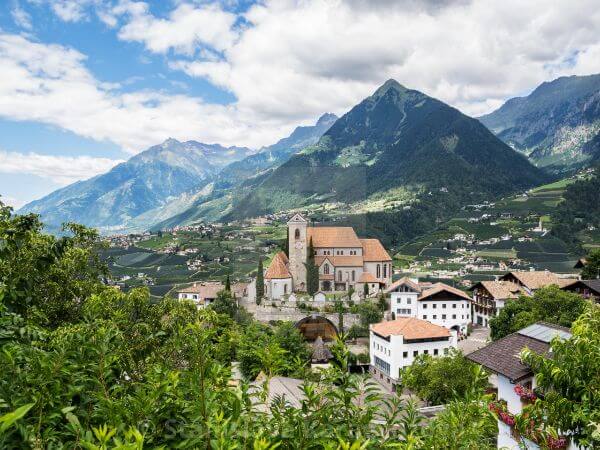
MERANO
It is a delightful city with flawless antiquated ridge palaces encompassed by the apple plantations, Alpine lower regions and amazing magnificence of mountains. You can begin your excursion by visiting the little and drawing in Piazza Del Grano which takes you to the noteworthy focal point of Merano, at whatever point we go out traveling we wish to have some good times of shopping affordable for us and for the equivalent, you can visit Via dei Portici where you can appreciate window shopping at little and long shops lying under the arch of old structures alongside cafés and sittings where you can loosen up yourself with an espresso. Out and out, it is one of the most intriguing and must visiting urban communities with regards to Italy.
The normal cost of seven days:
 Solo trip: 1846 USD.
 Couple trip: 3315 USD.
 Family trip: 6215 USD.
 The Average cost for remaining in Merano: Hotels-Average of 177 USD each night, and the rentals cost around 210 USD to 470 USD each night for the total house.
 Flights: Between 771 USD and 1,240 USD per individual in economy class.


CINQUE TERRE
As its magnificence lives in its name itself which implies five towns or towns lying on the bank of Italy in the locale of Liguria. They are fundamentally common towns in light of the fact that as they are bumpy and you might confront various steps ordinarily so be dynamic and solid assuming you need to investigate around and appreciate. It is likewise a pleasant spot for climbing experience as some of the time there are limited ways which makes it more energizing as an undertaking and the main advantage of visiting here is that you not have to change your remaining’s to visit each of the five towns, simply book one and wander around as they are adequately close to each other.
 Average day by day cost: 122 USD.
 Meals: 37 USD.
 Local transportation: 14 USD.

VERONA

It is the spot known by the name of “Place of Romeo and Juliet” ,notable from one side of the planet to the other and is an astounding city to visit, there are numerous memorable landmarks like the Verona Cathedral which has the calligraphy of some brilliant fine arts and flawed glass windows, Castle of Saint Peter is again a wonderful spot to visit which is from the Roman time frame and is really a congregation dedicated to Saint Peter yet as today it isn’t open for the public still you can investigate the excellence of the engineering around the notable focal point of Verona.

 The normal cost of remaining: 243 USD.

 Transportation cost: 31 USD.

 Meal: 189 USD.

Italy is a radiant location with various noteworthy landmarks soaking up uncountable recollections inside them, a wonderful grand view, awesome mountains and much more which you can investigate when you visit the country. There are some intriguing realities about the nation like it has three dynamic volcanoes in its south, the inclining pinnacle of Pisa is an incredible sight into the eyes, and past this, an extraordinary objective with numerous choices would lie into your financial plan.

Best places to go with companions in India

Going with dearest companions can be a dynamic, merry experience, overflowing with laughing and fun, paying little heed to what the region. Taking everything into account, an OK view can incorporate considerably more overshadowing and intensity to one’s outing. One generally wish for a regular excursion with their dearest companions as going with companions similarly makes the bond more grounded. A crazy excursion of one’s existence with best pals can never be adequate! As Tim Cahill likewise said “An excursion is best estimated in companions, instead of miles”.

Here is a rundown of top spots which have an uncommon spot in the hearts of individuals who love to go out traveling with their FRIENDS.

Manali

Manali is perhaps the most visited places in Northern Indium. Manali is the most discussed and favored spot among youth and companions. Direct passage, an event vibe, and charming mountains are a portion of the essential attractions that bring the young to this town. Excellence and newness of this spot is the justification for why a great deal of tunes and motion pictures are recorded here. Explorers visiting should encounter Paragliding, rappelling, journeying, untamed life spotting in the Great Himalayan National Park, waterway boating, zorbing, quad trekking, and that’s just the beginning.

Rishikesh

Otherwise called the ‘Yoga capital of the world’, Rishikesh is additionally well known for drawing in youngsters as it offers water and experience sports to gathering of companions for a truly mind-blowing memory. This is likely the best spot in Northern India for experience sports. October to November and March to April are the greatest months to visit this spot. Voyagers ought to likewise visit the sacred spot of Haridwar which is near this spot.

Ladakh

This spot is popular for its beautiful magnificence, special culture, Buddhist religious communities, invigorating experience sports and inspiring individuals. The stream Zanskar is likely the best spot to visit in India with companions that freezes in the significant stretches of January and December and changes into a middle place of involvement for the difficult spirits out there. An excursion to Ladakh with companions is the best thing one can at any point insight to see the value in attempt for a lifetime.

Goa

Goa is only the spot to loosen up, unwind and appreciate with companions. Goa is likely the best spot in India to visit with companions. Experience of riding bikes and drifters on those sea shore front thoroughfares in the organization of lighthearted companions is consistently a good thought. Goa is an ideal spot for sea shore sweethearts as it offers a ton of sea shores and resorts. Voyagers visiting ought to encounter Water sports, crab getting, investigating the nightlife, dolphin visits, cruising, island bouncing, and that’s just the beginning.

Spiti Valley

One of the most delightful districts of Northern India, Spiti Valley offers obvious blue sky, cotton treat fogs at high statures included by snow-bested mountains and lively Buddhist strict networks. Spiti Valley is a broad desert mountain valley arranged in the Himalayas in Himachal Pradesh. This is the land among Tibet and India, an excursion to this piece of the northern land with companions is unpreventable. It is additionally said that young visit this spot to investigate themselves. Voyagers visiting ought to likewise encounter Stargazing, traveling, visit Dhandar lake, religious communities, investigate the nearby towns, associate with local people and find out with regards to the way of life.

Delhi

As a city with 25 million people and the capital of India, Delhi is an unquestionable requirement visit place for a gathering of companions. Delhi offers youngsters with lounges, bars, clubs, music settings, bistros, and gaming back doorways. Everybody needs to visit Delhi to some extent once in their lives. Delhi is generally well known for its food, shopping centers, design and above all individuals of Delhi. Voyagers visiting should encounter Shopping in a-list shopping centers, road food, mughal design, interfacing with individuals and considerably more.

Nainital

One can see the value in a few things here in the organization of companions and just regard the wonderful brilliance of the weird scene and the amazing Himalayas enveloping it. Nainital, otherwise called the ‘Lake District of India’, is one of the most lovely slope stations in Northern India. Explorers visiting Nainital can encounter Boating, Hiking, bird-watching, nature trails.

Jim Corbett

Jim Corbett should be on the once-over of beautiful spots to visit in India with companions. This is the best spot to get away from the city and head into the wild with dearest companions. An excursion to the jim Corbett National Park in Uttarakhand will not just let you interface with nature, yet also with each other. Jim Corbett is famous in light of its natural life and it offers in excess of 400 types of widely varied vegetation. While Jeep safari guests can investigate the Royal Bengal Tiger, Leopards or a horde of wild elephants. Explorers visiting ought to likewise encounter setting up camp, bird watching, journeying, fishing, mountain trekking with companions.

Mount Abu

Quite possibly the most famous spots among youngsters to visit in Rajasthan (Indium), this slope station is incorporated by fabulous greatness for what it’s worth. The exquisite climatic conditions, a quiet view and a ton of touristy exercises all join for a pleasure trip with companions. Go to one of the inclines and witness an illusory nightfall with companions. Voyagers visiting Mount Abu should encounter Trekking, climbing, setting up camp, rock moving with companions.

Pushkar

Encased by the Aravalli slopes, Pushkar is the consecrated city where one can find a mix of clerics, supernatural searchers, trendy individuals, picture takers and voyagers gathered around to cross the calm, and dynamic shades of Pushkar. Pushkar is otherwise called the Rose Garden of Rajasthan, and is notable name among the explorers. This spot offers tranquil energies and the roof bistros from where one can notice calm viewpoints on the nightfall and partake in the dusk by the lake side. Explorers visiting Pushkar should encounter Pushkar Lake, Hiking, Watch the evening Arti, Hot Air Balloon ride, road food.

Other well known spots and attractions to visit and investigate with Friends in India are Udaipur, Bhangarh Fort, Mumbai, Lonavala, Pune, Meghalaya, Kashmir, Kasol, Coorg, Khandala, Puducherry, Hampi and substantially more.

PM Says “Triumph Of Indian Science” As 100 Crore Jabs Administered

According to the government, around three-quarters of adults in the country of 1.3 billion people have had one shot and around 30 percent are fully vaccinated.

New Delhi: 

India has scripted history by reaching the one billion COVID-19 vaccinations milestone mark, Prime Minister Narendra Modi said today as he congratulated the country’s health care workers for helping the country achieve the feat. The milestone is a triumph of Indian science, enterprise and collective spirit of 130 crore Indians, he said.

China is the only nation to dish out more vaccine doses than India, having fully inoculated some 1.05 billion, or 75% of its citizens, as of late September, according to Bloomberg.

India reached the 100 crore vaccinations milestones shortly before 10 AM.

Later while speaking via video conferencing after inaugurating a new building set up the Infosys Foundation at AIIMS Campus in New Delhi, PM Modi said, “This day of October 21, 2021, has been recorded in history. India has crossed the 100 crore vaccine doses mark sometime back. To combat the biggest pandemic in 100 years, the country now has a strong protective shield of 100 crore vaccine doses. This achievement belongs to India, every citizen of India.”

“Congratulations India! This is the result of the leadership of our visionary Prime Minister Narendra Modi,” Health Minister Mansukh Mandaviya tweeted as he officially announced the milestone in a tweet at 9:48 AM.

Earlier today, PM Modi visited the Ram Manohar Lohia Hospital in Delhi and interacted with hospital officials after the milestone was achieved.

PM Modi has frequently praised health workers for spearheading the vaccination drive.

According to the government, around three-quarters of adults in the country of 1.3 billion people have had one shot and around 30 percent are fully vaccinated.

Daily vaccine shots have averaged 5 million this month, a fifth of September’s peak, though states are sitting on record stocks of more than 100 million as the domestic output of the AstraZeneca vaccine soars.

Top locations for family relaxes in Europe

At whatever point it comes to family relax the greatest time that we spent on will be on choosing an ideal location for the excursion and obviously, it is undeniably challenging to choose on the grounds that there are uncountable locations which are incredibly lovely thus, to simplify it beneath referenced are some awe inspiring predetermines of Europe which are loaded with undefinable old landmarks and figures which are only lovable to investigate.

Top locations for family travels in Europe

ATHENS, GREECE

It is the capital city of Greece and is known for its interesting history, city esteems, and progress. A major piece of the town’s notable revolve of around three kilometers is been changed over into a person on foot zone that draws in towards its delightful archeological locales. It has numerous wonderful beautiful spots which are only cute to visit and has many intriguing locales as the Patission road which is a bustling road with structures like the National Archeological Museum and the N chateaus of the Polytechnic School. In general it is an ideal designate for a family get-away as it has a rich history to investigate and wander around.

Spots not to miss-The Acropolis, Acropolis Museum, Ancient Agora, and the Plaka and Anafiotida areas.

BARCELONA, SPAIN

It is a city down to the mid twentieth century age craftsmen like Antoni Gaudi and has some not to fail to remember structures which are only incredible to accept. Adding to this there are spotless sea shores, fun nightlife and numerous choices for shopping. Indeed, on the off chance that you are a food darling, it has twenty Michelin stars and for the way of life, it has numerous options of occasions. There is an undertaking of Antoni Gaudi of scale and aspiration that is just three fourth complete and when its towers are finished it will be the tallest church working on the planet.

Spots not to miss-UNESCO recorded “Basilia de la Sagrada Familia”, Barrie Gotic “Gothic Quarter”, Casa Mila, La Rambla.

BRITANNY, FRANCE

Notable for its conventional culture it is a city limited via ocean and lies in northeastern France. It has numerous things that make it an ideal pick for a family get-away as the notable town Quimper which has little pastel-painted, half-wooded houses and passerby footbridges with blossoms plotted close by. the town of Vitre has an archaic feeling including old town dividers and towers and was granted France’s title of “Ville d’Art et d’Historie which suggests “Town of Art and History”.

Spots not to miss-Saint-Malo, Crozen, Quimper and comparable parcel more places.

CORFU, GREECE

Known to be the emerald island Corfu is perhaps the greenest island in Greece. It has a rich social legacy, excellent notable landmarks, beautiful scenes, perfectly clear new oceans. It is the land where the main Greek college “The Ionian Academy”, first “Philharmonic Orchestra” and “SChool of expressive arts” were established. It is accepted to be the standard of four centuries of Venetians which makes today The Old town of Corfu an UNESCO world legacy site. Through and through it is a great spot to investigate with your family.

Spots not to miss-Old town of Corfu”Kerkyra”, Vlacherna Monastery, St. George’s Church and remember to visit the interesting spot “Waterway d’Amour”.

COSTA BRAVA, SPAIN

It is a waterfront region and is represented by its adorable and small towns, rough shores, amazing sea shores, and excellent rocky pinnacles. essentially it is a huge spread region so assuming you need to investigate its magnificence to the fullest then you need to accept a vehicle as the courses are not that broad that they could be covered by transport and furthermore in the event that you recruit a vehicle you will have a choice to stop at those minuscule towns and loosen up yourself so you can partake in your outing to the most. Costa Brava is without a doubt the place that is known for some glorious sea shores with strange stone arrangements and bluffs.

Spots not to miss-Pals: Build around a castle it is one of the most alluring towns in Costa Brava, Tossa de Mar, Blanes: home to the best greenhouses in Europe.

LONDON, UK

It is one of the most visiting traveler objections across the world. It was shaped in the hour of Romans and today it is the main city and leads in the track of workmanship, trade, amusement, media, medical services and significantly more. It has numerous delightful locales to visit the London Eye, Shard in London and is a hypnotizing objective to visit with your family. It has places known for their inside fortes, the core of the city that turns flawlessly over the Thames waterway. It has portrayals set down from the old Roman occasions.

Spots not to miss-Tower Bridge, Buckingham Palace, London Eye, The National exhibition, Madamme Tussauds.

MADRID, SPAIN

Madrid is a city that assimilates culture and craftsmanship inside it. It is home to the absolute best galleries on the planet, alongside it Madrid is a green land with delightful nurseries, it has brilliant shopping choices which you can appreciate with your family and furthermore feel the adventure of watching a craftsmanship display and theaters. Additionally assuming you a food sweetheart, you could partake in the thrill ride of Michelin star eatery cooking and relish your taste buds.

Spots not to miss-Museo del Prado “One of the most amazing Art Museum”, El Rastro market, El Retiro Park, Puerta del Sol “The door of the sun”.

PARIS, FRANCE

The city is loaded with stupendous landmarks as the Eiffel Tower, the Pantheon, etc. The magnificence of this city lies in its detailings as the ideal mix of trees, glorious bits of workmanship, and furthermore one thing that cant be left is their style sense which is consistently at the score to hit the magazines. Paris is the spot that could be a lala land for a kid because of the way that Disneyland is in Paris and regardless the age is yet is a noticeable craving of each child to see those mickey and Minnie mouse of TV in reality and as you are searching for a family get-away so this could be the ideal snap for you.

Spots not to miss

Disney land, Paris Catacombs: named as the “World’s biggest burial ground” which has stays of 6,000,000 individuals and at whatever point we catch wind of something like this it makes a gigantic interest to visit the spot, Palace of Versailles, Musee du Louver, Eiffel Tower, Seine River.

Europe is a particularly delightful mainland which is a land to some excellent manifestations like Barcelona’s Sagrada Familia which is a magnum opus by Antoni Gaudi and its development began in 1882 and still is under development and is accepted to be finished by 2026 and something that makes it extraordinary is the children most loved Disneyland. So make your outing a significant one with your friends and family.

THE POWER OF YOUR SUBCONSCIOUS MIND – BOOK REVIEW

Dr. Joseph Murphy has constructively written this book which intends to imbibe within the readers, the idea of – if you believe in something and picture it in the back of your mind, you remove the subconscious obstacles that prevent you from achieving your aim and your belief then turns into reality. Dr. Murphy’s book is inclusive of real life case studies and anecdotes, which adds to the facts check. The book serves as a manual to self confidence, unshakable self esteem, techniques to strengthen marriages, create true friendships, give up on bad habits, conquer inhibitions, earn wealth and get recognition. The book endorses techniques to remove fear from the mind and pave the road to success. Dr.Murphy has provided the readers with the golden tips to succeed at life.

The book consists of several chapters such as :

  1. The treasure house within you
  2. How your own mind works
  3. The miracle working power of your subconscious
  4. Mental healing in ancient times
  5. Mental healing in modern times
  6. Practical techniques in mental healing
  7. The tendency of the subconscious is lifeward
  8. How to get the results you want
  9. How to use the power of your subconscious for wealth
  10. Your right to be rich
  11. Your subconscious mind as a partner in success
  12. Scientists use the subconscious mind
  13. Your subconscious and the wonders of sleep
  14. Your subconscious mind and marital problems
  15. Your subconscious mind and your happiness
  16. Your subconscious mind and harmonious human relations
  17. How to us your subconscious mind for forgiveness
  18. How your subconscious removes mental blocks
  19. How to use your subconscious mind to remove fear
  20. How to stay young in spirit forever

The book has accurately explained about the two functions of the human mind – ‘conscious and subconscious’ and how both are necessary to be developed for well-being. It helped me realize how getting acquainted with both the aspects and working to strengthen them is essential. Understanding the things said to you be people on a daily basis, helps you to look at yourself from a different perspective altogether. This book has helped me convey the ideas of a can-do attitude, self evaluation and a will to complete my aims, to my conscious mind. It assisted me in understanding what enormous power one’s subconscious mind withholds. During my years of schooling, I had never purchased a philosophical guide because of the misinterpretation, that a mere book cannot be of much help, for one to make amendments in his or her life. Later I came across this particular book and slowly got engrossed into Dr. Murphy’s strategies of having faith in your subconscious mind. This book has the potential to answer many of our doubts which we are at times, unable to ask others. The examples listed out in the book, make the theories more believable and meaningful. The author has beautifully crafted the content by mentioning real life incidents wherein people have used their subconscious minds to resolve the problems faced by them. According to the Audience Rating Summary, this book has received 4.7/5 stars, which is commendable. In my opinion, The Power Of Your Subconscious Mind is definitely a must read for all bibliophiles.