The country with the strictest travel rules for tourists

Photo by Leonid Altman on Pexels.com

A lot of us like to travel and visit places. Taking a short break from our monotonous daily routine surely does make us feel refereshed and energised. But today, i am going to take you to a tour to North Korea where we have to follow the strictest travel rules on the planet. If you reside in USA, South Korea or Malaysia, it is highly likely that you may never get to see North Korea with your eyes unless you get a special permission from both country’s governements. Incase you are wondering why travelling might be difficult for people belonging to these 3 countries, it is simply cause of the leader of North Korea named Kim Jong-un who has a disliking towards these countries. But incase, you make it, make sure not to take blue denims or have any piercings or makeup with you since they are banned in the country. Also, taking Bible with you is a big NO NO since it can get you publicly executed. For North Koreans, their leaders are worshipped as Gods and henceforth practising any other religion is prohibited. It is officially an atheist state, and government policy continues to interfere with an individual’s ability to practice a religion. Also, before boarding your flight you might want to check your phones if they contain any pictures or videos that might go against their culture or their government and delete them before stepping onto North Korean soil since they might get you into trouble. Whilst touring in North Korea, your tour guide will watch you very closely and you won’t have any freedom of clicking random pictures cause if you click any wrong pictures of museums, galleries, police, soldiers or even poor people, you and you tour guide might be tagged as spies by authorities. Also, talking to locals and being friendly with them can make the government dubious enough to regard you as a spy! One cannot make fun of their leaders or point fingers at their statues unless someone wants to get arrested right on spot. Even when you get back to your hotel , you need to be cautious since telephones, tv etc are likely wiretapped! You may visit their country and come back free and safe to your own country but unfortunately, these and much more stricter and harsh laws are the reality of over 25 million North Koreans.

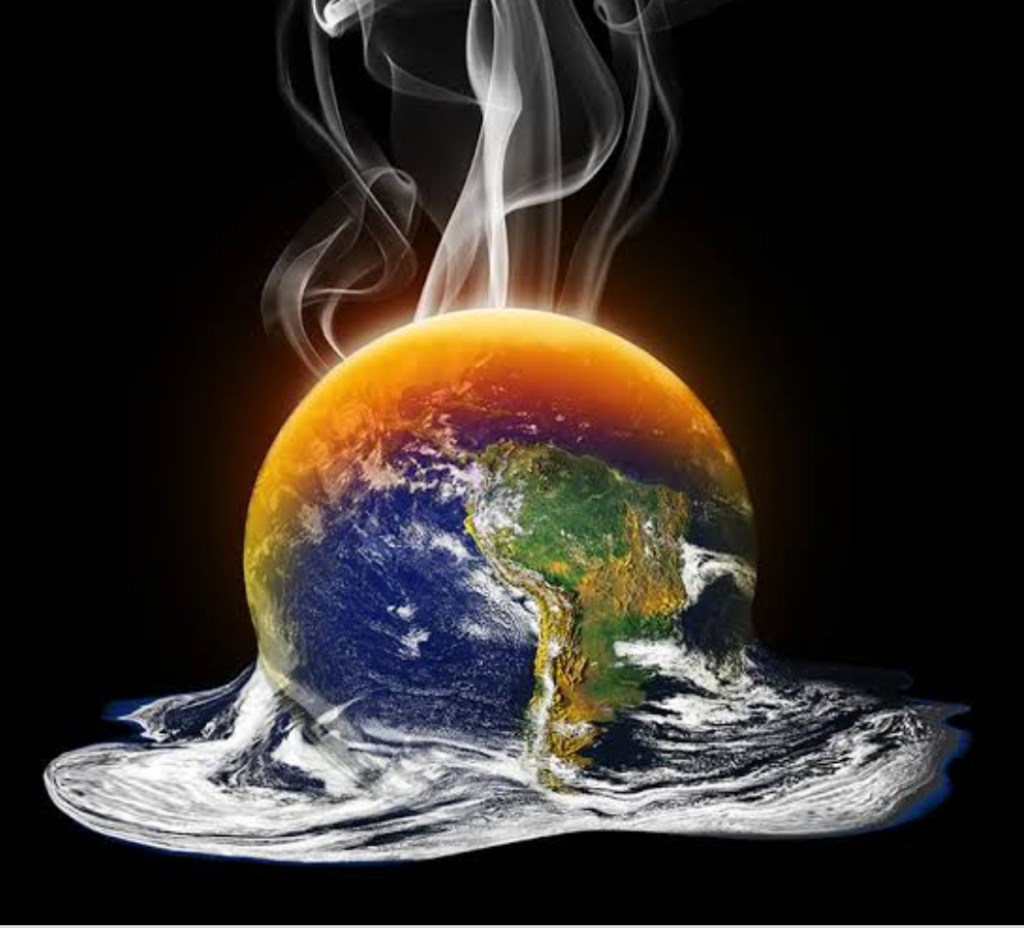
GLOBAL WARMING

WHAT IS GLOBAL WARMING:-

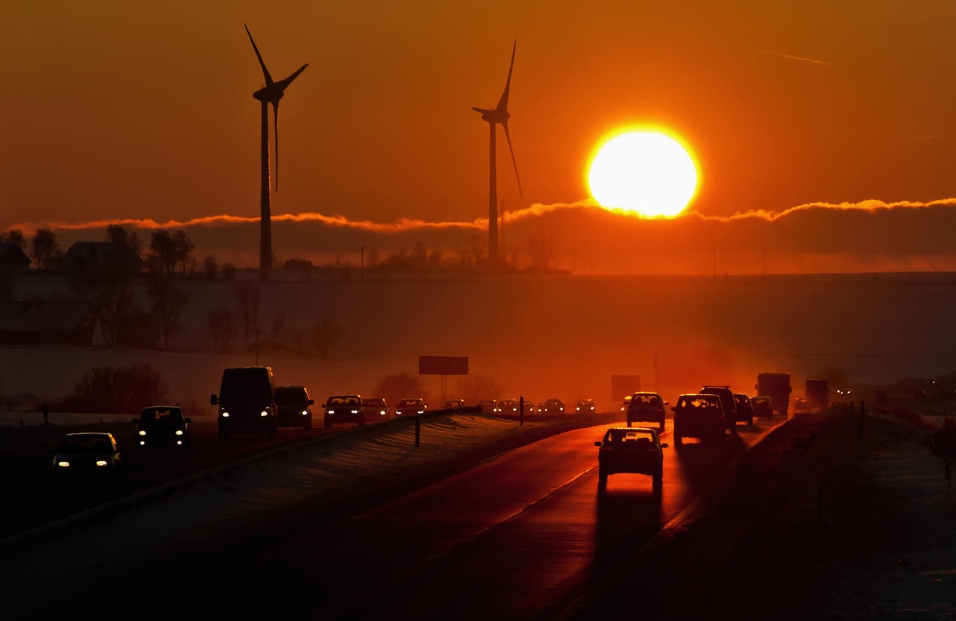
Global warming is defined as the global annual temperature has increased in total by a little more than 1 degree Celsius, or about 2 degrees Fahrenheit. Global warming is mainly because of the industrial revolution, burning plastics.

CAUSES OF GLOBAL WARMING:-

* Greenhouse Gases Are the Main Reasons for Global Warming.

* Another main reason for global warming is the industries.

* Deforestation is one of the reason for global warming.

* The smoke from vehicles.

EFFECTS OF GLOBAL WARMING:-

* Global warming cause increase in temperature that raises sea level can cause flood.

* Global warming raises temperature in the atmosphere.

* Melting of glaciers are one of the most threat for the earth

* If global warming cause increase in temperature then there is threat for availablity of water.

* It also cause some diseases like allergies,chest pain etc.

CONTROLLING MEASURES OF GLOBAL WARMING:-

* By decreasing deforestation and encouraging affrostration

* By making awareness programmes.

* By using natural products instead of plastics.

* By reducing burning of fossil fuels.

* By recycling the products.

DR. A. B. J. ABDUL KALAM

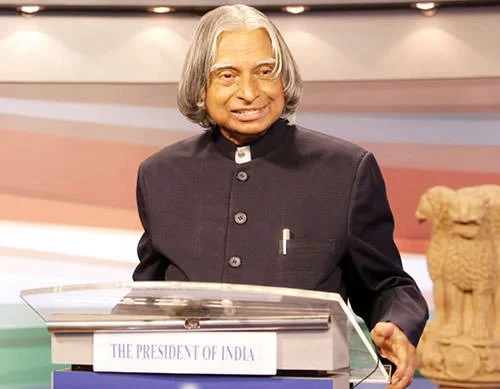
 Dr. APJ Abdul Kalam is a motivation for the individuals of India. Individuals regarded him with great respect and used to call him Sir APJ Abdul Kalam. Indeed, even a child younger than ten knows who APJ Abdul Kalam is. He was an Indian aerospace researcher who filled in as the eleventh president of India.People consider him the ‘Rocket Man of India’. Dr APJ Abdul Kalam was a significant believer of ‘Simple Living High Thinking’.Sir Abdul Kalam has faced numerous problems throughout his life. His youth was full of struggles, and he wanted to become a fighter pilot. He was firm on his hard work and commitment and he, at last, turned into a famous scientist of India. His life is a motivation for us.

A.P.J. Abdul Kalam, scientist and former president of India, dies at 83 -  The Washington Post
MISSILE MAN OF INDIA

ACHIEVEMENTS

1.HE HELPED TO BUILD A FIRST INDIGENOUS HOVERCRAFT

Abdul Kalam joined the Aeronautical Development Establishment of the Defense Research and Development Organization (DRDO), right after graduating from the Madras Institute of Technology in 1960. As a young scientist, he was assigned his first project to design and develop a hovercraft for the country’s defence applications. A hovercraft is an amphibious craft capable of travelling over land, water, mud, ice and other surfaces. After days of hard-work, Kalam and his team were successful in developing India’s first indigenous hovercraft which was named Nandi, the impressive white bull who acts as the vehicle of the Hindu deity Lord Shiva. Project Nandi received massive applause from the then Defense Minister, V.K Krishna Menon, and encouraged Kalam for his future endeavours. However, Project Nandi was shelved as the new government in power didn’t show any interest in the invention.

2.HE WAS A PART OF TEAM WHICH SET UP TERLS

Though Project Nandi was put in cold storage, due to it Kalam got a call from the Indian Committee for Space Research (INCOSPAR) to attend an interview at the Tata Institute of Fundamental Research (TIFR). At the time, INCOSPAR was formed out of the TIFR talent pool. Among the members of the selection panel who interviewed Kalam was Dr. Vikram Sarabhai, the father of the Indian Space Programme and the founder of Indian Space Research Organisation (ISRO). Dr. Sarabhai took a deep interest in Kalam and selected him as a rocket engineer in INCOSPAR. The team of rocket engineers of which Kalam was a part, set up the Thumba Equatorial Rocket Launching Station (TERLS) in 1963. TERLS is used by ISRO to launch sounding rockets even today.

3.HE WAS PROJECT DIRECTOR FOR INDIA’S FIRST SLV

In 1969, when INCOSPAR led to the birth of the ISRO, Kalam was transferred there and was initially involved in research about building rockets. In the early 1970s, ISRO introduced its own Satellite Launch Vehicle program owing to geopolitical and economic considerations. It was a program to develop the technology needed to launch satellites. Dr. A. P. J. Abdul Kalam was made the project director of the program. Beginning with mechanical designing to electrical integration, Kalam single-handedly supervised every aspect of the project, which was a massive success. On July 18, 1980, Satellite Launch Vehicle-3 (SLV-3) was successfully launched from Sriharikota range in the Nellore district of Andhra Pradesh. It deployed the Rohini satellite in near-earth orbit. It was the first successful satellite launch that took place on Indian soil and thereby made India the seventh member of an exclusive club of space-faring nations in international society.

4.HE WAS RESPONSIBLE FOR THE SUCCESSFUL LAUNCH AGNI AND PRITHIV MISSILES

After the huge triumph of SLV-III and dedicating the paramount years of his life to ISRO, Dr. Kalam was issued transfer orders to DRDO, where he was given the responsibility to lead the Integrated Guided Missile Development Program (IGMDP). According to the instructions of then Defence Minister R. Venkataraman, four missiles were to be developed simultaneously as part of the program. After years of consistent hard work and immense dedication, India got her first range of ballistic missiles, the Prithvi, the Agni, the Aakash, and the Nag. Out of the four, two missiles, namely, Prithvi, the tactical surface-to-surface missile; and Agni, an intermediate-range ballistic missile; were launched successfully. Due to this mammoth achievement under his leadership, India became a major military power and Dr Kalam became popularly known as the “Missile Man of India” .

5.HE SERVED AS A FIRST PRINCIPAL SCIENTIFIC ADVISOR TO THE GOVERNMENT OF INDIA

After his retirement from DRDO, Kalam was appointed as the first-ever Principal Scientific Advisor (PSA) to the Government Of India from November 1999 to November 2001. Principal Scientific Advisor was a Cabinet rank position at the time and was largely created to assist scientific cross-sectoral synergy across ministries, institutions and the industry. During his service period, Dr. Kalam supervised committees making master plans regarding defence, agriculture, healthcare and information technology. Under this esteemed post, he was also responsible for evolving policies, strategies and missions for many developmental applications.

6.DR. A. P. J. ABDUL KALAM SERVED AS THE 11th PRESIDENT OF INDIA

President APJ Abdul Kalam
DR. A. P. J. ABDUL KALAM

On June 10, 2002, the National Democratic Alliance (NDA), the then ruling party expressed their will to nominate Dr. Kalam for the post of President. On June 18, Kalam filed his nomination papers in the Indian Parliament. He went on to win the 2002 Indian presidential election with an electoral vote of 922,884 as compared to 107,366 votes won by Lakshmi Sahgal. Kalam was the first scientist to become the president of India. During his term as president, he was fondly called the People’s President because of his humility, integrity, vision; and his immense contribution to inspire and nurture the young minds of the nation. Dr. Kalam’s guidelines under the scheme of “Vision of 2020” to make India a developed country has been incorporated under plans of the Indian Government. After the expiry of his term and his unwillingness to contest the election for the second term, Pratibha Patil became his successor as the 12th president of India. Dr. A. P. J. Abdul Kalam served as the 11th President of India from July 25, 2002 to July 25, 2007.

Dr.APJ.Abdulkalam Official Website | Dr.Kalam Speeches | Dr.Kalam Thoughts

AWARDS

Dr Kalam was awarded the Padma Bhushan in 1981 and the Padma Vibhushan in 1990 by the Government of India. These are the third highest and the second highest civilian awards in India respectively. He received the Padma Bhushan after the successful launch of SLV-III; while he received the Padma Vibhushan after the successful completion of the Integrated Guided Missile Development Programme. In 1997, Dr. A. P. J. Abdul Kalam received India’s highest civilian honour, the Bharat Ratna, for his contribution to the scientific research and modernization of defence technology in India. Kalam has received numerous other honours including Veer Savarkar Award (1998); Ramanujan Award (2000); King Charles II Medal (2007); International von Kármán Wings Award (2009); Hoover Medal (2009); and Von Braun Award (2013). Moreover, he has received 7 honorary doctorates from 40 universities. Apart from these prestigious accolades, in 2010, the United Nations declared October 15 as World Students’ Day to commemorate the birthday Dr. Kalam.

MS DHONI

Mahendra Singh Dhoni or MS Dhoni is an Indian International Cricketer who has retired from International Cricket. MS Dhoni is the only captain in the history of Cricket to win all the ICC trophies. An everyday man who went on to be popularly known as the ‘Captain Cool’ is none other than our very own Indian Men’s (ODI & T20Is) Cricket Team Captain, Mahendra Singh Dhoni or simply known as Dhoni.

12 Ms dhoni wallpapers ideas in 2021 | ms dhoni wallpapers, dhoni  wallpapers, dhoni quotes

MS DHONI ACHIEVEMENTS

IN TEST CRICKET

1- In 2009, under Dhoni’s captaincy, India topped the ICC Test Cricket rankings for the first time. 

2- He is the most celebrated Indian Test Captain with 27 Test wins. 

3- He has 15 overseas Test defeats, the most by an Indian captain. 

4- He became the first Indian wicket-keeper to complete 4,000 test runs.

5- Dhoni scored 224 against Australia. This is the highest score by a wicket-keeper–captain and the third-highest score by an Indian Captain. 

6- His maiden century against Pakistan is the fastest century to date scored by an Indian wicket-keeper and fourth overall. 

7- Dhoni completed 50 sixes as a captain. 

8- With 294 dismissals in his entire career, he tops the list in all-time dismissals list by Indian wicket-keepers.

IN ODI CRICKET

1- Third and First Indian Captain to win 100 games. 

2- Fourth Indian Cricketer to reach 10,000 ODI runs after Sachin Tendulkar, Sourav Ganguly & Rahul Dravid. He is also the second wicket-keeper to reach this milestone. 

3- With a career average of over 50, he is the first player to achieve 10,000 runs. 

4- Among cricketers with more than 5,000 runs, he has the 5th highest batting average and the 2nd highest batting average among players with an aggregate of over 10,000 runs– 51.09. 

5- With 4031 runs in his entire career, he scores the most runs in ODI history at number 6. 

6- While batting at number 7, only cricketer to score centuries in ODI history– 2 centuries at number 7. 

7- He has 82 Not Outs in ODIs. 

8- He scored 183* against Sri Lanka– the highest score by a wicket-keeper. 

IN T20 CRICKET

1- He holds the record of most wins as a Captain– 41. 

2- He played most matches as a captain and wicket-keeper– 72.

3- He played most consecutive T20I innings without a duck– 84. 

4- Dhoni played the most T20I innings– 76. 

5- He holds the record of most dismissals as wicket-keeper in T20Is– 87. 

6- He holds the record of most catches by a wicket-keeper in T20Is– 54. 

7- He holds the record of most stumpings as a wicket-keeper in T20Is– 33.

8- He holds the record of most catches as wicketkeeper in a T20I inning– 5. 

AWARDS

1- In 2018, he received India’s third-highest civilian award– Padma Bhushan. 

2- In 2009, he received India’s fourth-highest civilian award– Padma Shri. 

3- For 2007-2008, he received  India’s highest honour given for achievement in sports– Rajiv Gandhi Khel Ratna. 

4- In 2008, 2009, he was awarded the ICC ODI Player of the Year. 

5- In  2006, 2008, 2009, 2010, 2011, 2012, 2013, 2014; he was awarded the ICC Wolrd ODI XI. 

6- In 2009, 2010 and 2013; he was awarded the ICC World Test XI. 

7- In 2011, he was awarded Castrol Indian Cricketer of the Year. 

8- In 2006, he received the title of MTV Youth Icon of the Year. 

9- In 2013, he received the LG People’s Choice Award. 

10- In August 2011, he received an honorary doctorate from De Montfort University. 

“SUCCESSFUL ARE NOT GIFTED; THEY JUST WORK HARD THEN SUCCEED ON PURPOSE”

“FIELD IS NOT A MATTER,YOU GIVE YOUR EFFORT YOU WILL DEFINITELY GET REWARD”

Anthropology And Its Relation With Allied Disciplines

Anthropology And Social Sciences

1. Sociology

Sociology is a science of society that studies human behaviour in groups. Anthropology is a science of man and studies human behaviour in social surroundings. Thus it is clear that the subject matter of sociology and social anthropology is common to a great extent. Anthropologists and sociologists share an interest in
issues of race, ethnicity, social class, gender, and power relations in
modern nations.

2. Psychology

For the psychologists the focus of study is upon all aspects of human behaviour: and its personal, social and cultural dimensions which will never be complete without having the knowledge of social anthropology. Therefore, for understanding the social processes and
meanings in the world around us one has to study social anthropology.
Both Psychology and Anthropology deals with the manifold relations between individuals on the one hand and groups, communities, societies and cultures on the other hand.

3. History

History may be important to social anthropologists in the sense, that is, not only as an account of past events leading up to and explaining the present, but also as the body of contemporary ideas which
people have about these events, people’s ideas about the past are an intrinsic part of the contemporary situation which is the anthropologists immediate concern and often they have important implications for existing social relationships.

4. Folklore

Folklore has an important place in every primitive culture. It
is through the medium of folklores that the culture of a primitive society is
transmitted from one generation to the next generation. Folklores contain
the philosophy of the primitive people. How the world was evolved is a
theme of many folklores of existing tribes. In most of the folklores, a reference to the mutual relation of the people and their gods is given.

Anthropology And Biological Sciences

1. Zoology

In terms of the relationship to other animals and the overall places of the human species in the process of evolutions.
Anthropology has a sort of specialization or sharpening of certain aspects of general biology, more specifically, zoology.

2. Botany

No matter what the time period or geographical area, plants played an important role in human culture. Plant remains enable us to assess human impact on the environment. As direct, site-specific
evidence of agricultural and culinary activities, they enrich our understanding of how people lived.

3. Genetics

Genetic anthropology is the branch of scientific study which deals with combining genetic data with available physical evidence and past history. Genetic anthropology is an important branch
of anthropology. The relevance of genetics in anthropology has slowly been reinforcing the importance of nature (biology) in culture, and also
emphasises on the phenomena of variation. To study evolution, understanding genetics and variation in the anthropological context is
highly vital.

4. Medical Sciences

Quite a few things are common in
anthropology and medicine. In the proper study of mankind, anthropology aims at discovering man as a human being, so it should be the case with a physician. Anthropology can assist more clearly and
satisfactorily in identifying the health needs, and in clarifying factors influencing acceptability and utilisation of health services, and can also assist in showing how these health needs can be most appropriately
solved.

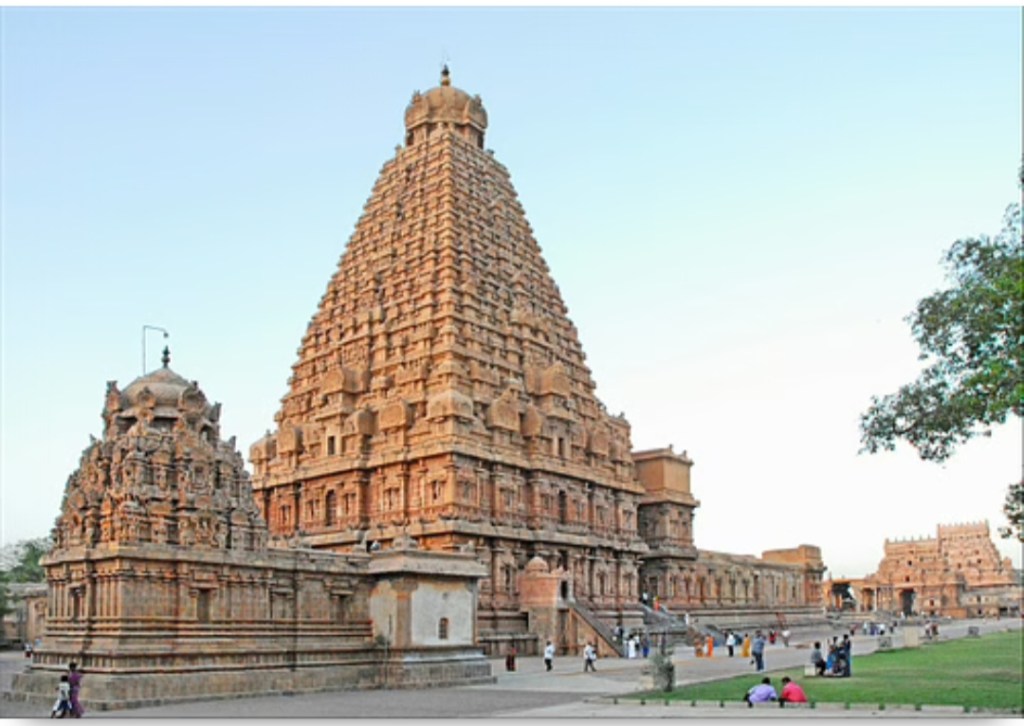
THANJAVUR-BIG TEMPLE

This Temple is situated in Thanjavur Tamil Nadu.It is constructed by Raja Raja chola in 1003 and 1010 A.D. This temple is originally known as Peruvudaiyar Kovil locally known as Thanjai Periya Kovil, and also called Rajarajeswaram, is a Hindu temple dedicated to Shiva located in South bank of Cauvery river in Thanjavur, Tamil Nadu, India. It is one of the largest Hindu temples and an exemplary example of a fully realized Tamil architecture.[4] It is called as Dakshina Meru.In top of the temple they built the vimana which is one of the highest in South India.

The main temple along with its gopurams is from the early 11th century. The temple also saw additions, renovations, and repairs over the next 1,000 years. Because the kings who made wars caused damaged to the temple And it is renovated by the Hindu dynasty.The main temple-related monuments and the great tower is in the middle of this courtyard Around the main temple that is dedicated to Shiva, are smaller shrines, most of which are aligned axially. These are dedicated to his consort Parvati, his sons Subrahmanya and Ganesha, Nandi, Varahi, Karvur deva As a world heritage monument, the temple and the premises comes under the Archaeological Survey of India (ASI) which falls under the Ministry of Culture of the Government of India, to ensure safety, preservation and restoration.The lighting of the monument is designed to enhance the natural color of the stone along with the sculptural forms adorning all corners of the temple. The restoration has been undertaken by the Archaeological Survey of India.

Throne of Glass Novellas: The assassin’s blade

The first book in the 8-booked series of Throne of glass novellas, it is epic. Way beyond epic. It tells us a story of a mere 16-year old, yeah! you probably are thinking, “what a bore”. NOT. This 16- year old, believe it or not, is WAAYYY cooler than us, she’s an assassin. Well, you ask me what’s new? for there are one or two assassins in every fantasy book, I’ll tell ya what’s new, that girl is nothing like it. She is kind, generous, lovable, likable, and most of all gorgeous. Do you remember that 1 girl in school who had it all? good looks, good personality, good brains? yeah, she’s that. And much much more. She is a bibliophile, which shows the ability of Sarah to relate with all her readers as she knows we are massive bibliophiles if we chose to read such a long string of novels as entertainment.

It all starts, with Celeana Sardothien, That 16-year old have-it-all I told you about. Well, it seems she is NOT the have it all right now, for she trying to solve every problem happening in the Assasin’s guild, starting with beating Sam Cortland. Then the news of ben, and then the scene in skull’s bay. that’s where the actual story begins.

A LOT happens in this fairly thin book, but I am not giving you any spoilers, you have to read it yourself. Give it time, and it will be your paradise. Published in 2014, 2 years after the publish of Throne of Glass, the first book which gave its name to the series, It is phenomenal. You can’t get enough of it. ever.

The story is not of this world, not even of the FANTASY world. It is something you’ve never read before. Something you’re not familiar with, and still, somehow, you find a home in it.

Will Sergio Ramos make his debut for PSG in the upcoming clash against Saint-Etienne

The former Real Madrid star is edging closer to finally making his first appearance for his new club.

Paris Saint-Germain boss Mauricio Pochettino has said that Sergio Ramos is nearing his long-awaited debut for the club.

Ramos moved to Paris from Real Madrid this summer, making him one of several high-profile stars to join up with PSG this year.

However, due to injury issues, Ramos has yet to play for the club, but Pochettino says that the Spanish star’s debut should be coming in the near future.

What is Employment Screening and How to Do Employment Screening

Admin's avatarTrack2Training

Employment screening enables you to verify the skills, experience and qualifications of a candidate to assist you in making your hiring and recruitment decisions. This provides you with all of the available information about a candidate to make the most accurate decision and safeguard your hiring process. Employment screening also helps to protect your company’s reputation and ensure that your financial and people risk is minimised.

Photo by Edmond Dantu00e8s on Pexels.com

Many employers will conduct pre-employment screenings before they send you a job offer. Potential employers will typically perform a screening sometime during the interview process to assist in their hiring decision. There are a variety of screenings potential employers can use to get a thorough understanding of your background. In this article, we will explain what pre-employment screening is and how you can prepare for it.

What is pre-employment screening?

Also sometimes called a “background check,” a pre-employment…

View original post 1,687 more words

What is Employment Screening and How to Do Employment Screening

Admin's avatarTrack2Training

Employment screening enables you to verify the skills, experience and qualifications of a candidate to assist you in making your hiring and recruitment decisions. This provides you with all of the available information about a candidate to make the most accurate decision and safeguard your hiring process. Employment screening also helps to protect your company’s reputation and ensure that your financial and people risk is minimised.

Photo by Edmond Dantu00e8s on Pexels.com

Many employers will conduct pre-employment screenings before they send you a job offer. Potential employers will typically perform a screening sometime during the interview process to assist in their hiring decision. There are a variety of screenings potential employers can use to get a thorough understanding of your background. In this article, we will explain what pre-employment screening is and how you can prepare for it.

What is pre-employment screening?

Also sometimes called a “background check,” a pre-employment…

View original post 1,687 more words

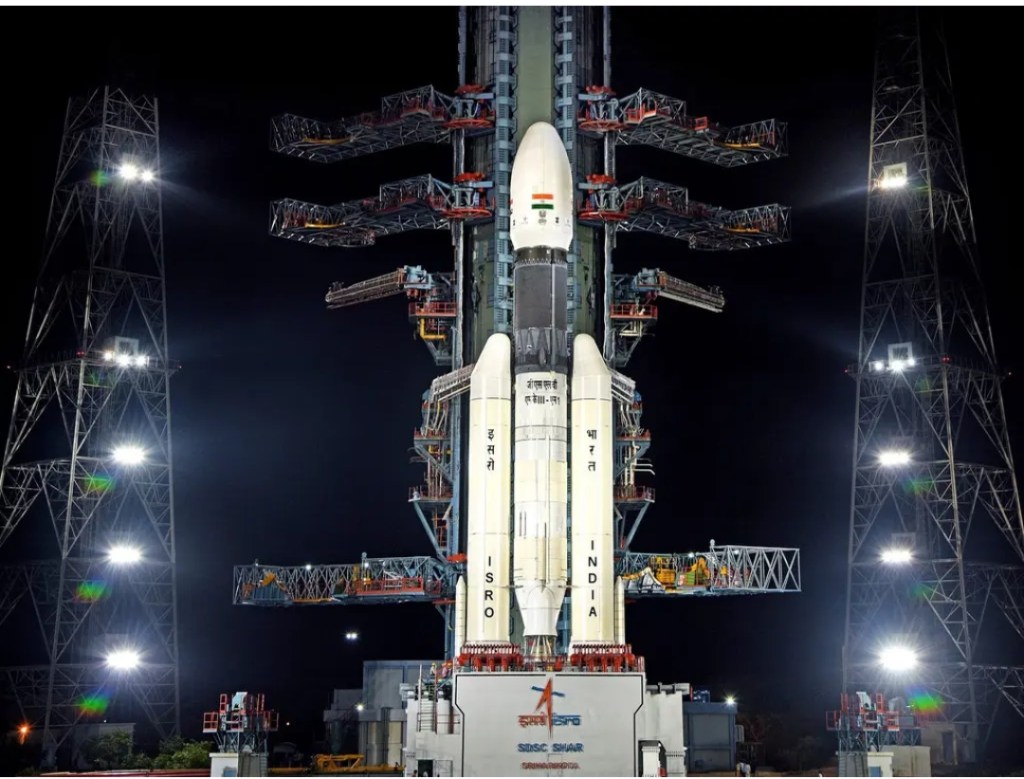
CHANDRAYAN-II

CHANDRAYAN-II is one of the successful satellite in CHANDRAYAN-II is the second lunar exploration mission developed by the Indian Space Research Organisation (ISRO), after Chandrayaan-1. It consists of a lunar orbiter, and also included the Vikram lander, and the Pragyan lunar rover, all of which were developed in India. CHANDRAYAN-II launched in 22 July 2019 in GSLV Mark III M1 rocket launched from Satish Dhawan Space Centre Second Launch Pad.

Isro chief K Sivan said that the spacecraft has completed 9,000 revolutions of the Moon during a workshop. Two years after its lander, rover combination crash-landed on the far side of the moon, the Chandrayaan-2 mission is still delivering critical observations to India as it completes 9,000 orbits around the Moon.06-Sept-2021.

Chandrayaan-2 Orbiter continues to orbit the Moon in an orbit of 96 km x 125 km and both the Orbiter and Lander are healthy. The first de-orbiting maneuver for Chandrayaan-2 spacecraft was performed successfully today (September 03, 2019) beginning at 0850 hrs IST as planned, using the onboard propulsion system.

Six Reasons Why You Should Start Using A To-Do List

In a world full of distractions, with beeps and pop-ups ruling  most parts of your day and dozens of thoughts floating in your head, staying focused is a herculean task. Amidst all the chaos, one thing that can help you stay sane is the good old productivity tool – To-Do List.

Having said that, you should also know that it is a double edged sword. This age-old technique has a reputation of hurting productivity. The key however is in knowing how to use it effectively

With a lot of speculation and confusion doing the rounds about this tool, it’s natural that you may end up being double minded about whether or not to use it. Listed below are 6 points which can aid you in your decision making process.

Frees up a hell lot of space in your brain

Whether it’s the list of items you need to buy, the ideas that popped up while you were doing laundry or the schedule of the meetings you need to attend, cramming your brain with a hundred thoughts is definitely not something it would appreciate. By doing so, you are not only overwhelming the brain but also using up the energy and space that could otherwise have been used for more productive stuff. So please do yourself and your brain a favour – get it all out of your head, put it on a list and thank me later !

Photo by Monstera on Pexels.com

Throws the ‘Oops ! I Forgot’ excuse out of the window

As much as we all would like to remember every single detail about everything, let’s face it, not many of us have that extraordinary memory power. So if you don’t have it written down somewhere, it’s only natural that you may forget some of the things that you really wanted to remember. To-Do lists are visual reminders of all the tasks that you wanted the brain to remember and when you have it right in front of you, it’s impossible to miss any.

Helps you to organise and prioritise the tasks

Prioritising the tasks and focusing on the most important ones can be challenging when you have a lot going inside your head. Without that clarity, instead of sending out that important email to your client, you may end up decluttering your closet. When you have all the tasks listed out right in front of you, it becomes much easier to analyse and sort out what needs to be done right away and what can wait.

Photo by Sajith R on Pexels.com

Acts as a roadmap to your long term goals

Suppose you are travelling from Chennai to Kolkata.You know your starting point and also your destination. But without knowing how to proceed and which route to take do you think you’ll ever reach Kolkata ? In the same way your long term goals are the end results that you want to achieve and the tasks act as your milestones which give you an idea about the route that you need to take in order to reach your end goal. By breaking down the long term goals into tiny actionable steps and putting them on your list, you get a clear idea on the course of action you are supposed to take.

Helps calm your monkey mind

There may be times when your mind suddenly decides to remind you about the gift that you need to order for your friend’s birthday while you are trying hard to focus and complete the article due for the day. It now becomes the responsibility of the brain to remember this and in an attempt to do so it loses focus on the task at hand. Putting this newly popped up task on your list takes the weight off the brain and gives your restless mind an assurance that it will eventually be taken care of.

Checking off an item on your list gives you that daily dose of dopamine

When you finish a task and check it off your list, your brain feels a certain sense of success. And as a reaction to it, it releases a small amount of dopamine which in turn makes you feel happy and good about yourself. Crossing out an item from your list is something that can instantly make you feel good and motivates you to take action on the remaining tasks.

Bottom Line

Your To-Do List should be something that motivates you to get up each day and work hard to crush those goals that you have set for yourself.It is supposed to elevate your overall happiness and not pull you down. Instead, if you find your list giving you nightmares or panic attacks, chances are that you might not be using it the right way. Figure out strategies on how to effectively make and use a To-Do List and try incorporating them in your process and I’m sure with the right strategies and complete dedication to the process you will definitely see the results. Good luck !

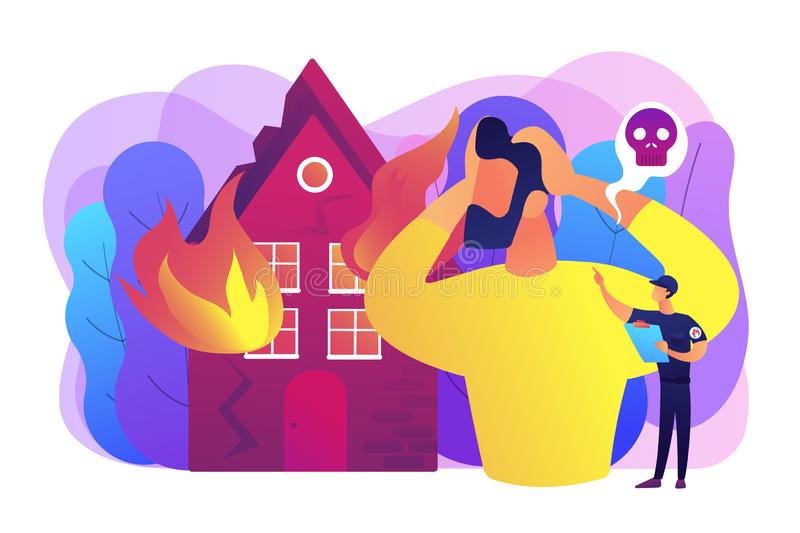
Residential Fire Risk

Fire is the visible effect of the process of combustion – a special type of chemical reaction. It occurs between oxygen in the air and some sort of fuel. When a fire occurs, there is a very little time to escape for it engulfs everything in its ambit in less than 2 minutes. Contrary to popular belief, over 90% of fire related deaths are caused by smoke suffocation. According to the World Health Organization (WHO) statistics, more than 300,000 deaths are caused annually by fire induced burns and more than 90% of these deaths occur in low- and middle-income countries. These figures clearly shows that fire poses serious threat to both life and property. Fire hazards can be understood as any actions, materials or conditions that might increase the size or severity of a fire or that might cause a fire to start. Of all the natural disasters, fit is fire only that is both beneficial to man and his environment as well as destructive and deadly.

Sun and Lao (2014) assert that fire risk analysis of high-rise building is of crucial importance due to the reason that there still lacks efficient systematic fire extinguish method to ensure a safety evacuation process. They further elaborated that fire risk assessment is an organized and methodical review of a specific building, the activities carried that increase the likelihood of a fire to start and cause harm to the occupants and properties. The fire risk assessment involves five steps – hazard identification, scenario design fire, quantitative risk analysis, risk assessment comparing to acceptable criteria and risk management. They highlighted the point that fire scenario is a key parameter of the whole fire risk assessment process – which involves a combination of potential fire size, fire location, combustible characteristics, availability of fire system etc. They further emphasized through their study based on China that risk analysis is important to evaluate fire protection strategies for a particular application or for a class of facility or operation in fire safety engineering. Beside this, the risk assessment will assist the stakeholders and operator to manage the facilities in a right way.

A comparative study regarding the level of fire safety between Residential and Commercial Construction sites were carried out by Sivakumar, Malathy and Sivaprakash (2018). The study brought the point that residential building satisfies overall fire safety conditions better than commercial buildings. However, combustible materials are stored and maintained in a better manner in commercial buildings than residential buildings and tend to satisfy overall structural feature parameters when compared to residential buildings. Moreover, the study highlighted that fire emergency, signage and emergency planning in commercial buildings are better than in residential buildings. They asserted that, however, both the commercial and residential buildings need to focus more on reducing risk and on improving fire safety and fire risk assessment standards and compliances regarding the protection of people working in the construction sites.

Huang and Xin (2013) in their paper based on China presents fire risk analysis model-based scenario clusters and its application in fire risk management of buildings. The paper has described the quantitative analysis model for fire risk analysis. They bring out the point that fire risk analysis method allows a quick check of any safety deficiencies in residential buildings and any need to provide additional fire protection measures to minimize fire risk. However, they argue that the method does not include consideration of the logical development of fire events. Moreover, the quantification parameters of fire risk are based on statistical data (if available). Thus, they assert that more research is required to verify the methods of some parameters in international contexts. The paper also conformed to the idea that building fire risk analysis serves as a basis for fire risk management.

Masoumi, Genderen and Maleki (2019) attempted to carry a comprehensive fire risk assessment in the dense urban areas of Zanjan city using Information Fusion based on GIS modeling. The study has highlighted the increasing importance of information fusion technologies for the analysis of geospatial information. The use of different types of spatial and attribute data from different sources deploying GIS and geospatial analyses can act as powerful tools to aggregate information in order to assess disaster risk in urban and regional scales. The result of sensitivity analyses also indicated that the social training factor is the most effective causative factor in the fire risk.

Kodur, Kumar and Rafi (2019) in their paper, ‘Fire hazard in buildings: review, assessment and strategies for improving fire safety,’ presents a critical review of current fire protection measures and their applicability to address current challenges relating to fire hazards in buildings. Based on the review, an integrated framework for mitigation of fire hazards is proposed. The proposed framework involves enhancement of fire safety in four key areas: fire protection features in buildings, regulation and enforcement, consumer awareness and technology and resources advancement. Detailed strategies on improving fire safety in buildings in these four key areas are presented, and future research and training needs are identified. The study has brought forth the point that Current fire protection measures lead to an unquantified level of fire safety in buildings, provide minimal strategies to mitigate fire hazard and do not account for contemporary fire hazard issues. They highlighted that Implementing key measures that include reliable fire protection systems, proper regulation and enforcement of building code provisions, enhancement of public awareness and proper use of technology and resources is key to mitigating fire hazard in buildings. Major research and training required to improve fire safety in buildings include developing cost-effective fire suppression systems and rational fire design approaches, characterizing new materials and developing performance-based codes.

Groner (2015) in his paper describes a decision model for managing the movement of building occupants during fir emergencies. The study assert that sophisticated education and training would improve the responses of occupant movement managers. Accepting that it is unlikely for a great increase in resources being dedicated to it, the study forwards a ‘simple mental model’ – which should help occupant movement managers avoid mistakes in both planning for and responding to fire emergencies. The research assert that the model relies on the abilities of people to analyse and synthesize inputs and people are notably effective at this task given a mental model that is simple enough to easily recall.

Among different types of disasters, fire constitutes a significant threat to life and property in any type of settlement whether urban or rural possession. In India, the data on fire related deaths are provided by National Crime Records Bureau (NCRB) under Accidental Deaths & Suicides in India (ADSI). According to study conducted by India Risk Survey in 2018, Fire outbreak is the third largest risk to be faced by the people in continuity of operations on the other hand the Accidental Deaths and Suicides in India report, 2019 states that residential buildings are most prone to fire outbreaks due to faulty behaviour of residents. According to ADSI reported 11,037 cases of fire accidents in the country during 2019 which rendered 10915 deaths and injuries to 441 persons. The cause-wise analysis of fire accidents revealed that 58.0% of total deaths were reported in residential/dwelling buildings during the mentioned year. The residential fire risks arise from both inappropriate structural attributes and faulty behavioural practices like using nonstandard electrical goods, no capacity building in case of disaster, congestion in residential localities and no maintenance of electrical equipment’s.

Cities across India are growing at exuberant rates. However, as we build new cities and expand old ones, we must not forget the necessary features that make up these urban spaces. Fire safety is crucial in urban and rural habitats, and there must be continued investments in equipment and infrastructure to guarantee the safety of the residents. It’s time our civic authorities, town planners and fire service officials pay more attention to fire safety in residential colonies and ensure that they have at least some rudimentary fire engines. It is also important to educate residents on dealing with a fire. Along with these, fire risk assessment should be duly done to ensure proper evacuation plan as well as the adoption of all possible best measure to prevent fires. This will go a long way in saving life.

In India, though there are several rules and laws, codes and standards associated with fire safety, these are rarely followed. Neglective behaviour in following fire safety measures caused several major fires in numerous occupancies and a few of them even resulted in catastrophes, however, there aren’t any provisions for fire safety legislation in India regarding the objectives, scope, methodology, and periodicity of the Fire Safety Audit.

Home is a place where you build memories and seeing it burning down to ashes can be the most terrifying event in one’s life. Though a scary thought, a lot can be done to prevent fire from happening. Fire Hazard in the residential buildings are the most common hazard especially because of the ignorance on the part of the residents. Even if we cannot control anything and everything, however, we can take some steps to help reduce the chances of fire from occurring as well to reduce the smoke damage.

REFERENCES

Groner, N. (2016). A Decision Model for Recommending which Building Occupants should Move where During Fire Emergencies. Fire Safety Journal, 20-29.

Kodur, V. K. (2019). Fire Hazards in Building: Review, Assessments and Strategies for Improving Fire Safety. PSU Research Review, 4(1), 1-23.

Mausoumi, Z. G. (2019). Fire Risk Assessment in Dense Urban Areas Using Information Fusion Techniques. International Journal of Geo-Information(8), 2-20.

Ministry of Home Affairs. (2020). Accidental Deaths and Suicide in India, 2019. New Delhi: National Crime Records Bureau.

Sivakumar, C. M. (2018). A Study on Fire Safety on Residential and Commercial        Construction Sites. Archives of Civil Engineering, LXIV(2), 161-174.

Sun, X. L. (2014). Fire Risk Assessment for Super High- Rise Buildings. Procedia Engineering, 492-501.

Xin, J. H. (2013). Fire Risk Analysis of Residential Buildings based on Scenario Clusters and its Application in Fire Risk Management. Fire Safety Journal, 72-78.

Image Credit: Google

Pollution

Stop It!

Whereas the growth of civilization with the aid of science has made man’s life easier, more comfortable, heal their and happy, it has been awfully noted in recent years that it has also brought the problem of pollution which has put before humanity the question of its survival.

Water and air – the two essentials of life have been mixed with so many undesirable pollutants, that fresh air and freshwater have become almost impossible to enjoy. This brings in turn the incurable diseases to the life and danger of decaying to the beautiful things made by a man on this earth. Pollution has two forms, viz; the pollution of water and the pollution of air. The pollution of water is mainly caused by surface water such as rivers, tanks, or lakes. The water is mixed up with many kinds of impurities due to the discharge of industries, hospitals, city sewage, the garage, and the leftover. All these make water poisonous which causes harm to the living beings, vegetation, and even to the non-living bodies.

Intellectuals and scientists should come ahead with preventive measures to eradicate the problem of pollution. Government should also take some ore concrete measures like cleaning rivers Ganga and Yamuna and making them free from pollutants. Most importantly we as educated and concerned beings should also take preventive measures and spread awareness around regarding pollution and consequences of it, after all, mother earth is one of our major responsibilities.

CRICKET IN INDIA

Cricket is the most popular sport in india.Every part of the country they will play cricket Indian National cricket team also known as men in blue represent in world tournament like Odi, T20,Test.The Indian cricket team is governed by BCCI(Board of control of cricket in india).

Indian team started cricket in 1721 long ago.There are 38 first class clubs and 10 ipl clubs from 2022.There are many form of cricket first class,ipl,clubs etc.

List of cricket:-

First Class Cricket:-

Ranji Trophy
Duleep Trophy
Irani Trophy

List A Cricket:-

Vijay Hazare Trophy
Deodhar Trophy

T20 Cricket:-

Syed Mushtaq Ali trophy

Club competitions:-

Indian premier league

International competitions:-

ICC World Test Championship
ICC Cricket World Cup
ICC World Twenty20
ICC Champions Trophy
Asia Cup
Women’s Cricket World Cup
ICC Women’s World Twenty20
Under 19 Cricket World Cup

In 2007 first time T20 started india gone with a young team under ms dhoni without any star players and they won T20 world cup.

In ODI world cup india 2 times won the championship First in 1983 against West Indies under kapil dev And second time won in 2011 against Sri Lanka under ms dhoni.India has provided many legends in cricket.From children to youngster all will play cricket in india.