Entertainment is all about taking away people from the regular order of things when there is Chaos, pain, and space all around. Life without entertainment is unimaginable. Watching Monday night football match with your family, reading a fascinating novel, and even gossiping with your friends and family everything brings entertainment and joy in life. But nowadays surfing the internet is also a means of entertainment for the majority of people. The world of the internet is full of websites embedded with lots of information but on the other side, numerous websites are entirely for infotainment purposes. Keeping that in mind we have shortlisted “Top 6 Infotainment Websites Of 2021” which are loved and searched by millions and also bringing a dose of happiness and joy in this unprecedented corona time.
1. ScoopWhoop :- ScoopWhoop is a New Delhi-based digital media company founded in 2013 operating numerous online content and also serves as a news organization. it covers sections like Life, News, Humour, Travel, Sports, Food, Foreigners, Web-Series, Documentaries, and much more. ScoopWhoop mainly focuses on producing content that caters to adolescents and young adults at is it has a mix of information and entertainment that is infotainment. when it comes to generating revenue ScoopWhoop charges lakh and a half for each story they do for a brand. also with their social which they generate hefty amount which helps in functioning of the whole organization. ScoopWhoop has pages and channels on YouTube, Instagram, and Facebook which have reach in millions.
2. PinkVilla:- If you are a Bollywood junkie and looking for everything related to our film industry then PinkVilla is something you should know about. With over 1 lakh posts and a humongous reach of over 40 million PinkVilla is among the top entertainment portal in India. It was founded in 2007 by former Microsoft software engineer Nandini Shenoy. Also, PinkVilla collaborated with Hotstar in 2018 and has numerous shows to watch out like Cheat Meals with Stars, Undercover on the Internet, Untold Story, No More Secrets, and much more.
Speeding up your metabolism is a sure-fire way to feel better in general. When your bodily systems are working at top-notch capacity, it’s a bonus to overall health.
2. GREEN TEA MAY FIGHT CERTAIN CANCERS
This is big. After all, we all know someone who has been affected by cancer and may have even faced it ourselves.
The types of cancer that may be prevented are pretty numerous, too, including mouth, kidney, pancreas, stomach, and mammary glands, among others.
3. GREEN TEA MAY HELP WITH WEIGHT LOSS
A lot of people who have issues with their weight find that it is often an accumulation of pounds around the middle. Green tea may help you lose weight and, in turn, get rid of fat.
4. GREEN TEA CAN FIGHT CARDIOVASCULAR DISEASE
Cardiovascular diseases are high up there when it comes to the cause of death. Green tea can affect cholesterol levels that play a factor in conditions like stroke and heart attack.
5. GREEN TEA MAY PREVENT TYPE 2 DIABETES
Type 2 diabetes is on the increase. It could be due to today’s diets and the fact that we often exercise less than we should.
to green tea consumption, and blood sugar levels, a culprit of diabetes, are lowered, too.
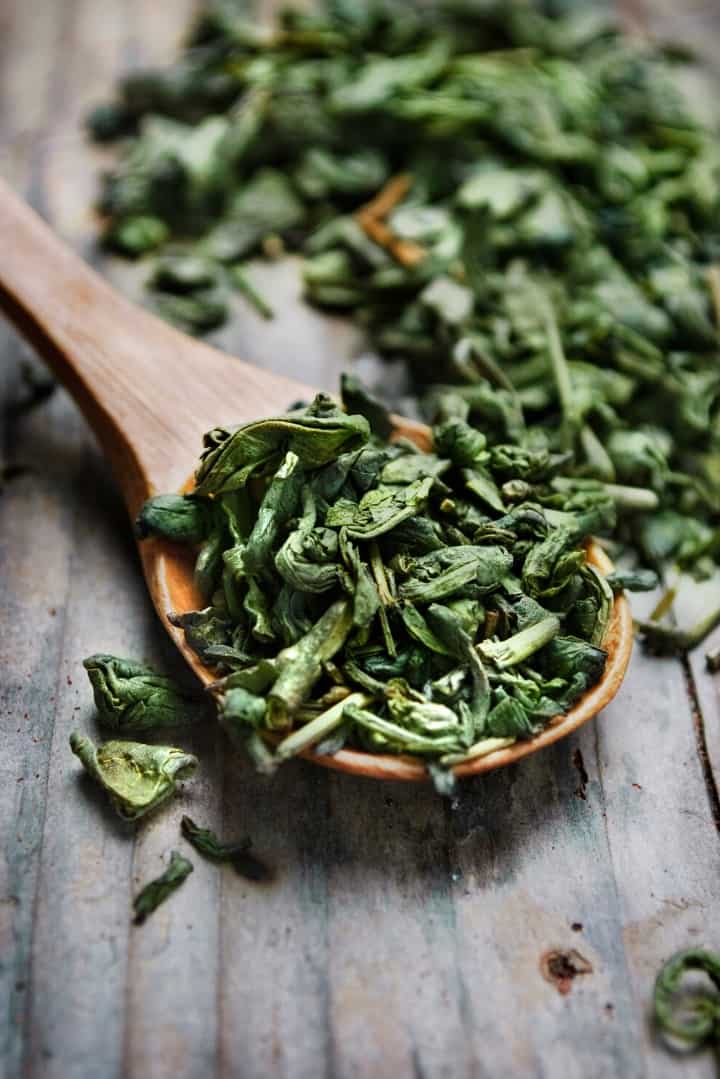
Did you know that green tea is considered a superfood? A lot of hype surrounds this antioxidant-rich ingredient, and rightly so. This post will examine the benefits of green tea and why you should drink it every day.
Many people start their day with a steaming cup of coffee. But did you know that a cup of green tea comes with a ton of benefits?
Making the switch to green tea, or at least changing up the routine to include green tea in your daily regimen of liquids, is a smart idea. There’s a whole lotta good in that cup of tea, including its fat-burning properties and ability to improve brain function.
We’ll talk more about that in just a bit – first, I’m going to answer a few questions about this superfood. Then, we’ll look at the super amazing benefits of green tea!
WHAT IS GREEN TEA?
To best understand green tea, we have to look at tea in general. Most people drink black tea or variations of it. Others like to sip on oolong tea, and some people prefer the white variety of tea. What are the differences, and what makes green tea so healthy?
Tea comes from the leaves of the Camellia Sinensis bush. The plant comes in two varieties. One grows in China and is used for green and white teas. The second type of bush is found in India and is used for both oolong and black tea.
Of the four types of tea, green tea has the most flavonoids, which are plant-based antioxidant chemicals. Green tea is the least oxidized when processed, and that is why it is touted as the most beneficial.
HOW MUCH GREEN TEA SHOULD YOU DRINK A DAY?
Studies have not been conclusive on how much green tea to drink a day to reap the maximum benefit. It really depends on the person and their own personal health. Different amounts of green tea every day will benefit you in various ways.
For example, in controlled studies, those who drank one to three cups each day had a lower risk of stroke and heart disease than subjects who drank less than one cup. And stomach cancer was less likely to develop in women who consumed over 5 cups daily.
But, we have to look at it this way – how much you consume depends on how much you can tolerate. Not everyone wants to drink 5 cups in 24 hours. Adding green tea to your diet is beneficial, but as long as you are drinking a cup or more a day, that’s great!
HOW MUCH CAFFEINE IS IN GREEN TEA?
The amount of caffeine in a cup of green tea will depend on how it was grown and processed and how you brew it. But according to the Mayo Clinic, an 8 oz cup of green tea has about 28 mg of caffeine. This is about half of what you’d find in a cup of black tea.
CAN I DRINK GREEN TEA ON AN EMPTY STOMACH?
Despite the benefits of green tea, it’s best to not drink it on an empty stomach. Doing so can cause you to experience nausea. It’s the tannins in the tea that cause the problems. Tannins can increase stomach acids, leading you to feel sick and even have a stomach ache. It’s best to drink green tea in between meals. Don’t drink green tea with your meal, as it could interfere with iron intake.
ARE THERE SIDE EFFECTS TO DRINKING GREEN TEA?
People who drink a lot of green tea may experience side effects. If this happens, it’s a good idea to cut back. Remember, increase how much you drink in a day gradually. Don’t go all out the first day. Moderation is always ideal.
Like with any caffeine, too much can make you jittery
Excessive caffeine can affect sleep
Dehydration can occur if you drink in excess because tea is a diuretic
Too much green tea can cause headaches
Some people may experience stomach upset
Iron deficient people should drink green tea one hour after meals or in between meals because it may affect iron absorption
HOW TO DRINK GREEN TEA
Did you know that green tea is the second most consumed beverage after water? Who knew? Enjoy green tea warm or cold, but when you brew it, don’t pour boiling water over the leaves immediately after it has boiled. Doing so will affect the potent catechins that do all the work. Let the boiling water rest about 10 minutes and then pour. Steep 1 to 5 minutes, depending on your taste.
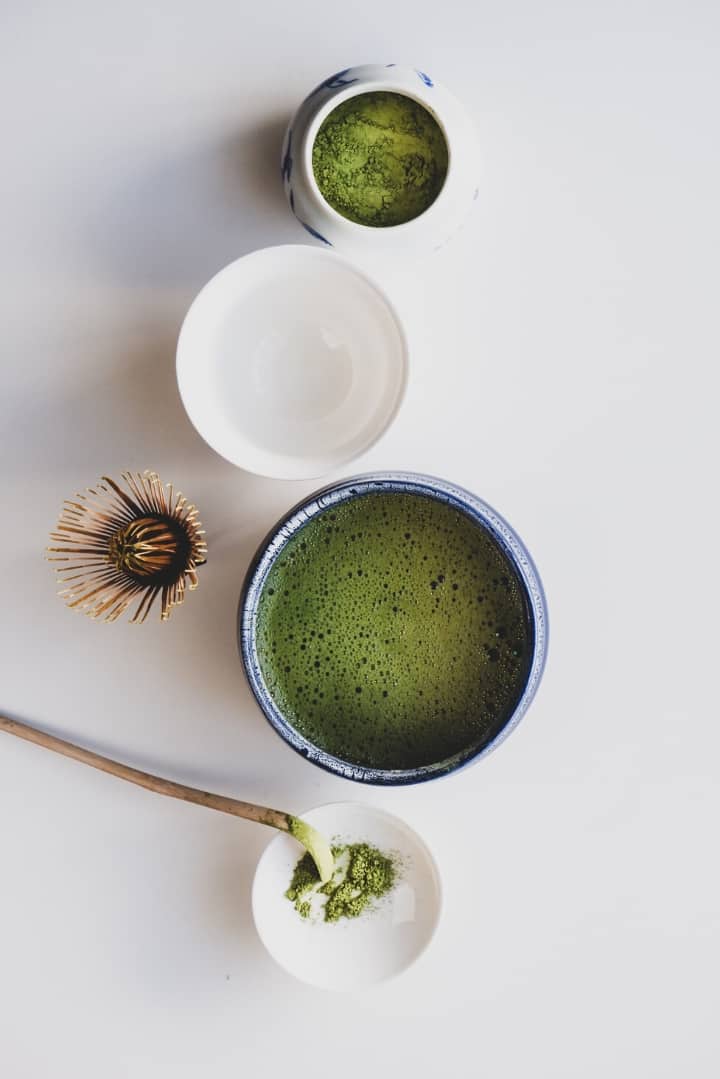
WHAT ABOUT MATCHA TEA?
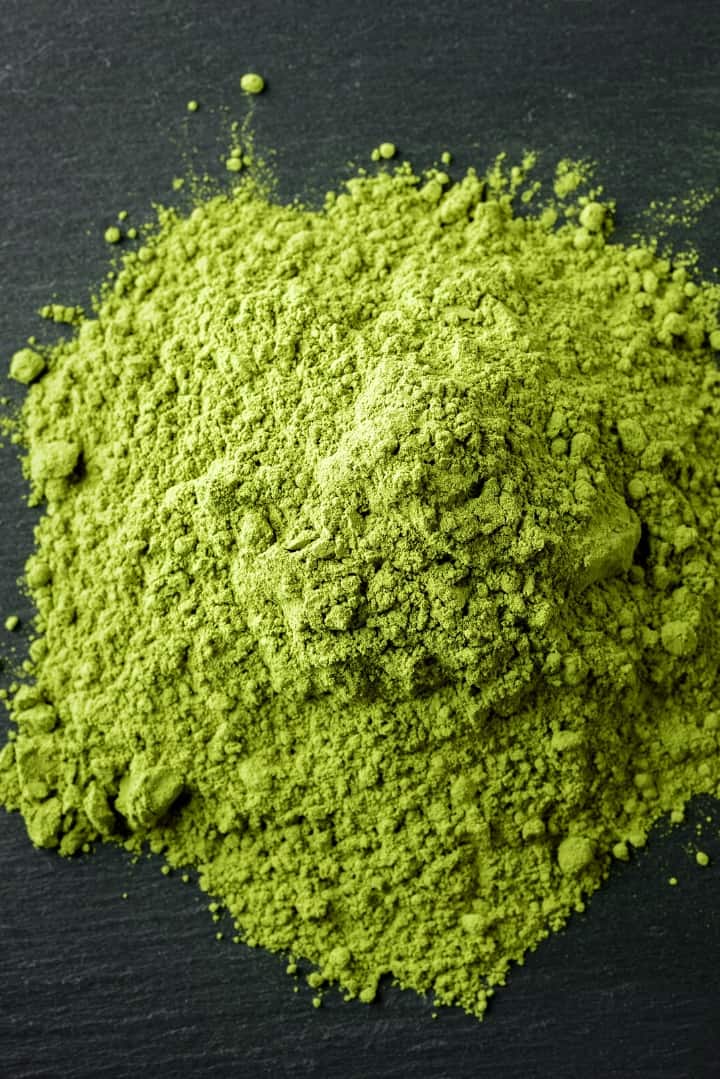
Matcha tea comes from the Camellia Sinesis bush, too. But when farmers grow it, they cover the plants a few weeks before harvest to prevent sunlight from affecting them. The chlorophyll production is boosted, which means there are more catechins (antioxidants) in the tea. The color of the leaves is darker as well.
BENEFITS OF GREEN TEA
1. GREEN TEA HAS FAT BURNING PROPERTIES
Speeding up your metabolism is a sure-fire way to feel better in general. When your bodily systems are working at top-notch capacity, it’s a bonus to overall health. And the fact that green tea increases fat burning means that your blood is flowing better, your heart is pumping at a rate it should, and your digestive system is humming right along.
2. GREEN TEA MAY FIGHT CERTAIN CANCERS
This is big. After all, we all know someone who has been affected by cancer and may have even faced it ourselves. So, to know that green tea may fight cancer is a pretty big incentive to add it to your day. The types of cancer that may be prevented are pretty numerous, too, including mouth, kidney, pancreas, stomach, and mammary glands, among others.
3. GREEN TEA MAY HELP WITH WEIGHT LOSS
A lot of people who have issues with their weight find that it is often an accumulation of pounds around the middle. Green tea may help you lose weight and, in turn, get rid of fat. In a study of overweight subjects, the findings were that weight and waist circumference decreased in those who drank green tea.
4. GREEN TEA CAN FIGHT CARDIOVASCULAR DISEASE
Cardiovascular diseases are high up there when it comes to the cause of death. Green tea can affect cholesterol levels that play a factor in conditions like stroke and heart attack. Drink green tea to lower the LDL (bad) cholesterol in the blood.
5. GREEN TEA MAY PREVENT TYPE 2 DIABETES
Type 2 diabetes is on the increase. It could be due to today’s diets and the fact that we often exercise less than we should. Insulin sensitivity is reduced thanks to green tea consumption, and blood sugar levels, a culprit of diabetes, are lowered, too.
6. GREEN TEA BENEFITS ORAL HEALTH
Your oral health is important, too. In fact, some illnesses and diseases can result from a less than taken-care-of set of teeth and gums. The catechins in green tea fight against oral bacteria.
Job is the collection of tasks, duties, responsibilities , knowledge and skills which is a regular assignment to individual employee and different from other assignments. It can be defined as a group of positions involving some duties responsibilities , knowledge and skills. It refers to the anatomy of the job. It is the process of collecting information about a job.
Edwin Flippo defined job analysis as : The process of collecting information relating to the operations and responsibilities of a specific job. It includes job description and job specification.
Job specification : 1. Education , work experience, skills 2. Responsibilities , trainings 3. Personal and emotional characteristics.
Job description includes:
a) Job tittle b) Purpose of the job c) List of duties d) Responsibilities and tasks under particular job, nature of supervision given. e) Nature of supervision taken f) Risks associated with the job. Job description is a written statement of what a job holder does , how it is done and why it is done.
Job specification
Job specification is the description of the ideal candidate for the specific job. It states the kind of competencies that a person should possess to perform the job efficiently and effectively. It includes, a). Education qualifications b). Physical efforts and skills c). Experience d). Communication or other speaking skills e). Emotional characteristics f).Unusual sensory demands such as sight, hearing smell etc. necessary for the job. It is the statement of minimum acceptable qualification that an incumbent should possess to perform the given job.
Job description and Job specification for the post professors :
Job description : The post of Professor involves teaching research , consultancy and administration.
Sexual harassment include a refers to any sort of sexual behaviour that is unsolicited, overawed, abhorrent, disrespectful and humiliating. It took over decades for people to recognize sexual harassment as a real serious issue. However, it is still overlooked in the rural areas.
It is not just a single form. Any way of unwanted touch, grab or attempt to make physical contract without one’s consent, all are considered as inappropriate behaviour. Even staring and leering, someone asking for sexual favours and display of offensive and rude material by the perpetrator for others to see it also counts in. Another form may include cracking of sexual jokes and comments and making of sexual signs or gestures towards oneself. It is unacceptable for an individual to question oneself about their sexual life or humiliate oneself by absurd sexual remarks. Further, the sexual harassment also counts in indecently exposing of oneself or making salacious phone calls. Any of such form of sexual harassment is against the law.
Such inappropriate behaviour turns out to be much fatal. Sexual harassment leaves a deep impact on oneself. At times, the victims are so much stressed out that they even suffer from depression or anxiety. Apart from these, the victims often suffer by several significant psychological effects such as sleeping disorder, headaches, sexual dysfunction, plunked self esteem and many more. Furthermore, it can also cause them to withdraw from social situations. As a result, the victim starts loosing confidence and pride.
In this world, none deserves to be ill treated or be victim to any form of inappropriate behaviour and this implies to both men and women. Each and every individual has the right to live a life free from bullying, any sort of discrimination or harassment. Therefore, sexual harassment is illegal. As mentioned in Section 354 (A) of the Indian Penal Code-“A man committing any physical contact, advances involving unwelcome and explicit sexual overtures; or demanding or requesting sexual favours; or showing pornography against the will of a woman; or making sexually coloured remarks, shall be guilty of the offence of sexual harassment. It entails a punishment of rigorous imprisonment for a term which may extend to three years.”
It is essential to notice the signs or gestures if oneself feels that someone is harassing them sexually. One of such significant sign is if oneself feels uncomfortable and experience any unwelcomed physical contact. One must keep themselves updated with the policies and procedures against sexual harassment. If anyone unfortunately comes out to be a victim, then that person should try to get external information and acquire advice from people who can help them in filing a lawsuit. Similarily, one must make sure to save any evidence they get which would help them with their complaint. Likewise, one must never deal with it alone, rather try to share it with closed ones to lighten the burden.
To conclude, sexual harassment took a long time to be recognized as a real issue but now ii is no more un acknowledged. Thus, it is necessary to take effective measures against such practice and try to prevent the fatal damage that it causes to the victims. People need to understand that if someone says no it means no. However, if an individual’s no does not have any impact and is continued being subjected to sexual jokes then, its high time to realize that he/she is being sexually harassed. Therefore, it is essential to help out those who are being victim to such harassments and make the perpetrator liable for their repulsive act.
“It’s not consent if you make me afraid to say NO”
India is one of the most beautiful countries in Southeast Asia. It is also called the land of contrast, from the wettest land of Mawsynram to the driest Jaisalmer. It’s a melting pot of different cultures and traditions. India is a diverse country with many travel destinations to offer, so let’s start with it;
Kolad is a village in Raigad district of Maharashtra State. It lies on the bank of river Kundalika. It is one of the best place for sightseeing surrounded by luscious greenery. It’s a hub for many water sports. It is a paradise for nature lovers and adventure freaks.
. RISHIKESH
The yoga capital of the world, located at the foothills of Himalayas in Northern India, with the holy Ganges flowing through it, popularly known for it’s adventure sports. Such as water sports, hiking and it’s magnificent temples. It is a pilgrimage town for Hindus, since it’s a religious place. Alcohol and non veg food is prohibited.
. RANTHAMBORE NATIONAL PARK
Located near the city of Sawai Madhopur in Rajasthan. It is one of the largest wildlife reserve. It was formerly a hunting ground for loyals. One can see the spectacular views from Ranthambore fort. People can also hopp into safari jeeps to look around more closely. It’s a perfect place for wildlife photographers.
. JIM CORBETT NATIONAL PARK
One of the oldest national park in India, located at Nainital district and Pauri Garhwal district of Uttarakhand. It was named after hunter and naturalist Jim Corbett. It is a forested wildlife sanctuary popularly known for it’s Bengal tigers. One can closely look into animals habitat through a Jeep Safari. It is a place for Nature’s admirers and photographers.
. NAINITAL
One of the popular hill station of India, located in the Kumaon foothills named after Nainital lake. It is surrounded by seven hills known as Sapta-Shring, which adds alluring beauty to it. It has a pleasent weather through out the year. One can satisfy their eye by the spectacular view of hills and lakes.
. VARANASI
One of the oldest cities and the spiritual capital of India, located on the banks of river Ganges in the State of Uttar Pradesh. One of the seven scared cities of Hinduism. It has many temples and is an ideal place for a religious person, also infamous for it’s chaotic bazaars with variety of eatables. One can roam around the city for different tourist attractions.
. DELHI
The capital city of India. It has mix of different cultures. It has many things to offer, few of them are Red fort the Mughal fort built by Shah Jahan. It is used for flag hosting ceremony every year. Qutub Minar also called the victory tower built by Qutubud-din-aibak which falls under UNESCO World Heritage site. India Gate a war memorial located along the Rajpat road in New Delhi is famous for hosting Republic Day parade every year.
. RAJASTHAN
Also known as the land of Maharajas, largest state of India. It is renowned for its magnificent forts,palaces and vibrant folk dances and songs. Some of the most famous forts of Rajasthan are Chittorgarh fort, Bhangarh fort and many more. Also well known for it’s beautiful cities which gives a cultural peak to it’s heritage. One can enjoy the remnant of the loyals here.
. OOTY
Also known as the “Queen of hills”, a hill station located in Tamil Nadu State. Infamous for lakes, waterfall, botanical garden and other things. One can have the dazzling view of the hill station roaming around. The hill station remains relatively cooler throughout the year.
. PUNDUCHERRY
The union territory of India, lies in the southern part of Indian peninsula. Punducherry depicts French fusion with South Indian cultures. The impressive streets the French style villa’s and many more. It has many authentic bakeries and cafes to serve your taste buds. One can soak themselves at the pleasant beaches and enjoy the view of setting sun. It’s a preferable place for fashion freaks and photographers.
Over the years, there have been many books that have been converted into on-screen adaptations. Film-makers run the risk of causing disappointments among book-lovers if the story being made into a film is not represented properly. In many cases, it can be pretty challenging to bring the entire plot and all the character stories completely into a 2-hour movie. There have been several good attempts made though, and here are some of the best book-to-film adaptations everyone should see, in no particular order.
The Color Purple (1985)
A deep and stirring movie, The Color Purple was based on an equally touching novel of the same name by author Alice Walker in 1982. Directed by Steven Spielberg with an amazing performance by Whoopi Goldberg, this film tells the story of Celie, a black woman in the early 20th century as she goes through life and learns to grow strong and rise above all the abuse, violence, and racism she has faced.
The Shawshank Redemption (1994)
This cult-classic was written and directed by Frank Darabont and it was based on the novella Rita Hayworth and Shawshank Redemption by Stephen King in 1982. Starring Tim Robbins and Morgan Freeman in lead roles, the film follows Andy Dufresne, a banker who is sentenced to life imprisonment in Shawshank State Penitentiary for the murder of his wife and her lover, even as he claims innocence. It remains the highest-rated movie on IMDb to date.
Gone Girl (2014)
This widely acclaimed psychological thriller was based on a novel of the same name written by Gillian Flynn in 2012. Directed by David Fincher, this film grips the viewer’s attention while going into topics like manipulation, misogyny, and complications in marriage. It follows events surrounding the mysterious disappearance of Amy Dunne while her husband Nick Dunne becomes the prime suspect in the case. The film stars Ben Affleck and Rosamund Pike whose performance received numerous accolades and award nominations.
The Godfather Trilogy (1972-1990)
Considered by many as some of the greatest films of all time, The Godfather trilogy, directed by Francis Ford Coppola, was based on the 1969 novel of the same name written by the Italian American author Mario Puzo. The trilogy of crime films released in 1972, 1974, and 1990, follow the life of the Corleone family, a fictional Italian American mafia family. This highly acclaimed film series has won 9 out of the 28 total Academy Award Nominations.
Little Women (2019)
This classic coming-of-age novel written by Louisa May Alcott in two volumes is a semi-autobiographical story about four sisters- Meg, Jo, Beth, and Amy, and their life. The novel published in 1868 has been adapted into the screen several times but the most recent remake starring Meryl Streep, Saoirse Ronan, Emma Watson, and Florence Pugh might be the best one yet. The film has also added new scenes and played with the storyline to make it more engaging to a modern audience.
The Harry Potter Series (2001-2011)
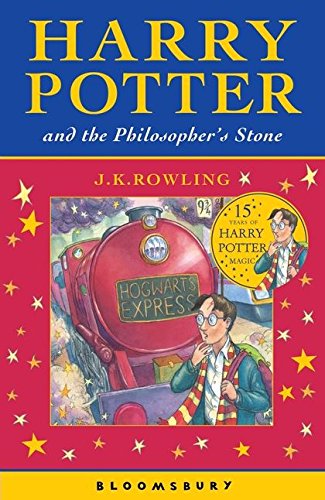
The fantastic story of Harry Potter and his wizarding friends at Hogwarts School of Witchcraft and Wizardry spanning seven books has been a fan-favorite for decades now. Their eight movie adaptations have also been some of the most popular films of all time. Some of the minor characters and storylines may be missing in the films, understandably so with such a grand plot-line and limited screen time. Even then, it makes for a very enchanting watch, particularly if you have grown up reading the books.
vitamins: Sources,Physiological role and Deficiency.
In our daily life, we take various types of food material. For our good and healthy life, our diet should be rich in all elements such as minerals, proteins, carbohydrates, vitamins, etc. A good diet gives us healthy life. so let’s know about vitamins…..
Vitamins are organic molecules that are essential to the body. they are micronutrients needed in small quantities for the proper functioning of the body. it is not synthesized in the body therefore taken from the diet. there are different vitamins essential for our body. they are vitamins- A, B, C, D, E, K. they are divided into two types- 1)fat-soluble vitamins: A, D, K, E. 2) Water-soluble vitamins: B, C.lets see in detail…
FAT-SOLUBLE VITAMINS:
1)Vitamin A= It is also called Retinol. It is present in marine fish(cod, shark) liver oil, Egg yolk, Milk, Butter, Papaya, carrots. Its physiological role in the body is to maintain the visual cycle. Retinal is important for pigmentation in the eyes. it also plays a vital role in spermatogenesis. the deficiency of vitamin A causes Xerosis of the eye,bitot’s spot, phrynoderma (dry skin), sterility in males.
2)Vitamin E= Its other name is alpha-tocopherol. it is obtained from Wheat germ oil, cereals, nuts, spinach. Physiological role in antioxidant and also avoid free radicle damage, keep immunity strong. A deficiency causes abortion, degenerative changes in the spinal cord, neuromuscular and neurological defects.
3)Vitamin D= It is a group of two vitamins -D2(Calciferol), D3(Cholecalciferol). Calciferol is obtained from yeast, bread, milk while cholecalciferol is obtained from UV rays. Calciferolhelps help in the absorption of calcium and phosphorus from the intestine. It is also important to strengthen the bone. Deficiency results in Ricketts in children and osteoporosis in adults.
4)Vitamin K= There is a combination of three vitamins- K1(phytonadione), K2(menaquinone), K3(synthetic). K1 is obtained from Alphalfa grass and K2 is obtained from Saradine sea fish. It plays important role in clotting. It helps in the synthesis of Prothrombin, Factor VII, IX, X. its deficiency causes Bleeding tendency(ecchymoses) and haematuria.
WATER-SOLUBLE VITAMIN:
1) Vitamin B= There are various subclasses – B1(Thiamine), B2(Riboflavin), B3(Niacin), B6(Pyridoxine), B12(cyanocobalamin).
Thiamine is obtained from cereals, nuts, pulses. it bplays major role in carbohydrate metabolism. its deficiency cause dry or wet beriberi.
Riboflavin is present in Milk, leafy vegetables, Egg yolk. sore and raw toughs, dry skin, loss of hair results due to deficiency.
Niacin present in fish, meat, husk, nut. It play major role in Elecron transport chain. Deficiency cause Pllegra, dermatitis, dementia.
Pyridoxine is rich source in soyabean, egg yolk, meat. Its physiological role in synthesisi of non essential amino acid. Deficiency shows Seborrheic dermatitis,glottis’s.
cyanocobalamin derived from fish, egg, animal liver. This nutrient helps to keep blood and nerve cells healthy. The deficiency results in anemia.
2)Vitamin C= it is ascorbic acid. It is rich in citrus fruit such as lemon, oranges. other sources are tomatoes, chilies, cabbages. its physiological role is an oxidative reaction. its deficiency cause scurvy.
Vitamins are micronutrients essential for the body. Daily intake should be from a daily diet.
We have been studying about a complex organ in our body for centuries and we are still learning a lot about it, Do you know what it is?. Yes, the Brain is the most complex and fascinating organ which is made up of more than 100 billion neurons that can transmit an enormous amount of information through electrochemical signal. The brain is the major organ of the central nervous system and the control center for all the body’s voluntary and involuntary activities. It is also responsible for the complexities of thought, memory, emotion, and language. In adults, this complex organ weighs about 1.4 kilograms. The brain has three major parts, the cerebrum, cerebellum, and brainstem.
The Cerebrum, which consists of the right and left cerebral hemispheres joined by the corpus callosum, is the sight of most conscious and intelligent activities.
The Cerebellum, its main functions are the maintenance of posture and the coordination of body movements.
The Brainstem, which controls vital body functions, such as breathing and digestion.
Myth or Fact?
There are about two third of the people believes that we only use 10 percent of our brain, even 50% of science teachers also do. These are all started in 1908 when William James known as the father of American psychology mentioned inhis book, The Energies of Men that “we are making use of only a small part of our possible mental and physical resources”. He only meant this a challenge to encourage the people to develop ourselves mentally. But later in 1936 Dale Carnegie mentioned the 10% figure in his book and thus people started to believe this thing. It may also come from a simple confusion that our brain is 10% neurons and 90% glial cells. There are different types of neurons that take care of different functions in our brain but in general your neurons enable you to process and transmit information and glial cells surround our neurons providing them with support and insulation.
How much we actually use our Brain?
For an adult at resting position, our brain consumes about 20% of the body’s overall energy for just breathing, digesting and keeping itself warm, even though our brain makes up only 2% of the body weight. It means that it requires 350 to 450 calories per day just to transmit signals. For 5 years old, their brain consumes over 50% to 60% of the total energy. So imagine how much energy it takes to attain 100% efficiency of your brain at once, even if you can access your brain’s full capacity you can’t use it. Because your brain would be limited by your body’s survival needs. As we have been evolving as a human from 2.4 million years ago, our brain learned to use the necessary parts at any one time , a process called ‘Sparse coding’, with this we can carry the most information using the least energy. Consider your house for an example, it has living room, bedrooms, kitchen etc, and there will be some electrical appliances in each room, so when you are in a particular room, you don’t use all the electrical appliances at once because, you don’t have to when it is unnecessary, that’s what happens with your brain too. We actually use 1 to 16% of our brain for more efficient use of energy. We use more than 10% of our brain even while sleeping, our brain process all the day events and our subconscious data to our conscious memory.
Conclusion:
So how can you be smarter? You have to train your brain like a muscle, try to learn new things, stimulate it frequently, take on challenges and get enough sleep. We are using our brain 100% but not at the same time.
“Everything we do, every thought we’ve ever had, is produced by the human brain. But exactly how it operates remains one of the biggest unsolved mysteries, and it seems the more we probe its secrets, the more surprises we find”. –Neil deGrasse Tyson
The Ministry has launched the “Scheme for grant of Award to the Good Samaritan who has saved life of a victim of a fatal accident involving a motor vehicle by administering immediate assistance and rushing to Hospital/Trauma Care Centre within the Golden Hour of the accident to provide medical treatment” on 03.10.2021. As per the Scheme Guidelines, the amount of award for each Good Samaritan would be Rs. 5,000/- per incident. The Scheme has been widely publicized through social media including PIB Note.
As per the information available with the Ministry, total number of road accidents in the country during the last three calendar years from 2018 to 2020 is given in the table below:
Year
Total Number of Road Accidents
(in numbers)
% change
2018
4,67,044
–
2019
4,49,002
-3.86
2020
3,66,138
-18.46
As may be seen, there is marginal decrease in the number of road accidents.
Based on the FIR data received from various States/UTs, the yearly analysis are done at Transport Research Wing of this Ministry. As per analysis of the reasons for road accidents, these mainly occur due to multiple causes such as over speeding, use of Mobile phone, drunken driving/consumption of alcohol / drug, overloaded Vehicle, vehicular condition, poor light condition, jumping red light, overtaking, neglect of civic bodies, weather condition, fault of driver, driving on wrong side, defect in road condition, defect in condition of motor vehicle, fault of cyclist, fault of pedestrian etc. Further, based upon the various studies the Ministry has formulated a multi-pronged strategy to address the issue of road safety based on Education, Engineering (both of roads and vehicles), Enforcement and Emergency Care.
As part of operation and maintenance of the National Highways under National Highways Authority of India (NHAI), there is provision of Ambulances with paramedical staff / Emergency Medical team with Technician / Nurse which are stationed near the toll plazas.
Ministry of Road Transport and Highways has formulated Rules regarding the rights of Good Samaritan vide notification dated 29.09.2020 (GSR 594(E) to motivate the general public to help the road accident victims in emergency situation. As per the notification, a Good Samaritan who has informed the police of any accident involving a motor vehicle, or who has transported a victim of an accident involving a motor vehicle to the hospital, shall not be subjected to any further requirements by the police or the hospital, and shall be permitted to leave immediately. Besides, this Ministry has also issued a scheme on 21.09.2021, namely “Scheme of Financial Assistance for Administering Road Safety Advocacy and Awards for the outstanding work done in the field of road safety” through which various NGOs and other organizations organize different road safety related activities including activities to motivate general public to help the road accident victims in emergency situation and awareness about it.




















 Eduindex
You must be logged in to post a comment.