Indian Classical Dance: Kathakali

Kathakali is one of the eight major classical dance forms as recognised by the Sangeet Natak Academy. Other dance forms that Sangeet Natak Academy recognises are, Kathak, Manipuri, Sattriya, Odissi, Kuchipudi, Bharatanatyam and Mohiniattam

Kathakali is a narrative dance form, from the state of Kerela. Kathakali is the amalgamation of two words, ‘Katha’ which means story, and ‘kali’ means a dance or a performance, in Malayalam. The dance form is based on the stories from Ramyana, Mahabharata and stories from Shaiva literature. Although not clearly traceable, it be believed that this classical dance from originated in the late 16th and early 17th century India.
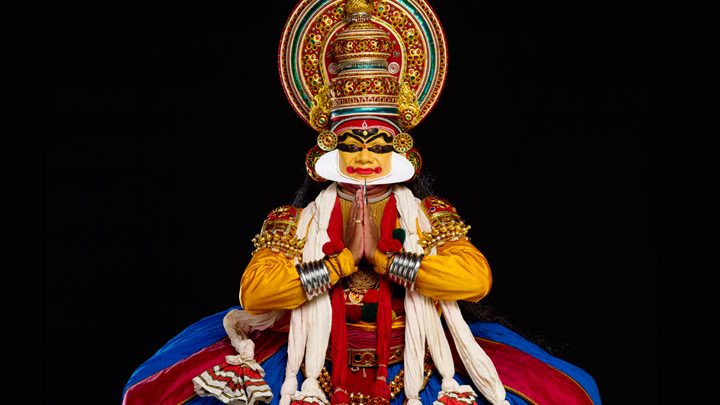
Distinct features

The art form developed in courts and theatres of Kerala’s dynasties, that is, it was an outcome of a long line of theatrical practices, contrary to other Indian classical dances which predominantly developed in Hindu Temples and monastic schools. Another distinct features was, unlike other classical dance forms, Kathakali is traditionally performed by only male performers, who play the role of both males and females.

Kathakali involves the use of intricate make-up code, costume, face masks, head dresses and brightly painted faces. The colourful make-up of Kathakali performers is quite complicated and unique among all the other classical dance forms. The intricate make-up is called vesham, which is based on the psychology of colour. The costumes consists of full skirts, a heavy jacket, numerous garland and necklaces, and headgears.
Five main roles

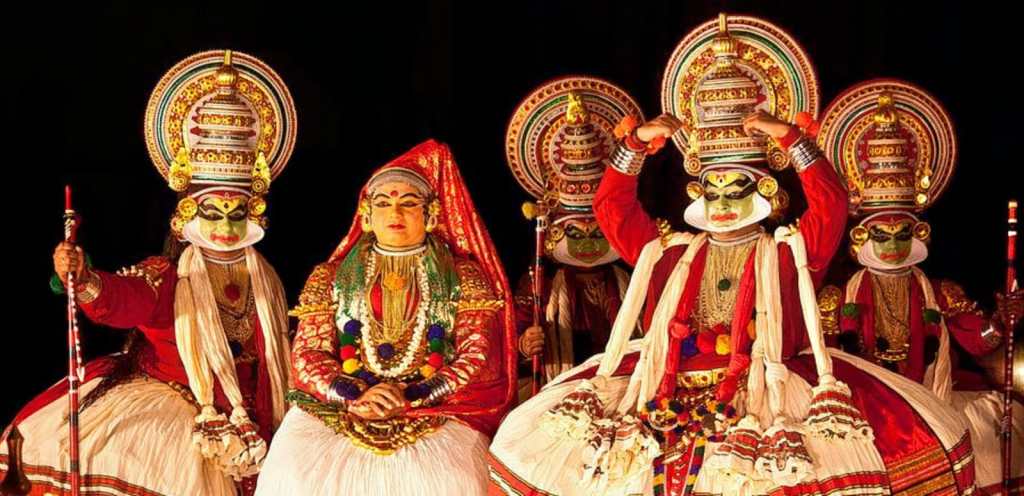
Kathakali is a highly expressive dance form and requires vigorous trainings to be able to deliver such precision and mastery. In order to deliver such performances, make-up plays an important role in classifying the character in Kathakali. Thus, there are five important character veshams (make-up) in Kathakali, they are;

  • Pacha vesham– It is a green coloured make up on the face that is used to portray noble male characters like kings and divine beings.
  • Kathi– It denotes arrogant and evil character. The make is basically green showcasing that they are high born, but a red mark like an upturned moustached or knife (Kathi) is painted on the cheeks to show they are evil.
  • Kari vesham– This is the colour black,  and it is used for demonic characters, playing the most heinous figures on the stage.
  • Minukku vesham– It symbolizes gentleness and high spiritual qualities, denoted by using radiant lighter colours.
  • Thadi vesham– This refers to the beard, it can vary in length and colours, depending on the gravity of the character.

Apart from these five character veshams, there are eighteen other special characters that cannot be fitted into any particular category.
Kathakali in the present times

Traditionally Kathakali dances revolved around themes from religious sagas, legends, mythologies, folklores and spiritual tales, derived from the ‘Puranas’ and the Hindu epics. However, apart from such traditional themes, the modern day Kathakali troupes have also incorporated themes based on legends from Christianity and also adapted themes based on stories of renowned western authors such as William Shakespeare and more.

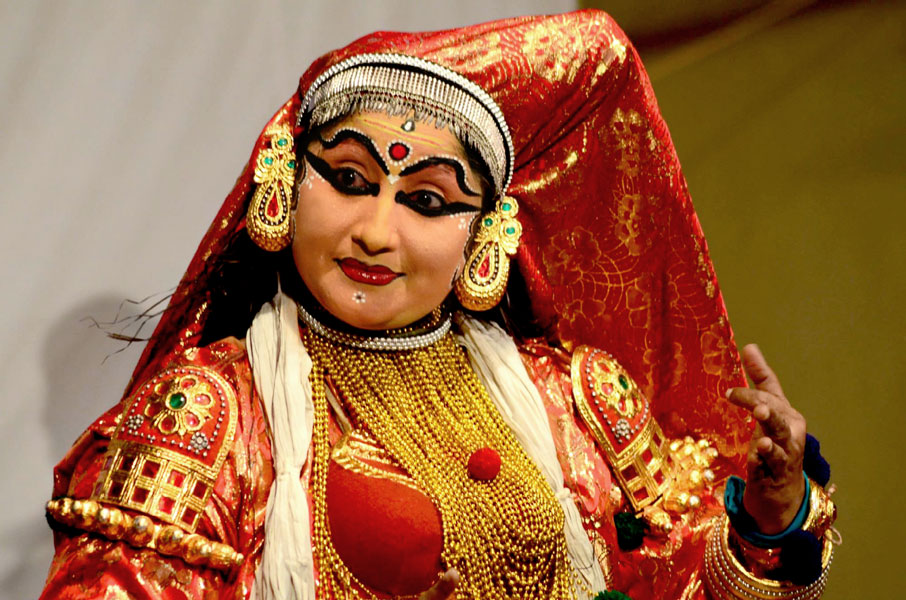
Another development that can be seen in present day Kathakali is the inclusion of women in the troupes. Traditionally Kathakali was performed by an all-men troupe who played the parts of both men and women. But now, this seems to be changing, as there has been a growing number of women participating in performing the dance form. This new changes have been welcoming, and viewers are accepting and appreciating these changes to an extent.

                    However, certain things remain the same such as beginning the performance by lighting a lamp and playing orchestra music, and the voiceover continues to be in Sanskritised Malayalam. Kathakali as a dance form not only entertains us but also provides a window to have a glimpse into the past and an opportunity to comprehend the ancient heritage that has been preserved for centuries through Kathakali performances.  

Time Travel

We are always curious about time travel which is hard to believe but some people say it is possible to time travel with advanced technology while others say it’s a myth. First of all what is time travel? It is a concept of movement between certain points in time. We always come across cartoons or movies where people go back and forth in time using a hypothetical device known as time machine.

When it all started ?

You may be wondering when did all these talks started. The first time this concept was mentioned was in a novel named “The Time Machine”, written by H.G Wells and published by Heinemann in 1895. We would have also come across ancient myths where some characters had the power to skip forward in time. There is also a Hindu mythology where the king “Raivata Kakudmi”, travels to heaven in order to meet the creator Brahma. There are a lot of cartoons which uses the concept of time travel to entertain the kids.

Science and time travel

What does science mention about time travel? In our physics book we all would have learnt about special and general relativity and also types of motion in space. Theoretically speaking, time travel is possible. According to general relativity, time travel is possible by moving faster than the speed of light , which includes cosmic strings, warm holes and Alcubierre drives. Some of us would have seen the movie interstellar in which the main character travels to the future using black hole concept and meets his daughter who had become way too older than him. Stephen Hawking suggests that the fundamental laws of nature prevent time travel. Still physicist cannot come to a conclusion on time travel but we all find it as an interesting topic to talk about.

Time Machine

Most of us are curious on how does a time machine would look like if it really existed. No one knows How a time machine looks, because real time machine doesn’t exist till date, but from seeing in science fictions and cartoons, we can say that it looks like vintage cars without a roof with some clocks installed in it. whatever maybe a time machine, if it existed won’t we all be standing in line to travel in it?

MGNREGA-The most important scheme of our government?

Inrtoduction

On 23rd August 2005, the Government of India launched a scheme that would prove to be one of the most sophisticated moves the then leadership would make. The National Rural Employment Guarantee Act 2005 (later renamed as the Mahatma Gandhi National Rural Employee Guarantee Act) was passed to guarantee the citizens their “Right to Work”.What would later prove to be a major success in the field of rural employment, the bill was one a lot of people were apprehensive of. India is a country where even the smartest of engineers are unemployed, and the conditions in rural areas are worse. This is a direct consequence of poor job security, availability, and restrictive labor laws. But the MGNREGA aims to eradicate this lineage of poverty.

Why MGNREGA?

The act was first proposed in 1991 by our then Prime Minister P.V. Narasimha Rao. After thorough scrutiny of the program, it was finally launched in 2005, covering 625 districts of India. The statute was praised as”the largest and most ambitious social security and public works program in the world”.In its World Development Report of 2014, the World Bank applauded it as a “stellar example of rural development”.But why was this scheme needed? According to tons of surveys and reports by the various governments of India, between 1980 and 2005, the number of unemployed persons in India steadily increased from around 7.8 million in 1983 to 12.3 million in 2004–5. Not only this, but several media organizations claim that “there is unanimity amongst scholars that the organized manufacturing sector [in India] registered “jobless growth” during 1980-81 to 1990-91”. Such deplorable conditions of our workers were sought to be amended by this act.

Objectives of the program

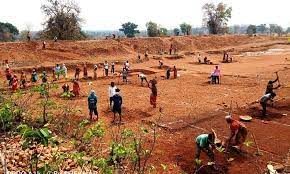
The key objective of the program is increasing the working days of a daily-wage worker to at least 100 per year, to one or more members of a family, willing to do unskilled work. In its early years, NREGA was claimed to be “making a difference to the lives of the rural poor, slowly but surely.”
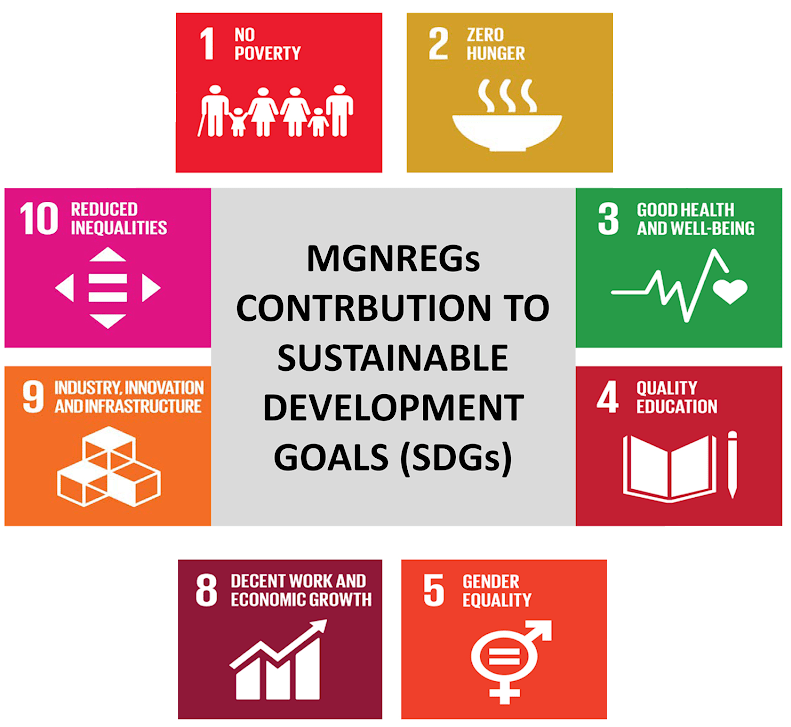
Improving the negotiating power of labor who were incessantly exploited was one of the major objectives of the program. The key benefit of the scheme hangs on the reduction of wage volatility.
Another important aim of the program is parity between men and women working similar jobs. This highlights the importance of women’s empowerment through paid jobs and entitled compensations.
Another problem faced is that of water shortage in rural India. With water bodies shrinking, the sources of irrigation for farmers seem to be depleting. In a report covering the timeline of the last decade, it was found that almost half of the funds were directed towards solving this critical problem. Our country relies on agriculture for a large part of its economy, and any hindrance to its fruitful growth could simply not be tolerated.

Achievements of the program so far

Some of the many achievements of MGNREGA include providing a standard livelihood to the women of India, employing the people critically affected by Demonetization and GST, and benefitting the agricultural sector immensely.According to the National Council of Applied Economic Research (NCAER), this scheme has played a vital role in reducing poverty among the poor as well as the socially weaker sections (Dalits, tribals, and marginal farmers).

This program has indeed proved to be a boon for the Indian youth and is the epitome of the fine implementation ability of our democracy.

Abhilasha Toppo

Articles written by Abhilasha Toppo

 1. https://track2training.org/2022/01/17/online-education-and-work-from-home-have-we-arrived-in-virtual-world/

2. http://track2training.org/2022/01/17/national-educational-policy-2020/

3. http://track2training.org/2022/01/17/student-suicides-what-are-the-deep-rooted-problems/

4. http://track2training.org/2022/01/18/role-of-media-in-protecting-democratic-values-in-india-success-and-failure/

5. http://track2training.org/2022/01/19/aadhar-and-privacy/

6. http://track2training.org/2022/01/20/raising-legal-age-of-marriage-in-india/

7. http://track2training.org/2022/01/22/should-courts-declare-prostitution-legal-in-india/

8. http://track2training.org/2022/01/23/juvenile-justice-system-in-india/

9. http://track2training.org/2022/01/24/death-penalty-in-india/

10. http://track2training.org/2022/01/25/addiction-of-social-media/

11. http://track2training.org/2022/01/27/role-of-students-in-eradication-of-drugs/

12. http://track2training.org/2022/01/31/single-use-plastic-ban/

13. http://track2training.org/2022/01/31/ignorantia-juris-non-excusat/

14. http://track2training.org/2022/02/01/language-is-not-only-a-means-of-communication-but-also-a-tool-by-which-we-think/

15. http://track2training.org/2022/02/02/aatmnirbhar-bharat/

16. http://track2training.org/2022/02/07/kashi-vishwanath-corridor/

17. http://track2training.org/2022/02/08/feminism-and-women-empowerment/

18. http://track2training.org/2022/02/08/child-marriage-a-legal-view/

19. http://track2training.org/2022/02/09/impact-of-feminism-and-women-empowerment-on-indian-society/

20. http://track2training.org/2022/02/09/triple-talaq/

21. http://track2training.org/2022/02/13/impact-of-caste-dynamics-in-contemporary-india/

22. http://track2training.org/2022/02/13/electric-vehicles/

23. http://track2training.org/2022/02/14/pm-ayushman-bharat-health-infrastructure-mission/

24. http://track2training.org/2022/02/16/farm-bill-2020/

25. http://track2training.org/2022/02/16/uniform-civil-code/

26. http://track2training.org/2022/02/17/azadi-ka-amrit-mahotsav/

27. http://track2training.org/2022/02/22/__trashed/

28. http://track2training.org/2022/02/23/__trashed-2/

29. http://track2training.org/2022/02/26/the-indian-constitution-indian-republics-sacred-book/

30. http://track2training.org/2022/02/27/section-377/


THE MAN WITH ZERO HATERS

Inspirating story of RATAN TATA

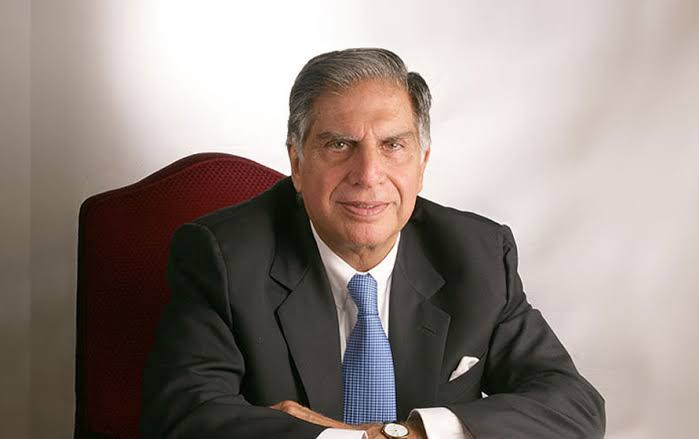
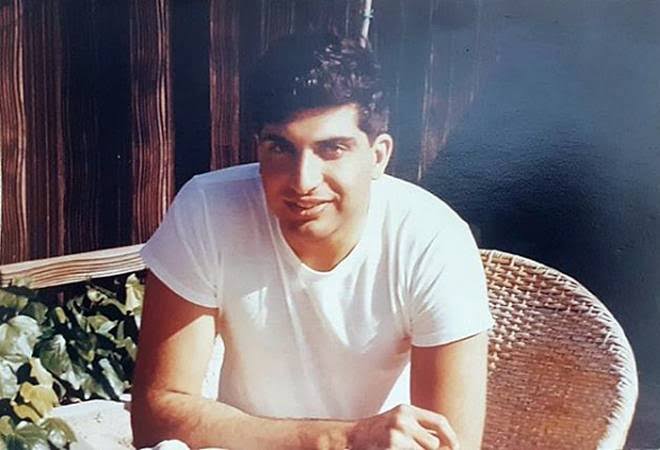
The Ratan Tata is an Indian industrialist and philanthropist. He is chairman of the Tata group. He is the biggest Indian business magnate and chairmen of 100$ billion. The mission of the company is “To improve the lives of communities we serve globally.” Ratan Tata is a very best leader because he takes care of his employees. He started medical benefits to its employees. He is regularly supporting the education system, the health system that is medicine, and rural development. He is a role model for all youth.
The Ratan Tata was born on 28 December 1937(age 84). He is the son of Naval Tata and was adopted by Ratanji Tata (son of Jamsetji Tata). He is situated in Mumbai, Maharashtra. He is an alumnus of Cornell University College Of Architecture. And Harvard business school through the Advanced Management Program in 1975. he joined the company in 1961. he gives 8 hours of work to employees.


Tata invested personal savings in Snapdeal-one of India’s leading e-commerce websites in January 2016. he also invested in Teabox, an online tea seller. he made small investments in both early and late-stage companies in India. Tata Motors rolled out the first batch of Tigor Electric Vehicles from its Sanand plant in Gujarat. For that Tata said, “Tigor indicates a willingness to fast forward India’s electronic dream. the government has set an ambitious target to have only electric cars 2030.”
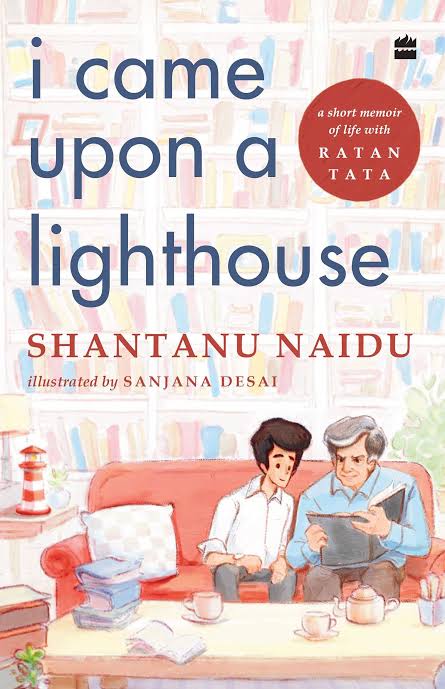
I came upon a lighthouse: A short memoir of life with Ratan Tata written by Shantanu Naidu. Tata industries work in various fields such as steelwork, ironwork, cotton mills, and hydroelectric power plant. Ratan Tata got the Padma Bhushan award in 2000 and Padma Vibhushan in 2008. He is a real hero and a legend person.

Section 377

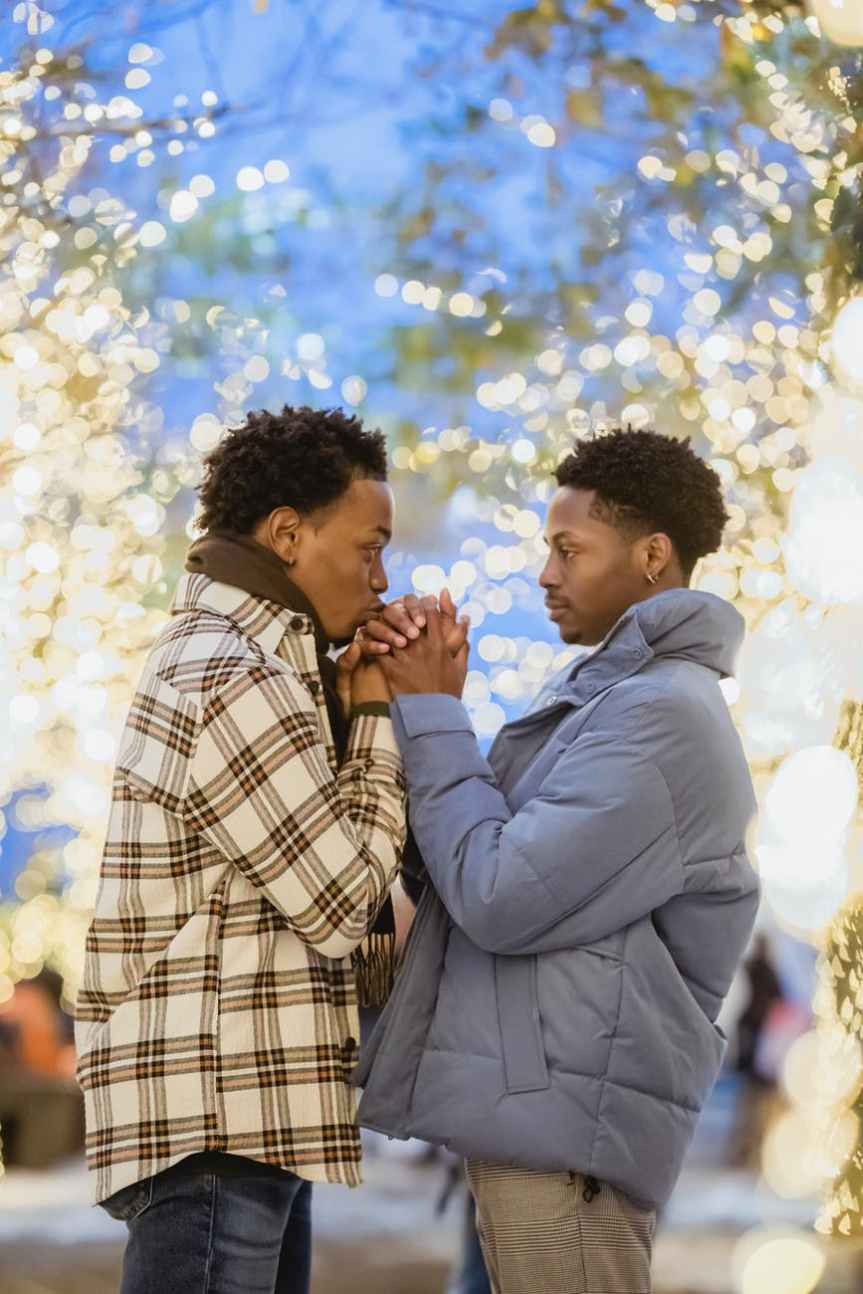
In the past, homosexuality was regarded as an offence of criminal nature. However, few years back in 2018, a remarkable judgement was laid, decriminalizing Section 377 of the Indian Penal Code making private homosexual relations legal. This judgement was assumed to be bring benefitable changes in the life of the homosexuals and was believed to contribute in their fight for their right to be a part of the society. Nonetheless, the increasing cases of suicide of homosexuals recently has turned upside down the above believe and the fact of decriminalizing the Section 377 has not brought fruitful effects that was expected as such.

In 1864 initially, Section 377 was introduced by the ruler of British colonial. Section 377 of the IPC states that any homogenous intercourse or sex activities between individuals of same sex are prohibited and illegal under the law. Our Indian government followed this act for a very long time but it was opposed by a great number of people. Many NGOs and foundations also stood in support of the homosexuals and many rallies and campaigns were started to create awareness about gay sex and normalize it in the society.

Prior to the revilement of the Act, the people were afraid to express their real feelings. They considered the fact that they are gay should remain hidden because they thought that if the people come to know about this fact, the society would avoid them making them feel unmotivated, uncomfortable and unaccepted. Such was the reality back then. However, when the ban was raised, many homosexuals came forward and expressed their true feelings. The upliftment made gay sex legal and such people started living a happy confident life and it also encouraged them to make confident choices.

Taking into account the present scenario, many people still consider homosexual intercourse and sex as a taboo. There is a false belief that performing such actions is excessively repulsive and vicious for the society or human race. Although, it has been proven scientifically that its all about changes in the hormones and it’s utterly normal to have affection and love between individuals belonging to same sex. There should be no sense of uneasiness among the people, rather they should support the homosexuals as they are also humans as them and they also have the same emotions and feelings. Love and support are the mere needs of homosexuals to feel accepted by others in the society.

The ban upliftment was the result of the help and support of a number of foundations and NGOs. One such foundation was Naz foundation that focused on putting this act at public notice and tried to make it a significant topic to be noticeable by the court. Many NGOs and foundations came together and joined hands in implementing campaigns to make people familiar about the concept of same sex relationship.

The ban was uplifted by a five-judge bench of constitution headed by chief justice Dipak Mishra. Prior to the revilement of the act, if an individual was caught in this act then he/she was liable to be in atleast a 10 year imprisonment along with fine. It was the outcome of the support of many people and determination of the NGOs and foundations that the ban was raised by a long 185 years period. This encouraged the people to come out of the shadows and live their life confidently and happily. Today, not only in India but in many other countries, the government is open for gay relationships and one can marry an individual of same sex and can even adopt a baby. These things are now no more regarded as taboo because of their constitutional flexibility which is made only for the betterment of the people.

Swarnajayanti fellow’s work to pave way for developing strategies to manage and treat attention disorders

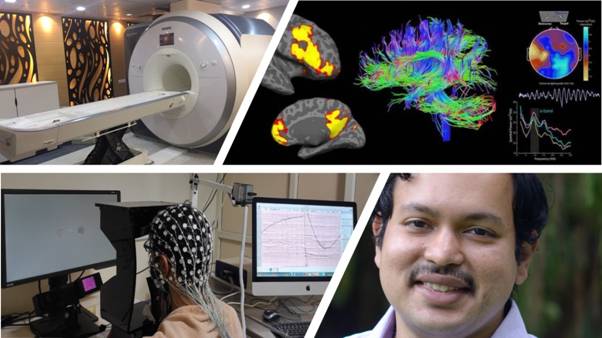
 Prof. Sridharan Devarajan, currently an Associate Professor in the Centre for Neuroscience & Associate faculty in Computer Science and Automation, Indian Institute of Science (IISc), Bangalore, is a recipient of the Swarnajayanti fellowship for the year 2021. He seeks to identify brain regions and neural mechanisms that mediate human attention, with potential applications in developing therapies for treating attention disorders.

The human brain has the remarkable ability to pay attention to important objects and locations in our world while ignoring irrelevant ones. Although attention has been studied behaviourally for many decades, we know very little about how attention works in the brain. Unexplored territories include— identifying brain regions that allow us to sustain attention on particular objects, brain regions that suppress irrelevant information, and brain processes that are disrupted in disorders of attention.

Along with his group, Prof. Sridharan is employing combinations of cutting-edge, non-invasive technologies. Including functional and diffusion Magnetic Resonance Imaging (fMRI/dMRI), Electro-Encephalography (EEG), and Trans-Magnetic and Electrical Stimulation (TMS/TES) to both record and perturb human brain activity in a targeted manner.

In his recent work, Prof. Sridharan has identified how particular brain regions – both in the neocortex (outermost layer of the brain) as well as in the deeper midbrain – contribute to attention. His group has shown that human participants with asymmetric wiring between the midbrain and the cortical hemispheres also show marked asymmetries in the way they pay attention. In another recent study, they have shown that perturbing activity in a particular region in the neocortex (the parietal cortex) can affect participants’ ability to pay attention. To analyse and simulate how attention works in the brain, they also developed detailed mathematical and computational (deep learning) models of the neocortex and midbrain. This research has been published in various prestigious journals, including PLoS Computational Biology.

“While these studies from our group and others have hinted at the role of several brain regions in attention, very few have experimentally established these links directly. As part of the Swarnajayanti Fellowship, our lab will seek to understand “causal” mechanisms of attention in the brain. We will follow a three-pronged approach,” told Prof. Sridharan.

First, they will track changes in the structure, activity, and connectivity between specific brain regions (“neuroplasticity”) when participants are learning to paying attention. Measuring such neuroplastic changes in the brain may have key implications for testing the effectiveness of interventions for managing attention disorders, both in children and adults.

Second, they will develop brain-machine interface technologies that can be used to train participants to voluntarily control activity in attention-related brain regions (“neurofeedback”). They will then try to find out whether achieving such neurofeedback control improves participants’ attention abilities. This type of interface may be developed into a non-invasive tool for training attention capacities in healthy individuals, as well as in patients with attention disorders.

Third, they will perturb and image brain activity in real-time, with millisecond precision (“neurostimulation”), to identify the role of particular brain regions in attention. This technology may be adapted in clinical settings for targeting brain regions implicated in disorders of attention, such as attention deficit disorder (ADD).

All of the experiments will be carried out at the state-of-the-art JN Tata National MRI facility at the Indian Institute of Science (IISc), which houses a 3T (Siemens Prisma) MRI scanner with integrated MR-EEG and MR-TMS setups.

“Broadly, the research findings from this proposal will advance our fundamental understanding of key principles by which attention works in the human brain and may pave the way for developing rational strategies to manage and treat attention disorders,” added Prof. Sridharan.

Description: C:\Users\Admin\Downloads\Slide 2.jpg


Publication link: https://journals.plos.org/ploscompbiol/article/authors?id=10.1371/journal.pcbi.1009322

Looking Back to Past: Vintage Kolkata in Photos

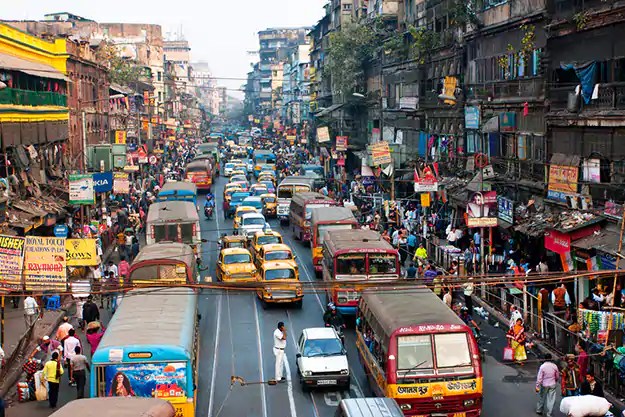
A busy street of Today’s Kolkata

Introduction

Kolkata, also fondly know as “The City of Joy”, never ceases to amaze generations with its breathtaking beauty, not only with its metro city status of today’s India, but also in the days of past. In today’s editorial, we’re going to take glance at glimpses of Vintage Kolkata from the past.

Brief History and Importance

Kolkata’s recorded history began in 1690 with the arrival of the English East India Company, which was consolidating its trade business in Bengal. Job Charnock, an administrator who worked for the company, was formerly credited as the founder of the city; In response to a public petition, the Calcutta High Court  ruled in 2003 that the city does not have a founder. The area occupied by the present-day city encompassed three villagesKalikataGobindapur  and Sutanuti

Kolkata , also known as Calcutta (official name until 2001) is the capital of the Indian state of West Bengal. Located on the eastern bank of the Hooghly river, the city is approximately 80 kilometres (50 mi) west of the border with Bangladesh. It is the primary business, commercial, and financial hub of Eastern India  and the main port of communication for North-East India .According to the 2011 Indian census, Kolkata is the 7th most populous  city in India, with a population of 45 lakh (4.5 million) residents within the city limits, and a population of over 1.41 crore  (14.1 million) residents in the Kolkata Metropolitan Area. The Port of Kolkata  is India’s oldest operating port and its sole major riverine port. Kolkata is regarded as the Cultural Capital of India.

Vintage Kolkata Album

Here we take a look at the vintage snaps of Kolkata’s most iconic places

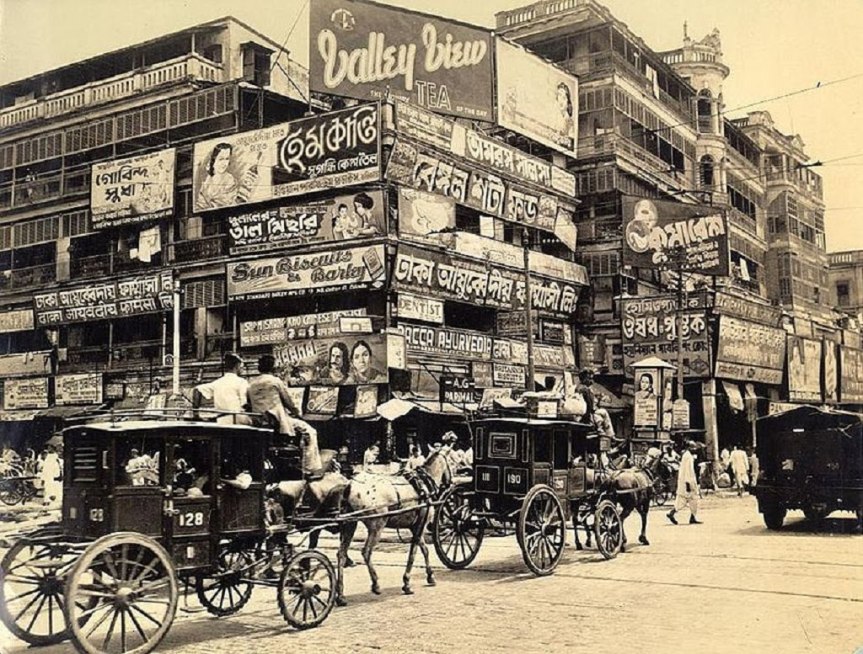
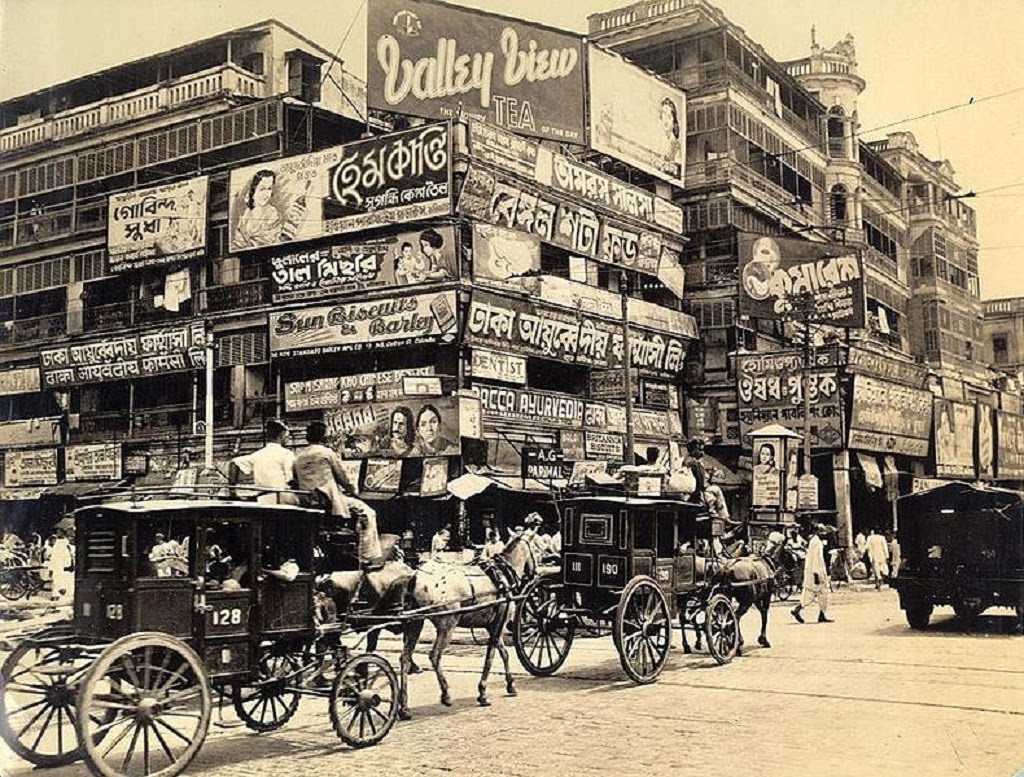
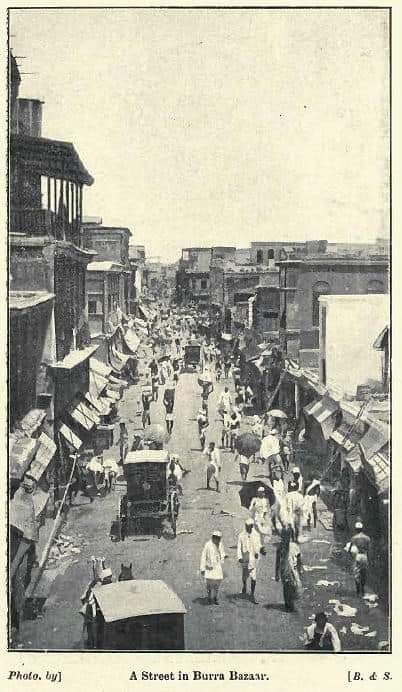
Crossing of Harrison Street, Strand Road and Burra Bazaar Area
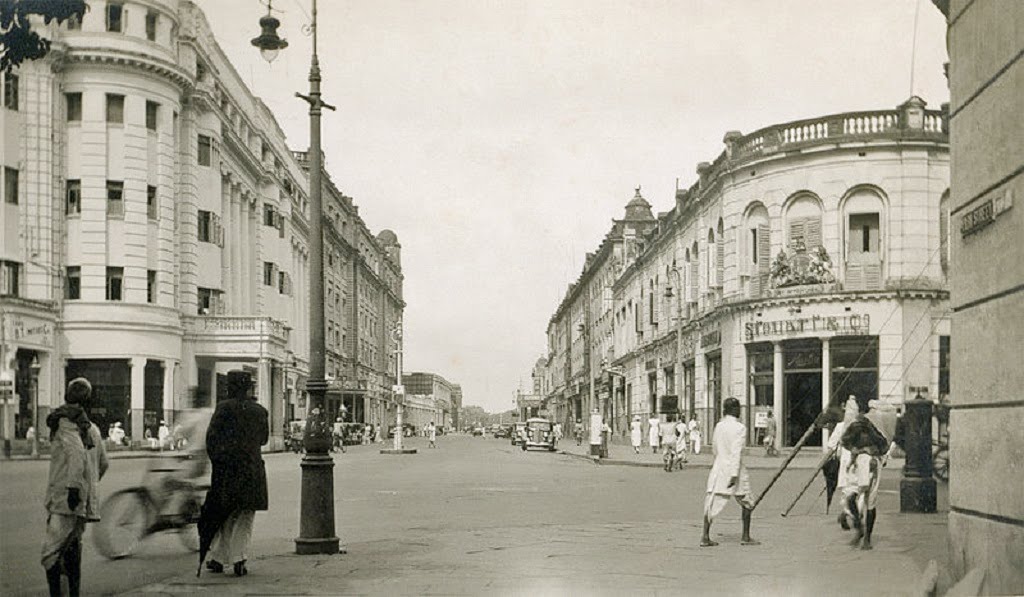
Park Street
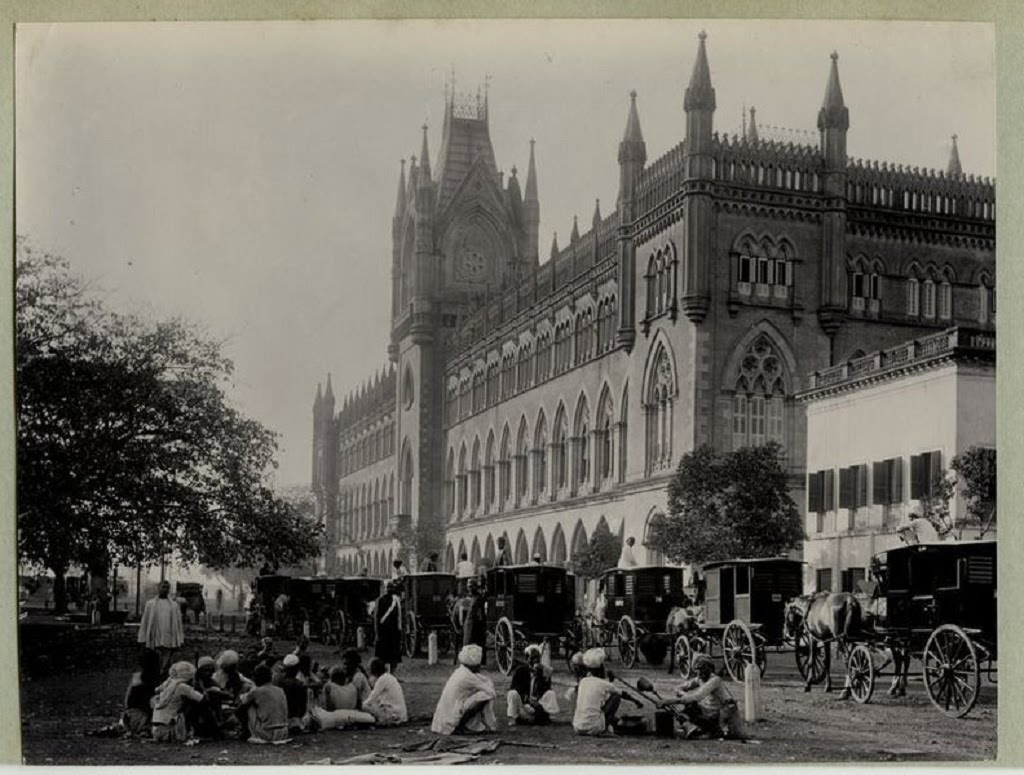
Calcutta High Court
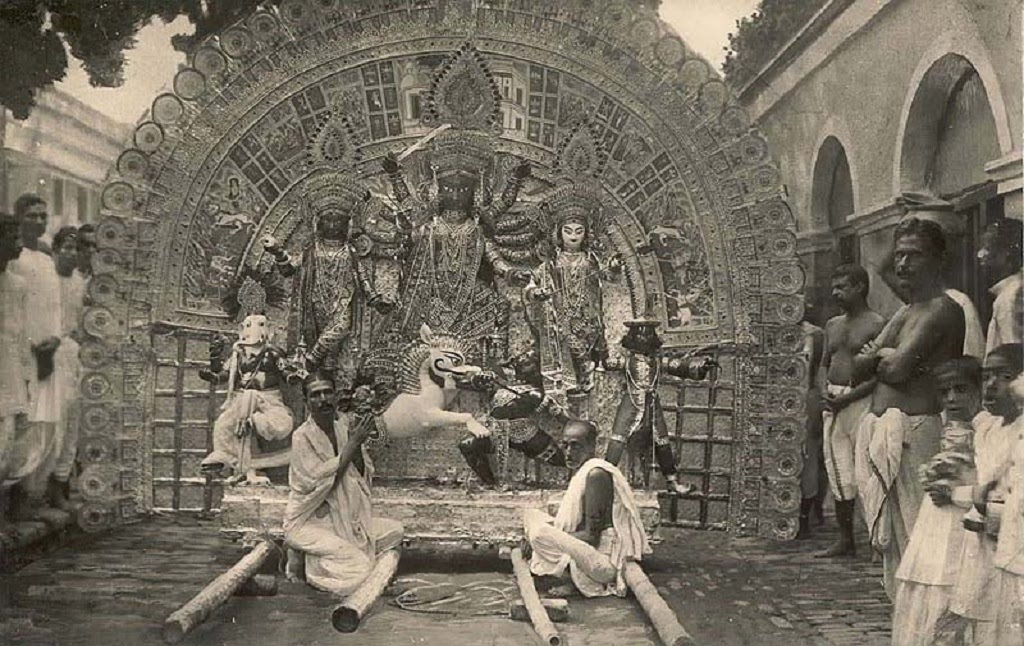
Traditional Goddess Durga Idol
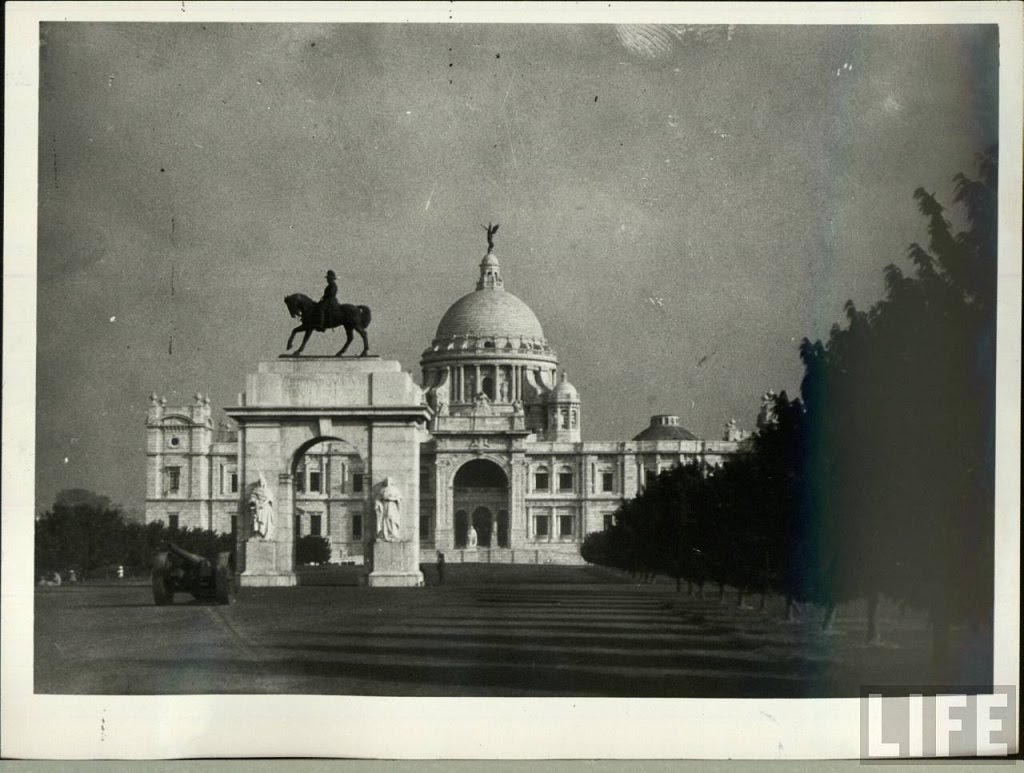
Victoria Memorial Hall
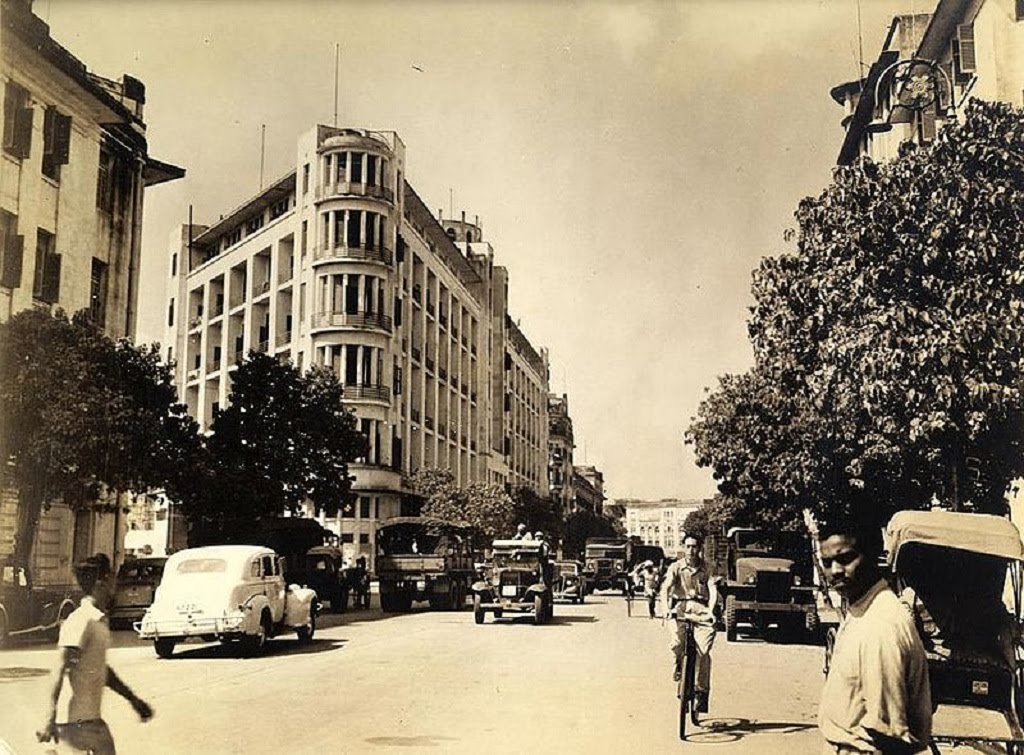
The Hindustan Building on Central Avenue once served as the office of US Army
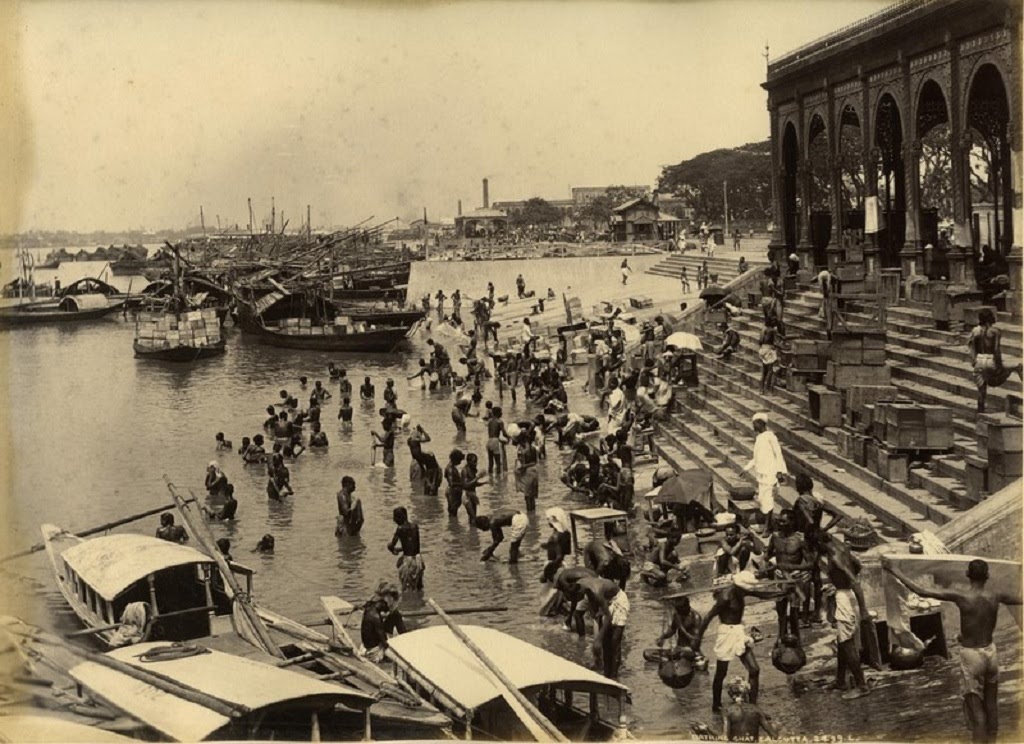
The Bathing Ghat of Hooghly River
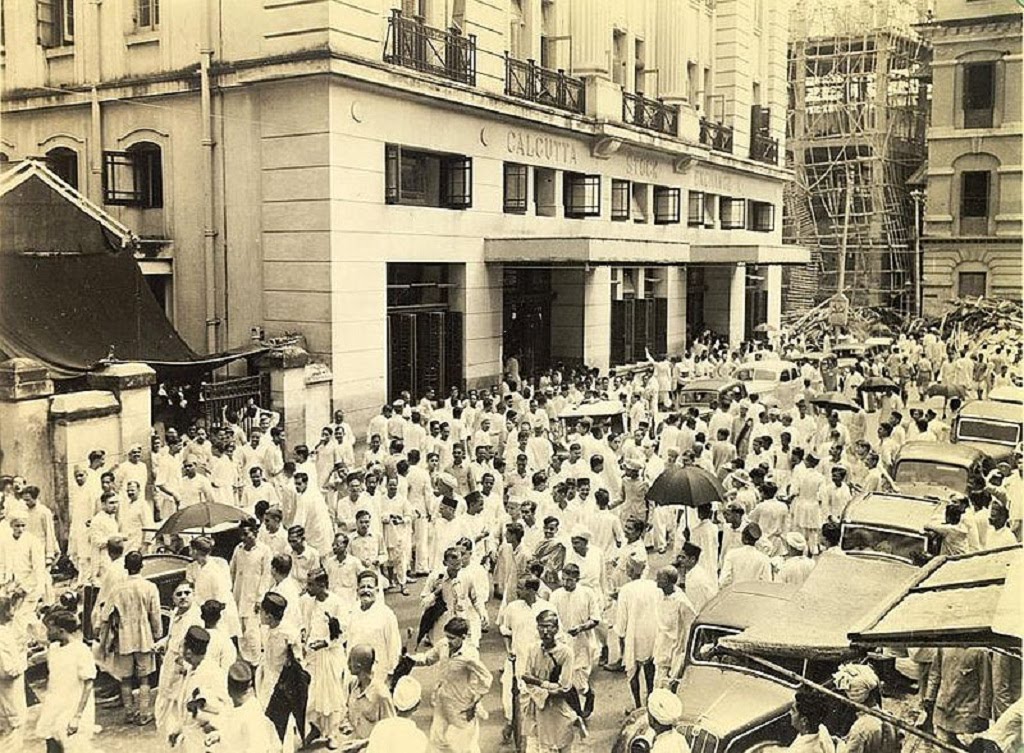
Hustle in front of Calcutta Stock Exchange
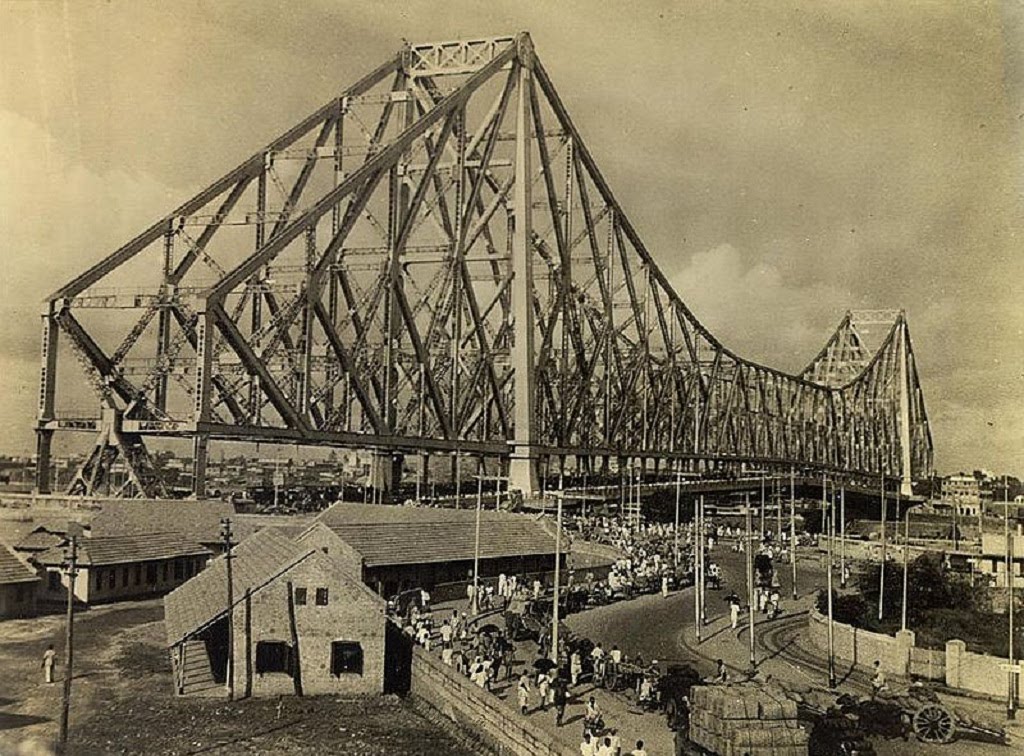
Early days of Howrah Bridge
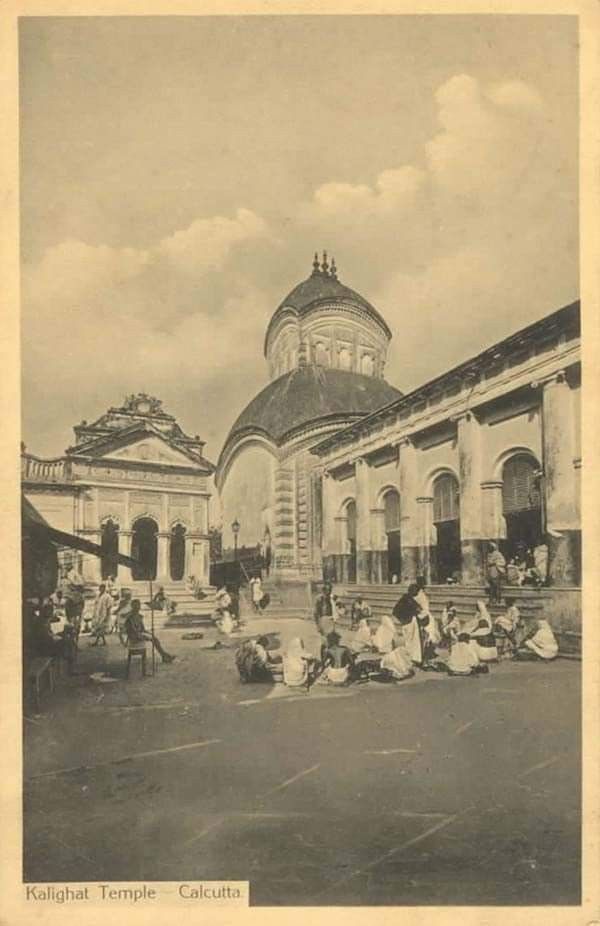
The auspicious Kalighat Temple of Goddess Kali
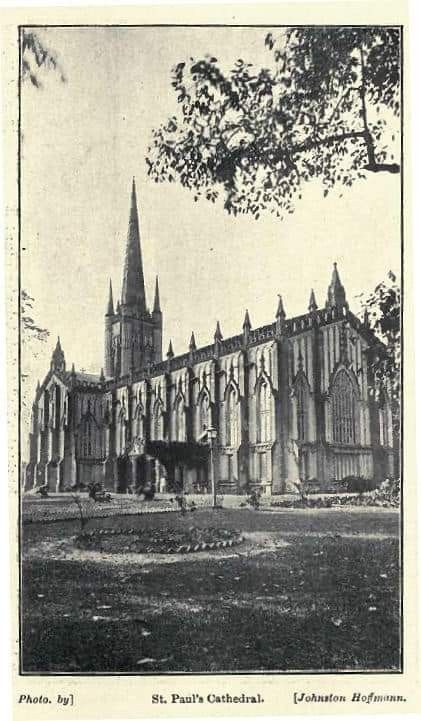
St. Paul’s Cathedral Church
Burra Bazaar Area
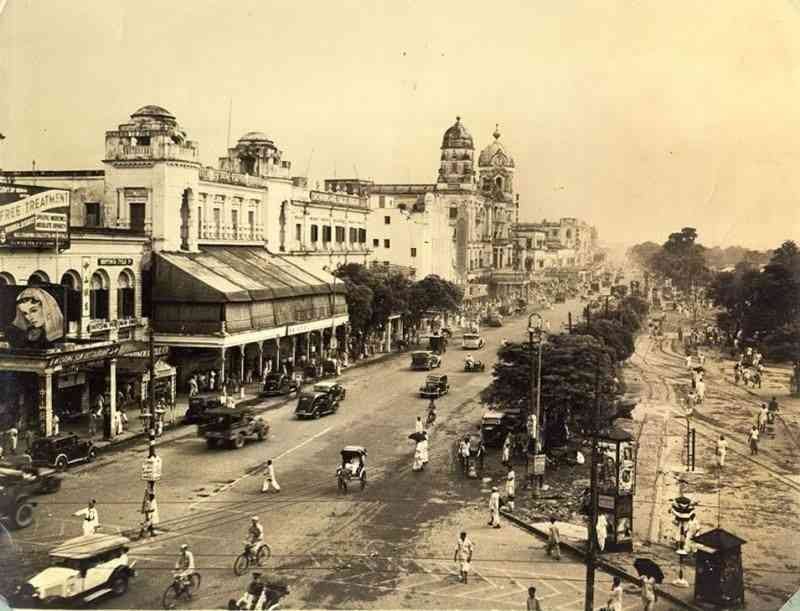
Esplanade Area
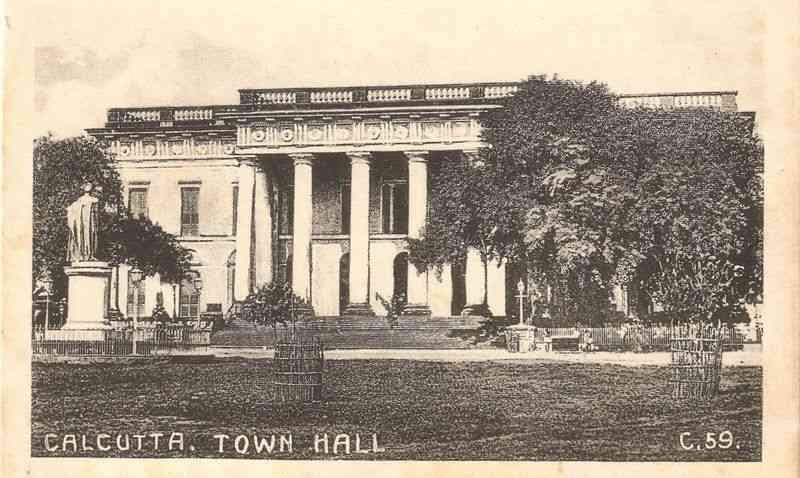
Calcutta Town Hall

Conclusion

Though the time has changed, and history has taken many turns but the essence of Kolkata, has remained the same over ages. The Government has come forward to preserve the heritages of Kolkata, that have made the Bengal and Bengalis proud through decades. People are hopeful that this tradition follows down with the upcoming generations by passing love and the celebration of the beauty of Kolkata.