Governments budgeting

Description of the budget

The word ‘budget’ is derived from the French word, Bougette, which means a leather wallet or purse. Therefore, the term modern budget refers to a document that contains estimates of revenue and expenditure of a country, usually for one year.

Types of Budget
Budgets can be categorized based on the following principles:

(i) Combined time.
(ii) Number of budgets tabled in the legislature.
(iii) The overall finance budgets position is presented in the budget.
(iv) An approved policy on the takeover of revenue and expenditure in the budget.
(v) Division of receipts and expenses in the budget.

Based on these principles budgets can be:

(i) Annual budgets or long-term budgets.
(ii) One or more budgets.
(iii) Excess budgets, deficits or estimates.
(iv) Budget or revenue budget.
(v) Departmental budget or operating budget.

A brief description of the different types is as follows:

Annual or long-term budgets:
Generally, Government budgets are for one year, that is, for one year. In India, England and many other commonwealth countries the financial year starts on April 1 and ends on March 31, but in the U.S.A., Australia, Sweden and Italy the dates are 1st July and 30th June.
Some countries adopt a planned economic policy and meet the requirements for long-term planning, using a long-term budget, that is, preparing a budget for three years or more. Such a budget is a long-term plan rather than a long-term budget because what is offered is a financial plan over the years to fund the program.
These countries spread the use of program costs over many years. The legislature approves the plan and estimates its costs, but that does not equal the actual voting of all-time shares. Every year the national budget will include expenditure on a plan for that year to be approved by the legislature.

One or more budgets:
When the estimates of all Government functions are allocated to a single budget, it is known as a single budget. The advantage of a single budget is that it reflects the financpractisetion of the Government as a whole.
But if there are separate budget-related budgets passed by the legislature, it is called a mass budget. In India, we have two budgets — one for the railway line and one for the rest of the departments. The practise of having a separate train budget began in 1921. In England, there is one budget.

Extra income, deficit or limited budget:
A budget is a surplus if the estimated income exceeds the estimated cost/expense But if the expected revenue falls below the expected cost, it becomes a budget deficit. According to economists, a deficit budget is a sign of global development. A limited budget is when the expected revenue is equal to the expected cost/expense. Budgets are often in short supply.

Income or budget of income:
A budget is one in which the estimates of various items of income and expenditure include amounts to be acquired or used in one year.
In revenue and expenditure budgets, accumulated in one financial year, are planned for that financial year regardless of whether the revenue is available or expenses incurred in that financial year. In India, Britain and the U.S.A., counts are calculated, in France and other continents, counting income.

Departmental or operational budget:
The current practice is to have a departmental budget, that is, the revenue and expenses of one department are organized under it. It does not provide any information about the work or activity that has been budgeted for. The operating budget is another where the total cost of a particular project is compiled under the head of a specific program.
It is organized into activities, programs, activities and projects, for example, in the case of collaboration (employment), it will be divided into programs such as higher education, Secondary and Higher Education. Each program will be divided into activities, for example, teacher training is a task. The project is the final unit of division of labour.
It symbolizes work as a major project, such as the construction of a school building. The A.R.C. proposed the adoption of a budget for all the departments and agencies of the Central and provincial governments that have managed development programs.

The Romantic Revival

Introduction

The first thirty years of the 19th century is termed as the period of the Romantic Revival in English literature. The Elizabethans were the first romantics. The romantic spirit suffered a decline during the subsequent ages and it was left to the writers, especially the poets of the early 19th century, to bring back that spirit once again to literature. The Romantic Revival is a broad term used to indicate the change that came over literary sensibility and expression during this period.

Romantic Revival in English Literature

The Romantic Revival was a revlot against the neo-classical spirit. The classical mode had outlived its utility and a change was universally felt. The signs of revolt became evident when James Thompson published his ‘The Season’, a poem totally new in matter and manner. Collins and Gray enlarged the spirit of the movement in their odes and elegies. Burns, Crabbe and Cowper also contributed to the incipient revolt against the neo-classical traditions. Among the early romantics William Blake was the most revolutionary and his two publications ‘Songs of Innocence’ (1789) and ‘Songs of Experiences’ (1794) were landmarks in the evolution of the romantic spirit in English poetry. These poets are called ‘the transition poets’ because they represented a period just before the great romantics.

Impact on French Revolution

The ideas of the French Revolution such as liberty, equality, and franternity encouraged the growth of the romantic spirit. The literature and arts of ancient Greece and Rome and the writngs of philosophers like Rousseau also had an impact on the Romantic Revival. Victor Hugo defined romanticism as liberalism in literature. The roamntic outlook emphasised spontaneity of expression and encouraged man’s right to utter his thoughts without restrictions.

Romanticism in poetry

Romanticism is the expression of sharpened sensibilities and heightened imaginative feeling. It found solace in going back to the ancients both in mythology and history. It was also a return to nature. Romanticism was not only concerned with beauty and inner life but also it added strangeness to beauty. Other aspects of romanticisim are a subtle sense of mystery, an exuberant intellectual curiosity and instinct for the elemental simplicities of life. Thus the Romantic Revival brought back many of the characteristics of the Renaissance and the Reformation. The diginity and importance of man was recognised and the emotions and feelings of even the humblest human being were recognised as worthy of artistic and literary expression. The spirit of the Romantic Revival was best expressed in the poetry of the great romantics Wordsworth, Coleridge, Keats, Shelley, and Byron and in the novels of Walter Scott. Even the prose writings of Charles Lamb were coloured by romantic sentiments.

The Lyrical Ballads published by Wordsworth and Coleridge in 1798 inaugurated the romantic era. It is called the period of Romantic Revival because the glorious productions of the nineteenth century had a close kinship with those of the spacious age of Elizabeth. Unbridled imagination, the first joy of a new found power – the inevitable consequence of the Renaissance and Reformation characterised the Elizabethan and Caroline literature in the seventeenth century. But this spirit of imaginative enthusiasm was subjected to deep scrutiny and close criticism by the growing self-consciousness of the nation in the next age – the age of Pope and Johnson. During the eighteenth century, in society, in politics, in life and literature which is but a reflection of life, it stood for order, dignity, clarity and for a certain standard of grace and beauty of ‘correctness’ and decorum in expression, and for the smothering of all passions and emotions which came to be regarded as barbaric and genteel. Against this spirit the natural reaction was the second Romantic movement which was actually founded by William Blake and strengthened by William Wordsworth.

Victor Hugo describes romanticism as ‘liberalism in literature’. Wordsworth in his preface to the Lyrical Ballads boldly asserts “Those who have been accustomed to the guadiness and inane phraseology of modern writers, if they persist in reading this book to its conclusion will no doubt, frequently have to struggle with feelings of strangeness and awkwardness.”

Death Anniversary of   Dr Bhupen Hazarika:Tribute to ‘Bard of Brahmaputra’

Dr. Bhupen Hazarika was a genius person, a great human being, a legendary music maestro, lyricist, writer, composer, film director, and producer. He is popularly known as the “Bard of Brahmaputra”. Although he left for heavenly abode on  5 November 2011 in Mumbai at the age of 85, he is the heart of millions in the  world through his melodious songs as well as versatile activities. He was an erudite scholar  also as he won a scholarship from Columbia University, New York and completed his Ph.D. in Mass Communication. He completed his doctoral degree on thesis “Proposals for Preparing India’s Basic Education to use Audio-Visual Techniques in Adult Education’. And later on from Chicago University, USA, he received the Lisle Fellowship.    

Photo by Breakingpic on Pexels.com

  Born at Sadia, in upper Assam on 8 September 1926, Bhupen Hazarika was influenced by his father Nilakanta Hazarika (school teacher) and mother Shantipriya Hazarika in singing with high moral value and character.  The eldest of ten children, Bhupen Hazarika (as also his siblings) was exposed to music by his mother. At the age of 10 years, he sang a Borgeet (Assamese devotional songs) which greatly impressed Jyotiprasad Agarwala, the noted Assamese lyricist, playwright and Assamese filmmaker. And in 1936, Bhupen Hazarika recorded his first song at the age of 10 years at Aurora Studio in Kolkata then Calcutta.  Later on Hazarika sang two songs in Agarwala’s film Indramalati, at the age of 12 years. It is pertinent to mention that Indramalati (released in 1939)   is the second Assamese language film, directed by the great Assamese poet Jyotiprasad Agarwala.

   Dr.  Bhupen Hazarika completed his matriculation in 1940; Intermediate in Arts (IA) from Cotton College in 1942 and then joined Banaras Hindu University for higher study and subsequently completed his B.A. (1944) and M.A. (1946). And already mentioned he was awarded a Ph. D in 1952 from U.S.A.

    From his early life, he was against the caste system as initially people talked about his caste, but he simply ignored them. It has to be agreed that one cannot great by caste. Greatness is proved only activities. Dr. Hazarika was singer, lyricist, musician, poet and film-maker and popularly known as ‘Sudhakantha’. His songs, written mainly by himself, are marked by humanity and universal brotherhood. While I was in Bangladesh I observed he was popular among the local Bangladeshis for his Bengali songs.

    Dr. Bhupen Hazarika composed music in the renowned films directed by Kalpana Lajmi, inter alia of which are ‘Rudali’, ‘Daman’, ‘Darmiyaan’ and also MF Hussain’s directed ‘Gaja Gamini’.

 Dr. Hazarika directed seven Assamese films, one Bengali and one Hindi film and composed music for 31Assamese, 14 Hindi, 15 Bengali and some Karbi, Bodo and Mising films.  The first film directed by Dr. Bhupen Hazarika was Erabator Sur which was released in Calcutta in 1956. He also published books for the children viz., Bhupen  Mamar Geete-Mate, A, Aa, Ka, Kha and a transcript autobiography — Moi eti jajabor.  He was the architect to set up a film studio in Guwahati, the first full-fledged film studio in Assam.

       Dr. Hazarika’s activities were rightly recognized time to time by conferring various awards such as Dada Saheb Phalke, Sangeet Ratna, Padma Bhusan, Asam Ratna, Srimanta Sankardev etc. In 2019 conferring Bharat Ratna to him albeit posthumously even then a very factual decision as Dr. Bhupen Hazarika was a versatile person in all respects and without an inch of doubt the decision is praiseworthy. It is pertinent to mention that Assam Assembly had passed a resolution in 2010 urging the Centre to confer Bharat Ratna to him. 

Dr Shankar Chatterjee

Former Professor & Head (CPME),NIRD & PR ( Govt. of India), Hyderabad,  India
Former Associate Professor, EritreaFormer Assistant Prof, Govt. Degree College, Tripura, IndiaFormer Senior Planning Officer, Govt of Assam, India 

Disney’s take on gender representation

Gender Representation in Disney Movies

Abstract :
In the Disney world, we can see that gender role-play a very prominent role. It is something people look forward to and observe while watching a movie and depicting certain characters in certain ways could change the way men and women are expected to be like and it sets a standard of how their role should look like. Very frequently, many female characters are portrayed as weak, and always in need of a man to save them. For instance, Cinderella, snow white, etc. There are only a handful number of movies where the female takes it upon herself to not give in to societal norms and standards.

Introduction:
The main focus of this article is to throw light on the representation of female characters in gynocentric Disney movies. Disney was originally founded on October 16, 1923. It was finally renamed The Walt Disney Company in 1986.
Disney has given a lot of people all over the world comfort through their unparallel storytelling, extraordinary productions, and unbeatable attention to detail. Even with all the amazing storylines, it’s mostly gynocentric and male-oriented. Their portrayal of women is very outdated and affects the perception of women in the real world. This research is important as it helps us realize why the way men and women are portrayed in a particular manner can be harmful and deceiving, as in the movies men are shown to be powerful, strong, level headed and manly while the female characters are shown to be weak, always in need of help, in need of a male character to help them be liberal and achieve happiness. This can send the wrong message to people who are trying to accept themselves as they are and not care about how others wish them to be. In modern times like this, media or visual entities hold a lot of power and therefore it is important for the messages to be conveyed in the right manner and make sure that it doesn’t change the progress of the real world. If men and women are given equally important roles and represented with equality, it would spread a positive message and the receiver would also have a positive outlook of the world.

Data Analysis, Result, and Discussion:
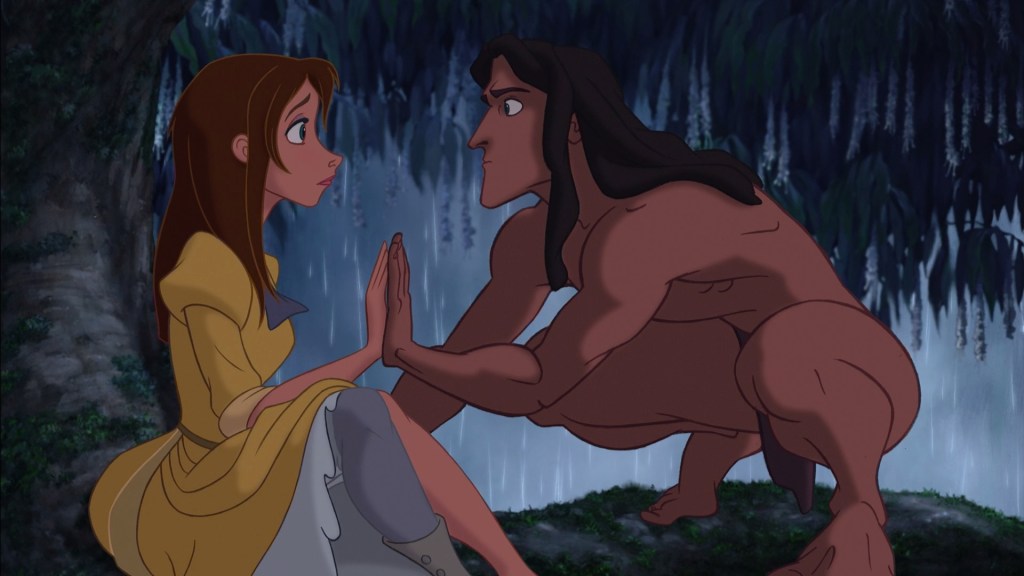
The first movie is Tarzan release in 2003 was an orphaned his parents were killed by the cheetahs when he was a baby. He was adopted by a gorilla and Kala and spent his early years trying to imitate them. The entire movie displayed him as a masculine, strong, fierce hunter, worrier, and independent. When the ape Kerchak attacks and tried to kill him, he wins the fight the takes Kerchak’s place as the king of the ape. On the other hand, Jane has been portrayed as weak, emotional, and fragile. Jane and her father research Gorilla, so she came to the jungle with Clayton to get more information about them. At first, Jane has shown bravery and courage trying to stop Clayton from killing the gorillas. Clayton was using the trip so that he can kill the gorillas and sell them. But once she meets Tarzan and falls in love with him, she completely relies on him and the others to save her from every difficult situation she faced. While the baboons chased her Tarzan save her. When the pirate guy tries to hit her again Tarzan saves her. When they are imprisoned on the boat instead of trying to find how to escape, she just stays there and waits for Tarzan. In the movie, Jane always follows Tarzan wherever he goes. The way how Jane was portrayed in the movie is common to many other female characters, it says something not about them as an individual but how the society view women and their place and expectations.

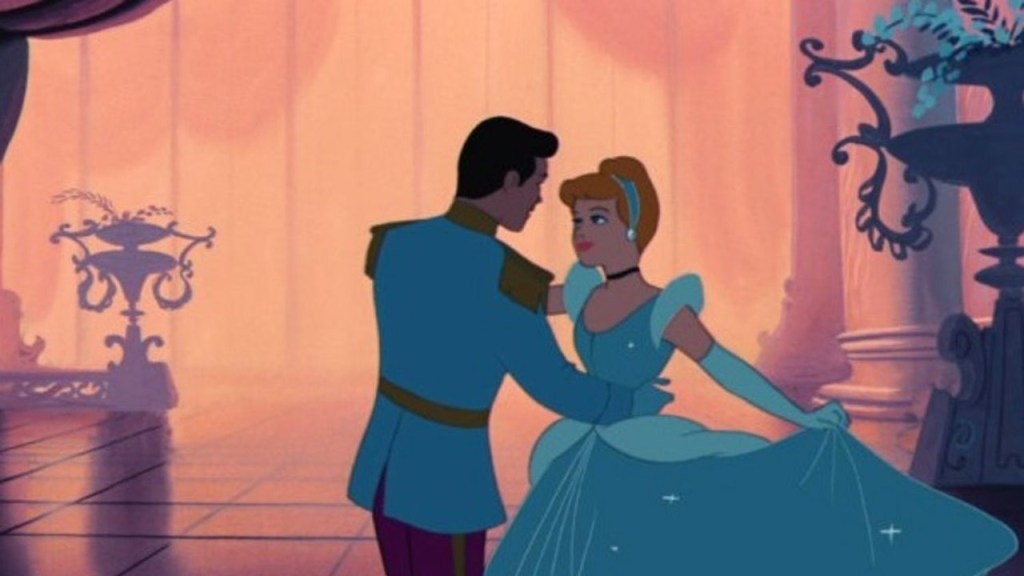
The second movie is Cinderella release in 2007 is a classic fairy story, a rags-to-riches tale about a kind-hearted girl who suffers various hardships only to marry the prince of the kingdom. In Cinderella, men are portrayed as the upper gender, because of the sociological position of women at that time when they were considered inferior and of an inferior class and wealth. Cinderella’s father played no important role in Cinderella’s life. Most of the time, she was controlled by her evil mother-in-law. Cinderella was seen as happy and she looks like she is enjoyed doing household chores she still dreams of her happiness ever after. Cinderella is a typical image of a distressed lady because the only one who can save her from her miserable life was the prince. Cinderella will be stuck in her miserable life forever if the prince won’t save her. This shows the status of women at the time who idealized marriage and the role of being at home to taking care of babies and care for the husband. In addition, by showing the differences the step-sisters had with Cinderella, children can think that step-sisters share a nasty relationship, which isn’t the case on many occasions. It is important to not label or relate certain achievements or actions to a person’s gender because that’s not always the case.


The third movie with a strong female character is Frozen which was released in 2013. This movie talks about women’s power and how there is strength in unity and beauty in accepting oneself as they are. The movie starts with two sisters, Elsa and Anna where Elsa was born with magical powers to create ice but she unintentionally hurts Anna and is no longer confident about her powers, and their parents decide that it’s best to hide her powers. Due to this, the two sisters grow apart and there’s a distance between them but one day during Elsa’s coronation, Anna meets Prince Hans of Isle. They fall in love but Elsa doesn’t approve of them and accidentally shows her powers to the world and that’s where Anna realizes how difficult it must’ve been for Elsa. Elsa escapes and Anna follows her where she meets Christoph, a very ordinary man who works in the business of collecting ice. They both leave to find Elsa and convince her to go back but to no avail. Elsa realizes that the mountains are where she belongs as she cannot hurt anyone and can freely do magic. Elsa strikes Anna’s heart which can only be healed by “an act of true love”, so she travels back to Arendelle to Hans but quickly realizes that it was all an act and he was only after her wealth. In the meantime, Hans captures Elsa to put an end to her but she successfully escapes. Hans finds her and is about to strike her when Anna throws herself to save her sister’s life and Elsa is in disbelief and starts weeping and that’s when Anna comes back to life as the “act of true love” mentioned above was sisterly love. This movie has a strong message that women need to stick together and how there is power in being one.

The fourth movie chosen is Moana released in 2016. This movie is about a girl who is supposed to be leading an island but shows very little interest in that particular topic but she finds water to be very fascinating and is drawn to it from the very beginning but isn’t allowed to be anywhere near water as it’s considered to be dangerous or unknown. Moana tries her best to make sure she fulfills her duty as someone who should lead but is unable to do so and therefore begins her journey with water. In the movie, we can see how her grandmother always encouraged Moana to find her true calling and follow her dreams and find happiness in whatever she does. The movie starts with her grandmother reading an ancient tale to the children of the island which nobody considers to be true but her grandmother is sure that it’s not all a lie. Maui is a demigod who runs away with the stone or nature’s heart which starts to corrupt the world and destroy it. Moana is the only one why can put things back to place as she is the chosen one and is supposed to deliver the stone with Maui beyond the reef. She goes on an adventure to save the world and finds Maui and even though she faces a lot of hardship in her path, she still makes sure to deliver the stone as the fate of her island and the world depended on her. During the journal, she realizes that her ancestors were voyagers and the island residents started voyaging again once the issue was solved as they deeply believed in Moana. This entire movie has proved that women need to take matters into their own hands and face obstacles head-on and have faith in themselves. They should be able to freely follow their gut feeling and be able to do whatever they want to without needing anyone’s permission or approval.

Conclusion:
This article aimed to view the gender representation of female characters in gynocentric Disney movies. It analyzes four different Disney movies. Earlier the female characters are given a minor role and did not hold any importance in the movies. Even in this age and time, Disney shows how women need men to achieve happiness and freedom. Movies like Mulan and Moana need to be advocated more so women can find their happiness in their way and they don’t need a man to fulfill their interests. However, as gender roles have changed, the female characters in Disney animations have also changed with gaining more importance in their roles.

Atmanirbhar Bharat Abhiyan

OVERVIEW :-

Aatmanirbhar Bharat” as the name suggests is an Government of India and a vision of PM Narendra Modi to make India self-reliant in manufacturing and various other sectors.

During the COVID-19 pandemic, India had suffered a lot because many medical equipments like ventilators, surgical masks and sanitizers which are the main safety measures to control COVID-19 were not manufactured in India in appropriate numbers. In many hospitals, Liquid Medical Oxygen (LMO) was not manufactured and was transported from oxygen plants that are far away from hospitals.

After seeing this situation, Government of India and PM Modi decided to launch “Atmanirbhar Bharat” scheme on 12th May 2020. At that time 20 lakh crore rupees were alloted for this which is equivalent to 10% GDP of India. The 3 packages that are given till now on 12th May 2020, 12th October 2020 and 12th November 2020 for bringing Indian economy out of the COVID-19 pandemic were announced under the “Atmanirbhar Bharat” Abhiyan. This Abhiyan is now extended to almost all other major and MSME sector industries including Ministry of Consumer Affairs, Ministry of Health, Ministry of Defence, Ministry of Railways, Ministry of Roads and Water Transport, Ministry of Airways, Ministry of Education, etc. The major announcements that are made under this Abhiyan are as follows :-

  1. To improve the condition of hard hit State Governments due to COVID-19, borrowing limits of State Governments has been increased from initially 3% to now 5% of the Gross State GDP.
  2. To reduce the working cost of Central Government, Privatisation of Public Sector Enterprises (PSEs) will be undertaken. Only certain strategic PSEs will continue to work under Central Government otherwise majority of other PSEs will now be Private owned.
  3. MSMEs which are the backbone of our industrial sector will be provided collateral free loans of upto 3 lakh crore rupees. The Government will give the guarantee to banks and NBFCs for these loans on behalf of the MSMEs.
  4. To initiate high quality production and empower the MSMEs, all the global tenders of under 200 crores will be disallowed and will be given to MSMEs of India.
  5. An additional 2 lakh crore rupees fund will be made to provide institutional credit facilities at subsidised rates through Kisan Credit Cards.
  6. A 1 lakh crore rupees Agri Infrastructure Fund will be made to improve and develop infrastructure required for agriculture such as building of new cold storages and modernisation of APMCs.
  7. “One Nation One Card” scheme will help migrant labourers by allowing them to access the PDS (Ration) from any Ration shop across the country.
  8. More than 80 crore people under the BPL scheme will additionally get 5kg of grains per person and 1kg of chana per family per month. This scheme is now extended upto Diwali 2021.
  9. To improve the defence sector by bringing new technologies and working methods, FDI is increased from previously 49% to now 74%.
  10. To promote Make in India Initiative under “Atmanirbhar Bharat” Abhiyan, a list of 108 certain weapons and artilleries including machine guns, tanks engine, radars, etc. will be made in India and import of these weapons and artilleries is completely banned.

MONEY HEIST : A Phenomenal Thrilling Series

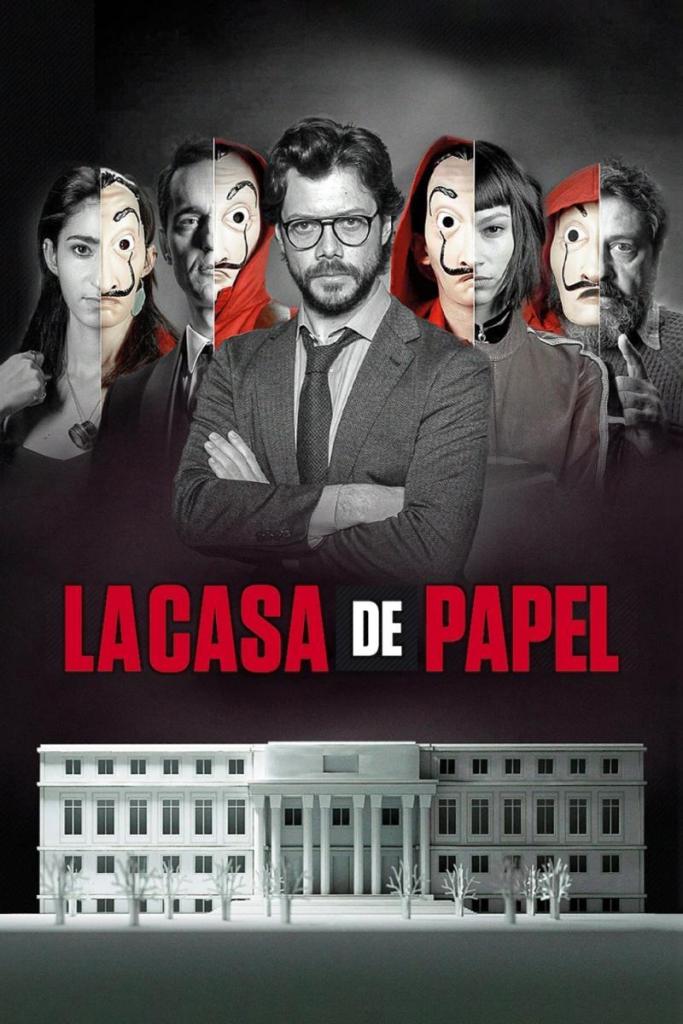
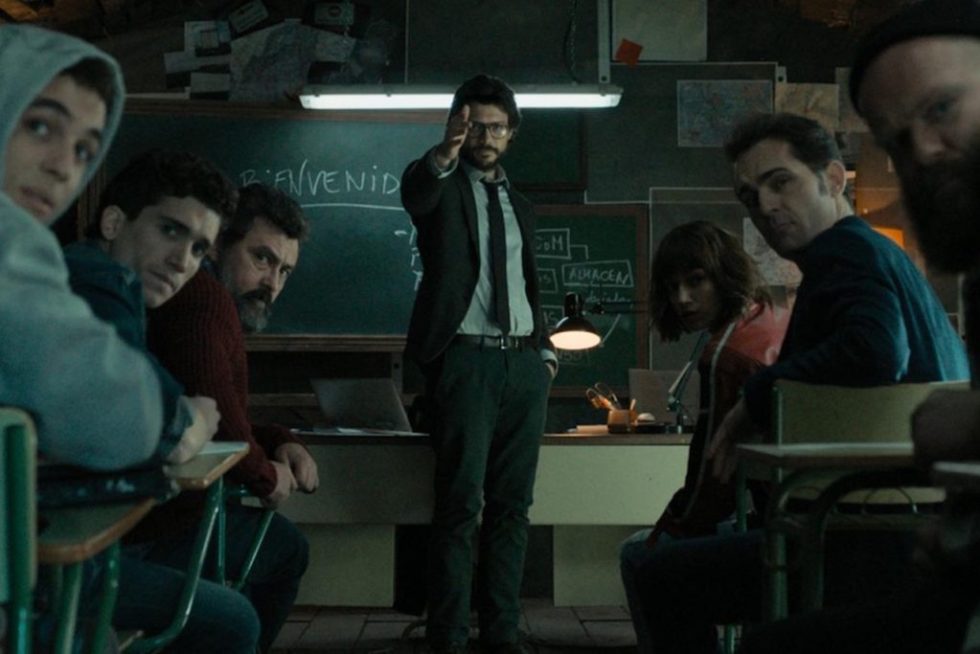
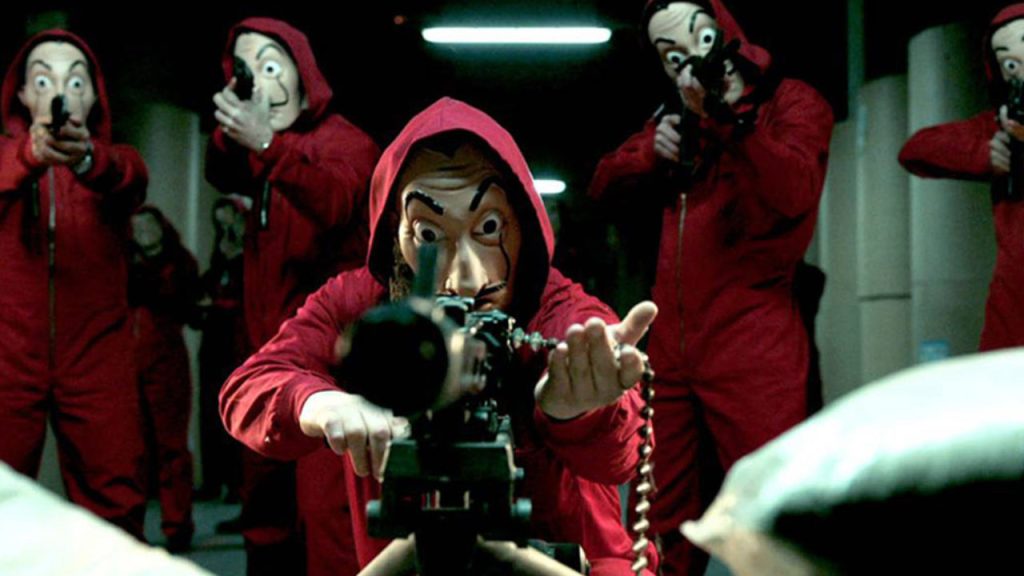
Money Heist LACASA DE PAPEL is one of the phenomenon series I have watched with never ending suspense, romance, crime and adventure. I literally binge-watched entire seasons non-stop with snack breaks. The Dali masked and red jumpsuits, had great impacts around the world symbol of “THE RESISTANCE”. Its hard to give an idea how captivating and binge-watch this show is.There are loads of surprising plots and twists to keep you on the edge.

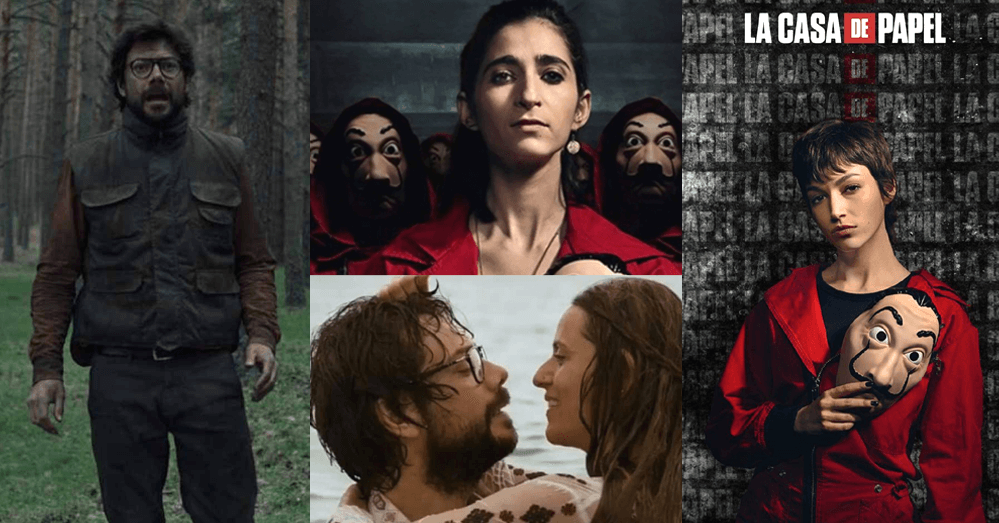
This is a show about a group of robbers who take the near impossible task of robbing ” The Bank Of Spain”. Everything revolves around robbing the bank with ‘THE PERFECT PLAN’ by mastermind being “The Professor” [Alvaro Morte]. What makes this intresting is the depth of the characters with flaws but still you will make an instant emotional connection with them.

There are some good looking and wonderful actors, Alvaro Morte[The Professor], Alba Flores[Nairobi]. My personal favourite is Tokyo[Ursula Corbero], the most volatile character in the show. She seems like she is going to ruin the whole plan at any moment but she has her own ideas to make show more thrilling. She keeps you high and glued to edge of yor seat. She has a great suspense coming in every minurte.

There are two heist set which has push the bar to the heighest and the show is intriguing and more than worthy enough to watch.

SEASON 1: PART 1 AND 2 [2017]

It begins with a failed bank robbery by a woman “Tokyo” by ” Professor” saves her from police. The heist begins on the Royal Mint Of Spain in Madrid. The eight robbers are plced aby “Mastermind’ dressed in red jumpsuits and wearing a dali mask. Flashbacks througout series show the five month preparation in Toledo.The first season revolves around ROYAL MINT ,hostages,voilence,romance and mutiny. The season is about how will the robbers safe their life and escape from Royal Mint , will the professor will be caught. The drama and never ending suspense continues and hold you till end.

SEASON 2: PART 3 AND 4 [2019-20]

It begins with the story will the robbers live or die. It has great suspense about the life’s of robbers,hostages and the”Professor”. What is the story ahead of robbers and hostages, is the story of survival or revenge?.

There are some very emotional moments. Emotional moments does not mean sad but passionate anger, love making, anger, compassion, loosing someone dear, victory, failure, etc. There is this beautiful cheering song “Bella Ciao”. It is the soul of the show thats holds everything beautifully. It has a very catchy suspense that keeps lingering in your head. It is like songs that you can’t avoid while doing anything.

I can’t say anymore without revealing any spoilers. You don’t want me to do that, do you ? So, I would recommend you to watch this, if you haven’t, tell me your favourite character in comments below.

I hope you are staying safe, in your homes, stay strong anf lots of power to you.

Thankyou for reading! 🙂

Loving means to let go

About 3 months back, our cat gave birth to 4 adorable little munchkins. Especially, one of the 4, with a coffee brown colored fur, as soft as a cloud, big blue eyes and an adorable pink colored nose. It had caught my eyes and I was adamant on keeping him. But alas! We already had a dog and a male cat, both of whom were clearly not appreciating the recent addition to their family and so my mother decided that all of the kittens had to go. It had all happened about 1 month back.

And so the search began- the search for perfect loving safe house for the cats. And we found one. But the cats were 4. And so my mother let the adoptee decide who very happily picked my little kitty. But, I was adamant on not letting go. If I couldn’t keep him for myself, I will at least keep him with me for as long as possible, I decided. And so, I didn’t let him go at the first chance he got nor at second and third. Now, we aren’t meeting any more people who are willing to adopt a pet kitten and so he is still with us. All this had me thinking that a lot of times we do not let go the ones that we love

Rejuvenation of River Yamuna

 Yamuna is largest tributary of Ganga River.Under Namami Gange Programme,National Mission for Clean Ganga (NMCG) has sanctioned 23 projects costing Rs. 4290 crore for creating / rehabilitation of 1840 Million Litres per Day (MLD)Sewage Treatment Plant (STP) capacity in Yamuna basin. These 23 projects are spread in Himachal Pradesh (1 project), Haryana (2 projects), Delhi (12 projects includes consultancy project & public outreach project) and Uttar Pradesh (8 projects). Out of these 23 projects, 6 projects have already been completed. Upto December 2021, NMCG has released an amount of Rs. 1593.32crore for all the ongoing 23 projects for river Yamuna.

 The cleaning of river is an ongoing process and this Ministry is supplementing the efforts of the States for checking the rising level of pollution of river Yamuna by providing financial assistance to States of Himachal Pradesh, Haryana, Delhi and Uttar Pradesh. The aforementioned projects are in different stages of planning/construction/completion. Close monitoring is being done to ensure timely completion.


Dhakai Muslin: The Exclusive Bengal Silk from The Past

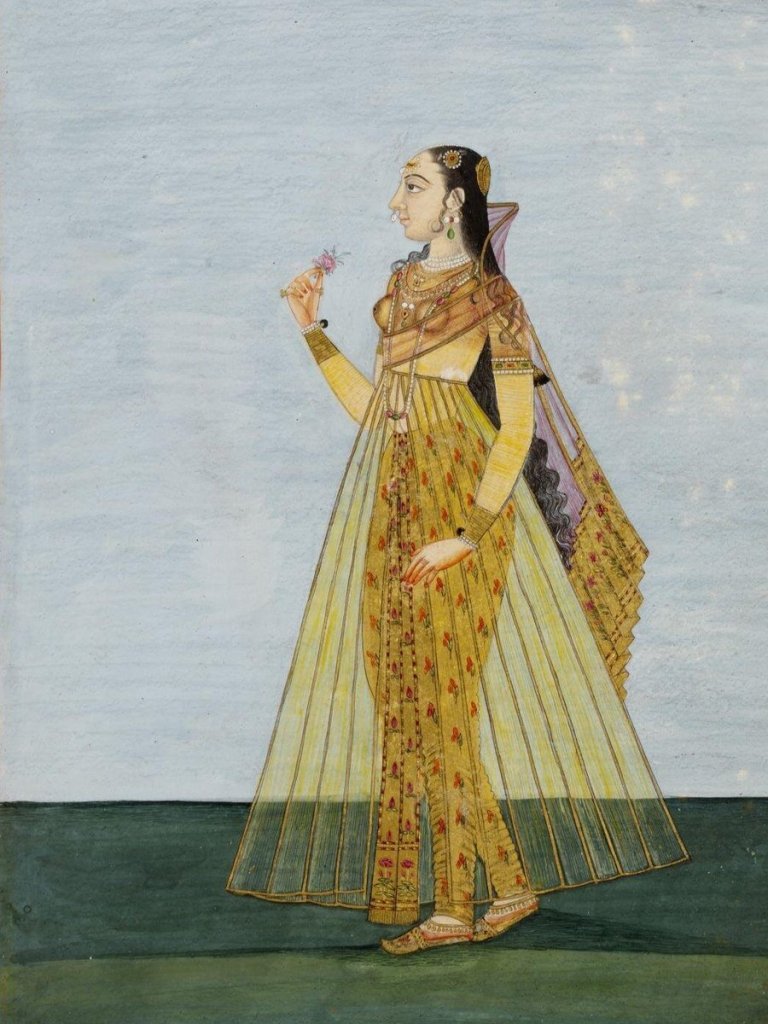
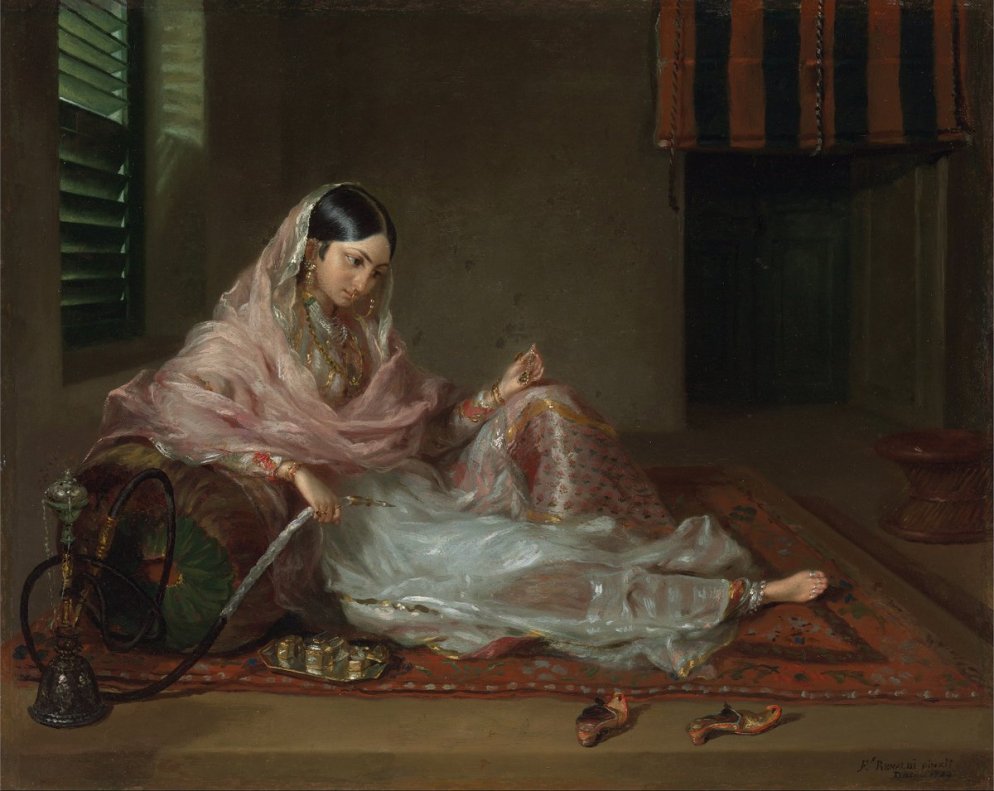
A portrait illustrating how Transparent Muslins were

Introduction

Muslin today has come to mean almost any lightweight, gauzy, mostly inexpensive, machine-milled cotton cloth. The word has lost all connection to the handwoven fabric that once came exclusively from Bengal. Cotton, stated the historian Fernand Braudel, was first used by the ancient civilizations on the Indus, while the art of weaving itself has been traced back to much earlier times. This head start perhaps was why ancient India became proficient in making cotton textiles. They became a staple export commodity to the Roman Empire, and they expanded in volume in the Middle Ages with the growth of the “maritime Silk Road” in the Indian Ocean.

Historic Background

Muslin a brand name of pre-colonial Bengal textile, especially of Dhaka origins. Muslin was manufactured in the city of Dhaka and in some surrounding stations, by local skill with locally produced cotton and attained world-wide fame as the Dhaka Muslin. The origin of the word Muslin is obscure; some say that the word was derived from Mosul, an old trade centre in Iraq, while others think that Muslin was connected with Musulipattam, sometime headquarters of European trading companies in southern India. Muslin is not a Persian word, nor Sanskrit, nor Bengali, so it is very likely that the name Muslin was given by the Europeans to cotton cloth imported by them from Mosul, and through Mosul from other eastern countries, and when they saw the fine cotton goods of Dhaka, they gave the same name to Dhaka fabrics. That the name Muslin was given by the Europeans admits of little doubt, because not only Dhaka cotton textiles, but cotton goods imported by the Europeans from other parts of India like Gujrat, Golconda, etc were also called Muslin.

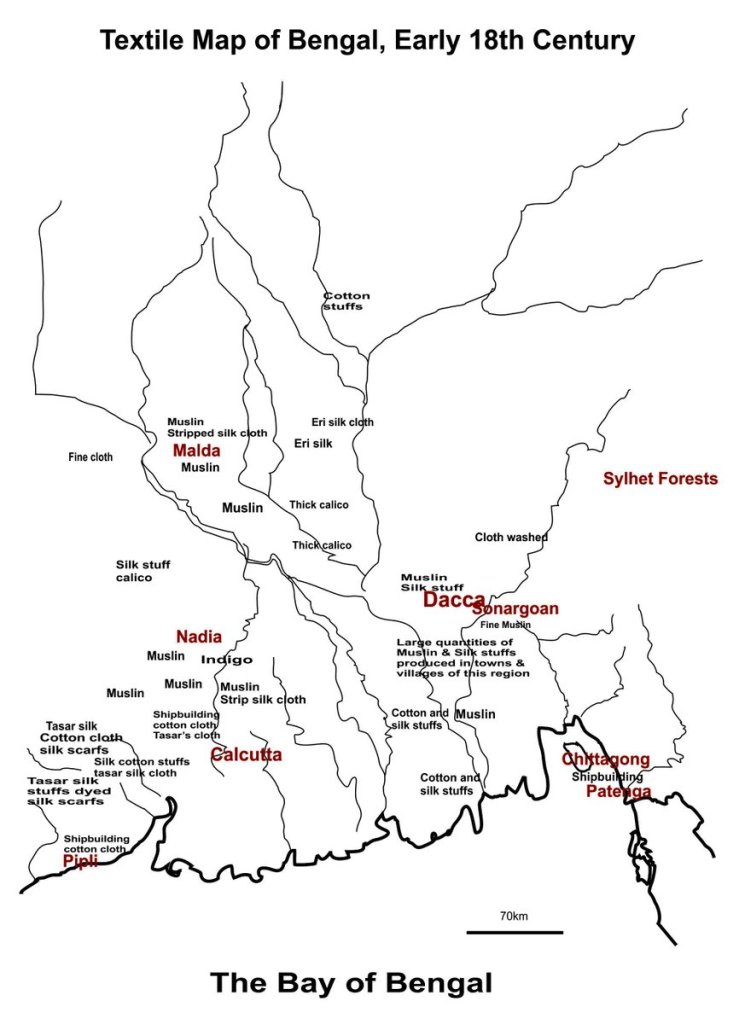
The route connecting the Hubs of Muslin Industry in Bengal

How Muslins Were Made

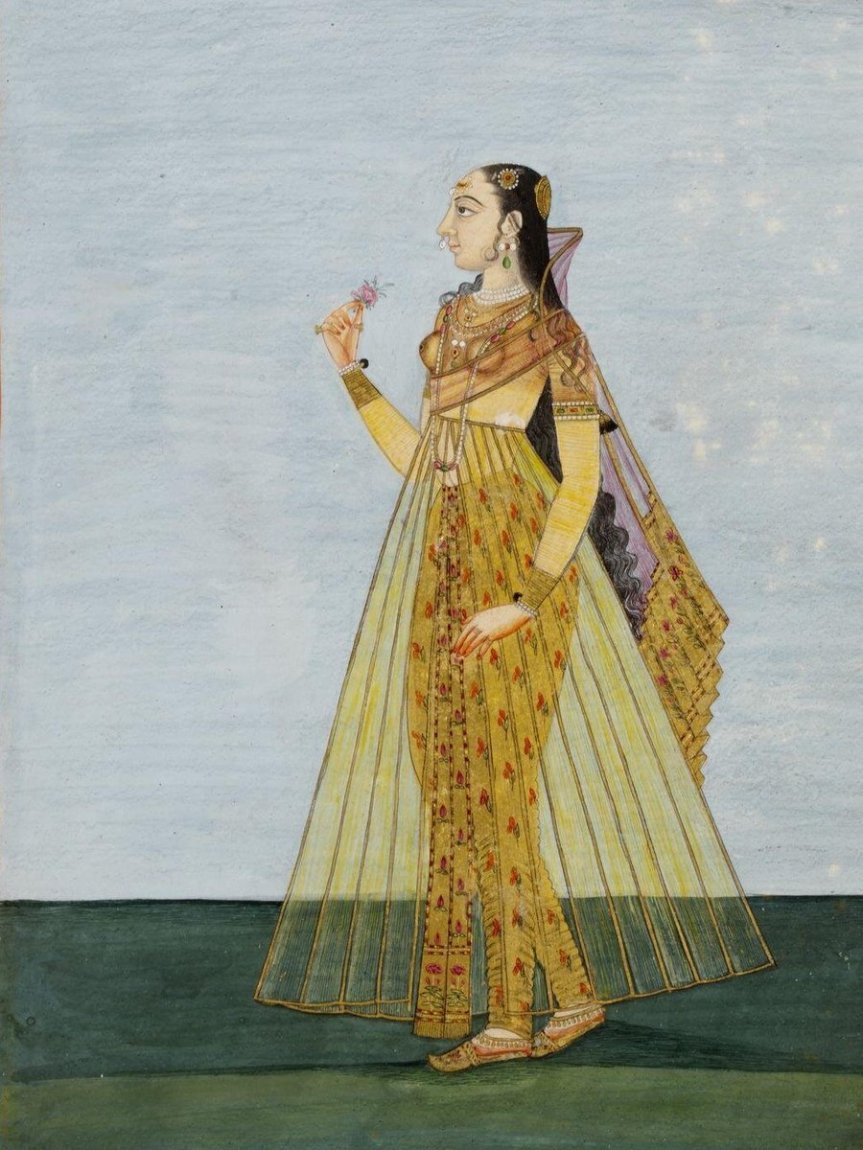
The textile industry of Bengal is very old. Bengal cotton fabrics were exported to the Roman and the Chinese empires and they are mentioned in Ptolemy’s Geography and the Periplus of the Erythraean Sea, and by the ancient Chinese travellers. But Dhaka Muslin became famous and attracted foreign and transmarine buyers after the establishment of the Mughal capital at Dhaka. The Muslin industry of Dhaka received patronage from the Mughal emperors and the Mughal nobility. A huge quantity of the finest sort of Muslin was procured for the use of the Mughal emperors, provincial governors and high officers and nobles. In the great 1851 Exhibition of London, Dhaka Muslin occupied a prominent place, attracted a large number of visitors and the British Press spoke very highly of the marvelous Muslin fabrics of Dhaka. Weavers in Dhaka, Bangladesh, used to make this incredibly fine cloth using a method called the discontinuous weft technique. This technique required the weaver to work two layers of weft – one as fine as spider’s silk to hold the cloth together and the other forming the pattern. Each pattern motif was worked individually, using fine bamboo sticks to interlace the pattern threads with the warp threads.

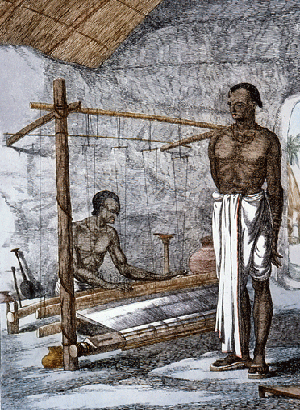
Weaving of Muslins under the supervision of royal official( Painting, in 1800s)

Types And Variations

The finest sort of Muslin was made of phuti cotton, which was grown in certain localities on the banks of the Brahmaputra and his branches. The other kinds of cotton called bairait and desee were inferior and were produced in different parts of Dhaka and neighbouring areas; they were used for manufacturing slightly inferior and coarse clothes.The productions of Dhaka weavers consisted of fabrics of varying quality, ranging from the finest texture used by the highly aristocratic people, the emperor, viziers, nawabs and so on, down to the coarse thick wrapper used by the poor people. Muslins were designated by names denoting either fineness or transparency of texture, or the place of manufacture or the uses to which they were applied as articles of dress. Names thus derived were Malmal (the finest sort), Jhuna (used by native dancers), Rang (of transparent and net-like texture), Abirawan (fancifully compared with running water), Khasa (special quality, fine or elegant), Shabnam (morning dew) Alaballee (very fine), Tanzib (adorning the body), Nayansukh (pleasing to the eye), Buddankhas (a special sort of cloth), Seerbund (used for turbans), Kumees (used for making shirts), Doorea (striped), Charkona (chequered cloth), Jamdanee (figured cloth). The finest sort of Muslin was called Malmal, sometimes mentioned as Malmal Shahi or Malmal Khas by foreign travellers. It was costly, and the weavers spent a long time, sometimes six months, to make a piece of this sort. It was used by emperors, nawabs etc. Muslins procured for emperors were called Malbus Khas and those procured for nawabs were called Sarkar-i-Ala. The Mughal government appointed an officer, Darogah or Darogah-i-Malbus Khas to supervise the manufacture of Muslins meant for the emperor or a nawab.

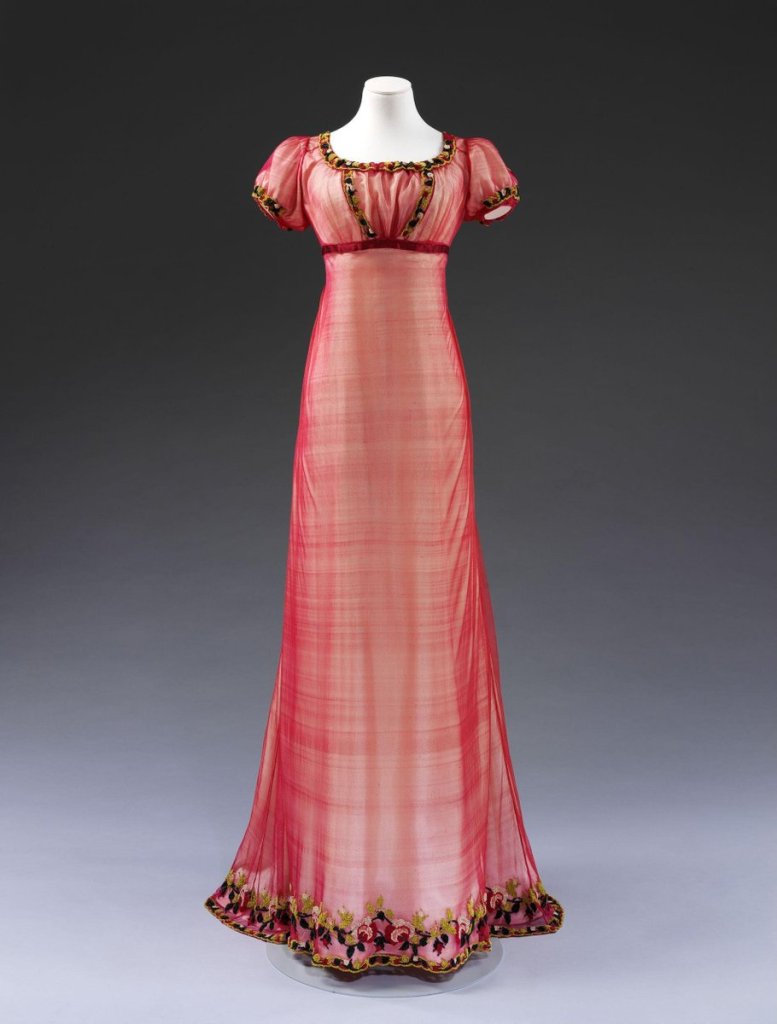
A real Muslin dress exported to England from colonized India

Areas of Production

Weaving was prevalent in the Dhaka district in almost every village, but some places became famous for manufacturing superior quality of Muslins. These places were Dhaka, Sonargaon , Dhamrai, Teetbady, Junglebary and Bajitpur.

Why It Was So Exclusive

The finest of Muslins were honoured with evocative names conjured up by imperial poets, such as “baft-hawa”, literally “woven air”. These high-end muslins were said to be as light and soft as the wind. According to one traveller, they were so fluid you could pull a bolt – a length of 300ft, or 91m, through the centre of a ring. Another wrote that you could fit a piece of 60ft, or 18m, into a pocket match-box. Dhaka muslin was also more than a little transparent.

Muslins were adored by the elites

How The Industry Was Lost

Unfortunately, during the period of the East India Company, European manufacturers all but destroyed the industry by flooding the market with factory produced muslin equivalents. Through a combination of punitive taxes on locally produced textiles and the dissolution of local and influential patrons, Jamdani muslin became uneconomical to produce and the skills were almost lost.

Conclusion

Thankfully, there are organisations in Bangladesh today that are encouraging local weavers to continue to practice their craft. Coupled with the UNESCO listing of Jamdani muslin on its Representative List of the Intangible Cultural Heritage of Humanity, there is more impetus to continuing production, albeit on a very small scale. With the proliferation of mass produced and synthetic fabrics on the market today, it is important that these historical techniques aren’t lost forever. No factory can ever emulate the quality arising out of a skilled artisan. Their skills are part of our textile heritage and it’s wonderful they are being recognised and preserved.

two-day Virtual International Akhand Conference ‘EDUCON-2020’

 Union Education Minister Shri Ramesh Pokhriyal ‘Nishank’ today inaugurated the two-day Virtual International Akhand Conference ‘EDUCON 2020’ through video conferencing. This two-day International Conference is being organized by Central University of Punjab, Bathinda (CUPB) in collaboration with the Global Educational Research Association (GERA) under the patronage of Prof. (Dr.) Raghavendra P. Tiwari, Vice Chancellor, CUPB & Padma Shri Dr. MahendraSodha (Patron, GERA). The focal theme of EDUCON-2020 is Envisioning Education for Transforming Youth to Restore Global Peace.

Union Education Minister Shri Ramesh Pokhriyal ‘Nishank’ appreciated CUPB for choosing the appropriate and relevant theme for the conference. He stated that this two-day Akhand Conference will pass on the message to the researchers and students across the globe that the research is a 24X7 exercise and requires strong perseverance. He opined that this international conference will help the prospective teachers to become familiar with different technologies and their functioning to bring transformational change in the field of education. He expressed hope that deliberations made during EDUCON2020 by internationally-acclaimed speakers & young researchers will certainly prove to be significant in preparing a roadmap for effective implementation of NEP-2020 and developing necessary skill-set among youngsters to enable them to contribute towards building an AtmaNirbhar Bharat.

Shri Ramesh Pokhriyal ‘Nishank’ emphasized that the National Education Policy, 2020, is revolutionary in all aspect, as it focuses on multiple aspects of promoting mother language at primary level education, imparting vocational skills training for students at the secondary level & other innovative reforms. He further stated that NEP emphasizes on the interdisciplinary studies & integrated course curriculum in higher education for wider learning opportunities, with an aim to provide value-based holistic education, development of scientific temper and imparting skill training to youngsters. He further added that this policy also considers the need to design framework for extended use of technology in the teaching-learning process, development of online course contents, the introduction of Academic Bank of Credits and establishment of National Research Foundation (NRF) and National Educational Technology Forum (NETF), which would benefit the Indian scholars to compete at the global level. He gave the mantra of ‘Perform, Reform and Transform’ for successfully implementing all new imperatives of NEP-2020 essential for changing the society and transforming the life of youth for evolving global peace.

In his opening remarks Prof. Raghavendra P. Tiwari, Vice-Chancellor, CUPB said that CUPB is committed to quality higher education and cutting-edge research, this Conference will provide a platform to researchers and educationists to share their views on drawing strategic-plan for implementing the recommendations of the student-centric National Education Policy-2020, which is rooted in our Indian Culture and Value System. He informed that the Conference will focus, from the global perspectives, on various paradigms of NEP-2020, intended to transform the ‘learning system of our nation’ to meet world standard by empowering youth with the global competencies- thereby realizing the vision of the Prime Minister ShriNarendraModi. He said that deliberations of the conference would bridge out the connection between our past heritage and future education system to re-establish Bharat as the Vishwa Guru in the field of education.


In this International Conference, scholars from United Kingdom, Canada, Thailand, USA, Australia, Bhutan and India would be continuously discussing on the ten subthemes of the focal theme ‘Envisioning Education for Transforming Youth to Realize Global Peace’ for 31 hours. This conference is the first of its kind in India where scholars across the world would be continuously having a non-stop marathon dialogue sessionsfor 31 hours exploring the possibilities of the use of ICT in the higher education to promote the equitable quality education in India. Further, the conference will also provide a platform for discussions on emerging trends in education viz., likely scenario of higher education and school education by 2050, developing disruptive technologies for STEAM (Science, Technology, Engineering, Arts and Mathematics) Education, training youth for strategic future jobs in Universities, skill training programme for future graduates and relevance of ancient education system in 21st century.

***

HEALTH AND LIFESTYLE

A BALANCED LIFESTYLE IS IMPORTANT:

Part of a comprehensive stress relief plan involves finding ways to calm down quickly so you can more effectively manage stress as it comes while avoiding the negative effects of chronic stress. Another important way to relieve stress is to maintain healthy lifestyle habits.

Learning to live a healthy lifestyle often brings additional benefits too, such as an endorphin rush, a release of frustration, or added longevity. Many of the healthy lifestyle habits discussed here can also help you to become less reactive to stress, in the long run, providing protection against stress you haven’t even experienced yet

While maintaining healthy habits is a bit more challenging than trying a stress relief method only once, the benefits you receive from maintaining a healthy lifestyle are more than worth the effort it takes to maintain it. The increases in health and wellness that you experience, as well as the reduction in stress, will make you wish you’d made these changes sooner, and can be wonderful sources of continued motivation.

CHANGES CAN BE INTIMIDATING: 

Many people feel intimidated or frustrated with making healthy lifestyle changes for a few reasons, including:

  • Not knowing where to start: There are so many changes that can benefit health and wellness that it can be difficult to know how to begin.
  • Doing too much at once: People often try to make too many changes at once, then find it too difficult (or let perfectionism sabotage their efforts) and give up the effort.
  • Stress: Let’s face it—change is difficult, especially when you’re stressed. Sometimes lifestyle stress takes over and diminishes your momentum.

Given that living a healthy lifestyle can help with stress relief, and that making healthy lifestyle changes can be challenging, the following resources can help you with both choosing new goals for healthy living and with making these new goals a reality by adopting new healthy habits into your lifestyle.

HEALTHY LIFESTYLE CHOICES: 

Here are some changes you can make to lead a healthier, less stressed lifestyle:

  • Healthy eating: One of the most popular changes people like to make to live a healthy lifestyle is to eat differently. Because of the negative health consequences of obesity, the influence fitness has on our self-esteem, and the effects on nutrition  on our stress levels and longevity, switching to a healthier diet brings some of the greatest benefits for wellness.
  • Regular exercise: Getting regular exercise is another wonderful way to keep your weight in check, manage overall stress levels, and stay connected with others. Exercise can also help keep many health conditions at bay and is well worth the effort. The trick is to start gradually and work your way up.
  • Quality sleep: People often underestimate the importance of getting enough sleep, and getting the right type. However, lack of adequate sleep has many negative consequences—they’re subtle but significant. Getting enough sleep isn’t one of the most popular changes that people resolve to make, but it should be. Because stress can rob you of sleep, and because many of the techniques that promote sleep can also reduce stress , it’s a very good idea to learn more about how stress affects sleep and how to get quality sleep when you’re stressed.

OTHER BENEFITS:

The great thing about moving is that just a few minutes a day can have other lasting benefits, many of which you may not even be aware of. Just some of the benefits include:

  • Enhances self esteem
  • Helps maintain flexibility as you age
  • Improves joint stability
  • Improves memory in elderly people
  • Improves mood and reduce symptoms of anxiety and depression
  • Increases and improves range of motion
  • Maintains bone mass
  • Prevents osteoporosis and fractures
  • Reduces stress
  • Reduces the risk of heart disease, stroke, and diabetes

HOW TO MAINTAIN A HEALTHY DIET :

Eating a healthy diet is another part of a healthy lifestyle. Not only can a nutritious diet help with weight management , but it can also improve your health and quality of life as you get older.

You already know about the food groups and the fact that it is recommended that you eat more fruits and vegetables and fewer processed foods. You probably have a list of things you know you should do for a healthier diet but, again, making too many changes at once can backfire. Going on a restrictive diet may make you crave the very foods you’re trying to avoid.​

Another approach is to look for ways to make smaller changes each day.Just a few ideas for changing how you eat include:

  • Cut back on sugary beverages. It’s easy to consume excess sugar and calories in the beverages that you drink. Sugary sodas, sweetened teas, juice drinks, and high-calorie coffee drinks can easily eat up your daily recommended allowance of added sugars. Consider drinking plain water or water flavored with fresh fruit or herbs. It’s a great way to stay hydrated and still get a burst of flavor.
  • Eat low-fat or fat-free dairy. Switching to skim milk or fat-free yogurt is another simple way to eat fewer calories without having to change too much in your diet.
  • Eat more fruits:Add it to your cereal, salads, dinners, or make it a dessert. The fruit is also a great snack after work or school to keep you going for dinner.
  • Make some substitutions. Look through your cabinets or fridge and pick three foods you eat every day. Write down the nutritional content and, the next time you’re at the grocery store find lower-calorie substitutes for just those three items.
  • Sneak in more veggies. Add them wherever you can—a tomato on your sandwich, peppers on your pizza, or extra veggies in your pasta sauce. Keep pre-cut, canned, or frozen veggies ready for quick snacks.
  • Try a healthy salad dressing: If you eat full-fat dressing, switch to something lighter and you’ll automatically eat fewer calories. You can also put the dressing on the side and dip, or even try making your own dressing.

CONCLUSION:

Creating a healthy lifestyle doesn’t have to mean drastic changes. You may adapt to change better when it doesn’t require you to overhaul your entire life. Just pick one thing and work on that one thing every day, letting the rest of your life and habits stay the same. You may be surprised that those small changes really can make a difference.

KASHI VISHWANATH CORRIDOR

Kashi Vishwanath Temple is regarded as one of the oldest and most famous temple situated in India. The temple is believed to be dedicated to Lord Shiva and is one of the jyotirlingas of Lord Shiva. It is located on the west of the bank of sacred river Ganga in Varanasi, Uttar Pradesh.

In India, the Phase 1 of project of Kashi Vishwanath Corridor was inaugurated by the Prime Minister Shri Narendra Modi recently on 12 December 2021. The stone of foundation was laid on March 8, 2019. 23 other buildings are also inaugurated as a part of Kashi Corridor project. These buildings includes Vedic Kendra, facilitation centre for tourists, food court, city museums, gallery for viewing etc. It is the first huge renovation of the Kashi Vishwanath Temple as well as it’s surroundings, post the makeover by the Queen of Maratha. While the transformation of the Kashi Corridor, few other 40 temples of the ancient era were restored and rediscovered without distorting the original structure.

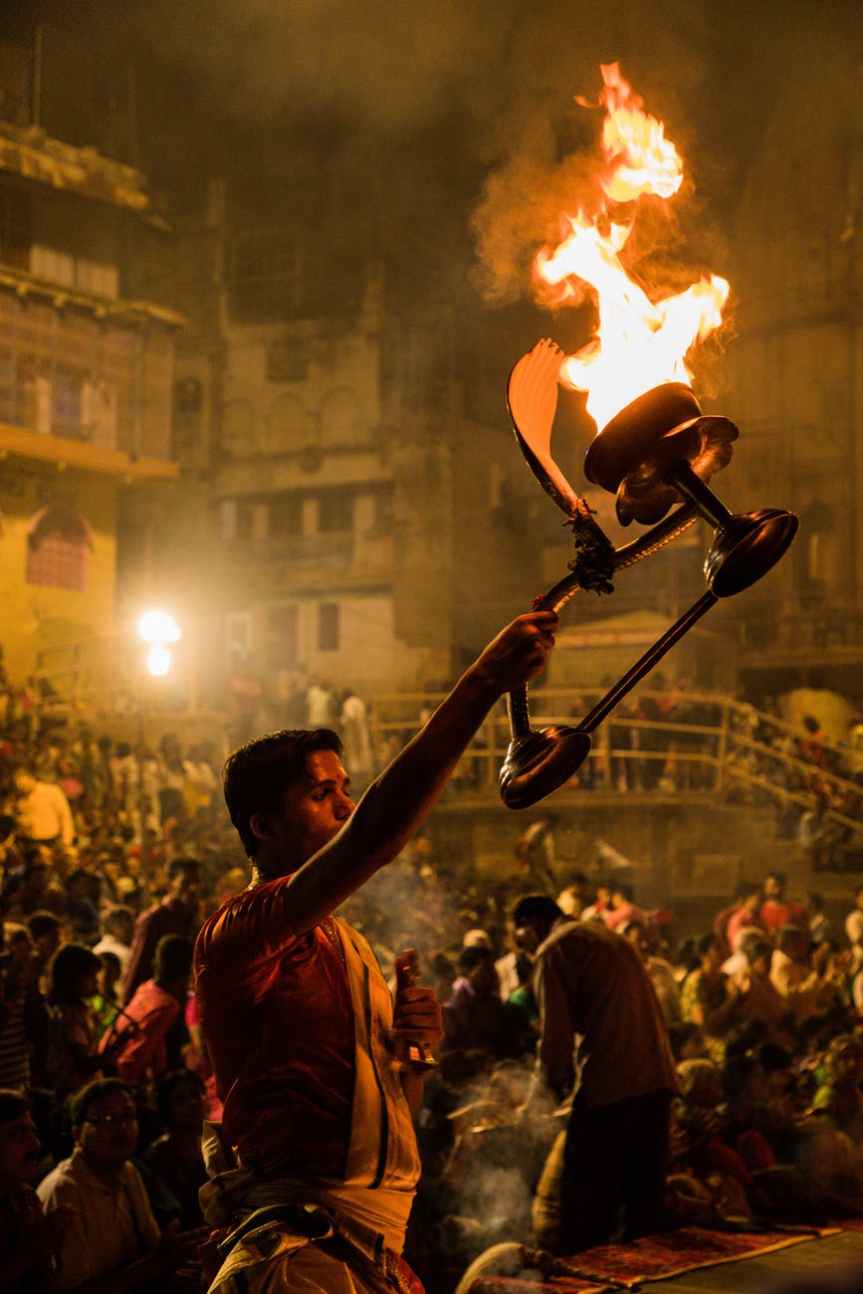
The corridor is 400 metre long. The Ghats along the holy river Ganga and the Temple of Kashi Vishwanath are connected by the project providing an easily usable pathway of open space for the pilgrims of Kashi Shrine to take sacred dip in the Ganga and also offering the sacred water at the temple. Mr. Bimal Patel was the architect of the following project. The most prevalent temple architecture in Northern India, the Nagara style was followed to construct the temple. The Jyotirlingas which is worshipped is a stone of dark brown colour and is enshrined in the Sanctum which is placed on a silver platform. The main temple is an open space area with buildings around it, basically it is surrounded by the other God’s shrines. Smaller shrines in series are consisted in the complex of the temple. To the north of the temple is a small well called the wisdom well ( Jnana Vapi). There is Congregation Hall (Sabha Griha) leading to the inner Sanctum Sanctorum ( Garbha Griha).

The tourism in Varanasi is believed to be boosted by the project of Kashi Corridor by furnishing the tourists, travelers and pilgrims all the essential facilities such as proper wide roads, clean water for drinking etc. Post inauguration, Varanasi has become one of the most captivating place for tourists in India. A great number of tourists would visit Varanasi in near future as it is now amongst the most admired destination of religion in India. An easy access for the old age and disable people is provided with the facilities of escalators, ramps and other modern provisions. It would also be a boost to local economy and the heritage will also be rightly preserved.

Before by Anna Todd

I felt obligated to read this because I’d already suffered through the rest of the series, and I couldn’t just.. not finish it. But my god. This entire series is so, so awful. And I’m a sucker for crappy entertainment, so that’s saying a lot.

Worst characters ever. Hardin is a sh*thead, through and through. The fact that he eventually becomes capable of developing feelings for another human does not negate his sh*thead status, especially since he only becomes capable of those feelings because he can’t fathom not being able to sleep with said human whenever he so wishes (as well as making sure he’s the only person who will ever get to see or touch pretty much any part of her for the rest of eternity, until the end of time, etc, etc). This book in particular shows what a sh*thead he truly is. Tessa is unbelievably and annoyingly naive and whiny. I was tempted to reread the first couple of books so I had more to say about what a crappy character she is for about five minutes before I realized it’s really not worth it. So, she sucks too, that’s it.

Worst attempt at creating a “relationship” with two people who have no connection other than an overwhelming love for each other’s naughty bits. They know close to nothing about each other before they’re mentally professing their undying love for the other. Remember, these are college aged people, not a couple of twelve year olds navigating their way through their first crush. Apparently, neither Hardin nor Tessa were ever taught the difference between lust and love. HUGE difference.

Full of unnecessary, over the top drama, simply for the sake of drama. Basically, the equivalent of a soap opera written by a hormonal teenager. The drama is exhausting; I can’t imagine waking up every day knowing that I’ll be in hysterics at least once, most likely multiple times, due to the unstable romantic relationship that I refuse to walk away from in order to save some sh*thead from thinking that he’s a sh*thead, despite the multiple reasons he’s given me to do just that, in addition to all of the other strained relationships in my life (family/frenemies).

Not even going to touch on the whole abusive relationship business that I see being complained about in a lot of other reviews of this series; that’s actually somehow less disappointing/annoying than the fact that EVERY SINGLE LITTLE THING is worthy of either walking away dramatically and vowing to never speak to the other person again, or confessing how one simply can’t survive without the other (dramatically, of course). Both scenarios are inevitably followed by sex, because that is the only way these two know how to “connect” to one another. Super possessive, jealous, emotionally closed off boyfriend mad at you for saying hi to a male coworker? Have sex, everything will be dandy! Until 10 pages later, when he gets mad at you for wearing the wrong socks. Is he mad at someone else for something totally unrelated to you or your relationship with him? Well, sex will fix that too! And if you’re angry at him for something silly, like lying or invading your privacy, just let him fondle you a bit and you’ll feel soooo much better. Moral of the story: Sex fixes everything!!!

To be fair, this last book was the best, mostly because it was the shortest and skipped over quite a bit of the drama included in the first four books.

After Ever Happy by Anna Todd

The fourth book in the ‘After’ series, ‘After Ever Happy’ is the first book in the series that had a different “feel” to it. Don’t get me wrong, there is plenty of dramatic shenanigans between Tessa and Hardin. However, this time around they aren’t the sole focus of the book. The result is a much more somber vibe.

After everything that went down at the end of the third book, Tessa is left markedly changed from the girl she was before. Those tragic events forced her to take a long, hard look at her relationship with Hardin. She finally faces the facts — they’re toxic.

Despite her love for Hardin, she knows that she needs to get away from him. Like the clichéd saying, “sometimes love isn’t enough”. Nothing could be more true for this dysfunctional couple at that point in time.

Even though Hardin comes to his senses and does his best to get Tessa to forgive him, it won’t come easy this time around. Tessa has made up her mind and it will take years for Hardin to prove himself to her. It was long overdue.

With Tessa and Hardin living separate lives for most of this book, the story definitely had a different feel to it than earlier books. As much as it was what the logical me said needed to happen, the illogical part of me couldn’t help but feel like this new direction wasn’t as captivating. After all, this series’ entire guilty pleasure appeal was based on the very same things that made this couple such a train wreck — fighting, angst, jealousy, breaking up and making up. With those elements largely missing from this book, I didn’t feel the same pull to the story.

That being said, I think that the author had used up all of the major angst-ridden story elements that readers could handle. Although the loss of this drama resulted in a slightly less engaging story for me, I don’t think I could’ve handled another book full of Tessa and Hardin’s back and forth fighting. This series has left me emotionally exhausted and I just don’t have it in me.

Luckily, Tessa and Hardin do get the HEA eventually. It was long overdue and I was glad to see it. Finally, they have started to mature and deal with some of the issues in their relationship. As much as I loved to hate this couple, I have to admit that if there was ever a couple that stuck it out, it was them. Talk about hanging in there for better or worse.

Overall, this was still a great read. I have been completely hooked on Tessa and Hardin’s story right from the start. It was one hell of an emotional rollercoaster ride. I feel content, but emotionally drained. I know that there are two remaining books in this series, but I’m stopping with this one for now. I don’t want to upset the balance. I’m feeling content with how this book ended and I’m not sure I could handle it right now if something disrupted that peace.

After We Collided by Anna Todd

After finishing the first book in the ‘After’ series, I immediately jumped into this second book. There was no way that I was going to quit this series with the way things ended at the end of ‘After’–absolutely, no way! I had to know how things were going to play out for this disastrous couple. They are like crack! It might kill me. I know it’s really not healthy…but I just can’t seem to pull myself away from it!

If I thought that Hardin and Tessa were going to grow up and start treating each other better, I would’ve been sorely disappointed. These two are every bit as toxic as they were the first time around. The back and forth, break-up and make-up, abusive cycle continues, strong as ever. Of course, I’m such a glutton for punishment that I had to have a front row seat for all of it!

Picking up right where the first book ended, Tessa does her best to try and piece her life back together. She has been betrayed by everyone that she thought were her friends — most of all, Hardin. Unfortunately, the manipulative jackass succeeded in tying her to him when he tricked her into moving into an apartment with him and away from the dorms. This will make distancing herself from him more difficult than she had hoped.

While Tessa makes a weak attempt at moving on, Hardin sets out to prove that his feelings for her are genuine. Of course, every time he starts to make any progress in that regard he does something that sabotages all of his efforts. They truly are their own worst enemies.

For what it’s worth, Hardin does seem to show some actual emotions in this book. Mainly, his regret and heartache shines through. It’s hard to feel sorry for him though, since all of his pain is entirely the result of his own cruel actions. To make matters worse, every time he starts to gain a little “nice guy” stock, he goes and does something abhorrent again, reminding me of what a despicable asshat he is. Some big revelations about his past only further prove that he is not to be trusted. He really is deplorable…but I love to hate him!

I also found myself feeling a little more irritated with Tessa’s weakness this time around. Can you say “doormat”? How many times is this girl going to fall for his crap? She also played the same childish games over and over, using other guys to make Hardin jealous, only to play the victim when she got the reaction she was looking for all along.

I felt sorry for Tessa at first. By the end of this book, I was marveling at the fact that she hadn’t been weeded out as part of the process of natural selection. Surely, this girl is too stupid to live!

That being said, I still can’t pull myself away from this angsty, infuriating story. It is like watching a trashy talk show or soap opera. It’s unrealistic. The relationships are toxic. It probably kills off brain cells. However, I can’t get enough of it. It is my latest guilty pleasure. I’m kind of ashamed to admit it, but I’m completely hooked on this series.

Like the first book, ‘After We Collided’ ends with a huge cliffhanger. Anna Todd certainly knows how to pull me back in. At this point, I think my relationship with this series is much like the relationship between Hardin and Tessa. I should probably cut all ties and get out while I can, but I just can’t seem to resist the pull. I’m on to the third book in this addictive, dysfunctional romance.