Pollution-The Evil that walks the Earth

Pollution changes a medium such as air, water, or soil in a way that can make it harmful to people or nature. Different types of pollutants include chemicals, dust, noise, and radiation. The word pollution comes from the Latin ‘polluere’ that simply means contamination. Hence, in layman terms, pollution is something that contaminates the environment. The presence of harmful substances in the air, land, and water, which can harm living beings and the environment is pollution. Referring to harmful gases, fluid, or other pernicious matter that are released or introduced in the natural environment.
Pollution and its causes

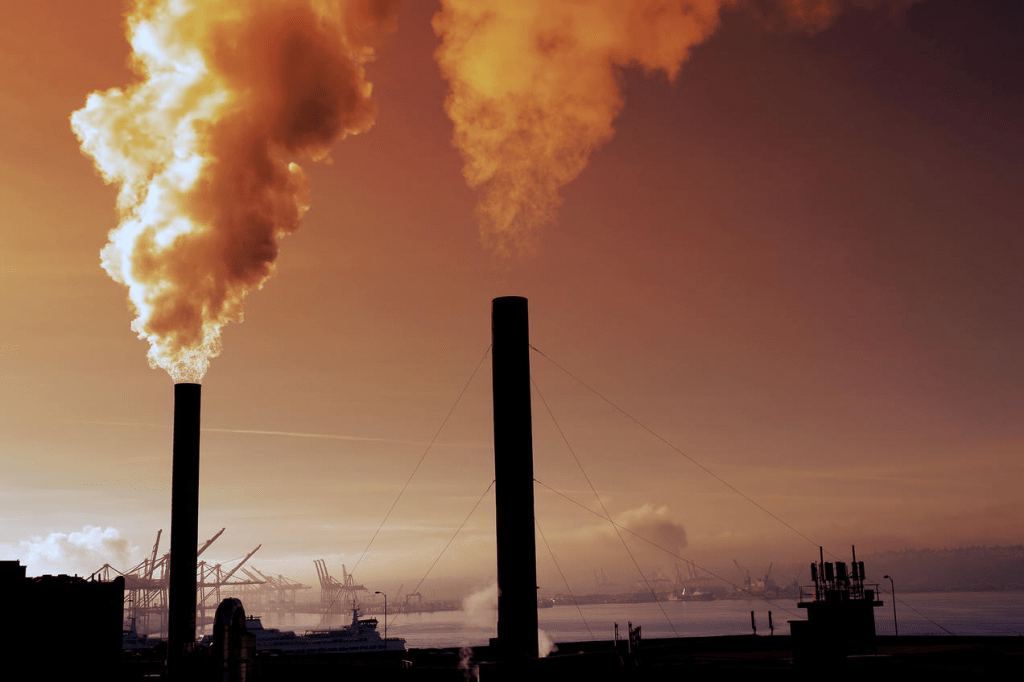
Inhaling poisonous air is as hazardous as smoking. It is not only the humans who are affected by this polluted environment but also the animals. Air is filled with highly toxic gases. These dangerous gases in the environment are released by the power industries that burn fossil fuels, industries that dispose of waste in the water, farmers using pesticides, high usage of artificial lights and loud sounds, etc. Each of these leads to the generation of the life-threatening cause – pollution.
Any use of natural resources at a rate higher than nature’s capacity to restore itself can result in pollution of air, water, and land. Other than human activities, there are a few periodic natural cycles that also result in the release of dangerous stuff. Natural activities other than human ones like volcanic eruptions and dust wildfires, etc also result in the creation of pollution.

Globalization is another major cause of pollution. Globalization has become an effective facilitator of environmental degradation.
Types of pollution

Pollution can be categorized as follows-

•  Air Pollution: It is the contamination of the natural air by mixing it with different pollutants such as harmful fumes and chemicals. This type of contamination can be caused by burning material or by gases emitted by vehicles or harmful fumes emitted as a by-product of industries. Global warming is one of the biggest side effects of air pollution as per the experts.

• Water Pollution: It is the contamination of the water on the planet Earth. It includes water contamination by pollutants such as bacterial, chemical, and particulate that reduces the purity of the water. Oil seepage, as well as littering, is one of the most common forms of pollution. It mainly occurs in lakes, oceans, rivers, and even underground reservoirs. 

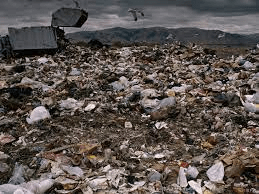
•  Soil Pollution: It is also known as land pollution. It is the contamination of the soil or the land that prevents the growth of natural life. It includes land usage for irrigation, wildlife as well as habitation. The very common causes of soil pollution include hazardous wastage, mining as well as littering, non-sustainable farming practice, seepage into the soil, etc.  

• Noise Pollution: It is the loud noises that are fashioned by human activities that disturb the standard of living in the affected area. It can shoot from things such as railroads, traffic, loud music, concerts, airplanes, fireworks, etc. This can even result in permanent or temporary loss of hearing as well as disturbances to wildlife.

• Radioactive Pollution:- This is one of the most dangerous forms of pollution. It is enormously harmful and can even result in death. Radioactive pollution results in the pollution of the air and land with radioactive poisoning. Leakages or accidents at nuclear power plants, as well as from improper disposal of nuclear waste are also reasons for this pollution. This pollution results in birth defects, cancer, deteriorating health, and even death.


Contemporary Fashion: The Minimalist’s Coverbook

Models walk the runway at the 3.1 Phillip Lim Fashion Show during Mercedes-Benz Fashion Week Fall 2015 at Skylight Clarkson SQ. on February 16, 2015 in the Brooklyn borough of New York City.

Introduction

The sense of fashion never goes out-of-date for a true fashionista. Among the Millions of fashion lingos in today’s market , one that often dominantly buzzes around, is the term “Contemporary Fashion”.Meant to describe labels with a designer aesthetic and more accessible price points and we use the term “accessible” loosely, with most pieces averaging out around $500 , the term means big bucks where the fashion industry’s concerned, having become one of the biggest areas people spend their money in the last few years.

What Contemporary Fashion Is

Contemporary apparel is clothing that is accessible, in price and in terms of the way people wear it. The contemporary category often contains more modern-style clothes compared to the higher end luxury market. The voice of the contemporary industry is a bit more modern and a tad younger. Contemporary brands appeal to both the luxury shopper and the new breed of aspirational shopper.  This tier has become a go-to for women who can no longer justify shelling out huge amounts of cash on designer garb. It is also appealing to people bored of regular fashion and who are prepared to spend that little bit extra for something that will last.

A great contemporary brand is one with a unique look and feel. Garments and accessories will have interesting construction details and a good-quality finish. The collections are in line with seasonal trends but also incorporate signature items that consumers immediately recognize and associate with the designer brand.

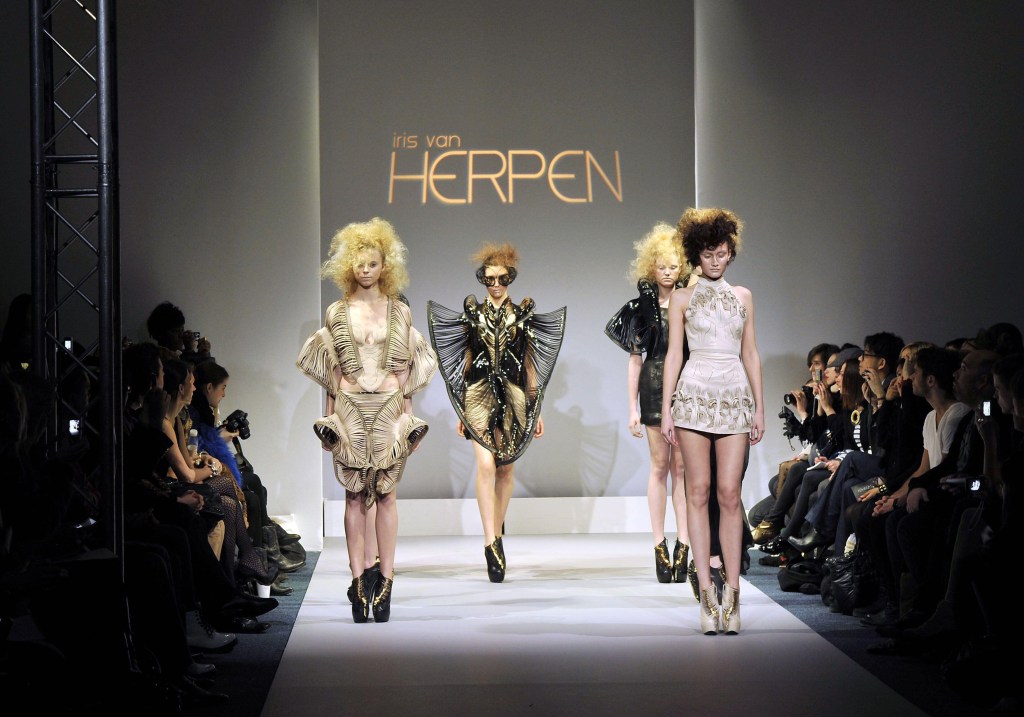
A Harpen Fashion Show

Is It Futurist: The Sustainability Question

In fashion, the term ‘futuristic’ is often used to describe avant-garde clothing designs. It could refer to several things, such as the clothing’s method of production, the materials used, or the garment’s design. Futurism can even refer to the 20th century Italian art movement, and indeed, this movement addressed the problem of designing fashion for the 20th century. We would learn much by examining Futurist fashions in order to understand its legacy in relation to contemporary fashion designers viewed as futuristic today. This paper will review this legacy by looking at five specific examples—Italian Futurists and their contribution to classless and genderless fashion; French designer Yves Saint Laurent’s iconic minidress inspired by the De Stijl art movement; fashion designed specifically for women with active lifestyles; technological advancement and space exploration seen in the designs of André Courrèges and Pierre Cardin; and advancements in textile manufacturing during the late 20th and early 21st century in relation to Karl Lagerfeld, Donatella Versace, and Hussein Chalayan. This leads to the primary analysis of Iris van Herpen and other contemporary designers including Noa Raviv and Neri Oxman. Their designs will be discussed in relation to the problem of labelling fashion as futuristic.

A Paris Georgia Apparel

Challenges of Contemporary Fashion

The contemporary brands fashion market is clearly brimming with a high level of competition. The up-and-coming contemporary designers are forced to continuously compete with older, established luxury brands in the targeting of the younger generation of consumers. The contemporary market began out of consumers’ need and want to own versatile clothing that could be worn on a daily basis.  Stylish consumers were hungry for locating a head-to-toe outfit that luxury brands create, but could be sold at a more reasonable tag.

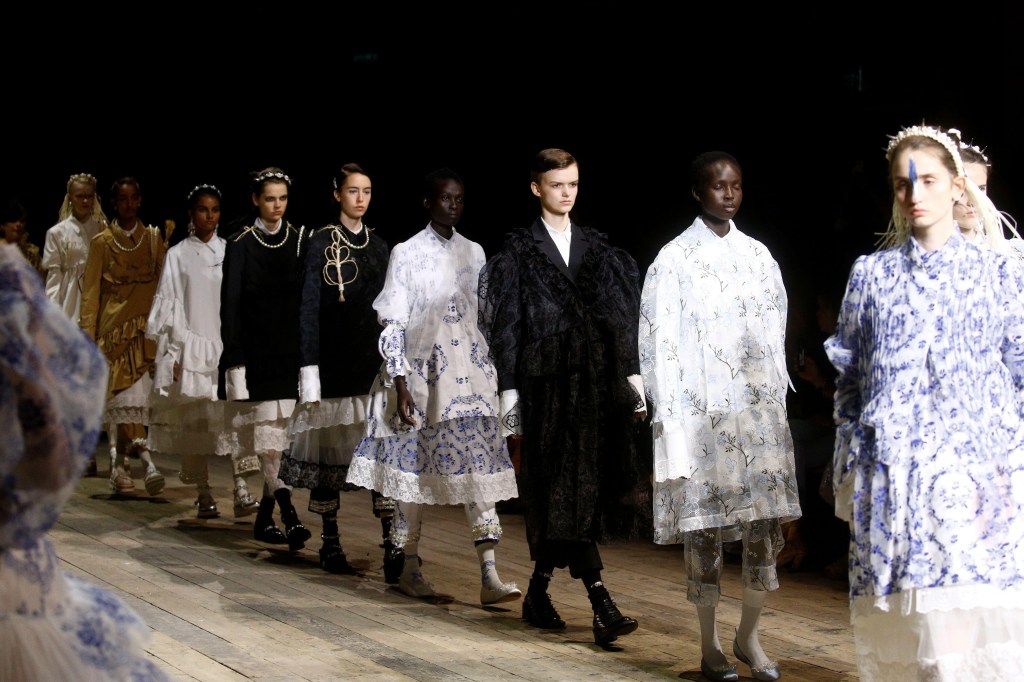
Simone Racha Catwalk Show at London Fashion Week

Scopes of Contemporary Fashion

Due to the fact that contemporary brands appeal to several groups of consumers, this industry will continue to see global opportunities. Fashion editors and industry insiders agree that contemporary brands have stolen the limelight and are helping to bridge the gap between luxury brands and main street.

Not only will contemporary labels allow you to up your designer arsenal without forcing you to exist on an exclusively Kraft Dinner diet, but the pieces are also constructed with everyday wear in mind (no couture-like assembly required). Not to mention that contemporary lines still boast that oh-so-coveted designer aesthetic and quality craftsmanship—perfect if you’re looking to break away from the usual suspects in fast fashion retail.

Famous Contemporary Fashion Designers and Their Works

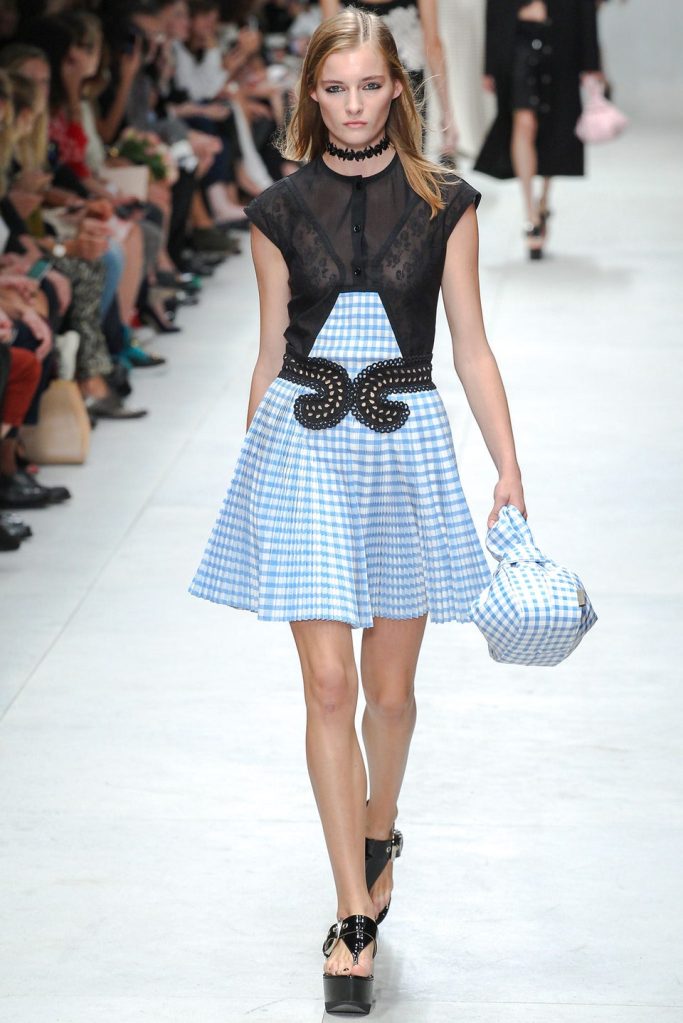
Carven: Founded in 1945 in Paris, Carven has enjoyed a resurgence since the hiring of designer Guillaume Henry in 2009, who transformed the house from old-school couturier into the cool girl’s label du jour.

Carven Spring 2014 ready-to-wear collection
Carven Fall-Winter 2015-16 collection

N°21:  Started in 2010 in Milan by designer Alessandro Dell’Acqua, the brand offers a smorgasbord of whimsical designs that can be effortless.

N°21 Spring- Summer 2018 collection
N°21 Spring-Summer 2021 collection

Jonathan Simkhai: Starting from NYC His first womenswear collection was shown in 2010, where Simkhai debuted his take on dressing for today’s cosmopolitan woman. A master at tailoring oversized pieces to flatter the female form, his designs run the gamut from exaggerated boxer shorts to basketball jerseys.

Simkhai Fall 2017 collection
Simkhai Fall 2020 ready-to-wear collection

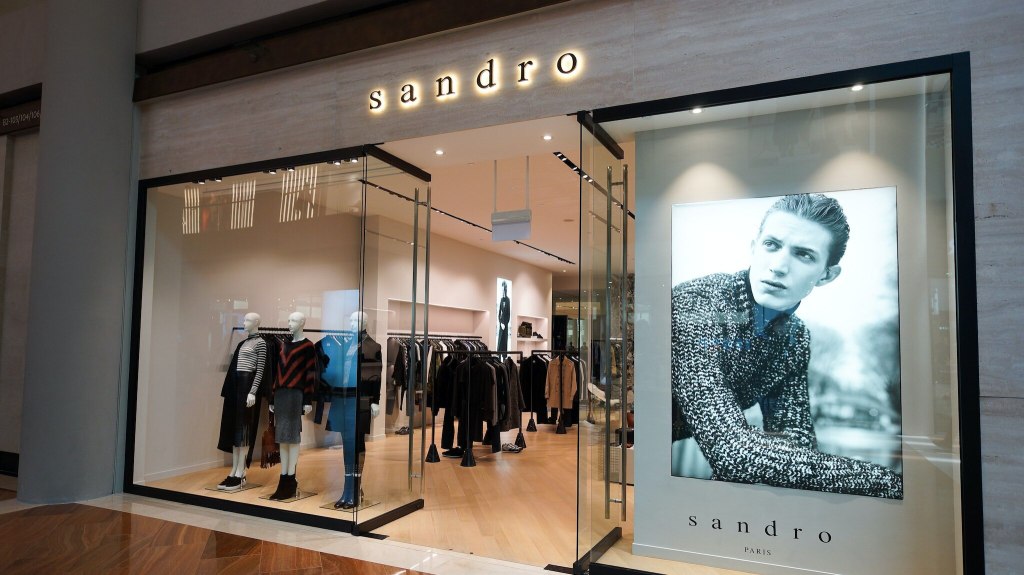
Sandro : Launched by husband-and-wife duo Didier and Evelyne Chétrite, Sandro is a well-known and popular brand in the contemporary market.  Since its launch in 1984 (in the Marais district of Paris), the label has gathered a cult following with women charmed by its insouciant, season less separates and rock’n’roll aesthetic. Sandro has stores worldwide in places such as New York and Japan, and a flagship store based in Covent Garden, central London.

A Sandro Store
Sandro Spring-Summer 2021 Menswear Collection

Conclusion

Consumers want to feel like they own something special and unique. They want exclusive quality labels that are not mass produced, yet are still affordable.  It is important to keep in mind that this category is less expensive then higher tiers such as Haute Couture, but the prices are clearly higher than budget collections.The changing demographic of fashion consumers and the rise of contemporary brands. To stay in the game, luxury fashion marketers must compete on a global scale.

Living a stress-free life

Stress can have a very negative impact on a very positive life. Stress has many forms and many different ways of hitting one’s life hard. Luckily, there are steps to leading a healthy, stress-free life. Some steps include exercising regularly, adopting hobbies, stopping smoking, reducing caffeine intake, eating healthy, getting enough rest, learning relaxation techniques.


We can overcome anxiety and insecurity by getting involved in some practical and beneficial activities. Cultivating hobbies, spending time with family, and going on friendly trips helps us love a balanced and healthy life. Reading good books is equivalent to having good friends with great insight. We can try meditation by devising ways to the welfare of mankind. Some other factors include being positive and maintaining positivity all around us, being calm and peaceful, avoiding ugly fights and negative people, etc, Some sort of sport, vacations, indoor games, and healthy eating all sum up to making life stress-free and healthy.


Stress is the feeling of being mentally tired or it refers to the mental tiredness of an individual. When we feel exhausted, we feel stressed. When we have so much in mind, we feel stressed. When we overthink situations and many many things, we feel stressed out.


Despite knowing that stress can have many negative effects on our life, people still prefer denying that this could be a mental disorder. A stressful life can be a hindrance to our efficiency and ability to live a healthy life. Being stressed may cause us to fall sick often, feel grumpy, and sometimes irritated too. We can eliminate stress and lead a stress-free lifestyle by waking up early, following a routine, creating a to-do list, meditating, exercising, avoiding procrastination, and taking good care of ourselves.

The Origin of Glass – Unknown facts

Archeological findings suggest that glass was first created during the Bronze Age in the Middle East. To the southeast, in Egypt, glass beads have seen found dating back to about 2500 B.C.E. Glass is made from a mixture of silica sand, calcium oxide, soda, and magnesium, which is melted in a furnace at 2,730°F (1,500°C). Most early furnaces produced insufficient heat to melt the glass properly, so glass was a luxury item that few people could afford. This situation changed in the first century B.C.E. when the blowpipe was discovered. Glass manufacturing spread throughout the Roman Empire in such quantities that glass was no longer a luxury. It flourished in Venice in the fifteenth century, where soda lime glass, known as ‘cristallo’, was developed. Venetian glass objects were said to be the most delicate and graceful in the world.

How glass was made?

It all begins in the earth’s crust, where the two most common elements are silicon and oxygen. These react together to form silicon dioxide, whose molecules arrange themselves into a regular crystalline form known as quartz. Quartz is commonly found in sand, where it often makes up most of the grains and is the main ingredient in most types of glass. You probably noticed that glass isn’t made of multiple tiny bits of quartz and for good reason. The edges of the rigidly formed grains and smaller defects within the crystal structure reflect and disperse light that hits them. But when the quartz is heated high enough, the extra energy makes the molecules vibrate until they break the bonds holding them together and become a flowing liquid, the same way that ice melts into water. Unlike water, though, liquid silicon dioxide does not reform into a crystal solid when it cools. Instead, as the molecules lose energy, they are less and less able to move into an ordered position, and the result is what is called an amorphous solid. A solid material with the chaotic structure of a liquid, which allows the molecules to freely fill in any gaps, this makes the surface of lass uniform on a microscopic level, allowing light to strike it without being scattered in different directions.

How glass is transparent?

Why light is able to pass through glass rather than being absorbed as with most solids? You may know that an atom consists of a nucleus with electrons orbiting around it, but you may not know that an atom has a lot of empty space. So, light passes through these atoms easily without hitting any of these particles. Then why aren’t all materials transparent? This is because, the different energy levels those electrons in an atom can have. Consider an atom of an iron, an electron in it initially assigned to move in a certain orbit. But if it had the enough energy; it could reach the exited state and jump to a closer orbit. So, one of the light photons passing through can provide the needed energy. But there is one thing; the energy from the photon has to be the right amount to get an electron to the next orbit. Otherwise, it will just let the photon pass by, and it just so happens that in glass, the electrons are placed so far from each other, that the photons of visible light can’t provide enough energy for an electron. Photons from ultra violet light give just the right amount of energy, and are absorbed. That’s why you can’t get a suntan through glass. This amazing property of being both solid and transparent has given glass many uses throughout the centuries.

 In the 1950s Sir Alastair Pilkington introduced ‘float glass production”, a revolutionary method still used to make glass. Other developments have included safety glass, heat resistant glass, and fiber optics, where light pulses are sent along thin fibers of glass. Fiber optic devices are used in telecommunications and in medicine for viewing inaccessible parts of the human body.

Foundation of Accounts: Accounting Standards

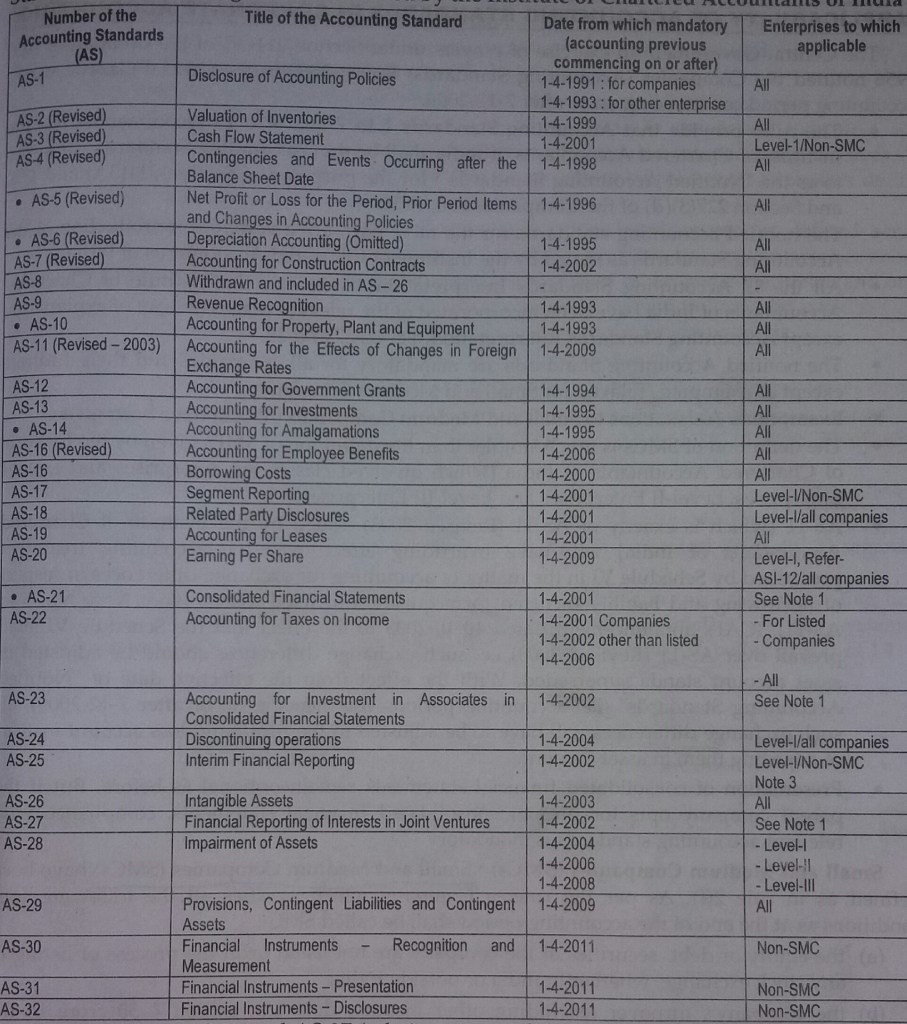
The use of the word ‘Standards‘ is generally known as ‘Principles‘ a few years ago. The British introduced the term ‘standards’ in place of ‘principles’ when they set up their Accounting Standards Steering Committee at the end of 1969, and then Americans adopted the same term in 1973, when the Financial Accounting Standards Board was established in place of Accounting Principles Board. In India this term mainly become popular since the formation of the Accounting Standards Board in April 1977 by the Institute of Chartered Accountants of India (ICAI).

An Accounting Standard is a selected set of accounting policies or board guidelines regarding the principles and methods to be chosen out of several alternatives. Accounting Standard is considered as written statements issued from time to time by institutions. Such accounting bodies are currently found in many countries of the world. e.g., Accounting Standards Board (India), Financial Accounting Standards Board (USA), Accounting Standards Board (UK), etc.

The main objective of Accounting Standards is to harmonize the diverse accounting policies and practices at present in the use of India. Harmonization of accounting standards does permit flexibility to make the necessary adjustments to suit their purpose. There are some other objectives of Accounting Standards like standardizing the diverse accounting policies and practices with a view to eliminating to extent the non-comparability of financial statements.

At present, Accounting Standards are regarded as a major component in the framework of accounting and reporting practices. Standards exist to help the accounting practices which are regarded as the most suitable for the circumstances covered. They help individual companies and their managements to justify whatever practices they adopt when producing their financial statements.

Auditors are duty-bound while discharging their function to ensure that the Accounting Standards issued and made mandatory by the ICAI are implemented. Section 227 (3) of the Companies Act, 1956 requires to report auditor to report his opinion on the Profit and Loss Accounting and Balance Sheet.