Analysing Satyajit Ray: Through The Eyes of The Master

Satyajit Ray

Introduction

Satyajit Ray was India’s first internationally recognized film-maker and, several years after his death, still remains the most well-known Indian director on the world stage. Ray has written that he became captivated by the cinema as a young college student, and he was self-taught, his film education consisting largely of repeated viewings of film classics by de Sica, Fellini, John Ford, Orson Welles, and other eminent directors.
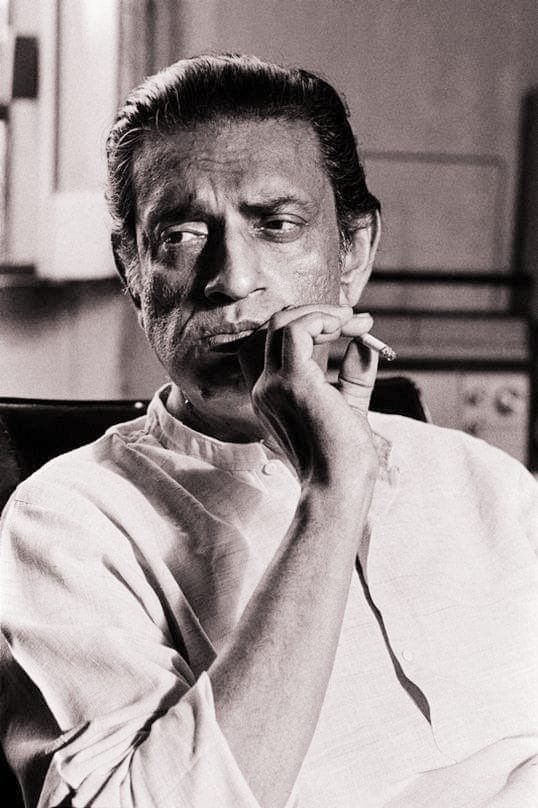
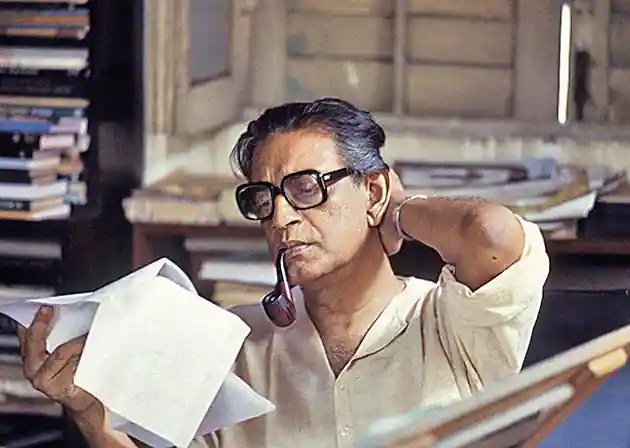
Satyajit Ray

Early Life and Family Background

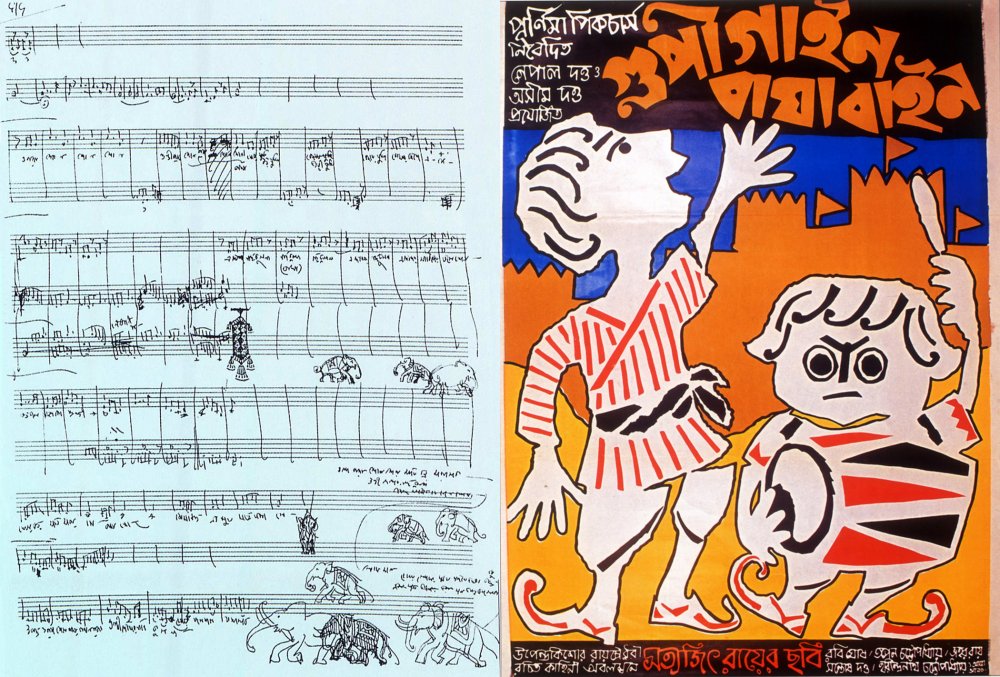
Satyajit Ray was born into an illustrious family in Kolkata (then Calcutta) on 2nd May,1921. His grandfather, Upendra Kishore Ray-Chaudhary, was a publisher, illustrator, musician, the creator of children’s literature in Bengali and a leader of the Brahmo Samaj, a religious and social movement in nineteenth century Bengal. His father, Sukumar Ray, was a noted satirist and India’s first writer of nonsensical rhymes, akin to the nonsense verse of Edward Lear. Having studied at Ballygunge Government High School, Calcutta and completed his BA in economics at Presidency College, Satyajit Ray went on to develop an interest in fine arts. Later in life, Satyajit Ray made a documentary of his father’s life. His film, Goopy Gyne Bagha Byne, was based on a story published by his grandfather in 1914, but even other films, such as Hirok Rajah Deshe, “The Kingdom of Diamonds”, clearly drew upon his interest in children’s poetry and nonsensical rhymes.
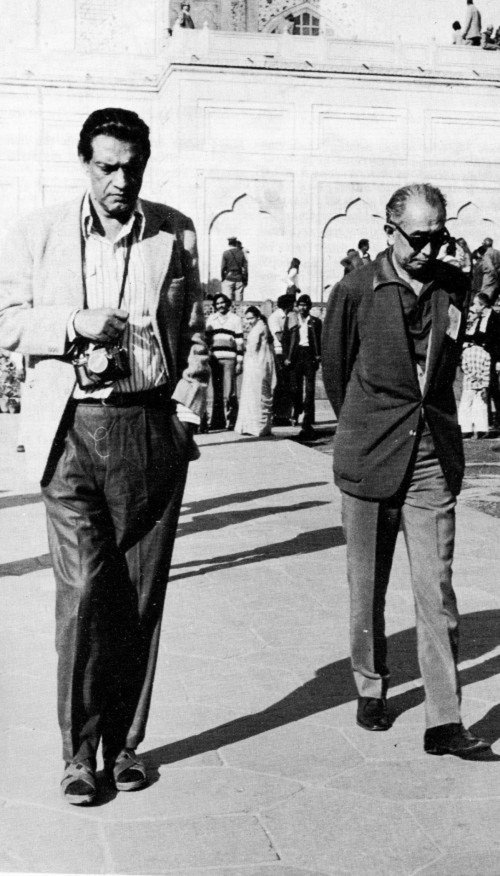
Satyajit Ray with Akira Kurosawa

The Crisis of Indian Cinema Before Ray

From the 1920s to the early 1950s, several directors working within Hollywood—as well as filmmakers in former Soviet Union, France, Italy, Germany, and Japan—considered cinema not as a mere tool of entertainment but as a medium for creative expression. Filmmakers such as Charlie Chaplin, Sergei Eisenstein, Jean Renoir, Roberto Rossellini, Vittorio De Sica, Akira Kurosawa, and others deployed artistically innovative filmic devices to convey profound statements about the complexities of life. Some of the aesthetically satisfying films produced during this period were hailed as cinematic masterpieces. Films in India, however, prioritised cliched elements such as sentimental slush, ersatz emotion, theatricality, romantic tales, spectacle-like songs, and happy endings in these decades. Instead of making serious attempts at formal experimentation, Indian directors continued catering to the lowest common denominator audience.
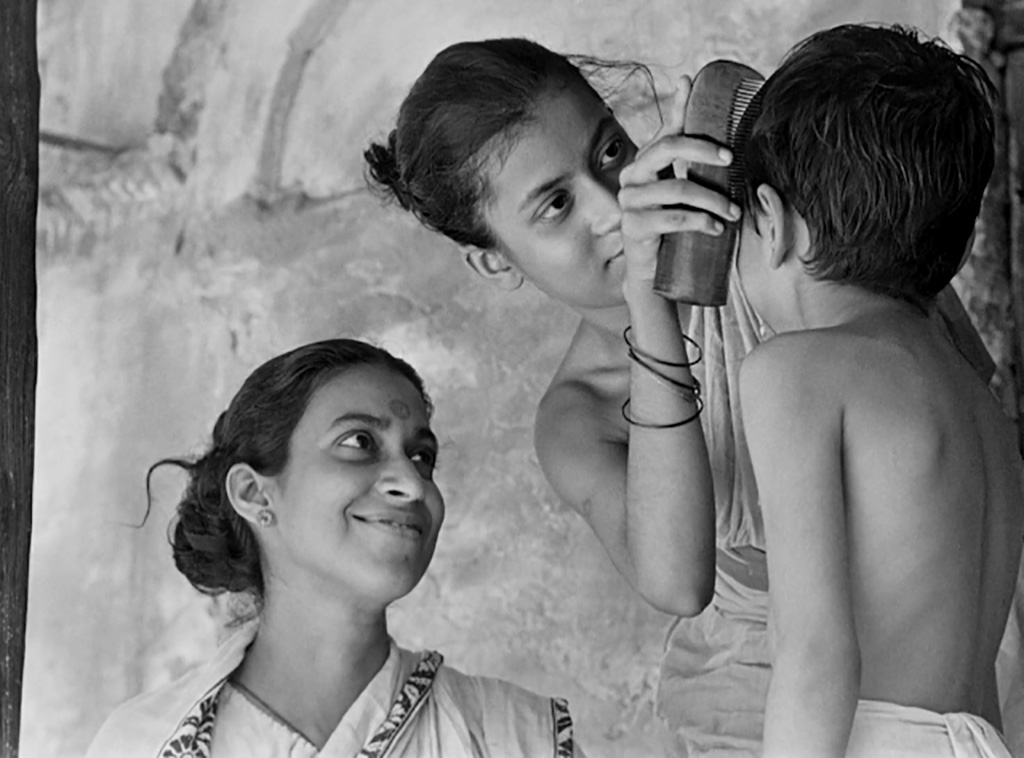
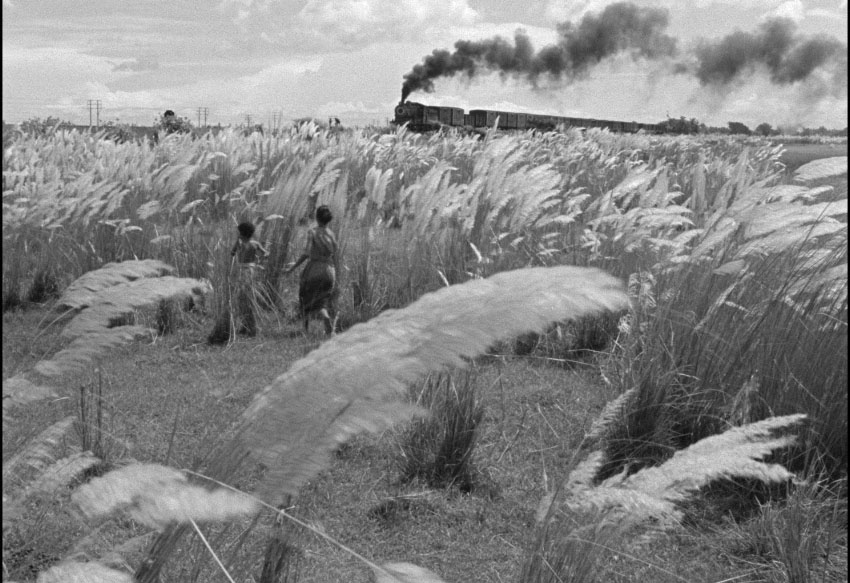
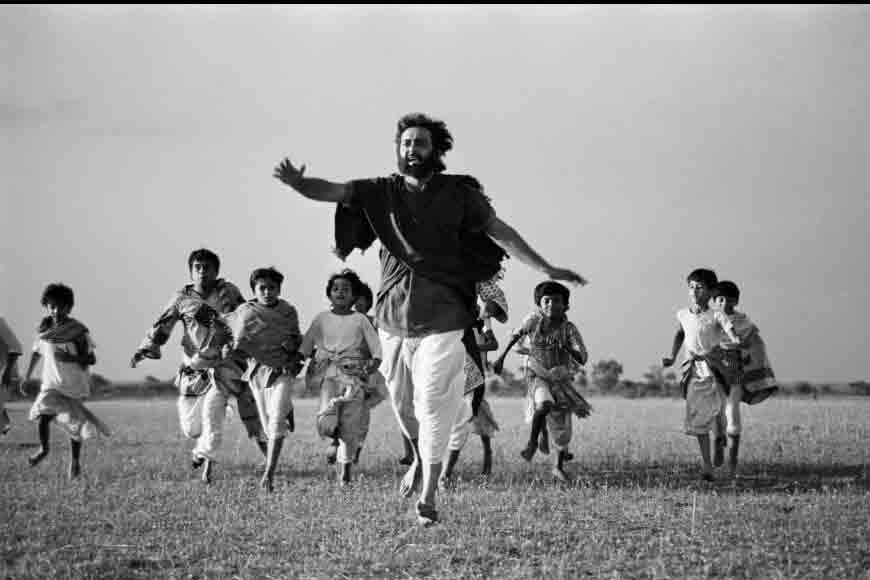
Iconic scene from Pather Panchali (1955)
Pather Panchali (1955)

Breakthrough of Satyajit Ray

A young Ray had grown up on Hollywood movies, so when his ad agency sent him to London for higher training, he spent more and more of his time in the company of films and started “losing interest in advertising in the process,” he once said in an interview. During this trip, he saw Vittorio De Sica’s “Ladri di biciclette” (Bicycle Thieves),in 1948, a neo-realist Italian masterpiece of post-War despair and was entranced by its beguiling simplicity and humanism. Back in Calcutta, he heard that Jean Renoir was in town and walked straight into the hotel where the great French filmmaker was staying to confide in his own dreams of making a movie someday. Renoir, who was location-scouting for The River in Calcutta at the time, encouraged the aspirant. And so began the journey of the song of the little road.
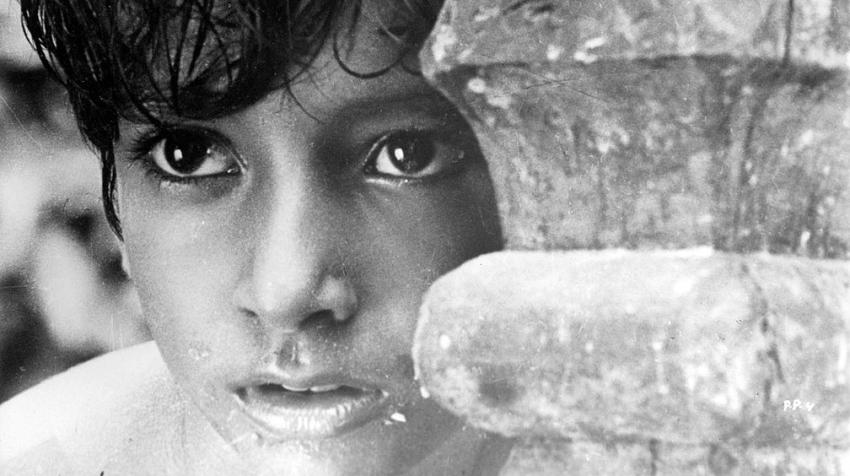
Subir Banerjee as Apu in Pather Panchali (1955)


Ray’s landmark debut, Pather Panchali ( which was adapted from  eponymous 1928 Bengali novel “Pather Panchali” by eminent Bengali novelist Bibhutibhusan Bandopadhay) was on a shoe-string budget in 1955 with a mostly non-professional cast. All the while, he clung on to his job for a safety net even as he shot what would become the first of the classic Apu Trilogy on weekends. The film was apparently being made by a group of neophytes, who had to stop filming more than once, owing to the depletion of their shoestring budget.
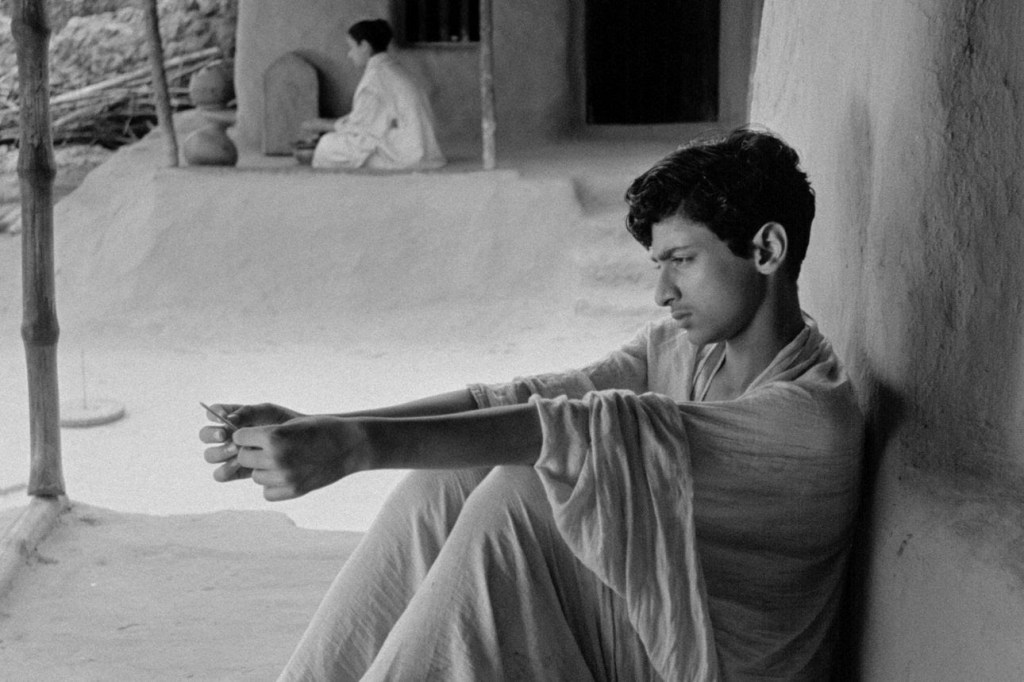
Smaran Ghoshal as Apu in Aporajito (1956)

Notable Films of Satyajit Ray

Ray directed 36 films, comprising 29 feature films, five documentaries, and two short films. Pather Panchali was completed in 1955 and turned out to be both a commercial and a tremendous critical success, first in Bengal and then in the West following a major award at the 1956 Cannes International Film Festival. sured Ray the financial backing he needed to make the other two films of the trilogy: Aparajito (1956; The Unvanquished) and Apur Sansar (1959; The World of Apu). Pather Panchali and its sequels tell the story of Apu, the poor son of a Brahman priest, as he grows from childhood to manhood in a setting that shifts from a small village to the city of Calcutta.
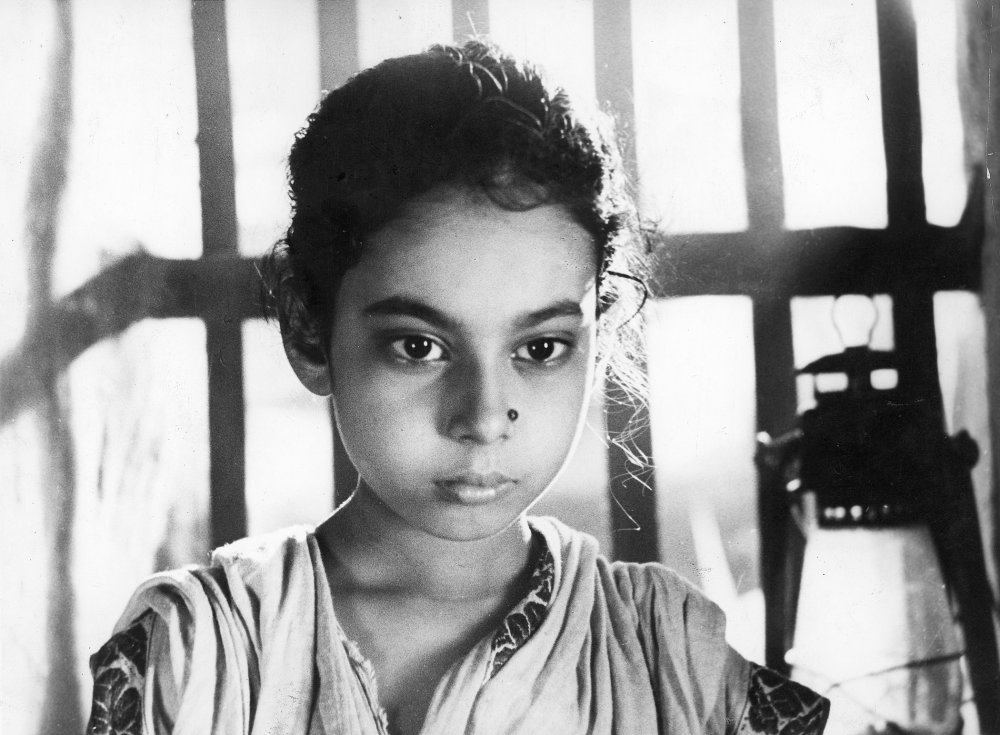
Chandana Banerjee in Teen Kanya (1961)
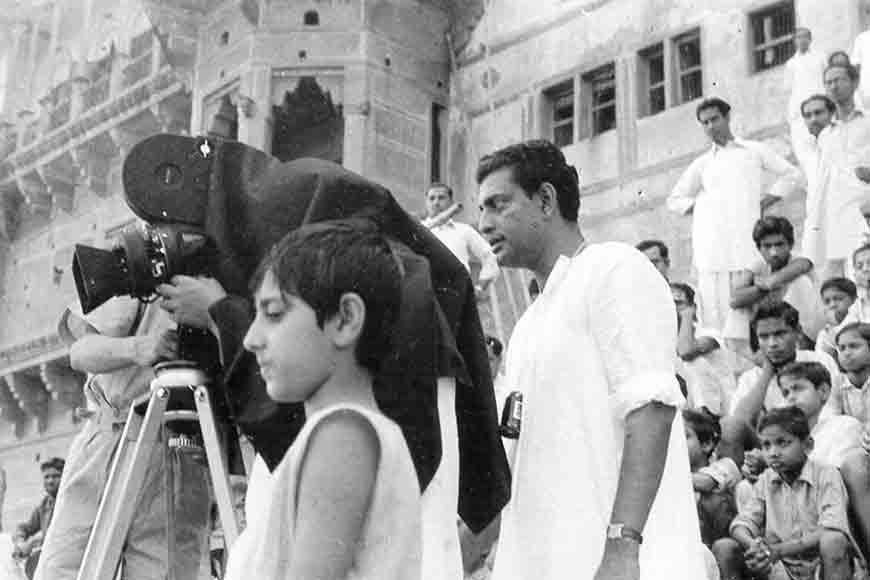
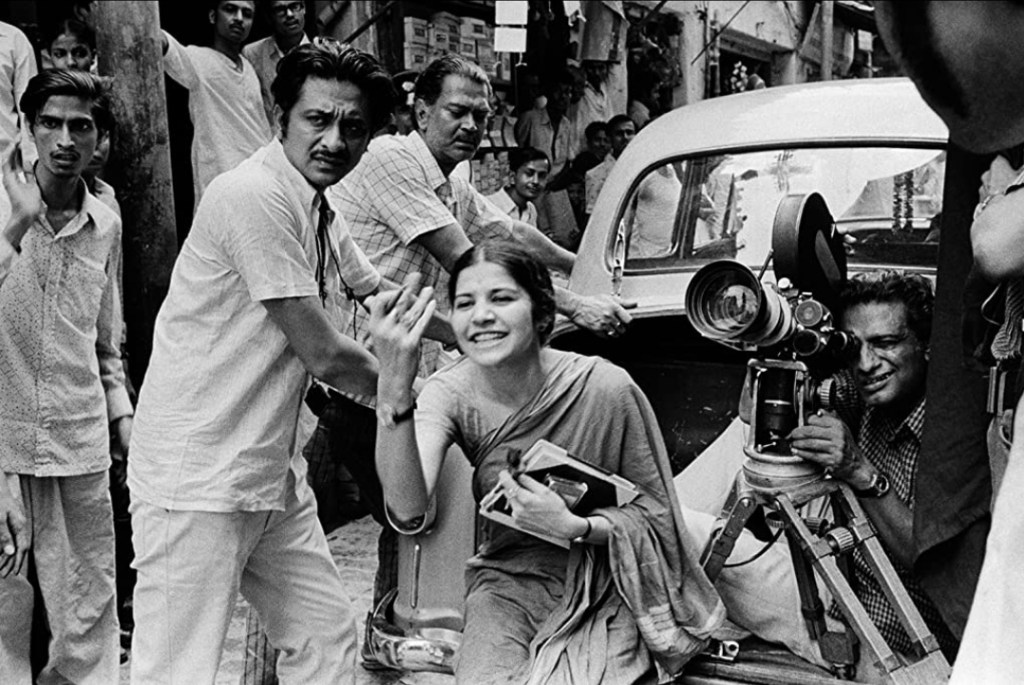
During the Shooting of Jana Aranya (1975)
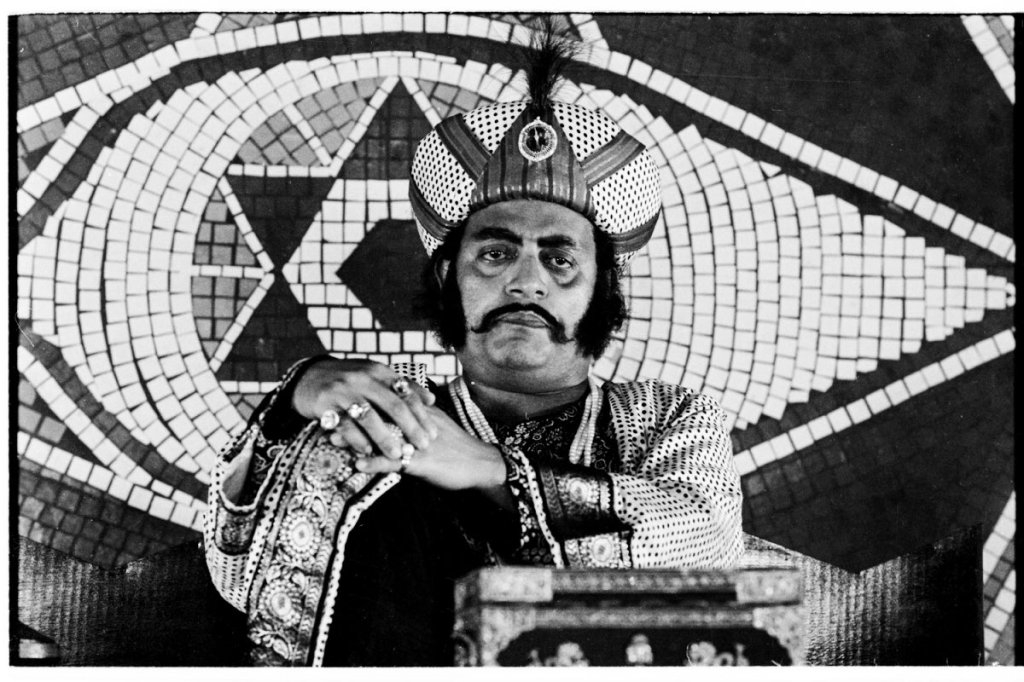
Utpal Dutta in Hirok Rajar Deshe(1980)
Soumitra Chatterjee in Hirok Rajar Deshe (1980)
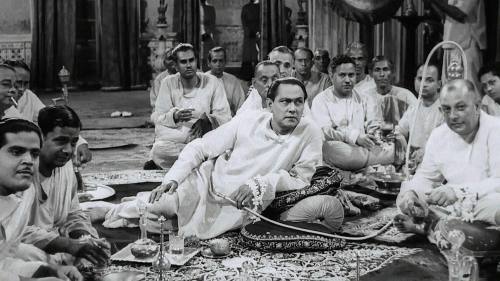
Chhabi Biswas (in middle) in Jalsaghar (1958)
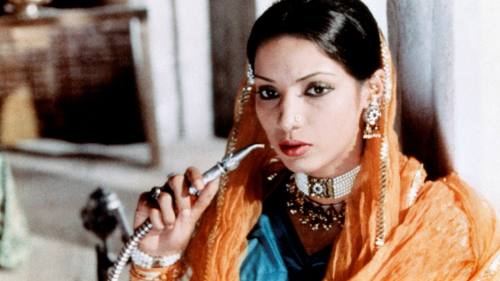
Shabana Azmi in Shatranj ke Khilari (1977)
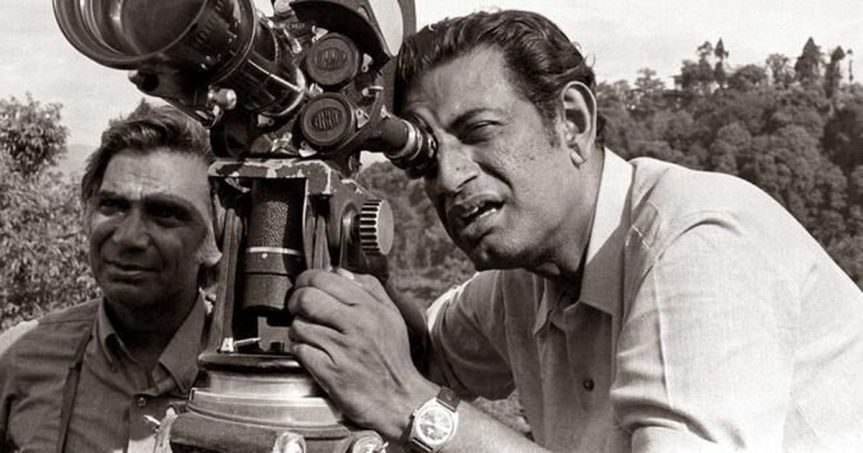
Satyajit Ray during the shooting of Sonar Kella(1974)

Ray’s major films about Hindu orthodoxy and feudal values (and their potential clash with modern Western-inspired reforms) include Jalsaghar (1958; The Music Room), an impassioned evocation of a man’s obsession  with music; Devi (1960; The Goddess), in which the obsession is with a girl’s divine incarnation; Sadgati (1981; Deliverance), a powerful indictment of caste; and Kanchenjungha (1962), Ray’s first original screenplay  and first colour film, a subtle exploration of arranged marriage among wealthy, westernized Bengalis. Shatranj ke Khilari (1977; The Chess Players), Ray’s first film made in the Hindi Language , with a comparatively large budget, is an even subtler probing of the impact of the West on India. Although humour is evident in almost all of Ray’s films, it is particularly marked in the comedy Parash Pathar (1957; The Philosopher’s Stone) and in the musical Goopy Gyne Bagha Byne (1969; The Adventures of Goopy and Bagha), based on a story by his grandfather. 

His other notable films were Ahsani Sanket (1973; Distant Thunder), Aranyer Din Ratri (1970; Days and Nights in the Forest) , Mahanagar (1963; The Big City) and a trilogy of films made in the 1970s—Pratidwandi (1970; The Adversary), Seemabaddha (1971; Company Limited), and Jana Aranya (1975; The Middleman), Ganashatru (1989; An Enemy of the People),  Shakha Prashakha (1990; Branches of the Tree), and the Agantuk (1991; The Stranger).
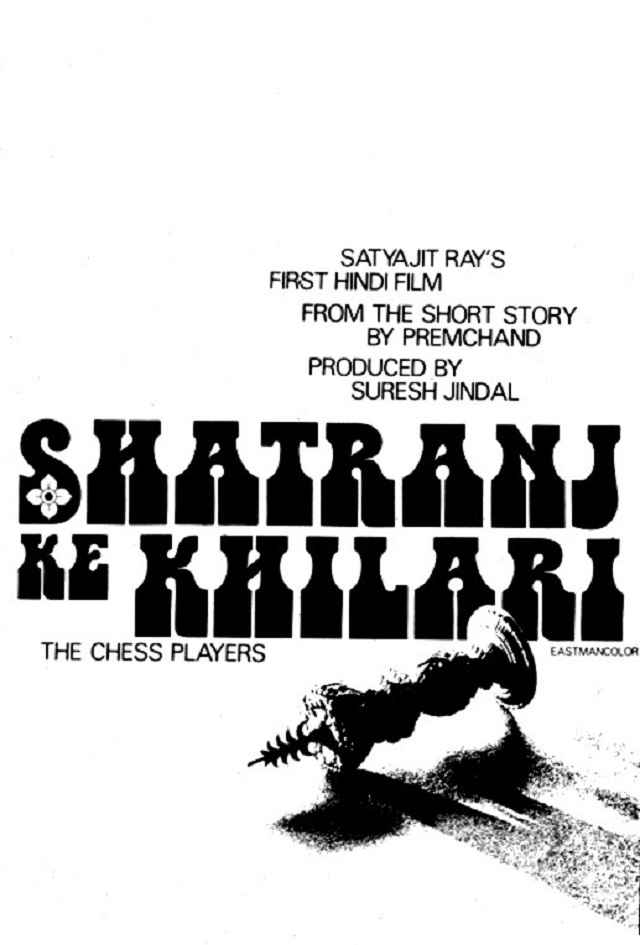
Poster of Shatranj ke Khilari (1977)
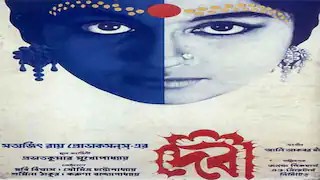
Poster of Devi(1960)
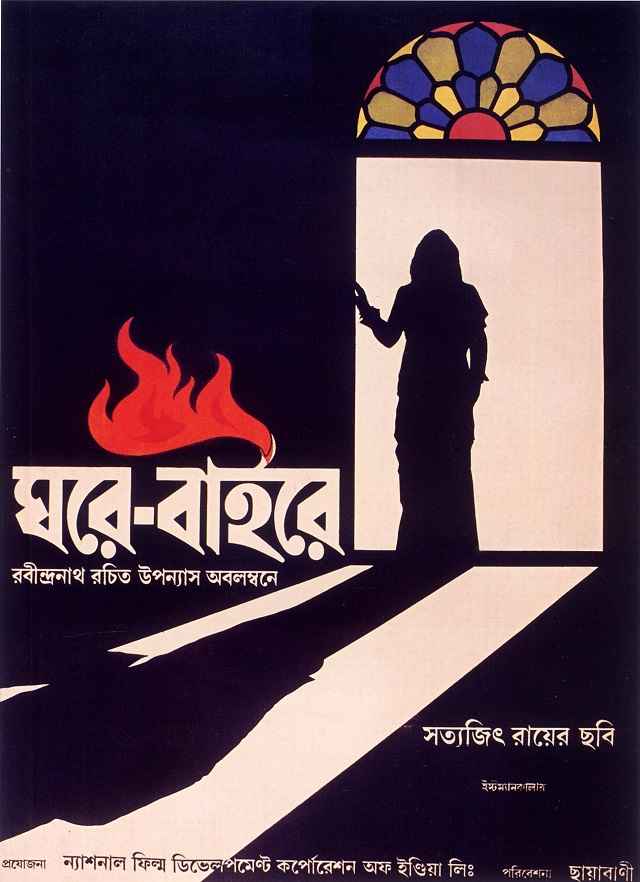
Poster of Ghore-Baire
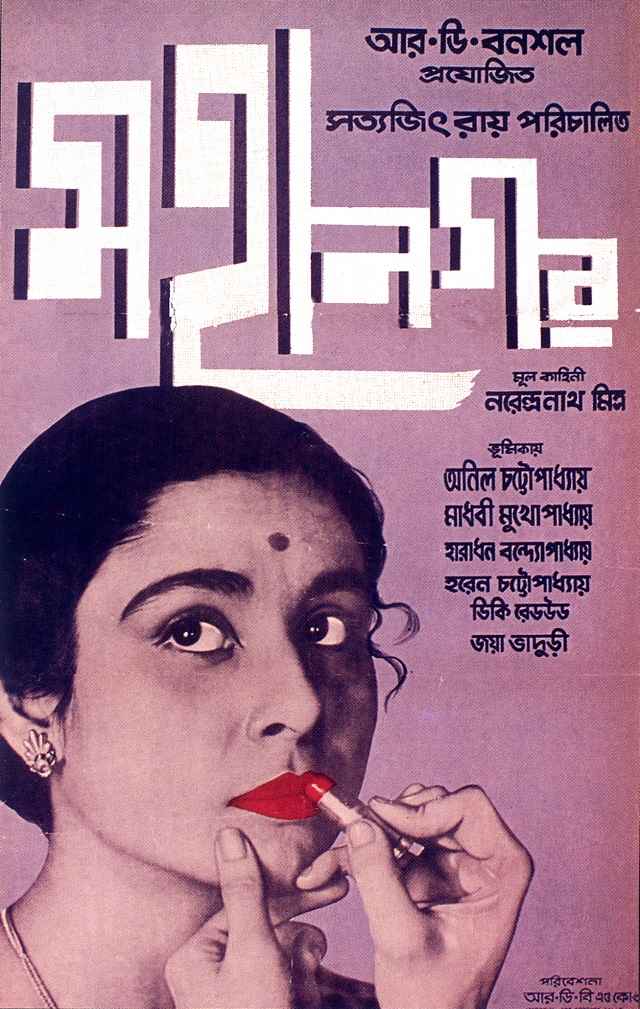
Poster of Mahanagar(1963)
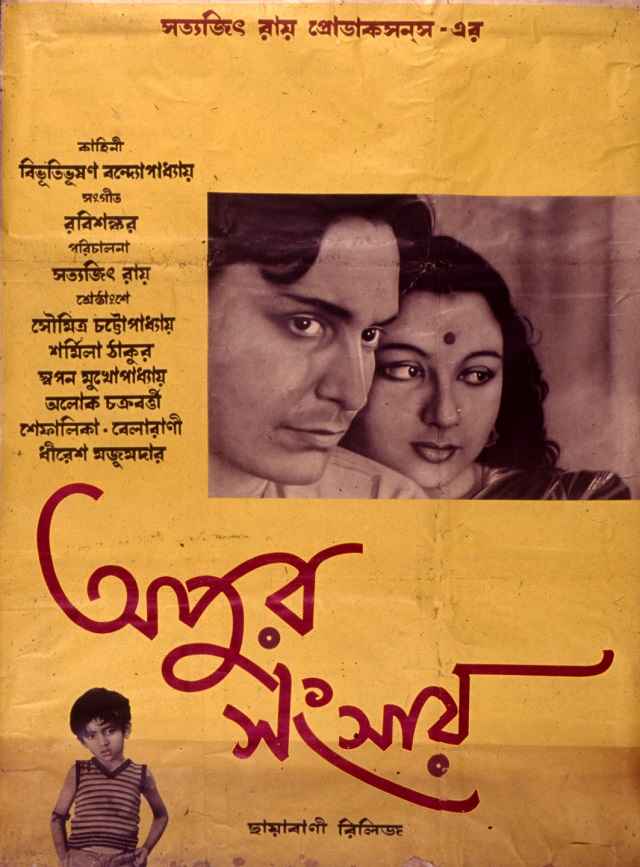
Poster of Apur Sansar (1959)
Poster of Nayak
Poster of Charulata

Work As A Novelist

Ray created two popular fictional characters in Bengali children’s literature—Feluda, a sleuth, and Professor Shanku, a scientist. The Feluda stories are narrated by Topesh Ranjan Mitra aka Topse, his teenage cousin, something of a Watson  to Feluda’s Holmes. The science fictions of Shonku are presented as a diary discovered after the scientist had mysteriously disappeared. Ray also wrote a collection of nonsensical verses named Today Bandha Ghorar Dim, which includes a translation of Lewis Carroll’s “Jabberwocky”. He wrote a collection of humorous stories of Mulla Nasiruddin  in Bengali.  Ray wrote an autobiography about his childhood years, Jakhan Chhoto Chhilam (1982), translated to English as Childhood Days: A Memoir by his wife Bijoya Ray. In 1994, Ray published his memoir, My Year’s with Apu, about his experiences of making The Apu Trilogy.
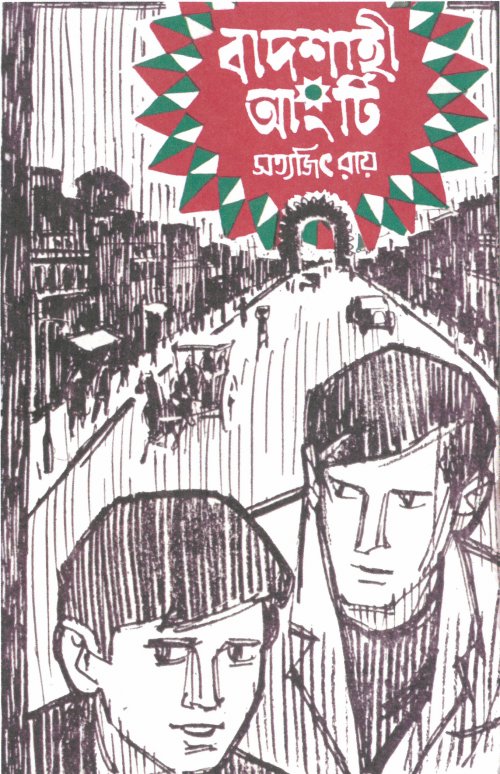
Book Cover illustrated by Satyajit Ray, himself for his first detective novel “Badshahi Angti”.
The musical score and Poster for Goopy Gyne Bagha Byne(1969), done by Satyajit Ray, himself
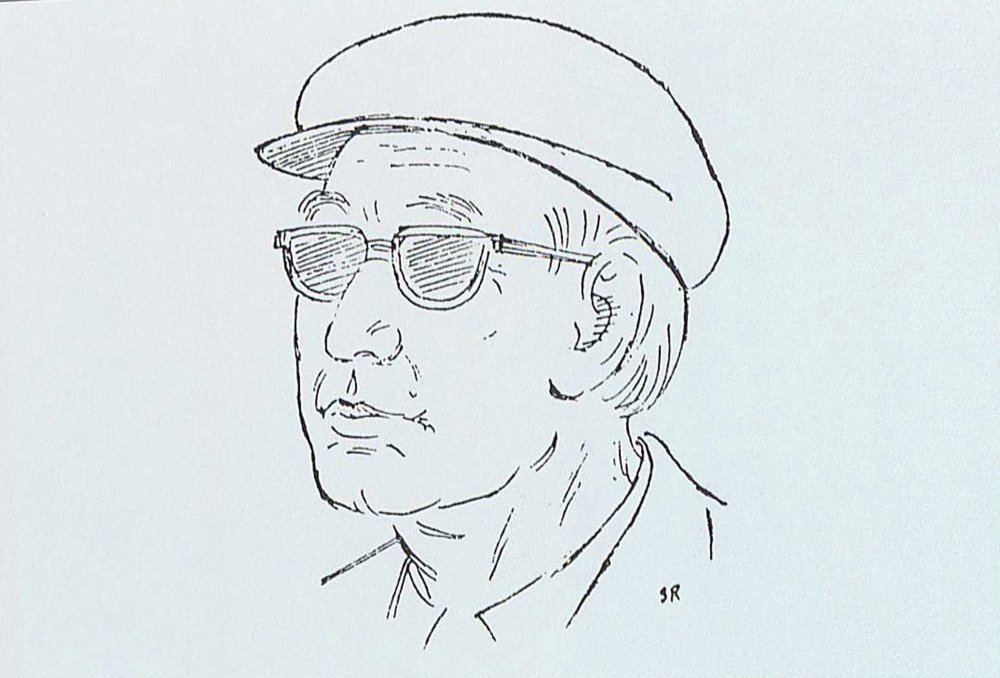
Portrait of Akira Kurosawa, illustrated by Satyajit Ray

Critical Analysis of Satyajit Ray

Instead of acting like a propagandist, Ray wanted to make people aware of the persistence of certain social problems. Devi and Ganasatru show people’s blind religious beliefsSakha Prasakhadiscloses the involvement of the top officials with bribery and corruption, Shatranj ke Khilari indicates the indolence and lack of political consciousness of the wealthy people, Aranyer Din Ratrireveals the insensitivity and boasting of the urban young men, and Mahapurush mockingly exposes the failure of the urban elite to embrace rational thoughts. Given the necessity of making people conscious of the same problems in present-day society, these films are still relevant today. Ray’s films also made a departure from tradition by frequently including strong women characters. Sarbajaya in Pather Panchali and Aparajito, Manisha in Kanchenjungha, Arati in Mahanagar, Charu in Charulata, Karuna in Kapurush, Aditi in Nayak, Aparna and Jaya in Aranyer Din Ratri, Sudarshana in Seemabadhdha, and Ananga in Asani Sanket appear as bolder, more confident, and more resilient than the male characters. In an interview, Ray states that the inclusion of unwavering women characters reflects his own attitudes towards and personal experience with women.

Awards Received by Satyajit Ray

Ray received many awards, including 36 National Film Award  by the Government of India, and awards at international film festival. In 11th Moscow International Film Festival 1979, he was awarded with the Honorable Prize for the contribution to cinema. At the Berlin International Film Festival, he was one of only four filmmakers to win the Silver Bear for Best Director  more than once and holds the record for the most Golden Bear  nominations, with seven. At the Venice Film Festival, where he had previously won a Golden Lion for Aparajito  (1956), he was awarded the Golden Lion Honorary Award in 1982. That same year, he received an honorary “Hommage à Satyajit Ray” award at the 1982 Cannes International Film Festival. Ray is the second film personality after Charlie Chaplin  to have been awarded an honorary doctorate  by Oxford University.

He was awarded the Dadasaheb Phalke Award  in 1985, and the Legion of Honour  by the President of France  in 1987. The Government of India awarded him the Padma Bhusan in 1965 and the highest civilian honour, Bharat Ratna, shortly before his death. The Academy of Motion Picture Arts and Sciences  awarded Ray an Honorary Award  in 1992 for Lifetime Achievement. In 1992, he was posthumously awarded the Akira Kurosawa Award for Lifetime Achievement in Directing at the San Francisco International Film Festival.

Conclusion

Whenever we talk about radical filmmaking in the realm of Bengali cinema, Satyajit Ray’s maiden feature (made in the face of tremendous odds) is mentioned. From Pather Panchali to his last film Agantuk, Ray never compromised on high standards, thereby making a huge impression. Having a greater familiarity with the oeuvre of Ray would enable people to understand the impressive qualities and importance of socially-meaningful cinema. We are surely in need of films that would make us perceive the beauty of a dewdrop on a blade of grass, strengthen our sense of humanism, and raise our social consciousness—hence, the everlasting relevance of the cinema of Satyajit Ray.
India in the 21st century

India is a rapidly changing country in which inclusive, high-quality education is of utmost importance for its future prosperity. The country is currently in a youth bulge phase. It has the largest youth population in the world—a veritable army of 600 million young people under the age of 25. Fully 28 percent of the population is less than 14 years of age, and with more than 30 babies being born every minute, population growth rates are expected to remain at around 1 percent for years. India is expected to overtake China as the largest country on earth by 2022 and grow to about 1.5 billion people by 2030 (up from 1.34 billion in 2017). The UN projects that Delhi will become the largest city in the world with 37 million people by 2028.

This demographic change could be a powerful engine of economic growth and development: If India manages to modernize and expand its education system, raise educational attainment levels, and provide skills to its youth, it could gain a significant competitive advantage over swiftly aging countries like China.

Some analysts consequently argue that India will eventually economically close in on China, because of India’s greater propensity for entrepreneurial innovation, and its young, technically skilled, rapidly growing English-speaking workforce—which is projected to be in increased global demand as labor costs in China rise faster than in India.

Indeed, India is now the world’s fastest growing major economy, outpacing China’s in terms of growth rates, even though it is still much smaller in overall size. Large parts of Indian society are simultaneously growing richer—the number of Indians in middle-income brackets is expected to increase almost 10-fold within just two decades, from 50 million people in 2010 to 475 million people in 2030. Some analysts now predict that India will become the second-largest economy in the world by 2050.

ndia is a rapidly changing country in which inclusive, high-quality education is of utmost importance for its future prosperity. The country is currently in a youth bulge phase. It has the largest youth population in the world—a veritable army of 600 million young people under the age of 25. Fully 28 percent of the population is less than 14 years of age, and with more than 30 babies being born every minute, population growth rates are expected to remain at around 1 percent for years. India is expected to overtake China as the largest country on earth by 2022 and grow to about 1.5 billion people by 2030 (up from 1.34 billion in 2017). The UN projects that Delhi will become the largest city in the world with 37 million people by 2028.

This demographic change could be a powerful engine of economic growth and development: If India manages to modernize and expand its education system, raise educational attainment levels, and provide skills to its youth, it could gain a significant competitive advantage over swiftly aging countries like China.

Some analysts consequently argue that India will eventually economically close in on China, because of India’s greater propensity for entrepreneurial innovation, and its young, technically skilled, rapidly growing English-speaking workforce—which is projected to be in increased global demand as labor costs in China rise faster than in India.

Indeed, India is now the world’s fastest growing major economy, outpacing China’s in terms of growth rates, even though it is still much smaller in overall size. Large parts of Indian society are simultaneously growing richer—the number of Indians in middle-income brackets is expected to increase almost 10-fold within just two decades, from 50 million people in 2010 to 475 million people in 2030. Some analysts now predict that India will become the second-largest economy in the world by 2050.

This demographic change could be a powerful engine of economic growth and development: If India manages to modernize and expand its education system, raise educational attainment levels, and provide skills to its youth, it could gain a significant competitive advantage over swiftly aging countries like China.

Some analysts consequently argue that India will eventually economically close in on China, because of India’s greater propensity for entrepreneurial innovation, and its young, technically skilled, rapidly growing English-speaking workforce—which is projected to be in increased global demand as labor costs in China rise faster than in India.

Indeed, India is now the world’s fastest growing major economy, outpacing China’s in terms of growth rates, even though it is still much smaller in overall size. Large parts of Indian society are simultaneously growing richer—the number of Indians in middle-income brackets is expected to increase almost 10-fold within just two decades, from 50 million people in 2010 to 475 million people in 2030. Some analysts now predict that India will become the second-largest economy in the world by 2050.

PR in the Age of Social Media

Long gone are the days when companies and PR professionals stuck to making announcements via press releases to be aired on TV channels and printed on newspapers. Social media is a valuable asset for everyone and Public relations professionals have also realized these platforms are useful for managing communication and information between a client or company, and the public. Here are 5 ways social media is utilized by PR professionals these days:

To Spread Information:

As previously mentioned, press releases and other traditional forums are not the only channels for spreading news. PR professionals make use of social media platforms like Twitter and Facebook to make announcements about product launches, brand updates, etc. In this increasingly connected world, with platforms like Twitter where news travels at the speed of light, these announcements reach a much wider audience than with traditional media channels.

Crisis Management:

With social media, PR professionals can effectively understand what the public opinion is regarding their client or company. Since users can engage directly with brands online, professionals can identify and respond to customer conversations and online threats, in an effort to avoid negative reputation for the company. In situations of crisis or when negative claims are made against a company, the PR professionals also make use of social media to swiftly provide an apt response and relevant information to the public. This reaches a much wider audience.

To Connect Online with Journalists and Media:

Interacting with journalists on social media is a sure way of increasing the chances of media coverage for a company. Journalists these days make use of social media platforms to see what the public thinks about current news and trending events. PR professionals try to develop a professional relationship with journalists of relevant media outlets, sharing useful information and extending conversations with them, without being annoying or spamming them with data.

To Collaborate with Influencers:

Influencers are celebrities and personalities who have a large following on social media platforms and possess a great influence over their audience. Many companies now maintain connections with major influencers, global and regional, to promote the company and protect their reputation. A lot of brands invite influencers to their events and programs. Influencers are also invited to red carpet events, interviews and other promotional events of major films by their studios. The sway of these personalities is huge, particularly on Instagram, where influencers are the most active.

Campaign Hashtags:

Brands now use specific hashtags to promote their PR campaigns on social media platforms. These hashtags are a very strategic tool that allows companies to observe the conversations surrounding their campaign online. The campaign and brand content becomes easy to find and the company can effectively engage customers online. These catchy, easily recognizable hashtags also help the brand survey how well the campaign is working among the intended audience.

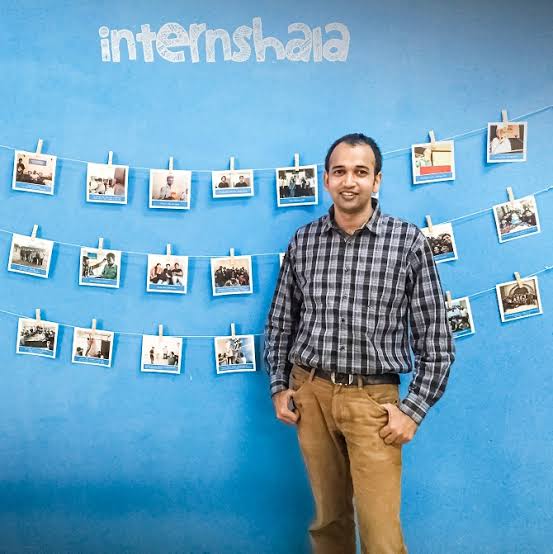
Intershala: India’s biggest internship platform

Intershala is the internship and online training platform. The company is based in Gurgon. This platform provide various types of internship with paid and unpaid as well. There is also training of required skills on the platform. The training is based on requirment of internship and jobs. It is the programme where we can confirm that this job is suitable for us and we are enjoying while doing it. Apart from student company will also get the little experienced employees through this platform. so this platform is very good experience. Every student should done internship to improve practical knowledge.

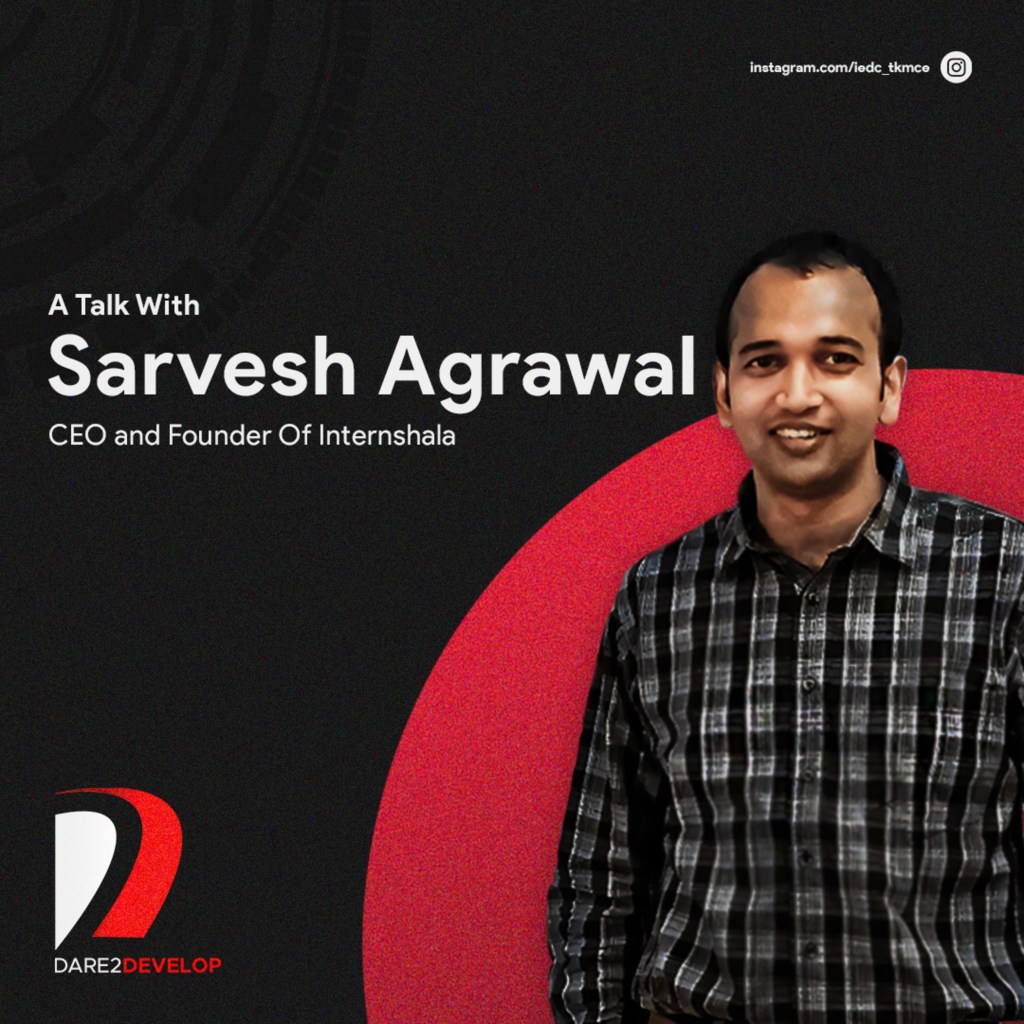
The founder and CEO of the intershala is Sarvesh Agrawal. The intershala is found in 2010. He is an IIT Madras alumni. He born in Nawalgarh, Rajasthan. And completed his schooling from Rajasthan itself. Basically he comes from business family, so he learnt lots of business skills from childhood in family. After graduation he did job for 5 yrs as a business analyst. In early he write a blog on WordPress about various intership. After that he created and website and application also.

He suggests youngsters,” Always do things which you like and enjoy it as well.” This is the very good platform to learn and take the experience of jobs so that we can choose best for us . It’s like test drive of job .

Increasing enrolment of girls in school

 Department of School Education and Literacy (DoSEL), Ministry of Education is implementing the scheme of Samagra Shiksha, effective from 2018-19 to support States and UTs in implementation of the RTE Act, 2009. Ensuring equity and inclusion at all levels of school education is one of the major objectives of Samagra Shiksha.

As per the data available on Unified District Information System for Education (UDISE) / UDISE+, Gross Enrolment Ratio (GER) of girls for 2018-19 and 2019-20 shows an increase in the enrolment of girls at all levels of school education, details of which are as under:

Year

Primary

Upper Primary

Secondary

Higher Secondary

2018-19

101.78

88.54

76.93

50.84

2019-20

103.69

90.46

77.83

52.40

(Source: UDISE/UDISE+)

Bridging gender and social category gaps at all levels of school education is one of the major objectives of the Samagra Shiksha. Under Samagra Shiksha, to ensure greater participation of girls in education, including in the state of Uttar Pradesh, various interventions have been targeted which include opening of schools in the neighbourhood to make access easier for girls, free uniform and text-books to girls up to Class VIII,  additional teachers and residential quarters for teachers inremote/hilly areas, appointment of additional teachers including women teachers, Stipend to CWSN girls from class I to class XII, separate toilets for girls, teachers’ sensitization programmes to promote girls participation, gender-sensitive teaching-learning materials including text books etc.

To reduce gender gaps at all levels of school education, there is a provision of Kasturba Gandhi Balika Vidyalayas (KGBVs) under Samagra Shiksha. KGBVs are residential schools from class VI to XII for girls belonging to disadvantaged groups such as SC, ST, OBC, Minority and Below Poverty Line (BPL). A total of 5627 KGBVs have been sanctioned under Samagra Shiksha as on 28.02.2022, in which 665130 girls have been enrolled. 

In the state of Uttar Pradesh 760 KGBVs are operational having an enrolment of 78820 girls.

Copywriting Tips to Keep in Mind

An eye-catching copy is guaranteed to pull in customers for your brand or product. But possessing good creative writing skills is not just enough to create interesting copies. Here are a few useful tips to keep in mind when writing a copy:

Don’t Miss Out on Research:

Before you start your work, do not forget to read and find out as much as possible about the product, brand and target audience. Have a clear idea regarding the objectives of the company and the benefits they are offering the consumers. Who is your target audience and how would this product or service solve their problems? Gather information about the target audience demographics – their age, job title, income range and other general information. Create a profile of a typical user persona and use it to guide you in copywriting.

Bring in your Unique Style and Tone:

You want your copy to grab the attention of the audience and potential consumers. For this, your copy needs to have its distinct tone and style. Prior research on the audience and company also helps you decide on the tone of your copy. Brand personalities would have to be taken into account when writing the copy. This means the copy of a high-class premium brand like Titan would need to maintain the classy, refined style while brands like Zomato adopt a friendlier, humorous approach.

Focus on your UVP:

One of the most important things to highlight when advertising a product or service is its Unique Value Proposition (UVP) To get ahead of your competitors, you need to communicate to your audience exactly what sets you apart. This is the brand’s UVP. It should be included in the copy, explaining to the audience why they should choose your brand.

Keep it Concise and Short:

While including everything needed in the copy, make sure that it doesn’t get too wordy or lengthy. You need to get the message across as quickly as possible, so making it longer would only make your customers impatient and eventually lose interest. Having a short attention span also means you have to use simple, uncomplicated words which people would find easy to understand. Including unfamiliar words and jargon would simply irritate the readers. Too many adjectives and imperatives should also be avoided. Filling your copy with a lot of meaningless adjectives which would also require the audience to take extra effort to understand the meaning is not recommended.

Prove your Claims:

Providing proof for your claims with significant data can be useful in building credibility and trust in the brand. People tend to believe a familiar person or even a celebrity when they talk about how useful a product has been for them. These proofs could be presented in the form of customer testimonials, facts and statistics, case studies and success stories. But avoid making the testimonials appear too sweet and sugar-coated. Also, give specific numbers when presenting data and statistics.

PCOD: You have to know

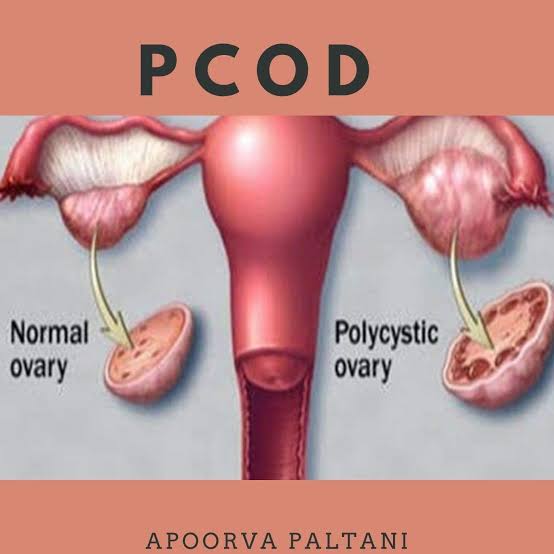
PCOD is Polycystic Ovarian Disease or it also called as PCOS that is Polycystic Ovarian syndrome. It is the condition where hormonal disorder causing enlarged ovaries with the small cyst on the outer edges. It occurs mainly in childbearing age that is between 12-45yrs. In India 9-22% women suffering from PCOD. And World wide is generally 3-4%.

The symptoms are irregular menstrual cycle,excess hair growth,acne, obesity etc. This is at earlier stage further it affect other body systems also. This women has difficulty in getting pregnant due to irregular or delayed ovulation. If this condition remain untreated has complications like diabetes, obesity,heart disease and high cholesterol as well. PCOD also has risk of miscarriage.

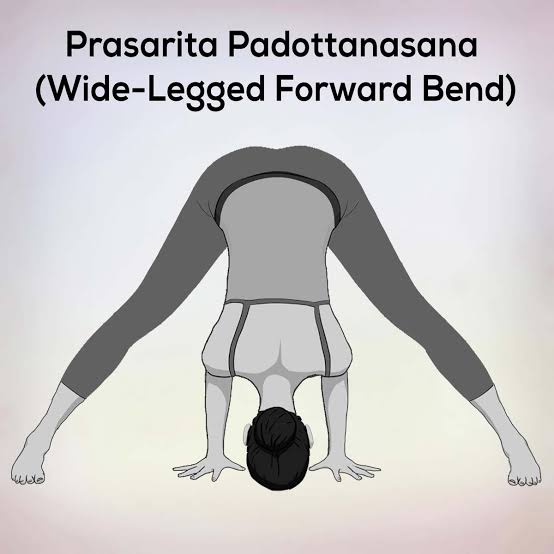
The multidisciplinary treatment is approach for PCOD. In treatment combination of birth control pills are given. It contains progestin and estrogen with correct the hormone imbalance. Progestin therapy is also given in treatment. Apart from treatment self care is very much important. The patient should avoid extra fats and carbohydrates. In her diet should content spinach, leafy vegetables, broccoli, cauliflower and natural food. The diet is rich with nuts and legumes. With diet exercise is key of good health. High intensity workout should done , mind and body exercises are essential as well. Here are some asanas which help to cure from PCOD.

Titali asana
Baddha konasana

there is no fix cause of PCOD. Not perfect treatment is available so self care is the main way to get rid from lot’s of diseases.

Schindler’s Ark: The Book Review

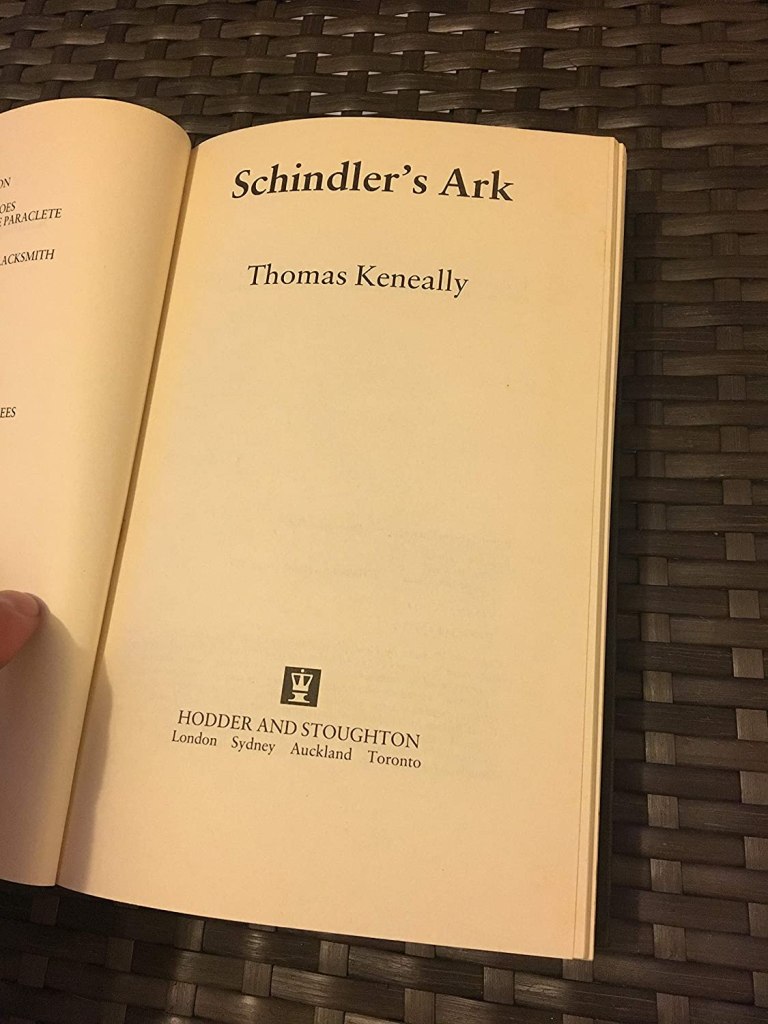
First Printed Edition of Schindler’s Ark

Introduction

Australian author Thomas Keneally‘s novel first “Schindler’s Ark” (later republished as Schindler’s List) brought the story of Oskar Schindler’s rescue of Jewish people during the Nazi Holocaust, to international attention in 1982, when it won the Booker Prize. It was made by Steven Spielberg into the Oscar-winning film Schindler’s Listin 1993, the year Schindler and his wife were named Righteous Among the Nations.

Schindler’s Ark later republished as Schindler’s List

About The Author

Thomas Michael Keneally, (born 7 October 1935) is an Australian novelist, playwright, essayist  and actor.  Keneally’s first story was published in The Bulletin  magazine in 1962 under the pseudonym Bernard Coyle. By February 2014, he had written over 50 books, including 30 novels. He is particularly famed for his Schindler’s Ark  (1982) (later republished as Schindler’s List), the first novel by an Australian to win the Booker Prize and is the basis of the film Schindler’s List. He had already been shortlisted for the Booker three times prior to that: 1972 for The Chant of Jimmie Blacksmith, 1975 for Gossip from the Forest, and 1979 for Confederates. Many of his novels are reworkings of historical material, although modern in their psychology and style.

Thomas Keneally

Storyline of The Novel

The story of the novel is based on true events, on account of the Nazi Holocaust during World War II. Oskar Schindler, (born April 28, 1908, Svitavy [Zwittau], MoraviaAustria-Hungary  [now in the Czech Republic]—died October 9, 1974, Hildesheim, West Germany), German industrialist who, aided by his wife and staff, sheltered approximately 1,100 Jews from the Nazis  by employing them in his factories, which supplied the German army during World War II.

Poster of Steven Spielberg‘s movie Schindler’s List (1993)

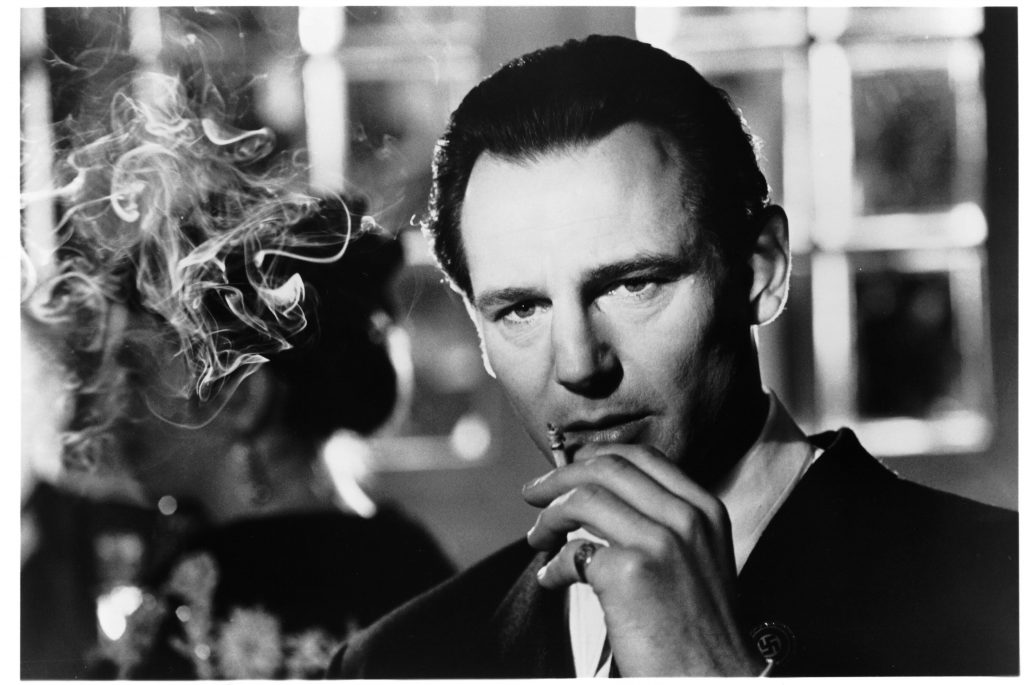
In the shadow of Auschwitz, a flamboyant German industrialist grew into a living legend to the Jews of Kraków. He was a womaniser, a heavy-drinker and a bon viveur, but to them he became a saviour. This is the extraordinary story of Oskar Schindler, who risked his life to protect Jews in Nazi-occupied Poland and who was transformed by the war into a man with a mission, a compassionate angel of mercy.

Liam Neeson as Oskar Schindler in Schindler’s List (1993)

Analysis of The Storyline

The novel introduced a vast and diverse cast of characters. However, the focus of the narrative was between Oskar Schindler and Amon Goeth. In the story, there was a dichotomy between what is essentially good and what is evil, that was personified by these two primary characters. Goeth represented everything evil. The war churned out a selfish and heartless sadist who found delight in inflicting pain on the Jews. Ironically, he lusted after his Jewish maid. Schindler, on the other hand, was portrayed as the Good German. He didn’t believe everything that the Nazi regime was saying against the Jews. He was, however, a man of contradictions. Despite being depicted as the epitome of goodness, he lived a self-indulgent lifestyle, which included proclivity towards the bottle and women. His infidelities have been a constant source of pain for his wife, Emilie. He also uses his connections to gain the upper hand in negotiations; it would also be a seminal part of his campaign to save the Jews.  

Ralph Fiennes as Amon Goeth in Schindler’s List (1993)

Criticism of The Storyline

The amount of research poured to recreate the story of Oskar Schindler was astounding. And the starting point to this is as interesting as the novel itself. As noted in the Author’s Note, a chance encounter in 1980 led to the novel. Schindler’s motivation for protecting his workers was rarely ever clear, especially at the start. Questions still hound his true intentions. He, after all, brazenly took advantage of the cheap labour the Jews offered at the start of his enterprise. Is Schindler an anti-hero? The answer can be found in Keneally’s extensive research. Through interviews with surviving Schindlerjuden and different Second World War archives, he managed to identify the point in which Schindler decided to protect the Jews. While horseback riding on the hills surrounding Kraków, he witnessed an SS Aktion unfold on the Jewish ghetto below. The Jews were forcefully taken out of their houses. Those who resisted were shot dead, even in the presence of children. Witnessing the atrocious acts firsthand turned Schindler’s stomach. It was then that he resolved to save as many Jews as he can.

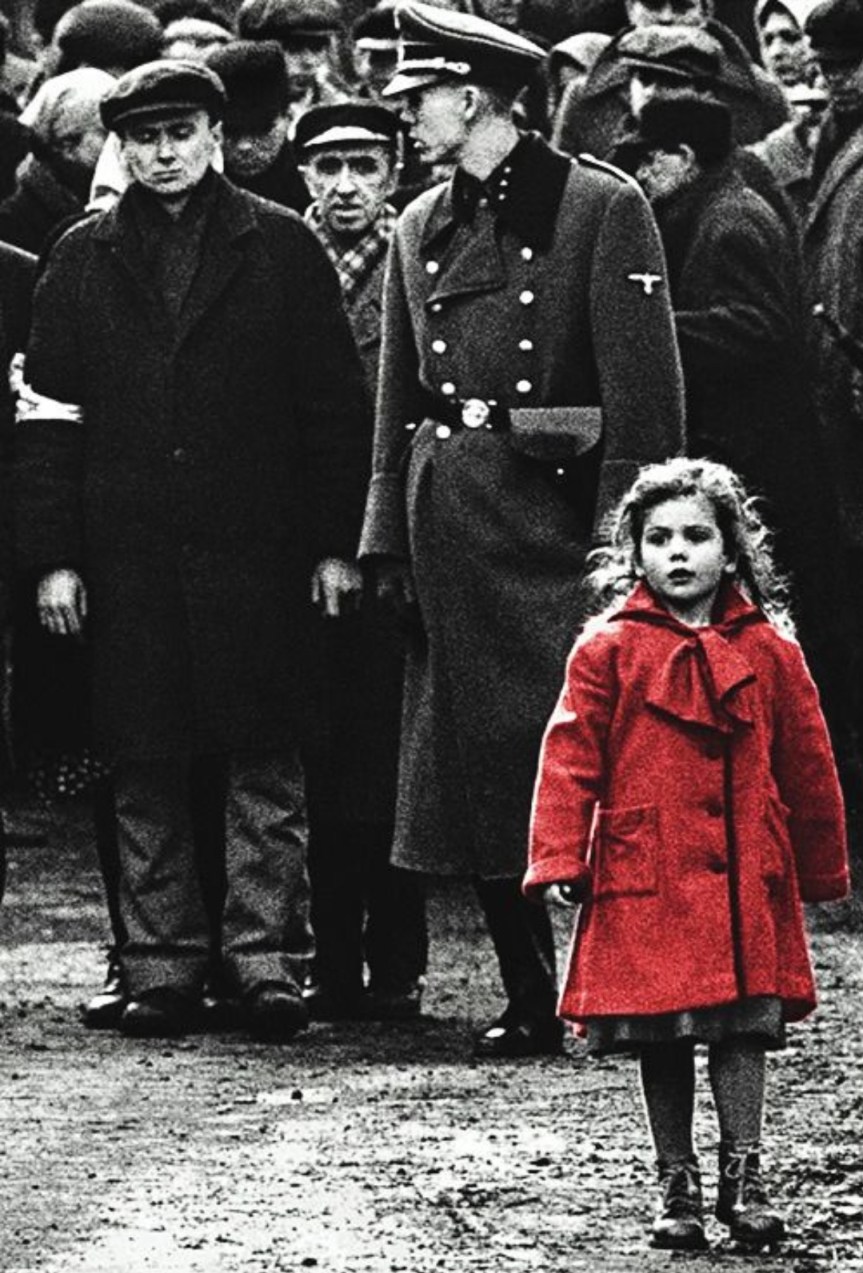
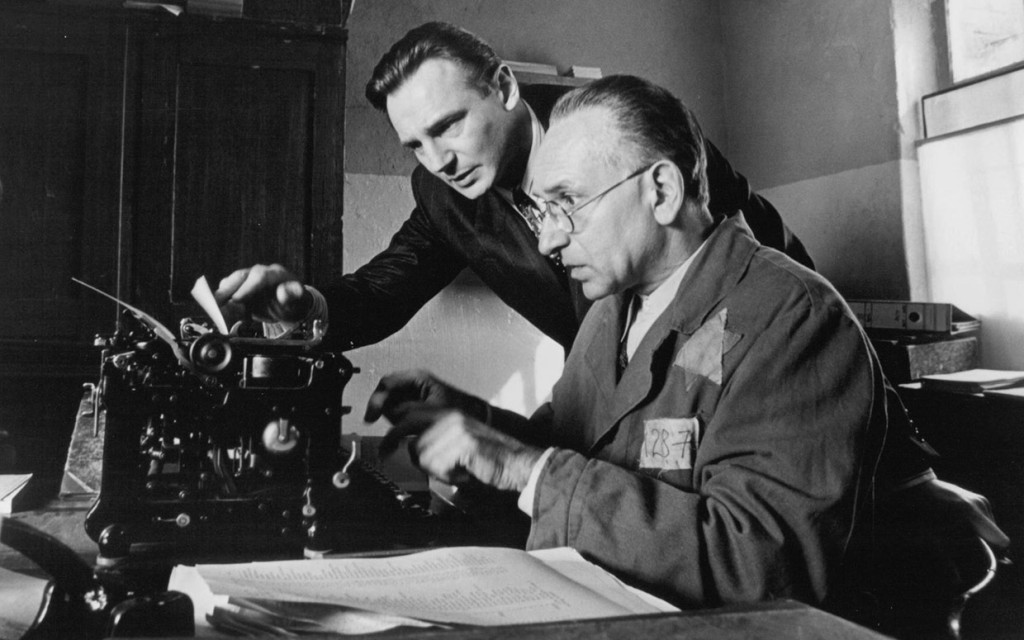
Scene from Schindler’s List (1993)

Overall, what didn’t work was the manner in which Keneally related the story of Oskar Schindler. As the story moved forward, it became clearer that Keneally was unsure of how to deliver the story. His resolve to remain loyal to Oskar’s story was commendable. He endeavored to do just that but it never fully came across. The result was an amalgamation of fiction and historical textbook. The strange mix muddled the story and the result was a perplexing work of historical fiction. It is without a doubt that one of the darkest phases of contemporary human history is the Second World War. Nobody expected that the meteoric ascent of Der Führer, Adolf Hitler, in the German political ladder would lead to a devastation of global scale. As the Axis forces march towards and beyond their boundaries, they would leave death and destruction in their wake, stretching from Europe, to the Pacific, and to the Far East. The consequences of the war would resonate well beyond its time. With genocides, concentration camps, and slave labour commonplace, the war was a reflection of the human conditions. Its peak, the Holocaust, exhibited the extent of the darkest shades of the human spirit. It was a grim portrait.

Indeed, the Second World War brought out the worst in humanity. However, in times of darkness, there are those among us who rise to the occasion. One of them is Oskar Schindler whose story was related by Thomas Keneally in his nonfiction novel, Schindler’s List (1982).

Conclusion

While Keneally‘s dramatization of this great man’s exploits is lacking in novelistic shape or depth, the brutality and heroism are satisfyingly, meticulously presented–as plain, impressive, historical record; and if admirers of Keneally’s more imaginative work may be disappointed, others will find this a worthy volume to place beside one of the several Wallenberg biographies.

Steps to reduce Global Warming

As far as Global Warming is concerned all governments of the world are also taking steps to reduce the emission of greenhouse gases. Countries around the world have recognized this problem and signed a pact in Paris called The Paris Agreement in 2015. They all pledged to reduce their carbon footprints. The Intergovernmental Panel on Climate Change (IPCC), has set a target of not increasing the temperature more than around 2 degrees Celcius and in the later years around 1.5 degrees.

Although everything is not going very well with this agreement. Recently, Donald Trump – president of the United Nations of America pulled out of this agreement citing that developing nations are not doing enough to control their Carbon emission and all the money is going in vain. On the other hand, developing nations like China have argued that developed nations like the United States of America have already developed their nations while polluting the planet. But, it’s now their turn to develop their country and they are doing their bit to curb the carbon emissions.

India is also doing their bit to control the carbon footprint. Under the leadership of the prime minister, Modi India is taking very active steps in the field of renewable energy. Many Solar panel power plants have been opened. Ujjwala scheme was launched to provide LPG connection to the poor which led to an increase in clean fuel consumption in the rural area. We have also been trying to increase our Forrest are by extensively planting trees.

One of the major steps we could take forward is to use renewable sources of energy. To run our home equipment we need to use Solar panels. The government also needs to find ways to use the green energy of electricity production through windmills, Solar panels, etc. We need to use public transport as much as possible. It will reduce the consumption of fuels and thus reduce greenhouse gases. Cycles can also be used for traveling a small distance. We know that while operating, refrigerators and air conditioners release ChloroFluoroCarbons(CFC). When released into the atmosphere they go and react with the ozone and creating a hole in the ozone layer. Through this hole, humans are now exposed to the ultraviolet rays which come with the sunlight.

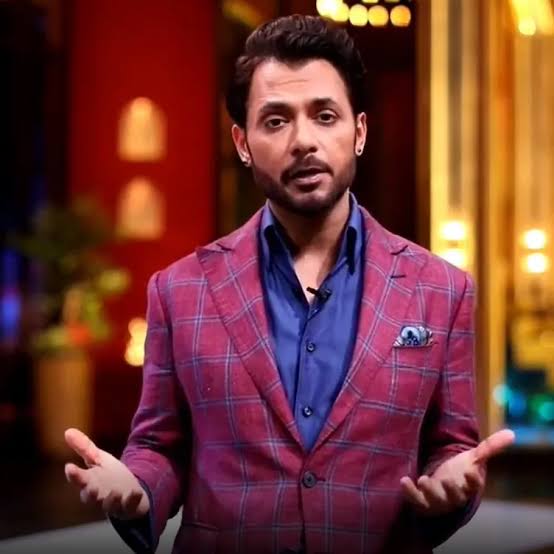
Anupam Mittal: one of the powerful Shark

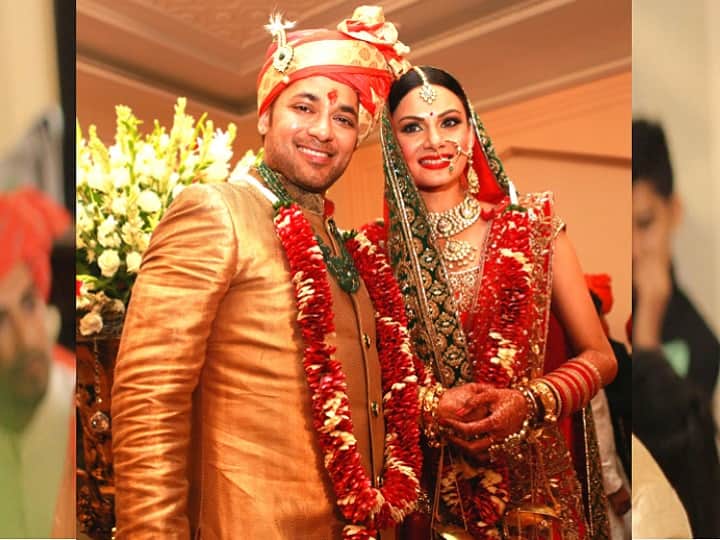
Indian entrepreneur, angel investor, former actor and business executive Anupam Mittal is best known as the founder of matrimonial website Shaadi.com, real-estate platform Makaan.com, short video application Mauj and media company Mobango. On 23rd December 1971, Anupam born in Mumbai, Maharashtra. He has pursued his post-graduation from Boston University, and later he has done MBA in Operations and Strategic Management in the academic year 1994-97. After completing MBA in 1997 he started online Indian wedding website named Shaadi.com. ln July 2013, he tied knot with Indian model, Aanchal Kumar.

Anupam Mittal with Aanchal Kumar

Anupam mittal focused on creating a business around planned marriages. During 2000 concept of love marriage in India was not accepted. So this platform provides various options of partner. This platform has more in Pakistan, India etc. He had interest in Bollywood and entertainment. In done 2 movies flavours in 2003 and 99 in 2009. Anupam got outstanding serial Entrepreneur & Angel Investor by The Indus Entrepreneur, Mumbai in 2020. In 2015 Anupam got Karmveer Puraskar award from iCONGO. he is in 50 most powerful people in India.

Anupam mittal is one of the powerful shark in shark tank India. He said to youth,” I have been reflecting on the opportunities we have created,the conversation we have started and most important the fire we have sparkles with shark tank India. I believe that the show has been the catalyst that will change India’s entrepreneurial landscape forever.”

The 5 Different Types of Copywriting You Can See Today

In the marketing and advertising sector, the text that forms a part of an Ad is known as its copy. Copywriting is the process of writing this text. Copywriting may be found on paid Ads, brochures and even on Website pages. The primary objective is what differentiates copywriting from content writing or content marketing. While the goal of content marketing could range from education to entertainment, and awareness, copywriting is mainly focused on making sales, getting people to talk about the brand, and taking the desired actions. The copy should communicate the features, price and values of the product in the quickest way possible.

Here are the different forms of copywriting an aspiring copywriter could get into:

Brand Copywriting

Also called creative copywriting, brand copywriting deals with creating copies that distinguish a brand or company. It is aimed at getting people to recognize a brand with their unique copy, developing strong emotional attachments. Brand copywriters create copy for commercials, posters and jingles for brands. Some popular examples include Nike’s tagline – “Just Do It”, and popular jingles like “I’m lovin’ it” by McDonald’s. It aids in developing brand recognition and brand memory rather than just competing with other brands.

SEO Copywriting

In this age of 24/7 internet and eCommerce, SEO (Search Engine Optimization) is a must-have element. SEO copywriting is all about creating copies that help you get ranked highly on search engines. The copy should be attractive, offering value to readers while also mixing in essential keywords and phrases. A healthy amount of keywords ensure that your blog or web page is visible quickly on search engines, driving traffic to your work. Blog posts, copies of web pages (home page, landing page, etc), articles and product descriptions are forms of SEO copywriting.

Social Media Copywriting

This form of copywriting deals with creating attractive posts for brands on social media. A brand can have profiles on various social media platforms like Facebook, Twitter, Instagram, TikTok and LinkedIn. A social media copywriter attempts to engage its customers through its content on these pages. The aim is to make the brand memorable. The copy would have to suit the style and tone of the social media platform it is posted in. This means that a copy would look different on Facebook and Instagram. It helps reach out to potential consumers and get them to visit your store.

Starbucks on Instagram

Technical Copywriting:

As the name mentions, technical copywriting is all about creating copies that explain information related to your brand or product. The copy goes in-depth in providing useful insight to customers regarding topics like user manuals and product descriptions. This helps in building trust in the brand. Contrary to other forms of copywriting, technical copywriting tends to be more detailed and longer, usually seen in blog posts, user guides and white papers. The tricky part of it is getting the copy to be insightful while also making it simple and easy to understand. You need to have some technical experience and good explanation skills while also using simple language without jargon.

Public Relations Copywriting:

PR copywriters write copies that get your brand noticed by news reporters and journalists, so that they can spread it across various media. This type of copywriting is useful once a brand is established and you want people to remember the brand. Instead of sharing how good your brand is yourself, you get others to talk about your brand. This is generally considered to be unbiased and credible by the viewers because it would be verified and reported by a third party. Press releases and statements of brands and companies you see on television channels and social media are PR copywriting. It can be used to improve a brand’s reputation or as damage control, after something had occurred that could affect the brand’s image negatively.

Discussion on Demand for Grants for Ministry of Development of North East Region

 Key Highlights:

  • A new phase of peace and prosperity has begun in the North East Region as Prime Minister’s agenda of Transforming India and North East region has been made a priority
  • Peace and stability have been established in the region because of which massive infrastructural development and connectivity projects are being undertaken
  • There is an increase of around 110% in total Gross Budgetary Support of 54 Central Ministries to the North East Region amounting to 76,040 crore
  • Massive efforts are being undertaken towards improving rail, road, air, water and telecom connectivity in the region enabling increase in economic development, trade and investment opportunities
  • During 2014-2021, Rs 39,000 crore was spent for improving rail connectivity
  • Regular visits of Union ministers to the North East are bringing a change in effective implementation of Central Sector and Centrally Sponsored Schemes in the North East along with political connectivity with the State Governments of the North East


Replying to a discussion on the working of the Ministry of Development of North Eastern Region (DONER) in the Upper House, Union Minister of Development of North East Region, Tourism and Culture Shri G Kishan Reddy today emphasised that a new phase of peace and prosperity has begun in the North East Region. He said that as part of Prime Minister’s agenda of Transforming India, North East region has been made a priority.

The Union Minister underscored that peace and security were pre-requisites for development. With several landmark initiatives taken to improve the security situation and resultant stability in the region, massive infrastructural development and connectivity projects are being undertaken. Unlike in the past, today there are no road blockades, protests, curfew and firing in the North East, he added.

The Minister pointed out that there was a notable decline in insurgency related incidents from 824 in 2014 to 163 in 2020. He also stated that there was a significant decline in death of civilian and security forces. At the same time, he also pointed out that several historic agreements have been signed with rebel groups to restore peace and stability along with grants of financial packages for their rehabilitation.

Noting the improvement in security, international and domestic businesses are now looking to take advantage of the untapped potential of the NER for investments, Shri Reddy added.

Further, he added that the budget for the region has been massively increased to accelerate the pace and development. He observed that there is an increase of around 110% in total Gross Budgetary Support of 54 Central Ministries to the North East Region, from 36,108 Crores in 2014 to 76,040 Crores in F.Y 2022-23. He further expressed that the newly announced Prime Minister’s Development Initiative for North-East, PM-DevINE, with an outlay of 1500 Crores will accelerate the growth momentum in the spirit of Gati Shakti by supporting infrastructure development and enabling livelihood activities.

Shri Kishan Reddy also spoke on the significant strides made towards enhancing, road, rail and air connectivity. He further stated that to make the North East the growth engine of the country, massive efforts are being undertaken to develop rail connectivity. He further added that during 2014-2021, Rs 39,000 crore was spent for improving rail connectivity.

The Union Minister also said that best of scientific and engineering standards are being adopted and not even the harsh terrain and topography of the region have deterred the efforts of the government. He cited the example of Manipur – Jiribam Imphal rail line, which has made the world record of highest pier bridge of 141 meters.

He also emphasized that the capital connectivity project will add a new chapter in the development of North East region. He pointed out that prior to 2014, only Assam’s capital Guwahati was connected. Today three States have already been connected and remaining five Capital Rail Connectivity projects are ongoing at the cost of Rs. 45016 crore.

He also highlighted that road and highway network of the region is also being strengthened at an unprecedented rate. He pointed out that Government of India has spent Rs 41,546 crore till date. He also said that air connectivity through UDAN and Krishi UDAN has received a lot of boost in the last few years and because of which tourism, trade and investment in the region has received a fillip. Further, he added that over the last 7 years, Rs.3466.10 crore have been spent under 10% GBS to enhance telecom connectivity in the region.

The Minister emphasised the “Act East policy” of the Government, whereby attention is being paid to the important projects of international connectivity in the Northeast like the Agartala – Akhaura Rail Link with Bangladesh, Kaladan Multimodal project with Myanmar and the India-Myanmar-Thailand trilateral highway.

Shri Reddy said that the Centre has worked on developing power infrastructure with an expenditure in excess of 10,000 crore since 2014, which has worked in promoting electrical connectivity and facilitates industrialisation in the North Eastern Region.

The Minister also noted that Development of National Waterway-2 (River Brahmaputra, 891 km) Sadia to Bangladesh Border and National Waterway-16 (River Barak, 121 km) Bhanga-Lakhipur stretch including Indo-Bangladesh Protocol (IBP) route are ongoing projects in the NER and reminded the Hon’ble members that recently MV Lal Bahadur Shastri cargo vessel, carrying 200 MT of food grains for FCI reached Pandu, Guwahati via Bangladesh, which was a landmark event in the growth story of NE region.

He also highlighted the importance of Agriculture for North Eastern Region and the recent National Mission on Edible Oils – Oil Palm (NMEO-OP) approved for 2021-22 to 2025-26 with more than 50% of the a total outlay of Rs. 11,040 crore with the target to cover 3.38 Lakh Hectare in NER against the existing 38,000 Hectare.

The Minister also deliberated on the importance that the government accords to the aspirations of the youth. He added that recognizing the potential of the youth in sports, National Sports University at Manipur is being set up at the cost of Rs.643 crore.

He further informed the House that in the Health sector, Government has spent Rs.25589.72 crore since 2014-15, including Rs. 548.32 crore by Ministry of DoNER to develop health infrastructure in the North East Region and most recently to fight the Covid-19 pandemic. The Minister highlighted the upcoming AIIMS in Guwahati (to be completed in 2022) with a cost of 1,123 crore.

The Union Minister also called upon all the members to work jointly towards development of the North East Region while expressing that India cannot develop unless North East is developed.


The success story of Space X – from Falcon 1 to Starship

The Falcon super heavy launch vehicle was designed to transport people, spaceships, and various cargos into space. Such a powerful unit wasn’t created instantly and it also had its predecessors. The history of the Falcon family of vehicles began with the creation of the Falcon 1- a lightweight launch vehicle with a length of 21.3 meters and a diameter of 1.7 meters and a launch mass of 27.6 tones; the rocket could carry 420 kilograms or 926 pounds of payload on board. It became the first private device that was able to bring cargo into low earth orbit. Construction of the Falcon 1 of only two stages, the first of them consisted of a supporting element with fuel tanks, an engine and a parachute system. They chose kerosene as the fuel and liquid oxygen became its oxidizing agent.

The second stage also contains fuel tanks and an engine; though the latter had less thrust compared to the one in the first stage despite the huge launch cost $7.9 million. Totally five attempts were made to send the Falcon 1 beyond the of our planet nut not all of them were successful. During the debut launch of the rocket, a fire started in the first stage engine; this led to a loss of pressure which caused the engine to shut down in the 34th second of flight. The second attempt to start the Falcon 1 incurred a problem with the fuel system of the second stage fuels stopped flowing into its engine at 474 second of flight it shut down as well. The third time of the Falcon 1 went on a flight, it wasn’t alone of the serious cargo the rocket carried onboard the trailblazer satellites and to NASA microsatellites. In phase one with the first stage he flight went normally but when the time came to separate the stages, the first hit the second when it started engine, so the second stage couldn’t continue its flight.

 The fourth and fifth launches shoed good results but that wasn’t enough. The main problem with Falcon 1 was low demand due to its low payload abilities. For this reason, they designed Falcon 9; this device can carry on onboard 23 tons of cargo. It’s also a two stage launch vehicle and uses kerosene and l liquid oxygen as fuel. The device is currently in operation and the cost of its launch is equal to $62 million. The first stage of the rocket is reusable; it can return to earth and can be used again. The Falcon 9 is designed to not only launch commercial communication satieties but also to deliver dragon 1 to the ISS. Dragon 1 can carry a six ton payload from the earth, this drone supplies the ISS with everything they needs and it also takes goods back.

The dragon 2 is designed to deliver a crew of four people to the ISS and back to earth. Now there is an ultra heavy launch vehicle with a payload capacity of almost 64 tones. It is the most powerful and heavier device called the Falcon heavy. This rocket was first launched on February 6th 2018 and the test was successful. The rocket sent Elon Musk’s car into space- a red Tesla Roadster. After this debut subsequent launches were also conducted without problem. The launch cost is estimated to $150 million.

The first stage of the Falcon heavy consists f three parts. There are three blocks contain 27 incredibly powerful engines in nine each one. The thrust created when takeoff is comparable to 18 Boeing 747s at full power. The second stage is equipped with a single engine. It is planned that the device would be used for missions to the moon and mars. Currently, SpaceX working on the starship manned spacecraft.  According to its creators, this device will be much larger and heavier than all of the company’s existing rockets. This device will able to deliver cargo into space weighing more than a hundred tons. The launch of starship into pace is planned for 2022 to mars with a payload. Who knows, one of the mankind’s largest dreams may come true within the next year.

Magnetic resonance imaging (MRI) – History, Unknown facts

    The MRI (Magnetic resonance imaging) scan is a medical imaging procedure that uses a magnetic field and radio waves to take pictures of our body’s interior. It is mainly used to investigate or diagnose the conditions that affect soft tissue such as tumors or brain disorders. The MRI scanner is a complicated piece of equipment that is expensive to use and found only in specialized centers. Although Raymond Vahan Damadian (1936) is credited with the idea of turning nuclear magnetic resonance to look inside the human body, it was Paul Lauterbur (1929-2007) and Peter Mansfield (1933) who carried out the work most strongly linked to Magnetic resonance imaging (MRI) technology. The technique makes use of hydrogen atoms resonating when bombarded with magnetic energy. MRI provides three dimensional images without harmful radiation and offers more detail than older techniques.

       While training as a doctor in New York, Damadian started investigating living cells with a nuclear magnetic resonance machine. In 1971 he found that the signals carried on for longer with cells from tumors than from healthy ones. But the methods used at this time were neither effective nor practical although Damadian received a patent for such a machine to be used by doctors to pick up cancer cells in 1974.

       The real shift came when Lauterbur, a U.S, chemist, introduced gradients to the magnetic field so that the origin of radio waves from the nuclei of the scanned object could be worked out. Through this he created the first MRI images in two and here dimensions. Mansfield, a physicist from England, came up with a mathematical technique that would speed up scanning and make clearer images. Damadian went on to build the full body MRI machine in 1977 and he produced the first full MRI scan of the heart, lungs, and chest wall of his skinny graduate student, Larry Minkoff – although in a very different way to modern imaging.

Working of an MRI machine

        The key components of an MRI machine are magnet, radio waves, gradient, and a super advanced computer. We all know that human bodies are made up of 60% water, and water is magnetic. Each of the billons of water molecules inside us consists of an oxygen atom bonded to two hydrogen atoms that are called as H2O. Small parts of the hydrogen atoms act as tiny magnets and are very sensitive to magnetic fields. The first step in taking an MRI scan is to use a big magnet to produce a unified magnetic field around the patient. The gradient adjusts the magnetic field into smaller sections of different magnetic strengths to isolate our body parts. Take brain as an example, normally the water molecules inside us are arranged randomly. But when we lie inside the magnetic field, most of our water molecules move at the same rhythm or frequency as the magnetic field. The ones that don’t move along the magnetic field are called low energy water molecules. To create an image of a body part, the machine focuses on the low energy molecules. The radio waves move at the same rhythm or frequency as the magnetic fields in an MRI machine.

       By sending radio waves that match or resonate with the magnetic field, the low energy water molecules absorb the energy they need to move alongside the magnetic field. When the machine stops emitting radio waves, the water molecules that had just moved along the magnetic field release the energy they had absorbed and go back to their position. This movement is detected by the MRI machine and the signal is sent to a powerful computer which uses imaging software to translate the information into an image of the body. By taking images of the body in each section of the magnetic field the machine produces a final three dimensional image of the organ which doctors can analyze to make a diagnosis.

“Medicine is a science of uncertainty and an art of probability”. –William Osler


Evolution of Art – Origin, Milestone and Masterpiece

Expressing oneself through art seems a universal human impulse, while the style of that expression is one of the distinguishing marks of a culture. As difficult as it to define, art typically involves a skilled, imaginative creator, whose creation is pleasing to the senses and often symbolically significant or useful. Art can be verbal, as in poetry, storytelling or literature or can take the form of music and dance. The oldest stories, passed down orally may be lost to us now, but thanks to writing, tales such as the epic of Gilgamesh or the Lliad entered the record and still hold meaning today. Visual art dates back 30,000 years, when Paleolithic humans decorated themselves with beads and shells. Then as now, skilled artisans often mixed aesthetic effect with symbolic meaning.

In an existence that centered on hunting, ancient Australians carved animal and bird tracks into their rocks. Early cave artists in Lascaux, France, painted or engraved more than 2,000 real and mythical animals. Ancient Africans created stirring masks, highly stylized depictions of animals and spirits that allow the wearer to embody the spiritual power of those beings. Even when creating tools or kitchen items, people seem unable to resist decorating or shaping them for beauty. Ancient hunters carved the ivory handles of their knives. Ming dynasty ceramists embellished plates with graceful dragons. Modern pueblo Indians incorporates traditional motifs in to their carved and painted pots. The western fine arts tradition values beauty and message. Once heavily influenced by Christianity and classical mythology, painting and sculptures has more recently moved toward personal expression and abstraction.

Humans have probably been molding clay- one of the most widely available materials in the world- since the earliest times. The era of ceramics began, however, only after the discovery of that very high heat renders clay hard enough to be impervious to water. As societies grew more complex and settled, the need for ways to store water, food, and other commodities increased. In Japan, the Jomon people were making ceramics as early as 11,000 B.C. by about the seventh millennium B.C.; kilns were in use in the Middle East and china, achieving temperatures above 1832°F. Mesopotamians were the first to develop true glazes, through the art of glazing arguably reached its highest expression in the celadon and three color glazes of the medieval china. In the new world, although potters never reached the heights of technology seen elsewhere, Moche, Maya, Aztec, and Puebloan artists created a diversity of expressive figurines and glazed vessels.

When Spanish nobleman Marcelino Sanz de Sautuola described the paintings he discovered in a cave in Altamira, contemporizes declared the whole thing a modern fraud. Subsequent finds confirmed the validity of his claims and proved that Paleolithic people were skilled artists. Early artists used stone tools to engrave shapes into walls. They used pigments from hematite, manganese dioxide, and evergreens to achieve red, yelled, brown, and black colors. Brushes were made from feathers, leaves, and animal hair. Artists also used blowpipes to spray paint around hands and stencils.