Rice Fortification – A Competent way to combat Anemia

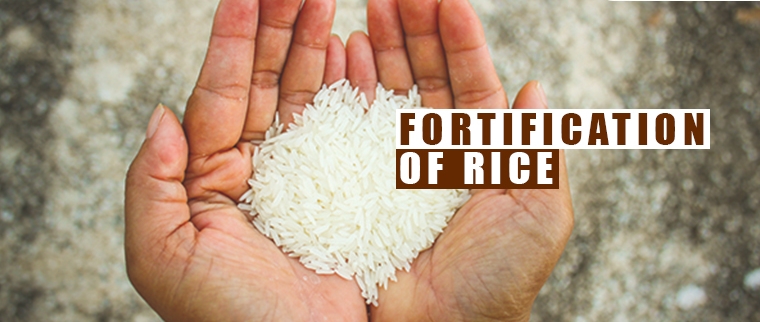
Image taken from NITI Aayog

Introduction

India has made impressive progress in reducing stunting and anemia among children over the last decade. However, anemia still impacts more than one in two children and women. The WHO has declared anemia among women and children as a “severe” public health problem, demanding immediate attention. Rice fortification is an effective, preventive and cost-efficient complementary strategy to address the nutrition problem within a short period. However, ensuring access to and affordability of healthy and diverse diets would be the key to a sustainable long-term strategy.

Current Situation

Recent statistics indicate rise in anemia levels amongst among women and children in 16 and 18 of 22 States/UTs respectively (NFHS-5). Iron deficiency-anemia is the biggest cause of disability for the past 10 years and contributed 20 per cent direct and 50 per cent associated maternal deaths in India. Its economic burden is equivalent to about 4 per cent of GDP. Apart from iron, deficiency in micronutrient like vitamin B12, vitamin A, folate and zinc also contribute to rising anemia levels. Evidence suggests vitamin B12 deficiency impacts one in six pre-school children and one in three adolescents; folate deficiency in one in three school-aged children and one in four adolescents.

What is Food Fortification?

Fortification is the practice of deliberately increasing the content of one or more micronutrients (i.e., vitamins and minerals) in a food or condiment to improve the nutritional quality of the food supply and provide a public health benefit with minimal risk to health. Fortification is the addition of key vitamins and minerals such as iron, iodine, zinc, Vitamin A & D to staple foods such as rice, milk and salt to improve their nutritional content. These nutrients may or may not have been originally present in the food before processing.

Fortification of Rice

According to the Food Ministry, fortification of rice is a cost-effective and complementary strategy to increase vitamin and mineral content in diets. According to FSSAI norms, 1 kg fortified rice will contain iron (28 mg-42.5 mg), folic acid (75-125 microgram) and Vitamin B-12 (0.75-1.25 microgram). In addition, rice may also be fortified with micronutrients, singly or in combination, with zinc, Vitamin A, Vitamin B1, Vitamin B2, Vitamin B3 and Vitamin B6. Fortifying rice involves grinding broken rice into powder, mixing it with nutrients, and then shaping it into rice-like kernels using an extrusion process. These fortified kernels are then mixed with normal rice in a 1:100 ratio and distributed for consumption.

Need for Fortification

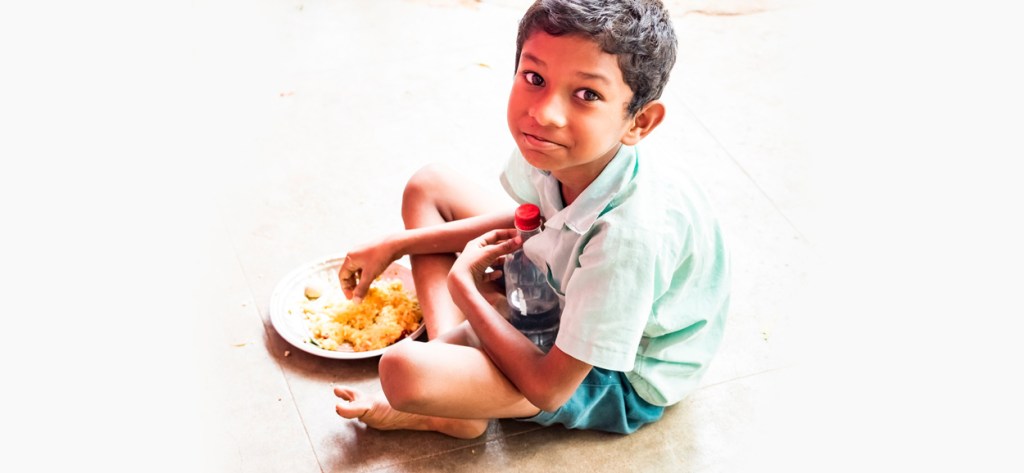
India has very high levels of malnutrition among women and children. According to the Food Ministry, every second woman in the country is anemic and every third child is stunted. India has slipped to 101st position in the Global Hunger Index (GHI) of 116 countries, from its 2020 position of 94th. The deficiency of micronutrients or micronutrient malnutrition, also known as “hidden hunger”, is a serious health risk. Rice is one of India’s staple foods, consumed by about two-thirds of the population. Per capita rice consumption in India is 6.8 kg per month. Therefore, fortifying rice with micronutrients is an option to supplement the diet of the poor.

Conclusion

Rice fortification is the most viable and welcome, preventive and complementary intervention to solve the problem of anemia in a short period of time. Historically, India has tested this idea of fortification by mandating iodized salt in 1962. Interestingly, CNNS Report 2016-18, subtly hinted the success of universal fortification of salt by revealing iodine to be the only exception to micronutrient deficiencies in the tested sample.

References

“Watershed Moment”, Says PM Modi As India, Australia Sign Mega Trade Pact

The economic cooperation and trade agreement signed between India and Australia will enable the two countries to fully leverage the existing opportunities, besides facilitating the exchange of students, professionals and tourists, Prime Minister Narendra Modi said today.

The India-Australia Economic Cooperation and Trade Agreement (IndAus ECTA) was signed by Commerce and Industry Minister Piyush Goyal and his Australian counterpart Dan Tehan in the presence of Prime Minister Modi and Australian Prime Minister Scott Morrison in a virtual ceremony.

PM Modi said signing of the pact in such a short span of time reflects the depth of the mutual confidence between the countries.

He also underlined the huge potential that exists in the two economies to fulfil each other’s needs, adding that this agreement will enable the countries to fully leverage these opportunities.

“This is a watershed moment for our bilateral relations…On the basis of this agreement, together, we will be able to increase the resilience of supply chains, and also contribute to the stability of the Indo-Pacific region,” PM Modi noted.

This agreement, he said, will also facilitate the exchange of students, professionals, and tourists between the two nations.

Terming the signing of the pact as another milestone in the growing relationship between India and Australia, Prime Minister Morrison said the agreement further develops on the promise of the relationship.

Apart from increased trade and economic cooperation, he said, the agreement will further deepen the “warm and close ties” between the people of the two countries by expanding work, study and travel opportunities.

The Australian Prime Minister said the agreement would create enormous trade diversification opportunities for domestic producers and service providers bound for India, valued at up to USD 14.8 billion each year.

“This agreement opens a big door into the world’s fastest growing major economy for Australian farmers, manufacturers, producers and so many more,” he said, adding by unlocking the huge market of around 1.4 billion consumers in India, “we are strengthening the economy and growing jobs right here at home”.

Further, he said the agreement is great news for lobster fishers in Tasmania, wine producers in South Australia, macadamia farmers in Queensland, critical minerals miners in Western Australia, lamb farmers from New South Wales, wool producers from Victoria and metallic ore producers from the Northern Territory.

Maguire must silence the boo boys with better Man Utd performances

The Man Utd captain was booed while on international duty and while he has been widely backed by his peers he needs to up his performances.

Ralf Rangnick has been pretty straight when it comes to answering journalists’ questions in press conferences during his four months at Manchester United. 

But there was one question on Friday lunchtime, at the club’s Carrington training base, that the German manager did not have an explanation for. 

He, along with many others, could not understand why Harry Maguire was booed while playing for England over the international break. 

A Metamaterial that make use of Origami

Image by Drishti IAS

Introduction

A car that dashes against an obstacle suffer damage, first to its fenders. To be useful, materials need to maintain a constant Poisson ratio under pressure when they crumble under pressure. However, they are prone not to do so, and the Poisson ratio varies as they deform. There is a keen interest to develop materials that can be sandwiched in the fender system which will absorb the shock and prevent the interiors from being damaged. Origami metamaterials that crumple rather than tear, and take the impact, can play an important role in such situations.

What is Metamaterials?

Metamaterials are nano-engineered media with designed properties beyond those available in nature with applications in all aspects of materials science. A metamaterial is any material engineered to have a property that is not found in naturally occurring materials. They are made from assemblies of multiple elements fashioned from composite materials such as metals and plastics. Some examples of available metamaterials are negative-index metamaterials, chiral metamaterials, plasmonic metamaterials, photonic metamaterials, etc.

What is Origami Metamaterials?

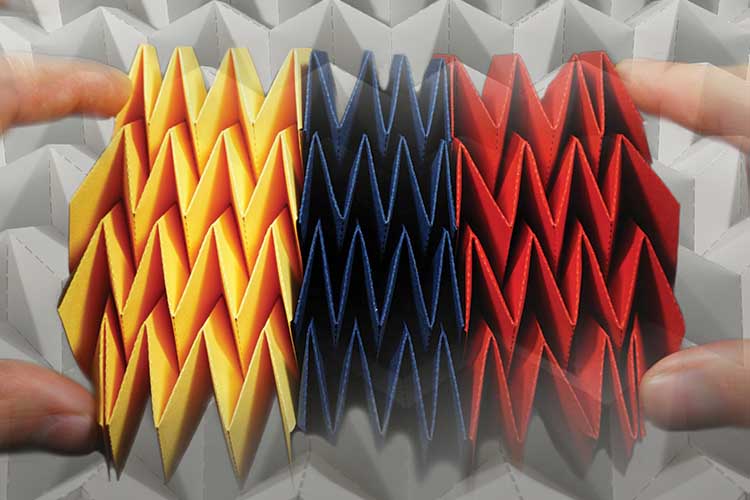
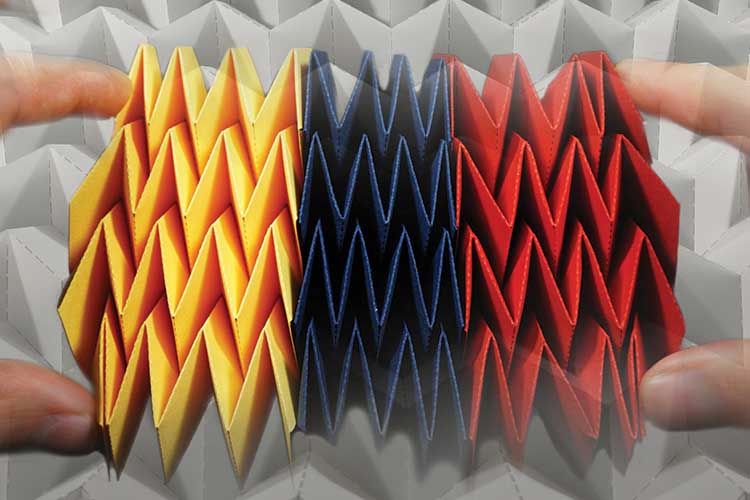
Origami Metamaterials combine the Japanese art of paper folding (origami) and the existing material of choice and fold it to obtain desired properties. Researchers of IIT Madras have developed a special class of origami metamaterials that show a constant value of Poisson Ratio when subjected to stress. These are manufactured by joining panels along their edges to form ‘creases’ about which the structure locally ‘folds’ or rotates about. The benefit is that the observed property does not depend on whether it is made from a sheet of paper, polymer, or metal.  The material the researchers have developed has a nearly constant Poisson function in the range –of 0.5 to 1.2 over a finite stretch of up to 3.0 with a minimum of 1.1.

Properties of Metamaterials

They are smart materials that have a wide range of properties and can be so different from each other that there isn’t a definition for them. Some of the properties it possess are

  • Unusual Electromagnetic Properties
  • Negative Refractive Index
  • Acoustic Control
  • Invisibility
  • Negative Electrical Permittivity
  • Magnetic Permeability
  • Artificial Origin.

Application of Metamaterials

Metamaterials hold attention due to various applications it can provide. Some of its application includes

  • Optical Filtering
  • Medical Devices
  • Remote Aerospace Operations
  • Sensor Detectors
  • Solar Power Management
  • Antenna Lenses

Conclusion

Origami metamaterials can provide a platform for the design of systems with a wide range of thermal expansion coefficients. Experiments and simulations are combined to demonstrate that by tuning the geometrical parameters of the origami structure and the arrangement of plates and creases, an extremely broad range of thermal expansion coefficients can be obtained that will provide a wide variety of applications.

References

An Ultimate Guide to Health Day

Image taken from VectorStock

Introduction

The World Health Organization (WHO) was established on 7 April 1948. Realizing the significance of health for victorious life all over the world, World Health Day is celebrated every year on 7 April to commemorate the anniversary of the founding of the World Health Organization (WHO). The Canadian Ice Hockey Player Maxime Lagace once rightly said, “A life without good health is like a river without water”. While we appreciate such words of wisdom, we rarely understand the true meaning of such words since we rarely try to follow them in our lives. Human health is being adversely affected due to a hectic lifestyle, work and stress. World Health Day is celebrated every year to create awareness of the importance of health.

Aim behind Celebration

The main aim behind the celebration is to improve the level of health of people around the whole world. The idea is that every human being must get superior and essential health facilities at an economical rate. Millions of people around the world are prey to many terrible diseases. Hence, discussions and awareness on the topics like prevention of diseases and proper arrangement of the medical facilities etc. are also included as the main objective of Health Day. Awareness campaigns are organized at the district and block levels on this day to prevent vector-borne diseases.

Theme

Each year for this date, a theme is chosen that accentuates an area of priority concern for WHO. In the face of the current pandemic, a polluted planet, and an increasing incidence of diseases, the theme for World Health Day 2022 is Our Planet, Our Health. This call from PAHO, the WHO, and partners, presents a unique opportunity for a green and healthy recovery from the COVID-19 pandemic, that puts the health of individuals and the planet at the center of the action and fosters a movement to create societies focused on well-being.

Why this Theme?

 An estimated one million premature deaths per year are attributable to known avoidable environmental risks. Air pollution, contaminated water, inadequate sanitation including solid waste management, risks related to certain hazardous chemicals, and negative impacts of climate change are the most pressing environmental public health threats in the Region. These threats to public health are compounded by weak governance practices and potential inequities in health as well as by limited leadership, expertise, and resources in the health sector. This theme of Our Planet, Our Health should be a herculean reminder to us that the resolution of many of these issues is beyond the exclusive purview of the health sector and, as a consequence, an effective response will demand the whole- of- government and whole- of- society approaches.  

Conclusion

Today everyone’s jobs are such that they need to sit in front of a laptop for hours. Even after returning home, they are stuck to television screens or mobile phones. Children are seen watching TV or phones for a long time. This is the root cause of various diseases. People these days are so engrossed in their work that they have taken their health as secondary and rarely give attention until become sick. Everyone should give equal concern to their health and environment. Every human being should maintain a proper balance between physical and mental health. Children should take part in outdoor sports like cricket, football, and badminton instead of sitting at home for physical health. They should also be involved in planting trees, keeping our surroundings clean, and properly disposing of the materials to avoid environmental risks to our health. As, until our Earth is not healthy we can’t be healthy. World Health Day is celebrated to highlight the importance and create awareness of making our health a priority.

Reference


Women and Financial Independence

A lot of things have changed for women in our country over the years. Women have overcome a lot of barriers and stereotypes. They have broken out of their shell and taken up challenges. Unlike a few decades back, many women now have jobs, contributing to their family’s earnings. Financial independence is a concept every child –boys and girls; must be made aware of in this day and age. Financial independence refers to the ability of a person to decide what to do and how to spend their money. Whether she is a working woman or a housemaker, financial independence enables a woman to sustain herself financially. Even if she does not have a career to be earning from, she need not be dependent on someone else to pay for her needs.

Photo by RODNAE Productions on Pexels.com

Many of the financially independent women around us would agree that being independent makes them feel respected and boosts their morale. It gives them the confidence to face various situations and challenges in their life. For many young women, it allows them to fulfill their dreams and aspirations without depending on anybody for money. Sometimes it is as simple as being able to buy the dress or shoes they like. It is necessary to understand that earning a fixed amount of money each month does not guarantee you every single thing you desire. It is the proper management of your savings and money that enable you to work towards achieving all of your wishes.  Financially independent women pose a challenge to the age-old belief that only men can handle money matters. Even today, there are a lot of women who completely depend on their guardian or husband for money, or hand over their earnings to their husband to handle. We still see women putting a stop to their education or career once they get married or have kids.

Everybody is aware of how inconsistent life can be. Jobs are not always secure. With unprecedented situations like the Covid-19 lockdowns, layoffs have become more frequent. In such situations, if a family is completely dependent on the sole wage-earner (the husband, in most cases) things can quickly turn stressful. So, women having a job provides an extra layer of financial security for the whole family. Situations of crises like medical expenses and job loss are almost always unexpected. Even if the woman is a homemaker, saving a part of one’s earnings and investing in the right place is always a good practice. The cost of living is also constantly on the rise. Financially independent women are able to contribute to the family’s daily expenses and ensure their family members get to live in a good house and acquire quality education.

Self-dependent and financially independent women are the mark of a non-prejudiced, progressive society, a society that is safe, equal and healthy. We must teach young girls the value of money and explain to them the importance of being financially secure. Financially independent women act as role models to young girls in their families, encouraging them to follow in their footsteps.

Cyclones

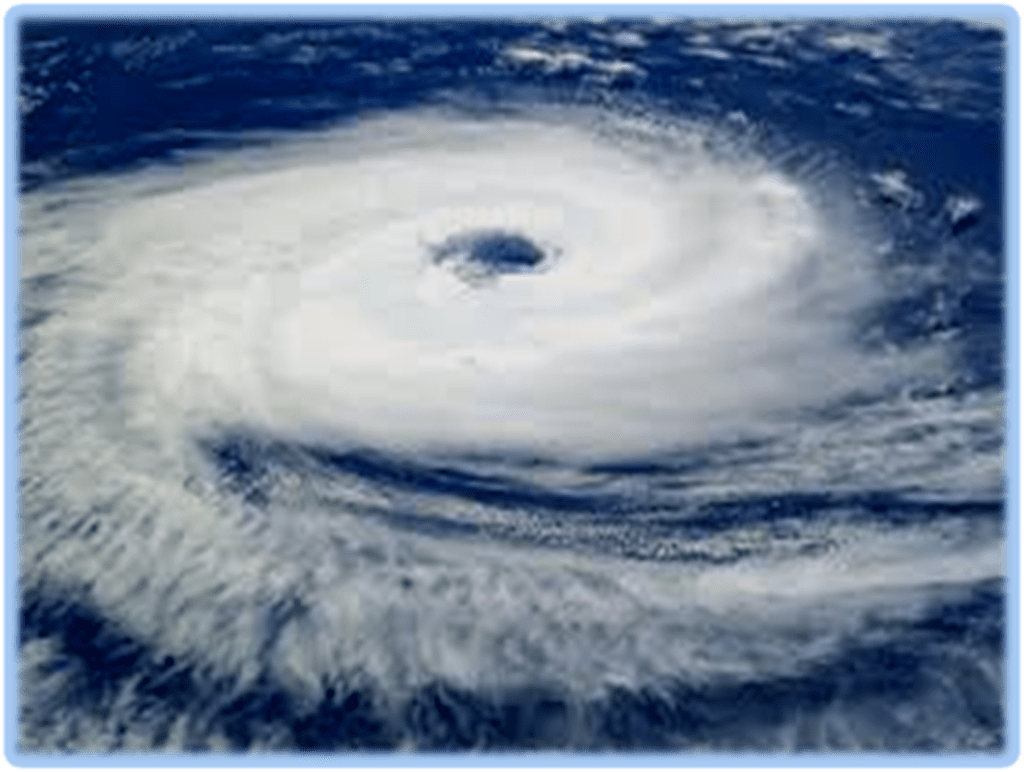
A cyclone is a violent storm ,often of vast extent ,characterized by high winds rotating about a calm center of low atmospheric  pressure. This center moves onward often 50 km an hour.

other definition is:

cyclone is an area of closed, circular fluid motion rotating in the same direction as the Earth.

What to do and what not to do

Turn off all electricity, gas and water and unplug all appliances

Keep your Emergency Kit close at hand

Bring your family into the strongest part of the house

Keep listening to the radio for cyclone updates and remain indoors until advised

If the building begins to break up, immediately seek shelter under a strong table or bench or under 
a heavy mattress

In case of evacuation:

If an official evacuation order is issued then you and your family must leave your home immediately and seek shelter with friends or family who are further inland or on higher ground.

Turn off all electricity, gas and water, unplug all appliances and lock your doors

Ensure all family members are wearing strong shoes and suitable clothing

Take your Emergency Kit and your Evacuation Kit and commence your Evacuation Plan

If you are visiting or holidaying in Queensland and do not have family or friends to shelter with, contact your accommodation manager immediately to identify options for evacuation.

Mitigation strategies –structural mitigation

The houses near costal areas should be constructed:

Water resistant

Behind a mountain or hill rock protects it from strong winds

Shelterbelt plantations reduce the impact of strong winds, they also check soil erosion and inward and drift ;they protect cultivation fields and houses.

Roads should be elevated.

They should be constructed so strongly that it should even resist the uplift or flying off.

Nanotechnology in textiles

A nano meter is a unit of  length in the metric system, equal to billionth of a meter (10).

Technology  is the making ,usage and knowledge of making tools, machines and techniques ,in order to solve a problem or perform a specific function.

Nanotechnology  is the study of manipulating matter on an  atomic scale.

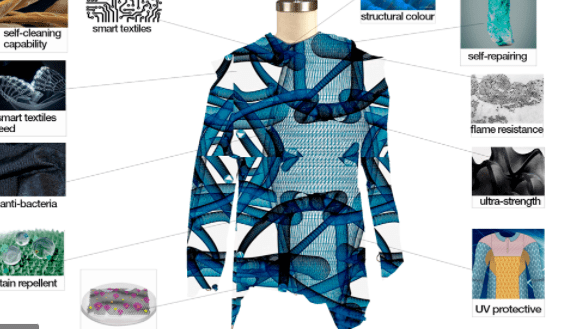
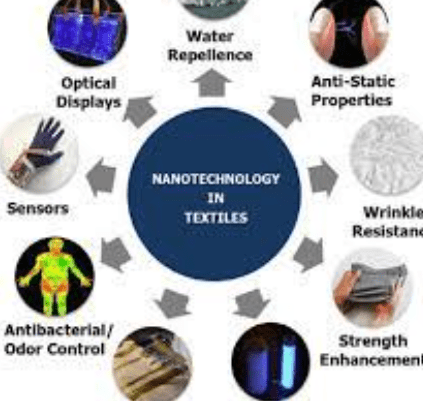
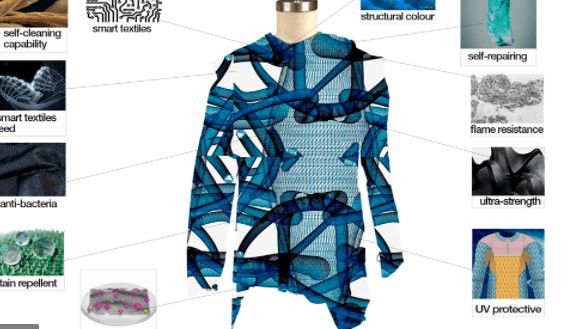
Nanomaterials in textiles have proved to be immensely valuable for the manufacturing of protective garments for workers involved in emergency services such as military personnel, firefighters and medical workers.

There are different methods for the production of nanoengineered textiles. For example, sometimes synthesized nanoparticles are incorporated into the fibers or textiles.

Nanoparticles are also applied as a coating on the surface of the finished product.  There are also different coating techniques such as sol-gel, plasma polymerization and layer-by-layer that are used in the application of nanoparticles onto textile fibers.

These techniques can enhance durability and are also capable of making the fabric resistant to extreme weather conditions. The composition of nanocoating materials, such as surfactants and carrier medium, can alter the surface texture of fabrics.  

Nanotechnology materials advantages  are:

Lighter

Faster

Stronger

Smarter

Safer

Cleaner

Even more precise.

Nanotechnology materials disadvantages are:

Very expensive

Hard to create

Single molecule of powder or dust can damage the whole thing.

APPLICATIONS

Antiwrinkle cotton fabric

Odor-free fabric

Water-resistant fabric

Ultraviolet-protective fabric

References

https://www.azonano.com/article.aspx?ArticleID=5501

Brazil

•Brazil was discovered in 1500

•Became independent in 1822 of Portugal

•Became a republic in 1889

•Most of the people speak Portuguese.

Economic Overview

•One of the largest economy in  Latin America and the 8th largest economy in the world;

•Average growth of approximately 4.7% per year;

•Growth driven by internal demand and by investments in infrastructure and housing;

•Investments projected to grow by at least twice the rate of GDP in the coming 4 years;

•Most modern banking system on the planet

Industries

•Represents approximately 20% of national industrial output;

•More than 2.8 million formal workers;

•More than 170,000 licensed companies;

•Accounts for nearly 41% of fixed investments in Brazil.

  • Population: 213 million people live in Brazil (2021)
  • Capital: Brasilia, with 4.2 million inhabitants is the country’s fourth largest city. The
  • largest city in Brazil is Sao Paulo with about 22 million inhabitants. 
  • Name: Republica Federativa do Brasil, Federative Republic of Brazil
  • Government: Democracy, Republic
  • Language: Portuguese
  • Literacy: More than 91% of the people can read and write.
  • Religion: mainly Christians (Roman Catholics 65%, Protestants 22%)
  • Currency: 1 real=100 centavos
  • National symbols: Jaguar (national animal), macaw (national bird) and cattleya orchid (national flower), national colours: green, yellow and blue, the constellation of the Southern Cross
  • National anthem: “Hino Nacional Brasileiro
  • National Holiday: 7 September (Independence Day)

References

https://www.kids-world-travel-guide.com/brazil-facts.html

Baking

Baking is an art. It is one of the most favorite hobbies of most people.

Many people started learning to bake during these lockdown days. You can find many people posting the pictures of their baked dishes on social media, boasting their new talent.

Photo by Daria Shevtsova on Pexels.com

Baking is amazing because not only the end product of baking is great, but also the entire process is so satisfying and pleasant(even therapeutic for many).

Baking is simple. You just need the right ingredients in right quantity.

Sometimes when you try to bake a cake, it may end up as a biscuit. You should be very accepting and be happy that you made an entirely new recipe, not something that you wanted to make. And that is exactly what happened in the case of our favourite ‘Brownies’.

There are numerous legends surrounding the origin of the brownie. The legend is told variously: a chef mistakenly added melted chocolate to a batch of biscuits…a cook was making a cake but didn’t have enough flour.

Photo by Pixabay on Pexels.com

So, keep trying and don’t be disappointed, because who knows maybe one day you may create a trending tik-tok recipe.

Baked goodies are very delicious and very tempting. The amount of sugar, fats, and processed flour which goes into it is quite scary for fitness freaks. Though there are many healthy versions of baking, it is better to consume them in limited quantity.

So, please keep a check on your diet.

https://www.thenibble.com/reviews/main/cookies/cookies2/history-of-the-brownie.asp

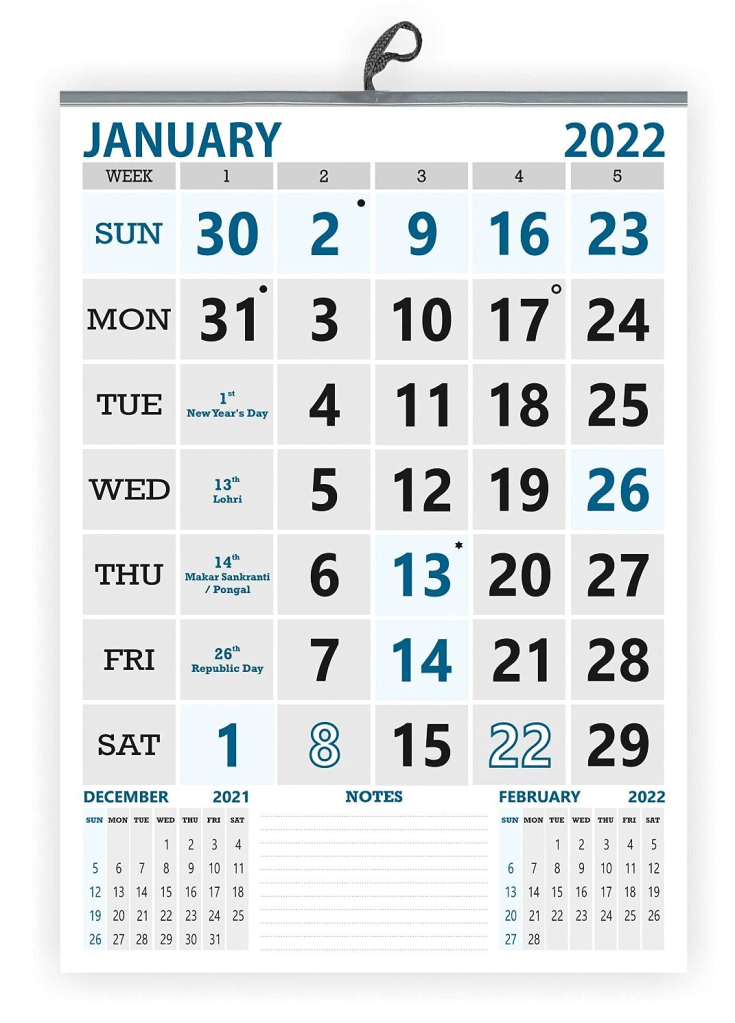
Find any day when date is given

Pre requisites:

365 days 52weeks + 1 odd day

366 days 52weeks + 2 odd days


mon code: 0

sun code: 1

tue code: 2

wed code: 3

thu code: 4

fri code: 5

sat code: 6

28 days in month     code: 0

29 days in month    code: 1

30  days in month   code: 2

31  days in month   code: 3

400 years    code: 0

200 years    code: 3

100 years    code: 5

300 years    code: 1

100th year example:

24leap years + 76 normal years

24*2(as 2 odd days in leap year i.e. 366 days 52weeks + 2 odd days)+ 76*1(as only odd day in normal year i.e. 365 days 52weeks + 1 odd day)

hence,

24*2 + 76*1

48+76

124

1. 15th aug 1947

1946 + JAN + FEB + MAR + APR + MAY + JUN + JUL + 15

             3+0+3+2+3+2+3+15 = 31

1946

1600+300+46

0+1+57=58

58+31=89

46

11+35

11*2+35*1

22+35= 57

11 FEB 2002

2001+ JAN + 11

           3+11=14+1 = 15 =15/7= 1 MONDAY

2000 + 1

0 + 0LP+1NLP

0+0+1=1

03 NOV 1975

1974 + J+F+M+A+M+J+J+A+S+O+3

             3+0+3+2+3+2+3+3+2+3+3= 27

1600+300+74

0+1+ 18LP+56NP

1+18*2+56*1

37+56

Find the day for the date 26/07/1987 and post your answer in the comments

Patriotism and India

Mother and motherland are superior to heaven.

The feeling of unconditional love and immense respect that led our forefathers to set us free from the evil clutches of the British Raaj.

The feeling of selflessness and undying devotion which encourages a soldier to sacrifice his life for the nation.

It is this patriotism, that changes mere zeros to superheroes, murders to martyrs, and sinners to saints.

My country right or wrong,

If right to be kept right and if wrong to be set right.

Should be the voice of a true patriot.

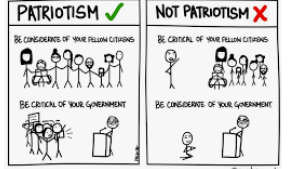
Our country is right in many things and not right in some things. We should be the ones to set it right.

In the pre-Independence days stepping out of one’s house, with one’s head held high was a dream for a common man. But it was the patience, persistence and sacrifice of our brave men and women which made this dream a reality.

Today corruption, poverty, unemployment, intolerance, communalism, gender inequality and many such issues are making it difficult for our country to stand high in the global ranking. Now it is our responsibility to carry the legacy of our forefathers and take part in building the nation.

And the key to this is,

“sabka saath, sabka vikas, sabka vishwas, sabka prayas”.

” karna hai vikas,

chaahiye sabka saath,

kisi ka na tute vishwas,

iskeliye karengey prayas.”

India is the largest democratic country which ensures justice, liberty and equality to all her citizens.

The great leaders who framed our Constitution took the best ideas and principles from different countries so that we could have the best form of government. And for this democracy to flourish, it requires a certain level of ability, character and awareness from a common man.

It needs people’s participation, which is the key to nation building.

Where even the basic needs like health care and nutrition of people are not met,

Where there is discrimination based on caste, religion, language and economic background,

People’s participation is possible only when there is patriotism, feeling of oneness, and sense of national identity among the citizens.

It is our responsibility to work towards the betterment of our country with feeling of oneness and sense of patriotism.

Together we grow tall, divided we fall.

Religious tolerance

“Light is good, no matter from what lamp it comes.”

~Dr. Sarvapalli Radhakrishnan

Human values, equality, social justice are the real values of all religions.

Good ideas and teachings are found in all the faiths of the world.

Religious tolerance is a unique feature of Indian people.

Our forefathers wanted to build a national character with chief facet of mutual tolerance.

Gandhiji put our secular nature in a nutshell,

“I do not wish my country to be walled in from all sides or want its windows shut; I wish the breeze of all the lands to blow in!”

Mahatma Gandhi

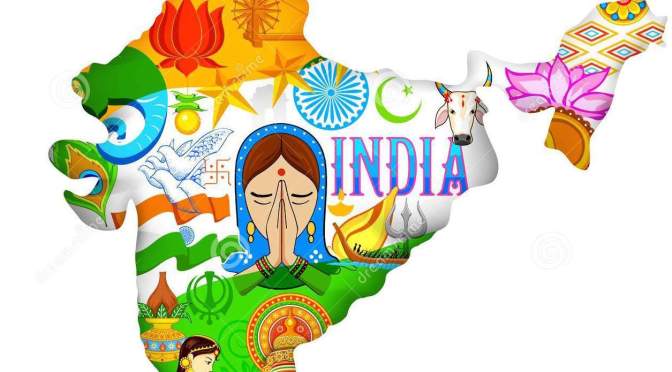
India has a rich cultural tradition. There is a harmonious blend of art, religion and philosophy in the Indian culture. They are so beautifully interwoven in the fabric of Indian way of life. It is only the dynamism and the flexibility of Indian culture that enabled it to survive the foreign invasions and retain its originality and traditional character even after imbibing the best of these external influences.

Indian people, by nature tolerant and fatalists, did not anytime ridicule the traditions of foreign civilizations. On the other hand, Indian mind has assimilated much of the thinking of the other cultures, thus enriching itself and thereby becoming unique in its character. Today, it is the uniqueness which attracts the Western societies to the Indian culture. Disillusioned with their materialistic lives, they turn to India for solace and peace.

We should remove the geographical, political, cultural and linguistic blockades and stand together for the well- being and prosperity of our nation.

The biggest religion is humanity and our country India will always favor this.

Patriotism in today’s world?

Patriotism is not necessarily doing great things but doing small things in a great way.

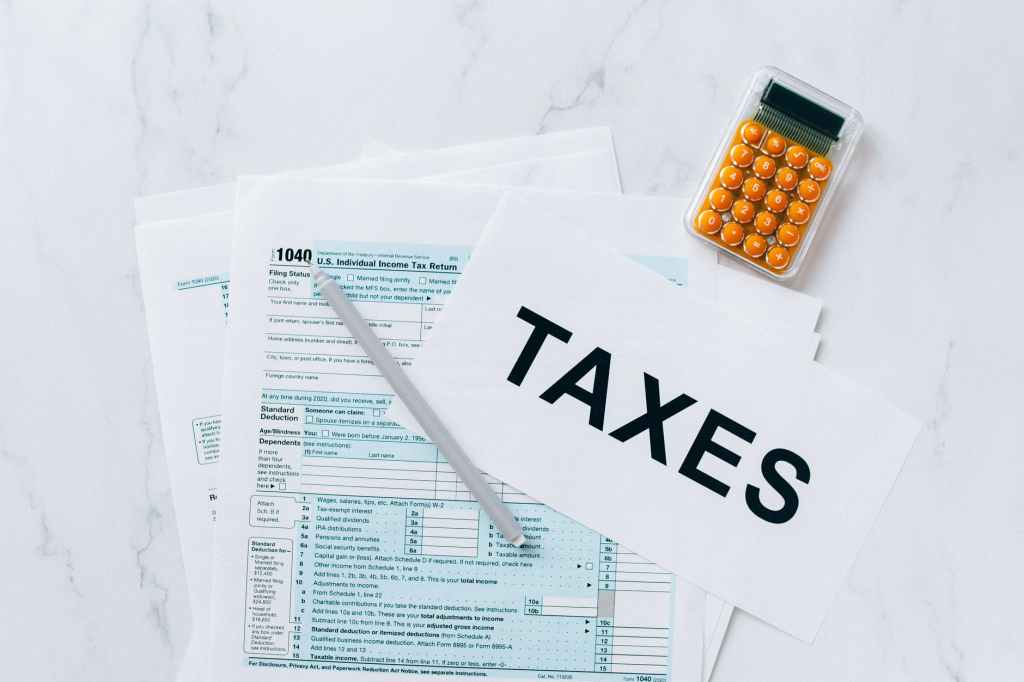
Paying taxes on time, will ensure proper functioning of government.

Photo by Nataliya Vaitkevich on Pexels.com

Performing our duties with sincerity, will help our society

casting our vote, will ensure right government

Photo by cottonbro on Pexels.com

keeping our surroundings clean, will prevent the spread of diseases

Vidhya dhaan Rakth dhaan Anna dhaan ang dhaan, will help the people in need

Planting trees, will protect the environment

Purchasing ‘Make in India’ products, will increase the nation’s economy.

These small deeds will ultimately contribute to nation building.

The way we all faced this pandemic together is the best recent example of patriotism.

Through its Vaccine Maitri, India has donated and supplied 66 million vaccines and essential medicines to countries across the globe.

And, as part of the neighbourhood first policy, India evacuated the citizens of Maldives and Bangladesh from Wuhan.

Yes, ‘Vasudeva Kutumbakam’, the whole world is one family. My country India practices what it preaches.

Let us also practice what we preach and work sincerely to make India a self – reliant and a developed nation, together with the loyal legislature that makes laws, accountable executive that carries out the laws and trustworthy judiciary that evaluates the laws.

Major tasks of Data Science

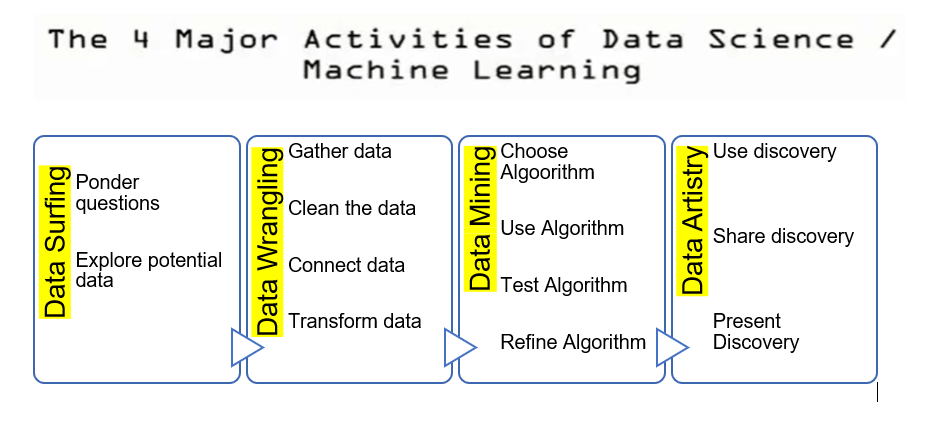
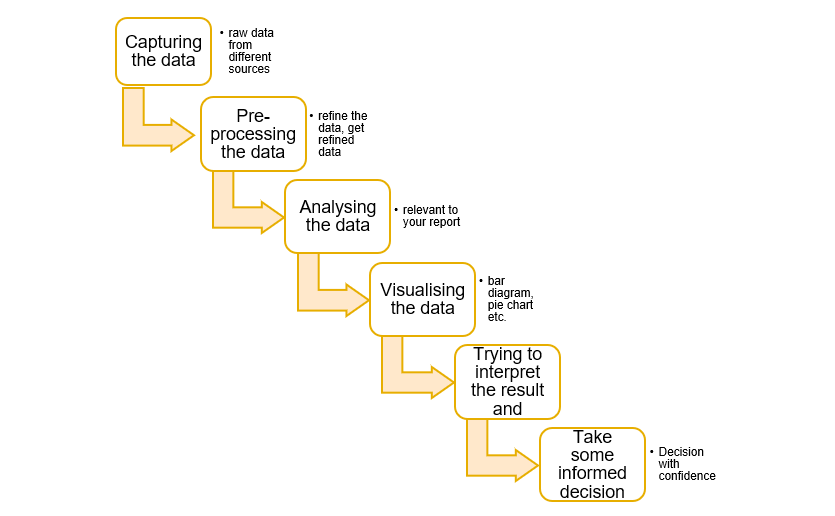
Data science involves a plethora of disciplines and expertise areas to produce a holistic, thorough and refined look into raw data. Data scientists must be skilled in everything from data engineering, math, statistics, advanced computing and visualizations to be able to effectively sift through muddled masses of information and communicate only the most vital bits that will help drive innovation and efficiency.

Data scientists also rely heavily on artificial intelligence, especially its subfields of machine learning and deep learning, to create models and make predictions using algorithms and other techniques. 

Reference

https://builtin.com/data-science